
Crypto World
US Charges 3 Men in Failed Bitcoin Robbery Tied to Crypto Theft



US prosecutors have charged three Missouri men for allegedly joining a 2024 plot to rob a Connecticut man of hundreds of millions of dollars in stolen Bitcoin (BTC) by threatening his family.
The US Attorney’s Office for the District of Connecticut announced the indictment on August 4. Sedric Louis, 32, John Davis, 34, and Martel Williams, 27, are all from St. Louis.
Robbery Plot Sought to Force Bitcoin Transfer Through Family
Prosecutors say the intended target had participated in the theft of hundreds of millions of dollars in Bitcoin. According to the indictment, the plot’s coordinators allegedly recruited the trio to steal some of the Bitcoin.
Between August 21 and August 24, 2024, the men traveled to Connecticut. They obtained rental vehicles and supplies, including air rifles and walkie-talkies.
The group then stalked the target and his parents over two days. They planned to force their way into the family home and demand the transfer of the stolen cryptocurrency. The funds would move into accounts controlled by the scheme’s coordinators.
However, the three men abandoned the plan and left the state. Prosecutors say they feared home security cameras had captured them and grew frustrated by poor communication with co-conspirators.
Follow us on X to get the latest news as it happens
Kidnapping Followed Days Later
Shortly afterward, another crew from Florida arrived to carry out the plan. On August 25, 2024, Danbury Police arrested six Florida men over a violent carjacking of a Lamborghini Urus. The attackers allegedly beat and kidnapped the target’s parents during the carjacking.
Alleged coordinators James Schwab, Adam Iza, and Saif Faiq were charged earlier. A grand jury in New Haven returned the second superseding indictment against the Missouri trio on May 22, 2026. Each man faces a Hobbs Act robbery conspiracy charge carrying up to 20 years in prison.
Louis and Davis have remained in custody since their arrests on June 25, 2026. Both pleaded not guilty in Bridgeport federal court on July 30. Williams entered a not guilty plea on July 17 and was released on bond.
Meanwhile, US Attorney David X. Sullivan stressed that an indictment is not evidence of guilt. The six Florida men arrested over the kidnapping have already pleaded guilty, according to earlier statements from the authorities.
Subscribe to our YouTube channel to watch leaders and journalists provide expert insights
The post US Charges 3 Men in Failed Bitcoin Robbery Tied to Crypto Theft appeared first on BeInCrypto.

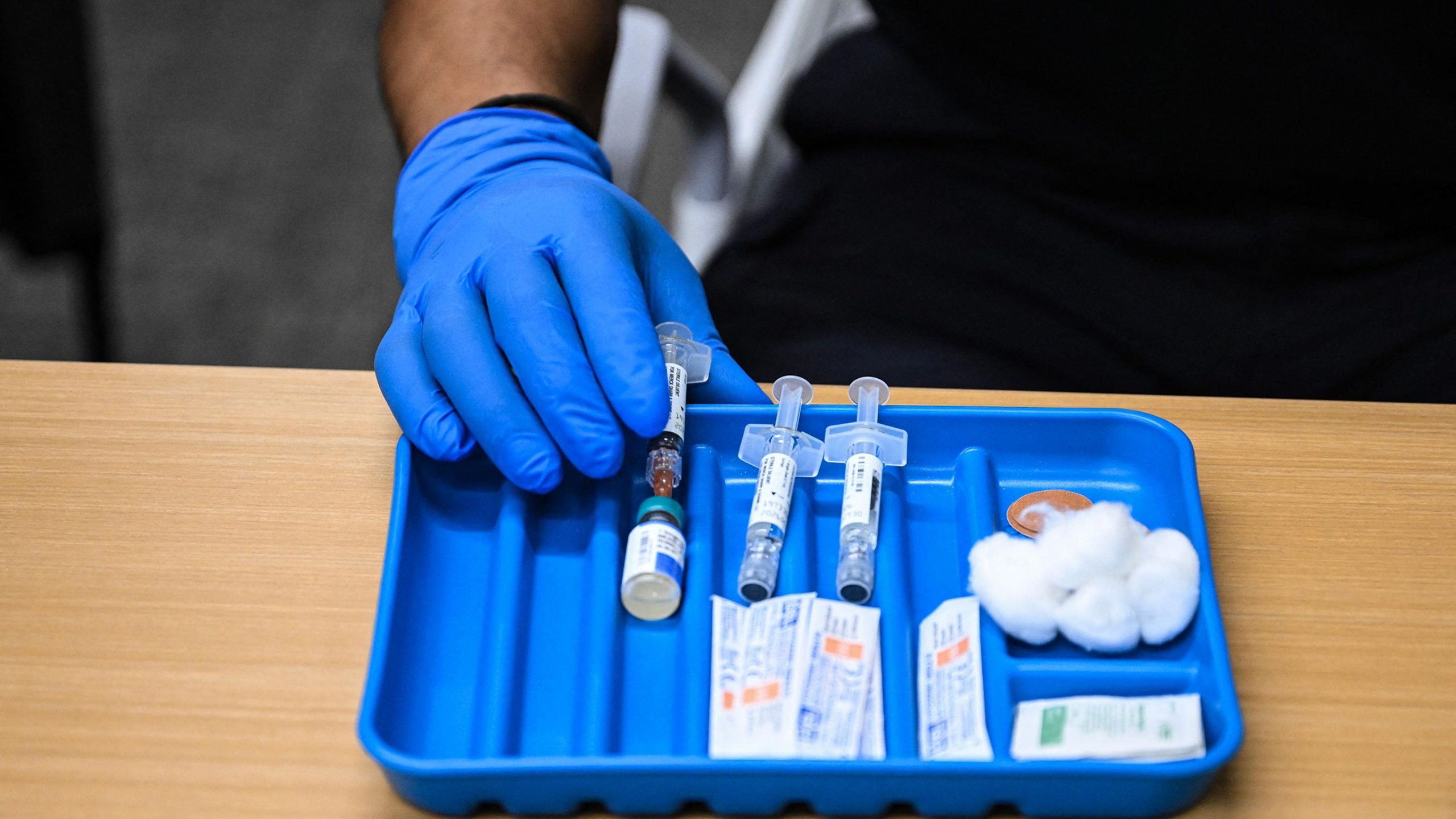
And innovators are applying technology to problems that public health and health care have struggled to solve at scale. While it is too early to call them success stories, they are steps in the right direction. This month, the Coalition for Health AI launched PULSE, bringing public health agencies at state, tribal, local, and territorial levels together with technology companies to test responsible use cases of generative AI ranging from biosurveillance to multilingual communication. OpenAI and Anthropic are providing access to their technology, and lessons from participating health departments will be shared so others can build on what works. Akido is using AI to help street medicine teams care for hard-to-reach populations, using technology to increase the number of patients each clinician can see while maintaining strong retention in care and addressing public health concerns such as substance use. Jimini Health is using technology-enabled AI models made for mental health to extend care between visits, engaging patients between sessions while giving clinicians visibility into progress and allowing clinicians to prioritize what the models work on with patients.
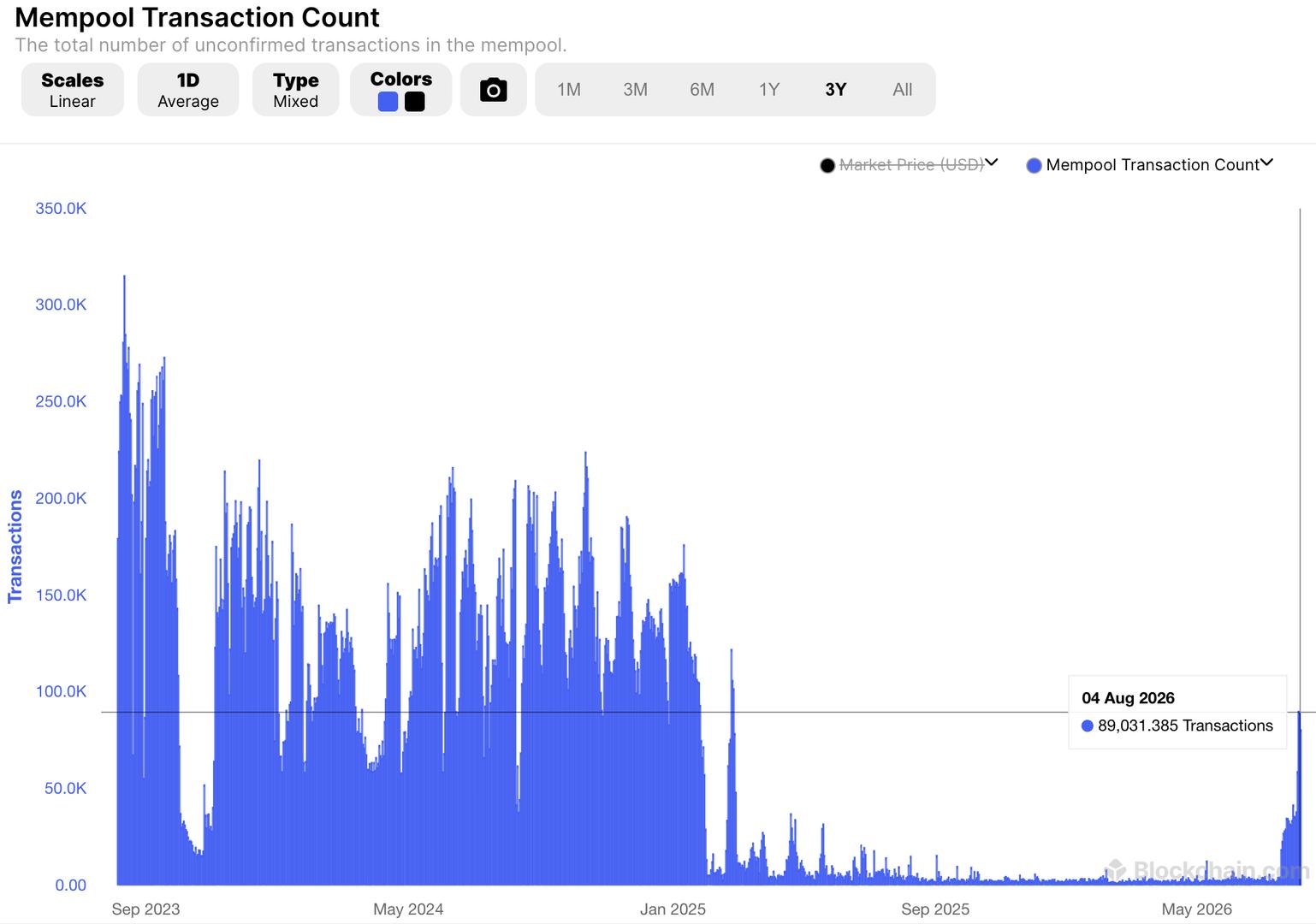
Increasing network activity is often said to support valuations for the network’s native coin, bitcoin . So far, the token has neither rallied nor dropped significantly and remains boxed in the recent range of $62,000–$65,000.
Analysts continue to point to the fate of the Clarity Act as the immediate catalyst while citing longer-duration government bond yields as a more macro and longer-lasting one.
“CLARITY is still the immediate policy binary. The Senate has a three-day window before its August 10 recess, while the implied probability of passage by year end has fallen to 23% from around 75% in mid-May. A push to attach prediction-market restrictions adds another process risk,” analysts at Marex said.
Meanwhile, Bitfinex said the bullish macro case for bitcoin could collapse if the real or inflation-adjusted yield on the U.S. 10-year Treasury note tops 2.5%.
“The 10-year real yield has not stayed above 2.5% since before Bitcoin existed, so there is no price history above that line. It is now at 2.41%, nine basis points below,” the exchange said.
Stay alert!
Read more: For analysis of today’s activity in altcoins and derivatives, see Crypto Markets Today . For a comprehensive list of events this week, see CoinDesk’s “Crypto Week Ahead.”


Key takeaways
- Ethereum traded sideways as mixed on-chain activity reflected uncertainty among investors.
- Whale wallets holding 10,000–100,000 ETH accumulated a net 130,000 ETH over the past week.
- Smaller wallet cohorts collectively reduced their holdings by approximately 360,000 ETH.
Ethereum (ETH) continued trading sideways on Tuesday as whale accumulation was offset by selling among smaller wallet cohorts and subdued institutional demand.
On-chain indicators reflect mixed sentiment, with larger investors returning to accumulation while other holders reduce their exposure near break-even prices.
Ethereum whales accumulate 130,000 ETH
Wallets holding between 10,000 and 100,000 ETH added a net 130,000 ETH over the past week. The increase marked the cohort’s first significant inflow in almost three weeks.
The renewed whale accumulation suggests that some large investors view Ethereum’s current price range as an opportunity to increase their holdings.
However, selling among smaller investors outweighed those purchases, limiting ETH’s ability to establish a clear upward trend.
Wallets holding between 1,000 and 10,000 ETH reduced their combined balance by approximately 230,000 ETH after remaining relatively stable during the previous two weeks.
Investors holding between 100 and 1,000 ETH also sold roughly 130,000 ETH. This cohort has steadily reduced its Ethereum holdings throughout the year.
Together, the two groups recorded net outflows of approximately 360,000 ETH over the past week—nearly three times the amount accumulated by whale wallets.
Ethereum’s Spent Output Profit Ratio hovered between 0.98 and 1.01 during the past week.
SOPR measures whether recently transferred assets were moved at a profit or loss. A reading near one indicates that most investors sold close to their acquisition price.
The data suggests that many holders may be exiting Ethereum positions once prices return to break-even levels rather than waiting for a sustained recovery.
Ongoing geopolitical uncertainty and the Federal Reserve’s moderately hawkish position may be contributing to the cautious sentiment across financial markets.
Ethereum’s Exchange Netflow remains negative, meaning more ETH is still leaving exchanges than entering them. However, the indicator has risen from approximately -34,000 ETH to -4,000 ETH since mid-July.
Negative exchange flows are typically viewed as constructive because withdrawals reduce the amount of ETH immediately available for sale. The movement toward zero suggests that this bullish spot-market pressure is weakening, although only gradually.
The slowdown comes amid reports that the wider cryptocurrency market is experiencing some of its lowest trading volumes since November 2023. Weak activity indicates that investors remain reluctant to take a strong directional position.
Net Realized Losses also increased on Monday, suggesting that most ETH moved at the start of the week was transferred at a loss.ins Weak
Institutional demand for Ethereum remains subdued. US spot ETH exchange-traded funds attracted $27.42 million in net inflows last week.
However, the products returned to negative territory on Monday, recording combined net outflows of $11.42 million.
The reversal highlights inconsistent institutional demand and provides limited support for a sustained ETH price recovery.
Ethereum trapped between key moving averages
Ethereum recorded $17.77 million in liquidations over the past 24 hours, including $11.77 million in short positions.
On the daily chart, ETH remains trapped between the 50-day Exponential Moving Average at $1,851 and the 20-day EMA at $1,869. This narrow range reinforces the neutral short-term outlook.
The 100-day EMA at $1,931 and a previously broken ascending trend line near $1,948 present additional resistance.
The Relative Strength Index stands near 51, reflecting balanced momentum between buyers and sellers. Meanwhile, the Stochastic oscillator near 29 suggests momentum is stabilizing following the recent pullback rather than developing a decisive trend.
A daily close above the 20-day EMA at $1,869 could allow ETH to challenge the 100-day EMA at $1,931 and the former trend-line support near $1,948.
Further buying pressure could bring resistance at $1,961 into focus. A sustained breakout above this area would expose higher targets at $2,172 and $2,431.

On the downside, immediate support lies at the 50-day EMA of $1,851, followed by the horizontal level at $1,809.
A decisive break below $1,809 would weaken the neutral structure and could send ETH toward $1,701. More substantial selling pressure could expose the deeper support level at $1,507.

The press release stated that the individual, later identified as Jeanine John Taele, 38, was seen wandering around the golf course while wearing an earpiece and taking photographs and videos of federal agents’ security-planning activities.
Taele returned to the golf course Sunday afternoon, prompting staff to alert federal agents, according to the press release, which alleged that Taele approached the federal agents and claimed the State Department hired him as part of a security detail.
Agents then contacted the Los Angeles County Sheriff’s Department, according to the U.S. Attorney’s Office press release. When they arrived at the club, the Sheriff’s Department deputies learned that Taele was wanted in connection with a 2025 robbery case out of El Segundo, Calif., before they detained him.
Deputies found a magazine with ammunition from Taele’s pants pocket, the U.S. Attorney’s Office said, adding that a subsequent search of his pick-up truck in the golf club’s parking lot yielded a loaded pistol, an additional loaded magazine, a pair of binoculars, and a badge that read, “security protection agent.”
Circle has announced that its Arc blockchain will launch on the public mainnet on Sept. 16, with BlackRock, DTCC, Mastercard, Visa, Standard Chartered, and other global financial institutions serving as founding validators.
Summary
- Circle has scheduled the public mainnet launch of its Arc blockchain for Sept. 16 with BlackRock, DTCC, Visa and other financial institutions joining as founding validators.
- BlackRock plans to deploy its BUIDL tokenized money market fund on Arc while DTCC is preparing to integrate DTC tokenized assets with the network from the second half of 2027.
- Arc is operating on a private mainnet with more than 100 institutional and ecosystem participants ahead of its public launch.
- Circle will introduce AI developer tools, tokenized asset management services and a composable application framework alongside the network’s launch.
According to Circle, Arc is currently running on a private mainnet with more than 100 institutional and ecosystem participants, ahead of its public mainnet launch scheduled for Sept. 16.
The company said BlackRock, The Depository Trust & Clearing Corporation (DTCC), Galaxy, Global Payments, ICE, Mastercard, MoneyGram, SBI Group, Standard Chartered, Sumitomo Corporation and Visa will join Circle as the network’s founding validators, helping secure and govern the blockchain from launch.
Arc launches with financial institutions as validators
Circle said the validator model is designed around institutions that are also building on the network rather than relying on independent operators. According to the company, the structure is intended to meet the operational, compliance and security requirements expected of financial market infrastructure while supporting open blockchain applications.
The announcement also confirms that Arc has moved into a private mainnet phase after earlier operating through a public testnet. Circle had previously said more than 100 organizations, including banks, asset managers and blockchain companies, were testing the network before launch.
Mastercard Chief Product Officer Jorn Lambert said the future of payments will depend on different payment rails and forms of value working together rather than a single network. He said Mastercard’s role as a founding validator aligns with its work to connect blockchain-based payment systems with traditional financial infrastructure.
MoneyGram Chairman and CEO Anthony Soohoo said the company joined Arc because it views compliant blockchain infrastructure as necessary for stablecoins to support real-world money movement. Standard Chartered Global Head of Transaction Services and Digital Assets Ole Matthiessen said institutional adoption of digital assets requires infrastructure that satisfies regulatory and operational standards, adding that the bank views Arc as infrastructure for secure onchain financial applications.
Visa Global Head of Growth Product and Partnerships Rubail Birwadker said the company expects trusted blockchain infrastructure to support the expansion of onchain payments and confirmed Visa will participate as a network validator.
BlackRock and DTCC plan Arc integrations
Circle also detailed several institutional integrations expected to accompany Arc’s public mainnet launch.
BlackRock plans to deploy its BlackRock USD Institutional Digital Liquidity Fund (BUIDL) on Arc using the network’s native USDC integration. According to Circle, institutional investors will be able to subscribe, redeem and deploy fund assets within a single onchain environment.
Robert Mitchnick, BlackRock’s Global Head of Digital Assets, said the deployment aligns with the growing role of stablecoins in financial markets.
“Stablecoins and tokenized assets are inextricably linked within the future of financial market infrastructure. Purpose-built rails like Arc can support faster settlement, improved collateral mobility, and broader institutional adoption of digital assets.”
Circle is also collaborating with DTCC to enable tokenization of assets held at The Depository Trust Company (DTC) on Arc beginning in the second half of 2027.
According to the company, the integration is intended to let market participants use third-party applications on Arc for stablecoin-native settlement outside of DTC while referencing DTC-tokenized assets. Circle added that the assets will continue to provide investors with the same rights and protections as traditionally held securities.
The company said the planned integration supports DTCC’s multi-chain strategy, which focuses on accelerating settlement, extending trading hours, improving asset mobility and reducing operational costs through distributed ledger technology.
Arc expands ecosystem before public mainnet
Circle said several decentralized finance protocols, payment providers, exchanges and wallet companies are preparing to support the network when it launches.
According to the announcement, Aave, Aerodrome, FalconX, Galaxy, GSR, Keyrock, Morpho, Nonco, Uniswap and XFX are expected to provide borrowing, trading and liquidity services on Arc.
Payment providers including Rain, Thunes and Wirex are preparing to route stablecoin payment and settlement activity through the network. Circle also listed Binance Wallet, Chainlink, Fireblocks, Kraken, Ledger, MetaMask, Uniswap Labs and Upbit among wallet and infrastructure providers expected to support access to USDC, custody services and cross-chain asset transfers.
Jeremy Allaire, Circle’s co-founder, chairman and CEO, said the combination of institutional validators and more than 100 enterprise and ecosystem builders already operating on Arc’s private mainnet positions the blockchain for its Sept. 16 public launch.
Arc builds on earlier institutional roadmap
The latest announcement extends Circle’s institutional strategy for Arc that has been developing throughout the year.
In May, Circle launched the Arc blockchain initiative alongside a $222 million ARC token presale that valued the network at $3 billion on a fully diluted basis. At the time, the company described Arc as a public blockchain built for institutional finance with USDC serving as its native gas token, alongside features including sub-second finality, EVM compatibility and opt-in privacy.
Circle later introduced Arc Privacy, a confidential smart contract engine that allows businesses to keep selected transaction data and contract activity private while preserving access for compliance reviews and audits. According to the company, the technology is intended for institutional workflows such as treasury management, payroll, lending, tokenized assets and consumer payments.
Earlier in April, Circle also published a multi-stage quantum resilience roadmap for Arc. The company said quantum-resistant wallets and signature schemes would be available when the network launches, with additional protections for validators, infrastructure and off-chain systems planned in later phases.
Circle said it will introduce additional products alongside the Sept. 16 public mainnet launch, including a composable application framework for common onchain workflows, AI-assisted developer tools, services for issuing and managing tokenized real-world assets, and interfaces designed for developers, users and autonomous software agents operating on the Arc network.

Key takeaways
- Pi Network is testing a breakout from a short-term triangle near $0.085.
- RoboPay has added Pi Network as a payment partner for robot-based services.
- PI futures Open Interest increased to $8.82 million, indicating steady speculative demand.
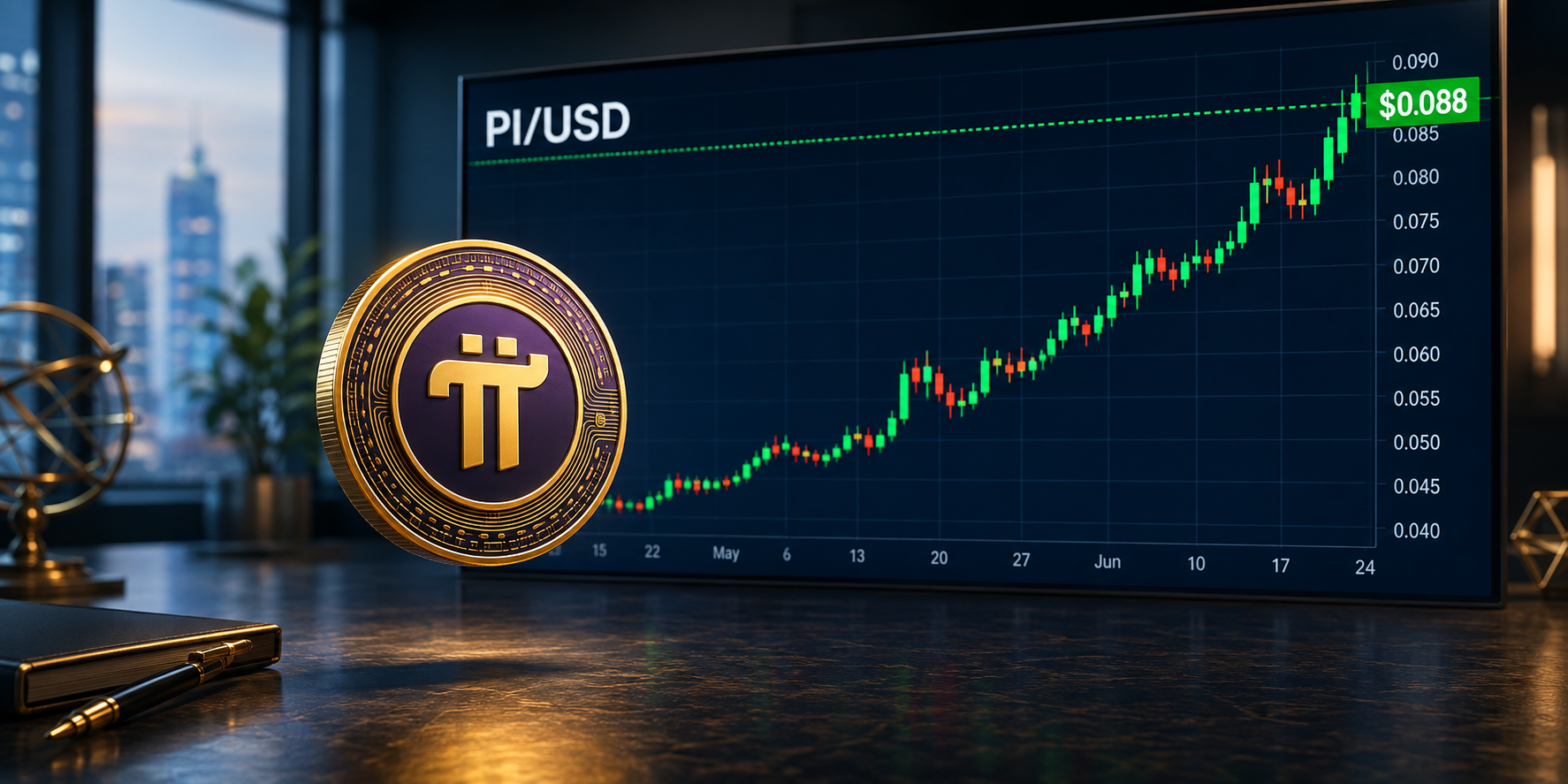
Pi Network (PI) edges higher on Wednesday as the token attempts to break out of a short-term triangle pattern near $0.085.
The recovery comes amid improving momentum indicators, steady derivatives demand, and a new payment partnership with RoboPay. However, PI remains confined within a broader falling channel and must overcome resistance near $0.09 to establish a stronger bullish trend.
RoboPay adds Pi Network as payment partner
Fabric Foundation announced on Wednesday that Pi Network had joined RoboPay as a payment partner.
The integration will allow Pi users to pay for robot-powered services using PI tokens. Potential applications include deliveries, security patrols, inspections, and services performed by humanoid robots.
The partnership represents another potential real-world use case for PI and could support adoption if the services gain traction among Pi Network users.
However, the longer-term effect will depend on the scale of RoboPay’s operations, user demand and the availability of supported services.
Speculative demand for Pi Network remains relatively stable this week. CoinAnk data shows that PI futures Open Interest increased to $8.82 million on Wednesday from $8.51 million the previous day.
The increase indicates that the value of active perpetual futures contracts is rising as traders build new positions. While this signals growing market participation, Open Interest alone does not reveal whether those positions are predominantly bullish or bearish.
Pi Network tests triangle resistance
PI is extending its modest recovery and testing the upper resistance trend line of a short-term triangle pattern near $0.085.
The triangle has developed within a larger descending channel, meaning the token remains under pressure from the broader bearish structure. An additional downtrend line near $0.09 strengthens the resistance zone immediately above the current price.
A confirmed breakout from the smaller triangle would improve the near-term outlook, but PI must surpass the wider resistance cluster near $0.09 to restore a more convincing bullish trend.
The Moving Average Convergence Divergence and its signal line are trending modestly higher, pointing to early signs of improving upside momentum.
Meanwhile, the Relative Strength Index has recovered to 44. Although it remains below the neutral 50 level, its upward movement indicates that bearish momentum is beginning to fade.
The indicators support a mildly bullish short-term bias but do not yet confirm that buyers have regained full control.
A decisive close above the overhead trend lines around $0.09 could strengthen PI’s recovery and bring the 127.2% Fibonacci extension at $0.0961 into focus.

Clearing that level would provide further evidence that the short-term trend is shifting in favor of buyers.
If PI fails to break above the triangle and descending-channel resistance, the token could retreat toward the record low of $0.07. This support area is reinforced by the 161.8% Fibonacci extension at $0.0679.
A sustained break below that zone would invalidate the developing recovery and signal a continuation of the broader downtrend.


Boerse Stuttgart Digital and institutional crypto trading firm Tradias have completed their merger after receiving regulatory approval for the required ownership control procedure, creating a combined digital asset business with about 300 employees.
Summary
- Boerse Stuttgart Digital and Tradias have completed their merger after securing regulatory approval, creating a digital asset business with about 300 employees.
- The combined company will provide institutional trading, custody, staking and tokenization services while Tradias continues as the trading brand.
- The merger builds on Boerse Stuttgart’s institutional crypto expansion, including its partnership with DekaBank and the rollout of its Seturion settlement platform.
- Tradias contributes trading and market making across more than 150 digital assets and serves banks, brokers and government institutions across Europe.
An announcement released on Wednesday said the deal, first unveiled in February, has now closed following completion of the required ownership control procedure, bringing the two regulated crypto businesses under a single structure focused on institutional clients across Europe.
The combined company will operate under the Boerse Stuttgart Digital name, while Tradias will continue as the dedicated brand for trading services. Together, the business will offer trading, custody, staking and tokenization services for banks, brokers and other financial institutions.
Operations will be managed from Frankfurt and Stuttgart, supported by teams in Athens, Beirut, Berlin, Dubai, Madrid, Milan and Ljubljana. Tradias founder Christopher Beck and Boerse Stuttgart Digital managing director Ulli Spankowski have been appointed co-chief executives of the merged business.
Financial terms of the transaction were not disclosed.
Institutional crypto services expand under one business
By combining their operations, Boerse Stuttgart Digital and Tradias are bringing together regulated trading infrastructure with custody and digital asset services already used by several European financial institutions.
Boerse Stuttgart Digital counts institutions including DZ Bank, DekaBank, Intesa Sanpaolo and Société Générale-FORGE among its clients. Tradias, meanwhile, provides trading and market-making services covering more than 150 cryptocurrencies and other digital assets while serving customers including flatexDEGIRO, dwpbank and European government institutions.
Earlier this year, DekaBank partnered with Boerse Stuttgart Digital to launch cryptocurrency trading services for institutional investors. At the time, the bank relied on Boerse Stuttgart Digital’s regulated brokerage and custody infrastructure after the company secured authorization under the European Union’s Markets in Crypto-Assets framework, while DekaBank itself operated with crypto custody approvals from the European Central Bank and Germany’s financial regulator, BaFin.
The institutional focus has continued as European banks gradually add digital asset services under the MiCA regulatory framework.
Boerse Stuttgart has continued building tokenization infrastructure
The merger follows a series of projects by Boerse Stuttgart Group aimed at expanding blockchain-based financial infrastructure beyond cryptocurrency trading.
Last September, the group introduced Seturion, a blockchain settlement platform built for cross-border trading of tokenized assets across Europe. The platform supports both public and private blockchains and allows settlement using central bank money or on-chain digital currencies while connecting banks, brokers, trading venues and tokenization platforms through a shared infrastructure.
Boerse Stuttgart said when Seturion launched that the platform could reduce settlement costs by as much as 90% while giving financial institutions access to tokenized asset trading without requiring each participant to obtain a dedicated distributed ledger technology license.
More recently, Seturion added Société Générale, SG-FORGE and flatexDEGIRO as participants in its settlement network. The expansion brought tokenized structured securities, MiCA-compliant euro and dollar stablecoins, and retail brokerage order flow onto the platform, extending its role in regulated digital securities settlement across Europe.
Nasdaq’s European trading venues are also expected to connect with the settlement network, according to Boerse Stuttgart’s earlier announcement.
Tradias strengthens the group’s trading capabilities
Tradias adds an established institutional trading business to Boerse Stuttgart Digital’s existing regulated infrastructure.
The company offers trading and market-making across more than 150 digital assets and has built relationships with brokers, banks and public sector institutions in Europe. Keeping the Tradias name for trading services allows the merged business to preserve its existing market presence while integrating the companies under a single digital asset organization.
With approximately 300 employees across multiple European and international offices, the combined operation now brings together regulated trading, custody, staking and tokenization services within one institutional platform while continuing to serve existing banking, brokerage and financial market clients.
S&P Global Ratings assigned its highest principal stability fund rating to BlackRock’s new tokenized money market fund.
The ratings provider assigned an “AAAm” rating to the BlackRock Daily Reinvestment Stablecoin Reserve Vehicle (BRSRV) on Monday, citing the creditworthiness of its investments and counterparties, its maturity structure and management’s ability to maintain a stable net asset value.
S&P said it identified “no weaknesses” in its qualitative assessment of BlackRock Advisors’ management and organization, credit research and analysis, risk management and compliance.
The ratings provider also described the fund’s tokenization framework as operationally resilient, citing controls intended to mitigate cyber, smart contract and blockchain network risks. The fund uses a permissioned architecture that restricts transactions to whitelisted wallets.
BRSRV launched on Monday as an open-end management investment company, which seeks to operate so that its shares qualify as eligible reserve assets for payment stablecoin issuers under the GENIUS Act.
The fund will hold cash, US Treasury securities maturing in 93 days or less and overnight repurchase agreements secured by Treasury instruments. It will maintain a weighted average maturity of no more than 60 days and a weighted average life of no more than 120 days.
Related: Jim Cramer plans to sell his Bitcoin over quantum fears as BTC rises 1.6%
USDT remains among S&P’s lowest-rated stablecoins
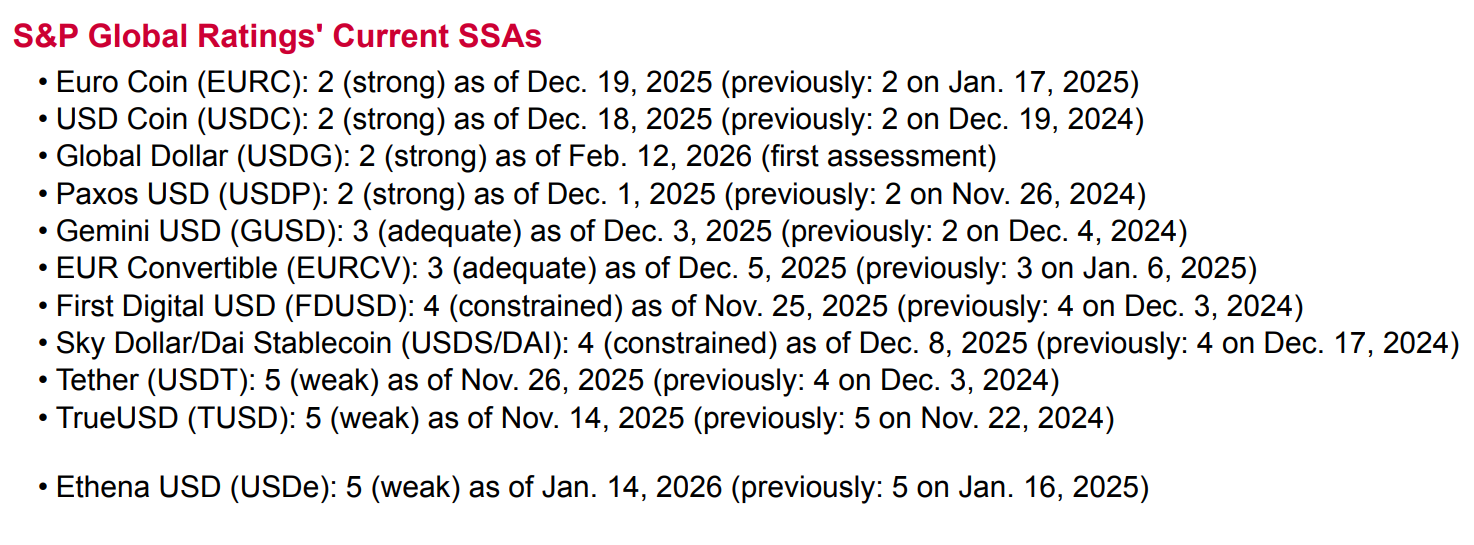
Separately, S&P Global on Tuesday published a summary of its current Stablecoin Stability Assessments, saying six of the 11 stablecoins it covers have an “adequate” or stronger ability to maintain their pegs to fiat currencies.
S&P said two assessments had been revised lower over the previous three quarters, while the other nine remained unchanged.
Tether’s USDt (USDT) remains at 5, or “weak,” after S&P lowered its assessment from 4, or “constrained,” in November 2025. TrueUSD (TUSD) and Ethena USD (USDe) are also assessed at 5.
S&P Global Ratings’ current SSAs. Source: S&P Global Ratings
Euro Coin (EURC), USD Coin (USDC), Global Dollar (USDG) and Paxos USD (USDP) are assessed at 2, or “strong.” Gemini USD (GUSD) and EUR Convertible (EURCV) are assessed at 3, or “adequate.”
First Digital USD (FDUSD) and Sky Dollar/Dai (USDS/DAI) are assessed at 4, or “constrained.”
S&P launched the assessment framework in December 2023. Its analysis considers the assets backing a stablecoin, liquidity, governance, redemption arrangements, legal and regulatory protections, technology dependencies and the issuer’s track record. Assessments range from 1, or “very strong,” to 5, or “weak.”
The AAAm rating assigned to BlackRock’s fund is separate from S&P’s stablecoin assessments. Principal stability fund ratings measure a fixed-income fund’s capacity to maintain a stable net asset value and limit exposure to principal losses due to credit risk.
Magazine: Why Peter Thiel’s Founders Fund walked away from an Ether treasury bet

Eric Halem, a former Los Angeles Police Department officer with 13 years of experience, was sentenced for orchestrating a fake police raid that ended with the theft of $350,000 in BTC from a teenage crypto investor.
Halem was sentenced to life in prison plus another 15 years for his role in the violent home invasion, which became one of the most high-profile crypto-related robbery cases in recent years.
Halem remained a reserve officer at the time of the crime and was convicted of kidnapping and robbery after a jury found that he and several accomplices impersonated actual police officers to gain access to the victim’s apartment in late 2024.
Prosecutors argued that the group entered a high-rise apartment in Los Angeles’ Koreatown while wearing police-identifying vests and carrying LAPD-issued handcuffs. They restrained the teenager and his girlfriend and threatened to shoot them if they didn’t give access to a hard drive containing $350,000 worth of bitcoin.
“It is not that I have a higher standard for Mr. Halem (because he used to be a police officer); it is the facts of this case that are an affront to the court and should be an affront to the public,” commented Los Angeles County Superior Court Judge Mildred Escobedo.
Interestingly, the victim admitted during the process that his BTC earnings came from fraudulent activity, which was the defense’s main counterargument. Escobedo, on the other hand, responded that this doesn’t excuse Halem’s actions and must still be held accountable.
The post Ex-LAPD Officer Gets Life in Prison After Posing as Police to Steal $350K Worth of BTC appeared first on CryptoPotato.
Kansas City Federal Reserve President Jeff Schmid said Tuesday that monetary policy is not restrictive and that returning inflation to 2% will require tighter policy.
His remarks came less than a week after the Fed held interest rates at 3.50%-3.75%, a decision that three officials opposed, favoring a quarter-point hike.
Schmid Sees No Restriction in Current Policy
Speaking at a Kansas City Fed event in Omaha, Schmid said inflation remains his primary concern. This comes as price growth has exceeded the Fed’s target for more than five years.
“Given the strength of demand and investment, I do not see the current stance of monetary policy as restrictive. As such, I believe that bringing inflation down to the Fed’s 2% objective will require tighter policy,” he said.
Schmid also cautioned against treating supply-driven price inflation pressures as temporary. He argued that such shocks produce larger inflation surges when demand stays strong.
Schmid does not vote on rate decisions this year. However, his stance echoes the three dissenters who split the FOMC 9 to 3 last week. The decision has already rattled investors, sending the Dow sliding and 30-year Treasury yields to 2007 highs.
Follow us on X to get the latest news as it happens
Paulson Holds the Line as Markets Price a September Hike
Meanwhile, Philadelphia Fed President Anna Paulson took a different stance, telling CNBC that policy is already mildly restrictive. She estimated underlying inflation between 2.4% and 2.8% once tariff and energy shocks are stripped out.
Still, Paulson left no room for easing. Without further progress, she said, recalibration could mean higher rates or the same rates for longer.
“I’m keeping an open mind about what’s going to be appropriate,” she mentioned.
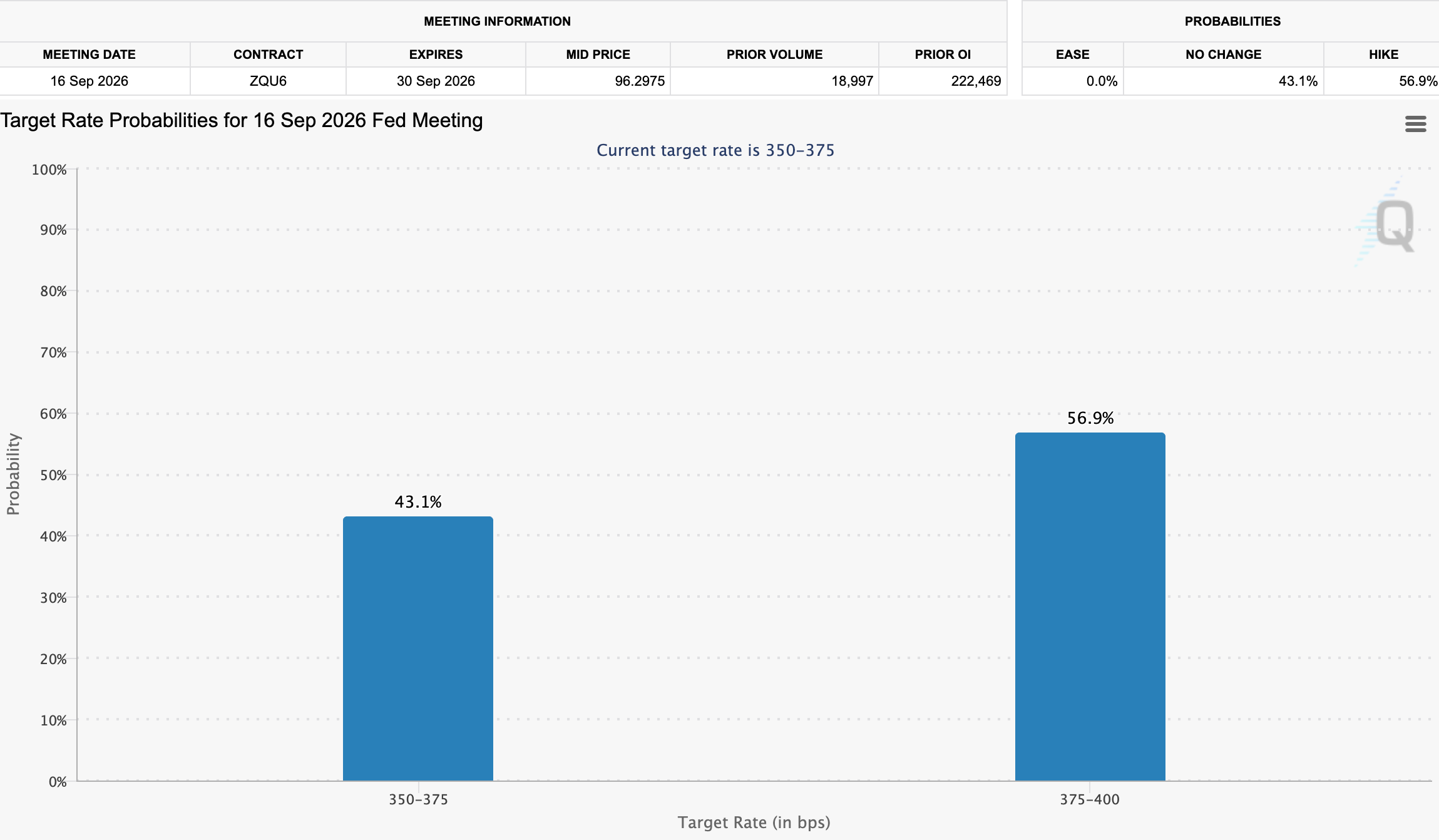
Traders lean toward the hawks. CME FedWatch data show a 56.9% probability of a quarter-point hike in September, rising to 83.2% odds of at least one increase by December.

Whether the hawks prevail may hinge on the next inflation prints. Hotter readings would strengthen Schmid’s case and deepen pressure on rate-sensitive assets, including crypto.
Subscribe to our YouTube channel to watch leaders and journalists provide expert insights
The post Fed’s Kansas City President Says Rates Aren’t High Enough to Beat Inflation appeared first on BeInCrypto.

The Lowest IQ In Financial Audit History

Road still closed after water main burst in Cambridgeshire town

MIKE DAVIS: FCC finally takes on one of Washington’s dumbest media rules


-

 Business7 days ago
Why Trees Belong on the Risk Register
-

 Fashion5 days ago
Weekend Open Thread: Wit & Wisdom
-

 Politics5 days ago
Meta enters AI-training agreement with far-right ‘propaganda rag’ Newsmax
-

 Politics7 days ago
Reform UK betrays West Mids residents by running from party pledges
-

 Politics3 days ago
Zack Polanski: an incitement to murder Nigel Farage?
-

 Crypto World4 days ago
MicroStrategy Post-Earnings CLARITY Act Push Could Add New Catalyst for Its Stock
-

 Crypto World4 days ago
XRP Ledger v3.3.0 brings five institutional features
-

 News Videos6 days ago
Bitcoin Enters the 3rd Stage of the Bear Market
-

 Politics6 days ago
Luke Littler’s dominance sparks GOAT debate
-

 Sports5 days ago
Seema Kaliramna Wins Discus Throw Bronze, Takes India’s CWG Medals Tally To 17
-

 Crypto World4 days ago
New York sues Kalshi over prediction market gambling
-

 Crypto World3 days ago
Crypto PAC spending tops $2M in Michigan House race
-

 Tech7 days ago
Gemini can now summarize the messiest comment threads in Google Docs
-

 Business5 days ago
Trump Announces Hamas Disarmament Agreement as Iran Strikes Kuwait Air Base and US Attacks Pause Overnight
-

 Tech3 days ago
ESET tracks rise in malicious AI skills and adaptable malware
-

 Business2 days ago
DTCR: Deleveraging And A Hedge Fund Collapse Point To A Possible AI Bottom
-

 Tech5 days ago
Gemini Spark can now use Chrome logins and saved passwords to run errands on your behalf
-

 Tech5 days ago
Building A Reproduction PlayStation Motherboard
-

 Crypto World5 days ago
3 Fed Officials Just Explained Their Rate Hike Vote: Is Inflation Winning?
-

 Sports7 days ago
Sakshi, Arundhati Enter Boxing Semi-Finals. India Assured Of 18 Medals At CWG 2026
You must be logged in to post a comment Login