
Crypto World
Why is the crypto market rallying today? (April 14)



The crypto market rose 4.3% on Tuesday, moving above the $2.6 trillion mark after reports emerged that Iran could be considering ending the war, as the U.S. naval blockade on Iranian traffic through the Strait of Hormuz continues to apply pressure.
Summary
- Crypto market cap jumped 4.3% above $2.6T as easing U.S.-Iran tensions boosted risk appetite.
- Bitcoin hit a 4-week high near $74.8K while $430M in short liquidations accelerated the rally.
- Cooling U.S. inflation data strengthened rate cut hopes, further supporting crypto prices.
Bitcoin (BTC) price rallied nearly 6% to a 4-week high of $74,788 today before paring off some of its gains and settling at $74,279 at the time of writing. Ethereum (ETH) was up 8%, perched at $2,363, while other major crypto assets such as BNB (BNB), XRP (XRP), Solana (SOL), and Dogecoin (DOGE) saw gains ranging between 2–5%.
Some of the top gainers of the day were RaveDAO (RAVE) with 86%, Algorand (ALGO) with 9%, and Canton (CC) with 8%. As crypto prices surged, it triggered over $430 million in short liquidations across crypto leveraged markets, forcing bearish traders to buy back crypto assets from the market, which further added upside momentum to the crypto market rally.
The Crypto Fear and Greed Index showed a reading of 54 in the neutral threshold, a sign that market sentiment has relatively eased as signs of potential de-escalation in the Middle East conflict appear.
Crypto prices moved higher today after reports emerged that Iran may be considering abandoning its uranium enrichment plans to negotiate for an end to the U.S.-Iran war. Notably, US President Donald Trump revealed that Iranian officials have called his administration and “want to work a deal.”
This comes just a day after the U.S. enforced a naval blockade on the Strait of Hormuz in an attempt to intercept military vessels moving to and from Iranian ports. However, the blockade excludes non-Iranian vessels, which helped calm immediate fears of a total global supply chain collapse.
The Iranian government, for its part, had earlier accused the US of committing piracy as thousands of Iranians rallied in Tehran against the blockade. They further warned that they would retaliate if any threats were directed against civilian ships and vessels.
Iran’s fresh attempt at diplomacy has reignited hope of a more concrete ceasefire being put in place, which could potentially lead to an end of the war and reopen the strait to normal traffic. Pakistan is reportedly offering to host the next round of talks between te in Islamabad.
Shortly following the news, crude oil prices fell from above $119 yesterday to approximately $88 as G7 and IEA reserve releases hit the market, reducing global inflation fears and favoring risk assets like crypto.
U.S. macro data points to cooling inflation
Crypto prices also benefited from recent macroeconomic data that pointed to moderating inflation trends. Notably, the PCE Price Index, the Federal Reserve’s preferred inflation gauge, released earlier this month, showed inflation holding relatively steady and offered some relief to markets.
Furthermore, JOLTS Job Openings came in below expectations, suggesting a softening labor market, while GDP growth remains steady but controlled.
Taken together, these indicators suggest that inflation pressures may be gradually easing, increasing the likelihood that the Federal Reserve could consider adjusting its policy stance later this year, a backdrop that tends to support risk assets like crypto.
Disclosure: This article does not represent investment advice. The content and materials featured on this page are for educational purposes only.

Venture capitalist Tim Draper recounted his Bitcoin (BTC) history, renewing his call for a $250,000 price target.
The billionaire said his BTC journey began with a failed attempt to buy at $4 per coin. He had arranged for Peter Vessenes to mine Bitcoin using Butterfly Labs chips. However, the manufacturer allegedly used the chips for its own mining before shipping them.
A Series of Losses Led to a Defining Bet
By the time Vessenes received the equipment, BTC had already climbed above $30. The mined coins were stored on Mt. Gox, the dominant exchange at the time.
When Mt. Gox collapsed in 2014, Draper lost his entire position.
The loss prompted deeper research. Draper found that BTC was being used for remittances and paying unbanked workers. That conviction led him to the US Marshals Service auction in July 2014. He bid $632 per BTC and won all nine lots, totaling roughly 29,656 coins.
He then appeared on Fox Business and predicted BTC would hit $10,000 in three years.
That forecast proved accurate almost to the day in November 2017.
Draper Eyes $250,000 Within 18 Months
Draper now suggests BTC could reach $250,000 within 18 months. He cited inflationary pressures and a weakening dollar as tailwinds.
“I have reason to believe that Bitcoin will reach $250k in 18 months… and eventually I expect the number to be higher as Bitcoin rises and the dollar falls to inflationary pressures,” he wrote in his latest post.
However, it is worth noting that Draper has issued a Bitcoin price target of $250,000 in the past, yet BTC has gotten nowhere close in six years.
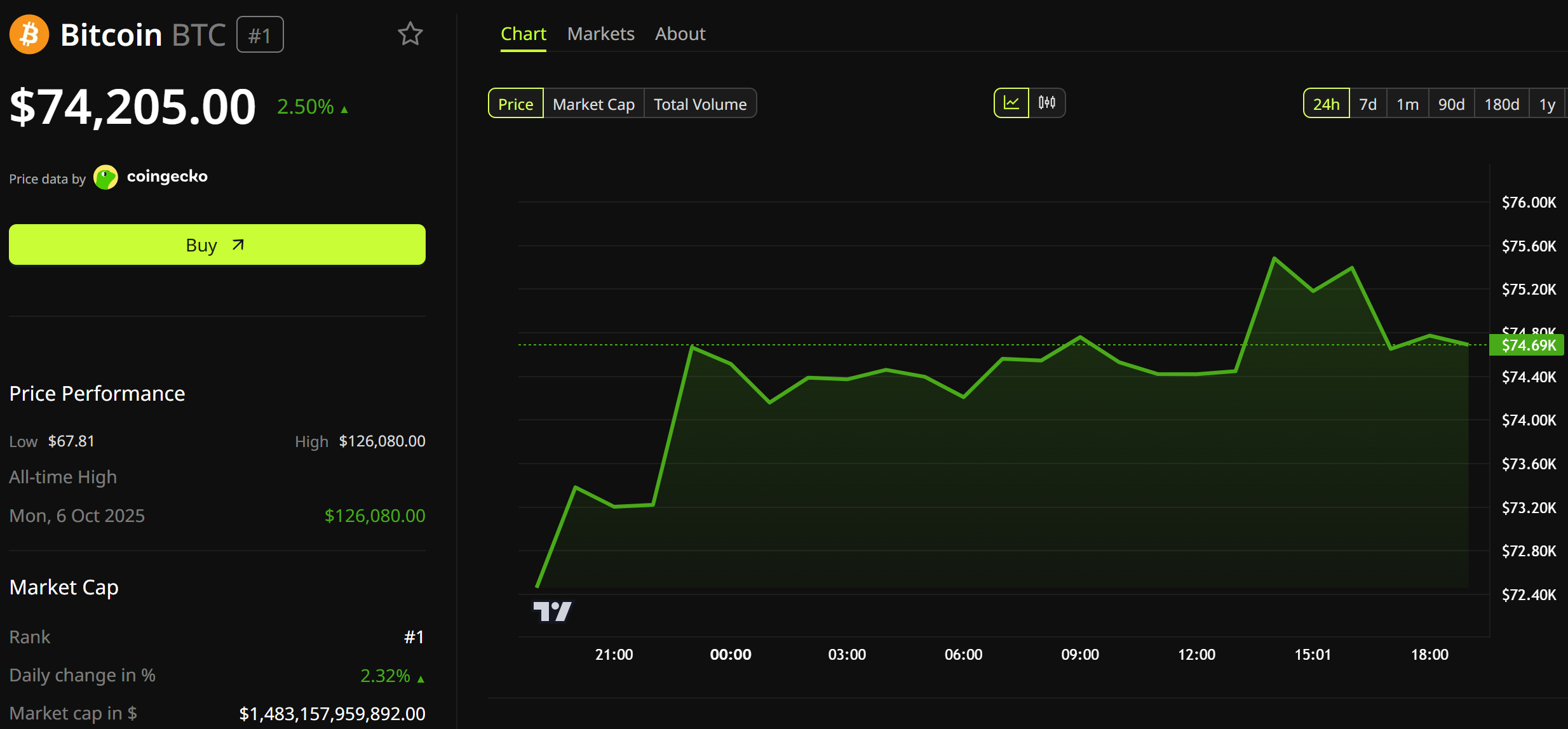
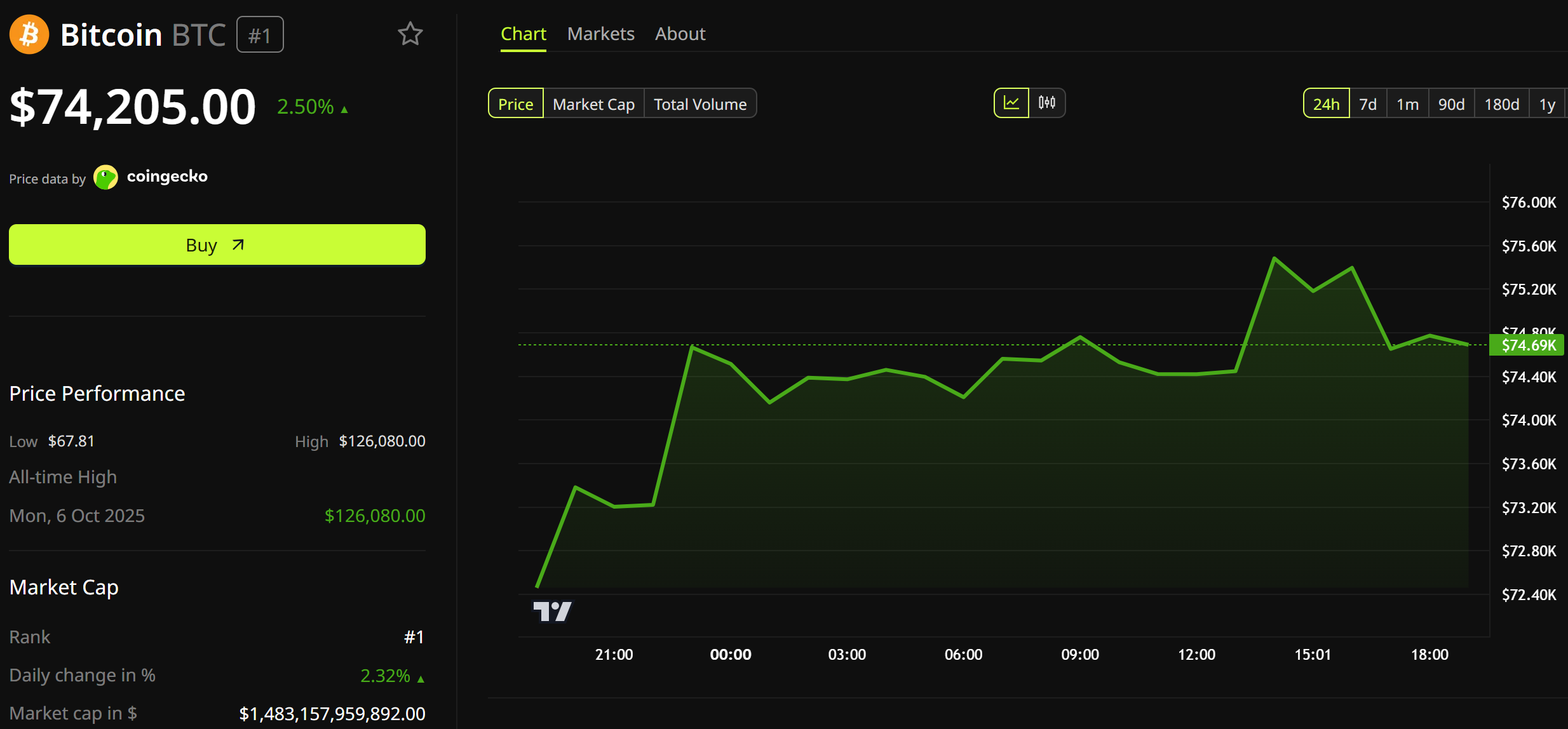
BTC traded near $74,205 at the time of writing. Other prominent voices, including Cardano founder Charles Hoskinson, have also targeted $250,000. That level remains more than three times the current price.
The post Billionaire Tim Draper Predicts Bitcoin Will Reach This Price in 18 Months appeared first on BeInCrypto.


Bitcoin touched $75,900 in mid-morning U.S. trading hours on Tuesday, marking its highest level since before February 5, when the price crashed down to $60,000.
Optimism about developments in the Iran war is sparking solid gains across risk assets and continued declines in oil prices. The Nasdaq was ahead 1.2% and WTI crude was lower by 6% to $93 per barrel.
Crypto-related stocks were higher across the board as well. Strategy (MSTR) was up 7.6, Coinbase (COIN) 6.2%, Circle (CRCL) 11% and Galaxy Digital (GLXY) 8.3%.
Bitcoin miners — most of which have altered their business plans to focus on AI-related data center buildouts — were also making large upside moves, led by the former Bitfarms, now Keel Infrastructure (KEEL), which was up 20.5%. MARA Holdings (MARA) was ahead 5.8% and Hut 8 (HUT) 4.8%.
The broader macro backdrop has also turned more supportive. With the Nasdaq reaching its highest level since early February, ether (ETH) also outperformed bitcoin, underscoring the risk-on tone across markets, said Joel Kruger, market strategist at LMAX Group.
“Overall, the past 24 hours reflect a market that is beginning to show signs of re-engagement,” Kruger said, pointing to improving technicals and broader participation.
The next test for the crypto rally comes at current levels. Kruger said the $76,000 level for bitcoin, where the mid-March rebound rolled over, is a key resistance.
A decisive move above — alongside sustained strength in ether (ETH), the second-largest cryptocurrency — would be key in determining whether the rebound can evolve into a more durable bullish trend, he said.
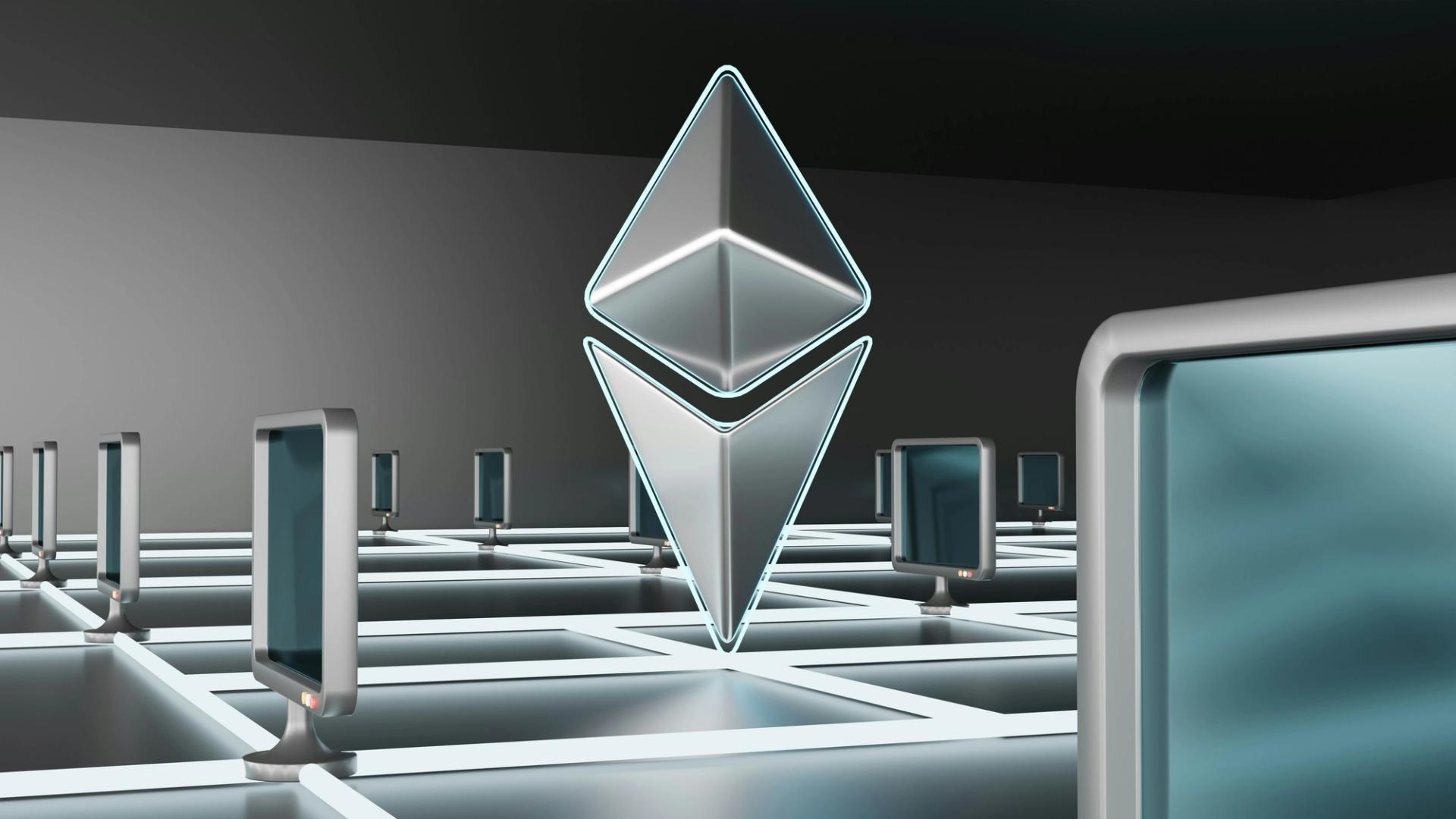

The Ethereum Foundation is doubling down on one of the ecosystem’s most critical needs: security.
On Tuesday, the organization unveiled a new initiative aimed at tackling a persistent challenge in crypto development—the high cost of smart contract security audits.
Through its “Audit Subsidy Program,” the foundation is partnering with leading audit providers and ecosystem firms to make professional security reviews more accessible to builders.
Backed by a $1 million subsidy pool, the program is designed to lower financial barriers that have historically prevented many teams from undergoing comprehensive audits, despite their importance as an industry best practice.
The initiative is part of the foundation’s broader Trillion Dollar Security Initiative, which focuses on strengthening Ethereum as it scales to support increasingly complex applications and larger amounts of value on-chain.
The program includes partners such as Nethermind, Chainlink Labs and Areta, and connects builders with more than 20 top-tier audit firms, helping streamline access to trusted security expertise across the ecosystem.
Alongside the rollout, the foundation also introduced a new framework it calls the “CROPS principles,” short for censorship resistance, open source, privacy and security. The framework is intended to guide how applications are built and evaluated across the Ethereum ecosystem.
Builders can submit their projects for consideration, after which an expert committee reviews applications. Selected teams receive subsidies that can be applied directly to audit services through Areta’s platform. The program is open to all Ethereum mainnet builders, regardless of size or stage.
“The subsidy program makes audits accessible and strengthens the Ethereum ecosystem,” the foundation wrote on X.
Read more: Ethereum Foundation publishes new mandate defining its role, core principles


Coinbase is reportedly in talks with Anthropic to gain access to Claude Mythos Preview, the AI company’s restricted frontier model with advanced cybersecurity capabilities.
The outreach, first reported by The Information, reflects growing urgency among crypto exchanges to defend against increasingly sophisticated AI-driven threats.
Project Glasswing Raises the Stakes for Crypto
Anthropic launched Project Glasswing in early April 2026, a defensive cybersecurity initiative giving select partners limited access to Mythos.
The model identified thousands of previously unknown zero-day vulnerabilities during testing, including a 27-year-old flaw in OpenBSD and a 16-year-old bug in FFmpeg.
Founding partners include Amazon Web Services, Apple, Google, JPMorgan Chase, Microsoft, and Palo Alto Networks. Over 40 additional organizations maintaining critical software also received access.
Anthropic committed $100 million in compute credits and $4 million to open-source security groups for the program.
For Coinbase, the largest US crypto exchange, the timing is significant. The platform dealt with a major insider breach in 2025 that exposed personal data of roughly 70,000 users after overseas support agents were bribed by criminals.
Coinbase refused a $20 million ransom demand and instead posted a matching bounty for information leading to arrests.
Anthropic’s own research has shown that AI agents can autonomously exploit smart contract vulnerabilities, generating millions in simulated stolen funds.
That finding indicates why exchanges may view Mythos access as essential rather than optional.
Mythos will not reach general availability. Anthropic plans to integrate its capabilities into future Claude releases with strengthened safeguards.
Post-preview pricing sits at $25 per million input tokens and $125 per million output tokens.
Whether Coinbase secures formal partnership status or broader Glasswing access remains unclear.
The exchange already uses Claude for customer support operations across more than 100 regions.
The post Coinbase Reportedly Courts Anthropic to Bolster Exchange Security Infrastructure appeared first on BeInCrypto.


The SEC granted accelerated approval to FINRA’s rule change eliminating the Pattern Day Trader designation and its $25,000 minimum equity requirement for day traders.
The U.S. Securities and Exchange Commission on Tuesday approved FINRA’s proposed rule change eliminating the Pattern Day Trader designation, the $25,000 minimum equity requirement, and all related day-trading buying power provisions under FINRA Rule 4210. The accelerated approval removes longstanding restrictions that have governed retail day trading for decades.
The SEC simultaneously approved new intraday margin standards requiring broker-dealers to monitor and address real-time risk exposure in customer margin accounts. The regulatory shift represents a substantial change to day-trading accessibility and compliance frameworks for retail investors in U.S. equity markets.
Sources: WatcherGuru | WatcherGuru
This article was generated automatically by The Defiant’s AI news system from publicly available sources.
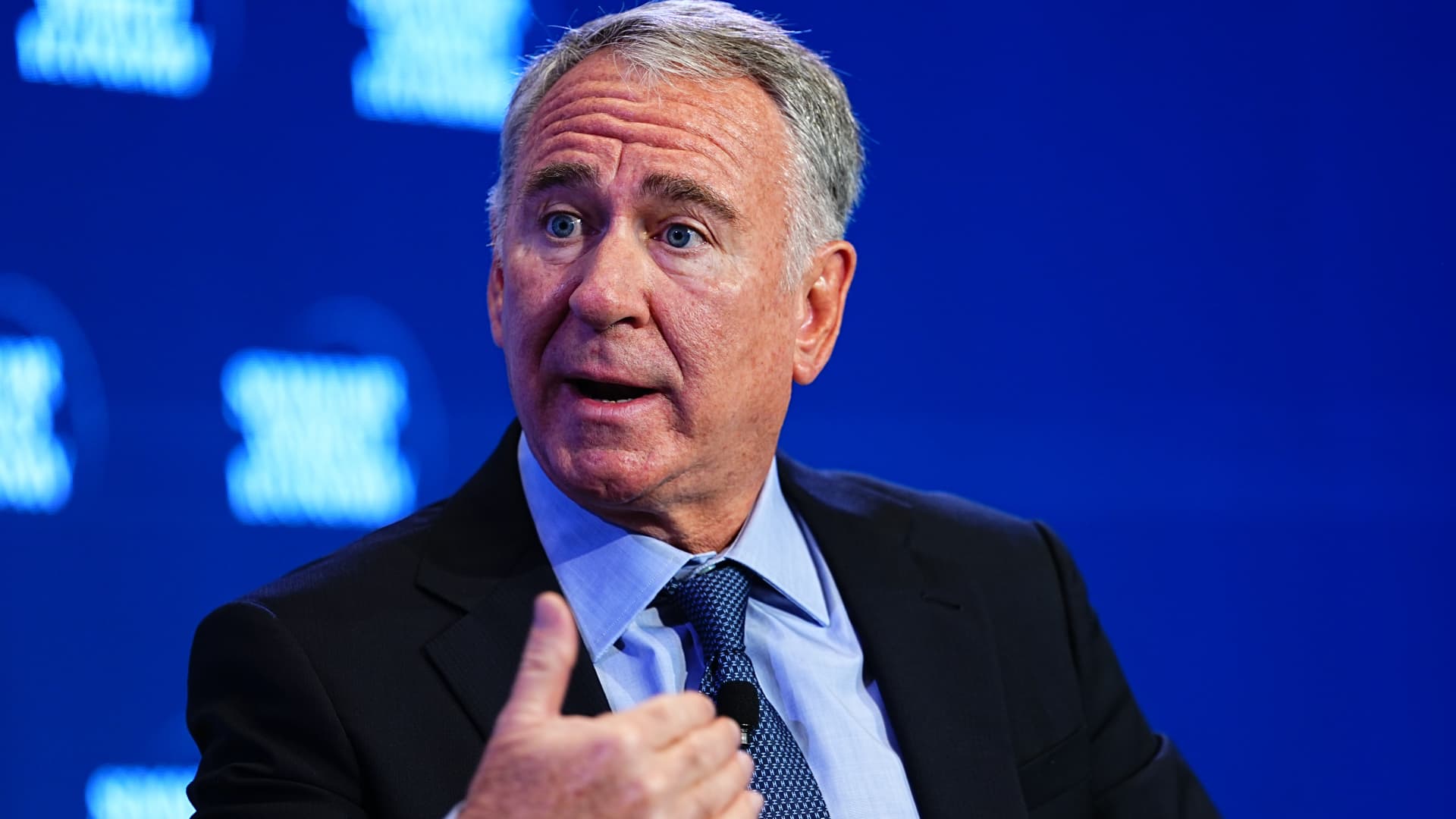
Ken Griffin, chief executive officer of Citadel Advisors LLC, at the Semafor World Economy Summit during the International Monetary Fund (IMF) and World Bank Spring meetings in Washington, DC, US, on Tuesday, April 14, 2026.
Aaron Schwartz | Bloomberg | Getty Images
Citadel CEO Ken Griffin said Tuesday that the global economy is headed toward a recession if the Strait of Hormuz stays shut for much longer.
“Let’s assume [the strait is] shut down for the next six to 12 months — the world’s going to end up in a recession,” Griffin said on stage at the Semafor World Economy conference in Washington, D.C. “There’s no way to avoid that.”
As a result, the world is going to see a massive shift toward alternative fuel sources, including wind, solar and nuclear, he added. To be sure, the hedge fund leader thinks the consequences of the war would have been worse if the U.S. delayed any strikes until Iran’s military capabilities had grown.
Stocks have managed to rebound back to where they were before the U.S. first attacked Iran in February, but the optimistic sentiment among investors is contingent on the duration of the war in the Middle East. Many expect risks of an escalation in tensions between the two countries are not at all priced into the market.
Global economies especially in Asia remain vulnerable to spikes in oil prices, which remain elevated at around $100 a barrel. That’s off their highs during the conflict, but remain far above where they were before the war, at just below $70 a barrel.


Paxos Labs has raised $12 million in a strategic funding round led by Blockchain Capital to expand its Amplify platform, a suite of tools that lets companies offer crypto yield, lending and stablecoin issuance through a single integration.
The Amplify suite includes three modules — Earn, Borrow and Mint — allowing platforms to generate yield on digital assets, enable crypto-backed loans and issue branded stablecoins with a single integration designed to unlock additional features over time.
According to Tuesday’s announcement, the platform provides a single SDK with configurable controls, while Paxos Labs manages liquidity, counterparty vetting and backend operations, and shares a portion of generated revenue with integrating partners.
The company said partners including Aleo, Hyperbeat and Toku are already using the platform, with Hyperbeat reporting more than $510,000 in assets under management since launching on April 9. The raise also included participation from Robot Ventures, Maelstrom and Uniswap.
Paxos Labs operates as an incubated unit within Paxos, which has processed more than $180 billion in tokenization volume for institutional clients, according to the company.
The launch targets platforms already offering crypto custody or trading, positioning the tools as a way to turn passive digital asset balances into active, revenue-generating financial products.
Related: Coinbase USDC revenue may multiply 7x as payments grow, Bloomberg says
Crypto platforms expand yield and lending offerings for user-held assets
Crypto platforms have been expanding beyond custody and trading as they look to generate additional revenue from user-held digital assets.
In March, Kraken integrated a structured products platform from STS Digital, enabling options-based strategies designed to generate fixed returns on Bitcoin (BTC) and Ether (ETH). Also last month, Coinbase introduced a tokenized share class of its Bitcoin Yield Fund on its Base network, offering institutional investors onchain access to yield-bearing crypto exposure.
Both crypto exchanges also offer yield on stablecoin deposits, allowing users to earn returns on assets that would otherwise remain idle, including through integrations with onchain lending markets.
Institutional-focused providers are also extending lending against assets held in custody. In February, Anchorage Digital said it would work with Kamino and Solana Company to let institutions borrow against staked Solana (SOL) without moving assets, while in March, Lombard teamed up with Bitwise Asset Management to offer yield and borrowing against Bitcoin using onchain lending infrastructure.
Meanwhile, debate over yield-bearing crypto products has extended into policy discussions centered around the Digital Asset Market Clarity Act, a proposal that aims to establish a regulatory framework for digital assets in the US.
The American Bankers Association said Monday that allowing stablecoin yield could accelerate deposit outflows from smaller banks, pushing up funding costs and reducing local lending.
Magazine: Clarity Act risks repeat of Europe’s mistakes, crypto lawyer warns


Benjamin Cowen has spent years saying things people don’t want to hear. No hype, paid promotions, or promises of the next 100x altcoin. In a space where opinions are routinely bought and sold, he has built one of crypto’s most trusted voices on a simple, uncomfortable truth:
“It’s hard to find people in this space whose opinions aren’t paid for. A lot of times, their opinions are actually paid for.”
What makes that statement land differently coming from Cowen is where he came from — and what he carried with him on the way.
The Lab That Built Benjamin Cowen
Before hundreds of thousands of subscribers knew his name, Benjamin Cowen was deep inside a university laboratory, studying radiation damage through molecular dynamics and transmission electron microscopy.
From 2013 to 2018, his world was defined by peer-reviewed papers, strict advisers, and the kind of intellectual rigour that doesn’t tolerate shortcuts. By the time he defended his dissertation, he had around ten to eleven published papers to his name.
That foundation, he says, is everything.
“I don’t really think I had that strong of a work ethic before grad school. But then I went to grad school and I had to work really, really hard. If you’re running an experiment, it doesn’t care if you’ve already worked forty hours that week. You still got to go in and deal with it.”
Graduate school changed him. The lab doesn’t close because you’ve already put in forty hours. You show up anyway. That lesson never left.
Culture Shock: From Academia to the Crypto
When Cowen started his YouTube channel, IntoTheCryptoverse, the transition from academia to crypto felt natural in one sense — and deeply jarring in another. The work ethic translated perfectly. The culture did not.
“In my world, you don’t talk to people like that. In academia, everyone’s really respectful and professional. People aren’t tweeting back at each other at 3:00 a.m. with really mean insults.”
For a while, it got to him. A single negative comment could overshadow ten positive ones and linger for the rest of the day. He kept showing up anyway. Five, six, sometimes eight or nine videos a week. Applying the same publishing discipline learned in grad school to a medium moving at an entirely different speed.
The breakthrough came gradually. He realised that in crypto, you’re either a bull or a bear. There is no neutral ground that pleases everyone.
“It really doesn’t matter what I say — there will be a certain amount of people that just don’t like what I say regardless.”
Once he accepted that, the comments lost their power. Today, two to three years into that mindset shift, Benjamin Cowen barely dwells on criticism at all.
One Ethics Stayed Constant
Through it all, what kept him grounded wasn’t the channel, the analysis, or the portfolio. It was something far simpler.
“The biggest form of wealth is family, in my opinion. I would give up every Bitcoin I’ve ever owned for my family.”
In a space that constantly tempts people to define their worth by their holdings, that kind of clarity is rarer than it sounds. It also explains something deeper about why his audience keeps coming back — not for price predictions, but for perspective from someone who has never confused the market with what actually matters in life.
Benjamin Cowen didn’t stumble into crypto in search of a get-rich-quick story. He arrived with a scientist’s mind, an academic’s discipline, and the integrity to say what the data shows, even when nobody wants to hear it.
In an industry that rewards hype, that turned out to be his greatest edge.
The post From NASA to Crypto: The Unlikely Journey of Benjamin Cowen appeared first on BeInCrypto.

TLDR
- HYPE climbed above $45 for the first time in five months after gaining more than 20% in one week.
- Oil perpetual contracts ranked among the most traded assets on Hyperliquid during the price rally.
- Crude Oil generated over $840 million in 24-hour volume and became the third most traded market.
- Brent Crude Oil recorded more than $360 million in daily volume and ranked fifth on the exchange.
- HIP-3 daily trading volume reached about $5.4 billion in late March, led by commodity contracts.
HYPE advanced to nearly $45 early Tuesday, marking its highest level in five months. The token gained over 20% during the past week as trading volumes expanded. Oil-linked perpetual contracts drove much of the activity on Hyperliquid.
The token later eased to about $43.4 at press time. However, it held most of its weekly gains as traders stayed active. The recovery followed renewed focus on commodity markets listed on the exchange.
HYPE Price Rally Aligns with Commodity Trading Surge
HYPE climbed sharply as traders increased activity across builder-deployed markets on Hyperliquid. The token reached nearly $45 before trimming gains later in the session. It still traded firmly above late January levels.
The weekly advance exceeded 20%, reflecting stronger participation on the platform. Oil contracts ranked among the most traded assets during the rally. This trading momentum coincided with higher open interest across new perpetual listings.
Hyperliquid operates a permissionless listing structure under its HIP-3 framework. Outside developers can launch perpetual markets directly on the exchange. The protocol describes HIP-3 as a move toward decentralized perp listings.
This structure expanded the range of available markets beyond digital assets. Commodity and equity-linked contracts gained traction in recent weeks. As a result, overall trading activity shifted toward these instruments.
Market data showed builder-deployed markets topping $1.2 billion in open interest during March. Oil and equity futures contributed heavily to that figure. These contracts became central to daily trading flows on the platform.
Crude Oil emerged as one of the busiest contracts on Hyperliquid. The contract generated over $840 million in 24-hour volume. It ranked as the third most traded market on the exchange.
Brent Crude Oil also attracted strong participation from traders. The contract recorded more than $360 million in 24-hour volume. It ranked fifth among all listed markets.
Oil Frenzy Under HIP-3 Lifts HYPE Visibility
Trading activity accelerated during volatility tied to the US-Iran conflict. Traders used perpetual markets to react before traditional exchanges reopened. This dynamic increased volume across oil-linked contracts.
A March report from The Wall Street Journal detailed rapid volume growth. Cumulative oil futures volume jumped from $339 million to $7.3 billion within days. Traders favored nonstop markets during heightened geopolitical tension.
This surge extended beyond oil alone and covered other commodities. HIP-3 daily volume reached about $5.4 billion in late March. Silver, WTI, Brent, and gold contracts led that activity.

TLDR
- Kraken confirmed that it confidentially filed for an initial public offering, according to co-CEO Arjun Sethi.
- The company secured a $13.3 billion valuation in April, down from its $20 billion peak in late 2025.
- Arjun Sethi said Kraken plans to offer institutional-grade trading tools to retail users.
- Kraken obtained a master account with the Federal Reserve Bank of Kansas City for direct dollar settlement access.
- Deutsche Börse agreed to invest $200 million for a 1.5% fully diluted stake in Payward Inc.
- Kraken disclosed insider-related security incidents that affected about 2,000 accounts without compromising client funds.
Kraken confirmed it confidentially filed for an initial public offering, according to co-CEO Arjun Sethi. He disclosed the move on Tuesday at the Semafor World Economy summit in Washington, D.C. The filing follows a prior pause in listing plans as its valuation fell to $13.3 billion.
Kraken Advances IPO Plan as Valuation Adjusts
Kraken confirmed it submitted a confidential IPO filing, and Arjun Sethi announced the update during a public event. He spoke at the Semafor World Economy conference in Washington, D.C., and addressed earlier reports. The company had paused earlier listing plans after crypto markets weakened and trading volumes dropped.
The San Francisco-based exchange secured a $13.3 billion valuation in an April funding round. That figure marked a decline from its $20 billion peak recorded in late 2025. The round included backing from Citadel Securities and reflected changing investor sentiment.
Sethi said Kraken wants to expand institutional-grade trading tools to retail clients. He compared the company’s goals to services offered by Jane Street and JPMorgan Chase. He stated, “We aim to bring institutional-grade tools to retail users,” while outlining product ambitions.
Kraken recently obtained a master account with the Federal Reserve Bank of Kansas City. The account grants direct access to U.S. payment systems, including Fedwire. This access allows dollar settlements without intermediary banks, though it excludes interest on reserves and lending facilities.
Deutsche Börse Investment and Insider Security Incidents
Deutsche Börse disclosed a $200 million investment in Kraken through a secondary share purchase. The transaction grants a 1.5% fully diluted stake in Payward Inc, pending regulatory approval. The companies expect the deal to close in Q2 2026.
The investment expands a partnership announced in December 2025 between Kraken and Deutsche Börse. The collaboration targets regulated crypto trading, derivatives, tokenized assets, and institutional liquidity services. Both firms said the agreement seeks to connect traditional financial infrastructure with digital asset markets.
Kraken also reported two insider-related security incidents involving support staff. The employees accessed limited client data through internal systems without authorization. About 2,000 accounts, representing 0.02%, were affected, and no client funds or trading systems were compromised.
A criminal group later attempted extortion, claiming it possessed internal videos linked to the incidents. Kraken refused to pay and revoked access for the responsible individuals. The company notified affected users and cooperated with law enforcement while strengthening internal controls.
Galaxy Digital reported a separate cybersecurity incident during the same week. The firm disclosed unauthorized access to a development environment. It stated that no client data or funds were impacted by that breach.

Intel and Google lock in massive Xeon deal as AI workloads reshape cloud infrastructure across global hyperscale data centers

Health strategy bids to stop women being ‘ignored, gaslit and humiliated’ in NHS

LARRY KUDLOW: Financial markets are bullish on Trump


-

 Politics4 days ago
US brings back mandatory military draft registration
-
 Sports4 days ago
Man United discover Nico Schlotterbeck transfer fee as defender reaches Dortmund agreement
-

 Fashion4 days ago
Weekend Open Thread: Veronica Beard
-

 Politics5 days ago
Malcolm In The Middle OG Turned Down ‘Buckets Of Money’ To Appear In Reboot
-

 Politics2 days ago
World Cup exit makes Italy enter crisis mode
-

 Crypto World5 days ago
Canary Capital Files SEC Registration for PEPE ETF
-

 Business4 days ago
Tesla Model Y Tops China Auto Sales in March 2026 With 39,827 Registrations, Beating Cheaper EVs and Gas Cars
-

 Crypto World1 day ago
The SEC Conditionalises DeFi Platforms to Be Avoided for Broker Registration
-

 Crypto World1 day ago
SEC Signals Exemption for Crypto Interfaces From Broker Registration
-

 Crypto World6 days ago
Bitcoin recovers as US and Iran Agree a Ceasefire Deal
-
 NewsBeat2 days ago
Pep Guardiola and Gary Neville agree over Arsenal title problem that benefits Man City
-

 Business4 days ago
OpenAI Halts Stargate UK Data Centre Project Over Energy Costs and Copyright Row
-

 Business3 days ago
Ireland Fuel Protests Enter Day 5 as Blockades Spark Shortages and Government Prepares Support Package
-

 Politics5 days ago
LBC Presenter Mocks Trump Over Iran War Failures
-

 Crypto World4 days ago
Federal judge blocks Arizona from bringing criminal charges against Kalshi
-
 NewsBeat3 days ago
JD Vance announces ‘no agreement’ with Iran over nuclear weapons fear
-

 Tech5 days ago
A version of Windows 10 released a decade ago is now eligible for additional security patches
-

 Crypto World17 hours ago
SEC Proposes Certain Crypto Interfaces Don’t Need to Register as Brokers
-

 Business4 days ago
IMF retains floor for precautionary balances at SDR 20 billion
-

 NewsBeat13 hours ago
Trump and Pope Leo: Behind their disagreement over Iran war
You must be logged in to post a comment Login