

Entertainment
10 Forgotten Fantasy Movies Better Than Most Blockbusters You’ve Already Seen

We seek out fantasy movies because they give us an escape from reality. Whether we journey to a place over the rainbow or head on a daring adventure to save Middle-earth, these fantasy films have provided us with a place to go beyond our wildest imaginations. But for every Mary Poppins, there is a Bedknobs and Broomsticks, a praiseworthy film that doesn’t get as much attention and adoration.
We are going to celebrate ten fantasy movies that you’ve been sleeping on. They’ve been around, and some might even have a cult following, but they are sadly not in the same conversation as the legends of the genre. From a ‘90s animated classic that millennials adore to a duo of Hugh Jackman films that were forgotten during his Wolverine reign, it’s time to wake up and turn on these iconic films.
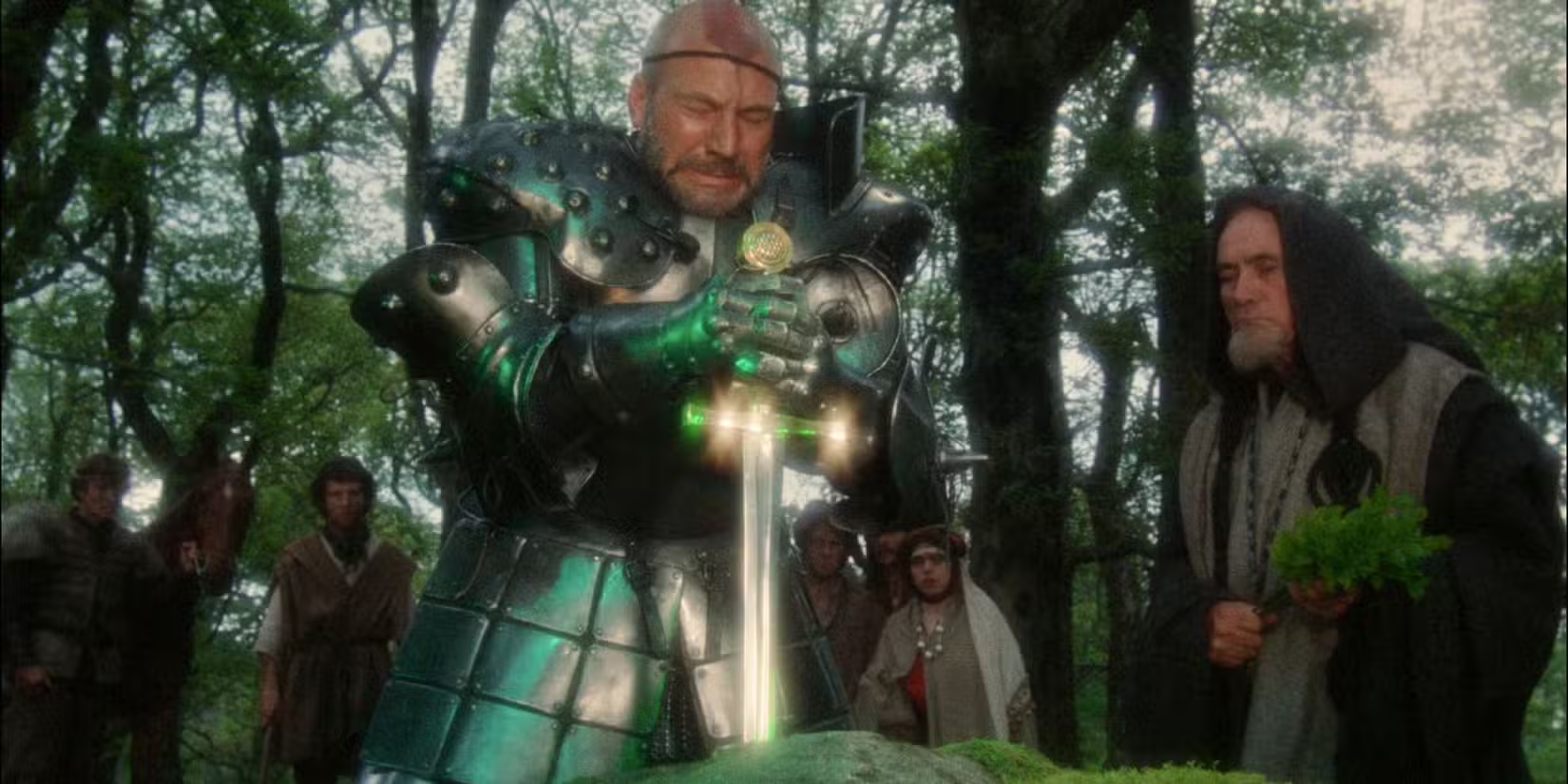
‘Excalibur’ (1981)

The legend of King Arthur and the knights of the Round Table remains one of the most beloved stories. Having been retold countless ways throughout entertainment, there remains one sweeping epic medieval fantasy retelling that may be its grandest: Excalibur. Brought to life by John Boorman, Excalibur is loosely based on Thomas Malory’s Le Morte d’Arthur and follows King Arthur (Nigel Terry) from his birth through his unification of England, the rise of Camelot, and the eventual downfall caused by love, betrayal, and magic.
Excalibur is a sweeping visual experience of epic proportions that relies heavily on the theme of destiny. Through the examination of the price of power and the inescapable presence of both good and evil in human nature, Excalibur reverberates through the mantra that “the king and the land are one.” What sets this iteration of the story apart is its operatic scope and lush Irish filming that made it a definitive sword-and-sorcery classic. Excalibur is a hypnotic, operatic cinematic achievement that revitalized the medieval genre in the ‘80s.
‘FernGully: The Last Rainforest’ (1992)

The fact that there is a generation that doesn’t revere FernGully: The Last Rainforest in the way that millennials do is a travesty. Directed by Bill Kroyer from a screenplay by Jim Cox, based on the FernGully stories by Diana Young, the musical fantasy flick follows a brave fairy named Crysta (Samantha Mathis) and her forest friends, including a manic, lovable fruit bat named Batty Koda (Robin Williams), as they battle to save their magical Australian rainforest home from a destructive logging crew and an ancient, pollution-fueled entity named Hexxus (Tim Curry).
FernGully bravely weaves a heartfelt, pro-environment message into a vibrant fantasy world that doesn’t diminish its message for younger audiences. Coming out just as the Disney Renaissance was surging, it became a niche film that fell by the wayside. Coincidentally, arriving a year before Aladdin, Williams’ eccentric character was almost instantly overshadowed by his iconic role as the Genie. Nevertheless, looking back, FernGully is a visually remarkable work, as the bioluminescent, fairy-filled world gave young viewers hope that perhaps magic might live in their own backyards.
‘Krull’ (1983)

You have most likely been sleeping on Peter Yates’ science fantasy adventure movie, Krull. The movie tells the story of Prince Colwyn (Ken Marshall), who embarks on a quest to rescue his bride, Princess Lyssa (Lysette Anthony), from a fearsome alien warlord known as The Beast. But first, Colwyn, alongside a merry band of misfit warriors, magicians, and outlaws, must locate and retrieve a mythical, five-bladed throwing star known as the Glaive, the only weapon capable of destroying the monster.
Krull mixed two distinct genres: high fantasy, including swords, castles, prophecies, and magic, and science fiction, featuring alien spaceships, lasers, and telepaths. Regardless, the unique premise gave Krull a unique identity as a wildly entertaining medieval fantasy quest set in space. With a bold imagination and a classic Dungeons-and-Dragons-style party, Krull may have simply been ahead of its time, but it deserves immense praise for its world-building. From the weaponry to the Black Fortress, this 1980s gem is unforgettable.
‘Bedknobs and Broomsticks’ (1971)

Bedknobs and Broomsticks will forever be overshadowed by Mary Poppins. That said, leave it on its own, and the adaptation of the Mary Norton books is quite divine. Directed by Robert Stevenson, the fantasy film tells the story of Carrie, Charlie, and Paul Rawlins (Cindy O’Callaghan, Ian Weighill, and Roy Snart), three orphaned siblings, who are evacuated to a small village and placed in the care of Miss Eglantine Price (Angela Lansbury), an apprentice witch. Together with a cynical magic correspondence professor, they embark on a magical, flying-bed adventure to find an ancient spell to help defend England from Nazi invaders.
With a delightful songbook from the Sherman Brothers and magical set pieces that give the film flight, Bedknobs and Broomsticks blends a dark period of history with the whimsy of Disney for an enchanting tale. Though it may seem like a heavy moment to use as a means for a story, it only helps to serve as a fun, empowering fantasy where everyday heroes rise to the occasion. Like Mary Poppins before it, the whimsical numbers and locales bring the story to sensational places. Lansbury established herself as a fledgling Disney legend through this performance. What child didn’t want to hop on an enchanted bed to the Isle of Naboombu, only for her to sing us to sleep decades later as Mrs. Potts in Beauty and the Beast?
‘Legend’ (1985)

In 1985, Ridley Scott gave Tom Cruise a new genre big break in the epic dark fantasy adventure Legend. An ‘80s team-up you likely never knew you needed in a film you might not have known existed, Legend tells the tale of a pure-hearted forest dweller named Jack (Cruise) who must stop the Lord of Darkness (Tim Curry) from destroying the last unicorns. After a goblin strikes a unicorn, plunging the world into a freezing winter, Jack and his elven allies set out to defeat Darkness and rescue Princess Lili (Mia Sara).
Scott’s reign as a top-rated director usually doesn’t include Legend, but his work on the film is quite profound. His meticulous storytelling shines through the lush, sun-dappled forests, glowing unicorns, and eerie, firelit dungeons. In a time before CGI, the makeup design was unfathomable, and legendary makeup artist Rob Bottin’s work on characters, including Meg Mucklebones (Robert Picardo) and the Goblin minions, is truly sublime. However, Legend‘s crowning achievement comes in the creation of the Lord of Darkness. Covered in massive prosthetics and enormous horns, his jaw-dropping look, Curry’s evocative portrayal ranks as one of his very best crafted characters.
‘Pleasantville’ (1998)

Directed by Gary Ross, Pleasantville follows two teenage siblings, David and Jennifer (Tobey Maguire and Reese Witherspoon), who find themselves trapped in Pleasantville, a beloved black-and-white series set in the ’50s. As they introduce modern, emotional, and sexual experiences to the repressed, idyllic town, the residents and their world begin to change, turning from black and white to color.
Using the changing worlds as an allegory for social change, Pleasantville tackles racism, censorship, repression, and the danger of forced conformity through a fantastical premise. Beneath the lighthearted exterior, the story captures the illusions of perfection, the fear of change, and the power of civil rights on the evolution of society. As the characters begin to experience real feelings, thoughts, and passions, their monochrome world transforms into the vibrant colors of freedom. Not only does the film provide brilliant performances from a young Witherspoon and Maguire, but it also boasts dynamic turns from Jeff Daniels, Joan Allen, and William H. Macy.
‘The Beastmaster’ (1982)

If you see it as a cheesy, low-rent version of Conan the Barbarian, no wonder The Beastmaster has been slept on. But if you take the Don Coscarelli-directed film at face value as its own thing, then it is quite fantastic. Based on the 1959 science fiction novel The Beast Master by Alice “Andre” Norton, the sword-and-sorcery film follows Dar (Marc Singer), a warrior born with the telepathic ability to communicate with animals. After a cult of fanatic barbarians destroys his village, Dar sets out on a quest for revenge against the evil high priest, Maax (Rip Torn).
A story of revenge led by a charismatic hero and scene-stealing trained animals, The Beastmaster is an earnest B-movie that captures the pure joy of the high-fantasy era. Dar is a fun protagonist, but his ability to telepathically communicate with animals is the complete and utter draw. His loyal squad—which includes a majestic tiger, an eagle, and a pair of mischievous thieving ferrets—gives the movie a unique twist and delightful charm. Then, in the terrifying department, Torn’s over-the-top performance as the evil wizard Maax and the nightmarish winged Death Guards lead to a memorable tonal blend of fantasy and body horror. The Beastmaster serves as an important blueprint for this action-adventure style.
‘The Fountain’ (2006)

Some audiences like movies that are simple and straightforward, but if you’re seeking out a Darren Aronofsky project, you’ll be hard-pressed to find it. One of his lesser-remembered films of the early aughts is the Hugh Jackman and Rachel Weisz-led epic sci-fi fantasy romance The Fountain. A visually philosophical drama, The Fountain weaves together three distinct timelines spanning a thousand years, centering around a man (Jackman) trying to save the woman he loves (Weisz).
Through the intertwining tales, The Fountain undergoes masterful twists and turns, leading to the realization that death is not a curse but a road to rebirth and the continuation of life. In this tri-level transcendent epic, Aronofsky seamlessly combines an awe-inspiring visual stunner with genuine emotional depth and philosophy. Though the past is pretty, the magic in which Aronofsky crafts his space and cosmic sequence is mesmerizing. Add in a sweeping score by Clint Mansell and Jackman and Weisz delivering remarkable, weighty performances, and The Fountain retains its epic status as a near-perfect, ambitious blend of fantasy and sci-fi with emotional depth.
‘Van Helsing’ (2004)
The truth is, in the first decade of the 21st century, we simply could not imagine Hugh Jackman as anyone but Wolverine. In turn, it was a harder sell to see him in any other type of project. And yet, he not only held his own, but he also dominated in Stephen Sommers’ action-packed Van Helsing. A product of its time and an homage to the Universal Monsters of the past, Van Helsing casts Jackman as Gabriel Van Helsing, an amnesic Vatican-commissioned monster hunter who travels to Transylvania, teaming up with Anna Valerious (Kate Beckinsale), the last of an ancient family sworn to kill Count Dracula (Richard Roxburgh) and Frankenstein’s (Shuler Hensley) monster.
If it sounds like an apocalyptic and convoluted plot, well, it is, and that’s why it’s a delicious dumb popcorn flick. Fulfilling the horror fantasy quota, Van Helsing acts as a pulp action classic that mixes monster lore with pure unadulterated camp. It’s a “greatest hits” type of story that is visually mesmerizing. Coming off the success of The Mummy and its successors, Van Helsing had a high bar to achieve. It may not have reached it, but it earned a cult classic moniker in the process. Audiences are certainly never going to be bored as it’s wall-to-wall physics-defying stunts and high-energy action.
‘Willow’ (1988)

Willow is absolutely the film you’ve heard about that you’ve probably never taken the time to sit down and watch, and that’s a shame. The classic high fantasy tale tells the story of an aspiring sorcerer and farmer named Willow Ufgood (Warwick Davis), who discovers an infant prophesied to destroy the evil Queen Bavmorda (Jean Marsh). Willow then teams up with rogue warrior Madmartigan (Val Kilmer) to protect the baby from dark magical forces. Filled with high fantasy tropes galore, Willow is just as charming now as it was then.
Beloved by all who watch, the film is the brainchild of director Ron Howard, writer Bob Dolman, and was executive-produced by George Lucas. If that’s not a dream team, I don’t know what is. Willow showcases an underdog story and an unlikely hero’s journey. It was quite progressive for its time, allowing actors with dwarfism to step into fully fleshed-out roles as central heroes, rather than strictly fantastical creature parts. As a work of cinema, Willow uses amazing practical creature designs and pioneering digital morphing technology that revolutionized cinematic technology. Years later, it received a Disney+ show, but things didn’t exactly end well for it.


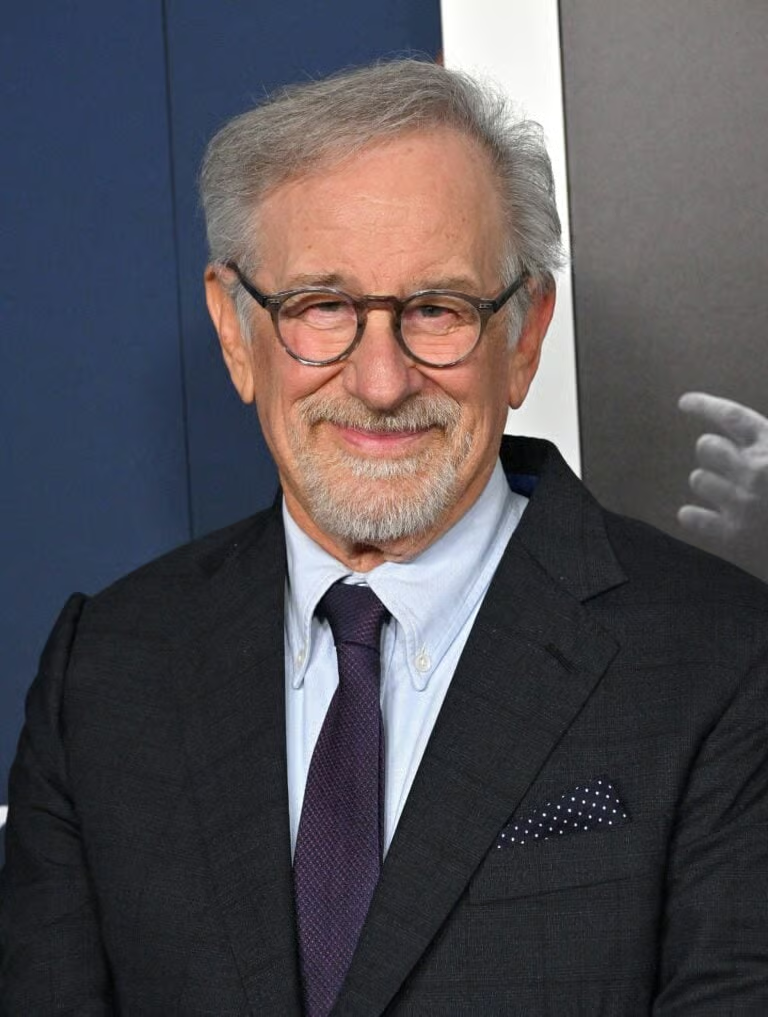
Steven Spielberg is one of Hollywood’s most celebrated filmmakers, known for directing some of the most iconic films in his decades-long career. Despite his extensive success and numerous accolades, the director has revealed that he was repeatedly rejected from directing James Bond movies, something that he strongly wanted to do at one point. Now, Spielberg is sharing how he would respond if he were approached to direct a James Bond film.

In an episode of “The Rest is Entertainment” podcast, Steven Spielberg sat down with Richard Osman and Marina Hyde to talk about his latest movie, “Disclosure Day,” as well as answer some fan questions.
One asked, “Were you ever approached to make a Bond film? Do you have any regrets about not doing that?” Spielberg made it clear that he was never approached to direct a Bond film. Instead, he was the one who approached the late Albert “Cubby” Broccoli, the James Bond franchise’s lead producer.
The director said he had always wanted to direct a Bond film since seeing 1962’s “Dr. No,” and after the success of “Jaws” in 1975, he approached the producer. “I called Cubby Broccoli after ‘Jaws’ and volunteered. I said, ‘If you need a director, I would love to direct one.’ And he said no,” Spielberg revealed.
The Director Attempted To Strike A Deal With Cubby Broccoli
That wasn’t the last time Spielberg was rejected. Years later, Broccoli contacted Spielberg and asked for a favor. After the release of his 1977 sci-fi movie “Close Encounters of the Third Kind,” Broccoli asked for his permission to use the famous five-note sequence that was played throughout the film. The producer wanted to use the notes for “Moonraker,” the James Bond film released in 1979.
Spielberg used that opportunity to offer a proposal to the producer. “I said, ‘I’ll make you a deal. I’ll give you permission to use the five notes if you let me direct a Bond film.’ And he said no.” Despite not agreeing to his proposed deal, the director still allowed Broccoli to use the sequence.
“So they consistently turned me down. He never explained why he wasn’t letting me into the Bond family,” Spielberg said.
Steven Spielberg Confided In George Lucas
Spielberg confided in his fellow filmmaker and friend, George Lucas, after facing another rejection from Broccoli in 1977. The two were in Hawaii after the release of “Star Wars: A New Hope,” and upon hearing the director’s woes, Lucas said he had “something better” for Spielberg.
Lucas then told him about a character he conceived named Indiana Smith (later changed to Jones), an archaeology professor and daring treasure hunter. The Indiana Jones franchise has since had five feature-length films, four of which Spielberg directed. He served as executive producer for the fifth installment.
“He told me the premise of the Indiana Jones series, and that’s how I got that job. So if they ever asked me to make a Bond film now, my answer would be, ‘You can’t afford me,’” Spielberg said in jest.
James Bond Wasn’t The Only Franchise The Director Was Interested In
The acclaimed director is also a gamer, as his son, Max, revealed in 2024. According to Max, Spielberg loves the first-person shooter video game series “Call of Duty” and plays it on a computer using a keyboard and mouse. “He loves gaming. He’s the one that got me into it. He plays games. He’s a big PC gamer and so that’s kind of our bonding point as well,” Max shared.
In 2015, Activision Blizzard, the company behind the “CoD” franchise, launched a film and TV division to make a live-action “Call of Duty” cinematic universe. While the first attempt was scrapped, the project was resurrected in partnership with Paramount, and a movie is in the works.
Spielberg reportedly wanted to direct the film, but Paramount and Activision turned him down because he wanted complete control over production and marketing. Instead, Pete Berg was chosen to helm the project, which is scheduled for release in 2028.
Steven Spielberg’s Illustrious Career

Spielberg is regarded as one of the most influential filmmakers, with a career spanning more than five decades. Throughout the years, the director has directed some of the most iconic films across different genres, including “E.T. the Extra-Terrestrial,” “Jurassic Park,” “Schindler’s List,” and “The Color Purple,” just to name a few.
He has earned three Academy Awards, including two for Best Director for “Schindler’s List” and “Saving Private Ryan,” and one for Best Picture for “Schindler’s List.”
Spielberg’s latest project, “Disclosure Day,” a sci-fi film starring Emily Blunt and Josh O’Connor, will be released in U.S. theaters on June 12.
By Chris Snellgrove
| Published
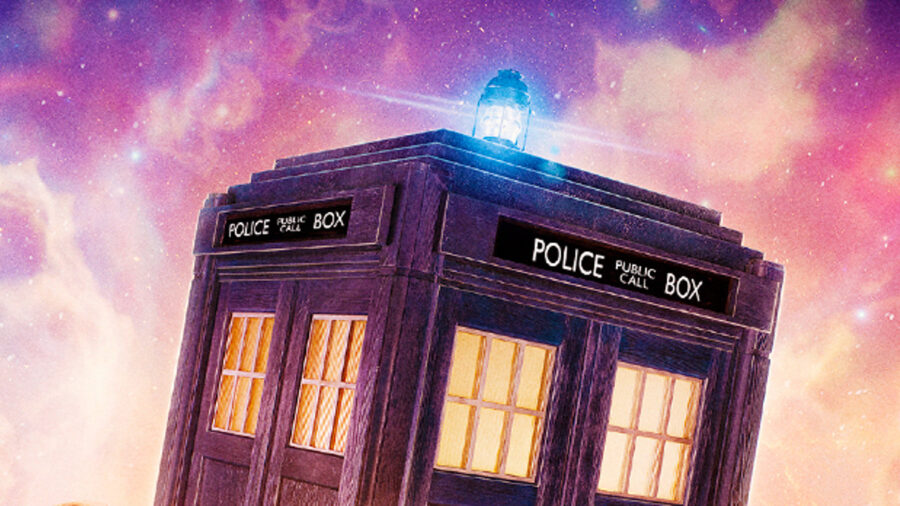
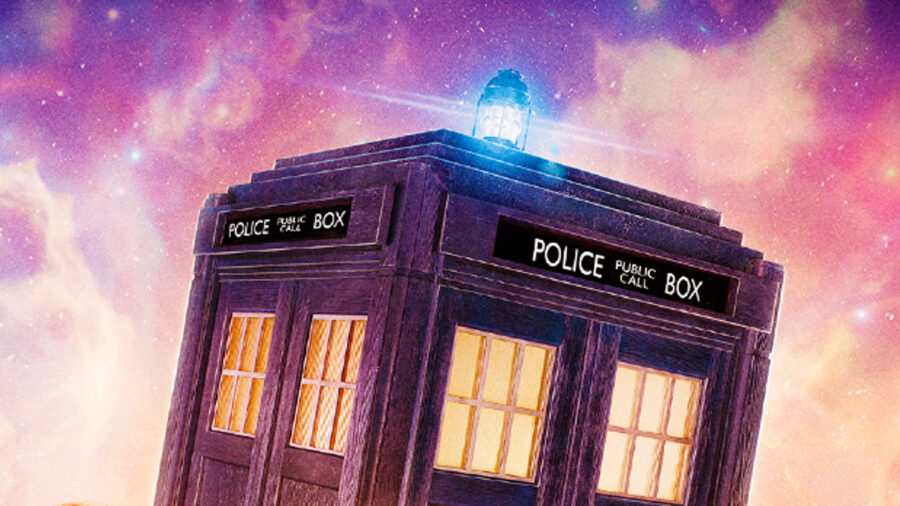
Every fandom has its wildly polarizing figures. In Star Trek, for example, many fans revere William Shatner as an acting legend, but others see him as an egomaniac who’d phaser his costars in the back if it meant getting an extra minute or two of screentime. In Doctor Who, very few of the actors are quite as polarizing (not counting John Barrowman and his alleged problematic sexploits onset), but the same can’t be said about the showrunners. When the show goes off the rails, the fandom tends to blame the man at the top, which is why Chris Chibnall gets so much heat for Jodie Whittaker’s subpar seasons as the Doctor.
Historically, Russell T. Davies was one of the most beloved showrunners. He was in charge during the first four seasons of the 2005 Doctor Who revival, essentially turning this venerable ‘60s franchise into something hip and sexy enough to win over younger fans. But Davies became significantly more controversial when he returned to Doctor Who nearly two decades later, and his run was canceled after two bad seasons that barely anyone watched. That was bad enough, but fans are now ready to take out their pitchforks because Davies took to Instagram and confirmed that he had been lying about working on a Christmas special, which was, seemingly, also a complete fabrication!
A Timey Wimey Rise And Fall
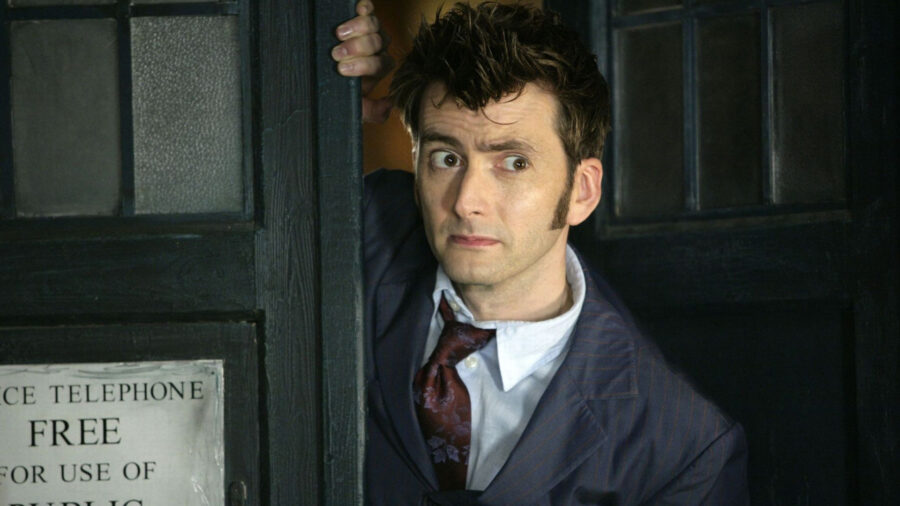
Once upon a time, Russell T. Davies’ return to Doctor Who was hailed as a return of the king. The original series had fizzled out in 1989, and an attempt to bring it back as a made-for-TV movie in the ‘90s was dead on arrival. Davies was the showrunner for the 2005 reboot, which was an unqualified success: with exciting stories and beloved actors like David Tennant, NuWho filled the sci-fi TV void that was left by the early cancellation of Star Trek: Enterprise. He eventually left the franchise, leaving it in the capable hands of Steven Moffat, a showrunner who added a distinctly movie-like feel to almost every episode.
When Moffatt left the franchise in 2017, the series got a new showrunner: veteran Doctor Who writer Chris Chibnall. Unfortunately, things went downhill, as fans were divided on new Doctor actor Jodie Whittaker and controversial changes to franchise lore. Eventually, the BBC threw a Hail Mary, partnering with Disney and bringing back Russell T. Davies as showrunner. Sadly, the new show failed to gain much of a viewership and was canceled after two seasons. Davies previously mentioned writing a script for an upcoming Christmas episode that fans hoped would tie everything together. Incredibly, though, Davies hopped onto Instagram to verify that he made up the Christmas special and had never written anything for it!
Everything Falls Apart
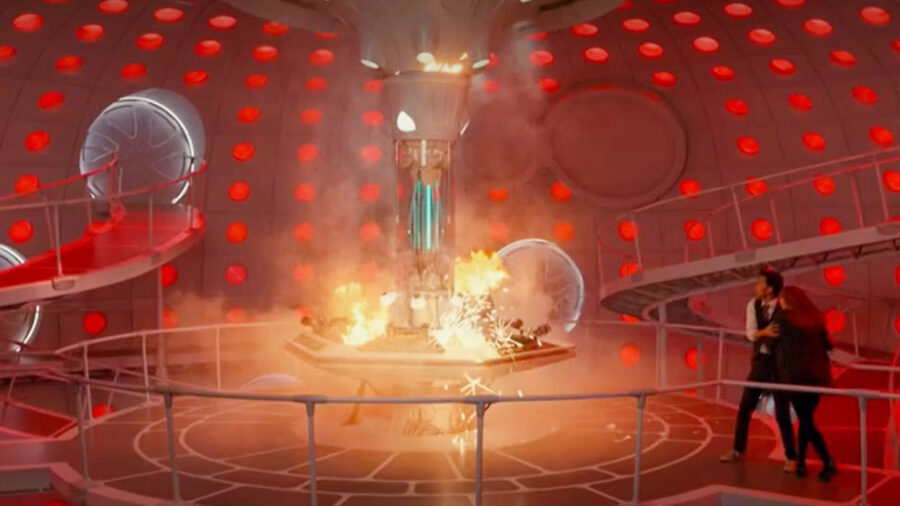
While Russell T. Davies’ Instagram post was long-winded, it got to the point relatively quickly. He verified that he was saying “GOODBYE” to Doctor Who and that the BBC is “putting the show out to tender.” After that, Davies clarified that “there won’t be a Christmas Special–we only cooked that up to guarantee a future when no one knew what would happen, but now we do know, there’s no need for it.” Following on the heels of that rather stunning admission about the Christmas Special, he added, “For the record: there was no script, I never wrote it, and no actor was ever approached to play the next Doctor.”
Fans were salty about Davies’ admissions for several different reasons. First, he had claimed to be writing the script in December of 2025, a claim that had seemingly been backed up by Doctor Who composer Murray Gold. Taking his Instagram post at face value, we can’t help but wonder why Davies was comfortable just straight-up lying to fans about this Christmas special. Even more incredibly, it seems he is saying that the special was never in any level of active development and was simply announced as a last-ditch attempt to keep the franchise alive.
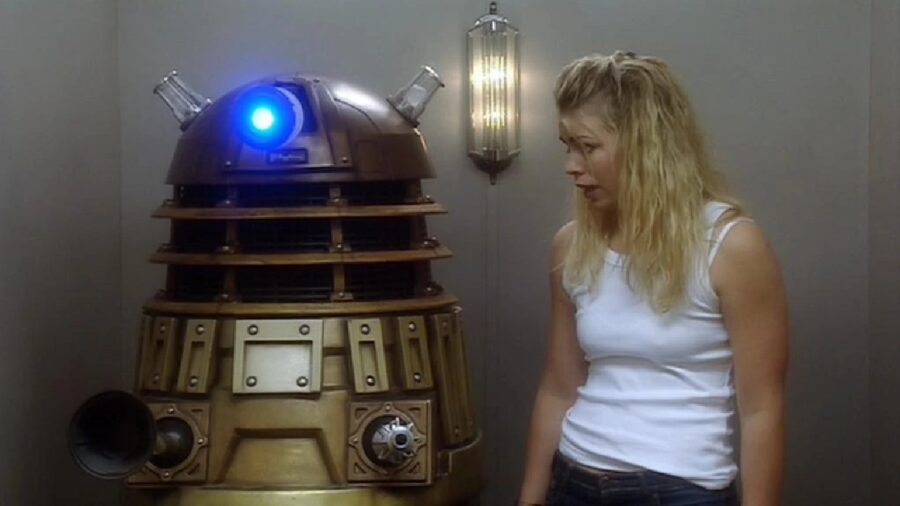
Adding insult to injury, no script development and no attempt to cast a new lead means that even Davies (the man in charge!) had no idea how to wrap up the cliffhanger in which Ncuti Gatwa’s Doctor somehow regenerated into the body of Billie Piper’s Rose Tyler, a former Companion. When the episode aired, some cynical fans thought that bringing this sexy, beloved actor back was a last-ditch attempt to save the show. Now, that theory seems accurate, given that Rose was apparently plonked back into the franchise with no real idea of how to use her character. Now, that will be a problem for another showrunner, assuming that Doctor Who ever comes back.
The Crankiest Doctor Is Now Validated

Amid the hate spurred on by Russell T. Davies’ Instagram posts, more and more Doctor Who fans came to a simple conclusion: Christopher Eccleston was right! Eccleston played the Doctor for the first season of the 2005 revival; when fans asked why he left the show, the actor responded that he had concerns about how the crew was treated and that he was told to ignore these concerns. After leaving, he claimed that he had lost all trust in Davies. More recently, when Eccleston was asked at a fan convention what it would take for him to return to Doctor Who, he bluntly responded, “Sack Russell T Davies…and I’ll come back.”
For a long time, it was easy to dismiss some of Eccleston’s claims as sour grapes. Now, though, Davies returned to Doctor Who only to run it into the ground, and on his way out, he gloated about lying to fans about a Christmas special that will never come to be. In the rest of his Instagram post, he alternates between being weirdly defensive and mildly snarky. Now, it seems increasingly clear that Eccleston was right about the other man. However, we’re left with one silver lining: with Davies now sacked, Eccleston is one step closer to returning to the franchise that made him a household name!
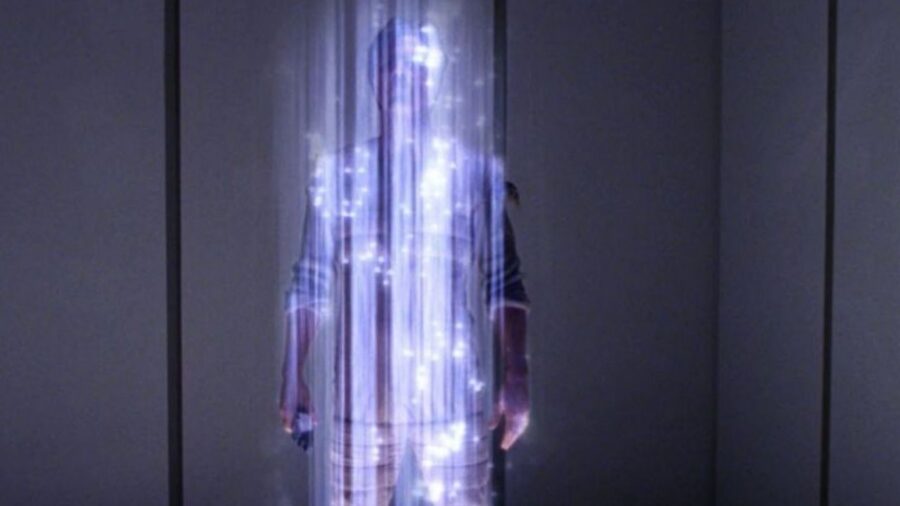
By Chris Snellgrove
| Published

Star Trek: The Next Generation brought back some of the most famous bad guys from The Original Series, including the Klingons and the Romulans. This beloved spinoff also introduced some memorable new villains, including the Cardassians, the Nausicaans, and the Borg. While all of those new baddies resonated with fans, none struck a chord with the fandom quite as much as Q, the godlike being played by John de Lancie. He appeared in both the very first and very last episode of The Next Generation and several episodes in between, and he was always the perfect chaos agent to get under Captain Picard’s skin.
Over time, Q became less of a villain and more of an antagonistic ally: by the end of TNG, he was helping Picard to literally save all of humanity. Originally, though, he was written to be a recurring Big Bad, a kind of ultimate foe who can’t be overcome by advanced Starfleet technology. When did he begin his transformation from evil villain to the unexpected savior of mankind? It all started with “Deja Q,” an episode where Q was written to be a manipulator who merely lied about losing his powers. But Gene Roddenberry insisted he actually lose his powers, causing the former villain to discover humanity he didn’t even know he had.
Naked And Afraid

“Deja Q” is the memorable Next Generation episode in which Q shows up on the Enterprise, completely naked. He reveals that the Q Continuum decided to punish him for because he frequently torments lesser beings; subsequently, they stripped all of his powers, effectively leaving him at the mercy of previous alien victims such as the Calamarain. They attack Q when he is adjusting to life as a human, and he freaks out when he sees how the aliens hurt his new buddy, Data. Q tries to sacrifice himself to the Calamarain so the Enterprise crew would be safe, and his altruistic behavior is rewarded when the Q Continuum give him his powers back.
It’s a very heartwarming episode that quite literally humanizes Q, who was, up to this point, the scariest villain in Star Trek: The Next Generation. As recorded in Captains’ Logs: The Unauthorized Complete Trek Voyages, “Deja Q” was originally written as an episode where Q was lying about losing his powers. Showrunner Michael Piller said that Q spun “a whole story about how we were about to come into a war with the Klingons,” with the big reveal being that the godlike being “was just playing with us and pulling our strings just so that he could make himself a hero, become an officer and prove his value.”
Til Death Do Them Part

Such an elaborate ruse would be perfectly in line with the mustache-twirling villain that we saw in earlier episodes like “Encounter at Farpoint” and “Hide and Q.” So, why did the plot for “Deja Q” change so dramatically? This was because Star Trek creator Gene Roddenberry decided to effectively redeem TNG’s most iconic villain. According to Piller, Roddenberry “threw cold water” on him and the other producers with a very straightforward storytelling note: “If you’re going to do a story–Godlike and brought to Earth–then do it. Do a story about what it’s like to lose everything that you are and having to discover your own Humanity.”
It turned out to be great advice, and “Deja Q” became one of the best episodes of the entire series. This humanization of Q set up some important later arcs for the character, including him helping Picard save humanity in the TNG finale “All Good Things.” The godlike being also returned in Picard Season 2 to help give his oldest frenemy some closure. Sadly, Roddenberry didn’t live to see any of this; he died in October 1991, one year after the original broadcast of “Deja Q.” Fortunately, he had time before his death to help redeem his favorite villain, one named for a passionate Star Trek fan.
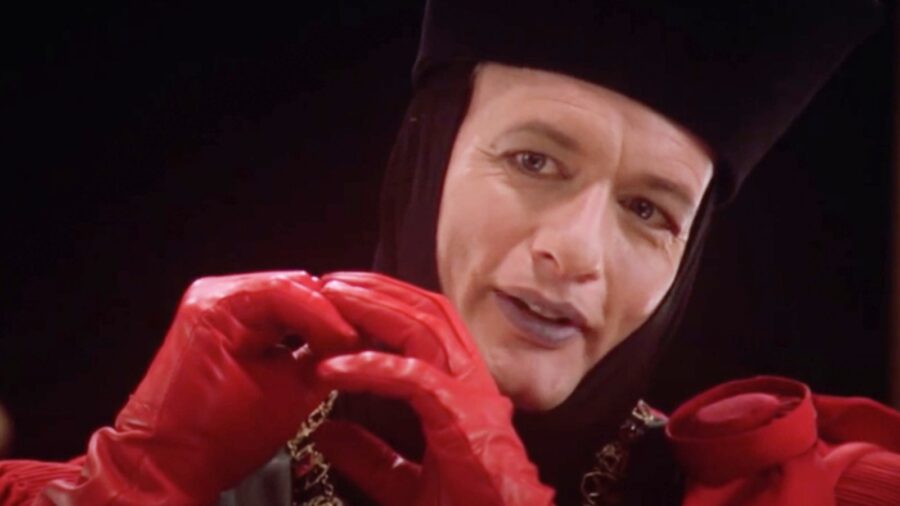
Obviously, Gene Roddenberry wasn’t a perfect storyteller, and some of the Season 1 TNT episodes under his tenure were pretty bad (“Code of Honor,” anyone?). But he always had good instincts when it came to his characters. He knew how to write Q as one of the greatest and most menacing villains in television history, but he also knew exactly when and how to transform that bad guy into one of Star Trek’s most unexpected heroes. He also gets the coolest hero-to-villain glow-up, ever. After all, how many do-gooders have you seen that have their own mariachi band?
Entertainment
The cast of “Who's the Boss?”: See Tony Danza, Alyssa Milano, and their costars, then and now
:max_bytes(150000):strip_icc():format(jpeg)/Whos-The-Boss-WATN-060226-907407257b3b47d8a154bde9eba990cc.jpg)
Danza and Milano led this warmhearted ABC sitcom across eight seasons.
Entertainment
Sydney Sweeney responds to “Euphoria” 'cast drama' rumors after heavily maligned final season
:max_bytes(150000):strip_icc():format(jpeg)/euphoria-sydney-sweeney-alexa-demie-barbie-ferreira-041125-3eb29f087bc341c9a9c0535d3b8b125b.jpg)
The actress also spoke about narratives about herself that she’d like to clear up: “They want the easy clickbait.”
Entertainment
Taylor Swift brings out Oscar-winning legend for rare, emotional “Toy Story” performance that might make you cry
:max_bytes(150000):strip_icc():format(jpeg)/taylor-swift-2-d17a56335b8949e5a0662b180928ab24.jpg)
Swift brought out “Toy Story” theme song icon Randy Newman for a moving rendition of “You’ve Got a Friend in Me.”
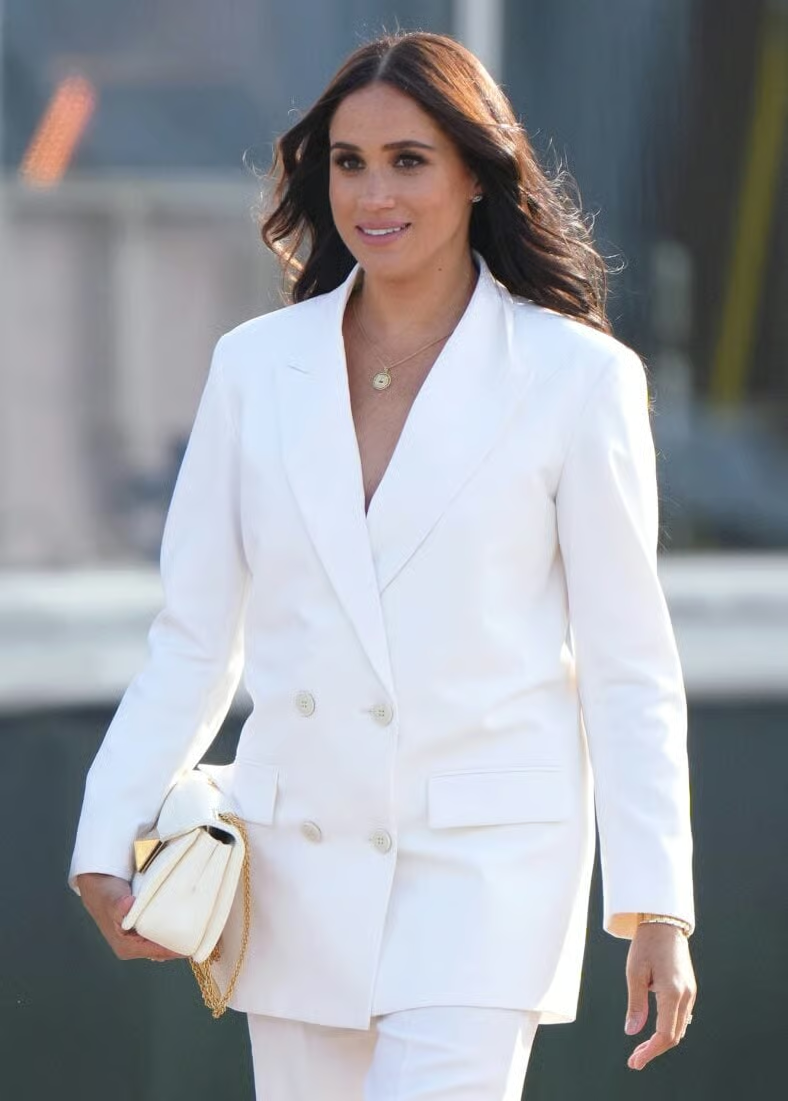
Meghan Markle has been compared to one of the most controversial figures in royal history, Anne Boleyn, amid ongoing debate about her departure from royal life alongside Prince Harry.
The comparison was made by author Catherine Mayer, who argued that both women were viewed as outsiders and faced intense hostility after entering the royal fold. The remarks come as reports suggest Harry and Meghan are considering spending more time in Australia following their warmly received visit to the country earlier this year.
Meghan Markle has been linked to controversial royal predecessor Anne Boleyn, who served as Queen Consort during her marriage to King Henry VIII.
On the surface, the two women appear to have little in common. Meghan lives in Montecito with Prince Harry and their two children, while Anne met a notorious end in 1536 after being accused of treason.
However, while promoting her new book, “Divide and Rule: Royal Women and Their Battles,” author Catherine Mayer suggested that Meghan’s “brutal” departure from royal life mirrors Anne’s experience in several ways, particularly as both women were viewed as cultural outsiders.
“Critics hold [Anne] solely responsible for her own downfall. If you assume this to be a description of Meghan, you’re right – but here’s the thing: the same details apply, word for word, to Anne Boleyn,” Mayer wrote in the book, per Sky News.
Meghan’s Reputation Was ‘Damned,’ Author Claims

Mayer went on to describe Meghan as the least popular royal “except for Andrew Mountbatten-Windsor,” who lost his royal patronages and military affiliations following scrutiny over his association with Jeffrey Epstein.
According to Mayer, Meghan’s reputation may have been “damned” by a palace culture she characterized as hostile toward outspoken women.
“To those who clamour for Meghan to be expunged from public life like a latter-day Anne Boleyn, I’d ask one question: what exactly has she done to earn such hostility?” Mayer added.
Meghan Markle Continues To Face Online Criticism
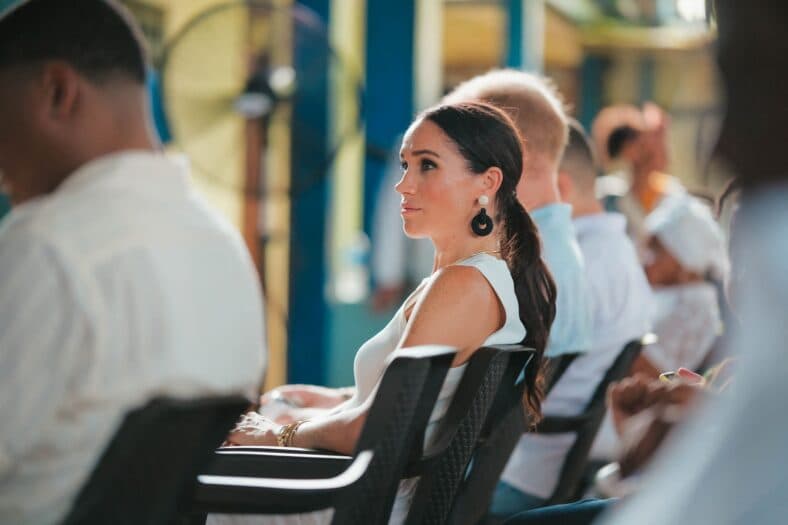
Meghan has frequently found herself at the center of online criticism, so much so that she once claimed she was the “most trolled person in the world” during the past decade.
Whether through products released under her As Ever lifestyle brand, her Netflix series “With Love, Meghan,” or her social media activity, critics have regularly questioned the Duchess’s decisions.
Most recently, Meghan marked Princess Lilibet’s birthday by sharing photos of herself and Harry with their daughter. Days earlier, she posted images from a family outing that included Archie and Lilibet.
The posts sparked criticism from some social media users, who argued that sharing images of her children conflicted with her advocacy for child safety and online privacy.
Duchess Defends Sharing Family Photos
The criticism eventually prompted a response from Meghan’s camp, which argued that sharing family moments while protecting children’s identities is entirely consistent with her message on online safety.
“The Duchess has always been clear that there is a distinction between sharing moments from her life and exposing her children to public scrutiny,” a representative told Newsweek.
They continued, “By obscuring their faces, she is demonstrating the very principle she advocates for: giving children privacy, agency, and protection in an increasingly digital world.”
“Far from being contradictory, by concealing their faces she is actually reflecting the message she delivered in Geneva: that parents can choose to share family experiences while still taking deliberate steps to protect identities, privacy, and digital footprint,” the spokesperson added.
Harry Reportedly Wants Meghan Markle Back In Australia

After a challenging few years in the United States, reports suggest Harry and Meghan may be exploring Australia as a potential fresh start.
The couple spent four days in the country in April on what many described as a quasi-royal tour, receiving a warm welcome while participating in charity engagements and private events.
According to reports, Harry has become particularly fond of the country and is eager to return with Meghan and their children.
“He can’t wait to get back with Meghan and the kids,” an insider claimed. “Harry would love to spend an extended amount of time there. It’s no secret they’re looking to make a fresh start somewhere, and Harry seems to think Australia can offer that.”
The Sussexes previously toured Australia in 2018 during an official royal visit while Meghan was pregnant with Prince Archie. They have not undertaken a similar royal tour since stepping back from official duties in 2020.
By Chris Snellgrove
| Published
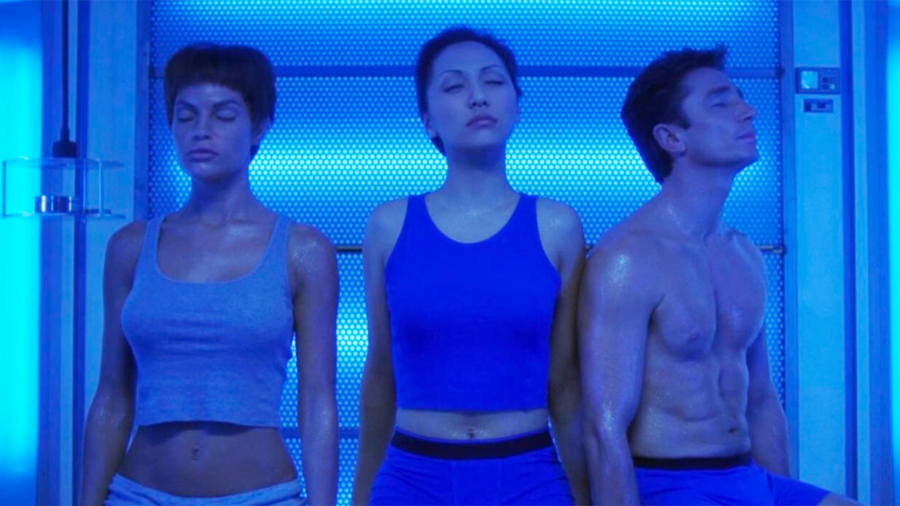
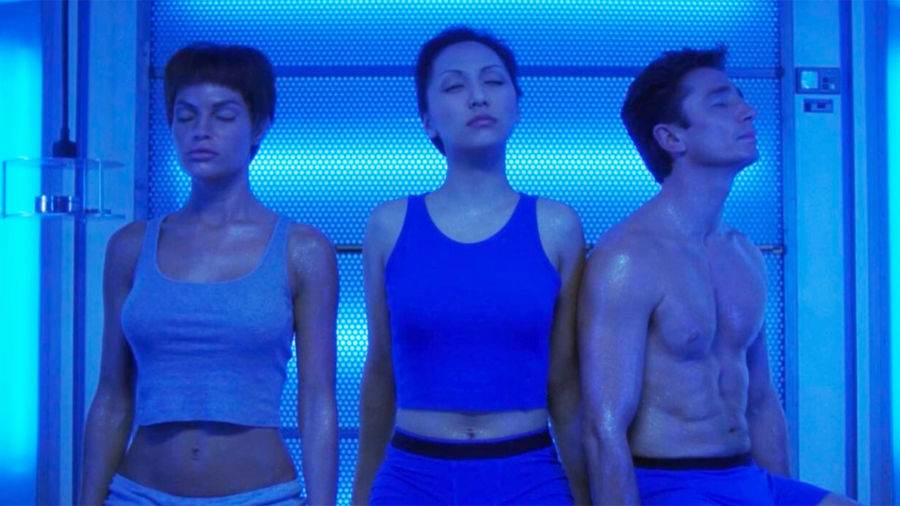
From the very beginning, Star Trek has been a franchise about exploring strange new worlds. Often, that’s literal, with our intrepid crews learning about new life and new civilizations on one planet after another. More often than you might think, however, the most interesting explorations were more metaphorical, as our characters discovered new facets of their own humanity. However, there was one final frontier this franchise never explored for decades: nudity!
Until its more recent pivot to streaming, Star Trek had always premiered on network television. That meant that it had to abide by certain broadcast standards and practices. As you might imagine, there are plenty of restrictions regarding nudity, most of which focus on how much skin can be shown. That’s why, when Q showed up naked in The Next Generation episode “Deja Q,” we only see so much: one cheek, no crack, and (perhaps most importantly) no genitals. No matter how much they wanted it otherwise, fans could only see so much of Q actor John de Lancie’s body. The actors, however, saw everything because de Lancie stripped completely naked on set!
The Naked Now
“Deja Q” is the Next Generation episode where Q loses all of his godlike powers and is rendered human. He is being punished by the Q continuum for abusing those powers to torment various alien beings who can’t fight back. Aboard the Enterprise-D, Q is attacked by an alien race that he had preyed on before (the Calamarain), and they end up damaging Data. Realizing that he is putting the entire crew at risk, Q steals a shuttle and tries to sacrifice himself to the aliens to keep everyone else safe. Impressed by altruism, the Q Continuum ultimately restores all of Q’s powers.
In previous appearances, Q had always made himself look imposing by dressing like a judge, a soldier, and even a Starfleet captain. To visually underscore that his powers had been stripped, the Star Trek: The Next Generation producers stripped him, and Q showed up completely nude on the bridge. To make that happen, John de Lancie was given a g-string to protect his modesty. According to visual effects supervisor Dan Curry, de Lancie decided to forego the g-string, and nobody else knew until the actor showed up on set.
Star Trek Icon Bares It All

As recorded in Star Trek: The Next Generation 365, Curry said, “The script said ‘Q appears nude.’ We planned to have John de Lancie lay on a wooden board that couldn’t be seen due to Patrick Stewart’s position in the shot.” However, things soon went off-kilter in the most hilarious way. “As we were prepping the shot, John showed up on the set with his bathrobe on. When we were ready to go, he dropped his bathrobe, and he was stark naked. That caused… ummmm… a bit of a stir.”
Curry didn’t elaborate further, so we can only imagine what costars like Patrick Stewart and Brent Spiner felt about seeing the full de Lancie. However, the visual supervisor did note that despite (or perhaps because of) the actor’s unexpected antics, the scene went exactly as planned. “It’s one of the few shots we’ve done that came out looking exactly like the storyboard. I’d picked the spot for the camera in advance, and the scene played out just as I drew it.”

In Star Trek: The Next Generation, Q is a chaotic trickster god, and you never know exactly what he’s going to do next. Now, you know that John de Lancie has the same temperament as his omnipotent onscreen alter ego. While the actor doesn’t, sadly, have his character’s fantastic cosmic powers, he did demonstrate one astonishing ability on the set that day: just like that, he transformed “Deja Q” into a special after-hours rerun: “The Naked Now.”
:max_bytes(150000):strip_icc():format(jpeg)/Bruce-Willis-Julia-Roberts-and-Noah-Wyle-on-Friends562-05292026-1718837371b74a0a86e6e5649df0cfb1.jpg)
Some of Hollywood’s biggest names bumped into the gang at Central Perk, while others were even invited up to their apartments.
Entertainment
Kathy Griffin slams longtime friend Adam Carolla for attacking her over Karen Bass interview: 'Go f— yourself'
:max_bytes(150000):strip_icc():format(jpeg)/kathy-griffin-2-f264c0f1bba348f8827f9c83be894fde.jpg)
Griffin hit back at Carolla after he called her a “red-haired, pasty” person.

Wolves: Wolves dismiss Rob Edwards after seven months in charge at Molineux

iPhone 18 Pro Max Rumors Point to Thicker Design, Massive Battery and Major Camera Upgrades

BlackRock’s income-paying bitcoin ETF nears launch at a fee that undercuts rivals



-

 Fashion6 days ago
Weekend Open Thread: Evereve – Corporette.com
-
 Crypto World6 days ago
Jensen Huang Approves Samsung, SK Hynix, and Micron for NVIDIA (NVDA) HBM4 Memory Supply
-
 Entertainment4 days ago
The Best Mystery Series of All Time Is Surging on Streaming 30 Years After It Ended
-

 Crypto World3 days ago
Anatomy of the June crypto crash: Fed, Iran, Saylor
-

 NewsBeat3 days ago
Alexander Zverev wins the French Open to finally earn a 1st Grand Slam title
-

 Tech5 days ago
Suspicious Polyfill login prompts pop up on Toshiba, Muji websites
-
 Crypto World5 days ago
Senator Cynthia Lummis Calls CLARITY Act the Most Consequential Financial Legislation of This Generation
-

 Tech4 days ago
Microsoft unveils seven homegrown AI models in new bid for ‘long term self-sufficiency’
-

 Tech6 days ago
Microsoft launches MXC, an OS-level sandbox for AI agents, with OpenAI and Nvidia already on board
-

 Business6 days ago
(VIDEO) Justin Bieber Delivers Surprise Happy Birthday Serenade to Diners at Los Angeles Mexican Restaurant
-
 Business4 days ago
The Pain Points Taking a Fragile Tech Rally Down a Notch
-
 Crypto World3 days ago
Eli Lilly (LLY) Stock Surges 4% Following Breakthrough Sleep Apnea Trial Results
-

 Business3 days ago
High Stakes for Wembanyama as New York Pushes for 3-0 Lead
-

 Tech5 days ago
Von der Leyen’s AI envoy pick draws conflict-of-interest fire
-
Crypto World6 days ago
LBank Surpasses 25 Million Users Worldwide as AFA Partnership Continues to Drive Global Growth
-

 Tech5 days ago
Hackers now exploit SolarWinds Serv-U flaw to crash servers
-

 Tech6 days ago
Meta steals a tactic from Tesla and builds data centers in tents
-

 Crypto World4 days ago
Trump’s AI Ownership Plan Could Benefit Anthropic at OpenAI’s Expense
-
 Sports2 days ago
Bangladesh beat Australia after 20 years in ODIs, register only their second win over six-time world champions | Cricket News
-
 NewsBeat4 days ago
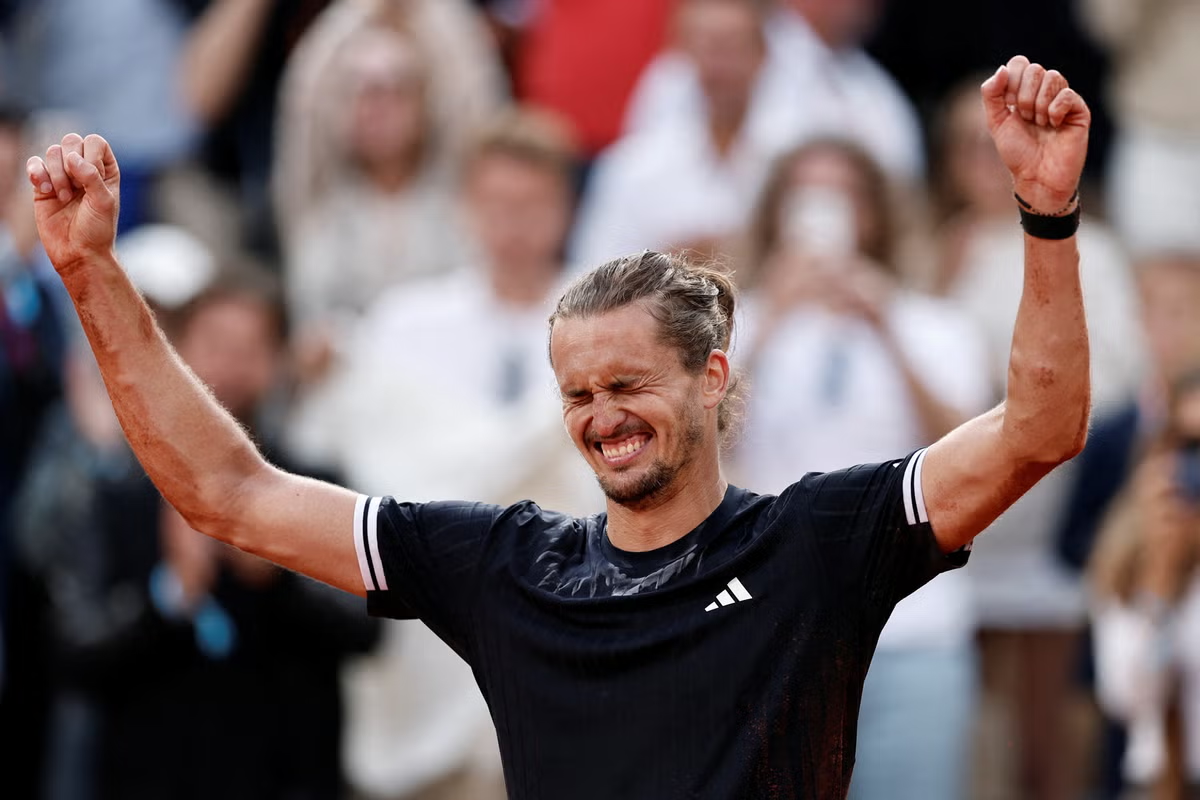
Alexander Zverev conquers demons and outlasts Flavio Cobolli to win French Open for first major title
You must be logged in to post a comment Login