
Entertainment
“Euphoria” star Eric Dane snubbed for first Emmy nomination 5 months after death

:max_bytes(150000):strip_icc():format(jpeg)/eric-dane-euphoria-season-3-042026-192d5e8b465843aaae944908f5c53a74.jpg)
The actor died in February after announcing in 2025 that he was diagnosed with ALS. He was able to reprise his role in the final season of the HBO drama.

Continue Reading

Nothing in this world is perfect; at least, that is what everyone says. It is hard to argue with this, because even in a lot of people’s favorite medium, anime, there are dozens of fantastic but flawed works. Films such as Princess Mononoke and Paprika are legendary works, but they do have a handful of flaws that hold them back from being perfect.
However, that doesn’t mean it is impossible, because this list will highlight ten anime movies that don’t have any flaws in their own respect. Based on aspects such as consistency, pacing, animation, writing, directing, influence, critical acclaim, and overall quality, fans will have a tough time finding things to complain about in these films. These movies have genuinely become institutions of the medium, being perfect as long as they achieve what they set out for.

Kicking off this list is an underrated classic that fans either love or haven’t heard of: Ninja Scroll. Jubei is a swordsman for hire who wanders around the feudal country looking for work. After getting involved with a woman and her revenge story, he tries to clean his hands of it, but her enemies have different plans, thrusting him into a government conspiracy where he will meet an old friend.
Truth be told, Ninja Scroll doesn’t have the best story; it is rather predictable and bland. Some might view that as a flaw, but the simplicity gives way to what the movie really aims to accomplish: fight scenes galore! The animation and art are absolutely stunning, and this visual masterclass makes each fight scene just as striking, with plenty of thrills and riveting moments that make this simple but effective revenge tale one of the best action anime movies.
‘Redline’ (2009)

A lot of the movies on this list are narrative masterclasses, but films such as Redline are all about the animation and exhilaration. JP finally gets his chance to star in the titular race that he has always dreamed of, but the host planet was forcefully chosen, and they don’t want the race to expose their secret weapons, prompting them to try and stop all the racers before they cross the finish line.
Some movies are flawless because of a handful of aspects, but Redline is perfect because what it does, it does well. This movie is a high-octane experience from start to finish, and when it speeds up, it doesn’t slow down. Redline is a beloved anime film that fans enjoy simply because of the flawless animation and exhilaration that can make viewers overdose on hype-inducing moments.
‘Look Back’ (2024)

Tatsumi Fujimoto is an acclaimed manga author best known for his hit series, Chainsaw Man, but he has also delivered a handful of one-shots which have been turned into movies, including Look Back. Fujino was always passionate about art, but when one of her classmates was better than her, she dropped it completely. After the two would-be rivals meet each other, her passion reignites, beginning a lifelong friendship.
It may be shorter than most movies, but it is precisely because of that tight pacing that Look Back becomes a flawless anime film. The dynamic and relationship of the two characters is an absolute wonder, going through highs and lows of tragedy and redemption, ending in a bittersweet manner that proves why Fujimoto is one of the best modern mangaka.
‘The Night is Short, Walk on Girl’ (2017)

Some of the best avant-garde anime movies come from Masaaki Yuasa, including The Night is Short, Walk on Girl. An unnamed protagonist has a crush on one girl who only believes in fate, so to win her over, he tries to convince her that their love is fated. Trying to get her a childhood book, he works tirelessly to win her over as she continues her walk down the red string of fate, seeing what the world brings next.
This movie has a visual style unlike any other, proving to be a stunning display of style and art that hooks viewers with its vibrant colors and uniqueness. The Night is Short, Walk on Girl isn’t just a piece of eye candy, but it also has a profound message hidden beneath its fascinating love story. It may be a forgotten anime film, but it is still perfect and a must-watch.
‘Spirited Away’ (2001)

Studio Ghibli is the most acclaimed anime studio of all time, so it is only natural that their magnum opus, Spirited Away, earns a spot on this list. When a young girl and her family move to a new house, they find an amusement park behind it. When her parents are turned into pigs, she must travel into the supernatural hot springs resort in order to find the witch capable of reversing the curse.
As one of the most popular and renowned anime movies, there is no denying that Spirited Away is without flaws. Influence aside, it is a perfect display of hand-drawn animation that is so incredibly detailed it almost feels impossible. Plus, with a whimsical vibe, charming aesthetic, and a relatable coming-of-age story, Spirited Away is a family-friendly movie that anyone can, and will enjoy.
‘Ghost in the Shell’ (1995)
A new anime series came out remaking the iconic series, but the film of Ghost in the Shell is still the definitive version. Motoko Kusanagi is the leader of an elite squad that deals with cyber-terrorism events, and the latest case involves a mysterious killer that erases the memories of their victims. However, when the mystery gets personal, will Motoko keep her cool?
Like a lot of movies on this list, Ghost in the Shell is a visual spectacle that highlights its animation prowess through a hand-drawn style. Its original worldbuilding, philosophical themes, and thought-provoking discussion have made it a timeless story that only gets more relevant as time passes. As technology improves and society progresses, Ghost in the Shell proves to be timeless and ever-iconic.
‘A Silent Voice’ (2016)

Some of the best anime movies are high school dramas, and A Silent Voice is arguably the most flawless of the bunch. Years ago, Shouya used to bully a girl in school for being deaf, and years after she left, he still carried the guilt. However, when they are reunited again, he aims to right his past wrongs and redeem himself.
A Silent Voice displays one of the best examples of character development in anime, and to do that in a movie is even more impressive. This touching tale will have viewers bawling by the end of it, showcasing its emotional story, achieved through visual and thematic storytelling that further enhances the messages and themes. It all leads to a satisfying and uplifting ending, the ultimate cathartic conclusion.
‘Akira’ (1988)

When it comes to the most influential anime movie, it usually comes down to Spirited Away and Akira, with the latter also being a perfect film. Decades after a nuclear explosion destroyed the world, a rebuilt Neo-Tokyo is now a corrupt hellhole. When a biker gang gets involved in a government conspiracy, one of the members gains strange powers that could destroy the city again.
Akira was the film that put anime on the map in the West, also proving that it could be a serious and mature medium instead of simple entertainment for children. This technical masterpiece used 24 frames per second, which added a visceral weight to the movement and action. Akira is one of the best anime films of the past 50 years, and it didn’t earn that status by having any flaws.
‘Grave of the Fireflies’ (1988)

Akira wasn’t the only flawless anime movie to come out in 1988; It was paired with Studio Ghibli’s second film on this list, Grave of the Fireflies. After the bombing of Hiroshima, a boy and his little sister wander the wasteland in search of food, water, and anything else they will need to survive, but it may already be too late.
As opposed to other Studio Ghibli films, Grave of the Fireflies is a deeply tragic, depressing, and bleak movie that is a departure from the usual formula. It removes the suspense of wondering if they will survive and replaces it with a hollow feeling of knowing what will happen. Grave of the Fireflies is a grim depiction of the war and a defining anti-war experience that will haunt anyone who watches it.
‘Perfect Blue’ (1998)

Satoshi Kon was a legendary director who passed away too soon, but he left an untouchable legacy, including his best film, Perfect Blue. Pop idol Mima wants to break out into the acting industry, but after leaving her group, they begin to gain popularity. Not only that, but a stalker throws Mima into a spell of psychosis, unable to tell reality from fantasy anymore.
It may be confusing at times, but Perfect Blue‘s editing is entirely intentional, creating a disoriented feeling that puts viewers in the shoes of Mima, having them question what is real and what is fake. This brilliant tactic added to the thought-provoking nature and immersion of the story, creating a compelling anime movie that aged like fine wine. Perfect Blue has a tight pace and non-stop thrills that make it the best of the best.

Robert Irwin has suffered an injury to his face during a crocodile research trip in northern Australia.
The Dancing With the Stars: The Next Pro host, 22, shared a gruesome selfie that captured his injury via a Sunday, August 2, Instagram Story. “Tree: 1, Robert: 0,” Robert wrote over the photo which showed blood dripping down his nose and soaked through his khaki shirt.
The DWTS season 34 champion, who is currently traveling through the Steve Irwin Wildlife Reserve in Australia’s Far North Queensland, had previously shared via his Instagram Stories that he is camping in the remote Cape York Peninsula for one month while tackling his annual crocodile research expedition. (The reserve was established in 2007 to honor Robert’s late father, Steve Irwin, and his animal conservation efforts before he died at the age of 44 in 2006.)
As part of his trip, Robert built a crocodile trap, per footage shared via his Instagram Stories, and examined large crocodile footprints as well as spotting multiple crocodiles lurking in the water.
“We’re back on our annual crocodile research trip in remote northern Australia. First things first, it’s time to find signs of where crocs have been,” Robert captioned a Saturday, August 1, Instagram video of himself finding a muddy crocodile footprint. “It doesn’t get better than a footprint like this, what a whopper.”
Robert’s mom, Terri Irwin, took to the video’s comments section to provide context surrounding Robert’s annual adventure. “We are learning so much with our crocodile research. It’s the longest running telemetry study, helping us find out where they travel, nest, and go to escape extreme flooding events. We have discovered they can hold their breath more than eight hours, how their body temperature affects their movements, and that they can travel more than 60km per day,” Terri, 62, wrote. “It’s really exciting to be able to provide so much new data on these gorgeous animals!”


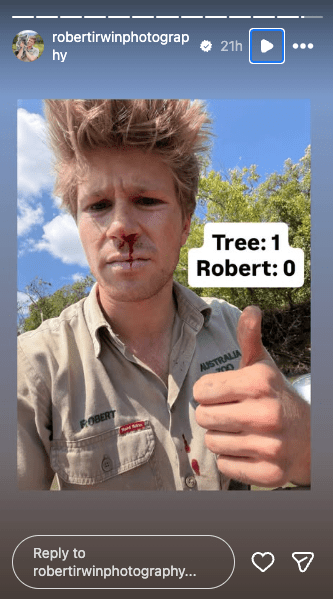
Robert Irwin Courtesy of Robert Irwin/Instagram
Just a few days prior, Robert shared behind-the-scenes footage of himself on the set of his DWTS spin-off reality series as the host continues to juggle U.S. showbiz pursuits with his animal conservation work in Australia, where he was born.
In January, he opened up to The West Australian about how he splits his time between the southern and northern hemisphere. “Being in L.A. for the last three months has been wonderful, but I am not a city kid,” Robert admitted at the time. “I live out in the bush and have grown up there, so it’s good to be back where there’s a bit of greenery.”
Last month, he shared a video of himself at the Irwin family’s Australia Zoo while holding a baby freshwater crocodile for the camera. “You can hear the vocalizations that he’s making, he’s only a young fella so at this size, he’s making those cute little frog noises,” he told fans in the July 22 clip alongside a caption that read, “How cute are those little squeaks?!”
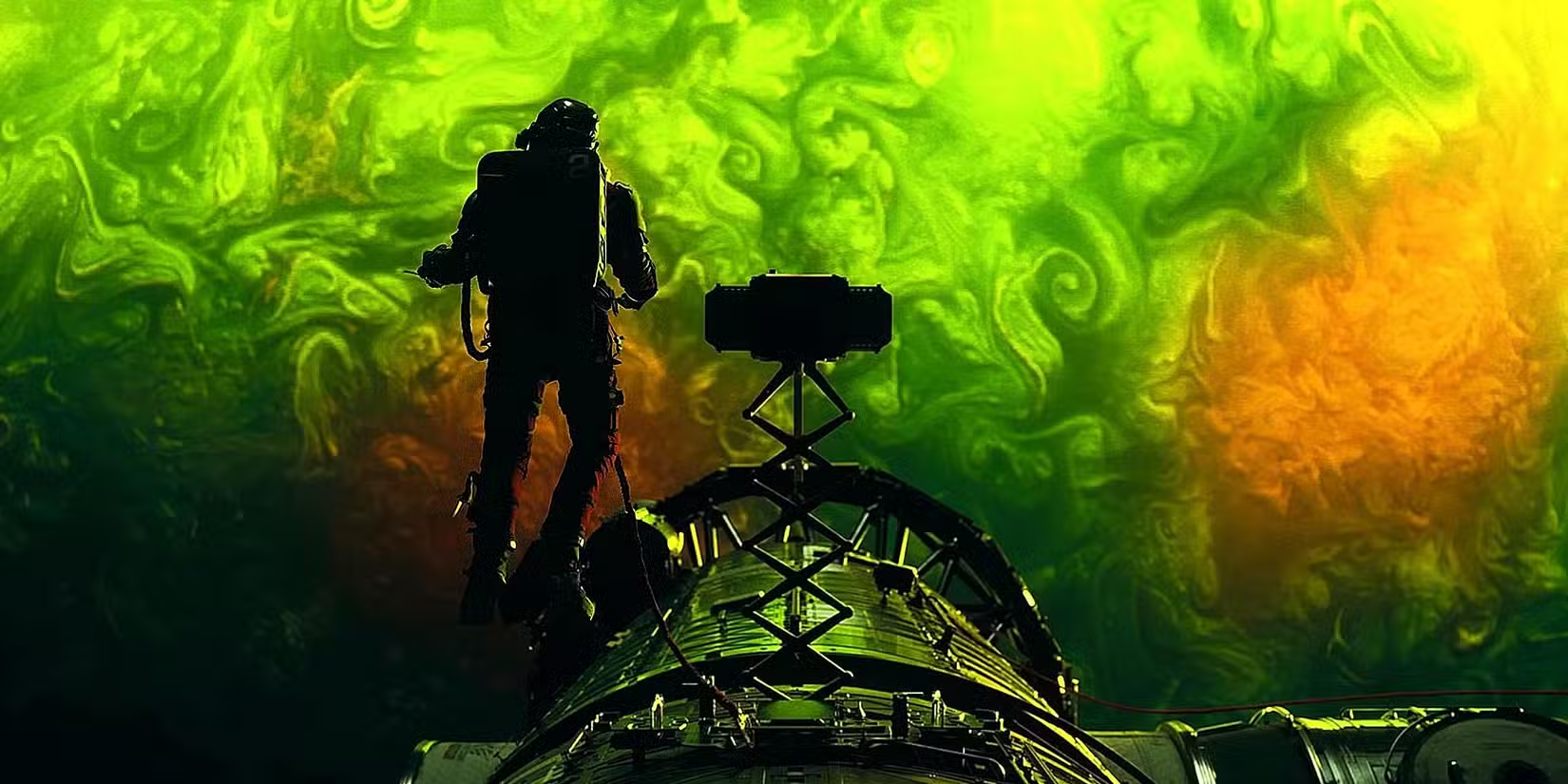
Following humanity’s desperate attempt to find a new home as Earth succumbs to environmental disaster that ravages mankind’s food sources, Interstellar is an epic film of space exploration, survival and hope that is awe-inspiring, deeply profound, and incredibly philosophical with its meditations on society and family. The Christopher Nolan epic was immediately regarded as a sci-fi classic and one of the most moving and magnificent films ever made, one that has lost none of its impact in the 10 years since its release.
Naturally, such is the captivating power of the film, many fans have eagerly sought out other contemplative and insightful science-fiction films that can deliver a similar experience that juggles meditative poignancy with a divine sense of spectacle. From the surreal to the scientifically accurate, and from space exploration to the subconscious, these 10 movies are sure to twist the mind while snatching viewers away on epic adventures far beyond their wildest dreams. So strap yourself in and prepare for take-off!
15
‘Project Hail Mary’ (2026)

Interstellar was released as an epic, visually astonishing space adventure that captured the amazement and imagination of the masses with its intricate, cerebral sci-fi plotting. For 12 years, the mind-bending Christopher Nolan masterpiece was somewhat alone in this regard, but not anymore. Marking a defining triumph of 2026 cinema, Project Hail Mary left millions of moviegoers transfixed with its cosmic brilliance, stunning special effects, and its high-stakes save-the-world story.
Admittedly, its unabashedly charming tone may have played a significant part in its cultural impact as well, with the movie following the friendship that blossoms between lone astronaut Ryland Grace (Ryan Gosling) and Rocky (James Ortiz), an alien lifeform on a similar mission to save his own homeworld. Project Hail Mary may revel in a warm and gentle air of heroic optimism and fun-loving quirkiness, whereas Interstellar delivers a more urgent and fiercely dramatic experience, but both films stand as two of science-fiction cinema’s most visually gorgeous and epic pictures of the 21st century so far.
14
‘Primer’ (2004)

True to form for Christopher Nolan, Interstellar immerses itself in mind-breaking concepts of time manipulation and non-linear storytelling. While the entirety of its $7,000 budget probably didn’t even amount to a fraction of what Interstellar spent on just catering alone, Primer delivers a similar cerebral experience of confounding high-concept science-fiction as it follows two ambitious college graduates who accidentally invent a time travel device and find themselves at a philosophical impasse concerning whether to exploit it for self-gain or treat it with caution.
Written, directed by, and starring Shane Carruth, himself a college graduate with a degree in mathematics and experience as an engineer, the dialogue is unapologetically dense and technical, but it imbues the 77-minute thriller with an engrossing sense of tension and complexity that remains scintillating even on repeat viewings. A defining gem of indie cinema and low-budget sci-fi in the 21st century, Primer is perfect for those who love the challenging and thought-provoking scientific detail of Interstellar.
13
‘Armageddon’ (1998)

Billed as a sci-fi action movie, Armageddon is blatant disaster blockbuster bombast at its popcorn-chugging best. Directed by Michael Bay, it unfolds as NASA discovers a large asteroid on a trajectory to hit Earth in 18 days’ time and wipe out all life on the planet. In a desperate bid to save the world, the space organization recruits a team of deep-sea oil drillers led by Harry Stamper (Bruce Willis) who are to land on the asteroid, dig to its core, and ignite a bomb that will see it shatter before striking Earth.
It is utterly ridiculous, and those who enjoy the scientific intensity of Interstellar probably won’t be too amused by Armageddon’s storytelling, tone, or premise. However, those who enjoy Interstellar as a visually magnificent picture with save-the-world stakes could find the guilty pleasure indulgence Armageddon has to offer. Buoyed by its outstanding ensemble cast, impressive and surprisingly ageless visuals, and its sweeping tone of all-American heroism, Armageddon is an easily digested epic about saving the world that, in its broad strokes, runs a little like Interstellar for dummies, and there is nothing wrong with that.
12
‘Event Horizon’ (1997)

One of Interstellar’s most pressing and thought-provoking ideas is the notion of what exists beyond the event horizon of a black hole. In the film, Cooper (Matthew McConaughey) discovers a hyper-dimensional physical representation of a timeline created by humans from a more advanced future when he ventures into “Gargantua” to unearth the essential facts that will save humanity. Event Horizon depicts something a little different with its exploration of black holes as it follows Captain Miller (Laurence Fishburne) and his crew as they are tasked with investigating the mysterious re-appearance of the Event Horizon after it vanished on its maiden voyage seven years prior.
A recommendation for those who can stomach graphic visual horror, the crux of Event Horizon’s premise is that the titular ship’s venture beyond the known universe steered the crew to Hell, where they suffered all manner of agony and evil before the ship returned unmanned. It is certainly a unique theory about where black holes may lead, but propped up by an assembly of great performances—particularly from Sam Neill in a frightfully villainous role—and an unrelenting sense of atmospheric unease, Event Horizon earns its stripes as a niche gem of horror sci-fi cinema.

Almost immediately after its release, many were quick to compare Interstellar to the likes of 2001: A Space Odyssey on account of its visual mastery, thematic depth, and its complex yet grounded focus on the nature of space travel. The similarities are certainly clear, but it is arguably 1997’s underrated sci-fi epic Contact that stands as the film most like Interstellar that audiences have seen, not only because of its spectacle and sci-fi themes, but because of its intimate focus on familial connection, the intersection of science and love, and the way it explores humanity’s standing in the universe.
Based on the novel by Carl Sagan—whose work was a foundational inspiration for Interstellar—Contact follows SETI scientist Dr. Ellie Arroway (Jodie Foster) as she discovers irrefutable evidence of intelligent alien life and becomes obsessed with being the first to make direct contact, a desire that may be thwarted by suspicious government figures and religious fanatics. Also featuring Interstellar star Matthew McConaughey in a major role, and leaning heavily on the work of theoretical physicist Kip Thorne—the leading scientific consultant on Interstellar—Contact is perhaps the closest movie to Interstellar that exists.
10
‘The Fountain’ (2006)

While it has attracted criticism for being incredibly difficult to grasp, The Fountain has developed a cult following courtesy of its arresting aura and its philosophically charged clashing of three distinct and different stories. In the modern day, Dr. Tommy Creo (Hugh Jackman) searches desperately for a cure for his wife’s terminal illness. The film also explores the manuscript she writes about a 16th-century Spanish conquistador on a mission to find the Tree of Life, while in the distant future, a space traveler nurtures the dying Tree of Life as he travels to the heart of a dying star.
With themes of loss, obsession, and yearning permeating across all three stories – all of which feature Hugh Jackman in the prominent role – The Fountain excels as a powerful depiction of grief. Its balancing of arthouse adventure, drama, sci-fi, fantasy and mythos, and heartbreaking romance makes for an emotionally overwhelming film that, regardless of whether viewers love it or hate it, is difficult to forget. Its enormity and thematic weight make it an intriguing watch for fans of Interstellar.
9
‘Gravity’ (2013)

One of many testaments to the notion that Alfonso Cuarón stands among the greatest directors of the 21st century, Gravity thrives as a relentlessly scintillating sci-fi thriller that depicts a desperate fight for survival while frying the nerves of audience members. It follows astronauts Ryan Stone (Sandra Bullock) and Matt Kowalsky (George Clooney) as their routine spacewalk becomes a deadly affair when they are struck by space debris.
A ceaselessly pulsating story wrapped in grief and dread that plays on common fears surrounding the vast vacuum of outer space, Gravity realizes its heart-stopping story with breathtaking visuals and searing performances to be a riveting yet exhausting viewing experience. The sci-fi film was nominated for 10 Academy Awards and went on to win seven, with Best Director, Best Cinematography, and Best Visual Effects among its most defining achievements.
8
‘The Martian’ (2015)

A cerebral sci-fi thriller that was celebrated for its commitment to scientific accuracy while delivering a great spectacle, The Martian is perhaps the most logical next viewing experience for lovers of Interstellar. It also, quite funnily, stars Matt Damon as an astronaut abandoned on a distant planet (in this case, Mars), just to really appeal to fans of Nolan’s sci-fi classic. Desperate to survive, Mark Watney (Damon) uses his resourcefulness to survive the inhospitable conditions of Mars as the greatest scientific minds on Earth try to figure out a way to rescue him.
The Martian is a brilliant feat of intelligence, both in terms of its scientific basis and its narrative prowess. The manner in which it blends such information-heavy plotting with a lively and energetic story of survival is quite ingenious. Complemented by its awe-inspiring visual display and great performances from all involved, including another Interstellar star in Jessica Chastain, The Martian is arguably the most perfect film for sci-fi lovers to immerse themselves in.
7
‘Ad Astra’ (2019)

Directed, co-written, and co-produced by James Gray, Ad Astra is a meditative sci-fi journey that explores father-son relationships with a delightfully restrained and distant lens that imbues the film with a somber melancholy from start to finish. Brad Pitt stars as Roy McBride, an American astronaut sent on a mission to Neptune to investigate a series of devastating power surges that might be tied to the fate of his father, who went missing on a space mission years prior.
Methodical in its pacing and hinging on a wonderfully taut performance from Pitt while also featuring some sublime cinematography courtesy of the brilliant Hoyte van Hoytema, Ad Astra is an enrapturing sci-fi drama that tends to have a hypnotizing impact on viewers. Even though it does have some flaws, Ad Astra is an underrated little gem of sci-fi cinema defined by its atmospheric intrigue as well as its existential questions that are sure to linger on the mind.
6
‘Sunshine’ (2007)

With an entrancing screenplay from Alex Garland and the ever-brilliant direction of Danny Boyle, Sunshine is a fascinating sci-fi adventure, especially when viewed in conjunction with the writer-director duo’s previous film, 28 Days Later. Whereas that was a dramatic and socially aware zombie flick, Sunshine almost runs more like a monster horror movie, especially in the second half. Its basic premise focuses on a crew sent into space to reignite the dying sun with a nuclear warhead, a mission that turns deadly when an accident occurs, and a long-lost ship that once had the same mission encountered.
The movie features an all-star cast of international actors, which includes Cillian Murphy (another 28 Days Later alumnus), Chris Evans, Michelle Yeoh, Rose Byrne, Benedict Wong, and Cliff Curtis. Every single one of them excels as the spiraling story explores horror aesthetics as well as rich and contemplative issues of survival, sacrifice, and humanity. It is a thoroughly entertaining film that functions as both a hard-core sci-fi thinkpiece and an engaging, action-packed thriller with intense stakes.
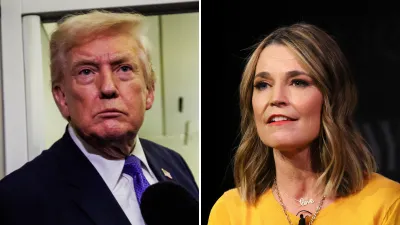
President Donald Trump weighed in on the Nancy Guthrie investigation after a new report raised concerns over Pima County Sheriff’s Department’s methods.
“Some people haven’t liked the way the local community is running it. They haven’t liked the way the sheriff’s run it,” Trump, 80, told reporters inside Air Force One, per reporting by Fox News on Sunday, August 2. The president’s comments regarding Sheriff Chris Nanos come after The Wall Street Journal published an article one day prior that listed possible mistakes made by Nanos and his team.
“But we would like to give them the benefit of the doubt. We’re there anytime they need us as well. It’s a terrible thing,” Trump continued. The president also confirmed that the FBI are currently “involved to an extent” despite the “local community really [running]” the investigation.
The Wall Street Journal’s report — published six months after the 84-year-old mother of Today host Savannah Guthrie was kidnapped from her bedroom in Tucson’s Catalina Foothills — stated that Pima County Sheriff’s Department’s investigation “failed to seal off the property with police tape to protect sensitive crime-scene evidence, allowing reporters, livestreamers, and Amazon and pizza delivery drivers entry to the porch.”

President Donald Trump claims there are new “clues” in the ongoing search for Today cohost Savannah Guthrie’s missing mother, Nancy. “I’ll give you a little statement — I think we’re doing very well in that regard,” Trump, 79, said while speaking to reporters on Air Force One on Friday, February 6. “You’d be surprised to […]
Some of that evidence includes the dried blood that was found on Nancy’s front porch that was later confirmed to be hers, and, per the report, is now believed to be connected to her abduction.
Trump has publicly commented on Nancy’s disappearance, and the FBI’s involvement throughout the investigation, multiple times. During a June 23 statement, shared via social media by Scripps News, the president shared his hope for locating her. “I mean, Savannah’s gone through a rough — that family’s gone through hell. I hope they find her,” he told members of the press at the time.

President Donald Trump Samuel Corum/Getty Images
In February, Trump also spoke to reporters about why the FBI had not taken the lead on Nancy’s investigation. “They [Pima County Sheriff’s Department] didn’t want to let go of it, which is fine. It’s up to them. It’s really up to the communities,” he said during a White House press conference per Fox News. “But ultimately, when the FBI got involved, I think, you know, progress has been made.”
On Saturday, August 1, Savannah, 54, marked six months since her mom’s disappearance via an Instagram post that pleaded for Nancy’s return. “Six months ago, someone took her out of her bed in the dead of night,” she said in her video. “We have lived every moment, every breath, and every heartbeat in agony and despair ever since. Every day, we wake up and try to be strong and go on because that’s what our joyful and resilient mom taught us to do, but make no mistake — our hearts are in ruins.”
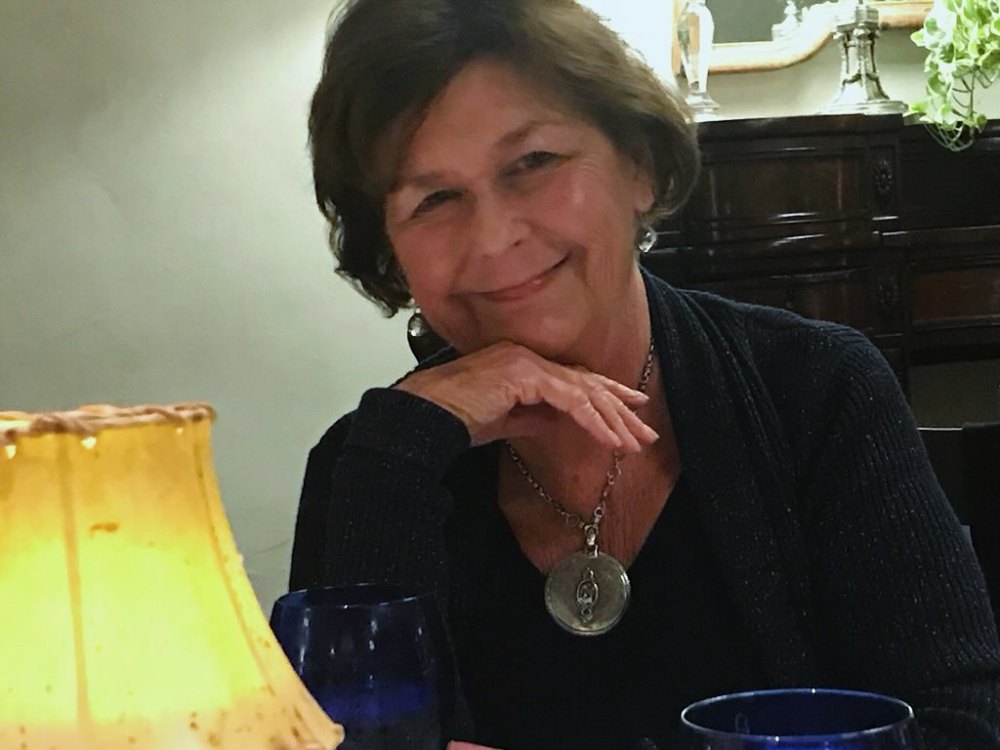
Nancy Guthrie Courtesy of Savannah Guthrie/Instagram
The TV star continued, “We are begging for help. We are desperate. We need someone to come forward. Someone knows something. Someone suspects something. Someone recognizes the writing in the ransom demand notes. Someone has noticed something different, strange, troubling or just unusual — perhaps with someone they deeply love. Perhaps they are afraid to come forward. Perhaps they are conflicted. Perhaps they are angry or upset for being in this situation. There is a way out — to tell what you know.”
Nancy was last seen on January 31, one night prior to her disappearance. While authorities have released Nest doorbell footage of a masked figure approaching Nancy’s home, no suspects have been named.
Authorities and the Guthrie family are offering rewards for credible leads.
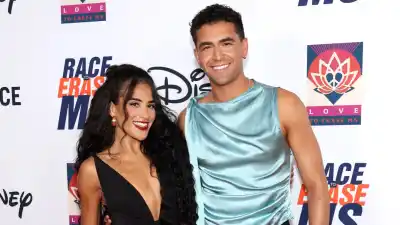
Dancing With the Stars: The Next Pro contestant Natalie Jolley has reunited with Stephani Sosa after suffering a controversial injury during the reality TV competition.
In an Instagram Reel posted on Saturday, August 1, Stephani, 26, danced alongside Natalie, 20, and fellow contestant Jake Monreal at Dancing With the Stars Con in Palm Springs, California.
“We made it 🤍🥹🥰 @dancingwiththestars @thenataliejolley @jakemonreal33,” Stephani captioned the clip.
Days prior to the appearance, DWTS: The Next Pro aired an episode in which Stephani accidentally struck Natalie in the face while the pair were rehearsing for a group number. Natalie sustained a black eye and was eliminated from the competition at the advice of medical professionals.
Ezra Sosa is defending his sister, Stephani Sosa, after she accidentally injured fellow competitor Natalie Jolley on Dancing With the Stars: The Next Pro, resulting in the contestant’s elimination. “My sister apologized to Natalie [and] they didn’t air it,” the DWTS pro, 25, commented on a Tuesday, July 28, TikTok video showcasing the moment Stephani, […]
“That was really hard for me,” Stephani recalled during the Thursday, July 30, episode of the “Viall Files” podcast. “I know Natalie, like, personally. We went to the same dance studio, and it just broke my heart that she left the competition early.”
She continued, “It was a really hard week for me because I just felt horrible, and she’s such a beautiful dancer in person. It was really hard for me.”
Stephani, the sister of DWTS pro Ezra Sosa and previous troupe dancer herself, explained that she went up to Natalie to “check on her” after the incident.
“I was just telling her how sorry I am ‘cause I felt so bad. I know how hard she’s worked to be there, you know, we all worked really hard, so that broke my heart. I’m just sending her so much love,” Stephani said.
The twosome have since reconnected after the show. “We actually worked together before the show [came out],” Stephani added. “She’s like a little sis. It’s cute.”
Natalie, for her part, issued a statement after her elimination and thanked fans for the “love and support” she had been receiving since.
“Being part of @dancingwiththestars The Next Pro has been one of the biggest honors of my life, and although my time on the show ended unexpectedly, I’m walking away with so much gratitude for this opportunity. Sadly, during rehearsals, I suffered a black eye and a concussion in an accident. I did everything in my power to stay in the competition, but the medical team determined that my injuries would prevent me from continuing,” she wrote via Instagram on Wednesday, July 29. “This was my first experience dancing on commercial television, and while I was definitely intimidated at first, I found my confidence as the days went on. If there’s one thing this experience has taught me, it’s to do the scary thing. Put yourself in uncomfortable situations and watch yourself grow!”
She continued, “I’m so grateful for the time I was able to spend in the house and on stage—for the experiences, the challenges, and the people I met who I now call family🥹❤️. I truly believe everything happens for a reason, even when it’s hard to understand in the moment. I’m choosing to trust the process, keep moving forward, and believe that what’s meant for me will always find me. I know this is only the beginning as I continue to learn, grow, and come back even stronger!!”
In the comments section, Stephani added, “I love you so much ❤️.”
Dancing With the Stars: The Next Pro airs on ABC Mondays at 8 p.m. ET.

Seven years before Rylee Arnold and Hailey Bills slayed the Dancing With the Stars season 34 stage, they were both junior pros on the younger iteration of the ballroom competition.
In 2018, DWTS aired a junior version of the competition where a slate of child stars or kids of celebrities competed for a star-shaped mirrorball trophy. The cast included Ariana Greenblatt, Miles Brown, Mackenzie Ziegler and Olympian Sky Brown, all of whom were partnered with a preteen dancer and mentored by a DWTS professional dancer.
For instance, then-pro Lindsay Arnold served as the mentor and choreographer for sister Rylee’s partnership with Black-ish alum Brown.
“Being on DWTS on its own was a dream for me, and being on DWTS with my youngest sister, every single day when I went into work, I was mind-blown,” Lindsay, who won season 25, told Closer in 2018. “I’m so proud of the way that she handled everything, because it’s tough. She was so mature and handled it so well, and it just made me have a really, really strong appreciation for her.”

Rylee Arnold isn’t the first family member — let alone sibling — of a Dancing With the Stars pro or contestant to enter the ballroom. Julianne Hough was the first dancer to face off against her brother, Derek Hough, on the ABC competition series. After Julianne got her start on the series in season 4 […]
Rylee was 13 at the time, and at 18, she became a first-time pro on the legacy competition during 2023’s season 32. Two years later, she returned to the show for her third season, while Bills, who is fellow pro Jenna Johnson’s niece, made her debut in the troupe.
Keep scrolling to see where the rest of DWTS Juniors pros are now:
Rylee Arnold

Celebrity Partner: Miles Brown
DWTS Mentor: Lindsay Arnold
After making her DWTS Juniors debut, Rylee returned to her native Utah to finish middle and high school. She moved to Los Angeles after graduating when she was cast as a pro on the OG series. Rylee’s been paired with Harry Jowsey, Stephen Nedoroscik and Scott Hoying during seasons 32, 33 and 34, respectively.
Hailey Bills

Celebrity Partner: Tripp Johnston Palin
DWTS Mentor: Jenna Johnson
Bills and Tripp, the son of Bristol Palin and ex Levi Johnston, were the first couple eliminated from the junior show. In the years since, Bills continued dancing and performed with judge Derek Hough at a Savannah Bananas game in September 2025. That same month, Bills joined the DWTS season 34 troupe.
Brightyn Brems

Celebrity Partner: Mandla Morris
DWTS Mentor: Cheryl Burke
After dancing with Stevie Wonder’s son, Brems showed off her skills on World of Dance, America’s Got Talent and her high school drill team. Brems also models and choreographs in her free time.
Artyon Celestine

Celebrity Partner: Ariana Greenblatt
DWTS Mentor: Brandon Armstrong
Celestine, a child performer from A Christmas Story Live! and Lip Sync Battle Shorties, has since started an acting career. His credits include Attaway General, Drama Club, S.W.A.T. and Blaze and the Monster Machines.
Outside of performing, Celestine graduated from high school in June 2025.
JT Church

Celebrity Partner: Sky Brown
DWTS Mentor: Alan Bersten
Church was the runner-up on the younger version of So You Think You Can Dance before he and Brown won DWTS Juniors. Church still dances, with credits that include The Music Man’s Broadway revival, This Is Us, Drama Club and Christmas Waltz. Most recently, Church appeared in a Los Angeles Opera production of West Side Story in fall 2025.
Kameron Couch

Celebrity Partner: Hudson West
DWTS Mentor: Hayley Erbert
Couch graduated from the Orange County School of the Arts in June 2025 before enrolling at the University of Southern California to earn a BFA in dance. She also danced music videos for DJ Snake’s “A Different Way,” Kesha’s “My Own Dance” and multiple projects for JoJo Siwa.
Jake Monreal

Celebrity Partner: Sophia Pippen
DWTS Mentor: Sasha Farber
The ballroom dancer has made the leap into the filmmaking world as he entered his early 20s.
“A huge and rewarding undertaking independently producing my first film,” Monreal wrote via Instagram in March 2025. “It’s the first of many to come in this next juncture of my life all due to my tirelessly dedicated and fantastic crew and talent who I can’t thank enough. Eagerly pursuing what’s to come next in acting and directing!!”
He later appeared on DWTS: The Next Pro, which aired in summer 2026, but was the first castoff.
Tristan Ianiero

Celebrity Partner: Alana “Honey Boo Boo” Thompson
DWTS Mentor: Artem Chigvintsev
After appearing in the ballroom, Ianiero danced on Netflix’s 2022 adaptation of 13: The Musical. He now choreographs and teaches intensive classes in New York.
Lev Cameron Khmelev

Celebrity Partner: Addison Osta Smith
DWTS Mentor: Keo Motsepe
Khmelev released his debut music single, “Messed Up,” in 2022. He’s since released songs “All Night,” “Stalling,” “Embarrassing, “Lunar Love” and “Trust Issues.”
Kamri Peterson

Celebrity Partner: Akash Vukoti
DWTS Mentor: Witney Carson
Peterson is still dancing in Los Angeles, even assisting Rylee and fellow DWTS pro Ezra Sosa at the Press Play convention in October 2025. She also attended several season 34 live tapings and joined the troupe for 2026’s season 35.
Sage Rosen

Celebrity Partner: Mackenzie Ziegler
DWTS Mentor: Gleb Savchenko
After Rosen tangoed with the Dance Moms alum, he worked on projects with Kylie Cantrall, Olivia Rodrigo and acted in The Secret That Binds Us. Rosen recently danced on the DZ: Worlds Collide Tour in 2025.
Elliana Walmsley

Celebrity Partner: Jason Maybaum
DWTS Mentor: Emma Slater
Walmsley joined DWTS Juniors after appearing on Dance Moms’ mini team. As she entered her teen years, Walmsley continued dancing and also started acting. Her credits include Girl Talk, Kylie Cantrall’s “Denim” music video, Classroom Confidential and Chicken Girls. Walmsley launched her fragrance line, Escapade Beauty, in 2025.

The Real Housewives of New Jersey star Dolores Catania was one proud mother-of-the groom at her son Frankie Catania’s wedding to his now-wife, Nicole Perricho.
Frankie, 27, and Nicole, 31, said “I do” on Saturday, August 1, in a dreamy destination wedding in Portugal, per social media footage shared by guests.
For the happy occasion, Nicole was the picture of a blushing bride in her long-sleeved lace ball gown with a matching veil. She later changed into a fitted, strapless sheath for the reception. Frankie, for his part, looked dapped in a khaki-colored suit.
Frankie, the son of Dolores, 55, and ex-husband Frank Catania Sr., popped the question to his girlfriend of three years in February 2025.
“An absolutely amazing day celebrating such a special engagement,” Frankie wrote via Instagram at the time, announcing their engagement. “Thank you so much to everyone for the congratulations and warm wishes!”
In the months leading up to the big day, Dolores offered glimpses of Frankie and Nicole’s planning process.
“They want a destination wedding in Portugal,” the Bravolebrity teased during a March 2025 episode of Page Six’s “Virtual Reali-Tea” podcast. “So, we’ll do that and then he’ll have to have something here because my family doesn’t leave Paterson [New Jersey]. … I got them to New York [City for Frankie’s proposal], that was far enough, so it’s gonna be probably two weddings.”

Nicole Perricho and Frankie Catania. Courtesy of Nicole Perricho/Instagram
When Frankie proposed to Nicole at NYC’s St. Patrick’s Cathedral, Dolores actually hid outside.
“Me incognito waiting for the proposal,” the Traitors alum wrote via Instagram Stories, sharing a glimpse of her oversized sunglasses and face mask to go incognito.
Dolores has showcased her family’s life publicly after she joined RHONJ for 2016’s season 17. (In addition to Frankie, Dolores and her ex-husband also share daughter Gabrielle.)

Dolores Catania poses with wedding guests at her son’s nuptials. Courtesy of Lauren Talerico/Instagram
Dolores and Frank Sr., 61, are now engaged to Paulie Connell and Brittany Mattessich, respectively, and remain cordial.
“It wasn’t hard. It came easy after all the fighting,” Dolores exclusively told Us in May 2024 of maintaining a friendly dynamic with her former spouse. “I tell everybody, ‘You’re not going to remember the things you fought about. So, stop fighting [about it]; they’re not important. It’s just not, let things go and just move on with life.’”
She added at the time, “I remember all the good memories we’ve had, the trips we’ve taken together [and] the holidays we’ve shared together. Those are my memories of me, Frank and the family after my divorce.”
Us Weekly has affiliate partnerships. We receive compensation when you click on a link and make a purchase. Learn more!
Meghan Markle isn’t one to step out in loungewear, but she did find an equally comfy, infinitely chicer alternative. Some call them ‘paper bag shorts,’ while others label them ‘Bermuda trousers.’ All we know, though, is that we need them — and at only $38, Markle’s classy look is already in our cart.
This week, Markle made a surprise visit to an Ojai, California Girl Scout camp for a special screening of Cookie Queens, her new documentary. She rocked the perfect summer-to-fall getup, comprised of a short-sleeve sweater, paper bag shorts and loafers.
Markle’s shorts were oddly elegant, entirely wearable and easily the most-searched silhouette of the moment, which is why we’re copying her look from now until well past Labor Day.
Get the Iwh Dressy Trouser Shorts for $38 (was $40) at Amazon! Please note, prices are accurate at the date of publication but are subject to change.
These Iwh Dressy Trouser Shorts channel everything great about Markle’s $345 version. They feature lengthening front pleats and belt loops for a polished, borrowed-from-menswear feel, and the 7-inch inseam hits at a length most people can actually pull off.

If you’re curious how Beverly Hills rich moms dress, take a peek at Jessica Alba at any given time. Her pieces are equally laid-back yet luxe, so dark-wash jeans fit right in. Thankfully, they fit into our budgets, too. Alba’s denim look is 43% off right now! Spotted in 90210, Alba paired a silky black cami […]
Still, it gets even better. These lookalike shorts have an elasticized waistband that provides comfort where it counts and the perfect fit. So, we can safely assume they’re even easier to wear than Markle’s designer option.
The spandex blend material also means these babies move with you, and if you don’t believe Us, just check the reviews.
“Feels like a skirt and flows like one, too,” one person wrote. “I like the material because it is cool in the summer and does not feel snug once buttoned at the waist. Just the right amount of stretch in the fabric, but doesn’t sag after sitting.”
Another five-star shopper shared, “These are some of my favorite shorts. They look elegant but are very comfortable as well. I always get compliments on them.”
Anchored by this sophisticated shorts style, Markle’s Ojai outfit works across seasons. Copy the Duchess’ sweater and shorts moment once the weather turns, or rock them with a tank and cardigan this weekend. They’re the upgrade your wardrobe begs for at this time of year — and ours, too!
Get the Iwh Dressy Trouser Shorts for $38 (was $40) at Amazon! Please note, prices are accurate at the date of publication but are subject to change.
Looking for something else? Explore more chic shorts, and don’t forget to check out all of Amazon’s Daily Deals for more great finds!
UsNow Summer Sale Alert: These Chic Fashion Finds are over 30% off – Plus Free ShippingWelcome to summer with our biggest sale of the year. This summer’s chicest dresses, tops and swimsuits are all over 30% + free shipping. Inventory is limited so hurry before they’re gone. Shop the UsNow Summer Sale –>
The Odyssey‘s Samantha Morton has opened up about being homeless amid her mother’s mental health issues and father’s battle with alcoholism.
“I went pillar to post with foster families, homeless hostels, sleeping by the bins at the back of the Co-op,” Morton, 49, told The Sunday Times in an article published on Saturday, August 1. “I have made choices that have always been about survival, because I watched my mum trying to survive and I watched my dad trying to survive.”
The English actress, who portrays the sorceress Circe in The Odyssey, is the daughter of her late mom, factory worker Pamela, and late dad, coal miner Peter. Peter died last year while Pamela died in 2017 from lung cancer.
“Someone told me I was resilient when I was younger,” she told the outlet. “But sometimes you’ve got no choice other than to be resilient because if you are not you’re dead.”
Morton spoke about her upbringing during an interview with The Guardian in 2009, detailing that she lived between her separated parents’ houses up until the age of eight when she was placed as a “ward of court,” which sees a person placed under the legal guardianship of the U.K. Court of Protection.
She revealed during the interview that her father hit her. “I think anybody who has been abused as a kid – and I was abused as a kid, by various people – will say it’s irrational because violence is irrational,” she said at the time.
The outlet detailed that as a ward of court, Morton moved between foster parents and care homes before leaving school at the age of 13 and “spending most of her early teens raving, taking ecstasy and hallucinogenics with older children and young adults, lawless and lost.”
Morton noted that between the ages of 13 and 14, she was homeless for “almost a year” and would sleep at friends’ houses or “in bus shelters.” Despite her childhood experiences, she added that she never blamed either of her parents. “Never, never my parents. Always authority. Always the establishment. That’s because I grew up in Nottinghamshire in the 80s with Margaret Thatcher destroying everything,” she said at the time. “Just because somebody doesn’t bring up their children or can’t look after their children doesn’t make them a bad person. There are all sorts of reasons … illness. There are so many reasons you can end up in care.”
If you or someone you know is struggling or in crisis, help is available. Call or text 988 or chat at 988lifeline.org. https://988lifeline.org/

The first Dancing With the Stars season 35 troupe member has been revealed!
News broke at DWTS Con on Sunday, August 2, that Kamri Peterson will perform in the troupe for the upcoming season of the hit ballroom competition. The rest of the cast lineup is set to be announced at a later date.
DWTS fans will remember Kamri, now 18, as one of the “junior pros” on the short-lived youth version of the competition. DWTS: Juniors only ran for one season in 2018, where Kamri cha-cha’d with former Scripps National Spelling Bee champ Akash Vukoti under the tutelage of mentor Witney Carson. (Skateboarder Sky Brown and JT Church ultimately won the show as members of Team Alan Bersten.)
After leaving DWTS: Juniors, Kamri has continued her ballroom training and even worked alongside fellow pros Rylee Arnold and Ezra Sosa, in addition to longtime choreographer Mandy Moore. She also attended multiple season 34 tapings last year, in which Witney, 32, took home the mirrorball with celebrity partner Robert Irwin.

The Dancing With the Stars ballroom is filling up fast for season 35. While simultaneously confirming the reality competition’s renewal, Hulu shared during the Get Real House event in April that Summer House’s Ciara Miller and Love Island star Maura Higgins would be lacing up their dancing shoes. The following month, Savannah Bananas second baseman Jackson […]
As for her professional accolades, Kamri has won the World ProAm champions, is a three-time Latin National Vice Champion and a 12-time Latin finalist. She also once represented the United States at the Open World Championships in Paris.
Kamri is far from the first DWTS: Juniors star to make the leap to the main show. Rylee, 21, was named a pro on DWTS for 2023’s season 32, while Hailey Bills made her troupe debut in season 34.
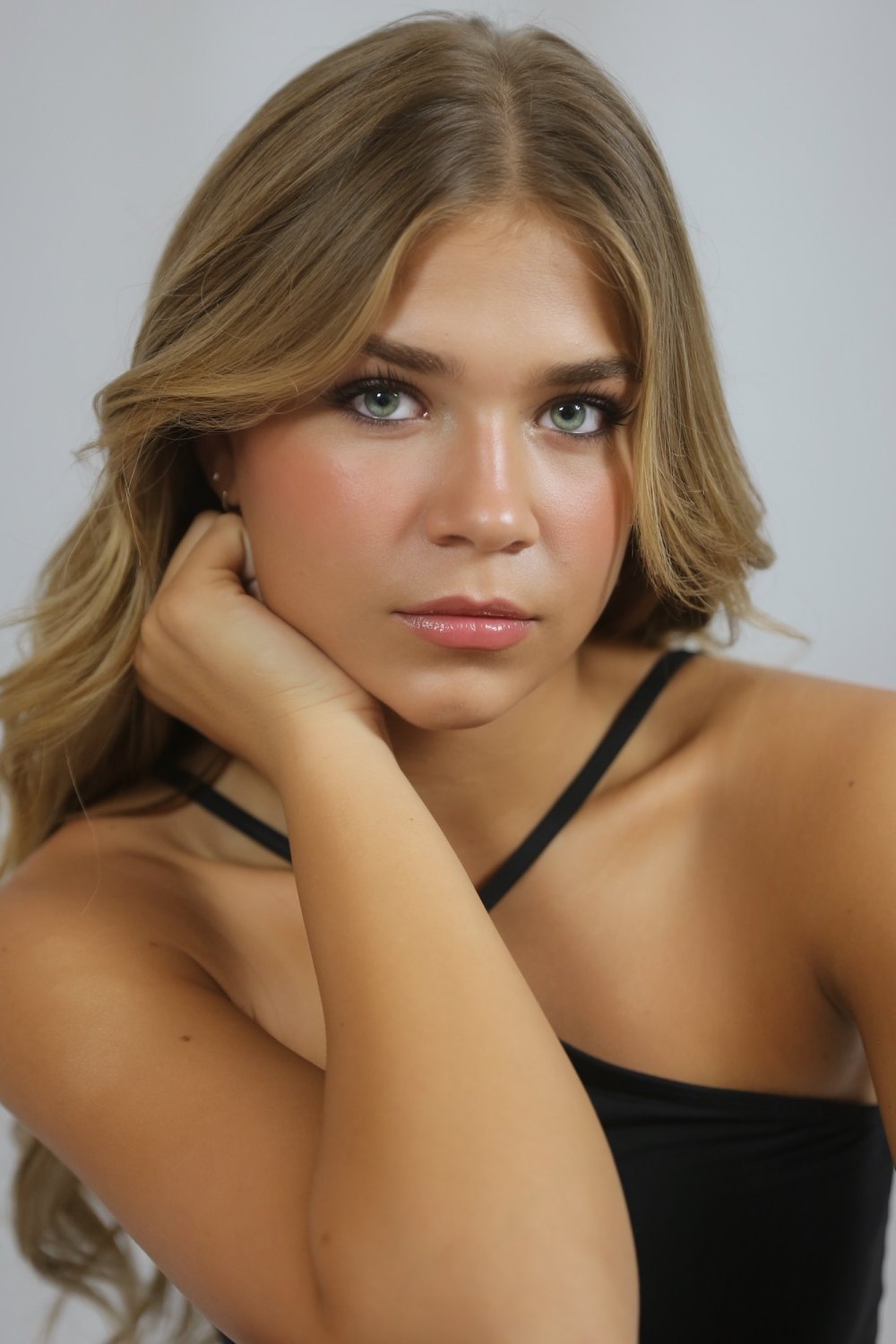
Kamri Peterson. Felicia Barton
The rest of the DWTS pro roster has not been revealed, with the dancers often learning the news just weeks (or days) before the public.
“Typically, once we have a list of the pros that are gonna be on, we then, at some point, we’ll get the opportunity to hear who’s gonna be [on the show],” show host Alfonso Ribeiro exclusively told Us in September 2025. “But it’s never final, right? It’s ever-changing, and there were some pairings that were different three weeks ago [this year].”
Ribeiro, 54, further explained that dance partnerships can continue “to evolve” as casting changes up until the premiere date.

Several Dancing With the Stars pro dancers began their journey in the ballroom in the troupe. The hit dance competition first introduced its troupe during 2011’s season 12, featuring a selection of performers who didn’t have a celebrity partner but still appeared in group numbers and their own “bumpers” between competitive routines. “When I first […]
“You realize, ‘Oh, actually, this is a better pairing than that pairing.’ And they work on it right up until the final day until [the stars and pros] meet each other,” Ribeiro told Us, adding that show executives Deena Katz, Conrad Green and Rob Mills “always get it right” with teams. “They figure it out. I don’t know how they do it, but they always figure out how to put the right people together. They’re magical.”
The celebrity contestants of season 35 will include Ciara Miller, Maura Higgins, Jackson Olson and Guillermo Rodriguez, with even more yet-to-be-announced famous faces also set to tango across the dance floor.
Dancing With the Stars season 35 premieres concurrently on ABC and Disney+ Tuesday, September 15, and Wednesday, September 16, at 8 p.m. ET and streams the next day on Hulu.

Crypto World54 seconds ago
Robinhood wins UK crypto registration ahead of new regulatory regime commencing

Politics2 minutes ago
Burnham re-appoints former Israeli Supreme Court clerk as justice minister

Sports3 minutes ago
Braves get RHP Tyler Mahle from Giants for RHP Anthony Molina


-

 Business5 days ago
Why Trees Belong on the Risk Register
-

 Fashion3 days ago
Weekend Open Thread: Wit & Wisdom
-

 Politics3 days ago
Meta enters AI-training agreement with far-right ‘propaganda rag’ Newsmax
-
 Entertainment6 days ago
‘Stargate’ Creator’s New Sci-Fi Series Returns for Season 3 Tomorrow
-

 Politics7 days ago
Luke Littler dismantles Gerwyn Price to retain title in Blackpool
-

 Crypto World2 days ago
MicroStrategy Post-Earnings CLARITY Act Push Could Add New Catalyst for Its Stock
-

 Politics6 days ago
The Part of the Electric Transition Nobody Wants to Discuss
-

 Business5 days ago
Major shareholder moves on Canyon
-

 Crypto World2 days ago
XRP Ledger v3.3.0 brings five institutional features
-

 News Videos4 days ago
Bitcoin Enters the 3rd Stage of the Bear Market
-

 Crypto World5 days ago
Kraken Enables Retail Access to Jersey Mike’s IPO via Tokenized Shares
-

 Tech6 days ago
New macOS Sequoia & Sonoma security updates for older Macs
-

 Politics4 days ago
Luke Littler’s dominance sparks GOAT debate
-

 News Videos6 days ago
Claude: Build Financial Dashboards in Minutes (2026)
-

 Business5 days ago
Johnson & Johnson agrees to $5.5B settlement over talc cancer claims
-

 Sports3 days ago
Seema Kaliramna Wins Discus Throw Bronze, Takes India’s CWG Medals Tally To 17
-

 Crypto World24 hours ago
Crypto PAC spending tops $2M in Michigan House race
-

 Business3 days ago
Trump Announces Hamas Disarmament Agreement as Iran Strikes Kuwait Air Base and US Attacks Pause Overnight
-

 Tech5 days ago
Gemini can now summarize the messiest comment threads in Google Docs
-

 Tech1 day ago
ESET tracks rise in malicious AI skills and adaptable malware
You must be logged in to post a comment Login