
Entertainment
Testaments vs. Handmaid’s Tale Spinoff Book: Biggest Changes


Hulu’s The Testaments pulls inspiration from Margaret Atwood‘s book — but what significant changes did The Handmaid’s Tale spinoff make?
Based on Atwood’s novel of the same name, The Handmaid’s Tale, which aired from 2017 to 2025, takes place in a dystopian future where low fertility rates lead women to be assigned to men for the purpose of bearing children.
The Hulu show took inspiration from Atwood’s source material before expanding with The Testaments. Set 15 years later — in the book at least — the follow-up is narrated by Ann Dowd‘s Aunt Lydia as viewers are thrust back into the dystopian future with characters such as Agnes from Gilead and Daisy from Canada. Together, they secretly gather and smuggle incriminating information about Gilead’s regime out of the country. Agnes and Daisy pose as “Pearl Girls” to infiltrate Canada, while Aunt Lydia acts as a covert source within Gilead.
“Although I could not continue with the story of Offred, I could continue with three other people concerned in these events and tell the story of the beginning of the end, because we know from The Handmaid’s Tale that Gilead vanishes,” Atwood told journalists at an event in 2019. “It’s no longer present 200 years into the future, because they’re having a symposium on it. How did it collapse? How do these kinds of regimes disappear? I was interested in exploring that.”
She continued: “There [are] some new costume choices in this book. Human beings throughout time love outfits that tell you who you’re looking at, like football teams and things like that. So yes, we have some new outfits.”
When The Testaments premiered in April 2026, creator Bruce Miller explained what they pulled from the page — and what they didn’t.
“I’m trying to not necessarily take things in the order they happen in the book, but to take the big central elements and move them into a timeline that makes as much sense as we can,” Miller told The Hollywood Reporter. “We’re definitely trying to follow the overall story of the book, but the ins and outs of the actual storyline are difficult because characters are different ages, and we had to redefine the Daisy character to keep things practical in our world.”
Miller also wanted to expand in certain areas.
“With Handmaid’s, there was always stuff to mine. All the way up to the last season, we were mining pieces. A lot of these things are mentioned in the book very vaguely, and we said, ‘Oh, let’s take that seed and let it bloom,’” he continued. “But this is Margaret’s world, and that’s the resource that we should be going to. She’s a very solid storyteller, so if we’re going to do something different than what Margaret did, we need a reason. I’m trying to [adapt] as much as I can because I think it worked in the book for a reason, not because I have general fealty to the book.”
Keep scrolling to see the biggest differences between the show and book:
The Difference in a Time Jump
While Atwood’s book picked up 15 years later, the spinoff show is set four years after the events of The Handmaid’s Tale series finale.
Daisy’s True Identity
Atwood’s version of The Testaments introduced Daisy as the name given to Nichole a.k.a June (Elisabeth Moss) and Nick’s (Max Minghella) daughter who went by Holly by the end of The Handmaid’s Tale.
Daisy is not Holly in the TV show — largely because of the time jump.


Hulu Hulu’s highly anticipated The Handmaid’s Tale spinoff The Testaments is in the works — but what is there to know about the show so far? Margaret Atwood’s dystopian universe was initially brought to life with The Handmaid’s Tale, which is based on the novel of the same name about a future where low fertility […]
Lydia’s Backstory Being Explored
Ann Dowd teased before The Testaments premiered that Lydia would be a school teacher in the TV world while the book revealed she was a family court judge.
The General Timeline
Creator Bruce Miller confirmed that The Testaments’ debut season will cover that first section of Atwood’s novel. Since The Handmaid’s Tale ran for six seasons based on one book, The Testaments will likely take liberties as well if it finds success on Hulu.
Commander Judd’s Casting
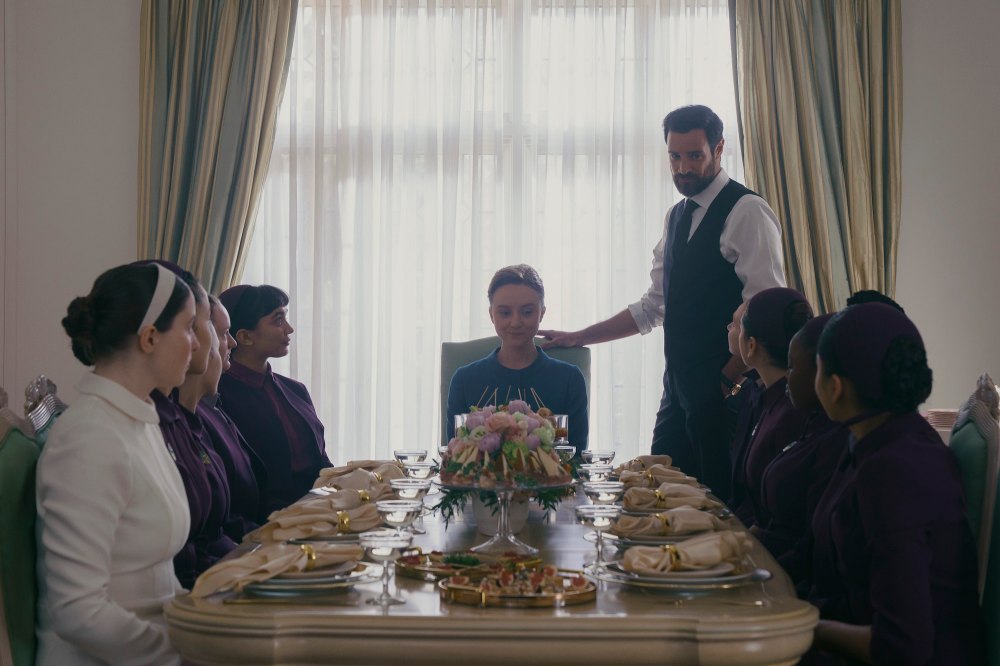
Charlie Carrick as Commander Judd with actresses Lucy Halliday, Isolde Ardies, Rowan Blanchard and Ellen Olivia Disney/Steve Wilkie
In Atwood’s The Testaments book, Judd is described as a high-ranking Gilead commander who repeatedly marries child brides in his advanced age. The Plums, like Agnes and Becka, don’t glorify the chance to marry him. On the show, Judd was aged down and portrayed by actor Charlie Carrick. Agnes and her classmates are in awe of Judd’s wife, their friend Penny.

Continue Reading
By TeeJay Small
| Published

Every now and again I sit down with a few friends and revisit my all-time favorite medical drama, House. If you haven’t seen the show, you’ve definitely heard of it from memes, internet references, or Family Guy cutaway gags. The show is as chaotic and off-the-wall as it gets, highlighting a different medical mystery each week as the titular Dr. House dishes out his trademark blend of wit, wisdom, and medical malpractice. Though the show is infinitely watchable for its narrative and character work, there’s one episode that can only be understood through the lens of behind-the-scenes events.
The episode in question is season five’s “Simple Explanation.” In this episode, the character Dr. Lawrence Kutner, played by Kal Penn, is found dead in his apartment of an apparent suicide. House and his staff at the hospital’s diagnostics department are perplexed by this, since Kutner never showed any signs of depression or suicidal ideation before. The gang then investigates Kutner’s apartment, leaving them with very few answers.

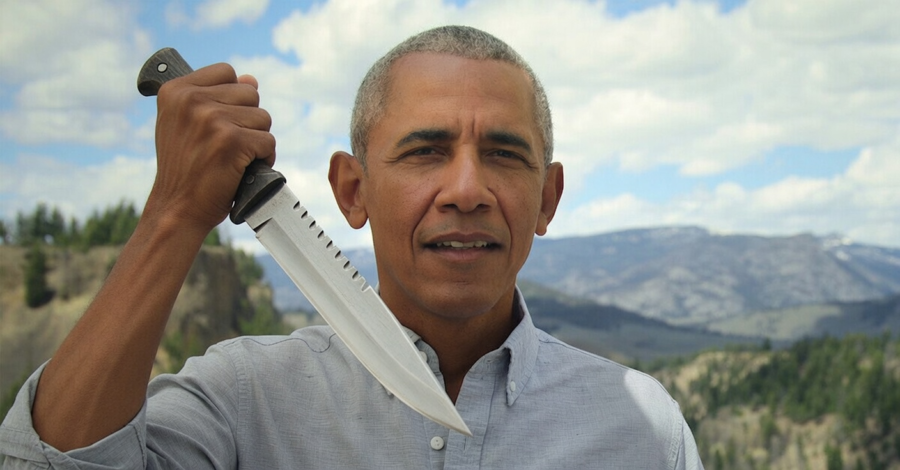
As the episode unfolds, it becomes clear that Kutner really did choose to end his own life, proving that there are some mysteries that cannot be solved, even by the world’s greatest detectives. While House and the others eventually move on from the mystery, the real-life truth is a bit more complicated. In fact, some could even say that Lawrence Kutner was murdered by none other than President Barack Obama.
How Barack Obama Killed Lawrence Kutner

Let’s rewind just a little bit. Barack Obama took office as the 44th president back in January of 2009, and quickly began staffing his administration with a variety of hip, young faces. As part of a larger push to appeal to Asian-American and Pacific Islander communities, Obama created the role of Associate Director of Public Engagement. His team then reached out to several prominent Asian-American citizens, including screen actor Kal Penn.
Penn took the role at the White House, and subsequently had to be written out of House with more haste than the average departure. He officially joined the staff in April of 2009, right around the same time that “Simple Explanation” aired. While in office, Penn served as a mouthpiece for Asian-American communities and helped perform outreach for the administration’s Affordable Care Act. He is also said to have assisted with the DREAM Act, as well as the repeal of “Don’t Ask, Don’t Tell.”
Fans Have Not Forgiven

Kutner was a fan-favorite character in House, and a frequent source of optimism in a sea of sardonic, nihilistic characters. As you can imagine, some fans took his loss pretty hard. To this day, there are running gags online that Obama killed Kutner, prompting a plethora of sarcastic “Thanks, Obama” replies in the comments section. Kal Penn continued his acting career in bit parts while working at the White House, and even returned to the show via flashbacks and hallucinations for the series finale. Ironically, he even portrayed a White House staffer on the series Designated Survivor in 2016, as Obama’s tenure was coming to a close.
So, if you’re ever watching House with your grandchildren in the year 2077, long after the memory of this behind-the-scenes factoid has faded from public memory, you can be sure to let them in on this bizarre turn of events. As it turns out, Kutner didn’t show suicidal tendencies because he was never depressed. He was just a young, happy doctor, killed in the prime of his life, so that an actor could serve his country in a more hands-on capacity than getting high and going to White Castle.
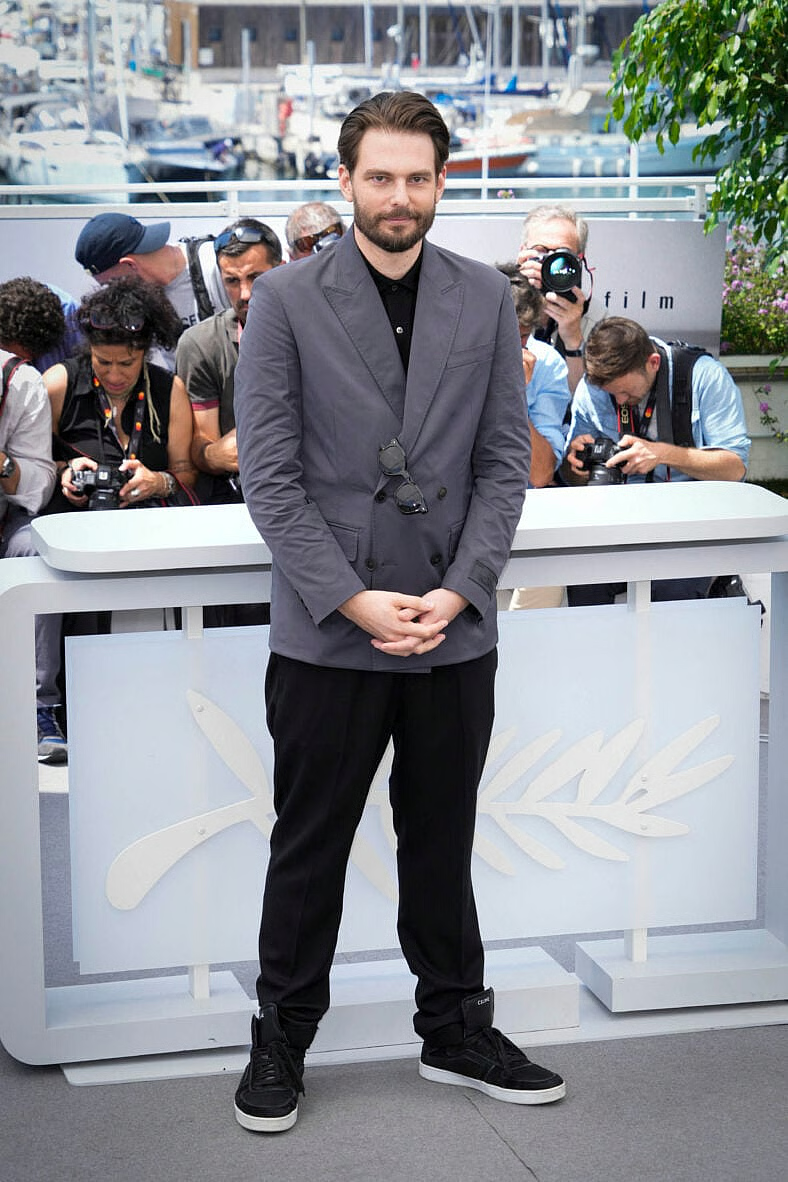
Sam Levinson is once again under the microscope as “Euphoria’s” third season draws backlash for its increasingly provocative tone.
While the HBO hit has long been credited to Levinson’s creative vision, online critics are now questioning what he has “uniquely” brought to the series, with some arguing the show’s impact has been driven more by its cast than its creator.
The renewed debate comes as viewers take issue with a noticeable spike in explicit scenes this season.

After a four-year wait, Season 3 of “Euphoria” finally premiered earlier this month, but instead of universal praise, the response has been noticeably muted.
The lukewarm reception has sparked a fresh wave of debate around creator Levinson, with some fans now questioning what he actually contributes to the HBO hit beyond the performances of its breakout stars, including Zendaya, Jacob Elordi, and Sydney Sweeney.
On Reddit, one widely shared post called out what it described as increasingly questionable creative choices, including graphic themes, fetish-driven elements, and the handling of female characters. The post went on to pose a pointed question that is now gaining traction among viewers, saying, “What are iconic things about ‘Euphoria’ that can be credited to Sam Levinson?”
Others Credit Levinson For ‘Euphoria’s’ Core Identity

While criticism has dominated much of the conversation, not everyone agrees with the growing skepticism around Levinson’s role in “Euphoria.”
The Reddit thread quickly filled with counterpoints from fans who argued that the show’s success can’t be separated from its creator. In fact, several users pointed to Levinson’s unique position as the series’s only writer.
“For better or worse, he’s the sole writer. Any storyline or quote/dialogue that’s become iconic was written by him. Anything about a character that resonates with people, beyond what they look like and how they deliver lines, was written by him,” another user noted.
Season 3’s Provocative Shift Fuels Fresh Criticism Of Sam Levinson
Beyond the debate over creative credit, Levinson has also come under fire for what many viewers see as a sharp increase in provocative content in “Euphoria” Season 3.
Much of the criticism has centered on Sydney Sweeney’s Cassie Howard, whose storyline veers toward the explicit as she ventures into adult content creation.
Viewers have taken particular issue with the framing of some of these moments, arguing that the show leans too heavily into shock value. On social media, critics have accused Levinson of blurring the line between storytelling and sensationalism, with some claiming the creative direction risks turning exploitative.
Sydney Sweeney Backlash Grows Over ‘Euphoria’ Scenes

The conversation hasn’t been limited to Levinson alone. Sweeney has also faced criticism from some viewers who questioned her decision to take on increasingly explicit scenes in Season 3.
However, her past comments suggest she has been fully comfortable with the creative process. In a 2022 interview, the actress made it clear that Levinson never pressured her into doing anything she wasn’t on board with.
“There are moments where Cassie was supposed to be shirtless, and I would tell Sam, ‘I don’t really think that’s necessary here.’ He was like, ‘Okay, we don’t need it,’” Sweeney recalled, per the Daily Mail.
She also once said that she encouraged Levinson to lean further into her character’s already heightened emotional state. That move may help explain the more extreme direction Cassie takes in the latest season.
Sam Levinson Breaks Silence On Controversial ‘Euphoria’ Dog Scene
After largely staying quiet amid the backlash, Levinson has at least addressed one of Season 3’s most talked-about moments, the scene in which Sweeney’s character is styled like a dog.
Speaking to The Hollywood Reporter, Levinson explained that the scene was never meant to exist purely for shock value, but rather to highlight a deeper layer of absurdity within Cassie’s storyline.
“[Cassie] has got her dog house and her little dog ears and the nose, and that has its own humor,” he said. “But what makes the scene is the fact that her housekeeper is the one filming it.”
Levinson added that the intention was to pull viewers out of the character’s fantasy, rather than fully immerse them in it.
Entertainment
Jake Gyllenhaal’s R-Rated Netflix Thriller Is A Dangerous Display Of Rage Beyond The Grave
By Robert Scucci
| Published

As a lifelong musician, there’s a certain kind of peer that I absolutely despise: the self-important artist. You know the type, the people who walk around like their farts don’t smell because they think they’re God’s gift to mankind. Once the work day is done, they pour their heart and soul into their creations, and those creations become the essence of their being. And in their minds, that essence is the most important thing in the world.
While I’m probably being cynical when I say it’s all just performative posturing, I spent enough of my formative years around this type of person to understand exactly where 2019’s Velvet Buzzsaw is coming from.

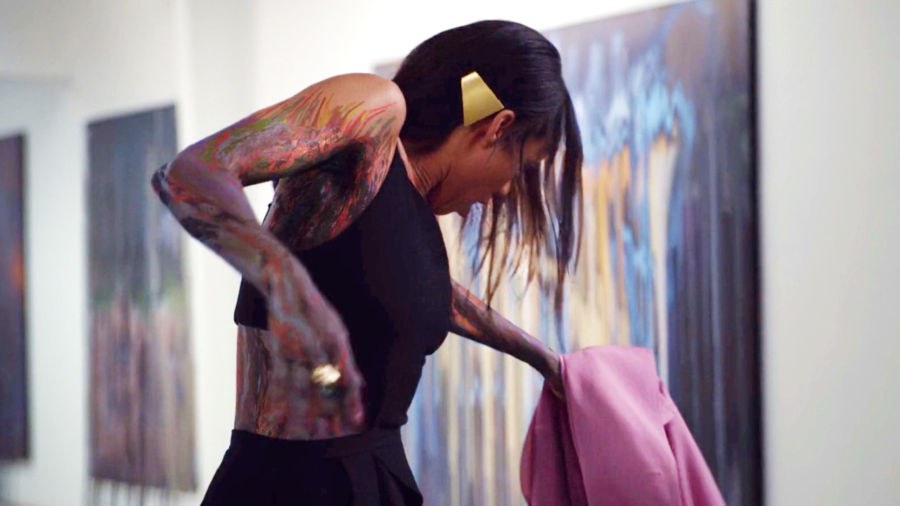
In this movie, the most stuck-up, clout-chasing, back-handed, stab-you-in-the-back-if-they-can-get-the-upper-hand types get their comeuppance when they start dealing with the work of a newly deceased, completely unknown artist. He leaves behind a treasure trove of mixed-media masterpieces that were never meant to be seen. In fact, he explicitly instructed that his art be destroyed. Instead, it goes up for sale, and everybody who comes into contact with it dies a gruesome death.
Now, I’m not one to incite or encourage violence, but since we’re dealing with a supernatural thriller packed with some of the most unlikeable, pretentious, insufferable gasbags known to man, it’s beyond satisfying to watch them violate this dead man’s wishes and get what’s coming to them.
“All Art Is Dangerous”

Velvet Buzzsaw takes place in a Miami-based art gallery where a bunch of cosmo-drinking artists and critics gather just to hear themselves talk. Among them is Morf Vandewalt (Jake Gyllenhaal), a critic known for his scathing reviews and melodramatic flair, who’s having second thoughts about his relationship with his boyfriend Ed (Sedale Threatt Jr.). He starts developing feelings for Josephina (Zawe Ashton), who works for ruthless gallery owner Rhodora Haze (Rene Russo), who unironically says things like “all art is dangerous” and verbally abuses anyone who crosses her path.
Rhodora moves units with eight-figure price tags, so her ego makes sense in context, but you can tell right away she’s a rough hang.

When Josephina returns home to LA, she finds her upstairs neighbor, Vetril Dease (Alan Mandell), dead outside his apartment, with no signs of foul play. His apartment is filled floor to ceiling with morbid artwork that immediately entrances anyone who sees it. Constantly on the receiving end of Rhodora’s criticism, Josephina collects the pieces so Morf and Rhodora can appraise them and possibly put them on the market, giving her clout in an industry that’s ready to chew her up and spit her out.
They quickly realize Dease isn’t a known artist. The work is authentic and original, but there’s no frame of reference for anything he created.

It doesn’t take long for art patrons to start foaming at the mouth over these pieces, including curator Gretchen (Toni Collette), washed-up artist Piers (John Malkovich), and rising star Damrish (Daveed Diggs). The most enthralled is Bryson (Billy Magnussen), the gallery’s installer, who’s bitter that nobody values his artistic input despite his talent, since his job is literally hanging other people’s work instead of showcasing his own.
While transporting some of Dease’s pieces, Bryson gets attacked and killed by the paintings. He’s lit on fire and then pulled into a painting depicting rabid monkeys at an abandoned gas station that flickers to life just for him right as he passes by. Shortly after, people start dropping like flies. The only connection, though nobody realizes it at first, is Dease.

Since everyone is only looking out for themselves in this cutthroat industry, communication isn’t exactly their strong suit. But Morf, after digging into Dease’s past, uncovers enough disturbing information to confirm what’s happening. His art, once released into the world, is cursed.
The Downside To Graverobbing That Nobody Really Talks About
Every character in Velvet Buzzsaw wants to be great, so much so that they have zero issue robbing a dead man of his work, distributing it everywhere, realizing people are dying because of it, and still focusing on whether they can keep moving units.

When Morf tells Rhodora he plans to expose everything, she immediately starts blowing up phones, trying to sell off the pieces before the story breaks. Josephina, who kicked off the entire chain reaction, only cares about how Dease’s work benefits her. His body was probably still warm when she started making calls.
Most importantly, these tryhards are doing everything they can to maintain the mystique and value of Dease’s work, without caring about the fallout. Aside from Morf, who’s still annoying but at least somewhat likable, every character in Velvet Buzzsaw is completely irredeemable. The fun comes from watching them slowly realize they’ve curated something they can’t control. Something that’s coming for them.

When art becomes a commodity and the highest bidders are morally bankrupt, it’s only a matter of time before their behavior catches up with them. In Velvet Buzzsaw, that moment comes when they decide to rob an elderly man of his life’s work without even attempting to contact anyone who might be connected to him. It never even crosses their minds, but Dease gets the last laugh as everyone tied to his creations is taken out in increasingly brutal fashion.

Velvet Buzzsaw, streaming exclusively on Netflix, is billed as a satirical supernatural horror comedy, and it earns that description. Most of the appeal comes from its dry, morbid sense of humor. The best way to watch this movie is after spending time in an art gallery and overhearing the kinds of conversations people have. Once you’ve had your fill of pretentiousness and white wine spritzers, watching it all burn to the ground is half the fun.

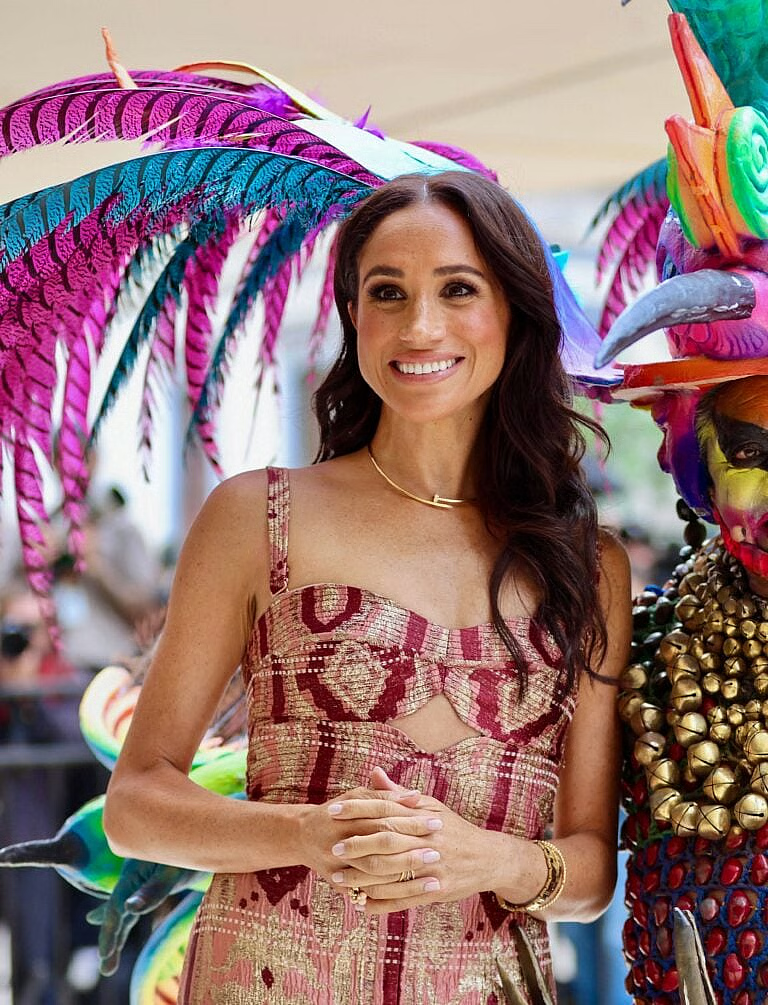
Meghan Markle has garnered backlash over her latest candle collection.
The mother of two launched new candles on Wednesday as part of a Mother’s Day celebration, with two of them said to have been inspired by her children. It was also recently reported that she had their names, email addresses, social media handles, and domain names all trademarked.
Meghan Markle’s move has now been slammed by royal sources, who claim it is an “outrageous” use of her children’s titles and goes against the wishes of the late Queen Elizabeth II.
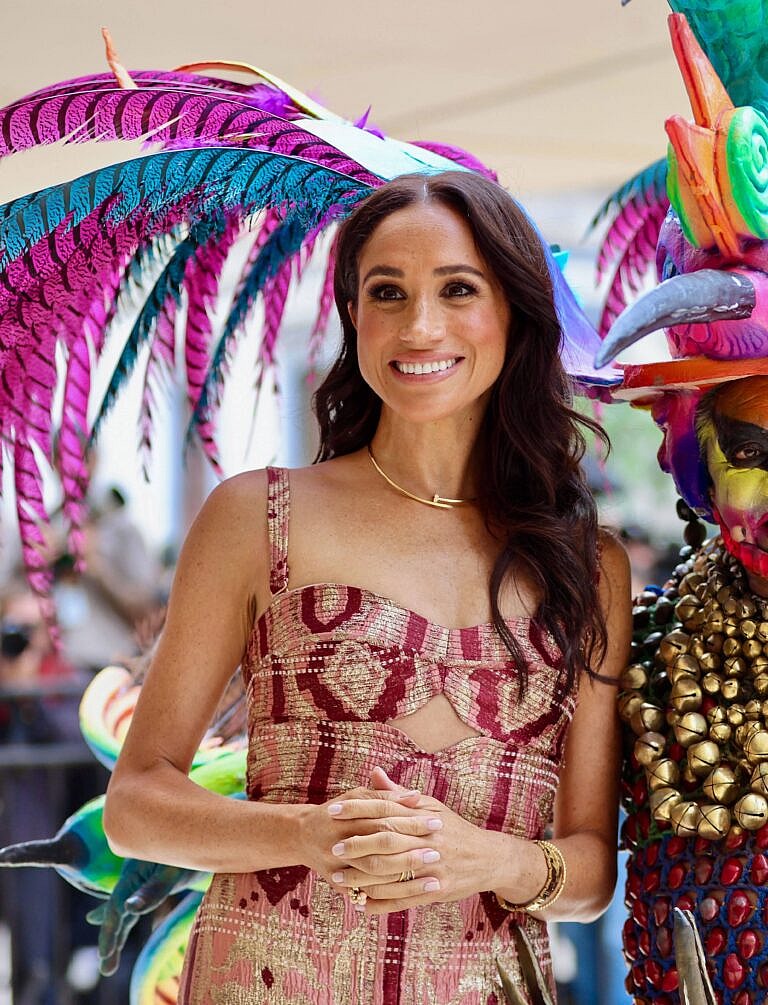
Part of Meghan Markle’s As Ever range of products includes candles that appear to be inspired by her children, Prince Archie and Princess Lilibet, as seen in promotional materials.
Two candles, released on Wednesday, are named No. 506 and No. 604 and are reportedly linked to her children’s birthdays, according to Page Six.
However, the move has drawn criticism, with one source describing it as “an outrageous use of their titles.”
The same source also claimed that the late Queen Elizabeth II would not have approved, noting that she was keen to prevent the Sussex family from profiting off their titles, particularly after they quit their senior royal roles in 2020.
Insider Defends The Duchess’s Right To Use Her Children For The Mother’s Day Line
Despite the backlash, some sources close to Meghan have defended her, saying the candle launch in no way put her children at risk.
“The candles are specifically part of a Mother’s Day line that weaves in something special in honor of your kids … Meghan is a mom, and her brand is about hosting and entertaining and family,” an insider remarked.
They added, “She’s not parading the children around at events. She never shows their faces.”
Meghan Markle Has Gotten Several Trademarks For Her Children

Meghan’s children did not receive HRH status until their grandfather, King Charles, ascended the throne following the Queen’s death.
Since then, the Duchess and her husband, Prince Harry, appear to have moved to make the most of it.
Page Six previously reported that the children already have stationery featuring the HRH designation, and more recently, it was discovered that their parents have gone ahead to secure trademarks for their names, along with their email addresses, social media handles, and domain names.
For now, insiders do not view the trademark move as an issue, but say that could change if it is used for the sale of future goods.
“It’s not about safeguarding the children — that’s understandable. It’s what you plan to do with [it] that’s the key,” the source noted.
Meghan Markle Has Subtly Involved Her Children In Her Promotional Videos

As part of promoting her As Ever brand, Meghan has subtly included her children in videos that have been shared online.
In a teaser posted in February 2025, the Duchess was seen with her kids working in the kitchen and garden of what appeared to be their Montecito home.
A similar scene was posted the following month, featuring the children helping Meghan in the kitchen.
Most recently, the mother of two took things a step further in a promotional video for her partnership with High Camp Supply florists.
In the clip, the Duchess is seen arranging flowers alongside Lilibet while calling out to Archie, but the branded angle was made more explicit by the caption, “mama’s little helpers.”
At other times, Meghan has also shown other personal moments with her kids, but in most cases, she has their faces hidden.
Meghan And Prince Harry Recently Wrapped Up An Australian Tour
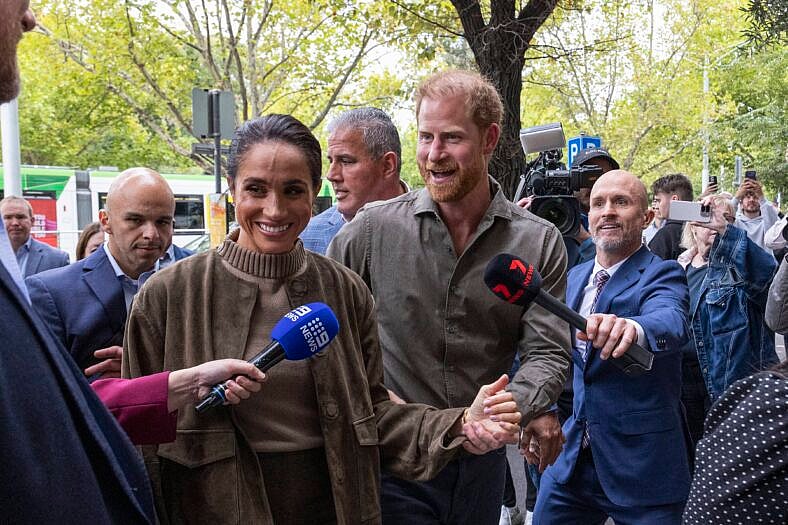
Meghan and Harry recently returned to their Montecito home after a four-day tour of Australia.
The couple had an exhausting schedule that included talks about mental health and safe social media practices, visits to cultural centers and local non-profits, as well as meetings with participants from Harry’s Invictus Games.
Upon their return home, they received the warmest welcome from their kids, who were eager to see their parents.
The couple came home to a surprise banner that read “Welcome Home,” hung in their doorway, as seen in a post from Meghan’s Instagram story, per Harper’s Bazaar.
Meghan and her husband also made sure to reciprocate the gesture by bringing home gifts for their kids. This included both reading and coloring books, stickers, and tasty treats to munch on.
By TeeJay Small
| Published

If you consider yourself a television fan, you owe it to yourself to watch Atlanta. The series, which premiered back in 2016, was created by legendary actor, comedian, singer, songwriter, and Yoshi voiceover artist Donald Glover. To date, it serves as Glover’s most foundational work, allowing him an outlet to tell innovative short stories, meditate on his upbringing, and deliver on some of his most outlandish ideas. The show is a modern masterpiece, and the only real downside is that it’s only 41 episodes long.
In case you’re not aware of Donald Glover’s catalog, he might be the hardest-working man in Hollywood. The Atlanta native got his start writing for 30 Rock back in 2006, before becoming a household name as an actor on Community. After seemingly mastering the craft of writing and performing comedy, Glover left Community to pursue a rap career under the name Childish Gambino. His music later evolved from rap into a Stevie Wonder-esque cacophony of retro-futurist jazz funk fusion, culminating in such viral hits as “Redbone” and “This Is America.”
Donald Glover’s Atlanta

After establishing that he can sing, dance, act, write, and perform all at the same time, Glover developed Atlanta. He also stars as the perpetually down-on-his-luck Earn Marks in the show. Earn spends the first season couch-surfing with his parents, his ex-girlfriend, and his cousin Alfred, who is a rising neighborhood rapper under the name Paper Boi.
While trying to make enough money to get his own place and provide for his infant daughter, Earn takes on a job as Alfred’s manager. Along the way, he encounters a series of colorful characters, including Al’s best friend Darius, portrayed by the incredible LaKeith Stanfield.

Darius may not be the main character of Atlanta, but he has become the fan-favorite thanks to his pure hallucinogenic aura. He seems to exist in a fringe space between reality and the dreamlike world of the show, giving fans some early insight into the kinds of over-the-top hijinks they can expect from later seasons. In Atlanta, you’re likely to encounter crowds of strangers wearing cow suits, Scooby Doo-style hidden hallways, and influencers driving invisible cars just the same as rapper drama and the occasional armed robbery.
Hiro Murai’s Surreal Vision
The show achieves this dream-like state by tapping auteur director Hiro Murai. Murai’s vision, in accordance with Donald Glover, creates a distinct visual look and overall vibe that simply cannot be matched. There’s a reason why Glover originally pitched the show as “Twin Peaks with rappers” back when it premiered. The third season, which was shot in Europe during the COVID-19 pandemic, especially carries this ethereal energy. In season three, the main narrative is interrupted by a series of disconnected short stories that feel like backdoor pilots for other topsy-turvy horror shows.

Binge-watching Atlanta will surely give you whiplash, as the show bounces seamlessly between laugh-out-loud comedy, terrifying psychological horror, and a deep, almost academic reading of generational trauma. According to a write-up in NME, Glover teased the last two seasons of Atlanta as “some of the best television ever made,” before adding “Sopranos only ones who can touch us.” I couldn’t agree more. Personally, I’d place Atlanta on the Mount Rushmore of TV shows, next to The Sopranos, Breaking Bad, and Severance.
If you’re interested in checking out Atlanta for yourself, be sure to stream all four seasons on Hulu.
By Jonathan Klotz
| Published

The Netflix Effect was coined to explain how a show explodes in popularity after it is added to the streaming service. Breaking Bad was the first show to benefit, but there’s one throwback sci-fi series that became so popular, it was saved from cancellation thanks to streaming.
Manifest, a sci-fi supernatural mystery box series that debuted in 2019, years after Lost came to an end, was canceled by NBC after Season 3, while it was the hottest show on Netflix. Thankfully, the streamer stepped forward, bought the show, and gave the cast and crew an opportunity to finish the story, resulting in one of the very few mystery box shows to have a satisfying ending.
From Relationship Drama To Supernatural Drama

Manifest ended up being perfect for Netflix’s binge model thanks to its sluggish start that, as with other sci-fi mystery box shows, kept raising questions but provided no answers. The series begins with a plane, but pulling from The Langoliers instead of Lost, when it lands, those on board realize that they’ve been “missing” for the last five years. Turbulence is the only clue that something was wrong, but it soon becomes clear that something happened when passengers start experiencing visions of the future, “Callings,” that come with a massive headache, brief sickness, and a general sense of unease that only adds to the mystery of what’s going on.
For the first few episodes, Manifest focuses on the passengers dealing with their changed lives, from NYPD Detective Michaela, who learns her fiancé married her best friend while she was “dead,” while her niece and nephew turn into the older and younger siblings, respectively, thanks to the missing five years, and its the weakest part of the Netflix series, but don’t worry, it gets better. Michaela (Melissa Roxburgh) and Ben Stone (Josh Dallas) are the main characters in the first few episodes, but the show expands its cast and its premise as it goes along. Later seasons add in a young woman who was thought to be a witch after her experience on Flight 838, Angelina (played by The Americans Holly Taylor) and Zeke (Matt Long), who wasn’t a passenger on the flight, but had a similar time-lost experience after a snowstorm, and bizarrely, also experiences “Callings.”
Manifest Tells A Complete Story
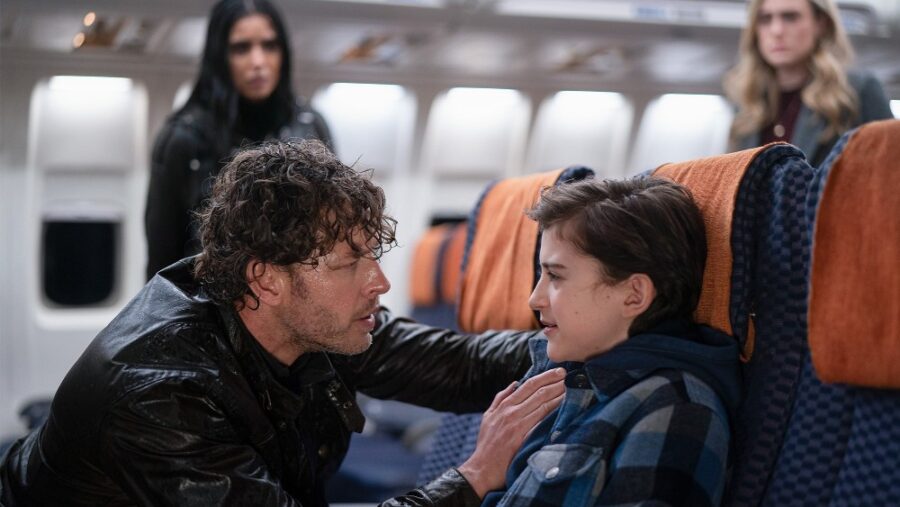
The mystery is why to watch Manifest, so it’s best to go into the Netflix hit as blind as possible. Rest assured that there’s a reason behind the visions, what happened to Flight 838 is explained, and by the time the credits roll on the series finale, you’ll realize this is the show Lost should have been. Ironically, the cancellation was the best thing to happen to the series and is what stopped it from becoming another Surface, Invasion, Jericho, Revolution, The Event, or any of the seemingly endless Lost knock-offs.
A definitive endpoint, one final season, forced the writers to wrap everything up, which was close to the series’ original timeline, unlike what happened with Lost, which was renewed beyond its natural endpoint. Telling a tight story, with a beginning, middle, and end, is one of the reasons Babylon 5 holds up over its sci-fi contemporaries, and that’s why Manifest is now the perfect sci-fi series to binge on Netflix. Do yourself a favor, and avoid all the spoilers, don’t wander into any Reddit discussion about the plot, and set aside some time to appreciate the best sci-fi mystery series of the decade.
Entertainment
Apple TV’s Rebecca Ferguson Sci-Fi Series Is One of the Best on Any Streaming Platform

Rebecca Ferguson is having a busy 2026, and she isn’t close to slowing down yet. Already, the Stockholm-born actress has starred Chris Pratt in the divisive AI-based sci-fi thriller Mercy, featured in a long-awaited adaptation of the 1939 children’s novel The Magic Faraway Tree, and joined a star-studded ensemble in the feature-length next chapter in one of the best crime dramas of the century in Peaky Blinders: The Immortal Man.
Later in the year, Ferguson’s biggest project of 2026 will debut, as she joins an eye-catching cast in Dune: Part Three. The final chapter in Denis Villeneuve‘s impressive adaptation of Frank Herbert‘s Dune novels comes to an explosive end in theaters worldwide on December 18, with Ferguson starring alongside the likes of Timothée Chalamet, Zendaya, Florence Pugh, Josh Brolin, Javier Bardem, Anya Taylor-Joy, and more. Ahead of Dune: Part Three, the good news for Ferguson fans kept coming earlier this week, as the upcoming third season of her smash hit sci-fi series Silo just got a major update.
It was officially confirmed by Apple TV that their fan-favorite sci-fi series would return for its third installment on Friday, July 3, 2026. One new episode will then arrive every Friday through September 4, as the Emmy Award-winning Graham Yost‘s next gripping mystery unfolds. Following this big news, fans have been flocking back to the show to remind themselves of the many twists and turns that have come already. At the time of writing, Silo is one of the ten most-streamed shows on Apple TV in the U.S. The show also appears in tenth place on the global top ten.
Was ‘Silo’ Season 2 Good?
Based on Hugh Howey‘s dystopian novel trilogy (Wool, Shift, and Dust), Yost, Ferguson, and co have taken a particularly nuanced and difficult source material and crafted a series that doesn’t disappoint. In Season 2, the show continued an impressive run of top-tier episodes, with critics gushing with praise over this modern sci-fi gem. Collider’s Tania Hussain awarded Season 2 a strong 8/10, praising the show’s “uniquely immersive environment” and standout performances, adding, “By grounding its Orwellian elements into tense yet relatable human struggles with razor-sharp writing, Silo continues to surpass the genre, asking viewers to question not only the motives of those in power but the strength of their convictions.”
Silo Seasons 1 and 2 are streaming now on Apple TV. Stay tuned to Collider for more streaming updates.

- Release Date
-
May 5, 2023
- Showrunner
-
Graham Yost
By TeeJay Small
| Published

Born in the late 1990s, I’ve spent my entire life hearing the name “Tonya Harding” used as a punchline. I never had much awareness of who she was, but based on some old Simpsons jokes and a few misplaced rap lyrics, I always thought she was a skater who busted her opponent’s kneecaps on the ice in a fit of passion, right in front of a packed crowd. That is, until last week, when I finally sat down to watch Craig Gillespie’s 2017 biopic I, Tonya.
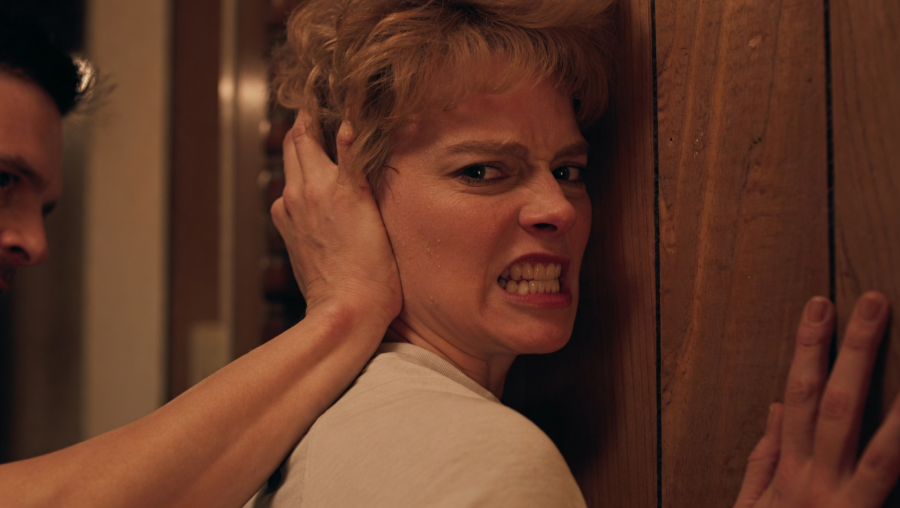
For the uninitiated, I, Tonya tells the true story of Tonya Harding (Margot Robbie), with a little bit of creative license for story purposes. The film takes the viewer from Tonya’s years as a child figure skating prodigy, through her relationship with her abusive mother (Allison Janney) and later her abusive boyfriend (Sebastian Stan), and eventually to her Olympic skating dreams. Through it all, we see how Tonya was mistreated by those closest to her and by the Olympic committee, which viewed her as too unmarketable to home audiences.

Over several years, the budding athlete is forced to change everything about herself to get ahead. She marries her abusive boyfriend just so she can present a more family-forward image, she changes her accent so she won’t be perceived as ‘white trash’, and she adjusts her management team to be as cutthroat and unforgiving as possible.
Tonya even managed to become the first female figure skater to complete two triple Axel jumps in a competition. I don’t know much about skating, but it looked pretty impressive in the movie, as I watched from the comfort of my couch, covered in popcorn kernels.

Once she qualifies for the 1994 Olympics, the narrative kicks into slightly familiar territory. We learn that Tonya, along with many of her peers, routinely receives death threats before going out on the ice. When her husband, Jeff, suspects that the threats are coming from Tonya’s friend, Nancy Kerrigan, he suggests sending a few threats of their own, just to rattle her performance. Jeff outsources the job to his eccentric buddy Shawn (Paul Walter Hauser), who outsources it to someone else, and by the time this game of telephone reaches Nancy, the job ceases to be a threat and becomes a violent attack.
If you believe Tonya Harding’s account of the events (and thus the movie’s telling of how it all went down), she had no idea any of this was happening. The way she relays it, Tonya thought someone was dropping a letter in Nancy’s mailbox. Instead, Nancy was beaten with a baton, leaving her unable to compete in a national competition, which, ironically, fast-tracked her to the Olympic team.

Kerrigan ultimately took home the silver medal for her performance at the 1994 Olympics, while an emotionally rattled Tonya placed eighth. Upon returning home, Harding is barred from competing in any competitive figure skating event for the rest of her life.
Since she has structured her entire existence around the sport, Tonya sees this as a death sentence and begs for jail time, to no avail. Truthfully, I had no idea that an organization could even make a ruling like that in the first place.

Before I watched I, Tonya, I had only ever heard this woman’s name alongside those of O.J. Simpson, Aaron Hernandez, and Oscar Pistorius. It goes to show just how strong the media narrative was at the time that she could be banned from her livelihood and turned into a punchline for decades to come.
The film does an impeccable job of humanizing Tonya and making her more sympathetic, as long as you believe her account of what happened. Even if you don’t believe her, it’s still a hell of a story, and one I’m glad I finally got around to checking out.
If you’re interested in watching I, Tonya, the film is currently streaming for free on Tubi.

A 56-year-old man from Shreveport was arrested and charged in connection with the mass shooting carried out by Shamar Elkins. According to the U.S. Attorney’s Office for the Western District of Louisiana, Charles Ford previously owned the assault-style gun Elkins used to shoot his wife, Shaneiqua Pugh, and his alleged girlfriend, Christina Snow on Sunday. Both women remain in the hospital. Ultimately, Shamar killed his seven children and Pugh’s nephew and later died amid a police pursuit.
RELATED: Louisiana Mom’s Condition Revealed After Alleged Boyfriend Shamar Elkins Shot Her And Killed Their 3 Children (UPDATE)
Man Charged Claims Shamar Elkins Stole The Gun From Him
Charles Ford told investigators he suspected Shamar Elkins stole the gun from his truck in the weeks leading up to the mass shooting. According to a criminal complaint filed in federal court, Ford suspected Elkins because he was one of the few people to ride with him. Ford allegedly said it was around March 9 when he noticed the gun was missing.
In response, Ford said he confronted Elkins about the missing weapon. But when Elikns became “offensive,” Ford “let it go,” according to a court affidavit filed Tuesday.
“According to allegations set forth in court documents, ATF and the Shreveport Police Department began investigating a firearms trace on the rifle below, which Elkins used to perpetrate his mass shooting,” per the U.S. Attorney’s Office, Western District of Louisiana.
Why Did Officials Charge Charles Ford After Louisiana Mass Shooting?
Charles Ford is a felon who was in possession of a firearm and made a false statement to federal agents, says the affidavit. Ford originally denied having the gun when investigators first approached him after the shooting on Sunday, per court records.
“When law enforcement interviewed the original purchaser, that person identified Ford as the person to whom she’d given it. Ford, a convicted felon not permitted to possess firearms, initially lied to ATF agents about possessing the firearm, claiming he never did. Ford later admitted that he did possess the firearm, claiming that he kept the firearm under his seat,” per the U.S. Attorney’s Office, Western District of Louisiana.
Ford does not currently have an appointed legal representative. According to federal court records, he will likely receive a federal public defender.
“Shamar Elkins’ death means that our community will never see him face justice,” U.S. Attorney Zachary A. Keller said in a statement. “Our hope, as we continue to investigate and prosecute this case alongside our law enforcement partners, is that holding the person whose gun Elkins used to perpetrate the crime accountable will give some small bit of solace to our Shreveport community.”
What Happened To Shamar Elkins After The Family Shooting?
Shamar Elkins died after fleeing the second crime scene — reportedly his wife’s home — and a police pursuit. It was not clear whether officers killed him or whether he died from a self-inflicted gunshot, according to police. The third crime scene involved a carjacking in the same neighborhood.
Elkins’ wife, Shaneiqua Pugh, and Christina Snow, a woman believed to be his girlfriend, were also shot and wounded in the rampage. The attack unfolded across two houses before dawn.
Three boys, Christina’s sons and Shaneiqua’s nephew, passed away. Additionally, Pugh’s four daughters also passed. Elkins was the father of seven out of eight who died. Snow reportedly called the police to report that Elkins had shot her and kidnapped their three children. According to NBC News, he took the kids to his wife’s home about two streets over and killed them, along with their four sisters. One child was reportedly found deceased on the home’s roof, while others had tried to escape through the back door. Some died in their sleep, and most suffered headshot wounds. The children ranged in age from 3 to 11 years old.
Elkins plead guilty in 2019 to a felony of illegal use of weapons, according to court documents. As a result, a Caddo Parish district judge sentenced Elkins to 18 months of supervised probation. Also, Elkins turned his handgun into police as a condition of probation, court filings show.
Under Louisiana law, a person convicted of certain violent felonies – including illegal use of weapons – is banned from having a gun for at least 10 years after completing their sentence and probation. Officials have not addressed whether Elkins was legally prohibited from having a weapon.
RELATED: Prayers Up! Fatal Shooting At Chick-fil-A In New Jersey Reportedly Leaves One Dead & Several Injured (VIDEO)
Associated Press reporters Sara Cline and Jack Brook contributed to this report via AP Newsroom.
What Do You Think Roomies?

By Chris Snellgrove
| Published

Star Trek: Voyager had plenty of special effects, but arguably none were more impressive than when the ship landed on a planet in the Season 2 premiere episode “The Thirty-Sevens.” This was a first for the franchise, bringing to life one of Gene Roddenberry’s ideas that he had previously considered too expensive to show onscreen. However, this effect was almost a disappointment thanks to behind-the-scenes production issues, including improperly designed landing struts and a CGI model that was just too small.
This particular Voyager special effect was one the team had been dreaming of for a long time. Franchise graphic designer Michael Okuda previously recommended to exec producer Rick Berman that their ship should be able to land as a way to distinguish it from what came before.

Accordingly, Rick Sternbach had developed several possible ship designs with landing capability, and he ensured that the finished design featured small hatches on the bottom hull to house landing equipment. It was only after designing those struts, however, that producers realized that the ship’s “legs” looked far too thin to support its body.
The shot of Voyager landing on a planet in “The 37’s” was meant to be a big, show-stopping special effect, and producers were understandably concerned that viewers would be disappointed if it looked like the ship always skipped leg day. In the grand tradition of television, they decided to fix this problem in post-production.

They fixed it by placing rock outcroppings and other ground features strategically around Voyager as it landed. Go back and watch the episode, and you’ll see how they effectively obscured audiences’ view of those teeny landing struts.
However, that wasn’t the only problem with Voyager’s fancy special effect. The show’s digital artists had accidentally made the CGI model of the ship too tiny. This annoyed visual effects supervisor Ronald B. Moore (not to be confused with Trek writer and Battlestar Galactica reboot showrunner Ronald D. Moore), who was disappointed by the landing effect because “the scale of the Voyager on the ground was incorrect.” However, he didn’t feel that audiences would necessarily notice “because there’s nothing really to relate it to; the people are in the foreground, the ship’s in the background, and we kinda kept it that way.”

For longtime Star Trek fans, this Voyager moment was more than just another special effect; it was also the realization of a decades-old dream that began with Gene Roddenberry. The franchise creator had originally dreamed of having the Enterprise regularly land on planets in The Original Series, but he soon realized just how expensive it would be to have the ship land somewhere new each week. This is how the transporter was born, as it allowed Captain Kirk and his erstwhile crew to quickly visit somewhere new and then head back to the ship via a much cheaper “beam me up” special effect.
Voyager’s producers came to the same conclusion that Roddenberry did, which is why the show mostly stuck to the transporter special effect rather than constantly having the ship land. Nonetheless, it landed several more times after “The Thirty-Sevens,” and producers had a much easier time bringing this ambitious effect to life on their subsequent attempts.

They did so despite the ship’s CGI model being too small, which arguably proves that size really doesn’t matter in the 24th century. We wouldn’t recommend telling that to Captain Janeway about her morning coffee cup sizes, though, unless you want her to kill you quicker than she killed Tuvix!

Fashion26 seconds ago
Meet Your Match: Spring Dresses & Perfectly Paired Bags

NewsBeat4 minutes ago
Sunderland AFC Trai Hume visits Seaham, County Durham venue

Business5 minutes ago
Trent’s speedy expansion may be taking a toll on its fashion biz

NewsBeat4 weeks ago
Manchester United reach agreement with Casemiro over contract clause amid transfer speculation

NewsBeat3 weeks ago
Steven Gerrard disagrees with Gary Neville over ‘shock’ Chelsea and Arsenal claim | Football

Politics2 weeks ago
US brings back mandatory military draft registration


-

 Sports6 days ago
NWFL Suspends Two Players Over Post-Match Clash in Ado-Ekiti
-

 Fashion5 days ago
Weekend Open Thread: Theodora Dress
-

 Politics5 days ago
Palestine barred from entering Canada for FIFA Congress
-
Entertainment3 days ago
NBA Analyst Charles Barkley Chimes in on Ice Spice McDonald’s Fiasco
-

 Business4 days ago
Powerball Result April 18, 2026: No Jackpot Winner in Powerball Draw: $75 Million Rolls Over
-

 Tech4 days ago
Auto Enthusiast Scores Running Tesla Model 3 for Two Grand and Turns It Into Bare-Bones Go-Kart
-

 Politics4 days ago
Zack Polanski demands ‘council homes not luxury flats for foreign investors’
-

 Crypto World5 days ago
Russia Pushes Bill to Criminalize Unregistered Crypto Services
-

 Politics2 days ago
Gary Stevenson delivers timely reminder to register to vote as deadline TODAY
-

 Politics9 hours ago
Disabled people challenge government SEND proposals over segregation concerns
-

 Business18 hours ago
Rolls-Royce Voted UK’s Most Iconic Trade Mark as IPO Register Hits 150
-

 Politics9 hours ago
Making troops accountable for war crimes threatens US alliance, ex-SAS colonel warns
-
 Business6 days ago
Creo Medical agree sale of its manufacturing operation
-

 Crypto World5 days ago
Russia Introduces Bill To Criminalize Unregistered Crypto Services
-

 Politics10 hours ago
Starmer handler McSweeney to be dragged from shadows by Foreign Affairs Committee
-

 Politics10 hours ago
Zack Polanski responds to home secretary’s taser threat
-
Politics11 hours ago
Wings Over Scotland | How To Get Away With Crimes
-
 Crypto World4 days ago
Kelp DAO rsETH Bridge Hack Drains $292M as DeFi Losses Top $600M in Two Weeks
-

 Politics8 hours ago
‘Iran is still a nuclear threat’
-
 Tech7 days ago
Ford EV and tech chief leaving automaker
You must be logged in to post a comment Login