
Entertainment
The 15 Best Low Fantasy Movies, Ranked

Fantasy has been one of the most beloved movie genres ever since its inception. Ever since the work of artists like Georges Méliès, lauded as the father of fantasy cinema, the genre has seen great development over the decades. With its use of complex magic systems, mythical creatures, and inventive magical concepts, fantasy can delight and shock, bringing audiences to new worlds and drawing powerful parallels to the real one.
There are many ways to classify fantasy, but the most popular classify it into two categories: “Low fantasy” and “High fantasy.” Whereas high fantasy brings its fantastical elements (such as magic and fictional creatures) to a parallel world, low fantasy places them in everyday situations, quite literally bringing fantasy to the real world. From the iconic, like the Harry Potter franchise, to the underappreciated, like Wings of Desire, low fantasy has a kind of charm that no other subgenre of fantasy can replicate.
15
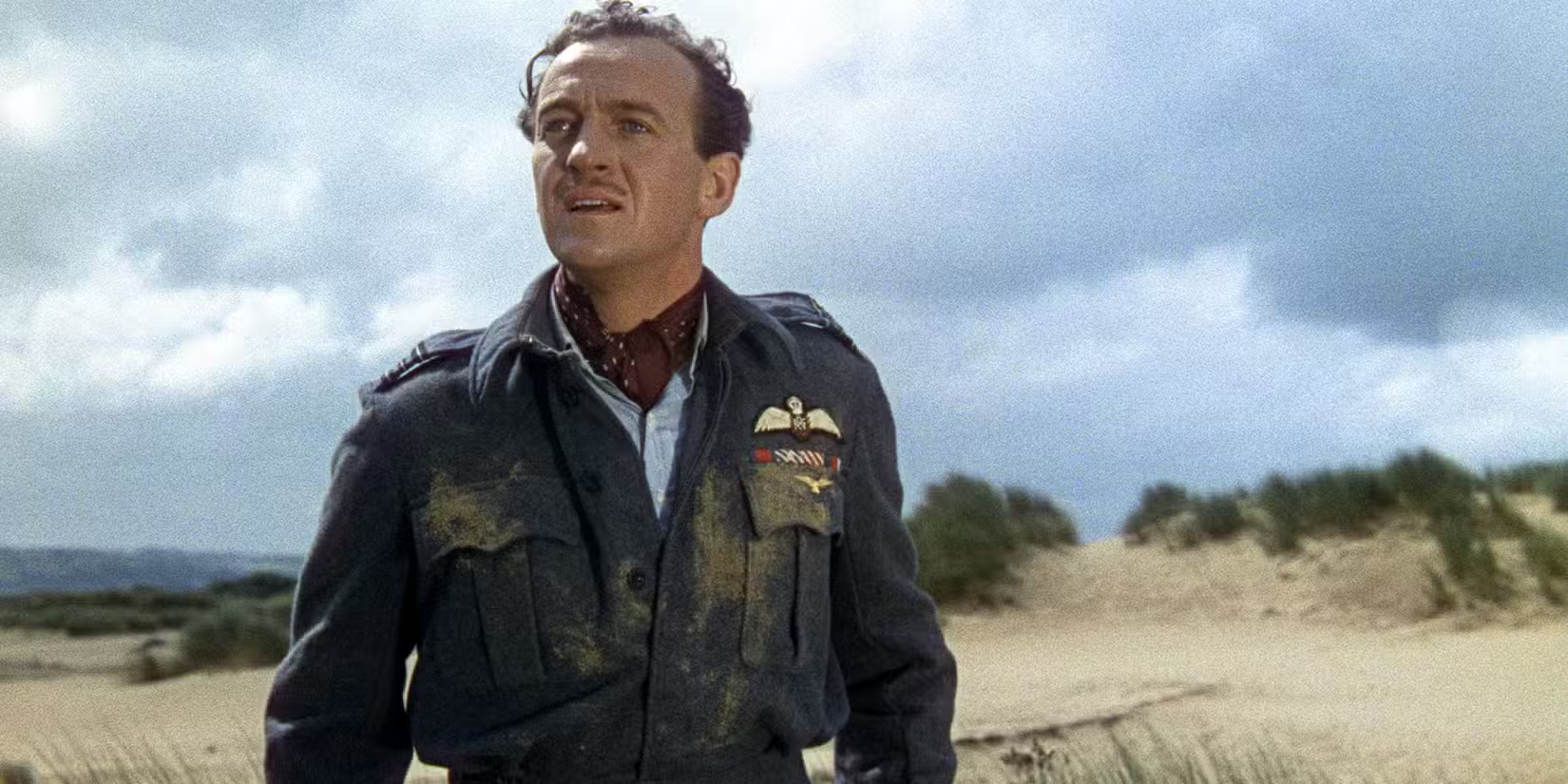
‘A Matter of Life and Death’ (1946)

Originally released in the United States as Stairway to Heaven, the British romance drama A Matter of Life and Death is nothing short of one of the best fantasy movies of all time. Directed, written, and produced by Michael Powell and Emeric Pressburger, it’s a delectably creative and exciting fantasy gem unlike any other the genre has ever produced.
Blending color and black-and-white to emphasize the difference between the real world and a fantastical one wasn’t unheard of in 1946, but A Matter of Life and Death does something refreshingly different by making Earth the one that’s in gorgeous three-strip Technicolor and the afterlife the one that’s in black-and-white. This is but one of the reasons why this beautiful romance drama, one of the most dazzling fantasy films of the 1940s, is such a masterpiece.
14
‘Song of the Sea’ (2014)

Irish animation studio Cartoon Saloon has been making some of the greatest animated fantasy movies of modern times since 2009. Their second-ever feature film was Tomm Moore‘s Song of the Sea, which is far and away one of the best animated fantasy movies the big screen has ever seen. Perfect for kids, families, and adults alike, it’s the sort of pure movie magic that’s humanly impossible to resist.
Heavily inspired by Irish folklore, this impressively animated little gem is a profoundly hard-hitting tale about grief, family, and all the reasons why humanity needs pain in order to feel truly alive. These are complicated themes for such a cutesy-looking family film, but it’s precisely that emotional maturity which Song of the Sea hides under its surface that makes it a must-see.
13
‘The Fall’ (2006)

Directed by Tarsem Singh, The Fall is one of those R-rated fantasy movies that forever changed the genre. Though its botched distribution strategy and the polarized critical reception that it drew guaranteed its becoming one of the most notorious fantasy film flops of the 2000s, it has since become one of the decade’s most widely beloved low fantasy cult classics.
All in all, The Fall is low fantasy at its most delectably artsy and surreal: visually striking, wonderfully imaginative and dreamlike, and largely reliant on jaw-dropping on-location shooting over cheap visual effects. Couple that with an emotionally stirring meta-narrative about the act of storytelling itself, and you get what’s one of the most essential fantasy cult classics of the 21st century so far.
12
‘Army of Darkness’ (1992)

Horror lovers and fans of campy movies will find the perfect marriage of both in Sam Raimi’s 1992 classic Army of Darkness, the third installment in Sam Raimi‘s The Evil Dead trilogy. It also happens to be a dark fantasy film, where Ash is transported to the year 1300 and must retrieve the Necronomicon and battle his way back home.
By far the most absurd, outlandish, and, arguably, funniest of the three installments, Army of Darkness sees Raimi at his Raimi-est. In many ways, Army of Darkness is a hilarious satire of big fantasy blockbusters and traditional horror movies. It’s an experience that’s vastly different from its two darker, gorier, scarier predecessors, but in a delightfully fun way.
11
‘My Neighbor Totoro’ (1988)

Known for his ability to create immersive, enchanting, fantastical worlds that anyone would love to visit, Hayao Miyazaki has dominated the modern anime industry for years. My Neighbor Totoro is among his most wholesome and highly acclaimed works, following two girls who move to the country to be closer to their ailing mother, where they have adventures with the wondrous forest spirits who live there.
Funny, sweet, and touching, My Neighbor Totoro is simply humanly impossible to hate. It exudes magic and wonder as only the best family fantasy movies can, and the fact that it all happens in the scenic Japanese countryside makes it all the more delightful. With some fun interactions with the real world, such as a big chubby creature standing under the rain with an umbrella at a bus stop, Totoro is a masterclass in low fantasy done right.
10
‘The Green Mile’ (1999)

Doubtless one of the best adaptations of Stephen King’s work, Frank Darabont‘s The Green Mile is one of the most singular and moving prison movies ever made. Set on death row in a Southern jail, it follows the lead guard who realizes a gentle giant awaiting his execution has the mysterious power to heal people. Michael Clarke Duncan is magnificent in the role that gave him his only Academy Award nomination, and Darabont – who also directed The Shawshank Redemption, another top-tier adaptation of a Stephen King story set in prison – does a beautiful job behind the camera.
The Green Mile is a tearjerker like few others, with potent social commentary on prejudice and racism and beautiful themes of spirituality, magic, and healing. Its fantasy elements are simultaneously the foundation of the story and a subtle detail to boost the power of its deeper message, which is precisely what low fantasy is all about.
9
‘Wings of Desire’ (1987)

Known for his austere, almost poetic approach to filmmaking, Wim Wenders has made some really magical movies, even those that aren’t fantasy. One of his most acclaimed works is the criminally underrated Wings of Desire, a slow-burn low fantasy drama about an angel who, tired of merely overseeing human activity in Berlin, longs for the pleasures of physical existence when he falls in love with a mortal.
Poignantly romantic and philosophically profound, Wings of Desire has some of the most beautifully composed scenes of any ’80s film and two of the best angel characters in media. Wings of Desire is an arthouse film that requires patience and attention. However, audiences willing to grant them will be graced with one of the most beautiful fantasy movies they’ll ever see.
8
‘The Tale of the Princess Kaguya’ (2013)

Though he’s the face of Ghibli — and arguably contemporary Japanese cinema in general — Miyazaki isn’t the only exceptional Japanese filmmaker. Isao Takahata has made some of the most bewitching animated films of all time, including the enrapturing The Tale of the Princess Kaguya. It’s about an old bamboo cutter and his wife discovering a tiny girl in a shining bamboo stalk, who they raise as their child as she rapidly grows.
Set during Japan’s Heian period, the film is based on an iconic piece of Japanese folklore. It’s extremely easy to get emotionally invested in the story and characters, following a deeply moving story of womanhood and parenthood that makes perfect use of its fantastical elements and historical setting.
7
‘Princess Mononoke’ (1997)

Princess Mononoke is a surprisingly mature and violent action fantasy drama about a confident young warrior who, on a journey to protect his village from a demon, finds himself in the midst of a war between a mining colony and the forest gods. Miyazaki’s exploration of the eternal humans-versus-nature conflict and how harmony can be found within is a film that has aged like fine wine.
Although Princess Mononoke was set up for failure in the US, it became an international success. Visually striking and with a timeless story, Princess Mononoke offers as many constant thrills as it does thoughtful scenes of world-building. Its story is set in the late Muromachi period of Japan’s history, introducing fantasy elements like gods, demons, and spirits. A fascinating slice of history with its director’s signature magic touch, Mononoke is a must-see for Japanese history buffs, low fantasy fans, and animation lovers.
6
‘Harry Potter’ Franchise

Entering a hidden platform through a wall in King’s Cross Station; driving a flying car through the skies of the Scottish Highlands; going down to the Ministry of Magic through a London phone box. These are some of the magical things that only low fantasy can offer, and the Harry Potter movies make the best use of them. Taking place over seven years, the eight movies follow the adventures of a trio of young sorcerer friends.
Harry Potter is one of the most popular fantasy franchises of all time. From Chris Columbus‘s Harry Potter and the Sorcerer’s Stone to David Yates‘s Harry Potter and the Deathly Hallows — Part 2, the films beautifully grew and matured alongside their loyal fanbase. Each Harry Potter installment has something unique to offer, and together, they form one of the most beloved sagas cinema has ever seen.
WordUp Morning
Ten stories, both sides of each, in five minutes. Free, every weekday at 7am, plus a Saturday weekend edition.
We'll email you a link to confirm. Unsubscribe any time.

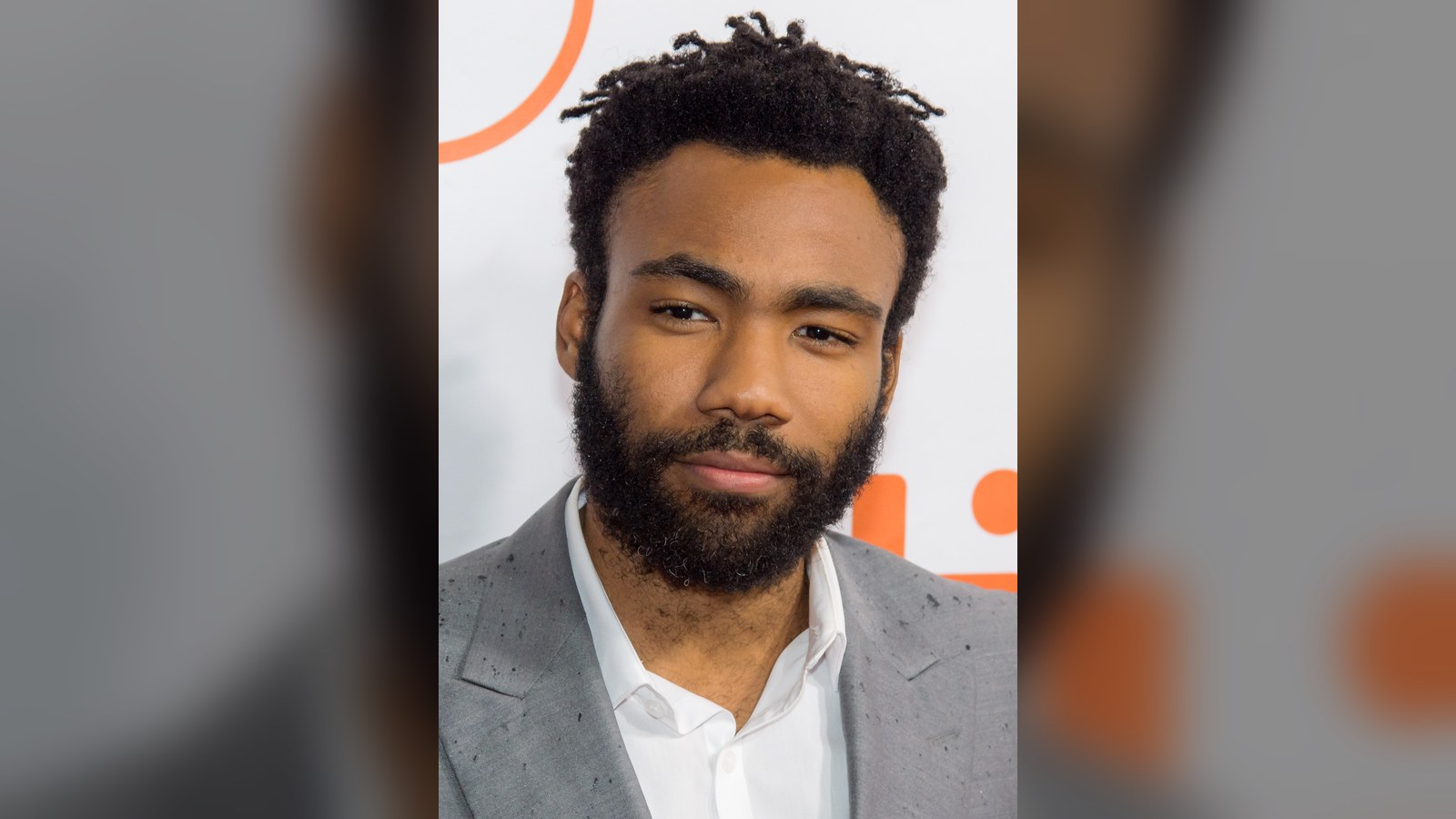
Donald Glover is taking on one of gaming’s most recognizable battle royales: a live-action PUBG Netflix series that he will write, direct, produce and star in. The project was reported on October 29, 2026 by Deadline and IGN, and it marks a major step in Krafton’s long-stated push to turn its franchise into original entertainment.
Who is behind the PUBG Netflix series
Glover, an Emmy winner for acting and directing on Atlanta, is writing the adaptation with his brother Stephen Glover, who is also an executive producer. The pair worked together on Atlanta, where both wrote and executive produced. Other executive producers are Michael Schaefer for Neon, Fam Udeorji for Gilga, and Taeseok Jang and Sujin Lee for LV3H, Krafton’s entertainment arm. LV3H is also helping develop and produce the show.
Deadline reports that the deal came together after lengthy negotiations. Glover is free to work with Netflix because his Amazon MGM Studios agreement, signed in 2021 when he left FX, has since been renewed as a first-look deal rather than an exclusive one. He remains an executive producer on Amazon’s Mr. and Mrs. Smith.
A game with more story than you might expect
PUBG, originally titled PlayerUnknown’s Battlegrounds, debuted in 2017 and has set seven Guinness World Records. It began as a pure multiplayer experience, which raises the obvious question of what a scripted series would actually be about. IGN points to the lore on the game’s official site. In it, a billionaire named Sergei Kalimnik survives a deadly Soviet attack on the fictional island of Erangel in 1965. He later buys the island and stages forced battles among 100 conscripted people. The backstory also links to a centuries-old tradition called “Magna Venari: The Great Hunt.”
IGN’s writer likens the premise to Squid Game, with shadowy elites watching from a distance. That comparison is the outlet’s own reading, and neither report says how closely Glover’s version will follow the game’s canon.
Netflix’s growing game slate
The PUBG Netflix series joins a crowded pipeline of game adaptations at the streamer. Deadline lists a live-action Assassin’s Creed series, a live-action Gears of War film, animated adaptations of Minecraft, Magic: The Gathering and Clash of Clans, and an Overcooked competition series. Netflix had also previously been developing an animated PUBG series from Castlevania executive producer Adi Shankar, announced in 2021. Krafton first announced plans for a PUBG movie and TV series back in 2020.
Neon’s involvement is notable too. The studio has won two Best Picture Oscars, for Parasite and Anora, and its presence suggests an auteur-minded approach rather than a standard franchise play. Deadline’s note that Schaefer joined Neon following Department M’s stake acquisition gives some context for the studio’s expanding ambitions.
IGN also notes that Glover is not the only celebrity attached to a game adaptation right now. Michael B. Jordan and Christopher McQuarrie are reportedly shopping a Battlefield film to studios, with Sony said to be a frontrunner.
What we still don’t know
The reports leave major questions open. There is no release date, episode count, additional cast or production timeline, and Deadline describes the series as “in works” at Netflix. For now, the headline is the creative lineup: a single filmmaker handling writing, directing and starring duties on a PUBG Netflix series, backed by the game’s owner and one of the most celebrated independent studios in film.
Explore more on this topic with Vexel Search.
File photo: Donald Glover TIFF 2015.jpg by Bill Ingalls, Public domain, via Wikimedia Commons.
WordUp Morning
Ten stories, both sides of each, in five minutes. Free, every weekday at 7am, plus a Saturday weekend edition.
We'll email you a link to confirm. Unsubscribe any time.
Entertainment
Death Stranding Isolations Trailer Sets 2027 Disney+ Anime in the Wake of Sam’s Rebuilt America

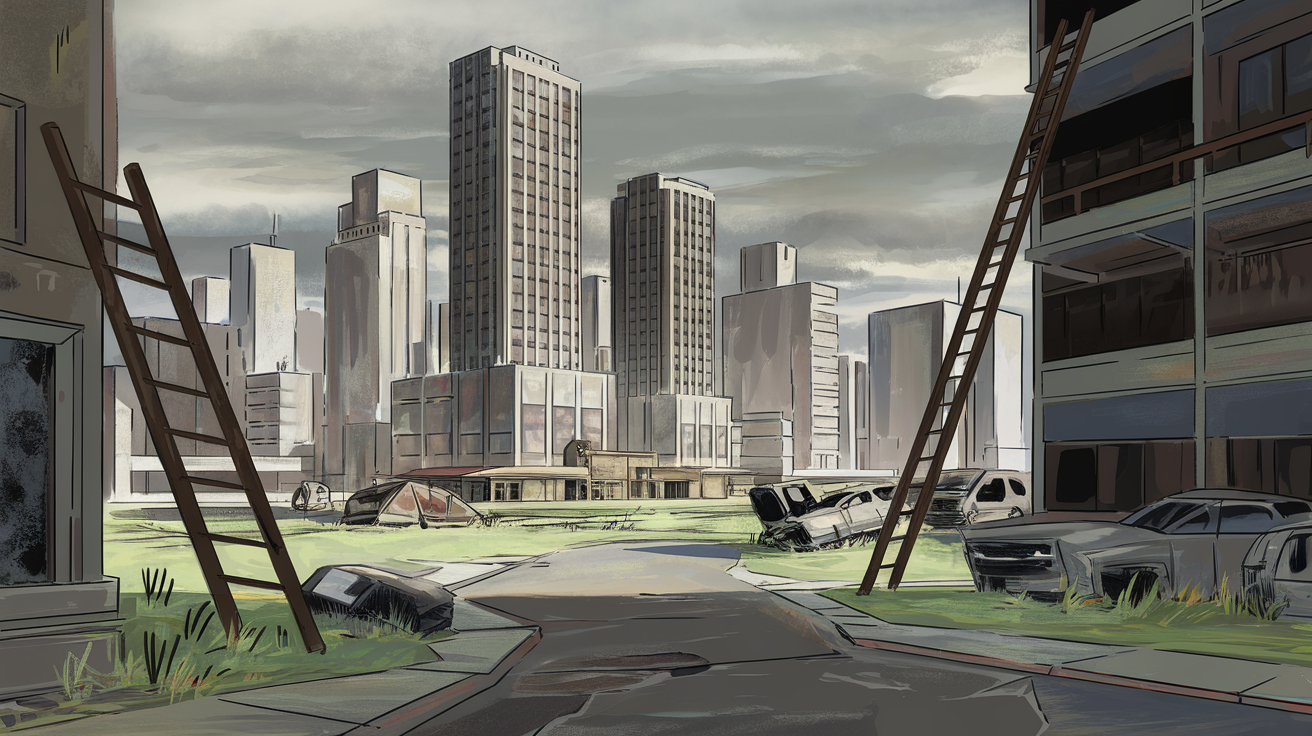
Header image: AI-generated illustration by WordUp News.
The first trailer for Death Stranding Isolations arrived on October 30, giving fans their earliest look at Hideo Kojima’s animated spin-off, which is due on Disney+ sometime in 2027. No exact release date has been given. The series was announced in November 2025, and the footage suggests it will explore the fallout of the games’ story rather than retell it.
What the Death Stranding Isolations trailer shows
The teaser centres on one of the two leads, a blonde-haired girl who is tormented by visions of Beached Things, the souls of the dead stranded among the living. Polygon notes that the anime’s subtitle is “My mom became a crater.” That is a nod to voidouts, the huge explosions triggered when a BT consumes a human.
NME reports that Kojima Productions has also published a fuller synopsis. The story begins in North America just after Sam, the games’ protagonist, reconnects the continent through the Chiral Network. The synopsis suggests that reconnection is not simply a happy ending. As the country is “reborn from the ashes,” the renewed links between people bring “new and unforeseen consequences.”
New characters walking a different path
Sam and his Bridges comrades are not the focus. The synopsis lists a wise old man who connects people by a method “that defies all reckoning,” a female soldier caught in a cycle of war, and a boy furious at the absurdity of his life. The fourth is the girl who severed all ties with the outside world, and who is thrown into an unfamiliar world by chance encounters. In a franchise built on the idea of connection, a protagonist who deliberately cut herself off looks like a deliberate thematic counterpoint.
The team behind the anime
According to Polygon, animation comes from E&H Production, a young studio founded by MAPPA veteran Sunghoo Park, whose credits include Ninja Kamui. Takayuki Sano directs. He has worked on Attack on Titan: The Last Attack and Jujutsu Kaisen 0, and this is his directorial debut. Tow Ubukata, known for Psycho-Pass 2 and 3, wrote the screenplay. Kojima is executive producing.
A growing Death Stranding universe
The anime is one of several projects expanding the franchise beyond games. A24 is developing a live-action film with Michael Sarnoski, who made A Quiet Place: Day One, writing and directing. Polygon describes it as a prequel to the games. Kojima has said he will oversee the film but will keep his input light. “I have to trust these people,” he said, adding that he trusts A24 and Sarnoski.
A separate animated feature, tentatively titled Death Stranding Mosquito, is also in development. Aaron Guzikowski is attached to write and Hiroshi Miyamoto to direct, and its first trailer appeared in September. Polygon also says there are no plans for a third game beyond a concept draft, so these screen projects may be where the story moves next.
For now, the trailer and synopsis are the main evidence of what Death Stranding Isolations will be. It looks like a separate story with a new cast, set in the same world, and it will stream exclusively on Disney+ in 2027.
Explore more on this topic with Vexel Search.
WordUp Morning
Ten stories, both sides of each, in five minutes. Free, every weekday at 7am, plus a Saturday weekend edition.
We'll email you a link to confirm. Unsubscribe any time.
Entertainment
Patrick Stewart tributes pour in after his death at 86, as Ian McKellen calls him “most respected and beloved”
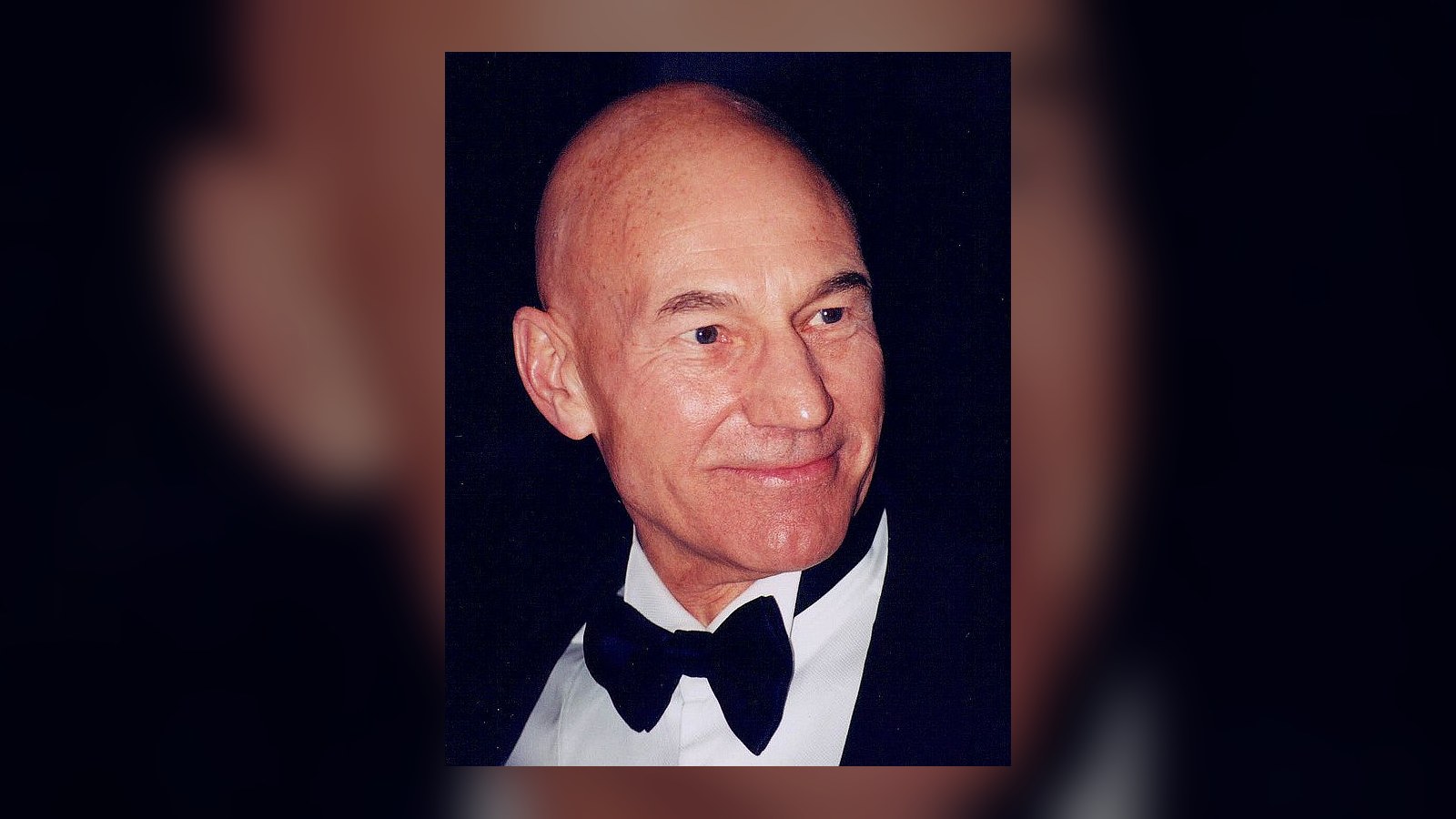
Patrick Stewart tributes have poured in from the worlds of theatre, film, television and video games since the announcement that the actor died at 86. His family said he died on Wednesday, 28 October, at his Los Angeles home after “a brief and poignant journey with Alzheimer’s disease and Lewy body dementia.” The news was made public the following day.
The most widely shared words came from Sir Ian McKellen, Stewart’s friend of five decades and his X-Men co-star. He called Stewart “the most respected and beloved actor of his generation on either side of the Atlantic.”
Ian McKellen: a Yorkshireman first
McKellen’s tribute was personal rather than ceremonial. He wrote that, “before everything else,” Stewart was defined by being born and bred in Yorkshire, and that the county’s character showed in his voice and in “the stern honesty with which he told you what he thought and felt.” He added that Stewart “wore his heart on his sleeve, which made him a man to rely on, to admire and, in my case, love.”
McKellen recalled that the two were ambitious young actors at the Royal Shakespeare Company. He also described meeting Stewart in a London street, where Stewart told him about the offer to lead Star Trek. McKellen admitted he cautioned him about the risk of getting “lost in Hollywood for years and years.” Stewart took the part anyway. “Thank goodness for us all that he did,” McKellen wrote. He said the proudest achievement of Stewart’s career was becoming chancellor of Huddersfield University. McKellen also officiated at Stewart’s 2013 wedding.
From the bridge of the Enterprise to the X-Mansion
Stewart was already an established stage actor when he was cast, at 47, as Captain Jean-Luc Picard in Star Trek: The Next Generation. He played the role for seven seasons, in four feature films, and again in Star Trek: Picard, which began in 2020. William Shatner, who also commanded the Enterprise, said Stewart brought “intelligence, grace and a deep sense of humanity to everything he did.” He added: “Captain Picard stood for the best of us and so did the man who played him.” George Takei said Stewart inspired “a whole next generation of star-gazers.”
Hugh Jackman, who starred with Stewart as Professor X’s mutant ally Wolverine, said, “We lost one of the greats of stage and screen today,” and called him a “tremendous friend and man.” James McAvoy, who played the younger Professor X, said he was “lucky” to have worked with Stewart several times. Marvel Studios called him “a singular talent, a generous collaborator and a true gentleman.” McKellen noted that Stewart’s final film appearance will be as Professor X in the upcoming Avengers: Doomsday.
Remembered on stage and in games
Colleagues from the theatre stressed that Stewart’s screen fame never displaced his classical roots. The Royal Shakespeare Company, which he joined in 1966, called him a “colossus of both stage and screen.” Ben Kingsley recalled watching Stewart rehearse Grumio in The Taming of the Shrew on his own first day at the RSC, noting the “joyful, passionate commitment to his beloved craft.” Harriet Walter, who knew him for more than 40 years, likened his loss to a “huge giant tree” falling in the forest and said she had “never heard a bad word against him.”
The gaming community has also paid tribute. Stewart voiced Emperor Uriel Septim VII in The Elder Scrolls IV: Oblivion, and his opening narration became one of that game’s defining moments. Publisher Bethesda called him “an emperor, a captain, and an inspiration to us all.” He also narrated the Castlevania: Lords of Shadow games. Star Trek Online players lined up spaceships in his honour. Ricky Gervais, meanwhile, shared a lighter memory of Stewart’s good humour on set.
Family and remembrance
Stewart was born in Mirfield, West Yorkshire, in 1940, and was knighted in 2010. He credited a former English teacher with encouraging him to perform. He is survived by his wife, Sunny Ozell, and two adult children, Daniel and Sophie. His family said he died “in the loving care of his wife” and spoke of “the peaceful ease and reflection on his face, an enduring reminder of his invincible grace.” Instead of flowers, they asked for donations to the Johns Hopkins Alzheimer’s Disease Research Center Fund and the Alzheimer’s Foundation of America’s caregiver resources.
The Patrick Stewart tributes share a theme: he took a risk on science fiction without giving up Shakespeare, and carried both with warmth. As McKellen put it, he was “a man to rely on, to admire and … love.”
- Sir Ian McKellen leads tributes to 'beloved actor' Sir Patrick Stewart after his death at 86 (BBC)
- Patrick Stewart, titan of stage and screen, dies aged 86 (The Guardian)
- Games industry honours beloved actor Sir Patrick Stewart, as the legendary Star Trek and X-Men actor passes away (Eurogamer)
- Ian McKellen, Hugh Jackman, William Shatner and more pay tribute to Patrick Stewart: “A man to admire and love” (nme.com)
Explore more on this topic with Vexel Search.
File photo: Patrick Stewart 1999.jpg by Kingkongphoto & www.celebrity-photos.com from Laurel Maryland, USA, CC BY-SA 2.0, via Wikimedia Commons.
WordUp Morning
Ten stories, both sides of each, in five minutes. Free, every weekday at 7am, plus a Saturday weekend edition.
We'll email you a link to confirm. Unsubscribe any time.
Entertainment
Walter Koenig Dies at 90: The Star Trek Chekov Actor Who Flew Through Six Films and Six Decades
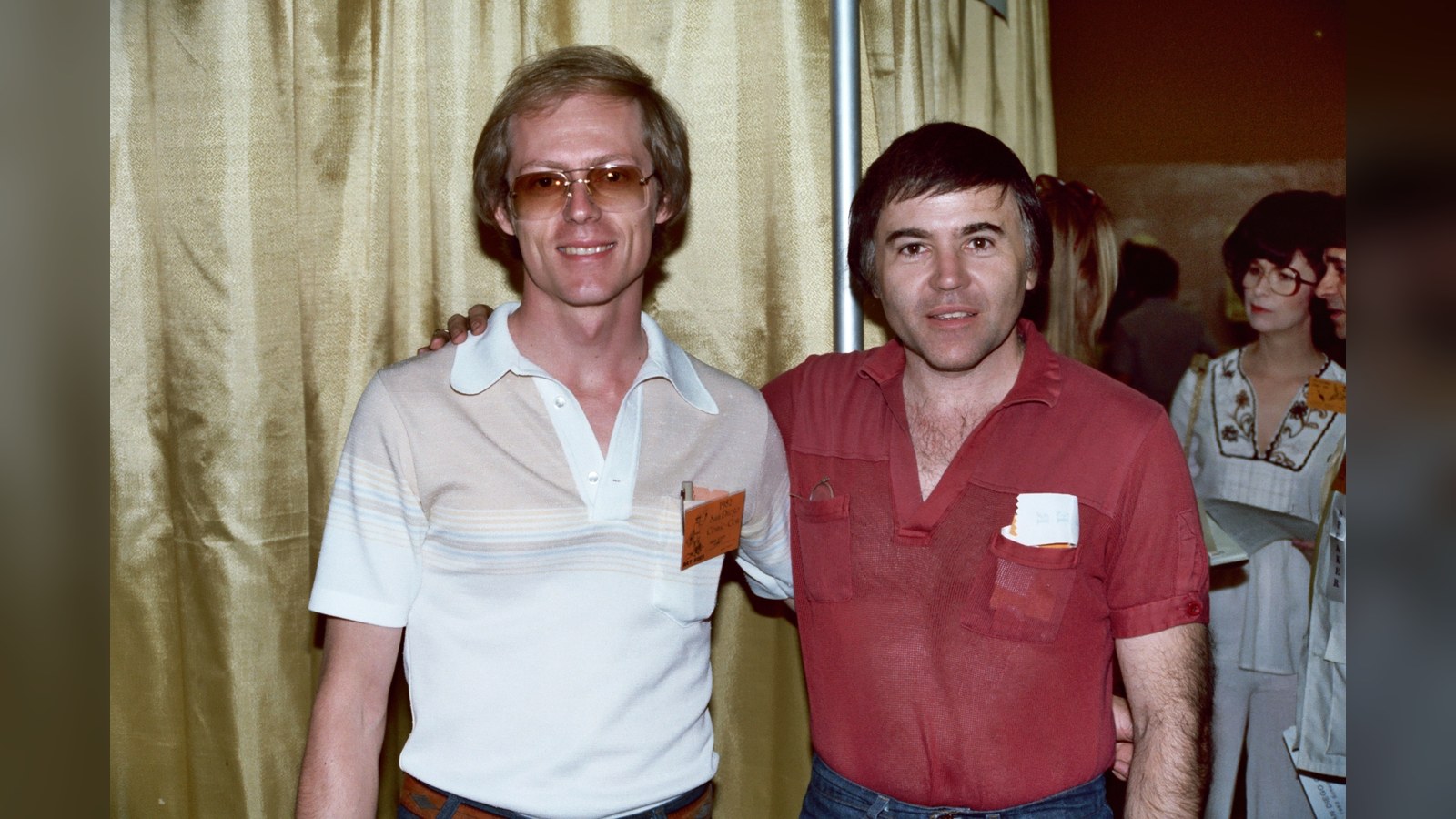
Walter Koenig, the actor who gave the Starship Enterprise its eager young Russian navigator, Pavel Chekov, has died at 90. His representatives said he died of old age at his home in North Hollywood, surrounded by his daughter and niece. Reports differ slightly on the day. The BBC and CNET put it on Sunday night, while the Independent says Monday.
Tributes poured in quickly. Co-star George Takei, who played Hikaru Sulu and had known Koenig for roughly six decades, wrote that “Walter was more than Chekov. He was a writer, a teacher, a thoughtful man, and a loyal friend.” He closed with a line that fans have been sharing widely: “Keep navigating a steady course.”
How Walter Koenig became Chekov
Born in Chicago in 1936 and raised in Manhattan, Koenig was the son of Jewish immigrants whose family came from Lithuania. He studied psychology before training at New York’s Neighborhood Playhouse School of the Theatre, where his classmates included James Caan, Christopher Lloyd and Dabney Coleman. His screen career began in 1962 with an uncredited part as a sentry in Combat!.
He joined Star Trek for its second season in 1967 and appeared in 36 of the 50 episodes aired before the show ended in 1969. According to the sources, the character was partly meant to draw younger viewers, with a mop-top haircut in the style of the Monkees and the Beatles. The studio also reportedly pitched Chekov as an answer to a Soviet newspaper’s complaint that the show had no Russian crew member, a claim Koenig later denied. CNET notes that he was 30 when cast, only five years younger than William Shatner and Leonard Nimoy.
A career beyond the bridge
The series was cancelled, but Chekov kept coming back. Koenig appeared in all six original-cast films between 1979 and 1991, and the Academy of Science Fiction, Fantasy & Horror nominated him for The Wrath of Khan and The Voyage Home. The latter gave fans one of Chekov’s best-loved lines, his accented hunt for “nuclear wessels”. He also made a brief appearance in Generations in 1994. Later, he voiced Anton Chekov, a descendant of his original character, in Star Trek: Picard in 2023.
Fans of other franchises knew him as well. In Babylon 5 he played Alfred Bester, a ruthless Psi Corps telepath, about as far from the cheerful Chekov as an actor could get. Koenig also wrote for television, with credits including Land of the Lost, Family, The Incredible Hulk and an episode of the original series’ animated spin-off. He wrote books, including Chekov’s Enterprise, and in 2010 he wrote, produced and starred in the sci-fi film InAlienable. He received a Hollywood Walk of Fame star in 2012. This year he won a Platinum Award for best actor at the Independent Shorts Awards for the short film Mr Fleischmann.
Family, friendship and fans
Koenig was married to the actor Judy Levitt from 1965 until her death in 2022. She appeared with him in three Star Trek films and in Babylon 5. Their son Andrew, known for playing Richard “Boner” Stabone on Growing Pains, died in 2010 aged 41. Koenig is survived by his daughter, the actor and screenwriter Danielle Koenig.
The warmth in the tributes is notable. Koenig was best man at Takei’s 2008 wedding to Brad Altman. Zachery McGinnis, whose agency represented him at conventions, said Koenig “understood what Star Trek meant to people and embraced the community that grew around it.” Broadcaster Jesse Thorn, a friend of the family, said the cast members’ love for one another was “very sincere” and called their friendship “a gift.”
For a character created partly as a marketing move, Chekov proved unusually durable, and much of that came from the actor playing him. The show imagined former Cold War rivals working side by side, and Walter Koenig made that idea feel affectionate rather than preachy. Fans will probably remember him less for any single line than for the humour and sincerity he brought to the role, and for the decades he spent meeting the people who loved it.
- Walter Koenig, actor best known as Chekov on Star Trek, dies aged 90 (The Guardian)
- Star Trek actor Walter Koenig, who played Pavel Chekov, dies aged 90 (BBC)
- Walter Koenig, Star Trek’s Original Chekov, Dies at 90: ‘He Loved You Too’ (cnet.com)
- Star Trek’s original Chekov, Walter Koenig, dies aged 90 (The Independent)
Explore more on this topic with Vexel Search.
File photo: Alan Light with Walter Koenig (1117487871).jpg by Alan Light, CC BY 2.0, via Wikimedia Commons.
WordUp Morning
Ten stories, both sides of each, in five minutes. Free, every weekday at 7am, plus a Saturday weekend edition.
We'll email you a link to confirm. Unsubscribe any time.
Entertainment
Meghan to Co-Host Junior MasterChef Australia in 2027, Ending a Six-Year Hiatus for the Show
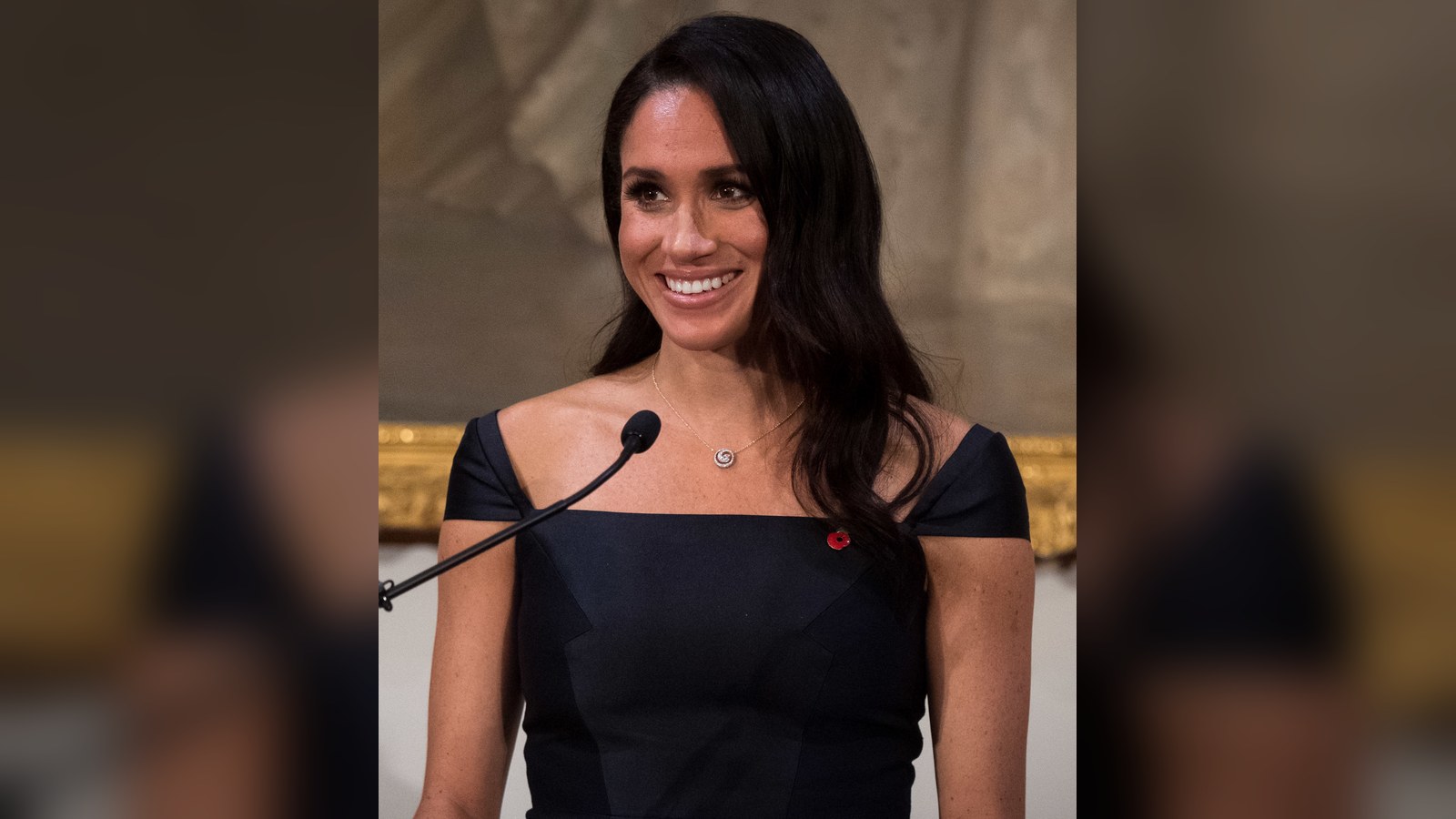
The Duchess of Sussex is heading back to Australian television, with Network 10 confirming she will front the 2027 season of Junior MasterChef Australia alongside Poh Ling Yeow. The announcement, made on 27 October, gives Meghan her first confirmed on-screen project since her Netflix partnership wound down, and it arrives at a delicate moment in her personal life.
What Network 10 has confirmed
According to the broadcaster, Meghan will take part as a “special guest” co-host, while Yeow, a current judge on the adult MasterChef Australia, will keep that role in 2027 as well. Contestants on the children’s spin-off are aged between nine and 13. Production will take place at Melbourne Showgrounds, though no date has been set. Deadline reports the format is returning to Ten after six years off air, and that Banijay’s Endemol Shine Australia is producing it, with Banijay Rights handling international distribution.
“I love cooking with my own kids, so seeing what these young stars create in the kitchen is going to be a lot of fun,” Meghan said in a statement, adding that returning to work with the MasterChef team was “an easy yes.” Yeow said a reunion would be “a real treat” and promised “plenty of delicious surprises and a little mischief, too.”
Why the network wanted her back
The casting follows a guest appearance on the flagship show, filmed during the Sussexes’ four-day Australian visit in April and broadcast in July. Network 10 said the episode drew its largest Sunday audience since 2023. For a broadcaster relaunching a dormant children’s brand, a proven ratings draw is an obvious asset.
The BBC notes that Meghan was not paid for her earlier appearance. Network 10 did not say whether she will be paid for the junior series. The Guardian adds that it is unclear whether filming will mean a temporary move to Australia for the family, who relocated to the UK in August after six years in California.
A career in transition
The deal fits a pattern of Meghan rebuilding her media profile around food and family. Her Netflix series With Love, Meghan ran for two seasons and a Christmas special. The BBC reports it did not perform well with audiences, though the Guardian notes Netflix said it was viewed 5.3 million times globally in the first half of 2025. The show is widely reported not to be returning, and her As Ever lifestyle brand, which includes a food range, ended its partnership with Netflix in March.
There is also a commercial thread. The BBC says her trademark was registered last year in more than a dozen product categories in Australia, including cookware and table linen. A prominent family-friendly cooking show in that market would sit comfortably alongside those interests, although none of the sources suggest a link between the two.
Timing amid serious allegations
The announcement lands in the same week as allegations involving her father, Thomas Markle Sr. The Guardian reports that her half-brother, Thomas Markle Jr, made a report to authorities in the Philippines alleging he found child sexual abuse images at their father’s former home there. A human trafficking and child sexual exploitation taskforce in Cebu is investigating. Markle Sr denies the claims, calling them “sick” and “a bunch of lies.”
Meghan said through a spokesperson that she was “deeply distressed” and that her thoughts were with any children who may have been harmed. Accounts differ on the detail of her contact with her father. The Guardian says the Met made her aware of allegations in 2019, Deadline says she has had no contact with him since 2018, and the BBC understands she cut off contact last year. None of the reports indicates the television announcement is connected to the allegations.
What the sources do show is a high-visibility children’s programme being built around a figure under intense public attention. Whether Junior MasterChef Australia benefits from that attention, or has to navigate it, will become clearer once a production schedule is confirmed.
Explore more on this topic with Vexel Search.
File photo: Meghan, Duchess of Sussex.jpg by Office of the Governor-General, CC BY 4.0, via Wikimedia Commons.
WordUp Morning
Ten stories, both sides of each, in five minutes. Free, every weekday at 7am, plus a Saturday weekend edition.
We'll email you a link to confirm. Unsubscribe any time.
Entertainment
Susan Saint James Dies at 80: Eight Emmy Nominations, One Win and a Career She Walked Away From

Header image: AI-generated illustration by WordUp News.
Susan Saint James, the Emmy-winning actress who anchored two of television’s most recognizable pairings, has died at 80. Her family said she died Monday of pancreatic cancer. Tributes since have focused on a rare Hollywood story: a performer who reached the top of network TV more than once, then chose to leave it.
From Contract Player to Prime-Time Emmy Winner
Born Susan Jane Miller in Los Angeles on Aug. 14, 1946, Saint James grew up partly in Rockford, Illinois, after her father took a job leading a model-kit manufacturer. She spent about three years modeling in France before returning to California at 20 to try acting. The move paid off fast. As a Universal contract player, she landed a part in a 1966 TV movie and then a regular role on NBC’s The Name of the Game.
On that stylish 90-minute series she played Peggy Maxwell, an editorial assistant who kept getting kidnapped. She won an Emmy in 1969 for the first season, then earned nominations in 1970 and 1971. Few actors collect a statuette so early in a TV career.
The Rock Hudson Years and a Contract Fight
Within months of that series ending, Saint James was back in another rotating NBC format. McMillan & Wife paired her with Rock Hudson as a San Francisco police commissioner and his crime-solving spouse, Sally. It aired alongside Columbo and McCloud as part of the NBC Mystery Movie lineup. The role brought her Emmy nominations in 1972, 1973 and 1975. She left after five seasons in 1976 amid a contract dispute, while Hudson stayed for a sixth.
She also worked in film, running from the law with Peter Fonda in Outlaw Blues, playing Dracula’s target in Love at First Bite, and appearing in How to Beat the High Cost of Living and Carbon Copy.
Kate & Allie and the Decision to Step Back
In 1984, Saint James reunited with her High Cost of Living co-star Jane Curtin for the CBS sitcom Kate & Allie. They played divorced childhood friends raising three kids together in a Greenwich Village brownstone. The show ran six seasons, ending in 1989, and drew three Emmy nominations for outstanding comedy series. Saint James personally earned nominations in 1984 and 1985. By the Hollywood Reporter’s count, that makes her an eight-time nominee.
After the show ended, she largely stopped acting. She told People magazine in 2002 that she was tired of being “one of those people juggling knives and melons and then [saying], ‘Toss me in a razor blade.’” Her departure came while she was still in demand, which is why some obituaries describe her as quitting at her peak.
Family, Loss and Service
Saint James married television executive Dick Ebersol, the former Saturday Night Live executive producer and NBC Sports head, in November 1981. He is her third husband and survives her. In 2004, the couple lost their youngest child, 14-year-old Teddy, in a plane crash. Reports describe them as continuing on together after that tragedy.
Away from the screen, Saint James pursued entrepreneurial ventures and devoted considerable time to charity. She served as a board member and longtime volunteer for the Special Olympics.
Her family’s statement emphasized that side of her life. It described her as “generous with her time and energy, which she valued more than money, and instinctively drawn to whoever needed lifting up.” It added: “She taught her children to pause, be kind and look out for other people.”
For viewers, Saint James will be remembered as the warm, quick-witted presence of 1970s mystery nights and 1980s sitcom Thursdays. By choosing family and service over another series, she left the screen on her own terms.
- ‘Kate & Allie’ star Susan Saint James dead at 80 (foxnews.com)
- Kate & Allie star Susan Saint James dead at 80 as family pays tribute (The Independent)
- Susan Saint James, ‘Name of the Game,’ ‘McMillan & Wife’ and ‘Kate & Allie’ Star, Dies at 80 (The Hollywood Reporter)
Explore more on this topic with Vexel Search.
WordUp Morning
Ten stories, both sides of each, in five minutes. Free, every weekday at 7am, plus a Saturday weekend edition.
We'll email you a link to confirm. Unsubscribe any time.

Header image: AI-generated illustration by WordUp News.
It is now one of the most recognisable songs of the 1960s, but Time of the Season began as a modest, rushed and occasionally tense piece of work. In a Guardian “How we made” interview, Zombies keyboardist Rod Argent and singer Colin Blunstone recall a recording shaped by a tiny budget, a ticking studio clock and a band on the verge of splitting.
A £1,000 album and a self-produced gamble
By 1967 the Zombies had only one UK hit, She’s Not There, which Argent wrote at 18. They had signed to CBS and been handed £1,000 to make their second album, Odessey and Oracle. Argent says that was not a lot of money even then. The band recorded in a handful of sessions spread over six months and, for the first time, produced themselves.
The money ran out quickly, but Argent argues the pressure helped. The tight timeframe gave the record a spontaneity and freshness he still tries to preserve in his work, he says, partly because it is “just much more fun”.
The last song written, and a hunch it was a hit
Time of the Season was the final song Argent wrote for the album. He was sharing a flat with bassist Chris White, and the two swapped ideas by wandering between each other’s rooms. Argent recalls telling White he thought he had just written a hit.
He ties the lyrics to the mood of 1967, when television brought pictures of war into living rooms and some viewers decided they wanted no part of it. The “Who’s your daddy?” line, he says, nods back to Gershwin’s Summertime, an early song the band performed together. “Is he rich like me?” was meant to carry a double meaning, with “rich” suggesting an understanding of how to live.
Abbey Road, the Beatles and a heated session
The band recorded at EMI Recording Studios, later renamed Abbey Road. The Beatles had been in just before them making Sgt Pepper’s Lonely Hearts Club Band, and the Zombies shared some of the same engineers, notably Geoff Emerick. Argent credits him with a distinctive way of combining the bass and tom-tom sounds. Argent suggested the clap before the beat and the exhaled vocal sound that follows it.
Blunstone remembers a less serene experience. He was still learning the song as he sang it, watching a red recording light and a clock while studio staff enforced strict finishing times. At one point a piano was wheeled away mid-take. With Argent in the control room demanding precise phrasing, tempers frayed. Blunstone says he told Argent to come in and sing it himself, and the reply was blunt. He finds it funny now that he swore at his bandmate between takes of such angelic lines.
Blunstone also admits he did not rate Time of the Season as the album’s best shot at success. He thought Care of Cell 44 sounded like a hit single, but it flopped. The album emerged in a misspelled sleeve after the band had already split.
Death rumours and a delayed hit
The version of events available here cuts off before the full story of how the song found its audience. The article’s introduction and captions hint at it. A DJ in Boise, Idaho, reportedly would not stop playing the track, and a later passage mentions that Al Kooper became a CBS staff producer after leaving Blood, Sweat & Tears. The standfirst also recounts that, a year after the split, two bands toured the US as the Zombies, with one claiming a new singer because a member had supposedly been killed in a car crash. The headline adds that a death was reported in Rolling Stone.
Even so, the interviews offer a clear picture of a classic made quickly and cheaply, with plenty of friction. Argent says of the song, in a caption, that he has never worked out how it can be both of its time and timeless.
Explore more on this topic with Vexel Search.
WordUp Morning
Ten stories, both sides of each, in five minutes. Free, every weekday at 7am, plus a Saturday weekend edition.
We'll email you a link to confirm. Unsubscribe any time.
Entertainment
Walter Koenig, Star Trek’s Chekov, Dies at 90: George Takei Says He Was “More Than Chekov”
Header image: AI-generated illustration by WordUp News.
Walter Koenig, the actor who brought the earnest young Russian navigator Pavel Chekov to life on the original Star Trek, has died at the age of 90. His representatives said he died of old age at home in North Hollywood on Sunday night, surrounded by his daughter and niece.
Koenig had marked his 90th birthday only last month, on September 14. His death came as one of Star Trek’s best-known friendships was being celebrated in public once again.
George Takei leads the tributes to Walter Koenig
George Takei, who played Hikaru Sulu, was among the first to respond. In an Instagram post, he said the two met on the bridge of the Enterprise in the 1960s and stayed friends for almost six decades. Koenig was best man at Takei’s 2008 wedding to Brad Takei. His birthday also fell on the couple’s wedding anniversary, a coincidence Takei said he would always treasure.
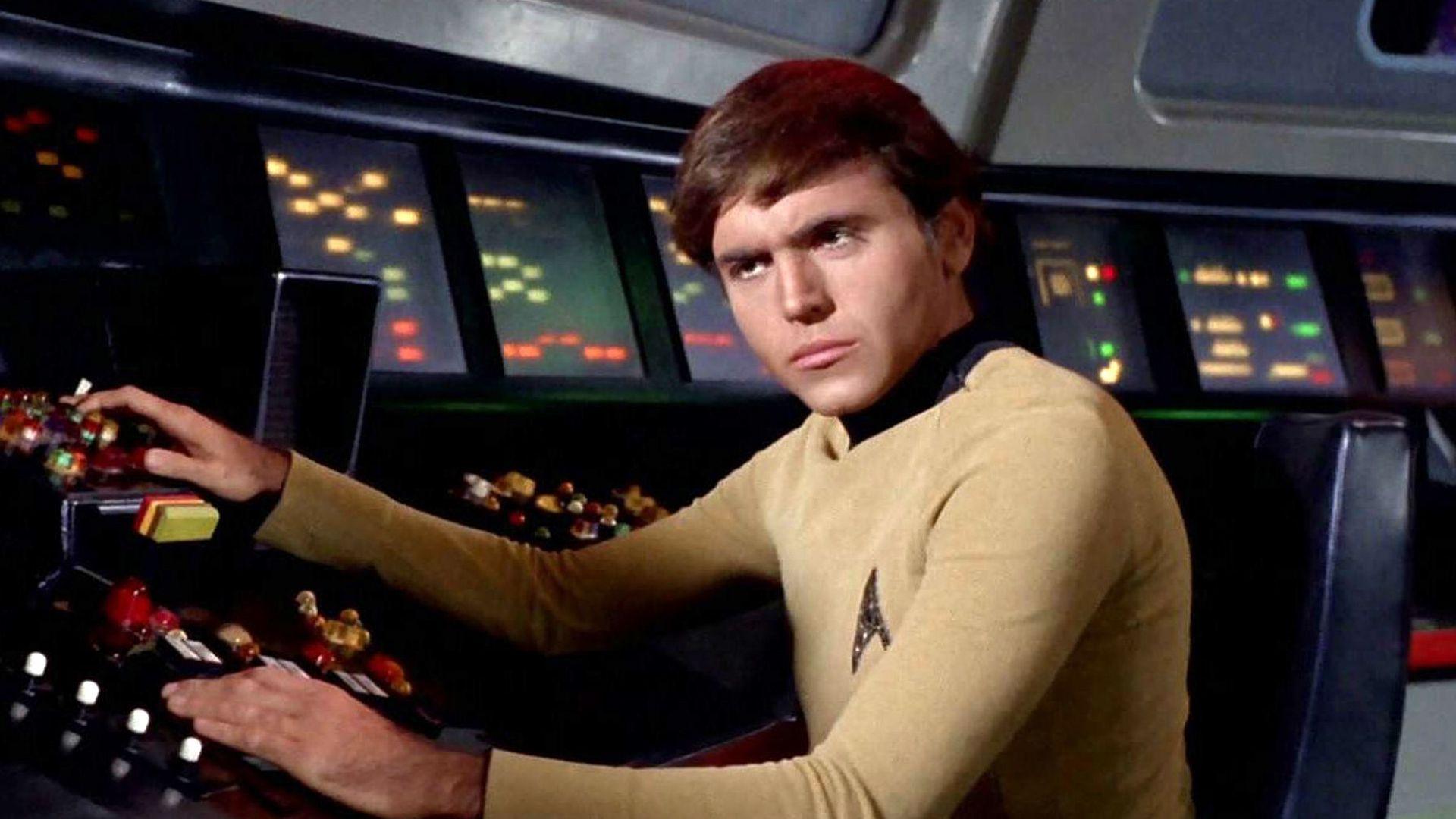
“Walter was more than Chekov,” Takei wrote. “He was a writer, a teacher, a thoughtful man, and a loyal friend.” He signed off with a nod to the show: “Keep navigating a steady course.”
Adam Nimoy, son of Leonard Nimoy, called Koenig “such a nice guy” and recalled enjoying his company on the convention circuit. Michael Okuda, a scenic artist and technical consultant on several Trek productions, remembered an interview Koenig gave to the Roddenberry Archive.
A career that outgrew one navigator
Born in Chicago and raised in Manhattan, Koenig was the son of Soviet Jewish immigrants. He trained at New York’s Neighborhood Playhouse School of the Theatre, where his classmates included James Caan, Christopher Lloyd and Dabney Coleman. He joined Star Trek in its second season in 1967, and the show ended in 1969. Chekov was reportedly introduced to appeal to younger viewers, with a mop-top haircut and a habit of claiming everything was invented in Russia.
The studio also promoted the character as a response to criticism in the Soviet newspaper Pravda about the lack of a Russian on the crew. Koenig later denied that claim. Either way, a Russian officer on an Enterprise bridge fit the show’s Cold War-era vision of nations working together.
He was candid about the limits of the role on television. By his own account, Chekov’s job was to set out the bones of the plot and let McCoy, Spock and Kirk fill it in. The films gave him more to do. He appeared in all six original-cast movies between 1979 and 1991, and the Academy of Science Fiction, Fantasy & Horror nominated him for The Wrath of Khan and The Voyage Home. He also appeared briefly in Generations in 1994 and voiced President Anton Chekov in Star Trek: Picard in 2023.
Outside Trek, Koenig played the ruthless telepath Alfred Bester on Babylon 5 and wrote an episode of the animated Star Trek spin-off. He was also a published author, with credits including Columbo and Futurama. Earlier this year he won the Platinum Award for best actor at the 2026 Independent Shorts Awards for the short film Mr. Fleischmann. His representatives called it a fitting recognition of a lifetime devoted to his craft.
Koenig’s wife, Judy Levitt, who appeared with him in three Trek films and in Babylon 5, died in 2022. They had married in 1965. Their son Andrew, who played “Boner” on Growing Pains, died in 2010 at 41. Koenig is survived by his daughter Danielle, an actress and screenwriter.
Another soap veteran gone
The entertainment world also lost Alan Dysert, best known as the scheming con man Sean Cudahy on All My Children. He appeared in 79 episodes between 1980 and 1990. His wife, Michele, announced on Facebook that he died on October 23 at 75. She did not give a cause. In a 2023 memoir, however, Dysert wrote that he had been diagnosed with a rare, aggressive and incurable cancer.
Dysert later worked as a producer and as an acting teacher. His wife said he had asked loved ones to celebrate his life rather than mourn it.
For Star Trek fans, the loss of Walter Koenig closes another chapter of the original crew’s story. Judging by the tributes, what colleagues remember most is his warmth and the decades of friendship behind the character.
Explore more on this topic with Vexel Search.
WordUp Morning
Ten stories, both sides of each, in five minutes. Free, every weekday at 7am, plus a Saturday weekend edition.
We'll email you a link to confirm. Unsubscribe any time.

An Ohio pastor and his wife have the internet ablaze after introducing their congregation to his second wife during a recent sermon. Prophet Israel T. Ford and his wife, Pastor Lydia Ford, made the announcement on Sunday, October 25, at the LifeWorks Church in Wickliffe, Ohio.
RELATED: Florida Pastor Timothy Chaneyfield Arrested For Alleged Sexual Abuse And Exposing 14-Year-Old Boy To HIV
Ohio Pastor Israel T. Ford And Spouse Introduce Second Wife
Pastor Lydia Ford made the announcement with her husband during a Sunday sermon at LifeWorks Church in Wickliffe. In a clip shared by Hollywood Unlocked, Ford revealed that she and Prophet Ford were in a polygamous marriage with another woman, Minister Shakayla Ford.
“I want to share that you know Prophet and I, you know, we are living, even right now, um, in what we would call a polygamous marriage,” she said. “My husband, our Prophet, he has a second wife. Y’all know her. Y’all love her. Y’all benefit from her ministry every week. And so, I just want to take this time and just, um, as a pleasure of mine to introduce to y’all Prophet’s wife and my sister in marriage, Minister Shakayla.
Second Wife Claims Marriage Is Will of God
Minister Shakayla Ford then spoke to the congregation, and she had jokes. After she was introduced by her sister-wife, she got up on stage and said, “Wow. Um cat’s out the bag.”
The Prophet’s second wife then claimed the marriage was “the will of God” as she sought to address folks’ concerns about her lifestyle.
“I want to speak to the fact that I know people have questions,” she said. “People have comments and concerns. And one thing that um, you know, I want to address is that, it, it is amazing to know that this is the will of God and to live it. I have not been slight not one bit, and I have gained so much… and I have learned so much from pastor. I mean, he has poured so much into me and into our family… is it the image of what God wants to put in the earth.”
Watch the clip below.
Folks Act OUT On Social Media
People couldn’t wait to leave opinions in Hollywood Unlocked’s comment section, and several folks dragged the church leaders in the process. Others dropped jokes.
User @sha_lettice replied, “Tell me Pastor was cheating without saying it…😂😂.”
@brandyslin added, “Can the wife get a second man too 😂😂😂.”
@iambrianamoenae noted, “she can’t even pronounce it correctly 😂.”
User @themazebanks wrote, “Wondering when he’s gon announce his secret husband.”
@iamjudimoon noted, “If this is what’s happening in the light, I can’t imagine what’s happening in the dark.”
User @dave_badazz3 joked, “This a Tubi Church 😂😂.”
@schinal_5 added, “What in the WITCHES of EASTWICK!?! And to the congregation, why did no one walk out!? 😮🤡🤹🏽♀️🎪.”
@_lovebri___ replied, “Her saying Cats out the bag in her coming out speech was crazyyy lol.”
User @_desinee wrote, “We are definitely living in the last days!”
@njsoup153 joked, “Pastor done sampled the whole congregation.”
@_mealsbymel added a prediction. “@druski gon ahead and tap in with this foolery 😂😂.”
RELATED: Say, WHAT?! Florida Woman Arrested & Charged After Allegedly Setting Man On Fire During Argument
What Do You Think Roomies?
WordUp Morning
Ten stories, both sides of each, in five minutes. Free, every weekday at 7am, plus a Saturday weekend edition.
We'll email you a link to confirm. Unsubscribe any time.
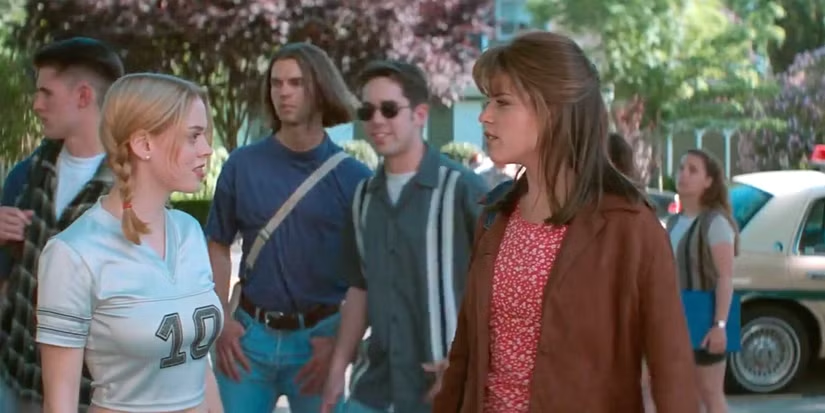
Wes Craven’s 1996 horror movie Scream is one of the most celebrated films in the genre. With iconic characters and a fresh, darkly comedic take on the slasher, this movie changed what was possible within the horror genre. The soundtrack for Scream is just as iconic as the movie, full of ‘90s alternative and indie rock music that sets the scene for a classic high school experience plagued by a vicious killer. This soundtrack is nothing short of perfect for both the movie and the Halloween season — and well worth listening to all year around.
Alternative and indie rock often align with the dark themes explored in the horror franchise – but choosing the right songs for a movie, especially one so reliant on the fear and suspense of the audience, is no small feat. These five songs off the Scream soundtrack are all perfect choices for the scenes in which they can be heard. Through taking a closer look at these eerily memorable tracks, we can better understand the interaction between alt-rock and the horror genre.
5
“Whisper” by Catherine

Starting off on a comparatively lighter note, “Whisper” by Chicago-based alt-rock band Catherine sets the tone for day-to-day life at the fictional Woodsboro High School. Catherine was active from the mid-80s through the ’90s and often compared to The Smashing Pumpkins. They were just underground enough to be cool – surely something the Californian teens in this film may have burned onto their CDs. “Whisper” appeared on their 1996 album Hot Saki & Bedtime Stories, released the same year as Scream. The track is best known for its inclusion in the film.
This song plays towards the beginning of the film. The scene portrays the students lounging around on the school quad, discussing the recent killing of Casey Becker (the tragically short-lived character played by Drew Barrymore). They are talking about the extremely disturbing murder and mutilation of a friend with an alarming level of apathy, indicating the feeling of invincibility and lack of empathy that comes with being a teenager… and perhaps something more nefarious. “Whisper” is a fitting track for this scene – chill, easy background music, but with an edge. Crunchy guitar riffs are balanced with aptly whispery vocals, setting the tone as relaxed, but with a subtle undercurrent of unease.
4
“Red Right Hand” by Nick Cave & The Bad Seeds
This next track is much better known – for a multitude of reasons. Nick Cave & The Bad Seeds are renowned in their field and extremely popular amongst the gothic-rock crowd. They released their most popular album, Murder Ballads, the same year as Scream – they were at the peak of their popularity in the mid-to-late ’90s. “Right Red Hand” was released two years earlier, and quickly became the band’s signature song. Featuring creepy lyrics (sung spoken-word style by Cave) and eerie bell tolls, listening to the song is akin to hearing a ghost story in the dead of night. It is superfluously spooky in a Scooby-Doo kind of way – picture the gang tiptoeing through a haunted mansion on a dark and stormy night. Jinkies!
“Red Right Hand” is frequently featured in movies and television, perhaps most notably as the theme music for the popular BBC show Peaky Blinders. It is also present in all seven movies in the Scream franchise, except for the fourth installment (copyright issues). The song acts as a harbinger throughout the films – when you hear Nick Cave’s melancholic warble, Ghostface is sure to be close behind.
3
“Youth of America” by Birdbrain

This high-energy, rebellion-steeped track is the definition of teenage angst. “Youth of America” was the final single released by Birdbrain, a short-lived, post-punk band formed in Boston in the early ’90s. Their biggest accomplishment as a group was this song being used in Scream – the official music video features scenes from the film interspersed with clips of the band performing at the scenes of the fictional murders. They truly capitalized on the exposure they received from the movie. This is not to disparage the group or the song – the inclusion of the somewhat niche group does wonders for the era-specific world-building in Scream.
“Youth of America” has a classic indie rock, post-punk feel, featuring a driving drumbeat and distorted guitar. The lyrics describe the death and waste of the youth of America, assumedly in the metaphorical sense – the powers that be are indoctrinating the children, brainwashing the teens, keeping the people down. Good ol’ angst and anti-establishment awesomeness. However, in this context, the often repeated lyrics “You’re all dead” take on a much more literal meaning. This song plays during the high school party at Stu Macher’s (expertly played by Matthew Lillard) house, right before the violence reaches a bloody crescendo.
2
“School’s Out” by Alice Cooper
Alice Cooper’s “School’s Out” has been a high school anthem since its 1972 release. Cooper, one of the biggest names in hard/glam rock, is known for his over-the-top theatrical performances and costumes, making his work incredibly conducive to the horror genre. Aptly nicknamed the “Godfather of Shock Rock,” Cooper’s career has had an immense influence on a variety of subgenres under the rock and roll umbrella. “School’s Out” is his biggest international hit, capturing the excitement of the final moments before it’s time to leave the classroom behind
The iconic lyrics “School’s out for summer/ School’s out forever/ School’s been blown to pieces” play as the principal of Woodsboro High School announces the suspension of classes due to the recurrent attacks on students. The song is right on the nose – but in an effective way. The inclusion of this track captures the frenzy and paradoxical excitement surrounding the unexplained wave of violence, and subtly alludes to the fact that perhaps the perpetrators of these crimes are closer than the students are being led to believe. No one ever expects the call to come from inside the house.
1
“Don’t Fear the Reaper” by Gus Black

Gus Black’s stripped-down, acoustic cover of “(Don’t Fear) The Reaper” by Blue Öyster Cult is a quintessential indie singer-songwriter track. Black recorded and produced this song specifically for the Scream soundtrack. Equally romantic and melancholic – with violins and harmonies for added cinematic effect – the use of this cover is perhaps the most clever musical choice in the film.
The original Blue Öyster Cult version is featured in 1978 horror classic Halloween, which heavily inspired the plot and characters of Scream. Halloween is referenced consistently throughout the film, and using a cover of “(Don’t Fear) The Reaper” adds another layer of connection between the two movies. The song plays after Billy Loomis (played by Skeet Ulrich) sneaks through his girlfriend’s window and into her bedroom. Sidney Prescott (Neve Campbell) is initially startled – and rightfully so. There’s a killer on the loose! When she realizes it’s just her boyfriend, she relaxes. There’s no need to be afraid … or is there? Should she fear the reaper? The foreshadowing is expertly executed – one of the many details that makes Scream one of the most iconic slasher movies ever made.

WordUp Morning
Ten stories, both sides of each, in five minutes. Free, every weekday at 7am, plus a Saturday weekend edition.
We'll email you a link to confirm. Unsubscribe any time.

Lagarde Resignation Sets Feb. 7 Exit, Opening a Race to Lead the ECB as Inflation Hits 3.8%

Binance Hack Losses: $6.34B Set Aside, $5B Already Held in Matching Tokens

CMA Meta Investigation Targets Terms Affecting “Thousands of UK Businesses”


-

 Tech & AI5 days ago
New conversion kit lets builders fit ATX motherboards and standard PC GPUs inside Apple Mac Pro case
-

 Tech & AI6 days ago
S’pore’s NTU ranks 1st globally in AI & NUS dominates engineering
-

 Crypto5 days ago
Pump Fun’s Kimchi partnership has turned into chaos
-
 Entertainment7 days ago
‘Shocked’ Director Addresses Amanda Bynes’ Last On-Screen Performance
-

 Fashion6 days ago
Breaking the Color Rules – Julia Berolzheimer
-

 Tech & AI6 days ago
Pushing Bluetooth Out To 12 Kilometers
-

 Business & Hustles6 days ago
Slideshow: Operators lean on limited-time menu innovations
-

 Fashion4 days ago
Tuesday’s Workwear Report: Classic Shetland Blazer
-
Tech & AI7 days ago
What’s The Difference Between Gear Oil And Hydraulic Oil?
-

 Tech & AI7 days ago
Instacart reportedly discussed selling itself with DoorDash and Uber
-
 Crypto6 days ago
Grayscale Names 3 Cryptocurrencies That Could Benefit From AI Growth
-
 Tech & AI6 days ago
Greece Enacts Social Media Ban For Kids Under 15
-

 Tech & AI7 days ago
Apple is exploring ways to make Safari websites less cramped on its foldable iPhone
-

 Business & Hustles7 days ago
US oil company plans first well in Greenland in 2027 amid Trump push
-

 Crypto6 days ago
IRS Targets 120-Day Tax Disclosure Process: Forbes
-

 Crypto6 days ago
Bitcoin ETFs reversed course in a day. Who is buying when the funds sell?
-

 Tech & AI6 days ago
The AI agents Muse and Dots, explained: What are they and what they do
-

 Tech & AI5 days ago
When an AI Agent Is the Incident, the Identity Record Is the Evidence
-

 Crypto7 days ago
AmEx fires 5% of workers, raises profit forecast just 1%
-

 Tech & AI5 days ago
Anker Soundcore Space 2 Pro Review
You must be logged in to post a comment Login