There would have to be legislative change for such a venue to open
21:43, 01 Jul 2026Updated 21:48, 01 Jul 2026
Discarded drug paraphernalia in Belfast city centre
There have been renewed calls for a drug consumption room in Belfast as a local councillor says the situation in the city centre is “continuing to deteriorate.”
Advertisement
Overdose prevention facilities – often referred to as drug consumption rooms – are supervised facilities where individuals can safely consume drugs under supervision of trained staff who can intervene to prevent overdose.
Sharing a video from the streets of Belfast this week, showing discarded drug paraphernalia littered in the city centre, Independent councillor Paul McCusker said it shows why such a venue is needed.
He said: “If this does not highlight that we urgently need a drug comsumption room for Belfast I don’t know what will, this video was recorded today in the City Centre.
“Six years ago I brought a motion to Belfast City Council that was suported by all parties to ask for a dedicated drug task force and to support a drug consumption room, what has happened since then? Nothing!
Advertisement
“Intrevenous drug use has significantly increased as well as the risks of bloodborne viruses and the risk to the user and the public. Users often having to find isolated areas putting them at further risk of overdose and death.
“We know the situation is continuing to deteriorate, the lack of policital direction and agencies playing the situation down is contributing to the perfect storm that I have raised for years. Belfast has a serious drug problem and the ignorance politically along with statutory agencies is putting lives at risk every day. Wake Up & listen!”
No drug consumption rooms currently exist in Northern Ireland, and the Misuse of Drugs Act 1971 has the effect of prohibiting such a facility from operating as those operating the premises would be at risk of prosecution. In order for an overdose prevention facility to be operated lawfully, there would have to be legislative change.
Northern Ireland has the second highest rate of drugs-related deaths in the UK, that is 11.5 per 100,000 people, which is just behind Scotland.
Several well-known faces have contributed to the exhibition, including actors Adrian Dunbar and Siobhán McSweeney
A major exhibition exploring five decades of movement between people from the island of Ireland and Britain, and their enduring connection to both places, is coming to Belfast for the first time this summer.
Advertisement
Look Back to Look Forward celebrates the lives, resilience, and legacies of people from across the island of Ireland who moved to live in Britain over the last five decades, as well as the experiences of second-generation Irish families.
It has been created by Irish in Britain, the national membership body for Irish community organisations in Britain, as part of its 50th anniversary celebrations.
The acclaimed exhibition was seen by over 120,000 visitors while in Dublin and has toured in cities across Britain.
It is being hosted in Belfast by Queen’s University as part of its Fleadh Cheoil na héireann Fringe programme. Running from 28th July to 16th August in the Elmwood Hall, viewing is available between 11 am and 4 pm each day, and admission is free.
Advertisement
Drawing on emotive oral histories, archival material, photography, film, and audio recordings, it documents people’s different experiences of leaving home behind, of setting up life in a new place, community activism, work, and cultural identity.
Several well-known faces have contributed to the exhibition, including actors Adrian Dunbar, Ardal O’Hanlon, and Jamie Beamish, who read moving excerpts from transcripts of interviews with Irish labourers who lived in Arlington House in London in the 90s.
Other well-known names featured include actors and presenters Siobhán McSweeney from Derry Girls and Aisling Bea, broadcaster Terry Christian, Siobhan Fahy from Bananarama and Shakespears Sister, musician Jah Wobble, and poet Laurie Bolger, who wrote a specially commissioned poem inspired by the project.
Advertisement
Of the more than 50 personal testimonies featured in the exhibition, several are from people from Northern Ireland or with a strong connection to it.
They include Bangor -born William Foote, now director of the Irish Cultural Centre in Hammersmith, London; Portstewart-born actor Claire Hagan, who reflects on growing up as a lesbian in a Protestant community in Portstewart before moving in 1989 to build a new life in Leicester, where she trained as a nurse before pursuing a successful acting career.
Also included are Castlewellan native Fr Gerry McFlynn, who speaks about his decades supporting Irish prisoners in England and Wales through the Irish Chaplaincy; Geoff Bell, the Belfast-born, now London-based, writer and socialist political activist; Nadine Finch, former barrister, Upper Tribunal Judge, and now academic; and Alice Delahunty from Roslea, Co Fermanagh, who recalls how finding a new community in Dance Halls across England was so important for her and her friends.
Also featuring are two women from Derry City – Dr Maev McDaid, a harpist and researcher at the University of Sheffield, who speaks about her community activism and how central Irish music is to her identity and Hilda McCafferty, who moved to London in the 1970s and worked in education and championed Irish studies in schools when elected to the Inner London Education Authority (ILEA).
Advertisement
Brian Dalton, CEO of Irish in Britain, said: “Irish in Britain is really pleased to be bringing our exhibition to Belfast for the first time, as the stories that feature belong to everyone from our island who’s stepped off a boat, train or plane to Britain, and to their children and grandchildren.
“Many of the stories featured have connections to Northern Ireland, and so we’re delighted that Queen’s is hosting the exhibition and enabling us to bring it to Belfast at a time when so many visitors are coming to the city for the Fleadh and will have an opportunity to experience it.
“Movement between our island and Britain has connected families, communities, the arts, and workplaces for generations, and this exhibition brings those connections to life in a way that powerfully reflects the many different reasons for those journeys, the experiences behind them, and the significant contribution they have made, and continue to make, in Britain today.
Advertisement
“This project is a window through which others can see us and understand us. It is inspired by our work with member organisations right across Britain over the last five decades. We want to acknowledge the stories of resilience, innovation, activism and kinship that our member organisations bear witness to every day.
“We live in a very different world today than that of the past five decades, and so it has been a privilege to enable so many people to tell their very personal stories and to safeguard them, as otherwise they may have been lost to us all.”
Look Back to Look Forward was developed using testimony gathered by more than 50 volunteers from communities across Britain and funded by The National Lottery Heritage Fund. Irish in Britain is also building an inclusive archive reflecting the experiences of groups whose voices have often been underrepresented, including LGBTQ+ people, Travellers, people affected by the legacy of Irish residential institutions and those from mixed-heritage Irish backgrounds.
All of the oral histories collected through the project are now deposited for permanent public access in the Archive of the Irish in Britain at London Metropolitan University. For those who cannot make it to the exhibition in person, Irish in Britain has created an online version of the exhibition which can be viewed at www.irishinbritain.org.
World Cup pitchside mics catch Thomas Tuchel hammering England star for playing backwards as they struggled against DR Congo – and his dismissive reaction to his boss
The Three Lions boss has been known to give an earful to whichever player is nearest and has done the same to Spence against Ghana and in training.
Advertisement
England booked their place in the last 16 against Mexico thanks to two late goals from Harry Kane, who is now on five goals for the tournament.
But it had taken repeated shouts from Tuchel, and multiple substitutions, to wake his side up after they went down 1-0 just seven minutes in to Congo winger Brian Cipenga’s goal.
At one juncture, when Spence took a throw and sent it backwards, pitchside mics betrayed Tuchel shouting: ‘Djed! There [forward] is one on one! Play up front!’
The 25-year-old appeared to have a dismissive reaction, shrugging his shoulders and holding out his hands as he looked back half-heartedly and ambled away.
Advertisement
Thomas Tuchel laid into Djed Spence on the touchline again for a throw he didn’t like
The Tottenham left-back was filling in on the opposite side of the defence after injuries to Reece James, Jarell Quansah, and Tino Livramento, who was sent home before the tournament.
Spence struggled throughout the match and appeared particularly troubled by the direct dribbling of Cipenga.
Advertisement
He and his nearest centre-back, Ezri Konsa, never looked comfortable and England were fortunate to go into the break only 1-0 down after Newcastle forward Yoane Wissa hit the post.
When Spence lost the ball in the final third later in the match, Tuchel immediately called for Eberechi Eze in a move which suggested he had lost patience with Spence.
In mitigation, Spence’s preparation for the World Cup was less than ideal as he sustained a serious fratcure to his jaw while playing against Chelsea in May.
He has been playing with a face mask and said: ‘ It’s a little bit uncomfortable, but it is what it is.
Advertisement
‘It’s something I will have to get used to. It’ll be three months until it’s fully healed, so it’s a long time.’
England are optimistic that James and Quansah will be available for England’s clash against Mexico in the early hours of Monday morning at the Estadio Azteca.
Spence struggled throughout the match and was substituted off in the second half
Spence has been the target of Tuchel’s frustrations throughout the World Cup. One training trip where he gave him a rollicking went viral.
Advertisement
‘Djed, Djed, Djed wake up! Wake up!’ Tuchel shouted as Spence hesitated in a passing drill.
Spence later told talkSPORT: ‘It’s normal. He’s a great manager. He wants the best from his players.
‘He demands high standards and for this tournament, we need to be ready, we need to be on it.
‘Every session needs to be of the highest quality. That’s what he demands. It’s good.
Advertisement
‘I wouldn’t be the only one he says it too. It’s part of the game.
‘I think he’s a great manager, he’s a great guy. Very detailed in what he wants to do. I’ve got great respect for him.
‘It’s like what he always says, we’re building a family, we’ve built a brotherhood within the team, everyone has one dream, one brain.
‘I think everyone is on the same path. We can do special things. I think he’s built that environment with this squad.’
Advertisement
How much is David Beckham set to pocket from his World Cup brand deals? Take on our quiz in our newsletter HERE
Share or comment on this article:
World Cup pitchside mics catch Thomas Tuchel hammering England star for playing backwards as they struggled against DR Congo – and his dismissive reaction to his boss
Twenty-two minutes into Canada’s group match against Qatar on June 18, the home crowd began to boo. They weren’t questioning a referee decision, nor a move by the opposition, but the mandatory three-minute player break for water. Canada was already cruising to a 6-0 win; the irritation was aimed squarely at the interruption.
The scientific basis of these breaks is genuine. Researchers have warned that around a quarter of matches at this World Cup could be played in heat exceeding the safety limits recommended by the players’ union, Fifpro. As such these breaks, when required, are a welcomed measure from a player welfare point of view.
Crucially, however, they have become mandatory across all 104 matches of the World Cup, standardised and scheduled to the minute and applied regardless of temperature or setting. They are being enforced on a moderate 20°C evening or even inside an air-conditioned stadium.
Advertisement
England manager Thomas Tuchel criticises the mandated hydration breaks.
This uniformity has united critics rarely found on the same side. Uruguay’s coach Marcelo Bielsa said hydration breaks add nothing to the game. England manager Thomas Tuchel said they change the identity of a match and break its momentum. The Guardian called them “ad breaks” that nudge football towards a four-quarter, American rhythm.
The critics have a point. A measure introduced for safety has now evolved into a permanent feature that alters how the beautiful game is played, while conveniently creating additional predictable advertising slots in every match.
Infantino is technically right that Fifa earns nothing from them directly, but the extra value these hydration breaks offer could make the broadcasting rights more lucrative to sell next time around.
What control does Fifa have over its own event?
The unease runs deeper than loss of match momentum or tactics. At a pre-tournament press conference in Mexico City on June 10, BBC journalist Dan Roan asked Infantino directly whether he had “lost control of his own tournament”. Infantino responded by telling reporters to “chill and relax”.
The hydration break is emblematic of a wider pattern: Fifa is assertive over its product, but increasingly restricted over the conditions around it.
Similarly, Iran’s squad was forced to sleep in Mexico and crossed the border only on match days. Meanwhile, fans from Haiti, Iran, Côte d’Ivoire and Senegal, all qualified nations – were kept out by stringent travel bans that exempted players but not supporters.
Fifa, it seems, cannot guarantee universal access. It largely chooses not to challenge the sovereign powers on which the tournament depends.
Pundits question the value of mandated hydration breaks.
The global game is at risk of being unaffordable and inaccessible for many. Fifa appears to be tightening its grip on what it can monetise, even as the event threatens to slips from its control in other aspects.
The environmental impact of the tournament makes this limit plainest. Fifa can choose venues, schedule matches and add cooling protocols, but it cannot shrink a continent. Researchers expect most of the tournament’s emissions to come from travel, chiefly flights, with one estimate near 7.8 million tonnes of CO₂e. Reusing existing stadiums helps, but a 48-team, 104-match tournament across 16 cities and three countries still runs on aviation.
To say Fifa is simply greedy ignores how authority is distributed; to say football is merely being “Americanised” – premium-priced, broadcast-friendly, cut into quarters – describes the symptom, not the mechanism. Fifa’s authority seems to have become selective. It is expansive over the match-day product, ticketing and global attention but absent, or unwilling, over borders, affordability and climate.
These tensions are likely to intensify. The 2030 World Cup will be co-hosted across six countries and three continents; the 2034 edition has been awarded, effectively uncontested, to Saudi Arabia – a state with both the capital to stage a tournament and the sovereign power to set every condition around it.
Advertisement
The world’s game is now hosted globally and increasingly handed to governments able to fund and provide political guarantees. The question for the next decade is not whether Fifa governs the World Cup, but which parts of it Fifa still governs — and which now belong to the states and markets it depends on.
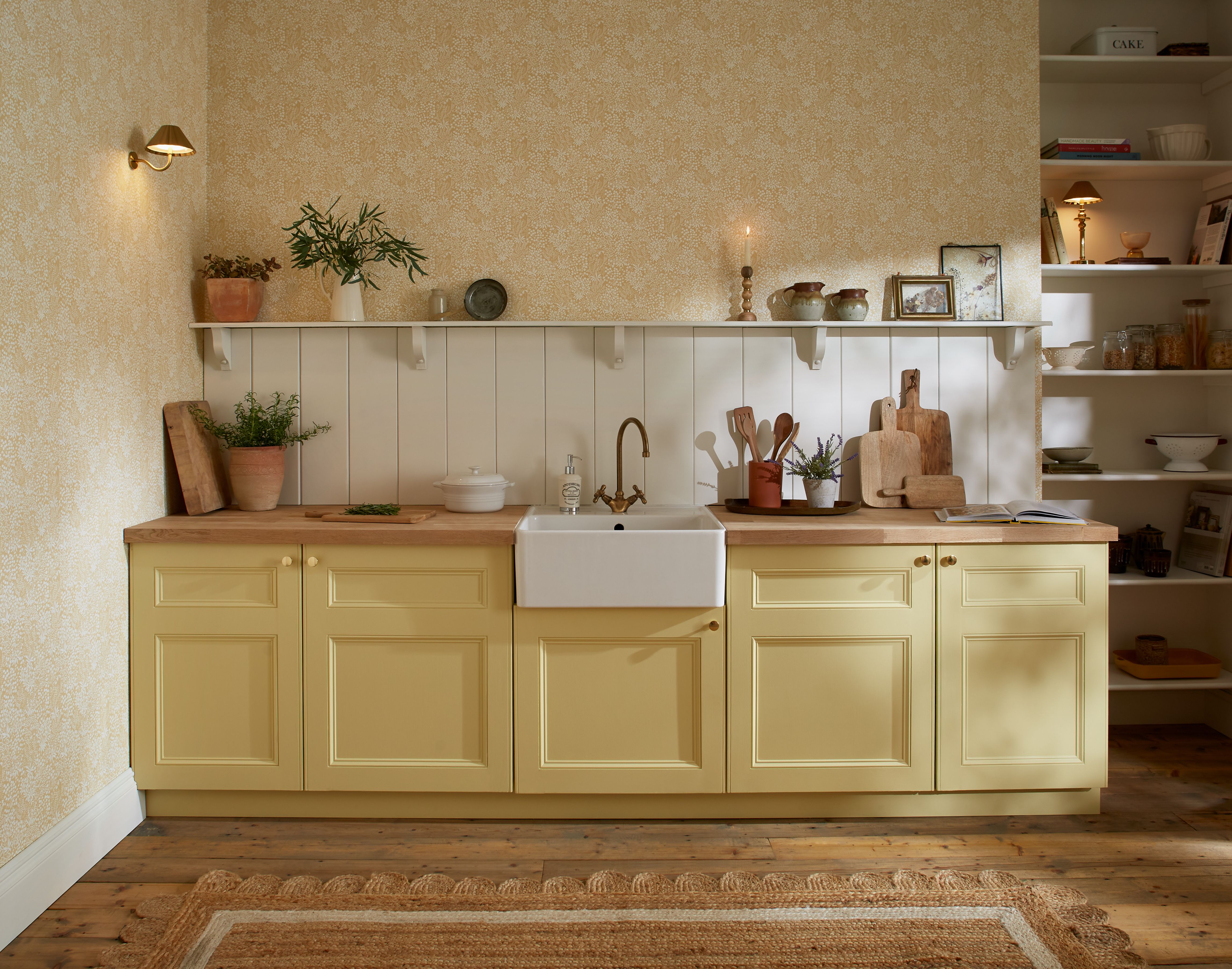
If you have an eye for interiors and caught episode one of Paapa Essiedu and Keeley Hawes’ new Channel 4 drama Falling, you may have spotted the delectably soft-yellow convent kitchen they have their first ‘moment’ in. We won’t say those buttery cabinets were a total scene stealer, but spiked with a hint of saffron, we did swoon over more than just the actors’ performances.
However, “kitchens are tricky ones. You want them to blend in, don’t you? You don’t want them to shout,” says Lara Clarke from Lara Clarke Interiors. “I’m not sure I would do a full kitchen in yellow, unless it was a small kitchen, because it could potentially date.” That said, “it can be beautiful in a pantry or utility room; it can really lift the room.”
In recent decades, yellows have been blandly held hostage in nurseries and school classrooms (yellow is thought to help boost learning and memory skills), but primrose tints are now thoroughly escaping into the rest of our homes, and even into the garden.
Advertisement
“Traditionally, if you look back at the history of interiors, yellow has been quite a prominent colour in drawing rooms,” notes Clarke. “People are coming back to those historical colours.”
“A lot of things trickle down from fashion in interiors, and I think it’s come from there,” she says of the trend. Butter yellow was all over the spring catwalks at Chanel, Louis Vuitton, Loewe and Chloé. “The reason people are loving it is because it’s a happy colour. People are moving away from cool colours and towards anything with a warm undertone that gives you that sense of joy in a space.”
A pop of yellow also has the ability to really perk you up. “If you have a yellow sofa, it puts a smile on your face, and people are craving that more in their interiors. They want it to be an expression of them, they walk into a room and it makes them feel happy,” says Clarke.
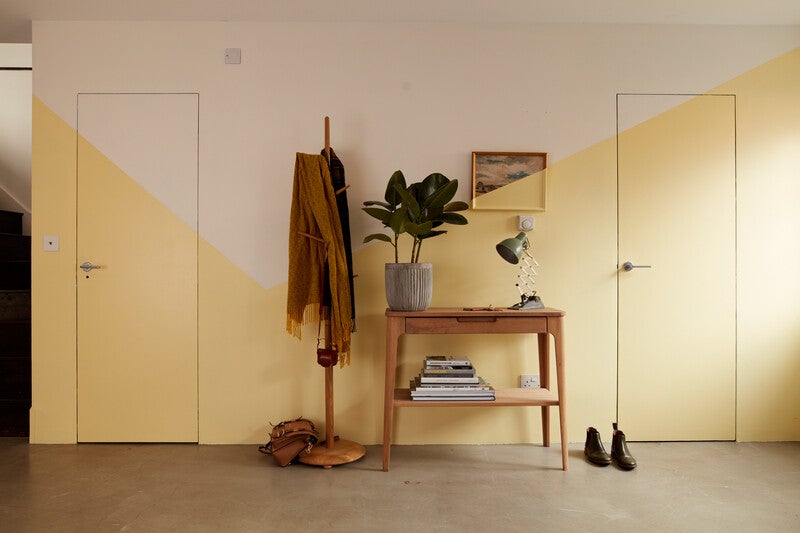
So where should you start if you’re hesitant about going full-on yellow? “Fabrics, because you can add and take away cushions and accessories,” says Clarke. “You could put a yellow trim on a curtain or a blind, which is a subtle way to introduce colour. For people that are a bit more brave, try it on woodwork.”
Advertisement
For those unafraid of going a little canary, and are keen to paint walls, Clarke is a particular fan of the “creamy buttery yellows, so Farrow & Ball Dorset Cream or Yellow Ground, really pretty colours. I’m actually doing a utility room in Madeleine by Little Greene, which is a really lovely colour. It’s that warm, not too-in-your-face yellow.”
Clarke says it is possible to take things “too far” if you’re not careful. “There’s obviously a huge trend on colour drenching at the minute, and I probably wouldn’t colour drench a room in yellow. That’s a step too far,” she notes. Instead, try pairing a buttery yellow with “a really nice white” or “blues look really lovely with yellow,” rather than going all-out banana.
This will help keep it looking fresh for years to come. “If it’s overused in a room, yellow won’t look right, but subtle nods, or pairing with other colours, I don’t think that will ever date,” says Clarke.
Advertisement
Shop the look
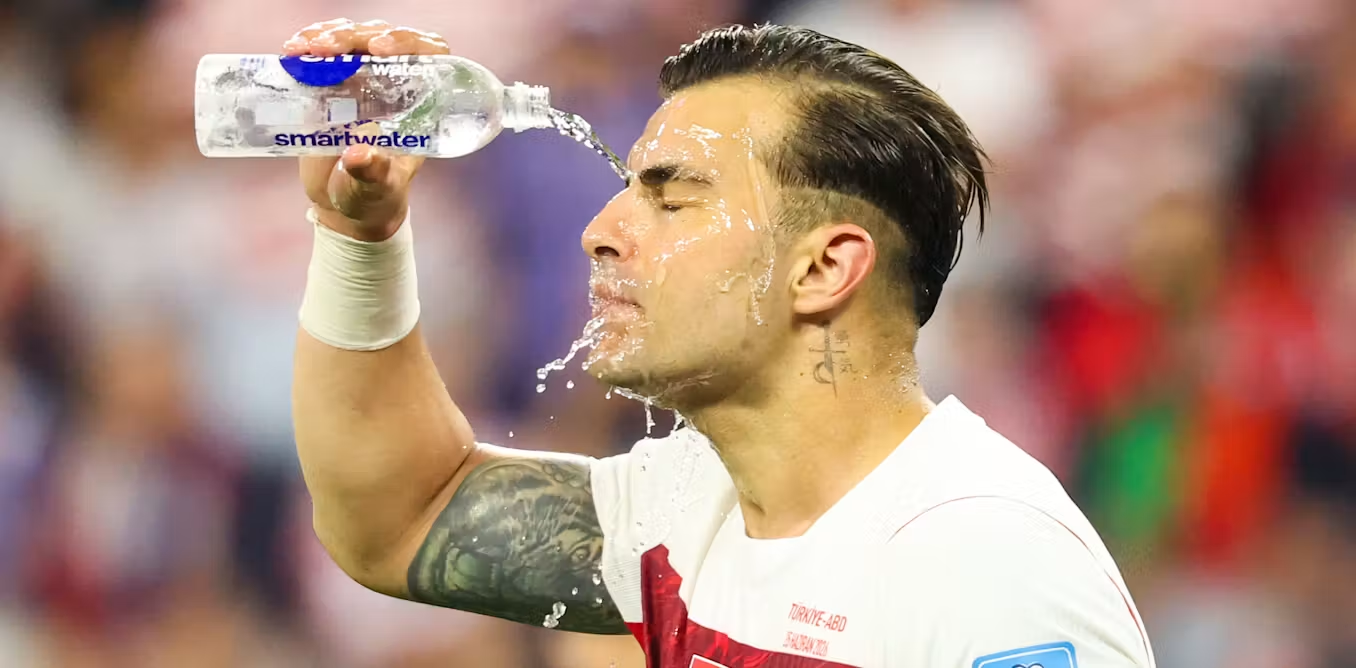
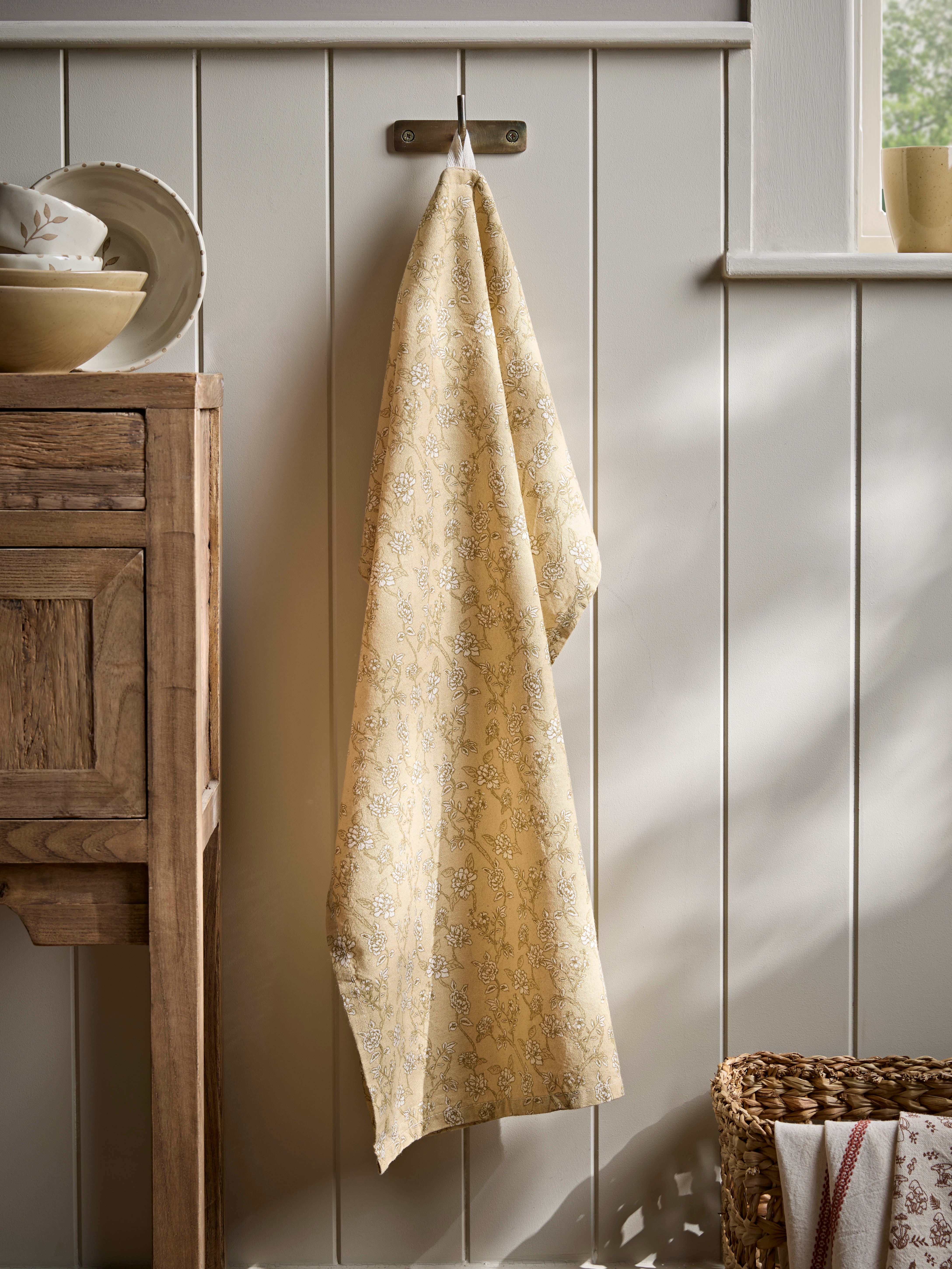
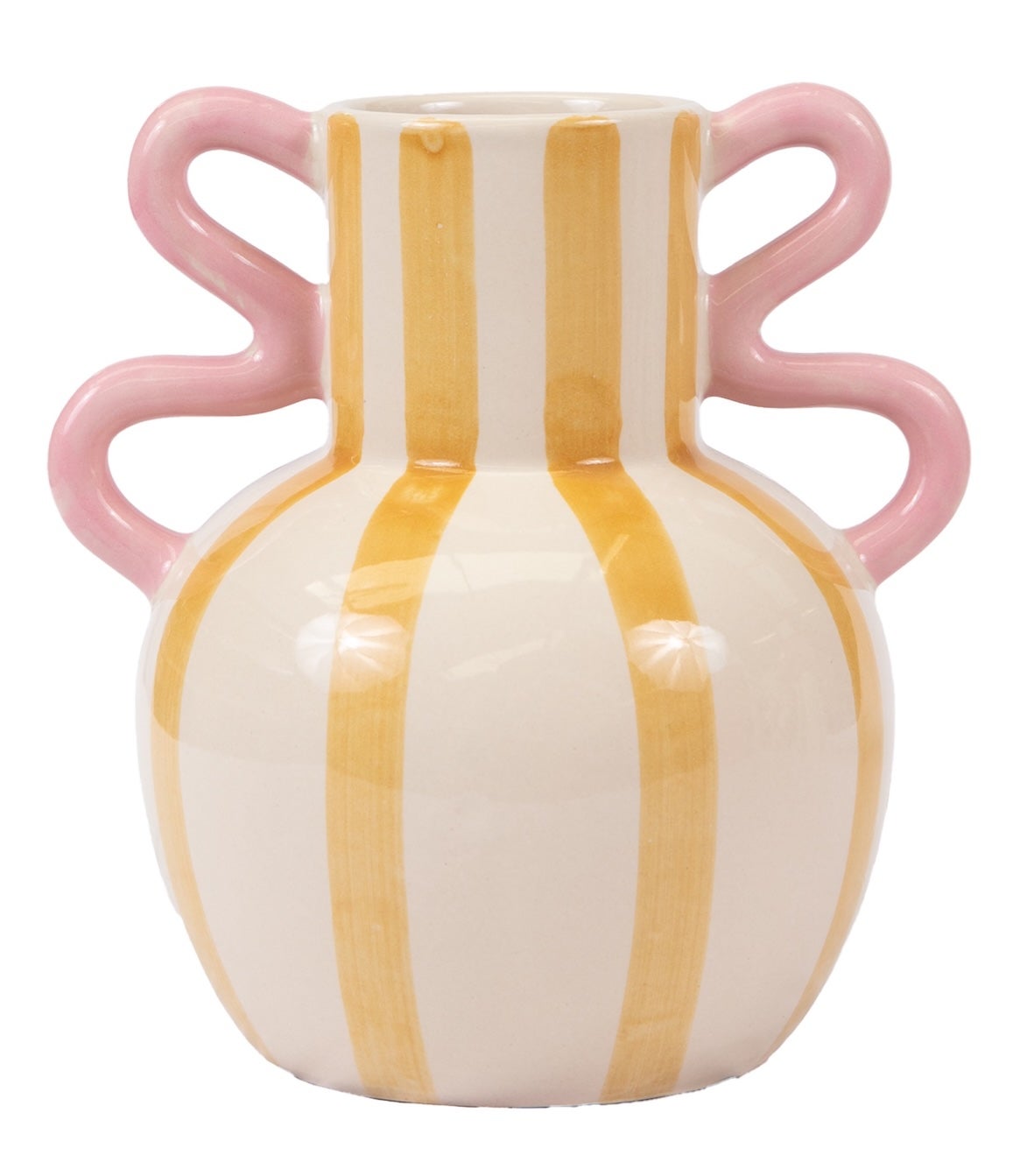
Bring a little bit of extra sunshine into your home and garden with these honey-toned items, from jugs to bed linen, lamps to chairs…
(Oliver Bonas/PA)
Vadella Yellow Gingham Paper Lamp Shade, £35, Oliver Bonas
(Oliver Bonas/PA)
Shrimps x Oliver Bonas Striped Jug, £24.50 (was £49.50)
(Marks & Spencer/PA)
Milk Glass Pleated Shade Table Lamp in ochre, £49.50, M&S
(Marks & Spencer/PA)
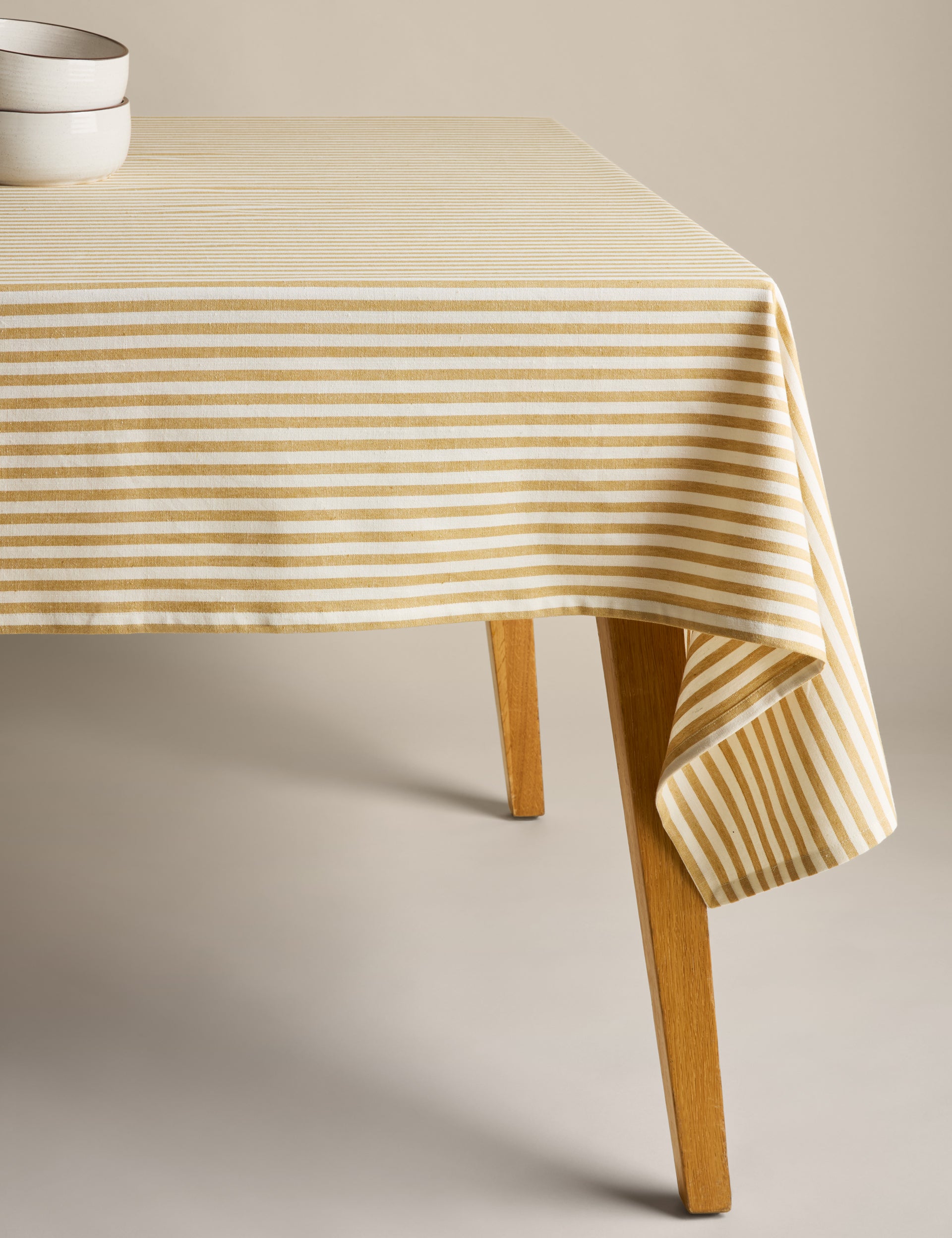
Cotton with Linen Striped Tablecloth in ochre, £22.40 (was £28), M&S
(Olive & Barr/PA)
Olive & Barr Skinny Shaker Kitchen Cabinetry, from £12k
(Piglet in bed/PA)
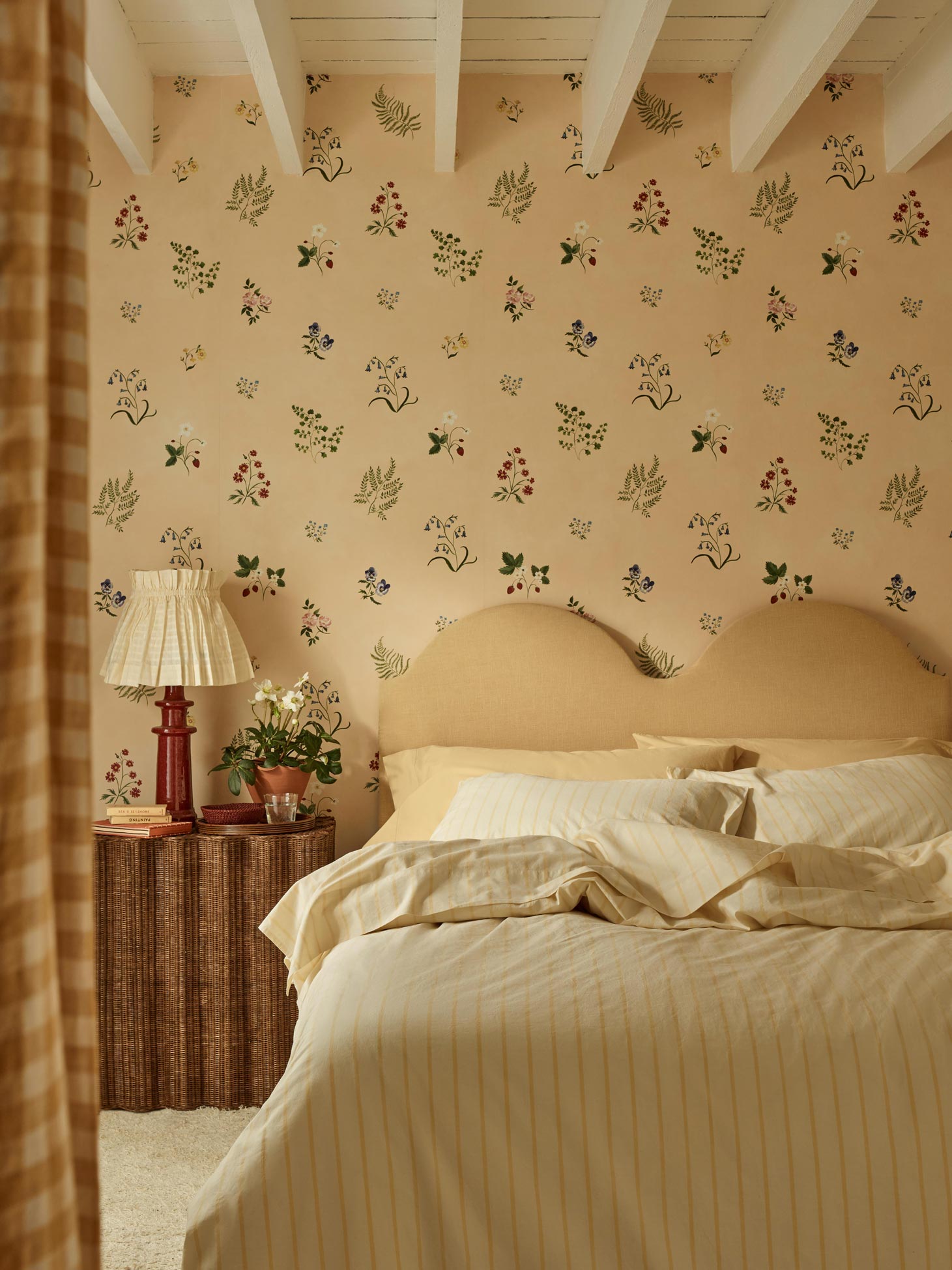
Butter Yellow Slumber Stripe Cotton Duvet Cover, from £85, Piglet in Bed
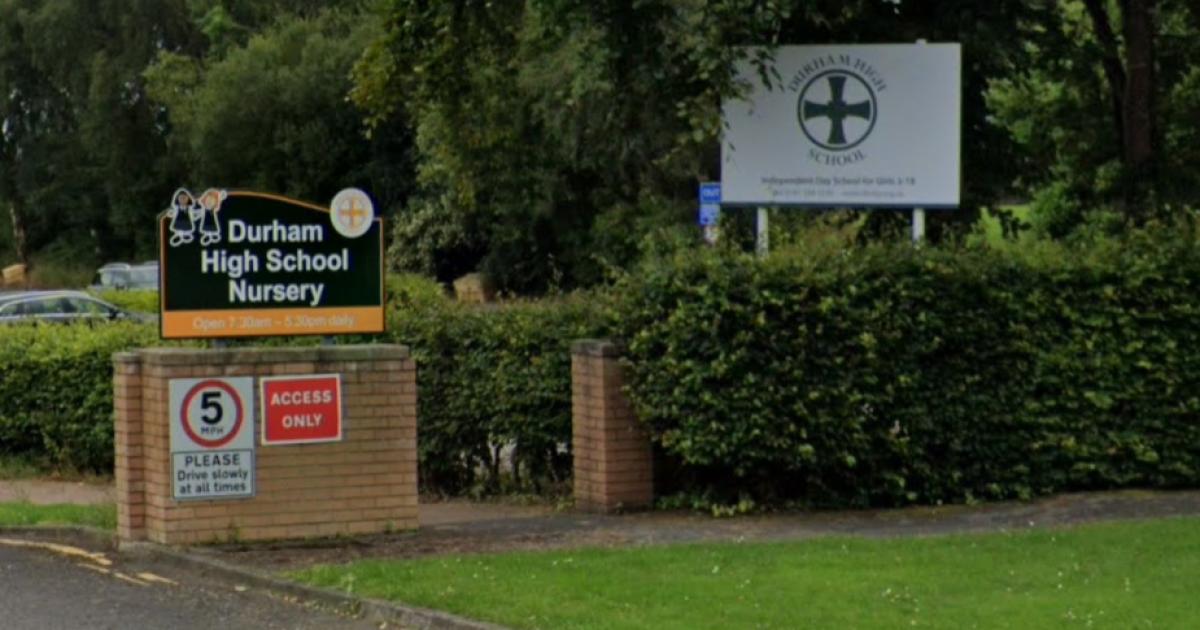
The school, which has stood in Durham for 142 years, confirmed to families on Wednesday (July 1) that its owners had decided to close the site, leaving pupils, parents and staff facing an uncertain future.
The announcement brought an end to weeks of concern among families, some of whom had already begun looking for alternative school places amid fears Durham High would not reopen after the summer holidays.
Now, Mike Parker, director of marketing and admissions at Durham High School, has shared a heartfelt message following the closure announcement.
Durham High School (Image: GOOGLE)
Writing in an online post, Mr Parker said the day had marked his first anniversary at the school.
Advertisement
He said it had been his “privilege” to work in three “fantastic independent schools”, each with its own individual character and focus.
Reflecting on Durham High School, he wrote: “Of the three, this one is the kindest, happiest and most gentle. It’s a lovely school for lovely children.”
Mr Parker said staff and pupils had been told the school would be closing its doors after 142 years, including the final two years as part of Galaxy Global Education Group.
He added: “Whatever you read, this isn’t a VAT story. It isn’t a ‘falling rolls, unstoppable decline’ story.
Advertisement
“The truth is deeper and more complex and, eventually, the truth will out.”
Paying tribute to his colleagues, he described them as “lions led by the proverbial”, in a pointed and emotional comment following the announcement.
Durham High School’s own statement to parents described the closure as a “terribly sad chapter” in the school’s history.
The school said: “Today, we write the last chapter in this incredible history.
Advertisement
“It is a terribly sad chapter as our owners are closing the school at the end of this term.”
Addressing pupils, they said: “To the 281 current pupils, we are deeply sorry you will not have the chance to reach the end of your journey in this truly special school.
“Go with strength and the values you embody to make a difference in your next chapter.”
Advertisement
The school also thanked staff for their commitment, saying the time they had invested in sharing their “joy of learning” with pupils had given them “the greatest foundation for life”.
Parents were also praised for their “caring and compassionate” engagement with the school community.
Durham High School, founded in 1884, has long been regarded as one of the region’s leading independent schools.
It had recently begun admitting boys as part of plans to expand and was named the Sunday Times Independent Secondary School of the Year for the North East in 2024.
Advertisement
The school is owned by Durham Education Limited, part of Galaxy Global Education Group, which has also been linked to the recent closure of other independent schools.
Further details about transition arrangements for pupils and staff have not yet been confirmed.
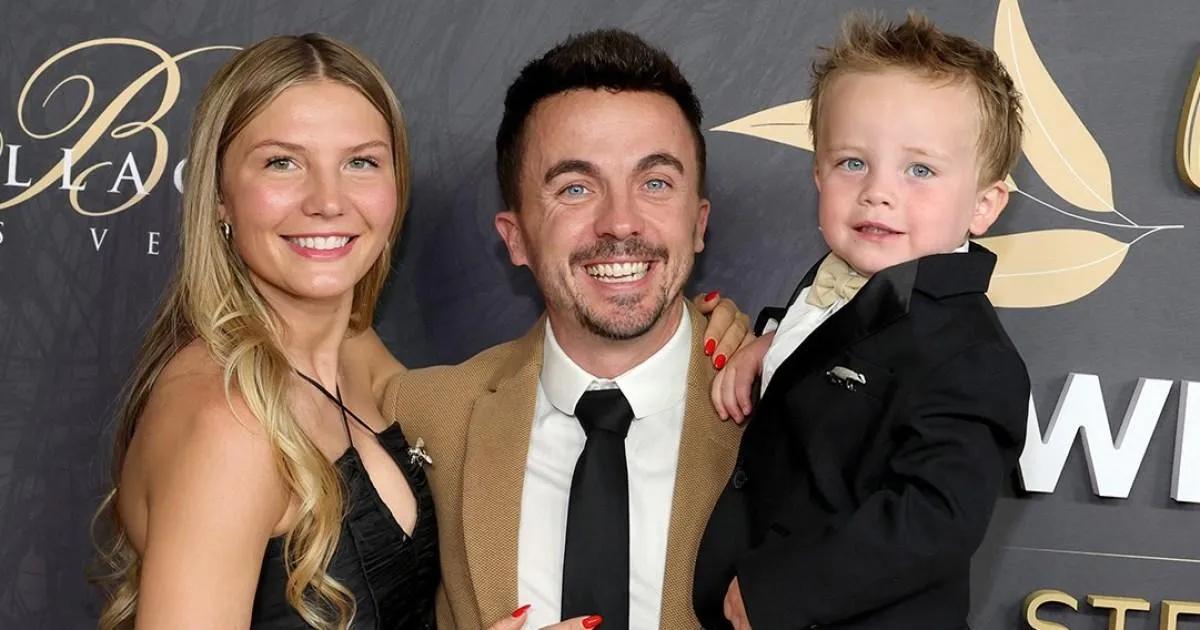
Actor and race car driver Frankie Muniz sparked backlash for a family video he posted alongside his divorce announcement (Picture: Getty)
Frankie Muniz’s estranged wife Paige has defended him after people criticised their divorce announcement.
The Malcolm in the Middle actor shared that he and his wife were splitting up after 10 years together on Wednesday night, but some fans questioned the light-hearted video he published on social media alongside the statement.
It showed the couple and their five-year-old son, Mauz, dancing enthusiastically together to Check Yes, Juliet by We The Kings.
He captioned the post: ‘Who says you can’t stay best friends with your baby momma?’
Advertisement
After Frankie, 40, was felt forced to delete the announcement and upload a new one on Instagram, Paige, 33, commented: ‘Frankie, I am so sorry that you felt the need to delete an old fun video of our family because people are so cruel to you.
‘This world is so f*****… divorce is bad, sure — it’s not like we’re excited about it… but we’re two adults who know how to be on the same team.
After Frankie deleted it, his estranged wife Paige waded in to defend him (Picture: Hahn Lionel/ABACA/Shutterstock)
‘I can’t believe people could scrutinise that.’
‘Frankie out here dropping a divorce announcement like it’s a Malcolm in the Middle blooper reel. Kid doing the guitar solo while mom and dad ‘celebrate’ splitting up is wild,’ read one of the initial tamer comments about the video, with @lobocashflow adding: ‘Some things deserve to stay deleted, bro.’
Others also accused him of making the divorce a ‘spectator sport’.
Advertisement
Frankie then re-shared the statement with a photo of the family smiling together at one of his NASCAR races instead of the home video.
Following the change, many fans then also stepped in to share their support of Frankie and berate those who had made him feel he needed the erase the clip from his social profiles.
‘People are so weird, I’m sorry you felt like you had to delete the dancing video. We’re so used to public toxicity over divorce that people really, really project when they see a couple ending on amiable terms,’ wrote Holland in the Instagram comments.
‘People are so lame for hating on the previous post. All the best to you guys!’ added Kasey, while another follower pointed out the double standards.
Advertisement
‘This is wild to me. Society: “Stop hating on your ex. It’s so toxic for the kids to see. You can remain friends for the sake of the kids.” Also Society: “Omg you guys are remaining friends in a healthy way to raise your son? And made a cute fun video of you guys? What horrible people you are.”’
‘I thought the video was very sweet and hopeful,’ chimed in Chelsea. ‘You guys are a great family no matter what and will always be family. ❤️ hugs!’
Frankie’s statement initially read: ‘Life update! Following a period of separation that we kept private, Paige and I have decided to move forward with ending our marriage.
‘After 10 beautiful years together, we’ve grown in ways that made us realise our relationship feels most natural and strong as a deep friendship and as co-parents.
Advertisement
‘We share an incredible son who remains the centre of our world, and we’re both happier, stronger parents because of the love and growth we’ve shared.’
Fans also later supported Frankie in the comments for how amicable their split was (Picture: Andrew H. Walker/Shutterstock)
Frankie acknowledged the role Paige has played in his career, explaining that she put her own plans ‘on hold’ so he could follow his ambitions.
Frankie – who is best known for playing the titular character in hit sitcom Malcolm in the Middle, which was rebooted earlier this year – continued: ‘I’m endlessly grateful to Paige for everything she’s done for me and our family. She put her own dreams on hold so I could chase mine, and she was always my biggest supporter. That foundation of respect and friendship isn’t going anywhere. We’re excited to keep building Muniz Racing together and to co-parent our boy with the same teamwork and love we’ve always had.
‘We’re closing one chapter with gratitude and opening the next with bright futures ahead, for us as individuals and especially for our son.’
Thankig fans for their love and support he then concluded: ‘We both choose to not entertain any questions on this matter. Please respect our families privacy during this time. (sic)’
Advertisement
The pair met in 2016 and got married three years later, before welcoming their son into the world in March 2021.
Earlier this year, Frankie admitted that his career was having a detrimental impact on his personal life.
(Picture: Disney)
The actor described Paige as a ‘saint’ and admitted that she was ‘sacrificing so much’ so he could pursue his own dreams.
He told Us Weekly: ‘It is very hard, I won’t lie. Honestly, my wife is a saint. She’s sacrificing so much for me to live my dream.’
Frankie’s other big projects include Big Fat Liar (2002), and Agent Cody Banks (2003), before he famously took a hiatus from acting in 2006 to pursue an ongoing career as a professional race car driver.
The prop has been selected to start at loosehead for the Wallabies in their first Test of the year
08:07, 02 Jul 2026Updated 08:14, 02 Jul 2026
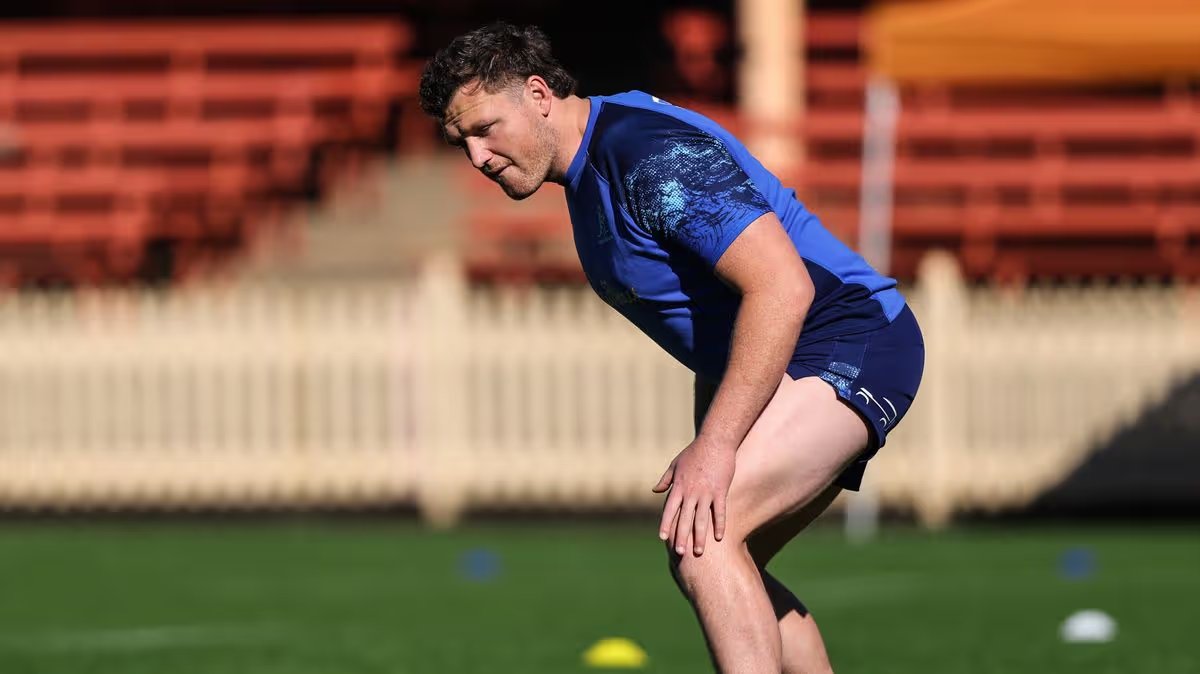
Angus Bell, who enjoyed an outstanding 2025/26 campaign at Ulster, has been named at loosehead prop for the Wallabies’ opening Test of the year against Ireland at Allianz Stadium on Saturday (11.10am Irish time).
The 25-year-old featured in all four of Australia’s November internationals, facing England, Italy, Ireland and France, before making his Ulster bow against Racing 92 in the Challenge Cup in the opening week of December.
Bell went on to clock up 12 URC appearances and a further four Challenge Cup outings, rounding off his season with a commanding display against Montpellier Herault in the 2026 European Rugby Challenge Cup Final at the San Mames Stadium in Bilbao, late in May.
Advertisement
Meanwhile, Inverell product Jock Campbell has been handed his first Test start in 1316 days, with head coach Joe Schmidt naming him at fullback.
Campbell, whose last Wallabies appearance came in their 2022 victory over Wales in Cardiff, will join forces with 21 year old Max Jorgensen and Wiradjuri man Dylan Pietsch in the back three for the sold-out Sydney fixture, reports the Irish Mirror.
Campbell’s Queensland teammate Josh Canham has also been handed his first Test start, lining up alongside Western Force captain Jeremy Williams in the second row.
ACT Brumbies skipper Ryan Lonergan is another to earn his first starting berth in Wallaby gold, slotting in at number nine and linking up with Carter Gordon, who takes the flyhalf jersey.
Advertisement
Bell is back from his sabbatical in Belfast and will line up at loosehead prop against several of his Ulster colleagues. He completes a front row featuring hooker Josh Nasser alongside the vastly experienced Allan Alaalatoa.
Wallabies supporters will recognise a familiar back-row combination kicking off the 2026 Test season, with two-time John Eales Medallist Rob Valetini selected at blindside flanker, Reds captain Fraser McReight at openside and Harry Wilson leading the team at number eight.
2026 John Eales Medallist Len Ikitau gets the nod at inside centre, just a fortnight after representing Exeter in the UK Premiership final. He reunites with Joseph-Aukuso Suaalii in midfield – marking the 14th occasion they’ve partnered together in the Wallabies’ previous 19 Tests.
Wallabies all-time appearance record holder James Slipper will officially emerge from Test retirement, selected as the replacement loosehead prop – linking up with Brandon Paenga-Amosa and Paris-based Taniela Tupou in an experienced replacement front row.
Advertisement
23-year-old Ipswich Rangers junior Lachlan Shaw has earned selection for a potential Test debut as the replacement lock, while Exeter-based Tom Hooper will offer additional forward cover from the bench.
Dynamic scrum-half Tate McDermott returns to the Test stage from the replacements, alongside Brumbies fullback Tom Wright, after both players saw their 2026 Wallabies campaigns cut short through injury. Force playmaker Ben Donaldson completes the matchday 23.
Wallabies coach Joe Schmidt said: “The group has reconnected quickly and we’ve worked hard over the past week to prepare as best we can for what is an exciting challenge against the number three team in World Rugby.
“Kicking off 2026 at a sold-out Allianz Stadium gives the group a huge lift and we are fully focused on earning every bit of that home crowd support on Saturday.”
Advertisement
Wallabies team to face Ireland:
1. Angus Bell (50 Tests) – #940; Hunters Hill Rugby Club.
In his WalesOnline column, Wales and Lions legend Graham Price has given his view ahead of the clash with the Fijians.
“Wales will hope organisation, patience and accurate execution can overcome Fiji’s flair and unpredictability.
“But it is important for us not to deviate from our gameplan and fall into the trap of playing Fiji at their own game. This could prove to be disastrous.
Advertisement
“Equally important will be Wales’ discipline. Giving Fiji repeated opportunities through penalties is asking for trouble, as their pace and power can punish even the smallest defensive mistake.
“This match will, also, be an early test of Wales’ progress.”
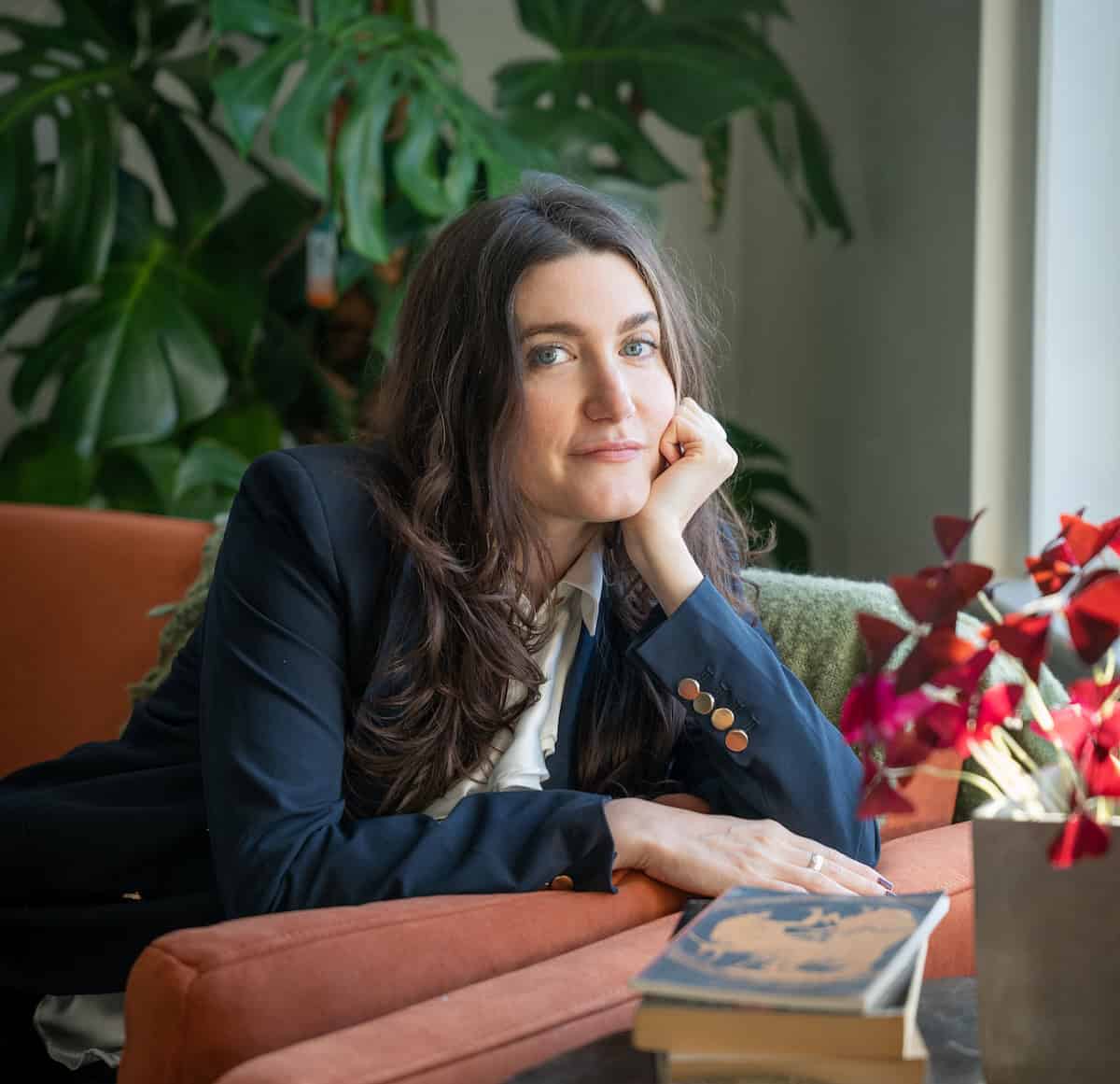
As part of a climate communications project, I joined OnlyFans. It wasn’t a publicity stunt, it was an attempt to answer a question that sits at the heart of my work: if the climate crisis is one of the defining issues of our time, why do so many people still tune out?
My job is to help ordinary people understand existential risks to humanity in a way that does not make them want to switch off. Some people wonder why that job needs to exist at all. If terrible things are coming, surely humanity should respond at the level of the risk?
Sadly, humans are not rational, and fossil fuel companies have preyed on that knowledge for decades. Since the industry first learned of its own polluting powers, it has spent tens of billions of dollars trying to influence public opinion, lobby governments and spread climate doubt among ordinary people.
Advertisement
If that bored you, there’s a reason for that. I just shared alarming facts with no emotional experience, no solution, no way through. And you do not know me, so why should you listen?
The human brain is not built to absorb warnings about slow-moving, existential threats when they come with no clear route out, so turning away is not irrational, it is protective. What a lot of people never hear is that there is a lot we can do, both to stop the climate crisis getting worse and to adapt to what has already happened. Part of my work is finding new ways to share that information, and to cut through the confusion created by fossil fuel billionaires.
That is where Headline Newds came from. Some of the most intimate parasocial relationships that exist right now, especially among people climate communications often fail to reach, are on OnlyFans, the online subscription platform favoured by adult content creators. So what would happen if we worked with comedy and OnlyFans stars to communicate urgent climate science, political context and solutions to people who usually scroll past this stuff?
Advertisement
It turns out, people listen. We’ve had millions of views on our videos, and in my DMs I hear from men who are dismayed by our governments’ response to the climate crisis, scared for the future of ocean life and angry about the lies they have been fed by corporations for years. Many are lonely, or grew up in a generation where expressing emotion was punished, and most have never had climate messaging reach them in a way they connected with.
That is the impact of meeting people where they are, rather than where the climate sector wishes they were. Story and entertainment can help complex messages land because our brains lower their defences when they are immersed in rich worlds, humour and emotional character journeys. But we are also living in a different information economy, where influencers shape what people believe every day. A 30-second political aside in a gaming stream can be far more persuasive than a political ad, while right-wing political content now dominates the influencer ecosystem.
We would have reached even more people if the accounts of all our creators had not been shadowbanned by Instagram, which means the algorithm will not recommend their content to non-followers because it may be deemed “offensive”. Content moderation has an important role to play, particularly on platforms used by children, but it is striking what is deemed dangerous.
Most have never had climate messaging reach them in a way they connected with
The policing of women’s bodies has stopped us reaching wider audiences, yet there is still more stigma attached to showing human flesh, and celebrating the most natural instincts of desire and connection, than there is to destroying the earth for profit. As a white middle-class woman with a ‘real’ job that nobody understands, I am largely protected from that stigma, and I joined OnlyFans myself as a message to the climate communications industry that we have to try everything and be everywhere if we want to cut through a media ecosystem designed to suppress us.
Advertisement
I might not be providing the type of comfort people are used to finding on OnlyFans, but I can tell them that the apocalypse they are used to seeing is not inevitable. We know how to survive the impacts that we are too late to reverse and, more importantly, we know how to stop it getting worse. What we have to do now is dismantle the systems that politicians, fossil fuel billionaires and the media they own have built to protect the status quo and prevent meaningful climate action.
Images: Jessica Riches / Headline Newds
Editor’s note: Positive News recognises that OnlyFans has been used in exploitative ways and that online pornography can cause harm, including addiction and damaging ideas about sex, intimacy and women’s bodies. We do not endorse or promote the use of OnlyFans, pornography or any platform that enables exploitation.
This article is a first-person account by the writer, Jessica Riches, about a climate communications project that used OnlyFans to test whether climate messaging could reach audiences often missed by mainstream campaigns. The views, experiences and opinions expressed are hers alone and do not necessarily reflect those of Positive News.
At Positive News, we’re not chasing clicks or profits for media moguls – we’re here to serve you and have a positive social impact. We can’t do this unless enough people like you choose to support our journalism.
Give once from just £1, or join 1,800+ others who contribute an average of £3 or more per month. Together, we can build a healthier form of media – one that focuses on solutions, progress and possibilities, and empowers people to create positive change.


























































You must be logged in to post a comment Login