Perched on a small hill 89 metres above the West Lancashire plain, four miles west of Wigan and roughly halfway between Liverpool and Preston, this ancient village has been going quietly about its business since the Normans recorded it in the Domesday Book.
Right now, it rewards a proper look.
It has a church with a monastic secret
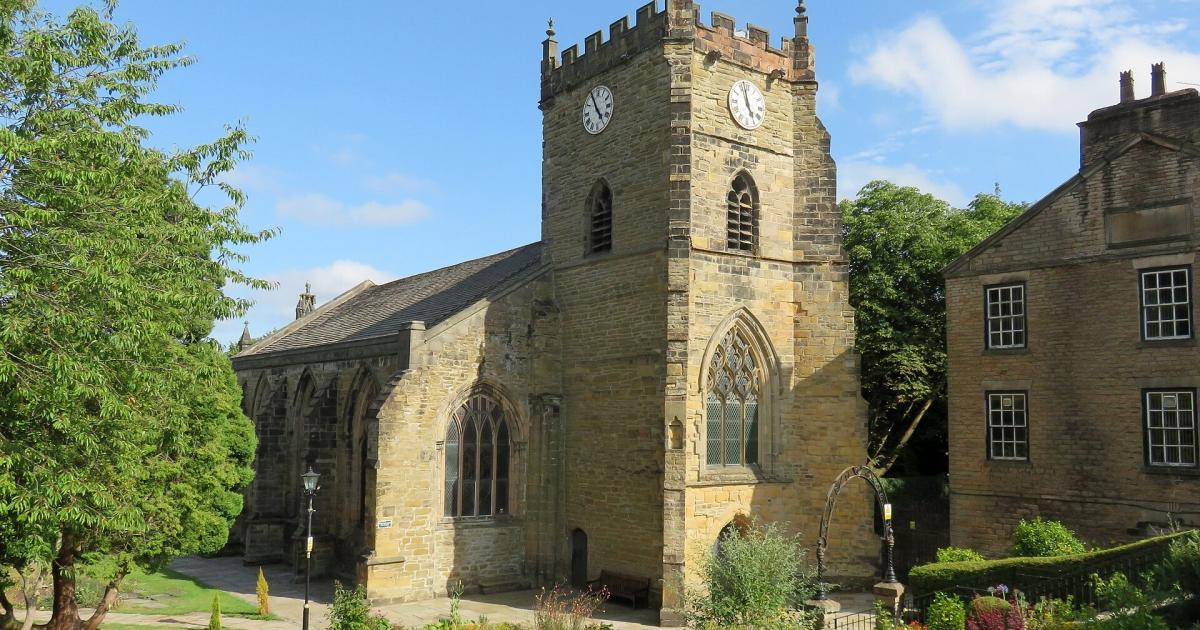
The Parish Church of St Thomas the Martyr on School Lane is the kind of building that makes you stop and ask questions.
![]() Roby Mill, Fifteens@The Fox (Image: David Dixon)
Roby Mill, Fifteens@The Fox (Image: David Dixon)
It began life not as a parish church at all, but as the church of a Benedictine priory, founded in 1319 by Sir Robert de Holland, secretary to the Earl of Lancaster, and dedicated to the martyred Archbishop of Canterbury.
The priory was the largest and last of four Benedictine monasteries founded in Lancashire.
When Henry VIII dissolved the monasteries, the priory was demolished but the church was spared, meaning that what you walk into today is essentially the nave of a medieval monastery, the aisles and nave originally serving as the chancel, housing the altar and choir.
It’s now a Grade I listed building. You don’t need to be religious to find that history quietly remarkable.
The village centre is a time warp in the best possible sense
Climb up from the station and into the old village, and the cobbled streets with steep gradients bring you to an abrupt halt.
This is not a village that has been spruced up for a lifestyle magazine. The stone terraces and old lanes sit under the shadow of the church tower in a way that has barely changed in outline for centuries.
It’s a proper Lancashire hilltop village, and it knows it.
The countryside around it is seriously underrated
Beacon Country Park sits just on the edge of the village, over 300 acres of rolling countryside spread across the slopes of Ashurst Beacon, with wildflower meadows, woodland and panoramic views across most of Lancashire to the west and the West Pennine Moors to the east.
It has held Green Flag status since 2007, and there’s a licensed café and bar on site.
For something quieter, Dean Wood is a semi-natural ancient woodland that follows the course of Dean Brook between Up Holland and Orrell, 77 acres of mature trees and seasonal flora managed by West Lancashire’s countryside rangers.
Abbey Lakes, on the village’s border with Orrell, is a wildlife haven named after the ruined abbey whose lakes once served the priory.
On the edge of the village, the derelict St Joseph’s College is hard to miss, a sprawling former Roman Catholic seminary that closed in the 1980s and has been empty ever since. Today, its towers and boarded‑up windows give the hillside a slightly gothic edge, a stark contrast to the neat stone cottages below.
The food and drink are better than you’d expect
The Fox at Roby Mill, a short walk from the village, is the standout option — an 18th-century country pub with exposed stone, wooden beams and real fires, serving a menu built around locally sourced produce.
It’s been rated the number one restaurant in Upholland on TripAdvisor for good reason.
If you’re after something a little grander, Holland Hall is a 17th-century Grade II listed manor house on Lafford Lane with a dog-friendly pub in its grounds that does Sunday roasts on the terrace looking out over the countryside.
It’s straightforward to reach
Upholland has its own railway station on the Kirkby–Wigan line, with direct services to Wigan Wallgate in around 14 minutes and connections toward Liverpool (via Kirkby, around 40–50 minutes).
If you’re driving, the village is just off the A577 between Skelmersdale and Wigan, with parking in the village centre.
And if you want more…
Beacon Country Park connects to a wider network of walks that take in the Leeds and Liverpool Canal towpath. Cedar Farm at Mawdesley, a creative hub with independent shops, a café and regular events, is a 15-minute drive south. Rufford Old Hall is not much further.
Have you visited Up Holland? What would you recommend doing? Let us know in the comments…


















































You must be logged in to post a comment Login