Connect with us

NewsBeat

Empty North Sea oil fields could store enough green hydrogen to power the country for seven years

Published

on

Empty North Sea oil fields could store enough green hydrogen to power the country for seven years

Every time Britain has a still, grey week in winter, something invisible happens behind our plug sockets: gas power stations fire up to keep the lights on. That gas is often imported, with prices set by volatile global markets. This is one reason why energy bills surged during the cost-of-living crisis, despite the low cost of available renewable energy.

On very windy days, we have a different problem. The grid can’t always use all the electricity our wind farms generate, so we pay them to switch off. In effect, we throw away clean energy because we have nowhere to store it.

Our latest research, published in the journal Applied Energy, points to a solution hiding under the North Sea. The depleted oil and gas fields that powered Britain for half a century could be refilled, this time with hydrogen made from our surplus wind and solar power.

We found that suitable depleted North Sea fields could provide 3,659 terawatt-hours of hydrogen storage capacity, equivalent to more than seven years of projected UK electricity demand in 2040. Using them could also take conventional gas power stations off the grid altogether by 2040.

Advertisement

What is green hydrogen?

Hydrogen is the simplest and most abundant element in the universe, and can be used to produce energy without releasing carbon dioxide. Most hydrogen produced is “grey”: stripped out of natural gas in a process that releases carbon dioxide. “Blue” hydrogen is made the same way, but with some of that carbon captured and stored. “Green” hydrogen is different: it’s made by passing renewable electricity through water by electrolysis, splitting it into hydrogen and oxygen. If the electricity comes from wind or solar, the hydrogen is genuinely zero carbon.

Green hydrogen production is, in effect, a way of bottling renewable energy. When the wind blows harder than we need, that surplus electricity can be used to make hydrogen. When the wind drops, stored hydrogen can be turned back into electricity in a power station – doing the job gas does today, but without the emissions or the imports.

Green hydrogen can be particularly useful in winter when energy demand is highest, but where there can be little sun or wind to power renewables. For enough green hydrogen to get us through the winter months, we need seasonal storage – somewhere to bank huge amounts of summer and autumn surplus and draw it down through winter. For that, you need the help of geology.

The potential of underground storage

Natural gas has been stored underground for millions of years. It collects in porous rocks capped by an impermeable layer that traps it below the surface. When a gas field is depleted, that underground storage space does not disappear. The rock formations remain, and many fields are still connected to pipelines and offshore facilities. This raises the possibility of using them to store hydrogen instead.

Advertisement

When a gas field is depleted, that underground storage space does not disappear.
Wirestock Creators/Shutterstock

These depleted fields are not considered in current UK plans for hydrogen storage. Instead, the focus is almost entirely on salt caverns. These are artificial voids dissolved out of thick underground salt layers, mainly in Cheshire and East Yorkshire. Salt caverns are excellent stores, but Britain simply doesn’t have enough of them to meet long-term hydrogen storage needs. Only one North Sea field, Rough, is currently being developed for hydrogen. That leaves an enormous resource untouched.

Our research assessed depleted fields across the North Sea and identified the best candidates for hydrogen storage based on their geology. We drew on previous academic and industry research to understand the quality of the cap rock and how little hydrogen would seep away in storage.

Modelling future energy needs

Working with colleagues, including PhD researchers Zongtai Zhang and Joseph Brown, we built a digital twin of Britain’s future electricity system and geological storage. Rather than using annual averages, we modelled supply and demand in half-hourly detail, capturing real weather patterns and the coming growth of electric vehicles, heat pumps and data centres.

Advertisement

We then tested different futures. With more renewables but without more hydrogen, the grid still leaned on gas during windless winter weeks. In a low-storage scenario using only planned storage sites, hydrogen stores quickly filled to capacity, preventing additional surplus renewable electricity from being converted into hydrogen during summer months.

Only the high-storage scenario, adding depleted North Sea fields, eliminated the need to use conventional gas power stations entirely by 2040. Across all scenarios, gas fell to just 1% of generation by 2030.

More than electricity

The prize goes well beyond keeping the lights on. Hydrogen at this scale is important to supply industries that are challenging to electrify or rely on international supply chains. That includes the production of fertiliser, steel, cement and glass. All of these need intense, high-temperature heat. Burning hydrogen produces a very high-temperature flame that can deliver concentrated heat directly to industrial processes helping to replace coal or natural gas in furnaces, kilns and blast furnaces, significantly reducing industrial emissions.

Local economies could also benefit. Because the hydrogen would be made close to where offshore wind lands, and stored in fields served by existing infrastructure, it could bring skilled jobs to the very coastal communities affected by the decline of North Sea oil and gas, employing similar skills and expertise.

Advertisement

Green hydrogen would also make Britain’s economy genuinely more home-grown: less imported fuel and reduced reliance on overseas supply chains for critical minerals. With our exceptional wind resource and significant hydrogen storage potential across the North and Irish seas, the UK has the potential to become a hydrogen exporter to Europe.

None of this will happen by accident. The challenge is no longer generating renewable electricity – it’s storing enough of it to get us through the winter when demand is high. Relying on salt caverns will not give us the capacity we need. The infrastructure decisions that determine whether our depleted North Sea fields are repurposed for hydrogen storage (or decommissioned and lost) are being made now. If Britain wants secure, affordable, clean energy in 2040, the planning has to start today.

Source link

Advertisement
Continue Reading
Click to comment

You must be logged in to post a comment Login

Leave a Reply

NewsBeat

Person taken to hospital after late-night A66 crash at Bowes

Published

on

Person taken to hospital after late-night A66 crash at Bowes

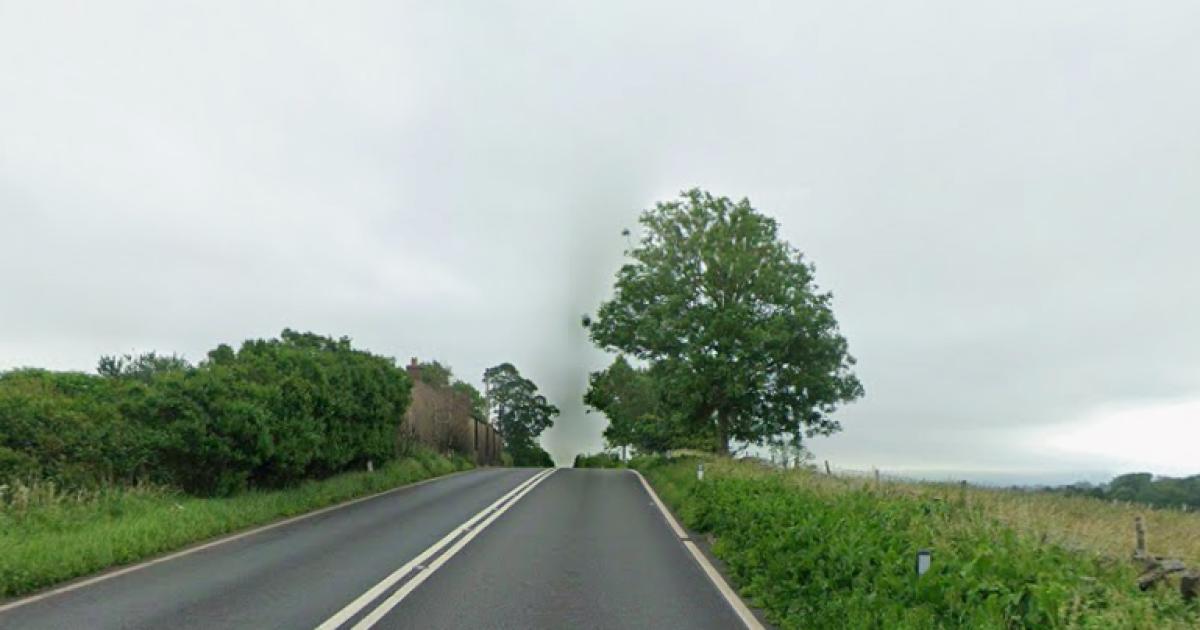
The crash happened just before midnight on Monday (August 24) at Bowes.

Police and paramedics from the North East Ambulance Service (NEAS) both attended the collision. It is not yet known how many vehicles were involved.

A NEAS spokesperson said: “We were called to a road traffic incident on the A66 at Bowes shortly before midnight on August 24.

Advertisement

“We dispatched one double crewed ambulance and one patient was taken to Darlington Memorial Hospital.”

Durham Police has been contacted for a comment.

Source link

Advertisement
Continue Reading

NewsBeat

Brit holiday hell in Catalonia after tourists issued ‘stay indoors’ thunderstorm warning

Published

on

Daily Record

A major thunderstorm has hit a Spanish tourist hotspot but so far no injuries are reported

An extreme thunderstorm has hit a tourist hotspot in Spain. The extreme weather has hit the Catalonia region of Spain, with Camp de Tarragona suffering serious disruption on Monday.

Express reports public transport is heavily affected with bus cancellations. Strong hail and winds alongside the heavy downpours saw areas of the streets and plaza’s flooding.

Advertisement

Affected spots include Carrer Joan Baptista Plana, Imperial Tàrraco, Carrer Vidal i Barraquer, Carrer d’Apodaca, and Avinguda Prat de la Riba. Firefighters responded to 129 calls, 107 of which were in the Tarragona region, over just an hour and a half as branches of trees fell and electrical cables faced issues.

Despite blocked roads and significant material damage, Sonia Orts, the Councillor for Civil Protection and Mobility said: “Fortunately, there are no reports of personal injuries”.

Tarragona City Council are working to remove dangerous trees and have closed local parks. The public have been warned to stay indoors and avoid unnecessary travel, according to reports.

The Meteorological Service of Catalonia has issued a six out of six violent weather alert warning, with the risk of hailstones larger than two centimeters in diameter. The heavy rainfall also caused the death of many pigeons who can be seen in videos struck on the floor among the high levels of water.

The storm has also impacted several other areas in the northeast, before it reached Tarragona. Several municipalities in Segrià such as Almenar, Corbins, Albatàrrec, and Lleida city were already victim to the huge hailstones, impacting local crop.

The weather comes just days after hurricane-force winds tore through the Balearic Islands overnight, with winds peaking at 121 kilometres per hour in the early hours of Friday. Tourists and residents woke to scenes of scattered debris, flooded roads and battered coastal areas across the archipelago that includes Mallorca, Menorca, Ibiza and Formentera.

Ensure our latest stories always appear at the top of your Google Search by making us a Preferred Source. Click here to activate or add us as your Preferred Source in your Google search settings.

Advertisement

Source link

Continue Reading

NewsBeat

Should taxpayer cash fund any of the Sussexes’ security? Nearly three-quarters say NO ahead of Harry and Meghan’s shock return

Published

on

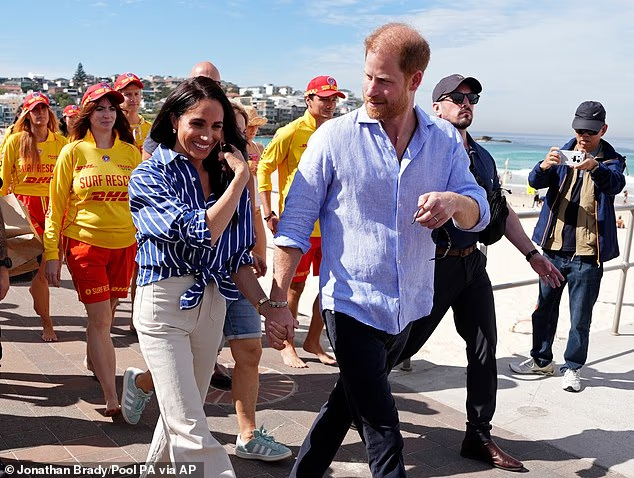
Meghan and Harry are seen here at Bondi Beach during their visit to Australia in April this year - the couple are returning to live in the UK, with questions over how their security will be funded

A significant majority of Britons do not want taxpayers to fund the security for Prince Harry and Meghan on their return to the UK, a poll has shown.

It was announced last week the Duke and Duchess of Sussex would be moving back after six years in the US as their children prepare to start at new schools in the UK.

Concerns have been raised over who would fund the protection Harry and his family want – after he previously battled the Home Office over the fees. 

Seven out of ten people, or 71 per cent of those questioned in a new survey, have said Harry’s family security charges should not be paid by the Government.

Advertisement

Some 87 per cent said the Sussexes’ private funds should fund all or at least a majority of the security costs, according to the poll of 2,128 British adults.

And 52 per cent suggested the King’s private funds should fund all, a majority or some of the fees.

Disputes over whether taxpayers should fund security for the Duke and Duchess of Sussex have been dragging on, amid claims a review by the risk management board of the Royal and VIP Executive Committee (Ravec) was completed last month.

Harry and Meghan’s children Archie, seven, and five-year-old Lilibet have been enrolled at British schools and will start classes in September.

Advertisement

Meghan and Harry are seen here at Bondi Beach during their visit to Australia in April this year – the couple are returning to live in the UK, with questions over how their security will be funded

It is thought they will live at a private, non-royal residence outside London – with suggestions they could be moving to the Cotswolds.

Since leaving for the US they have been living in Montecito, California, while also owning a holiday home in Portugal. 

Advertisement

The King was said to have been taken aback by learning of the homecoming plans only days before it was made public – having not been told when Harry and Meghan met him on their visit to Britain last month.

On their imminent return to the UK, the Sussexes’ status will remain the same, with the couple not being offered a ‘half in, half out’ option when it comes to their roles.

Other non-working royals such as Harry’s cousins Peter Phillips, Zara Tindall and Princesses Beatrice and Eugenie do not receive police protection. 

Andy Burnham last week refused to be drawn on the matter, with the Prime Minister saying the Duke and Duchess’s security – which could cost £5million a year – was a ‘private matter’. 

Advertisement

A previous YouGov poll last week found fewer than a quarter of Britons believe Harry, 41, and 45-year-old Meghan should move back to the UK.

Harry and ex-Suits star Meghan, who were married at St George’s Chapel in Windsor in May 2018, were once dubbed part of the ‘Fab Four’ with the then-Duke and Duchess of Cambridge – now the Prince and Princess of Wales.

But in March 2019, Buckingham Palace announced Harry and Meghan would set up their own household, breaking from the joint operation they had with William and Kate amid reports of rifts between the two couples.

Advertisement

In January 2020, the Duke and Duchess announced they intended to step back as ‘senior’ members of the Royal Family, become financially independent and split their time between the UK and North America.

Advertisement

By March that year they had set up a permanent home in California, officially stepped down as senior royals and stopped using their HRH titles.

The fallout worsened after accusations Harry publicly levelled at members of the Royal Family, including his brother, in his memoir Spare and his Netflix documentary. 

In his autobiography Spare, released just months after Queen Elizabeth II’s death, Harry accused William of physically attacking him and pushing him into a dog bowl in a row over Meghan. 

He also alleged it was William and Kate who encouraged him to wear a Nazi uniform to a fancy dress party in 2005 and ‘howled’ with laughter when they saw it.

Advertisement

In their Netflix series three months after the Queen’s death, the Sussexes said Kensington Palace lied to protect William when it issued a statement denying a story he had bullied Harry out of the Royal Family

Harry also wrote of how Charles pleaded with his sons during a tense meeting at Windsor just after the funeral of Prince Philip, saying: ‘Please, boys. Don’t make my final years a misery.’ 

The new YouGov poll for The Times suggests 32 per cent of people want William and Harry to reconcile and think it is possible, while 26 per cent desire so but think it unlikely.

When asked to whom they felt favourable, 76 per cent went for William, 74 per cent Catherine, 31 per cent Harry and 22 per cent Meghan.

Advertisement

The Duchess of Sussex was able to travel to the UK in July with Archie and Lilibet to join Harry when he came to the end of a week-long series of events promoting next year’s Invictus Games.

During the visit, the Duke and Duchess took their children to see the King for the first time in four years at his Highgrove home.

Source link

Advertisement
Continue Reading

NewsBeat

Art attack: five habits to help you get (back) into art

Published

on

Art attack: five habits to help you get (back) into art

Advertisement


Art attack: five habits to help you get (back) into art – Positive News


Advertisement


Advertisement


Struggling to make time for creativity? Here are five simple ways to reconnect with your artistic side and make art a part of your everyday life

Advertisement

Struggling to make time for creativity? Here are five simple ways to reconnect with your artistic side and make art a part of your everyday life

Advertisement
1. Commit to little and often

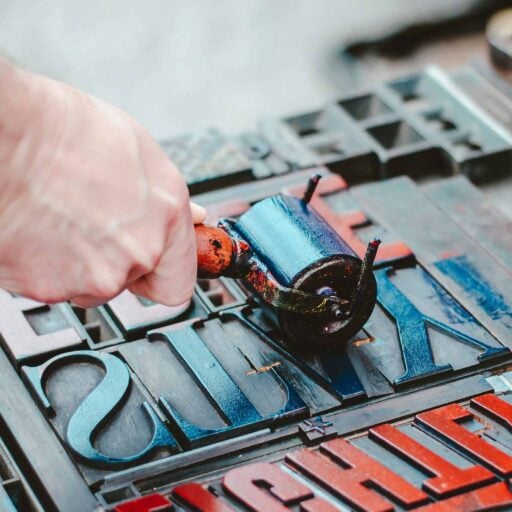
Like many skills, art benefits from regular practice. Even if you feel overwhelmed by the demands of work and family, give yourself five, 10 or 15 minutes each day for art. Crochet on your morning commute, make a sketch that captures your mood, or make a tiny clay sculpture. Art is habit-forming, and small gestures add up. Imagine how impressive three months’ worth of tiny, daily, clay sculptures will look.

Image: Kaizen Ngyu

Advertisement
2. Step into a gallery

Once you’ve (re)engaged with making work yourself, you’ll start to see the art displayed in galleries and museums very differently. Through close looking, you might recognise how an artist achieved a specific effect, or what makes a certain composition so powerful. We know artists of the past learnt a great deal from studying and puzzling over works they admired. So can you.

Image: Robin Schreiner

Advertisement
3. Skill up

Even if you’ve been through art school, you will benefit from a refresher or even new skills. Technical advantages aside, it will boost your confidence. Adult education institutions offer great short courses in everything from drawing to film-making to ceramics. And there are a host of alternative art schools offering in-person and online courses that are far less costly than a formal MA.

Advertisement

Image: Sebastien Monroy

Advertisement
Solutions every Saturday
Uplift your inbox with our weekly newsletter. Positive News editors select the week’s top stories of progress, bringing you the essential briefing about what’s going right.
Sign up
4. Be playful and experiment

If a certain technique or habit is working for you, it can be tempting to stick with it. This is fine if your goal is to achieve predictable results, but if you want to push yourself and develop your work, then it’s important to force yourself into less comfortable territory. Try a new medium and allow yourself to be playful, focusing on the process. The results might surprise you.

Image: Nick B

Advertisement
5. Take yourself seriously even if your art isn’t

If you’re a newcomer, it can feel hard to justify the time and space you need to make art. Give yourself the permission to take yourself seriously and acknowledge that what you are doing is important. In practical terms, this might mean providing yourself with the space you need, applying for open-call exhibitions and signing your work. Your art doesn’t need to be serious, but it’s OK for you to feel serious about it.

Image: Frankie Cordoba

Advertisement

Main image: Caroline Veronez

How to Enter the Art World by Hettie Judah is out now on Hoxton Mini Press

Advertisement

Source link

Advertisement
Continue Reading

NewsBeat

James Blunt breaks silence on claims he was ‘famous British singer’ who Hayden Panettiere was put into bed with when she was 18

Published

on

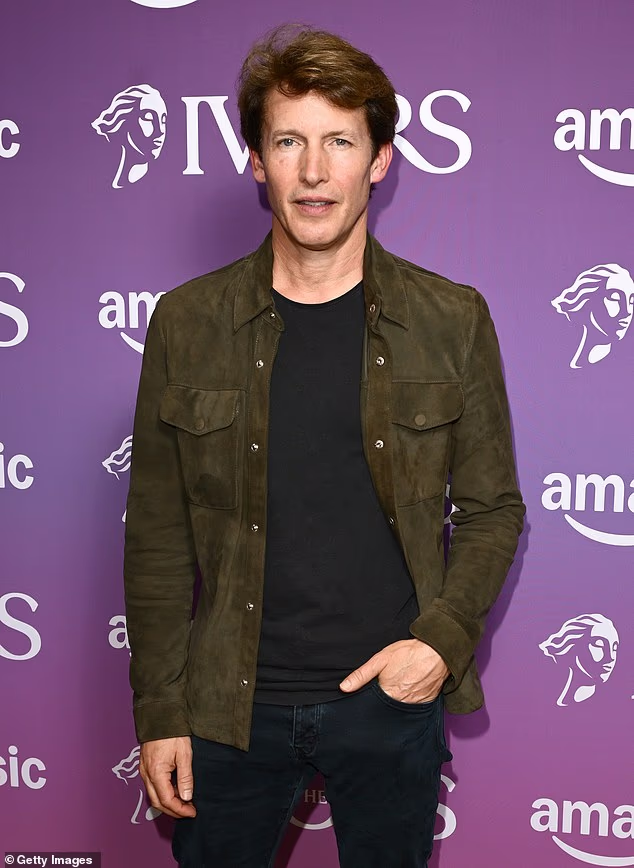
James Blunt has addressed the speculation that he was the 'famous British singer' who Hayden Panettiere was put into bed with aboard a yacht when she was 18 by supporting a denial

James Blunt has addressed the speculation he was the ‘famous British singer’ who Hayden Panettiere was put into bed with aboard a yacht when she was just 18.

The 52-year-old singer shared a link to a Substack article on Monday which argued he was not the unnamed musician from the now late actress’s memoir This Is Me: A Reckoning released last year.

In the book, the actress – who died at 36 of a suspected overdose last week – wrote she was 18 when a friend brought her on to a yacht to meet a British singer-songwriter who was in his 30s at the time, only for her to walk into a cabin and find the man naked in bed.

Many internet sleuths had speculated that the unnamed man mentioned in Panettiere’s memoir was Blunt, but the Substack article shared by the singer, which was written by journalist Dean Piper, claimed that the timeline does not fit.

Advertisement

When contacted by the Daily Mail in recent months, Blunt’s representatives have categorically denied any insinuation that the singer is the one referenced in Panettiere’s memoir. 

Piper had pointed out that a photo of Blunt and Panettiere from Cannes in 2009 was actually taken when the actress was 19 years old, nearly 20, at the time.

James Blunt has addressed the speculation that he was the ‘famous British singer’ who Hayden Panettiere was put into bed with aboard a yacht when she was 18 by supporting a denial 

Advertisement
The 52-year-old You're Beautiful singer shared a link to a Substack article on Monday which argued that he was not the unnamed musician from the now late actress' memoir - This Is Me: A Reckoning - released last year

The 52-year-old You’re Beautiful singer shared a link to a Substack article on Monday which argued that he was not the unnamed musician from the now late actress’ memoir – This Is Me: A Reckoning – released last year

The rumors were sparked due to the aforementioned photo and a 2009 article written by Piper, which claimed Blunt and Panettiere were flirty at a charity event the day before being spotted on a boat together.

However Piper claimed in his new piece if the alleged encounter had happened when Panettiere was 18, there was no way that Blunt had been involved.

Piper goes on to address other factors rule the British singer-songwriter out, including the size of his penis.

Advertisement

Blunt did not explicitly denied the claim himself but shared Piper’s assertion the rumours were untrue.

Panettiere was found dead of a suspected overdose on August 16 at an Airbnb in Greenville, South Carolina, where she had traveled with on/off boyfriend Brian Hickerson, a native of the state. 

Hickerson and his brother, Zach, were both at the scene when Panettiere was pronounced dead. 

The Drug Enforcement Administration (DEA) has joined the probe into the actress’s death.

Advertisement

Meanwhile, in Panettiere’s memoir released last year, she detailed the aforementioned encounter with an unnamed British singer–songwriter.

In the book, the actress ¿ who died aged 36 of a suspected overdose last week ¿ wrote that she was 18 when a friend brought her onto a yacht to meet a British singer-songwriter who was in his 30s at the time, only for her to walk into a cabin and find the man naked in bed

In the book, the actress – who died aged 36 of a suspected overdose last week – wrote that she was 18 when a friend brought her onto a yacht to meet a British singer-songwriter who was in his 30s at the time, only for her to walk into a cabin and find the man naked in bed

Many internet sleuths online had speculated it was Blunt (seen June 2025) who was the unnamed man from the memoir, however, the Substack article shared by Blunt, which was written by journalist Dean Piper, claimed that the timeline does not fit

Many internet sleuths online had speculated it was Blunt (seen June 2025) who was the unnamed man from the memoir, however, the Substack article shared by Blunt, which was written by journalist Dean Piper, claimed that the timeline does not fit

A photo of Blunt and Panettiere from Cannes in 2009 was actually taken when the actress was 19 years-old (Left to right: Blunt, Justin Long, Panettiere and Diana Jenkins in Cannes back in May 2009)

A photo of Blunt and Panettiere from Cannes in 2009 was actually taken when the actress was 19 years-old (Left to right: Blunt, Justin Long, Panettiere and Diana Jenkins in Cannes back in May 2009)

Advertisement

Writing in a chapter titled Trust, Panettiere wrote how she was traveling on a super yacht with other celebrities cruising around the South of France.

Panettiere says that she was traveling with a ‘trusted’ female friend, who ultimately encouraged her to get into bed with the singer.

It was claimed that the women spent multiple days aboard the yacht, in which they swam in the sea, danced long into the night and rubbed elbows with the ship’s other famous passengers.

But Panettiere alleges that her trip took a more disturbing course one night, when her trusted friend interrupted her dinner to ask her to come below deck to meet someone.

Advertisement

After stepping into a private cabin, she writes that she came face-to-face with a ‘famous thirtysomething British singer–songwriter’ who was shirtless in his bed, with the sheets covering his lower body.

‘”Oh my God,” I thought. “Is he naked under there?”‘ Panettiere wrote.

She adds that her friend then whispered, ‘I want you to get in bed with him,’ then left her and the unnamed man alone in his cabin.

Panettiere writes that she did as she was told at first, but her mind and body soon became disconnected.

Advertisement
Writing in a chapter titled Trust, Panettiere wrote how she was traveling on a super yacht with other celebrities cruising around the South of France; pictured in 2022

Writing in a chapter titled Trust, Panettiere wrote how she was traveling on a super yacht with other celebrities cruising around the South of France; pictured in 2022

Panettiere writes that her friend led her to a private cabin where the famous man was undressed and under his sheets. Her friend allegedly whispered, 'I want you to get in bed with him'; pictured in a publicity still for Heroes from 2006

Panettiere writes that her friend led her to a private cabin where the famous man was undressed and under his sheets. Her friend allegedly whispered, ‘I want you to get in bed with him’; pictured in a publicity still for Heroes from 2006

‘My body no longer felt like my own,’ she wrote.

According to the memoir Panettiere added her experience as a child actor, who was constantly being ‘managed’ by adults, had instilled in her a sense of blind trust in others, even when her instincts suggested that was unwise.

Advertisement

‘As soon as the door clicked closed, my survival instinct kicked in,’ she continues.

Panettiere claims that she told the famous anonymous man, ‘Look… I don’t know what she said to you, but this is not going to happen.’

Then, she ran out of the room and back to her cabin, where she booked a hotel on the mainland for safer accommodations and prepared to disembark.

Panettiere, who says the incident made her feel as if she had been betrayed by her friend, describes it as feeling as if she had been ‘kicked in the face.’

Advertisement

‘She’d confided in me, pampered me and treated me like her best friend – then turned around and treated me like a call girl,’ Panettiere alleges.

Source link

Continue Reading

NewsBeat

Massacre inside church leaves 40 dead with victims ‘executed’ during ‘night of terror’ in gang-ravaged Haiti

Published

on

A massacre inside a church has left at least 40 people dead after a 'night of terror' saw gang members attack displaced people huddling inside the religious building

A massacre inside a church has left at least 40 people dead after a ‘night of terror’ saw gang members attack displaced people huddling inside the religious building.

The brutal attack occurred on Sunday in the town of Kenscoff, Haiti in the hills above the capital.

Mayor Massillon Jean described execution-style killings in a town plagued by gang violence since last year.

He said: ‘We have counted around 40 bodies. Searches are continuing. Some people are still missing.

Advertisement

‘The bandits raided a displaced persons camp located in a church. They executed several people. There are fatalities and dozens of wounded. Some people were abducted by the criminals.’

Jean added that among other places the assailants targeted a site housing people who had already fled violence. 

The UN have estimated a total death toll of at least 47 victims and 22 more injured in the overnight gang raid. They added that figures could change.

In a statement issued after the attack, the office of Prime Minister Alix Didier Fils-Aime expressed ‘deep compassion’ for the bereaved families and all the victims of the ‘heinous attack’.

Advertisement

The government also announced that reinforcements would be sent to restore security in the area.

A massacre inside a church has left at least 40 people dead after a ‘night of terror’ saw gang members attack displaced people huddling inside the religious building

The brutal attack occurred on Sunday in the town of Kenscoff, Haiti in the hills above the capital

The brutal attack occurred on Sunday in the town of Kenscoff, Haiti in the hills above the capital

Advertisement
Mayor Massilon Jean described execution-style killings in a town plagued by gang violence since last year

Mayor Massilon Jean described execution-style killings in a town plagued by gang violence since last year

‘Kenscoff will not be abandoned,’ he added. ‘The government’s authority will be restored, without weakness and without delay.’

Powerful gangs under a broad alliance have for years cemented their influence over Haiti’s capital ​and expanded to nearby regions, despite attempts by foreign nations to reinforce the country’s outgunned police. 

Attacks in Kenscoff over two months in early 2025 ​saw more than 260 people killed and 200 homes destroyed or set on fire, forcing 3,000 people to flee, according to U.N. ​estimates.

Advertisement

Nearly a dozen more attacks have taken place since, including rapes, kidnapping, arson and livestock theft.

Several locals accused the government of not doing enough to help protect residents amid the ongoing gang violence.

‘My family are victims,’ said Coriolan Kendy, standing by his ‌cousin’s body, ⁠lying on the road in a blood-stained sheet. 

‘People in Kenscoff are suffering and the government is to blame.’

Advertisement

Another resident, Orisme, who did not share his last name, pleaded for the prime minister’s support.

‘We live in humiliation and they do nothing for us,’ he said.

Some residents said several dozen police had tried to rebuff the armed men during the night, and some were injured. They added that they did not ​identify gang members among the ​dead.

People mourn over the bodies of people they said were their relatives and killed in the gang attack

People mourn over the bodies of people they said were their relatives and killed in the gang attack

Advertisement
Kenscoff, a mountainous municipality southeast of the Haitian capital, has for several months been the scene of clashes and incursions by armed groups seeking to expand their control

Kenscoff, a mountainous municipality southeast of the Haitian capital, has for several months been the scene of clashes and incursions by armed groups seeking to expand their control

Nearly 1.5 million Haitians are currently displaced in a country of about 11 million, and more than five million are facing severe food insecurity, according to UN figures

Nearly 1.5 million Haitians are currently displaced in a country of about 11 million, and more than five million are facing severe food insecurity, according to UN figures

Several locals accused the government of not doing enough to help protect residents amid the ongoing gang violence

Several locals accused the government of not doing enough to help protect residents amid the ongoing gang violence

Local media said several houses ⁠were set on fire, including the home of Jean William Pape, a leading public health expert.

Advertisement

‘The police never gave up,’ national police chief Vladimir Paraison told reporters during a visit to Kenscoff later in ​the day.

Kenscoff, a mountainous municipality southeast of the Haitian capital, has for several months been the scene of clashes and incursions by armed groups seeking to expand their control.

Haiti, the poorest country in the Americas, has for years suffered from chronic political instability, natural disasters, corruption and violence from powerful gangs that carry out rampant killings, rapes, looting and kidnappings. 

Nearly 1.5 million Haitians are currently displaced in a country of about 11 million, and more than five million are facing severe food insecurity, according to UN figures.

Advertisement

The crisis worsened in 2024, when gangs launched a wave of violence that forced the unelected prime minister to resign.

Back in November of that year 150 Haitians were killed by vigilante groups who left the corpses of mobsters chopped up and burnt on the streets.

Haiti’s security crisis dramatically escalated as gangs shot at commercial planes, flights into the country were halted and armed gangs attacked parts of the capital.

Criminal gangs have attempted to take advantage of the often vacant government of Haiti which has struggled to control the country ever since the devastating 2010 earthquake which destroyed most of the infrastructure and.

Advertisement

Haiti has not held any kind of election since 2016. Its last president, Jovenel Moise, was assassinated in July 2021 and not replaced.

A general election is scheduled for December of this year.

Source link

Advertisement
Continue Reading

NewsBeat

Harry Potter TV series suffers cast shake-up as Gilderoy Lockhart star departs

Published

on

Wales Online

HBO’s Harry Potter reboot has undergone a major casting change after the sudden departure of one actor

HBO’s Harry Potter reboot has experienced a significant casting change following the unexpected exit of one performer. This development comes shortly after Nicholas Hoult was announced as Gilderoy Lockhart, with the Skins actor now confirmed to have withdrawn from the production.

Advertisement

Hoult is understood to have suddenly left the role owing to scheduling conflicts. The About A Boy actor will be succeeded by HBO regular and Game of Thrones favourite Kit Harington in Harry Potter’s second series, reports the Express.

Harington, who gained fame as Jon Snow in Game of Thrones and the corporate thriller Industry, had previously lent his voice to Gilderoy Lockhart for the star-studded Audible audio adaptation. The Audible production boasted a cast including The Night Manager’s Hugh Laurie as Dumbledore, Succession’s Matthew Macfadyen as Lord Voldemort, Green Wing’s Michelle Gomez as Professor McGonagall, Dìrísù as Sirius Black, and Keira Knightley as Dolores Umbridge.

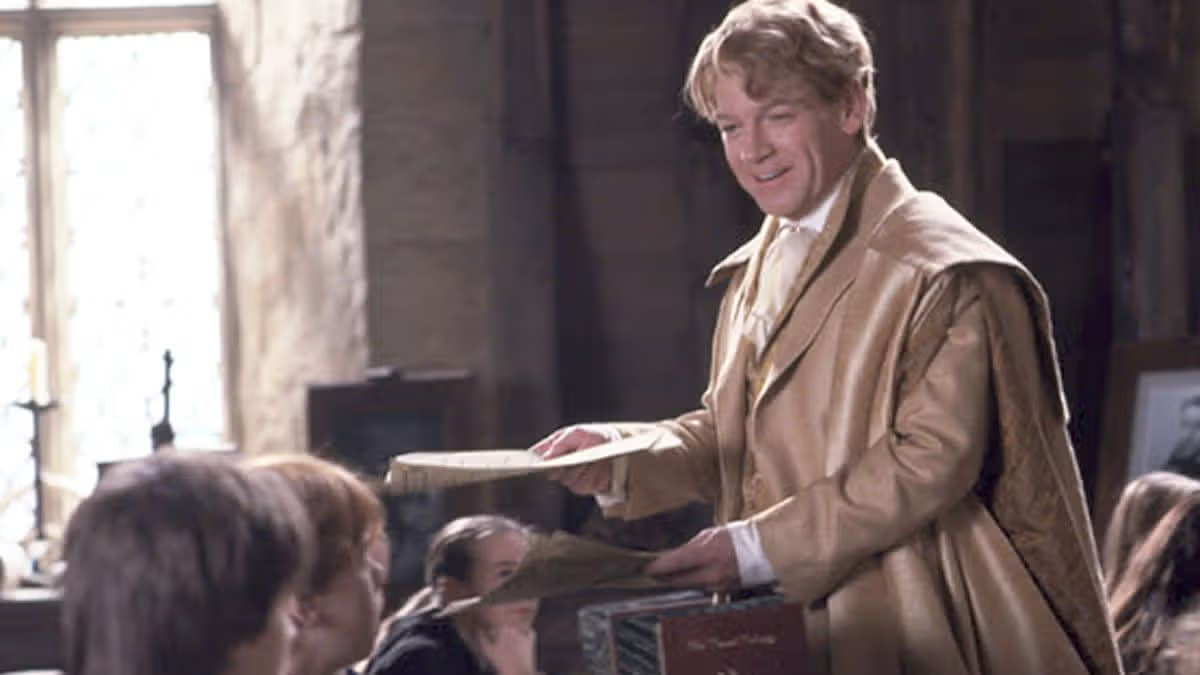
In the original film series, the character of Gilderoy Lockhart was portrayed by Sir Kenneth Branagh. The character is a wizard celebrity-turned-Hogwarts teacher, who hides a big secret.

Advertisement

The official Harry Potter Instagram account announced the development yesterday (24 August) to its 13.1 million followers. Accompanying an image of Harington was the message: “Before we begin year two at Hogwarts, there has been a slight change due to scheduling: Kit Harington will now be stepping into the role of Gilderoy Lockhart.”

Numerous fans flocked to the Instagram comments section to voice their opinions on the casting shake-up, with one writing: “He would be perfect for the role of Sirius Black.” Another echoed those feelings: “I definitely agree with a number of the comments here; he’d be better as Sirius Black.”

A third remarked: “He did an amazing job playing the character in the new audiobooks and I am sure he will do an amazing job but I wanted him as Sirius Black or Professor Lupin.”

Advertisement

While a fourth enthusiast added: “He was incredible at audiobook. He already worked so hard on the character he knows it. m sure he is gonna be amazing, good luck!”.

Yet another posted: “If the audiobook is anything to go by, he’s going to be brilliant! Welcome.” As someone else added: “Welcome, Professor Lockhart!”.

Get HBO Max free with Sky

This article contains affiliate links, we will receive a commission on any sales we generate from it. Learn more
Content Image

£4.99

£0

Advertisement

Sky

Get the deal here

Sky is giving away free subscriptions to HBO Max with its £22 Ultimate TV bundle, which also includes Netflix, Disney+, discovery+, Hayu, and around 135 channels at no extra cost.

Production on the second series of HBO’s Harry Potter is expected to get under way shortly, with the first instalment due to air on Christmas Day this year. Harington will join The Crown’s John Lithgow, who plays Professor Albus Dumbledore, alongside Ozark actress Janet McTeer as Professor Minerva McGonagall, Paapa Essiedu as Professor Severus Snape, and Hot Fuzz star Nick Frost as Rubeus Hagrid, all of whom feature in the opening series.

The first series also stars Dominic McLaughlin as Harry Potter, Arabella Stanton as Hermione Granger, and Alastair Stout as Ron Weasley. Despite considerable excitement amongst devoted fans, the production has also attracted significant criticism owing to Harry Potter author J.K. Rowling’s views on trans rights.

Advertisement

Harry Potter is set to be released on HBO on Christmas Day.

Source link

Continue Reading

NewsBeat

Evri launches new recruitment drive for 10,000 jobs

Published

on

Evri launches new recruitment drive for 10,000 jobs

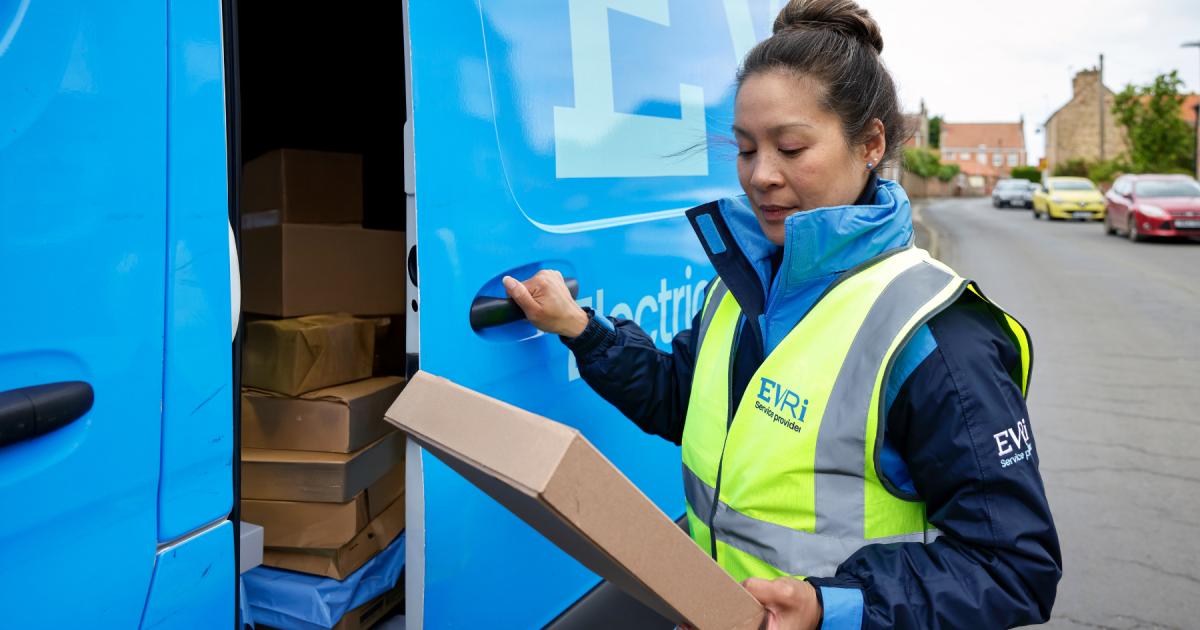
The firm is launching a major recruitment drive to support its growing network and prepare for peak-season demand.

Most of the new roles are for self-employed couriers, with more than 7,000 positions available.

These jobs aim to enable people to deliver parcels in their local communities, allowing for flexible working patterns.

Evri is launching the recruitment drive as it prepares for peak-season demand (Image: Evri)

A further 2,000 owner-driver roles are open within Evri Premium – A Network of DHL, the company’s premium delivery network.

Advertisement

Further information on the roles and application can be accessed on the Evri website.

Evri offering more accessible criteria for candidates

For the first time, Evri applicants do not necessarily need to own a van, due to the company’s new “no van, no problem” scheme.

This approach is designed to make the roles more accessible and attract a broader pool of candidates.

Evri applicants do not necessarily need to own a van if they want to go for a role (Image: Evri)

Evri now handles more than one billion parcels a year and aims to expand that to 1.4 billion by 2030.

Advertisement

The recruitment drive follows its merger with DHL eCommerce UK.

Successful applicants can access benefits through Evri’s partnership with Onsi, including early access to pay, GP appointments, and retail discounts.

Eligible couriers can also receive support towards switching to an electric vehicle through Evri’s Go Electric scheme.

Carl Lyon, chief operating officer at Evri Group, said: “The Evri Group’s success is built on the dedication and expertise of our people, and by investing in our teams now, we not only prepare ourselves for another busy peak season but also support our future growth plans.

Advertisement

“We are already delivering more than one billion parcels a year, and by strengthening our workforce across both our courier and premium delivery networks, we are putting the steps in place as we build towards our ambition of becoming a 1.4 billion parcel business by 2030.”

Will you be looking to apply for a position at Evri in its recruitment drive? Let us know in the comments.

Source link

Advertisement
Continue Reading

NewsBeat

Deep anger as fire crews deal with more raging wildfires – live updates

Published

on

Wales Online

Sir Chris Bryant MP, who represents Rhondda and Ogmore, said he is “deeply angry” to see ongoing fires in his constituency including the one in Porth. Another is ongoing in Maerdy as of Monday evening.

He shared: “I am deeply angry to see more mountain fires tonight. As a result, there are road closures in place causing more disruption for residents.

“After weeks of fires across our communities, our firefighters and emergency services should not have to be heading back out again, putting themselves in danger and spending yet more time tackling fires that devastate our mountains and wildlife.

Advertisement

“These fires are not harmless. They spread rapidly, threaten homes, damage the landscape for years to come and place enormous pressure on the emergency services.

“To every firefighter, and emergency service responder tonight, thank you. You should not have to be doing this again.

“Please, everyone, take care and think about the consequences of anything that could start a fire. We cannot keep putting our emergency services, our communities and our mountains through this.”

Source link

Advertisement
Continue Reading

NewsBeat

Record one in seven now on antidepressants as pill use rockets

Published

on

Professor Dame Clare Gerada, former chairman of the Royal College of General Practitioners, believes the evidence suggests more people are feeling dissatisfied with life

One in seven people in England were prescribed antidepressants last year, worrying figures show.

It comes amid a sharp rise in mental health problems such as depression and anxiety since the pandemic.

A record 9.1million patients were given the drugs by their doctor in the last 12 months, an increase of more than 15 per cent in five years.

There is a stark regional divide with antidepressant use highest in North Cumbria and South Yorkshire, and almost double the rates seen in affluent parts of London.

Advertisement

People in England’s most deprived communities received around a third more prescriptions than those in the least disadvantaged parts of the country.

Some 96million antidepressant prescription items were dispensed last year, up 21 per cent on the 79.4million handed out five years earlier, according to the NHS Business Services Authority. 

Patients treated under the North East and North Cumbria Integrated Care Board had the highest rate of antidepressant use, with 200 in every 1,000 prescribed medication.

Around 5.9million of all those given the drugs last year were women, accounting for 65 per cent of patients.

Advertisement

The figures come amid a sharp rise in mental health problems such as depression and anxiety – two of the main conditions antidepressants are used to treat – since the pandemic.

Advertisement

The proportion of adults suffering significant symptoms of depression remains almost twice as high as before Covid, rising from 9.7 per cent in 2019 to 18 per cent in April 2025 – equivalent to almost one in five adults – according to the Office for National Statistics (ONS).

Rates are even higher among younger adults, with 26 per cent of those aged 16 to 29 affected – more than one in four. Dr John Read, professor of clinical psychology at the University of East London, said the figures revealed an ‘epidemic of overprescribing’. 

He added that doctors were increasingly being expected to treat wider social and life problems with medication.

Women are around twice as likely to be diagnosed with depression and prescribed antidepressants as men, although experts disagree on how much of the gap reflects biological differences and how much is due to women being more likely to seek help and discuss their symptoms.

Advertisement

Children have also been affected, with rates of mental illness continuing to rise since the pandemic.

By 2023, one in five eight-to-16-year-olds had a probable mental disorder, up from around one in six in 2020.

Meanwhile, 1.35million working-age people who were out of work because of long-term sickness reported suffering from depression, anxiety or mental health problems in 2023 – a 40 per cent rise since before the pandemic. 

Professor Dame Clare Gerada, former chairman of the Royal College of General Practitioners, believes the evidence suggests more people are feeling dissatisfied with life 

Advertisement

More recent figures show around 2.8million people remain out of work because of long-term sickness overall, compared with just over 2million before Covid.

Around 20.5million working days were lost to poor mental health in 2024, the ONS found. 

Professor Dame Clare Gerada, former chairman of the Royal College of General Practitioners, said the figures reflected wider changes in society rather than overprescribing.

‘All the evidence suggests people are more stressed and more anxious than ever,’ she said.

Advertisement

‘People go to their GPs and say they’re not sleeping, eating, and have felt really low for weeks and often ask whether antidepressants might help.

‘It is not the fault of the profession, per se, but I am worried about these numbers.’ 

For the first time in four years, the number of children prescribed antidepressants rose, from 62,601 in 2024-25 to 63,609 last year. 

The increase comes despite commonly prescribed antidepressants carrying warnings about an increased risk of suicidal thoughts and behaviour in children, adolescents and young adults.

Advertisement

GPs are advised not to start antidepressant treatment in under-18s without specialist assessment, while the National Institute for Health and Care Excellence (NICE) recommends that the drugs should be given alongside psychological therapy.

For adults, NICE also advises that the drugs should not be offered as a first-line treatment for less severe depression unless that is the patient’s preference.

The most commonly prescribed antidepressants are selective serotonin reuptake inhibitors (SSRIs), which increase levels of serotonin – a chemical involved in regulating mood – in the brain.

Dr Joanna Moncrieff, a professor of psychiatry and consultant psychiatrist, said the figures suggest patients were remaining on antidepressants for longer than initially intended

Dr Joanna Moncrieff, a professor of psychiatry and consultant psychiatrist, said the figures suggest patients were remaining on antidepressants for longer than initially intended 

Advertisement

The rise has been particularly striking for some individual drugs. 

Prescriptions for sertraline, one of the most commonly used antidepressants, have increased by around 120 per cent over the past decade.

Dr Joanna Moncrieff, a professor of psychiatry at University College London and consultant psychiatrist at North East London NHS Foundation Trust, said the figures suggest patients were remaining on antidepressants for longer than initially intended.

NHS guidance recommends that people should continue taking antidepressants for six months after their symptoms improve, before considering gradually reducing their dose. 

Advertisement

However, separate NHS data suggests half of those prescribed medications have been taking them for more than two years, while a quarter – around 2million people – have used them for more than five.

Dr Moncrieff said growing numbers were turning to antidepressants to cope with difficult periods in their lives. 

Doctors could also find it difficult to send distressed patients away without treatment, she added, particularly when they were asking for medication.

Psychological therapies such as cognitive behavioural therapy are also recommended treatments for depression, and NICE advises that antidepressants should not routinely be the first option for less severe cases unless the patient prefers medication.

Advertisement

But access to talking therapies can involve lengthy waits, while antidepressants can be prescribed immediately by a GP.

Source link

Continue Reading

Trending

Copyright © 2025