Eurovision bosses are introducing some new rules ahead of next year’s contest.
On Wednesday afternoon, organisers confirmed that new regulations were being put in place from 2027 onwards, which most notably say that a winning country will no longer be permitted to serve as host if it is involved in any kind of “armed conflict”, “sensitive geopolitical situation” or “any other situation [which] materially affects the security, safety or stability of their state or immediate region”.
In the event that a winning country does fall into this category, organisers will “identify an alternative host broadcaster” which will “not be required to stage the event on behalf of another member” as the UK did with Ukraine in 2023.
Meanwhile, Eurovision has said that an alternative host country might be also chosen if the reigning winners are deemed to be unsuitable, either due to them not “abiding by the rules of the ESC”, being “found to have attempted to unfairly influence the results or outcome of the ESC in favour of its own entry”, undermining the “non-political character” of the contest, or being unable to “guarantee the safety, security, integrity, continuity or smooth operational delivery of the event”.
Peatland fires in Indonesia pose a major threat to habitats, wildlife and people. That risk is exacerbated by the country’s periodic El Niño warming phases, which bring prolonged drought.
Massive fires have occurred in all the recent El Niño years, including 2015, 2019 and 2023. With a major El Niño building this year, there are serious concerns that Indonesia is in store for another severe fire season.
Preventing these fires requires more than just an emergency response. It depends on restoring degraded peatlands and reducing the conditions that allow fires to spread.
As climate change intensifies wildfire risk globally, Indonesia’s experience offers important lessons for protecting vulnerable ecosystems and communities around the world.
Pollution and emissions from months of fires affected millions of people across Southeast Asia. Economic losses were estimated at more than US$16.1 billion (£9 billion), not including the enormous environmental and health consequences.
Those major fires weren’t caused solely by drought triggered by El Niño. They were also the result of peat ecosystem damage from deforestation and canal construction, plus land drainage for agriculture and other development.
In 2016, the Indonesian government established the Peatland Restoration Agency to restore ecosystems nationally and prevent fires. By 2020, this had evolved to include mangrove forest restoration, to help build the climate resilience of Indonesian coastlines.
Advertisement
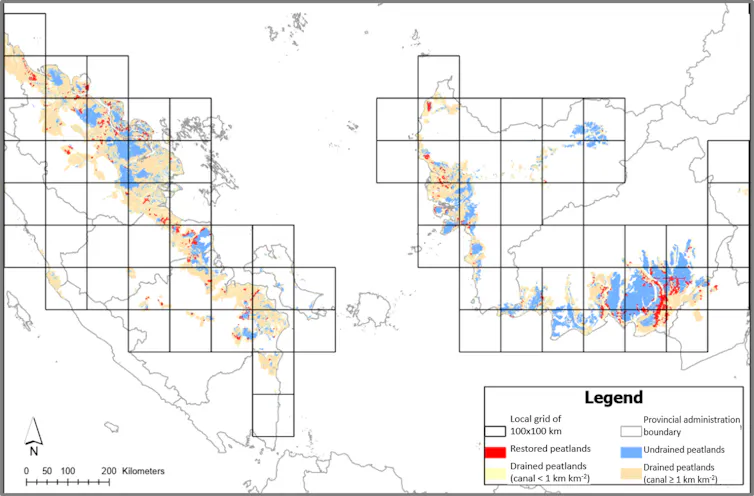
Although wildfire hotspot numbers declined across Indonesia once this project was established, no research had measured the effectiveness of restoration as a factor in that decline. Our team’s recent research shows that large-scale peatland restoration reduced wildfire hotspots by up to 22% in restored areas of Indonesia during the 2019 El Niño. This reduced the number of peatland fires by 38% compared with 2015.
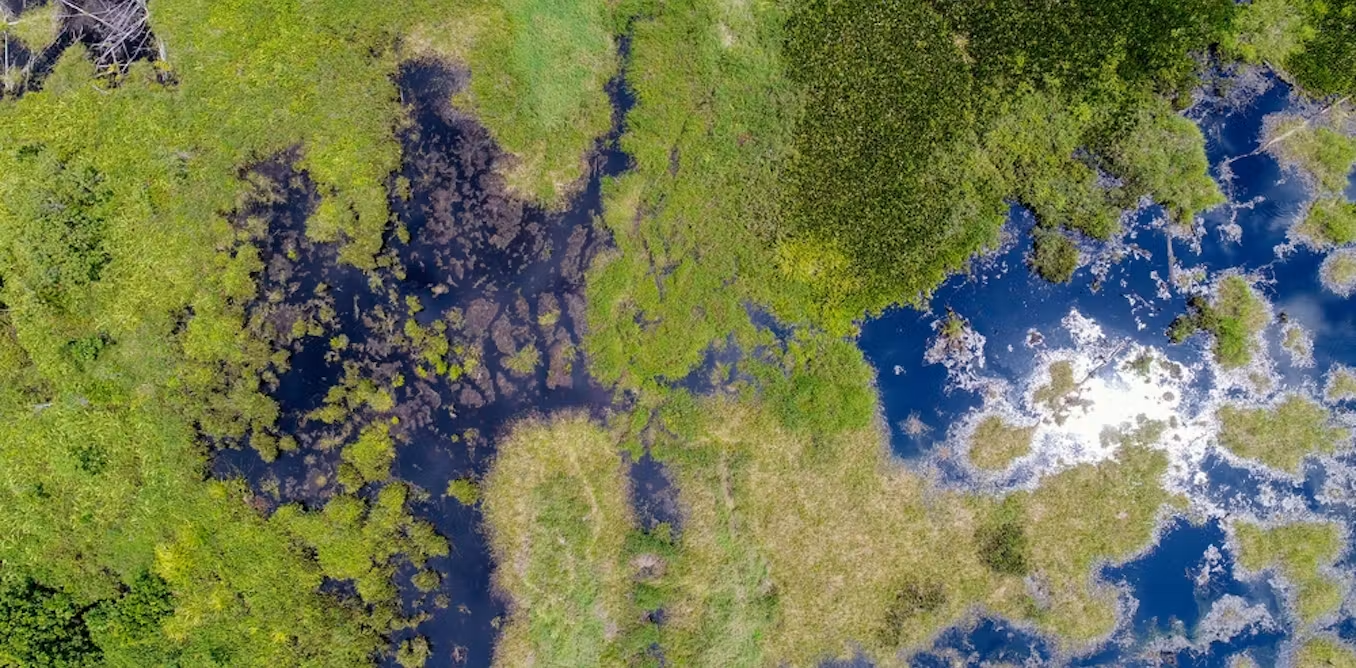
Rewetting and restoring peatland can reduce fire risk. Kersti Lindstrom/Shutterstock
The urgency of peat restoration
The restoration programme had restored around 1.6 million hectares of peatland by 2024. However, the continuity of this programme is now in question because that same year, the restoration agency’s mandate ended, and was transferred across multiple ministries.
Our study compared restored peatland areas with similar unrestored areas in Sumatra and Kalimantan. We evaluated two main rewetting restoration methods: canal blocking and deep wells.
The deep-well method is like watering a dry sponge using pumped water. When the dry season arrives and peatland begins to dry out, operators switch on pumps to draw water up from the wells. The aim is to wet the land around the well or help extinguish fires.
Canal blocking, on the other hand, keeps land wet by holding water in place so it doesn’t drain away.
In all, our analysis found that restoration reduced fire hotspots by up to 22% overall between 2015 and 2019, across nearly 4,000km² of peatland where rewetting had been effective.
Deep wells were more effective at reducing fire risk than canal blocking. This is because pumped water directly wets dry peat and can also be used to put out fires. It reaches a wider area, and the infrastructure lasts longer.
Advertisement
Canal blocking, by contrast, doesn’t involve active pumping — it only affects land within a few hundred metres of its location. Under the right conditions, though, it can be more effective than deep wells at reducing fires – if suitable locations are chosen and enough canals are blocked, ideally in clusters.
However, a recent study of peatland restoration across Indonesia from 2015 to 2024 found that 70% of canal-blocking units were damaged. Our research shows that only canal blocks around a year old are genuinely effective at keeping peat wet. So, regular maintenance is essential to avoid the blocks losing their ability to keep peat wet.
UK efforts to restore degraded peatlands
Although Indonesia’s restoration programme has shown positive results, the threat of fire still looms over peatland that has already been degraded.
Even though the extent of these fires has declined over the past decade, hotspot density in restored areas is still up to ten times higher than in pristine peat forests that have never been logged or drained.
Advertisement
While the total burned area within peat forest regions remains consistently above 500,000 hectares, water table levels at the sites we studied remain below the safe threshold of 40cm. And there is still a great deal of degraded peatland that needs to be restored.
Despite these challenges, the reduction in wildfire occurrence on restored peatlands should encourage Indonesia and other nations to sustain and expand efforts to restore degraded peatlands.
In the UK, efforts to restore degraded peatlands across England and Scotland are ongoing. In those locations, benefits such as the reduction in wildfire risk need to be monitored and restoration methods continually refined.
But restoration, while beneficial, cannot replace intact peatlands. So, protecting these peatlands should remain the top priority – especially as the threat of severe droughts grows stronger and more intense, due to climate change.
Nearly 35 million people travelled through the Paris Orly Airport last year.
It is one of two airports serving Paris, and is 13km south of the capital, providing transport links for other surrounding areas too.
However, the airport will see one of its runways closed until the end of 2026 due to refurbishment works.
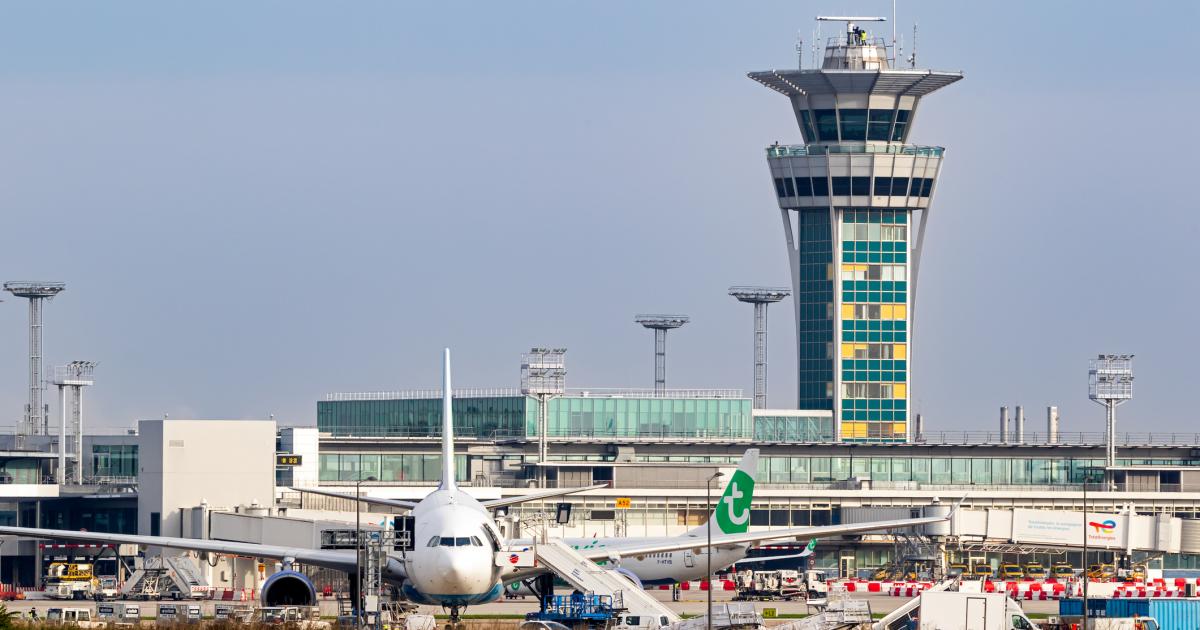
Millions travel through the Paris Orly Airport each year (Image: Getty Images)
Paris Orly Airport flights cancelled due to runway closure
Paris Orly Airport’s Runway 4 will be closed until December 17.
Advertisement
It will mean the cancellation or diversion of around 3,000 flights, with 750 affected each month.
EasyJet confirmed it has been asked to cancel flights between August 10 and October 24.
Flights to and from the UK, including services from Newcastle, Gatwick, London, Edinburgh and more, will be affected.
In an official statement on the airport’s website, it says: “During the work on the runway at Paris-Orly, some flights will be transferred to Paris-Charles de Gaulle from August 10 to December 17 2026.
Advertisement
“Before you travel, check the flight information provided by Paris Aéroport and view real-time updates on your departure or arrival terminal.”
Other airlines impacted by the runway closure include Air Algérie, KM Malta Airlines, RAM, Pegasus, Iberia, and Tunisair.
The improvement works will include renovating the pavements, upgrading lighting, and improving the aircraft stands.
EasyJet has confirmed that passengers have been offered alternative flights.
Advertisement
Paris-Orly and Paris Charles de Gaulle airports are on opposite sides of the city, with travel between the two taking about 45 minutes by car or just over an hour by train.
Spanish and Beligum airports due to close for works
Passengers travelling to Almería Airport have also been warned of an upcoming closure.
The Spanish Airport will shut down for six days in February 2028 to allow for runway upgrades, resulting in the cancellation of all flights.
The closure is part of a wider 19-month renovation project costing €29 million (£24.8 million), marking the first major runway work at Almería Airport in two decades.
Advertisement
During the project, night-time restrictions will also be in place, affecting flights between 10.45pm and 7.10am.
The airport serves approximately 800,000 passengers annually, with UK travellers making up 55 to 70% of its total traffic.
In addition, Brussels South Charleroi Airport in Belgium, the country’s second busiest airport, will see works take place from August 15 to October 31.
Advertisement
Similarly to Almería, it will shut as part of a £43 million (€50 million) redevelopment project, with a planned reopening date on November 1.
Airport authorities said the 11-week closure will allow engineers to carry out the most extensive infrastructure work in the airport’s history, including a complete reconstruction of its 3,200-metre runway.
Recommended reading:
It is expected to have a big impact on passengers, with Charleroi Airport handling 11.2 million travellers during 2025.
Advertisement
More than two million passengers are expected to be affected by the closure, with Ryanair and Wizz Air flights among the airlines affected.
Have you been affected by any of the airport closures mentioned? Let us know in the comments.
GAUR, Nepal (AP) — The young mother’s breath had grown ragged. Inside her mud home in rural Nepal, she hunched over in agony, pain pummeling her pregnant belly, her swollen legs scarcely able to support her.
Kabita Mukhiya was in the midst of an emergency, but didn’t know it. For weeks, she’d suffered at home, because there was nobody around to tell her to rush to a hospital. The aid workers who once regularly visited her village to help pregnant women had stopped coming, after foreign aid cuts by the United States shuttered a program aimed at saving mothers’ and babies’ lives.
Kabita was uneducated and impoverished, and she did not know what was happening to her body. In desperation, she turned at last to her aunt for help, who hauled her off to the hospital, where both women wept as the doctors said things neither could understand.
Which is why Kabita — confused and confined to her hospital bed — turned to something she could understand: prayer.
Advertisement
“Please save the baby,” she begged God through her tears. “Please save me.”
Then, through the chaos, came the words that Kabita finally grasped, but could not bear: It was too late. Her baby was dead.
And her own life was now hanging by a thread.
This story was funded by a grant from the Pulitzer Center. The Associated Press is responsible for all content.
Advertisement
One baby at a time, the world is marching toward a grim milestone: Because of global cuts to foreign aid, the Gates Foundation has predicted that 2025 will be the first year this century where child deaths will increase.
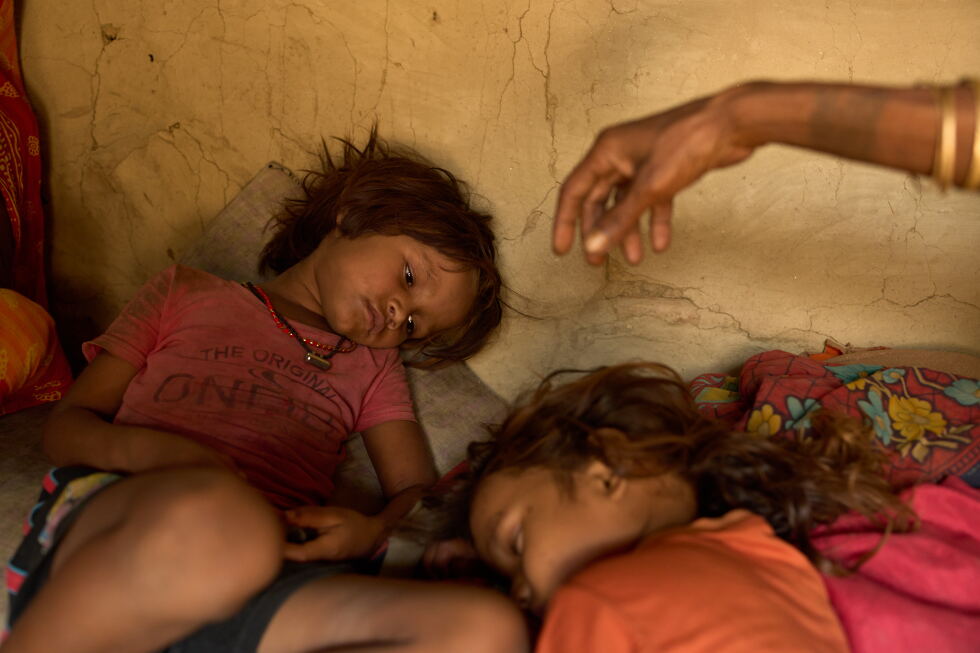
Sonam Mukhiya, left, lies next to her 3-year-old brother, Yubraj Mukhiya, and their grandmother in their home in Gaur, Nepal, on May 19, 2026. Their mother, Kabita Mukhiya, died in December while 28-weeks pregnant amid disruptions to nutrition programs and reproductive outreach services following last year’s foreign aid cuts by the United States. (AP Photo/Bram Janssen)
Advertisement
Sonam Mukhiya, left, lies next to her 3-year-old brother, Yubraj Mukhiya, and their grandmother in their home in Gaur, Nepal, on May 19, 2026. Their mother, Kabita Mukhiya, died in December while 28-weeks pregnant amid disruptions to nutrition programs and reproductive outreach services following last year’s foreign aid cuts by the United States. (AP Photo/Bram Janssen)
Advertisement
Advertisement
Advertisement
For many experts, the health of a country is measured by the health of its smallest: Children under the age of 5. And while global child mortality data for 2025 won’t be available for several months, health officials are already bracing for a surge in deaths among the world’s youngest and most vulnerable.
The decision by U.S. President Donald Trump’s administration to dissolve the United States Agency for International Development — once the world’s largest humanitarian donor — gutted maternal and neonatal care, decimated nutrition programs for millions of pregnant women and children and left scores of birthing centers devoid of equipment, medicine and staff. The U.S. cuts, followed by foreign aid cuts from several other countries, forced 60% of women’s organizations to reduce their services, according to the World Health Organization.
The U.S. government has repeatedly insisted that no one — and, particularly, no children — have died because of its funding cuts. But the AP has documented the deaths of women and children from Myanmar to Nigeria.
Advertisement
A study published in The Lancet journal, meanwhile, said the U.S. cuts could lead to more than 14 million deaths, including more than 4.5 million children under age 5, by 2030.
Advertisement
Sign up for Morning Wire:
Our flagship newsletter breaks down the biggest headlines of the day.
“It’s heartbreaking to see what’s happening. It’s decades of progress being washed away,” says Rajat Khosla, executive director of WHO’s Partnership for Maternal, Newborn and Child Health.
Advertisement
In a statement to The Associated Press, the U.S. State Department said the Trump administration had reinvigorated its assistance programs to focus on efficiency, effectiveness and partnership. The department also said the U.S. spends more on health and humanitarian assistance than any other country, and still supports programs in Nepal aimed at improving maternal and child health.
“The rest of the world needs to contribute more and share the burden,” the department said.
In Nepal, cuts to nutrition and reproductive outreach programs have already increased pregnancy complications and deaths, according to health workers, government officials, aid workers and families interviewed by the AP.
“The number of deaths of mothers, young mothers, during delivery has really increased,” says Mona Sherpa, country director for the aid group CARE Nepal, which lost more than half its funding from the U.S. cuts. “The expected number within a year is happening within four to six months.”
Advertisement
Anita Gupta, 20, receives an ultrasound in Gaur, Nepal, on May 20, 2026. (AP Photo/Bram Janssen)
Advertisement
Anita Gupta, 20, receives an ultrasound in Gaur, Nepal, on May 20, 2026. (AP Photo/Bram Janssen)
Advertisement
Advertisement
Advertisement
Maternal and child health programs are perhaps the clearest foreign aid example of small, relatively cheap interventions leading to the greatest good. Packets of fortified peanut paste that cost less than a dollar each can bring a malnourished child back from the brink of death within weeks. Clean birth kits that cost a few dollars slash the risk of mothers and newborns dying from infections.
Advertisement
In Nepal, a five-year, $35 million program canceled by the U.S. cuts reached more than 100,000 women and girls in its first three years. The program equipped birthing centers and trained nurses, midwives and outreach workers known as female community health volunteers. These workers regularly visited pregnant women’s homes, explained the warning signs of complications and urged them to attend prenatal appointments, often escorting them there.
When the program was canceled, many pregnant women were left to navigate a medical system they struggle to trust or understand, Sherpa says.
The consequences can be found in the dusty, sun-scorched villages of Nepal’s Rautahat district, home to Kabita’s family and one of the poorest and least-literate parts of the country. At a birthing center in Rautahat’s municipality of Dewahi Gonahi, the number of women coming for prenatal checks has halved since the funding cuts, says the officer in charge, Kishori Shah. Because of that, women aren’t identifying complications fast enough, he says, leading to emergencies.
“There would have been a decrease in complications if the USAID program was still running,” he says.
Advertisement
In the village of Prempur Gonahi, it took just 10 months — a touch longer than a typical pregnancy — for newborns to begin dying again after the U.S. cuts, says the officer in charge, Sadho Baitha.
Before CARE’s program launched in Rautahat in December 2022, Baitha says, the village averaged 10 to 15 neonatal deaths per year. By 2024, records show, there were zero. But since the program’s cancellation, newborns have begun dying again; the first was in December, and four more followed by March.
Advertisement
Nitu Devi, 22, who is pregnant, sits on a bed before an ultrasound inside a clinic in Gaur, Nepal, on May 20, 2026. (AP Photo/Bram Janssen)
Nitu Devi, 22, who is pregnant, sits on a bed before an ultrasound inside a clinic in Gaur, Nepal, on May 20, 2026. (AP Photo/Bram Janssen)
Advertisement
Advertisement
Advertisement
Yet many deaths linked to the funding cuts will remain invisible, in part because the cuts themselves left scores of mortality data collectors jobless. In some places, there is simply no one left to count those who died.
This is the case in Dewahi Gonahi, where mortality reporting and recording services have collapsed, says Shatrudhan Singh, executive director of Campaign Nepal, CARE’s partner. Which is why, he says, the government record shows just two infant deaths in the municipality since the funding cuts, despite his group knowing of eight.
“There must be more than that,” he says. “We just can’t identify them.”
Advertisement
The stories of loss are hidden inside the cramped homes of the loved ones left behind and in the vacant eyes of now-motherless children.
Pregnant women wait for an ultrasound inside a clinic in Gaur, Nepal, on May 20, 2026. (AP Photo/Bram Janssen)
Advertisement
Pregnant women wait for an ultrasound inside a clinic in Gaur, Nepal, on May 20, 2026. (AP Photo/Bram Janssen)
Advertisement
Advertisement
Advertisement
Advertisement
From the shadows of her own home, Phula Devi tries to verbalize her loss in a voice so halting and hushed it’s barely audible. She has never spoken of her grief to anyone — not even to her husband.
Like most women in this village a few miles from Kabita’s, Phula never attended school. She knew almost nothing about pregnancy; she does not even know her own age, just that she is not yet 20.
Phula is the type of woman outreach workers say they would have targeted. Instead, one morning in January, an informal village health practitioner came to her home and said the fetal heartbeat was slow. He told her to go to a hospital, then left.
Phula didn’t understand. And she was at the mercy of her relatives, who waited until that night to take her to the hospital.
Advertisement
There, the doctors urged a C-section. But Phula didn’t know what that meant. Terrified, she pushed the baby out on her own. He emerged silent and still, declared dead and whisked away before Phula could hold him, name him or even see his face.
A woman receives an examination from a doctor inside a clinic in Gaur, Nepal, on May 20, 2026. (AP Photo/Bram Janssen)
Advertisement
A woman receives an examination from a doctor inside a clinic in Gaur, Nepal, on May 20, 2026. (AP Photo/Bram Janssen)
Advertisement
Advertisement
Advertisement
Advertisement
He was overdue, hospital records show, a risk factor for stillbirth. Nurse Guddi Rahami, who remembers Phula’s case, says the region’s uneducated families often resist C-sections because they believe the operation is somehow bad.
From inside her darkened home, Phula hides her tear-streaked face behind a scarf.
“I think of my baby all the time,” she murmurs.
She would have done anything to save him, she says. If she’d only known how.
Advertisement
___
Down a winding dirt path peppered with bleating goats, Kabita’s two-room home emerges into view. Outside, women trudge past in a rainbow of saris that cling to their fragile frames, seared by the punishing sun.
This became Kabita’s home at 14, when she married her husband after a life of loss. Her mother died when she was little, and her father soon abandoned her to move to India with his new wife. Her three siblings would later follow him.
Advertisement
A photo of Kabita Mukhiya, who died during pregnancy, is displayed on a phone on May 19, 2026, in Gaur, Nepal. (AP Photo/Bram Janssen)
Advertisement
A photo of Kabita Mukhiya, who died during pregnancy, is displayed on a phone on May 19, 2026, in Gaur, Nepal. (AP Photo/Bram Janssen)
Advertisement
Advertisement
Her wedding photo shows her as the child she still was when she married: slender, with wide-set brown eyes, soft cheeks and a shy smile. She struggled to bond with her mother-in-law, who shared their home, but endeared herself to her aunt and neighbor, Shraddha Mukhiya. Shraddha relished Kabita’s innocence and was amused by her constant, occasionally nonsensical, chatter. She came to view the girl as her daughter.
Kabita quickly fell pregnant with a daughter of her own, Sonam. Her second daughter, Anushka, followed a year later, and her son, Yubraj, a year after that.
Advertisement
Her husband, the family’s sole provider, was rarely home, forced to chase construction jobs around Nepal and India that brought the family around 12,000 Nepalese rupees ($80) per month. It was enough to buy rice, lentils and vegetables, but little else.
Despite the difficulties, the 20-year-old Kabita was overjoyed to learn she was pregnant with her fourth; she and her mother-in-law longed for another boy. She scraped together enough money to buy clothes for the baby, whom she planned to name Shivraj, and dreamed that he would one day get the education she was never afforded.
When she was pregnant with Yubraj, she received a U.S.-funded nutritious powder that helped supplement her limited diet. But by the time she became pregnant last year, the funding cuts had eliminated the local birthing center’s nutritional supplements and food for pregnant women, says Punam Mahato, a nurse who treated Kabita.
U.S.-funded nutrition programs were crucial to the region, particularly for children, health workers say. The prevalence of wasting — a life-threatening form of malnutrition — among children under 5 in Kabita’s province was 7.4% before the U.S. funding cuts, according to a survey conducted by the government and the United Nations’ children’s agency. That number rose to 12.3% after the cuts, according to a national malnutrition screening conducted in May by the government and the aid group Helen Keller Intl, which saw its nutrition program halted by the U.S. cuts.
Advertisement
As her pregnancy progressed, Kabita’s belly swelled while the rest of her remained gaunt. Sometimes she only managed to eat two small meals a day. And the mothers’ group meetings she attended while pregnant with Yubraj had ceased.
She missed the recommended first trimester appointment, and made her first visit to the birthing center for a check at 16 weeks. Mahato, her nurse, noticed she was pale. She suggested Kabita get a blood test to check her hemoglobin, which can plummet in pregnancy amid nutritional deficiencies.
But Kabita never got the test, and didn’t seem to understand its necessity; she never mentioned it to her mother-in-law. At 24 weeks, Mahato was worried by Kabita’s pallid complexion and again recommended a blood test. Again, Kabita demurred, likely because she didn’t grasp its importance, Mahato says.
Advertisement
Rajkumari Patel, a community health worker trained to ensure impoverished pregnant women in rural Nepal receive timely prenatal care, poses for a portrait in her home in Gaur, Nepal, on May 20, 2026. (AP Photo/Bram Janssen)
Advertisement
Rajkumari Patel, a community health worker trained to ensure impoverished pregnant women in rural Nepal receive timely prenatal care, poses for a portrait in her home in Gaur, Nepal, on May 20, 2026. (AP Photo/Bram Janssen)
Advertisement
Advertisement
Rajkumari Patel, a community health volunteer who worked under CARE’s now-canceled program, said they would have acted as mediators to explain to Kabita why the test was crucial.
Instead, Kabita returned home. She was tormented by stomach pains that grew increasingly fierce. Her body swelled.
Advertisement
She suffered for weeks. By December, when she was 28 weeks pregnant, Kabita had become so weak she could not walk. Her husband was working in India, so she turned to Shraddha, her aunt, for help. The elder woman took her to the hospital.
Doctors drew Kabita’s blood to check her hemoglobin levels, then handed the results to the women. But Kabita and Shraddha didn’t know what they meant. Nor did they understand the rush of activity and tests and medical explanations that followed.
Their understanding finally came amid the absence of a heartbeat. A test confirmed it: Kabita’s baby was dead.
___
Advertisement
Everything was happening so fast.
The hospital was not equipped to remove the baby’s remains from Kabita’s womb. Staffers urged them to go to another hospital. But with no money and no sense for the danger Kabita was facing, the grieving women returned home.
By the next day, Kabita’s vision was distorted. Her head pounded. She was delirious.
In desperation, Shraddha took her to another hospital with lower fees. The doctors determined that she’d had a seizure from preeclampsia, where dangerously high blood pressure can be fatal if untreated, says paramedic Hridaya Narayan Mahato, who is not related to Kabita’s nurse.
Advertisement
Doctors gave her oxygen while the staff rushed to prepare the ICU.
Kabita’s hemoglobin levels were critically low, leaving her short of oxygen and straining her heart. She lay on her back, shaking and gasping for air. Shraddha sat helplessly at the foot of the bed. “You’ll be OK,” she told her niece through tears.
And then she watched as Kabita drew her final breath.
She was dead before they could get her into the ICU.
Advertisement
___
A short drive from Kabita’s home, Patel, the community health worker, sits outside her home, her words laced with frustration. Deaths like Kabita’s, she says, are precisely what she and her colleagues had been trained to prevent.
Patel used to know every pregnant woman in her village, visiting them at home. She would have done the same for Kabita, she says.
“I would have asked her, ‘Is the baby kicking? When did you last feel movement?’ I would have checked for swelling in her hands and face. I would have looked at her eyes for signs of anemia,” she says. “These are the signs I would have noticed in Kabita and said, ‘This woman needs a hospital today — not tomorrow.’ Maybe we could have saved her life.”
Advertisement
Kabita died from complications of eclampsia, with severe anemia contributing significantly, says Mahato, the hospital paramedic. Both conditions can often be identified and managed through regular prenatal care, he says.
Lachhiya Devi sits with her 5-year-old granddaughter, Sonam Mukhiya, in her home in Gaur, Nepal, on May 19, 2026. Sonam’s mother, Kabita Mukhiya, died in December while 28-weeks pregnant amid disruptions to nutrition programs and reproductive outreach services following last year’s foreign aid cuts by the United States. (AP Photo/Bram Janssen)
Advertisement
Lachhiya Devi sits with her 5-year-old granddaughter, Sonam Mukhiya, in her home in Gaur, Nepal, on May 19, 2026. Sonam’s mother, Kabita Mukhiya, died in December while 28-weeks pregnant amid disruptions to nutrition programs and reproductive outreach services following last year’s foreign aid cuts by the United States. (AP Photo/Bram Janssen)
Advertisement
Advertisement
Advertisement
Advertisement
The loss of Kabita and her baby so overwhelmed Shraddha that she couldn’t bear to tell Kabita’s husband. Still working in India, he was oblivious to the crisis until neighbors called him. His bus ride home took so long that he didn’t arrive back in the village until three days after Kabita’s funeral.
In the months since, he has frequently refused to work, lying in the dark crying for days at a time. He speaks only of Kabita, never the baby. Shraddha and his mother, Lachhiya Devi, remind him that they will all starve unless he returns to work. And so he does.
Both in their 60s, Shraddha and Lachhiya worry about how long they can care for Kabita’s little ones. From the bed she shares with her grandchildren, Lachhiya strokes the leg of 4-year-old Anushka, who slumbers next to her in the midday heat.
“How will I feed them? I’m old,” Lachhiya says, her bangles barely clinging to her bony arms. “You can see how desperately I’m trying to get by.”
Advertisement
A woman collects water from a well in Gaur, Nepal, on May 19, 2026. (AP Photo/Bram Janssen)
Advertisement
A woman collects water from a well in Gaur, Nepal, on May 19, 2026. (AP Photo/Bram Janssen)
Advertisement
Advertisement
Advertisement
Their home is quiet now without Kabita’s cheerful chatter or the cries of the baby who never made it home. The last reminders of Kabita’s life — her sparkly green sari, the pink and yellow tapestry she knitted — are packed away in a box that will be given to her children one day.
Advertisement
Shraddha remains tormented by what she didn’t know.
“We don’t have anyone to help us out here, to tell us about these things. If there was someone, we would ask them, follow their advice,” she says. “It would have saved her life.”
She looks at Kabita’s children and aches for their mother, who was barely beyond childhood herself.
“She was too young to die.”
Advertisement
___
Journalist Tulsi Rauniyar contributed to this report.
Several properties were targeted but the only thing stolen was a bicycle from one property
Detectives have released CCTV images of a man they would like to speak to after a string of burglaries across Peterborough. Between midnight and 2.30am on Wednesday, August 5, several properties in the Westwood and Bretton areas were targeted, according to Cambridgeshire Police.
Advertisement
A home in Odecroft, Raventhorpe, was burgled, but nothing was stolen after the intruder was disturbed by the occupant. There were also five attempted burglaries at properties in Gransley Rise, Langley, Risby and Muskham. A bicycle was stolen from a property in Langley, the force added.
Detective Constable Hannah Worthington said: “We are carrying out extensive enquiries and are asking anyone who recognises the man pictured, or who may have information about these offences, to get in touch as soon as possible.
“I would also like to hear from anyone who may have CCTV, doorbell or dashcam footage from the area during the early hours of 5 August.”
Anyone who recognises the man in the CCTV images or has information is asked to report it via the force website quoting reference 35/59928/26. Anyone without internet access should call 101.
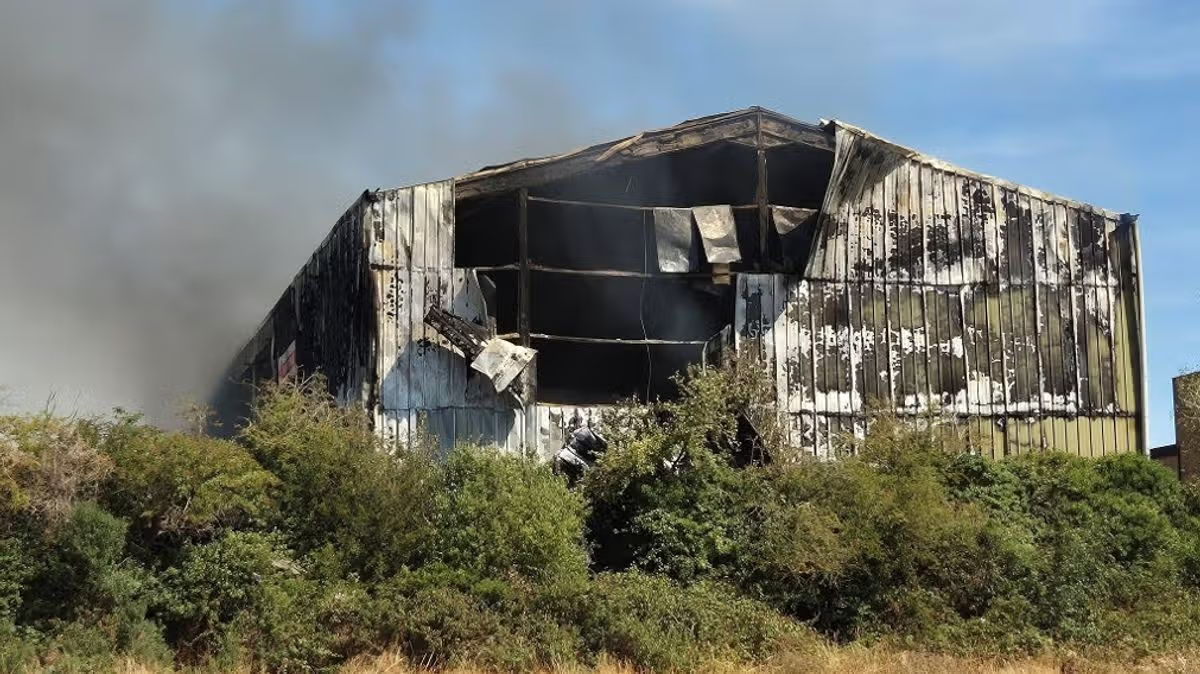
Firefighters remain on the scene of a large building fire in Cambridgeshire. Cambridgeshire Fire and Rescue were called to a “well-developed” fire at the Biffa Waste Management Transfer Station in Marston Road, Eynesbury, just before 11am on Tuesday (August 11).
More than 200 tonnes of waste had caught fire. Locals were advised to keep their windows and doors closed while the fire was dealt with.
Firefighters have provided an update on the fire as they remain on site on Wednesday (August 12). A fire spokesperson said: “At 10.52am on Tuesday, crews from Wisbech, March, Chatteris, Yaxley, Cambridge, Sawtry, Littleport and St Neots, alongside crews from Bedfordshire were called to a building fire on Marston Road, Eynesbury.
Advertisement
“Firefighters arrived to find a large, well-developed fire in a building involving recycled materials. They worked incredibly hard in sectors to extinguish the fire wearing breathing apparatus and using hose reels.
“Members of the public were asked to close windows and doors if they were affected by the smoke and to stay away from the area. The cause of the fire is believed to be accidental. Crews will continue to be on scene today and will be reinspecting the area.”
Universities have been in the spotlight recently, as Andy Burnham has placed more emphasis on technical education.
Vivienne Stern, chief executive of Universities UK, said she felt “people talking [university] down” may “put off” potential students from the least-advantaged backgrounds.
Stern urged pupils to “make the right decision for you”, adding: “Don’t let politicians make your decision for you.”
Major works on the M3 Lagan Bridge will take place over three weekends in August
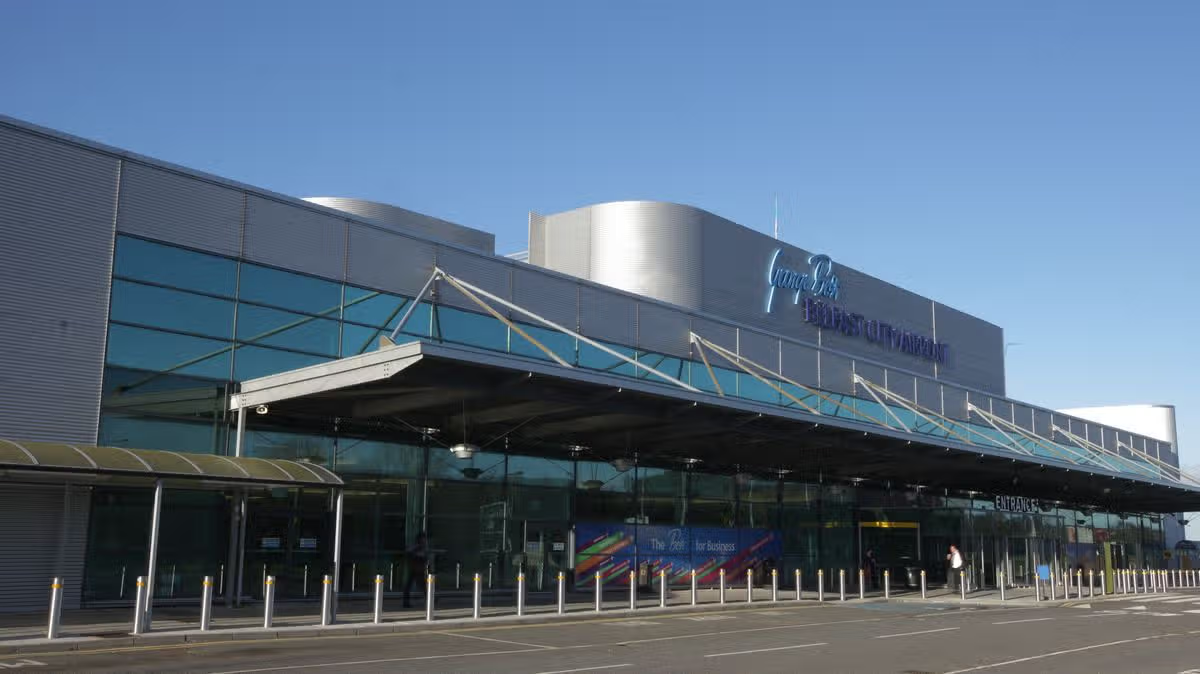
Belfast City Airport has urged passengers to plan ahead as major works on the M3 Lagan Bridge commence this weekend.
Advertisement
The maintenance scheme will take place over three weekends in August, starting this weekend and in a message to those planning to travel, Belfast City Airport says “passengers are encouraged to plan ahead and allow extra time while diversions are in place”.
According to the Department for Infrastructure, this work will be the third phase of bridge bearing replacements following previous phases in 2024 and 2025. To date 18 bearings have been replaced with a further six now planned, affecting the On and Off Slip Roads on the M3 Bridge.
This latest work is planned over three weekends during August with the first weekend of work starting on Friday 14 August until Monday 17 August. Further work will then take place from Friday 21 August to Monday 24 August; and Friday 28 August to Monday 31 August 2026.
During the three weekends various traffic access restrictions will be in place to the M3 On and Off Slip Roads.
Advertisement
The first weekend road closure will impact the westbound carriageway from 9pm on Friday 14 August 2026 until 6am on Monday 17 August 2026 when the M3 Middlepath Street On-Slip Road (Westbound) will be closed.
Anyone wishing to access the M3 from the city centre will be diverted via A2 Middlepath Street, A2 Bridge End, A2 Ann Street, A2 Victoria Street, A2 Dunbar Link, A2 Great Patrick Street, A2 York Street.
In addition lanes 1 and 2 will be closed west bound with no access or egress permitted to M3 Nelson Street Off-Slip Road (west bound) towards A12 Westlink.
This will mean that anyone travelling on to the M3 directly from the Sydenham bypass towards the Westlink or north or west Belfast, will be unable to exit until the M2 Junction 1 Fortwilliam Roundabout Off-Slip Road where they will be redirected onto M2 Motorway southbound towards Nelson Street for their onward journey.
Advertisement
The second weekend road closure will impact the eastbound carriageway from 9pm on Friday 21 August 2026 until 6am on Monday 24 August 2026.
During this time the M3 Nelson Street On- Slip (eastbound) will be closed and traffic will be diverted via A2 Nelson Street, A2 Dunbar Link, A2 Victoria Street, A2 Waring Street, A2 Albert Square, A2 Donegall Quay, A2 Queen Elizabeth Bridge, A2 Middlepath Street.
The third weekend road closure will impact the westbound carriageway from Friday 28 August until 6am on Monday 31 August when the M3 Middlepath Street On-Slip Road (West Bound) will be closed.
Once again anyone wishing to access the M3 from the city centre will be diverted via A2 Middlepath Street, A2 Bridge End, A2 Ann Street, A2 Victoria Street, A2 Dunbar Link, A2 Great Patrick Street, A2 York Street.
Advertisement
In addition, lanes 1 and 2 will be closed westbound with no access or egress permitted to M3 Nelson Street Off–Slip Road (west bound) toward A12 Westlink.
This will mean that anyone travelling on to the M3 directly from the Sydenham bypass towards the Westlink or north or west Belfast, will be unable to exit until the M2 Junction 1 Fortwilliam Off- Slip Roundabout Off-Slip Road, where they will be redirected onto M2 Motorway southbound towards Nelson Street for their onward journey.
DfI says the works have been carefully planned to take place during weekends in the summer period when traffic volumes are lower than average however some delays can be expected so please allow extra time for your journey or if travelling to the ports or airports.
Diversionary routes will be clearly signed on the approaches to the closure and road users are requested to abide by the temporary traffic management arrangements which are in place for the safety of the public and road workers.
Advertisement
All work is subject to favourable weather conditions.
For traffic information about this and other improvement schemes visit: www.trafficwatchni.com.
As the UK swelters through its fifth heatwave of the summer with temperatures hitting up to 38°C, one simple hack could help you sleep cool at night.
Britain is enduring its fifth heatwave of the summer, with temperatures forecast to climb as high as 38°C. Amber “extreme heat” warnings are in place across 12 counties, including London, the South East, East Midlands, East of England, West Midlands, and South Yorkshire.
Advertisement
These warnings run from 9am on Tuesday (August 11) to midnight on Thursday (August 13).
The Met Office expects temperatures to reach 33°C on Wednesday, rising to 37°C or 38°C on Thursday. The UK Health Security Agency (UKHSA) has also issued amber heat health alerts across every region of the UK, valid from 9am on Tuesday (August 11) to 9pm on Friday (August 14).
While the hot weather is great for sunbathing or a trip to the seaside, it makes sleeping much harder.
During a heatwave, bedrooms can quickly become stuffy and uncomfortable. Fans often just push warm air around rather than cooling the room, and while opening windows in the evening can help, noise or security concerns mean many people can’t leave them open overnight.
Advertisement
Living in the South-East, I’ve found the heat relentless this summer. Even with a fan aimed directly at me, I’d often wake up drenched in sweat.
I plan to get air conditioning next year, but this summer I needed a cheaper fix. I decided to try stick-on blackout blinds with a UV-resistant coating and reflective backing to deflect sunlight from my windows.
Some people use tinfoil on their windows for the same effect, but I found it messy and worried it might damage my double-glazed windows.
Advertisement
Blackout blinds are mainly designed to block light, but they can also help keep a room cooler.
According to Broadview Shading Solutions: “Blackout blinds can reduce solar gain – the process by which sunlight heats up a room – by blocking direct sunlight from entering through the window.”
They work best when kept closed during the hottest parts of the day.
Advertisement
Traditional blackout blinds work just as well, but can be costly, especially for larger or awkward-shaped windows.
I first bought the stick-on blinds to block out early-morning light, but they’ve turned out to be great for keeping my bedroom cooler, too.
Priced at just £13.80 on Amazon, they come in a range of sizes and can be trimmed to fit any window.
Advertisement
They attach using sticky-backed velcro on both the frame and the blind, with the reflective side facing outwards.
In the evening, once it cools down, I take the blinds off and open the windows to let fresh air in. Before bed, I close the windows to cut out noise and put the blinds back up so the early morning sun doesn’t wake me.
The only downside is a darker bedroom during the day, but it’s a small price to pay for a cooler night’s sleep.
Jeremy Clarkson moans that he couldn’t see the once-in-a-generation solar eclipse from his Cotswolds home as millions of sky watchers share their stunning snaps of the rare spectacle
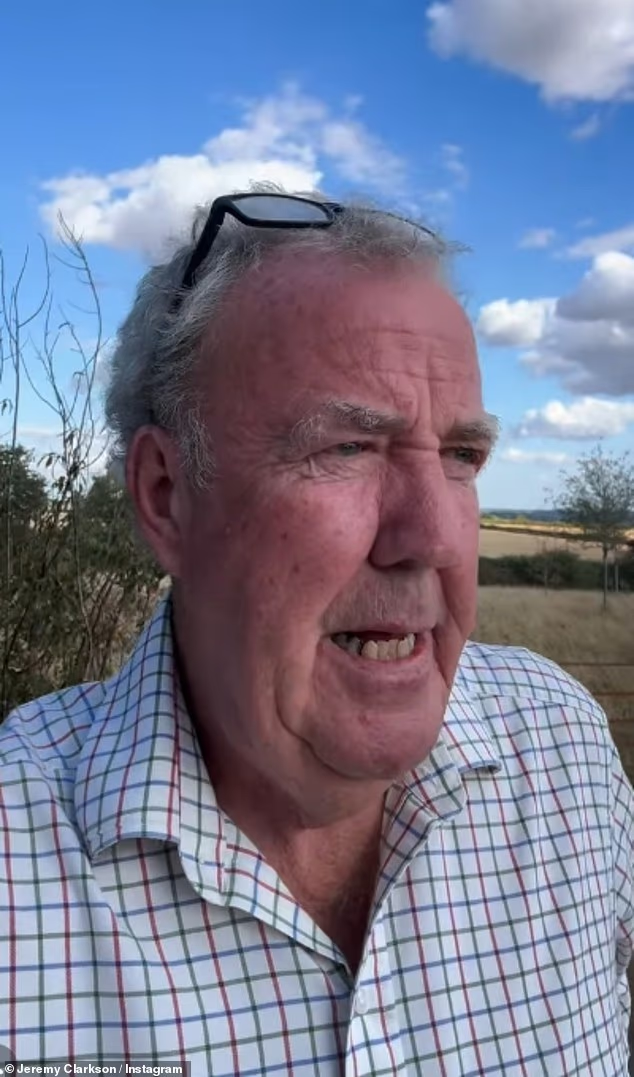
Jeremy Clarkson has moaned that he couldn’t see the solar eclipse from his home in the Cotswolds.
The Clarkson’s Farm star, 66, was one of millions who headed out to catch a glimpse of the rare astronomical event on Wednesday night.
The event saw the moon gradually slide across the face of the sun until it covered up to 96 per cent, with some parts of the country falling into complete darkness.
But as many sky watchers took to social media to share their incredible snaps of the eclipse, Jeremy found viewing it harder than it seemed.
Advertisement
Posting a snap of a bright white blob of the sun across his fields, he penned: ‘So annoying. We didn’t get the eclipse in Chipping Norton.’
The next chance to see an eclipse this deep won’t come to the UK until 2050, and you’ll have to wait until 2090 for the next totality.
Jeremy Clarkson has moaned that he couldn’t see the solar eclipse from his home in the Cotswolds
Advertisement
As many sky watchers took to social media to share their incredible snaps of the eclipse, Jeremy found viewing it harder than it seemed
It comes just days after Jeremy said the harvest at his Diddly Squat Farm is ‘f*****’ as the country prepared for the year’s fifth heatwave.
He posted a screenshot of the BBC weather forecast for Chipping Norton to Instagram on Sunday afternoon with the caption: ‘Harvest already f*****. May as well just enjoy it now.’
The forecast for the Oxfordshire village – near to where the former Top Gear presenter owns the land made famous by the Amazon Prime series Clarkson’s Farm – showed a high of 29C on Sunday.
Advertisement
Chipping Norton is set to endure heat of up to 33C this week as Britain faces a fifth heatwave of the year, while temperatures could reach 36C in parts of East Anglia and the South East.
His farming show, which has been filming for a sixth series in recent months, has featured candid reflection on the difficult realities of British farming and will likely focus on the impact of this year’s hot weather.
Last week the National Farmers’ Union (NFU) warned the Government that Britain could face food shortages because of the long warm and dry spell.
Tom Bradshaw, the NFU’s president, said low rainfall and record-breaking heatwaves which have dried soil could lead to fewer products on supermarket shelves.
Advertisement
He told BBC Radio 4 that the Prime Minister should give farmers tax breaks for water storage systems on their land to prepare for future hot weather.
The solar eclipse seen next to Big Ben, London
It comes just days after Jeremy said the harvest at his Diddly Squat Farm is ‘f*****’ as the country prepared for the year’s fifth heatwave
Tom said: ‘Those other countries around the world that we currently rely on to produce our food and vegetables, their climates are changing as well.
Advertisement
‘It does feel like there is going to be shortages of [food] products.
British farmers had already been hit by winter flooding this season, which affected planting, before drought and hosepipe bans compounded their woes in recent weeks.
England and Wales saw their driest July ever recorded, with some counties seeing 1mm or less of rainfall across the entire month, the Met Office said.
Wheat farmers have said their crop is half its normal height and England is experiencing its earliest-ever harvest as farmers bid to salvage their lacklustre yields.
Advertisement
Jeremy’s 1,000-acre farm has previously produced traditional crops including wheat, barley and rapeseed alongside potatoes, mustard and clover.
But he said in July he had deliberately left 200 acres uncropped this year because planting wheat or barley would have guaranteed financial losses.
He warned it was becoming ‘quite simply impossible’ to make money from growing food and warned more farmers could be left with little choice but to use their land for other means.
Advertisement
Share or comment on this article:
Jeremy Clarkson moans that he couldn’t see the once-in-a-generation solar eclipse from his Cotswolds home as millions of sky watchers share their stunning snaps of the rare spectacle
NEWARK, N.J. (AP) — U.S. immigration officials said Wednesday that they didn’t publicly disclose the death of a Guatemalan man who had a seizure at a New Jersey detention center because they weren’t notified that he died after they sent him to the hospital.
Jose Chajon-Raxon had the seizure July 19, a day after being processed into Delaney Hall, a privately run immigration jail in Newark, the Department of Homeland Security said in a statement. DHS officials said Chajon-Raxon was “taken to the hospital and released from ICE custody on July 22.”
The department didn’t say what happened after he went to the hospital, when he died, or whether he was released from the hospital before his death.
“Per ICE policy, when an individual is no longer in ICE custody then ICE will no longer be responsible for monitoring or reviewing deaths that may occur. This is common sense,” the DHS statement said.
Advertisement
This is part of a policy change announced earlier this year in which the agency no longer reports deaths that occur within 30 days of someone’s release from custody. The move rescinds a 2021 policy implemented by the Biden administration.
U.S. Rep. Rob Menendez, a New Jersey Democrat who has routinely visited Delaney Hall, said the policy change creates a “loophole” where the agency can release someone from its custody and then “claim it has no responsibility to investigate their death or inform Congress and the public.”
Advertisement
“ICE — consistent with the entire ethos of the Trump Administration — is dead set on avoiding public scrutiny and taking any accountability for its failures,” he said.
Advertisement
DHS said in the statement that ICE “remains committed to transparency regarding detainee deaths.”
Chajon-Raxon’s death first became publicly known when it was disclosed by Menendez last week following the death of another detainee in early August.
He told reporters that ICE granted the person a “discretionary release” from custody after they were taken to a hospital and lost consciousness, and the person died shortly afterward. At the time, he did not identify the person.
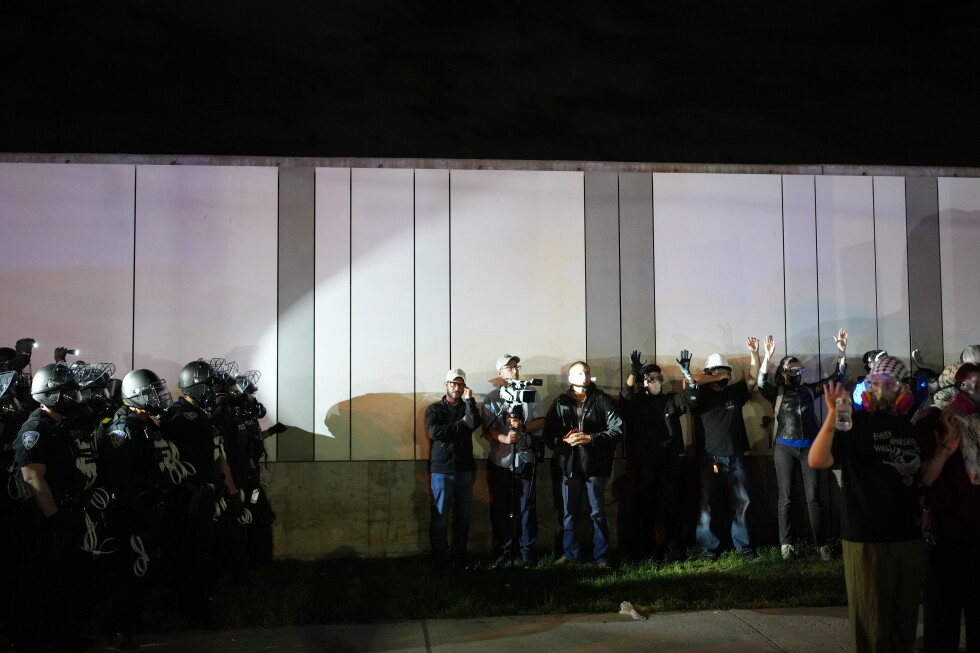
In recent months, Delaney Hall has been the site of fierce protests by immigration advocates, with demonstrators at times attempting to block vehicles from entering or leaving the facility. Earlier this year, some people held at the jail launched a hunger strike over the conditions, according to Cosecha, an immigrant advocacy group.
Advertisement
The facility is owned by Geo Group, a private prison contractor that operates multiple detention centers across the country. The contractor didn’t not immediately respond to email from The Associated Press requesting comment.










![When Does This End? [Bitcoin Hacks Just Keep Coming].](https://wordupnews.com/wp-content/uploads/2026/08/1786598044_maxresdefault-80x80.jpg)








































You must be logged in to post a comment Login