Connect with us
DAPA Banner
DAPA Coin
DAPA
COIN PAYMENT ASSET
PRIVACY · BLOCKDAG · HOMOMORPHIC ENCRYPTION · RUST
ElGamal Encrypted MINE DAPA
🚫 GENESIS SOLD OUT
DAPAPAY COMING

NewsBeat

Full list of 27 reasons for DWP Universal Credit sanctions

Published

on

Cambridgeshire Live

The DWP has the power to deduct money from Universal Credit payments for a number of reasons, including to pay for rent arrears or benefits overpayments

The Department for Work and Pensions (DWP) has published the complete list of 27 grounds for imposing Universal Credit benefit sanctions.

Advertisement

Universal Credit is a means-tested benefit that was initially launched in the UK to supersede the previous benefits system in 2013. By 2018, all new claimants were obliged to apply for UC, while those already receiving legacy benefits continued to receive their existing awards.

The DWP holds the authority to reduce Universal Credit payments for various reasons, including to recover rent arrears or benefits overpayments. According to the DWP website, money can be deducted from your Universal Credit payments to cover things such as:

  • Child maintenance
  • Court fines
  • Rent arrears
  • Overpayments or arrears from tax credits, Council Tax, Housing Benefit, Employment and Support Allowance (ESA), and Jobseeker’s Allowance (JSA)
  • Utility debts, like electricity, gas and water

However, deductions cannot be made from elements such as your child allowance, childcare and housing costs, reports the Manchester Evening News.

The Government department outlines 27 grounds for reducing Universal Credit payments specifically through benefit sanctions.

This occurs when the DWP believes you have not fulfilled everything you committed to do as part of your ‘claimant commitments’ – resulting in a reduction to your payment.

Advertisement

Examples of why a claimant might face sanctions include missing an interview, voluntarily leaving employment and not applying for jobs.

On the GOV.UK website, it confirms that claimants must ensure they fully understand all the requirements they must meet to receive Universal Credit, and the consequences if they fail to complete one or more of their work-related activities. It also states that ensuring your claimant commitment remains current by reporting any changes to your circumstances is essential.

Below is the complete list of 27 reasons for Universal Credit benefit sanctions from May 2016 to the present day, along with the number of sanctions issued for each reason.

Full list of 27 reasons for Universal Credit benefit sanctions

  • Failure to Attend or Participate in a Mandatory Interview: 578,758
  • Failed to comply with an interview requirement: 567,776
  • Availability for Work: 32,264
  • Employment Programmes: 22,053
  • Failed to participate in an employment programme: 21,917
  • Failed to undertake all work search action: 21,639
  • Reason for leaving previous employment: 9,538
  • Failed to comply with a work focused interview requirement: 8,738
  • Left work voluntarily: 5,968
  • Failed to undertake particular specific work preparation action: 5,436
  • Lost work because of misconduct: 3,563
  • Failed to apply for a job: 3,519
  • Failed to comply with an interview requirement self employed: 2,243
  • Other: 1,429
  • Failed to undertake particular specific work search action: 1,099
  • Lost pay voluntarily: 726
  • Loss of pay through misconduct: 437
  • Failed to accept an offer of paid work: 300
  • Failed to maintain a CV: 238
  • Failed to be available to take up work: 182
  • Failed to attend skills assessment: 90
  • Failed to participate in training: 81
  • Failed to participate in work experience or work placement: 52
  • Failed to comply with requirement to provide evidence or confirm compliance: 21
  • Failed to comply with requirement to report specified change in circumstances relevant to work related requirements: 8
  • Failed to improve personal presentation: 7
  • Unknown: 5

Source link

Advertisement
Continue Reading
Click to comment

You must be logged in to post a comment Login

Leave a Reply

NewsBeat

Corporate courage: how cross-sector talent is powering renewables innovation

Published

on

Corporate courage: how cross-sector talent is powering renewables innovation

Clean energy is being reshaped by cross-industry thinkers, from aerospace engineers to banking boffins, and beyond

Supported by:

When Lynne McIntosh-Grieve was a young engineer working for Rolls-Royce, she made a bit of a name for herself “as something of a ‘fixer’”: someone who could go into companies in the supply chain and “problem-solve – look at their processes and understand what was going wrong, or what might work better”. 

Advertisement

Among other places, this took her to India: a “fantastic experience”, but quite an eye-opener, for both her and the plant she was visiting. “I was really young, you know, and I looked quite different to the people that were typically walking round the factory. I’m a six foot tall blonde Scots lassie, so that was interesting for the staff there!” 

Confounding expectations, in other words, which has been something of a theme: not just for McIntosh-Grieve, but for the way in which renewable energy has flourished thanks to workers transitioning into the sector from a range of other industries. It’s a much-needed transition, too. According to the UK’s National Grid, by 2050 the workforce employed in delivering net zero will need to number around 400,000, of which 260,000 will be new roles.

So there are some serious skill shortages to be overcome. That sounds like a stretch, but people like McIntosh-Grieve prove it’s far from impossible. 

Advertisement

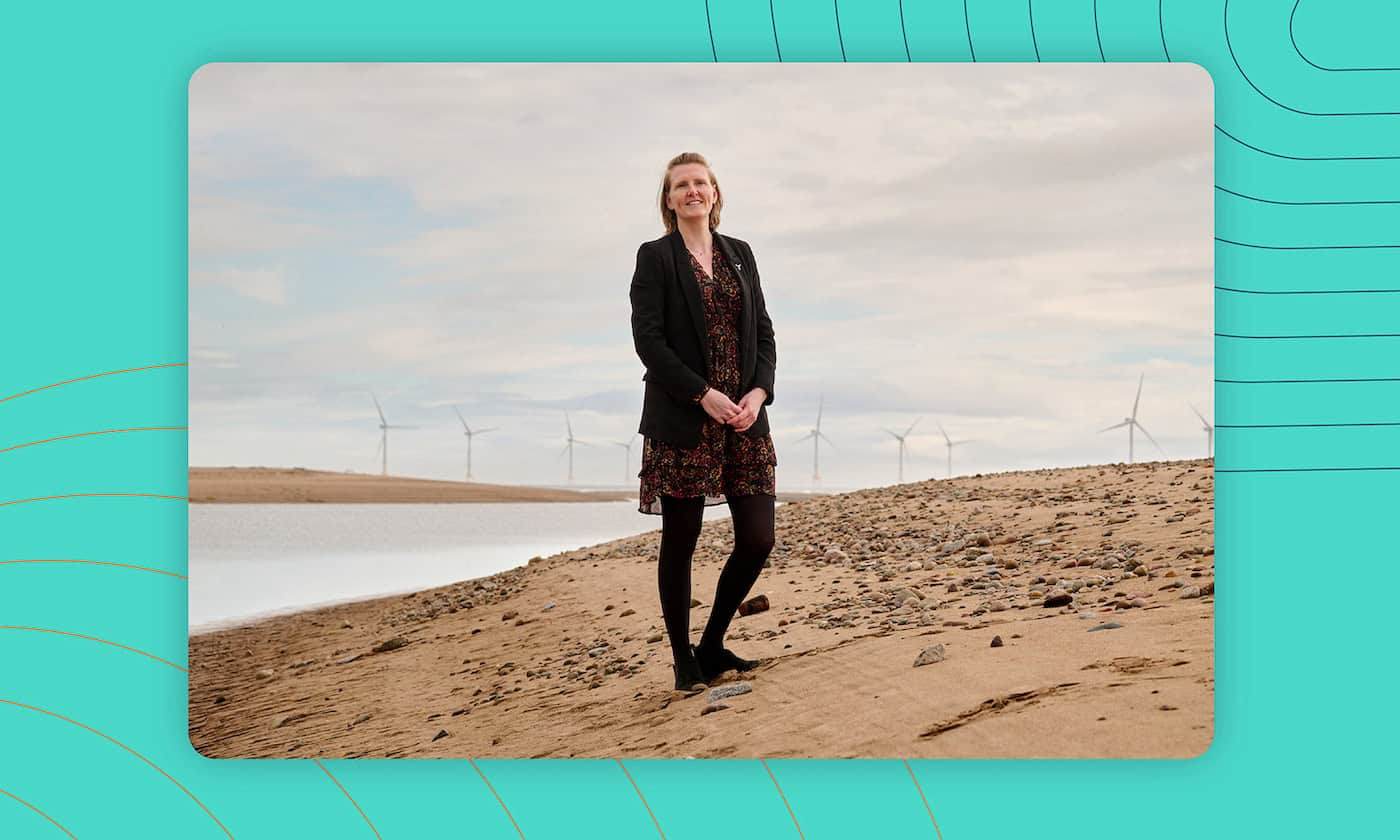
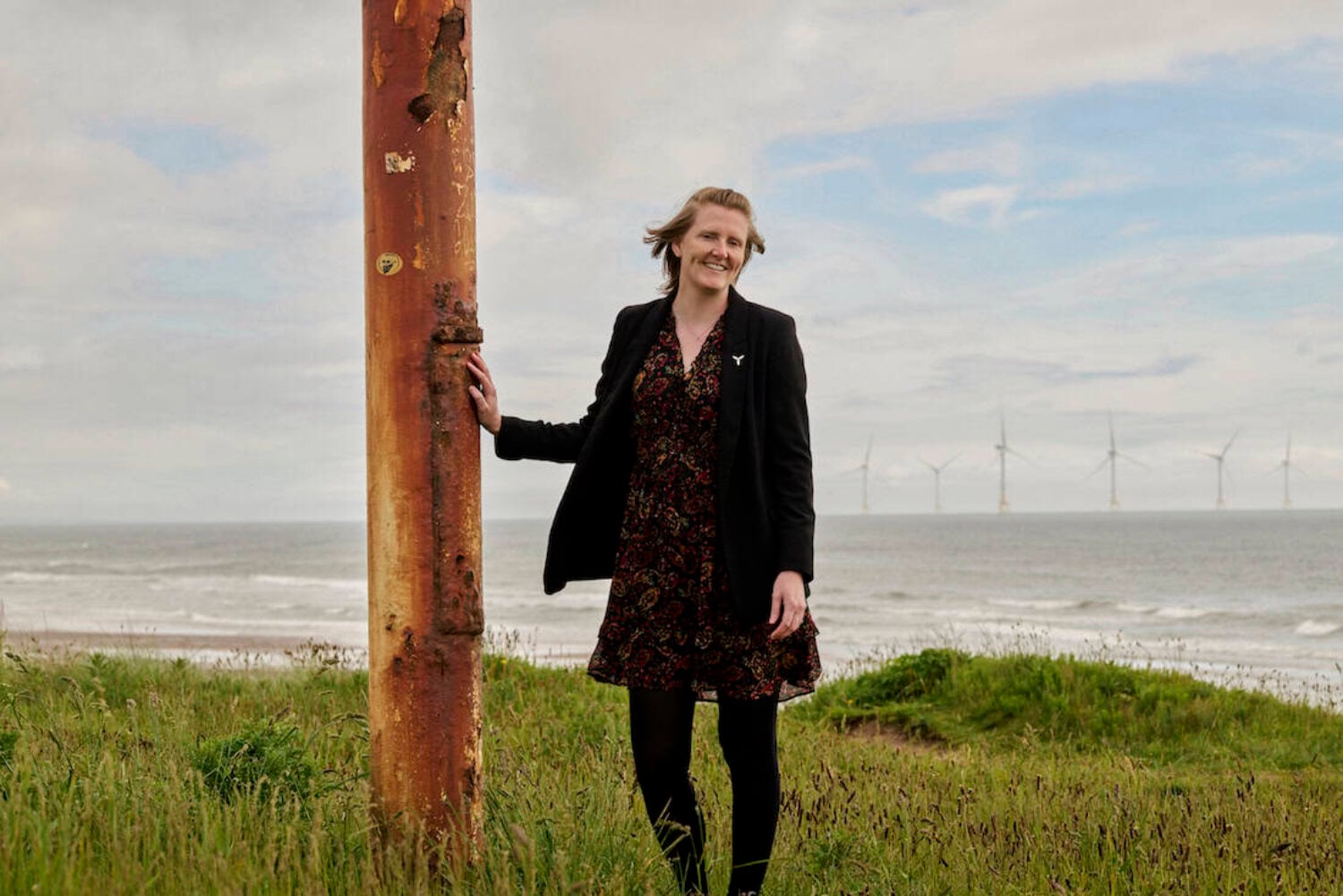
Lynne McIntosh-Grieve, head of programme delivery at the Offshore Wind Growth Partnership, on the Aberdeenshire coast

She was born and grew up in Clydebank, outside Glasgow: once a thriving industrial town, home to the “good old Singer sewing machines and the John Brown shipyards”. But by the time she came on the scene in the late 80s, it was deindustrialising fast, and job prospects for its young people seemed slim at best. 

Nonetheless, buoyed by “fantastic teachers, who really championed their pupils to aim high”, she won a place at the University of Strathclyde for a master’s in mechanical engineering. Academic life, though, wasn’t entirely her cup of tea. “I liked things that were hands-on. I liked the physical aspect of making things work, putting them together, taking them apart and putting them together again, and the university environment [doesn’t always provide] that type of experience. It was quite difficult to see what you might end up doing in real life.” 

Advertisement

So when one day in the common room, she saw a flyer advertising a summer placement at RollsRoyce, she jumped at the chance. Invited to an assessment at the company’s Derby engineering base, she looked around at the other candidates and felt “really nervous. There were a lot from more ‘esteemed’ backgrounds, from the Oxfords and Cambridges of this world. I was one of the only females there, I spoke and sounded different to everyone else. I stood out like a sore thumb, basically.” 

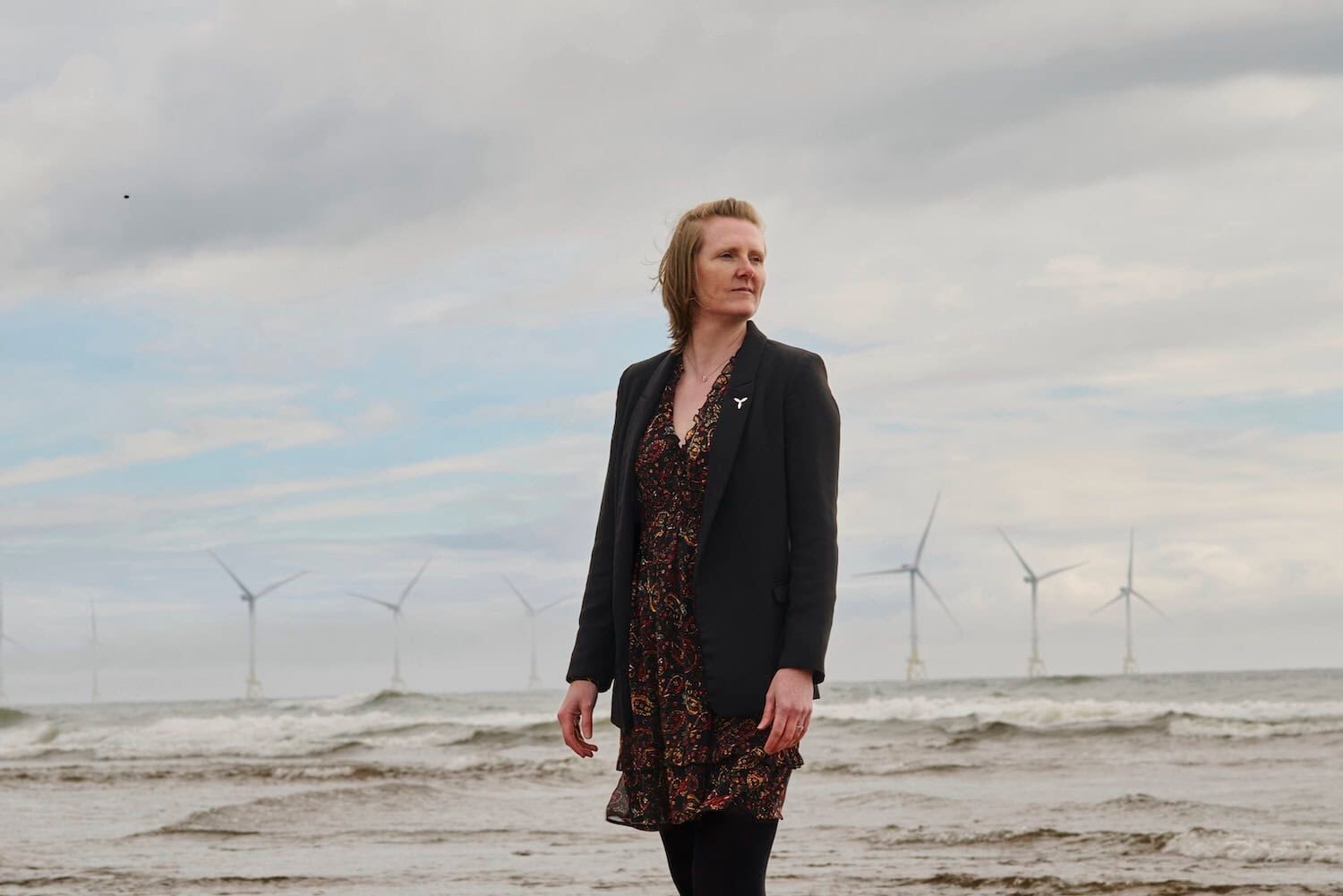
After starting out in aerospace engineering, McIntosh-Grieve now helps UK businesses seize opportunities in offshore wind

Advertisement

But McIntosh-Grieve’s obvious practical skills, and her enthusiasm for her work – which positively tumbles out of her as she talks – secured her a placement. After graduating with a first-class degree she joined Rolls-Royce in 2010 as a graduate trainee. Working on new ways of making compressor airfoils (key components of a gas turbine engine) she won rapid promotion to advanced manufacturing engineer, and soon embraced her ‘fixer’ role. 

A round of redundancies unsettled the working atmosphere, though, and while her own job was never at risk, by 2015 she’d decided to move on. Her next berth was at the University of Strathclyde’s Advanced Forming Research Centre, one of the High Value Manufacturing Catapult. (The catapults – there are nine in total – are part of Innovate UK’s government-backed initiative to provide the sort of cutting-edge R&D facilities that can help British business recover its knack for innovation.) 

The work itself played to her enthusiasm for robust, hands-on practicality, involving “hot metal forging. Lots of bashing big bits of metal, basically.” And if that sounds a little … basic, she’s quick to point out it had applications in everything from aerospace and civil nuclear power to medical technologies. So quite sophisticated bashing, then. 

Within a month, McIntosh-Grieve was promoted to team lead. “I’d never led people before, and here I was leading people with a lot more experience than me. So that was a steep learning curve, let’s put it like that.”  

Advertisement

These businesses really do have the appetite, the tenacity, to make things happen. That’s what gets me out of bed in the morning

In any case, learn she did, and she now harnesses that learning by acting as a STEM ambassador, regularly speaking in schools, offering the sort of female role model that was largely lacking for her as a young woman. Meanwhile, she progressed with growing confidence, until within a few years she’d risen to be chief technologist on its future of forging programme, today FutureForge 

Then in 2020, she made the leap to renewables. Why? The immediate trigger was personal: her partner lived and worked in Aberdeen, home to a wide range of energy activity, both in the traditional oil and gas sector, and the fast-emerging renewables one. Increasingly, the former, as it starts to wind down, is helping provide the recruits needed to power the growth of the latter. 

Initiatives like the North Sea Transition Deal are helping to ease the passage for workers from one sector to another, as is a training programme initiated by the Engineering Construction Industry Training Board. 

For McIntosh-Grieve, both the new and old energy sectors had their appeal. “I explored both – but then the role came up in the Offshore Wind Growth Partnership, and I thought it looked really interesting’”. Managed by another catapult – the Offshore Renewable Energy (ORE) one – the partnership helps British companies exploit the many and varied opportunities in the sector’s supply chain. 

Advertisement

‘Those who work with or for me can bring their full self to work in whatever way that means, because everyone’s got something to offer here’

As head of programme delivery, she helps those outside it learn how to break in, and those already within it with issues like cost-competitiveness and capabilities, so they can really compete at national and international level. “The ones I most enjoy working with are the family-owned businesses,” says McIntosh-Grieve. “Because the UK has so many of these that are doing phenomenal work, and they just need a little bit of help [to break through].”  

Advertisement

Her face shines with pride as she enthuses about businesses she’s supported that have gone on to “do amazing things, growing their companies three, four, five times over. These businesses really do have the appetite, the tenacity, the get-up-and-go to make things happen. That’s what gets me out of bed in the morning. I get quite passionate about manufacturing in the UK.” Confounding expectations, again, then – in this case, on behalf of British business’s potential to compete on the world stage. 

It’s a stage that’s growing bigger all the time, as even traditional energy centres diversify into renewables. Take Houston, Texas, arguably the beating heart of Big Oil, but now increasingly a hub for low-carbon startups. Initiatives like its Renewable Energy Alliance Houston are seeking to harness the experience of Texas’s oil and gas sector to boost the region’s new energy potential. 

Everyone’s got something to offer here. When people meet each other with care and compassion and empathy, that’s where the good stuff happens

Such programmes emphasise that you don’t have to be a dyed-in-the-wool green activist to embrace its opportunities. For her part, McIntosh-Grieve is quick to admit that she’s not a dedicated environmentalist, “but I’m interested in technology, and how to apply it in different ways. And the more I learned about the sector, the more I realised just how important it will be to the future energy system of the UK. It sparked my curiosity, and [my interest in it] snowballed.” 

The work appealed to her strengths on the technical front, but ORE Catapult appealed in other ways too. As a gay woman in engineering, she’d met in the past with some “unfortunate” reactions when she came out, but her decision to be completely open about herself was vindicated at the interview. “I remember saying: ‘I’m planning to get married, and my wife and I are going to live in Aberdeenshire’, and they were just like: ‘Oh great! When’s the wedding?’. It was the first time I really felt I could bring my whole self to work.” 

Advertisement

It’s something she feels passionate about beyond issues of sexuality, trying to ensure that “those who work with or for me can bring their full self to work in whatever way that means, because everyone’s got something to offer here. When people meet each other with care and compassion and empathy, that’s where the good stuff happens.” 

Skill swaps

Who’s moving into renewables – and why it matters

According to the International Renewable Energy Agency (IRENA), renewable energy employment worldwide is set to grow from 12.7m jobs in 2022 to 42m by 2050. That will open up opportunities for people with skills from a wide range of sectors. Among those well placed to make the transition into renewables are those with experience in the following:

Advertisement
Aerospace

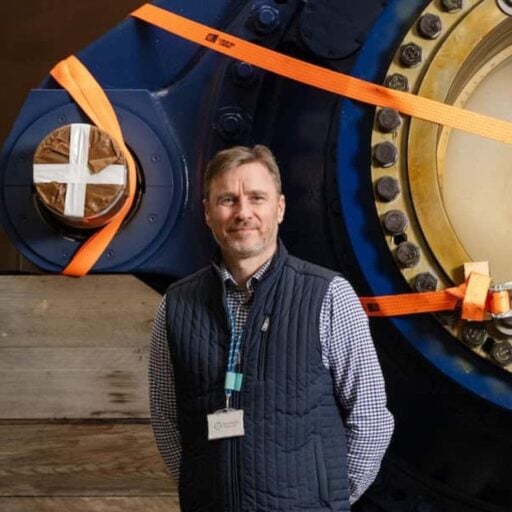
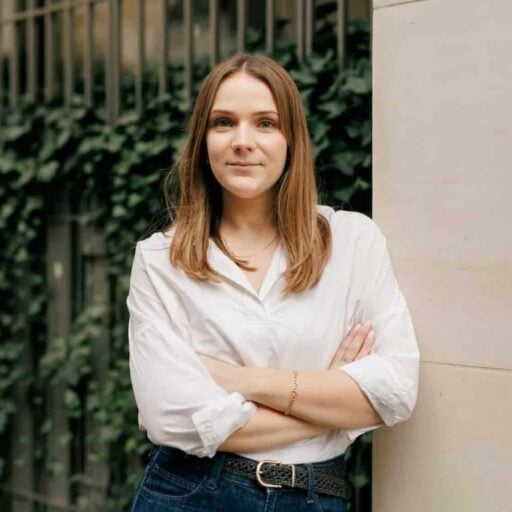
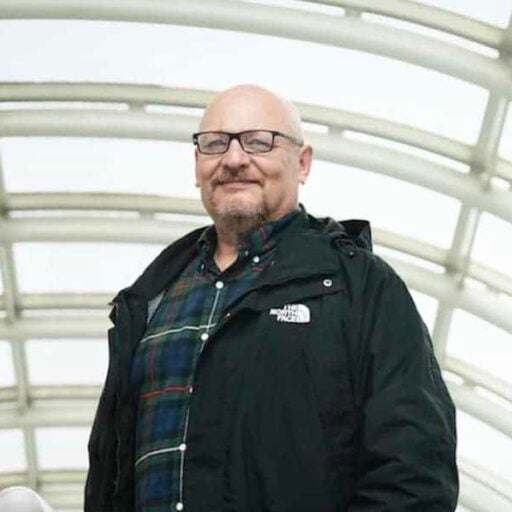
Engineering nous combined with an understandable emphasis on safety lend themselves well to renewables, as both McIntosh-Grieve and others such as James Barry (pictured left), another former Rolls-Royce employee, demonstrate. 

Image: Gordon Burniston

Advertisement
Automotive

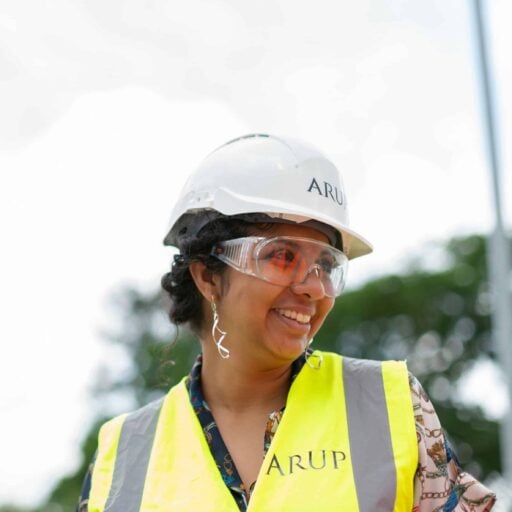
Even before the rapid rise of electric vehicles (EVs), batteries and electronics played a key part in cars and trucks. Skilled automotive engineers are well-placed to lead the EV transition, as is happening at second life battery specialists Connected Energy. (Pictured right is Tania Saxby, head of sustainability at Connected Energy.)

Image: Sam Bush

Advertisement
Construction

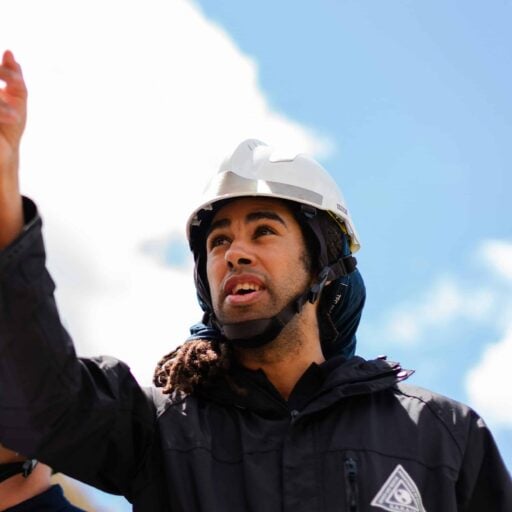
Specialists in large-scale structures, such as major building projects, have some highly relevant skills when it comes to wind farms, as one-time tower crane operator Chris Akehurst (pictured left) discovered.

Advertisement

Image: Asnaya Chou

Engineering
Advertisement

Whether in wind, solar, hydro, wave or tidal power, engineering skills – not least electric engineering – are key to the successful design and deployment of renewables.

Image: Unsplash/ThisisEngineering 

Advertisement
Oil and gas

A wide range of expertise in oil and gas is transferable, according to the Renewable Energy Institute, which specialises in skills for the transition. It suggests that up to 90% of oil and gas workers already have skills relevant to green energy roles, including those in offshore engineering, power distribution and project management.  

Image: Unsplash/ThisisEngineering 

Advertisement

Beyond such specific technical expertise, the burgeoning renewables sector will, like all rapidly growing industries, require contributions from finance, health and safety, IT and AI, sales and marketing and, of course, sustainability specialists. Such is the speed and scale of the sector’s growth, that pretty much any skillset will be relevant – and, indeed, much needed.

Main photography: Callum Chapman

Advertisement

Source link

Advertisement
Continue Reading

NewsBeat

Toyota crashes into A47 barrier as drivers told ‘avoid area’

Published

on

Cambridgeshire Live

Drivers were advised to find alternative routes

A car crashed into a barrier on a busy Cambridgeshire road on Wednesday, June 10, which caused delays for motorists. Cambridgeshire Police were called at 6.43am this morning with reports of a car, a Toyota, crashing into a barrier on the A47.

This happened near to the Brotherhoods Retail Park roundabout in Peterborough. The force has confirmed that the man driving the Toyota was not injured.

At the time of the incident, a spokesperson for Cambridgeshire Police urged motorists to “avoid” Brotherhoods Roundabout due to the collision. Drivers were advised to find alternative routes in order to avoid delays. The vehicle has since been recovered.

Advertisement

A spokesperson for Cambridgeshire Police said: “We were called at 6:43am today (10 June) with reports of a car, a Toyota, crashing into a barrier on the A47 near the Brotherhoods Retail Park roundabout in Peterborough.

“The man driving the car was not injured and the vehicle has now been recovered.”

Source link

Advertisement
Continue Reading

NewsBeat

Defying Trump may help Collins in Maine while it hurts other GOP incumbents

Published

on

Defying Trump may help Collins in Maine while it hurts other GOP incumbents

PORTLAND, Maine (AP) — This election year is déjà vu for Sen. Susan Collins — the Maine Republican is running for reelection as Democrats pin their hopes on a new candidate to defeat her. Last time, it was state lawmaker Sara Gideon. This time, it’s combat veteran and oyster farmer Graham Platner.

But Collins has proven to be a hard target for Democrats over the years — even for candidates without the baggage of Platner, who has faced criticism for his relationships with women, inflammatory online posts and a previous tattoo recognized as a Nazi symbol. Collins is seeking her sixth term with sky-high name recognition, a record-breaking run of consecutive Senate votes and a history of bringing back federal funding for her state for years.

She is also the rare Republican who sometimes can boost her own popularity back home by keeping her distance from President Donald Trump, and she has perfected that delicate dance even as his tightening grip on the party has cost two of her Senate Republican colleagues their reelection.

Sens. John Cornyn of Texas and Bill Cassidy of Louisiana lost their primaries when facing Trump-endorsed opponents. But despite the president’s complaints about Collins, he did not campaign against her. Years of practice have made her adept at staying close — but not too close — to the president when it is politically advantageous, and moving away when showing an independent streak is helpful.

Advertisement

“She’s shown time and time again where her state’s electorate is. She understands what’s too far, she understands where she needs to be,” said political consultant Matt Mackowiak, who worked for Cornyn’s failed reelection campaign. Trump endorsed Cornyn’s opponent, Texas Attorney General Ken Paxton.

The road to Senate control goes through Maine

The Democrats need to flip four seats to take control of the Senate in November and hope that Trump’s falling approval ratings and the war in Iran — as well as its subsequent effect on oil prices and the economy — could buoy their chances. Maine is among the top targets, along with Alaska, Ohio and North Carolina.

Platner wants to make the case that Collins isn’t as independent of Trump as her reputation suggests — repeatedly noting that she allowed his Supreme Court nominations to go through, which in 2022 led to the overturning of Roe v. Wade, a landmark 1973 decision that legalized abortion, among other major issues.

“Susan Collins may have started her career decades ago in Washington with good intentions, but she has become just as spineless and corrupt as the establishment she now serves,” Platner said at a victory party on Tuesday.

Advertisement

Platner supporters are ready for change, said John Keenan, of Sullivan, Maine.

“I think Maine has grown tired of the same old system,” he said. “And putting youth into the campaign, with new instead of a rubber stamp, is very refreshing.”

Trump has often criticized Collins — but not lately

Even as she faces Platner in November, Collins may have to stay wary of Trump. The president has spent years singling her out for daring to occasionally defy him on some issues.

However, he’s refrained from doing so more recently — especially as Collins failed to draw a credible challenger and cruised to a Republican primary victory.

Advertisement

The White House declined to comment. Political advisers close to Trump, however, said the president understands how critical it is that Republicans maintain control of Congress after November, which requires accommodating Collins. Trump understands the need to avoid a Republican wipeout like 2018’s “blue wave” midterms that saw Democrats flip the House and derail much of the last two years of his first-term plans.

“Senator Susan Collins represents the people of Maine first and foremost and has proven herself to be a dedicated public servant,” said Republican National Committee spokesperson Kristen Cianci in a statement.

Collins spokesperson Blake Kernan said the senator “has worked with five different Presidents throughout her Senate tenure, and has never agreed with any of them on every issue.”

“When she agrees with an effort, she will support it; when she disagrees, she does not hesitate to speak up for what she believes is the right outcome for Maine and for America,” Kernan said in a statement.

Advertisement

Other Republicans ran into trouble with Trump

That didn’t work out for some Republican senators.

Cornyn was among his party’s top voices, rising through the ranks after joining the Senate in 2002. Paxton trounced him in a runoff race days after Trump endorsed the attorney general.

In office since 2015, Cassidy voted to convict Trump during his impeachment trial after the U.S. Capitol siege on Jan. 6, 2021. He lost his primary to Trump-endorsed state Rep. Julia Letlow.

Maine figures to be a more competitive race in November — as evidenced by Trump recently refraining from singling out Collins. That’s despite her voting last week with Democrats to block the nearly $1.8 billion fund the president wanted to create to benefit allies that he claims were unfairly targeted by law enforcement.

Advertisement

“She’s always down in the polls and she survives,” Trump conceded when asked about Collins in an interview with the New York Post last week.

Collins defeated Gideon, the Maine House speaker, by almost 9 points in 2020, the same year that Biden beat Trump by a similar margin in the state.

Mackowiak said “there’s just no pathway to a MAGA senator from Maine.”

“It does appear that the Trump political operation is soberly analyzing the electoral environment in Maine and really kind of follows her lead as it relates to that state and that race, particularly this cycle,” he said.

Advertisement

Maine Republicans are ‘a bit more pragmatic’

Chuck Ellis, a Republican from Westbrook who runs a digital marketing company, said Collins’ reluctance to move in lockstep with Trump can be a plus.

Although there are some “hard-line” voters who may disapprove, Ellis said, “ultimately a lot of your conservatives, your Republicans, are people who are a bit more pragmatic.”

After Collins opposed the White House’s signature tax cut and spending package last year, and voted against a proposal to claw back $9 billion in foreign aid and public media funding, the president complained about her on social media.

“Republicans, when in doubt, vote the exact opposite of Senator Susan Collins,” he wrote.

Advertisement

Then, in January, Trump lashed out at the “stupidity” of Collins and four other Senate Republicans who joined Democrats to start a debate over restricting the president’s use of force in Venezuela.

She later received a profanity-laced call from Trump.

White House may keep a further distance from Collins’ race

As chair of the powerful Senate Appropriations Committee, Collins last week cast her 10,000th Senate vote in a row, setting a record.

“She has been able to do and show that ‘I am bringing money and resources from the federal government to Maine to help Maine,’” Ellis said.

Advertisement

The president is unlikely to travel to Maine ahead of November despite visiting other states with key Senate races, like Iowa and Michigan. He could even campaign personally for Paxton.

Vice President JD Vance has been to Maine, where he promoted his anti-fraud task force. Collins didn’t attend Vance’s speech in Bangor last month where he acknowledged the senator’s distance from the Trump administration.

“If she was as partisan as I sometimes wish that she was,” Vance said, “she would not be a good fit for the people of Maine.”

___

Advertisement

Weissert reported from Washington.

Source link

Advertisement
Continue Reading

NewsBeat

Man and boy rushed to hospital after suspected poisoning with ‘unknown substance’

Published

on

Daily Record

A man in his 40s and an 11-year-old boy were taken to hospital in Hyde, Tameside, after emergency services rushed to Carter Street amid reports of a suspected accidental poisoning involving an unknown substance.

A man and boy have been rushed to hospital after a suspected poisoning.

Officers are looking into whether the pair, Tameside, Greater Manchester, were ‘accidentally poisoned’. Emergency services descended on Carter Street in Flowery Field, Hyde, on Tuesday evening (June 9).

Greater Manchester Police says it received a call regarding concerns for the pair’s welfare at 8.10pm. The incident involved an ‘unknown substance’, according to Greater Manchester Fire and Rescue Service (GMFRS), reports the Manchester Evening News.

Advertisement

Police, paramedics and firefighters attended as part of a major emergency response. A man in his 40s and an 11-year-old boy were taken to hospital from the scene.

It’s understood officers are treating the incident as a potential accidental poisoning.

A GMFRS spokesperson added: “At around 8.25pm on Tuesday, June 9 2026, a number of appliances from Greater Manchester Fire and Rescue Service attended an incident at Carter Street, Hyde.

“The incident involved two casualties affected by an unknown substance. Fire crews made the scene safe and remained at scene just over two hours.”

Advertisement

Source link

Continue Reading

NewsBeat

Homes and cars torched across city as violent disorder erupts around Belfast

Published

on

Wales Online

Police asked people to “remain calm” as masked men took to the streets to riot

Homes and cars have been set on fire as violent protests take place across Belfast following a stabbing in the city on Monday night. Stephen Ogilvie, who is in his 40’s, remains in serious condition in hospital with injuries to his eye, face and back after the knife attack.

Advertisement

A 30-year-old Sudanese man has been charged with attempted murder, possession of an article with blade or point in a public place and threats to kill after the incident at around 10.30pm on Monday, June 8.

Police in Northern Ireland have asked the public to “remain calm, act responsibly, and avoid any activity that could place themselves or others at risk” after a night of rioting across Belfast. Don’t miss a court report by signing up to our crime newsletter here

Groups of masked men were seen kicking in doors and setting fires to properties and vehicles as they were heard shouting “foreigners out” due to the ethnicity of the man charged being revealed.

Assistant chief constable of the Police Service of Northern Ireland, Ryan Henderson said on Tuesday evening: “Sporadic pockets of disorder have broken out in a number of locations across Northern Ireland this evening, including incidents in which a number of vehicles have been set on fire.

“We are urging everyone to remain calm, act responsibly, and avoid any activity that could place themselves or others at risk. Officers are on the ground, working alongside partner agencies, responding to incidents as they arise and helping to keep people safe.

“We are again appealing for calm and ask all voices of influence within local communities to encourage peaceful protest and discourage any involvement in violence or disorder.”

Police were made aware of numerous social media posts initiating protests spread widely across Northern Ireland.

Anti-migrant groups have been reported as being the instigators of the protests, calling for people to take to the streets of Belfast overnight.

On Tuesday, ACC Henderson said: “Throughout today we have been liaising with senior counter-terrorism officials. Due to the nature of the attack, at the stage we have no information to suggest this was terrorist-related. However, we are still at the early stages of our investigation.

Advertisement

“This brutal attack will understandably have sent shockwaves through the community. I want to reassure all our communities, safety is our priority and we are currently engaging with local representatives and residents to provide reassurance and support.”

The 30-year-old man charged with attempted murder is due to appear at Belfast Magistrates’ Court today, Wednesday June 10.

Get daily breaking news updates on your phone by joining our WhatsApp community here. We occasionally treat members to special offers, promotions and ads from us and our partners. See our Privacy Notice

Source link

Advertisement
Continue Reading

NewsBeat

John Swinney says Scotland must stand against racism and intimidation after Belfast attack sparks ‘unacceptable’ protests

Published

on

Daily Record

The First Minister slammed demonstrations in Glasgow, Edinburgh and Ayr last night as “unacceptable”.

John Swinney has called on Scots to stand against “racism, hatred and intimidation” after a violent knife attack in Belfast sparked angry protests last night.

Police Scotland was forced to deploy dozens of officers last night as demonstrations in Glasgow, Edinburgh and Ayr turned ugly.

But the most shocking scenes were witnessed in the Northern Irish capital where witnesses described homes and cars belonging to black people were deliberately set on fire by mobs.

Advertisement

Rioting broke out in Belfast following an “attempted beheading” which saw a 30-year-old male Sudanese national charged with attempted murder.

In a post on social media, Swinney said: “The scenes we saw in Glasgow, Edinburgh and Ayr last night are unacceptable.

“Scotland is a welcoming nation and those who choose to make their lives here are valued members of our communities.

“Racism, hatred and intimidation have no place in Scotland. We must stand against it.”

Advertisement

We’ll be bringing you the very latest updates, pictures and video on this breaking news story.

For the latest news and breaking news visit dailyrecord.co.uk

Get all the big headlines, pictures, analysis, opinion and video on the stories that matter to you.

Follow us on Twitter @Record_Politics – the official Record Politics Twitter account – real news in real time.

Advertisement

We’re also on Facebook – your must-see news, features, videos and pictures throughout the day from the Daily Record, Sunday Mail and Record Online.

Source link

Continue Reading

NewsBeat

Baby diagnosed with ‘1-in-a-million’ condition after feeding struggles

Published

on

Cambridgeshire Live

The struggle was initially put down to a milk allergy

A baby whose feeding struggles were originally put down to a milk allergy was later diagnosed with a one-in-a-million genetic condition. Emma Law, 26, from Ely, Cambridgeshire, struggled to feed her daughter Rosie and when she lost weight doctors thought she had reflux and a cow’s milk allergy.

But when Rosie continued to regress – losing her smile and strength – she was rushed to hospital at six-months-old. Doctors eventually discovered Rosie has a rare mitochondrial disease linked to the EARS2 gene called COXPD12, which affects the body’s ability to produce energy and can damage the brain and nervous system.

The seven-month-old is now fed through a nasogastric tube because of severe swallowing difficulties and has hypertonia, a condition affecting muscle function and movement. Her prognosis remains unknown.

Advertisement

Mum Emma told Talk to the Press: “She stopped smiling and her head started losing strength. She was like a new born again. Then she stopped feeding for 24 hours, so I took her to A&E and demanded they did more tests. Being told your little one might not make it was the most heart breaking thing.”

Emma first noticed something was wrong shortly after Rosie was born because she struggled to latch during feeds. As the months went on, feeding became increasingly difficult and Rosie lost a significant amount of weight, dropping two centile lines between December and January.

Doctors initially believed she had reflux and a cow’s milk allergy and switched her to a specialised formula. Although the change appeared to help for a short period, Rosie’s symptoms soon returned.

Advertisement

Emma also became worried that her daughter was not developing like other babies her age. She said: “I would put her down on her play mat and she would just scream. If she wasn’t crying, she was just looking at objects. In terms of movement, she wasn’t really doing anything.”

Rosie’s condition then deteriorated further. She stopped smiling, became weaker and was unable to hold her head up. Following her admission to hospital in April, doctors identified concerns with her muscle tone and swallowing ability.

She was fitted with a nasogastric feeding tube and underwent a series of tests. An MRI scan revealed extensive abnormalities in the white matter of her brain.

Advertisement

Emma said doctors explained that areas of the brain tissue had begun to deteriorate, prompting suspicion of a serious genetic condition. Further genetic testing on Rosie and her parents confirmed a diagnosis of COXPD12, a mitochondrial disease related to the EARS2 gene.

The condition is extremely rare, with only a small number of cases recorded worldwide. Rosie also has elevated levels of lactic acid in her brain and body, placing her at risk of metabolic acidosis.

Doctors have told the family the condition could stabilise or improve, but there have also been cases where affected children died before the age of two. Emma and her husband Harry, 27, a project manager, are now fundraising to access specialist therapies, future clinical trials and additional support that could improve Rosie’s quality of life.

Advertisement

The couple recently moved back to Cambridgeshire from Worcestershire to be closer to family as they navigate Rosie’s care. Despite the uncertainty surrounding her future, Emma says her daughter continues to amaze her every day.

She said: “She is so strong. She wakes up every day trying to smile even though she struggles to do so much. She has her own little personality and every obstacle she comes across, she conquers.

“I can’t even think of the thought of losing her, I am trying to keep it together but it is so hard. She is amazing and I am so proud to be her mum.”

You can donate to Rosie’s GoFundMe here.

Advertisement

Source link

Continue Reading

NewsBeat

Disappearance of alleged Israeli spy puts Lebanese state in a tough spot

Published

on

Disappearance of alleged Israeli spy puts Lebanese state in a tough spot

BEIRUT (AP) — As Israeli warplanes pounded Beirut’s southern suburbs last March and residents fled in panic, one man found his opportunity. Amid the chaos, he slipped out of his imprisonment in a Hezbollah cell and made his way to the green hills overlooking the Lebanese capital.

There, in the posh diplomatic quarter of Baabda, he disappeared inside the gates of the Ukrainian Embassy.

Where he is now is a mystery, tangled up in an ongoing spy game as Hezbollah attempts to root out Israeli intelligence operatives that have infiltrated the militant group.

The man identified by Lebanese officials as Khaled al-Aydi is said to be a Palestinian refugee from Syria who also holds Ukrainian citizenship. He had been detained by Hezbollah in the Beirut suburbs and accused by Lebanese officials of being part of a thwarted Israeli intelligence plot to carry out bombings and assassinations.

Advertisement

Details of al-Aydi’s escape and a Lebanese military court’s case against him were provided by three judicial officials and two senior security officials in Lebanon who spoke on condition of anonymity because they were not authorized to comment publicly. A senior political official in Hezbollah also provided details.

Al-Aydi’s disappearance could have political implications for the Lebanese government, which has largely remained silent about the case.

If evidence were to emerge that al-Aydi escaped Lebanon with help from the government, it could inflame tensions with Hezbollah’s largely Shiite Muslim base. The government already faces scrutiny for directly negotiating with Israel, which has been engaged in fierce fighting with Hezbollah since the early days of the Iran war.

The Ukrainian embassy asked Lebanese authorities in March to facilitate al-Aydi’s departure from the country after he escaped Hezbollah detention, according to a Lebanese government document obtained by The Associated Press. But Lebanon’s General Security agency refused, saying a judicial warrant for his arrest had been issued in September 2025, according to the document.

Advertisement

Israel’s Mossad intelligence agency declined to comment. Ukraine’s Foreign Ministry also declined comment.

A Ukrainian official with knowledge of the case said al-Aydi is not in the Ukrainian Embassy or its compound in Lebanon. The official, who spoke on condition of anonymity because of the sensitivity of the situation, would not say where al-Aydi is — and out of concern for the security of Ukraine’s embassy and its personnel, would not say whether al-Aydi was ever in the embassy, or whether Ukraine helped him escape.

Advertisement

Israel’s intelligence networks

Using human and high-tech surveillance, Israel has cultivated far-reaching intelligence networks in Lebanon. That has helped it carry out dramatic operations against Hezbollah.

In the most elaborate example, Israel infiltrated Hezbollah’s supply chain and sent the Iran-backed militant group thousands of booby-trapped pagers and walkie-talkies. Israel remotely detonated the devices in September 2024, killing at least 37 people. Days later, Israeli airstrikes killed Hezbollah’s longtime leader, Hassan Nasrallah, while he was hiding in a heavily fortified bunker.

Even before that, Israel’s intelligence within Hezbollah allowed it to hit the group’s senior leaders and field commanders “with relative ease,” said Nicholas Blanford, an expert on the militant group at the Atlantic Council.

Since the 2024 Israel-Hezbollah war, Hezbollah and Lebanese authorities have cracked down on alleged spy networks. About 50 people have been convicted and are serving sentences, while others remain under investigation, the judicial officials said.

Advertisement

“We were successful in detecting many spy networks, and the state was also successful in this matter,” Hezbollah political official Wafiq Safa, said. But “the Israelis are always working to recruit young Lebanese people from all communities.”

Al-Aydi doesn’t fit the profile of other alleged spies

Many alleged spy networks have involved current or former Hezbollah members or individuals with family ties to the group.

Al-Aydi, in contrast, was an outsider. He had Ukrainian citizenship through his mother, according to the Lebanese government document AP obtained. It is not known how he was allegedly recruited by Israel.

Hundreds of thousands of Syrians came to Lebanon for refuge during Syria’s 14-year civil war. But Al-Aydi entered the country in August 2025 on a flight from Ethiopia, one of the Lebanese security officials said.

Advertisement

While Hezbollah began in the 1980s as a small guerrilla operation fighting Israel’s occupation of southern Lebanon, it greatly expanded after its 2006 war with Israel, making it “easier for the Israelis to penetrate,” Blanford said. The group’s entry into the Syrian civil war further exposed it, as recruitment standards were lowered, he said.

Lebanon’s economic crisis also aided Israel’s recruitment efforts, Blanford said.

Cases filed in Lebanon’s military court describe operatives being paid between $2,500 and $20,000 to provide intelligence on Hezbollah weapons depots and political offices. Many of the alleged agents were recruited by Israeli handlers through social media, judicial officials said.

One high-profile case was Mohammad Hadi Saleh, a singer and prominent religious performer within circles connected to Hezbollah. He was arrested in May 2025 and charged with providing the Mossad with maps and coordinates of key Hezbollah sites later struck in Israeli operations. He is in jail awaiting trial.

Advertisement

“It’s ironic that they (Hezbollah) were spending a lot of time accusing their opponents of being Israeli spies, and it turns out that the spies were actually from within the organization and its support base,” said Mohanad Hage Ali, a senior fellow at the Malcolm H. Kerr Carnegie Middle East Center in Beirut.

Recruitment efforts continue. During the latest war, Israel has dropped leaflets over Lebanon with QR codes that, according to the Lebanese army, direct people to an Israeli military unit tasked with recruiting agents.

Al-Aydi is thought to have fled the country

Lebanon’s General Security said in October it had broken up a network planning bombings and assassinations in Lebanon, including an operation meant to target events for the one-year commemoration of Nasrallah’s death. Authorities discovered a motorcycle rigged with explosives and a car modified to hold explosives, security and judicial officials said.

Al-Aydi and six others, all Lebanese, were charged. One of the six also escaped, and the others are in a Lebanese jail awaiting trial, the judicial officials said. Only al-Aydi was being held by Hezbollah, likely because he was seen as a high-value catch.

Advertisement

The military court alleges the operation was orchestrated by a Mossad handler living in Germany who communicated with others through encrypted applications. The court sent a summons to the Ukrainian embassy that went unanswered.

Safa said there was an unsuccessful attempt to smuggle al-Aydi out of Lebanon to Syria. He did not elaborate.

The two senior Lebanese security officials said al-Aydi is believed to have left the country. It was not clear whether he crossed into Syria, where officials said they had no information about him.

Alleged spy’s disappearance raises political tensions

Relations between the Lebanese government and Hezbollah are at a low point. The government was angered by the militant group’s unilateral decision to enter another war with Israel, while Hezbollah is furious the government has chosen to negotiate a ceasefire and potentially wider security and political agreement directly with Israel.

Advertisement

Al-Aydi’s escape could exacerbate tensions and put the Lebanese state in a difficult situation.

If Lebanese authorities refused to let al-Aydi leave the country, the U.S. and Ukraine were “well-positioned to exert significant pressure” to secure his release, Hage Ali said. On the other hand, if the state is seen to have let al-Aydi escape, it would face “public anger, predominantly among Lebanese Shia” sympathetic to Hezbollah, which could use that emotion to inflame internal tensions, he said.

——

Associated Press writers Samya Kullab in Kyiv, Ukraine, and Josef Federman in Jerusalem, contributed to this report.

Advertisement

Source link

Advertisement
Continue Reading

NewsBeat

Woman jumps from window of burning Brent flat after e-bike fire blocks escape route

Published

on

Daily Record

Firefighters were called to a fire at a detached house that had been converted into flats in Brondesbury Park, Brent

A woman was left with no choice but to leap from a window after two e-bikes burst into flames, blocking her escape route.

The London Fire Brigade responded to a callout in Brondesbury Park, Brent, on 10 June, shortly before 5am, following reports of a blaze at a converted detached house containing flats. One woman escaped by jumping from a first-floor window at the front of the building.

Three other residents managed to get out by climbing onto a flat roof at the rear of the property on the first floor. The blaze was determined to be accidental and is thought to have been sparked by a lithium battery failure in an e-bike that was charging when the fire broke out. The bikes had also obstructed the doors to their flat, leaving windows as their sole escape route.

Advertisement

The London Fire Brigade has revealed it has responded to a fire ‘involving an e-bike or e-scooter on average every other day’, necessitating fresh warnings and guidance, reports MyLondon.

A London Fire Brigade spokesperson stated: “The fire blocked the residents’ main escape route, preventing them from exiting the flat. As a result, they were forced to evacuate the building through bedroom windows.

“This incident highlights why you should always ensure your escape route is clear and why we recommend never storing an e-bike or e-scooter on your means of escape, such as a hallway or by your front door. We’ve seen the devastating consequences of what can happen when an exit is blocked by an e-scooter fire. Instead, keep it in a room where you can shut a door, contain the fire and call 999.

Advertisement

Ensure our latest stories always appear at the top of your Google Search by making us a Preferred Source. Click here to activate or add us as your Preferred Source in your Google search settings.

“This incident also highlights the importance of working smoke alarms and heat detection. Smoke alarms give the earliest possible warning when a fire starts, and we would urge everyone to make sure they have one fitted in every room where a fire can start, except kitchens or bathrooms, where heat alarms are more appropriate.

“In London, we have been attending a fire, on average every other day involving an e-bike or e-scooter. Last year, we saw a record number of fires [206] and this is why we urge those who own one of these vehicles, or are thinking about purchasing one, to take a look at our #ChargeSafe advice to help keep themselves and those around them safe.”

Source link

Advertisement
Continue Reading

NewsBeat

Sainsbury’s to introduce major food rule change this month

Published

on

Sainsbury's to introduce major food rule change this month

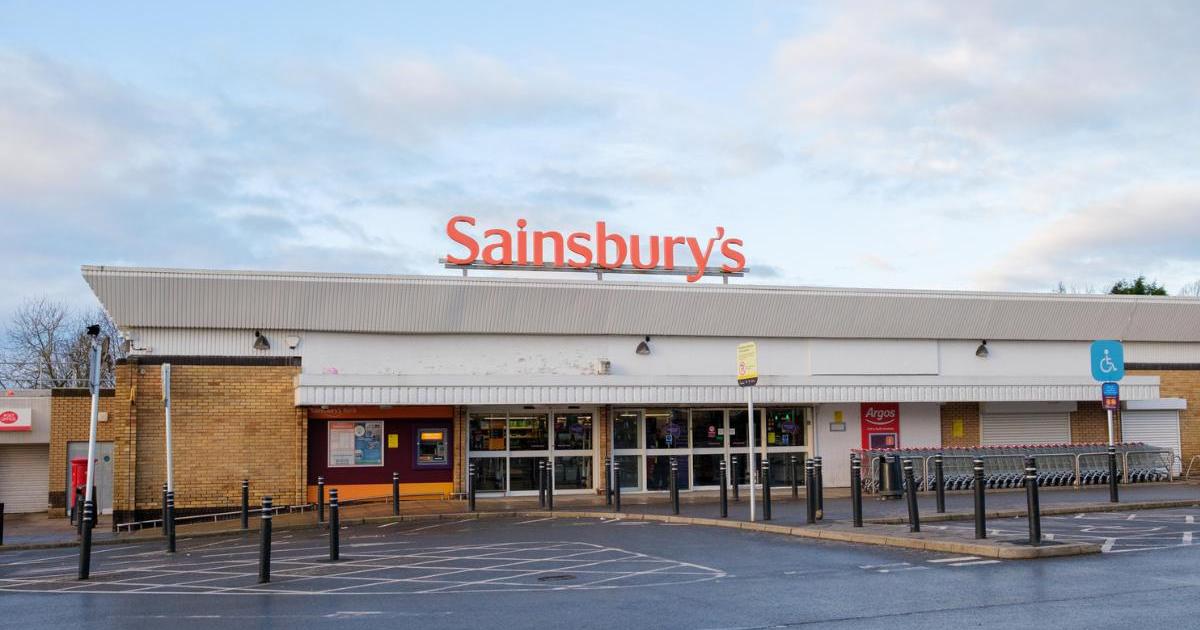
Sainsbury’s has launched a new Full on Fibre labelling scheme across more than 500 products as part of a wider effort to add thousands of tonnes of fibre and millions more portions of fruit and vegetables to UK diets by 2030.

The move comes amid growing concerns that only four per cent of UK adults consume enough fibre, according to the National Diet and Nutrition Survey.

Simon Roberts, chief executive of Sainsbury’s, said: “Healthy eating shouldn’t feel difficult or complex – but for many families, it does.

Advertisement


“We know lots of people want to eat well but tight budgets, busy lives and confusing advice can make this feel overwhelming.

“We want to change that.

“We’re going further to make healthy everyday essentials great value at Sainsbury’s – beginning with fibre, fruit and veg – and tackling the confusion so customers can eat well without having to think too hard about it.

“We’re aiming to take away the complexity so good food becomes simple for everyone.”

Advertisement

The average UK adult consumes just 19g of fibre per day, well below the Government’s daily recommended target of 30g.


Sainsbury’s is supporting its fibre push with summer deals on high-fibre foods like oranges, blackberries, and cherries.

A Sainsbury’s spokesperson said: “The national conversation about healthy eating risks becoming tangled in trends and jargon.

“From protein hacks to fibre fads, the noise is leaving many people feeling shut out.”

Despite most people claiming to understand what fibre is, Sainsbury’s research found that just 52 per cent of shoppers identify fruit as a source of fibre, while only 58 per cent recognise pulses as fibre-rich foods.

Advertisement

The supermarket’s new labelling includes high-fibre products on its Aldi Price Match or Nectar Price schemes, such as oats, beans, and broccoli.

It will also appear on new items launching this summer, including by Sainsbury’s Mediterranean Style Veg Burgers and Spiced Mixed Nuts & Seeds with Apple Granola.

Anna Taylor, executive director of The Food Foundation, welcomed Sainsbury’s move.


Advertisement

She said: “Setting ambitions to grow sales of fruit, veg, beans and a focus on seasonal British produce is a key step we’d like all supermarkets to make.

“The focus on fibre is great to see and in line with Sainsbury’s pledge to increase bean sales as part of our Bang In Some Beans Campaign.”

The retailer is currently offering half-price cherries, which provide around three per cent of daily fibre per serving, alongside discounts on fine beans and oranges.

These and other high-fibre items will be promoted until 23rd June, as part of the campaign.

Advertisement

Sainsbury’s Full on Fibre initiative is part of its broader plan to make healthy eating more accessible and affordable for millions of people across the UK.

Which is your favourite supermarket? Let us know in the comments

Source link

Advertisement
Continue Reading

Trending

Copyright © 2025