




Connect with us
DAPA Banner
DAPA Coin
DAPA
COIN PAYMENT ASSET
PRIVACY · BLOCKDAG · HOMOMORPHIC ENCRYPTION · RUST
ElGamal Encrypted MINE DAPA
🚫 GENESIS SOLD OUT
DAPAPAY COMING

NewsBeat

Great-grandmother with ‘inoperable’ tumour receives UK-first cancer treatment

Published

on

Great-grandmother with ‘inoperable’ tumour receives UK-first cancer treatment

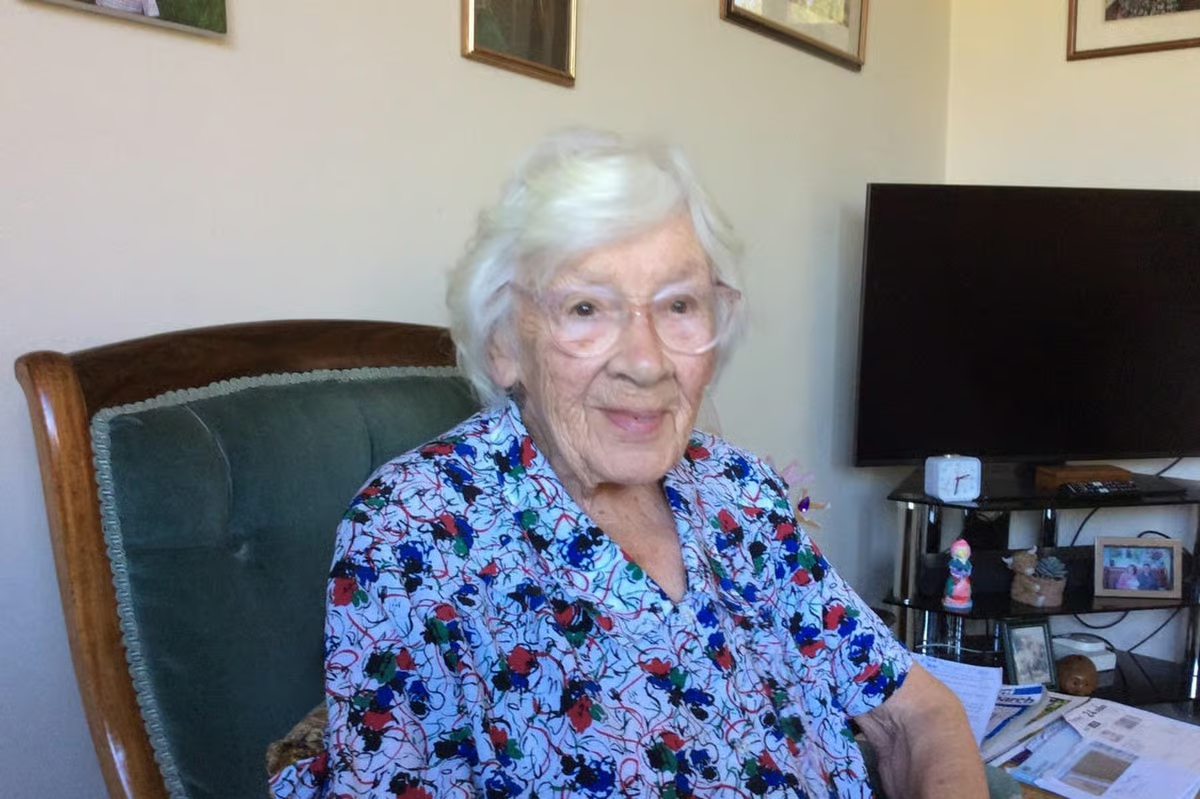
A 92-year-old great-grandmother has become the first person in the UK to receive a pioneering cancer treatment after being told her liver tumour was inoperable.

Brenda Iveson, from Harrogate in North Yorkshire, was initially told conventional cancer therapies, including surgery, chemotherapy and radiotherapy, would be ineffective against the six-centimetre tumour in her liver.

However, medics at Leeds Teaching Hospitals NHS Trust offered her a minimally invasive alternative, robotic-guided electrochemotherapy – a treatment that combines a small dose of chemotherapy with targeted electrical pulses.

Surgeons used robotic needle guidance to precisely position needles around the tumour, directing the treatment in a method never before performed in the UK.

Advertisement

Now Mrs Iveson’s tumour has shrunk by around 80 per cent.

Due to the tumour’s location and her frailty, Mrs Iveson had been told “nothing could be done” following her diagnosis in late 2025.

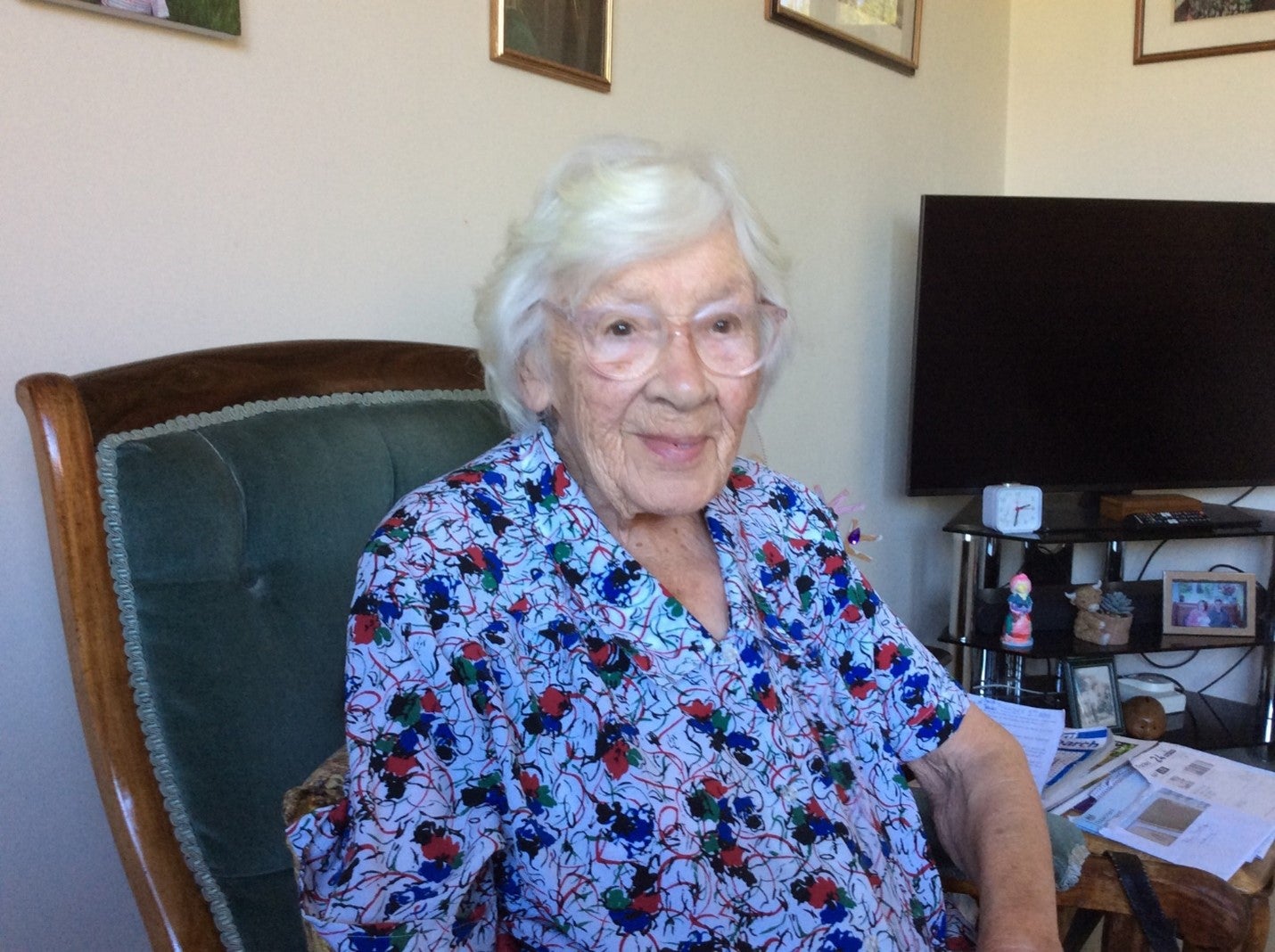
Brenda Iveson
Brenda Iveson (PA)

But when Professor Tze Min Wah, research and innovation lead for the interventional oncology programme at Leeds Teaching Hospitals NHS Trust and professor of interventional radiology at the University of Leeds, saw Mrs Iveson’s case, she realised that the pioneering treatment could offer hope to Mrs Iveson and her family.

Clinicians used robotic needle guidance to precisely place needles around the tumour.

The technology helps improve the accuracy of the electrochemotherapy, particularly for tumours in complex or hard-to-reach areas.

Advertisement

The treatment was carried out under general anaesthetic and does not use heat, which means it can safely treat tumours located close to vital structures such as blood vessels and bile ducts.

It is the first time this treatment has been delivered alongside the robotic guidance in a liver in the UK, Leeds Teaching Hospitals said.

Mrs Iveson said: “I had been told there was nothing that could be done.

“So to be offered this treatment gave me real hope. I’m so glad I went ahead — it wasn’t painful or debilitating, and I feel very well.”

Advertisement
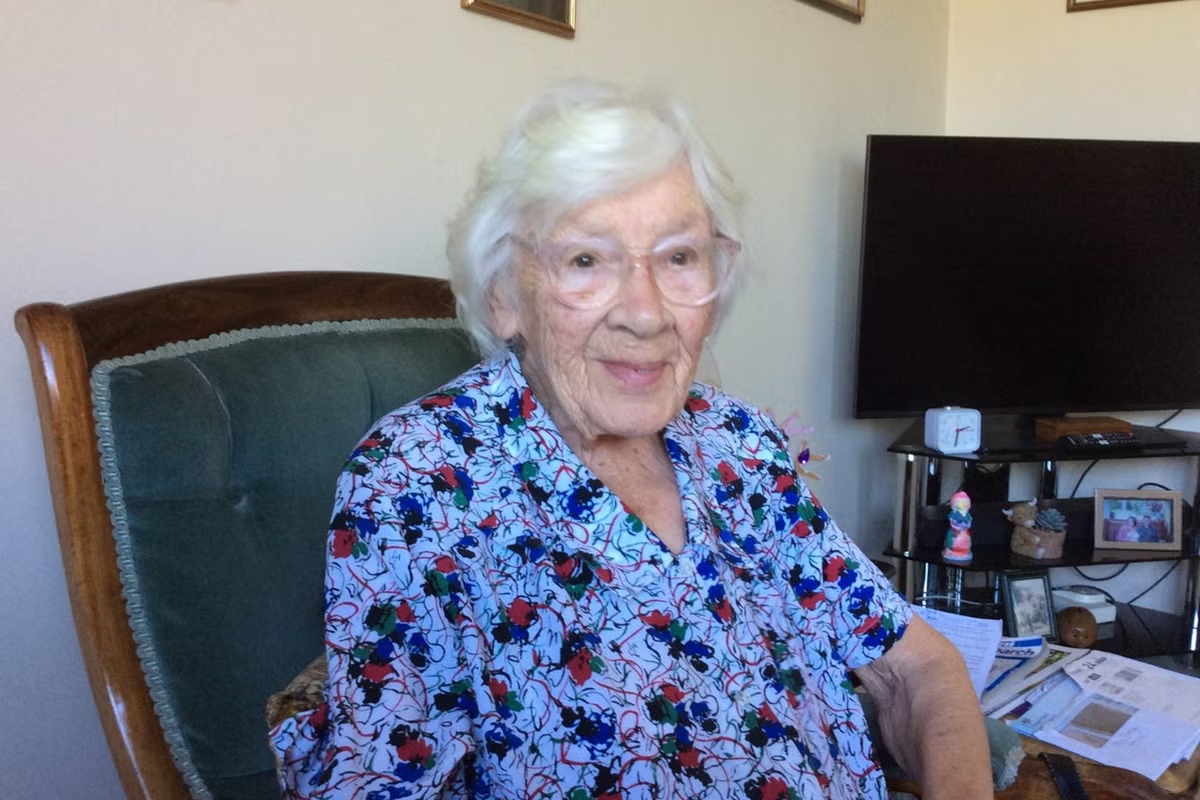
Medics at Leeds Teaching Hospitals NHS Trust offered Mrs Iveson a minimally invasive alternative, robotic-guided electrochemotherapy
Medics at Leeds Teaching Hospitals NHS Trust offered Mrs Iveson a minimally invasive alternative, robotic-guided electrochemotherapy (PA)

Professor Wah said: “This treatment allowed us to offer an option where there would otherwise have been none.

“The addition of robotic guidance improves precision and opens up new possibilities, particularly for patients with tumours in difficult locations or who are not suitable for other treatments.”

She said: “Introducing robotic guidance really helped with this particular case, the needles provided more accurate placement and made the treatment times shorter – she is the UK first for the robotic guidance to insert the electrode chemotherapy needles into the tumour for treatment.

“She is doing well and she is very grateful that she has had this treatment because otherwise she did not have any other options.”

Main symptoms of liver cancer

NHS

Symptoms of liver cancer can include:

Advertisement
  • the whites of your eyes turning yellow or your skin turning yellow, which may be less obvious on brown or black skin (jaundice) – you may also have itchy skin, darker pee and paler poo than usual
  • loss of appetite or losing weight without trying to
  • feeling tired or having no energy
  • feeling generally unwell or having symptoms like flu
  • a lump in the right side of your tummy

Other symptoms can affect your digestion, such as:

  • feeling or being sick
  • pain at the top right side of your tummy or in your right shoulder
  • symptoms of indigestion, such as feeling full very quickly when eating
  • a very swollen tummy that is not related to when you eat

Leeds Teaching Hospitals NHS Trust is currently the only hospital in the UK delivering liver cancer electrochemotherapy as part of a European research study.

The study is assessing the safety and efficacy of the treatment for patients with liver cancer. It is also examining the impact of survival, quality of life and pain.

Mrs Iveson, who has been happily married for 70 years, said: “Research may offer real results when there are no other options.

“You’re looked after so well, and it’s how medicine moves forward. If it helps me and future patients, then it’s worth it.”

Current scans show that Mrs Iveson’s tumour is in a stable condition and she is being monitored closely by experts at the hospital trust.

Advertisement

“We are all happy that something could be done that might prolong my life and which was not painful or debilitating in any way,” Mrs Iveson added.

“It seems to be a very effective treatment and particularly useful in older patients who are frail.”

Source link

Advertisement
Continue Reading
Click to comment

You must be logged in to post a comment Login

Leave a Reply

NewsBeat

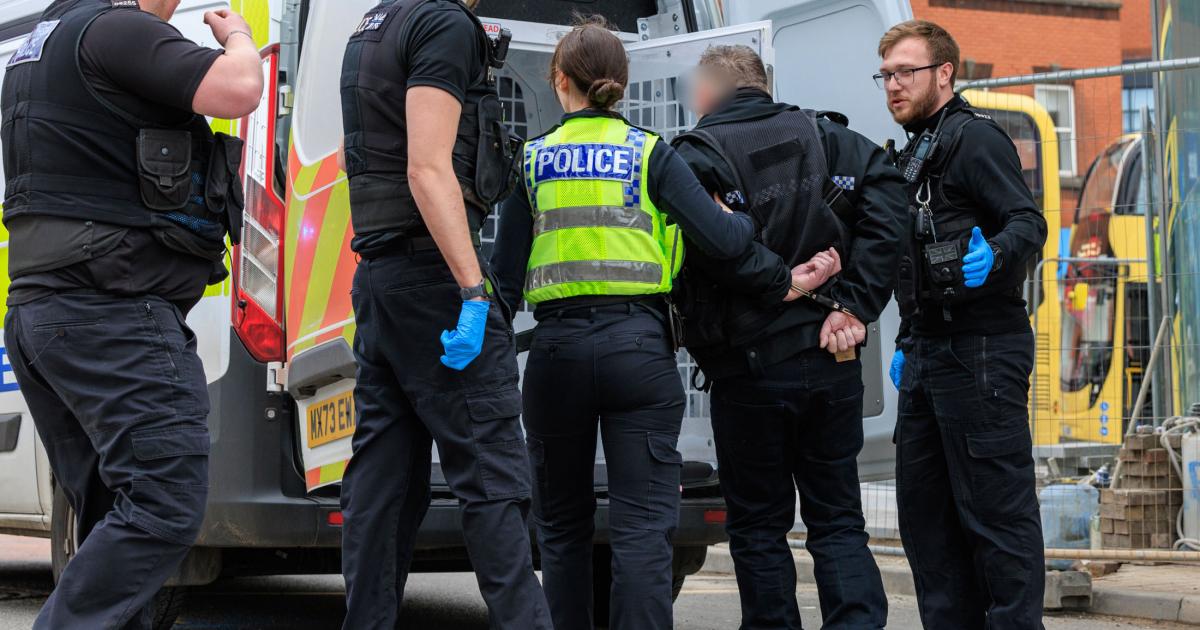
Greater Manchester Police make 211 arrests in one day

Published

on

Greater Manchester Police make 211 arrests in one day

These arrests took place in areas across Greater Manchester and involved a wide range of incidents and community concerns.

In Rochdale, neighbourhood officers arrested a 26-year-old man following a stop and search, which revealed 140 snap bags of Class B drugs and 40 of Class A in a vehicle on Perth Road.

On Great Ducie Street near Manchester city centre last night, officers responded to a stabbing and arrested the 20-year-old suspect with 10 minutes of arriving at the scene.

Advertisement

An arrest was also made in Tameside after reports of disorder in Ashton Moss.

During this incident, the officers faced racist and homophobic abuse, which resulted in further arrests for aggravated offences.

Assistant Chief Constable Matt Boyle said: “As we move into the warmer months, our officers remain focused on working hard and being proactive to keep our communities safe.

“Yesterday was a particularly demanding day, with teams responding to a wide range of incidents while continuing to take positive action across the force.

Advertisement

“The high number of arrests reflects not only our commitment to tackling crime, but also the professionalism, teamwork, and resilience shown by officers and staff throughout the day.

“I am extremely proud of the dedication they continue to demonstrate in protecting the public and making our neighbourhoods safer places to live.”

Source link

Advertisement
Continue Reading

NewsBeat

Cancer pill’s ‘precious gift of time’ and ‘I Dua’

Published

on

Cancer pill's 'precious gift of time' and 'I Dua'
The Times headline reads 'Reform vote in unions at same level as Labour'

The cancer pill is also featured on the front page of the Times, but the lead story is on what it calls a “damning” poll that suggests trade union members are now as likely to support Reform UK as Labour. The general secretaries of Unite and the GMB, two of Labour’s largest union affiliates, have sounded the alarm over the study by JL Partners, which appeared to show support for the the two parties was now tied at 28% among union members.

Source link

Continue Reading

NewsBeat

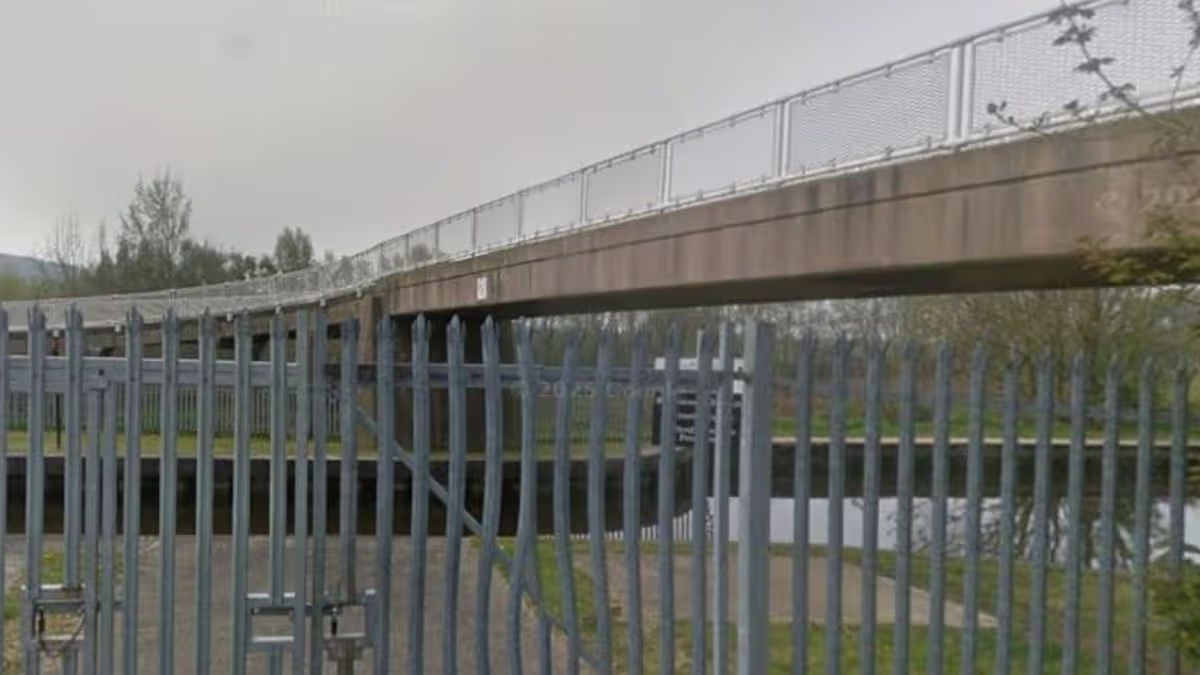
Mexborough live: Search for 11-year-old boy missing after entering River Don

Published

on

Daily Mirror

The major search operation underway in South Yorkshire today comes after more than a dozen young people have lost their lives after getting into difficulty in water in recent weeks.

As the UK has basked in the heat of a record-breaking May, many have turned to local beauty spots.

Sadly, 15 people have been recovered from reservoirs, lakes and open water spots across the country during the heatwave. Authorities have since issued stark warnings about open water swimming and its dangers.

Advertisement

Many of the victims have been young people. Earlier this week on Thursday, a 19-year-old man was the latest to suffer a water-related death after entering Balderton Lake in Nottinghamshire.

The tragedy follows that of Chiedza Nyanjowa, 15, who died after getting into difficulty at Formy beach, Merseyside, on Monday. A 16-year-old, identified as Charlie Noble, also died at Bracklinn Falls in Scotland on Thursday (May 28).

In Pick Mere Lake, Cheshire, 17-year-old David Tita Jr., was confirmed to have died. Junior Slater, 12, died after entering the River Ribble in Lancashire.

Also in South Yorkshire, Muhammed Secka, 17, died after getting into difficulty in water at Rother Valley Country Park. Reco Puttock, 13, died at Leadbeater Dam in West Yorkshire.

Advertisement

In Lincolnshire, Declan Sawyer, 15, died after entering Swanholme Lakes. And Baltazar L’Qui, 14, died after going into the River Thames from Donnington Bridge.

An unnamed girl is also said to have died at Kingsbury Water Park in Warwickshire, as well as another unnamed boy at Hawley Lake, Hampshire, and a third unnamed boy at Swascombe. Kent.

Not all the victims have been children or teenagers, though. A man in his 60s died at Padstow Cornwall, a 72-year-old woman died at West Angle Bay Beach in Pembrokeshire and an unnamed man in his 40s reportedly died at the River Yare in the Norfolk Broads.

Source link

Advertisement
Continue Reading

NewsBeat

‘Appalling’ and ‘utterly reprehensible’: Attack on police officer in Downpatrick condemned

Published

on

Belfast Live

An officer was left seriously injured after being hit by a stolen police vehicle

An attack on a police officer in Downpatrick that left him seriously injured after he was hit with a stolen police vehicle has been condemned by politicians and community representatives.

Advertisement

The incident took place at around 4.45am on Sunday, May 31, in the Model Farm estate in Downpatrick with video footage later circulating on social media.

It is reported that a vehicle failed to stop for officers in Fountain Street and was then located in the Ballymote Walk area where a man was seen running away towards Colmcille Road and chased by police. When officers came back to their car, they say someone was in the driver’s seat and drove the car directly at an officer who fired his weapon at him. The officer was then hit by the vehicle and suffered serious injuries.

The police car was later abandoned with a 27-year-old being arrested on suspicion of attempted murder and remains in custody at this time.

Justice Minister Naomi Long has said the incident shows the dangers that police officers face everyday and wished the injured officer well in his recovery.

She said: “My thoughts are first and foremost with the injured officer, as well as their family and colleagues. I have no doubt this was a distressing experience for all the officers at the scene.

“I hope the injured officer recovers quickly from their injuries.

“This incident highlights once again the danger our police officers face each and every time they put on a uniform.

Advertisement

“They place themselves in harms’ way to keep our communities safe and I wish to pay tribute to their professionalism and courage.

“I would urge anyone with any information to contact police.”

Sinn Féin MLA Cathy Mason said people across Downpatrick are shocked following a serious incident in the town saying: “The news that a police officer has sustained serious injuries following an incident in Downpatrick has caused deep concern across our community.

“I want to wish the injured officer a full and speedy recovery and extend my thoughts to their family and colleagues at what will be a difficult time. “The people of Downpatrick want to see those responsible held accountable for this reckless and dangerous incident. “Anyone with information should come forward to the PSNI.

Alliance Mournes Councillor Jill Truesdale has condemned an attack on police that took place in the Colmcille Road area of Downpatrick in the early hours of this morning (31 May), calling it ‘utterly reprehensible’.

Cllr Truesdale has said: “First and foremost, I want to extend my thoughts and sympathies to the officer left injured, their family, and to those other officers present at the scene. I hope they receive all the support they need in the wake of this totally reckless, utterly reprehensible attack.

“This has come as a shock to the local community here, especially to see such an incident taking place in what is a largely residential area.

Advertisement

“No one should be subject to this kind of danger on the job, not least those who are tasked with keeping us all safe, and whilst we can only be glad the situation didn’t end more tragically, what we’ve seen here is totally unacceptable. I wish the injured officer a speedy recovery.”

Chair of the Police Federation for Northern Ireland Liam Kelly said: “This was an appalling and deliberate attack. I wish to add my condemnation to that already expressed across the community. What happened in Downpatrick was shocking and brutal.

“From what I’ve seen online, this appears to have been a calculated and dangerous driving act with no effort made to slow down or avoid the officer.

Advertisement

‘My thoughts, and those of every officer in the PSNI, are with our seriously injured colleague and his loved ones.

“This incident graphically illustrates the risks our officers face as they work to safeguard communities and confront law-breakers.”

For all the latest news, visit the Belfast Live homepage here and sign up to our daily newsletter here.
Source link

Advertisement
Continue Reading

NewsBeat

More than 45 killed in massive explosion in Myanmar village

Published

on

More than 45 killed in massive explosion in Myanmar village

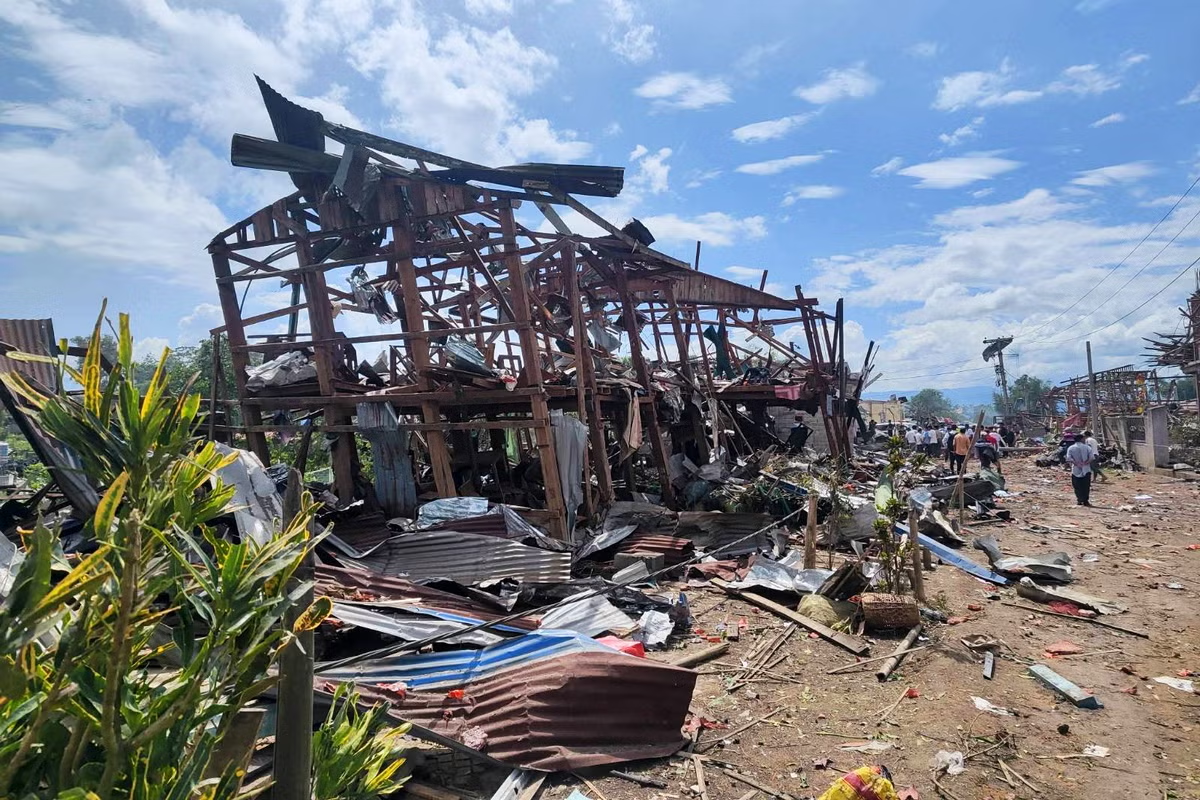
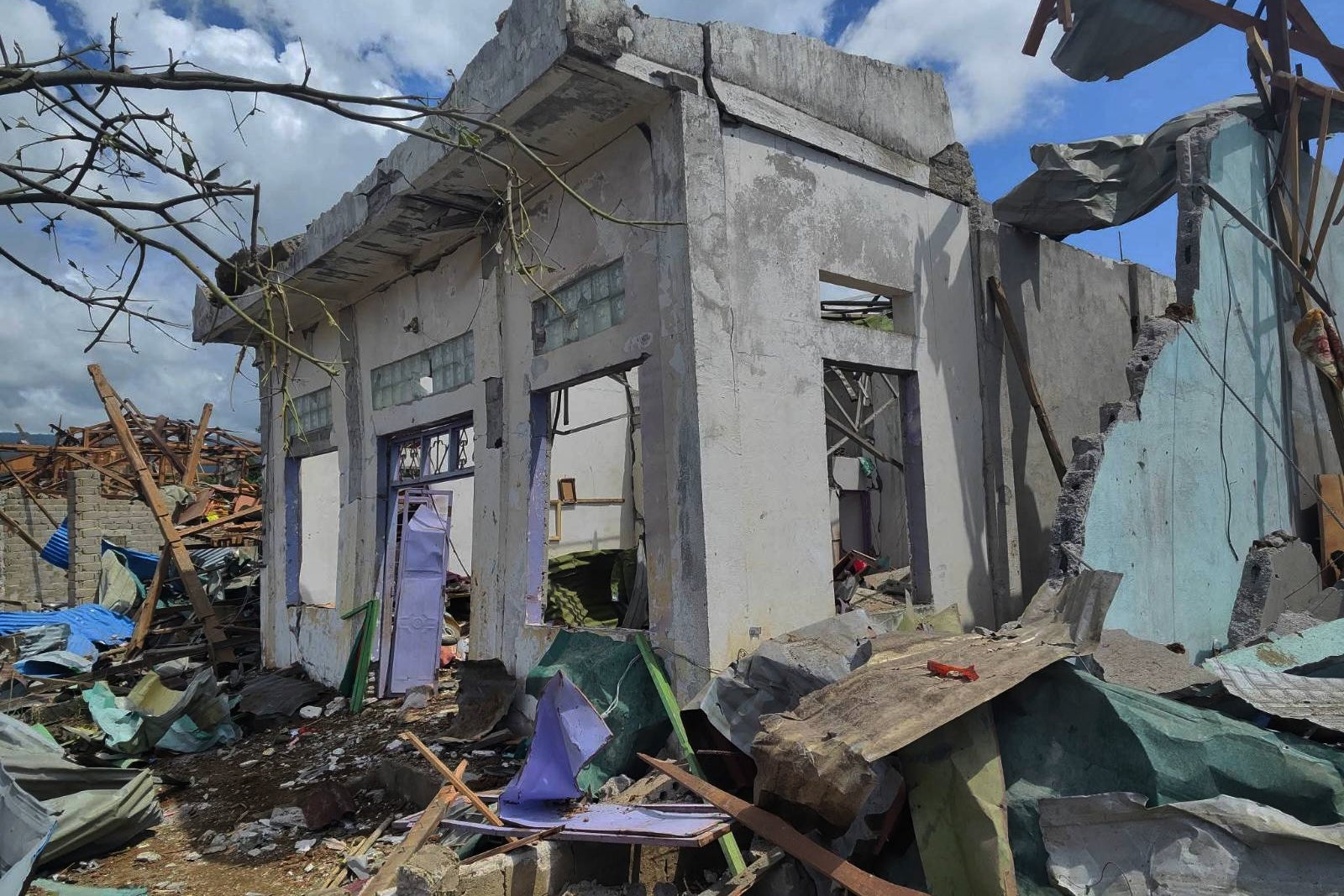
A devastating explosion in northeastern Myanmar has claimed the lives of more than 45 people and injured approximately 70 others, according to rescue workers and independent media reports.

The blast, which occurred around noon on Sunday in Kaungtup village, Namhkam township, reportedly struck a building used for storing mining explosives.

Among the confirmed fatalities, 46 bodies have been recovered, including six children, a rescue worker told The Associated Press. All have been taken for cremation.

The incident took place in an area situated about 3 kilometers (2 miles) south of the Chinese border, which is under the control of the Ta’ang National Liberation Army. This ethnic armed group has a history of sporadic conflict with Myanmar’s central government.

Advertisement
The incident took place in an area situated about 3 kilometers (2 miles) south of the Chinese border
The incident took place in an area situated about 3 kilometers (2 miles) south of the Chinese border (Palaung Land via AP)

The rescuer, who spoke on condition of anonymity for security reasons, said 74 injured people had been transported to the township hospital and rescue operations were continuing.

Another rescuer in Namhkam, who also spoke on condition of anonymity, said about 40 people were killed and more than 100 houses near the blast site were damaged.

Myanmar media outlets, including Shan State’s online Shwe Phee Myay news agency, reported death tolls ranging from 50 to 55. They published photos and videos showing smoke from the explosion and damaged buildings and debris in its aftermath.

Chinese state broadcaster CCTV reported the explosion caused multiple deaths and injuries, with many residential houses being severely damaged, but did not give figures.

It said that according to preliminary investigations, the blast occurred at a site where large quantities of explosives used for mining operations were stored.

Advertisement

Local authorities are currently providing relief, medical care and resettlement assistance to affected residents, said the report.

The Ta’ang National Liberation Army, or TNLA, said in a statement released on its Telegram channel that gelignite had been stored by the group’s economic department for use in mining and stone quarrying sites, and that an investigation into the cause of the explosion is underway.

Gelignite is widely used in mining and rock blasting, but can become highly unstable over time and if poorly stored.

The Ta’ang National Liberation Army, or TNLA, is a member of the rebel Three Brotherhood Alliance, and has controlled the Namhkam area since the alliance and its allies launched a major offensive against the military in northeastern Myanmar in late 2023. The alliance members and other ethnic armed groups have long fought for increased autonomy.

Advertisement

The TNLA signed a ceasefire with Myanmar’s military following China-mediated talks in October last year, but relations remain tense.

Myanmar has been in turmoil since the army seized power from the elected government of Aung San Suu Kyi on Feb. 1, 2021, triggering widespread popular opposition. After peaceful demonstrations were put down with lethal force, many opponents of military rule took up arms, and large parts of the country are now embroiled in conflict.

Source link

Advertisement
Continue Reading

NewsBeat

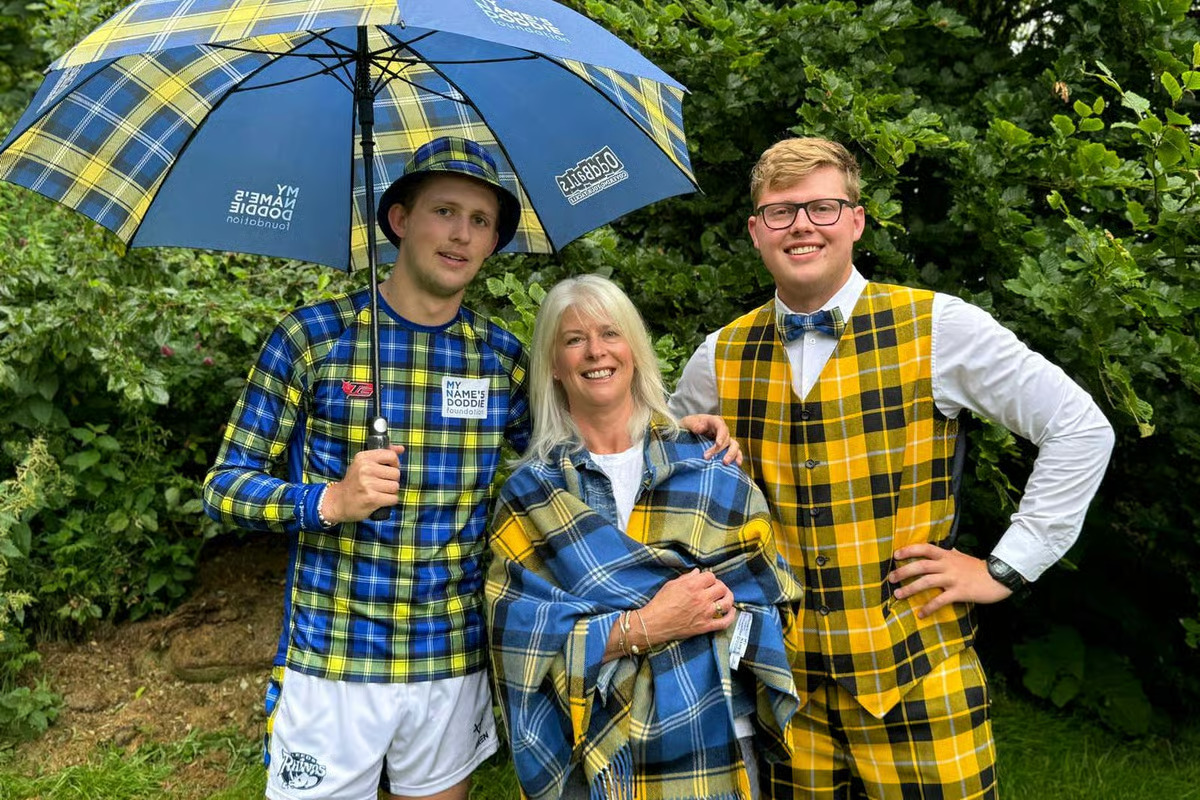
Doddie Weir’s wife to join Lewis Moody’s 500-mile ride to fund MND research

Published

on

Doddie Weir’s wife to join Lewis Moody’s 500-mile ride to fund MND research

“When you see Kathy and Hamish there beside you, it’s impossible not to feel extra motivation. This ride is about raising money, of course, but it’s also about showing the MND community that we’re still fighting, still driving awareness, and still refusing to accept that this disease cannot be beaten.”

Source link

Continue Reading

NewsBeat

Snack Lovers Left Stunned When They Learn What Flavour Biscoff Really Is

Published

on

Snack Lovers Left Stunned When They Learn What Flavour Biscoff Really Is

Did you know airlines love Biscoff?

Brett Snyder, the president of flying-focused blog Cranky Flier, told Conde Nast Traveller: “You want to avoid anything that requires a specific temperature. The default snack of choice used to be peanuts, but all the concerns about allergy really quashed that one.”

You also need “something that’s either salty or sweet to really get people’s taste buds working — which they do differently at altitude than they do on the ground,” he added.

But what is that distinctive Biscoff flavour to begin with?

Advertisement

At first, I thought it was something like malt; but their ingredients list doesn’t include that.

I found out that spices aside, their real secret is sugar.

But don’t all biscuits have sugar?

You’d be right there ― but it’s about how they cook it.

Advertisement

The company’s own site lists “the distinctive caramelised” profile as a cause of its “unique taste and crunchiness of Biscoff.”

That tracks. Jan Boone Sr., who invented the cookie, was the first to create “a caramelised biscuit with nothing but natural ingredients” in 1932, Lotus says.

The biscuit’s modern-day ingredients are listed as “Wheat flour, Sugar, Vegetable oils (contains one or more of soybean oil, sunflower oil, canola oil, palm oil), Brown sugar syrup, Sodium bicarbonate (leavening), Soy flour, Salt, Cinnamon.”

That “brown sugar syrup” may be doing a lot of heavy lifting when it comes to the distinctive flavour profile of the cookie ― when you mix it with a fat like sunflower oil, it becomes a kind of caramel.

Advertisement

No, really, a LOT of it is the sugar

The more I look into this, the more seriously I realise Belgians (Lotus was invented by a Belgian baker) take sugar.

Speaking to The Guardian about speculaas, or speculoos, an early progenitor of Lotus, Belgian food writer Regula Ysewijn described the complexities of Belgium’s sweet stuff.

She uses a type which is hard to get in the UK called kandij, “white beet sugar slowly and repeatedly heated until it caramelises and crystallises,” in her speculoos recipes.

Advertisement

“In Belgium… sugar cane was historically unavailable, leading sugar beet refiners to develop a different sort of brown sugar, one made with refined sucrose and caramel,” pastry chef Stella Parks told Serious Eats.

“So, instead of the acidic, malty, slightly bitter, and vaguely fruity taste of molasses, Belgian brown sugar gives Biscoff a backbone of caramel flavour.”

She also cites Ceylon cinnamon as a cause of its instantly recognisable taste.

Advertisement

Source link

Continue Reading

NewsBeat

Great-grandmother gets UK-first cancer treatment on tumour deemed untreatable

Published

on

Great-grandmother gets UK-first cancer treatment on tumour deemed untreatable

But when Professor Tze Min Wah, research and innovation lead for the interventional oncology programme at Leeds Teaching Hospitals NHS Trust and professor of interventional radiology at the University of Leeds, saw Mrs Iveson’s case, she realised that the pioneering treatment could offer hope to Mrs Iveson and her family.

Source link

Continue Reading

NewsBeat

Families unite in remembrance of Troubles victims at Derry church service

Published

on

Belfast Live

Linda Emmeline Baggley was a reserve RUC constable who died in 1976, 10 days after being shot while on foot patrol with a colleague in the Waterside area of Derry.

Families of people killed in the Troubles have come together in a service of “remembrance, devotion and love” in Co Derry.

Advertisement

The Baggley family were among those who attended the service at Newbuildings Methodist Church near Lisnakelly.

Linda Emmeline Baggley was a reserve RUC constable who died in 1976, 10 days after being shot while on foot patrol with a colleague in the Waterside area of Derry.

Kenny Donaldson, director of victims’ group Seff (South East Fermanagh Foundation), said the service was “a wonderful representation of remembrance, devotion and love”.

“The Baggley family were foremost in our thoughts with Lorraine sharing a family reflection concerning the upcoming 50th Anniversary since the cruel murder of Linda who passed away on June 2 1976 after having been shot and seriously injured a number of days previously,” he said.

Advertisement

“Linda was aged just 19 years and was a Reserve RUC GC Constable, just two years earlier her daddy, William, who was also a Reservist Constable, was also murdered in Londonderry (just 100 metres separated the brutal crimes).

“Scripture lessons were read by Gillian McElholm, daughter of Michael McGinley who was murdered by the UDA/UFF in the Annie’s Bar attack, 1972, and Jennifer Millar, daughter of Charles McNaul who was murdered by the Provisional IRA, also in the city.

“And prayers were also read by Seff’s north west-based staff; Michael McKeegan, son of Lance Corporal John McKeegan who was murdered by the Provisional IRA; and Lara Burns, daughter of Robert Burns who was murdered by the IPLO.”

Children from the Newbuildings Primary School sang a number of songs and read prayers.

Advertisement

Part of the prayers read by the children included: “We also appreciate the responsibility on our shoulders to both carry forth the torch of remembrance but also to build a new society – a new Northern Ireland and a united community.”

Mr Donaldson, who closed the service, said Seff’s mission is the “recalibration of attitudes concerning how society divides”.

“We are clear that the religious denomination someone happens to be born into (or not) or where someone stands on the constitutional question, is not the fundamental division,” he said.

“Rather the core basis for division is where people stand on the issue of violence, in the context of the Northern Ireland Troubles – those who used, justify or seek to explain away violence are of one tribe, and those who do not are part of the other tribe.”

Advertisement

Seff’s memorial quilt exhibition will be hosted at the Newbuildings Methodist Church until Wednesday.

For all the latest news, visit the Belfast Live homepage here and sign up to our daily newsletter here.
Source link

Advertisement
Continue Reading

NewsBeat

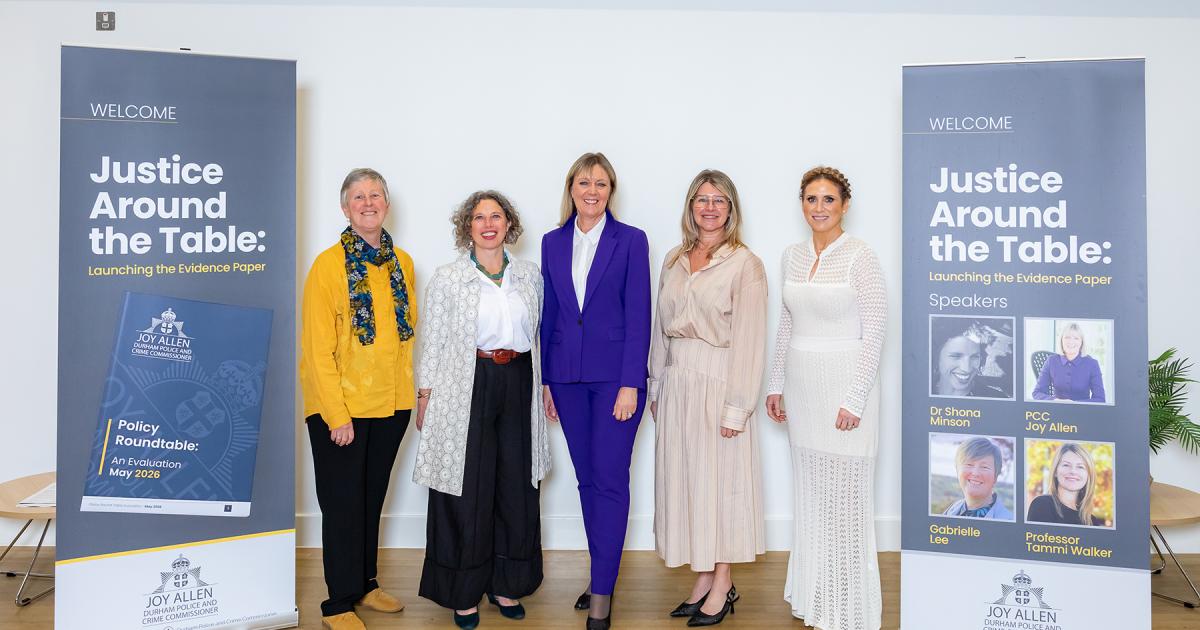
PCC Joy Allen explains justice roundtable in Durham

Published

on

PCC Joy Allen explains justice roundtable in Durham

Breaking the cycle: Why prevention and rehabilitation are critical to safer communities

When I became Police and Crime Commissioner, I made a clear commitment to tackle not only crime itself but the root causes driving offending, addiction, anti-social behaviour, and repeat victimisation.

That commitment sits firmly at the heart of my Police, Crime, and Justice Plan 2025-2029 and my ambition to build communities that are safer, stronger, and more resilient to alcohol and drug-related crime and disorder.

Breaking the cycle (Image: Supplied)

It was this determination that led me to establish the Criminal Justice Policy Roundtable, bringing together policing, prisons, probation, health, housing, universities, charities, and people with lived experience to confront some of the biggest failings and pressures within our criminal justice system.

Advertisement

The Roundtable was never designed to be a talking shop.

It was created to challenge outdated thinking, drive practical reform, and identify evidence-led solutions that cut crime, reduce reoffending, and better protect victims and communities.

It was meant to add value to the excellent partnership working that exists around the Local Criminal Justice Board that I chair.

Because the reality is stark: we cannot arrest our way out of addiction.

Advertisement

Across the country, courts are overwhelmed, prisons are overcrowded, and reoffending rates remain far too high.

Meanwhile, communities continue to suffer the consequences of repeat offending, acquisitive crime, anti-social behaviour, violence, and exploitation linked to drugs and alcohol.

Behind many offences lie deeper problems: addiction, trauma, mental ill-health, homelessness, domestic abuse, and social exclusion.

If we fail to address those drivers, we simply trap people in a revolving door of offending, custody, and crisis while communities continue to pay the price.

Advertisement

The Roundtable examined these issues head-on.

One major focus was women in the criminal justice system.

Many women who offend are themselves victims of abuse, exploitation, and trauma.

Short prison sentences often fail to rehabilitate and instead worsen instability, break family ties, and increase the risk of reoffending.

Advertisement

The report calls for stronger trauma-informed support, earlier intervention, improved diversion schemes, and community-based alternatives that tackle the causes of offending while maintaining accountability and protecting the public.

Housing and homelessness were also identified as major drivers of repeat offending.

People leaving prison without stable accommodation are far more likely to relapse into addiction, become involved in crime again, or fall into exploitation and rough sleeping.

That is why the Roundtable recommended stronger “through-the-gate” support and far better coordination between housing, probation, healthcare, and treatment services.

Advertisement

The discussions also highlighted the enormous impact addiction has on crime and anti-social behaviour.

Around half of acquisitive crime is linked to drugs, while addiction continues to fuel violence, disorder, and repeat offending.

The Roundtable explored innovative approaches including Drug Testing on Arrest, recovery-focused treatment pathways, and diversion schemes designed to break the cycle of addiction and crime before more victims are created.

None of this is about being soft on crime.

Advertisement

It is about being smarter, tougher, and more effective in reducing crime long-term.

Every prevented relapse, every avoided reoffence, and every person successfully supported into recovery means fewer victims, fewer crimes, and safer streets.

The Criminal Justice Policy Roundtable was created to drive action, influence national debate, and deliver practical change that improves public safety and strengthens communities.

And this report is only the beginning.

Advertisement

You can read the full Policy Roundtable Evaluation Report and explore the recommendations in more detail by using the following link: https://bit.ly/PolicyRoundtableEvaluation.

Ends

Source link

Advertisement
Continue Reading

Trending

Copyright © 2025