

NewsBeat
Ognisko, South Kensington review: comfort and care is everywhere at this Polish restaurant

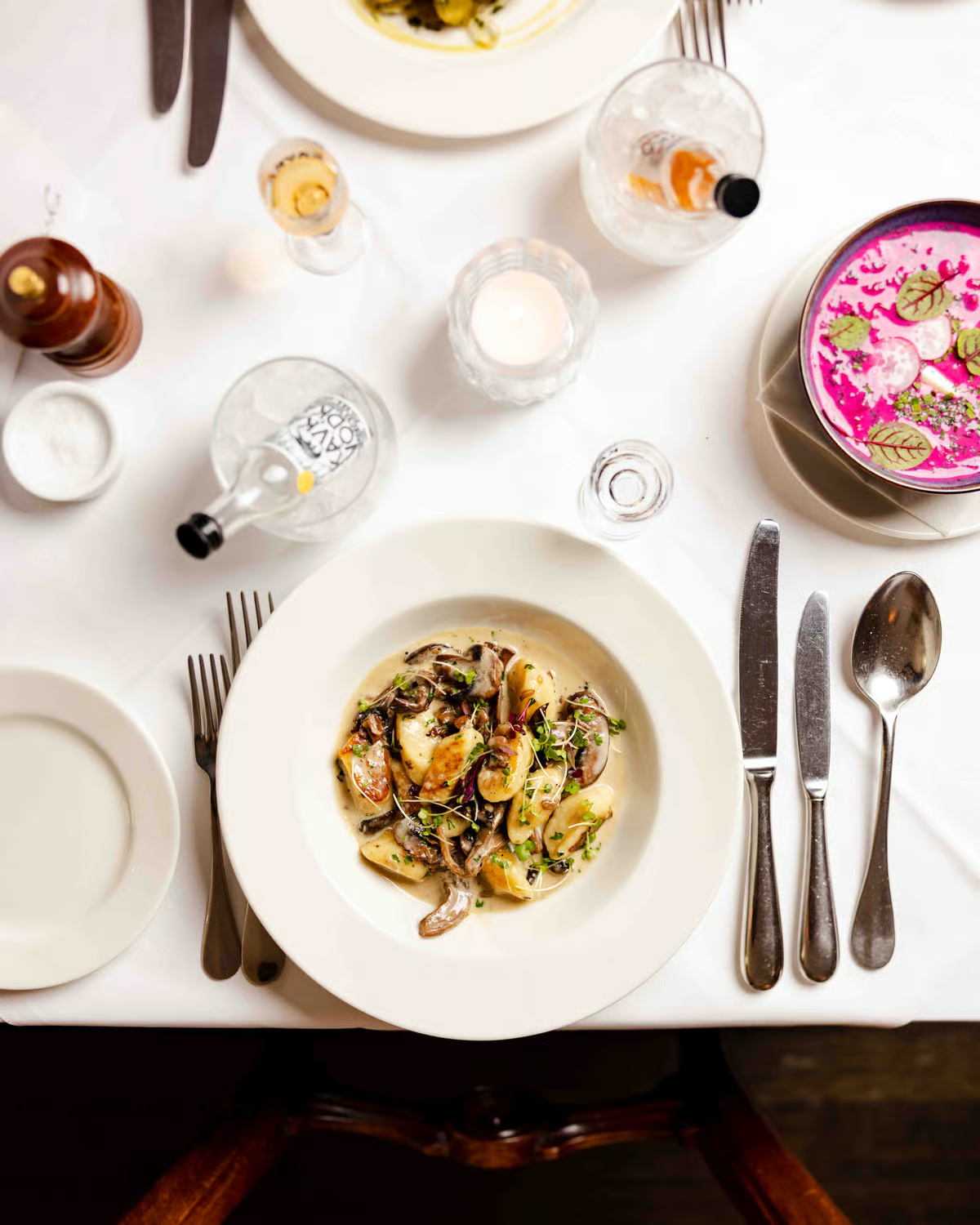
Karolina Kubrak: “The food is delicious, and the place has a unique atmosphere. This is Polish cuisine at its finest, accompanied by the renowned Polish hospitality that characterises this place. I highly recommend it to everyone.”
Malgorzata Malaga: “If you’re looking for truly exceptional Polish food, this is the place. My boyfriend still can’t get over the fact that the best pierogi with karkówka he’s ever had were not in Poland, but right here in London, at Ognisko.”
Mat Remx: “Like being at home.”


Alistair Warren MacLeod, 29, and Ryan MacLeod, 34, are charged with conspiracy to supply heroin, conspiracy to supply cocaine and conspiracy to supply ketamine.
Neither man was asked to enter a plea as the charges can only be tried by a judge and jury and only spoke to confirm their name, dates of birth and addresses.
Alistair MacLeod, of Moor Lane, Copmanthorpe, and Ryan MacLeod, of Hebron Road, Stokesley, were sent to York Crown Court.
They will appear before the higher court on July 13 for a plea and trial preparation hearing when they will be asked to enter their pleas.
Both were arrested as part of a police operation near Skelton, north of York, during which officers allegedly seized drugs worth £19,500.
Both were remanded in custody.

The finals are the biggest ever, with 48 teams and a round of 32. It’s also the first time three nations have co-hosted, with Mexico the first country to host a finals three times.
France, Spain and England look like the most likely teams to triumph, but as ever with summer tournaments the key will be who arrives with the most players fit.
Matches will be hosted across 16 cities, with the final due to be held at New Jersey’s MetLife Stadium on July 19, 2026.
Julian Quinones scores the first goal of the tournament
AFP via Getty Images
Here are the full fixtures, results and kick-off times for the 2026 World Cup…
World Cup 2026 fixtures and results
3am: South Korea vs Czechia (Group A, Guadalajara)
8pm: Canada vs Bosnia & Herzegovina (Group B, Toronto)
2am: USA vs Paraguay (Group D, Los Angeles)
5am: Australia vs Turkey (Group D, Vancouver)
8pm: Qatar vs Switzerland (Group B, San Francisco)
11pm: Brazil vs Morocco (Group C, New York/New Jersey)
2am: Haiti vs Scotland (Group C, Boston)
6pm: Germany vs Curacao (Group E, Houston)
9pm: Netherlands vs Japan (Group F, Dallas)
12am: Ivory Coast vs Ecuador (Group E, Philadelphia)
3am: Sweden vs Tunisia (Group F, Monterrey)
5pm: Spain vs Cape Verde (Group H, Atlanta)
8pm: Belgium vs Egypt (Group G, Seattle)
11pm: Saudi Arabia vs Uruguay (Group H, Miami)
2am: IR Iran vs New Zealand (Group G, Los Angeles)
8pm: France vs Senegal (Group I, New York/New Jersey)
11pm: Iraq vs Norway (Group I, Boston)
2am: Argentina vs Algeria (Group J, Kansas City)
5am: Austria vs Jordan (Group J, San Francisco)
6pm: Portugal vs DR Congo (Group K, Houston)
9pm: England vs Croatia (Group L, Dallas)
12am: Ghana vs Panama (Group L, Toronto)
3am: Uzbekistan vs Colombia (Group K, Mexico City)
5pm: Czechia vs South Africa (Group C, Atlanta)
8pm: Switzerland vs Bosnia & Herzegovina (Group B, Los Angeles)
11pm: Canada vs Qatar (Group B, Vancouver)
2am: Mexico vs South Korea (Group A, Guadalajara)
5am: Turkey vs Paraguay (Group D, San Francisco)
8pm: USA vs Australia (Group D, Seattle)
11pm: Scotland vs Morocco (Group C, Boston)
2am: Brazil vs Haiti (Group C, Philadelphia)
6pm: Netherlands vs Sweden (Group F, Houston)
9pm: Germany vs Ivory Coast (Group E, Toronto)
12am: Tunisia vs Japan (Group E, Monterrey)
1am: Ecuador vs Curacao (Group E, Kansas City)
5pm: Spain vs Saudi Arabia (Group H, Atlanta)
8pm: Belgium vs IR Iran (Group G, Los Angeles)
11pm: Uruguay vs Cape Verde (Group H, Miami)
2am: New Zealand vs Egypt (Group G, Vancouver)
6pm: Argentina vs Austria (Group J, Dallas)
10pm: France vs Iraq (Group I, Philadelphia)
1am: Norway vs Senegal (Group I, New York/New Jersey)
4am: Jordan vs Algeria (Group J, San Francisco)
6pm: Portugal vs Uzbekistan (Group K, Houston)
9pm: England vs Ghana (Group L, Boston)
12am: Panama vs Croatia (Group L, Toronto)
3am: Colombia vs DR Congo (Group K, Guadalajara)
8pm: Switzerland vs Canada (Group B, Vancouver)
8pm: Bosnia & Herzegovina vs Qatar (Group B, Seattle)
11pm: Scotland vs Brazil (Group C, Miami)
11pm: Morocco vs Haiti (Group C, Atlanta)
2am: Czechia vs Mexico (Group A, Mexico City)
2am: South Africa vs South Korea (Group A, Monterrey)
9pm: Ecuador vs Germany (Group E, New York/New Jersey)
9pm: Curacao vs Ivory Coast (Group E, Philadelphia)
12am: Japan vs Sweden (Group F, Dallas)
12am: Tunisia vs Netherlands (Group F, Kansas City)
3am: Turkey vs USA (Group D, Los Angeles)
3am: Paraguay vs Australia (Group D, San Francisco)
8pm: Norway vs France (Group I, Boston)
8pm: Senegal vs Iraq (Group I, Toronto)
1am: Cape Verde vs Saudi Arabia (Group H, Houston)
1am: Uruguay vs Spain (Group H, Guadalajara)
4am: Egypt vs IR Iran (Group G, Seattle)
4am: New Zealand vs Belgium (Group G, Vancouver)
12am: Panama vs England (Group L, New York/New Jersey)
12am: Croatia vs Ghana (Group L, Philadelphia)
00.30am: Colombia vs Portugal (Group K, Miami)
00.30am: DR Congo vs Uzbekistan (Group K, Atlanta)
3am: Algeria vs Austria (Group J, Kansas City)
3am: Jordan vs Argentina (Group J, Dallas)
|
Pos |
Team |
P |
W |
D |
L |
GD |
Pts |
|
1 |
Mexico |
1 |
1 |
0 |
0 |
2 |
3 |
|
2 |
Czechia |
0 |
0 |
0 |
0 |
0 |
0 |
|
3 |
South Korea |
0 |
0 |
0 |
0 |
0 |
0 |
|
4 |
South Africa |
1 |
0 |
0 |
1 |
-2 |
0 |
|
Pos |
Team |
P |
W |
D |
L |
GD |
Pts |
|
1 |
Canada |
0 |
0 |
0 |
0 |
0 |
0 |
|
2 |
Bosnia and Herzegovina |
0 |
0 |
0 |
0 |
0 |
0 |
|
3 |
Qatar |
0 |
0 |
0 |
0 |
0 |
0 |
|
4 |
Switzerland |
0 |
0 |
0 |
0 |
0 |
0 |
|
Pos |
Team |
P |
W |
D |
L |
GD |
Pts |
|
1 |
Brazil |
0 |
0 |
0 |
0 |
0 |
0 |
|
2 |
Morocco |
0 |
0 |
0 |
0 |
0 |
0 |
|
3 |
Haiti |
0 |
0 |
0 |
0 |
0 |
0 |
|
4 |
Scotland |
0 |
0 |
0 |
0 |
0 |
0 |
|
Pos |
Team |
P |
W |
D |
L |
GD |
Pts |
|
1 |
USA |
0 |
0 |
0 |
0 |
0 |
0 |
|
2 |
Paraguay |
0 |
0 |
0 |
0 |
0 |
0 |
|
3 |
Australia |
0 |
0 |
0 |
0 |
0 |
0 |
|
4 |
Turkey |
0 |
0 |
0 |
0 |
0 |
0 |
|
Pos |
Team |
P |
W |
D |
L |
GD |
Pts |
|
1 |
Germany |
0 |
0 |
0 |
0 |
0 |
0 |
|
2 |
Curacao |
0 |
0 |
0 |
0 |
0 |
0 |
|
3 |
Ivory Coast |
0 |
0 |
0 |
0 |
0 |
0 |
|
4 |
Ecuador |
0 |
0 |
0 |
0 |
0 |
0 |
|
Pos |
Team |
P |
W |
D |
L |
GD |
Pts |
|
1 |
Netherlands |
0 |
0 |
0 |
0 |
0 |
0 |
|
2 |
Japan |
0 |
0 |
0 |
0 |
0 |
0 |
|
3 |
Sweden |
0 |
0 |
0 |
0 |
0 |
0 |
|
4 |
Tunisia |
0 |
0 |
0 |
0 |
0 |
0 |
|
Pos |
Team |
P |
W |
D |
L |
GD |
Pts |
|
1 |
Belgium |
0 |
0 |
0 |
0 |
0 |
0 |
|
2 |
Egypt |
0 |
0 |
0 |
0 |
0 |
0 |
|
3 |
Iran |
0 |
0 |
0 |
0 |
0 |
0 |
|
4 |
New Zealand |
0 |
0 |
0 |
0 |
0 |
0 |
|
Pos |
Team |
P |
W |
D |
L |
GD |
Pts |
|
1 |
Spain |
0 |
0 |
0 |
0 |
0 |
0 |
|
2 |
Senegal |
0 |
0 |
0 |
0 |
0 |
0 |
|
3 |
Iraq |
0 |
0 |
0 |
0 |
0 |
0 |
|
4 |
Norway |
0 |
0 |
0 |
0 |
0 |
0 |
|
Pos |
Team |
P |
W |
D |
L |
GD |
Pts |
|
1 |
France |
0 |
0 |
0 |
0 |
0 |
0 |
|
2 |
Senegal |
0 |
0 |
0 |
0 |
0 |
0 |
|
3 |
Iraq |
0 |
0 |
0 |
0 |
0 |
0 |
|
4 |
Norway |
0 |
0 |
0 |
0 |
0 |
0 |
|
Pos |
Team |
P |
W |
D |
L |
GD |
Pts |
|
1 |
Argentina |
0 |
0 |
0 |
0 |
0 |
0 |
|
2 |
Algeria |
0 |
0 |
0 |
0 |
0 |
0 |
|
3 |
Austria |
0 |
0 |
0 |
0 |
0 |
0 |
|
4 |
Jordan |
0 |
0 |
0 |
0 |
0 |
0 |
|
Pos |
Team |
P |
W |
D |
L |
GD |
Pts |
|
1 |
Portugal |
0 |
0 |
0 |
0 |
0 |
0 |
|
2 |
DR Congo |
0 |
0 |
0 |
0 |
0 |
0 |
|
3 |
Uzbekistan |
0 |
0 |
0 |
0 |
0 |
0 |
|
4 |
Colombia |
0 |
0 |
0 |
0 |
0 |
0 |
|
Pos |
Team |
P |
W |
D |
L |
GD |
Pts |
|
1 |
England |
0 |
0 |
0 |
0 |
0 |
0 |
|
2 |
Croatia |
0 |
0 |
0 |
0 |
0 |
0 |
|
3 |
Ghana |
0 |
0 |
0 |
0 |
0 |
0 |
|
4 |
Panama |
0 |
0 |
0 |
0 |
0 |
0 |
8pm: Match 73 – Group A runners-up v Group B runners-up (Los Angeles)
6pm: Match 76 – Group C winners v Group F runners-up (Houston)
9.30pm: Match 74 – Group E winners v Group A/B/C/D/F third place (Boston)
2am: Match 75 – Group F winners v Group C runners-up (Monterrey)
6pm: Match 78 – Group E runners up v Group I runners-up (Dallas)
10pm: Match 77 – Group I winners v Group C/D/F/G/H third place (New York/New Jersey)
2am: Match 79 – Group A winners v Group C/E/F/H/I third place (Mexico City)
5pm: Match 80 – Group L winners v Group E/H/I/J/K third place (Atlanta)
9pm: Match 82 – Group G winners v Group A/E/H/I/J third place (Seattle)
1am: Match 81 – Group D winners v Group B/E/F/I/J third place (San Francisco)
8pm: Match 84 – Group H winners v Group J runners-up (Los Angeles)
12am: Match 83 – Group K runners-up v Group L runners-up (Toronto)
4am: Match 85 – Group B winners v Group E/F/G/I/J third place (Vancouver)
7pm: Match 88 – Group D runners-up v Group G runners-up (Dallas)
11pm: Match 86 – Group J winners v Group H runners-up (Miami)
2.30am: Match 87 – Group K winners v Group D/E/I/J/L third place (Kansas City)
10pm: Match 89 – Winner match 74 v Winner match 77 (Philadelphia)
6pm: Match 90 – Winner match 73 v Winner match 75 (Houston)
9pm: Match 91 – Winner match 76 v Winner match 78 (New York/New Jersey)
1am: Match 92 – Winner match 79 v Winner match 80 (Mexico City)
8pm: Match 93 – Winner match 83 v Winner match 84 (Dallas)
1am: Match 94 – Winner match 81 v Winner match 82 (Seattle)
5pm: Match 95 – Winner match 86 v Winner match 88 (Atlanta)
9pm: Match 96 – Winner match 85 v Winner match 87 (Vancouver)
9pm: Match 97 – Winner match 89 v Winner match 90 (Boston)
8pm: Match 98 – Winner match 93 v Winner match 94 (Los Angeles)
10pm: Match 99 – Winner match 91 v Winner match 92 (Miami)
2am: Match 100 – Winner match 95 v Winner match 96 (Kansas City)
8pm: Match 101 – Winner match 97 v Winner match 98 (Dallas)
8pm: Match 102 – Winner match 99 v Winner match 100 (Atlanta)
10pm: Match 103 – Loser match 101 v Loser match 102 (Miami)
8pm: Match 104 – Winner match 101 v Winner match 102 (New York/New Jersey)
We aim to offer every online gambler and reader of The Standard a safe and fair platform through unbiased reviews and offers from the UK’s best online gambling companies.
Gambling can be addictive, always play responsibly and only bet what you can afford to lose. Gambling sites have a number of tools to assist you to stay in control, including deposit limits and time outs. If you think you have a problem, advice and support is available for you now from BeGambleAware or Gamcare.
Any offers or odds listed in this article are correct at the time of publication but are subject to change. Terms & Conditions apply to all offers.
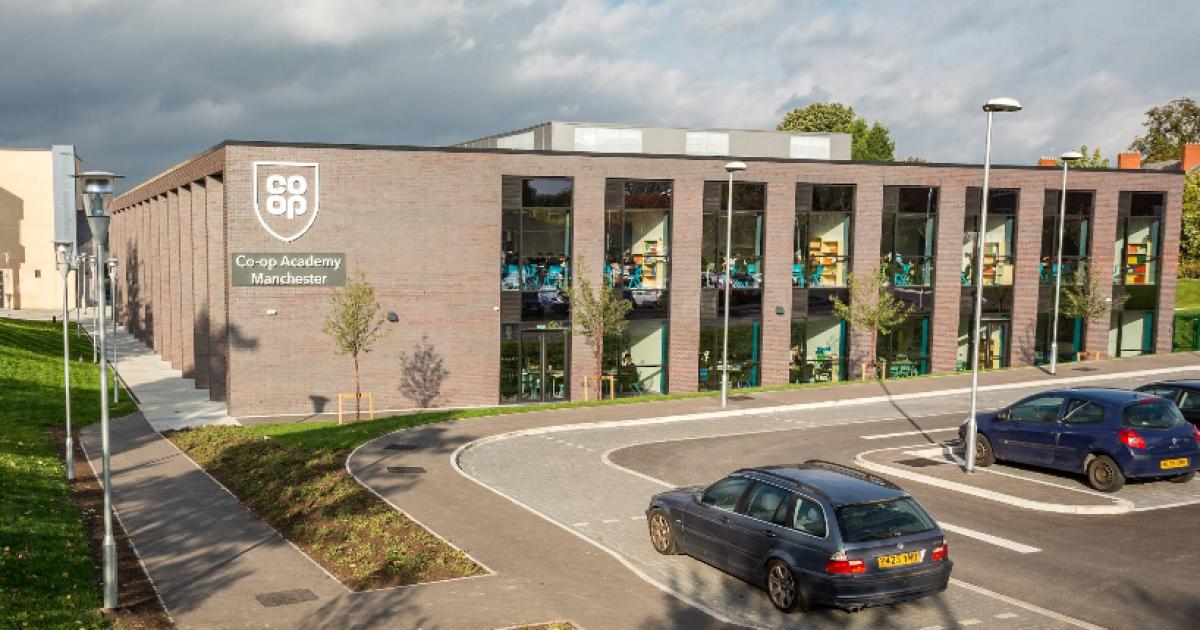
Officers were called to reports of a stabbing at a school on Plant Hill Road on Tuesday, June 9.
Following further enquiries, Counter Terrorism Policing North West has assumed responsibility for the investigation, supported by Greater Manchester Police.
Searches connected to the incident remain ongoing.
Detectives from the counter terrorism unit said they are keeping an open mind regarding the motivation behind the attack.
A 14-year-old girl was arrested on suspicion of Section 18 assault and detained under the Mental Health Act.
After being assessed by health professionals, she was released back into police custody.
The three people injured in the incident have all been discharged from hospital and, police said, suffered no serious injuries.
The incident has not been declared a terrorist attack at this stage.
Chief Superintendent David Meeney, Commander for Manchester, said: “Our local detectives have been investigating this incident at pace ever since we arrested a schoolgirl suspect on Tuesday morning.
“She remains in custody in Manchester.
“This has included ensuring the suspect is checked by health professionals to make an assessment while under the Mental Health Act, and to explore all available evidence to understand why this incident took place.
“Since our last update, further information has come to light that we have made Counter Terrorism Policing North West aware of.
“I know this update will only continue to make our local community concerned by Tuesday’s events.
“There is no information to indicate any further threat, and our local officers continue to be in the area.
“We are here to listen and to act, so please speak to our officers with any concerns.”

Carley Buckley, 43, of Faraday Drive, Halliwell, has been charged with one count of handling stolen goods and one count of fraud by false representation.
The charges relate to an incident in Bolton on May 27, 2026.
Greater Manchester Police confirmed that Buckley has been bailed and is due to appear before Wigan and Leigh Magistrates’ Court on August 12.
Court proceedings are ongoing.

Dwayne Johnson has detailed the nerve-racking health scare he had after discovering a lump on his left testicle.
During a new interview with Esquire, the 54-year-old actor, famously nicknamed “The Rock,” recalled noticing the lump when he was taking a shower. He made a doctor’s appointment two days later after hoping, to no avail, that the lump would get better.
“I didn’t even tell Lauren,” he said, referring to his wife of six years. “I didn’t want to worry her before I knew if it was anything to even worry about.”
The Moana star told the outlet that during his appointment, his doctor felt the lump and told him it was probably epididymitis, “an inflammation of the coiled tube at the back of the testicle,” according to the Mayo Clinic.
However, Johnson said that his doctor did warn him that the growth could be cancerous and urged him to have an ultrasound done. But since Johnson had a promotional event for his new Jumanji movie, alongside co-stars Kevin Hart and Jack Black, the test had to wait.

“So I had to live with that for those twenty-four hours, not knowing—and I had to be on all day, joking around, making speeches,” he added.
“By the way: I’m fine,” he said, confirming it was a case of epididymitis. “But I didn’t know that then, and the thing was really painful.”
The Smashing Machine star has spoken about his physical health issues in the past. During a 2025 appearance on The Mark Hyman Show, Johnson revealed that he had digestive tract problems for years.
“That was at the beginning of 2024, and I was just getting ready to launch into what would become a nine-month workload for me, nonstop work,” he said. “And I was thinking, ‘Holy s*** how am I going to get through this with my gut issues? I’m not digesting properly.’”
Host Dr. Mark Hyman said that the health issue occurred after Johnson took multiple rounds of antibiotics, which reduced the amount of Akkermansia — a bacterium that regulates the metabolism— in his body.

“We basically rehabbed your gut. Gave you probiotics and plant compounds—pomegranate, green tea, cranberry — to help rebuild,” Hyman said. “And we made you this amazing gut health shake with 10-plus ingredients personalized for you.”
Luckily, Johnson said he’s in a better place physically and emotionally, telling Esquire he’s “worked hard to just be at peace.”
“As dudes, as young men, teenagers, twenties, we’re trying to find ourselves. Then, in the thirties, that teenage bravado and confidence begins to wane because you’re like, Oh s***, I got to figure stuff out,” he said. “You hit your forties and you’re trying to figure who you are. Feels like you got your job locked down. Hopefully you got your family.
“But wait: Who am I? What’s my why? By the time I hit my fifth level—I’m fifty-three—I was working hard just to find what peace meant. Things in my world have become less presentational, less broadcast-y, more ‘I’m going to put in the work, and I’ll keep it as quiet as I can.’”

To mark the next stage of Portsmouth’s ambitious bid for the UK City of Culture 2029, hundreds of local people, cultural organisations and businesses are coming together to demonstrate the collective ambition behind the bid and the strength of support building across the city.
Midfielder Themba Zwane was shown a red card for violent conduct in the 84th minute as South Africa finished with nine men, while Mexico defender Cesar Montes was also sent off for a foul in stoppage time. Mexico face South Korea in Guadalajara on Thursday, while South Africa play the Czechia.
NewsBeat
Starmer accused of ‘not listening’ as Al Carns becomes second defence minister to resign in 24 hours – live updates

‘We will give our armed forces the capabilities they need,’ Starmer pledges
As he appointed Dan Jarvis to replace John Healey, the prime minister said: “My first duty is to keep the British people safe, and I will always do what is necessary to protect our national security.
“I am pleased to appoint Dan Jarvis as Defence Secretary as we strengthen our armed forces and meet the growing threats facing our country.
“This Labour government is delivering the largest sustained increase in defence spending since the Cold War.
“In a dangerous and volatile world, we will give our armed forces the capabilities they need to defend Britain and keep our nation secure.”
Jane Dalton11 June 2026 21:41
Day of drama in government: A timeline
12.09pm: John Healey resigns as defence secretary, telling the prime minister the financial settlement for defence plan fell “well short of what is required”, with extra support coming after 2030 when the “imperative to speed up readiness to fight is in the first two years”
6.35pm: Sir Keir Starmer issues a strong defence of his spending plans, telling Mr Healey Labour had implemented the highest sustained increase in defence spending since the Cold War, adding: “You are also right that we have to go further. The defence investment plan does just that.”
7.44pm: Pamela Nash, Mr Healey’s parliamentary private secretary, resigns, describing the “delays and difficulties” that had dogged the Defence Investment Plan as “the latest issue that is damaging to the trust of the public in us”
8.22pm: Al Carns resigns as a defence minister, saying he could not defend “a level of investment I know to be inadequate to the task”
9.07pm: Dan Jarvis appointed new defence secretary
Jane Dalton11 June 2026 21:35
Jarvis was tipped to replace Healey
The Independent’s Whitehall editor Kate Devlin earlier tipped Dan Jarvis as a successor to John Healey:
Jane Dalton11 June 2026 21:11
Dan Jarvis is new defence secretary
Breaking news: Dan Jarvis has been appointed Defence Secretary, Downing Street has announced.
Jane Dalton11 June 2026 21:07
Carns slates ‘budget written for calmer world’
Labour MP Al Carns, who has been touted as a possible future leadership candidate, told Sir Keir Starmer as he resigned: “While I had no hand in the defence investment plan, that distance does allow me to say plainly that it is not built for the threat we face.
“It is neither transformative enough nor sufficiently funded. We are asking our armed forces to operate in a more dangerous world on a budget written for a calmer one.”
Jane Dalton11 June 2026 21:00
Change I pushed for won’t come, says Carns as he quits
In his letter to the prime minister standing down as defence minister, Mr Carns said it had become clear that the spending he had wanted would not come.
He wrote: “It has been the privilege of my life to serve this country, first in uniform and then in government.
“I have said that there are issues facing this department that do not lend themselves to easy answers, and that there needs to be agreement throughout the Government about the scale of the challenges we face. It has become clear to me that the change I had pushed for is not going to come. Given the situation, I have decided to resign as minister for the armed forces.
“We face a more unstable and dangerous world than at any point in recent decades, and having spent most of my adult life in uniform, I understand what public service in such a moment demands.
“It is for this very reason I cannot continue.
“I have watched, as a Marine, what war looks like now. I have spoken to those who have seen it up close in Ukraine. The lesson is uncomfortable and it is unambiguous.
“The character of conflict is changing faster than our procurement can keep up with. We are still purchasing capability suitable for the last war while our adversaries arm for the next one. Platforms that cost billions can be defeated by systems that cost thousands. Any serious defence investment plan has to start from that reality.”
Jane Dalton11 June 2026 20:57
Carns: I could not defencd inadequate defence funding
Mr Carns said he quit because he could not “in good conscience” defend a level of investment he knew “to be inadequate to the task”.
He wrote: “I have sat in the rooms, seen the assessments, and spoken to the commanders who will be asked to do more with less, and I cannot in good conscience stand at the dispatch box and defend a level of investment I know to be inadequate to the task.
“A serious country funds its defence to meet the threat it actually faces, not the threat it wishes it faced.”
Jane Dalton11 June 2026 20:54
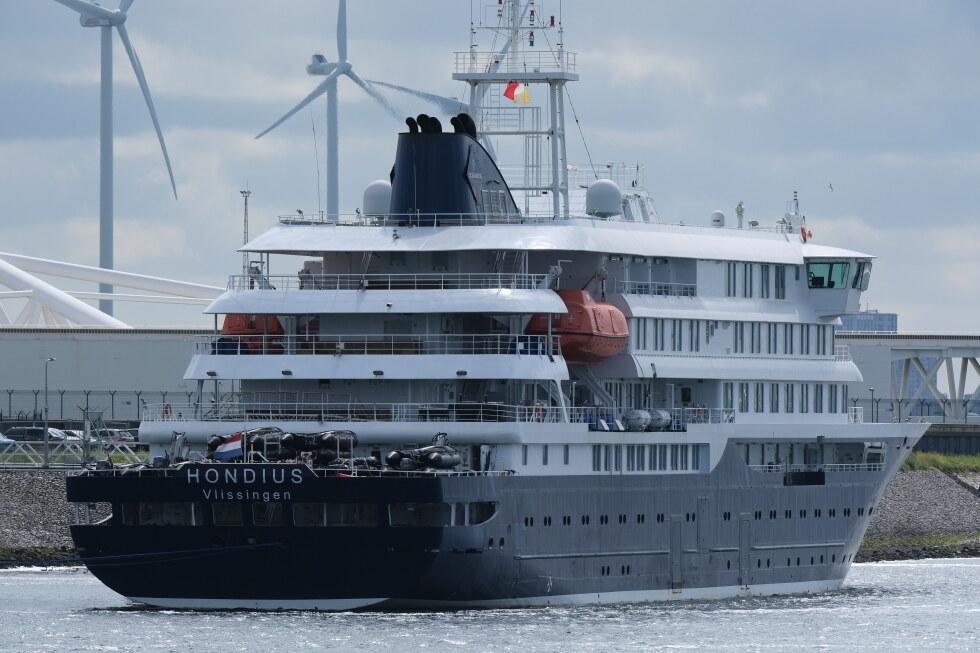
WASHINGTON (AP) — The Trump administration put up $750,000 to charter a private yacht to evacuate a single American citizen from a remote South Pacific island after she had been aboard a cruise ship at the center of a deadly hantavirus outbreak, a move that has further strained the State Department’s emergency budget.
The woman, who may have been exposed to the virus while aboard the Dutch MV Hondius cruise liner in April, had gotten off the ship and then flown to San Francisco before traveling to the isolated British territory of Pitcairn Island through Tahiti, according to two U.S. officials and an internal government document obtained by The Associated Press.
The exact amount of the total evacuation payment is still being assessed because the operation is still underway. Both officials spoke on condition of anonymity to discuss a medical case covered by U.S. privacy laws.
The costly effort to pick up the woman has added to the expense of rapid evacuations for diplomats and private U.S. citizens from the Middle East since the start of the Iran war as well as preparations for possible evacuations from Ebola-stricken countries. All have stressed the State Department budget for unforeseen emergencies, known as the “K Fund,” and brought its balance to the lowest level in seven years.
State Department emergency budget strained by multiple evacuations
Another internal document said the State Department is looking at transferring as much as $50 million into that emergency fund from other accounts — $35 million from the budget for embassy security, construction and maintenance and an additional $15 million from an account that pays for broader diplomatic programming. No decision on the transfers has yet been made.
One of the officials said the State Department has another option, to ask Congress to replenish the fund. However, the official said the department is expected to be able to handle payments for both ongoing and “emerging contingency needs.”
The official would not say what the potential shortfall is but insisted that the department is “well positioned” to support diplomats, other U.S. government employees and private Americans who have been forced to leave the Middle East because of the Iran confict, as well as U.S. citizens who may need assistance due to developments such as the Ebola outbreak in Africa.
How the US is evacuating an American exposed to hantavirus from a remote island
The State Department declined to comment on the specifics of the woman’s case on Pitcairn Island but said that “when an American is at risk abroad and unable to access commercial transportation, the Department of State seeks to provide appropriate assistance to get them home to the United States or to another safe location.”
After the woman departed the cruise liner where the hantavirus outbreak occurred, the ship continued to other destinations in the South Atlantic, with some passengers falling ill and at least three dying. The unidentified American woman was stuck on Pitcairn, an island with only about 50 inhabitants, no airport and infrequent maritime options to depart.
Pitcairn is well-known as the island on which Fletcher Christian and other British mutineers from the HMS Bounty took refuge after the 1789 events that toppled Capt. William Bligh, which have entered into the public lexicon with books and films about the “Mutiny on the Bounty.” Their descendants make up most of the island’s current population.
Complicating matters, British authorities had sought urgent American assistance in evacuating the woman from the island, which is their territory, according to the government document about the cost of the evacuation and the second U.S. official.
But initial attempts to send her to Tahiti, a French dependency, about 1,350 miles (2,160 kilometers) — or a 30-hour sea journey — from Pitcairn, were rejected by French Polynesian authorities. They did not want to allow her in because she had not disclosed her exposure when she transited the island on her way to Pitcairn.
The U.S. is transporting the woman, who was not symptomatic, from Pitcairn to Easter Island, another remote location in the Pacific about 1,400 miles (2,253 km) away, which is a territory of Chile and has direct flights to Santiago, so she can return to the United States for any necessary treatment.
All of those factors mean the process of getting her moved from Pitcairn to Easter Island took many weeks to arrange, the officials said.
The government document, which was confirmed as accurate by the two officials, said moving the woman from Pitcairn eventually was arranged via the “Titaina Explorer” trimaran yacht owned by a wealthy Frenchman, who uses it for personal exploration in the South Pacific. Pitcairn has no airport and only limited sea access.
The officials said the woman had no political or celebrity connections and they did not know exactly when she will return to the U.S. Maritime tracking sites show that the Titaina Explorer departed Pitcairn Island on June 5. The voyage to Easter Island can take up to 10 days depending on the speed of the boat and the weather.

World Cup 2026 is here, promising a festival of football on a scale never seen before.
With the tournament being hosted in the USA, Mexico and Canada, all the matches will kick off between 5pm and 5am UK time. While most footy fans will be pleased that the games are outside of normal working hours, the late (and very early) kick-offs pose a challenge for people keen to soak in the atmosphere in a pub.

England fans will be able to watch late-night football in the pub
PA Archive
But these same automatic extensions don’t apply for England and Scotland games in the group stage – meaning some games will potentially be tougher to watch.
However, venues with existing late licenses can continue to operate as usual.
What you need to know about licensing rules for pubs in London at the World Cup 2026
No automatic extensions to venues’ normal operating hours have been granted by the Government for the World Cup group stages.
This in short, means that pubs and venues will be allowed to serve drinks within their standard agreed licensed hours, and stick to their permitted opening times.
This will mean that pubs with a standard 11pm licence should be able to show games kicking off at up to 9pm within their normal hours without any issues.
To watch a later game without any problems, fans should seek a venue that has a later licence.
However many pubs with a standard 11pm licence are likely to seek a Temporary Event Notice (TEN) to stay open later for big games with later kick-offs, such as England’s group stage game with Panama Saturday, June 27, that kicks off at 10pm. These applications for temporary late licences are expected to be approved in most situations.
But in short, and to be safe, if you want to watch a particular game that kicks off after 9pm, check with the venue where you are planning on watching, to see it will be showing the game.
The automatic extension in knockout rounds
An automatic extension has been granted by the government to pubs in England and Wales showing England or Scotland games during the knockout stages.
This means any pub or venue with a standard 11pm alcohol license can stay open later without applying for an extension.
For games that kick off between 5pm and 9pm, licensing hours are extended until 1am and for those that kick off between 9pm and 10pm, licensing hours are extended to 2am.
However, this only applies when England or Scotland are playing in a knockout round.
What about knockout matches that start after 10pm?
Currently, the extension will not apply to any potential matches that kick off for home nations in the knockout stages after 10pm.
Licensed “on-trade” venues, such as pubs, bars and restaurants, at this stage, would have to apply for a Temporary Event Notice if they wish to stay open later.
But the government could look again at the terms of the automatic extension if this scenario arises.
What about when no home nation is playing in a knockout game?
If neither Scotland nor England are on the pitch, the automatic licensing extensions for the knockout games don’t apply.
So be prepared for some venues not serving alcohol past 11pm for knockout matches not involving the home nations, if they haven’t applied for a TEN.
It will always be safer to check a venue is showing a game that kicks off after 9pm.
What about outdoor venues?
Nothing says British summertime like watching football in a beer garden, but plans may be foiled under council curfews.
It’s important to check that the venue you’re attending will still be showing the football outside at later times as the extension does not cover curfews.
Will all pubs be showing England and Scotland games?
For a kick-off beyond 9pm in the group stages, it’s best to check the venue where you are planning on watching is showing the game and has a late licence for it.
Below are the kick off times for the group stage games for each nation.
- Wednesday 17 June, 9pm: England Vs Croatia (Dallas Stadium)
- Tuesday 23 June, 9pm: England Vs Ghana (Boston Stadium)
- Saturday 27 June, 10pm: Panama Vs England (New York New Jersey Stadium)
If England and Scotland reach the knockout stages, for games that kick off between 5pm and 9pm, licensing hours at pubs will automatically be extended from 11pm until 1am and for those that kick off between 9pm and 10pm, licensing hours will be extended from 11pm to 2am.
For a later kick-off time than 10pm, pubs without a late licence will need to apply for one through a TEN.
Form 4 Western Digital Corporation For: 11 June

Here’s why bitcoin ETF outflows may have little to do with SpaceX mania

Milla Jovovich’s Extremely R-Rated, 2000’s Crime Thriller Is An Unfairly Overlooked Revenge Plot



-

 Fashion6 days ago
Weekend Open Thread: Evereve – Corporette.com
-
 Crypto World6 days ago
Jensen Huang Approves Samsung, SK Hynix, and Micron for NVIDIA (NVDA) HBM4 Memory Supply
-

 Crypto World4 days ago
Anatomy of the June crypto crash: Fed, Iran, Saylor
-
 Entertainment5 days ago
The Best Mystery Series of All Time Is Surging on Streaming 30 Years After It Ended
-

 NewsBeat4 days ago
Alexander Zverev wins the French Open to finally earn a 1st Grand Slam title
-

 Tech6 days ago
Suspicious Polyfill login prompts pop up on Toshiba, Muji websites
-
 Crypto World5 days ago
Senator Cynthia Lummis Calls CLARITY Act the Most Consequential Financial Legislation of This Generation
-

 Tech7 days ago
Microsoft launches MXC, an OS-level sandbox for AI agents, with OpenAI and Nvidia already on board
-

 Tech4 days ago
Microsoft unveils seven homegrown AI models in new bid for ‘long term self-sufficiency’
-

 Business6 days ago
(VIDEO) Justin Bieber Delivers Surprise Happy Birthday Serenade to Diners at Los Angeles Mexican Restaurant
-
 Business5 days ago
The Pain Points Taking a Fragile Tech Rally Down a Notch
-

 Business4 days ago
High Stakes for Wembanyama as New York Pushes for 3-0 Lead
-
 Crypto World3 days ago
Eli Lilly (LLY) Stock Surges 4% Following Breakthrough Sleep Apnea Trial Results
-

 Tech6 days ago
Von der Leyen’s AI envoy pick draws conflict-of-interest fire
-
 NewsBeat4 days ago
Alexander Zverev conquers demons and outlasts Flavio Cobolli to win French Open for first major title
-

 Tech6 days ago
Meta steals a tactic from Tesla and builds data centers in tents
-
Crypto World7 days ago
LBank Surpasses 25 Million Users Worldwide as AFA Partnership Continues to Drive Global Growth
-

 Tech6 days ago
Hackers now exploit SolarWinds Serv-U flaw to crash servers
-

 Crypto World4 days ago
Trump’s AI Ownership Plan Could Benefit Anthropic at OpenAI’s Expense
-
 Sports2 days ago
Bangladesh beat Australia after 20 years in ODIs, register only their second win over six-time world champions | Cricket News
You must be logged in to post a comment Login