






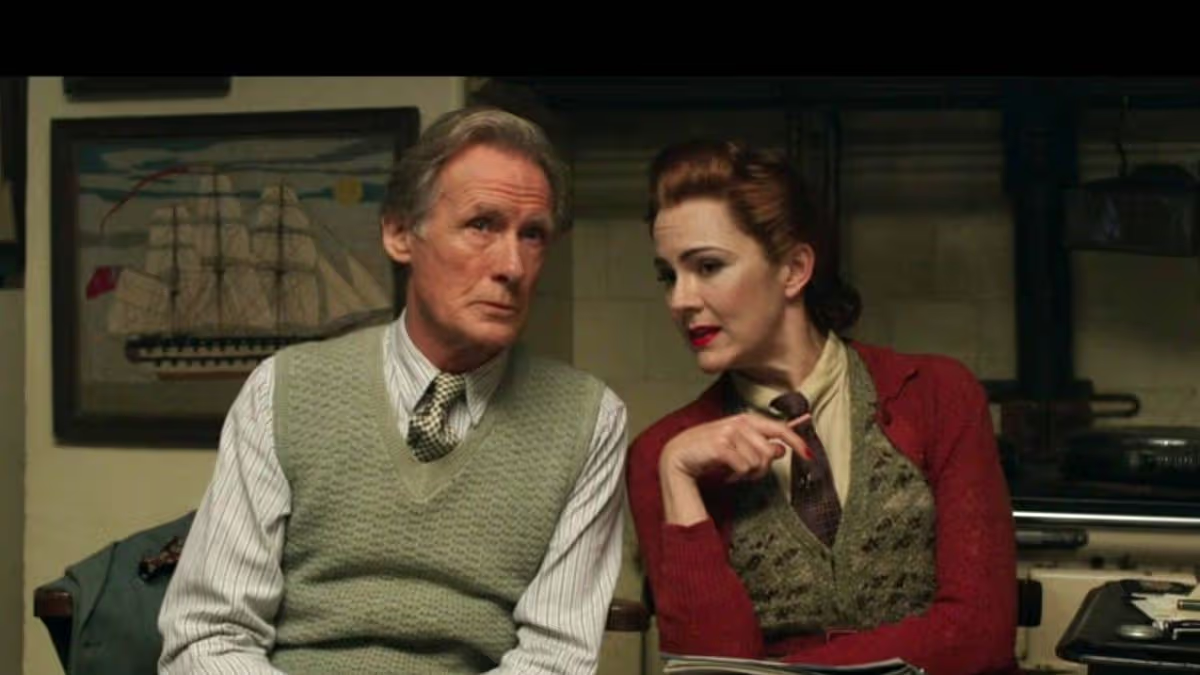
The Light That Failed was based on a Rudyard Kipling story about an artist who is losing his eyesight as a result of a wound sustained fighting on the frontiers of Queen Victoria’s empire.
The film was made in Hollywood in 1939, starring Ronald Colman and Ida Lupino, but it was considered too depressing for wartime Britain, and so it didn’t appear on British cinema screens until 1946.
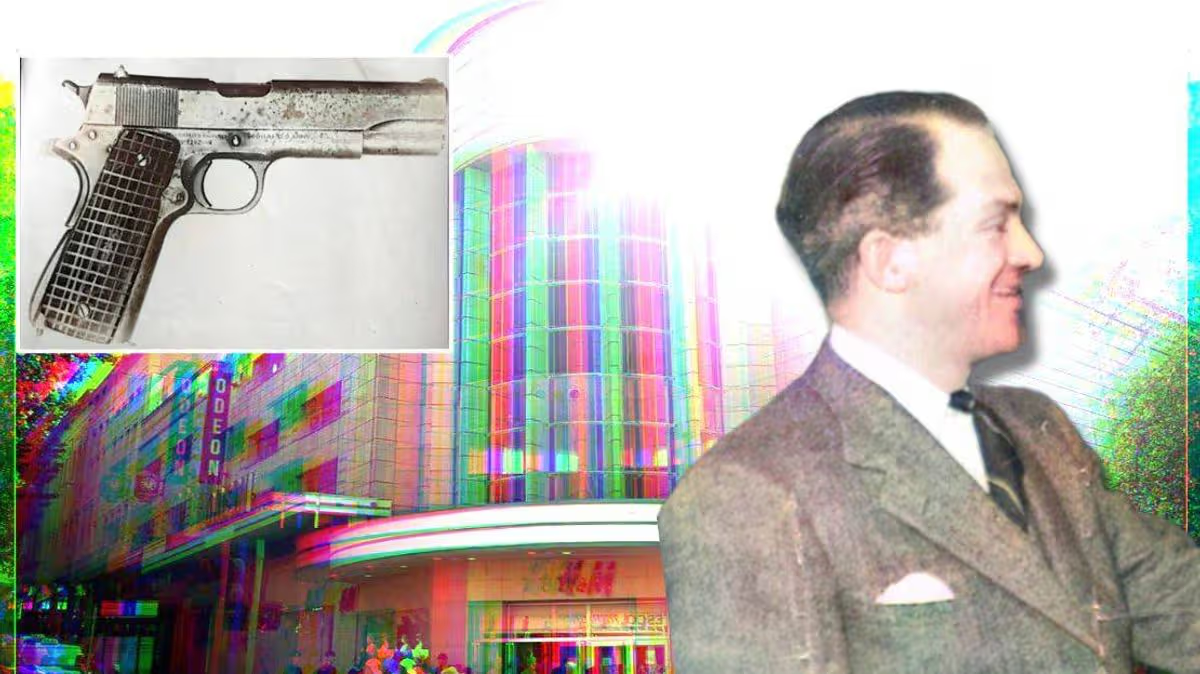
On the evening of Wednesday May 29, it was showing to a full house – around 2,000 people – at the Union Street Odeon.
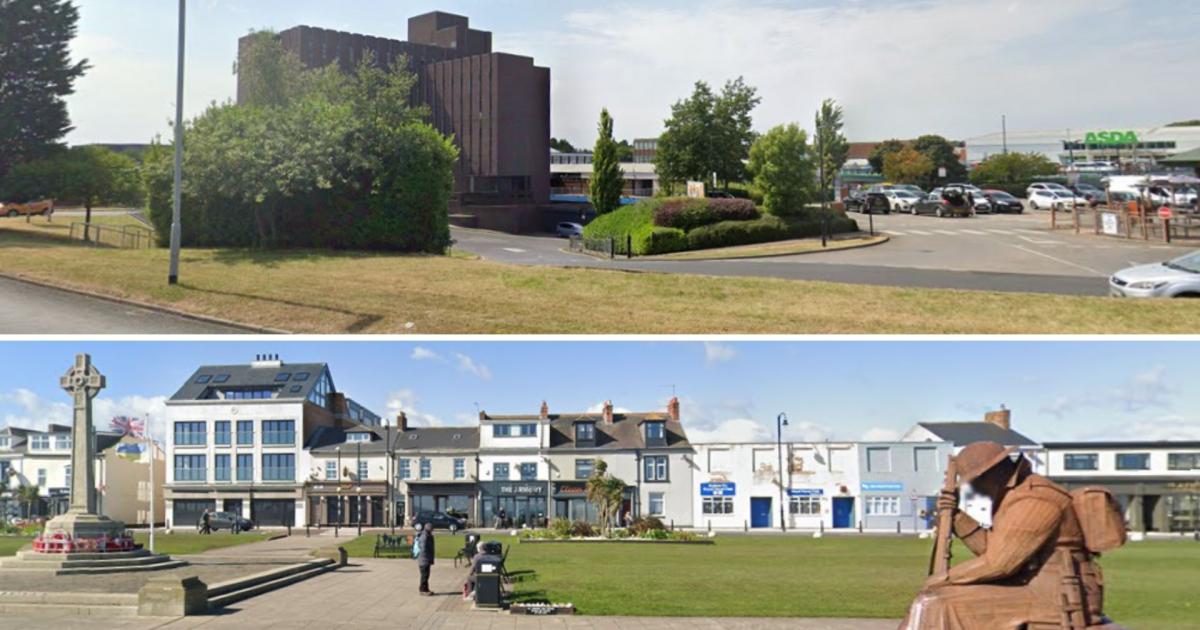
The cinema was much bigger then that it was in more recent times before it closed. What’s now a Lidl supermarket was then the cinema foyer. As well as a huge single auditorium, it also had a restaurant.
The film started showing at 6.25. Early on in the film, the gunshots rang out onscreen.
It’s passed into local legend that the shots in the film masked the sound of real gunshots in the cinema manager’s office. The earliest reference to this is a newspaper report that there were five shots on the soundtrack followed by a sixth in the office. Actually there are loads of gunshots in the film, and in the manager’s office two bullets were fired.
Between 6.40pm and 6.45pm, the supervisor of the cinema’s cafeteria entered the office of the manager, Robert Parrington Jackson, to ask him if he was ready for his tea. She went into shock as she found him lying on the office floor bleeding from a wound in the head.
The police were called and detectives came running from the Bridewell station close by.
Two uniformed constables guarded the office door, but the screening continued. Aside from a message flashed up on the screen asking if there was a doctor in the house, the audience knew nothing until later.
Robert Parrington Jackson died at the BRI the following morning without having regained consciousness.
He was 33 years old, and a glamorous figure. He had tried his hand at acting, car racing and had briefly been a radio presenter. He had taken over the running of the Odeon in 1939, but left almost immediately for wartime service in the Royal Navy.
He had only been back in his old job for a few weeks when he died. He was married with a wife and four-year-old son.
Superintendent Fred Carter of Bristol Constabulary took charge of the case and started looking for a motive.
Shortly before being shot, Jackson had put the day’s takings into the office safe. By one account this was around £800. If true, this was a huge sum – the equivalent of £40,000-£50,000 today.
Yet the keys to the safe were still in Jackson’s pocket, and the money in the safe was untouched.
Suicide was ruled out. There was no gun beside his body, and besides, Jackson had been laughing and joking with the staff shortly before he was shot.
Two shots had been fired. One missed. Both came from a US Army issue Colt.45 automatic pistol, and a search for the weapon was launched immediately. For a time it was thought that the same gun had been used in the murder of a 12-year-old girl in south Wales.
A few days after the killing, an anonymous note to the police gave them a description of a possible suspect. Aged 30-35, clean-shaven, about five foot seven tall, medium build, dark suit, white shirt, dark tie.
Police also said they were looking for a second suspect, a possible accomplice, a younger man who had been seen looking shifty and nervous in the Odeon restaurant just before the murder.
Police questioned one man in Bristol, while at their request a former American soldier was questioned by US military police in Britain. Both men were cleared.
The murder weapon was found later that summer. It had been thrown into a water-tank, one of the many which had been set up around town during the war to ensure water supplies for firefighters during the Blitz and which had still not been dismantled.
The case generated a lot of media attention, though perhaps it was not as sensational as we might expect. The post-war years saw a massive crime-wave across Britain generated by the black market (because everything was still rationed), and the ready availability of firearms, whether stolen from the armed forces or as “souvenirs” brought home by returning servicemen.
Added to this was the widespread view that many young men had grown up without the influence of fathers who were away fighting and succumbed to the temptations of a life of crime. Whatever nostalgic view we might have of the time, crime was rife.
The trail went cold, though the police maintained that they were seeking two men whose likely motive was robbery.
In the years that followed, though, the mystery generated more press coverage locally than it had done in the weeks after the murder. All manner of stories and theories were traded around town. Many centred on Jackson’s love-life; he’d supposedly been shot by a jealous lover, or the boyfriend of an usherette who had become pregnant by him, or something along those lines.
In the mid-1970s, a man living in Bristol’s Salvation Army hostel, Fred Jesser, told the Post that he’d told police in 1946 that he believed Jackson was killed because he was over-familiar with his female staff.
“Jacko was the sort of bloke who would always greet his usherettes, waitresses and kiosk girls with a hug or a kiss,” he told a reporter.
“It was nothing more than well- meant fun but I believe it led to one of their boyfriends becoming jealous. Something happened to one of the girls in the kiosk and although Jacko had nothing to do with it, he apparently got the blame.”
One of the detectives working on the case interviewed 30 years ago said that the police never took the jealous lover theory seriously.
Then came the ghost stories. The cinema was haunted by the manager, but he only ever appeared to female members of staff. In the 1990s, the then-manager told a local magazine that the ghost had appeared to a cleaner late at night. It was a hot summer evening, the cleaner said, but suddenly the auditorium went freezing cold, she saw a man, and then he wasn’t there.
The Reverend Lionel Fanthorpe, a minor TV celebrity investigator of the paranormal, visited the cinema with an exorcist.
Finally, in later 1993, came a resolution of sorts … That year, a man named Jeff Fisher walked into a police station in Cardiff and announced that his father was the killer.
Billy “the Fish” Fisher had been a petty crook in the 1940s. He and his mate Dukey Leonard had travelled to Bristol from south Wales that day in 1946 with the intention of robbing the cinema.
They had panicked, he said, when the manager walked into his office when they were trying to open the safe, and Fisher shot him.
He confessed his crime to his son when he was on his deathbed in 1989. Jeff Fisher told the police he believed that his father may have murdered more than once.
But for official purposes, the case is still unsolved.




































You must be logged in to post a comment Login