






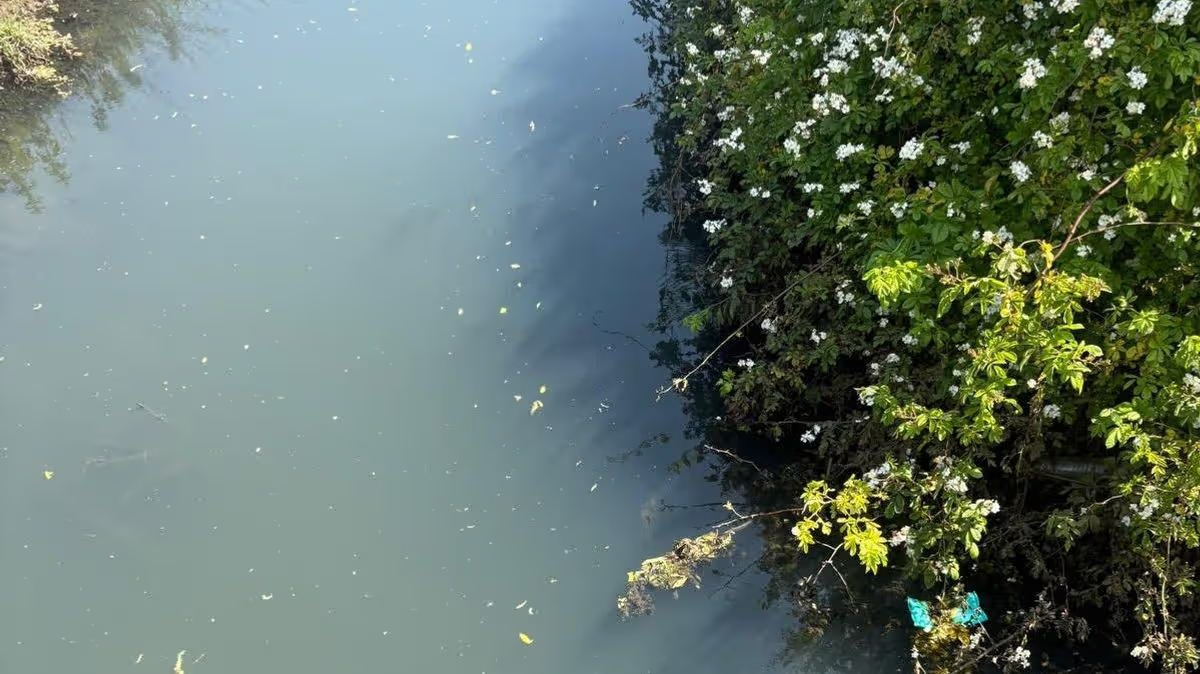
Welsh Water has apologised for the impact discharges have had on the local environment
An investigation has been launched after sewage has been repeatedly pumped into a Welsh river, with “unacceptable” consequences. Natural Resources Wales (NRW) said repeated discharges from the Marlas Sewage Pumping Station (SPS), which is operated by Dwr Cymru Welsh Water, are polluting the River Kenfig.
There have been reports of unpleasant odours, discoloured waterways and damage to fish and other wildlife in the area of the river, which runs through the Kenfig National Nature Reserve, an important conservation area.
Plaid Cymru Senedd member Sera Evans, who represents the Afan Ogwr Rhondda constituency, said there was an “overwhelming stench of sewage” after a recent visit to the river. She called on Welsh Water to “act urgently” over the ongoing pollution.
Welsh Water said it is working on a river recovery plan for the Kenfig and apologised for the impact discharges have had on the local environment.
NRW said problems stem from a nine-kilometre pipeline carrying sewage to the Afan Wastewater Treatment Works. Marlas SPS has a water quality discharge permit, which allows the discharge of storm sewage or discharge of sewage in an emergency from the pumping station, both within specific criteria.
However, the pipeline has suffered a number of bursts since August 2023, which have been monitored by the regulator. Stay in the know by making sure you’re receiving our daily newsletter
NRW said the situation escalated in February, “with a continuous discharge” from the Marlas SPS. Welsh Water has now completed a temporary overland rising main that is expected to significantly reduce the risk of further pollution.
NRW said the water company is expected to undertake remedial work to clean up affected stretches of the River Kenfig along with a plan for longer term enhancement of the river and its biodiversity.
In its latest update, NRW said: “The scale of environmental impact on the River Kenfig is unacceptable, and we understand the concern and frustration this has caused for local communities, as well as the damage to wildlife and the wider environment, including Kenfig National Nature Reserve.
“The ongoing discharge has had a significant impact on the River Kenfig downstream, including visible pollution and odour.
“We are taking this matter extremely seriously and are continuing to respond, monitor and investigate the ongoing incidents linked to Marlas SPS. We have undertaken regular site visits to the affected area.
“DCWW, as the operator, is responsible for complying with the conditions of its environmental permit and managing and mitigating impacts of the on-going discharge.
“As the regulator, we are undertaking detailed formal investigations and assessing the environmental impact. We will take the appropriate action in line with our Enforcement and Sanctions Policy.
“During our formal investigations we are unable to provide detailed information as disclosure of investigative details at this stage could risk prejudicing any enforcement outcome.”
A Welsh Water spokesperson said: “We are currently working on a project to replace 6km and renew 3km of sewer main in the Kenfig and Port Talbot area, at a cost of more than £13m, following the escalated deterioration of the current main.
“To minimise the impact this had on the environment, we installed a full wastewater treatment process at Marlas Sewage Pumping Station.
“This was done while 4.9km of temporary overland pipe was laid to link to the treatment works in Port Talbot. This has been operational since Monday and the spill to the Kenfig, which consisted of water treated at the temporary works, has ceased.
“While we are continuing to manage the situation, looking at a river recovery plan for the Kenfig and the wider catchment, this work would improve biodiversity and restore water quality.
“An aeration system will remain in the river on a 24/7 basis to increase oxygen levels to support fish and wildlife and improve river health.
“We are continuing to work with NRW, who are being provided with results from our sampling in the river. We would like to apologise to the community for the disruption this work is causing and for the impact we have had on the local environment.”



















































You must be logged in to post a comment Login