
Connect with us

NewsBeat

Ring camera footage shows ‘theft’ from York art gallery

Published

on

Ring camera footage shows 'theft' from York art gallery

Julian Jardine sent Ring doorbell camera footage of the man, who appeared to be snatching a grizzly bear sculpture from his gallery in Colliergate, to North Yorkshire Police.

He said: “I was just around the corner in the gallery, and the man was the only person I hadn’t said “hello” to that morning.”


RECOMMENDED READING:

Advertisement

Julian posted the footage to his business Instagram page, appealing for those who might recognise the man to get in touch.

In the post, he said: “If you happen to recognise him, please get in touch and let me know.

“It has been such a welcoming, friendly city, we don’t need this.”

North Yorkshire Police has launched an appeal to find a man, who officers say they would like to speak to in connection with the incident.

Advertisement

It comes just three months after the opening of The Julian Jardine Gallery & Workshop.

If you believe you can assist with information and in finding the man, please email joanne.bell@northyorkshire.police.uk or call North Yorkshire Police on 101.

Alternatively, you can contact Crimestoppers anonymously on 0800 555 111 or via their website.

Please quote reference 12260138517 when providing information.

Advertisement

Source link

Continue Reading
Click to comment

You must be logged in to post a comment Login

Leave a Reply

NewsBeat

Predator used nickname ‘Epstein’ to force more than 100 girls to self-harm online | News UK

Published

on

Predator used nickname 'Epstein' to force more than 100 girls to self-harm online | News UK
Some of his victims had self-harmed and carved his aliases on their skin (Picture: NCA)

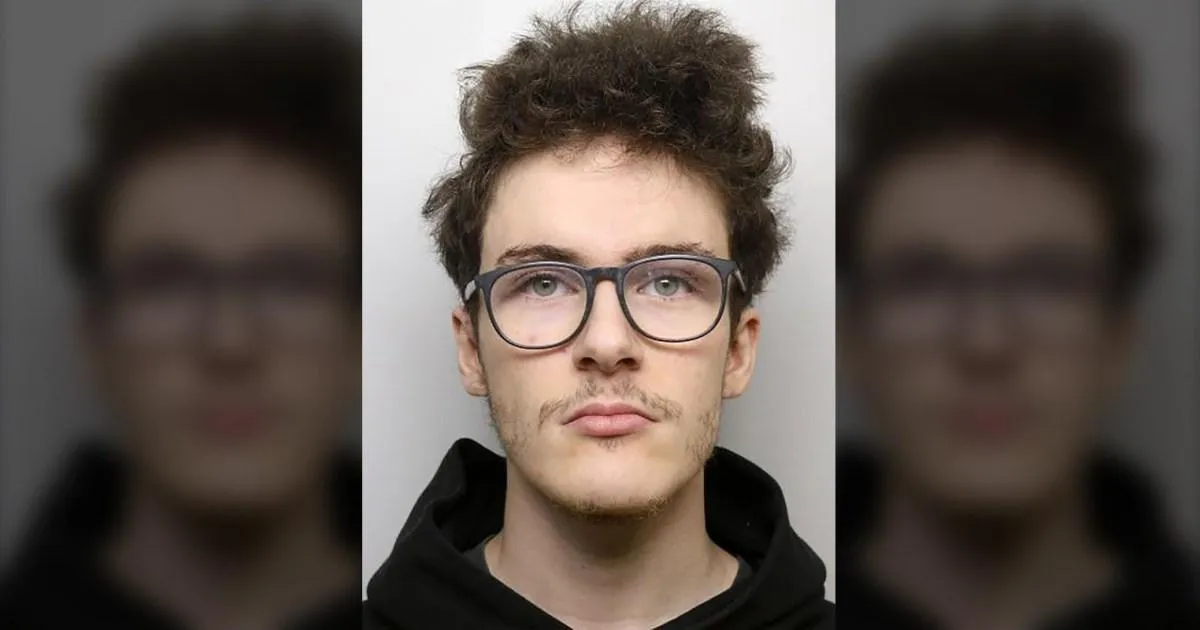
A 17-year-old forced girls to self-harm and perform sex acts in a campaign against more than 100 victims, the National Crime Agency has said.

Justin Swaddle, now 20, was operating in a Com group, which are loose online communities that share extreme graphic material and manipulate victims to allow them to commit both sexual and violent child abuse.

Members are mainly teenage boys driven by a desire for status, rather than sexual desire or money. Notoriety is achieved by sharing more extreme content and committing increasingly serious crimes.

Swaddle’s devices were found to contain images of victims with self-harm injuries, including of his aliases carved into their skin, the NCA said.

Advertisement

He was 17 years old when he groomed girls across the world on Discord, Telegram and Snapchat, operating under the usernames ‘Epstein’, ‘Rugen’ and ‘Moscow’, it added.

Sign up for all of the latest stories

Start your day informed with Metro’s News Updates newsletter or get Breaking News alerts the moment it happens.

Advertisement
Teenage predator used nickname 'Epstein' to target 117 underage girls online Justin Swaddle Picture: NCA METROGRAB
Justin targeted the young victims and threatened them (Picture: NCA)

‘Justin Swaddle targeted young and vulnerable victims all over the world to abuse and scare them into carrying out shocking self-harm and sexual activity, purely to gain popularity with his peers online,’ Danielle Pownall, Operations Manager at the NCA said.

Swaddle, of Meanwood, Leeds, was jailed for two years on Monday after an investigation revealed he had communicated with 117 female victims aged 13 to 17, eight of whom were in the UK.

He gained the trust of his victims before collecting private information about them to threaten them.

One victim, aged 17, said she met him on social media platform Discord in November 2022 and they then moved to Snapchat.

On Snapchat, the conversation became sexual and escalated into discussions of self-harm.

Advertisement

Swaddle requested nude images of her, and that she carve his username in her body, the NCA said.

He obtained her name, address and school details. She also learned he had recorded calls where sexual activity had taken place and shared them with a group.

Swaddle threatened to use her personal details if she did not provide further images and videos.

Other Telegram messages showed he had attempted to incite a child to sexually abuse a young child and record it for him, according to the NCA.

Advertisement

His devices contained indecent images of children in categories A to C, with A being the most severe. Detectives estimated the images on his devices showed children aged between three and 17, with several indicating he had directed or encouraged the acts.

Swaddle was first arrested by West Yorkshire Police in October 2023 for offences including the possession, making and distribution of indecent images.

The NCA started their investigation in January 2024 and uncovered hundreds of conversations, all sexual and involving young females.

Investigators worked with law enforcement partners in the USA, Canada, Australia, Norway and New Zealand to speak to and safeguard victims.

Advertisement

According to the NCA, Swaddle admitted two counts of inciting a girl aged 13 to 15 to engage in sexual activity without penetration; inciting a girl aged 13 to 15 to engage in sexual activity with penetration; and blackmail.

He also pleaded guilty to making an indecent photograph of a child in categories A, B and C, as well as possessing an extreme pornographic image and possessing a prohibited image of a child.

Get in touch with our news team by emailing us at webnews@metro.co.uk.

For more stories like this, check our news page.

Advertisement

Source link

Advertisement
Continue Reading

NewsBeat

Benjamin Netanyahu’s rejection of Trump’s 15-point Gaza plan unlikely to be final word

Published

on

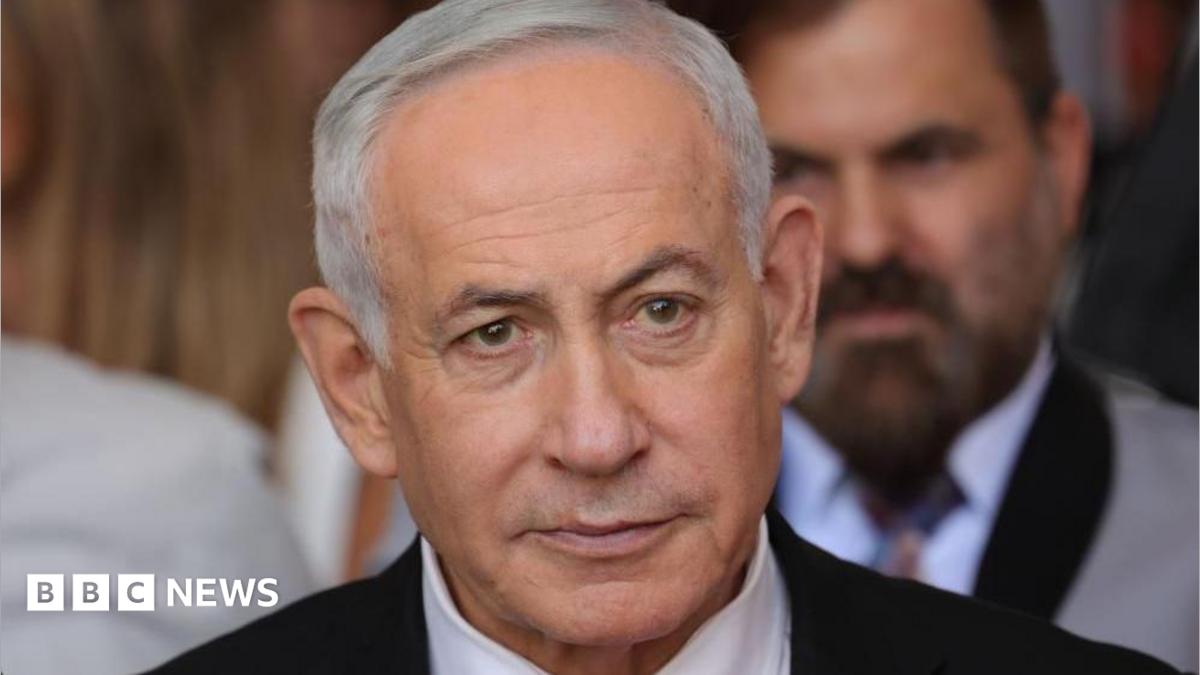
Close up of Benjamin Netanyahu from the shoulders up. He has short, grey hair and is wearing a shirt, tie and suit.

In July, after months of delicate negotiations, Trump announced a “major milestone” in the implementation of his plan to end Israel’s war in Gaza.

Writing on his Truth Social platform, Trump said that the Board of Peace had reached an agreement for the complete disarmament of Hamas and other Palestinian armed groups in the territory.

The deal is meant to be carried out in phases, with all weapons decommissioned and stored by a new Palestinian administration in Gaza – which reports to the Board of Peace – and Israeli forces withdrawing from the more than 60% of Gaza they currently control.

Senior Hamas officials confirmed that they had agreed to the new framework, conditioning it on mutual compliance by Israel. This was widely viewed as a major potential breakthrough in the conflict. The UK welcomed it and the European Union hailed it as a “crucial step”.

Advertisement

However, for more than a week, Israel did not give its formal response.

An Israeli spokesman said only that the roadmap did not “reflect Israel’s positions.” A far-right member of the government, Itamar Ben-Gvir, wrote on X that the deal was “unacceptable.”

Increasingly, mainstream Israeli opposition politicians also raised doubts. They questioned whether all small arms would be decommissioned and the sequencing of the plan.

Finally on Sunday, Netanyahu told his cabinet, “I wish to be precise here: Israel does not accept the 15-point document.”

Advertisement

He added: “The IDF [Israel Defense Forces] will not carry out any withdrawal until Hamas is disarmed. And when I say the disarming of Hamas, it means heavy weaponry, lighter weaponry, all weaponry. And we are talking about genuine disarmament, not fictitious disarmament.”

In the same statement, the prime minister described President Trump as “the greatest of our friends in the White House” but said that Israel knew “how to stand firm” against unacceptable ideas.

In Israel, there is widespread scepticism that Hamas intends to follow through on its commitments.

The Islamist movement has long seen “armed struggle” as a core precept, its legitimate response to Israeli occupation of Palestinian lands. In recent months, there had been signs of it reasserting its authority in Gaza.

Advertisement

“Israel can certainly never agree to retreating anywhere where the terrorist group that caused the worst massacres since the Holocaust is still there and is still ruling the Strip,” Fleur Hassan-Nahoum, an Israeli commentator and former deputy mayor of Jerusalem told the BBC.

She stressed that the “trauma of the Israeli people” from the deadly Hamas-led attacks on 7 October 2023, which ignited the devastating Gaza war, should not be underestimated.

Source link

Advertisement
Continue Reading

NewsBeat

What Andy Burnham means for the arts

Published

on

What Andy Burnham means for the arts

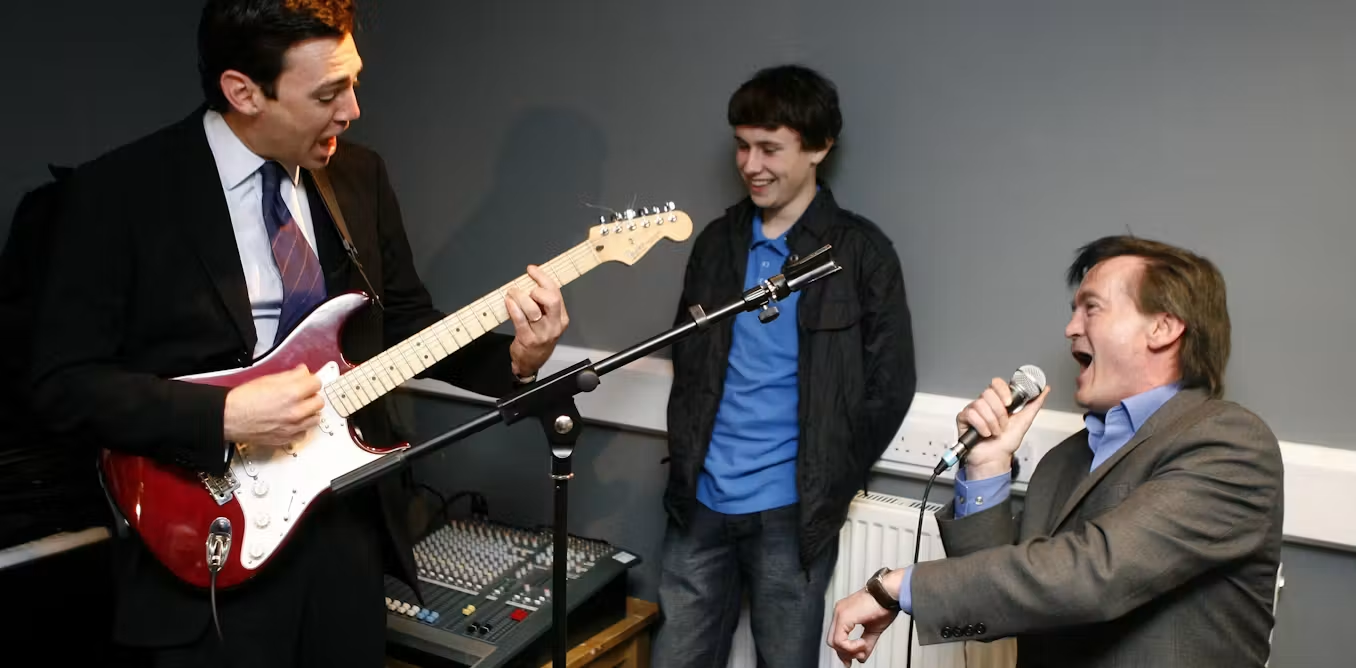
Beyond the rapid turnover of prime ministers in recent years (seven in the last 15 years), there’s been an even higher churn in other roles, notably that of culture secretary – 12 in the same period, and 18 since the post was first introduced in 1997. Of these, Andy Burnham is the first to achieve the top post in British government.

Recent years have also not generally been favourable for the arts in terms of policy, with a general drop in real-terms spending through both Arts Council England and local authorities from 2010-2022 (apart from the Culture Recovery Fund during the pandemic). Culture is, in any case, largely devolved to the UK’s constituent nations – Westminster’s direct reach runs mainly to England, plus reserved heavyweights like broadcasting, digital and media regulation.

While there’s been an upturn since the last general election, this has leaned towards capital investment in buildings and infrastructure, with uneven gains for the recurrent, day-to-day funding that sustains programming, jobs and artists’ livelihoods.

So, what might the sector expect from a government led by a former holder of the culture brief, given Treasury habits of treating culture as a second-order priority, rather than a key part of the national fabric?

Advertisement

More than the Haçienda

Burnham’s more recent record as mayor of Greater Manchester suggests a commitment that goes beyond club anecdotes about the Haçienda and his well-documented indie music fandom. As mayor, Burnham commissioned an independent Greater Manchester Music Review with UK Music, launched in 2018 and published in 2019. This considered financial and equalities barriers, leading to a regional Music Commission with artists, venues, and industry brought into the room with civic decision-makers.


This article is part of our State of the Arts series. These articles tackle the challenges of the arts and heritage industry – and celebrate the wins, too.


He also explicitly backed a £1 ticket levy on major arena-scale events to support grassroots venues, and a VAT cut for music venues, along with supporting the “agent of change” principle, which shifts the cost of soundproofing buildings on to developers making changes to an area, rather than pre-existing venues.

Advertisement

This suggests the application of a relatively consistent understanding of culture beyond a decorative add-on – as economic and civic infrastructure through jobs, the nighttime economy and a touring pipeline.

But translating that into engagement with the sector will be a longer process. Culture secretary Lisa Nandy – retained in the cabinet reshuffle – has faced some scepticism from the sector. She is seen as better at diagnosis than delivery and had previously been mooted for a move.
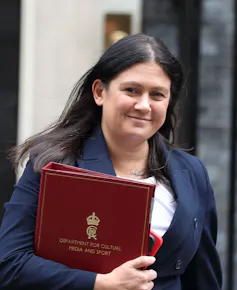
A woman with long dark hair outside number 10 Downing Street.
The current culture secretary Lisa Nandy has been criticised for per perceived lack of interest in the role.
Repic / Shutterstock

Keeping Nandy in post, though, could be read less as inertia than alignment. The two are political allies, with broadly similar instincts, and Burnham’s reconfiguration of the Department for Culture, Media and Sport (DCMS) to include “digital” – introduced during Theresa May’s government before it lost the brief in 2023 – reflects a deliberate framing that “culture and technology are inseparable drivers of our modern economy”.

The devolution wager

At tech and culture festival SXSW London in June, Nandy spoke publicly about the government’s course correction on AI, rowing back on the “opt-out” plan for AI training on copyrighted work and acknowledging the need for a more nuanced approach to the competing demands of different parts of the creative industries. Retaining Nandy while fundamentally restructuring her department suggests Burnham’s bet is primarily on institutional change and the machinery itself helping to determine outcomes.

The test will be in the execution. Nandy’s publication in July of Turn It Up, the government’s first comprehensive music plan, offers a preliminary gauge.

Advertisement

Its ten priority areas include £45m in targeted grassroots investment, licensing reform and agent-of-change protections. A further £150m of creative funding is devolved through mayoral strategic authorities. Taken together, this suggests a focus on infrastructure policy that moves beyond cultural cheerleading. Whether that machinery accelerates delivery, or simply redistributes the familiar frictions across new layers of bureaucracy, will take longer to establish.

Turn It Up predates Burnham’s premiership, but its devolutionary impetus of funding, routed through mayoral hands, runs with the grain of his wider agenda. Rewiring the State, published within his first fortnight, extends the same logic to the whole of government. Devolution, in this case, refers to England: decisions and funding are shifted from Whitehall to local leaders, with mayors retaining a share of locally raised revenue.
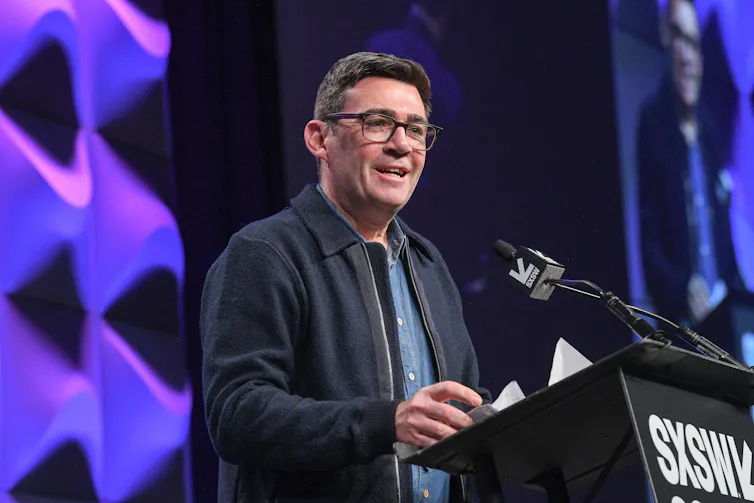
A man smiling as he stands at a podium at a conference.
Andy Burnham introduces New Order after speaking at the SXSW culture and technology festival in Austin, Texas in 2023.
John Anderson / Alamy

Cautious optimism

There are limits to reading Greater Manchester as a template. What worked there rested on conditions not necessarily replicable nationwide: a large conurbation with an established music economy, strong civic institutions, and a mayor with personal capital in the sector. Devolving decisions on culture to mayors relies on the will to prioritise it and, crucially, on authorities having the capacity and revenue base to act.

For smaller cities and towns outside the combined authority framework there’s a chance that “Manchesterism” could be something of a spectator sport. The talent pipeline is also under pressure from a direction the plan barely touches – arts provision in higher education is contracting as the universities’ financial crisis bites, with courses closing across the country.

Nor does devolution resolve the underlying settlement: day-to-day funding for programming and livelihoods still depends substantially on Treasury decisions, and a first fortnight dominated by the cost of living, social care and the BBC Charter is a reminder of how quickly governmental bandwidth is absorbed.

Advertisement

Even so, there’s cause for cautious optimism. A prime minister who has held the culture brief, run a music review, and defended grassroots venues in planning disputes seems not to need persuading of the basic case.

The structural approach – building culture into how places are funded and governed, rather than leaving it to plead its corner in Whitehall – is at least a plausible wager. Whether it pays off remains to be seen. But for once, the arts seem not to be starting the argument from scratch.
Source link

Advertisement
Continue Reading

NewsBeat

Huge 7.4-magnitude earthquake hits Colombia, burying people beneath collapsed buildings, with multiple deaths

Published

on

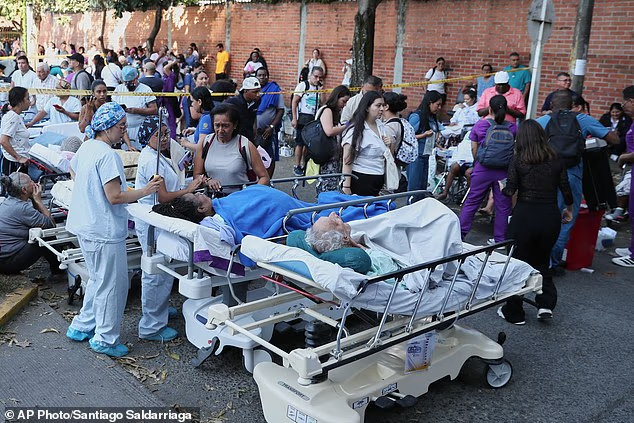
Patients are evacuated outside a hospital after an earthquake struck Cali, Colombia, on August 10, 2026.

A huge magnitude-7.4 earthquake has struck Colombia, burying people across the country beneath collapsed buildings. 

Colombia’s geological service said the magnitude of the quake, which struck at 7.30am local time (1.30pm UK time), was 7.4 and that its depth was 60 miles. The US tsunami warning system said there was no tsunami warning.  

Both reported the epicentre in San Jose Del Palmar, a community about 250 miles west of Colombia’s capital, Bogota. 

The quake was felt in Ecuador and as far away as Panama to the north, and prompted building evacuations in Bogota. 

Advertisement

The mayor of Manizales, west of Bogota, said at least two people have died.

The mayor of Cali, a city of 2.3million people in Colombia’s west, said at least 20 buildings had collapsed following the earthquake. 

Hospitals in the city were forced to evacuate their patients. Rows of elderly people on hospital beds were seen outside. 

Choco governor Nubia Carolina Cordoba-Curi said on X: ‘We have just experienced a major earthquake in the department of Choco. We are concerned about aftershocks. 

Advertisement

‘Although the epicenter was near San Jose del Palmar, there are injuries and significant damage to buildings in the capital, Quibdo. We are already carrying out a damage assessment and will issue the first official report shortly.’

Patients are evacuated outside a hospital after an earthquake struck Cali, Colombia, on August 10, 2026.

Vehicles damaged by a collapsed wall are seen following an earthquake in Cali, Colombia,  August 10 2026

Vehicles damaged by a collapsed wall are seen following an earthquake in Cali, Colombia,  August 10 2026

Advertisement
People run out of the hospital building during an earthquake in Cali, Colombia, on August 10, 2026

People run out of the hospital building during an earthquake in Cali, Colombia, on August 10, 2026

The governor of neighbouring Risaralda province, Juan Diego Patino, told local Blu Radio there was ‘serious damage to some buildings’ in Pereira, the provincial capital.

‘What has just occurred is very severe. The images are truly shocking, with people injured and building facades collapsed,’ he said. 

Colombia’s National Unit for Disaster Risk Management said it was in contact with local authorities to verify potential damage. 

Advertisement

Bogota’s mayor, Carlos Galan, said on X there was no major damage in the capital.

Reuters witnesses in the Venezuelan border state of Tachira and the central-western city of Barquisimeto reported the quake had been felt there. 

Following the quake UAEAC, the country’s aviation authority, said flights from six airports had been suspended. 

UAEAC said damage was reported at the airports of Pereira, Manizales, Quibdo, Armenia, Cartago and Buenaventura. 

Advertisement

‘There is no electricity or cell phone coverage. It was strong, really strong. Things fell in my house,’ Martha Estrada, a 66 year old resident of the Eje Cafetero region told AFP. 

President Abelardo de la Espriella announced he would travel to the quake-hit region. 

Following the earthquake, Israel’s foreign minister Gideon Sa’ar wrote on X: ‘We are following with concern the news about the earthquake that has struck Colombia. I have offered my counterpart, Colombia’s Minister of Foreign Affairs, Omar Bula, all the assistance that Israel can provide. 

‘Israel is prepared to help Colombia in whatever is needed. My thoughts and prayers are with the Colombian people in these difficult times.’

Advertisement

Venezuela was hit by devastating twin earthquakes in June, which killed more than 6,000 people, mostly on the coast near the capital, Caracas.

Earthquakes are common in Colombia due to its location on the Pacific Ring of Fire, a tectonic belt where the Earth’s plates meet. 

Colombia's geological service said the magnitude of the quake, which struck at 7.30am local time (1.30pm UK time), was 7.4 and that its depth was 60 miles

Colombia’s geological service said the magnitude of the quake, which struck at 7.30am local time (1.30pm UK time), was 7.4 and that its depth was 60 miles

Vehicles damaged by a collapsed wall are seen following an earthquake in Cali, Colombia, August 10 2026

Vehicles damaged by a collapsed wall are seen following an earthquake in Cali, Colombia, August 10 2026

Advertisement

About 90 per cent of the world’s largest earthquakes occur within the belt.  

The southeastern and easternmost areas of Colombia are not as seismically active as the rest of the country.

Colombia’s most devastating earthquake happened in August 1868, off the coast of Equador, and killed about 70,000 people.

More to follow.  

Advertisement

Source link

Continue Reading

NewsBeat

Reform ‘financing brutality with UK taxpayer money’ with pledge to deport foreign criminals to El Salvador

Published

on

Reform ‘financing brutality with UK taxpayer money’ with pledge to deport foreign criminals to El Salvador

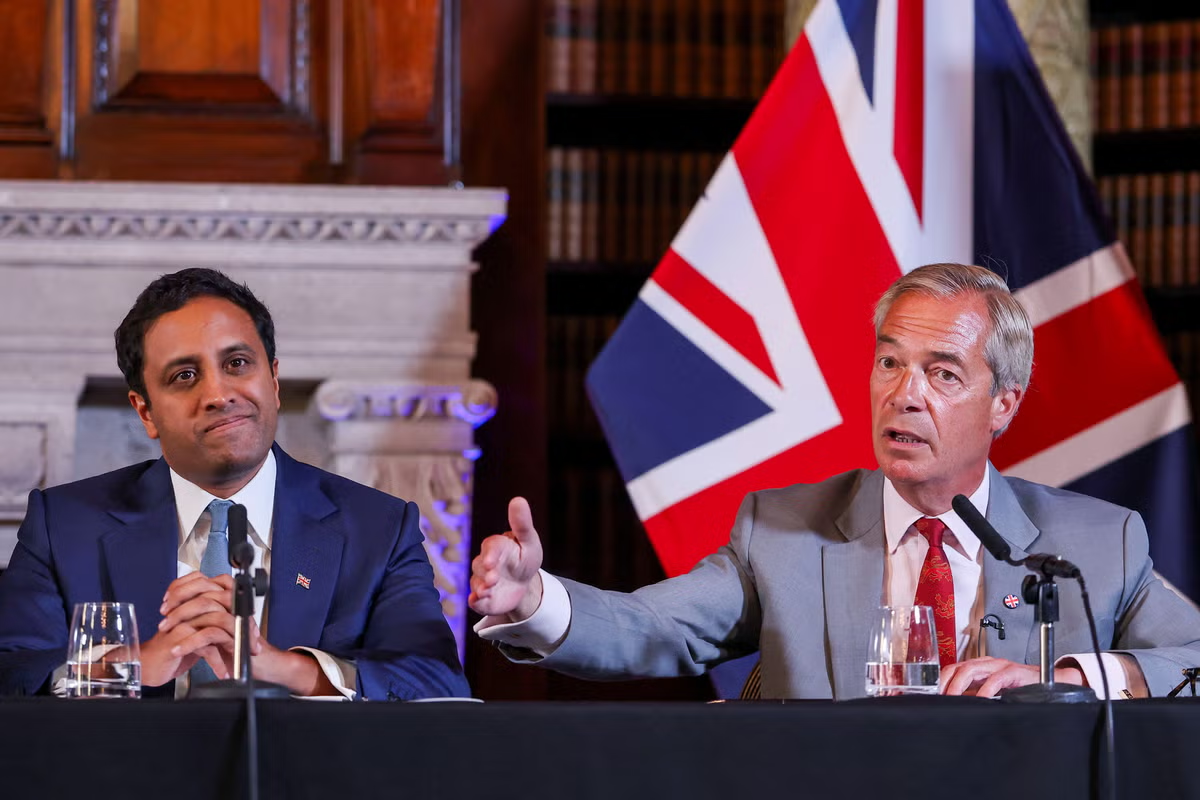
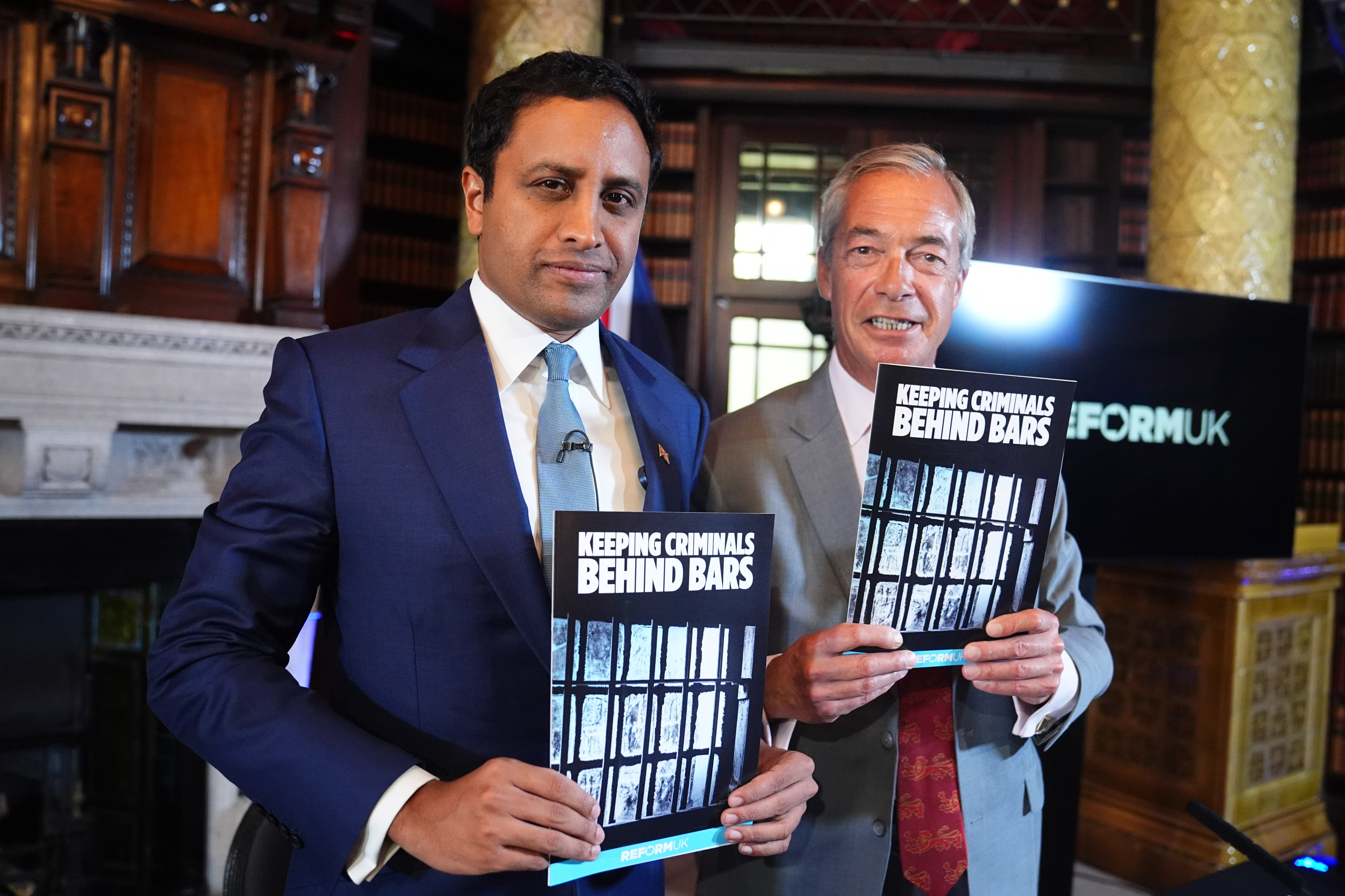
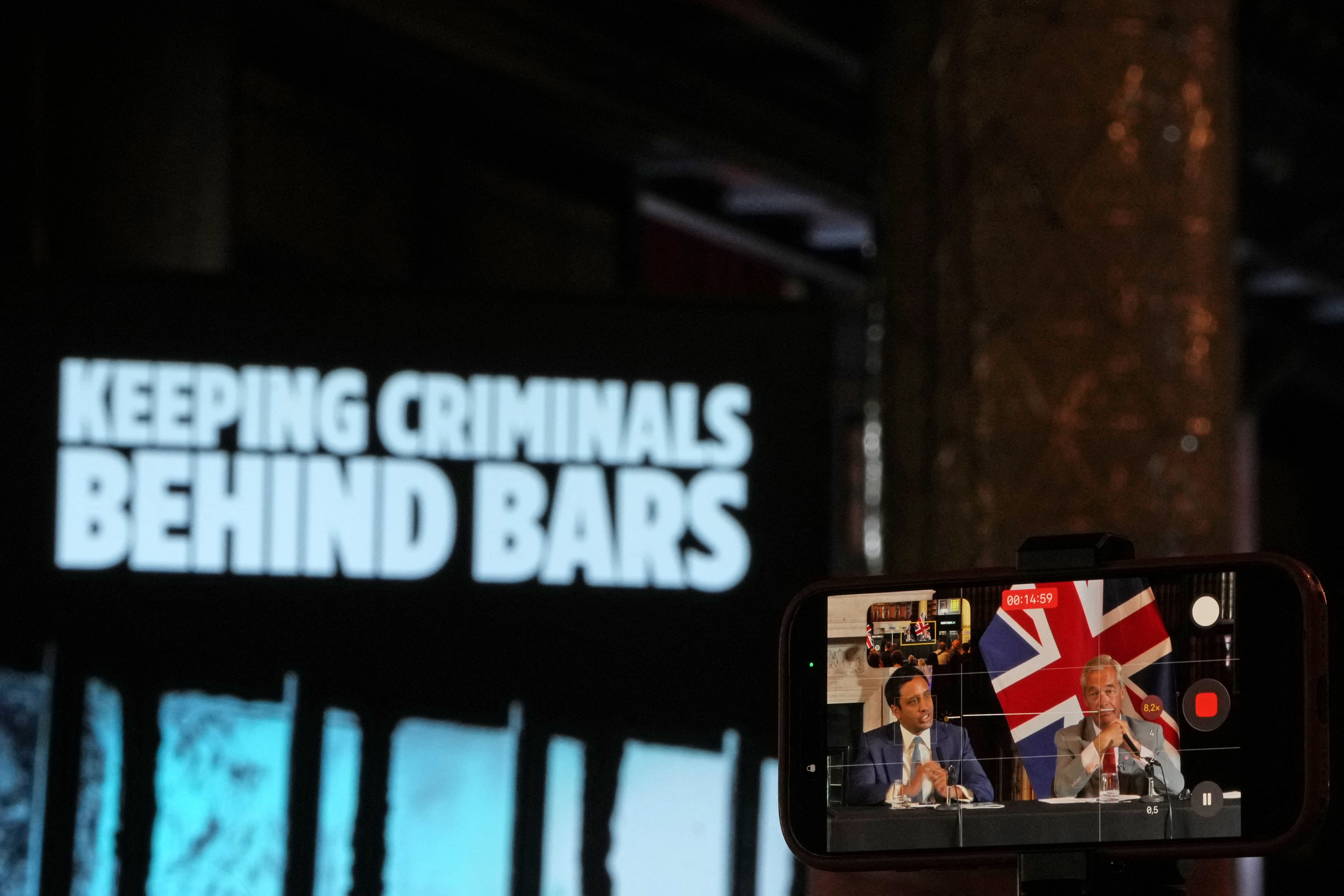
Reform UK has been accused of trying to “finance brutality with British taxpayers’ money” after pledging to deport all foreign nationals from Britain’s prisons to countries including El Salvador.

A government led by Nigel Farage has vowed to “deport all” foreign nationals in British jails, either to their home countries or from third countries such as El Salvador or Kosovo.

The party, which also said it would build pop-up “Nightingale” prisons, said the extra space would ensure those who commit serious crimes like murder, rape and serious violence serve their full sentences rather than being released early.

But the policy has come under fire from charities, who have warned those deported could face torture or degrading treatment in countries with poor human rights records.

Advertisement

Amnesty International, which has documented beatings, torture, enforced disappearances and deaths in custody in El Salvador, said Reform is “financing brutality with British taxpayers’ money”.

“Reform is proposing to contract into serious human rights abuses in El Salvador to enable the transfer of people convicted in the UK into an extremely overcrowded and abusive prison system overseas – financing brutality with British taxpayers’ money,” Steve Valdez-Symonds, Amnesty International UK’s Refugee and Migrant Rights Director, said.

“Amnesty has documented mass arbitrary detention, beatings, torture and other ill-treatment, enforced disappearances, denial of medical care and deaths in custody in El Salvador. People have been cut off from their families and effectively disappeared into detention, while relatives have been left searching prisons, courts and even morgues for answers.”

He said the proposal is a “further extension of a wider politics that has moved dangerously far from any sense of what is practical, legal or constitutes basic human decency”, and added: “We have already seen with the Rwanda scheme how policies once considered unthinkable can be pushed dangerously far when politicians choose headlines and hostility over real solutions to human needs.

Advertisement

“Too many politicians seem incapable of any real leadership – whether at home or internationally – preferring to agitate hate, violence and inhumanity that makes all of us less safe. This latest proposal from Reform provides a stark example of that.”

Nick Beales, from Refugee and Migrant Justice, added that the proposal shows Mr Farage is “seeking to undermine universal prohibitions on torture”.

“Nigel Farage has already made clear that he is happy deporting people to countries where they will face torture, a clear breach of international law,” he added.

“It is therefore no surprise to see Reform’s latest proposal is outsourcing the UK prison system to countries with appalling human rights records. This is the latest policy announcement that demonstrates how Reform are seeking to undermine universal prohibitions on torture.

Advertisement

“Andy Burnham, Kemi Badenoch and all other party leaders should forcefully reject these plans and reaffirm that these policies are not only unlawful but also profoundly un-British.”

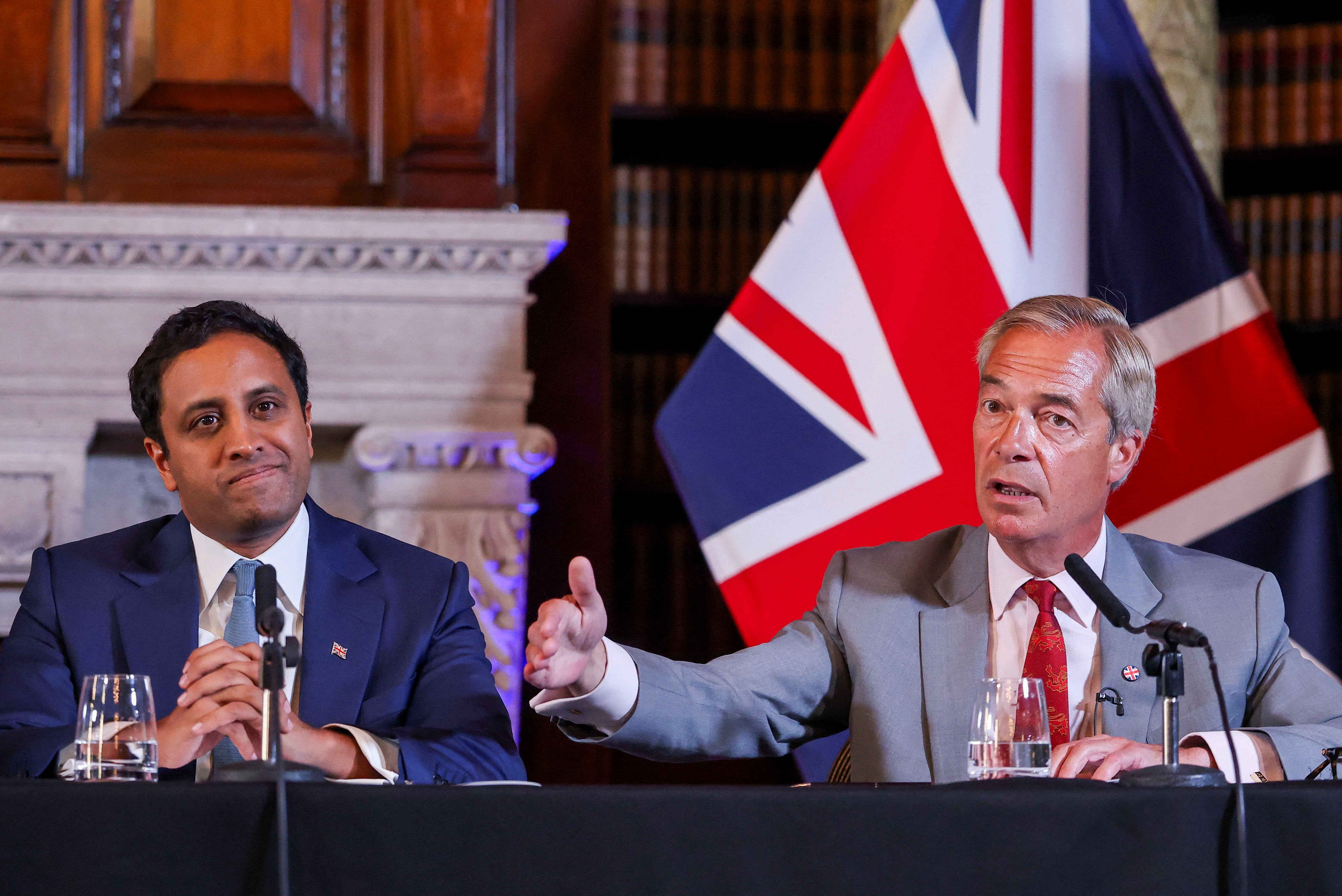
Reform UK leader Nigel Farage has opened talks with the government of El Salvador on potentially renting prison spaces
Reform UK leader Nigel Farage has opened talks with the government of El Salvador on potentially renting prison spaces (Reuters)

Zoe Bantleman, JUSTICE’s Legal Director, warned prisoners sent to El Salvador may face “torture and inhuman and degrading treatment”.

“This has all the hallmarks of the failed Rwanda plan, which swallowed up £700m and came to nothing.

““The government recently passed a law to send foreign nationals home before they serve time here. Yet, at huge public cost, Farage wants to send people to El Salvador.”

Pia Sinha, chief executive of the Prison Reform Trust said the proposal “risks presenting a complex challenge as a quick fix”.

Advertisement

While the government should make use of deportation and prisoner transfer arrangements where lawful and appropriate, proposals to send people overseas on a large scale raise significant practical, legal and ethical questions,” she said.

“The government needs measures that can deliver real reductions in the prison population now, not proposals that risk generating more headlines than prison places.”

Mr Farage said that Reform UK chairman Lee Anderson will visit El Salvador with former prison officer Vanessa Frake within months, as part of talks to see whether the country could house foreign national offenders.

“This is really quite straightforward,” he told a press conference on Monday. “We send people back to their country of origin…And if they refuse, we then send foreign national failures off to third parties.

Advertisement

“Kosovo is perhaps one good example currently being used by Sweden, and we are organising a trip to El Salvador.”

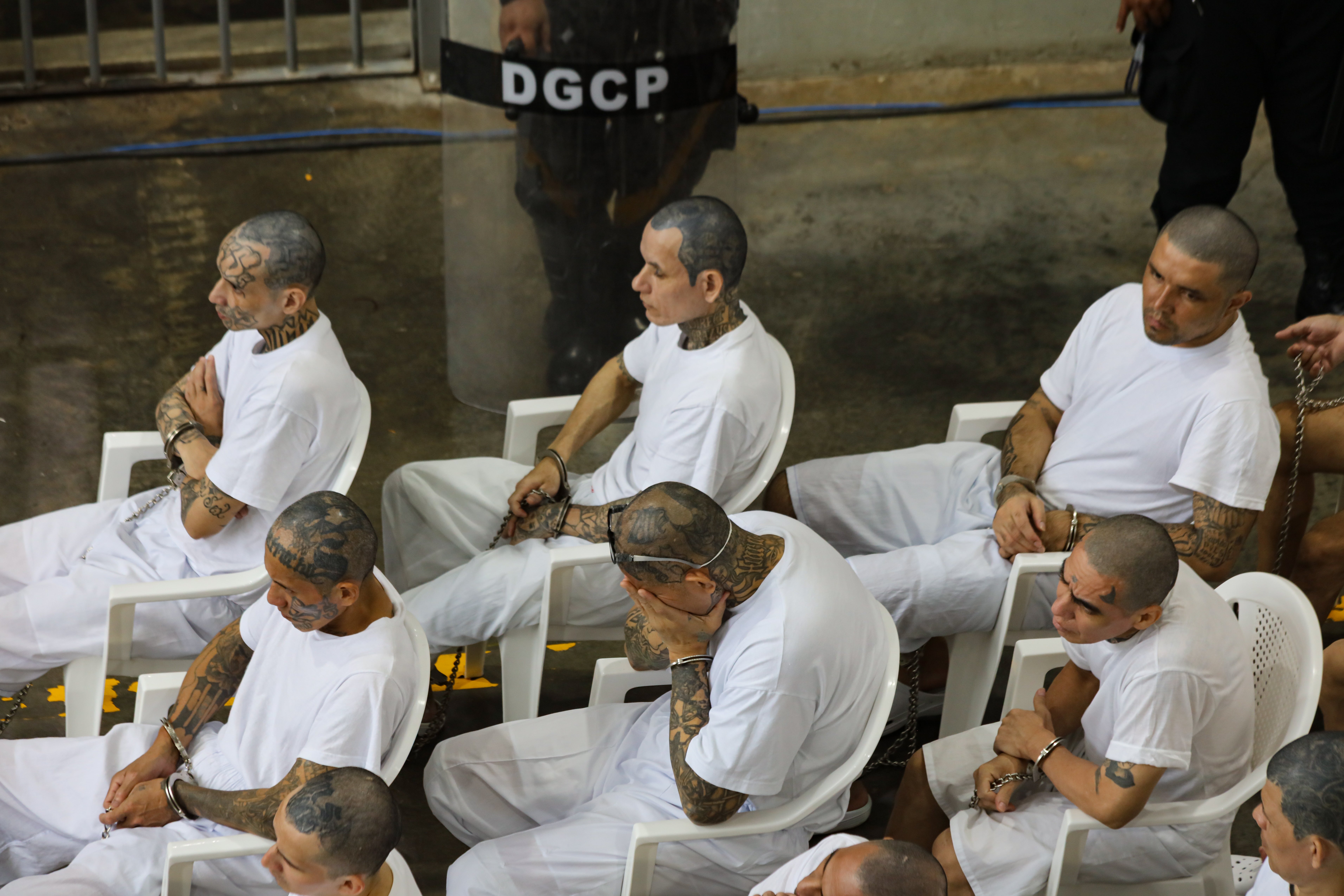
The plans echo a US policy in which Donald Trump struck an agreement with El Salvador to deport migrants from the United States, after which some told the BBC they had been beaten by guards as soon as they arrived and were reportedly told: “Welcome to hell. Welcome to the cemetery of living men. The only way you leave here is dead.”

The plans echo a US policy in which Donald Trump struck an agreement with El Salvador to deport migrants from the United States
The plans echo a US policy in which Donald Trump struck an agreement with El Salvador to deport migrants from the United States (Getty)

Reform’s home affairs spokesperson Zia Yusuf said that the prison conditions “won’t be a summer camp”, but said “it won’t be cruel, and it won’t be unreasonable,” without giving details on how the party would ensure this.

The party also pledged on Monday to create 12,000 new prison spaces through the construction of pop-up “Nightingale” prisons.

It follows the temporary Nightingale hospitals and courts that were introduced during the pandemic to provide additional space for treatment and hearings.

Advertisement

Mr Yusuf said: “We will rapidly build capacity. We will take advantage of new prefabricated models and build 12,000 prison places in the form of Nightingale prisons on Ministry of Defence land, and the army will be called in to assist.”

The party also pledged on Monday to create 12,000 new prison spaces through the construction of pop-up nightingale prisons
The party also pledged on Monday to create 12,000 new prison spaces through the construction of pop-up nightingale prisons (PA)

But Ms Bantleman said the party should focus on instead boosting probation resources and cutting reoffending rather than the “flawed proposals”.

Prisons need to be safe and secure; ‘pop-up’ prisons are no exception,” she said. “Everyone deserves basic decency in their living conditions, especially if we expect them to be rehabilitated.”

“Rather than these flawed proposals, we should focus on what works: give probation the resources it needs to cut reoffending and ease pressure on prisons.”

Asked about the security of such facilities, Mr Yusuf said: “This is going to be a lower category of prisons. These aren’t going to be rapists…They’re going to be people who have been convicted of things like shoplifting, for example. But absolutely, they will be secure.”

Advertisement

It comes as the government has faced pressure over its early release scheme, which starts in October in a bid to tackle prison overcrowding.

Reform’s home affairs spokesman Zia Yusuf said that the prison conditions “won’t be a summer camp”, but said “it won't be cruel, and it won't be unreasonable,” without giving details on how the party would ensure this
Reform’s home affairs spokesman Zia Yusuf said that the prison conditions “won’t be a summer camp”, but said “it won’t be cruel, and it won’t be unreasonable,” without giving details on how the party would ensure this (AFP/Getty)

Some 5,000 people are expected to be released early under sentencing changes, down from 6,000 after the exemptions announced as part of an urgent review of the scheme.

Under current plans, two of Pc Andrew Harper’s killers remain eligible to be freed halfway through their 13-year sentences after they were convicted of manslaughter in 2020 following Pc Harper’s death in 2019.

More than 850,000 people have signed a petition calling for Jessie Cole and Albert Bowers to remain in jail, with a government source telling The Daily Telegraph on Friday the Prime Minister is prepared to “explore every option” to block their early release.

A Labour Party spokesperson said: “Keeping the public safe is and always will be Labour’s first priority. The Government has already made clear we are working at pace to deport foreign criminals and we’re building more prison places to deliver justice for victims and keep criminals behind bars.

Advertisement

“Reform have no serious answers to the Tory prisons crisis and would lead the system to collapse. This would result in a free for all for dangerous and violent offenders, including murderers and rapists.

“Nigel Farage and Reform simply can’t be trusted to keep Britain safe.”

Source link

Advertisement
Continue Reading

NewsBeat

Transfer news LIVE: Arsenal FC want Romero, Barcola hijack; Liverpool done deal; Man Utd; Chelsea latest

Published

on

Transfer news LIVE: Arsenal FC want Romero, Barcola hijack; Liverpool done deal; Man Utd; Chelsea latest

The summer window continues has a little over three weeks to run as likes of Arsenal, Manchester United, Chelsea, Liverpool and Tottenham work hard to complete deals which improve their squads. The Gunners have snapped by Bruno Guimaraes, and will now focus on improving their attack and defence. Interest in Bradley Barcola has reportedly been reignited, while Julian Alvarez and Iliman Ndiaye remain targets. At the back, an audacious move for Tottenham captain Cristian Romero as been mooted amid interest in Ezri Konsa and Joaquin Seys.

Source link

Continue Reading

NewsBeat

Boy, 14, dies from rare brain tumour after doctors dismissed symptoms as ‘migraines’ | News UK

Published

on

Boy, 14, dies from rare brain tumour after doctors dismissed symptoms as 'migraines' | News UK
Max Hall died on Saturday after battling a high-grade glioma (Picture: SWNS)

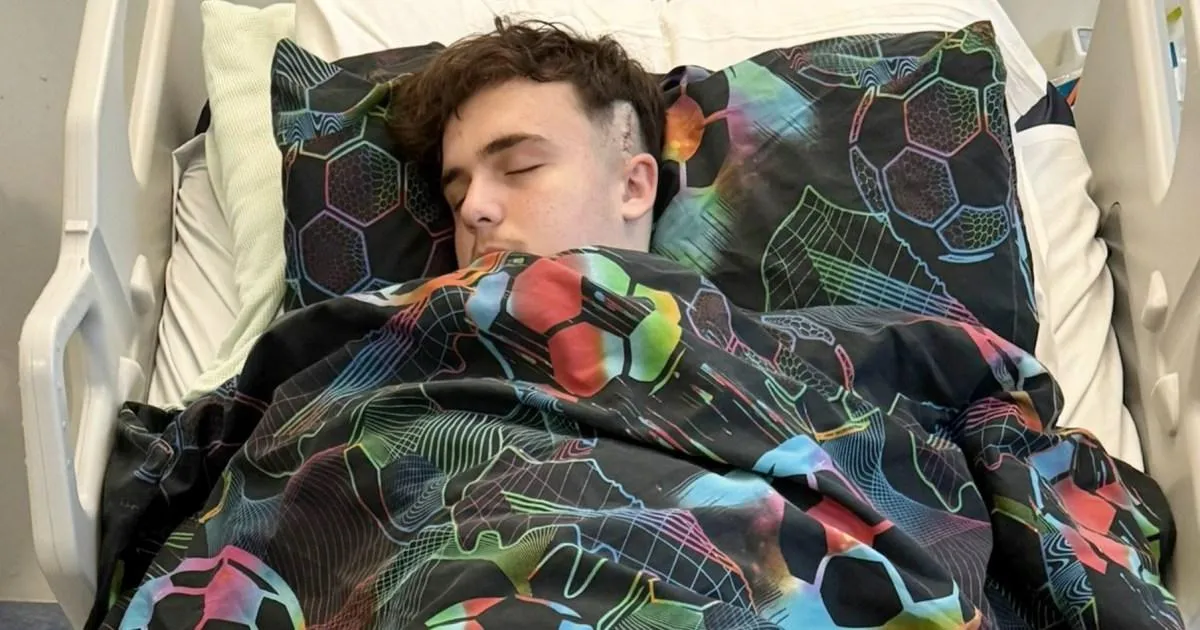
A 14-year-old boy has died from a rare brain tumour after his concerns were dismissed as ‘migraines’.

Max Hall died on Saturday after a battle with a high-grade glioma he was diagnosed with in November last year.

The teenager had been suffering from persistent headaches for around a year, but his parents said doctors just sent him home with painkillers.

Just six days after his 14th birthday, he suffered a severe seizure and was rushed to hospital and placed on life support.

Advertisement

Max, of Corby, Northamptonshire, was later diagnosed with an untreatable Stage 4 brain tumour.

Sign up for all of the latest stories

Start your day informed with Metro’s News Updates newsletter or get Breaking News alerts the moment it happens.

Advertisement
Max Hall, 14, who has died from a brain tumour. // A 14-year-old boy has died from a brain tumour after doctors dismissed his headaches as
His family have said Max was loved ‘deeply and fiercely’ (Picture: SWNS)

Tributes have since poured in for Max after his parents announced his death over the weekend.

His family said in a moving statement: ‘There are no words big enough for the heartbreak we feel. No words that can explain what it is like to lose our beautiful son, our boy, our everything.

‘Max was loved so deeply, so fiercely and so completely. And that love will never end.’

They added: ‘Max will continue to be loved by every single person whose life he touched. By his family. His friends. His school. His incredible community. By every person who stood beside him, fought for him, prayed for him, supported him and believed in him.

‘His name will be spoken. His story will be told. His beautiful smile will never be forgotten. We are so unbelievably proud of you, Max.’

Advertisement

His mum, Jackie, has been campaigning for more research into brain tumours, which she has said ‘remained so underfunded for so long.’

She said previously: ‘Max had been suffering with headaches for over a year, but staff at Kettering General Hospital assured me it was just teenage migraines.

Max Hall, 14, with his mum Jackie. // A 14-year-old boy has died from a brain tumour after doctors dismissed his headaches as
Max’s mum said the hospital dismissed his headaches (Picture: SWNS)

‘He was fit and healthy, he’s a real sporty lad. The only thing he had leading up to this were frequent headaches that turned into migraines, which the hospital dismissed.

‘They were there for over a year, and we were just fobbed off with ibuprofen. They didn’t look into his eyes; they diagnosed him based on a conversation. I should have pushed for a head scan.’

Weldon Village Academy, the school which Max attended, said he ‘had a smile that could light up any room.’

Advertisement

A statement from the school reads: ‘Max was one of our founding students and had a smile that could light up any room. Our thoughts are with Max’s family and friends at this incredibly difficult time.

‘We will be there to support students in September and to honour Max’s legacy. It is times like these when communities come together; the WVA Family will never forget Max.’

A Corby Town FC spokesman said: ‘The thoughts of everyone at Corby Town Football Club are with the family and friends of Max Hall who sadly took his last breath yesterday. Max was a fighter until the very end and your legacy will never be forgotten.’

Get in touch with our news team by emailing us at webnews@metro.co.uk.

Advertisement

For more stories like this, check our news page.

Advertisement
Advertisement

Source link

Continue Reading

NewsBeat

Massive fire in New Forest today live as A31 drivers ‘run from flames with kids’

Published

on

Daily Mirror

The New Forest in Hampshire is set for highs of 27C today with the chance of rainfall below 5%, according to latest forecasts from the Met Office.

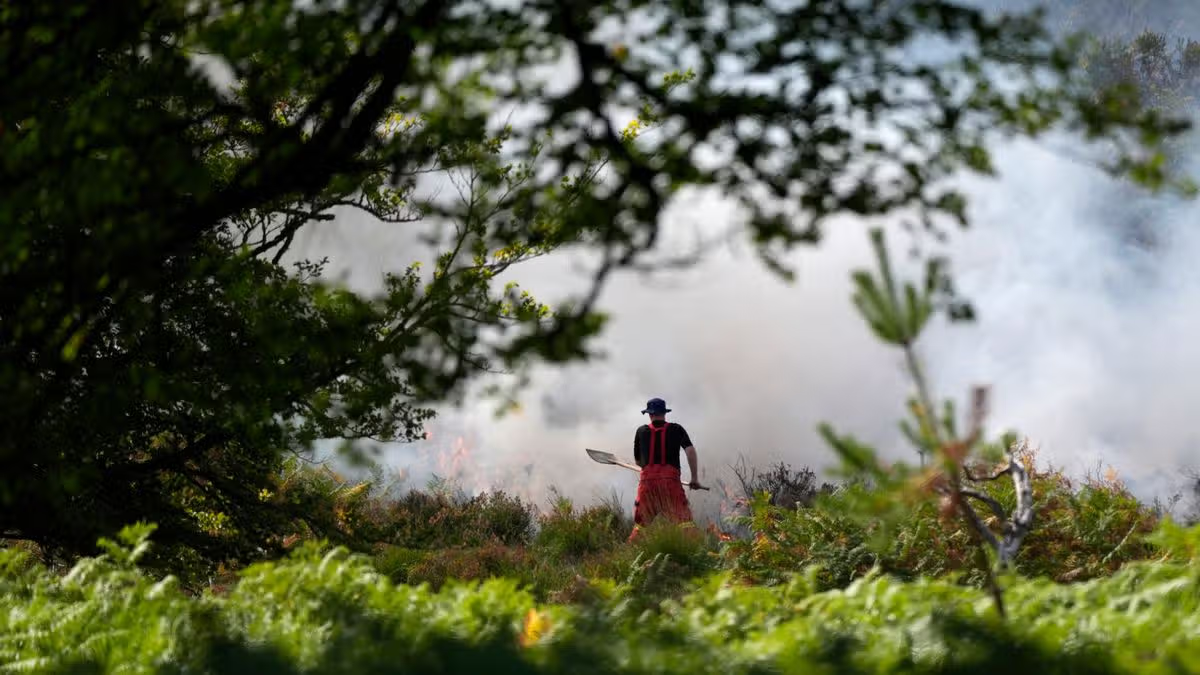
The fire area sits on the western edge of the New Forest, surrounded by large areas of woodland, heathland and open countryside. Dry, hot weather can leave the vegetation in these areas more vulnerable to fast-spreading fires.

The New Forest has already been hit by wildfires during the recent heatwaves, including a blaze on July 19 which ravaged around five hectares of woodland and needed more than 60 firefighters to extinguish.

On July 18, fire crews were called to another blaze in open land off Braggers Lane in Bransgore.

Advertisement

Highs of 27C are forecast in the area today

Source link

Continue Reading

NewsBeat

Chris Hoy’s Tour de 4 August 10 deadline – what you need to know

Published

on

Daily Record

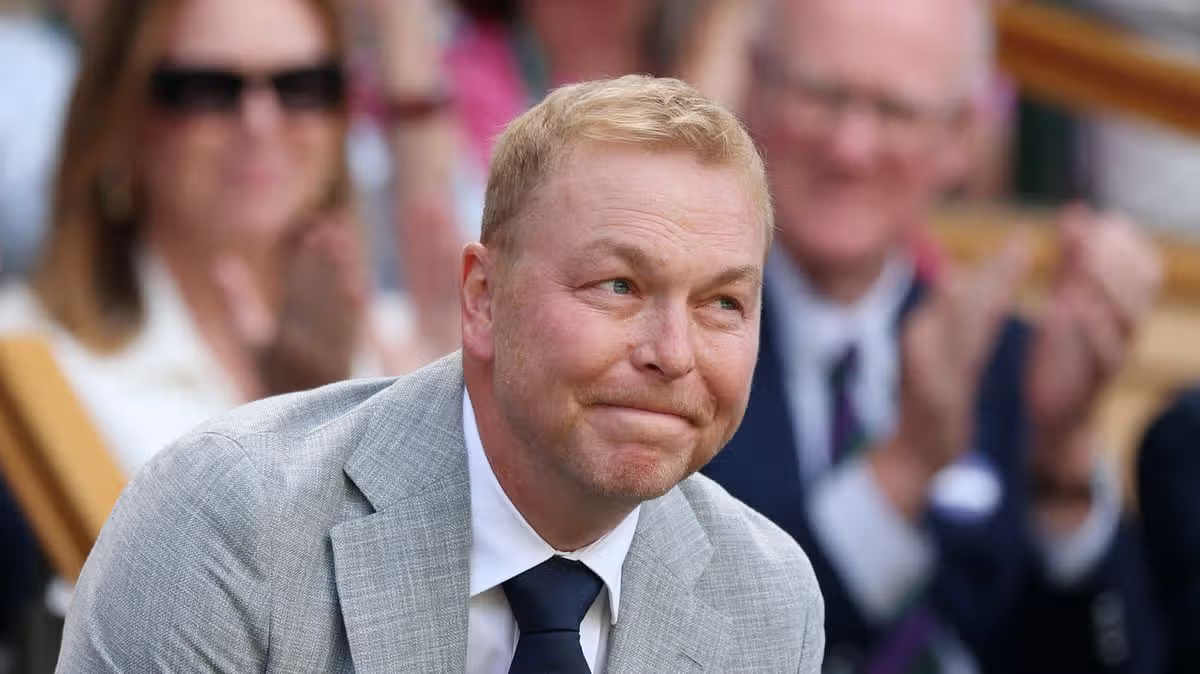
Tour de 4, founded by Sir Chris Hoy after his Stage 4 cancer diagnosis, returns to Scotland very soon

Scots from across the country – and thousands more from around the UK – are getting ready for Sir Chris Hoy’s Tour de 4 as the event returns to Scotland very soon.

Advertisement

Taking place in Glasgow on September 6, it will start and finish at the Sir Chris Hoy Velodrome at Emirates Arena, with fundraising underway again after the inaugural 2025 event raised £3,142,647.

Founded by Scottish Olympic champion Sir Chris Hoy after his Stage 4 cancer diagnosis, Tour de 4 brings together those affected by cancer to challenge perceptions, inspire hope and raise vital funds for cancer charities across the UK.

Here’s what’s happening, the cycling routes on offer and how you can get involved.

August 10 deadline

Sign up for Tour de 4 by midnight tonight (August 10) to secure your spot riding with Sir Chris Hoy in Glasgow on September 6.

Advertisement

4 cycling routes – which one will you pick?

There are 4 options. Fundraising will support Breast Cancer Now, Cure Leukaemia, Maggie’s, Prostate Cancer UK and Macmillan Cancer Support. Participants can also choose to raise money for any UK cancer charity.

Chris’ mission is to bring together people and inspire hope. His Tour de 4 website shares:

  • Over 300 cancer charities are registered in the UK
  • More than 3 million people are estimated to be living with cancer in the UK
  • 1 in 2 of us will be affected by cancer in our lifetime

Will there be any roads closed for Chris Hoy’s Tour de 4?

The official website notes that there will only be road closures “at the start and finish sections.” Elsewhere, cyclists taking part will be “on open roads” and are being told to “follow the Highway Code at all times.”

Marshals will be positioned at key junctions and feed stations to help guide riders. Organisers say anyone facing a life-threatening emergency should call 999 immediately, and that full first-aid information is included in the participant rider pack.

Glasgow cycle routes – and maps

Starting and finishing at the Sir Chris Hoy Velodrome, Tour de 4 offers 4 different rides, so you can pick a route that best suits your ability. There are 4 routes to choose from, this includes:

  • Red Ride – for seasoned riders who love a challenge, the 56-mile red ride will test your fitness and determination. It’s a great way to push your limits while riding for a cause that matters.
  • Blue – If you’re looking for something a little shorter but still rewarding, the blue ride is perfect. It’s ideal for casual cyclists or anyone wanting a good ride without overdoing it.
  • Green – A 1KM family route around the grounds of the Sir Chris Hoy velodrome, an entry to the green ride provides you with up to 6 places (for example 2 adults, 4 children or 3 adult, 3 children) so families can cycle together, with the option to complete multiple loops if desired.
  • Yellow – Tour de 4 aims to give those who have been affected by cancer, particularly stage 4, the opportunity to participate. For those unable to cycle on the road, take part on our static bikes. Choose between 1 and 20 minutes, set a goal that’s right for you and cycle in the track centre of this iconic venue.

You can view the interactive map for each route here. Just scroll down to ‘event’, click on your ride, and you will see the route in full.

Address: Glasgow International Arena, 1000 London Rd, Glasgow G40 3HG

Is there any age requirement for the cycle events?

Yes. The age limits are as follows:

  • 56-mile: 16+
  • 28-mile: 16+ (under 18s must be accompanied)
  • 1K ride: All ages (under 18s must be accompanied)
  • Static bikes: 14+ (under 18s must have an adult present)

What are the start times for Chris Hoy’s Tour de 4?

  • 56-mile: 8:15am – 10:45am
  • 28-mile: 9:15am – 11:30am
  • Static bikes: TBC
  • 1K ride: TBC. Final details will be in your rider pack.

The official website stresses: “Arrive at the time allocated in your rider pack. Do not arrive early.” If you arrive late, “you may miss your allocated wave. Speak to the start-line team on arrival for the safest option.”

How much is the Tour de 4 entry fee?

  • Green – £15
  • Yellow – £30
  • Red Ride – £65
  • Blue – £65

You can visit the official FAQ section to find out about spectators, what bikes are allowed, bag drop, fundraising ideas and more here.

Source link

Advertisement
Continue Reading

NewsBeat

Who really wrote Elizabeth I’s angriest letter? New research reveals a hidden hand

Published

on

Who really wrote Elizabeth I’s angriest letter? New research reveals a hidden hand

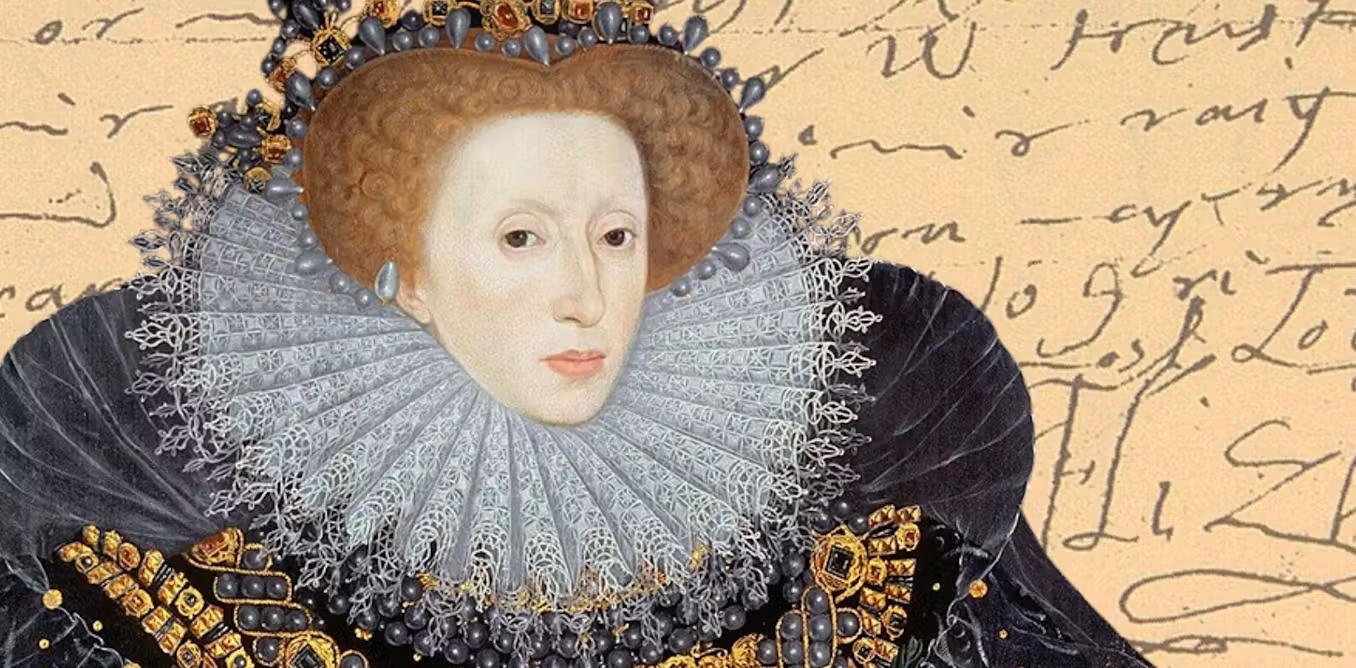
On February 10 1586, Elizabeth I wrote one of her most famous letters: a furious rebuke to her favourite, Robert Dudley, 1st Earl of Leicester. She sharply reprimanded him for disobeying her.

“How contemptuously we conceive ourself to have been used by you,” Elizabeth rages. “We could never have imagined that a man […] extraordinarily favoured by us would have in so contemptible a sort broken our commandment.” She demands that Leicester obey her directions, and warns him: “Fail you not as you will answer the contrary at your uttermost peril.”

The queen’s fury jumps off the page. Yet the only surviving copy of this letter is written in the hand of a secretary: Francis Mylles, servant to Elizabeth’s principal secretary, Francis Walsingham. Were Mylles and Walsingham involved in writing this apparently personal communication of the queen’s?

Without the original copy of this letter, we cannot say for certain. However, through careful analysis of over 500 other letters of Elizabeth’s, I have discovered that the expression of emotion in her letters was often carefully constructed by her secretaries.

Advertisement

Around 3,000 of Elizabeth’s letters survive, of which the overwhelming majority were penned by scribes. These so-called “scribal letters” have been severely neglected by historians, with priority given to those written in Elizabeth’s own hand.

Elizabeth signs Mary Stuart’s condemnation to death. Engraving after a painting from the German artist Alexander von Liezen-Mayer (1876).
Prisma Archivo

Work on Elizabeth’s letters has focused on identifying the queen’s “voice” within them. Yet they were often the products of collaboration between Elizabeth and her secretariat.

Disentangling these collaborations, and recovering the contributions of Elizabeth’s secretaries, was the focus of my PhD research – part of the Feathers project. Led by Nadine Akkerman, professor of early modern literature at Leiden University, Feathers sought to distinguish between authorial and scribal voices in collaboratively produced manuscripts from the early modern period (around 1500-1800).

Finding Elizabeth’s voice

How can we distinguish between Elizabeth’s voice and that of her secretaries? It might be assumed that the more personal elements of her letters, including the expression of emotion, can be safely attributed to Elizabeth herself.

Advertisement
A portrait of Francis Walsingham in black robes and a white ruff.

Sir Francis Walsingham by John de Critz (1589).
National Portrait Gallery

This is logical enough: daring to communicate or presume to know the queen’s feeling without her prior instruction would have been bold indeed. Further, early modern secretaries were expected to employ formal and impassive language and exert a tempering influence, moderating emotion to ensure the goodwill of the addressee.

However, as I dug into the archival material, a more complicated reality emerged. Elizabeth’s letters survive in a dizzying array of versions, including drafts, sent letters and copies. Through the reassembly of these different manuscripts, painstaking handwriting analysis and close textual comparison, I found evidence that the expression of emotion in Elizabeth’s letters was carefully crafted by her secretaries.

One example is a letter from Elizabeth to the Earl of Shrewsbury, written in May 1584. At this time, Shrewsbury was the custodian of Mary, Queen of Scots: claimant to the English throne and thorn in Elizabeth’s side.

In the letter, Elizabeth strongly criticises Mary and her son, James VI of Scotland. Elizabeth writes that Mary “shall never live to see those days that the Crown of England shall depend upon the Crown of Scotland”. She also criticises James heavily, claiming that he was “evil counselled when at the first entry into his government the same was seasoned with blood” (a reference to the 1581 execution of his regent James Douglas, Earl of Morton).

Advertisement

Identifying the draft of this letter, I discovered that it was substantially edited by Walsingham, whose handwritten revisions remain on the manuscript.

Walsingham’s edits intensify, rather than temper, Elizabeth’s criticisms of Mary and James. The vocabulary of these revisions bears significant overlap with that in Walsingham’s own writings. Evidently, it is Walsingham’s voice, not Elizabeth’s, that speaks in this letter – and possibly his emotion that spills out of it.

In another letter – written to Ralph Sadler, another of Mary Stuart’s custodians, and also intended for Mary’s eyes – Elizabeth again criticises Mary, but is more conciliatory. She describes the “liking we had for a time” of Mary’s friendship, and raises the potential for “a thorough reconciliation”.

Elizabeth has been assumed to have composed this letter; however, my recovery of a hitherto unnoticed draft – which is littered with Walsingham’s scribbled emendations – revealed that these expressions of goodwill were not Elizabeth’s, but Walsingham’s.

Advertisement
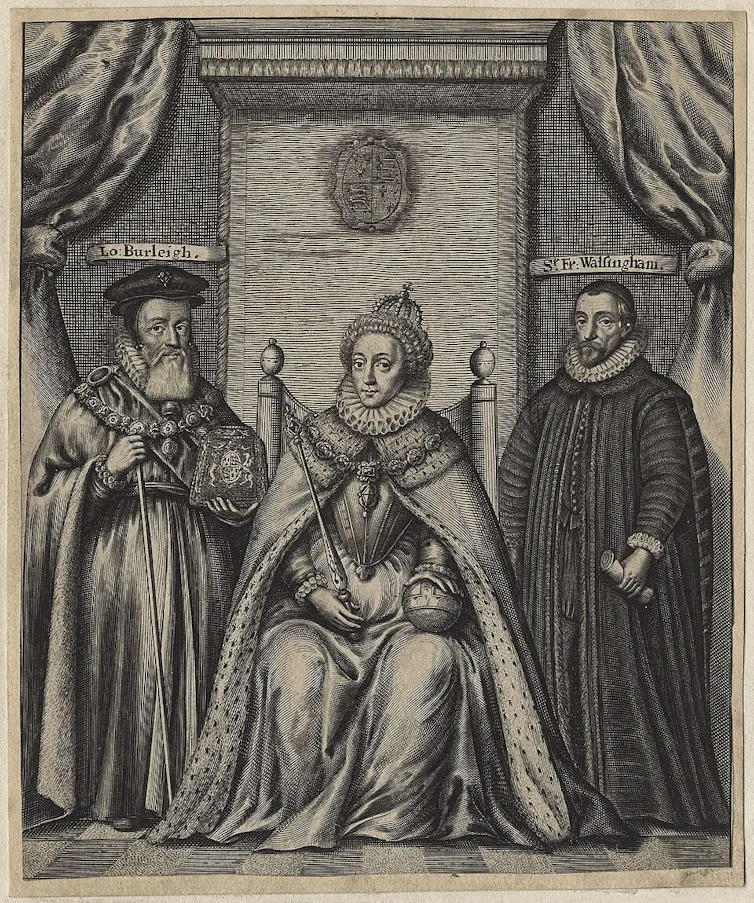
Engraving showing Queen Elizabeth flanked by two advisors.
Queen Elizabeth I; Sir Francis Walsingham; William Cecil, 1st Baron Burghley, by William Faithorne (1655).
National Portrait Gallery

Walsingham’s alterations to both letters were made to manipulate Mary’s impression of her relationship with Elizabeth and move her to act in English interests.

By crafting an “angry” Elizabeth in the letter to Shrewsbury, Walsingham hoped to show Mary that refusing to cooperate with the English government would get her nowhere. By constructing a “nostalgic” Elizabeth in the letter to Sadler, he sought to convince Mary that Elizabeth’s favour could be regained, in the hope of dissuading the former from plotting against the latter.

That Walsingham crafted and even intensified the expression of emotion in Elizabeth’s letters is remarkable, and sheds important new light on this iconic queen. It provides an important corrective, for example, to Elizabeth’s reputation for emotional outburst.

Many anecdotes of Elizabeth’s short temper survive, and there is an inherited idea from the early modern period that these outbursts were evidence of a female irrationality. That the expression of anger in Elizabeth’s letters was crafted by her male secretaries reveals that, far from being overly emotional or irrational, Elizabeth strategically deployed emotion to achieve particular political goals.

She did so, crucially, through collaboration with secretaries such as Walsingham, who evidently had a far greater and more creative hand in constructing her letters than has been realised.

Advertisement

What does this mean for Elizabeth’s voice? As I unpicked these collaborations with her secretaries, I began to see that the voice we encounter in her letters is a carefully – and collaboratively – constructed rhetorical performance.

Rather than search for Elizabeth’s authentic voice, we might instead appreciate her political savvy and willingness to incorporate the suggestions of her advisors – qualities of a strong monarch indeed.

Source link

Advertisement
Continue Reading

Trending

Copyright © 2025