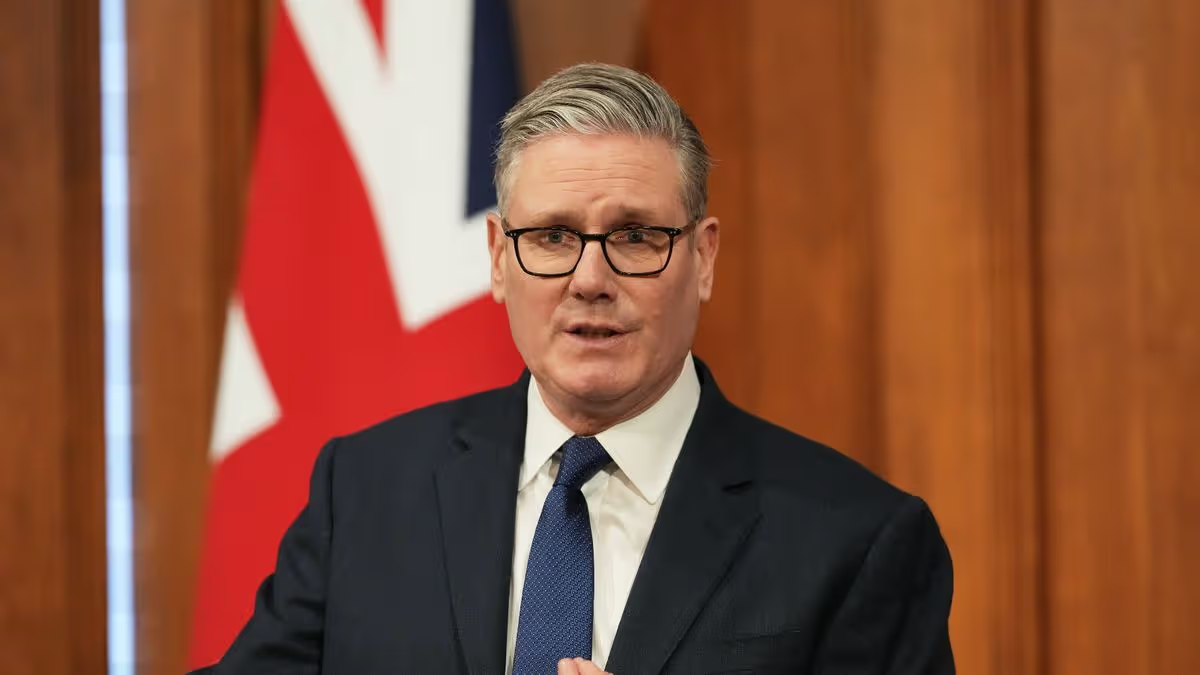
Keir Starmer has announced plans to step down as Prime Minister.
Sir Keir Starmer became Prime Minister in July 2024 after leading Labour to a landslide general election victory, ending 14 years of Conservative government. The former Director of Public Prosecutions entered Downing Street with a large parliamentary majority and a promise to deliver economic stability, rebuild public services and restore trust in politics.
Advertisement
However, his premiership has come under increasing pressure in recent months amid falling poll ratings, internal party unrest and a series of political setbacks. Labour suffered disappointing results in local elections and by-elections, while a growing number of MPs publicly questioned whether Starmer remained the right person to lead the party into the next general election.
One of the most damaging episodes for his government was the fallout from the appointment of former Labour grandee Peter Mandelson as ambassador to the United States. The controversy triggered the resignations of several senior aides and prompted calls from some Labour figures, including Scottish Labour leader Anas Sarwar, for Starmer to step aside.
More recently, tensions within the government deepened over defence spending, culminating in the resignation of senior ministers who accused the Prime Minister of failing to provide adequate funding for the armed forces. The dispute fuelled further speculation about his leadership and highlighted divisions within Labour’s parliamentary ranks.
Pressure intensified following the recent Makerfield by-election, won by Andy Burnham, who returned to Westminster and quickly emerged as the focal point for MPs seeking a change of leadership. Reports suggest dozens of Labour MPs have backed Burnham as a potential successor, with some estimates putting support for him well into three figures.
Advertisement
Over the weekend, multiple reports indicated Starmer had been holding discussions with cabinet ministers, donors and trade union leaders about his future.
Labour now face a leadership contest or an agreed succession process to determine Britain’s next prime minister. Burnham is considered the frontrunner, although figures including Wes Streeting and Yvette Cooper have also been mentioned as potential contenders.
Launched by York Food Festival and backed by the Vibrant and Sustainable High Streets Fund, the scheme aims to support groups across York and North Yorkshire.
It enables charities, community groups and not-for-profit organisations to borrow essential event equipment including gazebos, tables, chairs, signage, and crowd management tools.
The project aims to remove one of the biggest logistical barriers to staging public events by providing access to professional equipment that many organisations cannot afford to buy or hire.
RECOMMENDED READING:
Advertisement
Michael Hjort, director of York Food Festival, said: “Successful high streets are about far more than shopping—they are places where communities come together.
“Festivals, markets, demonstrations and community events all help create vibrant places that people want to visit and spend time in.
“This scheme gives community organisations and local partnerships access to professional-quality equipment that would otherwise be beyond their reach.
Mayor David Skaith has funded the scheme. (Image: Pic supplied)
“By sharing resources rather than duplicating them, we can support many more events, make better use of public investment and help bring more activity to York’s high streets throughout the year.”
Advertisement
The scheme has received £46,000 in funding from the York and North Yorkshire Combined Authority through the Vibrant and Sustainable High Streets Fund, which is designed to revitalise high streets and support community-led activities.
David Skaith, Mayor of York and North Yorkshire, said: “Our high streets are where our communities come together.
“That’s why I’m backing creative ideas from the people who know their area best with my High Streets Fund.
“By supporting the Events Equipment Sharing Scheme across York and North Yorkshire, we are helping to create a pool of equipment for events and community activities on our high streets, reducing costs, transport needs, and environmental impact.
Advertisement
“This is one of 66 projects we’ve supported across York and North Yorkshire helping to transform our high streets into vibrant destinations that residents and visitors will want to return to again and again.”
The scheme also features a dedicated online booking system and website, making it easy for organisations to check availability and reserve items.
Equipment is stored centrally in York to maximise accessibility while minimising transport costs and environmental impact.
The programme supports a growing network of organisations working to enliven York’s city centre and neighbourhoods through events that boost footfall, support independent businesses, and strengthen community bonds.
Advertisement
Eligible organisations across York and North Yorkshire can now apply to borrow equipment for events that benefit local communities and high streets.
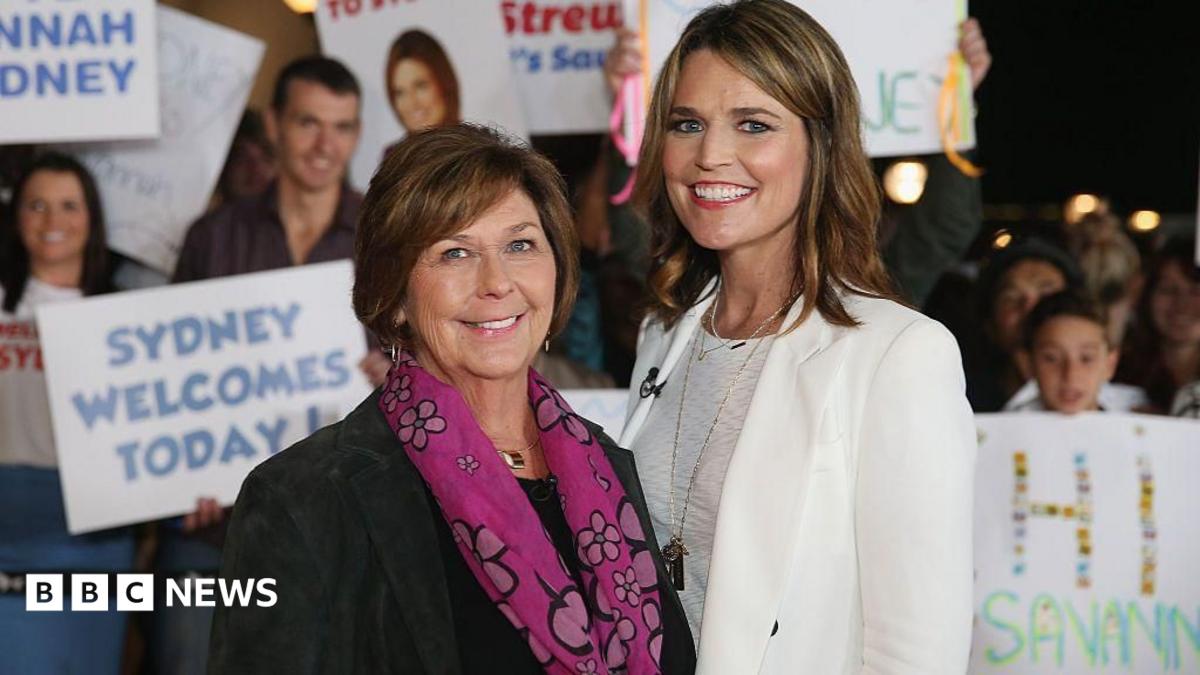
Police in Arizona have released two ransom notes in the hope the public can help identify whoever abducted the mother of US news presenter Savannah Guthrie.
The first note, which is treated as apparently credible, demanded millions of dollars in Bitcoin. The other claimed Nancy Guthrie died shortly after she was abducted from her home near Tucson six months ago.
The Pima County Sheriff’s Office say they cannot verify her death, and the investigation remains active.
Officials released the two notes on Friday, asking the public for help identifying the writer, whose “distinct linguistic characteristics may be recognisable”.
Advertisement
Investigators believe that Nancy Guthrie, who was aged 84 when she was last seen on 31 January, was taken against her will from her home, but they have not shared a possible motive or arrested a suspect.
The notes were addressed to Savannah Guthrie and the Guthrie family, and sent to a local TV station in Tucson, Arizona, in the days after Nancy Guthrie disappeared, according to the sheriff.
“A friend, family member, coworker, classmate, or acquaintance may recognise these patterns of expression and possess information that could help identify the individual responsible,” the sheriff’s office said in a statement.
The first note, which was received on 2 February, began: “Hello Savannah, we have your mother Nancy. She is safe but scared. She will be held for ransom and once payment is received she will be released unharmed. We will be holding her for a maximum of 7 days. You will need to send bitcoin in the amount of $4 million USD before 5PM on Thursday the 5th.
Advertisement
“If payment is not received, the ransom will be increased to 6 million USD which will need to be paid by 5PM on Monday the 9th. Once payment is received to the bitcoin address below she will be released within 12 hours of deposit to a safe drop off location back in Tucson. If payment is not recieved [sic] by the last deadline on Monday the 9th at 5PM, she will be killed.
“Your mother is aware of this and her life is in your hands. It is in the best interest of everyone to have this completed as soon as possible.
“You will not be able to contact me from here on out, there will be no negotiation. Do not play games, law enforcement will not be able to help you,” the note continued.
After what appears to be a redacted sentence, it ends: “She had a white smart watch on the floor of the foot of her bed and the white flood light in backyard was destroyed.”
Here is your chamber round-up for Lisburn and Castlereagh City Council for the month from the Local Democracy Reporting Service
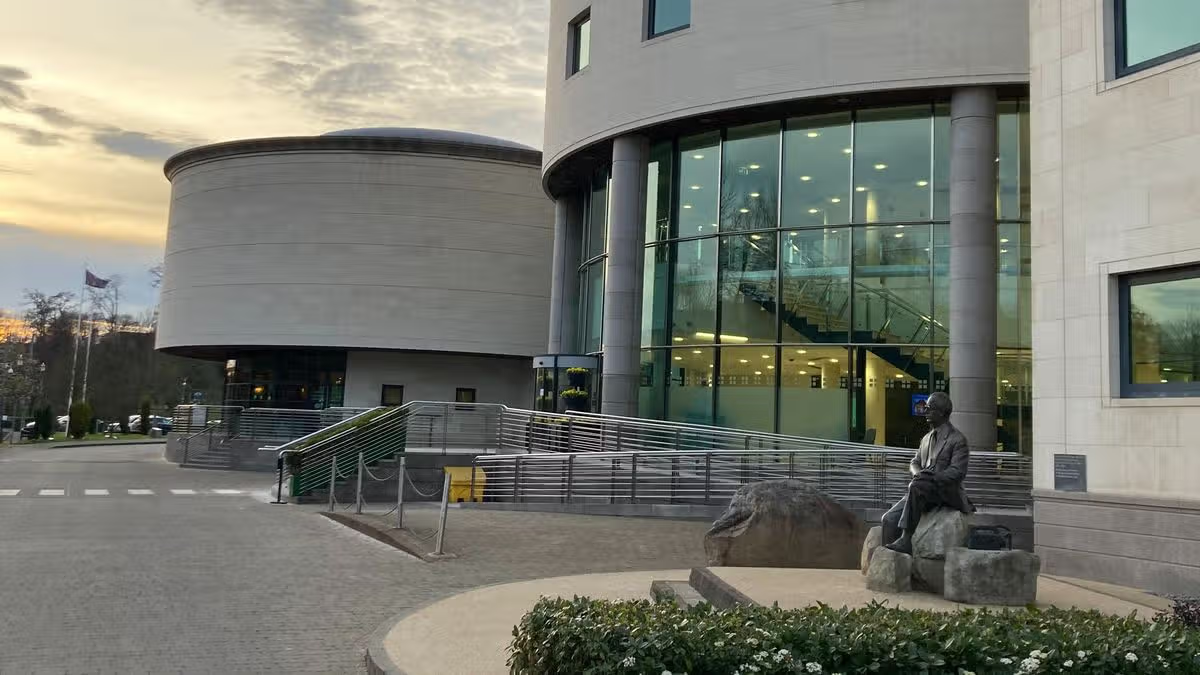
The legacy of the former ‘Prince Andrew’ was wiped from the history of Lisburn’s 400th anniversary as a new plaque surfaces on an Irish Yew tree at Lagan Valley Island civic centre.
Advertisement
Recycling campaigners have warned that the council has “bungled” a decsion to U-turn on greater separation of household waste wiht ratepayers to face the cost of millions of pounds.
Also in the month of July, a DUP councillor secured his Facebook account to prevent “vile and nasty” attacks on his family following a “proud dad” post, demolition of two Dunmurry tower blocks comes to a crunch and Ireland’s first Ryder Cup Captain weighs in on new Balmoral Golf Club.
Here is your latest round up of Lisburn and Castlereagh City Council matters for the month of June:
‘Prince Andrew’ legacy wiped from Lisburn’s 400th anniversary
A tree marking the 400th anniversary of Lisburn has had its links to the former ‘Prince Andrew’ wiped permanently from history with a new plaque put in place.
The original plaque dedicated to the former Duke of York was removed due to his controversial links to the deceased billionaire paedophile Jeffrey Epstein.
A suggestion box was opened by Lisburn and Caslterreagh City Council to allow councillors to put forward their views for the future of the Irish Yew tree and commemorative plaque.
Dunmurry tower blocks look set for speedy demolition at fraction of predicted time
Two Dunmurry tower blocks could be pulled down in a fraction of an “18-month” time frame amid years of demolition delays.
The Northern Ireland Housing Executive high rise flats are predicted to be “completely gone” by the end of the year after work to demolish began just last week.
Both Coolmoyne and Rathmoyne towers on Seymour Hill are now being torn down at the same time despite earlier indications by the NIHE chief executive of a “phased” process.
‘Bungled’ bin policy could prove costly to ratepayers, warns recycling campaign
A Northern Ireland recycling campaigner blasted a “bungled” council bin decision, saying it’ll “cost ratepayers’ millions”.
Keep Recycling Local (KRL) called on Lisburn and Castlereagh City to rethink its “backwards” decision to include glass with paper.
Advertisement
The Local Democracy Reporting Service revealed, through a Freedom of Information (FoI) request, that the council has no timeframe to roll out its new bins with a Stormont department confirming the local authority has not applied for funding on new kerbside collection models.
Lisburn councillor secures Facebook to protect family from ‘vile and nasty’ attacks
A Lisburn councillor hit out at “vile and nasty” Facebook posts towards his son taking part in a family unionist tradition.
Advertisement
The personal attacks were of such a high volume the DUP member said he was “encouraged” to secure his own social media to prevent further abuse.
The chairperson of the council’s corporate committee, which deals with public relations spoke to the Local Democracy Reporting Service to “protect my family” and call out Facebook “fake accounts”.
Ryder Cup star backs Balmoral Golf Club plans amid council concerns
Ireland’s first ever Ryder Cup Captain backed his designs for a new Belfast golf club for “generations to come” as significant planning progress was made.
But a planning committee raised concerns about a lack of talks with Belfast City Council causing potential retraining for councillors.
In comments released to the Local Democracy Reporting Service, former Ryder Cup Captain, Paul McGinley said:”Designed to work with the landscape rather than against it, Ballylesson will honour the game’s origins while creating a sustainable course that can be enjoyed by generations to come.”
EastEnders star Shane Richie was arrested this week (Picture: BBC/Jack Barns/Kiero)
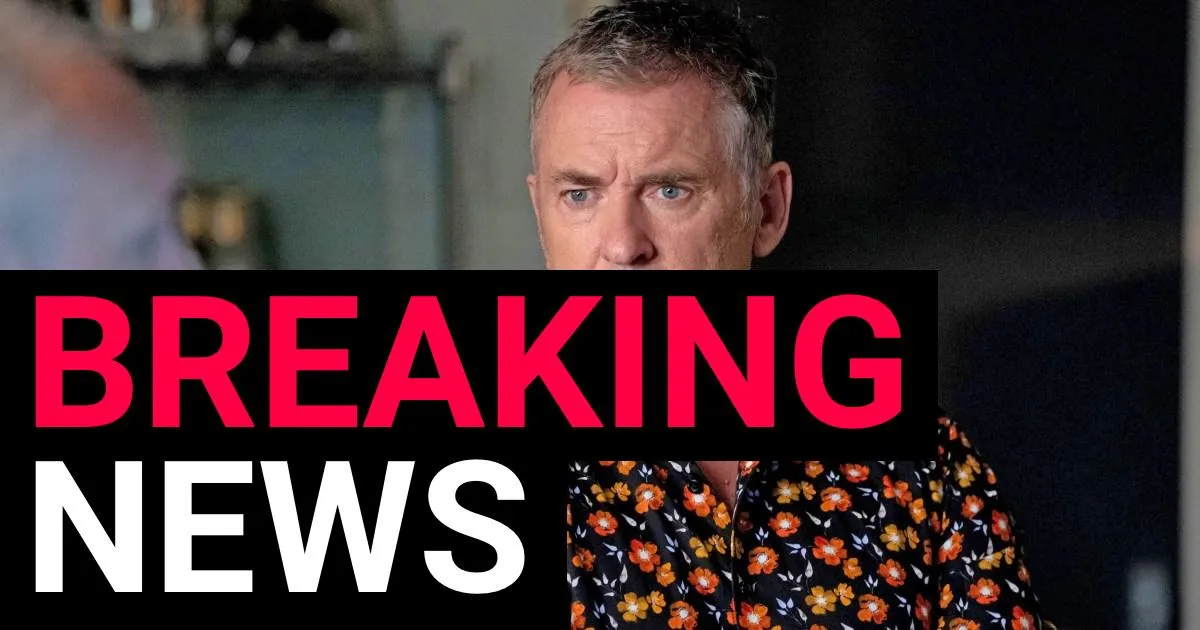
EastEnders actor Shane Richie is facing a drink-driving charge following his arrest at a petrol station.
The soap star, who first appeared as Alfie Moon in 2002, was caught in a row with staff at a Tesco garage in Harlow, Essex, just after 11pm on Wednesday.
Richie (real name Shane Roche) had been driving his white Hyundai with what looked to be a flat tyre before the incident unfolded. The rest of the forecourt was empty at the time.
Footage obtained by The Sun showed the 62-year-old growing agitated after being warned he was not allowed to vape on the forecourt.
Advertisement
E-cigarette in hand, he told the employees, ‘I don’t give a f**k,’ explaining that it was ‘not smoking, it’s a vape’.
Ask Metro
Use AI to go deeper into the stories you care about – powered by Metro and trusted publications.
Advertisement
Noticing one of the workers was recording, he waved his hand, as if to usher them away, and said, ‘You, you.’
The actor was filmed rowing with workers at a garage, who called the police (Picture: Dave Benett/Getty Images for Audi UK)
A male staff member then said: ‘I have to get it on video for the police. That is a vape, and that’s a risk in this petrol station.’
Snapping, the actor retorted: ‘What, you’re filming me? Alright, I’m going to film you.’
Having approached two other female workers outside the kiosk, Richie asked them to tell their colleagues to ‘go away’, but one of them informed him that she was the manager.
It’s claimed that the garage manager called the police on her mobile, telling them: ‘He started getting aggressive, and he started vaping, so smoking an electric cigarette.’
Advertisement
Leaning on his car, allegedly waiting for someone to come and ‘change [his] tyre’, Richie shouted back: ‘Not smoking a cigarette.’
Upon their arrival, officers had Richie pointed out to them. Upon approaching him, one was heard saying: ‘These guys have said you might have been drinking and that you’ve driven this vehicle in here.’
Richie, 62, was warned against vaping on the forecourt, but grew agitated (Picture: BBC)
This is where The Sun’s footage cuts off, and Richie is seen walking towards the police car, where he was subsequently arrested for drink driving.
He is reportedly due in court next month.
A source told the publication in the aftermath that it’s ‘extraordinary he behaved like that’.
Advertisement
‘It was stupid, and he was also being quite argumentative with staff,’ they added.
‘They didn’t know who he was at first. It was only after the police came that they realised.’
Essex Police confirmed in a statement: ‘Officers were called to reports of a suspected drink driver in Church Langley Way, Harlow, shortly before 11.20pm on Wednesday, July 29.
Jessie Wallace and on-screen husband Richie will be stepping back from EastEnders later this year (Picture: BBC/Jack Barnes/Kieron McCarron)
‘On arrival, officers arrested a man. A charge of drink-driving has subsequently been authorised against Shane Roche, 62, of Surrey.
‘He is due to appear at Colchester Magistrates’ Court on Wednesday, September 9.’
On the feisty on-screen couple stepping back from Albert Square, a source said they will be pursuing other projects.
For Wallace, 54, who debuted as Kat in 2000, this means a pantomime appearance, as she plays Captain Hook at the New Wimbledon Theatre’s panto production of Peter Pan.
Similarly, Richie will play Muddles in the production of Snow White and the Seven Dwarfs at the Cliffs Pavilion in Southend-on-Sea.
Advertisement
Richie is already a panto regular and has a string of other TV appearances under his belt, since he’s dipped in and out of playing Alfie for the past two decades.
For example, in 2020, he finished fourth on I’m A Celebrity.
Richie also recently announced new tour dates for his Prat Pack shows, a group in which he performs with Bradley Walsh, Joe Pasquale, and Brian Conley.
One of their gigs is scheduled for September 9 in Sheffield, which is when Richie’s court appearance also takes place.
Advertisement
Reps for Shane Richie have been contacted for comment.
If you’ve got a soap or TV story, video or pictures get in touch by emailing us soaps@metro.co.uk – we’d love to hear from you.
A magnitude 4.7 earthquake has struck Naples as the southern Italian city is hit by power cuts and falling boulders that have crushed cars.
Authorities have reported no immediate requests for emergency help as backup power has been restored.
However train and metro services have been disrupted and some buildings across the city have been damaged.
The quake was centred at the Campi Flegrei area, according to Italy‘s Institute of Geophysics and Vulcanology (INGV), west of Naples, at a depth of around 3km.
Advertisement
The area, site of Europe’s largest volcanic crater, is home to frequent seismic activity.
The quake occurred at 5.46pm and had a depth of three kilometres, INGV said.
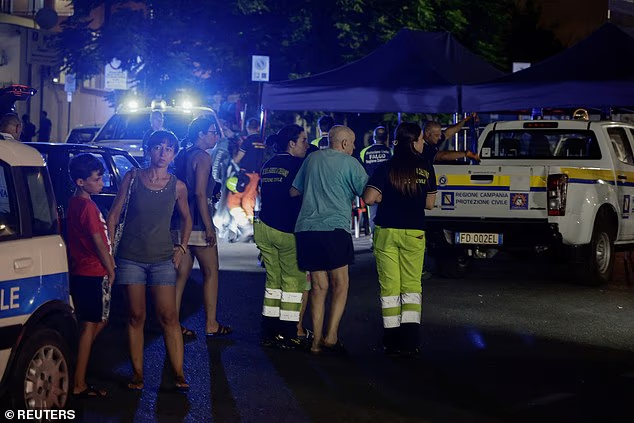
Firefighters said they received reports of stuck elevators and small chunks of plaster falling but no immediate requests for assistance.
The city of Naples said a high-voltage pylon supplying the city with electricity had collapsed, but backup power had been restored to affected areas.
Advertisement
Emergency workers assist a resident following a magnitude 4.7 earthquake in Pozzuoli
Police secure the areas of collapses and damages. Pictured: A white car is crushed beneath the weight of falling debris
Elderly residents sit outdoors as they prepare to spend the night in the street for fear of further tremors
Advertisement
Workers clear debris from a street as cars drive around the city following the earthquake on Friday night
Power cuts were affecting some areas of the city, with emergency workers on-site for repairs, the authorities said.
In recent years Campi Flegrei, a densely populated volcanic caldera which encompasses large parts of the west of the city, has faced increasingly frequent seismic activity.
This has prompted the Italian government to step up monitoring of the region.
And there are fears that thousands could be displaced as many were forced to leave their homes in Campi Flegrei in the early 1980s amid a seismic crisis.
In November 1980, a magnitude 6.9 earthquake hit the Irpinia region of southern Italy, killing around 2,700 people.
Advertisement
And in 2016, roughly 300 people were killed as earthquakes struck parts of Lazio, Umbria and the Marche regions.
Share or comment on this article:
Power cuts and cars crushed by falling boulders in Naples as magnitude 4.7 earthquake hits the southern Italian city
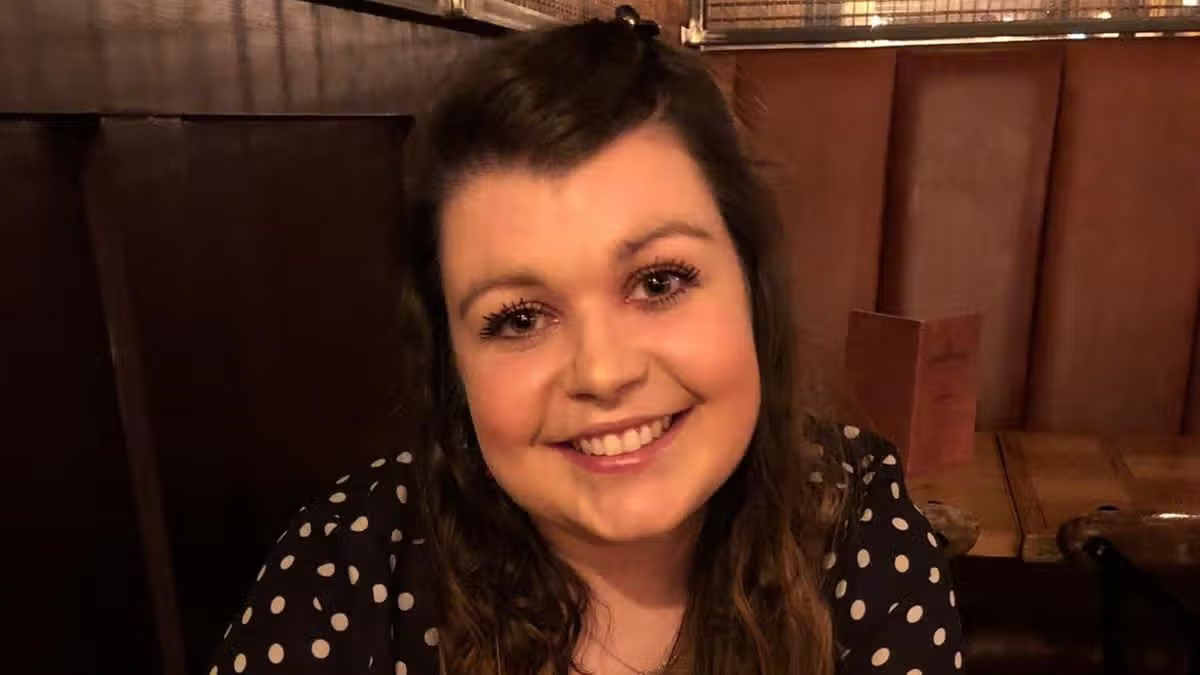
Dena Collins died at Queen Elizabeth Hospital on January 12 2023 from a heart attack caused by a blood clot
A primary school teacher who died one day after being discharged from hospital would have survived had a blood clot been diagnosed and treated, a coroner has found.
Advertisement
Dena Collins, 28, died at Queen Elizabeth Hospital in Greenwich, London, on January 12 2023 from a heart attack caused by a blood clot, despite medics initially suspecting a clot may be behind her symptoms.
Miss Collins, from Eltham in south London, had texted friends and family saying she suspected she had a blood clot after Googling her symptoms and potential side effects of antibiotics she was taking. On Friday, an inquest into her death concluded at Inner South London Coroner’s Court on what would have been her 32nd birthday.
Following the hearing, her sister Clare urged people to “trust your body” and “advocate for yourself” if something feels wrong, as Dena had visited both her GP and the hospital about her symptoms prior to her death.
Advertisement
Delivering her conclusion, assistant coroner for the area Linda Jacobs said a post-mortem examination found Miss Collins had died from a deep vein thrombosis (DVT), a blood clot in a large vein, and a pulmonary embolism, a blood clot that occurs in the lungs.
The coroner said: “Had the suspicion of a DVT and a pulmonary embolism been acted upon and a treatment dose had been given – the fatal cardiac arrest would’ve been avoided.
“Had a DVT and a pulmonary embolism continued to be accepted, she would’ve received treatment dose anti-coagulant and on the balance of probabilities would not have died,” she added.
Miss Collins visited her local GP three days before her death, complaining of leg pain, and was diagnosed with muscular pain and given reassurance.
Advertisement
On January 11, the nursery and reception teacher went to the Queen Elizabeth Hospital complaining of four days of leg pain, fever and diarrhoea. She used a crutch to walk and was limping because of the pain. Despite the possibility of a blood clot being noted at triage and positive results from a D-dimer, a test used to identify clots, she was given a diagnosis of a possible ruptured cyst and told to return the next day for a scan.
The lifelong Crystal Palace fan collapsed at her family home the next morning and her father gave her CPR before an ambulance took her back to the same hospital, where she died a couple of hours later.
The coroner said she had found there had been “errors of clinical judgment” in both Miss Collins’ primary and secondary care in the lead up to her death, but that this did not amount to neglect.
Advertisement
Ms Jacobs noted that risk factors including that Miss Collins had been taking the combined oral contraceptive pill were not considered during her visit to the GP.
Following the hearing, Miss Collins’ sister Clare said: “Dena knew her body. She knew something wasn’t right and she sought help repeatedly.
“If there is one thing I hope people take from her story it is this – trust your body, trust your gut. If something feels wrong, keep asking questions, seek a second opinion and advocate for yourself loudly.
“We hope the findings of this inquest lead to accountability and meaningful change so that no other family has to experience all that we have endured.”
Advertisement
Ensure our latest stories always appear at the top of your Google Search by making us a Preferred Source. Click here to activate or add us as your Preferred Source in your Google search settings.
Dozens of Miss Collins’ family members and friends joined the inquest conclusion hearing online, and her parents and sister attended in person.
A Lewisham and Greenwich NHS Trust spokesperson said: “We are truly saddened by Dena’s death and the devastating and lasting impact it has on her family and friends.
“We recognise how important this inquest was to the Collins family and we will now take steps to understand it in full so that we can consider how to take forward the relevant recommendations made by the coroner.
Advertisement
“While nothing can change the sad outcome for Dena and her family, the learnings coming out of her death will help drive changes for future patients. We continue to offer the Collins family our sincere condolences and are here to offer any further support they may need.”
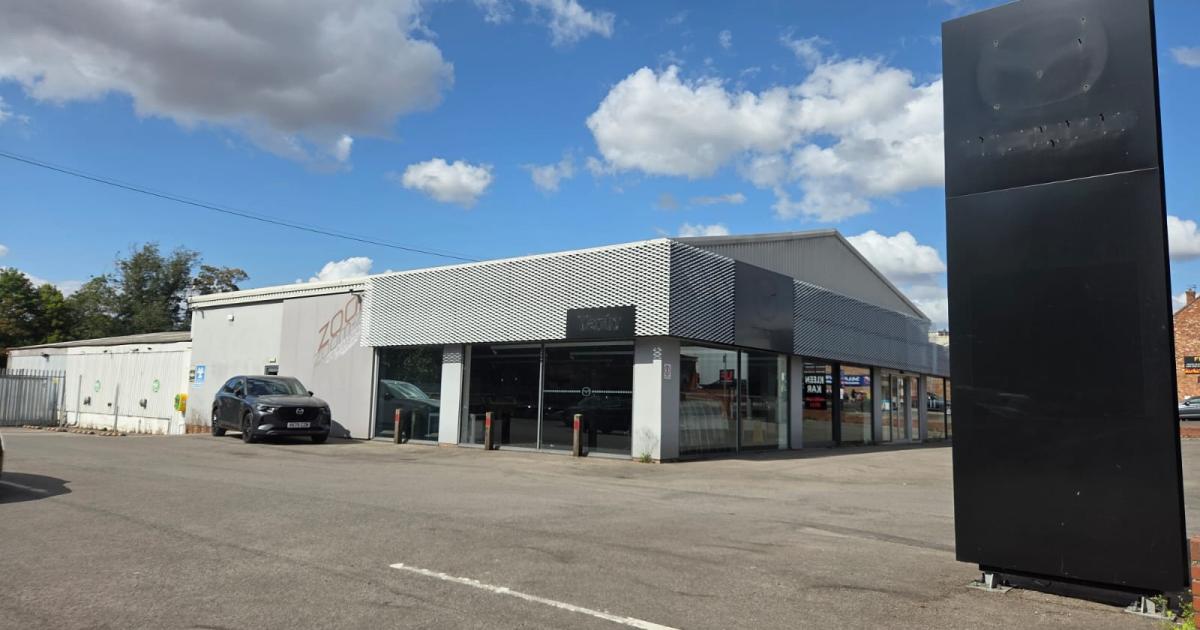
Vertu Mazda in Layerthorpe has now officially shut, with its forecourt cleared of cars, after a short consultation period where a spokesperson said that they were ‘reviewing the financial viability’ of the site.
In a message to customers, the company said: “As a valued Vertu customer we are writing to inform you that Vertu Mazda York will be permanently closing on July 31 2026.
RECOMMENDED READING:
“To ensure you continue to receive the high-quality service and care you’ve come to expect, Vertu Renault York (located just three miles away from Vertu Mazda York) will now support your ongoing sales, servicing and repair needs and the colleagues there look forward to serving you.”
Advertisement
The garage is empty, aside from one member of staff who is working inside (Image: Alice Kavanagh)
Vertu Renault York is at Clifton Moor Gate and serves customers from York and surrounding areas, including Wetherby, Pontefract, Leeds, Thirsk, Hull and Scarborough.
However, some customers – including Andrew Mortimer – were told to contact the garage in Harrogate to book a new service, something that was ‘somewhat of a shock’ as he was able to successfully book an appointment at the start of the month.
The forecourt is mostly empty with only a few cars still inside (Image: Alice Kavanagh)
As reported by The Press over the years, developers have been eyeing up the site which is on the edge of York city centre for several years with one applicant said to be “working collaboratively with the council since February 2023″ on student housing plans.
The 32-year-old, a training partner of 800m Olympic champion Keely Hodgkinson, will also race at next month’s European Championships and the inaugural Ultimate Championships in September.
“There are four opportunities to win gold this year,” Hunter Bell told BBC Sport.
Advertisement
“I am two golds down and two more to go.”
Hunter Bell is blossoming later in her career.
Having taken five years out from the sport before returning during the Covid-19 pandemic, she took 1500m bronze at the Paris Olympics before pipping Hodgkinson to silver at last year’s World Championships in the 800m.
This, though, is her first outdoor title – in the event Hodgkinson is Olympic champion.
Advertisement
“Every medal is a landmark moment but my first outdoor gold is huge,” she said.
Hunter Bell and Kenya’s world champion Lilian Odira were the favourites for this title after Hodgkinson opted not to compete. The final was barely a contest with Hunter Bell setting the pace and then kicking on with 200m to go to win by more than a second.
Hodgkinson has instead taken time off before the European Championships in Birmingham, which start on 10 August.
Hunter Bell is only running in the 1500m in that event, denying the chance to see an intriguing race between the pair, but took her opportunity in her friend and training partner’s absence.
Advertisement
Though she said the win validates her decision to come to Glasgow, she defended the decision of others to withdraw.
The push for expanded use of Starlink comes as Zelenskyy looks for alternate ways to mitigate the need for U.S. Patriot air defense systems to thwart the steady barrage of Russian missile and drone attacks on Ukrainian territory. The interceptors are in shorter supply as the U.S. and Israeli war against Iran continues to rage, and Trump on Friday appeared to back away from a recent commitment to give Ukraine a license to produce them.
Zelenskyy made the request directly to Trump in an Oval Office meeting this week during his whirlwind trip to Washington, according to one person familiar with the matter. He also told lawmakers later on Capitol Hill that he wanted Starlink to help with targeting inside Russia, according to a person in the room. Both officials spoke on the condition of anonymity to discuss the sensitive private discussions. Trump did not commit to Zelenskyy’s request.
Zelenskyy has been pushing to expand Starlink use for weeks
Musk has allowed the Ukrainians to use Starlink inside their own territory, including in Ukrainian regions occupied by the Russians, but has restricted use of the satellite system inside Russia.
Advertisement
Zelenskyy has been making the case for expanded use of Starlink with U.S. officials for at least several weeks. The White House, the Ukrainian Embassy in Washington and officials at SpaceX, which owns Starlink, did not immediately respond to requests for comment on Zelenskyy’s request. Zelenskyy’s efforts to get Musk’s permission to use Starlink to help with Ukrainian attacks inside Russia was first reported by The Atlantic.
Granting permission for an expanded use of Starlink could come with risk for Musk. The Associated Press reported in December that two NATO-nation intelligence services suspect Russia is developing a new anti-satellite weapon to target Musk’s Starlink constellation with destructive orbiting clouds of shrapnel.
The intelligence findings were shown to the AP on condition that the services involved were not identified, and the news organization was not able to independently verify the findings’ conclusions.
Russia views Starlink as a grave threat, the findings indicate. The thousands of low-orbiting satellites have been pivotal for Ukraine’s survival against Russia’s full-scale invasion, which began in February 2022.
Advertisement
Ukrainian leader also pitched US lawmakers during recent visit
Zelenskyy had traveled to Washington to attend Sen. Lindsey Graham’s memorial service and used the visit to check in with Trump and allies on Capitol Hill.
Zelenskyy visited the Capitol following his meeting with Trump in the White House earlier in the day. Senators said the requests the Ukrainian president made were similar to what he had told them earlier in July during a meeting at the NATO summit in Turkey.
“They need access to Starlink long term to make their longer-range and intermediate-range systems more accurate,” said Sen. Mike Rounds, a Republican from South Dakota, who is a member of the Senate Armed Services Committee.
“They prefer to be exactly on target, as opposed to, in the general area,” Rounds said. “He made that pretty clear.”
Advertisement
Zelenskyy spoke with lawmakers late Tuesday evening ahead of a Senate vote on a punishing new Russia sanctions package, which advanced toward a final vote expected next week.
Zelenskyy also reiterated Ukraine’s need for more U.S. Patriots and the previously discussed licensing agreement so Ukraine could start producing the system in house, said Rounds, who was part of the delegation of U.S. lawmakers at the NATO conference in Ankara.
“There was a consistency from what President Zelenskyy shared with us in Turkey two weeks ago to what he shared with us again once again, in terms of what their needs are,” Rounds said. “It’s pretty straightforward.”
Trump appears to edge away from Patriots licensing commitment
The president told reporters on Friday that the licensing matter remains under discussion and said he hasn’t made a decision on it.
“We’re talking about it. But it’s a hard thing to give away that kind of technology,” Trump said.
Trump’s relationship has improved with Zelenskyy as Ukraine has gained strength on the battlefield with Russia in recent months. And Zelenskyy has sought to portray that his war with Russia is connected to the U.S. and Israel’s conflict with Iran.
Advertisement
U.S. intelligence has shown that Tehran provided Russia with drones to use against Ukraine. More recently, Russia has prepared to ship drones for Iran, including upgraded versions of the technology that Tehran originally supplied to Moscow after its invasion of Ukraine, according to U.S. and European officials.
Zelenskyy said ahead of this week’s visit to Washington that he’d share evidence with the United States that shows Russia is assisting Iran in targeting U.S. bases in the Middle East via satellite surveillance.
Zelenskyy also has been making the case to the Trump administration that his country is well positioned to help the U.S. counter Iranian drone attacks on U.S. bases in the Middle East and Gulf allies’ infrastructure.
“He has been very emphatic they are going to provide more aid to us in unmanned warfare, aerial unmanned warfare, which has been so instrumental in Iran — his people have been there, they’ve been providing technology and know-how — and they’re ready, willing and able to do it in even greater magnitude,” said Sen. Richard Blumenthal, a Democrat from Connecticut, who sits on the Armed Services Committee. “He was very emphatic on that point.”
Advertisement
___
AP writers John Leicester in Paris and Emma Burrows in London contributed reporting.
The body recovered from a river in Devon has been confirmed to be the body of a missing teenage schoolboy.
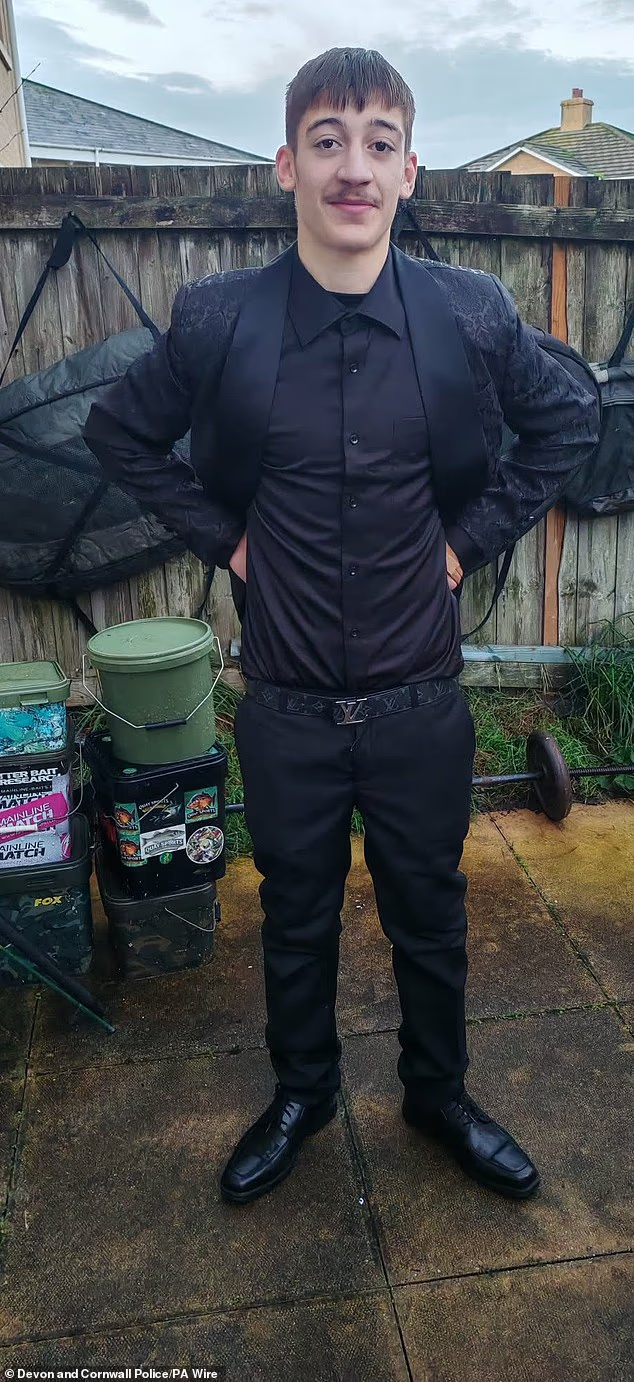
Taylor Charlton was 14 when he vanished on 8 May at around 10.30pm. He was last seen in a car park on Station Road in Barnstaple, north Devon.
His disappearance prompted a major search party, which ran until the body was pulled from the River Taw six weeks later.
The discovery came after shoes believed to belong to Taylor were discovered on consecutive days along the riverbank between Sticklepath and Bickington.
Advertisement
A series of public appeals were made, including a community search organised to coincide with what would have been the schoolboy’s 15th birthday.
In a heartfelt Facebook post at the time, loved ones wrote: ‘Today is Taylor’s 15th birthday – he isn’t spending it at home with his family.
‘He isn’t waking up to presents, he isn’t waking up to the utmost love and kindness.’
Devon and Cornwall Police have since confirmed that remains spotted and recovered from the River Taw on 24 June have been formally identified as Taylor.
Advertisement
Taylor Charlton was 14 when he vanished on 8 May at around 10.30pm. He was last seen in a car park on Station Road in Barnstaple, north Devon
Pictured is a missing poster for Devon teenager Taylor Charlton
This came after police arrested a woman in her 40s in July on suspicion of murder.
Advertisement
She is the second person to be arrested after a 20-year-old man was detained on suspicion of murder.
The pair remain on police bail while enquiries continue.
A spokesperson said this week: ‘We are extremely saddened to confirm that human remains found in the River Taw on 24 June have today been confirmed as being those of teenager Taylor Charlton from Barnstaple.
‘Taylor’s family have been updated of this development and our thoughts and condolences are with them, Taylor’s friends and the local community.
Advertisement
‘Taylor’s loved ones continue to be supported by specialist officers at this incredibly difficult and distressing time.
‘We respectfully ask that the family’s privacy is respected as they come to terms with this tragic news.’
Police said a large-scale search operation and substantial investigation was launched after Taylor was reported missing.
The force added: ‘This is not the outcome that anyone hoped for and we know how deeply this will affect the local community who have shown tremendous support throughout the search.’
Advertisement
An investigation into the circumstances surrounding Taylor’s death remains ongoing.
Taylor was 14 when he went missing but would have turned 15 in the time since he was last seen.
In a public appeal, his mother Zoe previously said she was ‘absolutely desperate’ for him to come home.
‘I love you so much and I am worried sick about you,’ she added.
Advertisement
His father Alex said: ‘Taylor is a loving, loyal and special lad and we can’t wait to have him home again.’
Police have again urged the public not to speculate or share unconfirmed information online while detectives continue their investigation.
Share or comment on this article:
Human remains found in a river confirmed to be missing teenage schoolboy























































You must be logged in to post a comment Login