It comes after industrial action was avoided at both Glasgow and Edinburgh airports.
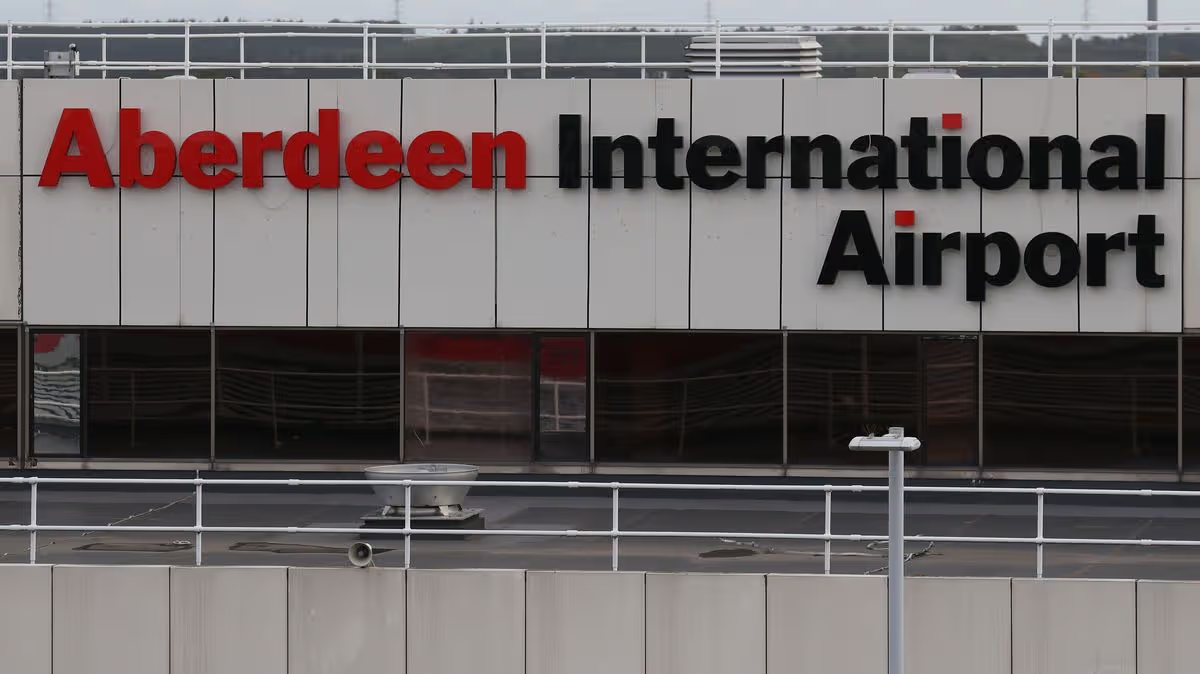
Security staff at Aberdeen Airport have overwhelmingly backed industrial action in a dispute over pay – despite strike threats being lifted at Scotland’s other major airports.
Advertisement
Members of Unite employed by ICTS HBS voted unanimously in favour of industrial action, raising the prospect of disruption at Aberdeen unless an improved offer is tabled.
The development comes after Unite members at Glasgow and Edinburgh airports accepted enhanced pay deals, bringing an end to the threat of summer walkouts which could have hit holidaymakers, World Cup flights and the Commonwealth Games.
At Glasgow Airport, nearly 400 workers employed by ICTS and Menzies Aviation accepted revised offers after initially rejecting what Unite described as “unacceptable” pay proposals.
More than 400 Edinburgh Airport workers also agreed a two-year deal, securing a minimum pay increase of £1,800 this year and a 5.5 per cent rise in 2026.
Advertisement
Two groups of workers at Aberdeen Airport last week agreed pay settlements, averting industrial action. However, security staff employed by ICTS HBS have now voted in favour of strike action, meaning disruption at the airport remains a possibility.
As reported by the BBC, Paula Buchan, Unite industrial officer, said: “Our ICTS HBS security members have unanimously backed industrial action.
“Imminent talks are scheduled with the employer and we await an improved pay offer to potentially resolve this dispute before strike action.”
The union said discussions with the company are due to take place in the coming days in a bid to secure a breakthrough and avoid any walkouts.
Earlier this week, Unite welcomed improved deals for workers at Glasgow and Edinburgh airports, saying the settlements removed the threat of disruption during one of the busiest periods of the year for Scotland’s aviation sector.
Advertisement
Get Daily Record Premium for just £1 per month in exclusive offer to celebrate the world cup. Click HERE.
This is DR Congo’s first appearance at a World Cup since 1974.
But it hasn’t taken them long to realise nothing – or no-one – can steal the limelight from Cristiano Ronaldo.
Advertisement
Well, apart from Lionel Messi that is.
Ronaldo is making a record-equalling sixth World Cup appearance.
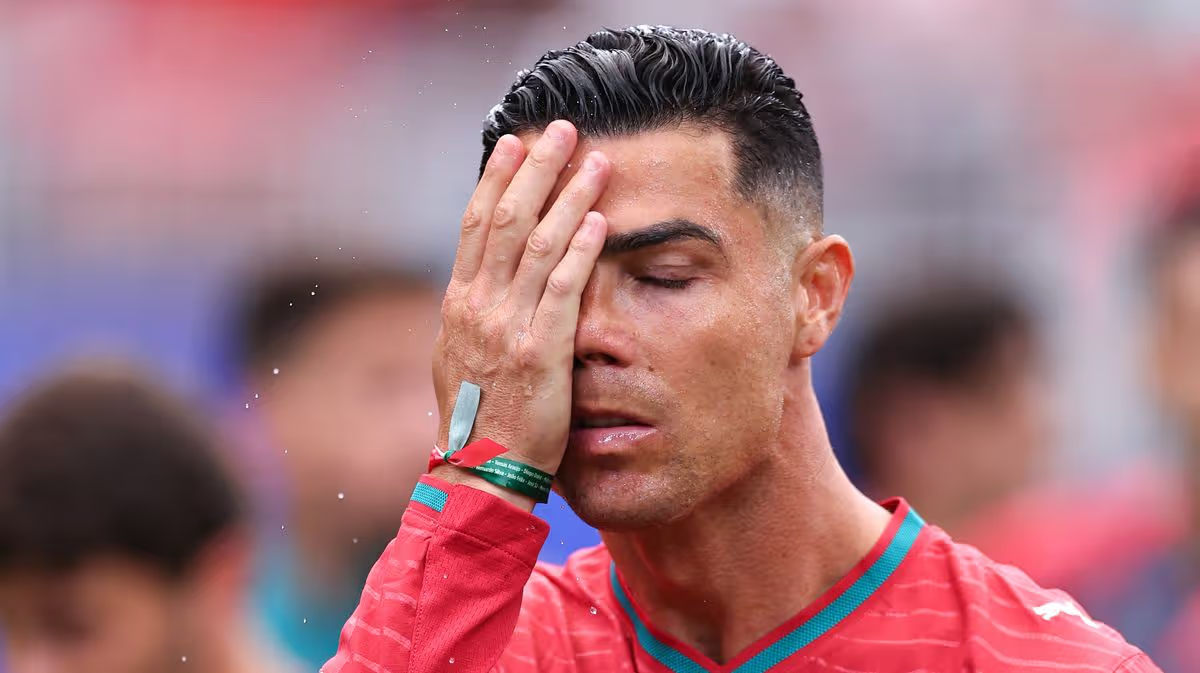
Portugal team-mate Bruno Fernandes has revealed Ronaldo had been “anxious” in the build up to his team’s opening Group K game in Houston.
But if this were true, it didn’t feel like it when Ronaldo led his team out into the Houston Stadium to warm up.
Advertisement
With his chest stuck out like a peacock. Ronaldo couldn’t resist a quick glance up to the big screen behind the goal to see his face beaming back at him.
Just how he likes it.
Thousands of Portuguese supporters let out huge cheers to greet their evergreen icon.
Ronaldo remains the talisman of this team, despite him now being 41 and well past the peak of his powers.
Advertisement
Ronaldo’s welcome might have been predictable.
But what few Portuguese fans had not expected, was to have found themselves queuing up to purchase ponchos outside the stadium.
Tropical rain greeted all those heading to the match.
And the only person who seemed happy about this was the bloke flogging said ponchos.
The 39 year-old from Wythenshawe has been charged with nine offences
A man has been charged with a number of offences following a police pursuit in Wythenshawe.
Advertisement
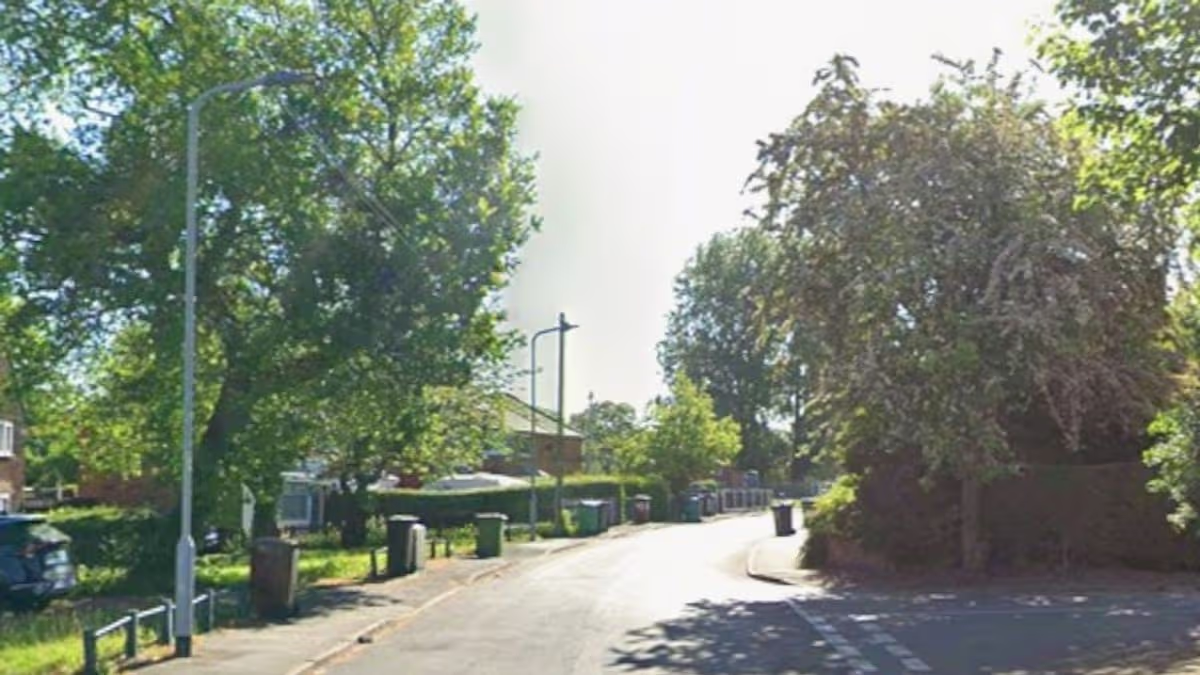
Greater Manchester Police (GMP) said their officers followed a Mercedes vehicle along Hollyhedge Road on Tuesday morning (June 16) vehicle before it collided with a tree on Haveley Road in Benchill.
A man was arrested afterwards.
Click here to get the biggest stories straight to your inbox in our Daily Newsletter
In an update issued this evening (Wednesday), GMP said a man had now been charged with nine offences.
Advertisement
Matthew James Gradwell, 39, of Benchill Road, Wythenshawe has been charged with; escaping from lawful custody, two counts of burglary, three counts of theft, causing serious injury by dangerous driving, driving whilst disqualified, and driving without insurance.
He was scheduled to appear before West Cheshire Magistrates Court in Chester on Wednesday.
The co-working space offers free coffee from a local roastery
12:50, 16 Jun 2026Updated 13:01, 16 Jun 2026
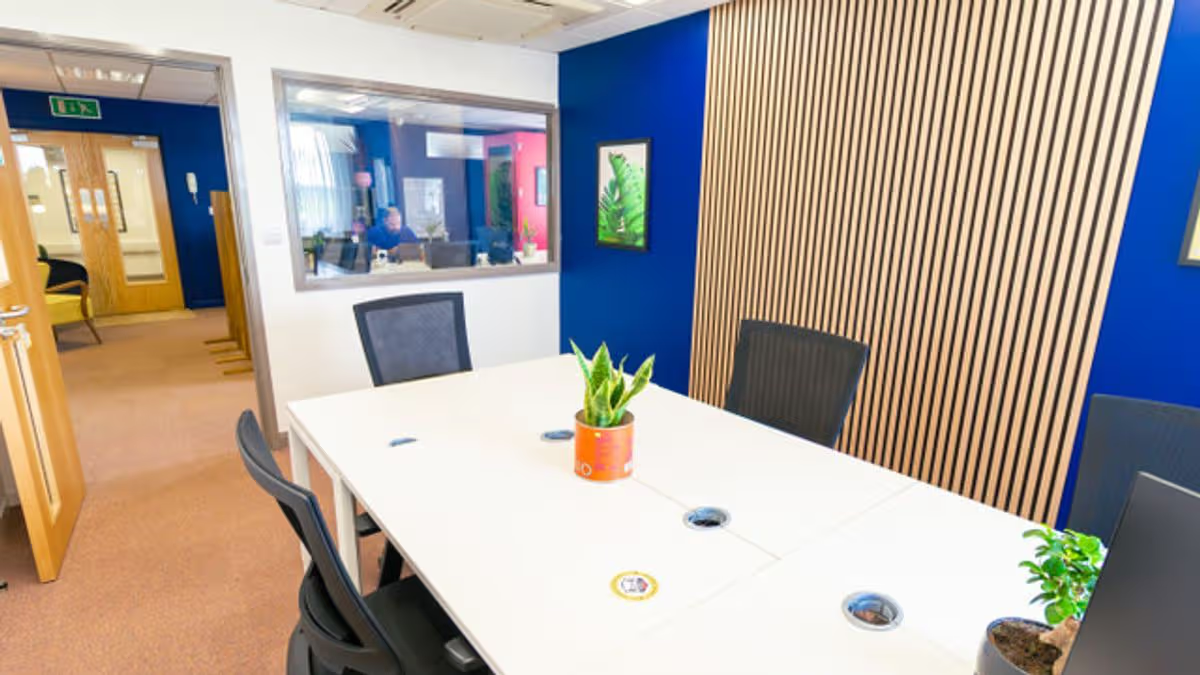
A new Cambridgeshire flexible working space aims to offer more than desks and WiFi, the co-owners said. The Ely Work Collective opened in March and offers 26 flexible hot desks, four meeting rooms, and a content studio.
Co-owners James and Cathrine said: “In an age of flexible working, the Ely Work Collective is redefining what it means to work locally. A dynamic new co-working and community space – built with passion to provide a flexible and inspiring environment for productivity and collaboration.”
The pair intends to bring local freelancers, creatives, and remote workers together. A spokesperson said: “The Ely Work Collective champions collaboration over competition, encouraging organic connections – whether through conversations over coffee or shared projects. By keeping things ‘personal and local,’ it nurtures an environment where no one works alone.
Advertisement
“The team are passionate about grounding the workspace in the local Ely community by working with local suppliers and businesses. For example, the free coffee available is from a local roastery, and the IT infrastructure was implemented by The Ely Computer Centre.
“Many other local businesses are part of the monthly membership package, encouraging close ties to the community the new space will serve.”
More than 2,000 people packed into Freight Island to watch England’s
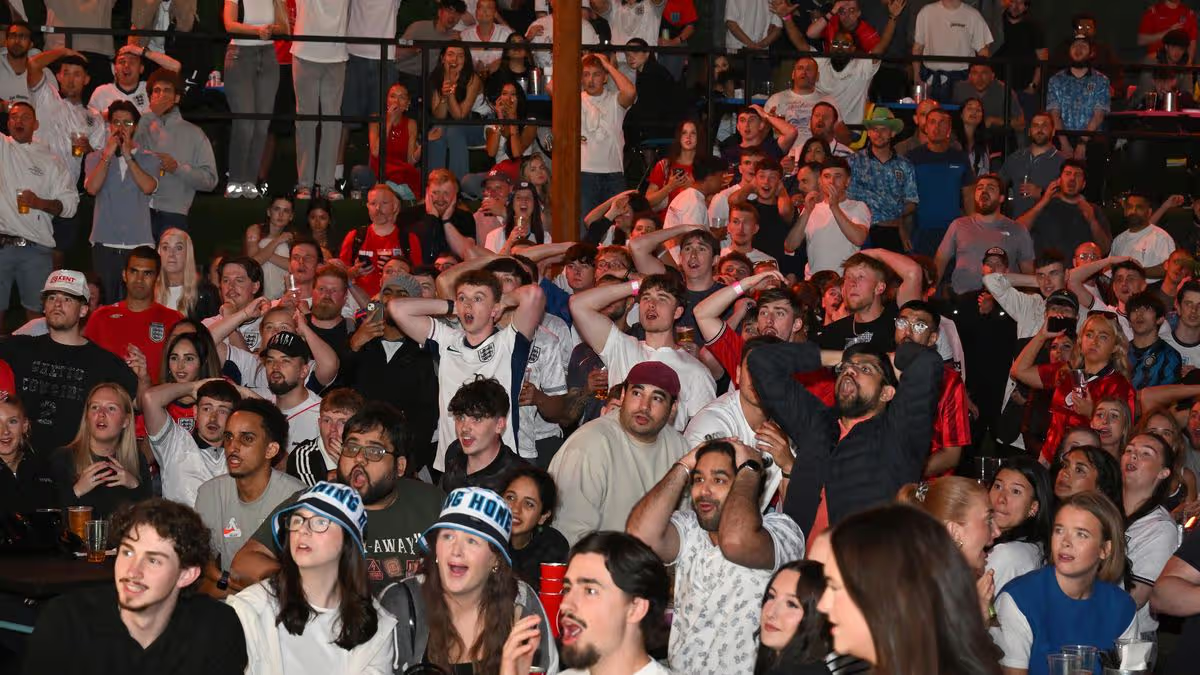
England fans erupted in cheers in Manchester city centre when the final whistle was blown on the team’s first World Cup game of 2026.
Advertisement
Beers were flung across the room, strangers were embracing and some supporters even sang the national anthem as the Three Lion’s 4-2 victory against Croatia in Houston was made official.
More than 2,000 people packed into Freight Island, opposite Piccadilly Station, for the ‘We Are Football festival’ which claims to be the biggest fanzone of its kind in Europe.
Click here to get the biggest stories straight to your inbox in our Daily Newsletter
Fans decked out in England gear and impatient with anticipation started gathering from 6pm at the venue for the 9pm kick off.
Advertisement
And by the shouts and cheers that rang out from the venue, you’d think that England had just won the whole tournament, not their very first game in the group stages.
The match was anything but boring, with the England squad keeping fans on their toes right all throughout the game.
But by the time Rashford scored the fourth goal in the 85th minute, fans knew they had secured the result they wanted.
Advertisement
Even before the final whistle was blown, fans were chanting and jumping up and down. And when the game finally finished, Sweet Caroline and Mr Brightside were blaring out from the speakers.
Amongst the fans was 35-year-old Jess Bellamy, who had come down on her birthday to watch the game with her partner Joe Hamilton.
She said: “We try our best to follow England but we’ve got two kids so it can be a little hard, especially with all the funny times in this tournament. But we’ve watched as many games as we can so far.
“I’m glad it’s a few days into it before England has played because I feel like the excitement has really, really built.
Advertisement
“We’re very excited. I’m off work tomorrow and I feel like whether we get a win or not, it’s England’s first game so it’s still very exciting.
“We’re getting married next year so this will be our last big tournament before then. We’re hoping to go to the next one. All the next major tournaments are in Europe so it’s a bit easier than going to America.”
England’s second game of the tournament will take place against Ghana on June 23.
The Royal College of Radiologists says ‘alarm bells should be ringing’
A worsening shortage of radiologists and cancer doctors is causing dangerous delays to diagnosis and treatment for patients across Northern Ireland.
Advertisement
That’s according to new workforce data today (Thursday) from the Royal College of Radiologists (RCR), the leading body for radiologists and clinical oncologists. They warn that without action to boost the workforce, more patients will suffer as demand continues to rise.
The data, based on responses from 100% of cancer centre and radiology department leaders in Northern Ireland and across the whole UK, reveals a shocking picture of dangerous delays to diagnosis and treatment of cancer and other serious conditions. The RCR is calling for urgent action to boost the workforce, or more patients will suffer as demand rises.
It found that 8 in 10 radiology leaders in NI and half of cancer leaders across the UK say staff shortages are causing patients’ conditions to worsen while severe shortages of radiologists and cancer doctors are driving delays to diagnosis and treatment of cancer and other serious health conditions.
They added that heavy reliance on expensive short-term fixes is making things worse; recruitment freezes affecting radiology departments and cancer centres have doubled in a year. They added that the government must expand training and end recruitment freezes to prevent delays worsening further.
Advertisement
All cancer leaders in NI say they have seen delays to patients starting radiotherapy or drug-based treatment including chemotherapy as a result of staff shortages.
This means patients at every cancer centre have had their treatment delayed because of staff shortages. All radiology and cancer leaders are concerned about backlogs and delays caused by staff shortages.
Meanwhile, diagnostic wait and cancer treatment targets continue to be missed. Department of Health data show that in 2025, a quarter of a million people waited over 6 weeks to have a scan or test. In 2025, only 30% of patients started cancer treatment within 62 days of a referral, against a target of 95%.
Delayed diagnosis leads to delayed treatment and can worsen health outcomes – particularly for people with cancer, where every month’s delay to starting treatment can increase the risk of death by around 10%.
Advertisement
Meanwhile demand for scans is growing at ten times the rate of radiologists to interpret them – 49% (48,000) more people will be living with cancer in NI by 2045, and yet a fifth (20%) of NI’s clinical oncologists are set to retire by 2030.
In its recommendations for government action, the RCR said that instead of haemorrhaging money on short-term fixes, the Northern Ireland Executive must invest in training more doctors by increasing the number of training places for clinical radiology and clinical oncology and maximise training capacity by allocating training places by whole-time equivalent (WTE) rather than by headcount.
Dr Stephen Harden, President of the Royal College of Radiologists, said: “For the first time, our census shows that patients’ conditions are deteriorating because of workforce shortages. Delays to diagnosis and cancer treatment are extremely dangerous, particularly in deprived and rural communities where shortages are worst.
Advertisement
“Despite our members’ extraordinary efforts, we simply don’t have enough clinical radiologists and clinical oncologists to meet rising demand. Recruitment freezes and growing reliance on outsourcing are making the situation worse not better.
“Alarm bells should be ringing for governments across the UK. Without urgent action to train, recruit and retain more doctors, more patients will suffer.”
In response, a Department of Health spokesperson said over £10m has been invested in support of oncology and haematology stabilisation in recent years, including investment in consultant and non-consultant medical staff, nursing and pharmacy services.
Advertisement
The DoH spokesperon added: “Imaging services are fundamental to the delivery of healthcare across elective and unscheduled pathways. We are aware of the current radiology workforce deficit and have been working to address this, with significant investment to grow the imaging workforce in Northern Ireland over the last 10 years. Commissioned Radiology medical specialty training places have expanded from a baseline of 37 (2015/16) to 56 (2025/26), an increase of 50%.
“However, there is more to do as demand continues to grow. Looking ahead, the Department has plans underway for a multi-professional Imaging Academy which aims to significantly increase the number of consultant radiologists and advanced radiographer practitioners here.
“This would deliver an overall increase in imaging capacity within health and social care for the benefit of all clinical specialties and support the reduction of excess waiting lists for diagnosis and treatment, as well as meeting the demands from unscheduled care.
“While the Department acknowledges that progress on the Academy has been slow due to the wider budgetary constraints facing the HSC system at this time, an interim plan to phase in additional radiology training places is proceeding from Autumn 2026, with an additional four radiology training places commissioned for the 2026/27 intake.
Advertisement
“It is the intention that this intake will be increased incrementally over the coming years while the Academy is being progressed, subject to funding. This will ensure that Northern Ireland has an increasing and continuous supply of locally trained consultant radiologists in the coming years. We also aim to reduce reliance on costly outsourcing by investing in the imaging workforce over the longer term.”
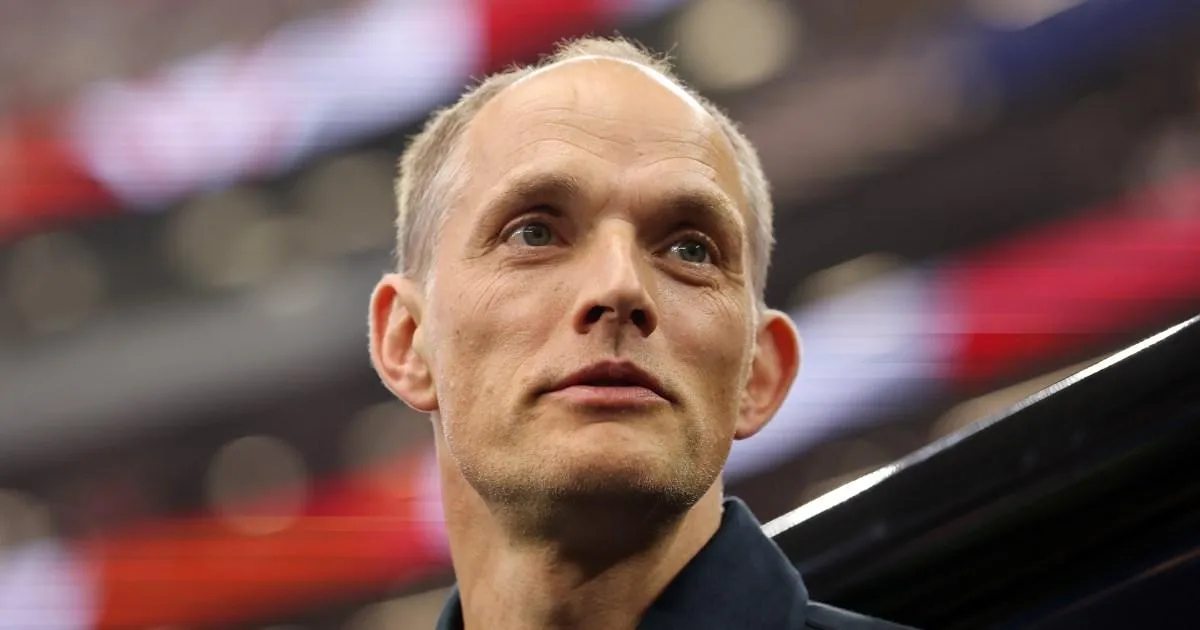
Jude Bellingham looked like he can fulfil all that talent, but Thomas Tuchel has already fulfilled one promise. The England manager had promised that an occasion like this World Cup 2026 match would “bring out the best in us”, but it may have done even more than that.
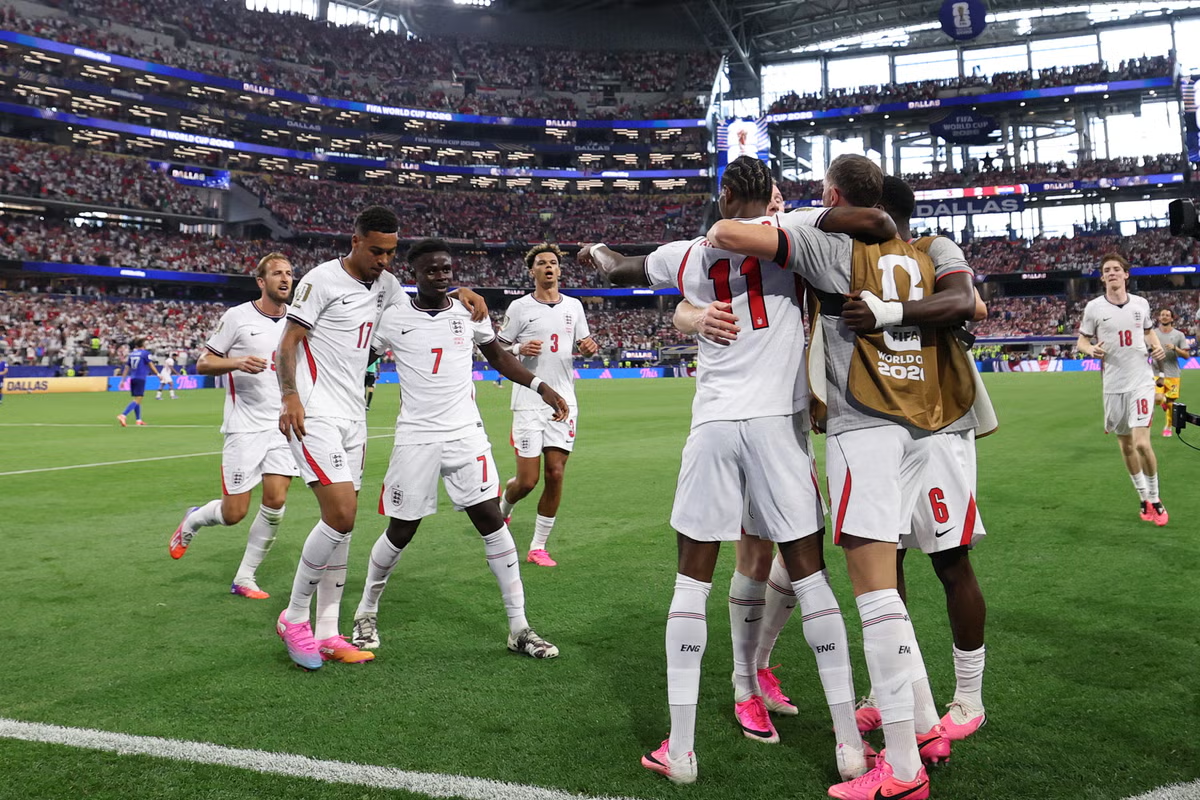
It may well have been the country’s best spell of tournament football in decades, and perhaps the most convincing victory in some time. The game ended up 4-2, but it could genuinely have been 7-2 from the 10-minute spell after half-time alone. Croatia barely knew where to turn, let alone where to look.
Another match of four quarters – the hydration break booed by England fans – really was a game of two halves.
Advertisement
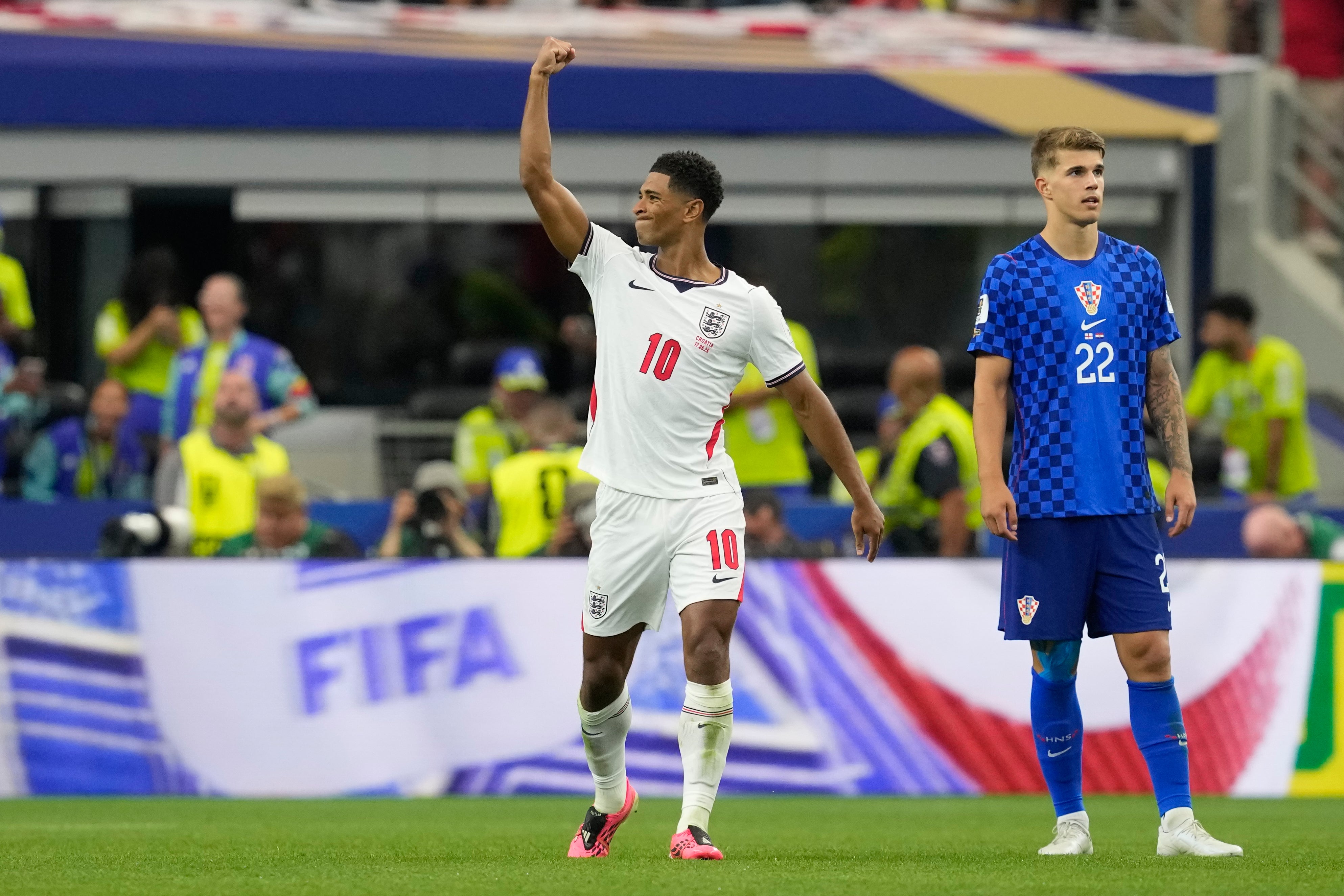
That second-half onslaught was sparked by a crucial and clinical individual goal from Bellingham, that might also have marked some important changes for this team.
Where England had previously been playing with “a lot of nervous energy” that produced a “complicated and confusing first half”, they were suddenly performing with a focused aggression and real clarity.
(AP)
It was the “clarity of purpose” Tuchel always has constantly been trying to drill into them.
That was perfectly distilled in that driving Bellingham run, where he had absolutely no doubt or hesitation about what he was doing. He was going straight for goal.
Advertisement
There was an extra defiance to that, too, given how it had been Bellingham and Elliot Anderson largely culpable for Croatia’s brilliant first.
And, through that, there was also the biggest transformation of all.
For so much of the first half, this had seemed like the same old story for England.
They’d gone two years without a proper test and here they were again, struggling to keep control and ceding midfield in a match against the first quality side they’d played.
Advertisement
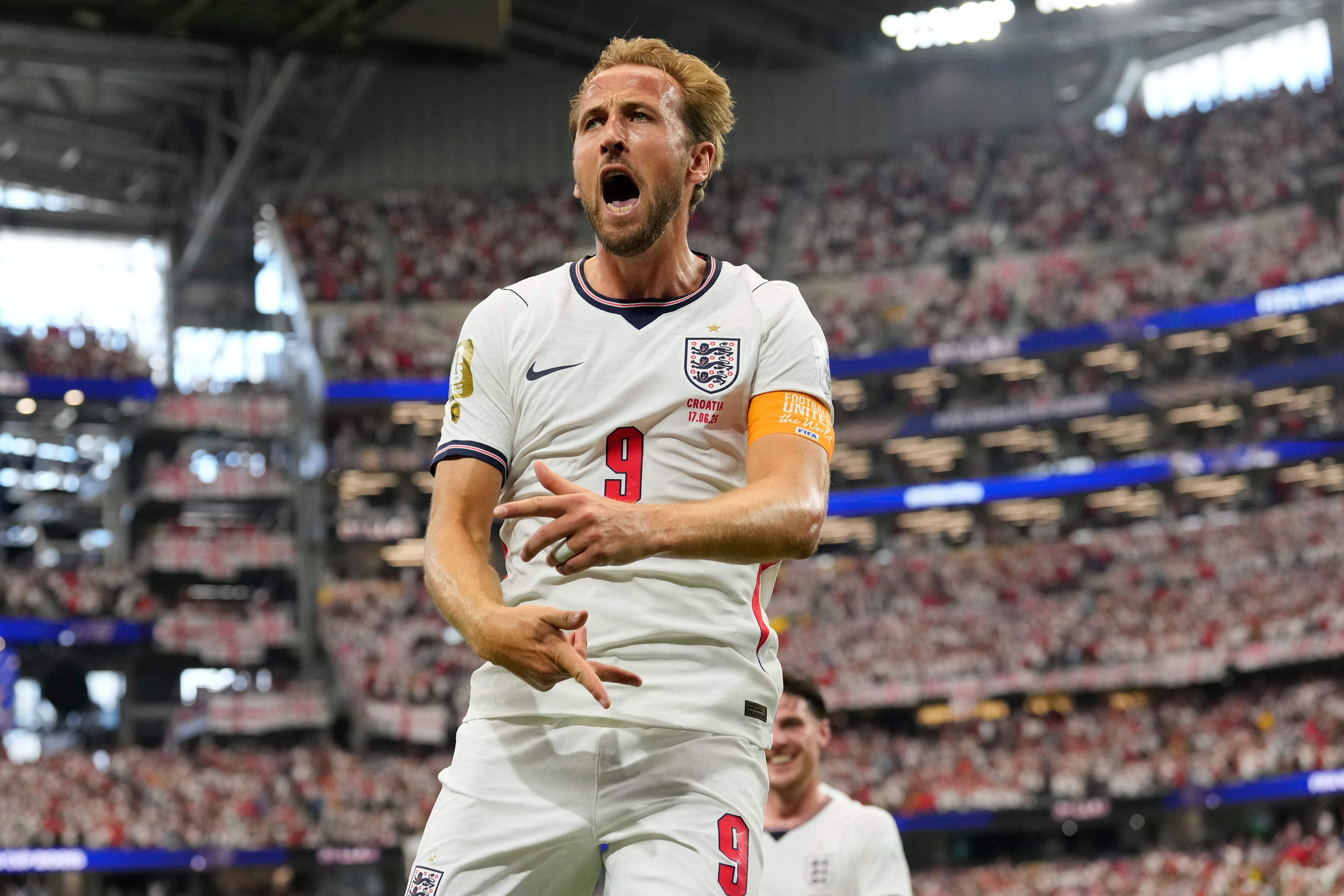
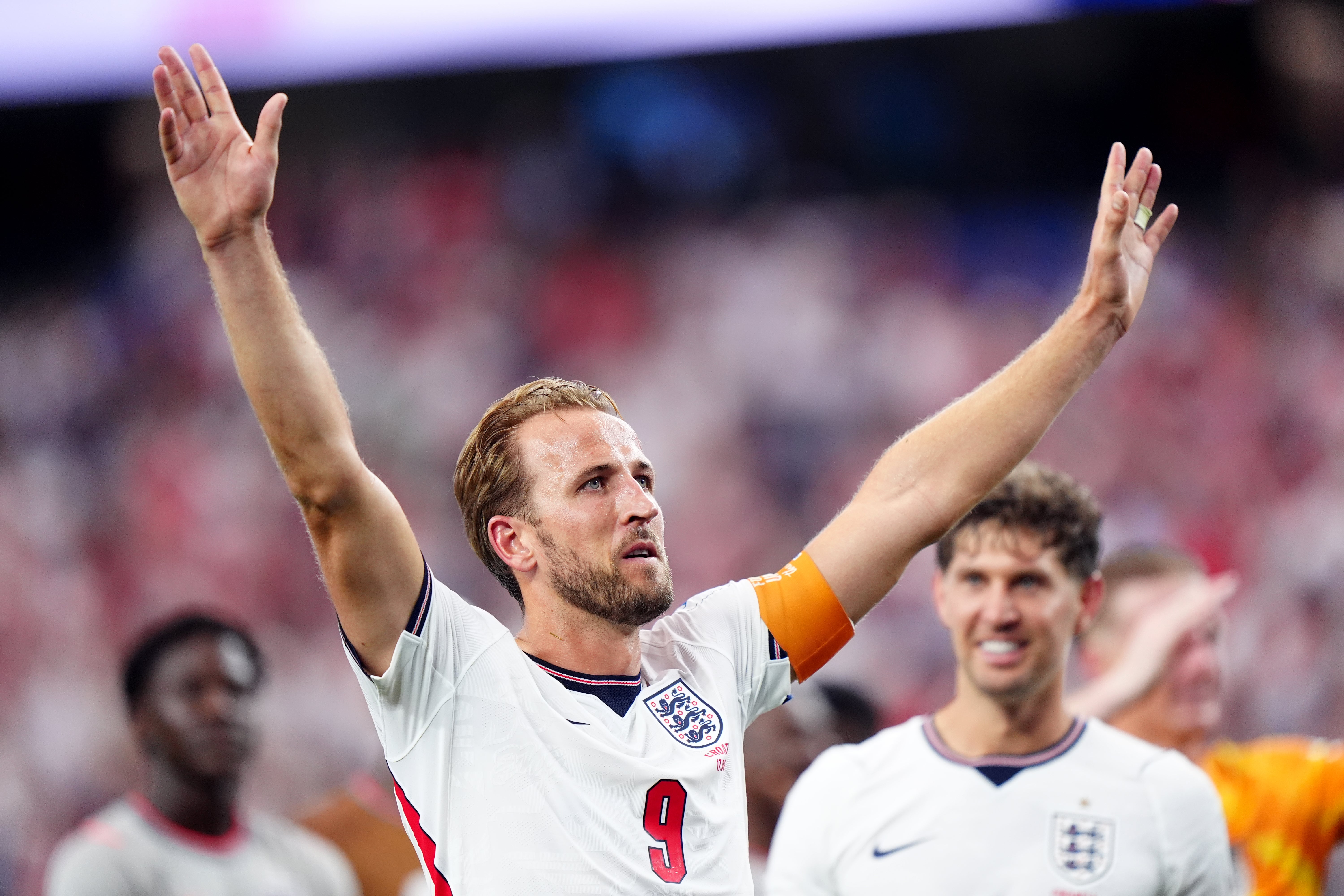
England’s Harry Kane following the FIFA World Cup Group L match at the Dallas Stadium (PA)
That can be banished, for now, even if this is not exactly the Croatia of 2018 or 2022.
England, through sheer intensity and unique qualities, just wrestled the game back. Where Croatia previously had control of possession, England just took command of everything else.
The set-pieces had helped England stay in it prior to that, and may be a crucial weapon if England do find themselves in more testing ties than this.
Mikel Arteta must have been smiling wryly. Declan Rice’s deliveries produced the Luka Modric foul on Noni Madueke for Kane’s initial penalty – eventually retaken – and then a plundering header from Kane.
Another huge advantage, especially in the conditions of this World Cup, is that bench.
Advertisement
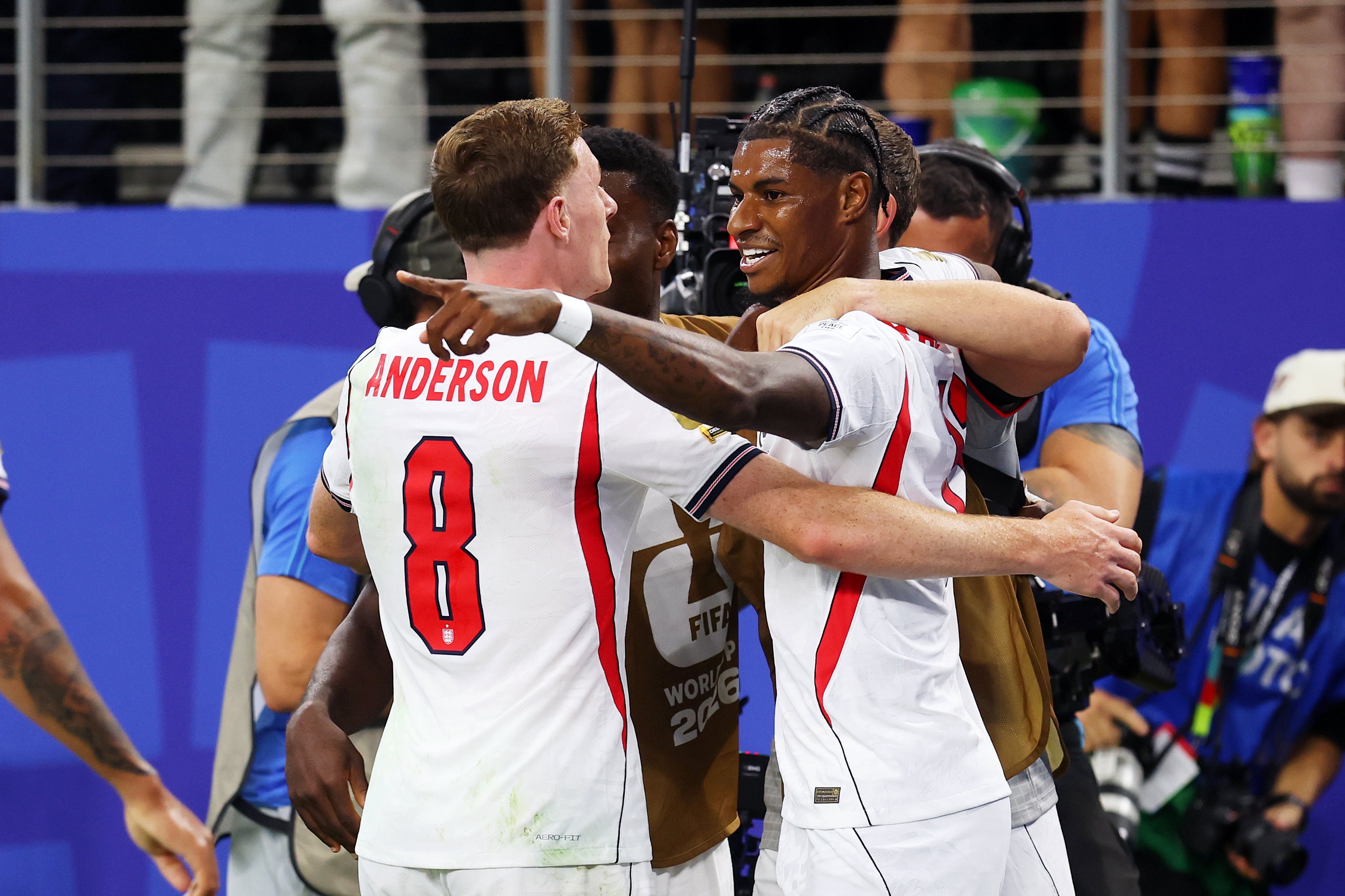
Marcus Rashford came on to score after Bukayo Saka had also opened so much space.
England’s Jude Bellingham (10) celebrates his team’s third goal (AP)
There were still a few warnings within the 90, that might need to be heeded against higher-class opposition that don’t have a series of stars in their late 30s and beyond.
The manner in which Croatia constructed their two first-half goals posed quite a contrast to England’s four, and especially their midfield play.
It wasn’t just that Anderson, Rice and Bellingham couldn’t control the game but how easily they were losing possession and space. For the first, Bellingham was notably weak in midfield, with Anderson then out of position from his own bad pass as Croatia surged forward. John Stones could do little but slide in vein as the ball was clipped back to Martin Baturina. He let fly spectacularly, but Jordan Pickford might have been stronger.
You could say the same about the whole defence for the second. How do you have seven men on the edge of your own box and still have the ball clipped over you like that?
Advertisement
Peter Musa’s finish from Ivan Perisic’s deft little head-tennis knock-down was still tidy, but they shouldn’t have been allowed the space.
It could also be acknowledged that England’s best spell did coincide with Modric looking so fatigued he had to go off well before the hour.
Marcus Rashford #11 of England celebrates with teammate Elliot Anderson #8 after scoring his team’s fourth goal (Getty)
Barry might well say – and everyone has now seen how very frank he is – the difference was more down to the team not following instruction, and repeatedly taking the wrong options.
They more than got it together.
Whether they can get it together in the same way is another question. England’s second-half transformation was driven by a shift in application, but also a very aggressive press. That was possible in an indoor stadium like this, but will they be able to do the same in humidity and heat?
Advertisement
This isn’t all about the physical though.
It’s also about the psychological.
For all of the evolution over the last decade, England have still had a complex about contests like this; about big games. This looked like it could be a similar story.
Tuchel and his players have instead wrought their first major change.
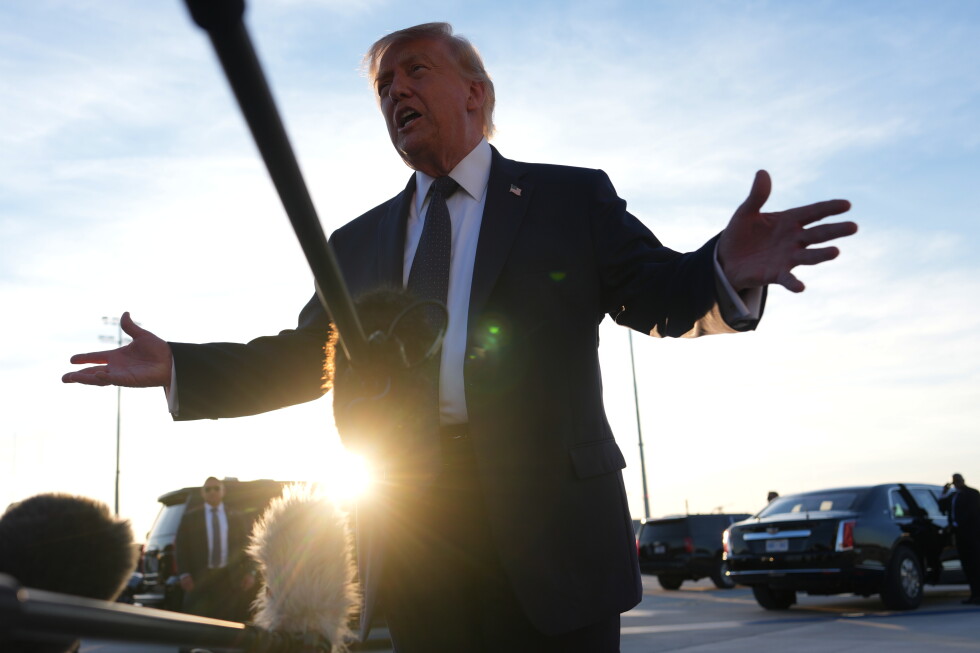
EVIAN-LES-BAINS, France (AP) — President Donald Trump is not known to be a fan of international gatherings of world leaders, but he changed his tune at this year’s G7 summit at a French Alpine resort, where he was buoyed by support from his counterparts for his tentative agreement with Iran to end the war.
It was an about-face for Trump, who weeks ago had sharply criticized his counterparts for refusing to join the United States and Israel in bombing Iran to force it to abandon its nuclear aspirations — and who last year spent only a day at the G7 summit before cutting out early and going back to Washington.
“We found a great deal of unity here at the G7,” Trump told reporters at the end of the meeting. He said he had heard only positive comments from G7 leaders, who are anxious to see global oil prices drop in the wake of hostilities.
“This meeting could not have come at a better time,” he said.
Advertisement
Here are some takeaways from Trump’s trip this week:
Trump finds his fall guy If the Iran deal doesn’t work out
Trump famously likes to take credit when things work out and avoid blame when they don’t. In the case of the Iran deal, he pointed to Vice President JD Vance as being most likely to be held responsible if things go south.
While Trump was at the G7, Vance was on a media blitz promoting the agreement, which he helped negotiate. He was expected to represent the U.S. at a ceremonial signing in Switzerland on Friday.
Trump was asked by a reporter if there is a scenario in which he looks like a “genius” if he sends Vance to sign the deal and things work out — or he blames his No. 2 if things with Iran ultimately don’t work out.
Advertisement
“I like that idea, sure,” Trump said. “This way, if it works out, I’m going to take the credit. If it doesn’t work out, I’m blaming JD. You better be careful, JD.”
Leaders sing from same song sheet on Iran, Ukraine
France’s Emmanuel Macron, Italy’s Giorgia Meloni, Germany’s Friedrich Merz and the UK’s Keir Starmer all had criticized Trump’s decision to launch the Iran war without consulting allies. But in a joint statement on the final day of the summit, the leaders welcomed the tentative deal. They even noted “the strong leadership of President Trump” made it happen.
Meanwhile, the Europeans managed to get Trump to join G7 leaders in offering “unwavering support for Ukraine.”
Advertisement
Sign up for Morning Wire:
Our flagship newsletter breaks down the biggest headlines of the day.
But the U.S. president joined his fellow leaders to call on countries “to increase the delivery of air defense capacities, additional systems and interceptors, and long-range capabilities” to Ukraine and commend Kyiv “for its resilience and progress on the battlefield in recent months.”
Macron said Beijing is a key source of global economic imbalances, citing what he described as China’s industrial overcapacity, excessive subsidies and weak domestic consumption.
After the summit, leaders issued a statement saying they were united. “We seek to deter and stand ready to take actions, where necessary in a coordinated manner, against economic coercion,” the statement said.
But Trump undercut that message when he spent a portion of his closing remarks thanking China and Russia — often allies with Iran — for staying “neutral” in the conflict.
Advertisement
Trump said Chinese President Xi Jinping and Russian President Vladimir Putin “could have made it much more difficult for us” if they got involved. He specifically thanked Xi for not giving or selling weapons to Iran. “I just want to thank them,” Trump said, “because they made it a lot better.”
Talk isn’t cheap
The “let’s chat” informality that’s been a feature of these gatherings since the first one in 1975 proved its worth — notwithstanding the carbon costs of flying in the leaders and their entourages, the security to protect them, the protests they attract and the inconvenience for local people.
By spending nearly three full days with Trump, U.S. allies had ample opportunity to make themselves heard. And the value of that was possibly most evident in their talks on Russia’s war in Ukraine.
European leaders who now are the chief suppliers of military and financial aid to Ukraine felt they’d made headway in demonstrating to Trump that Ukraine does hold some cards and that Russia isn’t assured of victory — contrary to what Trump had heatedly told Ukrainian President Volodymyr Zelenskyy last year. Macron invited Zelenskyy to participate in the summit.
After all, Trump said it himself: He’s a fan of beautiful things and his only plan was to fly back to Washington after the conference anyway.
He left last year’s G7 summit in Canada before it was over, but Macron wanted to keep Trump from doing the same thing to him. Their relationship has weathered several ups and downs.
Macron described the dinner as a “convivial” occasion meant to celebrate friendship between France and the United States.
Advertisement
French officials noted that Versailles is where King Louis XVI pledged military support to Benjamin Franklin and the American revolutionaries in 1778.
Macron hosted King Charles III and Queen Camilla there in 2023 for the palace’s 400th anniversary, including dinner in the Hall of Mirrors, one of the features of the palace’s 2,300 rooms.
—-
Superville reported from Geneva. Associated Press writer Collin Binkley in Washington contributed to this report.
Ice cream van owners have raised concerns about discoloured 99 Flakes, describing them as unsellable due to a white tinge.
It is believed the problems stem from wholesalers storing Flakes incorrectly in recent hot weather.
Lawrence Glauser, of Lorenzo’s Ices in East Yorks, thinks the coating is a harmless but unappealing film that appears on chocolate if cocoa butter melts and separates.
Advertisement
One Mr Whippy vendor told The Sun : “We’re coming into summer. If we get a heatwave next week, Flakes are going to fly out.” “People expect Cadbury and I don’t want to use other brands.”
Both vendors claim there has been a quality drop since 99 Flake production moved from the UK to Egypt in 2020.
Cadbury said: “We are reviewing what’s happened to get back to the high-quality people expect from us.”
One Mr Whippy vendor who complained to Cadbury was told to return them to his wholesaler.
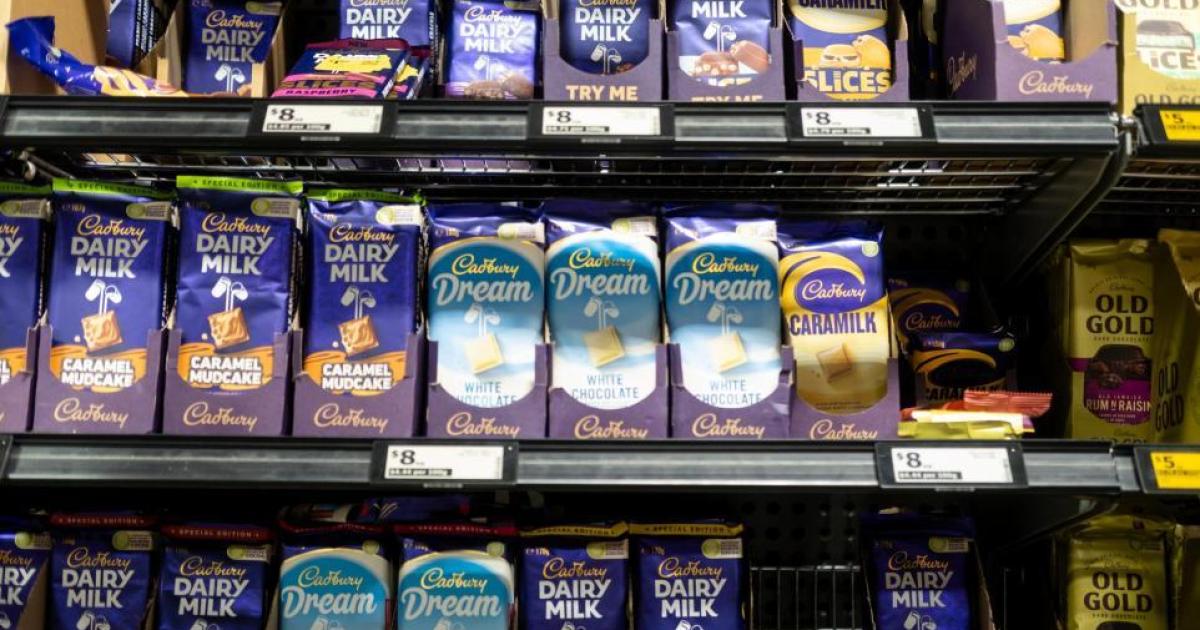
Viral Australian Cadbury chocolate bar arrives in the UK
A Cadbury chocolate bar that went viral in Australia is available to buy in the UK, and shoppers are very happy.
Advertisement
The treat is a mix of one of Oz’s most popular sweet flavours, with some added biscuit crunch.
Recommended Reading
Shoppers have hailed the Cadbury Caramilk Lotus Biscoff chocolate bar as “amazing” and “yummy” and can now be bought in the UK.
Advertisement
The viral chocolate bar is made of Caramilk, a blend of Cadbury white chocolate and caramelised milk powder.
As well as a sprinkling of Lotus Biscoff biscuits to give a sweet, caramel chocolate taste.
What’s your favourite Cadbury treat? Let us know in the comments.
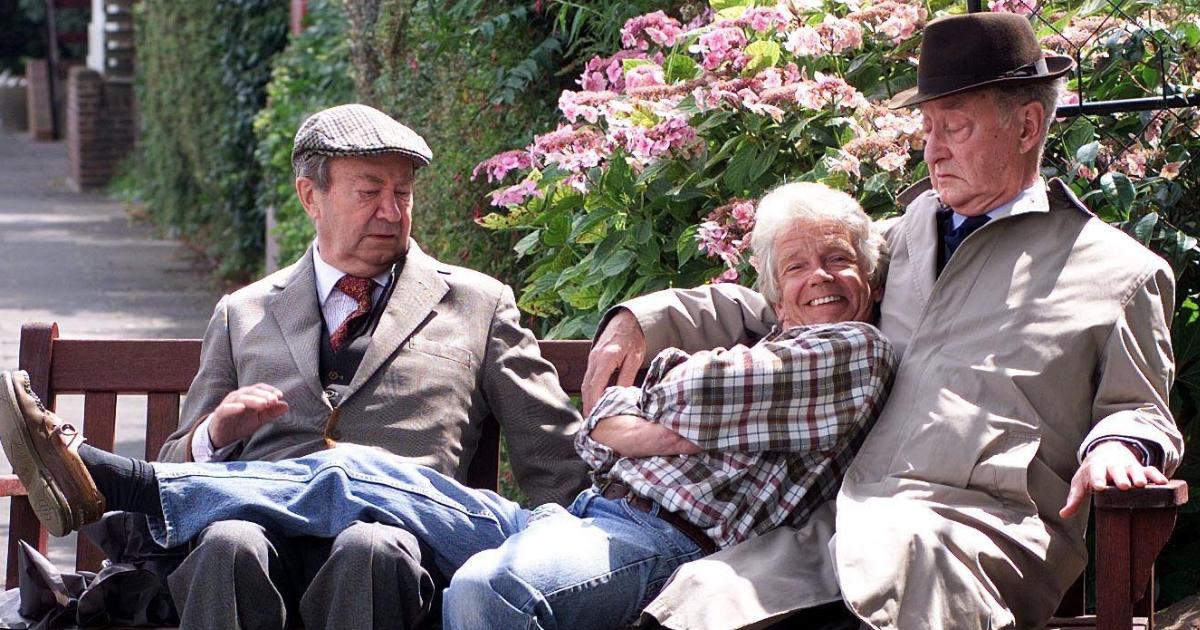
Last of the Summer Wine, written by Sir Roy Clarke, ran for 31 series from 1973 to 2010, with 295 episodes.
The original cast comprised the likes of Bill Owen, Peter Sallis and Michael Bates, alongside John Coman and Jane Freeman.
Over the years, the series welcomed other members, including Russ Abbot, Jean Alexander, Trevor Bannister, Dame Thora Hird, Burt Kwouk, and Brian Murphy.
Advertisement
The show has been described as a “British institution” by fans and boasts a 7.1-star rating on IMDb.
One viewer commented: “There are very few TV shows that could justifiably claim to be a British institution, but Last of the Summer Wine is certainly one of them.
“Watching Compo and friends on a Sunday evening was a staple of my childhood and I will always remember this show with great fondness.
“Bill Owen and Brian Wilde remain two of my favourite comic actors and few people have ever made me laugh as much as Danny O’Dea did as the hilarious Eli.
Advertisement
“The show never pretended to be anything other than gentle slapstick and needn’t be held to high standards.
“Yes the gags are repetitive and yes the storylines are predictable but this isn’t a problem.
“Last of The Summer Wine is the TV equivalent of comfort food; simple, wholesome and always enjoyable.”
Last of the Summer Wine to return to TV after 16 years
Now, after a 16-year hiatus, the popular sitcom is set to make a return in 2027 as part of a new special on U&GOLD.
Advertisement
The Last Drop of Summer Wine will take viewers back to Yorkshire and explore Sir Roy Clarke’s series, which is the longest-running sitcom in the world.
Director of programming at UKTV, Emma Tibbetts, said: “Last of the Summer Wine is one of the absolute jewels in the crown of U&Gold’s programming, and we want to do tribute to it as best we possibly can with this new retrospective special.
“Viewers are sure to fall in love with this wonderfully funny series and its richly drawn characters all over again.”
In the new special, actor and comedian Brian Conley, who appeared on Last of the Summer Wine in a guest role, will revisit the locations used in the series.
Advertisement
While there, he will meet the families of cast members, residents, and friends of the show.
The film will also feature unseen photos, scripts, and scrapbooks from the personal archives of Sir Roy, along with family photos from the families of Bill Owen, Peter Sallis, Kathy Staff, and the show’s long-term producer and director, Alan JW Bell.
The U&GOLD special, The Last Drop of Summer Wine, will air in 2027. (Image: PA)
Commissioning executive at UKTV, Jason Dawson, said: “Six decades since it began, our viewers are still utterly devoted to Last of the Summer Wine , and we’re honoured to have Sir Roy Clarke, Brian Conley and the brilliant producers at Phil McIntyre working with us to celebrate and reward that devotion with this wonderful film.
“Besides, any excuse to visit Holmfirth right?”
Advertisement
Conley added: “I am delighted to be hosting this look back at the longest-running TV sitcom in the world.
“Getting the chance to share all the amazing stories, the fun, the laughter, and above all the love, was a real honour.”
Sir Roy also said it had “been a pleasure to work on this one”.
He continued: “We’ve squeezed all the juice that we can with love and affection.
Advertisement
“I’ve enjoyed this wander down Memory Lane as I hope the viewers will.”
The Last Drop of Summer Wine is in production now and will air on U&GOLD in 2027.
Hit TV series to return to BBC this summer after 35 years
Another hit TV series is set to return to the BBC this summer after 35 years.
Advertisement
Bergerac was a police drama series set in Jersey, starring John Nettles as DS Jim Bergerac, which ran for nine series on the BBC from 1981 to 1991.
The series returned in 2025 on UKTV with a new reboot series featuring Damien Molony in the lead role.
The reboot also stars Zoë Wanamaker (as Charlie Hungerford), Robert Gilbert (Barney Crozier), Chloé Sweetlove (Kim Bergerac), and Pippa Haywood (Margaret Heaton).
Advertisement
The Bergerac reboot returned for a second series in April 2026.
But after 35 years, Bergerac is set to return to the BBC this summer.
BBC Drama confirmed series one of Bergerac would be “available on BBC iPlayer and BBC Two this summer”.
Episodes from the original Bergerac series air occasionally on U&Drama and can be found on the U streaming service.
Advertisement
Are you a fan of Last of the Summer Wine? Let us know in the poll above or in the comments below.







































You must be logged in to post a comment Login