Connect with us

NewsBeat

The modern book burners: The tech giants buying thousands of second-hand books – so they can tear off their spines, scan their precious contents… then destroy them

Published

on

Pictured: Compass Books in Dartmouth, Devon, whose books have been pillaged by Silicon Valley tech firms to train AI

The geology of western Peru. Cornish pioneers in South Africa. The defunct Eastern Counties Railway. Cheeses of the world. The jewellery of Hong Kong.

When Compass Books in Dartmouth, Devon, received an order earlier this summer for second-hand volumes on these subjects and many more, seller Lucy Hingston was delighted – if a little baffled.

And when she discovered that the buyer appeared to be a shipping company based at Heathrow airport, her suspicions increased.

Soon the 49-year-old was speaking to other second-hand dealers around the country – and discovered that Compass Books wasn’t alone.

Advertisement

There is now a growing realisation that Britain’s second-hand bookshops are being pillaged – not by voracious collectors of prized first editions but by Silicon Valley tech firms for a far more insidious purpose.

Today, the Daily Mail explains how millions of second-hand books are being bought in bulk and sent to warehouses across America, where the pages are sliced from the spine before being fed into industrial scanners, harvested for their text, and later destroyed.

This process, known as ‘destructive scanning’, is the latest method of gathering the vast reams of data being used by Big Tech to train its AI chatbots.

‘It’s a moral dilemma,’ says Lucy. ‘They’re my books, my babies. I feel like we’ve been eaten by the AI monster. It’s difficult.

Advertisement

‘I want the sale, but not to somebody who will b****r up everybody’s books.’

Pictured: Compass Books in Dartmouth, Devon, whose books have been pillaged by Silicon Valley tech firms to train AI 

Pictured: A warehouse used by Anthropic to store books. Today, the Daily Mail explains how millions of second–hand books are being bought in bulk and sent to warehouses across America

Pictured: A warehouse used by Anthropic to store books. Today, the Daily Mail explains how millions of second-hand books are being bought in bulk and sent to warehouses across America

Advertisement

Aside from the obvious concerns over copyright – of which more later – there are fears tech firms could be destroying rare books – even the last remaining editions of some historical tomes. As Lucy herself admitted, some of the books purchased from her store are ‘collectable and valuable’.

‘Bulk-buying books just to rip them apart to scan is shocking, but it’s just the tip of the iceberg when it comes to the brazen theft of copyright materials by the tech giants,’ says Dan Conway, CEO of the Publishers Association.

He adds: ‘They’re not just destroying books. Through their shameless actions – including the illegal use of content from books and journals without payment or permission – they are harming our world-leading creative industries and the livelihoods of authors, illustrators and journalists. This behaviour needs to stop.’

Last year, the Daily Mail launched a campaign, Make It Fair – backed by numerous celebrities and entrepreneurs including Sir Elton John, X Factor impresario Simon Cowell and Universal Music boss Sir Lucian Grainge – to stop Big Tech from stealing Britain’s creative genius.

Advertisement

This latest twist in the drive to satisfy AI’s insatiable hunger for content proves the imperative to resist is greater than ever. But with so many books already available online, why are tech firms turning to niche, second-hand bookstores and obscure volumes to train their AI models?

Court documents released earlier this year revealed that Anthropic – the AI giant behind the popular chatbot Claude – had been engaged in ‘destructive scanning’ since early 2024 as part of a secret initiative known as ‘Project Panama’.

‘We don’t want it to be known that we are working on this,’ declared one employee in an internal memo.

Court documents showed the firm ‘spent many millions of dollars to purchase millions of print books’ and then ‘stripped the books from their bindings, cut their pages to size, and scanned the books into digital form – discarding the paper originals’.

Advertisement

Join the discussion

Should tech giants be allowed to destroy old books just to feed their AI algorithms?

The books are bought by the AI companies and then destroyed after they are finished with them

The books are bought by the AI companies and then destroyed after they are finished with them 

Lucy Hingston (right) with comedian Susan Calman. When Ms Hingston received her order for a large volume she was delighted but became suspicious very quickly

Lucy Hingston (right) with comedian Susan Calman. When Ms Hingston received her order for a large volume she was delighted but became suspicious very quickly 

Advertisement

AI ‘large language models’ – such as Claude and OpenAI’s ChatGPT – are ‘trained’ on vast amounts of text, audio, pictures and film footage. Type a ‘prompt’ into the chatbot, such as ‘tell me about the geology of western Peru’, and the response, and the rest of the conversation with the bot, will be based on the incomprehensibly huge bank of material it has previously absorbed.

This will include, for practical purposes, more or less everything available on the searchable internet, but also enormous amounts of pre-internet-era material that has already been digitised.

Now the companies are turning to books that have not previously been uploaded to the internet to widen their databases further.

Previously, Anthropic had trained Claude on more than seven million digitised books without paying a penny to the authors or publishers.

Advertisement

The company did so by sourcing the books from ‘pirate’ websites on which copyrighted material is illegally shared.

Five million books were taken from one of these sites alone.

Earlier this month a federal judge in San Francisco approved Anthropic’s $1.5billion (£1.1billion) out-of-court settlement following a class-action lawsuit filed by three affected authors in California in 2024. It was the documents from this case that revealed the firm had since pivoted to buying physical books.

Doing so avoids copyright infringement issues or illegality because under American law’s ‘first sale doctrine’, established by the Supreme Court as long ago as 1908, the buyer of a physical product can do whatever they want with it, including throwing it away.

Advertisement
Most book–lovers would find the practice of destroying huge numbers of physical volumes stomach–churning. Scenes of grinning young Nazis burning towering pyres of 'un–German' books in university cities across the Third Reich in 1933 are seared in the public memory

Most book-lovers would find the practice of destroying huge numbers of physical volumes stomach-churning. Scenes of grinning young Nazis burning towering pyres of ‘un-German’ books in university cities across the Third Reich in 1933 are seared in the public memory

In other words, if Anthropic buys a physical book, it is legally – though not, many would argue, ethically – entitled to use it to ‘train’ Claude by scanning and destroying the physical copy.

This also means that any future user of Claude will be able to use the information contained in the now-destroyed book more or less for free.

Most book-lovers would find the practice of destroying huge numbers of physical volumes stomach-churning. Scenes of grinning young Nazis burning towering pyres of ‘un-German’ books in university cities across the Third Reich in 1933 are seared in the public memory: a ‘cultural genocide’ that continues to horrify us.

Advertisement

Of course, the AI companies would argue they are doing something different: rather than destroying books to censor the material they contain, as the Nazis did, they are destroying them in order to disseminate their contents more widely.

Nevertheless, the thought of those once-loved, out-of-print volumes being shredded for the financial benefit of faceless tech giants is deeply dystopian.

As the recent court documents explained, Anthropic has been seeking to train its AI models on ‘good’ writing in order to create better chatbots for its customers.

But rather than hire writers to create high-quality sample writing, the firm reasoned that it would be cheaper to purchase existing books.

Advertisement

Hence the Silicon Valley giants buying millions of books from around the world, including Britain, to train their chatbots without paying anything more than the low cost of the second-hand volumes. And Anthropic is not the only one at it. An investigation by 404Media found that an Amazon warehouse outside Las Vegas known as VGT3 was also being used to scan incalculable numbers of second-hand volumes.

‘I work at VGT3 here in Vegas, and all we do is scan books,’ revealed one anonymous Amazon whistleblower on an online forum.

AI 'large language models' – such as Claude and OpenAI's ChatGPT – are 'trained' on vast amounts of text, audio, pictures and film footage

AI ‘large language models’ – such as Claude and OpenAI’s ChatGPT – are ‘trained’ on vast amounts of text, audio, pictures and film footage

Second-hand books on sale in London. The Daily Mail has established that tech firms are especially targeting second–hand dealers, where the price per copy can be in pennies or a few pounds at most

Second-hand books on sale in London. The Daily Mail has established that tech firms are especially targeting second-hand dealers, where the price per copy can be in pennies or a few pounds at most

Advertisement

‘Some are assigned to cut books, and others go to receive where they get books and scan the bar codes.’

Leaving aside the question of whether or not books should be scanned at all, the practice of cutting off the spines of books and destroying them afterwards has caused uproar.

So much so that even Elon Musk took to X last month to assure supporters: ‘I’ve asked the SpaceXAI team to preserve any rare books in a library and scan them the hard way [physically turning the pages] vs just cutting off the spine and scanning.’

It is, of course, possible to scan books in such a way that the text and binding are preserved – assuming the practice of feeding this information into the insatiable AI models is a worthy pursuit at all. But cutting the pages out first is ‘significantly faster’ and guarantees ‘shadow-free scans’, according to specialist scanner eRecordsUSA.

Advertisement

So which books do tech firms want most, and which bookshops are being targeted?

The Daily Mail has established that tech firms are especially targeting second-hand dealers, where the price per copy can be in pennies or a few pounds at most.

However, only shops with online catalogues appear to have been approached.

Intriguingly, the firms appear to be interested only in books published before 2022, the year in which generative AI achieved mainstream popularity following the launch of ChatGPT.

Advertisement

Books published before that period are highly likely to be free from AI-written text – whereas many authors of more recent books are, whether they admit it or not, using AI, while many books available for purchase online are entirely AI-written.

Training AI models on text written by AI can lead to what experts call ‘model collapse’.

Shelves of books in Camden Market. The thought of those once–loved, out–of–print volumes being shredded for the financial benefit of faceless tech giants is deeply dystopian

Shelves of books in Camden Market. The thought of those once-loved, out-of-print volumes being shredded for the financial benefit of faceless tech giants is deeply dystopian

‘It’s the AI equivalent of a feedback loop gone wrong,’ explains Yarin Gal, Associate Professor of Computer Learning at Oxford University. ‘The more models feed on their own output, the further they drift from reality. Model collapse threatens to create an AI echo chamber.’

Advertisement

In other words, chatbots need to be trained on high-quality, human-written text. That means books published before the arrival of AI are guaranteed to be an effective ‘dataset’.

Which brings us back to the boom in second-hand book sales across Britain. Finn Windle, 30, works at The Minster Gate Bookshop in York. ‘We had an unusual batch order in May, quite a lot of books, and none of them were related subjects,’ he says.

‘It was quite confusing. There was local history, geology, a real mix of things, academic books and books for the general reader. Generally, non-fiction.

‘The purchaser was in the USA: Zoom Books. They’ve only ordered twice. Other people had had orders from them, so they seemed legitimate. But thankfully it’s gone quiet since.

Advertisement

‘If we knew destructive scanning is what they were doing, we wouldn’t have authorised the order. We’re not pleased about it – it’s awful.

‘Some of these titles aren’t even in print any more and there are no other copies available.’

Other booksellers as far afield as Germany, New Zealand and Australia have reported receiving orders from Zoom Books. The company has since denied being involved in destructive scanning. However, this does not rule out Zoom Books being the middleman responsible for collecting books for an AI giant.

It’s a similar story in Felixstowe, Suffolk, where Helen Bott, 64, runs Treasure Chest Books. ‘It started in early May,’ she says. ‘First, we got an order from Zoom Books in America. We got two or three orders for five or six books, and then a week later there were massive orders for 340 books, all to this place in America called Zoom Books. We’d never heard of it. I specialise in transport and railway books and the sheer randomness of the orders was noticeable. Fifty per cent were on railways, then Latin, or school history, or shipping companies.

Advertisement

‘We noticed these were all non-fiction. It felt like they were looking for unusual books: a history of a village in Devon, for example. You don’t want to see books destroyed. But I’m conflicted about it. From a business point of view, it’s good. But destroying books, that is the last thing we want to see.’

Meryl Halls, managing director of the Booksellers Association, agrees. ‘The potential scenario of tech companies bulk-ordering second-hand books to train their large language models is a concerning development,’ she says. ‘If true, it is another example of the lengths some AI companies may go to in order to access copyright-protected material without transparency or compensation.’

However, not everyone shares her concerns. ‘We have been joking and hoping that that would happen to us!’ says Patrick Kelly of Book Mongers in Brixton, south London. ‘We could use the business. My suspicion is that you need a catalogue of your inventory [for the AI companies to buy from you] – something we don’t have. To be honest, I don’t understand why the shops affected are complaining.’

And this attitude gets to the heart of the dilemma. For booksellers operating on tight margins, selling hundreds of books to AI firms makes sense. But, as every book-lover knows, Faustian pacts don’t end well.

Advertisement

A spokesperson for Anthropic told the Daily Mail: ‘Claude is trained on a mix of publicly available web data, commercially acquired datasets, and data we generate ourselves.

‘Sourcing books is a widely used approach for training large language models across the AI industry. None of our data acquisition programs buy and destroy rare or antiquarian books.’

A spokesperson for Amazon added: ‘Amazon purchases books through commercial channels to help develop and improve the products and services our customers use.’

Another infamous mass destructions of books was the ‘Bonfire of the Vanities’ in Renaissance Florence, when the friar Savonarola presided over the burning of books deemed immoral.

Advertisement

A new wholesale destruction of books appears to be underway again, some of which will never be printed again.

This time, however, the motivation is purely to enrich technology companies already enjoying wealth far beyond Savonarola’s dreams.

Source link

Advertisement
Continue Reading
Click to comment

You must be logged in to post a comment Login

Leave a Reply

NewsBeat

New video reveals the moment hikers witnessed collapse of giant glacier in the Himalayas – triggering the Nepal and Tibet flash floods and mudslides

Published

on

Dramatic new footage has revealed the moment hikers witnessed a giant glacier collapse in the Himalayas

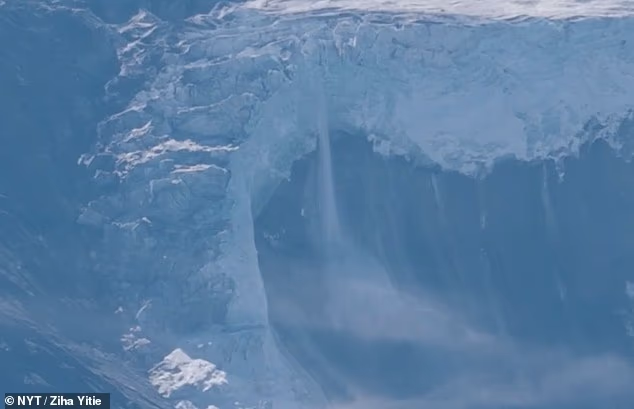
Dramatic new footage has revealed the moment hikers witnessed a giant glacier collapse in the Himalayas, triggering the catastrophic flash floods and mudslides that devastated parts of Nepal and Tibet. 

The video, filmed by a Chinese tour guide in Tibet, shows huge chunks of ice breaking away from a ridge on Langtang Lirung peak, on the Nepali side of the border.

Hikers reported hearing a huge crack before ice, rock and debris plunged into the valley below, sending an enormous cloud of dust billowing into the air.

The glacier collapse triggered a landslide which formed a lake in the valley below, before a torrent of water and debris surged through the mountain river system towards the Gyirong border crossing. 

Advertisement

A second video shows debris racing down the mountainside immediately in the aftermath of the collapse, marking the beginning of the disaster that would devastate communities downstream.

The footage, obtained and verified by The New York Times, provides one of the clearest views yet of the August 26 glacier collapse.

Dramatic new footage has revealed the moment hikers witnessed a giant glacier collapse in the Himalayas

Advertisement
The video, filmed by a Chinese tour guide in Tibet, shows huge chunks of ice breaking away from a ridge on Langtang Lirung peak, on the Nepali side of the border

The video, filmed by a Chinese tour guide in Tibet, shows huge chunks of ice breaking away from a ridge on Langtang Lirung peak, on the Nepali side of the border

Hikers reported hearing a huge crack before ice, rock and debris plunged into the valley below, sending an enormous cloud of dust billowing into the air

Hikers reported hearing a huge crack before ice, rock and debris plunged into the valley below, sending an enormous cloud of dust billowing into the air

The death toll from the disaster has now risen to 676, with nearly 3,000 people still missing across Nepal and Tibet.

This includes more than 500 foreign tourists, 33 of whom are known to be British. Many foreign nationals are feared to have been in the vicinity of Rasuwagadhi, taking holy pilgrimages or embarking on trekking expeditions.

Advertisement

Search and rescue operations resumed on Saturday after being temporarily suspended because of rain and fog, with helicopters returning to the worst-hit areas as weather conditions improved.

A UK rapid deployment team arrived in Nepal on Saturday to support British nationals and their families.

Authorities are also monitoring two lakes upstream of the flood zone, with officials warning that the risk of further flooding will remain until both have fully drained.

Satellite images taken since the ‘tsunami from the sky’ swept through remote areas of the country and neighbouring Tibet depict entire settlements simply disappearing. 

Advertisement

Rasuwagadhi border crossing, located at one end of Friendship Bridge on the border between Nepal and Tibet, was finally reached by a team of rescuers on Friday and was found to have been annihilated. 

Last night, fresh satellite images brought home the scale of the damage, showing entire settlements have completely vanished, washed away by the raging torrent of mud and water which descended along the Trishuli River on Wednesday.

The Gyirong region crossing, a crucial landmark for pilgrims seeking access to the Langtang valley and tourists out trekking, saw some of the first, and most distressing, footage of the flood to be captured.

CCTV footage saw people fleeing before the water and mud completely engulfed the large building.

Advertisement
Rasuwagadhi border crossing, located at one end of Friendship Bridge on the border between Nepal and Tibet, is pictured in April 2024

Rasuwagadhi border crossing, located at one end of Friendship Bridge on the border between Nepal and Tibet, is pictured in April 2024

A man takes pictures in front of damaged buildings after flash floods and a mudslide, in Trishuli

A man takes pictures in front of damaged buildings after flash floods and a mudslide, in Trishuli

Scores of men in orange hi-vis jackets and hard hats fled in terror as they watched the mass of water rush at them

Scores of men in orange hi-vis jackets and hard hats fled in terror as they watched the mass of water rush at them

Nepalese Army personnel rescue a survivor from a hydropower tunnel in Rasuwa district on Friday

Nepalese Army personnel rescue a survivor from a hydropower tunnel in Rasuwa district on Friday

Advertisement

The crossing has now gone, along with its large rear car park, Friendship Bridge and all associated buildings – just the river and surrounding greenery remain, as if it was never there.

A Chinese rescue team was the first to reach the obliterated landscape at the crossing yesterday, and said they found ‘nothing but ruins’.

State media reported that the Chinese team of 21 rescuers and a search-and-rescue dog arrived at Rasuwagadhi yesterday.

‘There was no road … it was all virgin forest and sheer cliffs,’ rescue worker Zou Mingqi said. At the complex, ‘as far as the eye could ⁠see, there was nothing but ruins’.

Advertisement

The team had to use ropes to cross forests and valleys to reach the area, thought to be among the worst affected.

The crossing is one site where many of the missing tourists are feared to have been. British care agency boss Leena Bector, 53, from Slough, Berkshire, was last heard from just an hour away from the site.

Other images show bridges crossing the Trishuli river wiped out, along with the small settlements and industries on either side.

Some depict the village of Syapru Besi, with prior photos suggesting a vibrant, sprawling community nestled around a fork in the river.

Advertisement

Images taken after the flood had rampaged through the area show much of the village washed away.

Just a fraction of the houses were spared, mostly those nestled further away from the river along a narrow road rising into the mountains.

A bed of mud and silt can be seen left behind, showing how far beyond its usual banks the torrent flowed.

A bridge, which appears to be located just to the south of the village, has also completely been destroyed.

Advertisement

And construction sites, camping areas and footbridges have all similarly been affected. Some of those set back from the river have survived, but the landscape around them has not, with huge areas of trees and forest disappearing compared to images taken previously.

Source link

Continue Reading

NewsBeat

‘I went to Norfolk’s most popular beach near Cambridge – I can sum it up in two words’

Published

on

Cambridgeshire Live

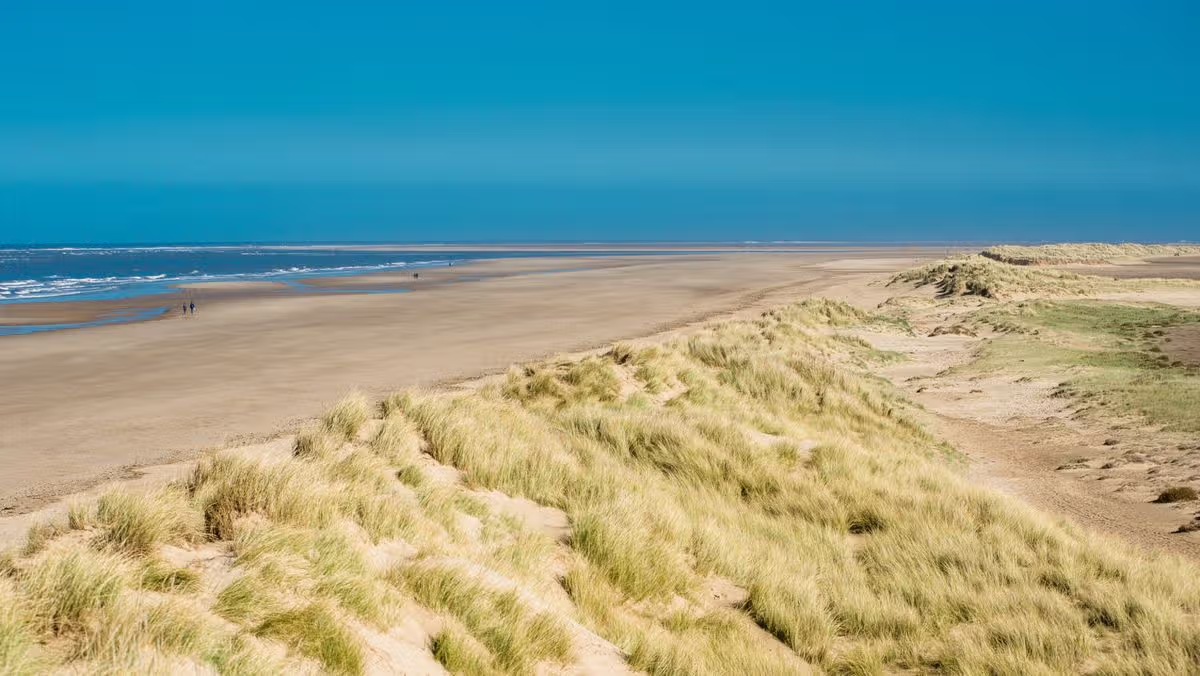
Just two hours from Cambridge, along the Norfolk coast, is one of the world’s best beaches, offering miles of pristine golden sand, backed by rolling dunes and an enchanting forest

One Norfolk beach has frequently been hailed as the best in the world, so I visited to see what it was all about – and I have two words.

Advertisement

In a bid to savour the last of the summer days and make the most of the August bank holiday, a trip to the beach might just be the perfect remedy. There are ample beaches within easy reach of Cambridgeshire, with Norfolk providing some of the most beautiful stretches of coastline, so it couldn’t be easier to spend a day out at the beach.

And it’s no surprise that Holkham is one of the most popular beaches to visit in Norfolk, thanks to its pristine golden-sand shore backed by rolling sand dunes and an enchanting forest. It’s even been globally acknowledged as The Times previously named it as one of the best beaches in the world, noting it’s “wide-open, jaw-dropping, windswept romance of this five-kilometre-long blonde hits you square on.”

And it certainly does that. From the moment I stepped onto the soft golden sand, after walking through the majestic sand dunes, it felt as though I had been transported to the other side of the world. The beach stretches for endless miles, out towards the sea and all the way along to Wells-next-the-Sea beach on the east, and Burnham Overy Staithe Beach to the west, for sensational coastal vistas.

Advertisement

I’ve never seen such a sprawling sand beach that remains beautifully untouched, with its scenes completely mesmerising. As I wandered along the sand, following the footprints of fellow beachgoers, I passed by families paddling in the shallows of the waters, dogs running freely off the leads, and horse riders cantering along the dedicated Bridleway – there’s that much space along the shore!

There’s nothing quite like it, and on certain days, you can see the leftover sand ripples from where the tide crept up, which only adds to its striking landscapes, in addition to the undulating dunes and perfectly imprinted footprints. If I could, I’d visit Holkham every day of the year, purely to soak up the serene setting that’s unlike any other beach; it really is breathtakingly beautiful.

I took my time strolling along the sun-kissed shore, passing dramatic sand dunes before reaching the Burnham Overy Staithe salt marsh and venturing further into its pretty harbour village for a stop off at The Hero pub for a refreshing pint and a bowl of chips. On the way back to Holkham, I found myself in other captivating scenes as I ambled over rolling hills before reaching the ancient woodland, with towering trees and an easy-to-follow footpath that’s adjacent to the stunning shore.

Advertisement

Holkham beach is even loved by members of the Royal Family, with the Prince and Princess of Wales, frequently visiting the unspoilt shore with their three children, Prince George, Princess Charlotte and Prince Louis, during the school holidays. Holkham beach is perfectly positioned just over 30 minutes from the family’s country home, Anmer Hall, which sits within the Sandringham Estate – the private residency of King Charles III and Queen Camilla, who are also reported to have visited Holkham many times.

The Norfolk beach has also been used as a backdrop for photos for the Wales family, with Princess Kate capturing snaps of her beloved family, marking various occasions and milestones. And it’s easy to see why it’s got the royal stamp of approval and has been named as one of the best beaches in the world, with its unspoilt scenes offering a slice of paradise, less than two hours from Cambridge.

Advertisement

Do you have a travel story to share? Email webtravel@reachplc.com

Source link

Continue Reading

NewsBeat

Newspaper headlines: ‘We’ve not given up’ and ‘The X Backtop’

Published

on

The headline on the front page of the Independent reads: 'We've not given up': Anguish of families as flood toll climbs.

The Sunday Telegraph, external says John Healey is mulling a windfall tax on banks and oil companies in the Budget. Treasury officials are said to be looking at ways of plugging a £4.7bn black hole without raising direct taxes on individuals.

The paper suggests banks and oil companies are seen as “low-hanging fruit”. BP is said to have more than doubled its profits between April and June because of higher oil prices driven by the Iran war. In its editorial, the paper warns against the windfall tax move, saying it will harm growth by denting investor confidence.

According to the Mail on Sunday, Russia is poised to target Britain with a cyber attack on a drone or missile factory. A key advisor to President Vladimir Putin, the former deputy foreign minister Andrei Fedorov, tells the paper the highest levels of the Russian government are considering such a strike. A drone factory owned by the British Ukrainian firm, Ukrspecsystems, is said to be a target. Its location, near RAF Mildenhall in Suffolk, was made public in April.

The Sunday Times, external reports that Andy Burnham has given what it calls a lucrative pay rise to train drivers on the Avanti West Coast London to Manchester line. The deal with union leaders was said to have been made to avoid strikes on a flagship service, and one of the busiest lines in Europe. The paper suggests industrial action would have proved embarrassing for cabinet ministers travelling to the prime minister’s new political hub, Number 10 North, in Manchester.

Advertisement

According to both the Sunday Telegraph and the Sunday People, new studies suggest statins can reduce the risk of dementia, as well as lowering cholesterol and the risk of heart attacks. The Telegraph reports that the largest study by Denmark’s Copenhagen University Hospital found that the daily pills reduced the chances of dementia by up to 15%. The paper says the research means statins could benefit around six million of almost 10 million people aged 70 and over in the UK who are not currently taking them.

The Sunday Mirror, external reports that Peter Homa, the ex-boss of Nottingham NHS Trust, where a review found that 520 mothers or babies suffered potentially avoidable death or harm, is now CEO of a firm giving maternity training to the health service. Grieving families tell the paper they are “concerned” by the news. Homa was approached for comment.

The Sun on Sunday, external suggests the X Factor could return, seven years after it left our screens. ITV chiefs are said to be “in talks” about revamping the programme for a younger generation. The show’s creator and former head judge Simon Cowell is said to be likely to return in some capacity.

And several papers carry pictures of Sir David Beckham and his wife Victoria watching their son Cruz perform at the Reading Festival with his band the Breakers. “Beckstage at Reading” says the Sunday Mirror, external. “Band it Like Beckham” is the Sunday Times caption.

Advertisement

Source link

Continue Reading

NewsBeat

Trump posts AI video of ‘Lake America’ being protected by an army of bequiffed ‘Donald Ducks’

Published

on

Trump posts AI video of ‘Lake America’ being protected by an army of bequiffed ‘Donald Ducks’

President Donald Trump on Saturday posted an apparently AI-generated video depicting an army of buff, bequiffed and heavily-armed “Donald Ducks” patrolling the shores of “Lake America.”

Hours later, while he was at his Virginia golf course, the president posted another AI-generated video, this time showing himself knocking over a “Welcome to Lake Ontario” sign and installing a “Welcome to Lake America” one in its place. He then dances to the Village People’s “YMCA.”

The posts followed Trump’s executive order renaming Lake Ontario “Lake America” amid a bitter tariff war with Canada, a longtime U.S. ally and trading partner.

Set to the theme song from Hawaii Five-O, a 34-second clip shows a squadron of Canada geese marching near the Great Lake. The birds have human arms, carry assault rifles and sport the president’s signature blond pouf of hair.

Advertisement

The geese then fire their weapons into the air as fireworks erupt over the skyline of a nearby city — which appears to resemble Toronto.

President Donald Trump posted an apparently AI-generated video of 'Lake America' being patrolled by an army of buff and bequiffed 'Donald Ducks'
President Donald Trump posted an apparently AI-generated video of ‘Lake America’ being patrolled by an army of buff and bequiffed ‘Donald Ducks’ (@RealDonaldTrump, Truth Social)

Earlier this week, Trump announced that the U.S. was giving “serious consideration” to rebranding Lake Ontario, which straddles the U.S.-Canada border. He also posted a TikTok video showing himself using a Sharpie to mark up a map of the lake.

“We’re gonna make a little change; we’re gonna call it something different than Lake Ontario,” the 80-year-old president said in the clip.

Trump posted another AI-generated video that shows the president knocking over a sign for Lake Ontario then dancing to the Village People
Trump posted another AI-generated video that shows the president knocking over a sign for Lake Ontario then dancing to the Village People (@RealDonaldTrump, Truth Social)

Any doubt that the effort was simply trolling evaporated Thursday, when Trump signed an executive order directing federal agencies to refer to Lake Ontario as “Lake America” in all official documents and records. The move echoed his similar effort last year to rebrand the Gulf of Mexico as the “Gulf of America.”

Although the president can direct how the federal government refers to geographic features, he cannot compel foreign nations, private entities or even U.S. states to follow his lead.

Canadian Prime Minister Mark Carney responded to the missive in a Thursday post on X.

Advertisement

“The name Lake Ontario comes from the Wendat word Ontari’io, which, appropriately, means ‘the lake is beautiful, the lake is big,’” he wrote. “The name is more than 400 years old, predating both the Confederation of Canada and the Declaration of Independence of the United States of America.”

“We know that America is changing. Their trading relationships, their foreign policies, their national monuments, their hydronyms,” he added. “Canadians also know that naming reality means calling it Lake Ontario – then, now and always.”

Trump signed an executive order directing federal agencies to refer to Lake Ontario as ‘Lake America’ in all official documents and records
Trump signed an executive order directing federal agencies to refer to Lake Ontario as ‘Lake America’ in all official documents and records (Getty Images)

Relations between the U.S. and Canada have deteriorated since Trump took office, including as a result of his repeated suggestion that Canada should become the “51st state.” Tensions escalated further this week over trade.

On August 22, the U.S. imposed 50 percent tariffs on about $20 billion worth of Canadian exports after last-minute talks between Ottawa and Washington broke down. The Trump administration has accused Canada of discriminating against U.S. businesses.

Carney, who has denied Trump’s accusations, likened the levies to an act of war. He retaliated with tariffs of up to 50 percent on a range of U.S. goods.

Advertisement

The trade war has also spilled into a war of words. This week, Trump singled out Ontario Premier Doug Ford in a Truth Social post, describing him as a blustering “flunky” who needs to “fall in line.”

At a news conference, Ford responded by calling Trump a “dictator,” a “bully” and the “king of bankruptcies.” He also told Trump to “kiss my a**.”

Source link

Advertisement
Continue Reading

NewsBeat

Marty Gleeson: Dog Ear at Edinburgh Fringe 2026 review – Commit to the bit, this is art

Published

on

Marty Gleeson: Dog Ear at Edinburgh Fringe 2026 review - Commit to the bit, this is art

And so with this show, everything is very deliberate and performed with conviction. There is no “oh I need some stronger material there” or “haha I never know how that bit’s going to go”. That’s not to say every part of this show fully lands with the audience, by any means. But it’s the show as it was intended. To see a performer commit to the bit, to the extent she does in particular when playing out a funeral scene (and if you’re trying to guess how, you’re wrong) may be unrivalled at this year’s festival. It pays off with what may be its most brilliant extended joke. No spoilers.

Source link

Continue Reading

NewsBeat

York attractions DIG and Barley Hall offer half-price entry

Published

on

York attractions DIG and Barley Hall offer half-price entry

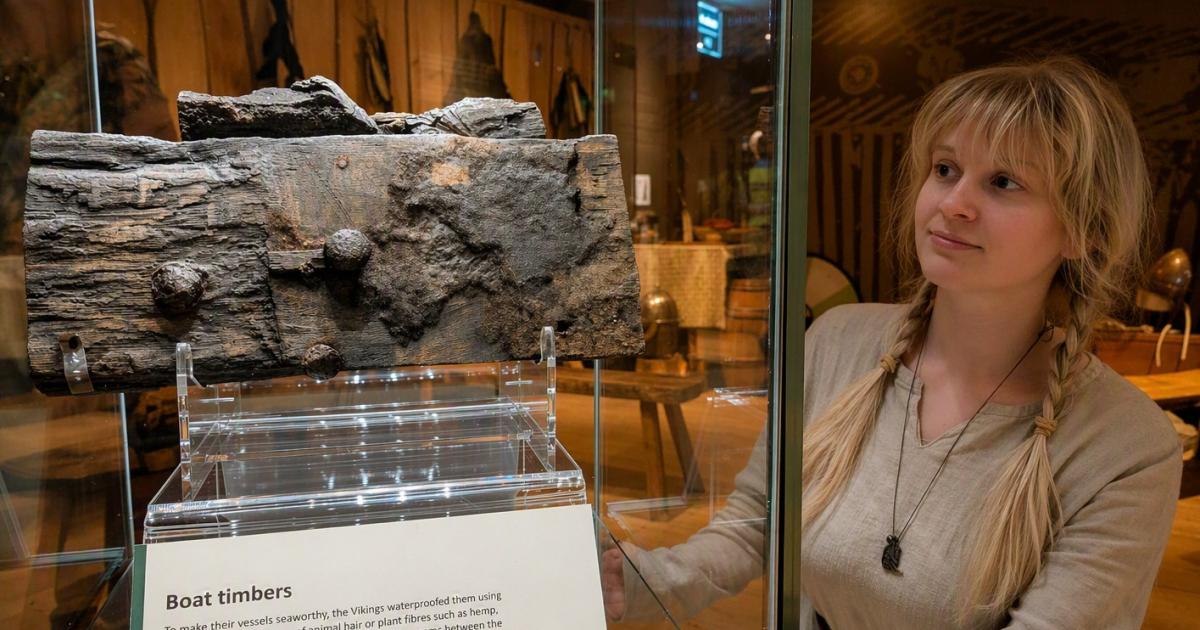
Visitors can enjoy half-price entry to the children’s archaeological experience DIG and the historic Barley Hall during the final week of the summer holidays.

The offer is available to anyone with a valid JORVIK ticket and is designed to help families and visitors make the most of their summer outings.

Lisa Wood, head of communications and marketing, said: “It has been a great summer for us, with JORVIK’s new riverside interpretation proving incredibly popular, and the extension of our How To Train Your Dragon School exhibition at DIG, so we wanted to give an end-of-summer boost to those making last-minute trips before the school holidays become a distant memory.”

Advertisement

The discounted tickets can be used for visits between 31 August and 6 September.

Although the scheme is primarily aimed at families, it also provides an opportunity for adults to visit outside of the peak holiday period.

Ms Wood said: “September is a particularly popular time for adults without children to venture out, avoiding the busiest times of the summer but still taking advantage of decent weather for domestic holidays.”

Tickets can be booked at jorvikvikingcentre.co.uk using the code BH50 or DIG50.

Advertisement

Source link

Continue Reading

NewsBeat

Grace Dent says she ‘nearly ruined’ Paddy McGuinness

Published

on

Grace Dent says she 'nearly ruined' Paddy McGuinness

Dent made the admission after appearing alongside McGuinness and fellow judge Giorgio Locatelli on the latest series of Celebrity MasterChef, where the trio were tasked with tasting dishes prepared by celebrity contestants including Emily Campbell, Jason Mohammad, Jay McGuiness, Joe Pasquale and Shakira Khan.

At the time of filming, McGuinness was in the middle of an intensive health and fitness plan. The TV presenter had recently completed the popular 75 Hard challenge and was following a strict diet as he prepared for a major magazine photoshoot.

Paddy McGuinness has opened up about his weight loss journey (Image: David Venni/Men’s Health UK/PA Wire)

However, his healthy eating routine was put to the test when contestants served up a selection of meat pies and dessert pies packed with pastry, chocolate and sugar.

Reflecting on the experience, Dent told Men’s Health magazine that she joked that she had almost undone weeks of hard work.

Advertisement

She said: “I nearly ruined Paddy McGuinness’ diet for the cover of Men’s Health.

“Paddy had been living on boiled chicken and broccoli for 42 days when we forced him to eat so much sugar, chocolate and pastry.

“He left winded, emotionally broken, and perilously high on nougat.

“Yes, I did make Paddy shout ‘no likey no lighty’ at me. It was strangely exhilarating.”

Advertisement

Paddy McGuinness will feature in the latest edition of Men’s Health (Image: David Venni/Men’s Health UK/PA Wire)

Dent has been a judge on MasterChef since joining the programme in 2024.

Despite the mountain of pies, pastries and sweet treats put in front of him during filming, McGuinness’ transformation remained firmly on track.

The presenter later appeared on the cover of Men’s Health after following a demanding training schedule involving regular full-body workouts and a tightly controlled diet.

Fortunately for McGuinness, it seems a day in the Celebrity MasterChef kitchen was not enough to knock him off course, despite Dent’s best efforts.

Advertisement

Source link

Continue Reading

NewsBeat

Reform UK calls for police to reopen probe into attack on Farage aide following Ann Widdecombe murder

Published

on

George Cottrell was 'jumped' outside his Chelsea property in the early hours and recalled being grabbed at by blue latex gloves as he fled on foot (Pictured: Mr Cottrell and Nigel Farage)

Advertisement

Reform UK wants the police to re-investigate an attempted robbery against an aide of Nigel Farage following Ann Widdecombe‘s murder.

Adviser George Cottrell was attacked outside his London home in April, days after Mr Farage revealed his house had been firebombed.

The timing of the incident, previously reported without naming Mr Cottrell, has raised suspicions in the party that it may be linked to the hate-fuelled attacks that culminated in Ms Widdecombe’s murder in July.

Mr Cottrell – ‘Posh’ George, as he is known – was ‘jumped’ outside his Chelsea property in the early hours and recalled being grabbed at by blue latex gloves as he fled on foot.

Advertisement

While the incident was reported as a stand-alone crime, the heightened fears about security have led to calls for the case to be reopened.

Reform aides also pointed to a profile about Mr Cottrell in Tatler the previous August which revealed Mr Farage was ‘often’ at his west London house, which could have made it an easy target for those hoping to do harm to the party leader.

The Metropolitan Police said the case remains closed, and that it had ‘carried out extensive enquiries’ but could not identify the suspects.

The statement suggested the case could be reopened ‘subject to further information coming to light’.

Advertisement

George Cottrell was ‘jumped’ outside his Chelsea property in the early hours and recalled being grabbed at by blue latex gloves as he fled on foot (Pictured: Mr Cottrell and Nigel Farage)

Ann Widdecombe was found dead at her home in Haytor on Dartmoor, Devon, on July 9

Ann Widdecombe was found dead at her home in Haytor on Dartmoor, Devon, on July 9

But last night a Reform source said the police may want to reconsider after announcing they are re-investigating Mr Farage’s firebombing.

Advertisement

They said: ‘In the current climate, it would seem strange to dismiss the possibility of a link between the incident involving George, the firebombing of Nigel’s house and murder of Ann Widdecombe. 

‘The police must keep an open mind, even if means re-opening George’s case.’

Counter-terror police confirmed they are reopening their probe into Mr Farage’s firebombing last year.

Mr Farage said: ‘It was an outright arson attempt. I wasn’t home at the time, but when I came back I found the damage.’ 

Advertisement

A spokesman for Counter-Terrorism Police yesterday said the investigation into Ms Widdecombe’s murder ‘remains ongoing’.

Advertisement

Source link

Advertisement
Continue Reading

NewsBeat

Viral prank videos led to social media influencer’s conviction

Published

on

Viral prank videos led to social media influencer's conviction

PHOENIX (AP) — A social media influencer known for posting viral videos of pranks has pleaded guilty to criminal impersonation in Arizona for posing as an employee of businesses in a Phoenix suburb and orchestrating brief but chaotic takeover attempts.

The outcome was welcomed by observers who said it could serve as a reminder to seekers of viral fame that stunts that cross the line legally can lead to serious ramifications.

Heston James Cobb, who posts as “Heston James,” was arrested in July 2025 after police in Tempe say he and others went into businesses posing as workers, entered employee-only areas and refused to leave when asked to do so. He entered his plea Friday.

In one video Cobb, wearing a Chipotle Mexican Grill shirt, told restaurant staff he was going to “clean house” before a group of men wearing dark shirts flooded into the eatery and ignored requests to leave. One man posing as an employee cleaned a tabletop with a mop.

Advertisement

Investigators said the videos had millions of views and potentially generated large amounts of income.

Vicki Lopez, an attorney representing Cobb, declined to comment Saturday. The Associated Press left a message with Cobb’s TikTok account seeking comment.

Steve Chucri, president of the Arizona Restaurant Association, said he hopes Cobb’s punishment is “severe” to deter copycats.

“There’s no place for it,” Chucri said. “That’s the last thing we need to put up with in the restaurant industry. The amount of money it takes to operate today is expensive.”

Advertisement

Chucri said the association does not offer any formal training or advice to restaurants on dealing with social media pranksters, and he hopes it does not come to that.

“We’re a society of civility,” Chucri said. “We shouldn’t have to.”

Matthew Pittman, a social media professor at the University of Tennessee in Knoxville, hopes the arrest will be a warning to influencers about boundaries when creating prank or satirical content.

Pittman said he and others who teach aspiring content creators generally stress that “real world norms and laws” extend into the digital world.

Advertisement

“So doing something that is illegal in real life would also be illegal on social, even if you are doing it for content,” he said. “This is a clear case of going beyond what the law allows.”

Among the recent cases he cited was an influencer in Long Island, New York, who was arrested last year after a series of pranks. They included videos of him going to eateries; pouring food such as raw eggs or beans over his head; and then running off, leaving the mess to be cleaned by others.

Advertisement

“Every few years a YouTuber, influencer or prank content creator goes a little too far, gets in trouble, and reminds the rest of us creators that digital actions can have real world consequences,” Pittman said.

Cara Hawkins-Jedlicka, a communications professor at Washington State University who teaches about content creation, said it’s not enough for influencers to stay within the law. They also need to have basic empathy.

“When is it pulling a prank, and when it is being cruel?” Hawkins-Jedlicka said. “Before anything else, this is truly kind of unkind. This influencer was really only thinking about himself and how can I take advantage of this community.”

___

Advertisement

Marcelo reported from New York.

Source link

Advertisement
Continue Reading

NewsBeat

First day at a new school: How to make friends

Published

on

First day at a new school: How to make friends

For students starting at a new school, the first day holds many questions: Will they see any familiar faces? Who will they sit with at lunch? Who will they play with at recess?

“I’m this much nervous,” said Iman Fair-Seldon, 5, holding her hands about 4 inches (10 centimeters) apart. Iman will start first grade next month at a new school in southern New Jersey, near Philadelphia. Despite the nerves, she said she is excited to make new friends.

Starting at a new school or making a big transition, such as moving from elementary school to middle school, can be challenging. Parents may want to help but aren’t always sure what to say or do. Here’s some advice from both grown-ups and the ultimate experts: kids who have gone through transition themselves.

Schedule playdates and go to birthday parties

Parents of young children have significant influence over where their children spend time and with whom, experts say. They can seek out activities that create opportunities for connection, such as parks, playgrounds and birthday parties, and decide when their children are ready for activities like sleepovers.

Advertisement

This article is part of AP’s Be Well coverage, focusing on wellness, fitness, diet and mental health. Read more Be Well.

“Initially, parents have a huge impact when it comes to the friends that children have,” said Dr. Asha Barber Sutton, a licensed marriage and family therapist and an associate dean of academic affairs at National University in San Diego. “More than we would like to believe, our actions as caregivers make a difference in terms of how children experience the world.”

Amira Fair, Iman’s mother, says she prefers to keep to herself, but she pushes past those feelings to help her daughter develop relationships. “I make it my business to exchange numbers and try to schedule monthly playdates,” she said. “One thing I tried to do, especially at her old school, was go to every single birthday function, say hi to the parents, get a present, see the family.”

Let kids navigate their own friendships

Parents can’t manage every friendship for their children, experts say. Instead, they can help children develop their own sense of what makes a good friend: Are they kind? Are they honest? Can you be yourself around them? Some difficult interactions can help children learn what they value in a friend and how to handle conflict, Sutton said.

Advertisement

Parents can also ask questions to help their children think about what they value in friendships: What qualities do you like in your friends? Who makes you feel comfortable being yourself? Those conversations can give children a framework for evaluating their own friendships when problems arise, experts say.

Jaiden Journet, a 14-year-old starting at a new high school in North Carolina, suggests parents ask their kids: “Have you found anything you have in common with anyone?”

Help kids get involved

Parents also can support their children through encouragement, especially if they are shy or anxious. Encouraging children to get involved in extracurricular activities or to try something new can help them meet people with similar interests.

Shia Watts, 16, says trying something new led her to some of her friends at Notre Dame High School in Sherman Oaks, California.

Advertisement

“Last year, I was part of theater production. I’d never done that before, but I met so many amazing people,” she said.

When Jamir Gonzalez transferred last year to Uncommon Camden Prep High School in New Jersey, he joined the baseball and debate teams.

“If you have any hobbies, find out if they have that at your school, and if they do, talk to the people that are there,” said Jamir, now a 16-year-old senior.

Once students find opportunities to connect, starting the conversation is the next step, experts say. Smiling, complimenting others and asking questions can help start a conversation and keep it going.

Advertisement

Iman, the New Jersey 5-year-old, remembers how she met her now “B-F-F-F-F-F.” It started with a compliment.

“I think I said, ‘I like your shirt,’ and then she said, ‘Thank you.’ And I said, ‘So what’s your name?’” she recalled.

Put down the cellphones — sometimes

Students may find it harder to start conversations when their peers are on their phones, wearing headphones or focused on screens. Experts say parents can encourage children, particularly teens, to put devices away at times so they can be more present and engaged with the people around them. One way to help: Stop texting your child at school, some teachers and experts say.

But being too harsh with older children’s tech limits can isolate them socially, Sutton said. Still, parents should talk with their teens about expectations around technology, social media and gaming, including knowing who kids are interacting with online.

Advertisement

Technology can also help children maintain friendships when circumstances separate them, Sutton said. “If you move away, it’s no longer like, ‘Hey, I moved out of state, and I can never see you,’ ” she said. “We have FaceTime, and we can still stay connected to friends in that way.”

Even one friendship counts

Feeling connected and having a sense of belonging at school can have an important effect on students’ well-being. If a student feels staff and peers at their school care about them, they are less likely to have poor mental health, use substances or be involved in violence, according to the Centers for Disease Control and Prevention, and they are more likely to have better grades and attendance.

But a student needn’t have a large friend group to feel connected. Even one relationship can make a meaningful difference, said Nicole Hockley, co-founder and CEO of Sandy Hook Promise, a nonprofit that focuses on gun violence prevention in schools.

“Even if you only have one really strong friendship or one strong trusted adult, one strong sense of belonging, that can be enough to really positively affect your well-being and your trajectory through school and life,” she said.

Advertisement

For students who are nervous about starting over, Hockley said, it can help to remember that other students may be looking for connection, too.

“There’s also someone else just like you in that same space who’s also saying, ‘I would like to meet someone. I’d like to make a friend,’ ” she said. “It can be intimidating, but it’s not hard once you practice it.”

___

This story has been updated to correct that Jamir Gonzalez joined the baseball team, not the basketball team.

Advertisement

___

The Associated Press’ education coverage receives financial support from multiple private foundations. AP is solely responsible for all content. Find AP’s standards for working with philanthropies, a list of supporters and funded coverage areas at AP.org.

Advertisement

Source link

Continue Reading

Trending

Copyright © 2025