The Office of the Public Guardian has confirmed that households on low incomes or certain benefits can apply to reduce the cost of registering a Lasting Power of Attorney (LPA) or an Enduring Power of Attorney (EPA).
Registering these documents normally costs £92 – but many people won’t have to pay the full amount.
Who can pay less – or nothing at all
Support is split into two main types:
- Full exemption (pay £0):
If the person making the application (known as the donor) receives certain means-tested benefits, they won’t have to pay any fee.
- 50% reduction (pay £46):
If the donor earns less than £12,000 a year before tax, the fee is cut in half.
Repeat applications can also be reduced to as little as £23.
However, there has been an important update for those on Universal Credit.
From February, people receiving Universal Credit will no longer qualify for a full exemption – but may still be eligible for the 50% discount depending on their income.
The changes, detailed in an updated document on gov.uk, come as more families turn to power of attorney arrangements to manage finances and care for loved ones – often during periods of illness, ageing or financial stress.
For households already struggling with rising living costs, even a £92 fee can be a barrier.
There is also extra support available for those facing severe financial pressure.
If someone does not qualify for an exemption or reduction but still cannot afford the fee, they can apply for a hardship review, which may lower the cost further.
What is a Power of Attorney, and why do I need one?
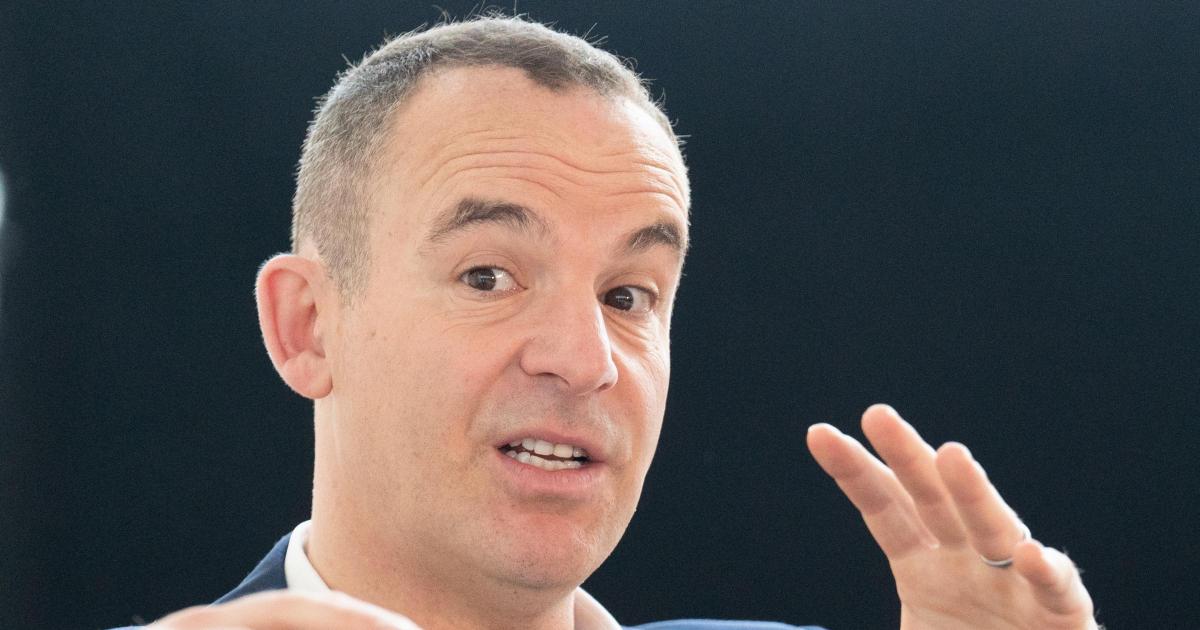
Martin Lewis has been very clear that it is a vital document, and one we should all consider.
There’s more information here, but in short, he said: “I think in many ways, a Power of Attorney is more important than a will, because if you die, you die and the money is going to go on to other people and you won’t use it anymore.
“But if you lose your faculties, if you lose your ability to look after yourself mentally, then the question is what happens to your finances? And the truth is, let’s say it’s a dementia or an accident or a stroke – severe ones – don’t assume your family can access your money, not even if it’s the money needed to pay for your care.
“It can be locked away without anyone being able to touch it. To get it they’ll need to apply via the Court of Protection or equivalent. That’s a hassle. It’s long. It’s costly. You might not get the right person appointed that you would have wanted to take over your faculties.”
There’s more details on his Money Saving Expert website.
How to apply for a Power of Attorney for free or a reduced rate
To get help, applicants must submit a fee support form along with evidence of income or benefits when registering the power of attorney.
The Office of the Public Guardian said applications without the correct documents may be rejected – meaning the full fee would still need to be paid.
Decisions can also be challenged, with applicants given 28 days to request a review if they believe they were wrongly refused support.
Recommended reading:
Scottish types of Power of Attorney (PoA)
Power of Attorney rules are broadly similar across the UK, but Scotland does have some key differences, under the Adults with Incapacity (Scotland) Act 2000.
These are:
Continuing Power of Attorney
This gives powers to deal with money and/or property
Continuing (financial) powers can be used by the attorney immediately after the PoA document has been registered with us. If the PoA is only to be used in the event of your incapacity, it must clearly state that the powers are not to be used until this happens. You may wish to add a statement about who should make this decision about your incapacity.
For details, contact:
Office of the Public Guardian (Scotland)
Hadrian House
Callendar Business Park
Callendar Road
Falkirk
FK1 1XR
Telephone: 01324 678300
Email: opg@scotcourts.gov.uk
Welfare Power of Attorney
This gives powers to make decisions around health or personal welfare matters
Welfare powers may only be acted upon after the PoA has been registered with us and when you have lost capacity to make decisions on matters to which the powers apply. Read the definition of incapacity.
Combined Power of Attorney
This is the key difference as it gives both continuing and welfare powers
The majority of PoAs registered with the Scottish Public Office of the Guardian are a combination of continuing and welfare powers. However, it is your choice as to the type of PoA you wish to grant.























































You must be logged in to post a comment Login