

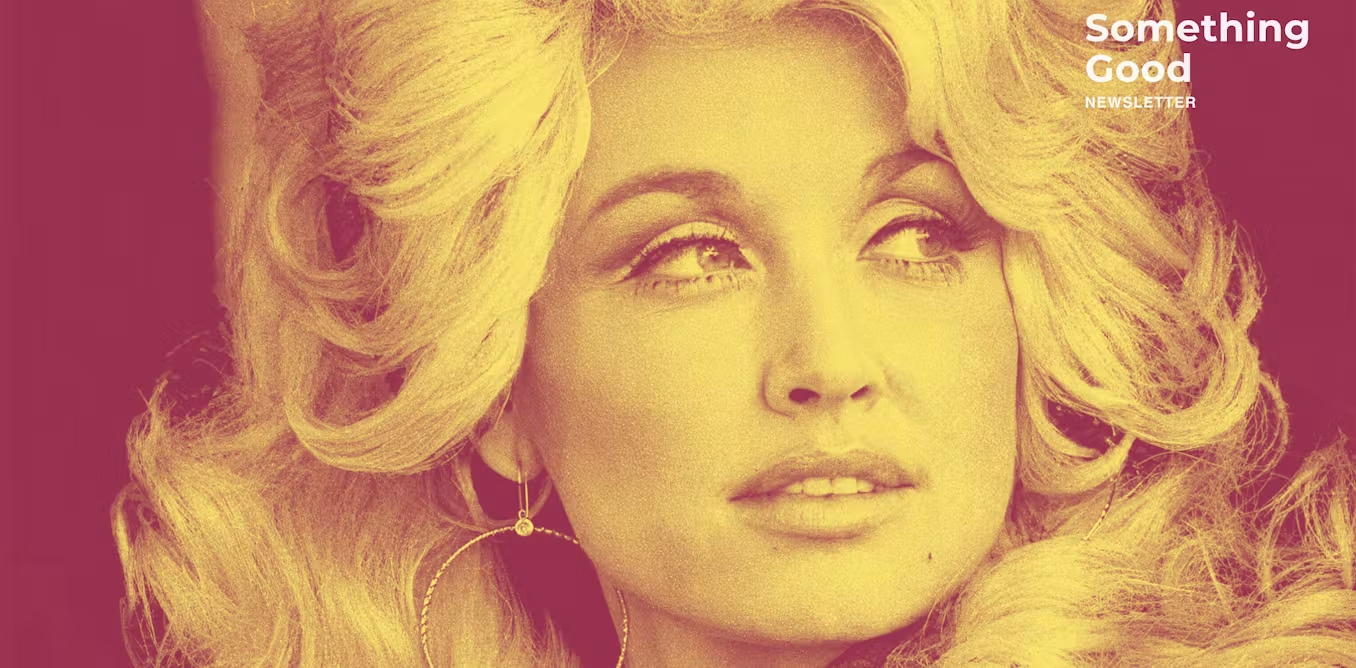
I can’t think of anyone who wasn’t saddened to hear of the death of Dolly Parton this week, such was her natural ability to charm all kinds of people. Sharp, funny, warm and with a huge heart – much like her character Doralee in 9 to 5 – she constantly wrong-footed people with the way she looked and who she really was.
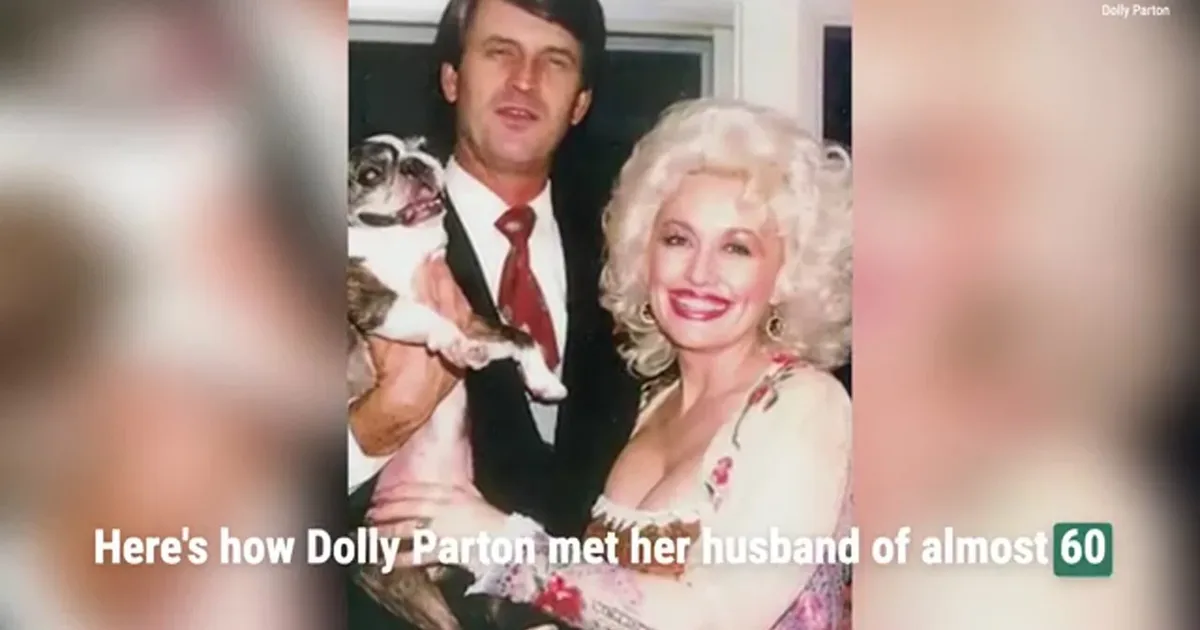
There’s a lovely photograph of (pre-artifice) Dolly being endlessly posted on social media, showing her possibly in her thirties, smiling as she looks straight into the lens, all dimples, mischief and eyelashes. It’s a delight to see her caught in the moment so naturally, doubtless cracking a joke. She is truly luminous in this image.
Later, evolving into what seemed like a cartoon version of herself, she once quipped: “It takes a lot of money to look this cheap!” But Dolly Parton was a savvy woman, who had grown up in a post-war America of rural poverty in the backwoods of Tennessee. Her music spoke to all kinds of people, with her sweet, timbrous voice and lyrics that nailed emotions and lodged themselves in your heart.
“I’ve always believed that a part of my magic, if there was any, was that I look so artificial, but I am so totally real. I think when you hear these kinds of songs, you know that has to come from the heart,” she once said.
Music researcher Wendy Hargreaves sums up the genius of this heartfelt songwriting in three top Dolly Parton tunes. From the unvarnished ache of a vulnerable woman appealing to her younger rival in Jolene, to the foot-stomping feminist anthem of 9 to 5, and the original unshowy version of I Will Always Love You, these three songs point to the breadth and depth of Dolly’s artistry, revealing her profound ability to connect with others through bittersweet melodies, affecting lyrics and that extraordinary voice.
À lire aussi :
Jolene, I Will Always Love You and 9 to 5: the genius of Dolly Parton in three songs
Fragile states
Late Fame is a wry, tender meditation on ageing, artistic ambition and the possibility of a second act. Willem Dafoe plays Ed Saxberger, a once-promising poet on the periphery of the 1960s Beat generation, now a humble postal worker in the Lower East Side of New York. Out of the blue, his one slim volume of poetry is discovered by a group of slumming-it rich kids who urge him to return to his brilliant work.
Flattered by their attention, Ed is drawn back into a world he thought he had left behind, attempting to write again but finding the page remaining stubbornly blank.
The film also features a gorgeous performance by the very watchable Greta Lee as Grace, someone who has also been adopted by the wannabe boho group with literary pretensions.
Grace, whose sophisticated facade belies a much sadder reality, seduces Ed into taking a last-chance shot at literary ambition, but will he fall for the attractions of late-blooming fame?
Late Fame is in cinemas now
À lire aussi :
Late Fame: this tale of literary redemption is sad, tender and opaque
Olana Light
Given the extreme temperatures in the south of England this summer, Between Land and Tide is a timely and startling work of outdoor performance art inspired by the sea, the shoreline and Portsmouth’s coastal landscape. Featuring a wearable starfish sculpture inhabited by five “seaborn guardian” women, each forming a limb of the sea creature, the performance draws attention to the fragility of our environment and our deep-seated relationship with the sea as islanders.
Between Light and Tide runs till September 27 at various locations around Portsmouth
À lire aussi :
Between Land and Tide: giant starfish washes up in Portsmouth in this apocalyptic performance art
Humans and aliens
This year marks the anniversaries of two culturally significant sci-fi dramas: James Cameron’s Aliens (the better-than-the-original sequel to 1979’s Alien) marks 40 years, while groundbreaking spaceship series Star Trek, which first aired the month after I was born, celebrates 60 years. If you’ve never seen them before, you’re in for a treat, especially if you are a sci-fi fan.
Collection Christophel / Alamy
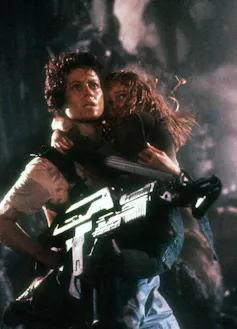
Anyone who sat quivering in a darkened cinema in 1986, adrenaline pumping as they watched luckless spacestation personnel being gruesomely picked off one by one, will never forget that encounter with Aliens.
The huge black acid-dripping creature with cavernous jaws heralded a new era of special effects and slick, mesmerising monsters. But even more formidable was Sigourney Weaver’s statuesque, no-bullshit Ripley who instantly became the new gold standard in kick-ass heroines – uttering the memorable and much-imitated line: “Get away from her you bitch!” Essentially though, this was a tale of two females fighting to protect their young, so maybe there was a little more common ground than they imagined as they fought unflinchingly to the death.
Aliens can be streamed on Disney+
À lire aussi :
How Aliens became the rare sequel that was as good as – or better than – the original
Landmark Media
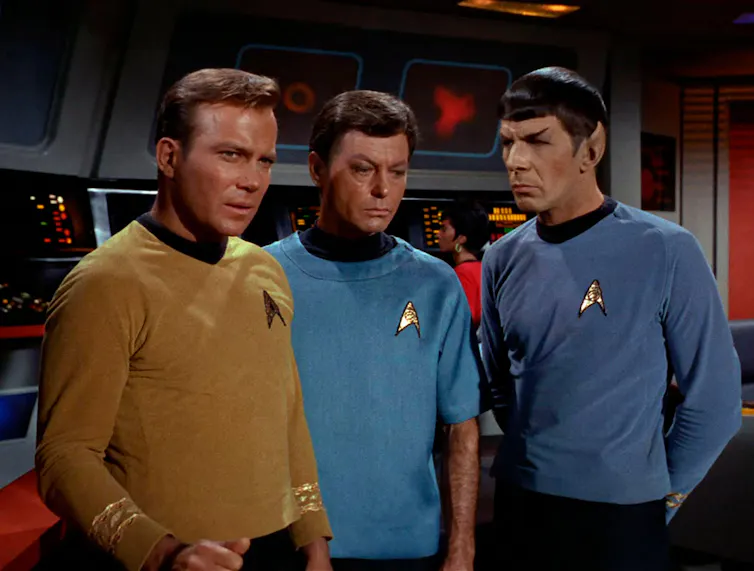
Star Trek meanwhile may have aged less well, and at times feels comical with its studio sets of 1960s-imagined alien landscapes and a scenery-chewing William Shatner as Captain Kirk.
But as history and culture expert Stephen McVeigh points out, Star Trek remains important because it used the subject of space exploration (when the US-Russian space race was at its height) to examine what it means to be human. Its lasting legacy, he maintains, is not technological prophecy, “but in recognising that the most fascinating and vexing mystery remains humanity itself”.
The original Star Trek series can be streamed on Paramount+
À lire aussi :
Star Trek at 60: the secret of this pioneering series was its exploration of humanity, not aliens























































You must be logged in to post a comment Login