

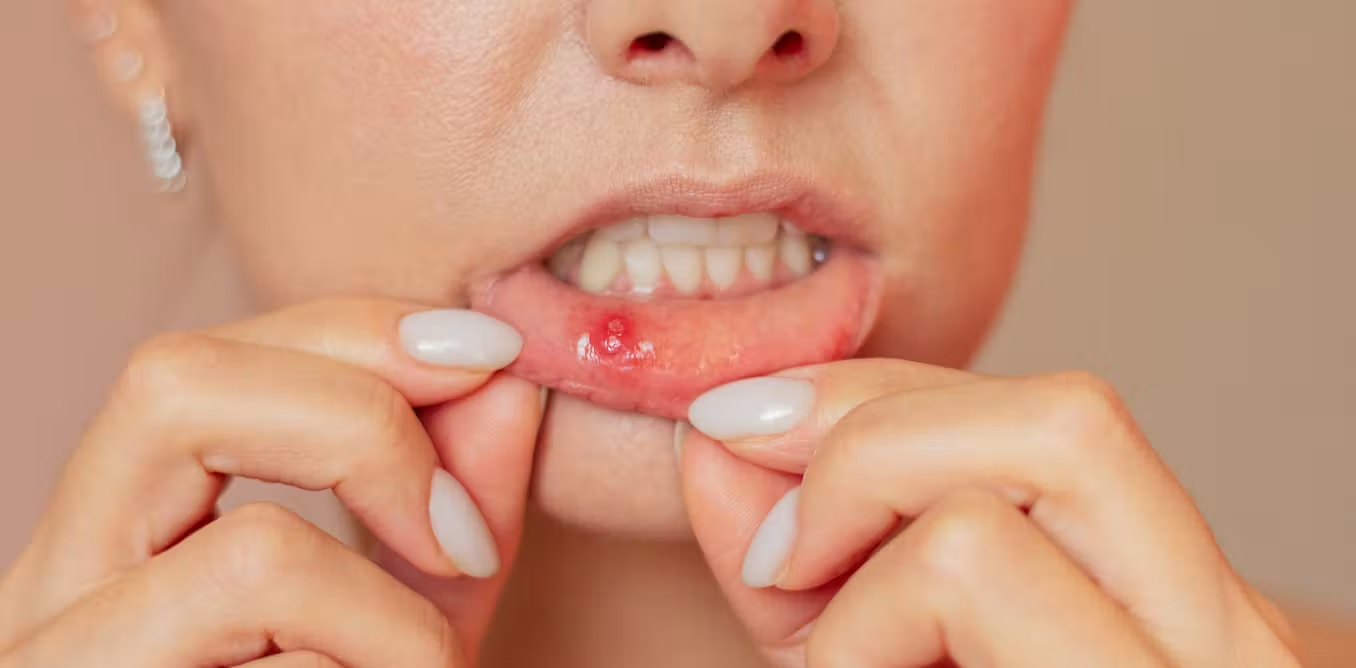
If you’ve ever had a mouth ulcer, you’ll know how much a tiny sore can take over your day. These small, painful patches that suddenly appear inside your mouth make eating, drinking and even talking surprisingly uncomfortable.
The good news is that most heal on their own within a week or two. But understanding why they appear and what you can do to prevent them can make a big difference.
Mouth ulcers are incredibly common. Up to a quarter of the population will experience them at some point in their lives, and they’re especially frequent in teenagers and young adults. Some people get one or two a year; others find they pop up every month. They’re not contagious and they’re usually harmless, but they can still be miserable.
So why do they happen? In many cases, it’s something simple. Trauma to the area – from accidentally biting your cheek, scraping your gums with a toothbrush, or irritation from braces or dentures – can trigger an ulcer. Certain foods, especially spicy, salty or acidic ones, can also irritate the lining of your mouth. Stress, tiredness and hormonal changes play a role too, and some people notice ulcers appear around their monthly period or during times of pressure at work or home.
Sometimes the cause is less obvious. Ulcers may be linked to low levels of iron, zinc, folate, B vitamins or vitamin D, or to underlying conditions such as coeliac disease, Crohn’s disease or a suppressed immune system. If a deficiency seems likely, it’s worth asking your GP for a blood test so that you can get the correct supplements.
Medications, including some anti-inflammatories, heart medicines like beta blockers, and lung medicines like bronchodilators, can also trigger them. And for a few people, recurrent ulcers are simply part of their genetic makeup as they tend to run in families.
People who stop smoking often notice mouth ulcers appearing in the first couple of weeks. They are a withdrawal effect, and around two in five quitters develop them. They’re usually mild and settle within a month.
If you’re unlucky enough to get ulcers regularly, you might be dealing with recurrent aphthous stomatitis, a pattern of repeated ulcers. These ulcers can be tiny and short lived, or larger and more severe, lasting several weeks. They’re thought to involve an overactive immune response in the mouth, which makes the lining more vulnerable to everyday triggers.
How to get rid of them
While there’s no instant cure and most ulcers clear up on their own within a week or two, there are several ways to ease the pain and help them heal faster. Rinsing with warm saltwater can soothe discomfort and reduce inflammation.
Over-the-counter topical treatments can help ease the pain of mouth ulcers and sometimes shorten how long they last. Local anaesthetic gels and sprays, such as lidocaine and benzocaine, numb the area for a short period, making eating and drinking more comfortable.
Antiseptic and anti-inflammatory mouthwashes, including chlorhexidine and benzydamine, can also help reduce discomfort and may slightly shorten healing time. For more stubborn or painful ulcers, you can buy steroid tablets that dissolve in the mouth. Doctors or dentists can prescribe steroid sprays or stronger mouthwashes to reduce pain, swelling and speed up healing.
If you keep getting ulcers, it’s worth looking at your toothpaste. Sodium lauryl sulphate (SLS), a foaming agent found in many brands, has been linked to mouth ulcers in some people. Switching to an SLS-free toothpaste may help reduce the pain and healing period of ulcers.
Eating softer foods, drinking cool liquids through a straw and avoiding spicy or acidic meals, or rough, crunchy foods like crisps can also make life more comfortable while an ulcer heals.
Prevention is often easier than treatment. Using a soft-bristled toothbrush, keeping up with regular dental check ups and eating a balanced diet can all help protect the lining of your mouth. Managing stress and getting enough sleep may reduce how often ulcers appear. And if you suspect certain foods trigger your ulcers – chocolate, coffee, nuts and tomatoes are common culprits – keeping a diary can help you spot patterns.
Tetiana Chernykova/Shutterstock.com
If your mouth ulcer lasts longer than three weeks, keeps coming back, or looks unusual, it’s important to get it checked. A persistent ulcer can occasionally be a sign of an underlying condition, including mouth cancer, so don’t ignore anything that feels out of the ordinary.
Mouth ulcers may be small, but they can have a big impact. The reassuring news is that simple changes, from switching toothpaste to managing stress, can make them far less frequent. And next time one appears, you’ll know exactly what’s going on and how to help it heal.



























































You must be logged in to post a comment Login