
Politics
Are Politicians Taking Misogyny Seriously Enough?

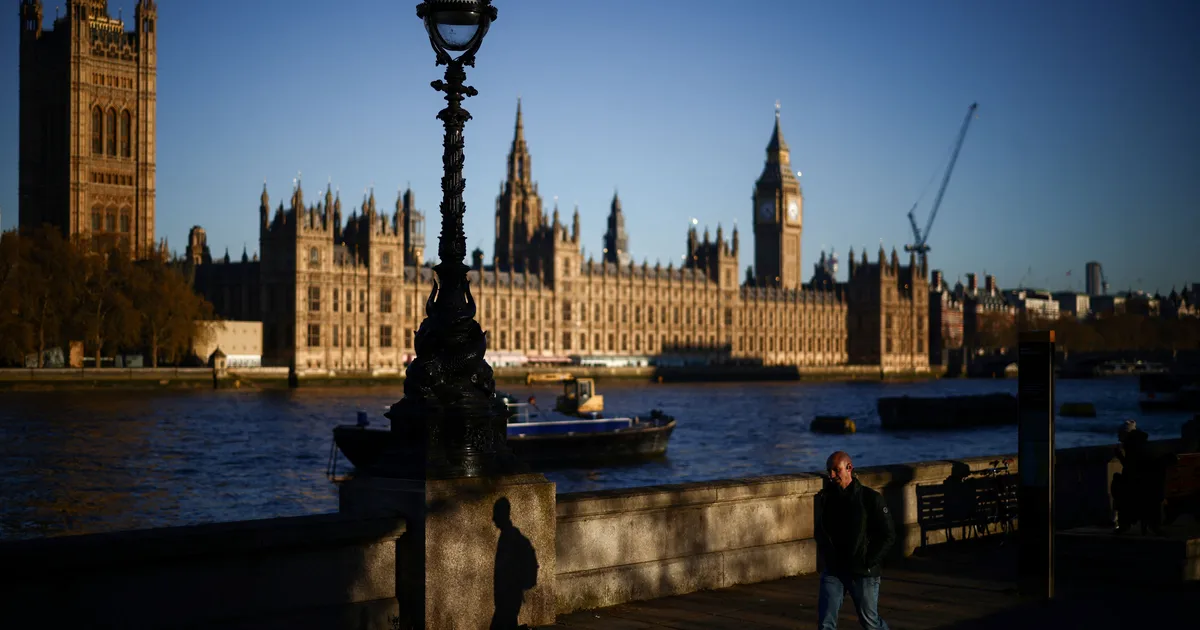
There’s no denying that misogyny has been a hot topic in Westminster in recent months.
Politicians have not been shy when it comes to weighing in on moments like Louis Theroux’s recent documentary, Inside The Manosphere, and last year’s Netflix drama Adolescence.
Both cultural moments raised serious questions about the way men are being influenced in the modern era and how women are protected.
But the subject has hit close to home for several in Downing Street, too.
Keir Starmer has been accused of setting up a “boys’ club” at the top of government while female cabinet ministers claim unnamed officials have been issuing “sexist briefings” against them.
The topic then came to a head earlier this year when the depth of Peter Mandelson’s relationship with the late convicted paedophile Jeffrey Epstein was revealed by the US Department of Justice.
The former Labour peer was chosen by prime minister to be the ambassador to the US last year. Though he was fired after a handful of months in the job, questions remain over just why he got the plum role in the first place.
How was his association with Epstein – elements of which had been reported on by the time of his appointment – overlooked by senior figures in the government?
Labour vowed to champion equality when in opposition, celebrated when a record number of female MPs were elected in 2024, and rolled out a Violence Against Women and Girls Strategy earlier this year.
But, as politicians face accusations of not reflecting these attitudes in their everyday lives, there are fears this is akin to paying lip service to a wider issue – especially with women in Westminster often feeling the direct effects of sexism themselves.
During Thursday’s episode of Commons People with guest Millie Cooke – The Independent’s political correspondent – we look at how Westminster deals with misogyny – and what else can be done to improve it.
Listen to find out more below…
Subscribe to Commons People, the podcast that makes politics easy. Every week, Kevin Schofield and Kate Nicholson unpack the week’s biggest stories to keep you informed. Join us for straightforward analysis of what’s going on at Westminster.

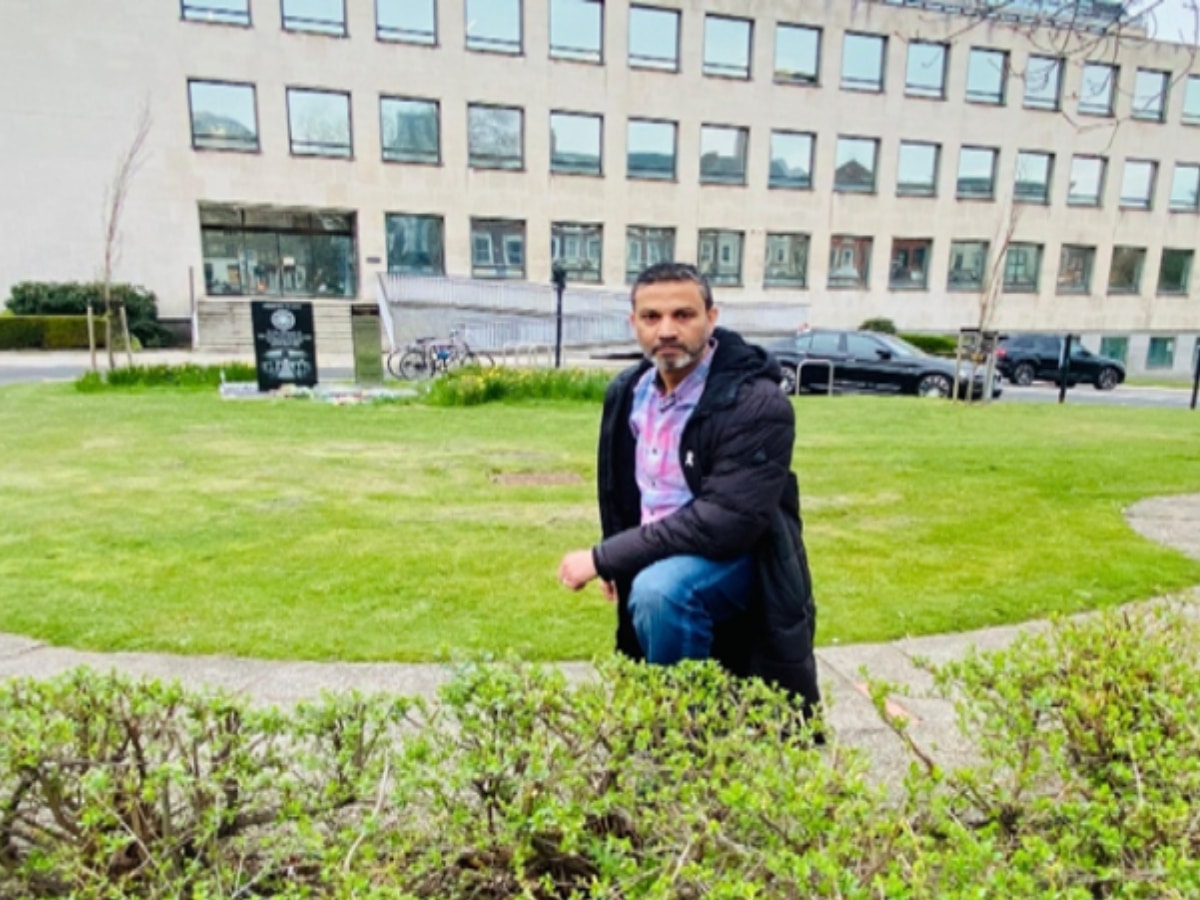
A new memorial for Palestinian civilians could be added to Newcastle’s Peace Garden following a proposal supported by local councillors and community groups.
The Peace Garden, located within the grounds of Newcastle’s Civic Centre, was established as a space for remembrance and reflection for communities affected by war, genocide and violence.
Councillor Habib Rahman has led the new initiative. His work with Newcastle City Council helped create the memorial area.
Two memorials have already been installed in the garden. In 2024, a memorial stone was unveiled in remembrance of the genocide against the Tutsi people of Rwanda, supported by Newcastle’s Rwandan community.
A second memorial was installed in 2025 to recognise the genocide against the Roma people. At the same time, an oak tree was planted to commemorate Jewish refugees and victims of the Srebrenica genocide.
Plans for memorial stone and olive tree
Rahman has now proposed a further memorial stone to honour Palestinian civilians who have lost their lives during the Israel–Gaza conflict. The proposal also includes planting an olive tree as a symbol of remembrance.
The idea was presented to Newcastle city council leader Karen Kilgour and referenced in a cabinet update to full council in March 2026 under future considerations for the Peace Garden.
Council documents state that Rahman is facilitating discussions with the local Palestinian community, to establish a permanent memorial within the Civic Centre grounds.
Council arboriculture specialists are currently considering the most suitable location within the Civic Centre green spaces to plant the olive tree.
The item was not discussed in detail at the March council meeting as the session was dominated by budget discussions. However, Rahman later wrote to the council leader requesting that the proposal be progressed through a council and cabinet decision.
He also confirmed that the full cost of the memorial and tree planting would be covered entirely by the community.
In a letter responding to the proposal, a council officer confirmed formal acceptance of the plan to install a permanent memorial commemorating innocent Palestinian civilians.
Rahman said he was proud of the work that had gone into creating the Peace Garden:
I am immensely proud of the work undertaken to establish the Peace Garden. As a City of Sanctuary, it is fitting that Newcastle has a dedicated space for remembrance and reflection.
It reflects our city’s long-standing tradition of solidarity, our stance against genocide and war, and our commitment to empathy and remembrance.
He added:
We have already made history with memorials recognising the genocide against the Tutsi people of Rwanda and the genocide against the Roma people.
By establishing a memorial for the Palestinian people, alongside the planting of an olive tree, we have the opportunity to make history again, which we will now work towards a date later this year.
Mohammed Wafi, of the Palestine Community North East, said:
We thank Councillor Rahman for his leadership in securing this historic approval. This memorial will mean a great deal to our community, and we will now work with him and the Council to deliver it.
Rahman said he would continue working with Newcastle’s Palestinian community and the city council to deliver the memorial later this year.
When completed, this will become the first Palestinian memorial of its kind in the UK and Europe.
Featured image supplied

The Trades Union Congress (TUC) has called for a targeted emergency package to protect UK companies from the effects of Donald Trump’s illegal war. The union body refers to at-risk manufacturers like chemicals, ceramics and glass. And it says:
Trump’s war must not put jobs in critical industries at risk.
In the face of “Trumpflation” sending gas and energy prices soaring, the TUC argues that urgent support is needed to protect energy intensive sectors from the economic damage of the war. Of course, any impact on the UK pales in comparison with the horrors in countries directly under attack. But the TUC points out the war and its consequences could affect thousands of UK jobs.
The call comes after the OECD warns the UK faces the biggest hit to growth of all G20 economies from the war in West Asia.
Emergency measures for most at-risk manufacturers
Immediate support should focus on the most at-risk businesses to protect key UK manufacturing sectors, the TUC says.
Gas-intensive businesses face the most immediate exposure in the current energy crisis. The union body is therefore calling for a temporary targeted gas price cap to stabilise the price of gas for critical industries. This would target sectors where gas accounts for at least 70% of energy demand (like ceramics), or at least 70% of raw materials.
As the effects of the war flow through to higher electricity prices for industry, the TUC is also calling for the government urgently to speed up its energy price support scheme (the British Industrial Competitiveness Scheme – BICS) and make sure it reaches the manufacturing sites that need it the most. Many manufacturers (beyond those in gas-intensive industries) were already struggling before the crisis hit, and are now in even more need of support.
Fix the foundations to prevent future crises
Support must also go beyond the immediate crisis, the TUC argues. The UK has been at the “mercy of global gas markets for too long”. With an unstable president in the White House, and increasing volatility across the globe, UK households and businesses cannot afford to be “lurching from crisis to crisis”.
Alongside immediate-term support, the UK desperately needs structural change and investment so that industry doesn’t bear the brunt of future gas price spikes. This will also mean there is less need for government to step in during each crisis.
The TUC is calling for government to de-link electricity prices from gas. This would move the UK from being a price-taker to a price-maker. The government should also radically increase UK gas storage capacity, and accelerate investment in energy efficiency and electrification upgrades.
These proposals to reform the UK’s energy system and market design and to upgrade UK industry will reduce the UK’s industrial vulnerability to external crises, boost long-term resilience of domestic industries, and help protect good jobs for the long-run. Fixing the foundations of the UK’s energy market would support not just gas-intensive industries, but wider manufacturing like steel, metal and paper.
TUC general secretary Paul Nowak said:
Already struggling before the war, Trumpflation has sent gas prices soaring – further piling the pressure on some of Britain’s key industries like chemicals, ceramics and glass.
Trump’s war must not put jobs in critical industries at risk.
The government should urgently bring forward a temporary targeted gas price cap, to stabilise the price of gas for critical industries and protect UK manufacturing, and speed up the energy price support scheme making sure it reaches crucial sectors.
Smart government action can stop us lurching from crisis to crisis. The UK has been at the mercy of global gas markets for too long.
Now is the time to fix the foundations, reducing the UK’s vulnerability to global gas price shocks, boosting resilience of key industries, and protecting good jobs for the long-run.
Chief executive of Make UK Stephen Phipson said:
The war in Iran has highlighted vulnerabilities in the UK energy market that have been evident for some time and have not been addressed, the more that action is delayed the greater the risk of rapid deindustrialisation.
This now requires, urgent, efficient, and substantive action to bring down the cost of energy for industry as the clock is now approaching midnight for many companies.
This must start with the immediate implementation of the British Industrial Competitiveness Scheme to all manufacturers otherwise we could face a rapid unravelling of British industry.
Featured image via the Canary
The Mail reports that HMS Dragon, the only warship of Britain’s in the Middle Eastern region, has withdrawn to port “for repairs and logistics after experiencing issues with its fresh water supplies.” No comment…

The Home Office is routinely detaining so-called “age-disputed children” as adults as part of its ‘One in, one out’ asylum scheme. That’s according to an investigation from the independent Humans for Rights Network.
Despite Labour’s increasingly far-right anti-asylum posturing, it remains illegal to detain unaccompanied child asylum seekers in adult detention centers. However, the Home Office is routinely ignoring this rule by claiming that these children are, possibly, adults.
Home Office – ‘one in, one out’
In the seven months since ‘One in, one out’ began last September, the Home Office has detained 76 ‘age-disputed’ kids. However, Freedom of information (FOI) requests issued to local authority children’s services have found that claimants treated as adults by the Home Office are often later determined to be children by social workers.
Indeed, of the 76 detainees, 26 have either been reassessed as children by Social Services, or are in the process of being. Meanwhile, 11 kids are waiting for age assessment. The Home Office has already forcibly deported 13 to France.
Damningly, one child was confirmed to be a minor after being forcibly deported.
Among the kids in question, a large proportion are Sudanese, Eritrean, or Afghan – all zones of intense and brutal conflict. Humans for Rights Network spokesperson Maddie Harris stated that:
Many of these children are survivors of torture and trafficking and are experiencing acute declines in their mental health as a result of what is often months of detention in the UK.
These children are additionally prejudiced from accessing the care and support they are entitled to as children as well as adequate, social worker-led local authority age assessments. No child should be detained, with those who remain in detention immediately released to allow them to recover and to ensure they are able to access age assessments conducted in the community where required.
The National Age Assessment Board
Home Office age assessments fall under the domain of the National Age Assessment Board (NAAB). Watchdog groups like the Refugee and Migrant Children’s Consortium (RMCC) and Independent Chief Inspector of Borders and Immigration (ICIBI) have raised pressing concerns about NAAB’s processes and transparency.
In particular, NAAB blurs the boundaries between ‘independent’ social workers and immigration enforcement. Likewise, it also has a massive negative impact on the kids in its ‘care’, and its decisions are deeply questionable. An RMCC report stated that:
Multiple legal cases have found NAAB assessments to be flawed, with issues including failure to apply the benefit of the doubt; reliance on subjective or culturally inappropriate indicators; and the dismissal of credible evidence from professionals who know the child. Judges have criticised the NAAB’s approach as being adversarial, inconsistent with guidance, and lacking in objectivity.
Back on 25 March, the High Court was forced to step in to prevent the Home Office from deporting two ‘age-disputed’ kids. Solicitor Elizabeth Cole, who represented one of the children, explained the level of disregard the Home Office displayed:
The Home Office’s contention that claimed a child’s age need not be determined as a matter of fact prior to their removal is highly concerning, and clearly warrants proper consideration by the court. This is particularly so as children are an extremely vulnerable group. We hope this decision will encourage the Home Office to think twice before trying to remove any disputed children to France, in order to alleviate the distress and harm which will inevitably ensue by result.
Routine inhumanity
The Guardian confronted the Home Office with the Humans for Rights Networks’ record of its mistreatment of asylum seekers. However, the government department chose to issue a stock response:
This government is bearing down on small boat crossings. We have stopped over 42,000 illegal migrants attempting to cross the channel since the election. We have removed or deported almost 60,000 people who were here illegally.
But we are going further to remove the incentives that draw illegal migrants to this country and increase removals and deportations of those with no right to be here.
Apparently, those “incentives that draw illegal migrants” include the laws which require treating traumatised children with the care they so desperately need. After all, all the Home Office needs to do is state that they’re lying about being kids. Then, miracle of miracles, it’s free to deport them. No reasonable doubt needed.
If you still needed proof of the utter routine inhumanity of successively more anti-asylum governments, then look no further.
Featured image via the Canary
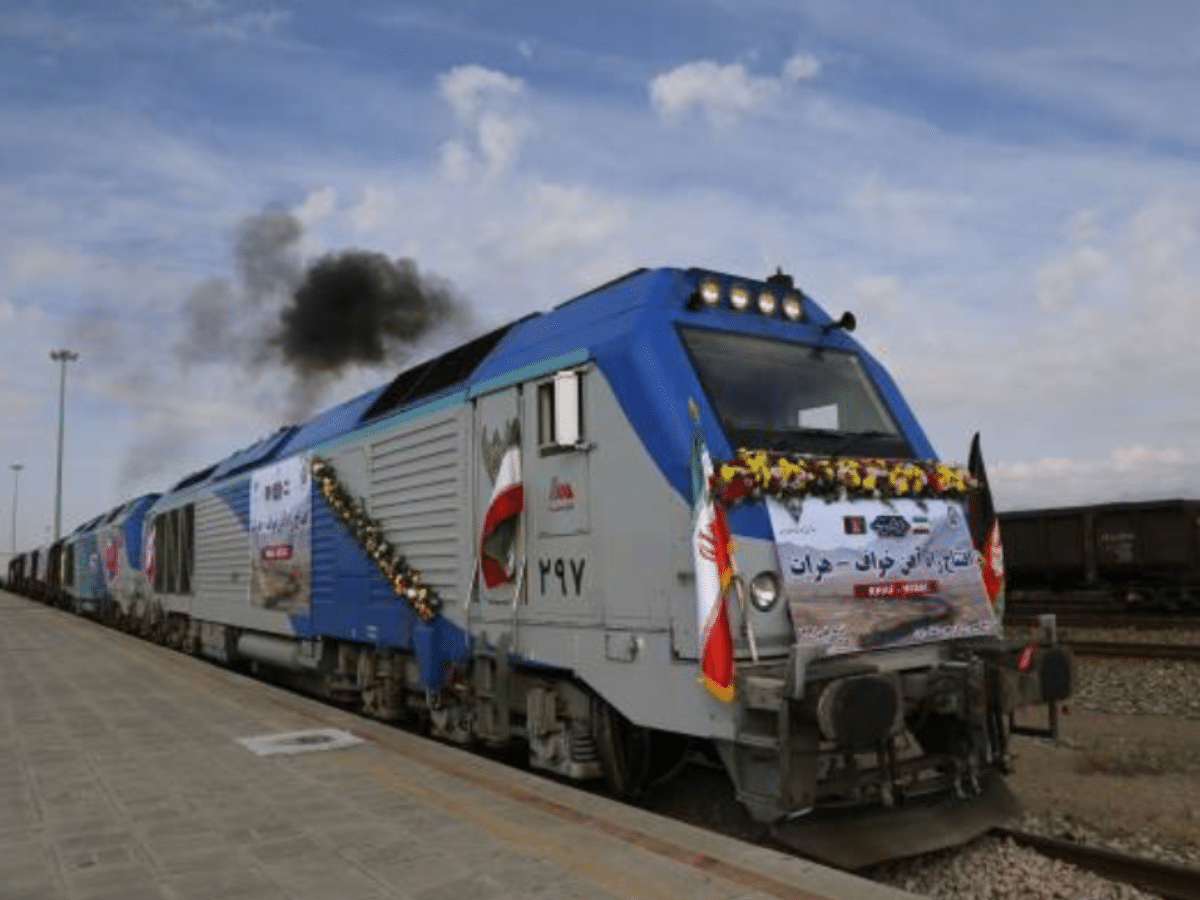
#BREAKING Israeli jets struck around 10 railway segments and bridges in Iran, Army Radio says pic.twitter.com/hYeI5VfOPR
— Anadolu English (@anadoluagency) April 7, 2026
Israel seems to believe warnings negate war crimes
The IOF tweeted an urgent warning in Farsi earlier Tuesday, telling people across Iran to avoid trains and railway lines until 9 pm local time.
‼️ هشدار فوری به استفادهکنندگان و مسافران قطارها در کشور ایران.
⭕️ شهروندان گرامی، به منظور امنیت شما، خواهشمندیم از این لحظه تا ساعت ۲۱:۰۰ به وقت ایران، از استفاده و سفر با قطار در سراسر ایران خودداری نمایید.
⭕️ حضور شما در قطارها و در مجاورت خطوط راهآهن جانتان را به خطر می… pic.twitter.com/Fm3BAAEFra
— ارتش دفاعی اسرائیل | IDF Farsi (@IDFFarsi) April 7, 2026
Iran’s cultural heritage minister, Reza Salehi Amiri, wrote to UNESCO on Tuesday following the IOF’s war crimes.
Following the Zionist regime’s threat to attack the Iranian railway, which is registered on the UNESCO World Heritage List, the Minister of Cultural Heritage, Tourism and Handicrafts sent an official letter to the Director-General of UNESCO. pic.twitter.com/MElfmaBKjk
— Tehran Times (@TehranTimes79) April 7, 2026
He called IOF’s actions a clear attack on the common heritage of humanity, calling for a clear, immediate, and deterrent stance from UNESCO, as the Tehran Times reported.
Trump has called for further escalation. In his latest bizarre rant on Tuesday, Trump said he would wipe out the country unless it opened the straits of Hormuz ahead of a deadline he’d set for 8 pm on 7 April 2026. Trump said on Truth Social:
A whole civilization will die tonight, never to be brought back again. I don’t want that to happen, but it probably will. However, now that we have Complete and Total Regime Change, where different, smarter, and less radicalized minds prevail, maybe something revolutionarily wonderful can happen, WHO KNOWS?
The whole US administration is either too ignorant to understand the nuclear threat behind Trump’s rant or is just going along with it. JD Vance, seemingly, endorsed Trump’s policies, whatever they may be, after the expiration of the deadline.
“I hope they make the right response,” says @VP on Iran.
“They’ve got to know, we’ve got tools in our toolkit that we so far haven’t decided to use. @POTUS can decide to use them, and he will decide to use them if the Iranians don’t change their course of conduct.” pic.twitter.com/UUiQ5SdEO5
— Rapid Response 47 (@RapidResponse47) April 7, 2026
The IOF and the US are operating without any restraint in their war against Palestine, Lebanon, and Iran, using similar tactics of total war, with no distinction between military and civilian targets.
Featured image via the Canary

A petition started by Zack Polanski to kick Palantir out of UK public services has nearly 160,000 signatures.
At nearly 160,000 signatures – my petition to stop Palantir.https://t.co/oqsZdtN3pZ
— Zack Polanski (@ZackPolanski) April 6, 2026
Essentially, the company helps government spy agencies collect huge amounts of private data about citizens – including ICE in the US and the Israeli military.
But it also provides terrifying AI-powered military tools to the Israeli government, which it uses to carry out its Genocide in Gaza, along with its recent attacks in Iran and Lebanon.
Peter Thiel co-founded the company. Unsurprisingly, he is a billionaire Trump donor and close friend of Jeffrey Epstein.
However, the UK CEO is Louis Mosley, grandson of British fascist, Oswald Mosley.
Palantir infiltrating Britain
The company has slowly made its way into British infrastructure. During the pandemic, the government suspiciously handed Palantir a huge contract – supposedly worth only £1. This was to create a COVID-19 data store that would provide ministers with real-time information on health services and the pandemic.
Now, it has contracts worth over £500m with the UK government alone. This includes software which NHS doctors and nurses are flat-out refusing to use because of ‘privacy’ and ‘human rights concerns.
🚨 We must kick this dangerous company OUT of our national infrastructure. pic.twitter.com/KKmgR0WFKe
— Canary (@TheCanaryUK) April 5, 2026
Palantir also has a £240m deal with the UK military. Again, there was no competitive tender process, and the government just handed Palantir the deal.
Stopping “Palantir” is the most vital campaign there is for the UK at the moment. Please support it. https://t.co/tMAuhEn3Tl
— Leo (@hanwayplace) April 6, 2026
The Petition to kick Palantir out of UK public services, started by Zack Polanski, has close to 160,000 signatures. It emphasises:
But right now we’ve got a major chance to get their NHS deal scrapped – and kick start a domino effect that sees ALL their contracts ended.
How? Ministers actually have the option to cancel the NHS deal early. But with these contracts flying under the radar, it’ll take all of us speaking up to make that happen. If you agree that our NHS and other public services shouldn’t be cutting deals with a private company that helps armies kill people, sign the petition now!
Featured image via 38Degrees
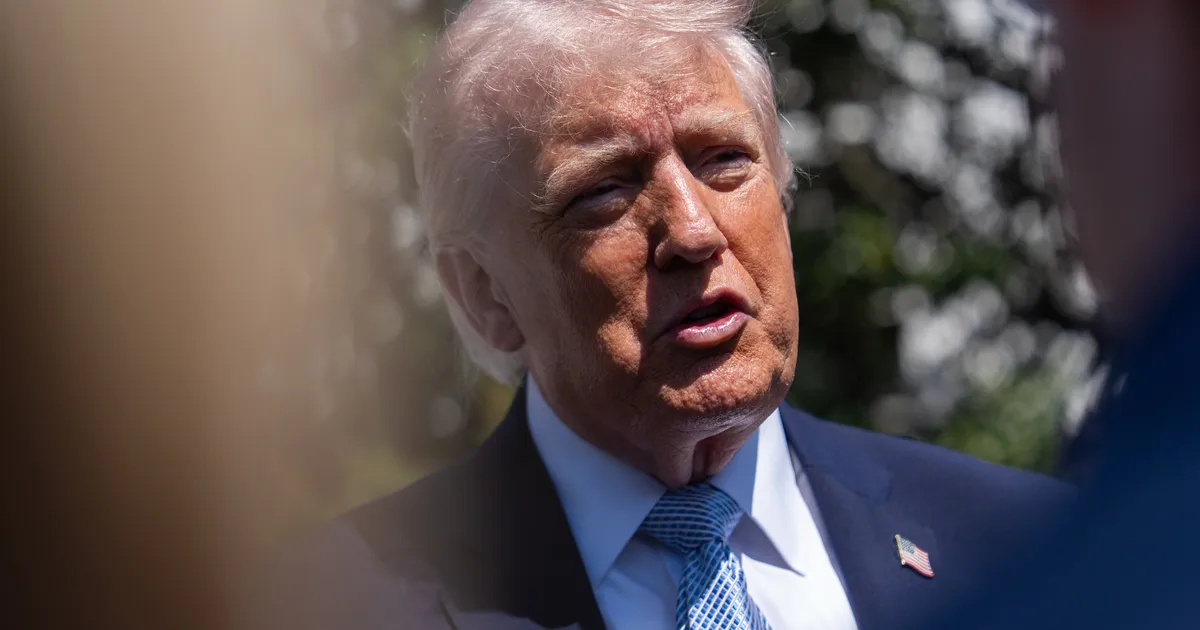
The US president’s latest deranged Truth Social post came just hours before the deadline he imposed for Tehran to start allowing traffic to pass through the key waterway.
Around one-fifth of the global oil supply is transported through the strait, but it has been effectively closed since America and Israel began bombing Iran at the end of February.
Trump announced over the weekend that Tehran had until 1am tomorrow UK time to confirm they were ceasing attacks on ships trying to use the strait or else “all hell will reign down” on them.
In a follow-up post on Truth Social on Sunday, he said: “Open the Fuckin’ Strait, you crazy bastards, or you’ll be living in Hell – JUST WATCH!”
Posting on Tuesday morning, Trump said: “A whole civilisation will die tonight, never to be brought back again. I don’t want that to happen, but it probably will. However, now that we have Complete and Total Regime Change, where different, smarter, and less radicalised minds prevail, maybe something revolutionarily wonderful can happen, WHO KNOWS? We will find out tonight, one of the most important moments in the long and complex history of the World. 47 years of extortion, corruption, and death, will finally end. God Bless the Great People of Iran!”
His comments were widely condemned online, with leading Republican and former White House official Bill Kristol calling for Trump to be impeached.
Veteran journalist and broadcast Andrew Neil said: “Is there anybody, any group, capable of staging an intervention in the White House?”
Piers Morgan, a former Trump supporter, described the president’s statement as “a brazen pre-admission of genocide … which would obviously be a war crime”.
Other responses on X were equally critical of the president’s comments.
Subscribe to Commons People, the podcast that makes politics easy. Every week, Kevin Schofield and Kate Nicholson unpack the week’s biggest stories to keep you informed. Join us for straightforward analysis of what’s going on at Westminster.

Alison Hammond has ruled herself out of hosting Strictly Come Dancing, as well as extinguishing hopes of an appearance on Celebrity Traitors.
Alison competed on the show back in 2014, where she was partnered with Aljaz Skorjanec and ultimately became the sixth celebrity to be eliminated the same year Caroline Flack and Pasha Kovalev went on to win the coveted glitterball trophy.
In an interview with Radio Times, Alison revealed she had, indeed, been in talks about stepping into the Strictly presenter role, but that she was unable to take on the mammoth task.
“I have, actually,” she said, responding to whether she’d been approached about the job. “You didn’t expect that answer, did you? I can’t lie, I’m incapable.”
Alison explained that her packed schedule meant she wasn’t able to commit to Strictly, while also ruling herself out of another fan favourite show that she’d previously been rumoured for.
She continued: “I’m so busy, babes, that I’m not sure it’s going to happen. It’s unrealistic. I’m so happy they considered me but, like Traitors, I can’t do it because everything clashes.”
“I would have loved to have done it – anybody that gets it, they’re going to land the perfect job. But I’m so happy with everything I’ve got. What would I drop, to do Strictly?”
Alison was originally reported by tabloids to be undergoing “chemistry tests” for the Strictly role while she also made no secret of her hopes to host the show during an appearance on Loose Women back in December.
“I’m absolutely Claudia – I’m upstairs,” she said, referring to which of the live show’s roles she’d be best suited to.
“Whoever gets that job, what an amazing job to get. It’s the dream job,” she added, before joking that the Strictly presenting gig was made for her. “The BBC don’t know it yet, but it’s going to happen.”
As for who will replace Tess and Claudia, names reportedly still in the running include Zoe Ball, Emma Willis, Angela Scanlon and Johannes Radebe.

When I tripped over my daughter’s bathroom stool and hit my head on the bathtub, I thought it was harmless. I didn’t lose consciousness or even have a bump on my head.
It wasn’t until hours later that I started feeling fatigued and a bit off. A few days later, I thought I felt back to normal until I tried to work on my laptop — and the world started spinning. A pounding headache and intense brain fog followed, and then I knew I was dealing with a concussion.
“Many people who experience a concussion don’t actually feel any of the symptoms until hours later,” explained Dr. Daniel Daneshvar, the chief of Spaulding’s brain injury rehabilitation program and co-director of the Sports Concussion Clinic at Mass General Brigham in Massachusetts.
Additionally, symptoms can “intensify or evolve over the first several days,” added Dr. Kevin Bickart, an assistant professor in neurology at the David Geffen School of Medicine at the University of California, Los Angeles.
Because of this, the criteria for diagnosing a concussion now include symptoms that appear within a 72-hour window, according to the 2023 American Congress of Rehabilitation Medicine.
While many know to pay attention to symptoms right after a head injury, it’s often overlooked to watch for those that may appear hours, days or even weeks later. And because head injuries are common and can be debilitating, it’s important to know what to look for and when you need to seek help.
We talked to neurologists and concussion experts about these unexpected delayed symptoms, why they may not appear right away and what it means if you’re experiencing them.
First of all, what is a concussion exactly?
A concussion is a brain injury that’s “caused when the cells in the brain, the neurones, stretch or get otherwise damaged,” explained Daneshvar. “What happens then is the cells that are normally well-regulated in sending messages … [to] one another start sending messages erratically and in an uncontrolled fashion.”
These brain cells start using way more energy than they receive, and this “energy crisis” causes symptoms to appear, he said.
Concussion symptoms can really vary because this is “happening in the brain that controls everything from balance [and] headache[s] [to] vision, mood [and] memory,” added Dr. Shae Datta, a neurologist and co-director of the NYU Langone Concussion Center.
These changes in the brain are microscopic and often don’t appear in imaging like a CT or MRI scan, she said. Imaging only detects larger structural issues, like a brain bleed, significant swelling or skull fracture. So identifying symptoms is a key part of diagnosing a concussion.
What signs or symptoms should you watch for after you hit your head, even hours or days later?
One of the first signs people often look for after hitting their heads are bumps, bruises or other marks of injury. But this doesn’t necessarily mean you have a concussion.
“There isn’t a great connection between what you see on the outside of the skull and what’s going on inside,” Daneshvar noted.
While every individual is different, usually in the first 24 hours after a concussion you may experience more physical symptoms, like dizziness, headaches, nausea and sensitivity to light and noise, Bickart said. About three to seven days later, cognitive and emotional symptoms may pop up, such as anxiety, irritability, trouble focusing, memory issues and brain fog.
“This ‘second wave’ often catches patients off guard because they thought they were recovering,” he explained.
That said, every brain injury is unique, so any of these symptoms could appear immediately or later on, Datta added.
For example, “it doesn’t always happen that no irritability occurs immediately,” Bickart said. “Some people after a concussion can become completely emotionally dysregulated in the moment … crying hysterically … It’s not the most common thing that occurs, but it can.”
Symptoms can also transform over time. For instance, the pain of headaches (the most common concussion symptom) may feel different days or weeks later. Initially, it might feel like “pressure and pounding” all over the head and then eventually be “more intermittent … and only on one side,” he explained.
Disruptions in your sleep-wake cycles may change from feeling like you need to sleep more to actually having insomnia later on, Bickart said.
Vision issues could also evolve and include blurred or double vision or difficulties with focusing the eyes and tracking objects, according to the American Academy of Ophthalmology.

Fiordaliso via Getty Images
Why can symptoms appear delayed?
“Immediately after a hit, the brain dumps adrenaline and burns [energy] rapidly … which can mask symptoms,” Bickart said. “It is only hours or days later, when the brain’s energy fuel … is depleted” that symptoms may become more apparent.
Especially if the injury happens in a sports environment, it may not be “until the adrenaline wears off that you start to notice, ‘Hey, I’m feeling kind of tired actually’ or ’I’m having trouble concentrating,” Daneshvar explained.
Additionally, damage from the injury can lead to inflammation in the brain and affect different cells, he said.
Inflammation “often doesn’t peak until three to seven days post-injury,” Bickart said. This is what can “drive that ‘second wave’ of brain fog and fatigue.”
Lastly, as an individual returns to work, school or other everyday demands after resting, they may observe new symptoms “because they [haven’t] exposed … or pushed themselves” in this way yet.
What should you do if you experience delayed symptoms?
“Just because the symptoms are delayed, it doesn’t [necessarily] mean something catastrophic is going on,” Daneshvar said. “The important thing to note is … if symptoms are worsening rather than improving … or if … [there are] red flag symptoms.”
Red flags that you should go to the emergency room include a worsening headache, increased confusion, repeated vomiting, losing consciousness for more than 30 seconds, blood or fluid coming from the ears or nose, changes in your vision, constant ringing in the ears, weakness, seizures, difficulty speaking and large head bumps and bruises, according to Mayo Clinic.
If you experience delayed symptoms (after 48 hours) that don’t require emergency care, reach out to your primary care doctor and they can help you decide if a referral to a neurologist or imaging is necessary, advised Dr. Dharti Dua, a neurologist at The Ohio State University Wexner Medical Center.
You also want to get adequate rest and be careful not to get another concussion soon after because this makes you “more prone to a delayed recovery,” she said.
“If symptoms appear days later, stop the activity that triggered them, but do not retreat to a dark room for days,” Bickart said. “We now know that strict rest beyond 48 hours actually prolongs symptoms.”
For symptoms that last beyond two weeks, active treatments are recommended, he added. For example, vestibular rehabilitation therapy treats dizziness and balance issues, and cognitive therapy teaches strategies for managing brain fog.
Datta advises looking for concussion centres because they specialise in brain injuries and offer a multidisciplinary team.
“It takes more than one kind of doctor to diagnose and manage you,” she explained.
These centres often include concussion experts from neurologists to physical therapists to neuro-ophthalmologists.
“The hopeful sentiment is that a concussion is very treatable. Most people recover pretty quickly, within a week or two,” Bickart said. For those who may have delayed or longer lasting symptoms, “there are tons of treatments out there … [and] you can still get the right help and recover.”
Politics
What does ‘greater ambition’ in UK-EU relations look like – and what are the chances of it?
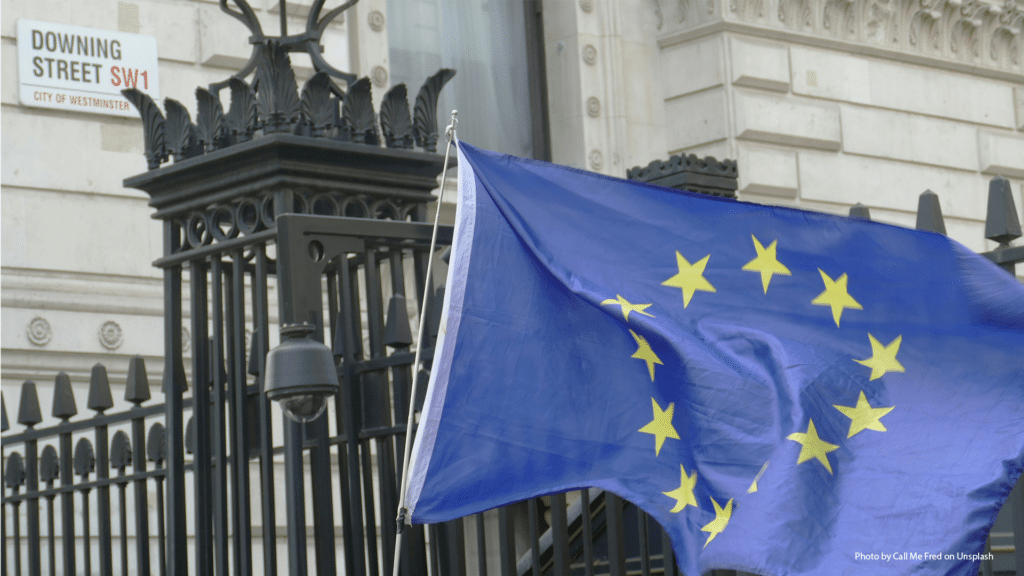
Carolyn Rowe, Ed Turner, Tobias Hofelich and Jannike Wachowiak consider what a more ambitious UK-EU relationship could look like and the key challenges and opportunities it would present.
In May 2025, EU and UK leaders agreed a roadmap to soften the edges of the Trade and Cooperation Agreement (TCA). At the time, the summit agenda was widely considered a pragmatic way forward, evidencing a new era of UK-EU relations under Keir Starmer, and part of a wider ambition to ‘reset’ that framework. But the world has not stood still. With Trump upending the global order and threatening European allies, the incrementalism that has characterised the rapprochement so far, looks a little like ‘fiddling while Rome burns’. How can the two sides be more ambitious in recalibrating this relationship?
While the stakes are certainly higher, it is far from certain whether the EU and the UK will be able to use the second proposed summit this summer to add new substance to their existing agreements. One key issue is bandwidth (or the lack thereof). Officials on both sides are mainly focused on implementing the Common Understanding agreed at last year’s summit. Following a slow start in the second half of last year, EU and UK officials are now getting into the meat of talks on a food and drinks deal and work towards the linking of their emission trading systems. These talks are deeply technical and, whilst there has been some squabbling over the finer detail, agreement should be possible. But on the much-touted youth experience scheme, particularly regarding university tuition fees, the negotiating partners remain far apart. Unless a landing zone can be found, the whole ‘reset’ could still come tumbling down: the EU has linked a solution on youth mobility to other areas where the UK is demandeur.
Another issue is around who takes initiative. The EU sees the ball as being in the UK’s court: i.e. if the UK wants a different relationship, it is up to them to make a clear ‘ask’. As the Commission’s chief spokesperson put it as recently as February, the forthcoming 2026 summit will be ‘the occasion to discuss with UK what, exactly, they have in mind, and how they propose to go about it’.
It is far from clear, however, that UK’s proposals would fly in Brussels. While the Chancellor’s Mais lecture identified deeper UK-EU relations as one of the UK’s biggest opportunities for economic growth, the government’s desire to pick and choose access to some areas of the single market (while rejecting the free movement of people and regular financial contributions à la Switzerland) is likely to be met with little enthusiasm in Brussels.
One way forward would be for the UK to present proposals which align directly with the EU’s stated ambition to strengthen relations with the UK on issues such as energy, people-to-people contacts, resilience and security. This is most likely in the deepening of UK-EU defence cooperation. Of all of the many challenges facing the EU at present it is on defence, primarily, where the UK is seen as part of the solution.
This could mean negotiating an agreement on the Ukraine loan which will be open to purchases from third countries who either have a SAFE agreement or are ‘providing significant financial and military support to Ukraine’ and agree to share ‘fair and proportionate financial contribution to the costs arising from borrowing’. A successful agreement would restore confidence and prepare the ground for a resumption of the collapsed SAFE talks.
On resilience, there is much more that could be done to coordinate policies and approaches in areas like supply chain security, investment screenings, and critical infrastructure. The UK could work with the EU towards greater ‘resilience’ as a wider European project, in which a broad alliance of like-minded EU partners such as the UK, Canada, Australia and Norway are incorporated into these new frameworks on a structured basis. A more ambitious agenda could focus on enhanced coordination in areas such as supply chain security, investment screening, and critical infrastructure. The people-to-people dimension of the relationship could also be strengthened. EU officials have indicated an interest in seeing UK participation in Creative Europe, an EU programme that supports cultural projects and the mobility of creatives.
Timing is crucial. Partly because of the rapidly evolving global context and partly because of domestic factors which, otherwise, might block progress. On the EU side, the negotiations on the next Multi-Annual Financial Framework (MFF) will take up EU bandwidth throughout 2026 and into 2027. So, too, will the 2027 French Presidential Elections. What is more, EU member states are currently debating policies with potentially far-reaching consequences for the UK: ‘Made in EU’ targets could, in the future, shut out certain British products and technologies from European supply chains. There is never a perfect time to move forward on UK-EU relations, but these externalities create urgency from the British perspective.
On the UK side, no significant advance in the UK-EU relationship will happen unless the Prime Minister decides to throw his political weight behind it and make the case at home and in Brussels. Currently, Keir Starmer’s government is cautious, but worries about fragmentation to the left, or even a leadership contest with candidates outbidding each other to appeal to a pro-European party membership, may change the dynamic.
No matter who leads Labour, forging a genuinely strategic partnership that matches the geopolitical challenges of the moment will require political direction and courage, as well as a willingness to take the conversation to Brussels and member states. With this in mind, the months leading up to the next summit will be a stress test for the seriousness of the Prime Minister’s EU ‘reset’ ambitions.
By Carolyn Rowe, Head of Department, Society & Politics at Aston University and Co-Director of the Aston Centre for Europe; Ed Turner, Reader in Politics at Aston University and Co-Director of the Aston Centre for Europe and acting chair of the International Association for the Study of German Politics; Tobias Hofelich, Research Associate, Aston University; and Jannike Wachowiak, Research Associate, UK in a Changing Europe.
This blog draws on a series of roundtables organised by the Aston Centre for Europe and UK in a Changing Europe in March 2026. The discussions were supported by funding from the German Academic Exchange Service (DAAD).

Emma Roberts’ Dad Eric Gives Update on Their Relationship

The Best Money Moves

Slimming World: So Much More Than Weight Loss


-

 NewsBeat5 days ago
Steven Gerrard disagrees with Gary Neville over ‘shock’ Chelsea and Arsenal claim | Football
-

 Business5 days ago
No Jackpot Winner and $194 Million Prize Rolls Over
-

 Fashion4 days ago
Weekend Open Thread: Spanx – Corporette.com
-

 Crypto World6 days ago
Gold Price Prediction: Worst Month in 17 Years fo Save Haven Rock
-

 Business2 days ago
Three Gulf funds agree to back Paramount’s $81 billion takeover of Warner, WSJ reports
-

 Business3 days ago
Expert Picks for Every Need
-

 Sports3 days ago
India men’s 4x400m and mixed 4x100m relay teams register big progress | Other Sports News
-

 Business6 days ago
Login and Checkout Issues Spark Merchant Frustration
-

 Crypto World7 days ago
Bitcoin enters the public bond market as Moody’s gives a first-of-its-kind crypto deal a rating
-
Crypto World7 days ago
Bitcoin stalls below key resistance as technical signals skew bearish
-

 Tech5 days ago
Commonwealth Fusion Systems leans on magnets for near-term revenue
-
Business2 days ago
No Jackpot Winner, Prize to Climb to $231 Million
-

 Politics7 days ago
Starmer’s centre has collapsed, and the left was right all along
-

 Crypto World6 days ago
Ripple rolls out enterprise crypto treasury platform for corporates
-

 Fashion1 day ago
Massimo Dutti Offers Inspiration for Your Summer Mood Board
-
Crypto World7 days ago
AI Memory Rout Wipes 9% Off Nvidia Stock: Chart Says More Pain Ahead
-

 Crypto World6 days ago
Why It’s Partnering, Not Issuing
-
 Sports7 days ago
How to teach yourself the perfect impact position with every club
-

 Tech7 days ago
Solo Leveling: Ranking All Sung Jinwoo Shadows by Power
-
Sports6 days ago
Tom Pelissero Drives the Final Nail in the Coffin
You must be logged in to post a comment Login