

Politics
Bridgerton Season 5 Release Date Will Be In 2027, Netflix Announces

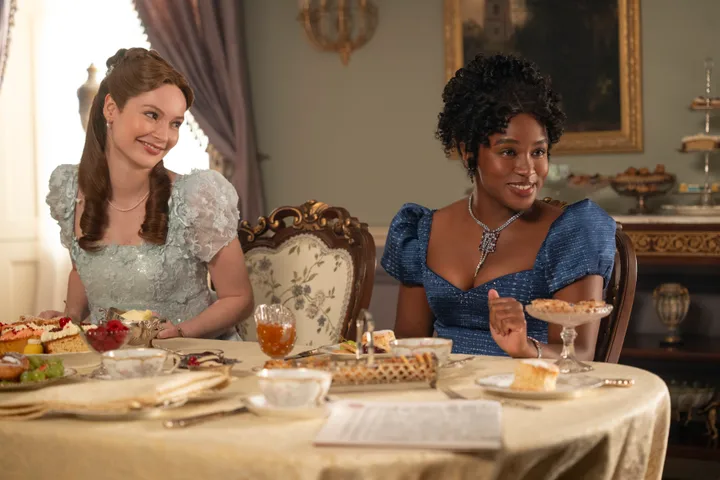
Over the last few seasons, Netflix has become infamous for trying Bridgerton fans’ patience when it comes to its release schedule.
Since its second outing, each season of Bridgerton has premiered after an agonising two-year wait, leaving devotees champing at the bit by the time new episodes actually arrive on the streaming service.
Well, it seems our patience is finally being rewarded.
On Thursday morning, Netflix’s chief content officer announced that Bridgerton’s long-awaited fifth season is set to debut “next year”, meaning there’ll only be a year between seasons this time around.
Now all we need is for them to drop the whole thing at once, rather than leaving us on a month-long cliffhanger between episodes, and we’ll be really over the moon.

It was previously confirmed that Hannah Dodd’s Francesca Bridgerton will be taking the lead in the hit period drama’s fifth iteration, which will mark the first time a same-sex relationship has taken centre stage in the show.
Viewers will follow Francesca as she falls in love with Michaela Stirling (played by Masali Baduza), her late husband’s cousin, in a switch from the original Bridgerton novel, in which the character’s love interest is a similarly-named man called Michael.
Showrunner Jess Brownell teased earlier this year: “What is most exciting about season five is that it is going to be a season about queer joy. It is not going to be a season about queer trauma.
“There are going to be difficulties for the characters and conflict in the same way there is for every Bridgerton character. But we are still always grounding our love stories in the fact that this series is about joy. It’s about humour.”
Brownell also revealed: “If there’s anything really specific about this season, it is the yearning. It’s big-time yearning.
“Those of us who know what it’s like to be in a sapphic relationship or have a sapphic crush understand that’s so baked into the experience.”
Bridgerton’s first four seasons – as well as the spin-off prequel series Queen Charlotte – are now streaming on Netflix.

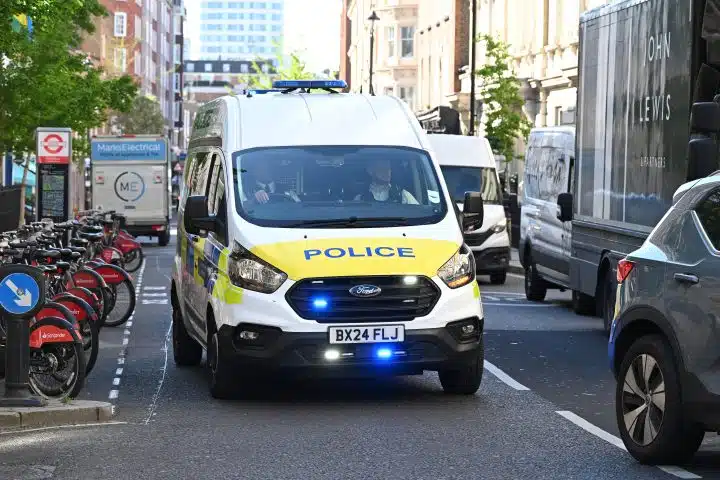
The Chief Constable of Hampshire Police told the BBC that the footage of officers arresting Henry Nowak while he lay bleeding from stab wounds left him feeling as “distressed” as the wider public.
Officers handcuffed Nowak and read him his rights despite his obvious injuries. Ultimately, the court sentenced his killer, Vickrum Digwa, to a minimum of 21 years in prison for the murder. Prosecutors will soon continue proceedings against Digwa’s mother for allegedly concealing the knife used in the attack.
However, it has clearly emerged that police officers failed to respond appropriately to Nowak’s injuries despite his repeated pleas for help, and he subsequently died from those wounds. His death adds to a growing list of cases in which poor judgment and failures in duty of care during police arrests have contributed to tragic outcomes.
Coming just weeks after another fatal arrest in Northern Ireland, where security personnel ignored a man’s distressed pleas during an unduly forceful restraint, this latest preventable death once again places the conduct, judgment, and accountability of those exercising authority under intense scrutiny.
The chief constable of Hampshire police has apologised to the family of Henry Nowak for the student being handcuffed and arrested as he lay dying.https://t.co/AOmAulfk51
— BBC Breakfast (@BBCBreakfast) June 3, 2026
Police say Nowak not treated differently – and they’re right
As is pretty typical, the response from white supremacist, far-right politicians like Farage to the tragic and avoidable death of Henry Nowak has been to further stoke racism in British society. Subsequent white riots in Southampton, with the hashtag #FarageRiots trending across social media, underscore the violent and disruptive agenda at the heart of far-right politics.
This race-baiting and incitement of white riots from the far-right came despite an emotional plea from Nowak’s father stating:
We do not want his death to be used to create further division, hatred or tension. We want his story to help make our streets safer for everyone.
This is not about Sikhism. This is not about racism.
In practice, however, Farage and his supporters have exposed what many would regard as a ‘two-tier’ racist mentality within a small but vocal section of the public.
While police forces continue to reject allegations of two-tier policing, these hateful individuals often dismiss or ignore incidents in which police officers injure, mistreat, or kill members of marginalised communities, yet demand accountability when similar events affect people they identify with. Their selective concern reveals a double standard that has little to do with justice and everything to do with identity.
Apparently, the notion of a two-tier policing system is only a concern when it helps to stir up racial hatred against Black and Brown people – otherwise, they couldn’t really care less.
Chief Constable Alex Boon has told the BBC that he did not agree with Farage’s allegation that the police operate on a two-tier model of policing, saying that he sees daily how police officers do their job for all communities.
Nevertheless, the video has rightfully “distressed” the chief constable – as it has the British public, saying:
What was filmed there is a tragedy, an absolute tragedy. You can’t help but be affected by it. It’s very difficult to watch.
I really feel for the family of Henry at this time.
White supremacists now saying policing is racist
Whilst disputing that UK policing as a whole is racist, Boon did acknowledge that racist individuals do work within the police. As a result, the issue then arises of why the allegation of racism might have been believed so easily – and that’s pretty simple to understand: racism is absolutely rife in the UK.
Moreover, racism is rising – and set to rise even further, thanks to the disgusting likes of Farage’s Reform and white supremacist thugs like Tommy Robinson.
Chief Constable Alexis Boon of Hampshire Police has rejected claims of "two-tier" policing.
Speaking to @JasonFarrellSky, he said he does not believe UK policing is "racist" – but conceded that "there are racist individuals within policing". Read more: https://t.co/3zNWvf2jk9 pic.twitter.com/GU6D1ikUcI
— Sky News (@SkyNews) June 3, 2026
On the other hand, there have been a significant number of examples where the police have harmed – or killed – arrestees, and the common factor between those has indeed been the colour of the ‘offenders’ skin.
Clue: they were not white.
Therefore, it stands to reason that a possible reason for this fatal misjudgment by attending officers is the very fact that racism is thriving across the UK. Allowing that racism to fester, multiply and become even more commonplace only invites further tragic incidents affecting everybody stopped by the police.
After all, if racism was not as plausible as it has been for far too long, then there may have been more doubt shown by the police themselves. Furthermore, Digwa is not the first aggressive offender to attempt to hide his violent offence – that avoidance of accountability is pretty standard amongst male aggressors.
Surely then, this underscores the need for genuine humility from the police, the British public, politicians – and we’d hope, far-right actors like Reform UK.
Needless to say, we won’t hold our breath as Farage and Zia Yusuf seem hell bent on risking further tragedies off the back of the horrendous grief that Nowak’s family are living through.
Hate increasing against Sikh community in Southampton
As often happens when individuals exploit tragedy to inflame racial tensions, members of Southampton’s Sikh community have reported a rise in hostility and intimidation. Some have altered their daily routines out of fear of being targeted, while police have increased patrols around Sikh places of worship and community buildings in an effort to deter further incidents.
However, policing alone cannot address the deeper problem. When public figures, activists, or online trolls direct sinister hostility towards entire ethnic or religious communities, they can legitimise prejudice and even worse, embolden those willing to act on it.
Increased patrols may help deter immediate threats, but they cannot undo the damage caused when inflammatory rhetoric fuels undue fear, division, and acts of intimidation against people.
This risk and unbridled anger on show on our streets is undoubtedly causing fear amongst vulnerable marginalised groups, as well as women. After all, a huge proportion of Farage and Robinson supporters have a history of domestic abuse, and their sense of authoritative supremacy is seen against women too.
Ultimately, anger and hate never leads to any sort of positive outcome – and the British public would be wise not to be baiting into it.
Featured image via Getty/Leon Neal
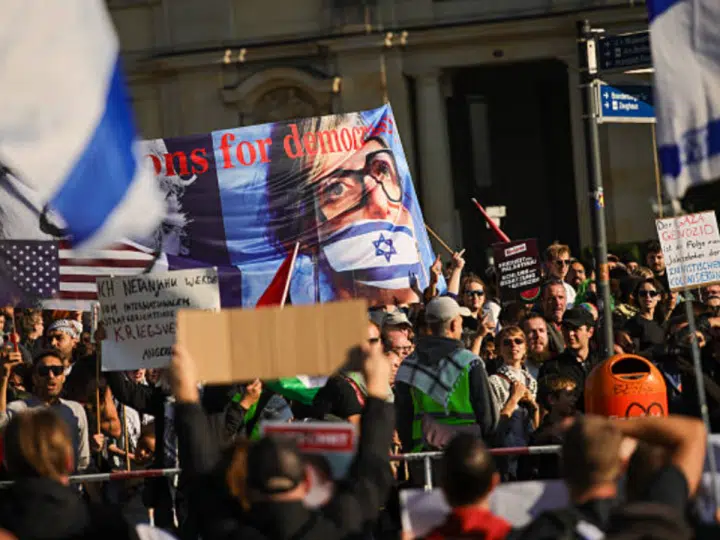
Germany was kicked off the United Nations Security Council (UNSC) for the first time since it joined in 1973. This occurred amid claims that its role in the genocide of Palestinians played a role. It was deeply upsetting Zionists in Germany and elsewhere.
Facing consequences for their genocidal actions is not really the Zionists’ strong suit.
The United Nations General Assembly (UNGA) voted on the temporary seats for the UNSC yesterday.
Germany needed a two-thirds majority of votes in the wider UNGA to get a seat on the UNSC for the next two years, which it didn’t; Portugal and Austria were elected instead.
The UNSC consists of 15 of the 193 member states. The US, UK, China, Russia, and France are the five permanent members of the council and have veto power. In contrast, ten non-permanent (NPM) seats are regionally allocated. They are elected by the UNGA secret ballot every year to serve two-year terms.
The NPM seats on the UNSC are split according to regions: Africa gets three, Asia-Pacific gets two, Latin America gets two, Western Europe gets two, and Eastern Europe gets one.
Cost of loyalty to US and Israel
Full-time Canadian Zionist Hillel Neuer, who runs UN Watch, acknowledged the reports that Germany lost its UNSC seat because of its firm stance with Israel. For Neuer, blind loyalty to an apartheid state is apparently worth more than a seat at the table.
Manche behaupten, Deutschland habe seine Kandidatur für den UN-Sicherheitsrat verloren, weil es zu fest an der Seite Israels steht.
Wenn das stimmt, dann sei es so.
Stimmen von Diktaturen und Hamas-Verstehern sind kein moralischer Maßstab. Prinzipien zählen mehr als ein Sitz.
— Hillel Neuer (@HillelNeuer) June 3, 2026
Meanwhile, German politicians are mad that Germany, through its UN contributions, has not been able to keep its seat at the UNSC. Additionally, German journalist James Jackson posted an article from Die Zeit.
German politicians are outraged that they cannot buy popularity by financially supporting international institutions while actually undermining them (Netanyahu invite & Albanese sanctions) https://t.co/MG9coGd0sU
— James Jackson (@derJamesJackson) June 4, 2026
In the Die Zeit article, one CDU minister, Manfred Pentz, who serves as the Hessian Minister for International Affairs, is asking why Germany should continue to invest so much money in the UN. This is notable if it does not have the influence it believes it is entitled to.
Rare moment of justice
Former German Foreign Minister Annalena Baerbock was the one who announced the results, as she is the current UNGA president. She is also a staunch Israel ally. The Schadenfreude was delicious – just as journalist Ali Abunimah commented.
How do you say Schadenfreude in German?
https://t.co/5b1wA8Wz2V
— Ali Abunimah (@AliAbunimah) June 3, 2026
Craig Mokhiber, the former UN official, called Germany’s loss a rare moment of justice as Germany is punished for its war on Gaza and Iran.
In a rare moment of justice at the UN General Assembly today, Germany lost its bid for a UN Security Council seat. Germany’s scandalous support for genocide in Palestine and aggression against Iran, and its repression of human rights defenders inside Germany, were all on display…
— Craig Mokhiber (@CraigMokhiber) June 3, 2026
Counterweight to the US and Israel war machine
The results yesterday also led to NPM seats at the UNSC for Kyrgyzstan, Zimbabwe, and Trinidad and Tobago.
Kyrgyzstan beat the US-backed Philippines.
Five new non-permanent members have been elected to the UN Security Council.
Austria
Kyrgyzstan
Portugal
Trinidad and Tobago
ZimbabweThe countries’ two-year terms will begin on 1 January 2027.https://t.co/GG0pBn9swn pic.twitter.com/UgodQSH743
— United Nations (@UN) June 3, 2026
Zimbabwe, being on the UNSC, is also a counterweight to the Anglo-American-Zionist lobby.
Zimbabwe, formerly Southern Rhodesia, gained independence from British colonialism on April 18, 1980. It is also one of the most sanctioned countries in the world because it committed the unthinkable crime in Western eyes for seizing land from white settlers. Of course, Israel hates it!
However, under economic strain from sanctions, Zimbabwe has yielded to Western pressure and gone back on some of its land reforms.
Neuer was throwing his toys out of the pram just because a German Diplomat congratulated Zimbabwe.
.@_FriedrichMerz This is a horrible message to send. Why is your government posting special congratulations to the U.N. election of the serial human rights abusing regime of Zimbabwe’s Emmerson Mnangagwa? Don’t you know how they crush dissidents? See here: https://t.co/KYpj03wxzU https://t.co/0FuvZGDy5t
— Hillel Neuer (@HillelNeuer) June 3, 2026
As Mokhiber said, a rare moment of justice at the UNSC. But, be assured of a lot of whining from all US-backed states involved in the new developments.
Featured image via the Canary
By The Canary
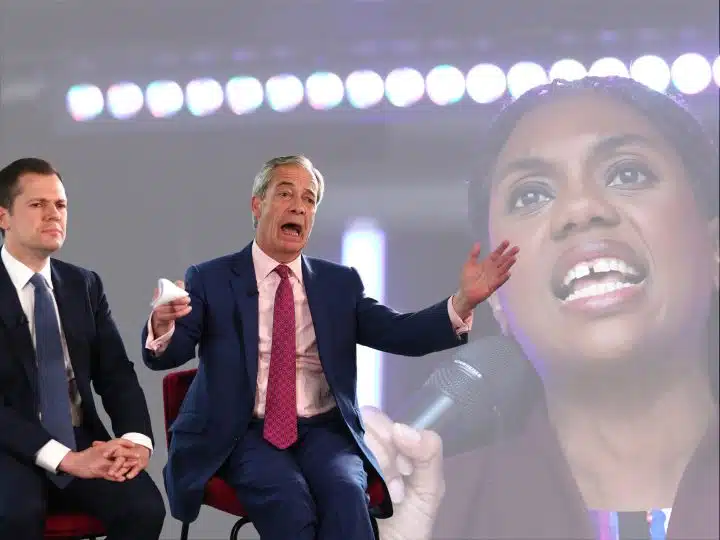
On 2 June, Nigel Farage released a ‘special announcement’ in which he sought to stoke racial tensions on the back of a horrific murder. This was something he did against the wishes of the murdered man’s parents. Farage, the leader of Reform, made these comments which were followed by a riot, which was carried out by white supremacists who argued the exact same things as Farage.
Kemi Badenoch also commented on the situation, but did so marginally less divisively than Farage. Reform UK responded by misquoting what she said:
Kemi Badenoch, just like Starmer, doesn’t care.
Only Reform UK will openly say that white lives matter too. pic.twitter.com/dAUd7FRUvR — Reform UK (@reformparty_uk) June 2, 2026
Since then, Robert Jenrick has struggled to defend his party’s attack.
Jenrick rattled
Jenrick struggled to defend Reform’s blatant dishonesty in an interview with Robert Peston:
.@Peston: That is a travesty of Kemi Badenoch’s position!@RobertJenrick: No it isn’t.
Reform UK’s Robert Jenrick is shown @KemiBadenoch’s GMB interview and denies ‘manipulating’ a tragedy to score ‘petty political points’ #Peston pic.twitter.com/ypt80BjgA3
— Peston (@itvpeston) June 3, 2026
The interview went like this:
Peston: That is a travesty of Kemi Badenoch’s position.
Jenrick: No, it isn’t.
Peston: It is a travesty because this is what she actually said. Can you play what she said please?
Peston then played a clip in which Badenoch said:
Okay, well let me answer the question. I don’t want to hear about Black Lives Matter. I don’t want to hear about White Lives Matter. We all matter. Enough of this nonsense where we keep separating everybody and splitting people into different groups. We are descending into tribalism.
As we’ll get into, there are problems with what Badenoch said; just not the problems Reform made up.
Peston: So just to be absolutely clear, there is no world in which she is endorsing Black Lives Matter
Jenrick: These are her words, Robert.
Peston: The first lot was in 2020 and totally out of context. Totally out of context. Even Rupert Lowe has said about that ad that you are manipulating the death of an innocent man to score petty party points.
Jenrick would later say:
Jenrick: Kemi Badenoch, when the Black Lives Matter issue arose, said, “Black lives do matter.” Then she went on to the media and said, I don’t want to hear about White Lives Matter.
As Peston noted, she said this in the context of saying that she doesn’t want to hear about Black Lives Matter either. So basically, Farage whipped up a white riot in Southampton, and then his party made up a load of lies when they got challenged.
Dozens of bricks being thrown pic.twitter.com/VwPXkfZlmR
— Taj Ali (@Taj_Ali1) June 2, 2026
Grim stuff.
And in response, Farage and Jenrick should crawl under the nearest rock.
But Reform isn’t the only party talking nonsense.
Just as Bad(enoch)
In a new video which is part of a paid advertising campaign, Badenoch has said she’s tired of people arguing about ‘whether Black or white lives matter more’.
Important video from @KemiBadenoch — Conservatives (@Conservatives) June 3, 2026

pic.twitter.com/ErcWzUaNe5
Of course, this was never the message of the Black Lives Matter movement. Badenoch is suggesting otherwise because she — like Farage — is a liar and an opportunist.
The Black Lives Matter movement sprung up in response to racist policing in the US. These police officers were responsible for a disproportionate number of Black deaths, giving the impression that Black lives were less important than white lives in the eye of the American state. The slogan, then, was created to state that Black people’s lives do matter – not that they matter more than anyone else’s.
Figures like Badenoch and Farage flipped the slogan to suggest it meant white lives don’t matter, because they’re conniving chancers whose political movement is reliant on white rage.
In other words, Badenoch, like Farage and Jenrick of Reform, should crawl back under the same rock.
Featured image via Peter Nicholls and Alishia Abodunde / Getty Images
By Willem Moore
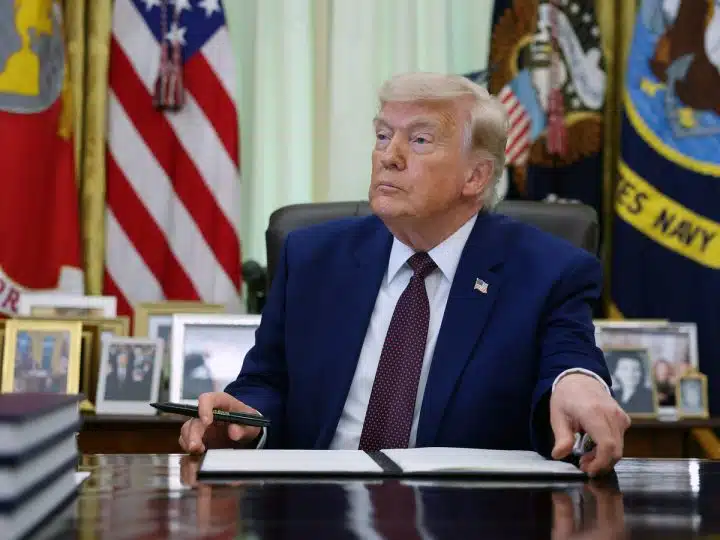
The US House of Representatives has passed a measure which attempts to stop Donald Trump from taking any further military action against Iran.
This was the fourth attempt by the House to adopt the War Powers Resolution.
The bill requires Trump to withdraw US forces or seek congressional approval for strikes in Iran.
The vote passed 215-208, and was successful after four Republicans joined the Democrats in their public show of disapproval of Trump’s illegal strikes. The rebel Republicans were Thomas Massie of Kentucky, Brian Fitzpatrick of Pennsylvania, Warren Davidson of Ohio, and Tom Barrett of Michigan.
The White House has dismissed the resolution’s value, calling it an unconstitutional attempt to restrict presidential power.
However, its passing does mean additional pressure on the White House to find a way to end the US and Israel’s illegal strikes on Iran.
If the Republican-controlled Senate also passes the bill, it would not require the president’s signature. However, it could still be subject to a legal challenge.
Trump exceeding authority
The supporters of the resolution say that Trump “exceeded his constitutional authority” by launching war alongside Israel.
Under Article II of the US Constitution, presidents can only launch attacks in self-defence in response to an immediate threat. Otherwise, Congress has the sole power to declare war.
And as we have already established, there was no immediate threat to either the US or Israel.
Additionally, as the Canary has previously reported, even former senior US military officials have said that Trump’s war on Iran is illegal. Even the Pentagon has since stated there was no imminent threat from Iran.
Senator Tim Kaine argued that:
even in a classified setting, the Trump administration could produce no evidence, none that the US was under an imminent threat of attack from Iran.
Trump has claimed that Iran was aiming to rebuild its nuclear programme. But, he also said Israel and the US “obliterated” this same programme in strikes last year. However, there was no evidence of any nuclear programme, this year or last.
The director general of the International Atomic Energy Agency has told NBC News the organisation does not believe Iran has nuclear weapons and:
had not seen elements of a systematic and structured program to manufacture nuclear weapons there.
Trump also claimed that Iran was seeking to develop a long-range missile to attack the US, whilst Marco Rubio told reporters that Israel was planning to attack Iran, which would have consequences for US assets in the region.
Again, Trump contradicted this. He said Iran was the one planning an imminent attack on Israel.
Trump cannot make up his mind or decide which lie to stick to.
The bottom line is there have been attempts from successive US administrations to claim Iran’s military and nuclear-energy programs since the Islamic revolution in 1979 as an imminent threat to the world.
Iran had been in talks with the US to scale down its nuclear programme in the lead-up to the US and Israel’s illegal attacks. As usual, Israel bombed Iran during the peace talks.
What ceasefire?
The US and Iran reached an initial ceasefire agreement on 8 April. However, since the very beginning, Israel has blatantly ignored the agreement. And in recent days, the US has also struck radar sites.
Before the vote, Trump claimed that negotiations to end the war are going “very well” and could be finalised by the weekend. Of course, Trump has claimed this over and over, and each time, nothing comes of it.
But only yesterday, Trump claimed that:
In that part of the world, ceasefire is when you’re shooting in a more moderate manner.
Essentially, in Trump’s eyes, a ceasefire is when everyone except the US and Israel stops firing.
Trump and Netanyahu’s unprovoked attacks on Iran were illegal – but that’s Western colonialism for you. Because when Zionists bear arms, murder children and carpet bomb civilian infrastructure, it’s absolutely okay. But when Iranians, Lebanese people, or Palestinians attempt to defend themselves, it’s terrorism, and it must be stopped.
Now, Trump has bitten off more than he can chew. The reality is, he has no exit strategy without looking weak or upsetting Israel.
Featured image via Kevin Dietsch/Getty Images
By HG

3 min read
The new Australian law has shifted the Overton window.
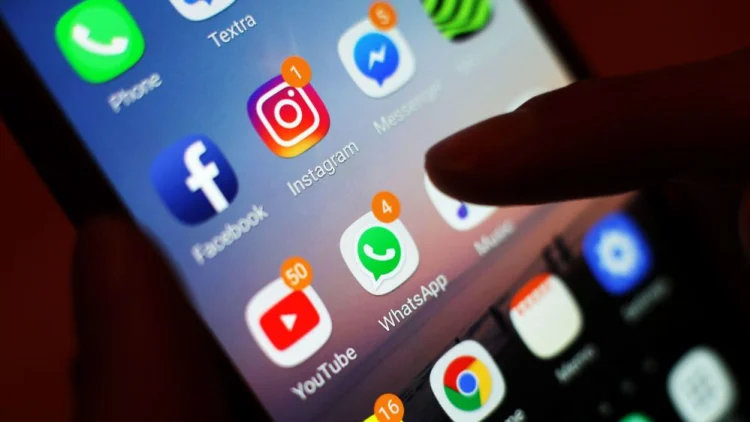
A week before Australia’s social media ban took effect, a year 10 student told Sky News: “When I’m on social media, and I’m feeling sad, my whole feed turns sad, and then I just feel more sad… It feels like so much more effort to go tell my parents something than to pick up my phone.”
This is an issue not just faced by Australian children, but by young people all over the world, including those in Britain.
When Australia legislated a social media minimum age, the expert community was divided. Some argued platforms were a lifeline for lonely teenagers. Others insisted there was no ‘causal’ proof of harm. Parliament acted anyway, treating this as a public-health and child-development issue rather than a question of teenage willpower or parental failure.
That reframing is what the UK now urgently needs. Harmful design – algorithmic amplification of emotion, infinite scroll, engagement-maximising feeds – is a central driver of distress, self-preoccupation and loneliness during critical windows of adolescent brain development. The problem lies in systems built to maximise engagement, not in a lack of self-control among 13- and 14-year-olds.
Australia’s Social Media Minimum Age Act requires age-restricted platforms to take reasonable steps to prevent under-16s from holding accounts. Crucially, penalties fall on platforms, not children or parents. By early 2026, millions of under-16 accounts had been deactivated or restricted, confirming that platforms can detect and act on child users when legally compelled to do so.
Independent polling of 12–15-year-olds by the Molly Rose Foundation tells a sobering story: three in five who previously held accounts still have access, and most describe sidestepping the ban as ‘easy’. This is not evidence that minimum-age laws are a mistake. It is evidence that the platforms are not complying with the law. It is a failure of industry implementation, not policy.
Even so, the law has catalysed real system change. Schools have stopped automatically providing YouTube accounts through school Google setups. Parents are beginning to delay access. Medical practitioners report modest improvements in sleep, physical activity and mental health concerns. Children are being redirected toward helplines, school-moderated communities and sports facilities. This is exactly the kind of systemic shift the law was designed to encourage, a shift that is happening despite imperfect enforcement, not because of perfect enforcement.
There are three lessons that the UK can learn from Westminster. First, legislate despite expert disagreement. Australia’s law shifted the global Overton window, and platforms’ internal documents are now catching up with what parents and young people already felt.
Second, treat enforcement as a separate, sustained project. If platforms under-deliver, that is not an argument against minimum-age protections, but an argument for stronger sanctions, better-resourced regulators, and independent audits.
Third, plan from day one for a multi-layered public-health strategy, not a single silver bullet. That means clear platform duties of care, independent evaluation of school-based programmes, professional development for educators, and public campaigns that speak to adolescents in their own language using autonomy, authenticity, and real connection. It also means supporting parents to change their own habits, so that phone calls and direct messages remain the default while addictive design is pushed further out of early adolescence.
Digital environments that amplify emotions, erode face-to-face relationships, and deepen loneliness in youth should not be an acceptable norm. Australia has shown that law can pull the pendulum back. Britain now has the opportunity to go further, but only if it pairs legislation with the cultural change and enforcement muscle to make it stick.
Dr Danielle Einstein is a clinical psychologist and author who helped shape Australia’s under-16 social media ban
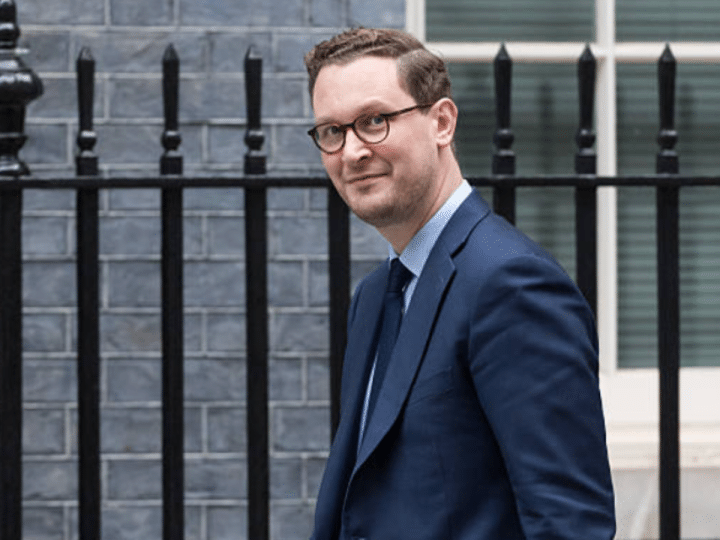
Bristol Labour MP Darren Jones is a Starmer clone, heavily funded by discredited sabotage group ‘Labour Together.’ Jones, currently Keir Starmer’s ‘chief secretary,’ reportedly hopes to replace his boss. But he has now been exposed as no better than his current party leader on the disgraced Peter Mandelson.
Mandelson was finally sacked as UK ambassador to the US in late 2025 over his closeness to Israeli spy and serial child rapist Jeffrey Epstein. He has since been shown to have repeatedly sent lucrative confidential ‘insider trading’ information to Epstein. Mandelson’s disgrace has brought Starmer to the brink of downfall.
Jones had claimed he had nothing to disclose because he no longer had the phone containing the messages. However, the government has held some of these. The Starmer government initially withheld them from the public alongside similar messages from Starmer. However, it has now released some of Jones’s messages as part of a partial release in response to a parliamentary motion.
Jones had claimed he had nothing to disclose because he no longer had the phone containing the messages. However, the government has held some of these. The Starmer governmentinitially withheld them from the public alongside similar messages from Starmer. However, it has now released some of Jones’s messages as part of a partial release in response to a parliamentary motion.
Gushing and hiding
Jones’s messages reveal a fanboyish effusiveness to Mandelson. This is reminiscent of Mandelson’s own ardour for the US paedophile that triggered his downfall. When Mandelson was appointed, Jones gushed:
You’ll be brilliant in challenging circumstances. And after many years of discussions, we get to work side by side. I really look forward to that.
And after Mandelson’s removal, “You’ve been doing such a great job,” he oozed, “and you worked wonders with Trump. I’m so sorry about today.” Jones also insulted other government figures and listed an array of top government jobs he was eyeing for himself in Starmer’s reshuffle – including business and defence.
But on Wednesday 3 June 2026, Jones opted to hide behind Mandelson’s refusal to disclose his own messages, telling MPs:
The only person who could release those messages, if they had them, would be Peter Mandelson, who has refused to disclose his phone to the process.
The dire Jones has a long record of weasel-like behaviour on top of his closeness to the now-rebranded Labour Together. He made plans in 2018 to stand against Labour rather than face deselection by disgusted party members. He told Wales to be more grateful for the pittance it receives from Westminster. And, of course, despite his supposed loyalty to Starmer he was caught canvassing support for his own leadership bid.
MPs have complained that many other Mandelson-linked messages are still being unnecessarily withheld. In keeping with his evasion tactics, Jones blamed an ongoing police investigation for the secrecy. But he admitted that he had cosied up to Mandelson “at best” because Mandelson was “influential”. But he still couldn’t talk straight, constantly trying to qualify and dilute his involvement:
Did I at best treat Peter Mandelson differently because I perceived him to have influence and power in the Labour party? I think the answer to that is yes, I did. Have I benefited from that relationship? I think in part the answer to that is yes. And for that I would like to apologise to the house, the [Epstein] victims … and commit to doing something about it.
Featured image via the Canary
By Skwawkbox
Huh.

Well, that’s nice, isn’t it?
The SNP are hoping to make out like bandits from Peter Murrell’s conviction.

Despite Swinney’s admission yesterday that the party stole £700,000 from donors to two “ring-fenced” fundraisers, it stands to pocket a surprise bonus of £400,000 from recovering his criminal proceeds (on top of Swinney’s boasted “significant increase” in donations from gullible idiot members since Murrell’s conviction).
It is not currently known whether that will include the retrieval from Nicola Sturgeon of the gifts Murrell bought her with embezzled money – a suggestion Sturgeon was mortified by in her Laura Kuenssberg interview on Sunday.
But keeping goods you know were bought with stolen money is a crime in Scotland, whether or not you knew at the time you received them.


It seems clear from the above clip that Sturgeon has not “immediately take[n] steps to hand the property over to the police”, and has no apparent intention of doing so.
Murrell’s lawyer told the court this week that his client “had enough funds to repay the sum he embezzled from the party”.

That’s an extremely interesting revelation in itself, in several ways. For one, we don’t know whether it means only the £400,000 he was convicted for, or also the extra £60,000 that the Crown dropped from the charge sheet in his plea deal.


The former case would create an extraordinary situation where the SNP was being paid back for stuff Murrell stole for himself, but not for stuff he stole for Sturgeon.
The second startling thing is that since no recovery process has yet begun and nothing has been sold, the lawyer’s statement means that Murrell must CURRENTLY have at least £400,000 in liquid funds, despite having a take-home pay of only around £57,000 during his time as CEO and having lent £107,000 to the SNP. That’s quite a feat of squirrelling. (And also means he’ll still be quite wealthy when he comes out of prison.)
So the SNP plans to keep everything that rightfully belongs to it and its members, but also to keep everything that doesn’t, including donations that were solicited and obtained from members of other parties EXPRESSLY because they were NOT to be used for everyday SNP operations.


And seemingly means to let Nicola Sturgeon enjoy the fruits of Murrell’s theft to boot.
We can therefore forgive anyone who treats John Swinney’s assertions in his email to members today – that the party is a new, reformed moral entity that conducts itself with the greatest moral probity and is now above all suspicion – with extreme scepticism.
Under “Honest John” Swinney the SNP appears to be the same unprincipled, grasping, crooked, cynical and greedy bunch of shysters and snakes that it’s been since 2015, and the slow-learning cretins still throwing their money at it thoroughly deserve to – and doubtless will – be robbed again.


Israeli occupation forces (IOF) have destroyed part of the central fruit and vegetable market in the West Bank town of Beita, South of Nablus. The market holds significant economical importance, with Palestinians from all over the West Bank coming to Beita to buy and sell produce.
West Bank – Israel carries out destruction
The demolition, carried out by a military bulldozer, took place on 1 June at around 2am.
Bassem Al Jaghoub is a member of Beita Village Council. He told the Canary:
Maybe 35 percent of the market has been destroyed this time. Six big shops were demolished, and they warn they will demolish another 15 percent in the next days. This is just a vicious action against the Palestinians and our economy. They do everything to make our lives miserable.
Al Hisba, as the market is known, is the main market for Palestinians in the West Bank. It provides employment for hundreds of Palestinians. And it also plays a key role in supporting the agricultural sector and enhancing food security of the West Bank.
Al Jaghoub says more than 50 families have now lost their livelihoods. It was not only the six commercial structures which were destroyed. Also demolished were the municipality’s office within the market, an office belonging to the Palestinian Ministry of Agriculture, sanitary facilities, and a cafe. Significant portions of the market’s infrastructure and public services have also been destroyed.
A bridge has been built on the road West of Beita market. Its purpose is to allow settlers to travel freely, without entering Palestinian villages. According to al Jaghoub this is the reason the Israeli occupation demolished the market.
He said:
The bridge was built two years ago, while the market has been here for more than 20 years. They say the market is near the bridge, and threatens the settlers, but this is not true. The market is more than 50 metres away, and is lower than the bridge. Cars using the bridge belong to both Arabs and settlers, the bridge is for everyone. It’s like a big punishment for Beita. The Israelis are masters of collective punishment.
Constant destruction
This is not the first time the Israeli occupation has demolished the market. The same thing happened in September 2025, less than a year ago. The Israeli occupation ordered shop owners to remove their produce and leave the market. Clashes resulted, and the IOF then used tear gas and stun grenades against Palestinians. They then proceeded to block ambulance access to the injured. The municipality of Beita again rebuilt the market.
The market is rented to the farmers and traders by Beita municipality, and the money it earns is then used for the people of Beita. But, according to al Jaghoub, the municipality has now lost five or six million shekels due to the most recent demolitions. On top of this figure, there is then the cost to loss of earnings and livelihoods.
The timing of the demolition could not have come at a worse time. The economic crisis is affecting everyone in the West Bank and, says al Jaghoub, “all people are suffering.”
Beita not only has to cope with violent IOF raids. It is also constantly targeted by what al Jaghoub describes as “some of the most vicious settlers in the West Bank”. They are “armed to the teeth” and totally protected by the army.
He says:
All the West is talking about Hamas attacking Israel but no one talks about the daily attacks here on farmers and homes. Everyday these settlers attack, but go unpunished and feel they are totally protected. We have lost 25 guys in the last five years to violence, and the attacks continue.
Freelance journalist and cameraman Abed Khabeisa lives in Beita. He tells us things have become much worse since the genocide in Gaza. He agrees that the occupation is inflicting collective punishment on the population.
Settlers have gained confidence and protection since October 2023
Residents of Beita are renowned for their persistent, organised civil resistance against illegal colonial settlers. But Khabeisa says since October 2023, these armed settlers have become extremely violent. Now dozens of settlers are living at Evyatar outpost, on Mount Sabih, in North Beita.
Khabeisa explains:
During the first intifada, for a few years, Evyatar used to be an Israeli security point. When it was evacuated, they didn’t allow the Palestinians to access their land. Every time someone went there, the military told them it’s a military area. So in 2018, settlers started trying to control the area.
But when they put up some tents, people in Beita held demonstrations. Two days later the IOF arrived and evacuated the settlers. They returned again in 2019 and were again evacuated.
When the Gaza genocide started, settlers again turned up on the land. This time there were 10 mobile homes and tents. Beita residents and people from all over the West Bank demonstrated there day and night. Eventually the settlers from the mobile homes were again evacuated.
It is now for the high court to decide if the land belongs to Palestinians, or the “state of Israel”, although the decision is continually being postponed. The settlers have returned anyway, and are expanding the settlement by erecting tents on the mountains behind Evyatar.
Homes in this area are constantly attacked, property is damaged and cars burnt. Every night the settlers cause problems, with the full protection of the Israeli occupation army. The violence also affected the olive harvest last year. Most people didn’t manage to harvest anything, because they were repeatedly attacked. I know a 72 year old woman who had her legs broken by these settlers. She was one of 20 people who got wounded from the settlers during the last harvest.
76 seriously injured Palestinians in Beita in 2025
76 people in Beita were attacked and had broken bones last year, according to al Jaghoub. And during the month of May, 12 were viciously attacked and hospitalised. Two are still in hospital with bullets in their legs.
People in the West Bank have no idea what awaits them each day, as the army and settlers are free to terrorise whenever and wherever they please. Khabeisa says people in Beita often cannot sleep at night, as one of the family stays awake incase settlers attack the area. And he is not alone when he tells us he worries constantly about the safety of his grown-up children, whenever they leave the house.
But despite immense hardship and violence, most Palestinians feel the same way. They refuse to leave the land their ancestors have been on for thousands of years.
Khabeisa says:
The people of Palestine have decided not to leave their homes, even if they are killed. The Israelis want us to leave our homes and land, and go to Jordan. But now we are aware of what happened in 1948 and 1967 and they will not do the same thing again.
And even though the rubble is piled high at al Hisba, part of the market is still there. So people will return to their work.
Al Jaghoub sums up:
We are optimists. We hope always for peace. Always we seek freedom, peace and good times for our generations to come. However long this takes, we will stay on this land. We will raise our kids to stay here, and will never let them forget.
Featured image via the Canary
By Charlie Jaay
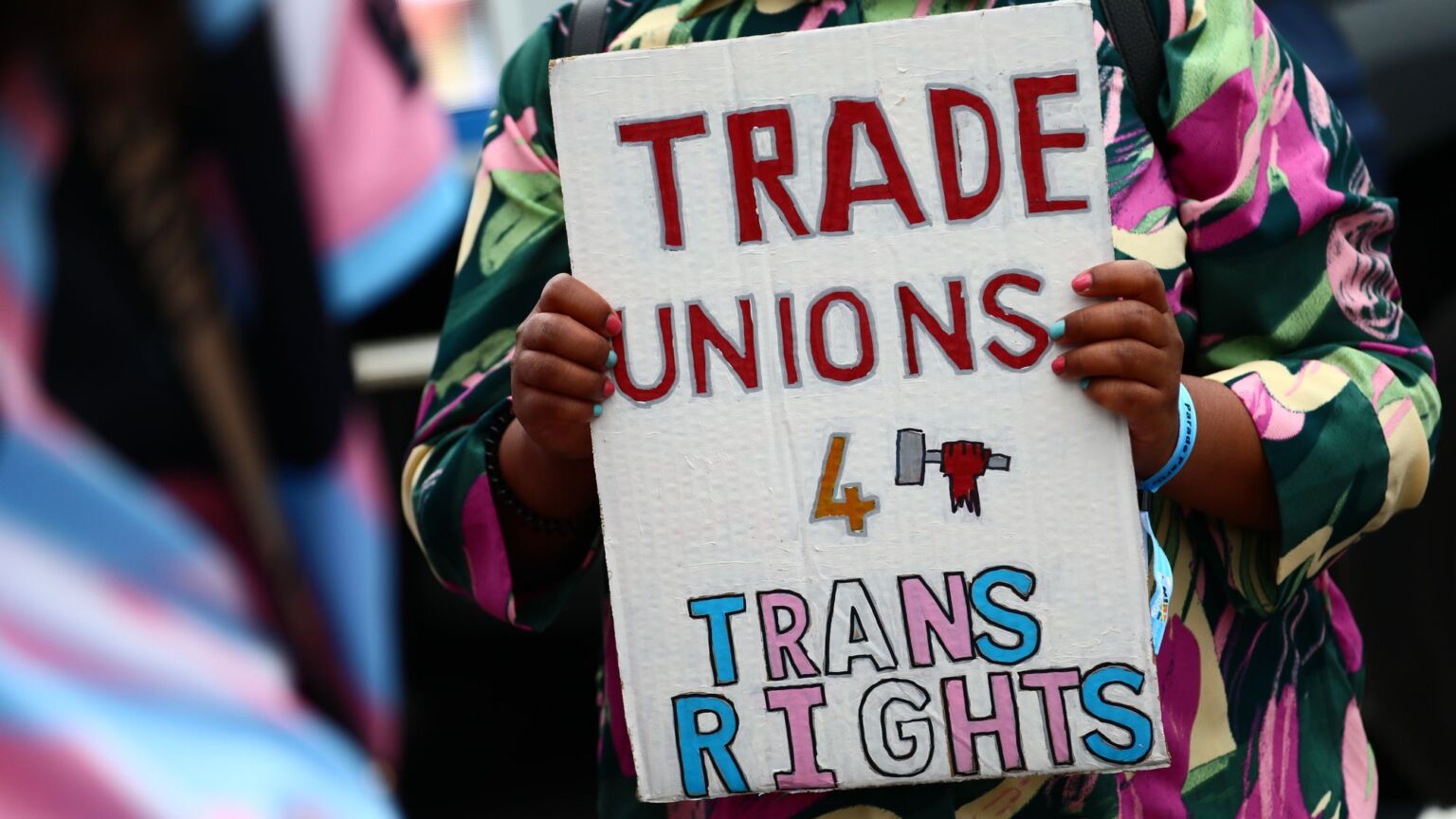
Since women first joined the fire service in the 1970s, they’ve fought an ongoing battle for single-sex facilities – including showers – in stations built for all-male crews.
So it’s hardly surprising that the Fire Brigades Union’s (FBU) response to the updated guidance from the Equality and Human Rights Commission (EHRC) on single-sex facilities has attracted backlash. In a statement published on social media, the FBU said it stands ‘firmly in solidarity with trans, nonbinary and gender-diverse members’ and spoke of their right to access facilities ‘without fear’ and with ‘respect and dignity’ at work. There was no mention of female firefighters, and the FBU was not alone.
Unison – the UK’s largest trade union – announced its intention to oppose the EHRC guidance. The Universities and Colleges Union (UCU) published a statement that said it would continue to ‘fight for the rights of trans and nonbinary people’. So that’s three trade union statements on a landmark ruling about women’s rights to privacy, dignity and single-sex spaces – and women are not mentioned in any of them.
Perhaps the most extraordinary thing is how under the radar this seems to be. So why aren’t union members protesting publicly against this? Why aren’t they leaving in droves? I suspect they simply don’t know that this is happening.
After all, most trade-union members are not political activists. They are customers who think they’re buying an employment-protection policy – a bit like breakdown cover for their car. They join a trade union because they want protection if something goes wrong at work. And someone to represent them if they’re disciplined, treated unfairly or facing redundancy. Yet, unlike car insurance, there are no comparison websites helping people weigh up the relative merits of the National Association of Schoolmasters Union of Women Teachers vs the National Education Union – or Unison vs the GMB.
Most don’t spend hours researching competing unions and comparing policy positions. They join a particular union because a colleague recommends it. Or because it offers a good deal to newly qualified staff. Or simply because it’s the union that’s already established in their workplace.
In other words, it’s a consumer choice rather than a political one. Which means many members are completely unaware they’re supporting one of the most powerful political campaigning movements in Britain. And that their subscriptions don’t just fund workplace representation – they also fund lobbying, political campaigns, conference motions, public statements and interventions on some of the most contentious social issues of our time.
When challenged on controversial positions – like ‘trans rights’ – trade unions will often say that this is what members have voted for. Technically, that’s true. Policies are passed through democratic structures. Leaders are elected. Conferences vote on motions.
But this defence assumes a level of member engagement that simply doesn’t exist. The reality is that most union members never attend conferences. They don’t submit motions. They don’t stand for election. Many don’t vote in internal ballots. Most couldn’t even tell you what policies their union adopted last year.
Take Unison, which has around 1.3million members, the majority of them women. Its current general secretary, Andrea Egan, was elected with just 58,579 votes – around 4.2 per cent of eligible voters. Which means many women will be unaware that their current union leader is actively campaigning against their sex-based rights.
That doesn’t mean the election was illegitimate. All members were invited to participate. But only a small number did. It’s not that the other members don’t care, but they have other priorities. Which makes it a pretty good business model for unions, allowing a relatively small number of highly engaged activists to shape policy – using funds from a much larger membership.
This is a bit embarrassing to admit, but despite being a National Union of Journalists (NUJ) member for around 25 years, until I sat down to write this article, I had no idea whether it had issued a statement on the EHRC guidance. It hadn’t.
What I did find, however, was a report from last year’s Trades Union Congress LGBT+ Conference celebrating motions on ‘trans solidarity’ and highlighting speeches condemning the Supreme Court ruling, and expressing support for trans and non-binary people.
The report also highlighted contributions from NUJ delegates, who described trans and nonbinary people as having been ‘stripped of their rights’, ‘vilified and marginalised’, and called for solidarity with ‘trans and nonbinary comrades’ – much of which I disagree with, but since I had been so busy getting on with my job, I hadn’t even known that this had been said in my name.
How many women will never discover that the trade union they’ve paid thousands of pounds into – thinking they were buying employment protection – was also funding campaigns to remove their hard-won rights? Including their right not to be forced to share changing rooms or showers with men at work? These campaigns focus, almost exclusively, on the interests and rights of men.
The real question isn’t whether trade unions should be allowed to campaign. It’s whether members understand what they are actually paying for.
Janet Murray is a freelance journalist and director of SEEN in Journalism.
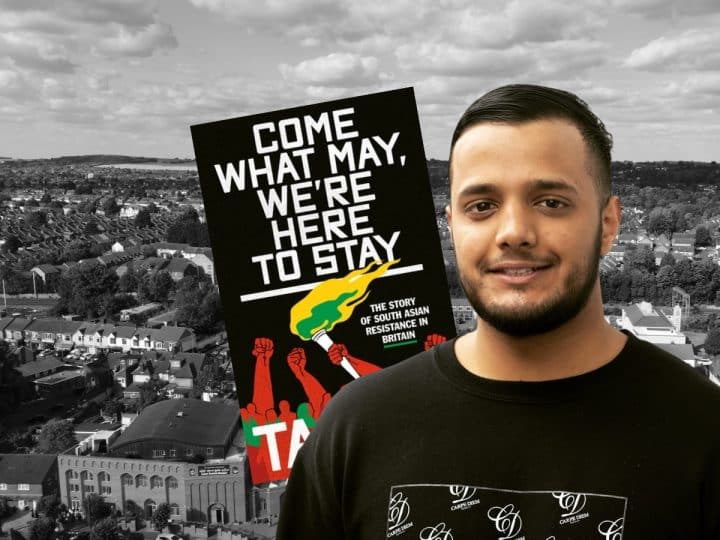
Come what may, we’re here to stay: The story of South Asian resistance in Britain is the debut book from historian and journalist Taj Ali.
As British South Asians reel from the riots of summer 2024, this book tells the inspirational story of how the community organised against racism in the past and how it continues to fight in the present.
A long history of British South Asian activism
British South Asians have a long tradition of radical political activism. The 1970s and 1980s saw the community grappling with prejudice in the workplace and violence in the streets.
But this history is deeper than you might think. It runs from students agitating for independence at the heart of the British Empire to seafarers organising global strikes on the eve of the Second World War.
In Come what may, we’re here to stay, Taj Ali reveals how successive generations fought for rights, dignity and a sense of belonging while actively shaping the country they now call home.
He shows that British South Asian political life has often been defined less by religious difference than by shared commitments to anti-imperialism and anti-racism. In pursuit of these goals, alliances have been forged with other movements, from Irish republicanism to Black Power.
As racism rears its ugly head again, Come what may, we’re here to stay asks: are we are doomed to repeat the past or will we learn from our mistakes and build a better world together?
About the author
Taj Ali is a journalist and historian. He is the former editor of Tribune and regularly appears as a commentator on the BBC. He also contributes to the Guardian, Al Jazeera English and others.
In 2025 he set up Anti-Racist RADAR, an organisation that monitors and reports on racist attacks in the UK. This is his first book. He has won an RSL Giles St Aubyn Award and is a finalist for The Orwell Foundation 2026 Exposing Britain’s Social Evils Prize.
Featured image via the Canary
By The Canary
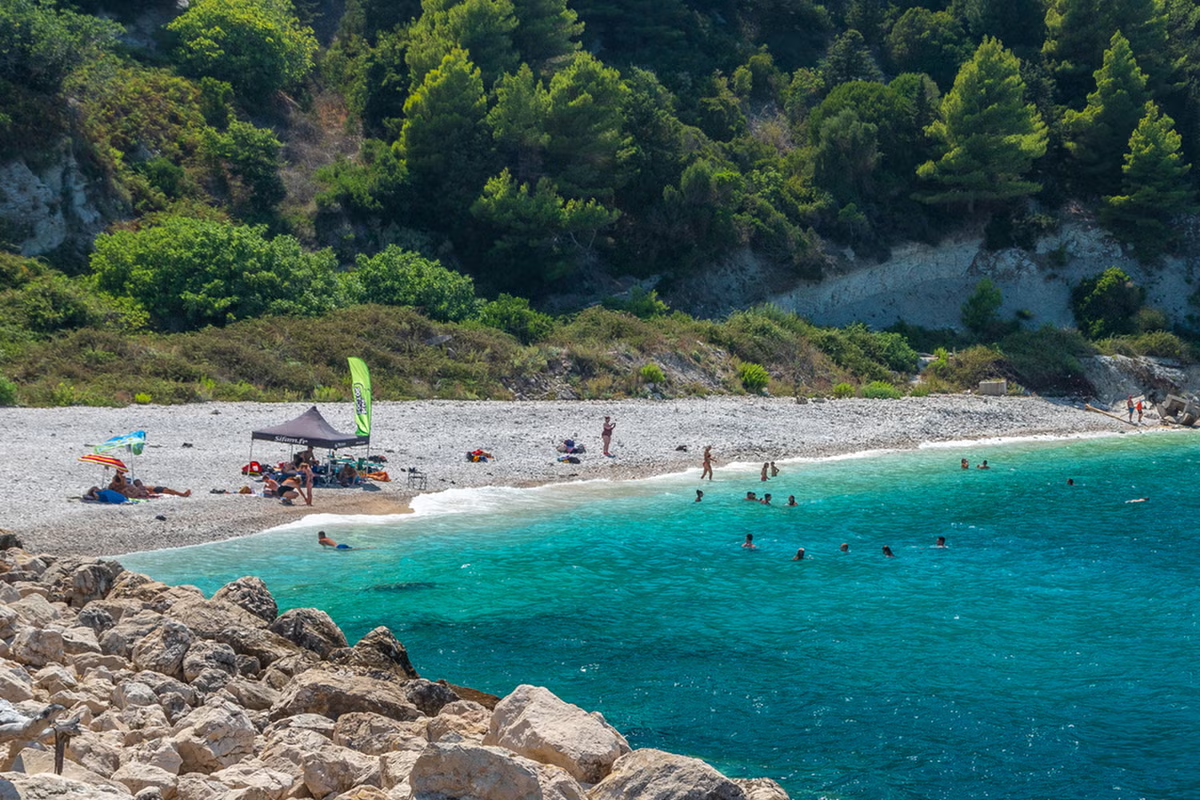
Inside Sazan Island: The luxury Albanian island bought by Ivanka Trump and Jared Kushner with 3,500 Soviet bunkers and tunnels

New Homes At Upper Threshold Of Affordability In April 2026
Sharon Stone reveals violent physical attack that left internal organs 'fractured and scarred' 10 years later



-

 Tech6 days ago
Waymo dominates autonomous vehicle registrations as Tesla trails behind
-

 News Videos6 days ago
This is BROKEN! INSANE 5x MONEY CAR WASH WEEK! The NEW GTA Online UPDATE Today! (GTA5 New Update)
-
 Tech5 days ago
SpaceX just won a second Golden Dome contract. This one is $4.16 billion.
-

 Business3 days ago
Jade Biosciences, Inc. (JBIO) Discusses Positive Interim Results From JADE101 Phase I Healthy Volunteer Study and Development Plans Transcript
-

 News Videos6 days ago
SHE IS KILLING XRP!!! WATCH URGENT AND ACT FAST
-
 NewsBeat6 days ago
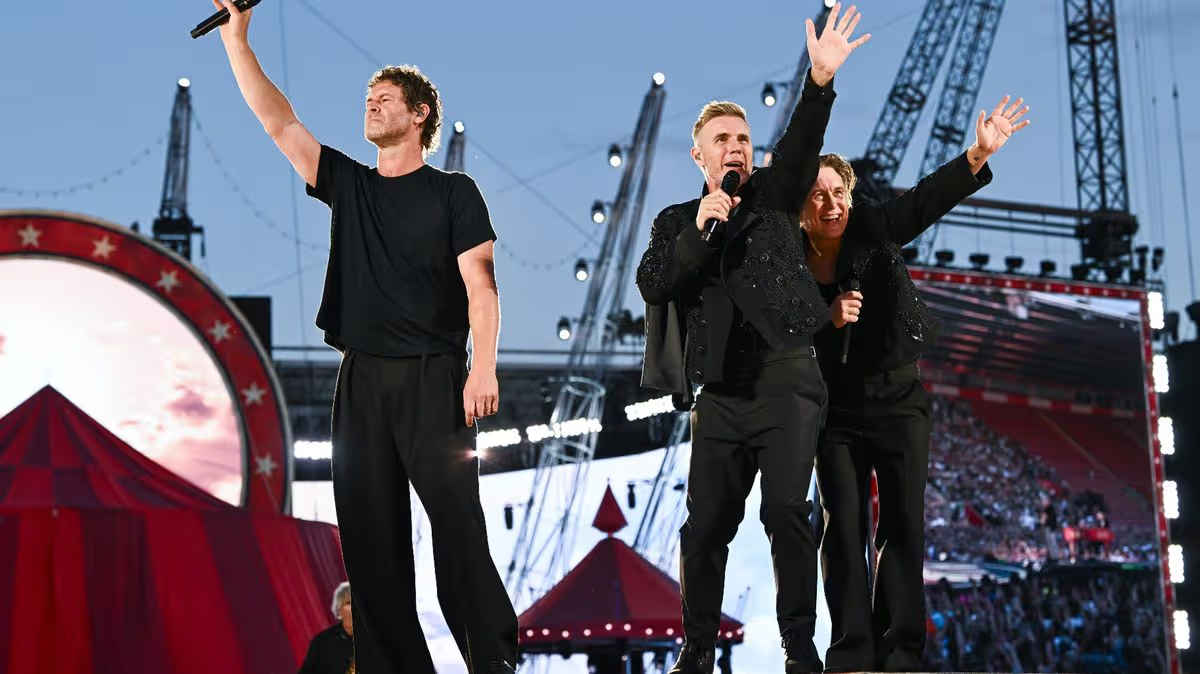
FIRST NIGHT REVIEW: Take That bring the Circus back to life in spectacular sun-soaked style
-

 Business5 days ago
Is the Spurs Phenom Already Better Than Prime Diesel?
-
 Crypto World6 days ago
CFTC Has Approved the First Regulated Bitcoin Perpetual Contract in the U.S.
-
 Politics5 days ago
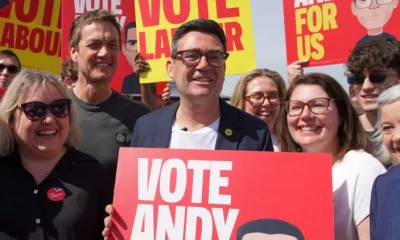
The House | Inside Andy Burnham’s Makerfield Campaign: “Nobody Thinks This Is In The Bag”
-

 Sports2 days ago
French Open 2026 results: Alexander Zverev beats Rafael Jodar and will play Jakub Mensik in semi-finals
-
 NewsBeat6 days ago
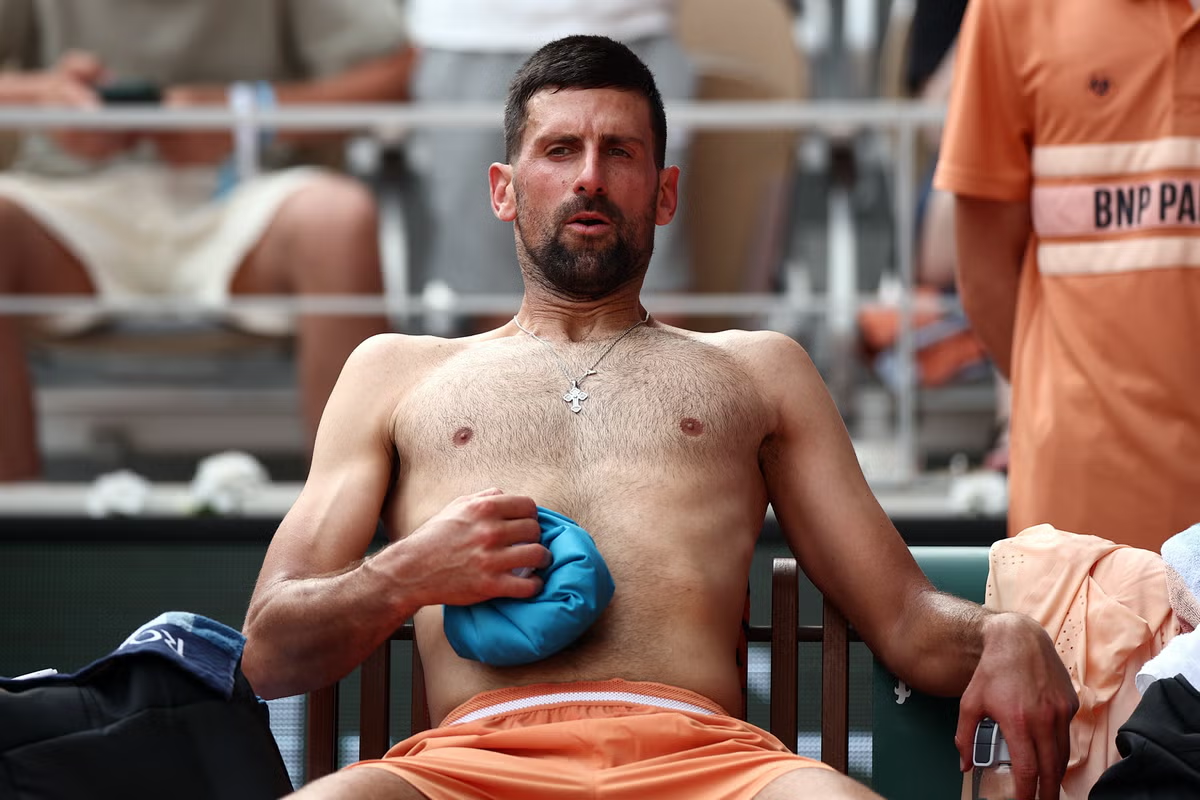
Novak Djokovic v Joao Fonseca LIVE: French Open latest scores and results after Jannik Sinner’s shocking collapse
-
 Entertainment6 days ago
Weak ‘Supergirl’ Box Office Tracking Amid Milly Alcock Backlash
-

 Tech2 days ago
CryZENx Releases Fresh Playable Content Deep Inside Jabu-Jabu for His Ocarina of Time Remake
-
 Crypto World6 days ago
Snowflake (SNOW) Stock Rallies on Strong Q1 Results and AI Product Growth
-

 Entertainment6 days ago
Maddox Jolie-Pitt Legally Requests to Drop Brad’s Surname
-

 Business5 days ago
Demand Conditions Improve In Chemicals Sector In April 2026
-
 Entertainment5 days ago
One of the Greatest Sitcoms of All Time Shoots Up Apple TV’s Charts 11 Years Later
-

 Tech6 days ago
This Week In Security: Ubiquiti Fixes, And FreeBSD Joins The Club You Don’t Want To Join
-
 Crypto World6 days ago
MicroStrategy Moves $30 Million in BTC to Coinbase Prime: Is the Bitcoin Sell-Off Already Here?
-
 Entertainment6 days ago
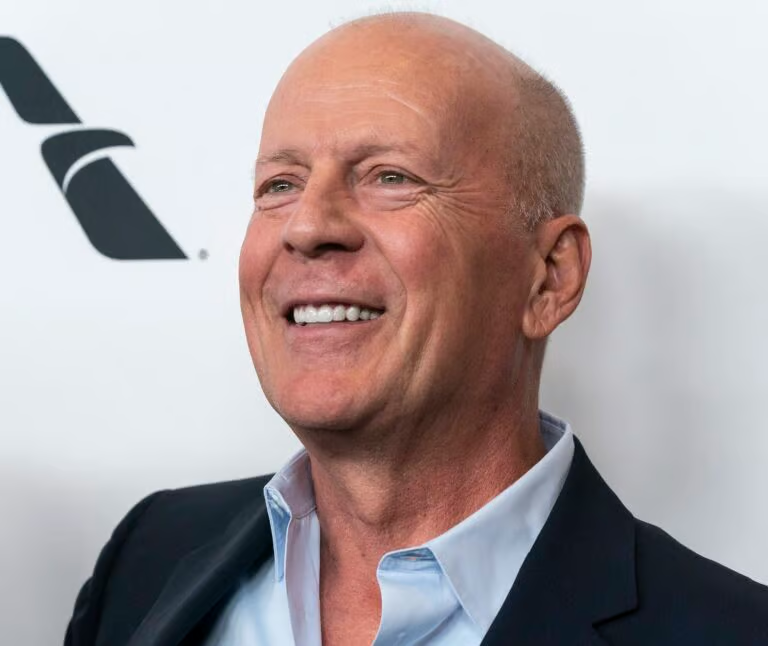
Bruce Willis’ Generosity Resurfaces Amid His Dementia
You must be logged in to post a comment Login