
Politics
Critics Damn Trump After ‘Unhinged’ Late-Night Attack On Pope

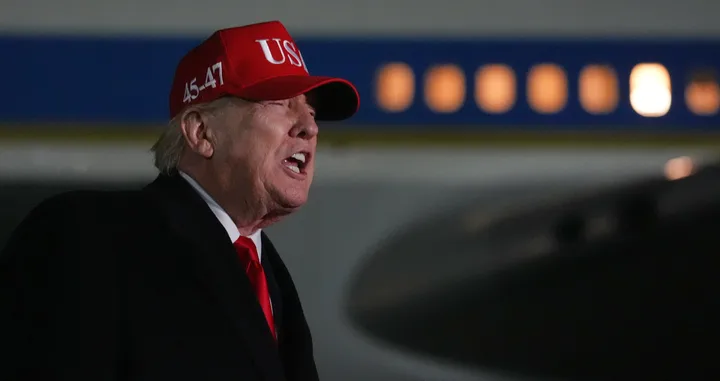
Critics have condemned President Donald Trump after he attacked Pope Leo XIV in a Sunday night rant.
In a lengthy Truth Social post that ran more than 300 words, Trump slammed the pope for being “WEAK on Crime, and terrible for Foreign Policy.”
“I don’t want a Pope who criticizes the President of the United States because I’m doing exactly what I was elected, IN A LANDSLIDE, to do, setting Record Low Numbers in Crime, and creating the Greatest Stock Market in History.”
Trump also took credit for the Chicago-born pope’s election, claiming the College of Cardinals selected the first-ever American pontiff last year because “they thought that would be the best way to deal with President Donald J. Trump.”
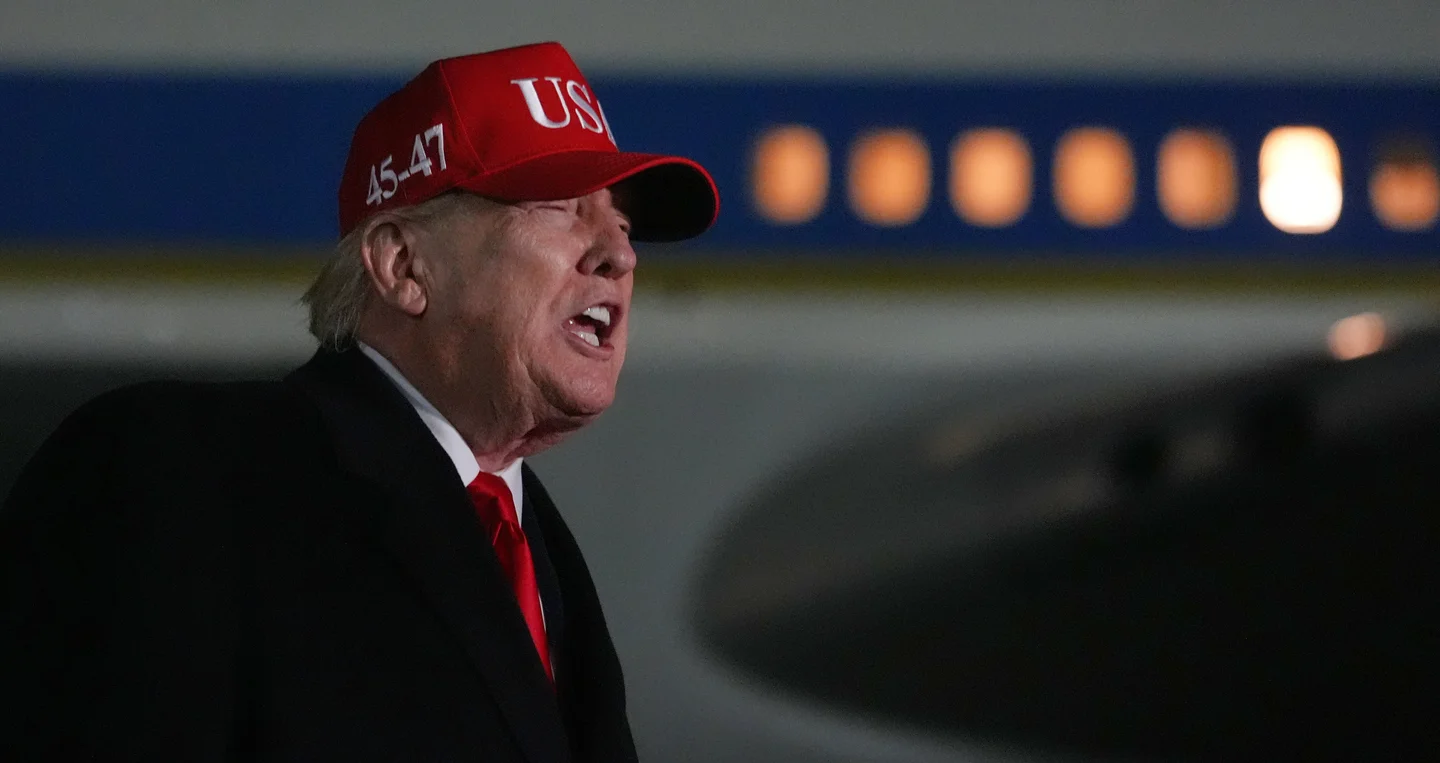
AP Photo/Julia Demaree Nikhinson
He repeated his grievances a little later when he spoke to reporters as he returned to Washington from Miami on Sunday night.
“I don’t think he’s doing a very good job,” Trump said. “He likes crime, I guess.”
He also called the pontiff “a very liberal person” and “a man that doesn’t believe in stopping crime.”
“I’m not a fan of Pope Leo,” he added.
Trump’s attack came after the pope repeatedly called for peace amid the ongoing war with Iran.
He did so again on Saturday.
“Enough of the idolatry of self and money!” Leo said during an evening prayer service, according to The Associated Press. “Enough of the display of power! Enough of war!”
The pope did not mention Trump by name as he described the “delusion of omnipotence” as a threat to global stability, but the comments apparently triggered the president.
Trump’s critics fired back on X:
Subscribe to Commons People, the podcast that makes politics easy. Every week, Kevin Schofield and Kate Nicholson unpack the week’s biggest stories to keep you informed. Join us for straightforward analysis of what’s going on at Westminster.


5 min read
Late one evening last week, a message came through on the encrypted messaging app, Signal – it was from an investigative journalist seeking help with “a pretty scary cease and desist letter”.
As a freelancer, he is being threatened personally with legal action for a recent story with a major UK publication. He thinks the threats are aimed at getting the publication to “ditch him,” isolating him from legal support that would defend him and his story.
Since we set up the UK Anti-SLAPP Coalition in January 2021, such messages for support have steadily grown in frequency. Now, a week rarely goes by without someone – a journalist, an academic, a campaigner or a member of the public – writing to us about a potential SLAPP (strategic lawsuits against public participation). Such legal threats are aimed at suppressing the publication of public interest speech on a wide range of issues; from corruption and sexual assault, to housing, healthcare, and the environment.
SLAPPs work by weaponising the legal process to exert as much pressure as possible. Many cases never reach trial, but can still take months, if not years, to resolve. SLAPP targets can be made to feel they have no option but to settle, apologise and amend or remove the information they’ve published simply due to the financial, emotional and time costs of mounting a defence. If successful, SLAPPs can create a vacuum of information, not only about the original subject matter, but even that a legal challenge took place.
While 40 American states, as well as several provinces in Canada, have been adopting anti-SLAPP legislation since the 1990s, the issue only gained widespread recognition in Europe after the 2017 assassination of the Maltese investigative journalist Daphne Caruana Galizia. At the time of her death, Caruana Galizia, one of the few journalists writing about corruption in Malta, had 47 legal cases open against her.
In 2020, the Foreign Policy Centre surveyed 63 investigative journalists reporting on financial crime and corruption in 41 countries. The findings pinpointed the UK as the leading international source of such legal threats, almost as frequent as those from the EU and the US combined. The following year the high-profile legal actions in the UK against the journalists Catherine Belton, author of Putin’s People, and Tom Burgis, author of Kleptopia: How Dirty Money is Conquering the World, brought a new level of visibility.
By July 2022, in light of Russia’s full-scale invasion of Ukraine and renewed concerns about the level of Russian dirty money and malign influence in our country, the then Conservative Government committed to “decisively… stamp out SLAPPs.” The adoption of anti-SLAPP provisions in the Economic Crime and Corporate Transparency Act (ECCTA) 2023 was a welcome recognition of the problem, but was limited in scope and flawed in design. A subsequent universal anti-SLAPPs Bill, led by former Labour MP Wayne David, only fell away due to the 2024 General Election.
Almost two years later, despite significant cross-party support, and Keir Starmer referring to SLAPPs as “intolerable”, the current Government is yet to act. During a November 2024 Parliamentary debate, 16 MPs from 7 political parties spoke in favour of addressing SLAPPs and highlighted the impact they have, including delaying redress for wrongdoing – from the Post Office Horizon scandal to the allegations against Jimmy Savile and Mohammed Al Fayed. Last year, Index on Censorship published a report about how SLAPPs are silencing survivors of sexual and gender-based violence (SGBV) when they try to speak out and warn others. The current provisions do nothing to protect them.
Since the start of 2026, more than 160 public figures, over 100 academics, and groups of Labour, Conservative and Lib Dem MPs have written to the Government calling for universal anti-SLAPP measures to be included in the next King’s Speech in May. However, recent press reports suggest that plans to legislate further may have been shelved.
Once leading the charge against SLAPPs in Europe, the UK has fallen behind. An EU Anti-SLAPP Directive (often called “Daphne’s Law”) adopted in 2024 is currently being transposed by 27 member states. The same year, the Council of Europe, of which the UK is still a member, also adopted a non-binding recommendation for its members to address SLAPPs.
So what is the risk of doing nothing? SLAPPs utilise various legal claims, but defending a defamation claim to trial in the UK costs at least £500,000, with many cases running into the millions. Preliminary hearings alone can easily run to £100,000. Even the first successful use of the ECCTA anti-SLAPP provisions by the tax campaigner Dan Neidle, cost him over £146k and almost a year to defend. Further legislation to create stronger protections against SLAPPs would cost nothing to enact.
It’s no surprise that many on the receiving end of a legal threat currently comply with demands to amend or remove information from the public sphere. As a result, wrongdoing is hidden and redress is either delayed or completely denied. And the impact? It’s not just on those targeted, it’s on all of us.
Susan Coughtrie is Executive Director of the Foreign Policy Centre, an international affairs think tank, and Jessica Ní Mhainín is Head of Policy and Campaigns at Index on Censorship, a free expression organisation.
The UK Anti-SLAPP Coalition is an informal working group established in January 2021, co-chaired by the Foreign Policy Centre, Index on Censorship and CliDef. For more information – antislapp.uk.
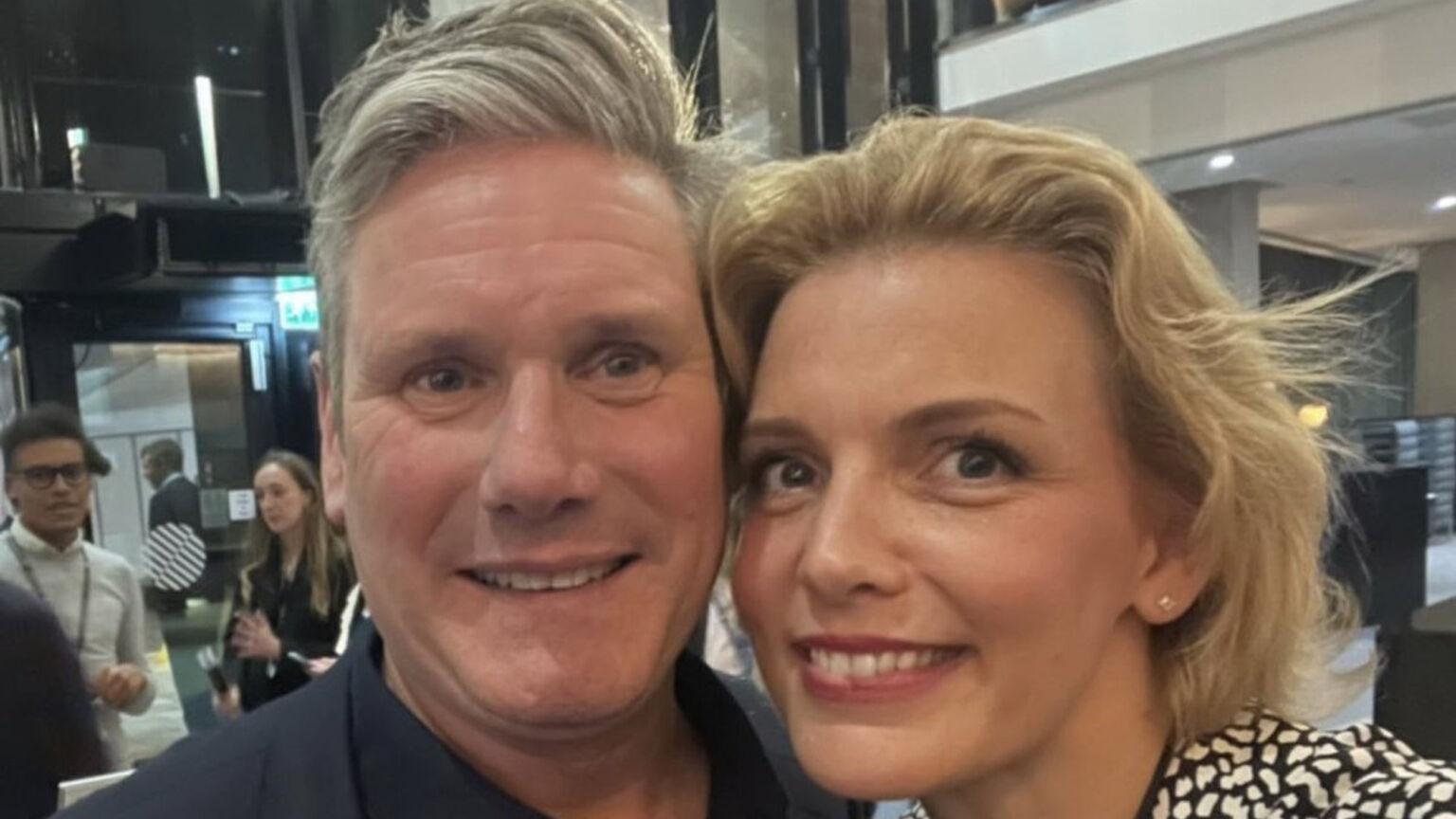
Few things are less erotic than politicians earnestly discussing sex. The mere thought of a member of parliament calling for ‘a summer of sex’ is enough to turn even the most libidinous Brits celibate. Yet Labour’s Samantha Niblett has done just this.
Forget war in the Middle East, a stagnating economy, the energy crisis, hospital waiting lists and an unsustainable welfare bill. If Nero fiddled while Rome burned, then Niblett wants us to get it on while the British state fails. Maybe she hopes we’ll all be too busy in the bedroom to make it to a polling booth next month.
But to give her the benefit of the doubt for just a moment, perhaps Niblett has a point. Hedonism is indeed an understandable response to our country’s current woes. For young adults struggling to find work, worried about student loans, and unable to find a decent house to rent, never mind buy, then a flower-power-style summer of free love may be just the ticket.
Sadly, this is most definitely not what Niblett has in mind. She is not suggesting we all take a bacchanalian holiday when the sun comes out. Instead, she is proposing a new approach to sex education. She wants this summer to be foreplay for the main event: a parliamentary debate on lifelong sex education in the early autumn. To get the ball rolling, she hopes to bring sex toys into parliament to open up a conversation about sexual pleasure. But for all the talk of ‘pleasure’, Niblett’s summer of sex is less about passion and intimacy and more about issuing a lifelong lecture.
Between Relationships and Sex Education on the school curriculum and the ready availability of online pornography, it’s impossible to imagine there are people in Britain who do not know the facts of life. So unsurprisingly, the sex education Niblett has in mind is actually re-education. And it is, of course, political.
Niblett has teamed up with ‘sextech entrepreneur’ Cindy Gallop. (One of the few things less erotic than politicians discussing sex? Sextech entrepreneurs.) Together, they are on a mission to ‘help people understand consent, prevent abuse and violence, and raise awareness of how childbirth, the menopause, stress and other health conditions can impact sexual satisfaction’. So, just as in schools, this adult sex education is to be a vessel for all manner of fashionable issues. It’s an opportunity for politicians and campaigners to preach to the public about feminist-approved ways to behave in their most private relationships. Abuse, violence and stress. Truly, sex has never been less sexy.
The campaign’s tagline is ‘Yes Sex Please, We’re British!’ and it aims to challenge the idea that Brits are, apparently, too stiff to talk about sex other than through innuendos, and too prudish to think beyond heterosexual intercourse taking place in the marital bed, preferably in the missionary position. Convinced nothing has changed since the 1950s, Niblett and Gallop want to introduce the public to a ‘more open and inclusive approach’ to lifelong sex education, which, above all else, will ensure people know the importance of ‘not feeling ashamed’. In other words, they want Britain to become a never-ending Pride march, with sex and sexuality constantly thrust in the public’s face. We must prove that we are ‘open’ and ‘inclusive’ to all manner of weirdos with fetishes such as men in nappies, dresses or dog collars.
None of this is about privacy, intimacy or even, for that matter, sexual relationships. Niblett gives the game away when she tells Politics Home that, as well as working with a sextech entrepreneur, she met with ‘sexual product retailer’, Lovehoney. It’s not love and romance, Niblett wants us to indulge in, or even lust and hooking up. She has more solitary pursuits in mind. ‘As well as making you feel good, [masturbation] is good for your health’, she chirps, ‘with some medical research showing that it is good for stress and pain relief, menstrual cramps, and reducing the risk of prostate cancer’.
So there you have it. Don’t worry about not being able to see a doctor. Ignore pothole-marked roads. Overlook your shrinking bank balance. Rather than stewing on being unable to afford to put the central heating on, go to bed. On your own. And, preferably with the help of a Lovehoney ‘sexual product’, wank away your troubles.
Samantha Niblett says that her ‘lifelong sex education’ campaign is personal. She wants to talk more openly about sex herself to encourage others to feel comfortable doing so. Spare us, please. This onanistic crusade degrades politics and kills passion dead.
Joanna Williams is a spiked columnist and author of How Woke Won. Follow her on Substack: cieo.substack.com.
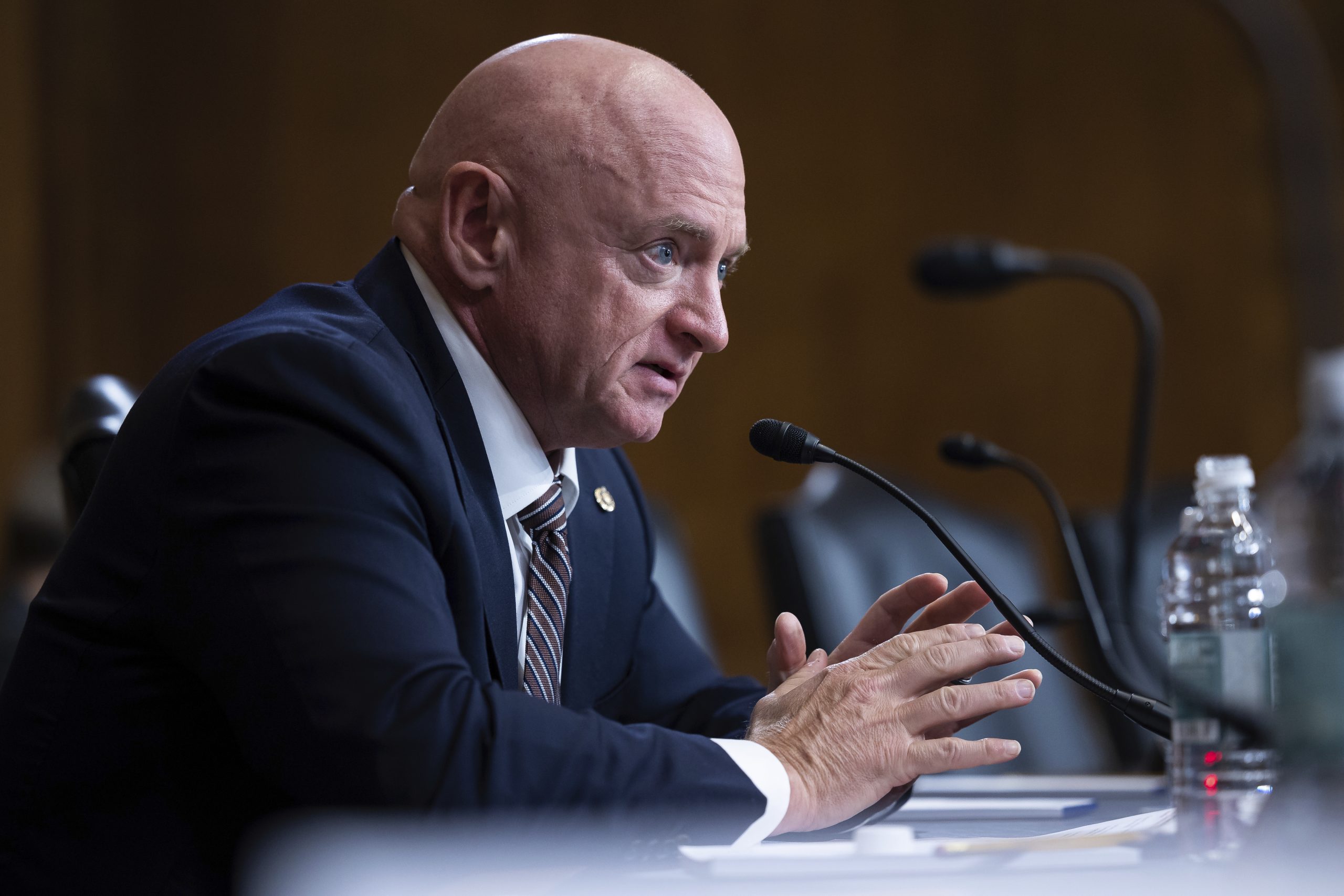

Sen. Mark Kelly (D-Ariz.) raised $13 million in the last three months and ended the first quarter of 2026 with a massive $22.3 million cash on hand in his campaign account, large sums for a candidate not up for reelection, his campaign told POLITICO.
The haul is a sign President Donald Trump’s targeting of him as part of the so-called “Seditious Six” has continued to juice his grassroots donations. He raised $12.5 million last quarter too, much of it after Trump accused him and other Democratic military veterans of being traitors.
He’s not the only one to benefit: Rep. Jason Crow (D-Colo.), who was also featured in the video, raised $928,000 since the beginning of the year, which his team said was his largest quarterly fundraising haul of his career, and comes even though this year he’s not a top GOP target.
Kelly’s big quarter is likely to only stir more speculation about his presidential ambitions. Kelly has increasingly flirted with a presidential campaign, saying he will “seriously consider” a 2028 bid.
Kelly is using his fundraising prowess to spread the wealth to other Democrats facing tough races this year — and who could be helpful allies if he runs for president.
He raised an additional $470,000 for his leadership PAC and $1.1 million for the DNC in 2026. In the first quarter, his campaign and leadership PAC transferred $105,000 to the DSCC and made direct contributions to six candidates, including James Talarico, Julianna Stratton and Mary Peltola. Kelly’s campaign said 98 percent of his donations to his campaign were under $100.
“Mark knows that flipping Congress in November is how we hold Trump accountable and that’s why he is campaigning in battleground states and supporting candidates with the resources to help them win tough elections,” Kelly spokesperson Jacob Peters told POLITICO.
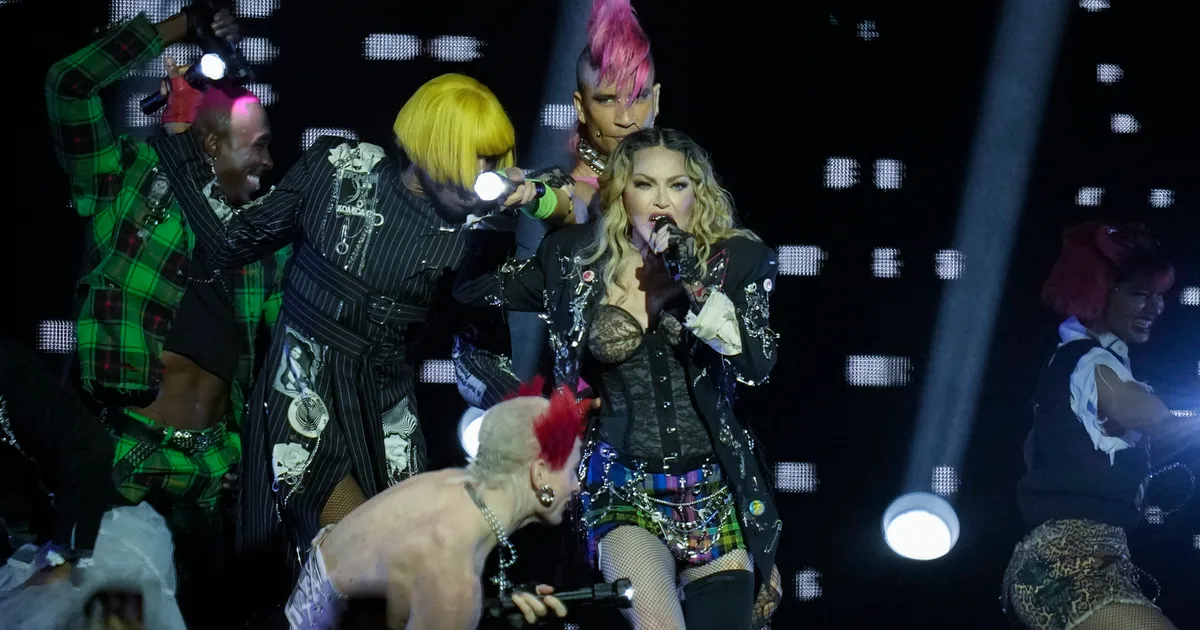
It’s now been almost six years since Madonna last released a new album – and the drought is almost over.
And folks, it sounds like she has something massive planned.
For the last year, the Queen of Pop has been teasing that she’s been back in the studio with former collaborator Stuart Price, teasing new music which she said would be a spiritual successor to her disco-inspired release Confessions On A Dance Floor.
Earlier this week, it looked as though Madonna was getting ready to announce something when she wiped her entire Instagram, and then shared a very exciting teaser clip on her official website, made up of a striking teaser image and what sounded like a snippet of new music.
Since then, posters have also been spotted around East London, suggesting that the new album, thought to be titled simply Confessions II, would be released on 3 July.
Madonna finally confirmed this to be the case in a social media post on Wednesday afternoon, announcing the album’s title and release date as well as unveiling its striking cover art.
The first Confessions On A Dance Floor album was released in November 2005, spawning the UK number one singles Hung Up and Sorry, as well as hits Get Together and Jump.
Madonna’s most recent album, the experimental Madame X, came out in 2019.
In the time since, she’s been on two world tours – including 2024’s greatest hits venture The Celebration Tour – and enjoyed her first UK top 10 in 15 years with Popular, a collaboration with The Weeknd.
Fans have been speculating that Madonna could make a surprise appearance at Coachella this weekend – where Sabrina Carpenter is once again scheduled to headline – to premiere new material, 20 years after last performing at the US music festival.
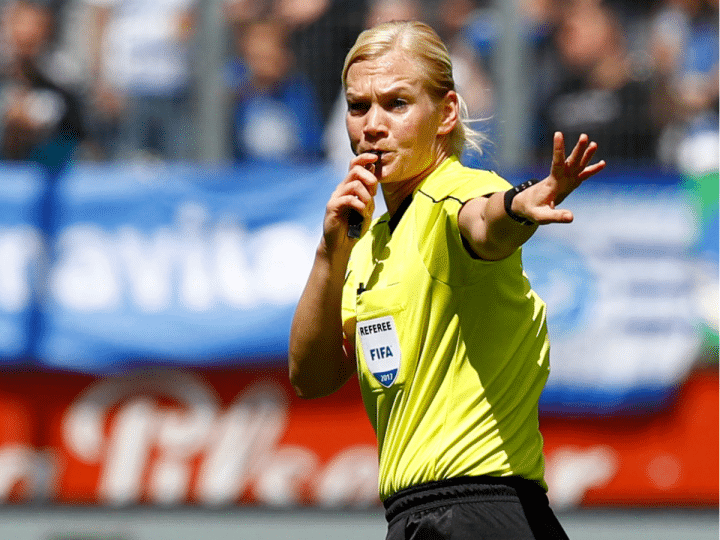

In its early days, football lacked the precise means of regulating the rhythm of the game as we know it today.
Referees relied on direct voice signals or hand gestures, including raising their arms or waving handkerchiefs to try and communicate decisions to the players on the field. However, this method lacked clarity and consistency, leading to inconsistencies in the interpretation of calls and creating instances of controversy and chaos, especially as the game expanded and its popularity grew.
Given this reality, the need arose for a more decisive method, one capable of ending and restarting play clearly and immediately, leaving no room for interpretation or disagreement.
An invention that changed the face of refereeing
The radical transformation came with the British referee, Joseph Hudson, in Birmingham, when chance led him to the idea of the whistle after he heard a sharp sound from a violin that had fallen to the ground. This sound inspired him to develop a device that produced a similar effect, leading to the invention of the world’s first sports whistle in 1878.
Later, his company, Hudson & Co, produced the Acme Thunderer model, which used a small ball inside a brass tube. Air was allowed to pass through, producing a sharp sound that could be clearly heard even amidst the noise of the crowd. Despite its simple design, it revolutionised match management, providing the first standardised method for signaling stoppages and restarts.
While the first official match in which the whistle was used is unclear, historical sources indicate its appearance in FA Cup matches in the late 19th century, after which it gradually spread to European stadiums.
From a simple tool to part of the laws of the game
Over time, the whistle became more than just an aid; it became an integral part of the laws of the game. According to International Football Association Board (IFAB) regulations, the whistle is an essential tool used by the referee to signal the start, stop, or restart of play, as well as to award fouls and penalties.
Conversely, the law clarifies that its use is not necessary in all situations, such as throw-ins, corner kicks or even goal announcements, where a hand signal may suffice. It also emphasises that excessive use of the whistle diminishes its impact on the game.
Thus, the whistle has become a “legal language” on the field, leaving no room for interpretation and granting the referee immediate authority over the course of play.
Global industry and continuous tech development
The evolution of the whistle has not been limited to refereeing; it has extended to the industry itself. Materials have evolved from wood, bone and simple metals to high-quality plastics and weather-resistant alloys, with continuous improvements to ensure a loud and consistent sound.
Furthermore, some modern models have eliminated the inner ball to prevent any malfunctions that could affect sound quality, especially in fast-paced matches with large crowds.
This industry is led by specialised global companies, most notably ACME Whistles, whose name is synonymous with the iconic classic model. There is also Fox 40 International, which introduced a modern design without an inner ball. Molten’s products have also been used in major tournaments, including the 2010 World Cup in South Africa.
The whistle: The voice of the law in a single moment
Today, the whistle is no longer just a small tool in the referee’s hand. It has become a symbol of decision-making on the pitch, a voice that separates chaos from discipline in an instant.
The moment the referee blows that whistle, football time stops for a moment and the law is enforced. Despite its apparent simplicity, the whistle remains one of the most influential tools in the history of football.
Featured image via Getty Images/ Bongarts/ Joachim Sielski
By Alaa Shamali

The BBC has done the country a genuine service – no laughing at the back. On the front page of the BBC News website today is an investigation into immigration lawyers, who were found to be coaching fraudulent asylum claims, fabricating backstories, inventing persecution, selling identities wholesale to anyone who can pay. This is important journalism, and the team responsible deserves credit for it. Real, old-fashioned, get-your-hands-dirty investigative reporting, of the kind that used to be the BBC’s reason for existing. Congratulations, sincerely, to everyone involved.
Now, can we have a moment of honesty about what this ‘revelation’ actually reveals? Nothing. Nothing whatsoever that anyone paying attention did not already know. This has been going on for decades. Decades during which successive home secretaries of both parties stood at despatch boxes and talked about the integrity of the system, the rigour of the process, the robust safeguards in place, while the asylum industry quietly got on with its work, billing by the hour, gaming by the year, and laughing all the way to the legal aid pot.
The Daily Mail did an undercover investigation in 2023 that was near-identical in its findings. Reporters posing as economic migrants were offered elaborate fabricated backstories – featuring sexual torture, political persecution, support for Khalistani independence – for between £4,000 and £10,000 a time, complete with coached testimony and forged supporting evidence. The Solicitors Regulation Authority (SRA) intervened in three firms within days of publication. Three. Out of how many? The warning notice the SRA issued afterwards conceded that wrongdoing might be ‘more widespread than simply a handful of firms’. Might be. A remarkable understatement for a system operating at industrial scale.
In 2017, the BBC’s own File on Four caught an immigration solicitor on tape advising an undercover journalist how to fabricate a second job, sourcing a bent accountant to certify the fiction. That solicitor fought his way through 17 interlocutory applications, two failed judicial reviews, and an application to the Court of Appeal before being struck off. The system rewarded his defiance with years of delay. As they say, this isn’t a bug. That is the feature.
And then there are the cases that go beyond paperwork fraud into something far more consequential. Abdul Ezedi – remember him? The Afghan national who doused a mother and her two daughters with corrosive chemicals on a south London street in January 2024, then fled through the night, was last seen leaning over Chelsea Bridge, and was subsequently found dead in the Thames. He had arrived illegally in 2016. His first two asylum applications were refused. He was convicted of sexual assault and indecent exposure in 2018 and placed on the sex-offenders register. Then he claimed he had converted to Christianity. A church minister vouched for him. A tribunal judge was persuaded. He was granted asylum in 2020, despite the Home Office’s own assessment that he was ‘using religion for his own ends’, an assessment the judge chose to override.
Then there’s Emad Al Swealmeen, the Islamist who detonated a homemade device outside Liverpool Women’s Hospital on Remembrance Sunday 2021. He had arrived from Iraq in 2014, claimed asylum, was refused, lost his appeals, and then converted to Christianity at Liverpool’s Anglican Cathedral five-week Alpha course – complete with a baptism, confirmation and clergy support. Asylum granted. A pastor in south Wales later admitted he had baptised up to 500 asylum seekers in those years, with more than half vanishing after the ceremony, never again setting foot in any church. A curate at Liverpool Cathedral, himself a former refugee, told a reporter plainly: ‘There are many people abusing the system. I’m not ashamed of saying that.’ He was not ashamed. Neither, it seems, were any of the institutions through whose hands these cases passed without consequence.
The Home Office, to its credit in the Ezedi case, had seen through the fraud. The immigration tribunal overruled it. This is a pattern that border officials and even judges have been noting for years. The then independent border watchdog wrote in 2017 that there was ‘considerable evidence’ of last-minute asylum claims designed purely to frustrate deportation. By 2019, the former immigration enforcement chief David Wood was describing a system ‘rife with abuse’ processing thousands of fraudulent applications annually. Nobody resigned. Nobody was charged. The machinery ground on. And now the BBC has found it all over again.
So let us be precise about what needs to happen, because warm words and £15,000 fines for rogue advisers, the government’s response in the Border Security, Asylum and Immigration Act (2025), are not remotely adequate to the scale of what has been operating, openly, for 20 years.
Every individual found to have coached fraudulent asylum claims must be struck off, charged with fraud and conspiracy, and have their assets seized to repay the damage inflicted on the public purse and on the genuine refugees whose cases are crowded out and cheapened by this corruption. This is not a matter for regulatory proceedings conducted at the speed of cold treacle. It is fraud. It must be treated as such.
Every individual found to have obtained asylum status through fabricated claims should be deported. Without the interminable procession of appeals that the legal aid budget currently subsidises at public expense. They are here fraudulently. Fraud voids the claim. This principle is not complicated, and the Human Rights Act must not continue to function as a permanent veto on removing people who lied their way into the country. We must repeal it and leave the European Convention on Human Rights.
Every charity that has received public money while facilitating, enabling or turning a blind eye to this fraud should have its charitable status stripped and be required to repay every penny of taxpayer funding it received in connection with that work. The charitable sector has too long served as a laundering mechanism, not for money but for moral credibility, allowing organisations engaged in the systematic gaming of the asylum system to present themselves as humanitarian bodies beyond scrutiny or accountability.
There must be a full root-and-branch investigation across the entire immigration-law sector. Not a review. Not a working group. Not a consultation with stakeholders. An investigation, led by people with the powers and the will to follow the evidence wherever it goes – across every firm, every adviser and every associated charity that has been touching this system for the past two decades at least.
The Home Office, under Labour and the Conservatives alike, has been asleep at the wheel for so long that the wheel has rusted solid. Ministers have from time to time stamped their feet, spoken darkly about ‘crooked lawyers’ and ‘industrial-scale abuse’, and then left every mechanism of accountability untouched. The machinery grinds on. The boats keep coming. The briefs keep filing. The legal aid clock keeps ticking. The public keeps paying.
Billy Kember and the other BBC journalists behind this investigation have done their job. Now it is time, long past time, for the state to do its.
Gawain Towler is a commentator and an elected board member of Reform UK. This is an edited version of an article that originally appeared on Gawain’s Fainting in Coils Substack.

Between the more dramatic – and, indeed, salacious – revelations in Lena Dunham’s new book, she’s also treated Girls fans to some intriguing behind-the-scenes tea.
In her new memoir Famesick, the Emmy nominee has opened up about some of the A-list stars who tried out for roles in Girls, only to not make the cut.
While she didn’t name which parts the actors were trying out for, she listed Marvel star Elizabeth Olsen, Fifty Shades actor Dakota Johnson, Black Mirror’s Cristin Milioti and comedian Amy Schumer, claiming they were all seen “several times” about appearing in the show.

Jordan Strauss/AP/Evan Agostini/Invision/
She also claimed: “I recognised a woman named Allison Mack from Smallville; she wasn’t right for any of the roles but invited me via email to her ‘intimate women’s group’ every week for the next year (there but for the grace of God go I).”
In 2021, Allison Mack was imprisoned over her involvement in the sex-trafficking cult NXIVM, after pleading guilty to charges of racketeering and racketeering conspiracy.
Lena previously wrote about Amy Schumer’s Girls audition in her Lenny newsletter back in 2016, revealing the comic tried out for the role of Shoshana.
“Everyone in the room was stunned by the detail and skill of her improv, the wild talent radiating off her (and I was personally intrigued by her breasts),” she joked.
“It was clear Amy wasn’t meant to play an innocent Juicy Couture lover obsessed with emoji – even if her Meatpacking District club lingo was the funniest shit I had ever heard. But when she left the room, the vibe was very ‘Someone give that lady a show, STAT!’.”
Meanwhile, Jenny Slate has previously revealed that she made it far into the audition process for the role of Marnie, which eventually went to Allison Williams, before eventually being cast as recurring character Tally Schifrin.
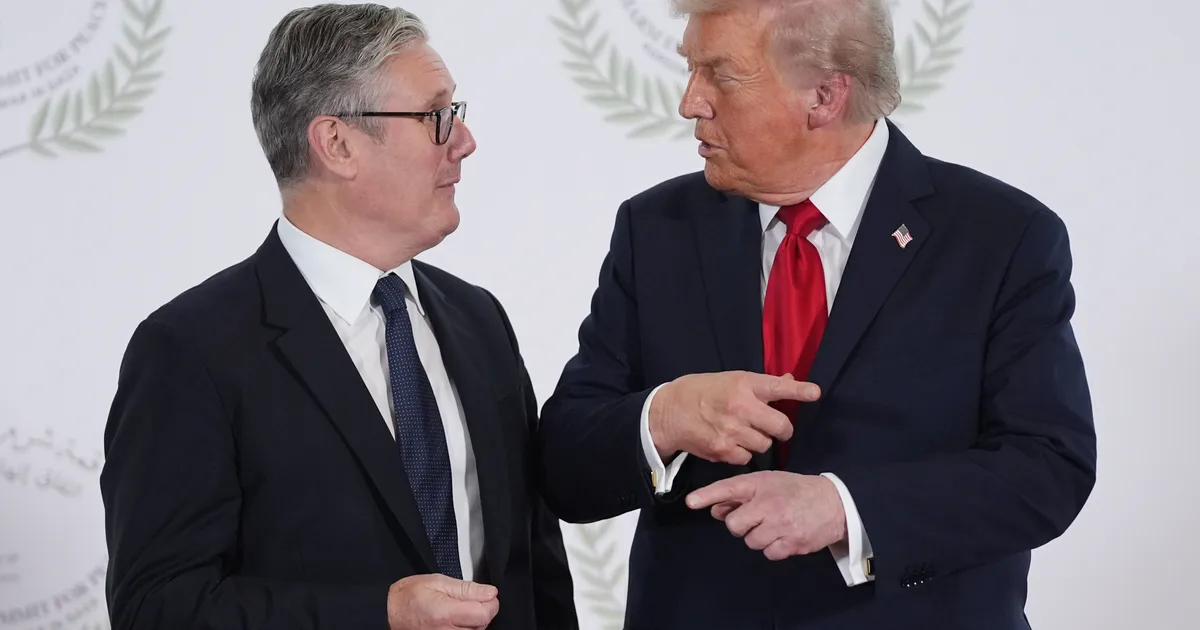
Keir Starmer has hit back at Donald Trump after the US president threatened to rip up the UK-US trade deal over over the pair’s rift on the Iran war.
The prime minister insisted he is “not going to yield” on the conflict despite pressure from the White House.
The trade agreement struck last year is seen as one of the biggest achievements of Starmer’s time in office.
But in an interview with Sky News on Tuesday, Trump said the deal “can always be changed” as relations between the two men remain in the deep freeze.
At prime minister questions on Wednesday, Lib Dem leader Ed Davey called on Starmer to cancel King Charles’ state visit to America later this month in responce.
The PM replied: “My position on the Iran war has been clear from the start. We’re not going to get dragged into this war. It is not our war.
“A lot of pressure has been applied to me to take a different course, and that pressure included what happened last night.
“I’m not going to change my mind. I’m not going to yield.
“It is not in our national interest to join this war, and we will not do so. I know where I stand.”
Starmer also took a pointed dig at Trump by insisting the so-called special relationship between Britain and the United States is bigger than any one person.
He said: “In relation to the King’s visit, this the purpose of the visit is to mark the 250th anniversary of relations and independence, obviously, of the US.
“The monarchy is an important reminder of the longstanding bonds and enduring relationship between our two countries, which are far greater than anyone who occupies any particular office at any particular time.”
Subscribe to Commons People, the podcast that makes politics easy. Every week, Kevin Schofield and Kate Nicholson unpack the week’s biggest stories to keep you informed. Join us for straightforward analysis of what’s going on at Westminster.

A new grassroots campaigning organisation, Organise South West, will officially launch online on 21 May. It aims to bring together trade unionists, community groups, and local activists to campaign on shared regional issues. These include public services, a just transition, and public ownership of water.
The launch event will take place online. It’s open to all interested in building stronger connections across Devon and Cornwall. More information and registration is available here.
Organise South West has set up in response to the growing challenges facing communities across the region, including rising costs of living, declining public services, and environmental pressures.
The initiative aims to link up existing grassroots organisations and trade union branches. This will help to coordinate campaigns and build collective power across geographic and organisational boundaries.
A key early focus of the organisation is supporting the campaign to bring South West Water back into public ownership. The group has recently launched a petition calling for water services to be run in the interests of people and the environment, not private profit.
Dr Deirdre Patterson said:
Across the South West, public services are stretched over wide geographies where communities often aren’t well connected. The challenges people face don’t stop at district or local authority boundaries. So if we’re serious about winning change, we need organising that brings communities together across those divides.
Dr Jeremy Evans Anbleyth added:
Organise South West is about turning frustration into collective power. Places like the South West and Kernow (Cornwall) are too often overlooked. We’re bringing people together to win real change, starting with taking back control of essential services like water.
Organise South West emphasises practical organising support and collaboration between unions and community campaigns. And it’ll focus on winnable issues that matter to working people across the region.
Featured image via Organise South West
By The Canary

English football has suffered one of its most devastating continental blows in recent years, following a series of consecutive Champions League eliminations.
It began with four clubs being knocked out in the round of 16, culminating in Liverpool’s exit in the quarter-finals, leaving Arsenal as the sole remaining English representative in the race to restore English football’s dominance.
Liverpool’s defeat and Salah’s heartbreaking farewell
Liverpool exited the competition after suffering a 2-0 defeat to Paris Saint-Germain in the second leg, a result that mirrored their 2-0 victory in the first leg.
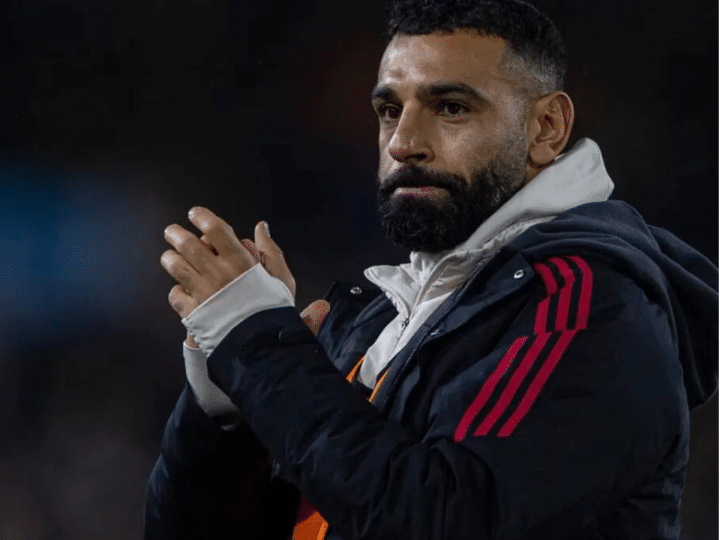
The match featured a poignant moment: the emotional farewell of Egyptian star Mohamed Salah, who played his final Champions League match at Anfield in a Liverpool shirt. Despite his team’s attacking pressure in the second half and their missed opportunities, they were unable to mount a comeback.
This was Mohamed Salah’s final Champions League match for Liverpool after nine seasons with the Reds.
Early collapse of the English Quartet
Before Liverpool’s elimination, English clubs had already suffered a major blow in the round of 16, with four representatives being knocked out: Manchester City, Chelsea, Newcastle United and Tottenham Hotspur.
This collective collapse was a huge shock to English football, especially given the pre-tournament expectations of potential Premier League dominance in the later stages.
Arsenal: The last representative to save the Prem
After these eliminations, Arsenal became the sole remaining English representative in the competition.
Arsenal will face Sporting Lisbon in the second leg of their round of 16 tie, having secured a 1-0 victory in the first leg. This result keeps the Premier League’s hopes alive despite the collective collapse of the other clubs.
Why the English decline? It reflects a clear decrease in the presence of English clubs in European competitions after they had been a formidable force in the semi-finals and finals in recent years.
This decline comes at a critical time, raising questions about physical and mental readiness, in addition to the pressure of the schedule faced by Premier League clubs compared to their European rivals.
Featured image via Liverpool FC News
By Alaa Shamali

Allbirds rides the AI compute wave

Prime Video’s Instant-Classic Fantasy Series Pulls Off One Last Miracle in Epic First Trailer

The House | What to do about SLAPPs? Why urgent reform is needed to protect all of us

Why Israel is blocking foreign journalists from entering

Bitcoin: We’re Entering The Most Dangerous Phase

Alan Cumming Brands Baftas Ceremony A ‘Triggering S**tshow’

XRP COILED SPRING BREAKOUT SETUP! – BANKS ARE HURTING CRYPTO INVESTORS! – $12 – $25 XRP SHORT TERM

7 Money Mistakes You Must Avoid | Smart Financial Habits | Telugu Motivation#motivation#viral#shorts

4-Hour War Countdown. Bitcoin Sphere Of Control
-

 Politics5 days ago
US brings back mandatory military draft registration
-
 Sports5 days ago
Man United discover Nico Schlotterbeck transfer fee as defender reaches Dortmund agreement
-

 Fashion5 days ago
Weekend Open Thread: Veronica Beard
-

 Politics5 days ago
Malcolm In The Middle OG Turned Down ‘Buckets Of Money’ To Appear In Reboot
-

 Politics3 days ago
World Cup exit makes Italy enter crisis mode
-

 Crypto World6 days ago
Canary Capital Files SEC Registration for PEPE ETF
-

 Business5 days ago
Tesla Model Y Tops China Auto Sales in March 2026 With 39,827 Registrations, Beating Cheaper EVs and Gas Cars
-

 Crypto World2 days ago
The SEC Conditionalises DeFi Platforms to Be Avoided for Broker Registration
-

 Crypto World2 days ago
SEC Signals Exemption for Crypto Interfaces From Broker Registration
-

 News Videos6 hours ago
Secure crypto trading starts with an FIU-registered
-
 NewsBeat3 days ago
Pep Guardiola and Gary Neville agree over Arsenal title problem that benefits Man City
-

 Business5 days ago
OpenAI Halts Stargate UK Data Centre Project Over Energy Costs and Copyright Row
-

 Business4 days ago
Ireland Fuel Protests Enter Day 5 as Blockades Spark Shortages and Government Prepares Support Package
-

 Politics5 days ago
LBC Presenter Mocks Trump Over Iran War Failures
-

 Crypto World5 days ago
Federal judge blocks Arizona from bringing criminal charges against Kalshi
-
 NewsBeat3 days ago
JD Vance announces ‘no agreement’ with Iran over nuclear weapons fear
-

 Tech6 days ago
A version of Windows 10 released a decade ago is now eligible for additional security patches
-

 Crypto World1 day ago
SEC Proposes Certain Crypto Interfaces Don’t Need to Register as Brokers
-

 NewsBeat1 day ago
Trump and Pope Leo: Behind their disagreement over Iran war
-

 Business5 days ago
IMF retains floor for precautionary balances at SDR 20 billion
You must be logged in to post a comment Login