
Politics
Cry Jude for England, Harry and St George!

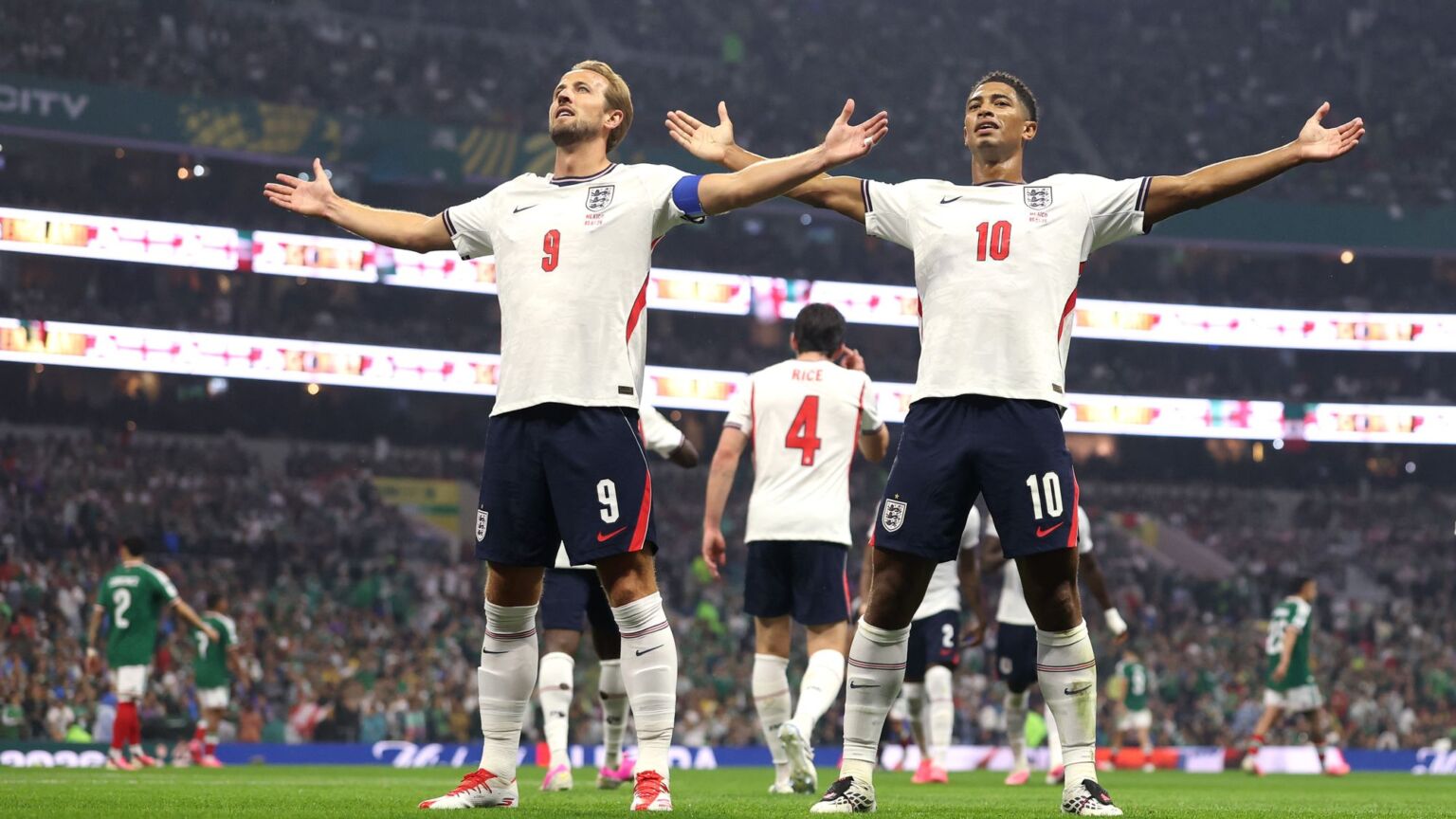
I was standing (alright, swaying) in the garden of my local pub after 4am on Monday, as the first light of day appeared in north-east London and the final whistle finally blew in Mexico City. Bliss it was in that dawn to be awake, as Wordsworth would surely have said.
Not for the first time, England’s 3-2 victory over Mexico did feel like a new football dawn. Even if that dawn turns out to be yet another false one, at least we have already enjoyed more light in this World Cup than during the dark ages under Gareth Southgate.
Two years ago, when the European Championships coincided with the UK General Election, I wrote an article on spiked entitled ‘Gareth Southgate is the Keir Starmer of football’. Like the Labour leader in the election campaign, I suggested, the England coach approached the Euros as ‘a risk-averse, safety-first bore, obsessed with not losing at all costs, who believes being daring is too dangerous and probably equates “flair” with a distress signal’.
The difference was, I pointed out, that Southgate’s England would have to face tougher opponents than the pathetic Tory Party. So ‘whatever his obvious shortcomings’, cautious Starmer would end the election in Downing Street. By contrast, cautious Southgate looked like ‘ending the Euros with nothing – except that this darling of the establishment will probably still get a knighthood’. And lo, it came to pass as Mystic Mick foretold…
Thankfully, Thomas Tuchel, the German who replaced ‘Keir’ Southgate as England boss, is not the Andy Burnham of football. If he were, his team would likely be the same but even worse than his predecessor’s.
True, there were still traces of unimaginative English football in the games against Ghana and Panama. But in the last-16 match against Mexico, we watched an England team we have waited years to see playing away in a major tournament. A team that was defending for their lives yet also going for the kill, with a manager who was not praying for a penalty shoot-out.
The result was a triumph against the odds – over the altitude, the crowd, the VAR-imposed red card and penalty, and England’s own self-destruct gene. Where Southgate’s England turned into a damp squib in successive tournaments, most infamously versus Italy at Wembley in Euro 2020, this England came through a footballing ordeal of fire in Mexico’s Azteca cauldron. And they won it with 10 men.
On Monday morning, that did feel like a new dawn for those of us old enough to remember a long line of over-hyped England teams failing at the first serious hurdle on foreign soil: versus Argentina in 1986 and 1998, Brazil in 2002, Portugal in 2006 and France in 2022. The England fans over there have, for some reason, adopted Oasis’s ‘Wonderwall’ as an anthem this time around, which at least makes a change from repeatedly having to look back in anger.
Although Tuchel does seem to have picked up the English habit of getting his excuses in early, such as blaming the Mexican weather before kick-off, our adopted ‘Tommy Tucker’ is already easily the humiliated Germany’s most significant contribution to this World Cup. (What the Germans call Schadenfreude – taking pleasure in the misfortune of others – is a proper football tradition, whatever the Nu Socca nerds might claim.)
Tuchel got considerable stick when he admitted he had not necessarily picked the best players for his squad, but rather those that would fit his team plan. He shares that utilitarian attitude with the legendary England manager Sir Alf Ramsey. Ramsey of course silenced his critics by winning the World Cup for the first and only time in our history in 1966. We hard-bitten football cynics still seriously doubt whether Tuchel will do the same, but…
So, how far can England go now? We have two genuinely world-class players. Captain Harry Kane seems a better goal-scorer than ever; Jude Bellingham is an unstoppable monster when he feels in the mood. Between them, they have scored 10 of England’s 11 goals in the tournament to date.
At the other end, England’s problems in defence have been much-discussed. It is not just the lack of right-backs in the squad, but of leaders. Jordan Pickford in goal did rise to the crosses and the occasion versus Mexico – let’s hope he continues to command.
I backed England to win in Mexico, and I do think we should beat Norway, if only our Premier League defenders can hobble the super-monstrous Erling Haaland of Manchester City, a striker for the ages who has scored 62 goals in 54 games for Norway. Then it could well be a semi-final showdown with Lionel Messi’s Argentina, the stuff that football dreams and nightmares are made of, with the flashy favourites France waiting in the final.
We live in faint hope, knowing full well that it’s the hope that kills you. But anyway, whatever happens between now and a week on Sunday, we have already had a joyous World Cup.
Not because it has had those who know nothing about football screeching in the pubs, nor because, as those snobbish media pundits claim, it has briefly united our diverse communities divided by politics, blah blah. But because it has given us football fans some old-fashioned, one-eyed patriotic pride.
England will never be loved like the ‘cuddly’ Tartan Army or the rowing Vikings of Norway. Our players will never be crowned as international treasures like Messi, who the FIFA suits seem determined to see lift the World Cup in his last tournament. (Let’s hope we can reduce him to Ronaldo-style retirement tears next week.) But if nobody likes us, we genuinely don’t care.
Saturday night, 10pm. To update Shakespeare’s Henry V: Once more unto the breach, dear friends, once more. Cry Jude for England, Harry, and St George!
Mick Hume is a spiked columnist.



Despite the German state’s slavish support for Israel and its brutal repression of anti-genocide protest, the pro-Palestine movement has scored a major legal victory.
The Zweibrücken Higher Regional Court has ruled that comparing Israel with the Nazis is legal.
German law bans the display of swastikas and other Nazi-linked symbols. However, the court ruled that they can legally be used:
If someone uses the signs for sharp criticism of the methods of the State of Israel and is thus accompanied by a clear distancing or condemnation of Nazi injustice.
German rulemakers overturn activist’s fine
The court was hearing an appeal brought by an anti-genocide activist who had been fined for publishing a table comparing the actions of Israel in Gaza with those of Nazi Germany. The header of the table showed a half Israeli flag and half swastika. Another post showed a combined Israeli and Nazi flag with hashtags #FreePalestine and #GazaUnderAttack.
The appeal court overturned the fine and warned judges not to apply the symbol law in a way that suppresses freedom of speech.
Germany describes support for Israel as its ‘Staatsräson‘, the reason for the existence of the German state. It requires citizenship applicants to formally declare support for the apartheid colony.
Featured image via Katerina Bolovtsova/ Pexels
By Skwawkbox
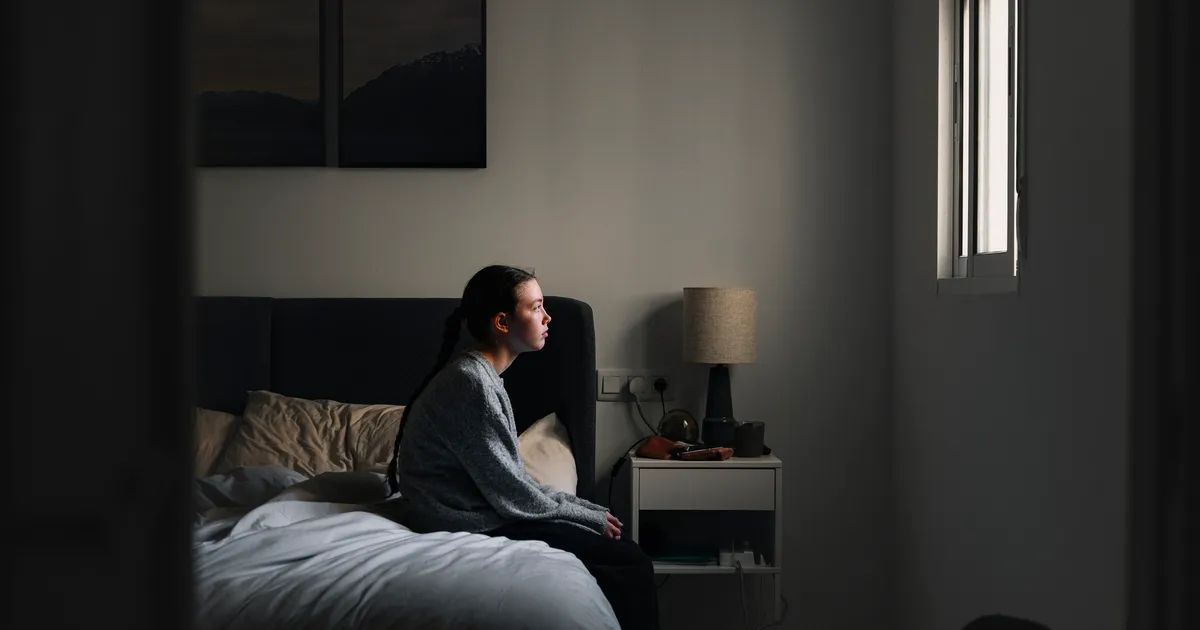
If you spend a substantial amount of time online, you might’ve already come across the terms “manlet” and “hiplet”. But for those who haven’t, “manlet” is a derogatory term that’s been used online for years as a way to height-shame shorter men and boys.
And now “hiplet”, which seems to be newer, is about body-shaming women and girls for having ‘hip dips’ (inward curves located below the hips and just above the thighs) as a retaliation to ‘manlet’ abuse.
Some claim the “the hiplet movement is an allegory to heightism” – basically, men are using the term “hiplet” to make a bigger point about prejudice against shorter men.
But these body-shaming terms ultimately aren’t helping anyone. Men have shared online how the term “manlet” has made them feel “depressed and insecure”, while women are saying “hiplet” is just another insecurity to add to the list.
Commenting on the trend, Fiona Yassin, family psychotherapist, and founder and clinical director of The Wave Clinic, told HuffPost UK: “Social media has a way of taking a perfectly normal human characteristic and turning it into a ‘flaw’ overnight.
“Terms like ‘manlet’ or ‘hiplet’ are designed to shame people by making them feel as though their body is somehow outside the norm, when in reality height, hip shape and body proportions vary enormously and are entirely unique.”
How to talk to young people about body-shaming comments
While adults might be able to brush off comments made online, for young people it can be a lot harder to just “ignore” them.
Yassin suggests that if a child reveals they’ve been targeted with one of these terms, parents should “resist the urge to dismiss it”.
“Instead, acknowledge what they are saying, validate their feelings, and remind them that these insults say far more about the culture of online comparison than they do about the person being targeted,” she added.
You could ask them open questions such as, “how did that make you feel in the moment?” or “what do you think those comments were trying to achieve?” – this, the therapist added, can help them process the experience rather than internalise it.
Of course, half the time these comments are probably coming from other young people who might not fully understand what they mean – or how they can seriously cause hurt.
“Children engaging in viral trends often don’t fully understand the potential impact on others,” continued Yassin.
“The goal for parents is to reintroduce mentalising – the ability to reflect on the thoughts, feelings, and intentions of both themselves and other people. When mentalising is ‘off-track’, children may act or speak without considering how it lands.”
If your child has called other people these terms, saying it was “just meant to be funny”, it can be helpful to remind them that a joke is only a joke when everyone is laughing.
The therapist continued that “if it’s damaging, toxic, makes others uncomfortable or is at someone else’s expense, it’s not a joke”.
“Ultimately, it’s important for children to understand that our actions always affect others.”
Supporting teens to build body confidence
At home, it can also help to:
1. Avoid commenting on body shape or size
“Avoid comments about your teenager’s appearance – especially if they’re negative, or could be interpreted that way,” said Yassin.
It’s important children don’t hear the adults in their lives criticising their own bodies – or the bodies of other people.
“When parents criticise body shape, or suggest someone could improve their appearance, be ‘thinner’ or make their body different in some way, the underlying message is: you are not okay as you are,” warned the therapist.
2. Build body confidence by focusing on function, not appearance
“Building body confidence starts with helping teenagers see themselves as more than their appearance,” she continued.
You can do this by encouraging conversations about what their body allows them to do, rather than how it looks, and help them develop a critical eye towards social media trends that profit from insecurity and outrage.
“The goal isn’t to convince teenagers that cruel comments don’t matter, but to help them build a strong enough sense of self that someone else’s attempt to define them carries far less weight,” Yassin added.
3. Validate personal qualities – not appearance
Therapists and body image experts generally advise to steer clear of praising kids on their appearance or physical attributes, instead opting to praise kindness, creativity, resilience, humour, effort and values.
4. Seek professional support early
Unfortunately kids can’t escape bullying, as it can follow them home online.
Heightism, especially among boys, should be taken seriously – it’s a form of bullying and can have negative mental health implications for those on the receiving end.
Yassin advised that if body-shaming continues at school or begins to affect a young person’s mood, confidence or willingness to socialise, it’s important to involve the school and seek additional support if needed.
“If a young person shows signs of body image distress, restrictive eating, bingeing, purging, or obsessive exercise, early intervention is critical,” she added.
“Eating disorders are complex and often require the assistance of a psychiatric and mental health team. The earlier we intervene, the better the outcome.”
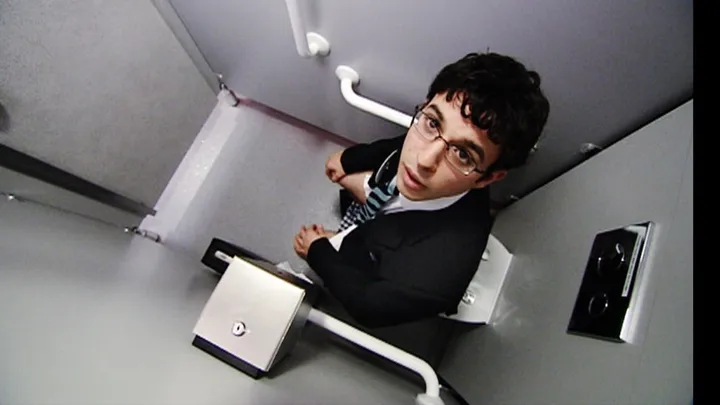
Last year, fans of The Inbetweeners got some promising news: it seemed set for a revival after a 10-plus-year hiatus, as production company Banijay UK and the show’s creators came to an agreement that “pave[d] the way” for its return.
And now, Variety has confirmed that the original cast is working on a reunion flick with streaming giant Netflix.
It follows two hit movies based on the teen sitcom, which chronicles the misadventures of friend group Will MacKenzie (Simon Bird), Simon Cooper (Joe Thomas), Neil Sutherland (Blake Harrison) and Jay Cartwright (James Buckley). The comedy blockbusters were released in 2011 and 2014, respectively.
The first installment, The Inbetweeners Movie, raked in about £66 million globally against an estimated £3.5 million budget. And its sequel, The Inbetweeners 2, made about £47.5 million worldwide.
These were based on the 2008-2010 UK series, which acted as a kind of grimly relatable alternative to sex-and-drug-fuelled teen hit Skins, which also aired on E4.

Simon Bird said, “Skins is great because it’s this fantasy of what you want your teenage years to be whereas The Inbetweeners is what your teenage years actually were”.
We don’t yet know anything about what Netflix’s The Inbetweeners flick might look like, though it’s hard to imagine the original cast, who appear to be attached to the title, will be playing their former adolescent selves.
The cast’s real-life ages range from their late 30s to early 40s.
Blake Harrison, who plays Neil, told the BBC in 2014 when he was aged 29: “The humour comes from their naivety and ignorance towards the world and as soon as you start placing that naivety and ignorance into people in their 20s and 30s, it becomes a bit more offensive and less funny”.
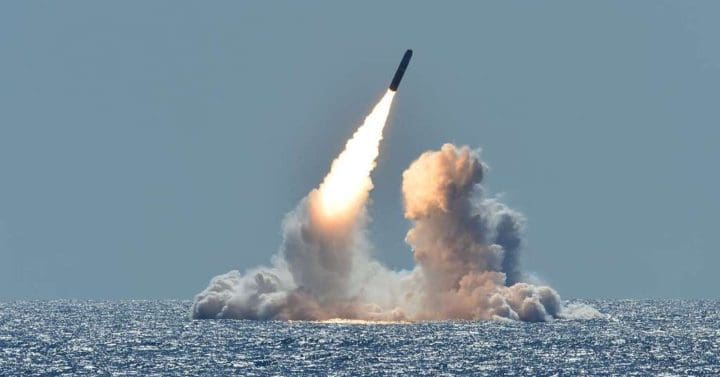

The response by the UK Labour Government to the failure of a United Nations (UN) nuclear non-proliferation conference to reach a consensus has been criticised by a wide range of UK and international experts and campaigners.
The government had sent a minister to speak at the UN in New York at the start of the 11th Review Conference of the Nuclear Non-Proliferation Treaty (NPT), which took place from 27 April to 22 May 2026.
Initially, the government chose not to comment when the Canary reported on the failure of the review conference to reach consensus on an outcome document. They have now provided a response to Baroness Miller of Chilthorne Domer, a Liberal Democrat peer, who asked an oral question about the conference in the House of Lords on 9 July 2026.
Miller’s question
Miller is one of five co-presidents of the international non-governmental organisation called Parliamentarians for Nuclear Non-Proliferation and Disarmament (PNND).
She asked the government “what diplomatic steps” it intended to take “following the absence of consensus at the Review Conference of the Nuclear Non-Proliferation Treaty”.
Foreign, Commonwealth and Development Office (FCDO) minister of state Baroness Chapman of Darlington responded, saying:
The nuclear non-proliferation treaty is the cornerstone of the international nuclear order and the UK remains fully committed to it. It is a treaty that has kept us safe for over half a century, underpinning international security by constraining the spread of nuclear weapons.
Although it is disappointing that consensus could not be reached in New York, the review conference covered a thorough examination of global progress to implement NPT obligations over the past four years so as to identify positive progress and those areas that remain challenging.
Speaking after the debate to the Canary, Miller said she asked the question because she has:
been concerned about the threat nuclear weapons pose for decades.
She added:
That threat is increasing, not decreasing. The lack of progress of the NPT agreements toward disarmament and the P5 modernising and upgrading nuclear weapons means we face a terrifying threat.
The P5 are the five nuclear weapons states (NWS) who are also the five permanent members of the United Nations Security Council (UNSC) – the US, Russia, China, the UK and France.
She also highlighted the fact that the Doomsday Clock has been set at its all time worst position – just 85 seconds to midnight.
“Genuinely disappointed”
Miller also said she hoped that the NPT review conference would agree on:
risk reductions, new treaty discussions to cover the gap left by [New] START’s demise.
She also said she thought the government was “genuinely disappointed” by the failure of the conference to agree on an outcome document.
In February, the UK Labour government was accused of “sitting on the sidelines” of international nuclear weapons risk reduction diplomacy following the expiration of New START (New Strategic Arms Reductions Treaty). The treaty limited the number of nuclear weapons the US and Russia could hold.
Reflecting on the government’s response to her question, Miller said she thought it was:
adequate, but not very energetic compared to the threat posed.
She added that she hoped the government would step up to:
be a leader amongst the P5 to ensure new treaties are put in place and to ensure diplomatic channels are open so as to avoid nuclear accidental misunderstandings.
First review of the TPNW
Towards the end of 2026, the UN will host the first review conference of the Treaty on the Prohibition of Nuclear Weapons (TPNW), which goes further than the NPT in pushing for the abolition of all nuclear weapons.
It is supported by half of the world’s nations, but no nuclear weapons states have joined it.
Miller told the Canary that she wished the P5 would engage with the TPNW. She said:
After all, the final goal of the NPT is disarmament. However, successive UK Governments have been clear that, for them, the NPT is the only Treaty they will engage with.
UK Government breaching the NPT and uninterested in disarmament – anti-nuclear campaigners
Responding to the debate, Nuclear Information Service co-director Okopi Ajonye told the Canary:
This session is yet another example of how the government’s support for disarmament is more rhetorical than real, as the UK Government seems far more interested in preventing the spread of nuclear weapons and promoting the peaceful uses of nuclear energy than in furthering nuclear disarmament.
Campaign for Nuclear Disarmament (CND) general secretary Sophie Bolt told the Canary:
Simply expressing disappointment at the failure of the review conference rings hollow when the government is replacing Trident, developing a new nuclear warhead and expanding Britain’s nuclear capabilities by purchasing F-35A’s. Those actions undermine the very trust the Government claims it wants to rebuild. In fact, it is total nuclear hypocrisy.
Bolt also argued that the UK should bring confidence back to the NPT by reversing its “disastrous nuclear expansionism”.
Government deflections
International Campaign Against Nuclear Weapons (ICAN) advocacy coordinator Florian Eblenkamp gave his reaction to the debate to the Canary. He said:
What stands out is how much of it was deflection. Chapman didn’t know a new Commons committee scrutinising nuclear spending even exists. She had ‘nothing new’ to say on New START, the last bilateral arms control treaty between the US and Russia, having lapsed in February.
During the debate in the House of Lords, Conservative peer Lord Bellingham asked:
Can the Minister say something about New START, the treaty which was the last remaining bilateral arms control agreement between the US and Russia, which has expired? What is the future of that treaty? I know that is a slightly separate issue, but it is related.
Responding, Chapman said:
That might be a question better addressed to my colleague at the Ministry of Defence. My understanding of these issues is that our position remains consistent with that of previous Administrations. I do not have anything new that would be particularly illuminating in response to the noble Lord’s question.
Eblenkamp criticised the UK’s and other nuclear weapons states’ “performance” of compliance, rather than real compliance, with the NPT.
He also demanded that the UK Government sends officials to attend:
meetings of the UN Treaty on the Prohibition of Nuclear Weapons as an observer, rather than treating the treaty that bans nuclear weapons and has support of a global majority as something to be ignored.
He added:
None of that requires the UK to disarm unilaterally tomorrow. It requires the government to stop answering with ‘nothing new’ when asked about arms control efforts in parliament.
Eblenkamp concluded by saying:
The UK has surpassed Russia as the world’s third-largest spender on nuclear weapons. In 2025, the UK alone spent $12.6bn (£9.34bn) on modernising its nuclear arsenal; that’s a 17% increase from the year before. Nuclear weapons will make up close to 25% of the UKs national defence budget going forward.
And yet, there is no genuine sense of security from perceived threats. At what point do we call out nuclear deterrence as an expensive dogma rather than a defence strategy?
UK Government must find its voice and call for disarmament – nuclear policy expert
The European Leadership Network (ELN) describes itself as:
an independent, non-partisan, pan-European network of over 450 past, present and future European leaders working to provide practical real-world solutions to political and security challenges.
ELN head of programme on nuclear and multilateral disarmament Oliver Meier told the Canary:
Disarmament only comes up in the debate once, the focus is squarely on nonproliferation. This neglect of disarmament in the debate is indicative of the nuclear weapon states’ approach to the NPT.
As the majority of states have emphasized again and again in New York, progress on disarmament and nonproliferation are interdependent and intrinsically linked. So the UK also needs to ask itself how its own actions are affecting that broader issue of the salience of nuclear weapons.
Meier called on the UK Government to find its voice on disarmament and to call out the US – alongside Russia and China – for its actions on nuclear escalation.
He said:
UK (and France) as European nuclear weapon states have to find their own voice on disarmament and nonproliferation. They will continue to speak out against irresponsible actions and rhetoric by Russia and China’s nuclear build-up.
But they also need to speak clearly on irresponsible US nuclear threats and actions and violations of international law, including the attacks on Iran. Otherwise, their credibility towards the majority of the international community will suffer.
UK should be more transparent about its nuclear weapons policy – UN expert
The United Nations Association – UK (UNA-UK) says it works:
to strengthen the UK’s commitment to the UN and for foreign policy rooted in international law, human rights, peace and international cooperation.
Reflecting on the debate in the House of Lords, UNA-UK campaign manager Lauren Muir told the Canary:
Given the UK’s position as both a Nuclear Weapon State under the NPT and a recognised leader in nuclear verification research, there is scope for it to exercise greater diplomatic leadership in addressing this widening credibility gap.
Muir called on the UK Government to do more to further the cause of nuclear disarmament, saying:
UNA-UK would like to see the Government focus more on practical measures that demonstrate progress on its nuclear disarmament commitments.
This means being more transparent about UK policy, providing clearer reporting on progress under the NPT, continuing to support international nuclear verification work, and taking a more active role in developing measures that reduce the risk of nuclear conflict and build trust between states.
The Defence Investment Plan (DIP) includes significant funding for the UK’s nuclear weapons programme, so it appears unlikely that the UK Government will work towards the type of nuclear deescalation called for by experts.
Featured image via the Canary
By Tom Pashby

If your child’s starting Year 7 in September, there’s a strong chance you’ve already thought about their first day more than they have.
Every summer I meet parents worrying about whether their child will make friends, find their way around a much bigger building, or cope with going from top of the school to the very bottom overnight.
Those are all fair worries, and starting secondary school really is one of the biggest changes a child goes through.
But after watching hundreds of pupils make this exact move, I’ve come to think we tend to pin our nerves on the wrong day, because the transition is really made over the summer, weeks before the first bell.
The reassuring bit is that most children are far more ready than we give them credit for. By the time they leave primary, they’ve already learnt how to make friends, fall out and make up again; cope when a plan goes sideways; and ask an adult for help – and all of that will carry them through Year 7 just as well as knowing where the science block is.
None of which means every child sails through, because they won’t. But most of those worries do settle, and there’s solid research to show it. When University College London (UCL) followed around 2,000 children through the move for its STARS study, it found most had some worries beforehand that eased once they actually started secondary.
So, a bumpy first few weeks is usually just part of settling in, and a calm face at home is one of the best things a child has going for them while it passes.
Ahead of that nerve-wracking first day, here are some ways you can help prepare your child while they’re off for summer.
1. Keep the chat upbeat
Kids clock our tone of voice long before they take in the actual words, so keep talk of secondary school on the sunny side. A few nerves are normal, so say so, then steer the conversation around to the good stuff, like new friends, new subjects and all the clubs they never got to do at primary school.
2. Talk, and then talk some more
Ask Year 6s across the country what’s scaring them most and the answer is nearly always ‘getting lost’, which makes total sense when they’ve spent years in one building where they know every corner.
When your child asks “but what if I get lost?”, they usually want reassurance more than a plan, because underneath it they’re really asking whether it’s normal to feel nervous. It always is. Let them say the worry out loud, tell them how you felt on your own first day, and remind them that staff spend all of September helping Year 7s find their way.
3. Get the boring stuff bought early
Buy the bag, uniform and kit well before the last week of the holidays, because nobody wants to be tearing around town for the last pair of black school shoes or a scientific calculator the night before term.
Once it’s bought, hand it all over and let them unpack it, label it and sort it themselves, so it feels like old news by the time September comes.

4. Sneak some independence into the summer
Secondary runs on a hundred small jobs your child does without you, so treat the holidays as a low-stakes practice run. Let them nip to the shop, meet mates in town and get themselves ready for a day out. Once term starts, get them making their own packed lunch and laying their uniform out the night before.
5. Practise the journey together
For a lot of kids, getting to school is the first proper thing they’ll do on their own, so do a couple of trial runs. Walk, cycle or bus it together first, then let them try it with a friend, and time it while you’re at it. Talk through what to do if the bus doesn’t turn up or they take a wrong turn, because a plan they’ve already talked over does wonders for their confidence.
6. Hang on to old friends and routines
Those first few weeks are exhausting, with everything new at once, which is exactly why familiar faces and old routines are worth holding on to. An afternoon with primary school mates, or the usual Saturday footie, is a proper breather in the middle of the whirlwind, so give them room to find their feet and go easy on the questions at the school gate.
7. Get ahead of the new phone rules
This year’s intake has something new to think about, because most will start secondary with much stricter rules around phones during the school day. Rather than letting it become another worry, look at your school’s policy together before September, so your child knows exactly what to expect.
8. Keep the school in the loop
If something’s worrying you, the school really does want to hear about it, so drop a line to your child’s tutor or head of year, get along to the information evenings, and keep half an eye on the emails coming home. It’s the quickest way to know what’s going on.
Every September I watch new Year 7s turn up looking tiny in oversized uniform, and within a few weeks the same children are finding their classrooms without a second thought, joining clubs and coming home name-dropping teachers you’re still struggling to keep track of yourself.
That happens because we give them room to work things out, with support around them when they need it.
So, talk up what’s coming, hand over a bit more responsibility than you did last month, and trust that seven years of primary school have got them more ready than either of you quite believes right now.
It’s a big milestone, but in the end it’s only one morning, and the real work is the bit you get to do together this summer.
Andrew Wilson is the chief executive of OAK Multi Academy Trust.

We hope you love the products we recommend! All of them were independently selected by our editors. Just so you know, HuffPost UK may collect a share of sales or other compensation from the links on this page if you decide to shop from them. Oh, and FYI — prices are accurate and items in stock as of time of publication.
If there’s one thing we take good care of in summer, it’s our skin. Or the skin on our face, at least.
While we spend the sunny months and beyond prepping our faces with acids, primers, and sunscreens, other areas get ignored.
But it’s time we get real about the spots that get the most sweaty during the heatwave – our genitals.
Yep, I’m going there. You might be wearing breathable cotton and linens on the rest of your body, but most of us forget to protect our bits during the heat, and they need just as much attention.
I’m sure I don’t need to tell you this, but sweating down there gets uncomfortable pretty quickly.
You don’t need to suffer in silence, though, because I’ve found the solution to better comfort between your legs in the heatwave: bamboo underwear.
Although lots of underwear brands use polyester and synthetic materials in their underwear, that could contribute to excess sweat, and won’t let your genitals breathe properly. Talk about a one way ticket to thrush town.
To combat discomfort during the warmer months, Step One has created an underwear line crafted entirely from bamboo.
As well as being sustainable (thanks to how quickly it grows) bamboo also makes breathable, antibacterial, and moisture-wicking underwear.
Not only does this make them comfy enough to wear all day, but also means they’re great for sweating during training or long runs.
And whether you’re a briefs gal or a trunks guy, Step One has crafted a shape for every occasion – it even has period pants (which just so happen to be this shopping writer’s favourite).
If you’re looking for a sure-fire way to transform your comfort during the heatwave, I’ve rounded up the best pieces of Step One underwear to shop now.
And if you’re in pursuit of a bargain, good news: when you buy a multi-pack you’ll get a discount of up to 15% off. Yippee!
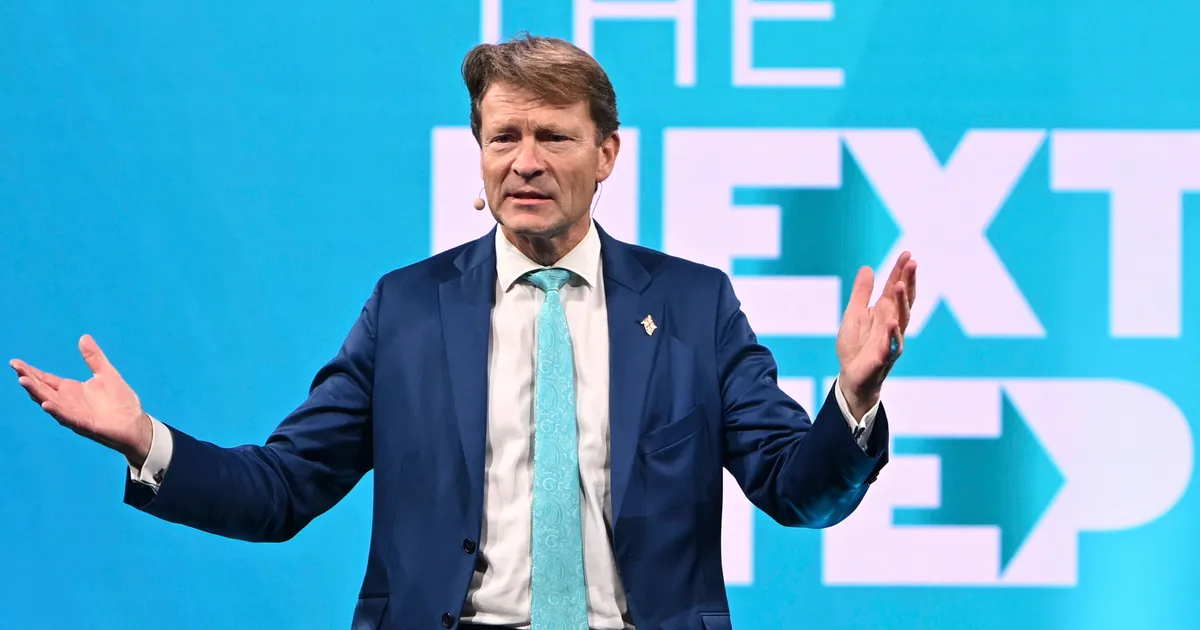
Westminster’s sleaze watchdog has launched an investigation into Reform UK deputy leader Richard Tice.
The parliamentary commissioner for standards said he had begun investigating claims Tice had failed to declare an interest.
A separate probe into Nigel Farage’s failure to declare a £5 million gift from a Thailand-based crypto billionaire has been suspended while he fights the Clacton by-election.
Labour said: “The Reform sleaze scandals continue to pile up.”
In a post on X, Tice claimed the complaint against him had been made by an “anti semitic anti Israel lobby group over whether I should have referenced my register of interests at start of a debate on UK democracy and Israeli influence”.
A Labour spokesperson said: “Reform’s leader and deputy leader now have standards investigations hanging over them.
“With police probes, Nigel Farage’s secret £5 million gift, and reports of funding from a convicted fraudster – it’s clear Reform think the rules just don’t apply to them.”
Listen to Commons People, the podcast that makes politics easy. Every week, Kevin Schofield and Kate Nicholson unpack the week’s biggest stories to keep you informed. Join us for straightforward analysis of what’s going on at Westminster.
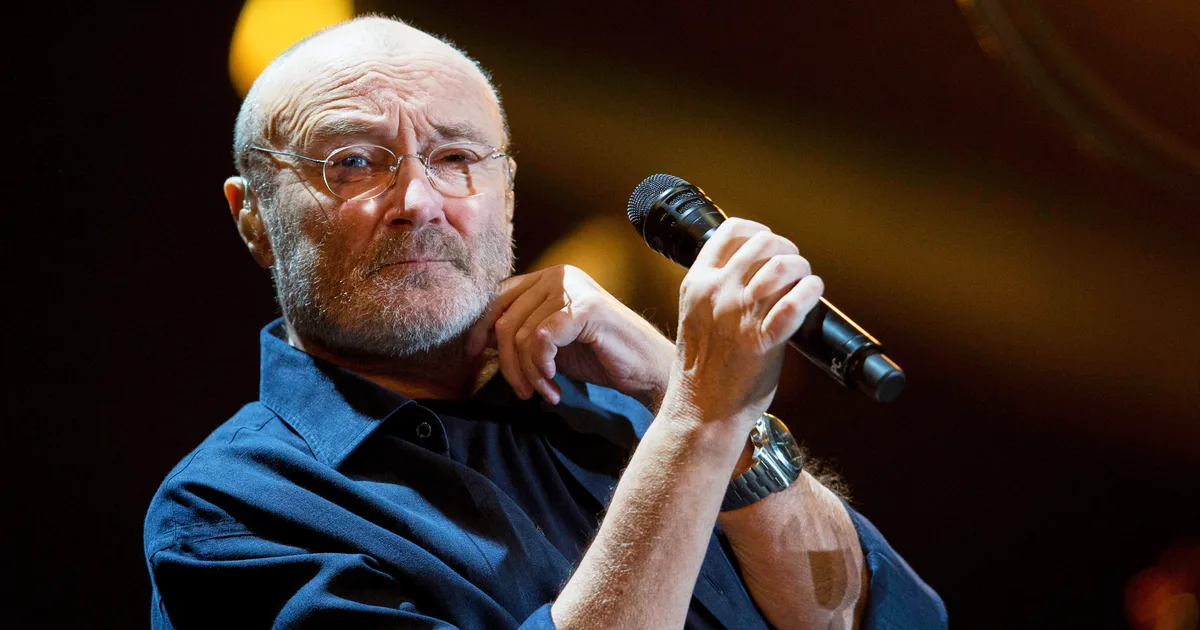
“I had everything that could go wrong with me… go wrong with me,” he said at the time, adding that “drinking too much” left his kidneys “messed up”.
Phil has also explained he’s been dealing with a spinal injury as well as type 2 diabetes.
And speaking to The Times recently, the Genesis star shared that he almost died in 2024.
He said he was admitted to a Swiss hospital in late 2023 due to alcohol addiction before being discharged and brought back a second time. He added he was placed in intensive care on his return and was mostly unconscious during this second stay.
“My kidneys were packing up, my organs were just seizing up,” he told The Times.
“People were coming to say goodbye. But I don’t remember them coming. I didn’t have no idea this was going on. They were all worried that they wouldn’t see me again. It could all have gone so terribly wrong.”
His five children reportedly visited during this time.
Phil continued: “There were some decisions to be made about ‘Do we keep Phil on life support?’ kind of thing. I was very lucky to have come out of that… Needless to say, I haven’t had a drink since.”
Back in 2021, Phil said he could no longer play the drums. “I’d love to but I mean, I can barely hold a stick with this hand,” he told BBC Breakfast.
“There are certain physical things which get in the way.”
The singer told Mojo magazine in 2025 that he’d considered making new music: “I keep thinking I should go downstairs to the studio and see what happens. But I’m not hungry for it anymore.
“The thing is, I’ve been sick. I mean very sick.”
You can read The Times’ interview in full here.

If your grass is looking crispier than ever, you’re not alone.
Across the UK, once-lusciously-green lawns are drying out. In areas with hosepipe bans in place; brown spindly grass is a common sight.
You might be thinking all is lost and you’re going to have to deal with the troublesome task of starting over with your back garden when the weather cools (and rain finally makes an appearance).
But horticulturist Monty Don has shared some words of reassurance for those whose blades are looking fragile during this period of drought.
“If, like the cricket pitch, your grass is burnt entirely brown with not a blade of green grass, don’t worry,” said the seasoned gardener.
“And don’t waste water on it! I assure you it will recover full greenness very quickly once we get some rain.”
Why your brown grass probably isn’t dead
While your grass blades might look frazzled, the underneath of the grass likely tells a different story.
“Most UK lawns simply go dormant during prolonged hot, dry weather,” note the experts at Johnsons Lawn Seed.
Those tiny blades of grass are clever and dormancy is basically a “natural survival mechanism”, the lawn pros added, which helps them to conserve energy until rain arrives.
So long as the plant’s “crown” – the node at which soil and root meet – stays healthy, “the grass has the capability to recover once temperature and moisture conditions improve,” Utah State University explained.
This key section can survive despite, and in fact because of, brown grass blades.
How to tell if grass is dead or not
If you do think your grass might be on its last legs, a simple way to tell is by doing a ‘tug test’ – basically, grab a clump of grass and tug.
Dead grass will pull up incredibly easily, with practically no resistance, HuffPost UK previously reported, while dormant grass will remain rooted after being gently tugged.
My lawn is newly laid. How do I stop it from dying?
If your lawn isn’t well-established and you want to stop it from dying immediately, you might be able to still use a hosepipe to water it.
According to Thames Water’s hosepipe ban FAQs page, people can use a hose or sprinkler if their new lawn was recently laid by a business as a service.
“In this case, hose use is allowed for the first 28 days from the day of planting, sowing or turf laying. The hosepipe must only be used on the new planting, and not elsewhere,” reads the site.
After 28 days, gardeners should switch to a watering can instead (or use an approved irrigation system).
Irrigation system? Tell me more…
Some irrigation systems are allowed to be used during hosepipe bans – although you should check with your water supplier as rules vary.
Thames Water notes that customers can use approved drip or trickle irrigation watering systems.
But they “must be fitted with a pressure reducing valve and a timer”. Irrigation systems which cause surface run-off or dispersion of water through the air (using a jet or mist) aren’t allowed.
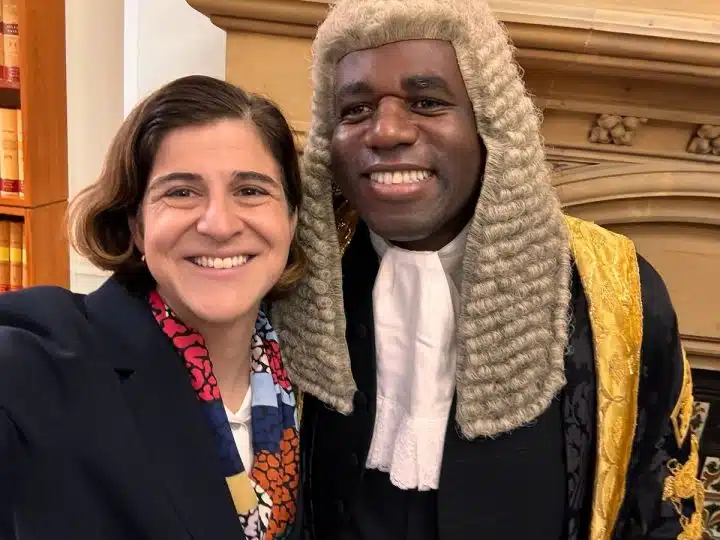

Back in March, the Labour government’s bill to restrict access to jury trials – a right enjoyed by English citizens for over 800 years – successfully passed its first reading. But last week, only hours after former Justice Minister David Lammy was dropped from Andy Burnham’s new cabinet, a Downing Street spokesperson announced that the newly coronated Prime Minister had no intention of following through with the plan.
Eyebrows were raised, however, at the ministerial re-appointment of Sarah Sackman, Keir Starmer’s ex-solicitor general and a key supporter of Lammy’s jury proposals. Sackman has previously worked as a foreign law clerk at the Israeli Supreme Court, and her grandfather once served as an ambassador for the settler state. Last week, Burnham extended her role in government with a re-appointment at the Ministry of Justice.
Sackman’s funders
At the end of June, and just eleven days after Burnham’s by-election victory in Makerfield, Sackman registered two new donations, each of £1250, from veteran pro-Israeli bankroller Trevor Chinn.
Sackman has long been a favourite of wealthy lobbyists, receiving tens of thousands of pounds from ex-Labour Friends of Israel chair Jonathan Mendelsohn, former Israeli soldier Jonathan Kestenbaum, and the Grabiner family. Anthony Grabiner, who is not amongst Sackman’s donors, was one of the UK Lawyers for Israel patrons recently subject to a “legal intimidation” complaint.
What do Sackman and Burnham really care about?
On Wednesday, at an event organised by Jewish Care, a charity whose Life President is former Tony Blair bankroller Michael Levy, Sackman announced:
It was wonderful to welcome the Prime Minister back to Jewish Care in Golders Green this morning … As Andy said, this time we are going to get this right.
However, a professed passion for reforming the care system is not the only thing the pair have in common. One of the funders of Burnham’s 2015 Labour leadership campaign was Michael Sternberg, who has also financed the current Courts Minister.
From 2015-2024, Sackman was vice-chair of the Jewish Labour Movement, which states that one of its aims is:
to promote the centrality of Israel in Jewish life.
In 2015, Sackman said:
The issue of Israel is something that is deeply personal and emotional.
Sackman’s opposition to the ICC
In May 2024, Sackman opposed International Criminal Court (ICC) arrest warrants for Israeli prime minister Benjamin Netanyahu and defence minister Yoav Gallant, saying:
I trust the Israeli people to hold their leaders to account.
A 2025 Penn University poll recorded that 82% of Jewish Israelis supported the forced expulsion of Palestinians from Gaza. 47% agreed that the Israeli military should kill all inhabitants of enemy cities. This is the nation Sackman “trusts” to hold war criminals Netanyahu and Gallant to account.
Before entering politics, Sackman worked at Matrix Chambers with former attorney general Richard Hermer, who once declared that he has “dear family members” serving in the Israeli military. Last week, Burnham replaced Hermer with Ellie Reeves, a long-time supporter of the Labour Friends of Israel lobby group.
Burnham continues Starmer’s legacy
Starmer will always be remembered for the military and diplomatic support he consistently lent to the Israeli state. But in December 2024, just over one year into the Gaza genocide, Sackman insisted that Starmer’s administration had “broadly got it right” on the issue of Palestine.
She made the comments in a public conversation with Adrian Cohen, LFI’s lay chair. Last Thursday, the controversial lobby group published a new paper suggesting that a ban on trade with illegal Israeli settlements is “practically and politically impossible”.
LFI-affiliated MPs continue to dominate the Labour cabinet. On the issue of Palestine, Sackman’s re-appointment sends a loud signal to those who thought Burnham might change course.
Featured image via Facebook

The terrible catch-22 of being trapped in an unsellable flat: What to do if prices are collapsing in your city

Jio Financial Services shares rise 2% after firm sets record date for dividend. What to expect?

Trumps’ American Bitcoin reports record BTC output, narrower Q2 loss


-

 Business5 days ago
Why Trees Belong on the Risk Register
-

 Fashion3 days ago
Weekend Open Thread: Wit & Wisdom
-

 Politics3 days ago
Meta enters AI-training agreement with far-right ‘propaganda rag’ Newsmax
-
 Entertainment6 days ago
‘Stargate’ Creator’s New Sci-Fi Series Returns for Season 3 Tomorrow
-

 Crypto World2 days ago
MicroStrategy Post-Earnings CLARITY Act Push Could Add New Catalyst for Its Stock
-

 Politics6 days ago
The Part of the Electric Transition Nobody Wants to Discuss
-

 Business5 days ago
Major shareholder moves on Canyon
-

 Crypto World2 days ago
XRP Ledger v3.3.0 brings five institutional features
-

 News Videos4 days ago
Bitcoin Enters the 3rd Stage of the Bear Market
-

 Crypto World6 days ago
Kraken Enables Retail Access to Jersey Mike’s IPO via Tokenized Shares
-

 Tech6 days ago
New macOS Sequoia & Sonoma security updates for older Macs
-

 Politics4 days ago
Luke Littler’s dominance sparks GOAT debate
-

 News Videos6 days ago
Claude: Build Financial Dashboards in Minutes (2026)
-

 Business6 days ago
Johnson & Johnson agrees to $5.5B settlement over talc cancer claims
-

 Sports3 days ago
Seema Kaliramna Wins Discus Throw Bronze, Takes India’s CWG Medals Tally To 17
-

 Crypto World1 day ago
Crypto PAC spending tops $2M in Michigan House race
-

 Business3 days ago
Trump Announces Hamas Disarmament Agreement as Iran Strikes Kuwait Air Base and US Attacks Pause Overnight
-

 Tech5 days ago
Gemini can now summarize the messiest comment threads in Google Docs
-

 Tech1 day ago
ESET tracks rise in malicious AI skills and adaptable malware
-

 News Videos5 days ago
LIVE: XRP BULL RUN CONFIRMED! Donald Trump & Brad Garlinghouse Discuss Ripple
You must be logged in to post a comment Login