Connect with us
DAPA Banner
DAPA Coin
DAPA
COIN PAYMENT ASSET
PRIVACY · BLOCKDAG · HOMOMORPHIC ENCRYPTION · RUST
ElGamal Encrypted MINE DAPA
🚫 GENESIS SOLD OUT
DAPAPAY COMING

Politics

How to Choose the Right Security Door for Your Property Type

Published

on

How to Choose the Right Security Door for Your Property Type

The right security door is not the same for every building. A terraced home, detached house, workshop, garage, and commercial unit all have different risks, access points, and practical requirements.

Before comparing steel, composite, timber, or uPVC, it helps to understand what the door actually needs to do. A front door on a residential street may need to balance security with kerb appeal. A rear workshop door, on the other hand, may need to prioritise forced-entry resistance, frame strength, and durability above appearance.

In most cases, the best choice comes down to four things: threat level, property type, durability, and any planning or heritage restrictions.

The 4 Things That Should Decide Your Security Door Choice

1. Threat Level

Most residential break-ins are opportunistic. Someone may try a handle, look for a weak frame, or choose a door that appears easy to force open quickly and quietly.

Advertisement

That means not every property needs the most heavy-duty door available. A standard home front door has a different risk profile from a workshop storing tools or a commercial unit left empty overnight.

For higher-risk locations, the door material alone is not enough. The frame, lock, hinges, and certification matter just as much. Look for recognised standards such as PAS 24, which tests the full doorset, including the leaf, frame, hardware, and glazing. Secured by Design, the police-backed security initiative, is another useful benchmark because it shows the product has been tested to a recognised standard.

2. Property Type and Door Position

Where the door sits on the building is one of the biggest factors.

A front entrance is visible and usually needs to look right. A side or rear door is often less visible, which can make it a higher-risk access point. Garage side doors, basement entrances, utility doors, workshops, and commercial service entrances are frequently weaker than the main front door.

Advertisement

This is where many people make the wrong decision. They spend heavily on the front door but leave the back door, garage, or side entrance under-protected. From a security point of view, those overlooked doors are often the ones that matter most.

3. Durability and Maintenance

A security door should not only perform well on day one. It should still close properly, lock cleanly, and resist attack after years of weather, use, and impact.

Steel doors are strong, low maintenance, and resistant to warping, swelling, and rot. Composite doors are also stable, secure, and well insulated, making them a strong choice for residential front entrances. Timber doors can look excellent on period properties, but they need regular maintenance. uPVC doors are usually the lowest-cost option, but they are not normally the strongest choice when forced-entry resistance is the priority.

4. Planning or Heritage Restrictions

If your property is listed, replacing an external door may require listed building consent. Unauthorised changes to a listed building can be a criminal offence, even if the new door is more secure or energy efficient.

Advertisement

Conservation areas may also have restrictions, especially where Article 4 directions remove permitted development rights. Before ordering a new door for an older or protected property, check with your local planning authority.

A practical compromise is often to keep the front door sympathetic to the building’s appearance, while improving security on less visible side or rear access points.

Steel vs Composite vs Timber vs uPVC

Steel Doors

Steel is the most practical choice when security, durability, and heavy use matter more than traditional domestic appearance. It is especially suitable for side and rear doors, garages, workshops, outbuildings, commercial units, and service entrances.

A good steel doorset combines a reinforced steel leaf with a strong steel frame. This matters because a strong door fitted into a weak frame will not deliver the level of protection people expect.

Advertisement

For residential, commercial, and industrial settings, Latham’s steel security doors range is a relevant example because it includes single and double doors, stock sizes, and options for different levels of security.

Composite Doors

Composite doors are often the best all-round option for standard residential front doors. They offer strong security credentials, good insulation, multipoint locking, and a wide range of styles and colours.

They are ideal where appearance and domestic performance matter. However, they are not usually designed for the same level of abuse as a commercial or workshop door. If a door will be used heavily, kicked shut regularly, or exposed to higher theft risk, steel will often be the better long-term choice.

Timber Doors

Timber is best where appearance and authenticity are important. Period homes, listed buildings, and conservation areas may need a timber door to preserve the character of the property.

Advertisement

A well-made hardwood door can be secure, but it needs proper care. If timber moves, warps, or deteriorates, the locks may stop engaging cleanly and the door may no longer sit properly in the frame. For exposed rear doors, workshops, or high-use entrances, timber is not always the most practical option.

uPVC Doors

uPVC is usually the budget option. It can work for lower-risk properties, internal porch doors, or utility entrances where cost is the main concern.

However, when forced-entry resistance is the priority, uPVC is rarely the best choice. Even if the lock is reasonable, the material and frame are usually weaker than composite or steel alternatives.

Which Door Is Best for Each Property Type?

Terraced Houses

For most terraced homes, a composite front door is the safest default recommendation. It offers strong security, good insulation, and enough design options to suit the street.

Advertisement

The rear door deserves just as much attention. Rear alleys, yards, and basement entrances are often less visible and more vulnerable. If the property has a poorly lit or shared rear access, a steel door may be a better choice for that part of the building.

Detached Houses

Detached homes usually have more access points. Side entrances, garages, utility rooms, and rear doors can often be reached without being seen from the street.

A sensible approach is to use composite for the main front entrance and steel for garage side doors, utility access, plant rooms, or rear entrances. Detached garages are a common weak point, especially when they contain tools, bikes, or provide access to the main house.

Commercial Units

Commercial properties need doors that can handle regular use, deliveries, staff access, and higher forced-entry risk outside business hours.

Advertisement

Steel is usually the most practical choice. It offers strength, durability, low maintenance, and better suitability for heavy-use environments. For commercial doors, the frame, lock quality, and hardware are especially important.

Workshops and Outbuildings

Workshops and outbuildings are often targeted because they contain valuable tools, machinery, or materials. They may also be isolated or left unchecked for long periods.

For these buildings, steel usually offers the best cost-to-security ratio. A domestic-style composite door may look better, but that appearance adds little value to a workshop. A steel doorset is usually stronger, more durable, and better suited to the risk.

What Matters More Than Material Alone

The door leaf is only one part of the system. The frame is often where forced entries succeed. A strong door in a weak timber frame is a false economy.

Advertisement

Locking systems also matter. Multipoint locking helps distribute force across the door rather than relying on one lock point. Anti-snap cylinders, strong hinges, secure handles, and reinforced hardware should all be considered.

Certification is another important factor. PAS 24 and Secured by Design provide more confidence than general marketing claims. If security is the main reason for buying the door, ask whether the full doorset has been tested.

Thermal and acoustic performance may also matter, especially for attached garages, workshops close to homes, or external doors connected to heated spaces. Check U-values, insulation, and acoustic ratings where relevant.

Cost-to-Security Ratio

The cheapest door is not always the best value.

Advertisement

uPVC is the lowest-cost option but best suited to lower-risk situations. Timber can be expensive over time because of maintenance. Composite is a strong middle ground for domestic front doors. Steel often offers the best value where risk, durability, and low maintenance matter most.

The biggest mistake is spending most of the budget on the door that looks best, while ignoring the door that is most likely to be targeted.

The Best Security Door Depends on the Building

There is no single best security door for every property.

Composite is usually the best choice for residential front doors. Timber suits heritage properties where appearance is controlled. uPVC works for lower-risk, budget-sensitive situations. Steel is the strongest practical option for side doors, rear entrances, garages, workshops, outbuildings, and commercial units.

Advertisement

The most important rule is simple: do not only protect the door people see. The door that gets overlooked is often the one that gets targeted.

By Nathan Spears

Source link

Advertisement
Continue Reading
Click to comment

You must be logged in to post a comment Login

Leave a Reply

Politics

Politics Home Article | Wes Streeting Backs Andy Burnham For Labour Leader

Published

on

Wes Streeting Backs Andy Burnham For Labour Leader

Wes Streeting stood down as health secretary last month (Alamy)


3 min read

Former health secretary Wes Streeting has announced he is backing Andy Burnham to take over from Keir Starmer as Labour leader and prime minister.

Advertisement

Starmer announced on Monday morning that he would stand down as PM this summer, triggering the process to replace him as leader. 

Having comfortably won the Makerfield by-election last week, Burnham is returning to Parliament as an MP and has confirmed his intention to stand as leader to replace Starmer. 

Streeting, who resigned as health secretary last month, was widely viewed as one of the main potential contenders to run for the leadership, but has now backed Burnham.

Advertisement

“Having spoken at length with Andy in recent days, I’m convinced that there is a place for those ideas under his leadership; that he is committed to building an inclusive party that draws on the best of our political traditions; and that he can win the fight of our lives against the forces of nationalism,” Streeting said.

“We could spend the summer exaggerating small differences, or we can roll up our sleeves and help him to deliver the change our Party and our country needs. That is the choice that I am making and I hope that everyone else will back Andy, too.”

He said the Makerfield by-election was a “victory for unity and hope over division and hatred” and also a victory for Burnham.

Advertisement

In his resignation letter to Starmer in May, Streeting said there were “good reasons” for him to remain as health secretary, but added: “As you know from our conversation earlier this week, having lost confidence in your leadership, I have concluded that it would be dishonourable and unprincipled to do so.”

He said last month’s local election results “were unprecedented – both in terms of the scale of the defeat and the consequences of that failure”.

Burnham confirmed his intention to run for the Labour leadership shortly following Starmer’s speech, praising his “huge service to our country” during a “challenging period”.

“His decision marks the beginning of a transition and it is important that this process is conducted in an orderly and responsible way,” he said. 

Advertisement

“I will put myself forward as part of this process. The country expects stability, seriousness and a continued focus on the issues that matter most and that is what it will get.

“As we move forward, our priority must be to work together to get the country back to where we all want it to be. People want to see progress on economic growth, cost of living, public services, housing and opportunities for the next generation.”

Speaking outside No 10 on Monday morning, Starmer said he had accepted the wishes of Labour MPs with “good grace” and that he would help facilitate an “orderly transition” for his successor.

He informed the King this morning that he had resigned as Labour Party leader, triggering a process to replace him that will begin in early July, with a new prime minister in place by September.

Advertisement


Advertisement

Source link

Continue Reading

Politics

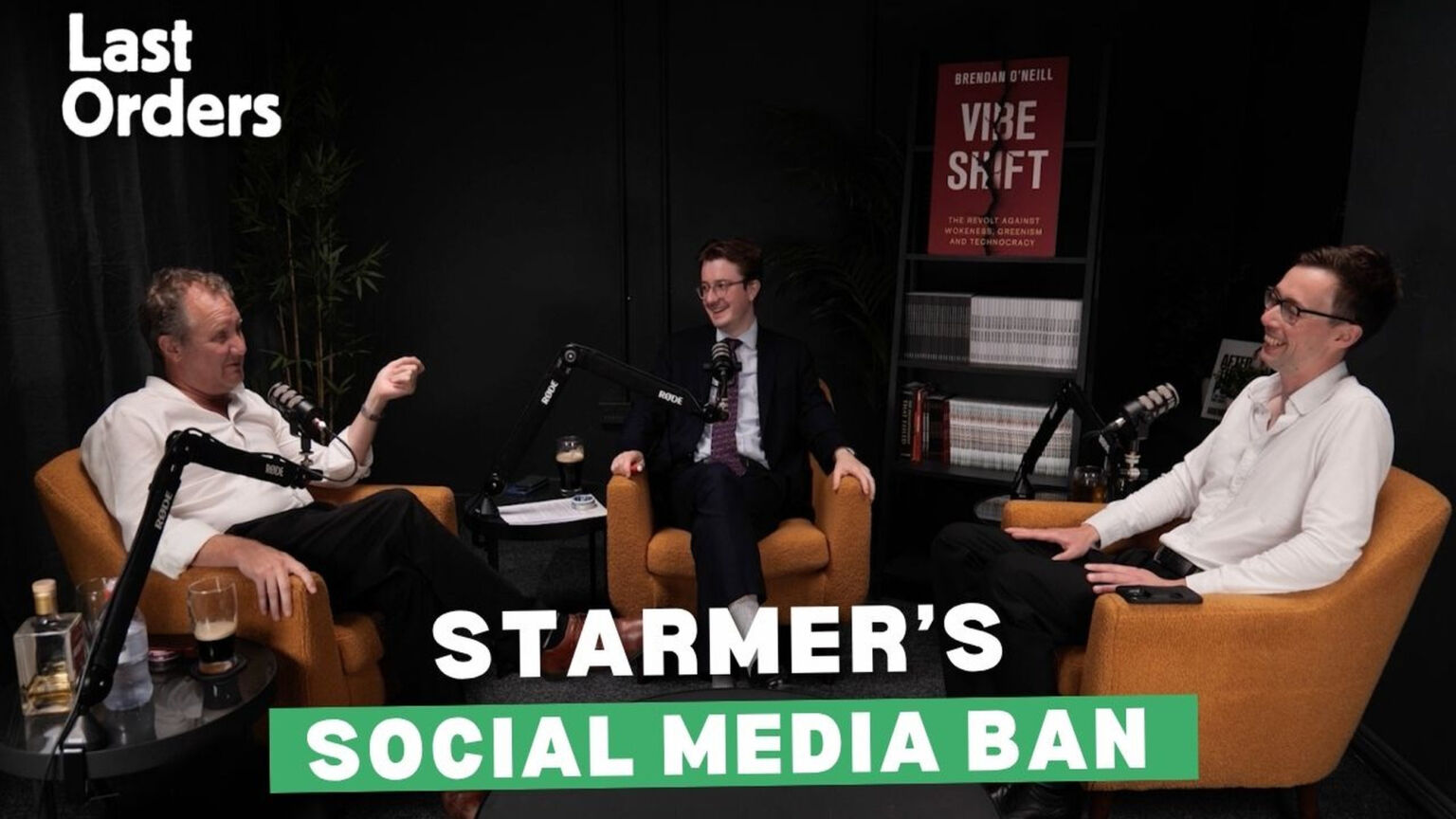
The social-media ban will be a disaster

Published

on

The social-media ban will be a disaster

The post The social-media ban will be a disaster appeared first on spiked.

Source link

Continue Reading

Politics

Politics Home Article | Aid spending is not only our responsibility but in our best interests

Published

on

Aid spending is not only our responsibility but in our best interests

The Apapa Container Port on the Lagos Waterfront in Nigeria (Malik Buraimoh/Alamy)


5 min read

Aid spending has its critics. It always has, not helped by a decade or more of politicians being unclear on the case for it. Some say it doesn’t work, and nothing gets any better.

Advertisement

I have always believed the argument for international development is simple. There is a moral mission and responsibility to reduce poverty around the world. But this is indivisible from the UK’s interests, especially in a world as contested and fractured as we see today. 

There is a simple strapline: tackling global challenges in the national interest. Supporting stronger economies, safer countries, better health systems, and a more viable planet – all of these things affect us at home. If we spend it well, aid is an investment in the world’s future and our own. If we fail, risks for the UK rise. 

The current Ebola outbreak, migration driven by conflict, and fertiliser shortages leading to food insecurity, make this clearer than ever. This requires a new approach, working in partnership with developing countries rather than dictating to them. Spending the money we have in a smarter and more effective way. 

Advertisement

In a politically and economically complex context like Nigeria, which I visited earlier this month, the benefits of the money we spend are obvious.

Trade between the UK and Nigeria was £7.6bn last year, supporting thousands of jobs in the UK. Nigeria is our largest export market in Africa. When President Tinubu visited the UK earlier this year, we secured big economic gains.

A record-breaking order for British Steel, supported by UK Export Finance, will help rehabilitate the Lagos ports and fund jobs for a critical industry in the UK. We announced the expansion of leading Nigerian banks, fintech firms and creative business into the UK.

Advertisement

All of this is enabled by smart, strategic spending of our development budget. Not delivering services or doing what other governments can or should do, but providing technical exchanges.

Nigeria is buzzing with energy and ideas. With UK support acting as an early catalyst, we are backing firms, like financial platform Moniepoint, as they scale up and create new financial services and hundreds of jobs in the UK. We’ve agreed a new UK-Nigeria Growth Programme to bring in more investment, remove barriers to trade, and help businesses grow.

Partnerships are also about sharing our expertise, making the most of British know-how and experience. Experts from the Bank of England are working closely with Nigerian counterparts to strengthen monetary policy, and improve conditions for investment, providing opportunities for British businesses.

That might sound dry, but what it results in is more investment, more jobs, more growth, more money in people’s pockets.

Advertisement

That shift is exactly what our partners have told us they want to see. Development is no longer about one country stepping in to fix another’s problems. It is about working together, as equal partners, to tackle shared challenges.

It is good for Nigeria. And it is good for the UK, too.

If we spend it well, aid is an investment in the world’s future and our own. If we fail, risks for the UK rise

Advertisement

It’s not just our economies that benefit. In an interconnected world, instability radiates across borders. Nigeria and its region are under threat from Islamist terror groups, as we see in the central Sahel, with the expansion of armed groups who operate across the borders of Mali, Burkina Faso and Niger. We know that working together to tackle these issues stands us in far better stead than if we faced them alone. With such strong links between our people, we all have a stake in Nigeria’s stability. Our defence and development experts work in close partnership with the Nigerian authorities to go after these groups, as well as support local communities and economies.

In parts of northern Nigeria affected by conflict and insecurity, UK programmes are tackling the root causes of conflict, violence and extremism, while reducing emerging threats and humanitarian pressures. That is not just about local security. It helps prevent the spread of terrorism, making people safer there and protecting us at home.

In Kaduna, northern Nigeria, UK support to strengthen the country’s health systems is increasingly visible on the frontline, where a primary healthcare centre serving around 20,000 people is delivering improved local health services and care. Our work over the past two decades has enabled Nigeria to reduce deaths from preventable disease and childbirth and build resilience. Globally, investment into partnerships like Gavi, the vaccine alliance, have helped vaccinate over a billion children and save around 18 million lives.

Working together to build strong health systems is vital. We need resilience not just to save lives abroad, but to protect people at home.

Advertisement

Nigeria is just one example of many. In Ghana, UK tax experts are helping the government raise domestic revenue, improving their economic stability. In Chad, our humanitarian funding helps refugees fleeing the appalling conflict in Sudan to stay safe and rebuild their livelihoods without making dangerous and costly journeys.

So, the moral mission has always been at the core of international development. But it is the pragmatic, smart choice too, as an investment in all our futures to make the world and the UK a better place.

Baroness Chapman is a Labour peer and minister for International Development

Source link

Continue Reading

Politics

Wes Streeting abandons leadership bid and backs Burnham

Published

on

MDU logo

Wes Streeting has rallied behind Andy Burnham and abandoned his leadership bid in a sensational statement. 

Streeting previously vowed to run in a contest to replace Starmer, having resigned as health secretary at the peak of Labour’s leadership crisis in May 2026. 

In a statement, Streeting said Burnham had shown “what Labour can be when we are inclusive”. 

Read Streeting’s statement in full below: 

Advertisement

Keir Starmer led us to a general election victory that no one thought possible. He kept us out of the war in Iran and has delivered real progress as Prime Minister at home. He has made the right decision to stand down as the Leader of the Labour Party that he saved. 

After a devastating set of election results in May, the Makerfield by-election has proven that Labour can still win if we have the courage to change. It was a victory for unity and hope over division and hatred. 

It was also Andy Burnham’s victory. Andy has shown what Labour can be when we are inclusive, united, and in touch with the lives of the people this Party was founded to represent. 

I left the Government because we were losing the fight to nationalists in every corner of the country. I have spent the weeks since speaking to our former councillors, activists and voters in place we lost – to listen and learn from them. 

Advertisement

I’ve also been setting out ideas to change our country: a plan for Britain to grow again and grow together, with a progressive capitalism focused on wealth creation as much as wealth distribution; to lead the world in the Fourth Industrial Revolution and protect people from its risks; to modernise our public services; to give Britain energy security; to build stronger alliances with democracies around the world and a new Special Relationship with Europe; and to change the culture of our Party so that it is more inclusive and open to ideas.

Having spoken at length with Andy in recent days, I’m convinced that there is a place for those ideas under his leadership; that he is committed to building an inclusive party that draws on the best of our political traditions; and that he can win the fight of our lives against the forces of nationalism. 

We could spend the summer exaggerating small differences, or we can roll up our sleeves and help him to deliver the change our Party and our country needs. That is the choice that I am making and I hope that everyone else will back Andy, too. 

We were elected change our country, to show that politics can be a force for good, and to spread opportunity for everyone. With Andy, we still can.

Advertisement

Source link

Continue Reading

Politics

Politics Home | Warm Homes Fund must target charities or risk losing community services

Published

on

Warm Homes Fund must target charities or risk losing community services

Nottingham Mencap have seen energy bills decrease 82 per cent since installing solar panels

Jack Wakefield, Head of Policy

Charity electricity bills have risen by 12 per cent since the start of the Iran war, and decisions on the £3.3bn Warm Homes Fund could make or break struggling community spaces

Advertisement

Analysis by Cornwall Insight reveals that electricity costs for charities have surged 12 per cent in just four months and will not return to pre-war levels for the rest of the decade1.

Jacob Briggs, Energy Users Lead at Cornwall Insight, says: “The burden is falling on some of the most resource constrained organisations in the country and, without intervention, charities and community groups could face years of sustained high electricity costs”.

The findings come as Ministers weigh how to spend £3.3bn of unallocated funding in the Warm Homes Plan. Charity funder Social Investment Business (SIB) is calling for a portion to be ring-fenced for community buildings at the heart of the most deprived areas.

Advertisement

These spaces underpin Labour’s missions for national renewal, delivering youth work, neighbourhood health, nurseries, hospice care and food banks. Yet a chronic lack of investment has left them in a poor state and over-exposed to volatile energy markets: over the past five years community buildings have improved energy efficiency at half the rate of other non-domestic buildings such as shops and offices1.

Genevieve Maitland Hudson, Deputy Chief Executive at SIB, said the Warm Homes Fund presented a “unique opportunity” to cut bills in the buildings at the heart of communities, but warned it “must be grasped with urgency” and would only work with targeted support.

The Warm Welcome Campaign, a network of nearly 6,000 community spaces, reinforce the need to act quickly. More than one in five (23 per cent) of their warm spaces are already struggling to pay energy bills while more than half (53 per cent) are worried about the future impact of further bill increases1.

Advertisement

David Barclay, Campaign Director at Warm Welcome Campaign, added: “As energy bills continue to rise, the window for intervention is narrowing. Without action, we risk losing the services and spaces communities depend on, and which cannot easily be rebuilt.”

Change is possible

SIB, the non-profit funder and social investor, is already investing £15m to strengthen the energy resilience of charities, demonstrating what targeted support from the Warm Homes Fund could achieve at scale.

Higher Folds Community Centre and Nursery in Leigh, Greater Manchester, provides childcare, work-related training, and an in-house grocery shop to help residents access affordable food. It remains a trusted hub for local families, supporting both day-to-day needs and longer-term wellbeing. Before securing SIB’s support, manager David Rainford recalls “We were in big trouble. If costs stayed that high, we were going to be out of business”. Following the installation of rooftop solar, he adds “we’re now looking at saving just over £1,000 per month”.

Advertisement

Nottingham Mencap have supported people with learning disabilities in their community for over 70 years. Following SIB’s investment for solar panels and a battery system, CEO Danny Hewis said, “Since the work has been completed, we’ve seen an 82% decrease in our energy bills”.

Charities and community organisations operate on marginal budgets in some of the least energy efficient buildings in England. Without intervention, sustained high energy costs pose a direct threat to frontline services.

A dedicated allocation from the Warm Homes Fund – designed as repayable investment, not grant funding – could unlock a radical overhaul to the buildings that anchor communities, safeguard the future of their services, and strengthen the foundations for national and local renewal.

References

Advertisement
  1. https://www.sibgroup.org.uk/rising-charity-energy-costs-locked-in-for-rest-of-the-decade/

Source link

Advertisement
Continue Reading

Politics

Keir Starmer announces he will resign as prime minister

Published

on

MDU logo

Keir Starmer has announced that he will resign as prime minister and leader of the Labour Party. 

In a speech delivered on Downing Street this morning, Starmer said that he accepted the verdict of his party with “good grace”. 

The outgoing prime minister’s voice cracked with emotion as he paid tribute to his wife, Victoria, and his sons. 

Starmer said: “When I leave the biggest job in the country, I shall spend more time on the most important job, being the best husband I can to my fantastic wife, Vic, who has been a rock by my side through good times and bad, and being the best dad I can to my beautiful children, who are my pride and my joy.”

Advertisement

The statement came after Starmer spent the weekend at Chequers, the prime minister’s country retreat, to mull his political future. 

Starmer said that he came into politics to “change the lives of millions of people for the better” and he inherited the Labour Party in 2020 in a “morally” bankrupt state. 

Starmer maintained that he had changed his party and achieved a majority at the 2024 general election that many considered to be “impossible”. 

He stated: “But we proved those people wrong. Because we changed our party. Ripping out the poison of antisemitism, restoring trust on the economy, defence and national security and becoming a party that once again stood proudly with not against our national flag.”

Advertisement

Starmer went on to list a series of his achievements during his time in power. 

He declared: “An economy that is stronger, going faster than our peers, wages rising faster, an end to austerity, NHS waiting lists falling faster than at any time in 17 years…

“And half a million people being lifted out of poverty because of the choices that I made. And our reputation on the world stage restored.”

He added: “I know the question being asked of us now is not who was best-placed to change the Labour Party to take us into power and to begin the vital work of improving lives for millions of people.

Advertisement

“Those questions have been answered. The question my party is asking now is whether I am best placed to lead us into the next general election.

“I have heard the answer of my parliamentary party loud and clear and I accept that answer with good grace.”

Starmer said that nominations would open for the election of his successor on 9 July. 

He said: “In the case of a contest, this will ensure a new leader is in place before parliament returns in September. I will remain in post as prime minister until the contest is complete and I will do everything I can to ensure an orderly handover of power.”

Advertisement

Politics.co.uk is the UK’s leading digital-only political website. Subscribe to our daily newsletter for all the latest news and analysis.

Source link

Advertisement
Continue Reading

Politics

The House | If Britain wants better mobile coverage, policy must encourage cooperation, not conflict

Published

on

If Britain wants better mobile coverage, policy must encourage cooperation, not conflict


4 min read

Britain has a mobile connectivity problem.

Advertisement

Despite years of reform and promises of improvement, businesses and households still face patchy coverage, unreliable signal and mobile not-spots. Networks that deliver connectivity are built through thousands of rental agreements between operators and the farmers, businesses, charities, churches, local authorities and public bodies that host telecoms infrastructure. Better coverage means more mast sites, as Ofcom itself recognises, to tackle local coverage gaps and meet growing demand.

Yet nearly one in five existing mast hosts now face “renegotiation” of their rental agreements under a coercive framework that empowers operators to boost their profits by slashing rents paid for sites. Instead of stimulating the supply required, this is generating more legal disputes in nine years than in the previous three decades combined. Without willing site providers, there are no mast sites. Without mast sites, there is no connectivity. 

How did we get here? The previous government replaced market-based rental valuations with a framework specifically designed to reduce operator costs and, it was supposed, accelerate rollout. However, subsequent events bear out warnings at the time that the unilateral powers given to operators and infrastructure builders, in particular, simply to impose drastic rent reductions on site providers, and then use the results as comparables, have turned previously cooperative relationships adversarial.

Advertisement

No one disputes the power imbalance between operators and site owners, but not only have Ministers chosen to ignore the evidence of the resulting negative sentiment among site owners towards hosting mobile infrastructure, but they are actually making it worse.

When Parliament passed the PSTI Act, it included Section 70, which was designed to provide an independent escalation route when disputes arise and allow consideration of operator conduct. Yet section 70 remains unimplemented.

Most regulatory frameworks that grant significant statutory powers also provide a mechanism for complaints, dispute resolution and independent oversight. The Electronic Communications Code stands largely alone in lacking such safeguards. Not only do site owners face coercive strategies, but they do not even have an independent mechanism to call out the operators’ tactics.

Meanwhile, operators, engaging land agents as their enforcers, threaten site-owners with the Act’s performative dispute mechanism backed with court action, which they know site-owners can neither afford nor win – yet some refuse to be coerced. I have direct experience of a family farm where this is playing out currently, and I have met others in the same situation.   

Advertisement

Poor connectivity comes at a substantial cost. The UK ranks 61st in the world for mobile performance, with London reportedly the worst-connected major European city. According to the Centre for British Progress, poor connectivity costs the economy around £785 million a year – lost productivity, delayed investment and businesses that cannot rely on a basic service. 

That is precisely the lesson of the UK’s experience since the Electronic Communications Code was reformed in 2017. Yet rather than pause and assess whether the framework is working, the Government chose to extend it to thousands more sites through the Product Security and Telecommunications Infrastructure Act- expanding the stick, while leaving the safeguards on the shelf.

The scale of this is significant. FOI figures from DSIT confirm between 12 per cent and 18 per cent of existing agreements will be affected – meaning nearly one in five mast hosts face renegotiation under a framework already proven deeply contentious. As a result, Notices to Quit (NTQs) from site providers to dismantle mobile infrastructure from their properties for redevelopment purposes are booming to the extent that Virgin Media O2 recently announced they are losing sites in London at a faster pace than they can be replaced.

What is needed? First, a proper review is needed on the impact of the code and, in particular, a more balanced rental valuation method, so that the interests of operators and site providers are ultimately aligned. Good regulation should reinforce that, not undermine it. Better conduct and fairer distribution of value means fewer disputes. Fewer disputes mean fewer NTQs and faster deployment. Fewer NTQs and faster deployment mean better coverage. Second, by establishing a formal role in considering complaints where operators fail to comply with the industry’s Code of Practice, Section 70 would create at least an independent escalation route when disputes arise.

Advertisement

Britain does not need to choose between connectivity and fairness. Faster rollout and better relationships are complementary, not competing objectives. The Government should restore a better balance of power between site-owners and operators, commence Section 70 immediately and review – through an evidence-based impact assessment – whether the post-2017 framework is delivering the cooperation, investment, network deployment and connectivity improvements it was originally designed to achieve. 

Britain’s connectivity challenge will not be solved through confrontation. It will be solved when policy once again encourages partnership.


Source link

Advertisement
Continue Reading

Politics

How Yoga Can Benefit Healthy Ageing

Published

on

How Yoga Can Benefit Healthy Ageing

The World Health Organisation (WHO) has shared a post celebrating “the power of yoga for healthy ageing”, as part of its International Day Of Yoga (21 June).

The WHO’s director general, Dr Tedros Adhanom Ghebreyesus, said on X: “As people live longer, our goal is not just more years, but better years. Yoga supports this through gentle movement, breathing and mindfulness.”

But what’s the science behind this?

Why might yoga help with healthy ageing?

One study found that among cancer survivors, three hours of yoga a week contributed to lower levels of insomnia, fatigue, and anxiety.

Perhaps those sleep findings weren’t surprising given another paper found yoga to be the most effective exercise for better slumber. It added up to two extra hours of quality shut-eye for those with poor sleep.

Poor sleep has long been linked to worse ageing outcomes, including a shorter lifespan and even an increased dementia risk.

Advertisement

A 2021 review of yoga studies found that “while everyone should consult their physician before starting a physical regimen, yoga appears to have a wide range of benefits including increased mobility, reduced risk for slip and fall, protection against cognitive decline, increased flexibility, strength, and balance, and improved sleep and mental well-being”.

We’ve written before at HuffPost UK about how balance training, including yoga, is a “neglected” anti-ageing tool.

Gentle yoga may be a better option for cognitive benefits, the 2021 review reads, while more strenuous Hatha practices might help to improve your strength, fitness, and flexibility.

How much yoga do I need to do a week to see benefits?

Advertisement

Three hours a week, or just over 25 minutes a day, was linked to better results in one paper.

But the 2021 review noted that in many of the studies involved, participants saw benefits at just 45 minutes a week.

Even 30 minutes a week seems to have benefits as we age.

Advertisement

Source link

Continue Reading

Politics

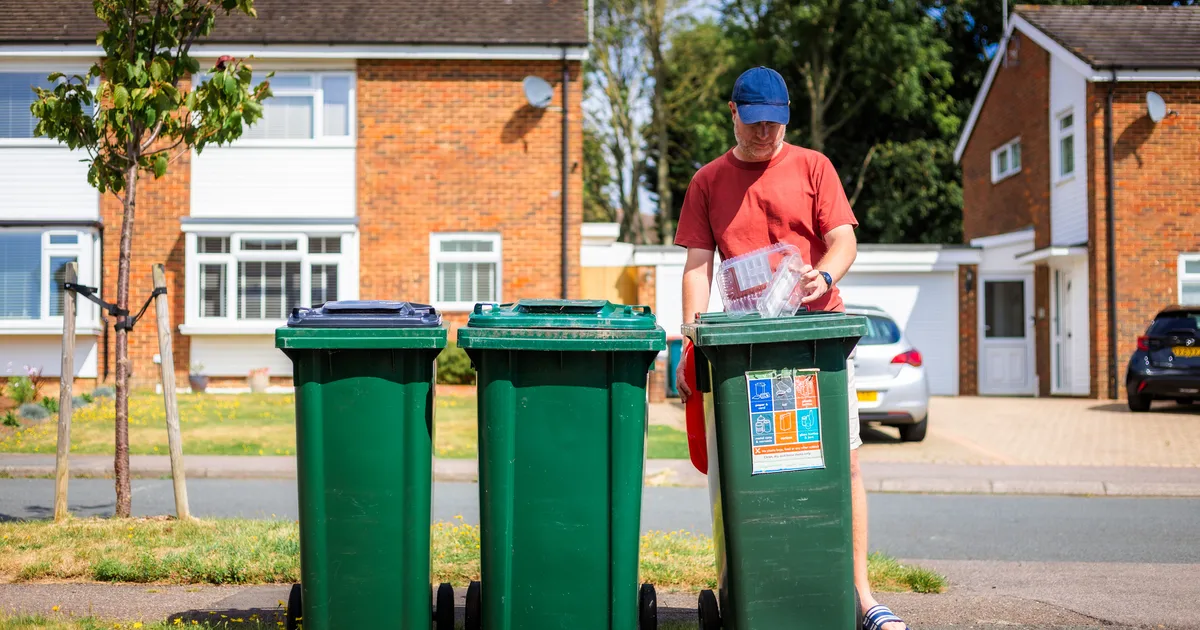
UK Councils Urge Households To Put Bins Out Early This Week

Published

on

UK Councils Urge Households To Put Bins Out Early This Week

Health alerts have been put into place across the UK this week, with temperatures expected to reach as high as 36°C.

And per the BBC, that might change how our bins are collected.

Some councils said they will collect rubbish earlier than usual in an attempt to beat the worst of the heat.

Advertisement

Hot weather has previously caused bin lorries to break down.

Additionally, Bristol Council pointed out these new conditions can help to “maintain a safe work environment” for employees.

Which councils have new bin schedules for the June 2026 heatwave?

These are just some of the councils changing their rules in the heatwave. Check your local council’s site if it’s not listed here.

Advertisement

As of the time of writing, the following councils are introducing a heatwave bin collection schedule change:

Per The Independent, the following councils are likely to offer an altered service, so you should check their websites to stay updated:

  • Adur
  • Arun
  • Bath and North East Somerset
  • Braintree
  • Blaby
  • Broxbourne
  • Chichester
  • Crawley
  • Derby
  • Greenwich
  • Harlow
  • Harrow
  • Mid Sussex
  • Newport
  • North Hertfordshire
  • North Warwickshire
  • Oadby and Wigston
  • Reigate and Banstead
  • Richmond-upon-Thames
  • Waverley
  • Windsor and Maidenhead
  • Worthing.

Source link

Advertisement
Continue Reading

Politics

Heatstroke Symptoms And Treatment: Everything You Need To Know

Published

on

Heatstroke Symptoms And Treatment: Everything You Need To Know

Heatstroke can be dangerous and come on more quickly than you realise. With temperatures rocketing, it’s important to know how to recognise the signs.

Spending too much time in the heat or overly exerting yourself in the sun can cause heatstroke.

During the heatwaves we’ve increasingly experienced in recent years, health officials have reiterated how important it is to prevent children and older people from falling victim to the high temperatures.

But do you know how to tell heat exhaustion from heatstroke?

Advertisement

What are the symptoms of heat exhaustion?

Heat exhaustion is what happens when the body overheats and cannot cool down.

It usually doesn’t require emergency medical attention, according to the UK Health Security Agency (UKHSA), as long as you can cool yourself down within 30 minutes.

Common symptoms of heat exhaustion include:

Advertisement
  • tiredness
  • weakness
  • feeling faint
  • headache
  • muscle cramps
  • feeling or being sick
  • heavy sweating
  • intense thirst

If you do not take action to cool down, heat exhaustion can lead to heatstroke, which is a lot more serious.

What are the symptoms of heatstroke?

Heatstroke is where the body is no longer able to cool down and your body’s temperature becomes dangerously high.

Common symptoms of heatstroke include:

  • confusion
  • lack of co-ordination
  • fast heartbeat
  • fast breathing or shortness of breath
  • hot skin that is not sweating
  • seizures

Heatstroke is a medical emergency. If you think someone has heatstroke you should dial 999 and then try to cool them down.

How to treat heat exhaustion

Advertisement

Dr Luke Powles from Bupa Health Clinics said people exhibiting symptoms should be cooled down. “Move them into a cool place, get them to lie down and put their feet up,” he explained. “Give them plenty of water and cool their skin with a cold pack, or towel.”

It might also help to remove unnecessary items of clothing like socks. You could also fan them to try and cool them down.

The person should start feeling better within 30 minutes – if not, it is very important to seek medical help immediately.

How to prevent heat exhaustion and heatstroke

Advertisement

Stay hydrated by drinking plenty of cool drinks, but avoid alcohol. It’s also beneficial to keep cool by: wearing light fabrics, avoiding the sun between 11am and 3pm, sprinkling water over your skin and taking cool showers.

Avoid exercising and try to keep your home cool by closing curtains and windows, and turn off electrical equipment or lights.

When to get urgent help

If heatstroke symptoms progress to the ones listed below – or the person is no better after 30 minutes – you should call 999:

Advertisement
  • They feel hot and dry.

  • They aren’t sweating even though they are too hot. Their skin might also look red – this can be harder to spot on brown and Black skin, according to the NHS.

  • They have a very high temperature that’s risen to 40°C or above.

  • They have rapid breathing or shortness of breath.

  • They’re confused.

  • They have a fit (seizure).

  • They lose consciousness (if this happens, put them in the recovery position while you wait for help).

  • They are unresponsive.

Source link

Continue Reading

Trending

Copyright © 2025