
Politics
Politics Home Article | Andy Burnham Offers Devolution Deals To All Regions



3 min read
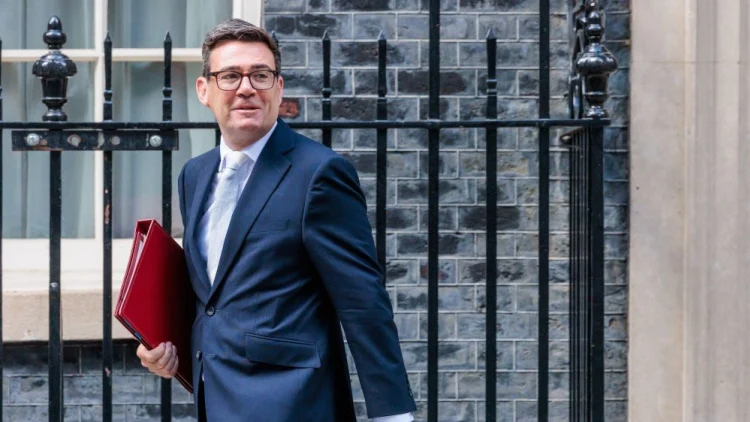
Andy Burnham has offered devolution deals to all parts of the UK in his first House of Commons statement as Prime Minister.
Speaking on Tuesday afternoon, Burnham said he wanted to avoid a “two-tier England” where some regions benefit from devolution arrangements while others don’t.
Outlining his “decade of personal experience” as Greater Manchester mayor, he said he spent it “turning around one of the UK’s former industrial heartlands and turning it into the fastest-growing city region in the country”.
The PM said he wanted “every single place across our regions and nations to be able to do the same” as Manchester, and said he met the Liberal Democrat leader of Cornwall Council on a recent visit to the south west region.
Burnham said he has asked No 10 North, which he set up shortly after entering office, to begin work with Cornwall Council and its six cross-party MPs on a devolution deal for the region, which could be with or without an elected mayor.
MPs in the region had expressed concern that Burnham’s focus on the North and ‘Mancheristism’ risked neglecting other parts of the country facing important challenges.
Burnham added that he would extend the same offer to all parts of England currently without devolved power. He said he would also offer further forms of local devolution in Scotland, Wales, and Northern Ireland, which will be discussed at a special meeting of the National Economic Council next month.
“Britain needs a circuit breaker after a decade of turbulence, negativity, point scoring, and divisive politics,” Burnham said.
“This is what I have outlined today: a clear, coherent, and credible approach to growth that can unlock a feeling of positivity and possibility in every postcode in Britain.
“Our job in here is to make it real by taking a place-first rather than party-first approach. It starts with reasserting basic standards for Britain: that this is a country where no one sleeps rough and no community is blighted by an illegal waste tip.
“And from there, working together to build a new sense of optimism around the country, we can make this next decade better than the last. We can lift the prospects of all our people and places. We can put more power into every postcode. We can let Britain believe again. We can bring back hope.”
Burnham also highlighted education and training reform as essential to support more young people into work, and said that prioritising more accessible community-based mental health services will be a major part of the government’s response to the forthcoming Alan Milburn report into rising unemployment.
He confirmed that prisoners convicted of manslaughter, death by dangerous driving, or indecent assault will not now see any change to their prison term, and that the government would find additional prison places by deporting more foreign national offenders and ending indefinite IPP sentences.
“I believe the public will support me in recognising the clear difference between those who have served their time and more and those who have not,” he said.
“We will bring forward legislation soon, but we can find a solution to end this injustice, which balances public safety and basic fairness. And I urge colleagues on all sides of the House to help us do that. This is politics done differently, problem solving over point scoring.”
Burnham told the Commons that the number of asylum-seekers arriving in the UK by crossing the Channel has halved on last year, making this year to date the lowest for crossings since 2021.
He also offered his sympathies to those affected by the floods in Nepal and Tibet, adding that this was “what the climate crisis looks like”. Burnham confirmed that he will attend COP31 in Turkey in November.


A majority of UK adults say they’ve dealt with stress so intense that it’s left them feeling completely overwhelmed.
And chronic stress – worries and/or pressures that keep you in a state of high alert for long, continuous periods of time – has been linked to worse health outcomes, like sleep issues and higher blood pressure.
Sometimes, though, chronic stress lasts so long that it can be hard to tell it apart from “regular life”.
Thankfully, Dr Bijal Chheda, a consultant psychologist and founder of Nos Curare, has shared seven signs your body might give to suggest you’re dealing with the ongoing issue.
1) Persistent headaches
“Stress is a well-recognised trigger for tension-type headaches because it can cause the muscles around the scalp and neck to remain tense,” the psychologist said.
“Over time, the nervous system may become more sensitive to these pain signals, meaning headaches that were once occasional begin occurring more regularly.”
If you’re experiencing this symptom, keep a diary detailing when the headaches happen, how long they last, and what, if anything, helps. If the problem keeps coming back or don’t improve, speak to your GP.
2) Stomach cramps
Yep – stress really can mess up your stomach. For instance, the NHS said, it can slow digestion down.
“During periods of prolonged stress, communication between the brain and gut can become disrupted, affecting how the gut functions,” Dr Chheda added.
“The bowel muscles may contract irregularly, triggering cramps and leaving the stomach feeling unsettled.”
If this happens, she advised that diaphragmatic breathing may help – though again, see your doctor if the symptom doesn’t let up.
3) Tense muscles
When we’re chronically stressed, “the body may remain slightly prepared for action, maintaining a low level of muscle contraction,” the expert explained.
“Over time, this can make it difficult for certain muscles to fully relax, leaving areas such as the shoulders or neck feeling tight.”
Sounds like you? Progressive muscle relaxation can help.
4) Ongoing fatigue
I know, I know: supposedly, everyone’s tired. But that doesn’t mean you have to accept constant low-level exhaustion, or that it’s normal.
“Under stress, the body shifts its energy towards responding to whatever feels threatening, and away from the processes that help it recover. This is why so many people under pressure find it difficult to fully relax, even when there is nothing immediate left to respond to,” the psychologist stated.
“Over time, chronic stress can become exhausting, causing even routine tasks to feel more physically demanding. Rather than trying to push through the fatigue, build short periods of genuine recovery into the day.”
5) Disrupted sleep
Though settling down for a good night’s sleep sounds relaxing, Dr Chheda said these quiet periods can make stressful thoughts louder. “This may also keep cortisol levels elevated later than usual, making it harder for the body to shift naturally into rest,” she said.
“As a result, falling asleep may take longer, while small disturbances may be more likely to wake you during the night.”
Following a consistent sleep routine, avoiding screens before bed, and a relaxing hobby like reading can all help, she ended.
But if the issue persists – you guessed it – it might be time to speak to a medical professional.

We’ve written before at HuffPost UK about the higher incidence of premenstrual dysphoric disorder, or PMDD, among women with ADHD.
But according to a new analysis, it seems neurodivergent people of all genders might be more likely to face a group of conditions known as connective tissue disorders.
The finding, which is based on health data from 117 million US adults and teens aged 15 and over, found that the issues were “consistently more common” among people who weren’t neurodivergent, and “were most likely for patients who were diagnosed with ASD [autism] and ADHD”.
What are connective tissue disorders?
These include many diseases and disorders that affect the tissue that supports our organs, body structure, and muscles. They might impact people’s bones, ligaments, skin, cartilage, and tendons.
Per the Cleveland Clinic, “as these tissues are in almost every part of your body, connective tissue diseases can also affect you all over. They might affect one or two types of tissues throughout your body or many. They can also affect many organs”.
Connective tissue disorders can present as hypermobility (being able to move your joints or body parts outside of their usual range), Ehlers-Danlos and Marfan syndrome, and inflammatory conditions like lupus.
How much more likely are people with ADHD and autism to have connective tissue disorders?
This analysis suggested that the breakdown was as follows:
- People with both ADHD and autism were 4.38x more likely to have an inherited structural connective tissue disorder and 3.4x likelier to have a hypermobility spectrum disorder,
- People with ADHD only were 1.7x more likely to have an inherited structural connective tissue disorder and 1.48x likelier to have a hypermobility spectrum disorder,
- People with autism only were 3.11x more likely to have an inherited structural connective tissue disorder and 2.03x likelier to have a hypermobility spectrum disorder.
Overall, connective tissue disorders were still relatively rare in these groups – heritable structural disorders were seen in roughly 12 out of 1,000 autism-only patients and 21 per 1,000 patients with both ADHD and autism.
But that’s a big leap from the comparison sample without either ADHD or autism – among those, the disorders appeared in 3 or 4 per 1,000 cases.
Previous research had suggested that “In neurodivergent adults, there is a strong link between the expression of joint hypermobility, dysautonomia, and pain, more so than in the comparison group”.
Some studies have shown that people with the connective tissue disorder Ehlers-Danlos syndrome are more likely to have autism and/or ADHD.
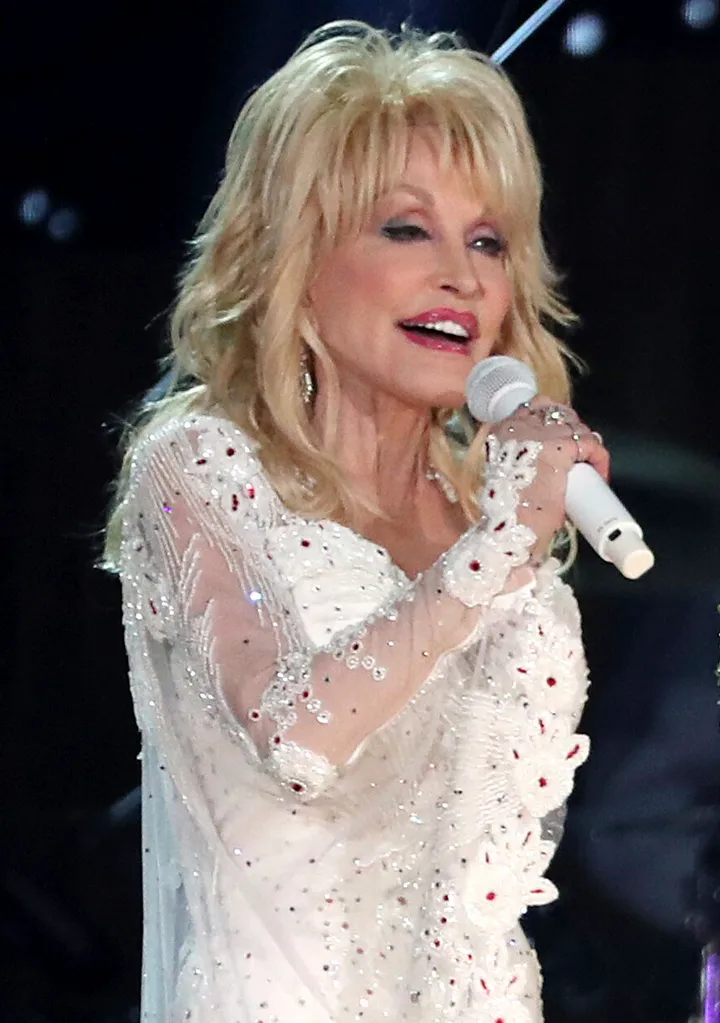
If your heart dropped when you heard the news earlier this week that Dolly Parton had died, you’re likely one of millions with that reaction.
It’s cliché, but it’s true: So many of us are shocked and deeply saddened by the legendary musician’s death. Despite not knowing her, the impact she had was real, and it will live on.
You might be wondering why it hits so hard, especially if you’ve never met her.
Here’s why Dolly’s death may feel more meaningful than the losses of many other celebrities…
Dolly Parton embodied many values
Dolly was a wonderful singer and artist, but she was also so much more. She was admirable.
“While Dolly was absolutely a musician with incredible songs and talent, she represented much more than that, e.g., generosity, advocacy, kindness, humour, style, etc.,” said Suzanne Wallach, a licensed psychotherapist and the founder of SoCal DBT Center in Los Angeles.
She was always donating
She didn’t just talk the talk, either
“Dolly Parton publicly funded initiatives on children’s literacy, public health and mental health causes,” said Alexandra Cromer, a licensed therapist with Thriveworks.
“Throughout her extraordinary 80-year life, she did not change or waver on her fundamental message and principles of love, kindness and acceptance for all.”
She brought people together
Those above principles are ones we especially need to see in the world right now, right? That contributes to the grief, too.
“Especially in times like these, when our society feels so divided, we share a collective sadness at the loss of someone who loved without limits and created a common thread between people from different walks of life,” said Golee Abrishami, a psychologist and the vice president of clinical care at Octave.
She was influential for a long time
Plus, there’s the time factor. Her impact spanned decades. It’s hard to forget all of the ways she changed people’s lives.
“Dolly Parton began winning the world over with her charm, beauty, style and vocals as early as the 1960s,” said Sharonda Brown, a licenced professional counsellor who specialises in grief.
“This is well over 60 years of entertainment increasing familiarity and closeness.”
She was known to people of all ages
Dolly also brought generations, and therefore families, together.
“Grandparents can belt Jolene with their grandchildren,” Abrishami said. “Gen X and Gen Z alike can enjoy 9 To 5, whether you listened to it more on TikTok or a record.”
She was an advocate for the LGBTQ+ community.
People in the LGBTQ+ community may be feeling the loss particularly hard since she was an advocate for them, speaking against anti-LGBTQ+ policies and so much more.
“Especially as a queer individual, Dolly Parton was an American icon,” said Dr. Alice Hoang, a Dolly fan and owner of Brooklyn Mint Dental.
“Her messages resonated with all of us, and the community has admired Dolly throughout her career and everything she did in support of the queer community. Dolly’s messages helped us find out who we were and with purpose.”
Other individuals in the community shared similar sentiments.
“Dolly’s passing hits quite hard today, especially as a gay man from a small Midwest town,” said Nate Brooking, senior executive assistant at Octave. “Her spirit and her music got me through tough times as a child trying to figure out who I was.
“Like many others in the LGBTQIA+ community, she taught me how to be comfortable in myself and to walk proud in the world.”
Regardless of identity, the impact Dolly had on you is undoubtedly real — and that extends to the feelings you experience in the wake of her death.
Simply put by Wallach: “It makes sense that someone who has been woven into our lives in such a big way impacts us when she dies.”

Again, if you’re feeling sad about Dolly’s death, you’re not alone. Social media will tell you that.
Most of us, technically, have a parasocial relationship with her — a one-sided relationship in which she doesn’t know us and there’s an illusion of a face-to-face relationship — but that doesn’t mean your feelings aren’t real and valid.
“Grief isn’t proportional to how well you knew someone,” Wallach explained. “Sometimes we’re grieving the person, but we’re also grieving a time in our own lives that they represent. All of your feelings are real and OK.”
Knowing an experience has a name can be helpful, and what we’re looking at here does. It’s called “collective grief”.
“Collective grief is a shared emotion of pain, sadness and mourning experienced by a community somewhat universally after a loss of a well-known individual or tragic event,” Abrishami said.
That can look like a community grieving the loss of a public official, their homes after a wildfire or a favourite entertainer, Brown added.
That loss and sadness are significant. They speak to who Dolly was.
“Collective grief posits that one person had such a significant impact on society as a whole that their passing affects a large amount of people individually on a very profound emotional level,” Cromer said.
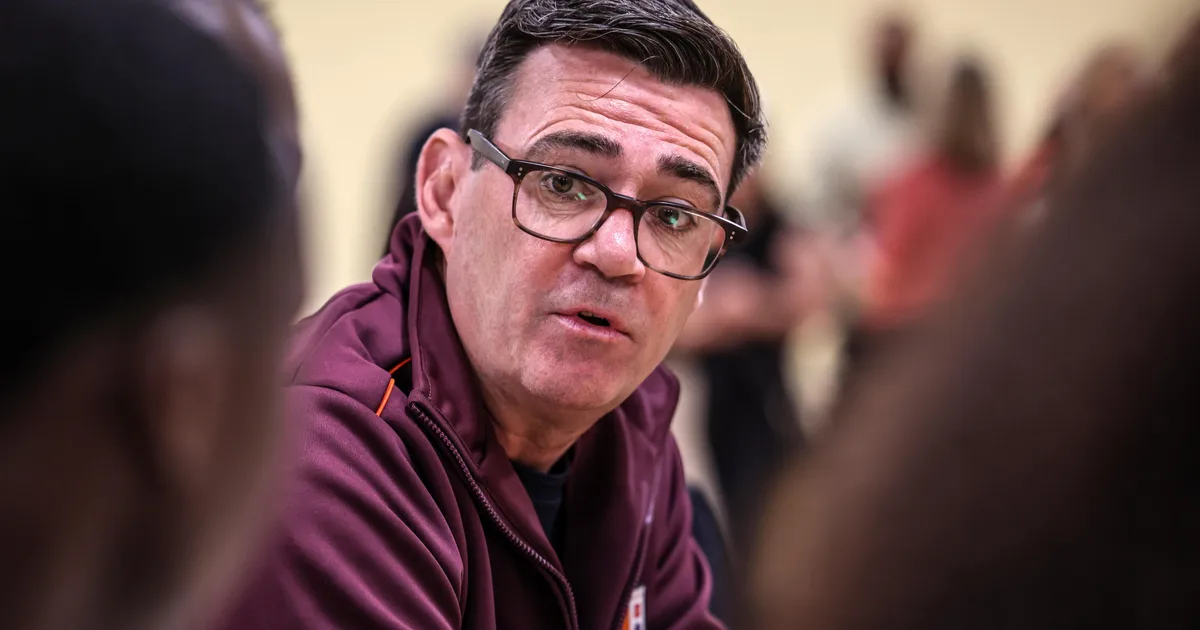
The killers of PC Andrew Harper will not be released early from prison after a major U-turn by Andy Burnham.
The prime minister announced on Sunday morning that anyone convicted of unlawful killing, including manslaughter, will not be eligible for the early release scheme.
Inmates jailed for death by drunk or dangerous driving, and historic child sex offences, will also be excluded from from sentencing changes aimed at freeing up space in England’s overcrowded jails.
Burnham said that meants “hundreds” of inmates who had been due to be let out early will now stay behind bars.
It represents a major climbdown by the prime minister, who had previously said he could not amend the policy because of the risk of prison overcrowding.
At the start of this month, the government announced that rapists and serious child sex offenders would not be eligible for early release.
The PM said he “wanted to go even further”, but couldn’t without the prison system collapsing.
But following an angry backlash from the family of PC Harper, Burnham ordered justice secretary Alex Norris to come up with a way to prevent the early release of two of his killers, Jessie Cole and Albert Bower.
They were convicted of manslaughter for their part in PC Harper’s killing in 2000.
The pair were due to be freed in January under controversial measures to stop prisons running out of spaces.
Downing Street initially said it was “not possible” to exempt “one or two offenders” convicted of manslaughter from the scheme.
But confirming the U-turn, the PM said: “We spent the summer turning over every single single stone.
“We’ve come up with a proposal that will allow not just those guilty of manslaughter, the people involved in the killing of PC Harper, but those who have been convicted for indecent assault, those convicted for death by dangerous driving, all of these offenders now will remain in prison. Hundreds of them.”
Listen to Commons People, the podcast that makes politics easy. Every week, Kevin Schofield and Kate Nicholson unpack the week’s biggest stories to keep you informed. Join us for straightforward analysis of what’s going on at Westminster.
No kid gloves for Burnham’s first showing in the Commons as PM. PMQs tomorrow…
!function(n){if(!window.cnx){window.cnx={},window.cnx.cmd=[];var t=n.createElement(‘iframe’);t.display=’none’,t.onload=function(){var n=t.contentWindow.document,c=n.createElement(‘script’);c.src=”//cd.connatix.com/connatix.player.js”,c.setAttribute(‘async’,’1′),c.setAttribute(‘type’,’text/javascript’),n.body.appendChild(c)},n.head.appendChild(t)}}(document);(new Image()).src=”https://capi.connatix.com/tr/si?token=8b034f64-513c-4987-b16f-42d6008f7feb”;cnx.cmd.push(function(){cnx({“playerId”:”8b034f64-513c-4987-b16f-42d6008f7feb”,”mediaId”:”86761a72-20e6-45af-9470-824a865a6020″}).render(“6a9167e2e4b0569612de81c3”);});
Who’ll play the next James Bond? That question has plagued fans in the five years since the franchise’s bosses confirmed “the search for the next James Bond” had begun.
Favourites so far have included Aaron Taylor-Johnson, Callum Turner, Jacob Elordi, and more recently, Heartstopper actor Jack Barton.
Meanwhile, Sir Idris Elba, who’s long been touted as a great 007 option, said speculation about his casting was “just a rumour”.
But what about the actors who really were offered the part and turned it down?
Here are 11 performers who allegedly said “no” the iconic role:
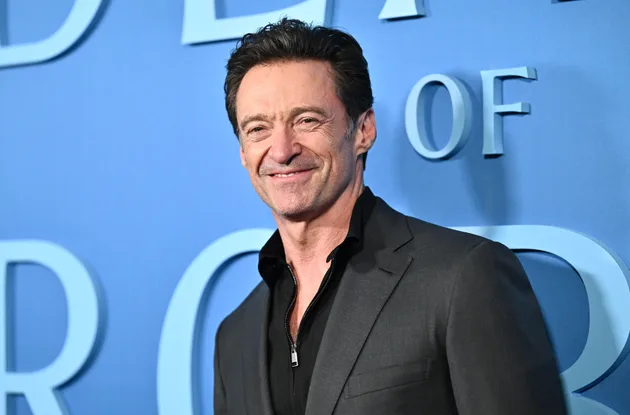
Hugh Jackman
In an interview with IndieWire, Les Mis star Hugh Jackman said he rejected a part in 2006’s Casino Royale due to other engagements.
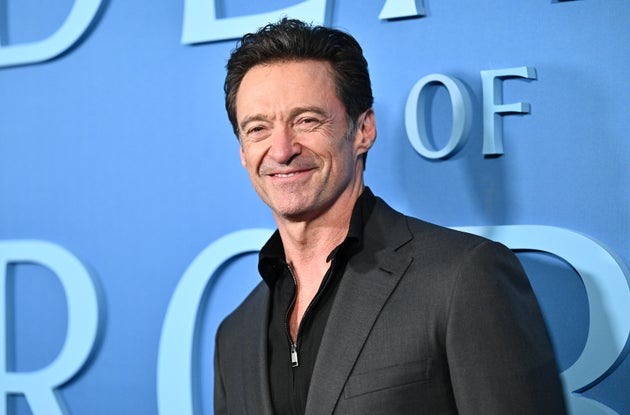 Hugh Jackman
He said of the offer: “I had a look at it… I was like, ‘If I’m doing that and Wolverine, I’ll have no time to do anything else.’”
He’s also shared: “I was about to do X-Men 2 and a call came from my agent asking if I’d be interested in Bond. I just felt at the time that the scripts had become so unbelievable and crazy, and I felt like they needed to become grittier and real…
“People wanted me to play that kind of hero part exclusively. It felt a little bit claustrophobic.”
Richard Burton
Cleopatra actor Richard Burton was reportedly one of the first people that the author of the Bond books, Ian Fleming, looked to cast for the first film, Dr No.
According to the actor’s great-nephew, Guy Masterson, “My uncle told me that Ian Fleming had approached him, asking him to play Bond.
“But, back then, in 1959, Bond was a new concept, and nobody had any idea it would be as big as it became. My uncle told me that he thought it was going to be just another movie.
“No matter how big Bond became, he never said he regretted missing out on the role. Had Burton played Bond, I think he would have been absolutely fantastic.”
Clint Eastwood
Speaking to the Los Angeles Times in 2010, the four-time Academy Award winner said he was “offered pretty good money to do James Bond if I would take on the role. This was after Sean Connery left.
“My lawyer represented [then-007 producers] the Broccolis, and he came and said, ‘They would love to have you.’ But to me, well, that was somebody else’s gig. That’s Sean’s deal. It didn’t feel right for me to be doing it”.
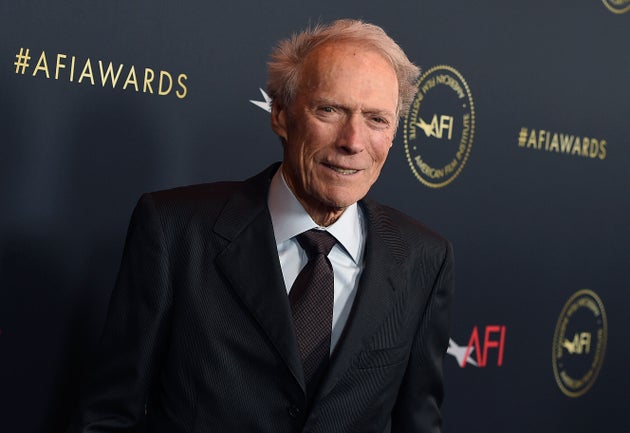 Clint Eastwood
 There was another reason, too: in 2021, he told The Express, “I thought James Bond should be British.
“I am of British descent, but by that same token, I thought that it should be more of the culture there. It was not my thing.”
Michael Gambon
Sir Michael Gambon, who played Albus Dumbledore in six of the Harry Potter films, claimed: “I didn’t want the part because I’m not like [Bond]. I haven’t got nice hair, and I’m a bit fat.
“And [the producer Sir Michael was speaking to] said, ‘Well, the present James Bond doesn’t have any hair. It’s a wig.’”
Burt Reynolds
Deliverance star Burt Reynolds apparently regretted his choice to reject the part. In 2015, he told USA Today that he didn’t think fans would be on board with an American Bond – “the public won’t accept it”.
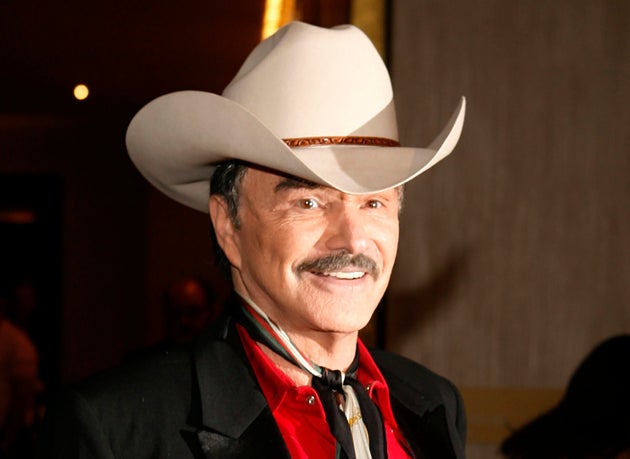 Burt Reynolds
He added, “It was a stupid thing to say. I could’ve done it and I could’ve done it well.”
Adam West
Actor Adam West’s Batman co-star, Burt Ward, who played Robin in the superhero films, told the Express: “Yes, he actually turned the role [of Bond] down, and the reason why [is] he thought from a technical standpoint that it should be a Brit that plays the role.
He added, “I think he would have been great, he would have been fabulous. He would have been closer, in my opinion, to Sean Connery, even than Roger Moore. Sean has even more of that satirical twinkle in the eye”.
Ewan McGregor
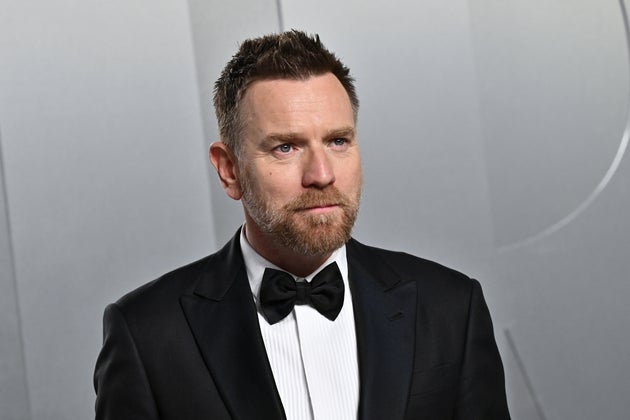 Ewan McGregor
According to Martin Campbell, who directed Casino Royale, Daniel Craig only landed his on-screen licence to kill after the Star Wars actor turned the part down: “I think [Ewan] got another job or decided he didn’t want to do it”, he said.
Campbell suspected Ewan McGregor was worried about being typecast after his role as Obi-Wan Kenobi.
Liam Neeson
Irish actor Liam Neeson has claimed his late wife, Natasha Richardson, wouldn’t have married him if he played Bond.
“I was heavily courted, let’s put it that way, and I’m sure some other actors were too,” Liam told the Hull Daily Mail.
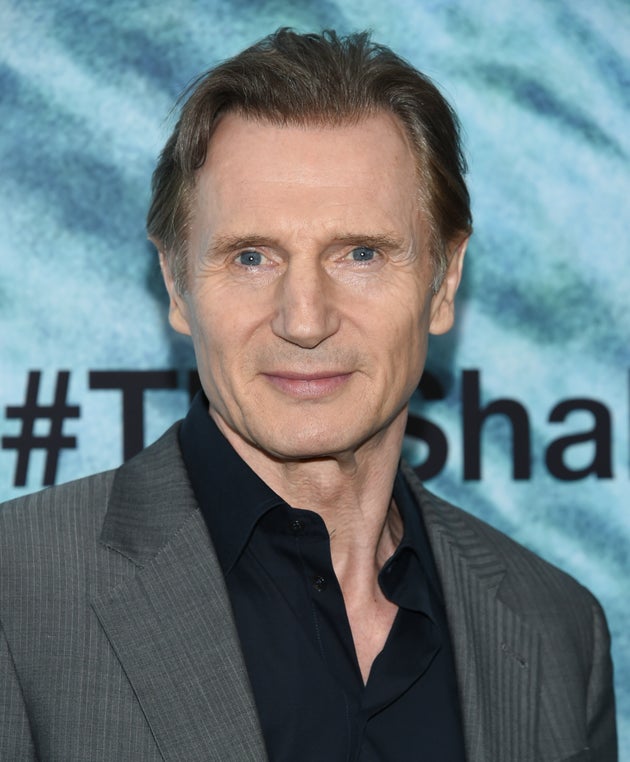 Liam Neeson
 “It was about 18 or 19 years ago, and my wife-to-be said, ‘If you play James Bond, we’re not getting married’. And I had to take that on board because I did want to marry her.”
Rod Taylor
The Aussie celeb was reportedly sought out for the first on-screen role in the late ’50s. He later confessed: “Producer Cubby Broccoli wanted me to screen test for James Bond when he was preparing Dr No in 1961.
“I refused because I thought it was beneath me,” he continued.
“I didn’t think Bond would be successful in the movies. That was one of the greatest mistakes of my career! Every time a new Bond picture became a smash hit, I tore out my hair. Cubby and I have laughed about it ever since”.
Cary Grant
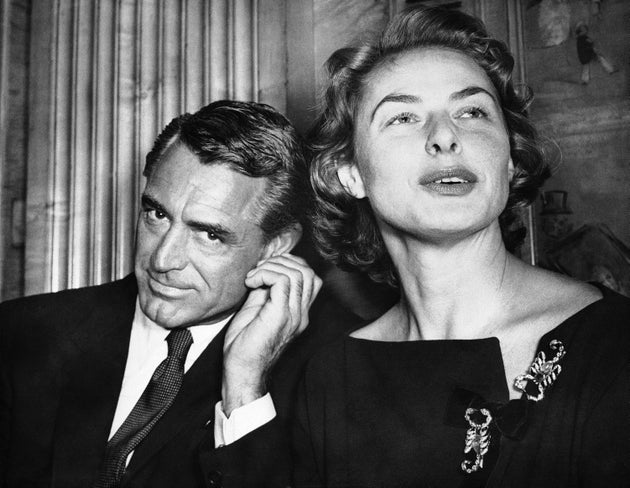 Ingrid Berman, Cary Grant
The two-time Academy Award nominee was allegedly Ian Fleming’s first choice for the initial movie (he was also the first man at then-Bond bigwig Cubby Broccoli’s wedding).
But Grant, who was in his 50s at the time, was reportedly only interested in a one-film deal, while the studio wanted him on the hook for five. As a result, the deal fell through, and Sean Connery landed the gig.
Christian Bale
The American Psycho actor explained his reasoning in his biography, Christian Bale: The Inside Story of the Darkest Batman.
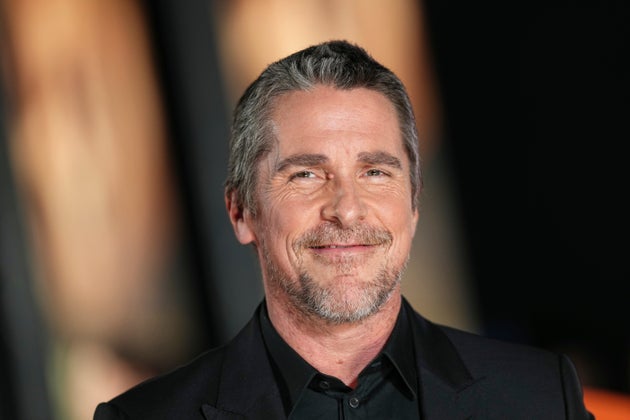 Christian Bale
 In the book, Christian said James Bond represented “every despicable stereotype about England and British actors”, adding he had “already played a serial killer”.
Related…
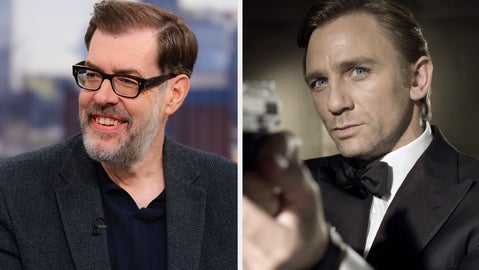

If you want to improve your health and don’t already exercise, starting to do so may be one of the biggest ways to ensure you age well.
Strength training, for instance, can help us live longer, may reduce our risk of dementia, and makes us less likely to fall.
Meanwhile, aerobic training, like jogging, walking, and swimming, is linked to better heart health in older age and might benefit our brains too.
In cases like these, could an injection do some of the work for us?
Maybe, one day, a recent mouse study has suggested.
How might an exercise “patch” via injection work?
They found something unexpected during this experiment, though. Speaking to New Scientist, study author Ng Shyh-Chang said: “This thing was contracting under the skin continuously, and we thought, ‘This thing is like non-stop exercise.’”
The scientists then took samples of muscle stem cells from the mice and developed them into contracting muscle cells called myocytes. When they injected those into the animals (dubbed a “myograft”), a patch of tissue with its own blood networks formed near the injection site.
This area stayed pulsing, even when the mice slept.
And that action seemed linked to some of the benefits you’d expect from a heat-pumping workout.
For instance, mice given the graft developed more muscle across their whole bodies, saw better immune function, and appeared to have stronger bones and greater strength in their older age.
What’s more, the “patch” still seemed to be doing its job six months after first injection.
The idea still needs more research
Still, the researchers write, their method offers a “different approach toward [cell and gene-based therapy] CGT for ageing-related chronic diseases”.

!function(n){if(!window.cnx){window.cnx={},window.cnx.cmd=[];var t=n.createElement(‘iframe’);t.display=’none’,t.onload=function(){var n=t.contentWindow.document,c=n.createElement(‘script’);c.src=”//cd.connatix.com/connatix.player.js”,c.setAttribute(‘async’,’1′),c.setAttribute(‘type’,’text/javascript’),n.body.appendChild(c)},n.head.appendChild(t)}}(document);(new Image()).src=”https://capi.connatix.com/tr/si?token=19654b65-409c-4b38-90db-80cbdea02cf4″;cnx.cmd.push(function(){cnx({“playerId”:”19654b65-409c-4b38-90db-80cbdea02cf4″,”mediaId”:”001da49b-6ad7-4df9-9a7c-d5b1713c8f27″}).render(“6a96f902e4b0f5af040f59a6”);});
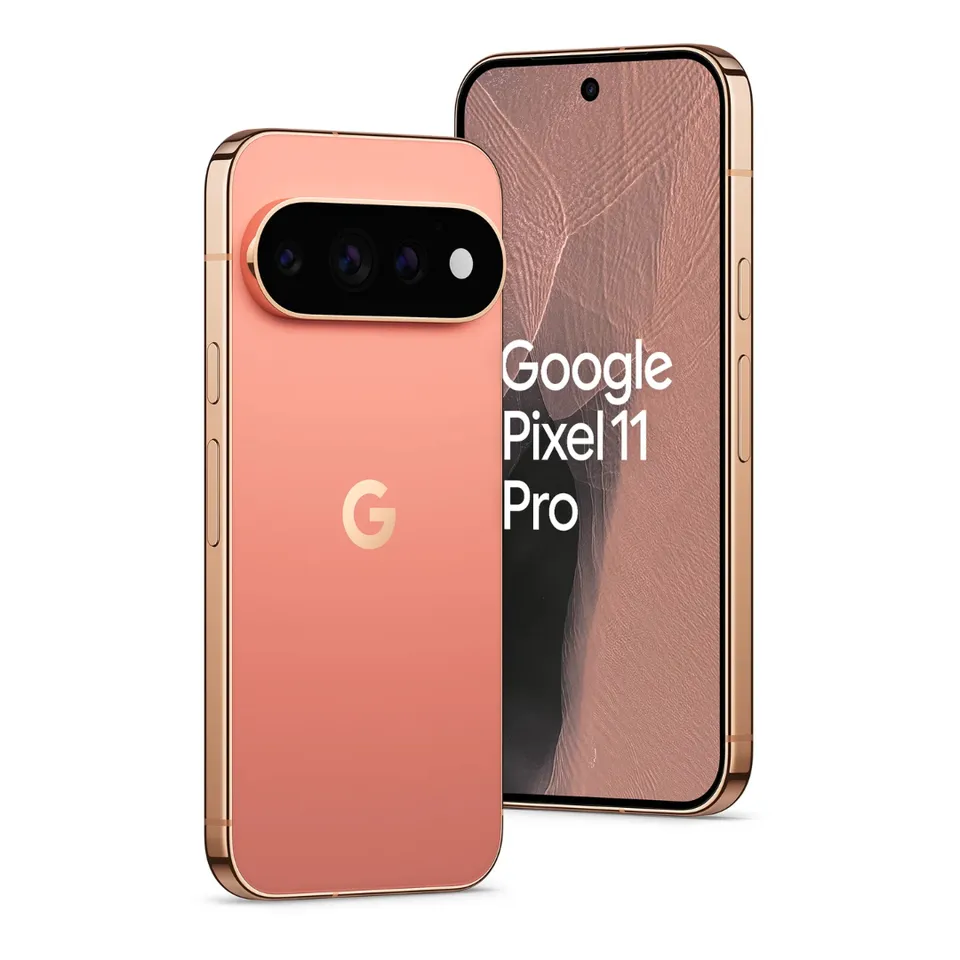
We don’t need to tell you this: tech is expensive. Keeping up to date with the latest gadgets can put a serious dent in your wallet, but the price tag doesn’t do much to quell our desires for a new phone.
Especially when one as enticing as the Google Pixel 11 Pro drops.

Available for pre-order now, and to buy from 20 August, the Pixel 11 Pro comes in four shades (Canyon pink, Olive green, Fog blue and Obsidian black).
The phone retails at £1,079, which is up nearly £500 from the Pixel 10. But, good news Google heads: you can get it for less when you trade in an old device.
Eligible devices include phones from Google, Samsung, and Apple, among tons of other brands, so if you’ve been thinking about switching to Google, this is as good a chance as any.
Depending on the phone you’re trading, you could save up to £850, which in case you need a little help with the maths, means your new phone could cost as little as £229. Woah.
When you consider the array of upgrades Google has made from its predecessor, the Pixel 10, that’s an insane steal.
The first Google phone to use its Tensor G6 chip, it’s considerably speedier than the Pixel 10, with Google claiming you’ll see 25% speedier browsing and 3.5 times faster Gemini processing.
Speaking of, the Pixel 11 Pro is loaded with Gemini Intelligence, which can help you with everything from brainstorming to finding information.
The camera is often the most important aspect of a phone (for us, at least) and this one delivers big time. Pixel 11 boasts Google’s longest zoom yet (up to a whopping 120x) and 30% better light sensitivity so your photos always come out looking crisp and sharp.
One of our favourite elements is Magic Capture mode, which means you can simply press a single button to let your phone take over the heavy lifting of taking photos and videos, so you don’t have to think about the best mode to capture the moment.
The offer runs until 1 September, so run, don’t walk – because you could miss out on £850 in savings on the Pixel 11 Pro as well as up to £260 when you trade in a smart watch for the new Google Pixel Watch 5.
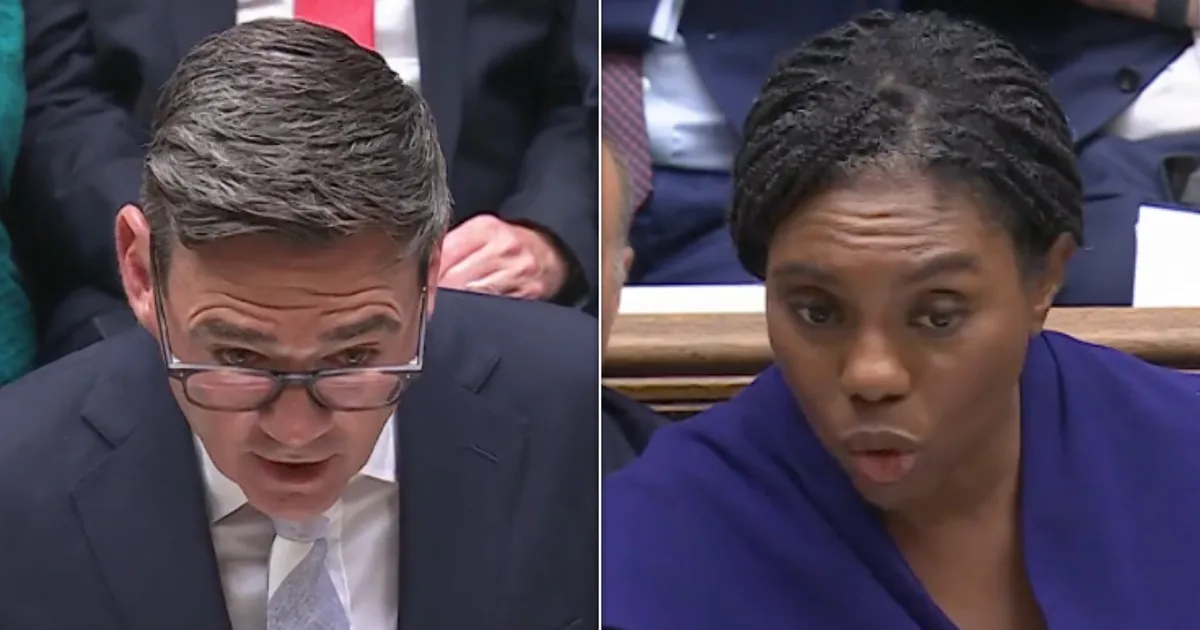
Andy Burnham hit back at Kemi Badenoch’s criticism over his delayed appearance in front of fellow MPs with a quick reminder of Liz Truss.
The prime minister succeeded Keir Starmer on July 20, just days after Westminster’s scheduled summer recess began.
He therefore did not have to answer any direct questions from his opponents in the House of Commons for the first six weeks for his premiership.
So the Conservatives’ leader Badenoch used her first opportunity on Tuesday to remind MPs how Burnham enjoyed the summer without much scrutiny.
Burnham replied: “The Honorable Lady said the fact that I had been in my position for 43 days.
“Can I turn that round and say that means in six days, this government will have outlived the Truss government? And will be here for a lot, lot longer.”
Truss was forced out of office in October 2022, after just 49 days in Downing Street.
Her own MPs kicked her out following the economic turmoil caused by her disastrous mini-Budget, which contained £45 billion of unfunded tax cuts, sending interest rates and inflation up while the value of the pound went into decline.
Truss’s name is now regularly used as a stick to beat the Conservatives by its opponents.
Burnham also used his time at the despatch box to remind the Leader of the Opposition just how many of her own front bench had been tightly tied to the Truss government.
“I noticed yesterday she appointed a new shadow cabinet,” the prime minister said. “The new shadow chancellor, I welcome him to his position too – I believe the author of the mini-Budget?”
This jibe sparked uproar from across the House, as Burnham added: “I think at least half of the shadow cabinet supported the Liz Truss government.”
Badenoch removed Mel Stride and promoted Andrew Griffith to the top job over the bank holiday.
Griffith robustly defended the mini-Budget during the dying days of Truss’s premiership when he was financial secretary to the Treasury.
He said: “We think they’re the right plans because those plans make our economy competitive.
“What we politicians are responsible for is making the economic decisions that will drive continued growth.”
Truss also welcomed news of Griffith’s promotion on Monday, writing on X: “Congratulations to Andrew Griffith on becoming Shadow Chancellor.
“The economic establishment of the last three decades has failed Britain. They must be taken on.”
Listen to Commons People, the podcast that makes politics easy. Every week, Kevin Schofield and Kate Nicholson unpack the week’s biggest stories to keep you informed. Join us for straightforward analysis of what’s going on at Westminster.

RAOUL PAL JUST CALLED OUT XRP CHART!!! (”XRP BULLRUN EXPLOSION”)
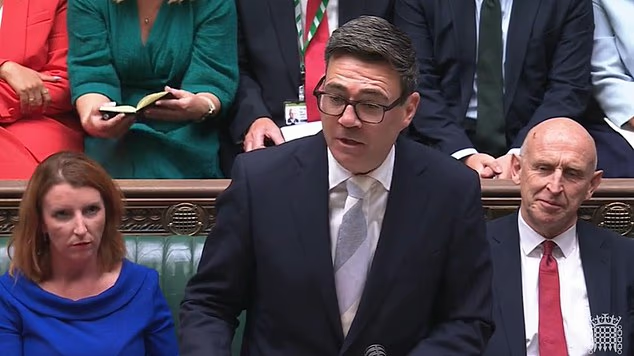
Andy Burnham talks up nationalisation drive blaming Thatcher and Brexit for country’s woes – as he finally faces grilling from MPs

Treasury Yields Hit 19-Month High As Bond Woes Spread Around The Globe





-

 Crypto World7 days ago
SpaceX stock could rise 75% to $240, JPMorgan says
-

 Fashion4 days ago
Weekend Open Thread: Maeve – Corporette.com
-

 Crypto World5 days ago
Bitcoin’s 22% rally now needs real demand to outlast Treasury liquidity boost
-

 Crypto World6 days ago
Warsh Jackson Hole keynote puts financial innovation first
-

 Business5 days ago
Salesforce Stock Soars 19% as Blowout Earnings and Agentforce AI Growth Silence Software Skeptics
-

 Crypto World6 days ago
Elon Musk Grok Bot Promise: We Will Make You Whole if AI Loses Your Money
-

 Business5 days ago
Apple Confirms September 9 Keynote and Reveals Its Full Pre-Order Schedule
-

 Crypto World7 days ago
Did Trump Just Move SpaceX Stock With One Truth Social Post?
-

 Business4 days ago
Onto Innovation Stock: AI’s Next Bottleneck Is Yield (NYSE:ONTO)
-
 NewsBeat6 days ago
Lindsay Clancy jury braces for closing arguments as judge tells court: ‘You’ve heard all the evidence’ – Live updates
-

 Business6 days ago
Walmart takes aim at younger shoppers with new fashion brand
-

 Crypto World4 days ago
Bitcoin price tests $82K resistance as Brandt stays long
-

 Crypto World6 days ago
NVIDIA revenue hits $96.2B as AI demand doubles
-

 Business7 days ago
Thailand’s Eastern Economic Corridor Capital City (EECiti): Key Developments and Investment Opportunities
-

 Business4 days ago
iPhone 18 Pro Pre-Orders Could Shift to Saturday as Apple Reportedly Avoids September 11 Anniversary
-

 NewsBeat7 days ago
Trump’s trade truce with China faces test with Iran effort
-
 Crypto World6 days ago
Nvidia Q2 Earnings Reveal $96.2 Billion Beat, So Why Is NVDA Falling?
-
 Tech3 days ago
Hugging Face built a $4.5 billion empire on free AI models. Now Nvidia is buying it for $12.9 billion
-
 Tech6 days ago
Claude Cowork gets its own browser that doesn’t touch your tabs, bookmarks, or saved passwords
-

 Crypto World5 days ago
Truflation calls for Fed rate cut after PCE forecast
You must be logged in to post a comment Login