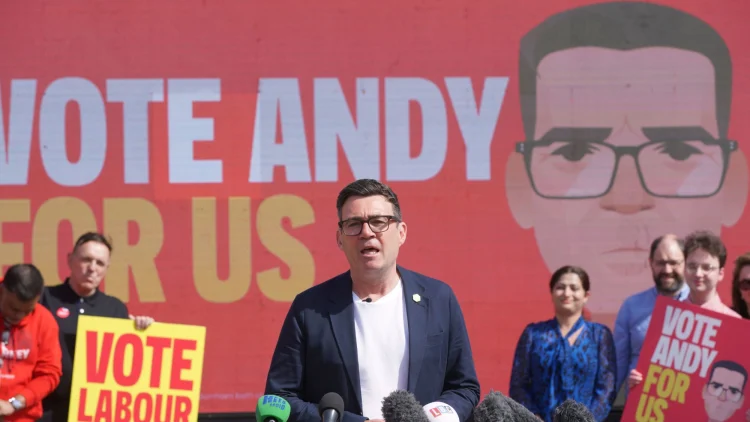


Andy Burnham launched his Makerfield by-election campaign on Friday (Alamy)
4 min read
Andy Burnham said he is running a by-election campaign for “change” in politics, the economy, housing, transport, and care, as he launched his bid to become the new Labour MP for Makerfield.
Advertisement
Last week, Labour MP and former minister Josh Simons announced he would give up his Makerfield constituency – after being elected for the first time just two years ago – to allow Greater Manchester Mayor Burnham a shot at re-entering Parliament via a by-election.
With Burnham now having been selected as the Labour candidate, the by-election will go ahead on 18 June. If he wins, the mayor is expected to challenge Prime Minister Keir Starmer for the Labour leadership.
“British politics is tired,” Burnham said, addressing a crowd of supporters at the Labour campaign launch in Makerfield on Friday morning.
Advertisement
“It needs a new script. And over the next four weeks, the people of Makerfield are going to write that script.”
He repeatedly tapped into a sense of Westminster politics not working for people around the country.
“This by-election will force Westminster to focus on the places it usually looks past,” he said.
“I love this place, I love the people of this place, but what I have inside is a burning sense of injustice that the proud communities of this place face a Westminster system that puts them at the bottom of the list. They should be at the top of the list.”
Advertisement
He called for “change to Westminster politics so that it works for people”.
“This by-election is a clarion call for change, change for people, a place I love so much,” Burnham continued.
“Change to the economy, change to education, change to housing, change to transport, change to care, and yes, to make it all possible, change to politics.
Advertisement
Summarising his campaign in three words, Burnham said: “I’m for us.”
He also said he recognised that the Labour Party “needs to change”.
“We need to be better than we’ve been,” he said.
“We’ve not been good enough, and I want to leave people in no doubt today. A vote for me in this by-election campaign is a vote to change Labour. It is a vote to give the people here in these communities who supported us through the years their party back. This is a vote for a party that is solidly on the side of working-class people and working-class communities.”
Advertisement
On transport, Burnham said “I like my buses”, referring to the scheme he oversaw which brought Greater Manchester buses back under public control in 2023. However, he highlighted ongoing concerns about the cost of rail journeys.
“£364 is the cost of an anytime return from Wigan North Western to London Euston,” he said.
“So how can people here connect with the capital and all of the opportunities it’s got, if they cannot afford those train fares? We need to use rail re-nationalisation to reduce those train fares and make them affordable to people again.”
He also brought Liverpool Mayor Steve Rotheram to stand alongside him, and praised the successes of Greater Manchester and Liverpool since they both left Westminster as MPs to become mayors.
Advertisement
“In those ten years we have built a new politics,” Burnham said.
“We’ve worked on a place-first basis, rather than party first. We’ve focused on problem-solving rather than point scoring. And you know what? When you do that and you work differently, it’s amazing what you can achieve, isn’t it?”
Burnham also pointed to the need to change education and advocated for an education system “that doesn’t just focus on the university route”, but “focuses on the kids who want technical pathways to those new industries”.
He said he was feeling “emotional” about the campaigning bringing him “back to where it all began” in Westminster, and batted away accusations that he is using this by-election as a “stepping stone” to power.
Advertisement
“How can it be a stepping stone if it takes you back to where it all began?” he said.
“Surely it can’t, and the reason it comes back to is because I’ve never stopped what I started 25 years ago. I fought for these people in these places as a member of Parliament, I fought for them as a minister… We fought for people in the North West of England, fought for people here, we fought for them as mayors together…
“I would carry that fight forward if I am lucky enough to be elected as the MP for Makerfield. I’ll take that fight as high as I can possibly take it, and that’s the journey I’ve always been on. And it’s not a new journey for me, it’s the same journey, just in a different phase, and that’s what this is all about.”
We hope you love the products we recommend! All of them were independently selected by our editors. Just so you know, HuffPost UK may collect a share of sales or other compensation from the links on this page if you decide to shop from them. Oh, and FYI — prices are accurate and items in stock as of time of publication.
Festivals are all fun and games until you remember about a small thing called a shower.
I don’t know about you, but it’s always a day or two into a festival or camping before I start to become irrevocably aware of the layer of the layer of filth I must be covered in. After that, it’s game over.
While, yes, there’s often some kind of shower... situation going on at campsites, it’s not always one you want to find yourself in.
Advertisement
That is, if you even have time to shower between running around and drinking copious amounts of alcohol.
But if there is one hack you can’t live without at a festival, it’s always having a pack of wet wipes on hand.
Should you lose track of time and realise you’ve not washed in a considerable number of days, or that you’ve developed an irrational fear of the shared showers, wet wipes will always have your back.
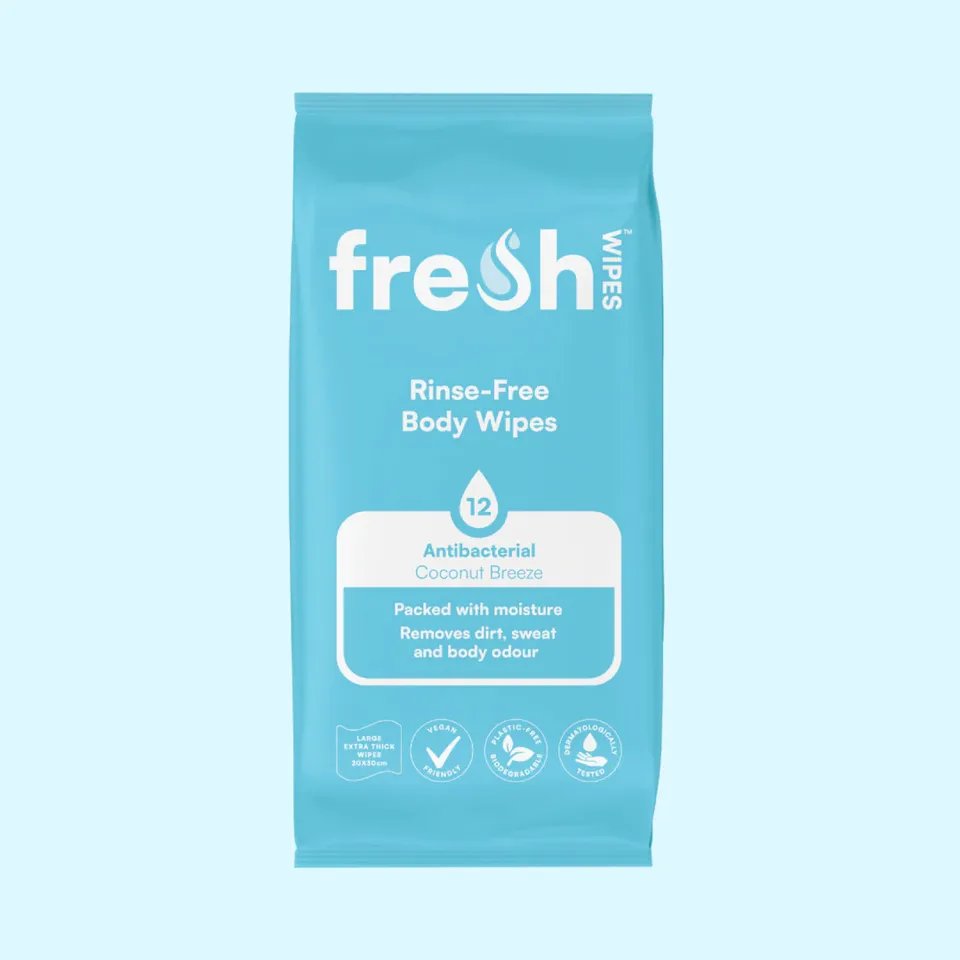
These coconut-scented ones from Freshwipes come in a pack of 12, but if you’re going for a longer stint you can save by buying a multipacks of 5, 10, or 36.
They’re biodegradable, 10x wetter than regular baby wipes, and fold out to A4 size, so one wipe is enough to clean your whole body.
Advertisement
That means you can rest assured you’re not leaving too much harmful rubbish behind.
They’re even skin-safe certified, earning the seal of approval from Dr Hilary Jones MBE as dermatologically sound and antibacterial, thanks to the addition of chlorhexidine.
We hope you love the products we recommend! All of them were independently selected by our editors. Just so you know, HuffPost UK may collect a share of sales or other compensation from the links on this page if you decide to shop from them. Oh, and FYI — prices are accurate and items in stock as of time of publication.
One day, someone will invent an injection that means we never have to reapply sunscreen again. But until that day comes, it is a sad and unfortunate truth that sunscreen is a daily skincare essential – and more so in the sunny months than ever.
Despite the undeniable benefits of wearing SPF – it protects against skin cancer, and prevents visible signs of ageing, etc, etc – it is a pretty spenny necessity, which can make it all the more tempting to skip it. Fine, we’ll admit it.
Advertisement
If you need a little extra nudge to stock up on sunscreen this year, that’s completely understandable. Or at least iHerb seems to think so, because it’s launched a ‘buy one, get one 50% off’ promotion on its entire sunscreen range. Can we get a ‘whoop whoop’ for iHerb?
If you’ve not yet stocked up on sunscreen for the season ahead – and even if you have – now’s the time to do it.
But this isn’t one of those sales that applies to just one or two items. Whether you’re looking for a kids’ sunscreen, one that’s suitable for sensitive skin, or a face sunscreen, iHerb has every kind of SPF you could want. We’re talking over 300 products – woah.
To make sure you don’t miss it, we’ve rounded up our tried and tested favourites from its summer sale to stock your baskets with right now.
Advertisement
Best sunscreens to shop now
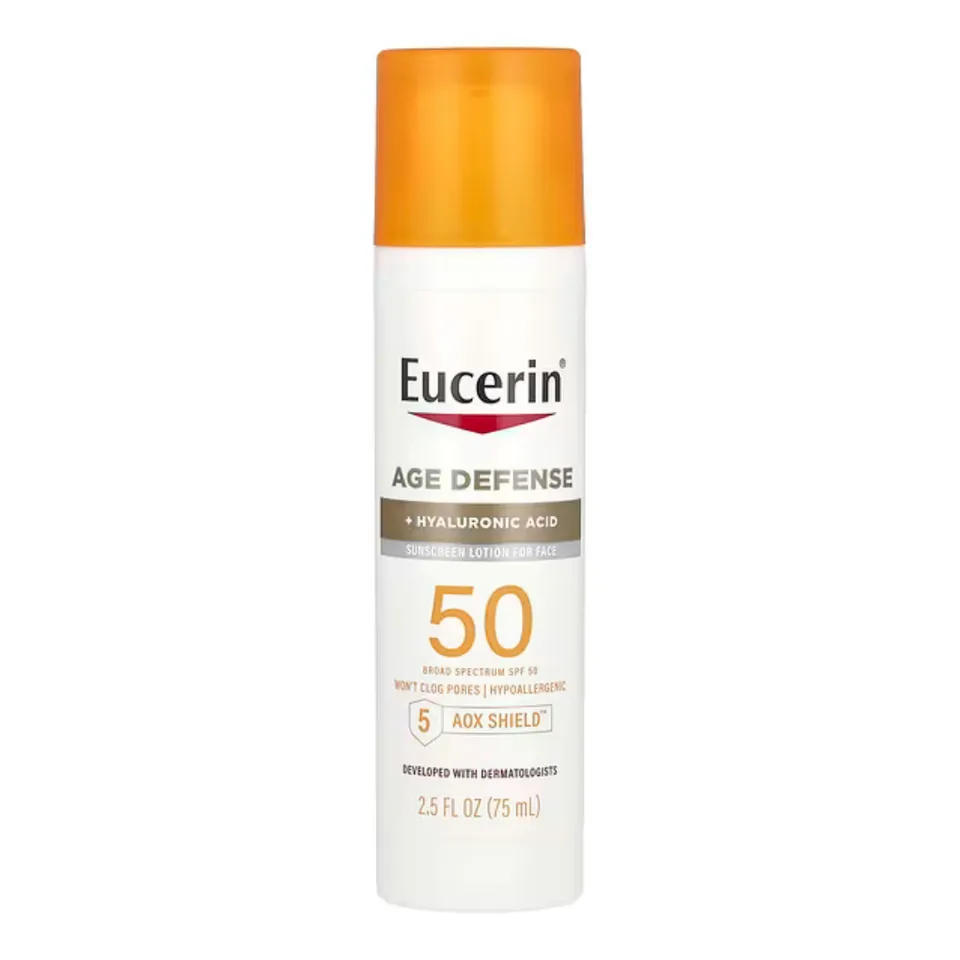
If you’re looking for a face sunscreen, it’s gotta be fragrance-free. This one from Eucerin is super lightweight, and it’s even loaded with hyaluronic acid to help lock in hydration.
Not every sunscreen works under makeup, but this one from Aveeno absorbs so quickly, you won’t have any problems with pilling. It also won’t leave a white cast, making it ideal for darker skin tones.
If you have oily skin, you’ll know the struggle of finding a sunscreen that doesn’t break you out. But Cetaphil is a go-to high street brand for a reason: it actually works at keeping skin clear. This moisturiser contains SPF30, but just be aware you’ll need to top up after a couple of hours.
One of the trickiest things with body sunscreen is finding one that won’t stain your clothes and leave you with a pile of white-turned-yellow clothes at the end of the summer. This one from Eucerin might take a little while to sink in, but it passes the colour transfer test, and it’s hydrating so it leaves your skin feeling great, too.
Looking for a sunscreen to take with you on the go? This baby one from Cetaphil comes in stick form, so you won’t have to worry about getting dirty hands creamy, and slots neatly into the tiniest of bags.
If you’re swimming in the sea – lucky you – this sunscreen is formulated to be reef-safe, and is water-resistant for up to 80 minutes so you don’t have to reapply every time you need a cool down. It even has a light shimmer to it, if you’re in the market to channel Edward Cullen in the sunshine.
We all need to be kept on our toes, which is why this sunscreen feels on the thicker side upon application, but later sinks in completely. Thrilling! This zinc formula is also suitable for kids and adults alike, so you won’t have to worry about keeping two different lotions on you at the same time.
If there’s one thing that’s going to convince your kids to wear sunscreen, it’s if it smells like tangerine and vanilla. This SPF 40 zinc formula might leave a little greasy layer on your skin, but it’s water resistant for over an hour, and it’s made from 98% natural ingredients.
When you have .2 seconds to slather your baby in sunscreen before they start wriggling, there’s no time for messing around with squeezy bottles and screw caps. This mineral sunscreen stick makes application quick and easy, and it’s hypoallergenic so it’s great for sensitive skin.
With an SPF ranking of 60+, this sunscreen will keep your face ultra-protected in even the sunniest of conditions. Plus, Hawaiian Tropic just smells like summer, so it’s a must (if you know, you know).
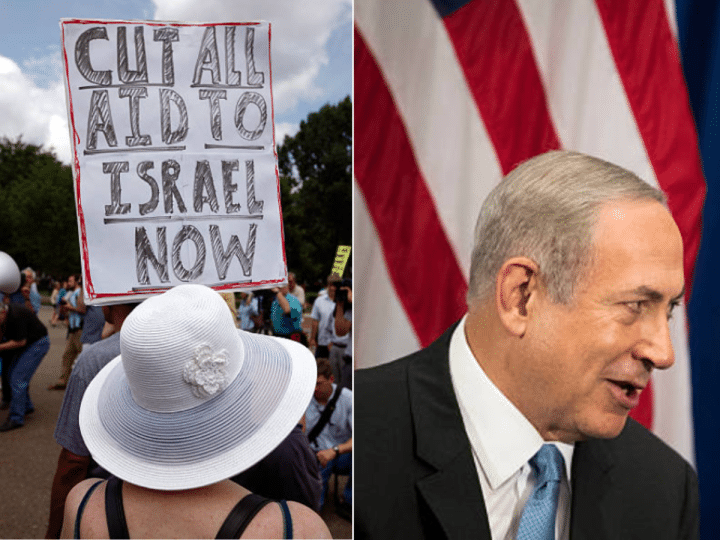
25% of Democratic voters support the supply of aid
7% were ambivalent
The poll also addressed the thorny question of Democratic party support for Trump’s unilateral decision to invade Iran. Polling data suggests that:
93% believed it was the wrong decision
5% believed it was the right decision
2% were ambivalent
Plummeting support for Israel
Similarly, it found that:
47% of Democratic voters believe their party is too supportive of Israel
9% said Democrats are not supportive enough of Israel
33% believe Democrats are about right on support of Israel
12% were ambivalent
In terms of support for Palestinians, 60% of 2024 Democratic voters sympathised more with Palestinians, while only 16% sympathise more with Israelis. And even the US as a whole is now more sympathetic towards Palestinians (37%) than towards Israelis (35%).
A recent CNN report also highlights shifting attitudes among Democratic voters on hot-button issues. Net favourability of Israel among moderate/conservative democratic voters plummeted between 2022 and now, the outlet reported. The data suggests the favourability pendulum swung away from support for Israel in 2025.
Most Democratic voters and non-voters think the US is heading “in the wrong direction”, with 90% of 2024 Democratic voters (and 75% of non-voters) agreeing that:
The economic system in this country is generally unfair to most Americans
With this in mind, it makes sense that people would want politicians to focus on domestic problems rather than fuelling conflict abroad. Accordingly, 51% of Democratic voters (and 74% of non-voters) agree that the US:
Advertisement
should pay less attention to problems overseas and concentrate more on problems here at home
Will the Democrats get their house in order?
Commenting on the shifting sands of public opinion, Al Jazeerapoints out that:
Leading up to the 2024 vote, Israel’s genocidal war on Gaza was one of the most contentious and divisive issues for the Democrats and Harris.
Commenting further, the outlet added:
Some polls have suggested that the Gaza policy was one of the main reasons Harris lost the election.
A 2025 IMEU Policy Project survey showed that Gaza was a top issue for people who voted for Biden in 2020, but did not back Harris four years later.
Yet, there are zero mentions of Gaza and Israel in the 192 pages of the autopsy report.
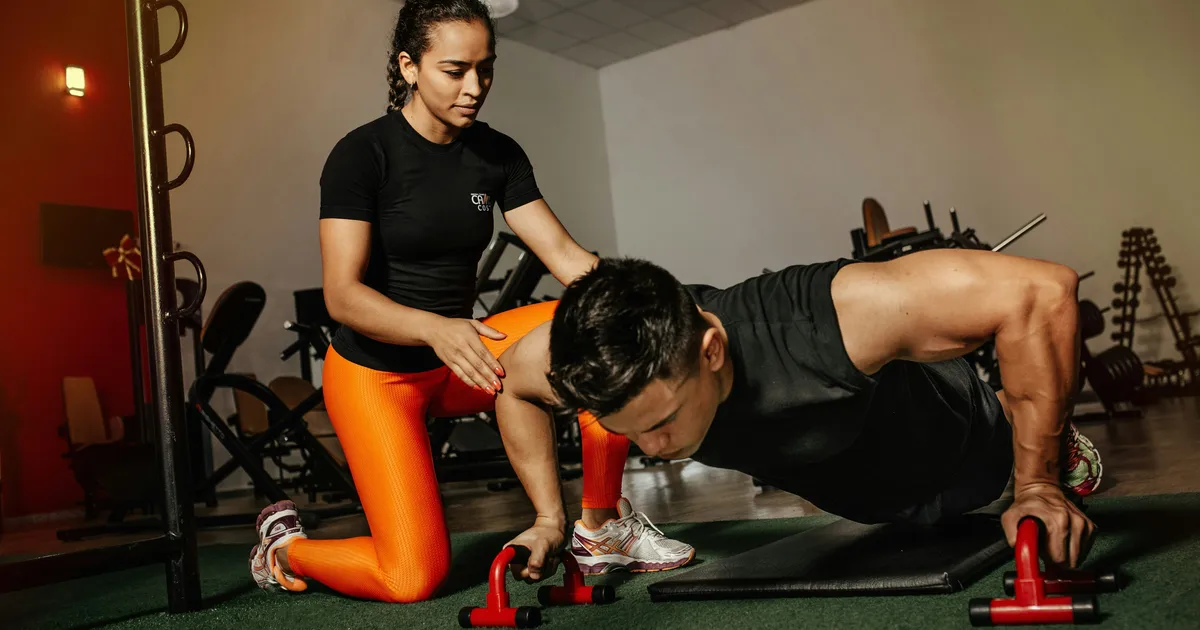
After all, the endless gadgets and machinery pros use can hog space and drain your bank account ― the same can be said for gym equipment.
Most of us can’t pack a treadmill, an elliptical, a stair master, a full rack of weights, and a Smith machine into our homes, after all.
So, we thought we’d ask Sam Quinn, a personal training lead at Nuffield Health Devonshire, which one piece of gym kit he can’t go without.
Advertisement
If Sam had to pick, he’d go with an Olympic barbell
The fitness expert told HuffPost UK: “The Olympic barbell is the single most valuable piece of equipment for achieving athletic performance, fitness goals, and changing body composition.”
It’s suitable for beginners and pros alike, the personal trainer added, explaining that its versatility makes it a must-have.
“The 20KG 7ft long Olympic barbell is used for resistance and strength training, building muscle, powerlifting and Olympic weightlifting,” Sam advised.
Advertisement
“This enables the individual to have the ability to train whichever muscle group of the body they are looking to develop or improve all physical characteristics from strength, power or speed using only one piece of equipment.”
We’ve written before at HuffPost UK about how important resistance and strength training is, especially as we age.
Of course, everyone’s at different points in their strength training, and progressive overload is key for muscle growth.
So it’s a good thing “the bar is loaded with plates varying in weight for resistance training,” allowing each user to change the intensity according to their ability.
Advertisement
Though some machines dedicate themselves to one part of our anatomy, though, Sam told us that the barbell can be “used to develop all the various movement patterns of the body.”
What exercises can I do with an Olympic barbell?
“The Olympic bar is a versatile, robust and easy-to-use piece of equipment,” Sam told HuffPost UK.
“The exercises that can be performed with the Olympic barbell include clean and jerk, snatch, bench press, squat, deadlift, bent over row, overhead press, hip thrust, landmine presses, bicep curls and skull-crushers.”
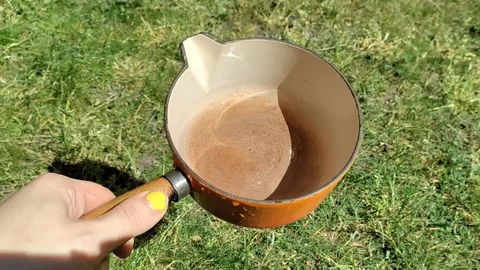
And yes, that means yellowed, crispy-looking grass is becoming an increasingly familiar sight, too.
Advertisement
The Royal Horticultural Society (RHS) said that suntanned blades don’t always signal a crisis, though. “In hot summers with little or no rain, lawns can turn brown and stop growing. Although this looks serious, the grass will green up once rain returns,” the society explained.
However, if you have a less-established lawn and/or think your patch’s suntan is a little more serious, you can always try the “tug test”.
What is a “tug test”?
It’s simple: you grab a clump of grass and tug.
Advertisement
Mowing company Hayter explained on its site that the way in which your grass responds to being yanked can reveal whether it’s dead or just temporarily a little worse for wear.
“The most important thing to remember is that brown grass does not equal dead grass. It could instead be a sign of dormancy – the process of grass hibernating to conserve energy during stressful periods,” including dry spells, the mowing experts said.
The test is the “easiest way” to tell if grass is dead, they added.
How do you do a “tug test”?
Gardening experts at Green Meadow Lawncare said “dead grass will have a dead root system and therefore pull up out of the ground very easily”, while dormant grass “might appear brown and dead, but its root system will still be intact”.
Advertisement
So, when you gently tug at a clump of grass:
Dead grass will pull up incredibly easily, with practically no resistance.
Dormant grass will remain rooted after being gently tugged.
You can also try a “footprint test”
Though it might not tell you whether or not your grass is officially dead, a “footprint test” is a great way to spot drought in your backyard.
If the imprint of your shoe stays for long after you’ve stepped over your grass, that could be a sign it’s experiencing “drought stress” and is in need of thorough watering.
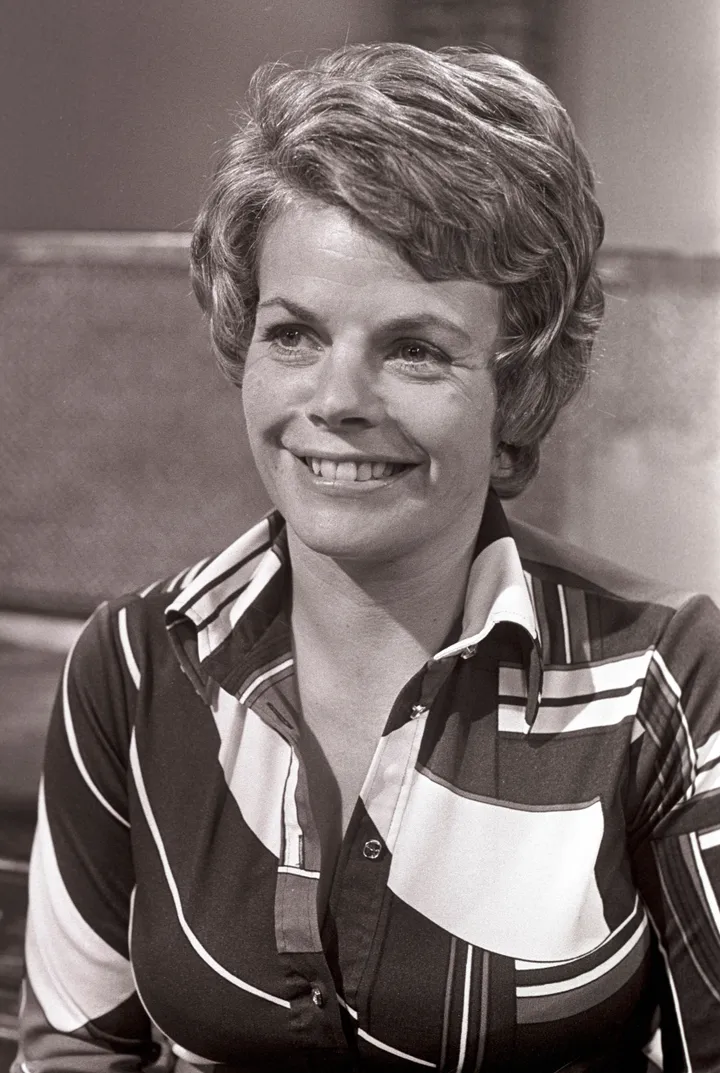
Judith is best known for fronting the ITV travel series Wish You Were Here…?, which she did for almost 30 years between 1974 and 2003, as well as the Strictly Come Dancing predecessor Come Dancing.
On Friday morning, her family issued a statement disclosing that the presenter had died the previous day, surrounded by her loved ones, having been privately living with Alzheimer’s disease for a number of years.
They told ITV News: “After living an extraordinary life that involved over 60 years in broadcasting and countless adventures all over the globe, Judy sadly passed away last night, surrounded by the family she loved so much after suffering with Alzheimer’s for some years.
Advertisement
“We will miss her greatly but she leaves behind a giant suitcase of the happiest of memories.”
Judith began broadcasting when she was still just 13 years old, after being chosen to present BBC North’s Children’s Hour segment.
As her presenting career continued, she went on to front Family Favourites and Woman’s Hour for the BBC in the 1960s, as well as appearing on Ken Dodd’s radio show, the comedy series The Clitheroe Kid, and Come Dancing, which she hosted for around four years.
Judith Chalmers pictured in 1974
In the following decade, she began presenting Wish You Were Here…? and the ITV daytime series Good Afternoon. Her later TV and radio appearances included coverage of Miss World and various other beauty pageants, Radio 2’s daily mid-morning show and, more recently, the Channel 5 travel show Celebrity Taste Of Italy.
Judith was awarded an OBE by the late Queen Elizabeth II in 1994 for her services to broadcasting.
Advertisement
She is survived by her husband of more than 60 years, the former sports commentator Neil Durden-Smith, as well as their two children and six grandchildren.
And having a sense of purpose “appears to widely buffer against mortality risk across the adult years,” a 2015 paper found.
Advertisement
Yet another paper, this time looking at data from 22,000 participants, found that “personality nuances were associated with mortality risk ”.
Which personality traits might help you live longer?
1) Being active
This self-descriptor was most linked to a longer life in the 2025 paper (27% lower mortality risk).
Advertisement
Study author and psychologist Professor René Mõttus told The Guardian: “The word ‘active’ was the most striking.
“Participants who described themselves this way were significantly less likely to die during the study period – with a 21% lower risk, even when age, gender and medical conditions were taken into account.”
2) Being lively
The trait, tied in this study to outgoingness, seemed to be another helpful self-description (12% lower risk) for those hoping to live longer.
Advertisement
“The extraversion items active and lively were related to a lower mortality risk,” the paper reads.
Separate 2017 research linked higher levels of extraversion to a 14% reduction in mortality.
3) Being organised
The study also found that higher levels of conscientiousness, including describing yourself as organised, were linked to a longer life (14% lower mortality risk).
Advertisement
“Being ‘organised’ might help people stick to routines that improve health, but it may also reflect underlying psychological resilience or social habits that contribute to a longer life,” study author Professor Páraic O’Súilleabháin told The Guardian.
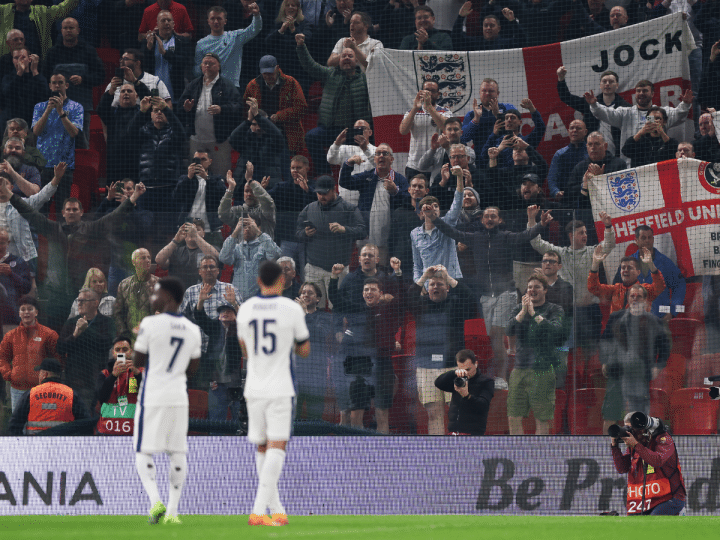
Two years can feel like a lifetime in football, and none more so than for Cole Palmer and Phil Foden who were firmly at the top of the England pecking order after Euro 2024. They were winners of major individual awards, fixtures in Gareth Southgate’s big-game plans, and widely tipped to be central to England’s future. Fast forward to the present and both are conspicuously absent from Thomas Tuchel’s World Cup squad. The shift is stark, and it’s driven by one brutal truth: form matters more than pedigree under Tuchel.
Palmer and Foden’s trajectories were once parallel. Both came through Manchester City’s academy, both collected domestic and individual honours, and both looked like automatic selections for tournament football. But football’s calendar is unforgiving. A dip in output, a few underwhelming displays and one coach’s clear preference for current performance over past glories have reshaped the selection map.
England squad selection: decline in output
Palmer’s first seasons at Chelsea were explosive, 37 Premier League goals across his opening two campaigns set expectations sky-high. This season, though, the edge has dulled. Nine goals in 25 league appearances is respectable, but it lacks the consistent flash that once made him look like the next elite player. The moments that once defined him, sudden, decisive interventions, have been fewer and far between.
Foden’s slide has been longer and more jagged. After a purple patch before Christmas that produced six goals in five games, he has not scored since. That’s a sharp fall from the 2023–24 campaign when he hit 19 league goals and 27 in all competitions. Sporadic moments, a clever backheel assist here, a bright touch there, have not been enough to convince Tuchel that he offers the kind of reliable, match‑shaping influence the manager demands.
Advertisement
The Uruguay test that mattered
If there is a single turning point for Phil Foden, it was the friendly against Uruguay in March. With Harry Kane absent, Tuchel tried Foden in the central number 10 role. The experiment failed. Foden drifted, struggled to impose himself and was substituted early in the second half, replaced by Palmer. That substitution, and the lack of impact that preceded it, felt decisive. Tuchel’s selection philosophy is clear: give players a chance, but don’t let reputation override what you see on the pitch. Foden’s performance in that match looked to have closed the door.
Palmer, meanwhile, had his own opportunities but could not force a reappraisal. Moments of brilliance that once made him a must‑pick were not frequent enough to dislodge Tuchel’s growing conviction that other options offered more immediate value.
Tuchel’s ruthless pragmatism
Tuchel has shown little patience for reputational inertia. He has repeatedly picked players on the basis of current form and tactical fit rather than name recognition. Jude Bellingham’s place was never in doubt; Tuchel has picked Morgan Rogers from Aston Villa and rewarded consistent club performances. That approach leaves little room for players whose recent output is patchy.
Tuchel’s selections have also highlighted a preference for variety and unpredictability in the attacking midfield slots. He wants players who can change the tempo, add pace and create different angles of attack, attributes that have become decisive in his thinking.
Advertisement
The replacements
Eberechi Eze is the clearest beneficiary. His season at Arsenal, seven league goals and two assists in a title-winning campaign may not leap off the stat sheet, but his performances for Tuchel in qualifying have been persuasive. Three goals in six qualifiers and a style that offers pace, unpredictability and directness have made him a compelling alternative to the more familiar names.
Morgan Rogers has also earned trust through consistent displays, while other contenders have shown enough to convince Tuchel that they can slot into the system and deliver. Even Morgan Gibbs‑White, despite a late scoring surge at club level, has not done enough in Tuchel’s eyes to force selection, underlining how selective the coach has been.
Reality check for Palmer and Foden
Once predicted as guaranteed starters, Palmer and Foden now face the humbling reality of being judged on present form. That is a hard lesson for two players who have already achieved so much so young. But it is also a reminder of the merciless nature of elite international selection: past awards and promise count for little when a manager is building a squad for a specific tournament and a specific tactical plan.
For both players the path back is straightforward in theory: rediscover the consistency and cutting edge that made them indispensable. In practice it will require sustained excellence at club level, adaptability to Tuchel’s tactical demands, and the kind of decisive performances that force a manager to rethink his plans.
Advertisement
Tuchel’s message to England players is unambiguous, the plane to the World Cup is for those who are delivering now. For Palmer and Foden, the challenge is to make sure the next selection window tells a different story.
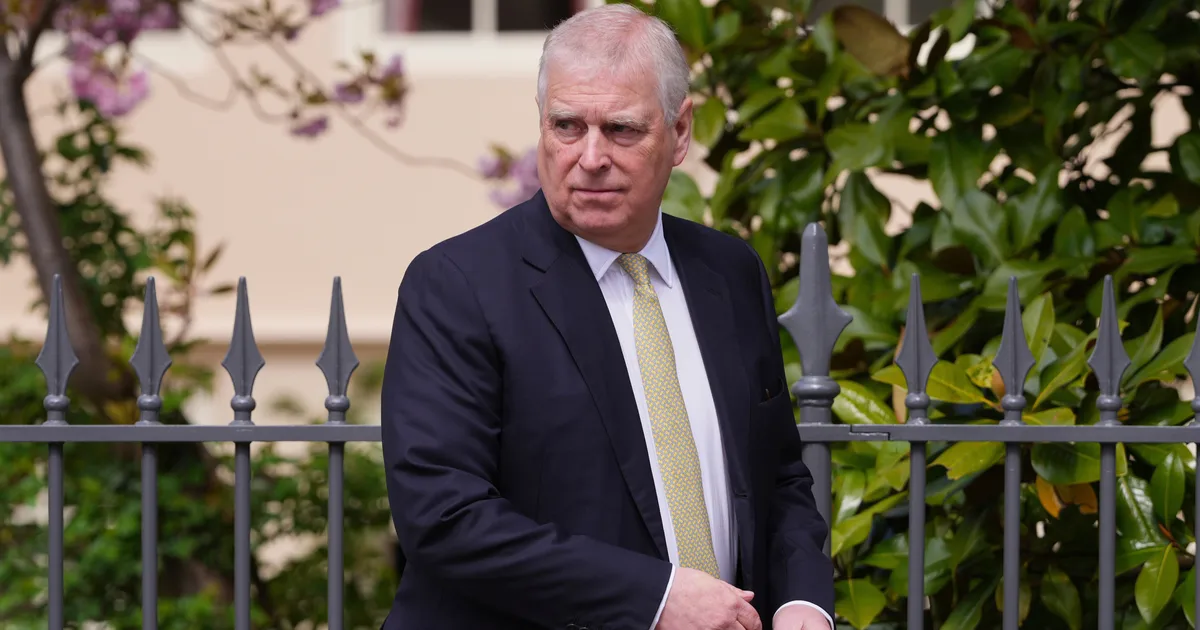
The government has released its first tranche of documents charting Andrew Mountbatten-Windsor’s previous appointment as a trade envoy.
It comes after the Liberal Democrats applied pressure in the Commons via a binding parliamentary procedure called a humble address.
They called for the government to publish sensitive documents around any vetting of the former prince and his appointment to the role.
The former prince was appointed as the UK’s trade envoy in 2001, and held the job until the UK’s special representative until 2011.
Advertisement
The significant title meant he had access to senior government and business contacts globally.
Andrew stepped down amid backlash over his ongoing friendship with convicted sex offender Jeffrey Epstein after they were pictured together.
The former prince then had to give up his royal status and titles in more recent years amid growing scrutiny and the US Department of Justice’s release of the Epstein files.
Andrew has categorically denied any wrongdoing linked to Epstein’s crimes.
Advertisement
Here’s a look at the main takeaways in the first batch of documents around the ex-royal’s historic appointment.
1. Late Queen Pushed For Andrew To Get The Job
Elizabeth II asked for her second son to receive the UK trade envoy role, according to letter from the chief executive of British Trade International.
Writing in 2000 to the UKs foreign and trade secretaries, David Wright said: “The Queen’s wish is that the Duke of Kent should be succeeded in this role by the Duke of York.
Advertisement
“The Duke of Kent is to relinquish his responsibilities around April next year. That would fit well with the end of the Duke of York’s active naval career.
“The Queen is very keen that the Duke of York should take on a prominent role in the promotion of national interests.
“No other member of The Royal Family would be available to succeed the Duke of Kent. The Duke of York’s adoption of his role would seem a natural fit.”
The Duke of Kent, the Queen’s cousin, had often represented British trade interests overseas before Andrew.
Advertisement
2. Andrew Preferred ‘Sophisticated Countries’
The former royal’s private secretaries allegedly told diplomat Kathryn Colvin in January 2000 that he preferred some visits over others.
“I asked what were The Duke’s preferences for activity during his visits,” her letter said.
“Captain Blair [principal private secretary] said that The Duke of York was particularly good on high-tech matters, trade, youth (including primary schools and outward bound projects), cultural events, with a preference for ballet rather than theatre, the Commonwealth and military and foreign affairs.
Advertisement
“He tended to prefer the more sophisticated countries, particularly those in the lead on technology.”
3. Andrew Did Not Want To Play Golf
Mountbatten-Windsor tried to avoid playing the sport when in other countries.
“The Duke of York should not be offered golfing functions abroad. This was a private activity and if he took his clubs with him he would not play in any public sense,” Colvin’s letter read.
Advertisement
4. No One Else Was Approached For Envoy Role
A briefing note for the media announcement of Mountbatten-Windsor’s appointment showed that no one else was approached for the job, even though he was not experienced.
One question asked: “Did we approach anyone else?”
The note says: “No – the importance of the Duke’s involvement lies in the high profile and commitment he is able to give this work as a Member of the Royal family. It is a continuation of the Royal Family’s involvement in the promotion of British trade and investment following HRH the Duke of Kent’s decision to relinquish his duties in April.”
Advertisement
The briefing confirms the ex-royal was unpaid.
5. Shadowing Suggestion
A memo from David Wright, written in February 2000, suggested the royal might need more training before he took on the high-level lobbying job.
He wrote: “If the arrangement went ahead on this basis, we would want to do some induction work with The Duke of York from Spring 2001 onwards.
Advertisement
“He might even do some ‘shadowing’ of work in our offices and our activities both in the regions and overseas. It would be important for him to be aware of our general strategy and approach.”
What Happens Next?
Another batch of files on Mountbatten-Windsor’s job will come soon.
A No.10 spokeswoman told reporters: “We are complying with the humble address and we’re publishing those documents as quickly as possible.
Advertisement
“We’re also supporting the police investigation as you would expect.
“And we’ll provide the House with any other substantive documents we find in the course of that work.”
Asked if it was acceptable that no vetting was taken into Andrew prior to his appointment, she said: “We have found no evidence that a formal due diligence or vetting process was undertaken, and there’s no evidence that this was considered.
“And this is due to the fact that the role was a continuation of the royal family’s involvement in trade and investment promotion work following the Duke of Kent’s decision to relinquish his duties as vice chairman of British Trade International.”
Advertisement
Subscribe to Commons People, the podcast that makes politics easy. Every week, Kevin Schofield and Kate Nicholson unpack the week’s biggest stories to keep you informed. Join us for straightforward analysis of what’s going on at Westminster.
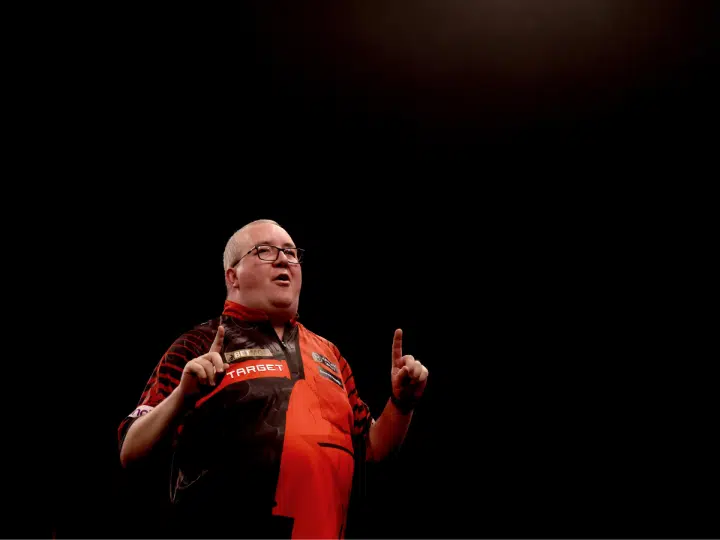
Stephen Bunting closed the Premier League darts stage in style in Sheffield, beating Luke Humphries 6-3. Meanwhile, Humphries’ run to the final means he will avoid a semi-final against Luke Littler at Finals Night in London.
Bunting’s night was more than a single result. He averaged north of 106 and landed seven 180s across his matches, producing a high-quality display that lifted him to fifth in the final table. A finish that secures his place among the season’s top performers and underlines his consistency. His Sheffield run included a 161 checkout and a string of 100-plus finishes that swung momentum in his favour.
Darts: key results
Quarter-finals: Bunting beat Jonny Clayton; Gerwyn Price beat Gian van Veen; Luke Littler edged Josh Rock; Luke Humphries beat Michael van Gerwen.
Humphries’ semi-final win over Littler was decisive: a 6-1 scoreline that not only booked his place in the Sheffield final but also rearranged the Finals Night draw. Instead of facing world No 1 Luke Littler in a semi, Humphries will meet Jonny Clayton at The O2; Littler will play Gerwyn Price. That switch matters because it changes matchups and tactical approaches for the four qualifiers.
Humphries: form and positioning
Humphries leaves Sheffield with mixed takeaways. He reached his fourth consecutive nightly final and moved up the standings to third overall, confirming his spot at Finals Night. His route there featured strong scoring and a 100-plus average in key matches, but the final exposed vulnerabilities that Bunting exploited. Humphries’ ability to peak at the right moments keeps him a live threat in London.
Meanwhile, Littler scraped past Josh Rock in the quarters but was well short of his best in Sheffield. The 19-year-old’s form dipped enough that he missed the chance to extend his nightly-win tally, leaving him to regroup before Finals Night. The four qualifiers for The O2 are now set: Littler, Humphries, Jonny Clayton and Gerwyn Price, a compact, high-stakes field where small margins will decide the title.
Advertisement
Sheffield closed the league phase with a clean result: Bunting’s best night of the season, Humphries’ tactical success in avoiding Littler in the semis, and a Finals Night draw that sets up tight, high-quality semis at The O2 next week.
You must be logged in to post a comment Login