
Politics
Putin Torn Apart For Ignoring Ukraine’s Easter Ceasefire Offer

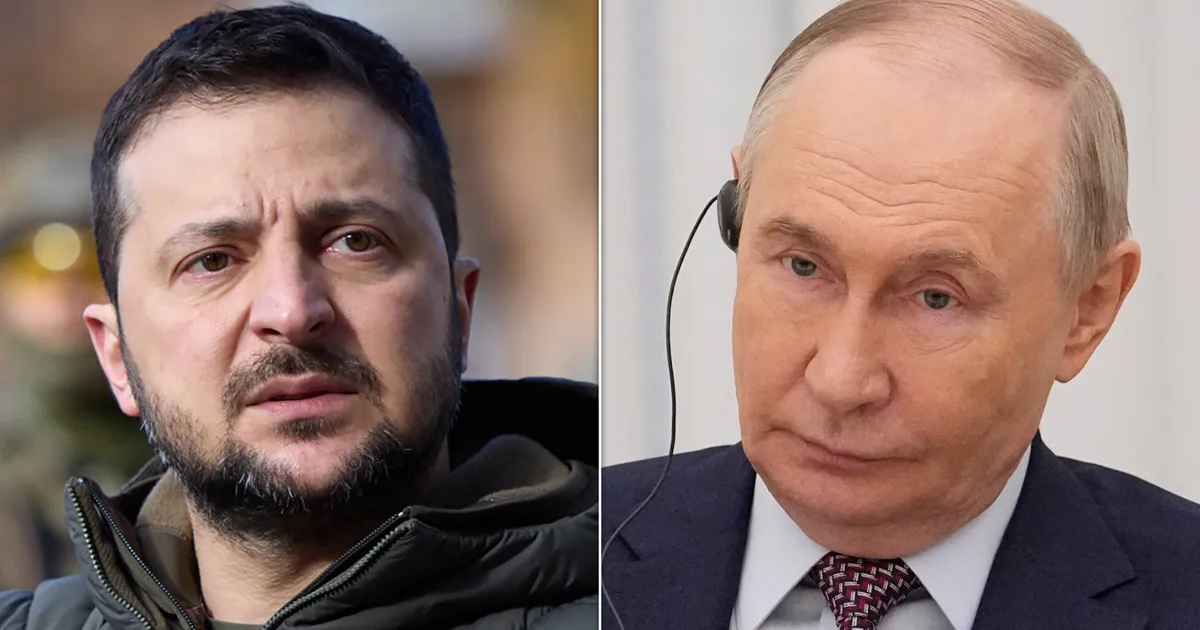
Vladimir Putin has been slammed for ignoring Volodymyr Zelenskyy’s offer of a ceasefire over the Easter weekend.
An overnight attack on the Ukrainian Black Sea port of Odesa killed three people on Monday and injured at least 16 others.
Ukrainian president Zelenskyy hit out at Russia for continuing its attacks over the Christian occasion, saying: “We have repeatedly proposed to Russia a ceasefire at least for Easter. But for them, all times are the same. Nothing is sacred.”
Zelenskyy said last Wednesday he had spoken to US negotiators about a pause in fighting but Russia had sent more than 700 drones in a rare daytime attack in retaliation.
“Russia is responding with Shahed drones and continues its terrorist operations against our energy sector, against our infrastructure,” the Ukrainian leader said.
“A silence over Easter could be exactly the signal that tells everyone that diplomacy can be successful.”
However, Russia’s foreign ministry rejected the idea as a “PR stunt”.
Despite his frustrations, Zelenskyy extended his offer of a mutual ceasefire on strikes against infrastructure after the weekend.
The Ukrainian president said: “If Russia is willing to stop attacking our energy sector, we will refrain from similar attacks.”
There has been some confusion over recent strikes on Russian oil facilities.
The Russian defence ministry claims Ukrainian drones attacked a major oil shipping terminal in southern Russia early on Monday, though Kyiv said it attacked a different terminal.
Meanwhile, the former chief of the CIA told CBS News that Russia “no longer has the upper hand” in the war.
Retired US Army general David Petraeus said: “Over the last two months, the Ukrainians have actually made greater incremental gains than have the Russians.”
He said while Russia has advantages in manpower, firepower and economic scale, Ukraine has offset those with its innovative drone systems.

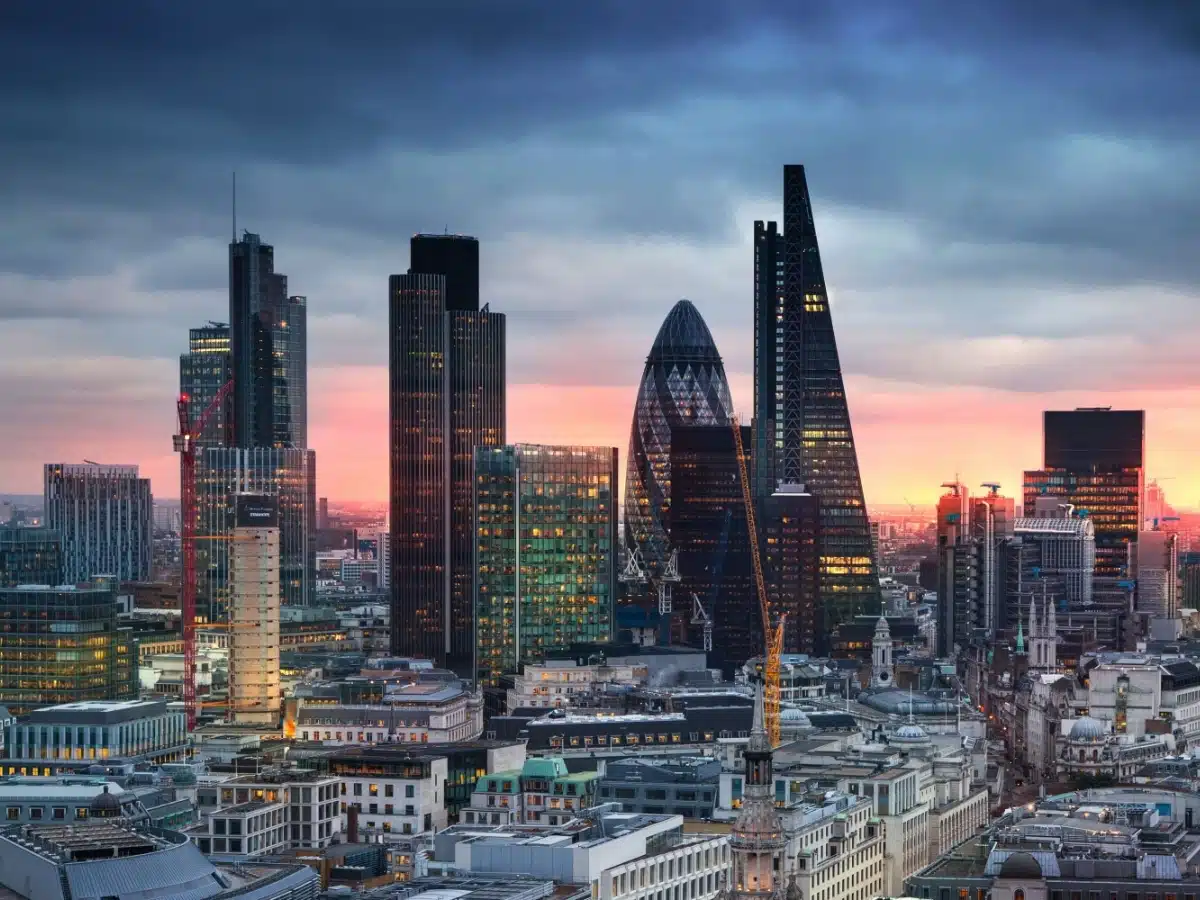
New research published by Results UK to mark World Health Day calls on the UK to meet its responsibilities to the countries most affected by child undernutrition. The report found that these countries experience at least $310bn in trade-related illicit financial flows (IFFs). And it says the UK must transform its response.
Trading Hunger: How tackling illicit financial flows can help to overcome child undernutrition argues that the UK is allowing the countries most affected by child undernutrition to be harmed by IFFs.
Not only is the UK government doing far too little to support these countries directly and in global forums, it is failing to take action domestically to end the UK’s status as a hotbed for illicit finance.
Countries lose billions to corruption
The report conservatively estimates that 20 of the countries most affected by child undernutrition experienced at least $309.8 billion in trade-related IFFs in 2024. It further estimates that government revenue losses from trade-related IFFs amount to 86.3% of India’s and 65.1% of Nigeria’s domestically funded public health spending in 2023, respectively.
Tackling these and other IFFs would generate substantial resources for Global South governments, which would enable them to address child undernutrition more effectively.
Domestically, the UK government must strengthen financial transparency to prevent illicit money from undermining the integrity of Global South economies. First and foremost, it should force the British Overseas Territories and Crown Dependencies to establish comprehensive public registers of beneficial ownership.
It should also ensure HM Revenue & Customs publishes data on wealth held by foreign nationals in UK financial institutions that can be used by all foreign authorities to crack down on IFFs.
UK response undermined by cuts
In addition, Global South governments need, and are calling for, direct support to combat IFFs. However, the UK government’s cuts to official development assistance (ODA) mean that its funding for this work is in danger.
One area in which the UK can assist these governments relates to strengthening legislation and regulations targeting IFFs. Although it is vital to protect whistleblowers and civil society.
Another area is increasing the capacity and coordination of customs, tax, financial intelligence and law enforcement authorities in Global South countries. For example by investing in digital technologies and in joint risk assessments.
At the global level, the UK must reverse its current oppositional stance, and support a United Nations (UN) Framework Convention on International Tax Cooperation. The UK should also advocate for a UN coordination and oversight mechanism on IFFs.
The world needs legitimate, effective and accountable governance structures to combat IFFs, rather than the current unequal, unsuccessful and fragmented system.
Child hunger symptoms getting worse
Undernutrition is devastating for affected children and costs trillions of dollars in lost economic productivity. Yet the prevalence of wasting (ie low weight-for-height) has barely changed in recent years while the prevalence of stunting (ie low height-for-age) has actually increased.
The report demonstrates how this is happening despite the existence of extremely cost-effective child nutrition interventions. It is unacceptable that a lack of funding, driven in large measure by damage caused by IFFs, means that real-life nutrition success stories cannot be scaled up or strategically replicated in other contexts.
Sunit Bagree, author of the report for Results UK, said:
The UK lies at the centre of a web of financial secrecy and theft. The UK government must use its ongoing vice-presidency of the Financial Action Task Force, as well as upcoming opportunities starting with the UK-hosted Illicit Finance Summit in June, to fulfil its promise to support Global South governments in increasing their domestic revenues.
Forcing British Overseas Territories and Crown Dependencies to establish comprehensive public registers of beneficial ownership is the best way of stopping them from facilitating illicit financial flows.
Ensuring the Financial Conduct Authority is adequately resourced to meet its new duties for anti-money laundering supervision will crack down on the professional enablers who drive the UK’s £100bn-a-year money laundering problem.
These steps would particularly help the countries worst affected by child undernutrition to generate funds to invest in proven interventions in line with the Sustainable Development Goals.
Rosemary Mburu, executive director at pan-African advocacy organisation WACI Health, said:
We urge the UK to boost its support for the Global South to tackle illicit finance. Building the capacity and coordination of African authorities, in the context of rights-based legal and regulatory frameworks, would help them to detect and punish offences, deter and reduce illicit financial flows, and increase the recovery and repatriation of stolen assets.
It is also hugely important for the UK to now back African efforts to create a fairer global tax system through a UN tax treaty and to advocate for the UN to be at the centre of global decision-making on illicit finance. This will ensure global economic governance becomes far more inclusive, results-orientated and accountable.
Countering illicit financial flows is in the security and economic interests of all countries. Genuine partnerships among nations can see the battle against illicit finance translated into sorely needed investment in child nutrition.
Featured image via the Canary
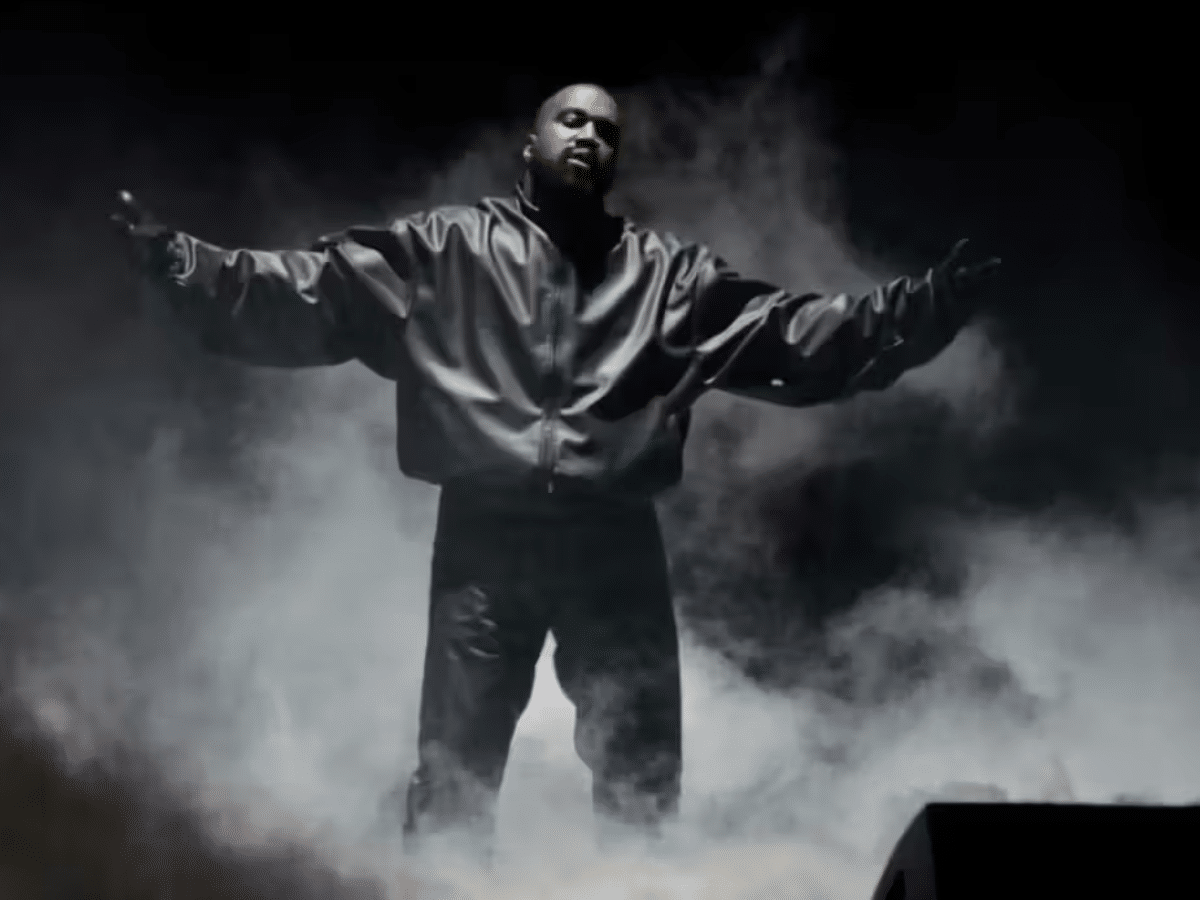
The organiser of the now-cancelled Wireless music festival said that the giant corporate and then-lead sponsor Pepsi had approved Ye, formerly known as Kanye West, as the 2026 festival’s headline act.
Melvin Benn, speaking to BBC Radio 4, said the company later withdrew its sponsorship after Keir Starmer banned Ye from entering the UK in response to demands from Jewish groups.
Kanye was ‘signed off and approved’ by Pepsi
Melvin Benn, the organizer of wireless festival, says Pepsi had initially approved Ye as a headliner before later withdrawing their sponsorship pic.twitter.com/eVyRxU9h2G
— YEEZY MAFIA (@theyeezymafia) April 7, 2026
The groups demanding the ban include Israel front groups like the so-called Campaign Against Antisemitism and the Board of Deputies of British Jews, which has been behind attacks on UK protest rights and freedom of speech.
Ye has an irrefutable record of antisemitic comments and has even sold merchandise with Nazi swastikas. His “apology” in January has been rightly criticised as insincere. However, for the prime minister to arrogate decisions about which musicians can enter the UK or headline a festival is yet another blow to the wider rights to freedom of speech, which has to include the freedom to express views that offend.
Keir Starmer’s Israel-driven race toward an authoritarian police state — which has often targeted anti-genocide Jews — continues. He no doubt considers banning a racist Black musician as an easy win.
Featured image via the Canary
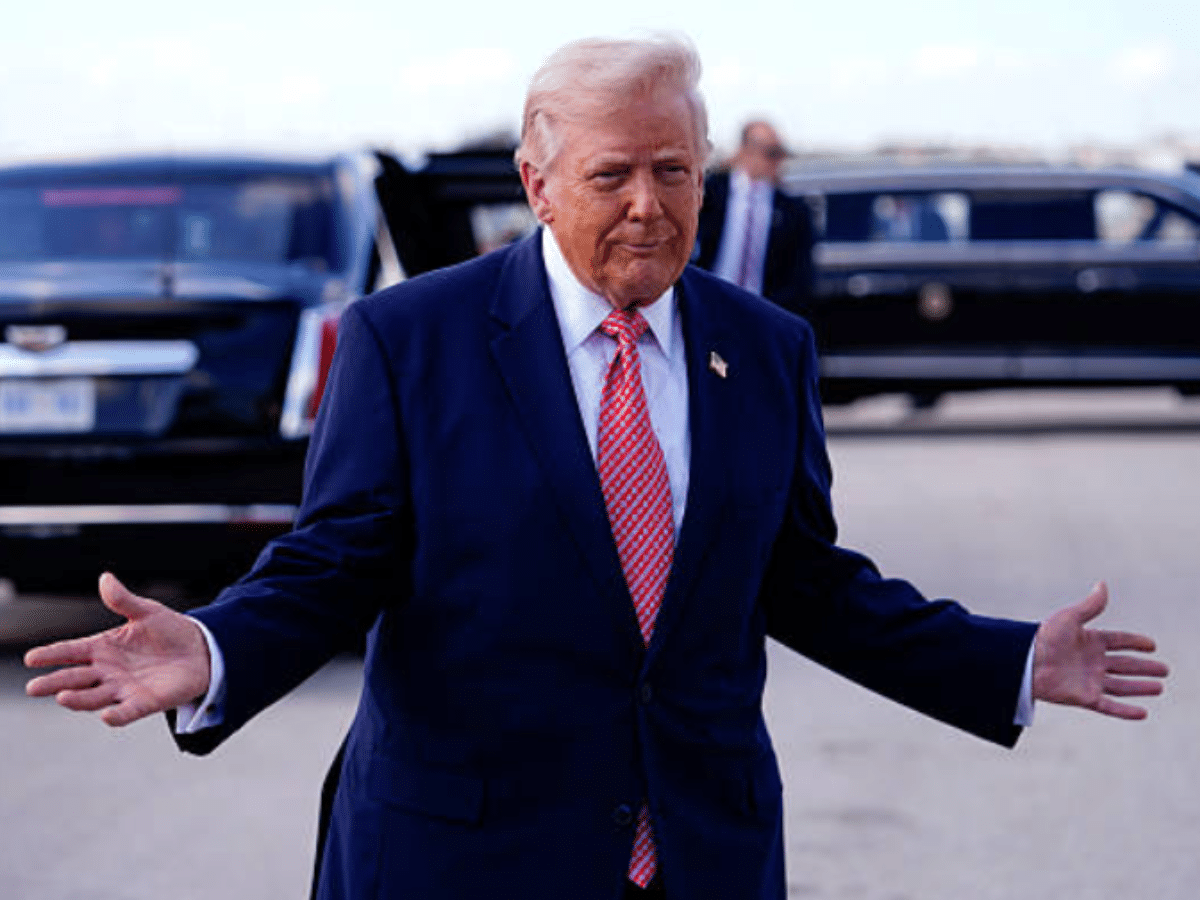
US President Donald Trump has called for the genocide of Iran. In his latest bizarre rant, Trump said he would wipe out the country unless it opened the straits of Hormuz ahead of a deadline he’d set for 8pm on 7 April 2026. Trump said on Truth Social:
A whole civilization will die tonight, never to be brought back again. I don’t want that to happen, but it probably will. However, now that we have Complete and Total Regime Change, where different, smarter, and less radicalized minds prevail, maybe something revolutionarily wonderful can happen, WHO KNOWS?
Adding:
We will find out tonight, one of the most important moments in the long and complex history of the World. 47 years of extortion, corruption, and death, will finally end. God Bless the Great People of Iran!
The stream-of-consciousness post was full of contradictions. Why, if the ‘regime’ has been successfully changed, does an entire civilisation need to “die”?
Why the threat of obliteration and then a nod to the ‘great people of Iran’?
And how does Trump mean to do it? Is it a nuclear threat? Or just his typical bully-boy bluster? Trump is hard to read, as ever. He is a declining man and the head of a declining empire, clearly. But we do know he has developed a taste for war crimes…
Trump’s taste for war crime
Trump’s second term has been full of war criminality. On the one hand he has supported the Israeli genocide in Gaza. And in his current attack on Iran he has said outright he is indifferent to war crimes.
As the Guardian reported:
Donald Trump has said that he was “not at all” concerned about committing possible war crimes as he again threatened to destroy Iran’s bridges and power plants if Tehran does not meet his Tuesday 8pm ET deadline to reopen the strait of Hormuz.
The Guardian’s senior international correspondent said:
In a rambling national address on Wednesday, the US president warned that if Iran did not reach an unspecified deal with him, US forces would “hit each and every one of their electric-generating plants” and “bring [Iran] back to the stone ages – where they belong”.
According to Politico, Trump expanded by arguing:
You know what’s a war crime? Having a nuclear weapon. Allowing a sick country, with demented leadership, [to] have a nuclear weapon — that’s a war crime.
However, the same article suggested the Pentagon were trying to find ways to frame Iranian energy and other infrastructure as dual civilian-military use to escape war crime allegations down the road:
The Pentagon is expanding a list of Iranian energy sites it can target for attacks to include ones that provide fuel and power to both civilians and the military, a likely workaround if the administration is accused of war crimes for striking basic infrastructure.
Trump’s colonial death-world
Trump’s comment reminds us again of the genocidal racism generated to sustain empire. Commenter Nesrine Malik reminded us in relation to Gaza in July 2025:
What does getting used to it [genocide] look like? It looks like accepting that there are certain groups of people who can be killed. That it is, in fact, reasonable and necessary that they should die in order to maintain a political system that is built on the inequality of human life.
This is what the philosopher Achille Mbembe calls “necropolitics” – the exercising of power to dictate how some people live and how others must die.
She goes on:
Necropolitics creates “deathworlds” where there are “new and unique forms of social existence in which vast populations are subjected to living conditions that confer upon them the status of the living dead”.
Adding:
In those deathworlds the killing of others, and the destruction of their habitat through epic military capabilities whose impact is never experienced by the citizens of the countries responsible, confer even more value on the humanity of those in the “civilised” west. They are exempt because they are good, not because they are strong. Palestinians die because they are bad, not because they are weak.
As in Libya, Iraq, Afghanistan, Sudan, Gaza (and countless other places), so it is in Iran, as far as imperialist America is concerned.
Humiliation and decline
Politico also reminded its readers that US defence secretary Pete Hegseth gutted those parts of the Pentagon which were meant to minimise civilian harm after taking office.
US-Israel attacked Iran first on 28 February without provocation. Iran was offering unprecedented concessions in negotiations at the time. The Pentagon has since stated there was no imminent threat from Iran. And the UN’s atomic watchdog, the IAEA, has said there is no evidence Iran was developing a nuclear weapon.
The US has achieved none of its original war aims. Iran predictably closed the Straits of Hormuz, a vital oil channel, once attacked – creating a global energy crisis. Far from being defeated, Iran has said the war will continue until “the enemy’s inevitable and permanent humiliation, disgrace, regret, and surrender”. Trump came to power on an anti-war ‘America First’ ticket. He now faces worldwide humiliation.
One hundred legal experts warned that US actions in Iran could be considered war crimes on 2 April. They also said they were deeply concerned that Trump administration’s rhetoric – as evidenced above – would lead to even greater horrors.
Clearly, the War on Terror has had a corrosive effect on western institutions – like the UN and ICC – built to minimise war crimes and civilian harm after WW2. We can say this while acknowledging that those ‘rules’ were never evenly applied anyway. To the narrow degree they did exist, the meagre protections they once offered are being dismantled before our very eyes.
Featured image via the Canary
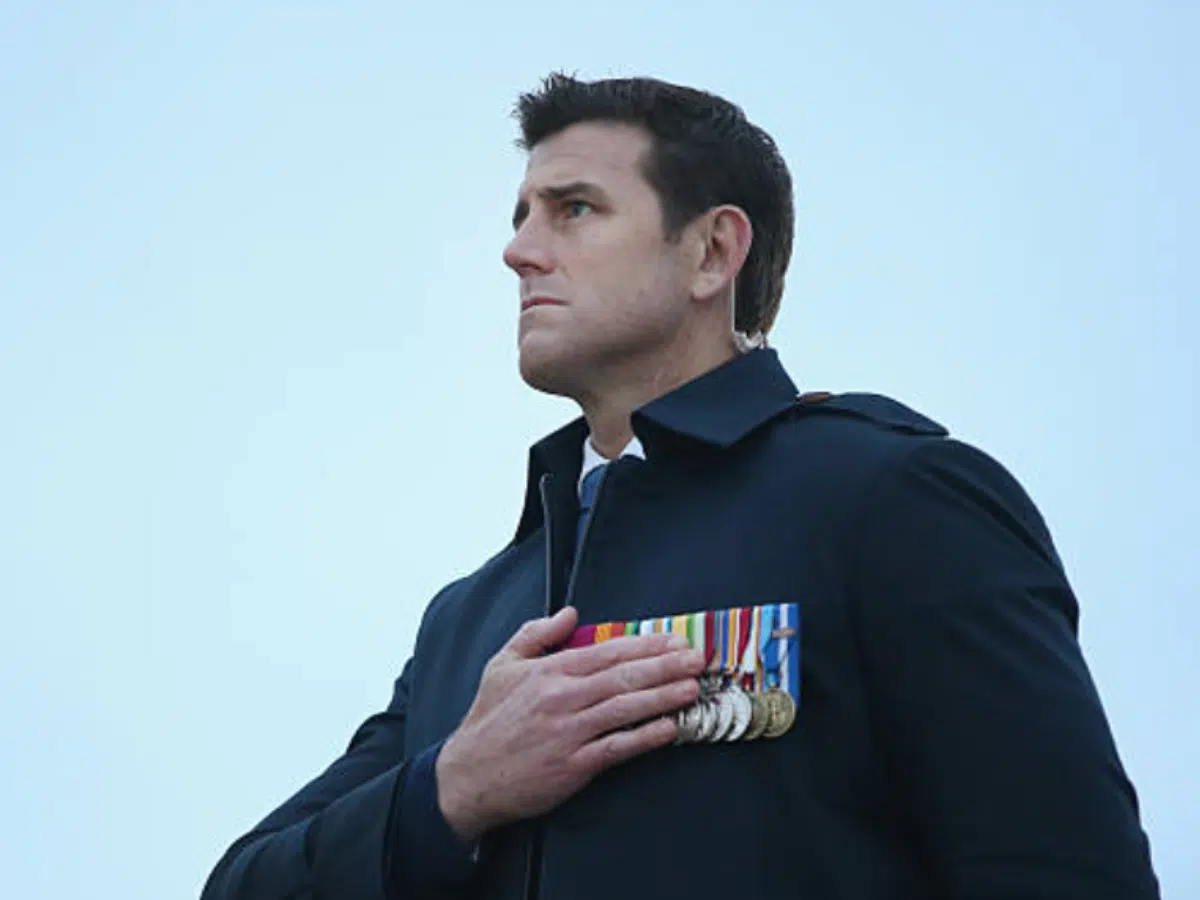
Australia’s most decorated living war hero has been charged over war crimes allegations in Afghanistan. Ben Roberts-Smith has been charged with five counts of murder.
Australia held a long inquiry into war crimes allegations by Australian SAS soldiers. The alleged crimes took place between 2009 and 2012. Australian Federal Police said:
It will be alleged that the victims were not taking part in hostilities at the time of their alleged murder in Afghanistan.
It will be alleged that the victims were detained, unarmed, and were under the control of ADF members when they were killed.
Adding:
It will be alleged that the victims were shot by the accused, or shot by subordinate members of the ADF in the presence of and acting on, the orders of the accused.
CNN reported:
Among the accusations reported were that Roberts-Smith had shot dead an unarmed Afghan teenager and kicked a handcuffed man off a cliff before ordering him to be shot dead.
War crimes
Roberts-Smith was arrested at an Australian airport on 1 April three years after he lost:
a multimillion-dollar defamation case against nine newspapers in June 2023.
As the Canary wrote at the time:
The case has been referred to as a ‘proxy’ war crimes trial.
That case resulted in a finding that the allegations were “substantially true”.
Ross Barnett, director of investigations at Australia’s Office of Special investigations (OSI) told CNN on 7 March:
We don’t have access to the crime scenes, we don’t have photographs, site plans, measurements, the recovery of projectiles, blood spatter analysis, all of those things we would normally get at a crime scene.
Roberts-Smith is a recipient of the Victoria Cross, the highest Commonwealth award for military bravery. However, these allegations have shattered the mythologies of soldierly bravery across many of the nations which took part in the War on Terror-era occupations.
The Canary wrote about the international pattern of war crimes by special forces here.
UK SAS troops are currently subject to an inquiry into alleged war crimes. The US also had its share. Significantly, US president Donald Trump made a habit of pardoning convicted US war criminals like Navy Seal Eddie Gallagher.
The War on Terror produced a pattern of war crimes allegations – not least among elite special forces units. That pattern expanded with Israel’s genocide in Gaza. An increasingly unhinged US empire struggles with its own inevitable decline, repeating the same patterns in Iran.
Featured image via the Canary
The officers’ branch of Unite has voted overwhelmingly for ‘all-out’ strike action over the refusal of Unite’s management to recognise its union.
Of a huge 80% turnout, 85% of officers voted in support of the strike.
This is the second time Unite’s general secretary, Sharon Graham, has faced strike action from union employees after staff working for Graham’s husband, Jack Clarke, walked out complaining of bullying, misogyny and intimidation.
The ballot result comes as Graham campaigns for re-election and as her hangers-on try to get elected on to Unite’s executive.
Unite: ‘It’s time to Reunite and end the toxicity’
The Reunite the Union activist group welcomed the strike vote and promised solidarity with the workers, which includes a “three-point plan to resolve the dispute”. A statement from the group stated it’s “time to Reunite and end the toxicity which is dividing our union”.
It continued:
Self-defeating intransigence is a familiar trait of Sharon Graham’s management.
It is the same approach which resulted in picket lines outside Holborn against a ‘toxic bullying culture,’ complete with a ‘counter-demo’ led by Graham’s self-styled enforcer Chris Stiles and our union’s Organising Director Tayra Lopes-Lister. This resulted from the BDSU researchers simply requesting a meeting with their line management over grading.
It is the same approach which forced members of our Executive Council to turn to the Certification Officer to compel Sharon Graham’s management team to disclose our union’s finances.
Politically, the same intransigence has led Sharon Graham to remain silent on Reform’s direct attack on our union and our members.
Industrially, the same intransigence has led important disputes to defeat. For example, the nearly six-month strike at Bakkavor in Spalding ended in members having to accept the same percentage pay offer originally rejected at the start of the dispute. That dispute was continued from above, despite growing numbers of members crossing their own picket. From Veolia to Port Talbot, a pattern of behaviour repeats itself.
A pervasive culture of toxicity and division has been created in our union. It manifests in different ways, but the cause is the same.
In the elections, Graham has so far failed to condemn homophobic comments by one of her ‘exec’ candidates who supports fascist racist Tommy Robinson. But her behaviour had outraged union staff and activists long before that, often centring around the alleged conduct of Jack Clarke and her measures to protect him.
Graham and Clarke vs workers
Clarke was promoted shortly after Graham took over the union in 2021, overseeing the newly-created Bargaining and Disputes Unit (BDSU). Union insiders point out that Unite’s approval procedures for the promotion had not been followed. Prior to his promotion, Clarke was on a final warning from Unite for his behaviour.
BDSU staff were soon in dispute with the union and Clarke over alleged bullying by Clarke and his cronies. However, their complaints were not the first such allegations against Clarke.
In 2018, before Graham became Unite’s general secretary, she asked colleagues to destroy evidence of bullying and misogyny gathered by staff working under him in his previous role. In a stunning December 2024 development, Graham’s lawyers admitted that, following her takeover, the union destroyed the evidence.
Graham and Unite have also spent huge amounts of members’ money on lawyers’ fees, most recently to sue barely-followed and anonymous X accounts on behalf of Clarke.
Anti-union union?
Staff have also accused Graham and her management team of employing intimidation, suspension and anti-union tactics against staff in the dispute. This outraged Unite’s National Industrial Sector Committee (NISC) for the print and graphics sector, and the leaders of two unions representing Unite staff and officers.
So bad has this alleged conduct been that more than 90% of Unite staff working at the union’s Holborn HQ voted for strike action. Three — some say four — of the five women who worked in Clarke’s department since Graham formed it and put him in charge of it have left. Union sources say they also alleged bullying and abuse.
Unite’s staff branch unanimously condemned the union’s abuse of its staff. The influential Officers National Committee (ONC) accused Graham of using Murdoch-style anti-union tactics against workers and officers unionising and taking collective action.
Now, after fighting Graham’s moves to undermine their attempts to organise since the beginning of 2025, Unite’s officer group will soon begin strike action. It is an action that may well impact her attempts to get herself and her hangers-on re-elected.
Featured image via the Canary

This article contains major spoilers for The Drama.
Zendaya and Robert Pattinson’s new movie The Drama continues to face backlash and accusations of trivialising a serious issue.
Released last week, the pair’s new movie centres around a young couple who are about to get married, only for their whole world to be turned upside down when a revelation from the bride-to-be’s past comes to light.
What was deliberately left out of the film’s promotional material was the fact Zendaya’s character’s dark secret was that she had planned and almost carried out a school shooting when she was a teenager.
Even before the movie had hit cinemas, its subject matter had proved to be controversial, with the father of a high school student killed in the Columbine shooting of 1999 telling TMZ he thought it was “awful” that the subject of mass violence should be used for entertainment.
Since then, others affected by the subject have been speaking out.
Mia Tretta, a survivor of two school shootings, told USA Today: “A character planning a school shooting isn’t something that should be joked about – it’s a reality that me and hundreds of thousands of others live every day.”
“Even the title of the film being The Drama,” she added. “A school shooting is not girls gossiping in class or stealing someone else’s boyfriend – it’s real people’s nightmares.”
She added: “It’s frankly exploiting a crisis. There are ways to show this nuance without using people’s trauma as a gimmick. Studios and stars have massive platforms that they should use to give dimension to survivors, not perpetrators.”
In another interview with The Hollywood Reporter, Parkland shooting survivor Jackie Corin said: “Gun violence, particularly in schools, is not just another dramatic device. Art has the capacity to deepen public understanding and create emotional clarity and awareness, but it can also flatten and distort reality, especially when it leans on shorthand or tries to make something more palatable than it actually is.
“With something like a near school shooting, even small tonal choices can shift whether a story feels productive or dismissive.”
Neither Tretta nor Corin had seen The Drama at the time of their respective interviews.
The gun control advocacy group March For Our Lives previously posted a statement on Instagram, in which they said: “The way this film has been marketed is deeply misaligned with the reality it engages. We expect better from A24 and the artists behind it.”
HuffPost UK has contacted representatives for the production company A24 and The Drama director Kristoffer Borgli for comment.
Zendaya previously told Jimmy Kimmel Live!: “Everybody has their own kind of feelings leaving the theatre [after watching The Drama], especially with the big twist. And there’s so many conversations that are had after you watch it.
“It’s just one of those things, I really hope that people don’t spoil it for each other so they’re allowed to go into it just unknowing and really experience The Drama.”
The Drama received largely positive reviews from critics upon its release, although many anticipated that its central themes could make it an uncomfortable and polarising watch.
While it fell behind Project Hail Mary and The Super Mario Galaxy Movie at the box office, it still pulled in a decent-sized audience, giving A24 its third biggest opening weekend to date after Civil War and Marty Supreme.
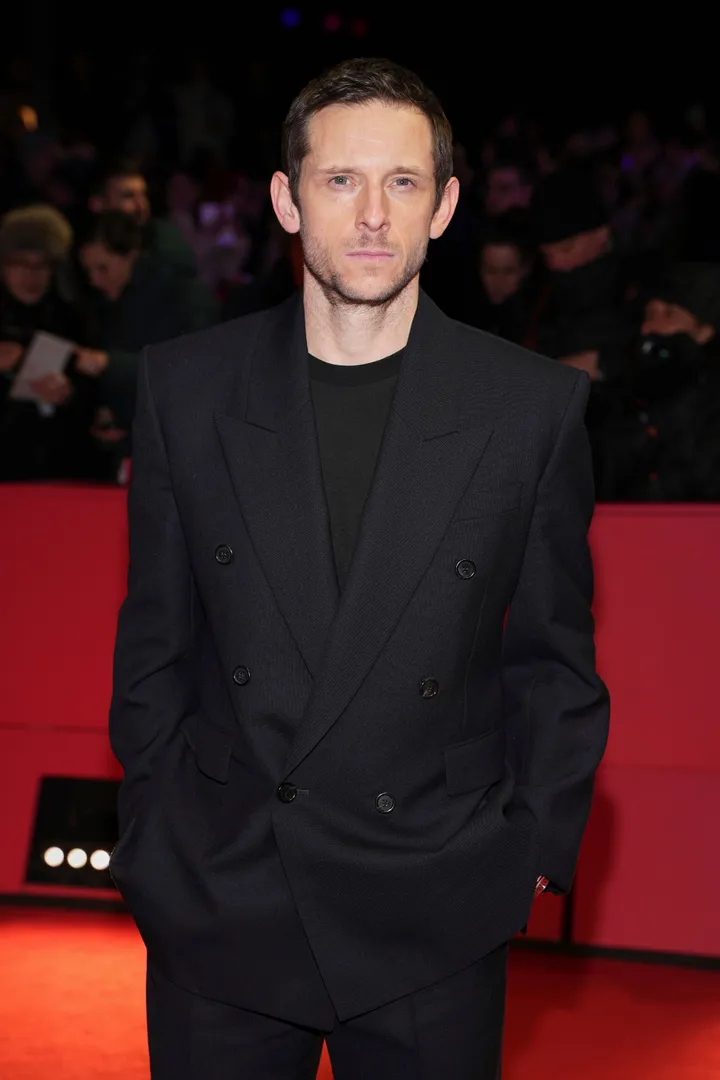
The new Peaky Blinders series is picking up momentum as an array of exciting names have been announced to pick up the baton from Cillian Murphy and co.
So far, 2026 has been a strong year for Peaky Blinders fans, after the show’s spin-off film, The Immortal Man, landed in cinemas and on Netflix to a warm reception from fans and critics alike, four years after we last saw Tommy Shelby on our screens.
Last year, it was revealed that Peaky Blinders would be returning for two brand new series, introducing a “new generation of Shelbys”.
Now, it has been confirmed that Rocketman and Billy Elliot star Jamie Bell will lead the new cast, playing Tommy Shelby’s eldest son Duke.

This marks the third iteration of the character, with Duke most recently being played by Barry Keoghan in The Immortal Man, while Bafta Rising Star winner Conrad Khan portrayed Tommy’s eldest son in the TV series.
The BBC has said that Duke will be at the “blood-soaked heart” of the new Peaky Blinders series, adding that he’s “older, wiser, more ambitious, and most certainly more dangerous” in his latest outing at the centre of the drama.
Stranger Things star Charlie Heaton will also be joining the line-up in a lead role, along with James Bond star Lashana Lynch, Downton Abbey’s Jessica Brown Findlay and newcomer Lucy Karczewski.
So far, their exact characters and role in the new storyline are being kept under wraps.

The new era of Peaky Blinders will take place 10 years after the events of the film, and will drop us in post-war Birmingham in the 1950s for two series, with the “race to rebuild” the city offering up new opportunity and danger for the next generation of the Shelby family.
While Cillian won’t be returning, Peaky Blinders creator and writer Steven Knight is behind the wheel again, promising: “There are more exciting cast announcements to come, and Peaky is on the road again.”
Filming on the new series has already started in Birmingham, although we don’t have an exact release date just yet.
We do know, though, that the two new series will both contain six 60-minute episodes, and will premiere on BBC iPlayer and BBC One in the UK and on Netflix globally.
Peaky Blinders previously aired for six series between 2013 and 2022, with the historical gangster drama picking up a Bafta for Best Drama Series in 2018.
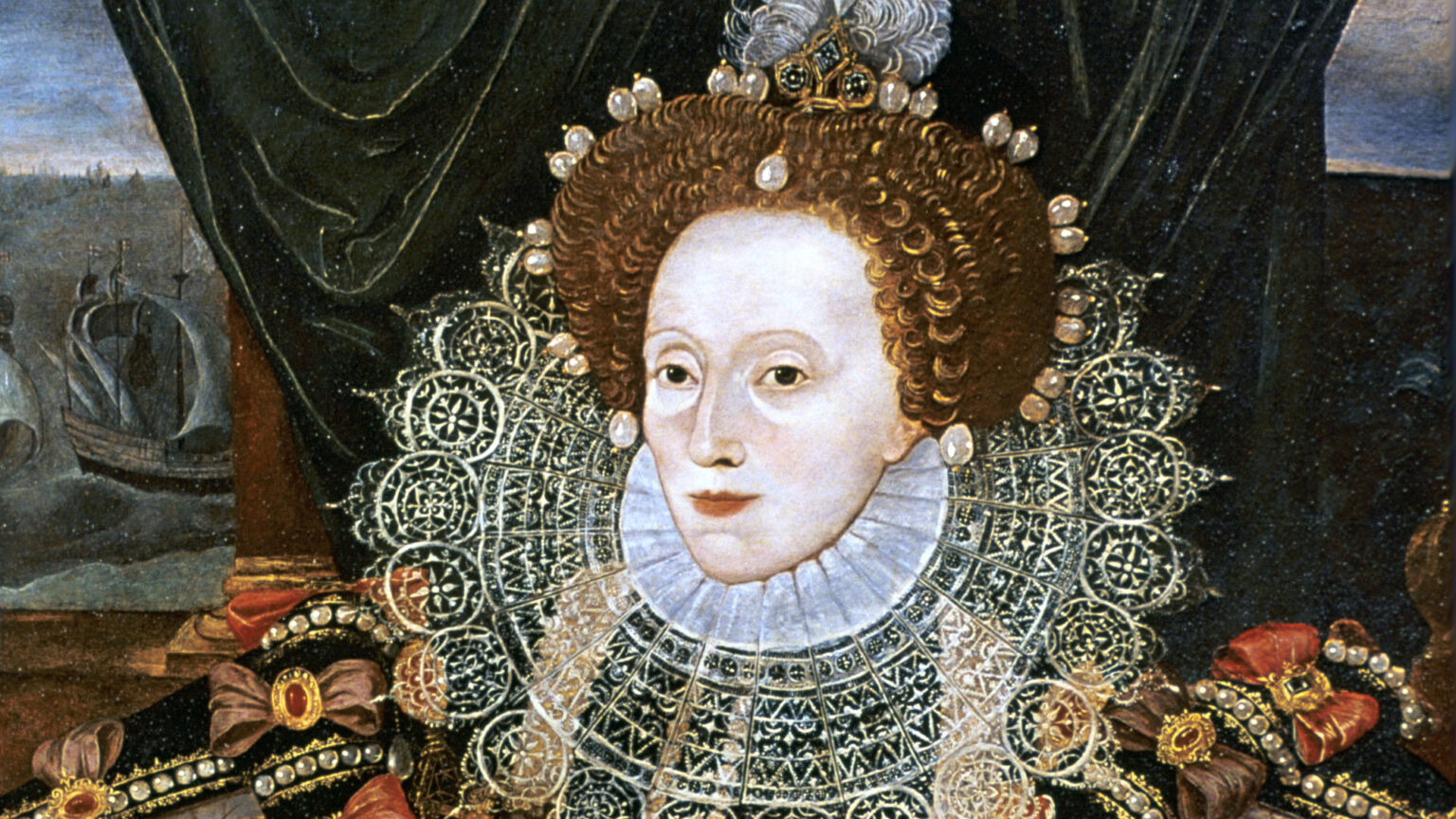
Appropriately, it was April Fool’s Day when I read that Queen Elizabeth I is to be portrayed as a cross-dressing man in a forthcoming television show. But we live in times when the more silly and outlandish a rumoured cultural or political plan, the more likely it is to be true. Majesty – an oddly ‘heritage’ title for a project that clearly considers itself ‘transgressive’ – is set to film this summer, and is seeking ‘trans actresses’ (what we used to call cross-dressers, before they got really cross) to play the monarch.
The Sun, which first reported it, seemed drearily inclined to go along with the usual sexist claims of the trans lobby. ‘She is known for having traits associated with a male monarch’, it mouthed in a mealy manner in an article last week. What would those be – not getting her tits out for, if not the cameras, then the portrait painters of the era? ‘Some have speculated she had male pseudo-hermaphroditism, known as testicular feminisation’, the Sun continued, also noting that ‘others are obsessed with the Bisley Boy myth’. Yes, ‘obsessed’ isn’t too extreme a word here – I often hear people at bus stops discussing the Bisley Boy myth. This is the claim that Princess Elizabeth died in her youth and was replaced by a local boy with red hair. It was popularised by Bram Stoker in his 1910 book, Famous Imposters – because Bram ‘Dracula’ Stoker never made up far-fetched stories based extremely loosely on real people, did he?
The Sun quoted a ‘TV insider’ who insists: ‘Most historians dismiss the claims as misogyny motivated by the idea no woman could be as strong or capable without actually being a man. But it’s a theory which captures the imagination and appears to answer a lot of other questions around the unique queen.’
What would these questions be? That Elizabeth never married and had no children? Must be a bloke, then – what real woman would forego such unqualified pleasures? It’s a sign that trans thought is so woefully conventional, so gender straitjacketed, that it just doesn’t seem able to grasp, in this case, why a woman would refuse to hand over her hard-won power to a man by marrying a stranger who didn’t even speak her language. Or that she said on the eve of the Spanish Armada invasion: ‘I know I have the body of a weak and feeble woman, but I have the heart and stomach of a king’? It’s called wordplay, I believe, and was extremely common until people with Tin Ear Syndrome – a disease affecting the ‘trans community’ and their inordinate number of ‘allies’ – became so prevalent among those in the arts and media.
This, of course, is our old mate ‘Queering the Past’ (or ‘lying’ as those not educated beyond all common sense and honesty know it) beloved of universities, museums and other beclowned institutions. There have been some truly rib-tickling examples of it, such as the claim that ‘trans Vikings’ existed, which sounds like a Monty Python sketch; sometimes the whole circus gets too much even for the most proudly gay public figure. In 2023, the museum dedicated to conserving the Mary Rose hosted a blog, promising to understand the collection of everyday objects found on the 16th-century ship ‘through a queer lens’. This prompted the great Philip Hensher to post on X: ‘I am as keen as anyone on gay sex, but I have to say to these curators – you’re fucking mental.’
We can easily mock the kind of mind that can tie itself into the most labyrinthine of sailor’s knots in order to posit the notion of invading ‘trans’ hordes raping their way across countries, presumably using papier-mâché penises, without the poor women of those nations noticing. Who cares about Vikings’ rights anyway? But it’s beyond a joke when real women who lived in (relatively) recent memory – who we know had to fight against monstrous insults and / or oppression – have their remains picked over by academic half-wits, apparently for no greater cause than making inadequate men (befrocked or not) feel better about themselves; Joan of Arc, Rosa Bonheur, Louisa May Alcott, Storme DeLarverie. Some women pretended to be men so they could be doctors, soldiers, pirates – not because they really considered themselves he / hims. The class privilege of those intent on ‘queering’ every female ‘presenting’ as female in history quite understandably prevents them from understanding how earning a living was the reason many women pretended to be men – including, of course, the Brontë sisters, or Currer, Ellis and Acton Bell, as they were known. Or even JK Rowling, whose publishers advised her that boys would not buy books written by someone called Joanne.
Famous women are rare in history. They are generally there because they dared to do what was not expected of them – sometimes on pain of death. Yet somehow, it’s now ‘progressive’ to cancel them out by posthumously changing their sex. It’s especially idiotic in the case of Elizabeth I, who if she had really been born male (and let’s remember that royal births have been witnessed by the courtiers and politicians of the day, a practice which only ended in 1948, prior to the birth of Prince Charles) would not have seen her mother executed, when Elizabeth was still a child. Her father married and murdered multiple times because he couldn’t get a male heir. It’s telling that those who scream most loudly about having their feelings hurt when they’re called Martha instead of Arthur don’t mind trampling all over the graves of women killed by the savage misogyny of the age. Their lack of respect for the dead reminds one of the way rape and murder victims once had their reputations trashed by authorities defending violent males.
A less important but still significant side effect of ‘queering’ or ‘transing’ the past is that this will mean fewer roles for actresses, already at a disadvantage in a profession that throws them on the scrapheap far earlier than men. Shakespeare’s heroines were originally played by teenage boys, as it was considered improper for women to display themselves in such a way. The call for ‘actors who identify as transgender women’, as the casting call for Majesty puts it, means that women can be edged out once more. Over the past few years, the woman-face actors Karla Sofia Gascon, Michaela Jaé Rodriguez and Laverne Cox have been nominated for Academy Awards, Golden Globes, Emmys and BAFTAS in the female categories. Tellingly, there’s been no traffic the other way, with women pretending to be men being put up for male prizes.
When I was a youngster in the 1970s, and Margaret Thatcher first came to notice as a leader of the Tory Party, I remember the sneering from both right and left about her being ‘a man in drag’ and ‘a female impersonator’. I never thought I’d be hearing the same sort of trash talk about powerful women half a century later, as the Elizabeth project so creepily does. Tell you what, queer folx, let’s just explain away every driven, successful woman in history as a man and have done with it; from Don Ciccone and John Crawford in the showbiz world to everyone from Lionel Shriver to me in the writing world. Because women aren’t ambitious and forceful, ever. Talk about erasure!
Julie Burchill is a spiked columnist. Follow her Substack, ‘Notes from the Naughty Step’, here.
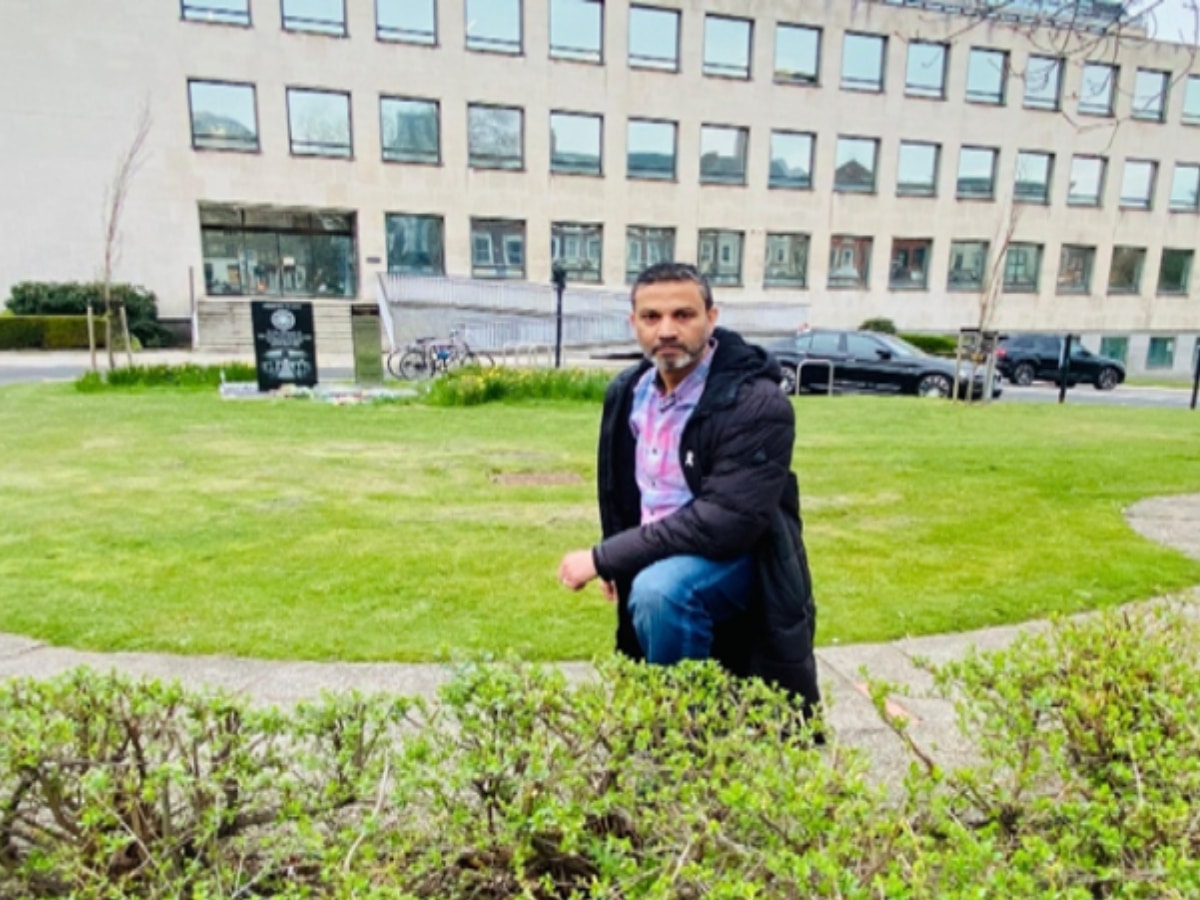
A new memorial for Palestinian civilians could be added to Newcastle’s Peace Garden following a proposal supported by local councillors and community groups.
The Peace Garden, located within the grounds of Newcastle’s Civic Centre, was established as a space for remembrance and reflection for communities affected by war, genocide and violence.
Councillor Habib Rahman has led the new initiative. His work with Newcastle City Council helped create the memorial area.
Two memorials have already been installed in the garden. In 2024, a memorial stone was unveiled in remembrance of the genocide against the Tutsi people of Rwanda, supported by Newcastle’s Rwandan community.
A second memorial was installed in 2025 to recognise the genocide against the Roma people. At the same time, an oak tree was planted to commemorate Jewish refugees and victims of the Srebrenica genocide.
Plans for memorial stone and olive tree
Rahman has now proposed a further memorial stone to honour Palestinian civilians who have lost their lives during the Israel–Gaza conflict. The proposal also includes planting an olive tree as a symbol of remembrance.
The idea was presented to Newcastle city council leader Karen Kilgour and referenced in a cabinet update to full council in March 2026 under future considerations for the Peace Garden.
Council documents state that Rahman is facilitating discussions with the local Palestinian community, to establish a permanent memorial within the Civic Centre grounds.
Council arboriculture specialists are currently considering the most suitable location within the Civic Centre green spaces to plant the olive tree.
The item was not discussed in detail at the March council meeting as the session was dominated by budget discussions. However, Rahman later wrote to the council leader requesting that the proposal be progressed through a council and cabinet decision.
He also confirmed that the full cost of the memorial and tree planting would be covered entirely by the community.
In a letter responding to the proposal, a council officer confirmed formal acceptance of the plan to install a permanent memorial commemorating innocent Palestinian civilians.
Rahman said he was proud of the work that had gone into creating the Peace Garden:
I am immensely proud of the work undertaken to establish the Peace Garden. As a City of Sanctuary, it is fitting that Newcastle has a dedicated space for remembrance and reflection.
It reflects our city’s long-standing tradition of solidarity, our stance against genocide and war, and our commitment to empathy and remembrance.
He added:
We have already made history with memorials recognising the genocide against the Tutsi people of Rwanda and the genocide against the Roma people.
By establishing a memorial for the Palestinian people, alongside the planting of an olive tree, we have the opportunity to make history again, which we will now work towards a date later this year.
Mohammed Wafi, of the Palestine Community North East, said:
We thank Councillor Rahman for his leadership in securing this historic approval. This memorial will mean a great deal to our community, and we will now work with him and the Council to deliver it.
Rahman said he would continue working with Newcastle’s Palestinian community and the city council to deliver the memorial later this year.
When completed, this will become the first Palestinian memorial of its kind in the UK and Europe.
Featured image supplied
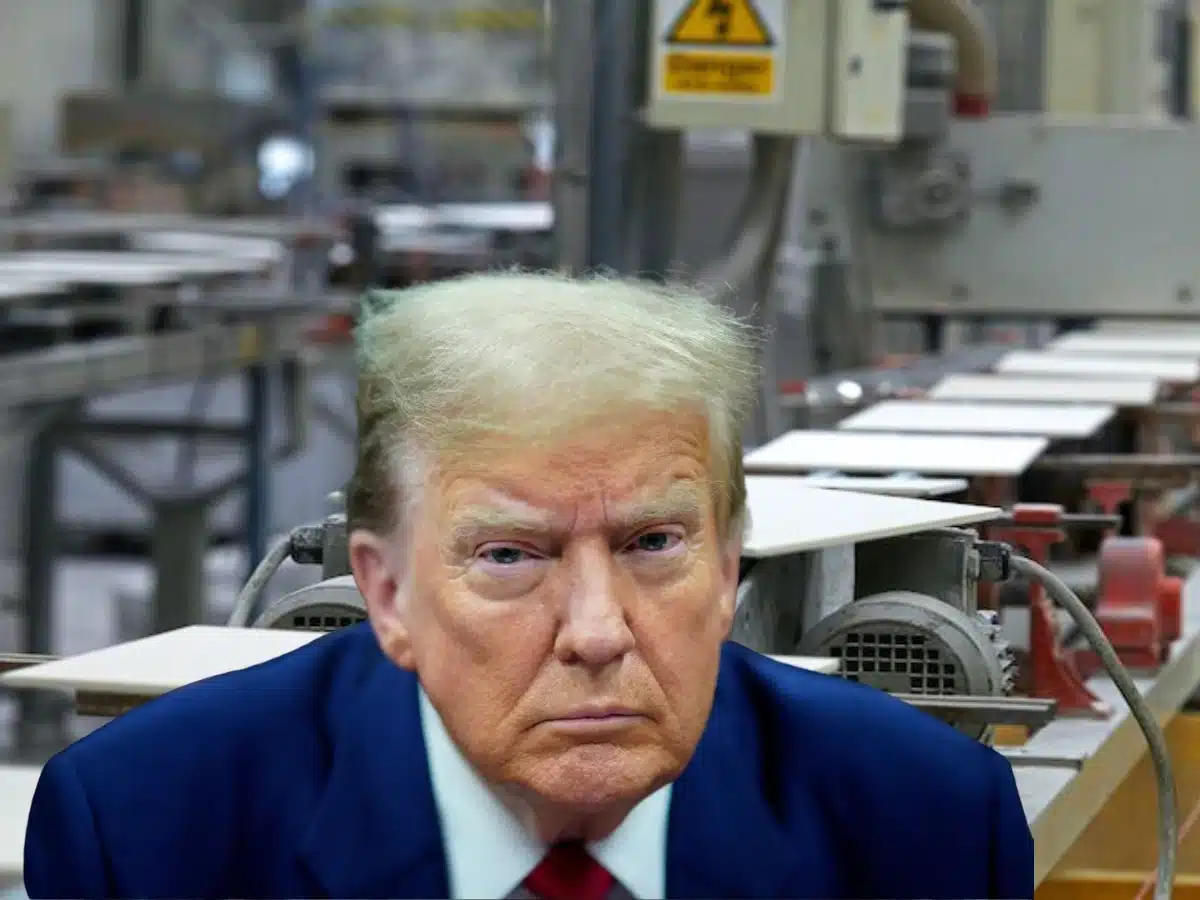
The Trades Union Congress (TUC) has called for a targeted emergency package to protect UK companies from the effects of Donald Trump’s illegal war. The union body refers to at-risk manufacturers like chemicals, ceramics and glass. And it says:
Trump’s war must not put jobs in critical industries at risk.
In the face of “Trumpflation” sending gas and energy prices soaring, the TUC argues that urgent support is needed to protect energy intensive sectors from the economic damage of the war. Of course, any impact on the UK pales in comparison with the horrors in countries directly under attack. But the TUC points out the war and its consequences could affect thousands of UK jobs.
The call comes after the OECD warns the UK faces the biggest hit to growth of all G20 economies from the war in West Asia.
Emergency measures for most at-risk manufacturers
Immediate support should focus on the most at-risk businesses to protect key UK manufacturing sectors, the TUC says.
Gas-intensive businesses face the most immediate exposure in the current energy crisis. The union body is therefore calling for a temporary targeted gas price cap to stabilise the price of gas for critical industries. This would target sectors where gas accounts for at least 70% of energy demand (like ceramics), or at least 70% of raw materials.
As the effects of the war flow through to higher electricity prices for industry, the TUC is also calling for the government urgently to speed up its energy price support scheme (the British Industrial Competitiveness Scheme – BICS) and make sure it reaches the manufacturing sites that need it the most. Many manufacturers (beyond those in gas-intensive industries) were already struggling before the crisis hit, and are now in even more need of support.
Fix the foundations to prevent future crises
Support must also go beyond the immediate crisis, the TUC argues. The UK has been at the “mercy of global gas markets for too long”. With an unstable president in the White House, and increasing volatility across the globe, UK households and businesses cannot afford to be “lurching from crisis to crisis”.
Alongside immediate-term support, the UK desperately needs structural change and investment so that industry doesn’t bear the brunt of future gas price spikes. This will also mean there is less need for government to step in during each crisis.
The TUC is calling for government to de-link electricity prices from gas. This would move the UK from being a price-taker to a price-maker. The government should also radically increase UK gas storage capacity, and accelerate investment in energy efficiency and electrification upgrades.
These proposals to reform the UK’s energy system and market design and to upgrade UK industry will reduce the UK’s industrial vulnerability to external crises, boost long-term resilience of domestic industries, and help protect good jobs for the long-run. Fixing the foundations of the UK’s energy market would support not just gas-intensive industries, but wider manufacturing like steel, metal and paper.
TUC general secretary Paul Nowak said:
Already struggling before the war, Trumpflation has sent gas prices soaring – further piling the pressure on some of Britain’s key industries like chemicals, ceramics and glass.
Trump’s war must not put jobs in critical industries at risk.
The government should urgently bring forward a temporary targeted gas price cap, to stabilise the price of gas for critical industries and protect UK manufacturing, and speed up the energy price support scheme making sure it reaches crucial sectors.
Smart government action can stop us lurching from crisis to crisis. The UK has been at the mercy of global gas markets for too long.
Now is the time to fix the foundations, reducing the UK’s vulnerability to global gas price shocks, boosting resilience of key industries, and protecting good jobs for the long-run.
Chief executive of Make UK Stephen Phipson said:
The war in Iran has highlighted vulnerabilities in the UK energy market that have been evident for some time and have not been addressed, the more that action is delayed the greater the risk of rapid deindustrialisation.
This now requires, urgent, efficient, and substantive action to bring down the cost of energy for industry as the clock is now approaching midnight for many companies.
This must start with the immediate implementation of the British Industrial Competitiveness Scheme to all manufacturers otherwise we could face a rapid unravelling of British industry.
Featured image via the Canary

Family Reactions When YOU ASK FOR MONEY @davidmatthew_ #shortsfeed

Train driver dead and 16 injured after crash with lorry carrying military equipment | World News
Why Is the US Stock Market Down Today?


-

 NewsBeat5 days ago
Steven Gerrard disagrees with Gary Neville over ‘shock’ Chelsea and Arsenal claim | Football
-

 Business5 days ago
No Jackpot Winner and $194 Million Prize Rolls Over
-

 Fashion4 days ago
Weekend Open Thread: Spanx – Corporette.com
-

 Crypto World6 days ago
Gold Price Prediction: Worst Month in 17 Years fo Save Haven Rock
-

 Business2 days ago
Three Gulf funds agree to back Paramount’s $81 billion takeover of Warner, WSJ reports
-

 Business3 days ago
Expert Picks for Every Need
-

 Sports3 days ago
India men’s 4x400m and mixed 4x100m relay teams register big progress | Other Sports News
-

 Business6 days ago
Login and Checkout Issues Spark Merchant Frustration
-

 Crypto World7 days ago
Bitcoin enters the public bond market as Moody’s gives a first-of-its-kind crypto deal a rating
-
Business2 days ago
No Jackpot Winner, Prize to Climb to $231 Million
-
Crypto World7 days ago
Bitcoin stalls below key resistance as technical signals skew bearish
-

 Tech5 days ago
Commonwealth Fusion Systems leans on magnets for near-term revenue
-

 Politics7 days ago
Starmer’s centre has collapsed, and the left was right all along
-

 Crypto World6 days ago
Ripple rolls out enterprise crypto treasury platform for corporates
-

 Crypto World6 days ago
Why It’s Partnering, Not Issuing
-

 Fashion1 day ago
Massimo Dutti Offers Inspiration for Your Summer Mood Board
-
Crypto World7 days ago
AI Memory Rout Wipes 9% Off Nvidia Stock: Chart Says More Pain Ahead
-
 Sports7 days ago
How to teach yourself the perfect impact position with every club
-

 Tech7 days ago
Solo Leveling: Ranking All Sung Jinwoo Shadows by Power
-
 Tech6 days ago
Drawing Tablet Controls Laser In Real-Time
You must be logged in to post a comment Login