

Politics
Wings Over Scotland | Progressing To Oblivion

It’s now more than three years since this site drew attention to the curious case of Progress Scotland, the zombie “polling company” run by the SNP’s Angus Robertson that had no employees and hadn’t published any polls since October 2020, but was apparently still accepting, and soliciting, donations from subscribers, and appeared to have disposed of a rather substantial amount of money (well into six figures) without producing anything to show for it.
We followed up the next day with another article about the company’s repeated delays in producing its 2021 accounts, which finally showed up in May 2023.
Here’s what the Progress Scotland website looks like today.

And once more, a few questions spring to mind.
Its most recent accounts, published a few weeks ago, showed a dramatic drop in assets, from almost £60,000 to just over £8,000.

As the company is only required to publish “micro-accounts”, there was no explanation of where the money had gone, and the identity of the sole employee (and what they do all day) is a mystery. The micro-accounts contain a note saying “The director of the company has elected not to include a copy of the profit and loss account within the financial statements”.
Robertson’s last recorded entry in the MSP register of interests (from March 2026) said that he hadn’t done any work for the company since 2021 and expected to receive only a “final payment” of £501-£1000 for work before then.

The only other person believed to have worked for Progress Scotland, Robertson’s brother-in-law Peter Dempsie, stepped down in 2022.

So a company with no known paid staff, that’s been effectively dormant for almost six years and now doesn’t even have a website, has assets that look like this:

That is… a pretty strange trajectory, wouldn’t you say, readers? The firm’s assets have peaked four years after its last known work, and then just vanished overnight, and none of the numbers bear any relation to what it claimed about its subscriber base or any known costs of polling.
With the whereabouts of millions of pounds of money that was supposed to be used for the fight for independence – the SNP’s “ringfenced” fundraisers, the mysterious expenditure of Yes Scotland, and now Progress Scotland slipping quietly offstage – all now in some dispute, it looks more and more as though indy supporters have been taken for a very long ride to nowhere.


“Micro accounts” are also deployed by Believe In Scotland/Business For Scotland, who claim to have raised many hundreds of thousands of pounds in recent years but publish figures comprising only a tiny fraction of that. In 2024 BFS claimed a turnover of £300,000 but reserves of just £1,022 (alongside assets of £40,000) with no information about expenditure, salaries or the like. Where did it go? Wheesht for indy.
(Believe In Scotland has been listed as “dormant” for the past three years despite being the brand used on marches and rallies and in campaigning.)


The system offers a near-bottomless pit for people to hide their finances in, away from public scrutiny, for good reasons or bad.

The money comes in, and then… nobody knows.
And while we wish we had a punchy or optimistic line to end this article on, that seems to be pretty much the end of the story. There’s very little anyone can do to probe the affairs of such companies and find out exactly what happened to the vast bucketloads of cash they extracted from hopeful Yes supporters’ pockets, except that we do know none of it has effected a single step of progress towards independence. The only thing moving forward in the last decade has been certain people’s bank balances.
Not only do we not know where we’re going, but we don’t know where we’ve been, and we can’t even say what we’ve seen. This, folks, is not the road to Paradise.


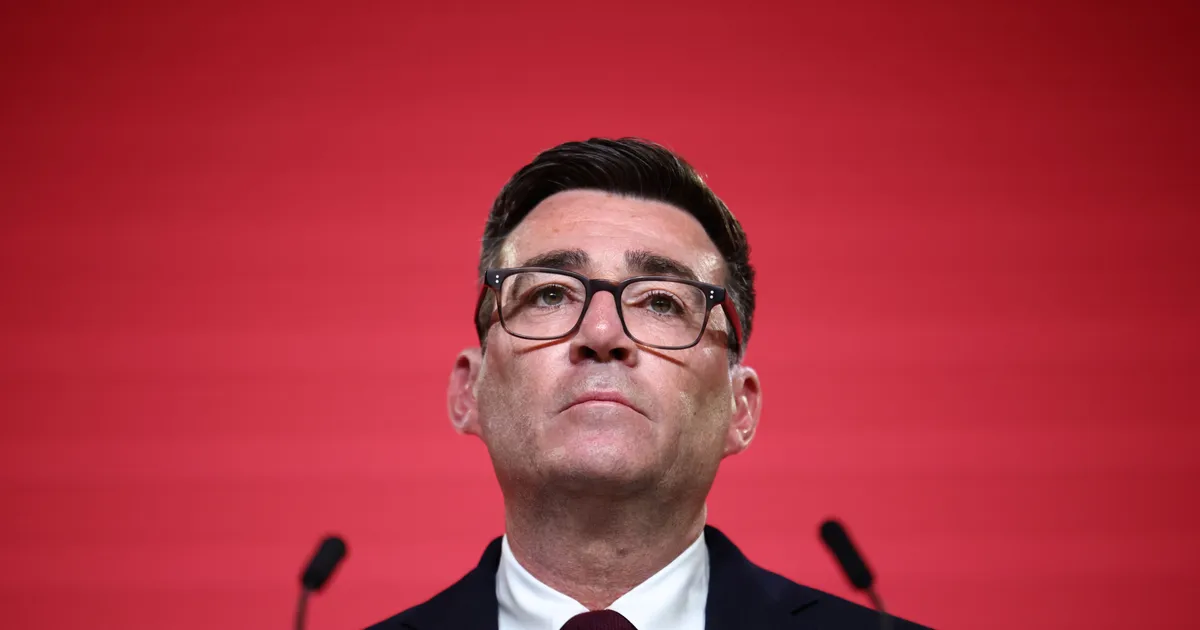
Andy Burnham is set to unveil plans to bring down energy bills to give people “more breathing room” in their everyday lives.
The incoming prime minister has held talks with Treasury officials on how tackling the cost of living will be his number one priority in office.
Raising the threshold at which workers start paying income tax, as well as capping bus fares at £2, are other measures Burnham is considering as he seeks to hit the ground running in No.10.
Burnham, who became Labour leader on Friday, will become the UK’s seventh PM since 2016 when he takes over from Keir Starmer on Monday.
Starmer will formally tender his resignation to the King at Buckingham Palace before making his final address from the steps of Downing Street.
After his own meeting with the monarch, Burnham will then travel to Downing Street himself, where he will tell the nation that he is “acutely conscious” of the political turmoil which has engulfed the UK in recent years.
Burnham will say that he is “acutely conscious” of being the sixth prime minister to walk up Downing Street in just 10 years, and pledging to introduce a more stable and responsible politics.
He will describe the moment as one of “reflection and resolution”, saying Britain must be honest about the challenges it faces while demonstrating that it can once again be recognised around the world for effective government.
Burnham will say that political stability must deliver “tangible improvements in people’s lives”, and call for national unity to improve the country.
The new PM will then disappear behind the famous No.10 black door to put the finishing touches to his new cabinet.
Home secretary Shabana Mahmood is tipped to beat Ed Miliband to the crucial role of chancellor.
Miliband could become foreign secretary, while there will also be cabinet returns for Louise Haigh, Angela Rayner and Wes Streeting.
Listen to Commons People, the podcast that makes politics easy. Every week, Kevin Schofield and Kate Nicholson unpack the week’s biggest stories to keep you informed. Join us for straightforward analysis of what’s going on at Westminster.
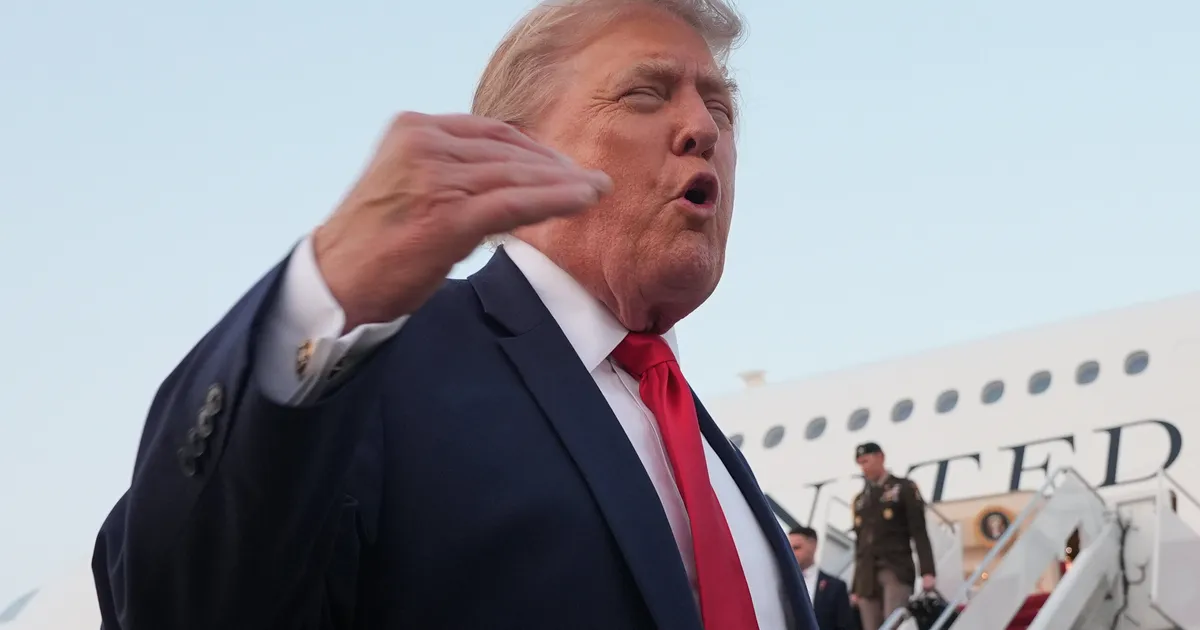
Andy Burnham is already on a collision course with Donald Trump even before he becomes prime minister.
The Labour leader will officially become the UK’s seventh PM since 2016 later today after Keir Starmer tenders his resignation to King Charles.
Burnham will pledge to give people “more breathing room” as he makes tackling the cost of living and bringing down energy bills his top priority.
He has hinted at giving the green light to more oil and gas extraction from the North Sea.
However, he will not break Labour’s election manifesto pledge blocking new exploration licences.
That would inevitably anger Trump, who yesterday insisted that Burnham would break with Starmer by “opening up” the North Sea.
In a post on his Truth Social account on Sunday, the US president said: “The People of Aberdeen, in Scotland, are dancing in the streets because the new Prime Minister, Andy Burnham, has stated that he will be opening up, all the way, the invaluable North Sea Oil!
““It is one of the Greatest Sources of quality Oil on Earth, has hundreds of years of Capacity left, with much not even found yet, and will make the United Kingdom, from a Poverty Stricken Disaster, to one of the Richest Countries anywhere in the World!
“Britain pays Norway Billions of Dollars a year to buy its Oil, which they get from a less valuable part of the North Sea — How ridiculous is that!”
Trump also claimed that Britain would move wind turbines near Aberdeen. “Word is that the UK is going to move the old and horrible looking windmills, which loom over and destroy the City of Aberdeen,” he said. “That will be a big day for the Country, and will be very much appreciated by everybody. Such great potential in the UK, but it all starts with OPENING NORTH SEA OIL.”
Starmer’s approach to the North Sea was one of the reasons why his relations with Trump collapsed during his time in office.
The US president was a regular critic of the outgoing PM’s refusal to allow new oil and gas fields in the North Sea to be explored as part of his government’s determination to achieve Net Zero by 2050.
Listen to Commons People, the podcast that makes politics easy. Every week, Kevin Schofield and Kate Nicholson unpack the week’s biggest stories to keep you informed. Join us for straightforward analysis of what’s going on at Westminster.
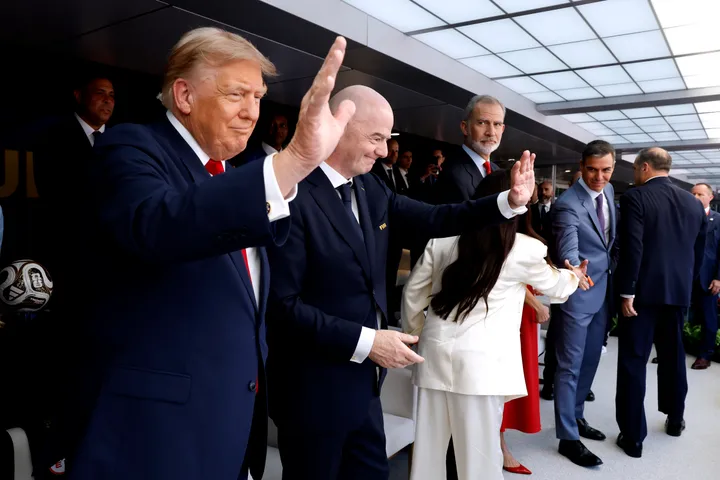
President Donald Trump couldn’t avoid public wrath while attending Sunday’s World Cup final between Spain and Argentina.
As singer Jennifer Hudson wrapped a stirring rendition of the US national anthem, the Jumbotron at New Jersey’s MetLife Stadium jumped to Trump, immediately inciting a blast of boos from the 82,500 other fans in attendance.
Verified by measurements shared with the presidential press pool, ambient crowd noise at the stadium clocked in around 78 decibels while jeers brought it to 84.
The US president was watching from a VIP suite along with his friend, FIFA President Gianni Infantino, first lady Melania Trump, and diplomatic rivals Prime Minister Mark Carney of Canada and Mexico’s President Claudia Sheinbaum.

Eva Marie Uzcategui – FIFA via Getty Images
Trump, who was on hand to present the winning team with the World Cup trophy, did not pick a favourite ahead of the game but did remark that it’d be difficult for Spain to reckon with Argentine star Lionel Messi’s talents.
Though the 2026 World Cup has been a historic success, drawing a record-breaking 6.6 million fans across 16 stadiums throughout North America’s three largest nations, the impact of the US president’s politics could not be avoided.
Scandal emerged over decisions to deny a respected referee from Somalia entry, as well as the US sharply curtailing visas for the Iranian delegation and forcing the team to keep their home base in Tijuana, Mexico.
Nevertheless, Trump celebrated the World Cup as an American success during a reception for FIFA at his New York City Trump Tower on Friday.
“It turned out we were a soccer country, and I think it’s going to remain,” he said of the once soccer-sceptical US. “This has really brought the world together.”
There’s a lot for British government ministers not to like about the Ethics and Integrity Commission’s recent report about shaking up the lobbying industry. The laws we have at present on professional sweet-talking are conveniently limited and easy to evade. Even where there is machinery for recording contact between government and lobbyists, it is so confusing that making sense of what is recorded is a nightmare for any journalist.
All this would change if the commission had its way. The report recommends that all lobbying of government ministers, aides and middle-ranking mandarins – from WhatsApp chats to meetings at party conferences – is publicly declared on an easy-to-read database. Even those who don’t lobby the state for money would have to sign up to a register. That also goes for charities and pressure groups seeking to influence policy.
The proposed new rules would hit Labour and progressive parties far more than the Conservatives, who have long been legally obliged to declare their contacts with advocates for the corporate world. Labour ministers and their departments constantly have their ears bent by the kinds of NGOs, pressure groups and the big campaigning charities that aren’t currently caught in the net, but they would be under the commission’s recommendations. If Amnesty International, the New Economics Foundation and the like want to continue setting up discreet workshops with Sir Humphrey’s top officials – or whispering in ministers’ ears about the beauty of open borders, wealth taxes or transgender activism – they would have to be open about it and have their meetings recorded for our benefit.
This would come as a shock to the current progressive establishment, whose members have long acted as if the lobbying threat comes solely from billionaires and shills for multinational conglomerates. But this is both misleading and outdated. Today’s super-rich are more likely to fund a think-tank, or an international institute campaigning for a particular worldview, than to nobble ministers over an expensive lunch. When it comes to lever-pulling, these organisations excel most in covert influence. It is the charity-industrial complex – comprising many NGOs that are now sophisticated multimillion-pound transnational operations – that lobbies hardest.
So this potential shake-up of the lobbying industry might actually help the public, drawing attention to the role played in our political system by charities and NGOs. But the Ethics and Integrity Commission could go further still in its recommendations.
The boundaries between government and private-sector activity are now more fluid than ever. Many charities and non-profits are only nominally independent. In reality, they receive a large proportion of their income from the government itself, officially to help deliver a particular policy, but often to direct and apply it, too. Many such charities have a distinctly activist bias. There is not much difference between such organisations and lobbyists as regards their potential for influence on ministerial policy – they push for the policies they want and get rewarded financially.
So ideally, we need a requirement for all campaigning organisations in receipt of any funds from government departments to register this fact. More importantly, they should have to record all contacts between themselves and ministers or departmental officials.
And what about public-sector bodies set up supposedly at arm’s length to advise ministers? The Ethics and Integrity Commission has airily dismissed any suggestion that they should be caught in the lobbying net. ‘Providing impartial, expert advice to government in the public interest is an integral part of their role and their governance’, the commission states.
If only. The idea that, say, Natural England or English Heritage are just groups of well-meaning boffins offering the government impartial advice is absurd. Both organisations see it as their function to put pressure on the government to promote a particular interest, and have no hesitation in doing so. And that’s before you get to bodies like the Equality and Human Rights Commission or the office of the Children’s Commissioner for England, which have no compunction in putting pressure on government in matters often at odds with voters’ wishes – such as in strengthening the power of the human-rights lobby or banning the smacking of children. These may or may not be good policies, but we have just as much of a right to transparency from such bodies as we have from any other group set up to promote a particular point of view.
We don’t know what the Labour government will say to this report. More likely than not, it will be buried in the upcoming parliamentary recess. But the opposition, from the Tories to Reform UK, should use it to promote genuine democratic scrutiny of an increasingly inscrutable progressive establishment. Daylight, as ever, remains the best disinfectant.
Andrew Tettenborn is a professor of commercial law and a former Cambridge admissions officer.
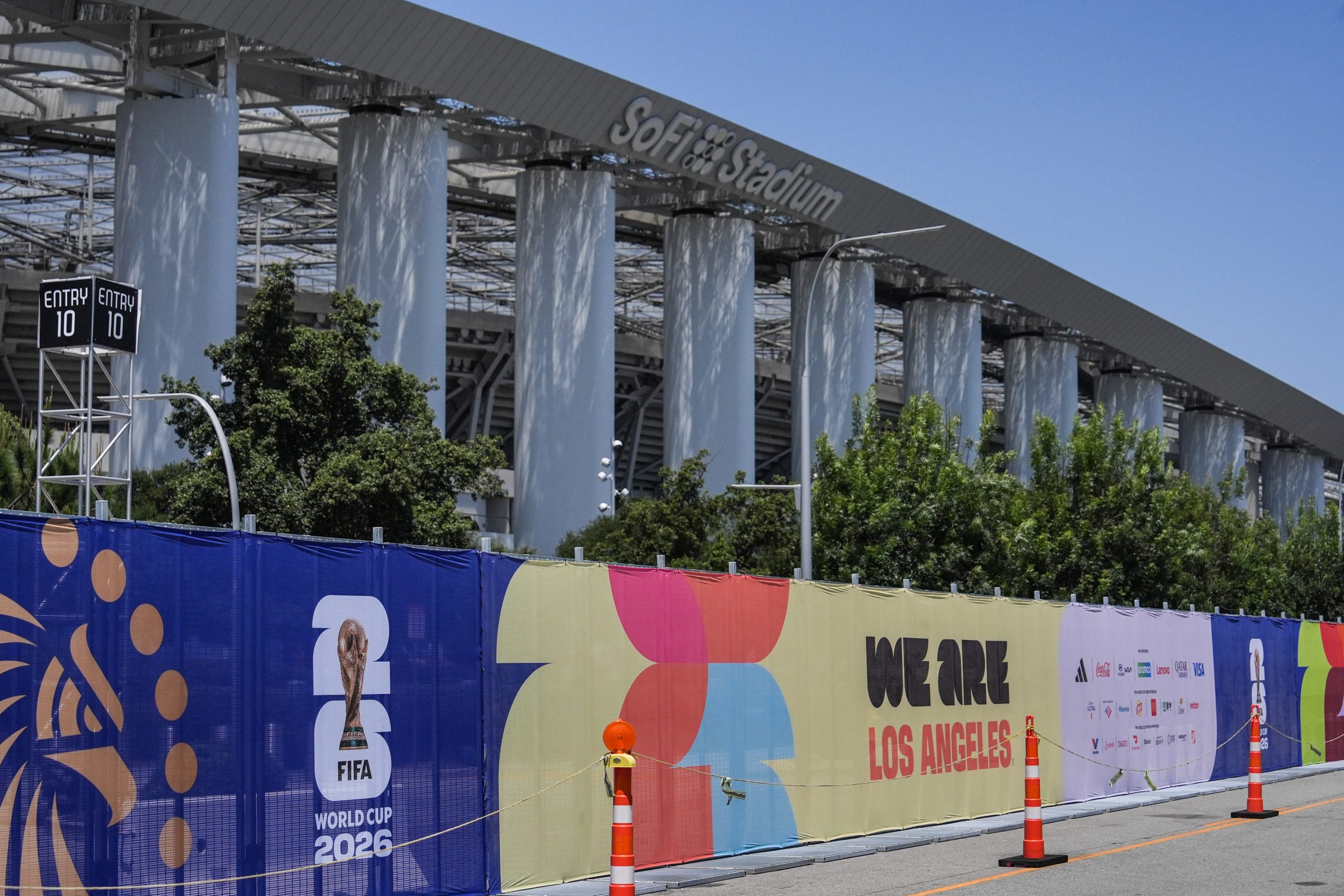

Los Angeles leaders are spending billions to make the 2028 Olympics a story of climate and environmental policy progress, reports Alex Nieves.
Transit and community groups want to know whether the investment will be part of the region’s Olympic legacy or just a flash in the pan.
The question of just how enduring their efforts will be was a throughline Tuesday and Wednesday at the Los Angeles Cleantech Incubator’s Road to 2028 summit — an event focused on leveraging the Olympic Games to accelerate clean energy and transportation development in the state’s most populous region.
The overall vibe of the conference was an optimistic one, as Los Angeles County and dozens of cities are hustling to secure hundreds of buses, plant trees and clean waterways before millions of people descend on the region in two years for the Games. But some attendees were already wondering what comes after the two-week mega event is over.
“When we look to the future, if once the games leave and we have not left communities better than the way we found them, then we have all lost,” said Cynthia Mitchell-Heard, CEO of the Los Angeles Urban League, speaking on a panel of grant recipients who’ve received funding from the LA Olympics organizing committee for environmental projects. (The Urban League received $100,000 to create a workforce development program for people affected by last year’s Altadena fire.)
Catherine Baltazar, associate director of advocacy and organizing at Climate Resolve, argued that throwing dollars at infrastructure projects won’t guarantee long-term progress in communities that have historically lacked resources and disproportionately borne the brunt of climate change.
“Investment should not end when the Games end,” Baltazar said. “We know that these communities will continue long after the Games, and so for me, that’s the legacy that I want.”
The focus on the post-2028 future comes in part because of what was seen as a successful test run during this summer’s World Cup. The region hosted eight matches at SoFi Stadium in Inglewood, avoiding any major snafus while seeing a significant spike in public transit use.
While the Olympics will be far larger than the World Cup, the region has structural advantages over many past Olympic host cities, including enough existing venues to house every sporting event. Much of the preparation now is centered on buying and leasing roughly 1,700 buses — including 500 electric school buses — to shuttle fans to and from venues that will be transit-only.
Transit advocates argue that those investments, including recent expansions of Los Angeles’ light-rail system, don’t solve for structural budget deficits that could threaten service cuts — as bus and rail operators have already warned about farther north in the Bay Area.
Los Angeles’ legislative delegation has failed the last two years to secure a boost in the state budget for systems like LA Metro, which faces a $2.3 billion deficit through 2030. Metrolink, a commuter rail line that serves six counties across Southern California, has indefinitely extended a 20 percent reduction in weekday service amid a $30 million deficit.
Matt Petersen, CEO of the Cleantech Incubator, told POLITICO the budget challenge has only intensified under a Trump administration hostile toward clean transportation.
“Local governments are struggling, states are struggling on how to put the resources where they’re needed,” he said. “I think the bottom line is: Without the feds, it’s super hard.”
But he said he still believes that Los Angeles is “well on the way to being ready” for the Games and to leave a lasting benefit for the community.
“That’s really what we’re here to do,” he said. “Ten years after the Games, what will we have seen manifest because of this moment?”
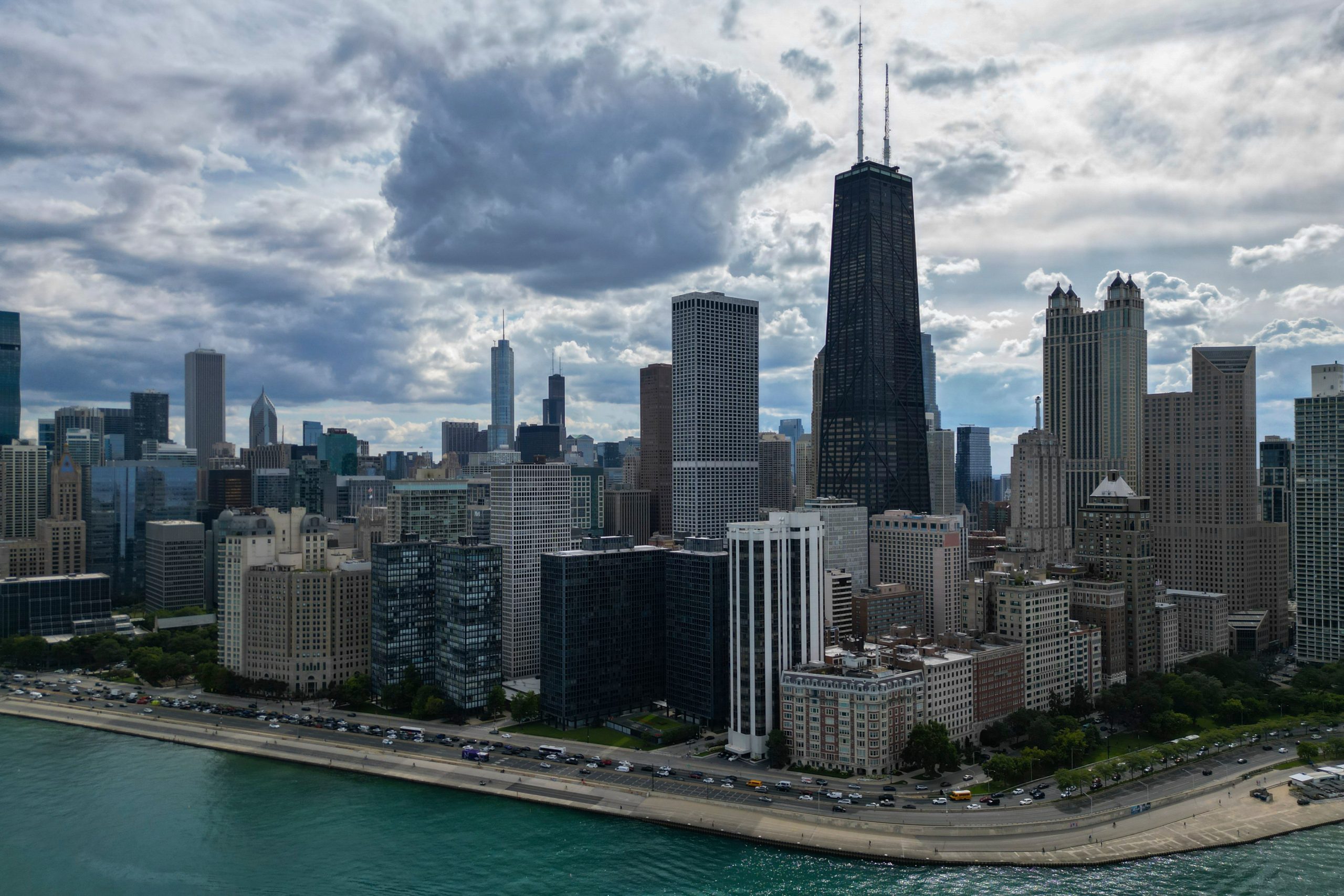

CHICAGO — The United States’ third-largest city felt confident passing on this year’s World Cup in part because the city’s sports loyalty was well-scripted. The Bears owned Sundays. The Cubs and White Sox divided baseball fans. And the Bulls still carry the glow of the Jordan dynasty.
But a whole new generation of sports teams is betting Chicago’s appetite for sports is bigger than its traditional loyalties — and that fans are ready for something different.
The WNBA’s Chicago Sky is preparing to host the league’s All-Star weekend July 23-26. The Chicago Stars are trying to build a women’s soccer franchise in a city with deep youth participation and a growing appetite for the sport. And the Chicago Fire are planning a new privately financed stadium in the South Loop and are investing heavily in youth development and facilities.
The timing is notable.
The city’s newest teams are making their pitch at the same moment two of Chicago’s oldest franchises are asking for help building new homes.
The McCaskey family continues to pursue public assistance for a new Bears stadium, whether in Illinois or Indiana. White Sox owner Jerry Reinsdorf has sought public support for a proposed South Loop ballpark. Those requests have triggered a familiar debate: whether taxpayers should help finance stadium projects for billion-dollar sports franchises while governments struggle with schools, transit and other basic services.
The newer teams are offering a different message. Chicago Fire owner Joe Mansueto, another Chicago billionaire, privately funded the team’s $750 million stadium, though the Chicago City Council earlier this week approved a $425 million tax subsidy to fund the surrounding infrastructure. Their pitch is not built around nostalgia but around investing in communities.
At a sports and business forum at the Obama Presidential Center this week, Fire Chief Marketing Officer Dan Moriarty described a shift in how soccer is being consumed in Chicago. The sport’s audience is younger, more diverse and increasingly global, he said, with fans who already follow international clubs now looking for a local connection. He pointed to a simple sign of change: at Chicago farmers markets, soccer jerseys are increasingly common — even if many of them still carry the names of European clubs.
The challenge, he said, is turning those fans into supporters of Chicago teams.
“Soccer has this lifestyle aspect,” former U.S. women’s national team goalkeeper Alyssa Naeher said during the discussion. “It brings people together.”
That may be soccer’s biggest advantage in Chicago. The city is already a global crossroads, with neighborhoods shaped by generations of immigrants and communities that have long embraced the sport. The Fire are betting that global stars can accelerate that connection. The club recently signed Polish striker Robert Lewandowski, one of the world’s most accomplished players, as part of a broader effort to raise the team’s profile.
Women’s sports are riding a similar wave.
“Women’s sports generally, and particularly soccer, has seen an evolution in this country,” said Laura Ricketts, who is a bridge to the old and new in sports. She’s a co-owner of the Chicago Cubs, an investor in the WNBA’s Chicago Sky and executive director of the Chicago Stars women’s soccer team.
“What we’re now seeing [is] an explosion, especially in the NWSL,” she said of the National Women’s Soccer League. “We’re growing, and the best way [to see it is] our fan base is growing.”
She compares women’s soccer today to the NBA or Major League Baseball of the early 1980s. “There’s just so much opportunity,” said Ricketts. Women’s soccer, she said, has benefited from decades of investment in youth leagues and college programs. That foundation is now translating into a professional audience.
The growth is not just about attendance. It is about loyalty. Women’s sports fans, Ricketts said, tend to be younger and highly engaged, with a strong connection to the brands and communities supporting the teams.
With World Cup interest, “We’re just seeing the tip of the iceberg for soccer in this country.”
She said there’s been similar investment into basketball and she hopes Chicago sees the benefits of that as it hosts the WNBA All-Star weekend, marking three decades of the league.
“The momentum continues right here in Chicago,” Sky co-owner Nadia Rawlinson said, describing the event as a celebration of how far women’s basketball has come — and how much further it can go.
None of this means the Bears, Cubs, White Sox or Bulls are losing their place in Chicago’s sports hierarchy. But newer teams are making a case for a place alongside them.
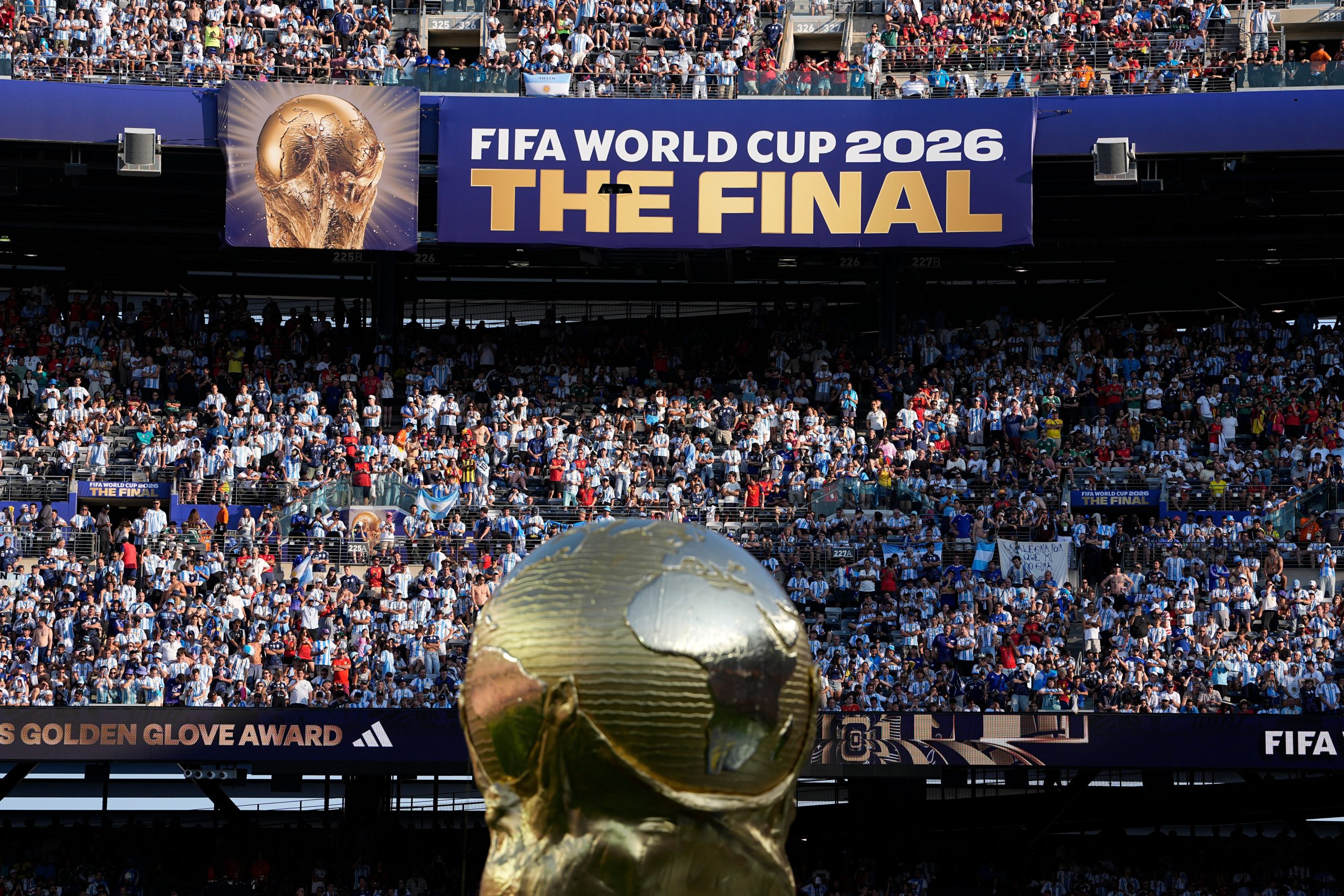

Stories of fans left outside stadiums, duped by “ghost tickets” on resale platforms, were everywhere at this year’s World Cup. But advocates are hopeful the near-endless stream of negative headlines and angry supporters will spur long-sought-after laws to outlaw the practice of speculative ticket selling, when resellers put tickets they don’t yet have on the open market.
At the state level, it would seem they’re right.
Illinois, North Carolina and Washington, D.C. have all passed legislation banning speculative ticket sales since the beginning of the World Cup. Connecticut, Oregon and Vermont have also enacted ghost ticket bans this year. And Massachusetts Gov. Maura Healey announced her intention to file a bill prohibiting ghost tickets — among other consumer-friendly initiatives — on Thursday.
“It’s definitely raising eyebrows in the state of politicians and legislators to really ban ghost ticketing, speculative ticketing,” said Scott Friedman, podcast host and co-founder of the Ticket Talk Network. “When you have it happen at this scale, that not just affects the United States, it’s a global tournament for heaven’s sake. Absolutely, change is coming.”
“You see dozens of these bills percolating around the country,” said John Breyault, vice president of public policy, telecommunications and fraud at the National Consumers League. “Most of which have some kind of ban on speculative tickets.”
There’s action at the federal level, too. Though advocacy groups aren’t exactly aligned on a path forward in Congress. Breyault and the NCL have been active in promoting the TICKET Act, which passed the House in April and moved through the Senate Commerce Committee in June.
Proponents say the bill would ban speculative ticket sales and safeguard consumers against fraudulent ticket websites.
“In this environment, where Republicans and Democrats can’t agree that the sky is blue on some days, that’s a rare occurrence,” Breyault said.
But Stephen Parker, the executive director of the National Independent Venue Association, said the “you could drive a Mack Truck” through the TICKET Act’s ghost ticketing provisions. Music groups, too, have panned the bill, arguing it would still allow speculative ticket sales by permitting sellers to advertise ticket procurement services for tickets they do not yet possess.
For now, Parker said, the most encouraging action is happening in the states.
“This is happening across the country, and ultimately, what we are seeing is state legislators from both parties saying enough is enough. If Congress isn’t going to do something, we are, and we couldn’t be more grateful for their work.”
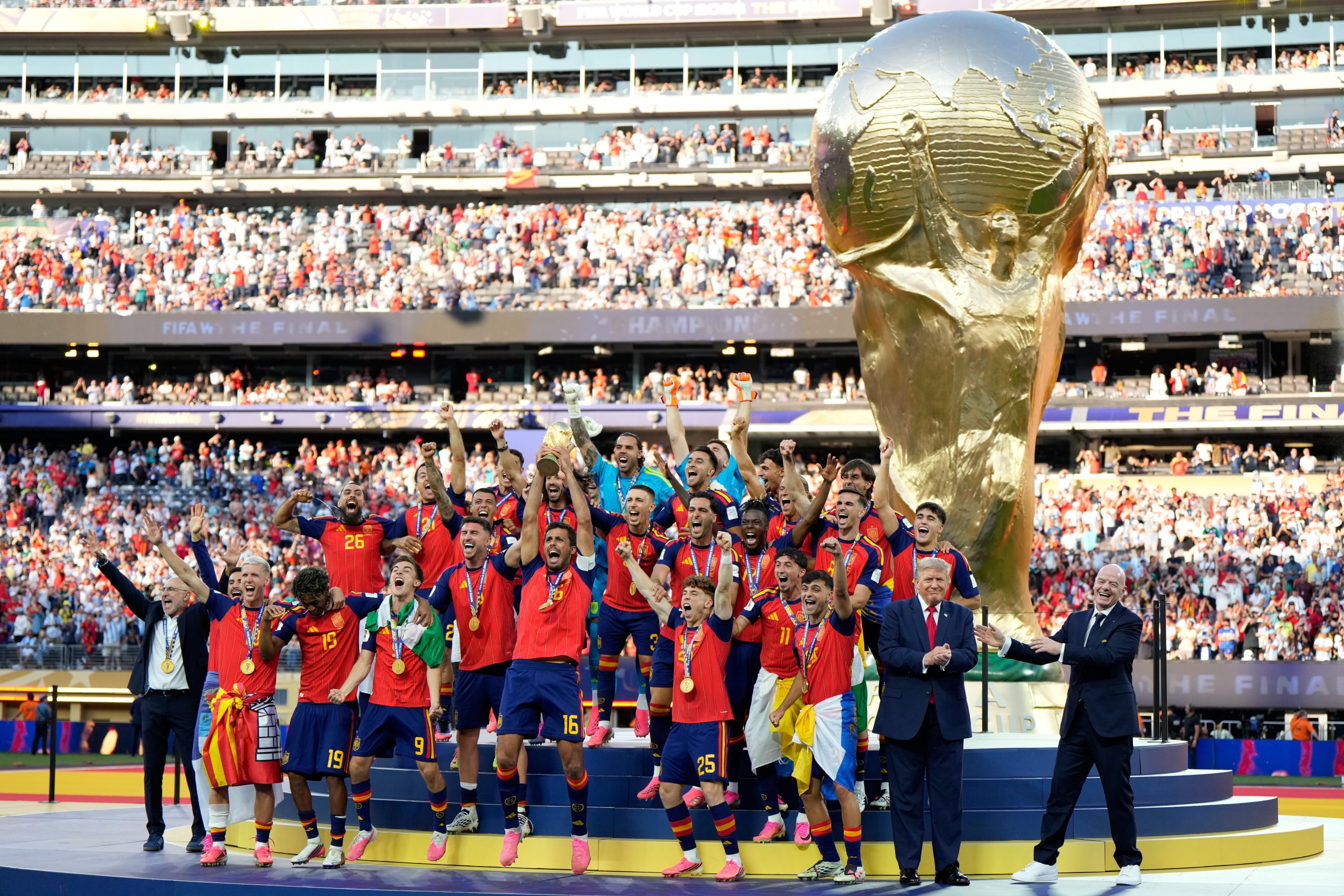

New York and New Jersey planned to spend roughly a half billion dollars hosting eight World Cup matches, including today’s final. But once it’s over, lawmakers in both states want to know if they got their money’s worth.
In New York City, Councilmember Virginia Maloney, who leads the chamber’s committee on economic development, is going to lead that examination.
“First I want to make sure we recouped our cost,” she said in an interview on Friday at a coffee shop in her Manhattan district, which includes the Upper East Side. “I’m not confident we can say that.”
She said data seems mixed on how well hotels did because of the World Cup. Bookings initially appeared low, but it seems like hotels recovered closer to the matches. However, it’s not clear if that’s because of the World Cup or the other major events happening this summer in the city, including the July 4th festivities and the Knicks’ championship win — which means an analysis will have to try to untangle what economic activity happened because of the World Cup and what would have happened anyway.
“What is irrefutable is that bars and restaurants were seeing a lot more activity and action in New York, and that translates into real economic benefit for New Yorkers,” Maloney said.
Maloney attributes that to a lot of things, including a law signed by Gov. Kathy Hochul to temporarily extend hours for bars and restaurants.
One report from the Queens Chamber of Commerce found a 30 percent increase in businesses for people going out to drink and eat.
“The economic benefit was not necessarily people who were going to the World Cup, but just people participating in the summer of New York, going to all five boroughs to celebrate or be out together,” she said.
The host committee released a study last summer predicting $3.3 billion in economic impact across New York and New Jersey, including about $432 million in state and local tax revenues.
Maloney worried about rosy projections from FIFA and its boosters compared to the reality on the ground. A preliminary study by the host committee of just the group stage found $1.2 billion in direct economic impact, Bloomberg reported.
Maloney views the experience as a learning opportunity for other big events the city puts on, including future political conventions and the 2042 Olympics, which the state and city are exploring a bid for.
“It should be something that you can make a playbook out of, not where you’re starting from scratch every time there’s a major event,” Maloney said.
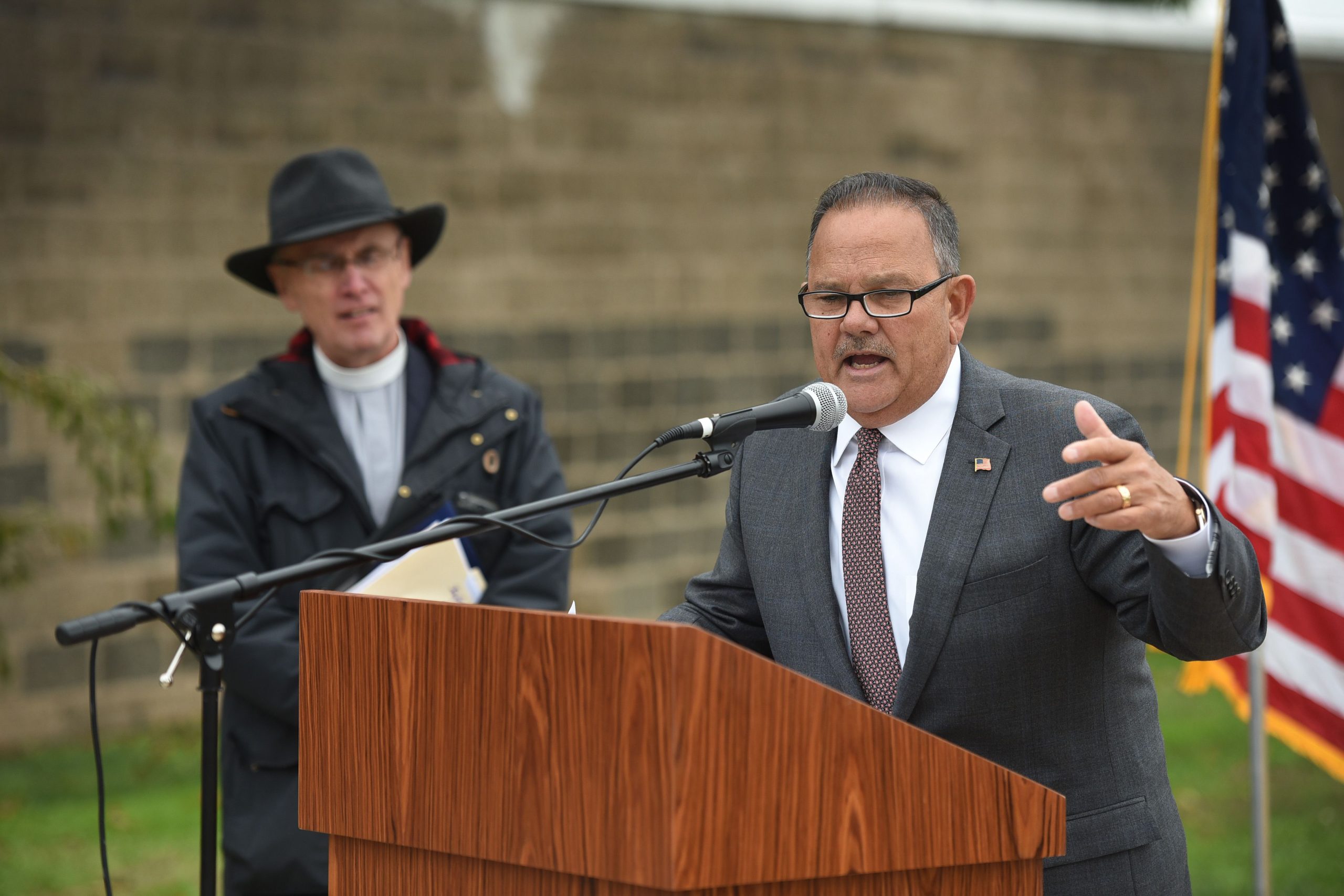

Forget Zohran Mamdani. The local elected official who really rules MetLife Stadium today is Jeffrey Lahullier, whose 10,000-person town sees its population swell by more than 800 percent whenever there’s an event at the stadium complex in the middle of his turf, writes POLITICO’s Will McCarthy:
Read Will’s story “The World Cup came to town. The town grew eight times larger” here.
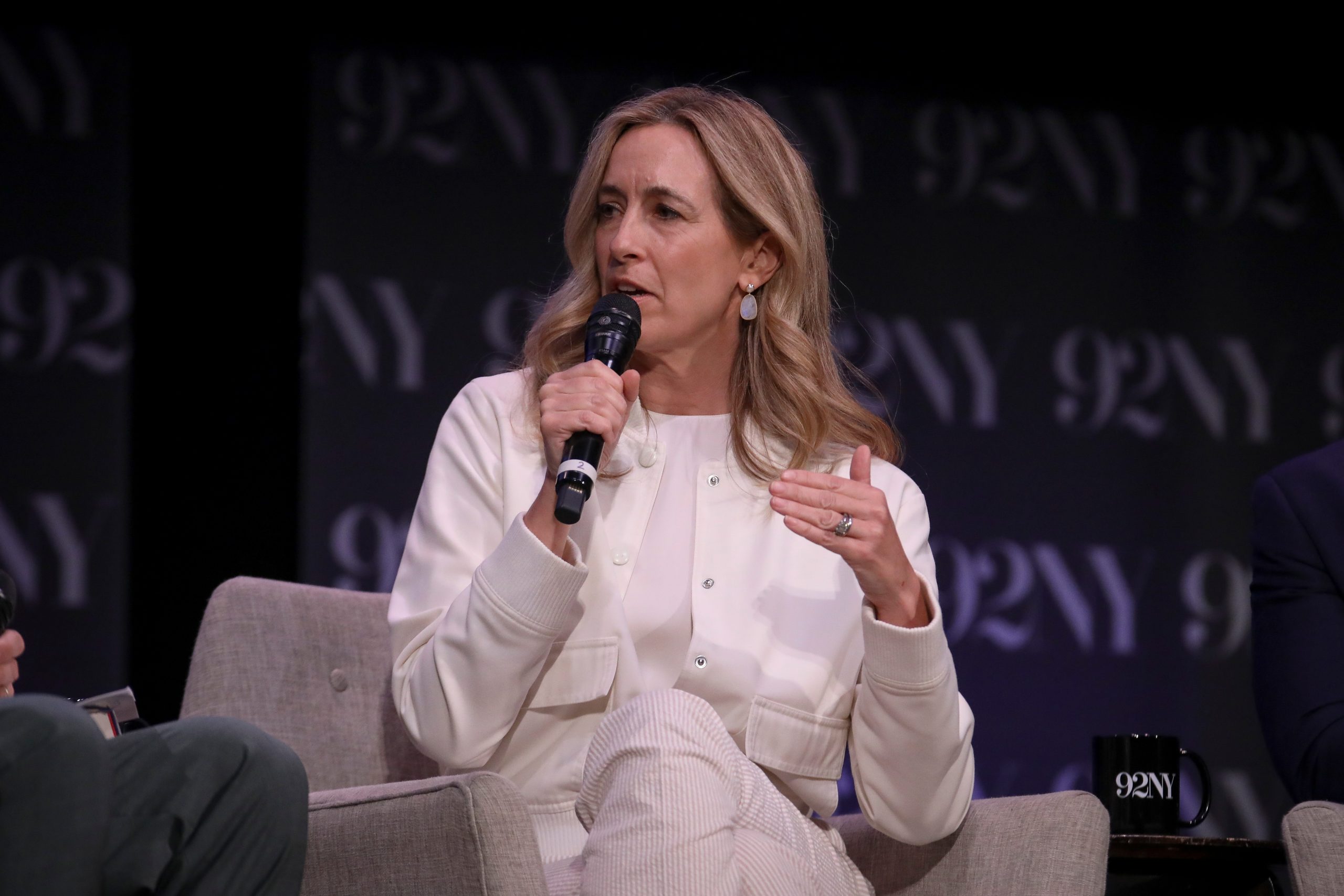

Mikie Sherrill has embraced the World Cup like few other Democratic governors, save perhaps Gov. Josh Shapiro in Pennsylvania.
She has been to seven matches, built a tight relationship with the former standout U.S. goalkeeper Tony Meola and will take in today’s final at MetLife Stadium in New Jersey. (She missed one match because she was working on her first budget).
“There’s a lot of controversy over whether or not this makes sense. We’ll be doing all the math as these returns come in,” Sherrill said. “When I came into office, I really was focused on how to make this a net benefit for the state, and how to bring everyone into the state. If you’re going to host this game where one in three people in the world will be watching this final, you want the people of New Jersey to feel like they’re part of it, and not just that there are some elite people going to watch the game, but they’re actually able to take part in the excitement, and these fan zones have been really wonderful for that as well.”
Six months into her term, Sherrill spoke exclusively with POLITICO to talk about her battles with FIFA, President Donald Trump and, also, how she ended up in a puddle of beer doing the viral Viking Row celebration with an army of Norway fans outside of MetLife.
The interview has been lightly edited for length and clarity.
How did you end up in that puddle of beer?
I think we’ve seen all over the internet people who are loving our delis and our Wawas and enjoying the shore, and I think it’s just been such a fantastic feeling. And we had Norway come, and as you’ve seen on social media, they were rowing. I rowed at Navy my freshman and sophomore year at Navy, so I had a little bit of a kinship there to all the rowers coming from Norway. So when they were coming back to the stadium, we reached out and said, “Hey, are you guys rowing? We want to come touch base and welcome you to the state. And they said, ‘Yeah, come row with us.’ So I did, and it was really a lot of fun.”
What have your battles been like with FIFA, particularly on cost-of-living issues?
I would say everything we’ve gotten out of the World Cup, we built.
I would really like to leverage it — if the Women’s World Cup is going to be in the U.S. — I would really like to leverage a little bit of what a special place it is to host a World Cup game here. And really try to leverage that for better benefits for the state because FIFA put nothing into this. I mean they’re making $11 billion and now they’re trying to sell grass, and they’re trying not to pay their bills. It’s really a problem.
So you’d be open to being a host site again in 2031?
If it made sense economically, yes.
President Donald Trump — whom you have battled — will be at the final on Sunday. How are you going to handle that?
What I think has been interesting is I think a lot of people went into Trump’s second administration thinking they had learned how to handle him in his first administration, and the word on the street seemed to be you just do an insane amount of flattery, and then get what you want, and just you know kind of work that way. You know, keep your head down, don’t say too much, just flatter the hell out of him, and then I’ll give you what you want. And I don’t think that has been the case in the second administration.
And so we in New Jersey had a year of watching him operate, and every promise he made, he walked back. And so the art of the deal to Trump seems to be. Figure out what you want, leverage the heck out of you, and never give it to you. But try to have you sell your soul in the process.
I just largely have focused on delivering for the people of New Jersey. And when he tries to punish people here in New Jersey, like when he tried to stop the Gateway Tunnel funding, when he gave out pink slips to the 1,000 workers that were already on the job, good union jobs. I didn’t try to cut some deal with him. I didn’t say I was going to name Penn Station after him or something because it wasn’t his money to leverage. I just took him to court almost immediately, and we won. And then he appealed it, and we won again. And now he’s, you know, said he’s going to build some mass detention facility in Roxbury in a warehouse that only has two bathrooms, and he thinks he’s going to put 2000 people in it. And there’s no sewersystem, so we took him to court, and we won.
So it’s not that we’re throwing gratuitous punches here. I’m just constantly fighting for the people of New Jersey, and when he attacks them, I’m going to stand up.
What are your predictions for the final on Sunday? Is Argentina going to prevail? How many goals is Messi going to score? What are some things that you’d make Kalshi bets on?
I don’t do Kalshi bets. But there are a lot of people from South America that live in New Jersey. A lot of our citizens have family there, and they’re going to kill me because nobody down there likes Argentina, right? But I will tell you, I… I feel like Argentina with Messi playing for the MLS. It’s just it’s almost like the closest thing we were getting this year to a hometown team.
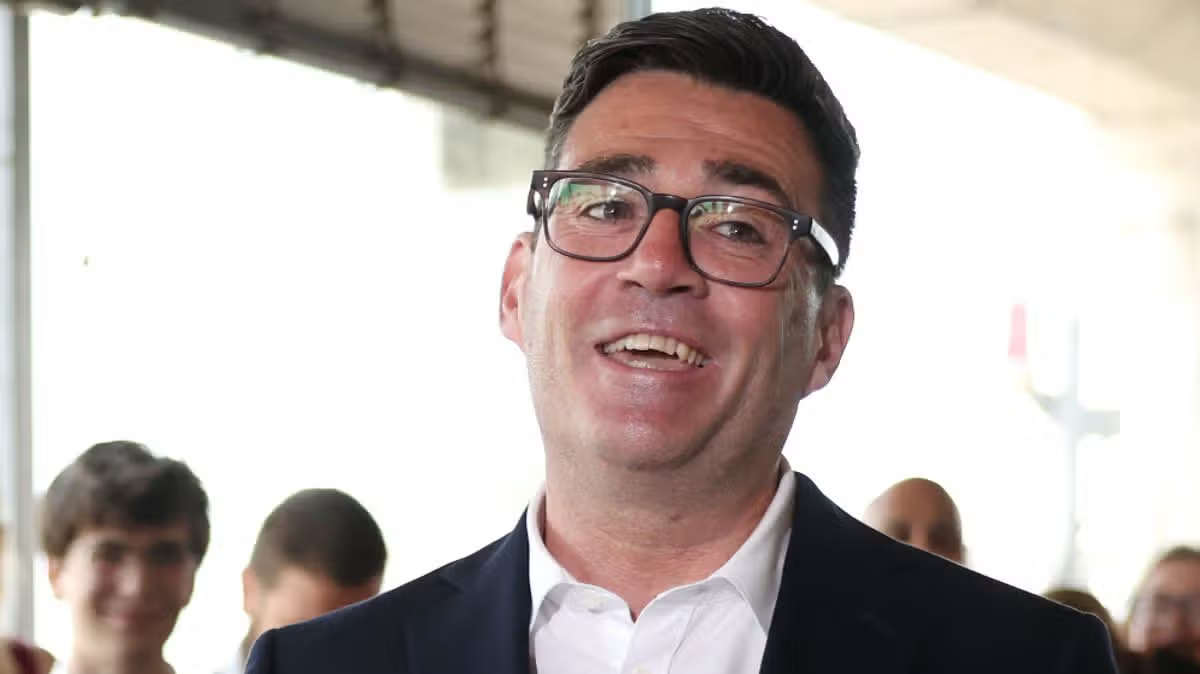
Andy Burnham live: Labour leader to become PM today and address the nation
Ryanair sees lower summer fares as profit misses forecasts

Netflix’s New 8-Part YA Series Is Taking Aim at Prime Video


-
 NewsBeat4 days ago
London Mayor Sadiq Khan handed a peerage by Keir Starmer alongside 15 other Labour figures… just days before the PM leaves No10
-

 Fashion3 days ago
Weekend Open Thread – Corporette.com
-

 Politics2 days ago
The House | The City of London can help the new chancellor deliver growth in every postcode
-

 Politics5 days ago
Young campaigners urge incoming PM to act on outdoor junk food ads
-

 Crypto World4 days ago
CFTC blocks Kalshi from unwinding Michigan trades after court order
-

 Business4 days ago
Nvidia Stock Slips After Big Tuesday Rally as Huang Confirms Vera Rubin Chip Is Now in Production Today
-
 Crypto World3 days ago
Two July Windows Left: The CLARITY Act’s Senate Fight and What Failure Means
-

 Crypto World2 days ago
Ripple Payments Joins MiCA With 14 Firms, Does It Mean Anything For XRP?
-

 Politics17 hours ago
Democrats look to World Cup watch parties to register thousands of voters
-

 Crypto World2 days ago
Ripple wins EU-wide access as ESMA adds it to MiCA register
-
 Entertainment5 days ago
Disney’s Most Ambitious Failed Star Wars Attraction Is Coming to SDCC
-

 Business4 days ago
Palantir Shares Rise After Expanded Nvidia Partnership and Fresh Analyst Upgrades Ahead of Earnings Day
-

 Crypto World3 days ago
Injective Submits SEC Transfer-Agent Registration to Onchain Ownership Records
-

 Tech6 days ago
Get Your ESP32 Sunny Side Up With This Solar Dev Board
-

 News Videos5 days ago
XRP BOMBSHELL… XRP OMBOARDED FOR TRANSACTIONS!!!
-

 NewsBeat3 days ago
Registration is now open for March for Men with Kev 2026
-

 Tech5 days ago
Dark Secrets Emerge When Jailbreaking LLMs
-
 Sports4 days ago
New Cornerback Enters Vikings Trade Rumor Mill
-

 News Videos3 days ago
Money | Class 12 Economics | CBSE Board Exam 2026-27
-

 Business3 days ago
Banco Bilbao Vizcaya Argentaria, S.A. (BBVA) Discusses Global Macro Environment and Economic Outlook for Core Markets Transcript
You must be logged in to post a comment Login