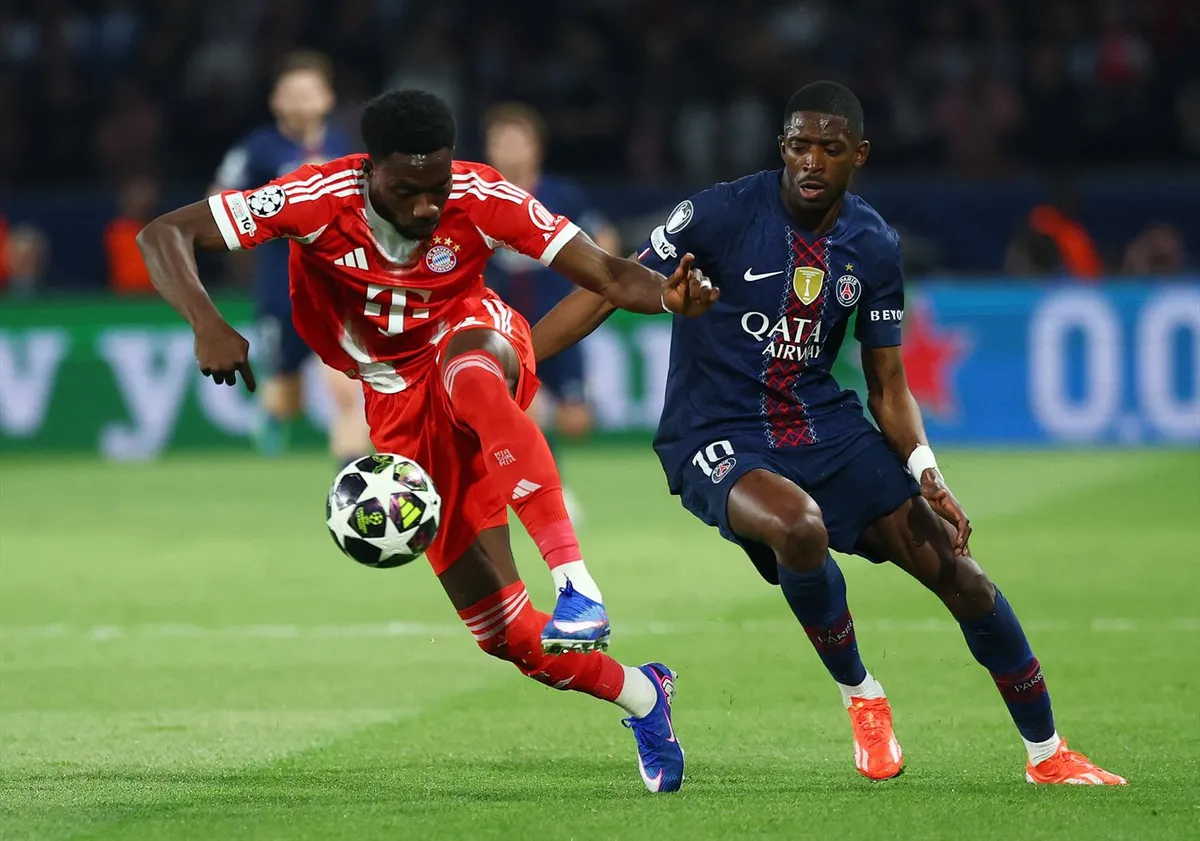
Bayern Munich’s Alphonso Davies in action with Paris St Germain’s Ousmane Dembele on April 28, 2026. Credit: REUTERS/Gonzalo Fuentes
Canada star Alphonso Davies said he is still hopeful of being fit in time to play in the team’s World Cup opener against Bosnia and Herzegovina in Toronto on June 12.
The 25-year-old Bayern Munich left-back has been sidelined since suffering a left hamstring injury in the Champions League semifinal against Paris Saint-Germain on May 6.
Canada and Bayern worked together on a recovery plan for Davies, who reported late to the team on Sunday.
“The first game is coming up pretty quickly,” Davies told reporters during an unplanned media session in Wednesday. “The thing we talked about, me and the coach and the people that were in (a meeting regarding his fitness), I think we understand how important the first game is. But we understand recovery is always an important thing. If I’m recovering as good as possible, let’s see. If not, then there’s no need to rush, just keep continuing the recovery.”
Pressed on whether he believes he can be fit in time to play June 12, Davies said, “Anything is possible in life. For me, it’s (all) depending on how the recovery is going, how these next few days or this week leading up to the game goes.”
Advertisement
Davies has scored 15 goals in 58 career caps with Canada, including the country’s first-ever goal at a World Cup at the 2022 tournament in Qatar. He is a two-time Concacaf Player of the Year (2021, 2022).
However, he has not played for Canada since tearing his anterior cruciate ligament during the Nations League Finals in March 2025. Davies’ agent and Bayern Munich would later question how Canada Soccer handled his post-surgery recovery.
The hamstring issues is the most recent of multiple injuries since the ACL, but coach Jesse Marsch included the star on his 26-man World Cup roster announced last week.
Advertisement
This time around, the sides worked together to devise a recovery plan, and Davies trained on his own during Wednesday’s session in Montreal.
“Mentally, it was very draining, suffering these injuries,” Davies said, adding that he has doubted at times whether he’d be available to play in the World Cup. “I was going into a hole where I was doubting myself, but I had that time off and I thought about why I’m doing this and how important this is to me.”
Co-host Canada is in Group B, and will also play Qatar on June 18 and Switzerland on June 24, with both matches in Vancouver. LAFC midfielder Stephen Eustaquio will step in to captain the side while Davies focuses on his fitness.
Minnesota Vikings wide receiver Jalen Reagor celebrates after scoring a touchdown against the Chicago Bears at U.S. Bank Stadium. During the second quarter on Oct. 9, 2022, Reagor found the end zone to help Minnesota build momentum in an NFC North matchup before the home crowd in Minneapolis. Mandatory Credit: Brad Rempel-USA TODAY Sports.
The Minnesota Vikings employed wide receiver Jalen Reagor in 2022, and four years later, he will try on the Miami Dolphins for size. The once-promising wideout hasn’t totally blossomed in his career, but he keeps getting jobs, and Jeff Hafley’s team awaits.
Reagor may not have too many NFL chances left, so he should probably make the most of this summer in Miami, especially as a special teamer.
Miami Gives Reagor Another Summer Shot
Minnesota Vikings wide receiver Jalen Reagor (5) secures a reception while New York Jets safety Lamarcus Joyner (29) closes in defensively during second-quarter action at U.S. Bank Stadium. On Dec. 4, 2022, in Minneapolis, Minnesota, Reagor contributed to the Vikings’ passing attack in a tightly contested matchup between AFC and NFC playoff hopefuls. Mandatory Credit: Matt Krohn-USA TODAY Sports
Reagor to MIA
Reagor to Miami is official. Associated Presspublished Tuesday, “The Miami Dolphins signed Jalen Reagor on Tuesday to add another receiving option for new quarterback Malik Willis. Reagor, selected 21st overall by Philadelphia in 2020, should bolster Miami’s thin receiving room, which lost stars Tyreek Hill and Jaylen Waddle amid a roster overhaul under new general manager Jon-Eric Sullivan.”
Advertisement
“Reagor caught 64 passes for 695 yards and three touchdowns in his first two pro seasons with the Eagles before being traded to the Vikings in 2022, where he carved more of a role as a punt returner with a loaded Minnesota receiving room that included star Justin Jefferson — who was selected one pick after Reagor in 2020 — Adam Thielen and K.J. Osborn.”
It’s Reagor’s fifth team in seven seasons.
Career for Reagor So Far
Advertisement
Reagor’s career has landed in a pretty common NFL spot: former 1st-Round pick, sweet athlete, not much of a game-changer on offense.
He hung out with the Chargers in 2024 after showing up in September, playing eight games and snagging seven passes for 100 yards. That pretty much sums up his whole career. Over five seasons, Reagor has 86 catches for 1,037 yards and 4 touchdowns, plus 97 rushing yards and 1,134 yards from scrimmage. His stats never quite lived up to where he was drafted, but he keeps getting jobs because that speed always turns heads.
Philadelphia Eagles wide receiver Jalen Reagor (18) is brought down by New Orleans Saints linebacker Kwon Alexander (5) after making a reception at Lincoln Financial Field. On Nov. 21, 2021, in Philadelphia, Pennsylvania, Reagor worked underneath routes as the Eagles battled the Saints during a late-season NFC matchup. Mandatory Credit: Bill Streicher-Imagn Images
His best year was still his rookie season in Philly, when he caught 31 passes for 396 yards. Since then, his offensive role has gotten smaller. Minnesota barely used him in 2022. New England gave him a quick look in 2023, where he showed more promise as a returner than a receiver. Los Angeles just saw him as a backup.
And, yes, there’s always that shadow. Reagor will forever be linked to Philadelphia picking him one spot before Justin Jefferson. He’s not being judged like a hot prospect anymore. Now, he’s a role player trying to stick around.
The Dolphins’ [Bad] WR Corps
Advertisement
The Dolphins will be begging for a wide receiver to emerge in 2026, freshly equipped with Willis at quarterback. Here’s the group in June:
Malik Washington
Tutu Atwell
Jalen Tolbert
Chris Bell
Jalen Reagor
Caleb Douglas
Kevin Coleman Jr.
Terrace Marshall Jr.
Theo Wease Jr.
Tahj Washington
Donaven McCulley
AJ Henning
Yes, that’s a real NFL wide receiving corps that Miami somehow thinks will work.
DolphinsWire‘s Mike Masala wrote last month about Douglas in particular, “The Miami Dolphins added four rookie wide receivers this offseason, three in the 2026 NFL draft and one as an undrafted free agent, who they hope will not only make the team out of camp but make an impact in their first season. Caleb Douglas was the first of these rookies to join the roster when Miami used a third-round pick on the Texas Tech wideout, and while there’s plenty of reason to be excited about his prospects, he had one big issue in college — drops.”
“In two years with the Red Raiders, Douglas caught 114 passes for 1,723 yards and 13 touchdowns while earning All-Big 12 honors once. Now, in Miami, he has a chance to be the team’s top wide receiver in Week 1. He just needs to limit those drops and show what he’s capable of.”
If Reagor Can Make a WR Roster, It’s Probably MIA
Advertisement
This is the best possible situation for Reagor because a) There is no clear-cut WR1 and perhaps not even a WR2 b) It’s a test for Reagor; if he can’t cut it on this WR roster, his days in the NFL are numbered.
Los Angeles Chargers wide receiver Jalen Reagor (89) celebrates during fourth-quarter action against the Cleveland Browns at Huntington Bank Field. On Nov. 3, 2024, in Cleveland, Ohio, Reagor enjoyed a key moment for the Chargers as the team pushed through a competitive road contest late in the regular season. Mandatory Credit: Scott Galvin-Imagn Images
Because of his special teams versatility, Reagor actually has a reasonable shot of making the Dolphins’ final roster in late August. He’s unlikely to break out and finally fulfill his 1st-Round draft stock from 2020, but he should be able to carve out a small role in Miami.
If the Dolphins waive him in three months, this might be the end of the road — unless Reagor wants to try the UFL or CFL.
Dustin Baker is a novelist and political scientist. His second novel, The Invaders , is out now. So is … More about Dustin Baker
Warzone and Black Ops 7 Season 4 Reloaded is releasing on June 4, 2026, at 9 am Pacific Daylight Time. As usual, the Reloaded update will introduce a fresh batch of content across all the game modes. Players can expect new maps, weapons, events, and additional rewards as the season progresses. Some of the major additions include Fortune’s Keep Refresh, the Rogue Run Zombies mode, and Ranked Play updates, and several new weapons.
That said, here’s a live release countdown for Warzone and Black Ops 7 Season 4 Reloaded.
Warzone and Black Ops 7 Season 4 Reloaded live countdown
As mentioned before, the Warzone and Black Ops 7 Season 4 Reloaded is releasing on June 4, 2026, at 9 am PT. Here’s a live countdown to make it easier for you:
Aryna Sabalenka suffered a shock quarterfinal exit at the French Open after losing to 25th seed Diana Shnaider in a dramatic three-set battle at Roland-Garros.
The Belarusian star, who entered the tournament among the favourites for the title, was beaten 3-6, 7-5, 6-0 by the Russian youngster after a complete collapse in the deciding set.
Sabalenka’s frustrations boiled over during the match as cameras captured emotional exchanges between the player and her coaching box.
Advertisement
According to reports from Tribuna.com, Sabalenka repeatedly vented her anger during the contest, smashing her racket on the clay and shouting at herself during the difficult moments of the match.
At one point, her coach Anton Dubov reportedly yelled:
“Alright, screw it already. Let it go, f***, let it go.”
Sabalenka herself was also heard shouting:
Advertisement
“How are you so annoying, Aryna!”
Following the defeat, the world No. 1 admitted she was struggling mentally after the painful loss.
“I’m in a deep hole mentally right now,” Sabalenka reportedly said during her post-match press conference.
“Right now I just want to quit tennis. But maybe in a few days I’ll feel differently.”
The defeat marks one of the biggest upsets of the women’s tournament so far and ends Sabalenka’s hopes of winning her maiden French Open title this season.
Advertisement
Russian players dominate women’s semifinals
Shnaider’s victory means two Russian players have now reached the Roland-Garros semifinals.
Teen sensation Mirra Andreeva also booked her place in the last four after defeating Sorana Cirstea in straight sets.
The semifinal lineup is now confirmed:
French Open Women’s Semifinals
Diana Shnaider vs Maja Chwalińska
Mirra Andreeva vs Marta Kostyuk
Shnaider advanced after defeating Sabalenka 3-6, 7-5, 6-0, while Poland’s Maja Chwalińska defeated Anna Kalinskaya in another upset.
Ukraine’s Marta Kostyuk also progressed after overcoming Elina Svitolina in three sets.
Advertisement
Sabalenka’s emotional struggles continue
Despite remaining one of the most dominant players on tour over the past two seasons, Sabalenka has occasionally spoken openly about the mental pressure that comes with competing at the top level.
Her latest comments will likely spark concern among fans ahead of the remainder of the tennis season, especially with Wimbledon only weeks away.
For now, however, Roland-Garros belongs to a new generation of challengers — and one of the tournament favourites is heading home earlier than expected.
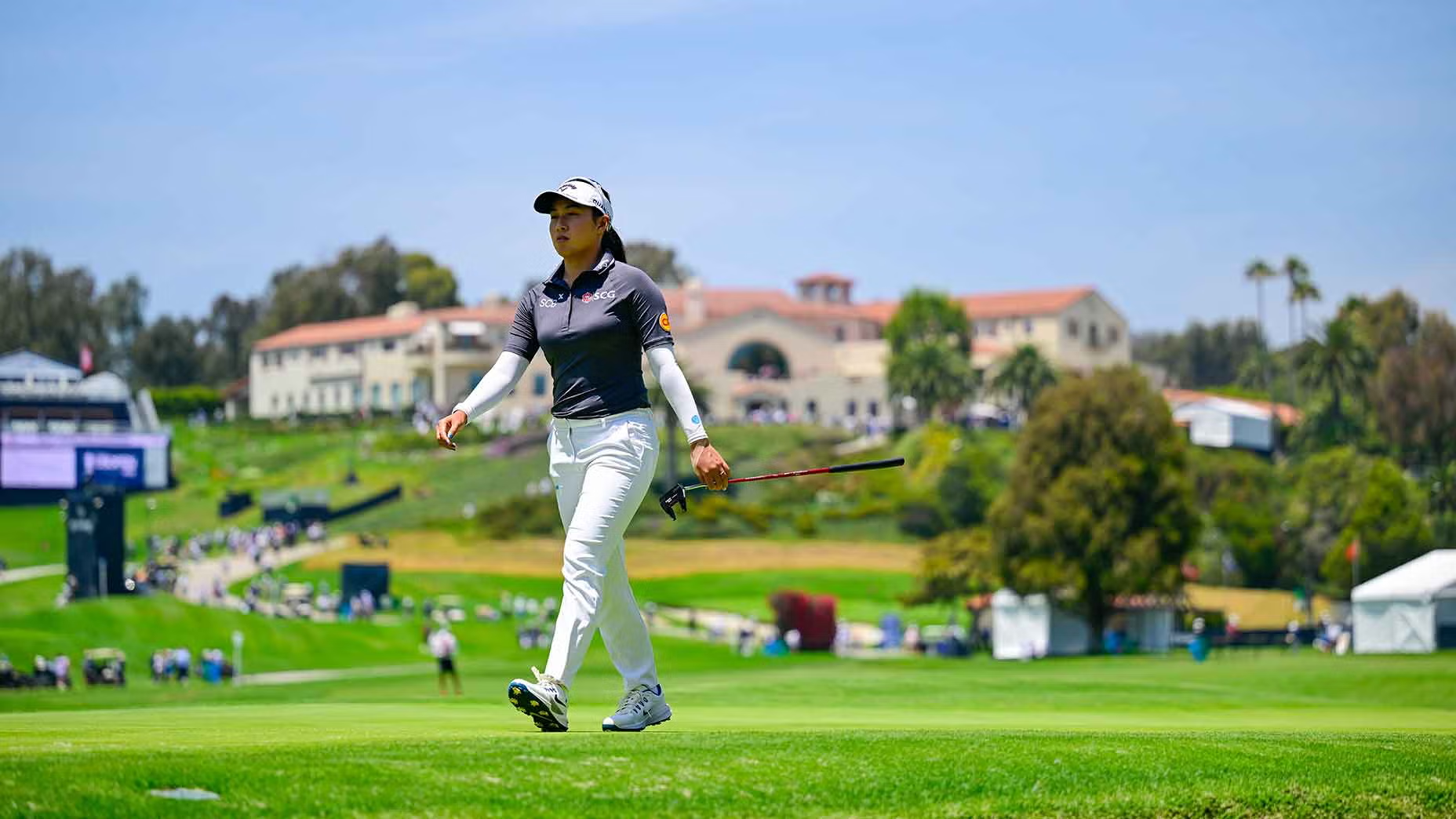
PACIFIC PALISADES, Calif. — There’s a statue at Riviera Country Club that seems to lord over the entire place. From high on its perch, just outside the clubhouse on a hill, a dark brown bust of Ben Hogan overlooks the 18th green. The course is nicknamed Hogan’s Alley, for his three different wins here in the 1940s, and at the base of that statue are the names of other winners at Riv. In a few months, here in the club’s centennial year, that statue will finally add a woman’s name to the plaque. This is the first women’s tournament played at Riviera Country Club.
“I say it all the time,” Morgan Pressel said Wednesday morning, along the 1st fairway. “I say it literally every chance I get. I believe very strongly about how important venues are.”
It has been a bit of a crusade for Pressel, the idea that some of the biggest events in women’s golf have long struggled to access the courses where men have made golf history. It’s why Pressel signed off from her week of analysis on the 2021 USWO broadcast on NBC in such a giddy mood. She had just watched Yuka Saso chase down Lexi Thompson at Olympic Club, which had hosted five U.S. Opens, but never the women’s.
“To add our own history to the already storied history at Olympic Club — it was a really special week … I remember when Pebble Beach was announced [as 2023 host]. I was like ‘Ohmygoodness. We get to play Pebble Beach.’”
Advertisement
Pressel would have loved to compete at Riv during her days atop the pro game. But she played during an era where the biggest event in women’s golf was played at less-heralded courses. The reason why would never be clear, but instead of playing Pebble Beach, in Northern California, the USWO went to nearby Cordevalle in . Instead of the game’s best taking on Merion, where the most famous photo of competitive golf was snapped — yes, more Hogan — the ladies played 70 miles west in Lancaster. Instead of taking on big and burly Shinnecock in 2013, they were further out on Long Island at Sebonack. And instead of making that weird distinction forever and ever, the USGA made a pivot.
“Eight or nine years ago, our strategies changed,” John Bodenhamer, USGA chief championship officer, said Wednesday. “We put at the top of our pyramid going to America’s greatest venues. When we say that, we mean it, and we start with the golf course, and [Riviera] is one of America’s greatest venues.”
The implementation has been somewhat sporadic, as Lancaster hosted again in 2024 and Erin Hills last summer, but the USGA’s run of bringing the women to the game’s most iconic haunts starts in earnest this week.
From Riviera, the ladies will head to Inverness Club, a Donald Ross classic in Toledo that has hosted six men’s majors, zero women’s. Then it’s off to Oakmont, where last summer J.J. Spaun made one of the most memorable putts in USGA history. Then it’s Pinehurst in 2029, the week directly following the men’s U.S. Open — an extremely purposeful efford to elevate the women’s game. Oh, you tuned in to watch Rory and the boys rip around the waste areas? Nelly and the girls will do the same in just a couple days.
Advertisement
The USGA has announced 17 of the next 22 USWO sites, a number of which will host the women for the first timeafter decades of hosting the men. We’re talking Oakland Hills, Merion, Shinnecock.
“If we’re going to talk about equality and equity, we have to talk about the playing fields,” Pressel continued. “When you talk about golf specifically, there are historic venues that withstand the test of time. They’re far more famous than any single player and any era. Every era they have their moments and their history and their fame.”
At Riv, it goes back to that statue on the hill. Hogan’s 18-month run through the 1947 LA Open, the 1948 LA Open and then the 1948 U.S. Open. But in modern years it’s much more than Hogan or majors — it’s been the Genesis Invitational, annually one of the top events on the PGA Tour, where Dustin Johnson seemed to perfect the sport in 2017, and where Hideki Matsuyama shot a winning 63 in 2024, and where Adam Scott and Phil Mickelson and Jon Rahm all won as well.
The ladies are experiencing all their peers have been able to throughout the decades — using the same locker room, the same workout facility, scheming their way around the devilish 10th in similar and different ways than the men ever would. Some of them have been quizzing their PGA Tour friends about how to work their way around the course. They’ll get photos from Riviera’s epic 1st tee, where a 16-year-old Tiger Woods hit his first shot in a professional event. And at the end of their week they’ll summit that mountain of stairs behind the 18th hole, where each of those winners were heralded in the seconds before they signed their scorecards. Yuka Saso carried her clubs up that hill Monday afternoon, almost out of breath, but still having enough to shout, “I just climbed Mount Everest!”
Advertisement
That’s what the women’s game has finally been allowed to do, slowly but surely change its elevation. Royal Troon, in Scotland, hosted their first Women’s Open in 2020. Muirfield, on the other side of the old country, made their debut in 2022. Both clubs existed for more than a century without female members, let alone host women’s majors. It still took the Old Course in St. Andrews until 2007, during Pressel’s second year as a pro, host the Women’s Open. It’s done so three times now, and has delivered three legendary winners: Lorena Ochoa, Stacy Lewis and Lydia Ko.
Pressel calls it all an “arms race” between golf’s governing bodies — both the recent history and future lineup. The PGA of America has Congressional, Hazeltine and Bethpage Black on tap. In 2027, the R&A will bring the women to Royal St. George’s for the first time … after already hosting 15 men’s Opens — with victories from Vardon to Hagen to Norman.
Pressel believes in the connection between winner and venue. She thinks about the feeling NBA players get winning at Madison Square Garden. She thinks about that time she flew to see Taylor Swift play at Wembley Stadium. She thinks about her friend, Paula Creamer, not just winning a U.S. Open, but winning an Open at Oakmont.
“Everybody wants to either be the competitor there, or be the person there watching it,” she said. “It all just elevates women’s golf the more they can be on that playing field.”
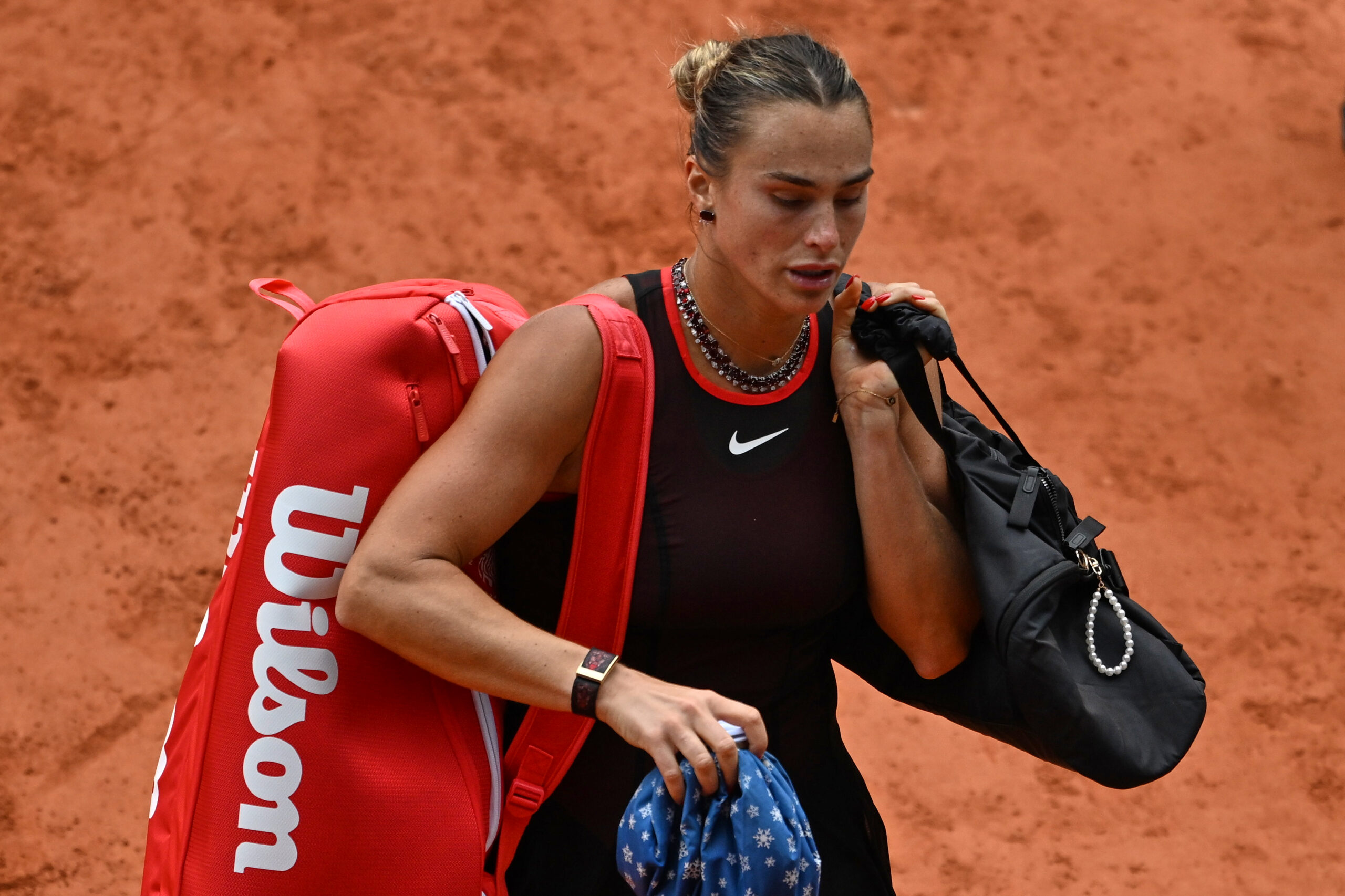
Aryna Sabalenka of Belarus walks off the court after the quarterfinal tennis match against Russia’s Diana Shnaider at the French Open in Paris, Wednesday, June 3, 2026. (AP Photo/Emma Da Silva)
Aryna Sabalenka’s bid for a first French Open title was left in tatters as she fell apart in a bizarre defeat by Russian 25th seed Diana Shnaider in the quarterfinals on Wednesday.
The world number one led by a set and a double-break before exiting the tournament in a blaze of unforced errors, collapsing to a 3-6, 7-5, 6-0 loss in blustery conditions on Court Philippe Chatrier.
Shnaider will face Polish qualifier Maja Chwalinska in the semi-finals on Thursday, with Marta Kostyuk or Mirra Andreeva awaiting the winner in Sunday’s final.
“Well honestly I’m speechless, I’m super happy. Obviously tough conditions with the wind,” said the 22-year-old Shnaider after beating a top-10 player for only the second time in her career.
“First time playing Aryna so definitely a lot of nerves and I feel the first set was trying to adjust to her game.”
Advertisement
Article continues after this advertisement
Sabalenka was the only Grand Slam champion left in either the men’s or women’s singles draws at Roland Garros, but belied that status by making a whopping 57 unforced errors.
Russia’s Diana Shnaider reacts after winning the quarterfinal tennis match against Aryna Sabalenka of Belarus at the French Open in Paris, Wednesday, June 3, 2026. (AP Photo/Emma Da Silva)
Shnaider was playing in her first major quarterfinal, but now finds herself a strong favorite to reach the final heading into her last-four tie against world number 114 and fellow left-hander Chwalinska.
Advertisement
“Definitely super happy I managed to finish on a good note rather than start on a good note. Definitely a special tournament for me here,” added the Russian.
Article continues after this advertisement
“It’s going be a lefty battle so I’m looking forward (to the semi-final).”
Sabalenka’s scarcely believable defeat was reminiscent of the way she threw away a strong position in last year’s final against Coco Gauff.
Advertisement
The Belarusian was playing in a 14th consecutive Grand Slam quarter-final but failed to become the first woman to make seven straight major semis since Serena Williams.
Increasingly frustrated Sabalenka
The top seed raced into a 5-1 lead and eventually sealed the opener on her third set point after initially failing to serve it out.
The second set followed a similar pattern at first, as Sabalenka moved 4-1 in front with a double-break before throwing away her next service game.
Sabalenka became increasingly frustrated as she gifted Shnaider three break points to level at 4-4.
Advertisement
After some animated remonstrating with her box, she recomposed herself enough to hold.
But the 28-year-old’s game continued to come apart, as a string of dreadful unforced errors allowed Shnaider to break again and tie up the set at 5-5, with Sabalenka left to gesticulate wildly towards her coaching staff.
Shnaider could not believe her luck as Sabalenka dumped successive forehands into the bottom of the net to finish off the set and send the match into a decider.
The Russian grew in confidence and moved 2-0 up in the third as Sabalenka sprayed eight unforced errors around Chatrier in the space of two games.
Advertisement
Shnaider cruised to victory from there, fittingly securing a semi-final berth when Sabalenka knocked a routine backhand into the net on the third match point.
Your subscription could not be saved. Please try again.
Your subscription has been successful.
Advertisement
A stunned world number one was left to trudge off court after winning just 14 points in the deciding set.
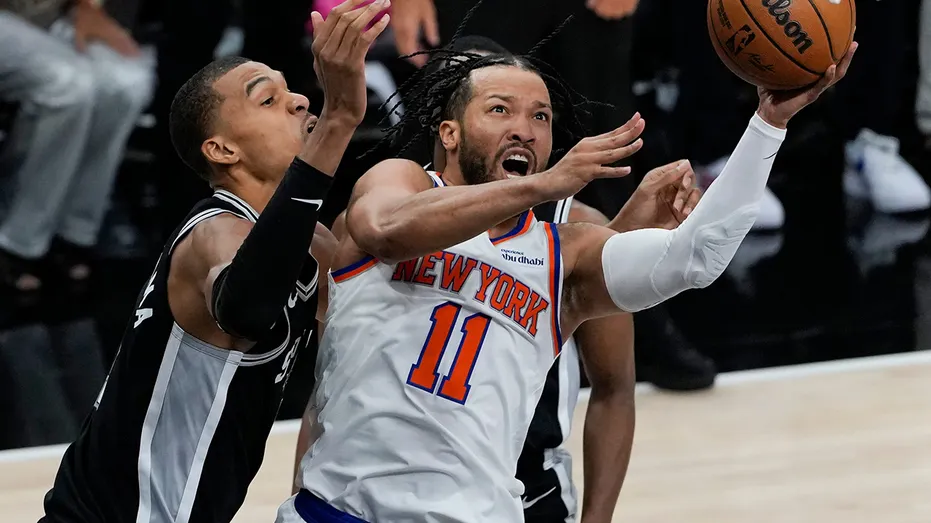
The New York Knicks held their collective breath during the first quarter of Game 1 of the NBA Finals on Wednesday night after All-Star guard Jalen Brunson suffered an injury scare against the San Antonio Spurs.
Spurs reserve Harrison Barnes accidentally collided with Brunson’s right knee while falling to the floor, and the Knicks star immediately grabbed at the leg in apparent pain.
Brunson signaled to the bench and headed to the locker room after checking out of the game. He later returned to the bench but had not re-entered the contest as of publication.
Advertisement
This is a developing story. More to come.
Scott Thompson is a sports writer for Fox News Digital.
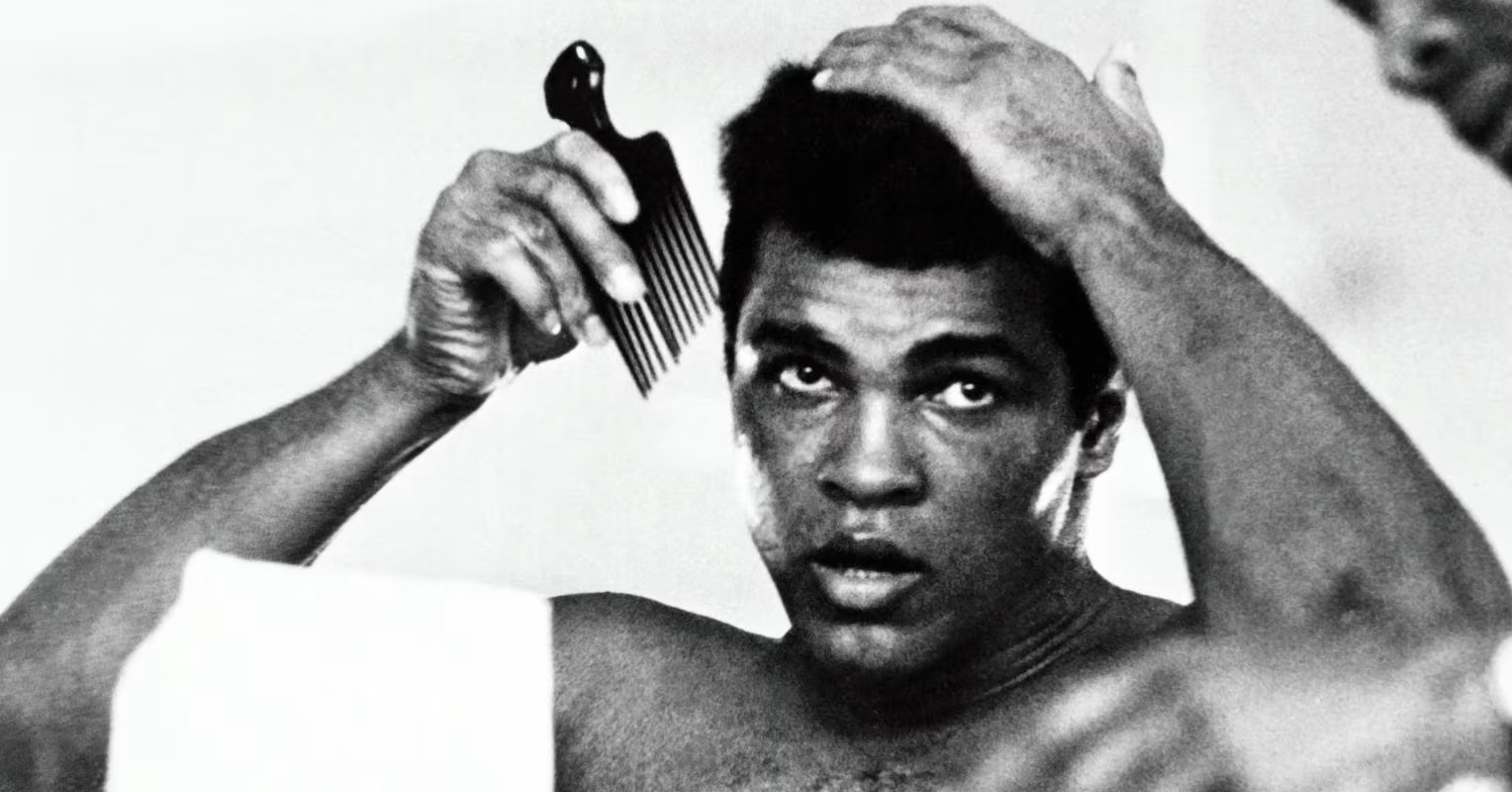
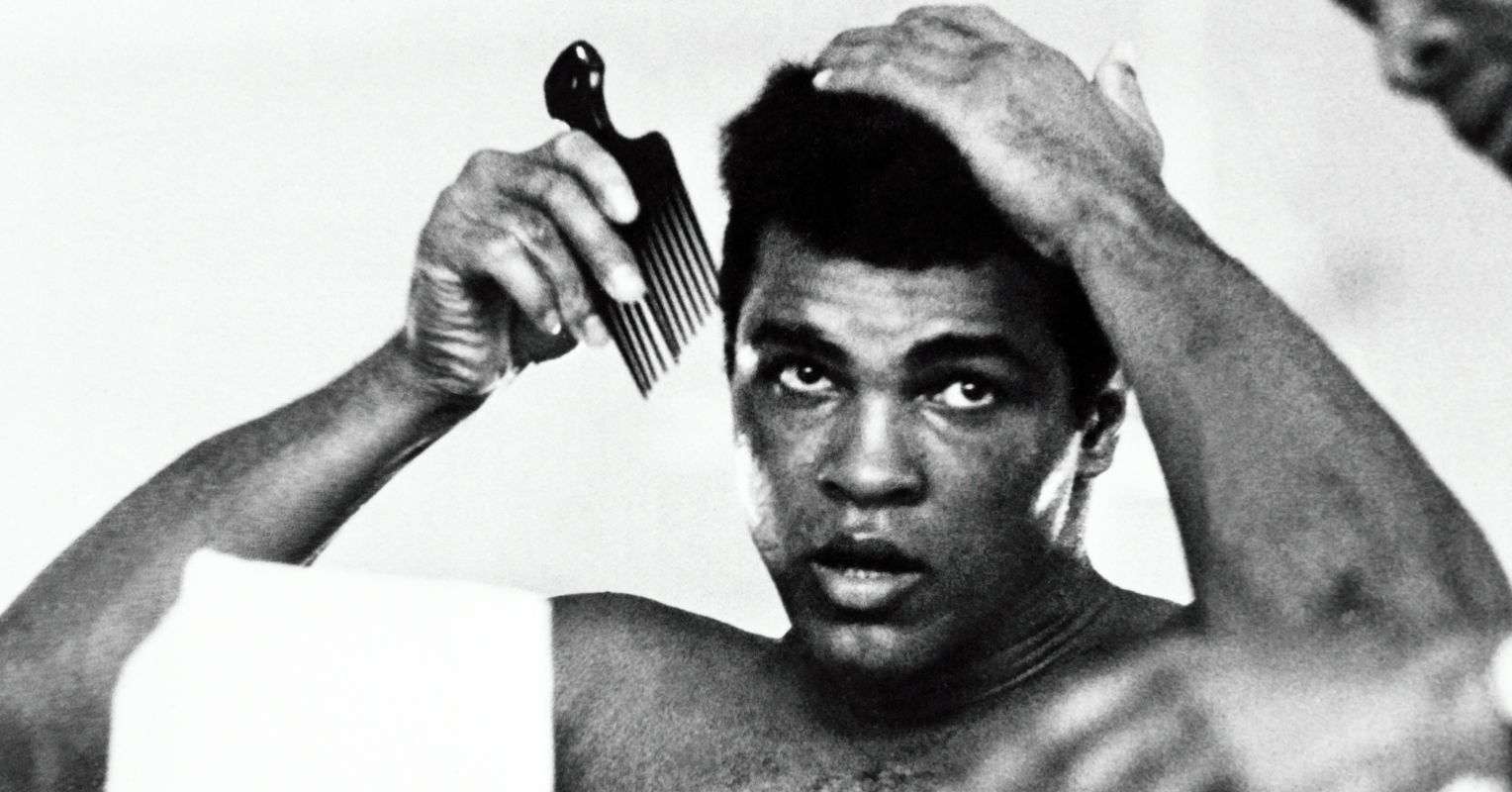
Few, if any, fighters would turn down the opportunity to train alongside Muhammad Ali. John Dino Denis did.
The world lost the incomparable Ali a decade ago in June of 2016. Sadly, the number of men that either boxed, sparred or shared a ring with ‘The Greatest’ in exhibition form has diminished quite considerably these past few years, what with the passing of former Ali rivals Joe Bugner, George Foreman, and a little longer ago, Brian London, Jurgen Blin and others.
One man who is still in great health and loves recalling the time he spent in the ring with the American icon is Denis. Today a sprightly 74-year-old recovering from knee-replacement surgery, Denis boxed Ali twice – in a 1972 exhibition bout, and then again in 1979.
Advertisement
Denis, who carved out a 45-5-2(20) pro record, speaks with Boxing News on the anniversary of Ali’s death, sharing his memories and recalling a particularly intriguing offer.
Tough question to start with: What does Ali mean to you today?
Well, it’s simple – Ali was one of the greatest heavyweights ever. He was one of the greatest fighters ever. He made it all look so easy. He was a big man, and he had quick hands, and he was so fast on his feet. I would watch him and try to copy some of the things he did. I liked the way he would move around and use his left hand. I saw how he did it, and I tried to make my left hand a good weapon. I did that. In fact, I caught Ali with a sharp left to the face when we sparred in Boston. He stuck his face out at me, and I tagged him pretty good. He wanted to kill me after that (laughs).
But, really, there’s nobody who doesn’t know the name Muhammad Ali, even the young kids today. He was such a great showman. He made the sport fun. Ali was funny to be around; he was also such a beautiful athlete. Ali is to boxing what Michael Jordan is to basketball. I thank him so much for basically giving me the defining moments of my career; he and George Foreman, who I fought in 1976.”
How was Ali in your first exhibition with him compared to the second one in 1979? Did you see any decline in the second bout?
Advertisement
Well, the first exhibition, Ali was in his prime; he was on the top of his game. The second time, he was out of shape. In Boston [the first exhibition], Ali was so playful. I actually got to the press conference late, and as I was walking in with my father, my uncle, and my brother, Ali saw me, and he hid behind a wall, and he jumped out and started throwing punches at me. He said, ‘Ain’t you afraid of me, boy!’ I told him I wouldn’t be here if I was scared. And then he said he wanted to box me first and knock me out. He ended up boxing me last; he boxed three guys that night. I was in actuality very intimidated by him. I was just 22 at the time. But I did catch him with that left jab; we boxed three rounds. After, he came to my room and he asked me what nationality I was, and I told him, French-Canadian, Italian. He said to me, ‘That can’t be right, you’re too fast for a white guy, you must have some black in you!’
Ali asked me to go train with him, full-time in Deer Lake; he said he’d make me champion of the world. My dad said to me, ‘Go! Go! Go!’ And looking back, I really should have. But I was a young kid, and I was afraid to do it, to leave my hometown and everything. But I look back now, and I realise that, well, being around good fighters all the time, great fighters in Ali’s case, makes all the difference in a career. Boxing is all about knowledge. Yeah, I should have taken him up on his kind offer; I really should have. But I said no, and he took Larry Holmes under his wing instead.
Another story I have of Ali. I was down in Florida, just two days before my fight with Foreman, and he [Ali] was down there making his movie [‘The Greatest’]. I came out of the 5th Street Gym, and he stopped everything; he stopped production of the movie. He walked over to me, and he started dancing around me, throwing punches, telling me how to beat Foreman! It was great that he’d remembered me, it really was. But it’s funny, because for the Foreman fight, I was trying to dance around in the ring during sparring, doing some of the stuff Ali told me to do, and I caught my foot on the canvas somehow, and I sprained my ankle. I could hardly walk. So Ali kind of cost me that fight, with me trying to adopt his tactics (laughs). But I do think I won the first couple of rounds against Foreman.” (Dino was stopped in the fourth round by Foreman, this in October of 1976)
And the second exhibition you had?
Yeah, that was in ’79, in Providence, Rhode Island. But before that, and I’m not sure what year it was, but it was before my fight with Foreman. Anyway, Ali contacted my management, and he was going to go on an Asian tour of 12 countries, to box exhibitions. He wanted me to go, and he sent Jimmy Ellis down to box with me, to see how I did with him, and I boxed Jimmy for three rounds. Later, they [Ali’s team] said they wanted me to go with him to Asia. I was really excited about it, and I signed contracts. But the deal fell through, because they, the various countries, they couldn’t provide Ali with adequate security.
The second exhibition, Ali wasn’t in shape. In ’72, he was moving around like he was 25 years old. By ’79, he was a little out of shape. Angelo Dundee came to my dressing room, and he told me to take it easy on Ali when I worked with him. I had no problem with that. I was always a gentleman in the ring; I would never take advantage of Ali when he was out of shape. I was just honoured to box him again, you know. In ’72, I never held back; I wanted to get up that ladder as high as I could. In ’79, I held back, but only a little bit, really. He wore headgear in ’72, but we didn’t wear it in ’79. Ali wore a full jumpsuit, or training suit, in the second exhibition. He really wasn’t in good physical shape then, and to be honest, I did feel quite bad for him at the time. It was just for money by then, I think. I didn’t want him to come back the way he did, and fight Larry Holmes. But Ali carried on too long, as so many of us [boxers] do. I did so myself. Ali, I think, made that bad decision simply because he really needed money.
Advertisement
Do you have anything negative to say about Ali as a person? It’s tough because we all love him so much…
Well, it’s not really my right to criticise anybody, but at the time, the only thing Ali did that I wasn’t too happy with was when he refused to go to war and fight for his country. I wasn’t too happy about that. It was his decision, but if he had gone to Vietnam – which a lot of kids did when they didn’t want to go – he would have just boxed exhibitions; he wouldn’t have seen any combat. And when he threw the gold medal into the river, why he did that, throwing away a medal his country gave him, I don’t know why he made that decision. To me, to win an Olympic medal for your country is one of the highest honours, you know… But who am I to judge Ali, or anyone else?”
Do you have anything else you’d like to say about Ali?
I do think it’s great how Ali affected us all. You know, Ali made so many people famous – he made Howard Cosell famous. Ali was so great for the game. Really, Ali made Angelo Dundee famous. Angelo was a great trainer, but anyone could have trained Ali. Ali had a gift from God. He was destined to become champion; he was just exceptional.
Also, I must say, as this seems to come up a lot these days – how would Ali do against Mike Tyson! I really believe, no doubt about it, Ali would have destroyed Mike Tyson. Tyson came up with heavyweights that were not in any way as dangerous as most of the ’70s heavyweights. Tyson’s biggest virtue was getting inside on an opponent; he used his lack of size to his advantage. But Tyson, though he was fast, Ali’s ability to stay on the outside would have made it so that Tyson wouldn’t have even got close to him. Ali would have kept the fight long; he would have never let Tyson get close to him, and he would have busted Tyson up. That’s my pick. I’ll pick a great boxer over a great slugger any day. And don’t forget, Ali had a big, big heart, and he sure could take a punch. He was just special, and it’s an honour to be able to speak to you about him.
The 2026 French Open has turned into one of the most chaotic and historic Grand Slam tournaments in modern tennis history.
By the time the semifinals arrived at Roland-Garros, every former Grand Slam singles champion had already been eliminated from both the men’s and women’s draws — something that has not happened at a major tournament since the 1977 French Open.
For years, men’s tennis has been dominated by familiar names. Novak Djokovic, Rafael Nadal, Roger Federer and, more recently, Carlos Alcaraz and Jannik Sinner controlled the sport’s biggest stages.
Advertisement
But Paris 2026 has ripped up the script completely.
Sinner stunned early
The biggest shock of the tournament came in the second round when world No. 1 Jannik Sinner crashed out to Argentina’s Juan Manuel Cerúndolo.
Sinner entered Roland-Garros as one of the favourites to win the title, especially after his dominant performances over the last 18 months. Instead, his tournament ended before the opening week was even complete.
Advertisement
His exit immediately opened up the draw and sparked belief among a new generation of players chasing their first major title.
Alcaraz never even got started
Defending champion Carlos Alcaraz did not even make it onto the court.
The Spaniard withdrew before the tournament due to injury, robbing fans of one of the biggest stars in world tennis and removing another proven champion from the bracket.
With Nadal retired and Alcaraz absent, the tournament suddenly felt like the end of a familiar era on clay.
Advertisement
Djokovic falls as the old guard disappears
Novak Djokovic’s defeat in the third round completed the collapse of the established order.
The Serbian legend, who has dominated Grand Slam tennis for more than a decade, was beaten by Brazilian teenager João Fonseca in one of the standout moments of the tournament.
For the first time in years, the latter stages of a Grand Slam no longer belonged to players fans had become used to seeing lift trophies.
Instead, Paris became the stage for a completely new cast.
Advertisement
An all-Italian semifinal headlines the new generation
The semifinal lineup tells the story better than anything else.
On one side of the draw, Italy will guarantee a finalist as Matteo Arnaldi faces fellow countryman Flavio Cobolli in an all-Italian semifinal.
Cobolli reached the final four after eliminating Canada’s Félix Auger-Aliassime, while Arnaldi continued his breakthrough run with fearless tennis throughout the tournament.
The other semifinal will see Czech rising star Jakub Menšík face Alexander Zverev.
Advertisement
At just 20 years old, Menšík has become one of the stories of the tournament, playing with maturity and composure beyond his years.
Zverev, meanwhile, is now the only remaining player with extensive Grand Slam semifinal experience — yet the German is still chasing the first major title of his career despite years near the top of the game.
Women’s draw also transformed
The women’s tournament has been just as unpredictable.
World No. 1 Aryna Sabalenka was knocked out by Diana Shnaider in the quarterfinals after winning the first set, while several other favourites also failed to survive the opening rounds.
Advertisement
The women’s semifinals will feature:
Diana Shnaider
Maja Chwalińska
Mirra Andreeva
Marta Kostyuk
None of them has previously won a Grand Slam singles title.
Tennis enters a new chapter
For decades, tennis fans became used to seeing the same champions dominate major tournaments.
But Roland-Garros 2026 feels different.
Teenagers are beating legends. Unseeded players are making deep runs. New rivalries are forming in real time.
Advertisement
Whether this proves to be a temporary disruption or the true beginning of tennis’ next era remains to be seen.
What is already certain, however, is that Paris 2026 will be remembered as the tournament where the sport’s old order finally gave way to a new generation.
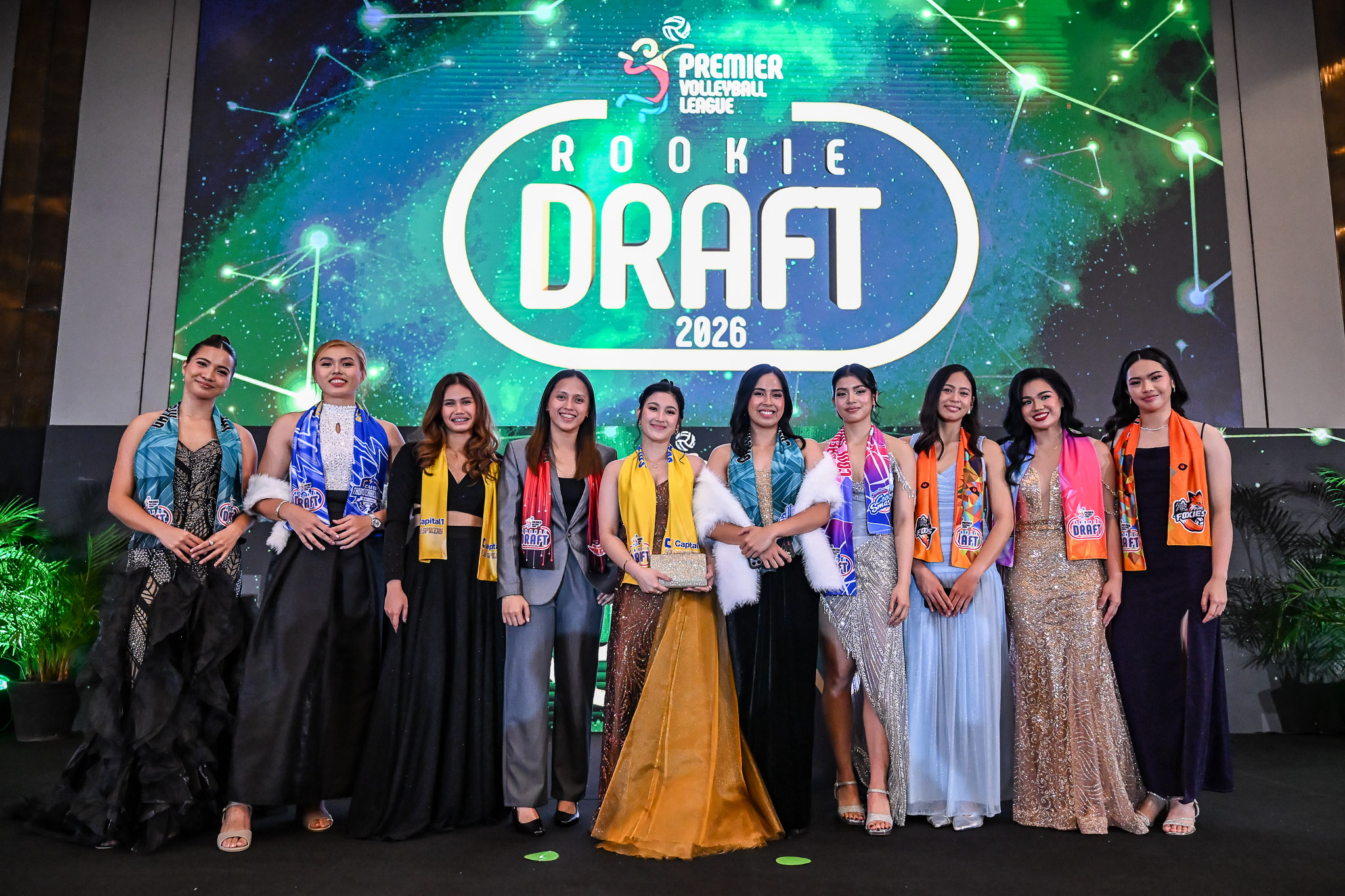
A setter and a libero headlined the 2026 Draft class of the PVL on Wednesday night, with Lams Lamina being picked first overall by Galeries Tower and Detdet Pepito going second as picked by Capital1.
Galeries is banking on the two-time UAAP Best Setter to elevate its offense and maximize a core led by Jean Asis, Aiza Maizo-Pontillas, Gayle Pascual, Roselle Baliton and Erika Deloria.
Article continues after this advertisement
Advertisement
“It’s really fulfilling because, wow, I was the one they chose for Galeries,” Lamina said in Filipino. “It shows the trust they have in me, and I’m very happy and grateful for that.”
Lamina enters the professional ranks with an accomplished collegiate résumé, as she also won three championships in five Finals appearances with National University. She also gained experience with Alas Pilipinas pool.
“I came from a championship team at NU, and what I can bring to Galeries is my competitiveness both on and off the court,” she said. “I want to contribute my hard work and discipline to the team.”
Meanwhile, Capital1—which acquired a lot of offense in Vanie Gandler and Erika Santos when PLDT filed for a leave of absence—took Pepito to strengthen its defense.
Advertisement
Article continues after this advertisement
The former University of Santo Tomas captain and two-time UAAP Best Libero, Pepito, reunites with childhood friend and former collegiate rival Bella Belen, Capital1’s top overall selection in last year’s draft and the reigning Rookie of the Year.
“As I was walking down the red carpet, I saw Bella and started thinking back to all our memories. We’ve been teammates since elementary school, and now we’re teammates again in the PVL,” Pepito said.
Pepito is expected to bolster the Solar Spikers’ backline alongside Roma Mae Doromal and Rachel Jorvina as the franchise continues to build around recent acquisitions Gandler and Santos.
Advertisement
Article continues after this advertisement
“Honestly, it’s a mix of emotions, but more than anything, I’m just grateful and thankful to God,” Pepito went on. “Playing in the PVL was something I only dreamed about before. Being the No. 2 pick comes with pressure, but I’m thankful for the opportunity, and I’ll do my best to help Capital1.”
The draft class was notably affected by the withdrawals of projected top picks Alyssa Solomon and Niña Ytang, who opted to focus on their commitments with Alas Pilipinas.
Choco Mucho drafted Far Eastern University setter Tin Ubaldo, with ZUS Coffee tapping Mapua middle blocker Alyanna Ong at No.4—the highest pick of an NCAA player in the draft’s third year.
Advertisement
Akari, which held the No.5 pick, opted to pass in this year’s draft. Nxled selected University of the Philippines spiker-libero Irah Jaboneta.
Jonna Perdido landed at sixth overall with the Farm Fresh Foxies, reuniting with her college coach, Kungfu Reyes, who is the assistant of Japanese Koji Tsuzurabara.
Your subscription could not be saved. Please try again.
Your subscription has been successful.
Advertisement
Another NCAA standout was drafted in the first round, with Perpetual Help setter Fifi Ariola joining PLDT as the seventh pick. Adamson spiker Barbie Jamili was selected by Creamline to cap the first round.



















![Simply Red - Money's Too Tight (To Mention) [40 Years of Simply Red - Live from Santiago]](https://wordupnews.com/wp-content/uploads/2026/06/1780543189_maxresdefault-80x80.jpg)






















You must be logged in to post a comment Login