WASHINGTON, D.C. — Huddles are supposed to be the holiest of spaces, the one place where five basketball players can block out five opponents and tens of thousands of fans and regroup, in good times and bad, whether in need of a pump up or a calm down.
“You feel the momentum swing, you feel them start to huddle up a lot more, really just get tight,” Karaban said. “You can just tell. When you’re a player, you can tell when the momentum’s swinging and when the other team is trying to regroup themselves.”
Karaban knows the magic of March well. He has two national titles and is now headed to another Final Four.
Advertisement
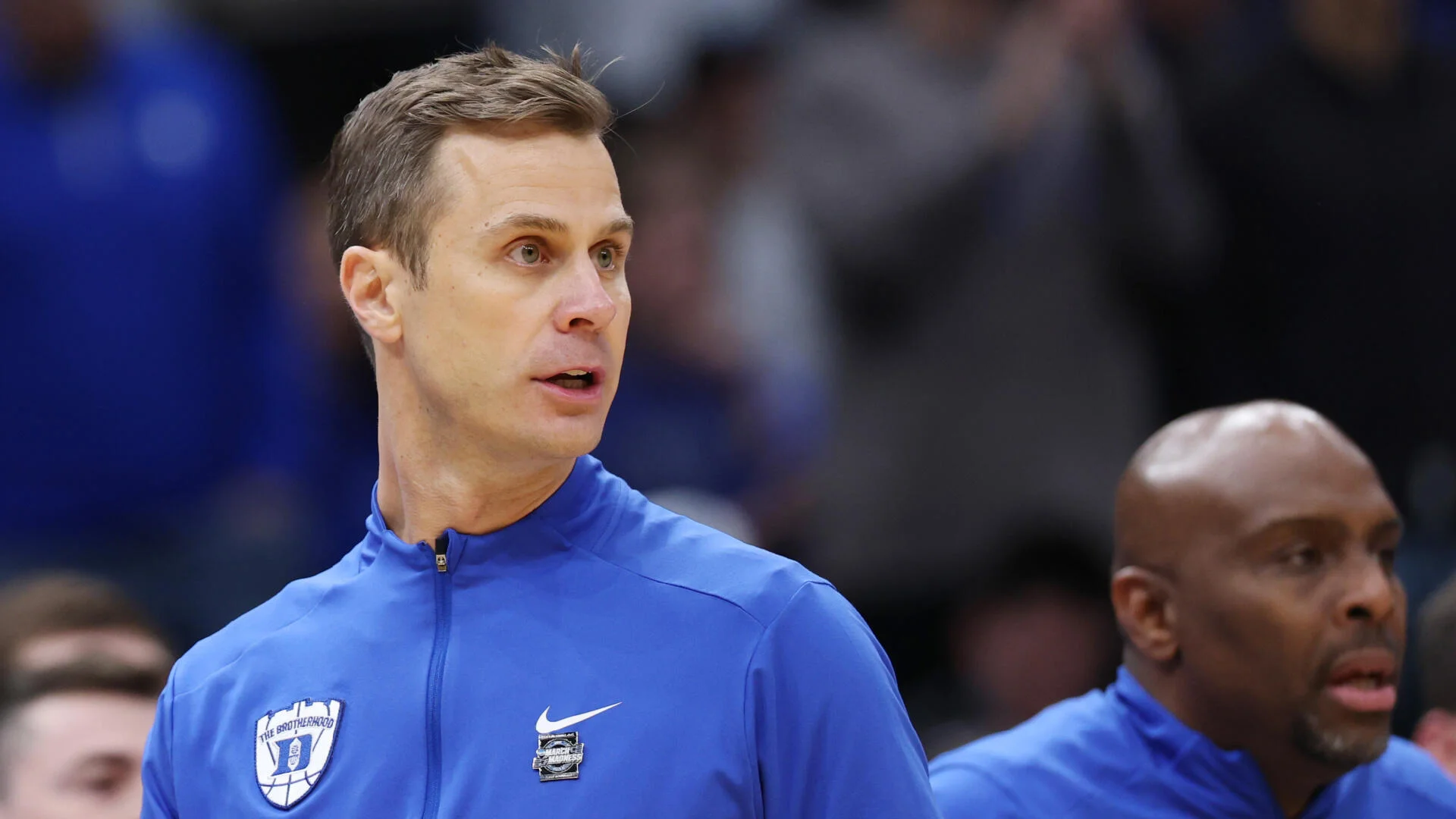
Duke coach Jon Scheyer knows the agony, the brutality, the suddenness of March even better.
Somehow, Duke — for all its talent, all its dominance, all its moments of pure basketball brilliance — has collapsed again. Scheyer bore the brunt of it last year, when the Blue Devils blew a seven-point lead with 1:15 left in the Final Four against Houston. Sunday’s was worse, on the wrong end of a 19-point UConn comeback that tied for sixth largest in NCAA Tournament history, with an all-time dagger to boot.
One collapse can be credited to the madness of March, perhaps. A second? It’s a downright failure from everyone, and a failure from Scheyer. He cannot, in the exact moment, control whether a Cooper Flagg game-winning attempt goes down in 2025 (it did not). He cannot, in the exact moment, pull the plug on whatever idea Cayden Boozer had to even try and pass the baksetball with Huskies swarming and the clock ticking (Boozer of course put the ball in the air). But a coach can keep his players composed, keep them aggressive in the right spots, and keep them playing their game. Scheyer is failing to do that.
“There’s not a person in this room, including me, that doesn’t replay everything that you could do and how you can help,” Scheyer said. “I mean, obviously. That’s part of being in this seat. That’s part of being in this spot. … End of the day, we’ve got to finish it off. We’ll reflect. We’ll learn, do all that. But yeah, of course.”
Advertisement
It simply isn’t good enough.
Mullins’ 35-foot prayer from the logo broke Duke’s heart.
Getty Images
The anatomy of a titanic Duke collapse
Incredibly, UConn actually made a mistake on the play that led to Mullins’ three. Down 72-70, the Huskies were supposed to foul Dame Sarr, who received the ball after inbounding to Cameron Boozer. But they couldn’t get there in time — you can even see on replay Jayden Ross desperately reaching for Sarr — and Sarr zipped a pass to Cayden Boozer. With under seven seconds left, all he had to do was hold onto the ball and get fouled.
“I should have been strong with the ball,” Cayden Boozer said, tears in his eyes, emotions at once swelling and muting his voice. “I cost our team our season. We knew that they were gonna trap. [Scheyer said] ‘Be strong with the ball.’”
But one play did not blow a 19-point lead. One play did not blow a 15-point halftime lead; No. 1 seeds had been 134-0 in NCAA Tournament when leading by that margin at the break, by the way.
Advertisement
“There’s no heat on Cayden at all,” freshman Nik Khamenia said. “This game is not on him at all. He carried us for long, long, long portions of the game, making big play after big play. You can go through every single one of us at different points in the game we messed up. The game of basketball never relies on one possession, so, no, it’s not on him at all.”
This was a collapse from the moment the teams took the floor in the second half.
Duke could have surged. Duke should have surged. The Blue Devils had dominated UConn’s guards, picked apart UConn’s defense and generally gotten whatever it want offensively. Scheyer can’t go out and make the plays for his players, but he can instill them the small advantages to succeed in tough moments — the mental fortitude, the X’s and O’s, the calm nature required of a champion. Either he didn’t instill it Sunday, or his players were unable to instill it in themselves.
“I think as a whole we could have gave a lot more in the second half,” Cameron Boozer said. “We came out a little flat and gave them a little bit of life. When you’re playing a team as good as UConn, that’s all they really need.”
Advertisement
“We didn’t have our competitive edge,” Cayden Boozer said. “We were guarding them pretty well in the first half. We didn’t do the best job of it, but at the end of the day, I’m sticking with our guys no matter what. We had a chance to win no matter what in the second half.”
“In some moments we kind of let up a little bit, we let them off the hook,” Sarr said. “Just … I don’t know.”
Halftime adjustments are generally overrated as a concept. Every coach makes them — some more successfully than others — but it’s up to the players to fulfill them.
Duke’s didn’t, and the issues became apparent immediately. UConn star big man Tarris Reed Jr. had 12 points at halftime, and UConn, even down big, never stopped feeding him. He drew fouls in bunches and got the Huskies into the bonus before the second half was even six minutes old.
Advertisement
After four turnovers in the first half, Duke had eight in the second half. The offense got stagnant: Over the final eight minutes, Duke had as many field goals as turnovers (four), and only one of the makes was assisted. Prior to that, 16 of their 21 makes had been assisted.
“It’s easy to look at that play,” Scheyer said. “I look at every play that happened, especially in that second half, this is not about one play. It’s about every play that put us in that position, and that’s what you don’t want to do, where one play something could happen.”
Sophomore big man Patrick Ngongba II after Duke’s season-ending loss to UConn in the Elite Eight.
Getty Images
Duke’s nightmarish déjà vu
Could Scheyer have saved the offense? It’s impossible to say. Could he have saved the defense, maybe putting Cameron Boozer on Reed, rather than have Boozer guard one of the ball handlers? Again, it’s hard to say. The game plan he had drawn up in the first half had worked, after all. It’s easy to praise players when things go well and fault coaches when things go poorly.
“I don’t have the words,” Scheyer said after the loss. “I don’t have the words.”
Advertisement
The problem? He needed to have the words during the game. If he had the words, he needed them to resonate more.
“I’m sure there’s a lot more that I could have done to help our guys at the end there,” Scheyer said after last year’s Final Four loss. “That’s the thing that kills me the most. The amount of game situations we’ve watched this year. We haven’t had the real-life experience all the time, but that’s something I really felt we prepared for. So I feel like I let our guys down in that regard.”
And this year?
“I’m incredibly sorry for these guys that they’ve got to go through this,” Scheyer said. “This is on us.”
Advertisement
Just like Scheyer can’t make the plays or avoid the mistakes on the court, he also can’t control some circumstances. Patrick Ngongba II missed five games — including the first round of the NCAA Tournament — earlier this month. Point guard Caleb Foster broke his foot just over three weeks ago and made a miraculous recovery to not only play but shine in the Sweet 16. However, Foster was ineffective in the Elite Eight. He hadn’t even practiced five-on-five with the team since the injury, and playing a second game in two days was always going to be an uphill battle.
These are not excuses. These are facts. Is a healthy Foster on the floor in Cayden Boozer’s spot in the final seconds? Does he avoid that turnover? In some aspects, Scheyer was correct when he told CBS sideline reporter Tracy Wolfson, “All I know is these guys don’t deserve that ending.”
The issue is that implies anyone deserves anything in the NCAA Tournament. No one does. Not Duke, not UConn, not any player or any team. You have to take it. You have to earn it. You have to be the aggressor. You can’t lose your way for a moment. Scheyer’s teams have now done it twice. His teams’ youth has been celebrated for months and then exposed in the crucial moments each of the last two seasons.
“We’re playing this 10-to-12, 10-to-11-point game, and we knew once we got under 10, once we cut it to single digits, it was going to be over,” Reed said. “You can really see it in their faces. The body language is a huge indicator.”
Advertisement
In an alternate universe, Boozer’s throw-ahead pass connects, and Duke gets an easy dunk and is onto the Final Four. In an alternate universe, Silas Demary Jr.’s high ankle sprain costs him an inch or two more on his jump, and he doesn’t tip the ball away.
“We’ve been telling the guys the whole year, there’s a very famous quote that says, ‘Victory is measured in inches, not miles,’” Dan Hurley explained.
But the inches have gone against Scheyer’s No. 1-seeded teams twice now, showing he has miles to go to get over the hump.
That doesn’t mean he can’t cover those miles. Roy Williams won 40 NCAA Tournament games before winning his first title. He ended up with three championships. Scheyer’s predecessor at Duke, Mike Krzyzewski won 26 NCAA Tournament games before winning his first title. He ended up with five.
Advertisement
But in order to cover those miles, Scheyer must get his teams to close consistently. He has to find a message that hits home, a strategy that works. He has to find a way to empower his players, and more importantly have players who empower each other in the biggest moments.
Duke’s NCAA Tournament finishes under Scheyer
Year
Round
Opponent (Seed)
Largest Deficit
2026
Elite Eight
UConn (2)
19
2025
Final Four
Houston (1)
14
2024
Elite Eight
NC State (11)
9
2023
Round of 32
Tennessee (4)
6
Scheyer, who is otherwise off to one of the best coaching starts in college basketball history, must eventually get lucky.
The 38-year-old said he had never seen a locker room like Sunday’s before, but that’s not true. There must have been a similar scene after the Houston loss. He was likely caught up in the moment, which is OK in the moment. But in the weeks and months and, yes, maybe even years to come, he’ll have to find away to avoid having more of those mistake-riddled, regret-filled locker rooms.
Advertisement
The locker room was a mess. Blood, sweat and tears. Lots and lots of tears, some body-shaking, some subdued. Answers barely above whispers. Handshakes and hugs. More tears. Ngongba covered his face with a towel and eventually excused himself. Cameron Boozer, sporting a black eye, and Cayden Boozer took questions with poise beyond their years. The bumps and bruises the team had prided itself on just days earlier after a hard-fought win over St. John’s now represented a team stunningly beaten down.
After the St. John’s win, as media members left the locker room, one Duke player joyously shouted out “No team can f**k with us!”
Check in every week for the unfiltered opinions of our writers and editors as they break down the hottest topics in the sport, and join the conversation by tweeting us at @golf_com. This week, our writers look ahead to the U.S. Women’s Open and discuss the most important parts of the PGA Tour’s long-term schedule.
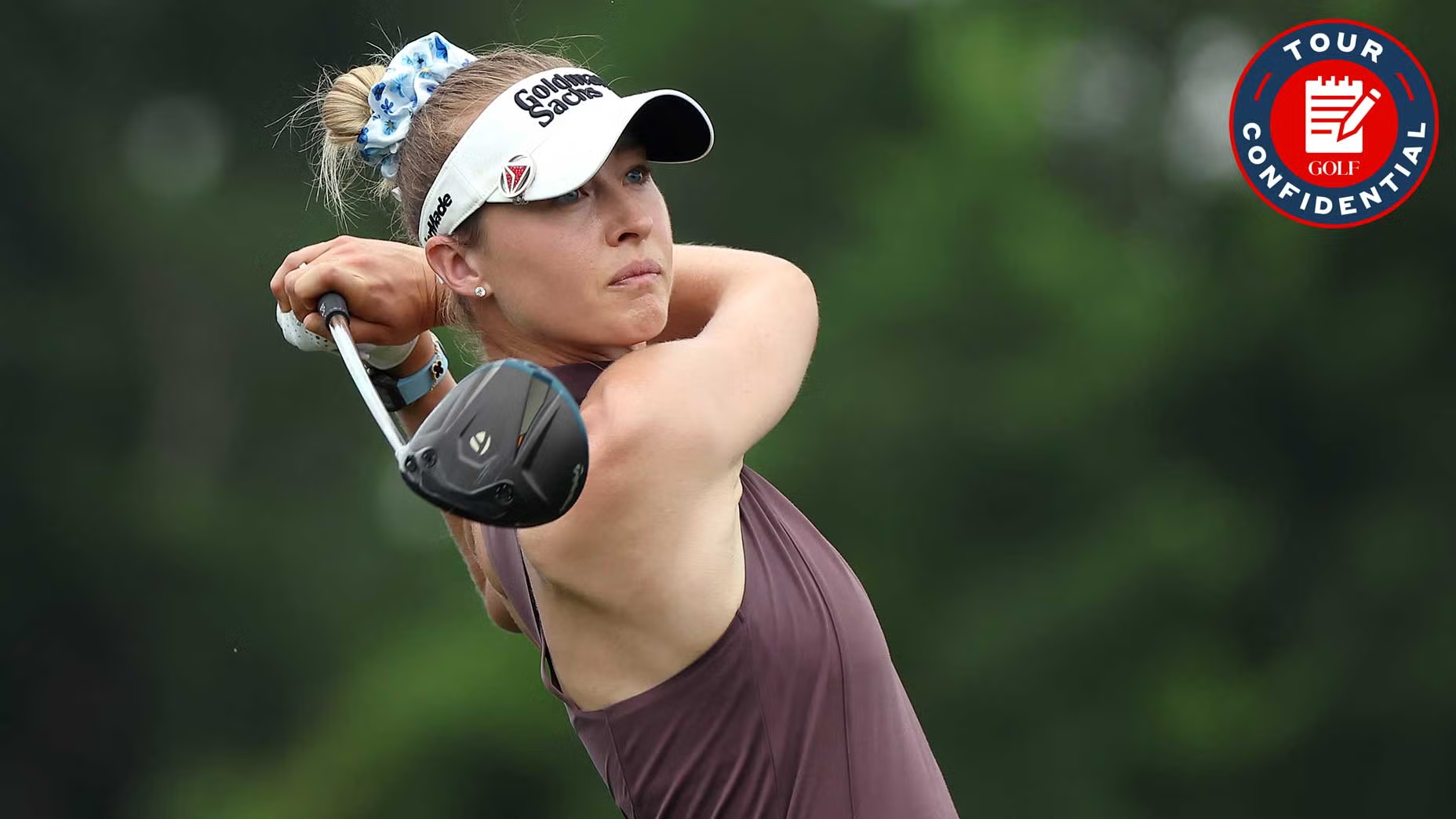
The 81st U.S. Women’s Open kicks off Thursday at Riviera with lots of intrigue surrounding the championship. It’s the first time the tournament has been held at the historic Los Angeles course, and the top player, Nelly Korda, enters playing some of the best golf of her career. Is this the best chance she’s ever had to win a U.S. Women’s Open?
Josh Berhow, managing editor (@Josh_Berhow): She might have had more pressure on her at the 2024 U.S. Women’s Open, since she entered it coming off a victory that was a part of a stretch that included six wins in seven starts. But she somehow shot 80 and missed the cut — and then missed cuts in her next two tournaments. Although this season is starting to look a lot like that dominance we saw two years ago, where she won seven times in 16 starts. In seven events this year she’s won three and finished as the runner-up three other times. Her last start she tied for 8th, which is her worst of the season! She’s more consistent this season, and plus, that 2024 U.S. Women’s Open disaster can now be chalked up to a learning experience. That could help her this week. I also think Riviera suits her game well.
Zephyr Melton, associate game-improvement editor (@zephyrmelton): It’s pretty wild that Nelly doesn’t have a USWO title to her name at this point in her career. With her length and ball-striking prowess, the sorts of setups the USGA likes to present should play right into her hands. She’ll certainly be the favorite to hoist the trophy Sunday night, but the mental battle will be as difficult as the physical one. With how she’s playing this year, it would be surprising if she isn’t the winner, but as we saw at Lancaster in 2024, anything can happen.
Advertisement
Alan Bastable, executive editor (@alan_bastable): Thing is, she has been so much more dominant this year than in 2024. Her strokes gained in ’24: 2.86. This year through seven starts: 4.03! A nearly 1.2-shot differential! Stunning stuff. She’s also 10 yards longer off the tee than she was two years ago. Her only bugaboo, relatively speaking, is her putting. If she can find a way to get hot on the greens at Riv, this thing could be over in a hurry.
While Korda’s quest for her fourth major title will be the big talker, there are plenty of other good storylines at the U.S. Women’s Open. What’s one of your favorites?
Berhow: Whether it’s top-ranked Kiara Romero, defending Augusta National Women’s Amateur champ Maria Jose Marin or Stanford’s Paula Martin Sampedro, who just helped her team win a NCAA title last week, there’s a ton of really good amateurs who have promising pro careers teeing it up this week. I’m curious to see if any can contend on the weekend.
Melton: Seeing if Jeeno Thitikul can finally rid herself of the best-player-without-a-major moniker. She’s been close many times before, but winning the first one is always the hardest. She’s in fine form with a win at the Mizuho earlier this month, but major championship golf is a whole different animal.
Advertisement
Bastable: Yes, Jeeno Watch always fully on in these big weeks. I’m also intrigued by Julia Lopez Ramirez, the second-year player from Spain who is the LPGA’s longest hitter (291-yard driving average) and 10th in greens in reg, and who finished top 20 at the USWO as a rookie last year. I don’t see her contending — her short game and putting just isn’t there — but if you’re lucky enough to be on-site, she’d be great fun to follow.
What’s the more likely scenario come Sunday — Korda lifts the U.S. Women’s Open trophy for the first time, or Scottie Scheffler three-peats as champion at the Memorial? (The last time someone won the same event three years in a row, by the way, was when Steve Stricker won the John Deere in 2009, 2010 and 2011.)
Berhow: This actually is a tough one. Scottie Scheffler is definitely due — third or better in four of his last five starts — and besides his two wins at Muirfield Village he’s also finished third twice. But I really like Nelly Korda to pick up the biggest win of her LPGA career this week.
Melton: I’ll go with Scottie. He’s been close too many times this season to be stuck on one win. I like him to get it done at Jack’s place.
Advertisement
Bastable: Scottie who? Our guy hasn’t won in — gasp! — 10 starts. Gimme Korda, for all the reasons we laid out above. I truly believe if she can find a rhythm with her putting, this could be a transcendent week for her on one of golf’s greatest stages.
Scheffler will have stiff competition at the Memorial, which includes Rory McIlroy. Oddly enough, this will be the first Signature Event Scheffler and McIlroy have both played since the Arnold Palmer Invitational three months ago. Forget bigger fields and bigger markets and relegation highlighting a potential two-track PGA Tour schedule coming in 2028, is this the best example of why the Tour schedule might need a major overhaul?
Berhow: Yes, but I also think the Tour knows that. There is too much golf. And even with the two-track system, there will still be too much golf. But if we can have the very best players compete in the same events 20 times a year or so — and have them actually all show up — it’s a win. But more importantly, it has to stick. The Tour schedule needs stability for people to know what’s coming instead of the constant tweaks. Is this a Signature Event? A Florida Swing shakeup? The playoffs format changing again? When it comes to the schedule, the PGA Tour’s continued evolution, while at times necessary, has also been somewhat of an own-goal. It’s hard to keep up.
Melton: I agree with all points raised by Josh. We need to see the stars together more often, but we also can’t oversaturate. It sounds like Brian Rolapp knows this — but crafting a schedule that toes that line correctly won’t be easy.
Advertisement
Bastable: Of greater concern to me than having every star in every marquee event is reinstituting cuts in all of them (so we get some mid-tourney drama) and expanding the fields (so we get some more underdog stories). I like the idea of relegation, but if the A flight is too exclusive, it could start to feel stale.
The Stanford women’s golf team won its third NCAA title in five years last week, and now it’s the men’s teams’ turn at the NCAA Championship at Omni La Costa, which is taking place now and finishes next week. One name to watch is Jackson Koivun, the Auburn junior who has won six of his last nine starts and could turn pro this summer. For those uninformed, what makes Koivun one of the best pro prospects we’ve seen in years?
Berhow: Koivun seems to be the real deal. Six wins in nine starts?! That’s hard to do at any level. Plus he’s already flashed in PGA Tour starts. His coach raves about him, and lofty expectations like that wouldn’t be put on someone if they couldn’t handle them. He’s already in the U.S. Open (but has to remain amateur to keep his spot) but he could turn pro after that. He’s a name golf fans should know.
Melton: I can’t say that I watch a ton of collegiate golf, but it seems like Koivun has that “it” factor. However, dominating the pros and dominating in college are two different things. We’ve seen plenty of “can’t-miss” prospects this decade that have faltered early on (Gordon Sargent, Luke Clanton, etc.), so for now, I’m in wait-and-see mode.
Advertisement
Bastable: Wait and see?! We already have seen, Melton! In seven PGA Tour starts last year, Koivun racked up four top-11 finishes, and in his last three of those starts went T6-T5-T4. Then he went back to little old Auburn, where all he did was post a 67.9 (!) scoring average this season. I’d say the kid is destined for big things.
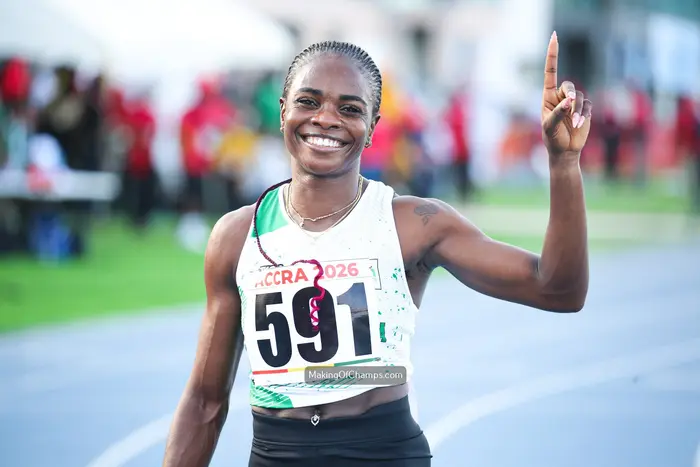
Nigeria’s sprint hurdler Tobi Amusan produced an outstanding performance to win the women’s 100m hurdles at the Rabat Diamond League in Morocco on Sunday.
The 29-year-old crossed the finish line in 12.28 seconds, finishing ahead of Devynne Charlton, who recorded 12.40 seconds, and Nadine Visser, who came third in 12.47 seconds.
The victory marked Amusan’s second career win in the event at the Rabat Diamond League and saw her set a new meeting record. Her time of 12.28 seconds erased the previous mark of 12.45 seconds, which she established at the same competition last year.
Advertisement
It was also Amusan’s first Diamond League triumph of the season after finishing third and second in her opening two races.
Starting strongly from lane four, the Nigerian matched her rivals over the opening hurdles before taking control of the race after the third barrier. She gradually increased her advantage and pulled clear of the field in the closing stages.
With victory already in sight, Amusan powered through the final hurdles and comfortably crossed the line first, equalling her season’s best time.
Advertisement
The former world champion will now turn her attention to the next Diamond League meeting, the Golden Gala Pietro Mennea in Rome, Italy, scheduled for June 4.
Rajasthan Royals saw their 15-year-old prodigy, Vaibhav Sooryavanshi, truly rise to the occasion and deliver a career-defining performance in the IPL 2026. The youngster took home the Orange Cap after emerging as the top-scoring batter this season, with 776 runs to his name. He was truly a bargain buy for the Royals, who brought him into the franchise for a fee of Rs 1.10 crore in the mega auction before last season. While Sooryavanshi’s retainer this year was the same, his actual earnings were much more, thanks to his consistent performances for the franchise.
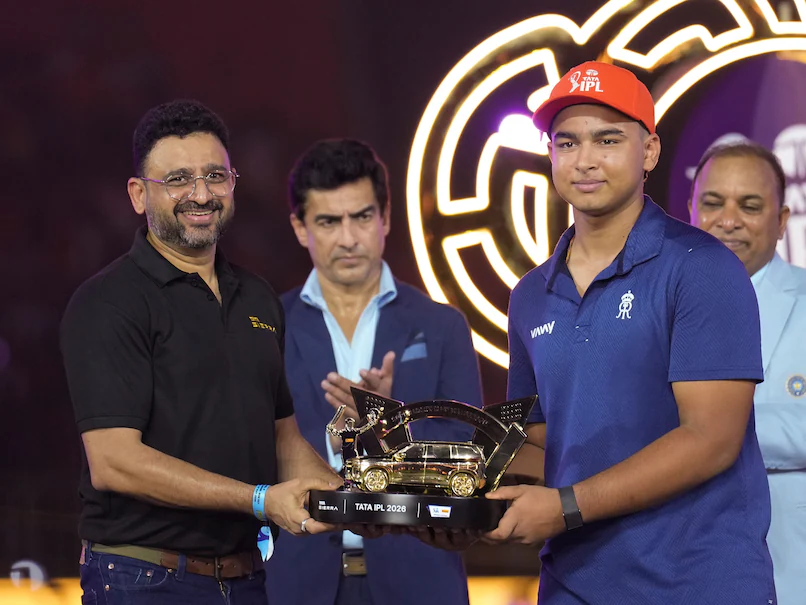
Though Rajasthan Royals failed to qualify for the IPL final, Sooryavanshi attended the title-decider at the Narendra Modi Stadium in Ahmedabad. After the Royal Challengers Bengaluru clinched the title for the second time in two years, he was called to the presentation ceremony and was honoured as the Most Valuable Player of the season.
He earned several other awards in the presentation ceremony, while also earning cash rewards associated with them. The awards and their respective cash prizes were:
Advertisement
– Most Valuable Player (MVP): Rs 15 lakh
– Orange Cap (Tournament Top Scorer): Rs 10 lakh
– Super Striker of the Season: Rs 10 lakh (plus the Tata Sierra)
– Super Sixes of the Season: Rs 10 lakh (for hitting 72 sixes)
Advertisement
– Emerging Player of the Season: Rs 10 lakh
On top of the annual retainer of Rs 1.10 crore and cash rewards, Sooryavanshi also earned a match fee of Rs 7.5 lakh for every game he featured in. In total, he played 16 games for Rajasthan this season, hence earnings a total of Rs 1.20 crore through match fee alone.
The teenager also earned cash rewards through Player of the Match and other match-day performance awards. He earned Rs 1 lakh each for individual match honours like Electric Striker of the Match or Most Sixes of the Match, which he picked up multiple times during his high-scoring campaign.
In total, his earnings from the IPL 2026 season went over Rs 2.50 crore.
Advertisement
Featured Video Of The Day
IPL 2026 News | Shami’s Sensation Leads Lucknow to First Win of Season
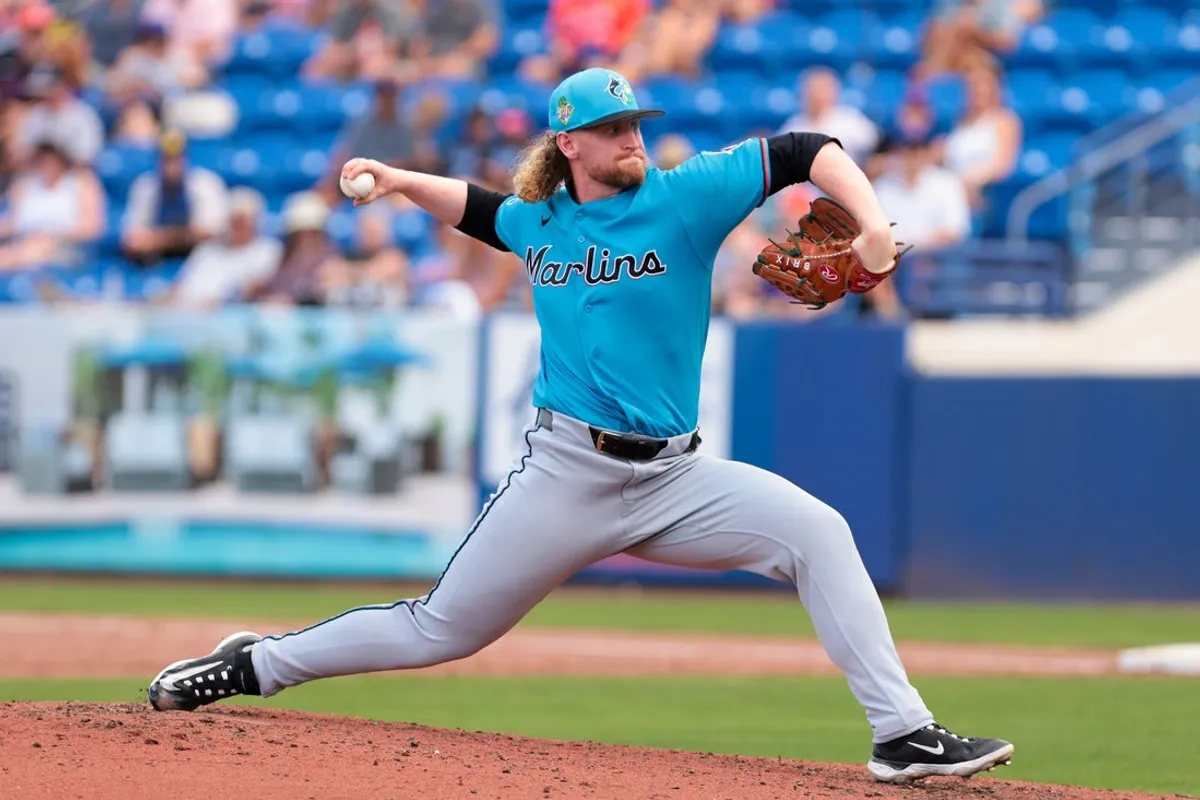
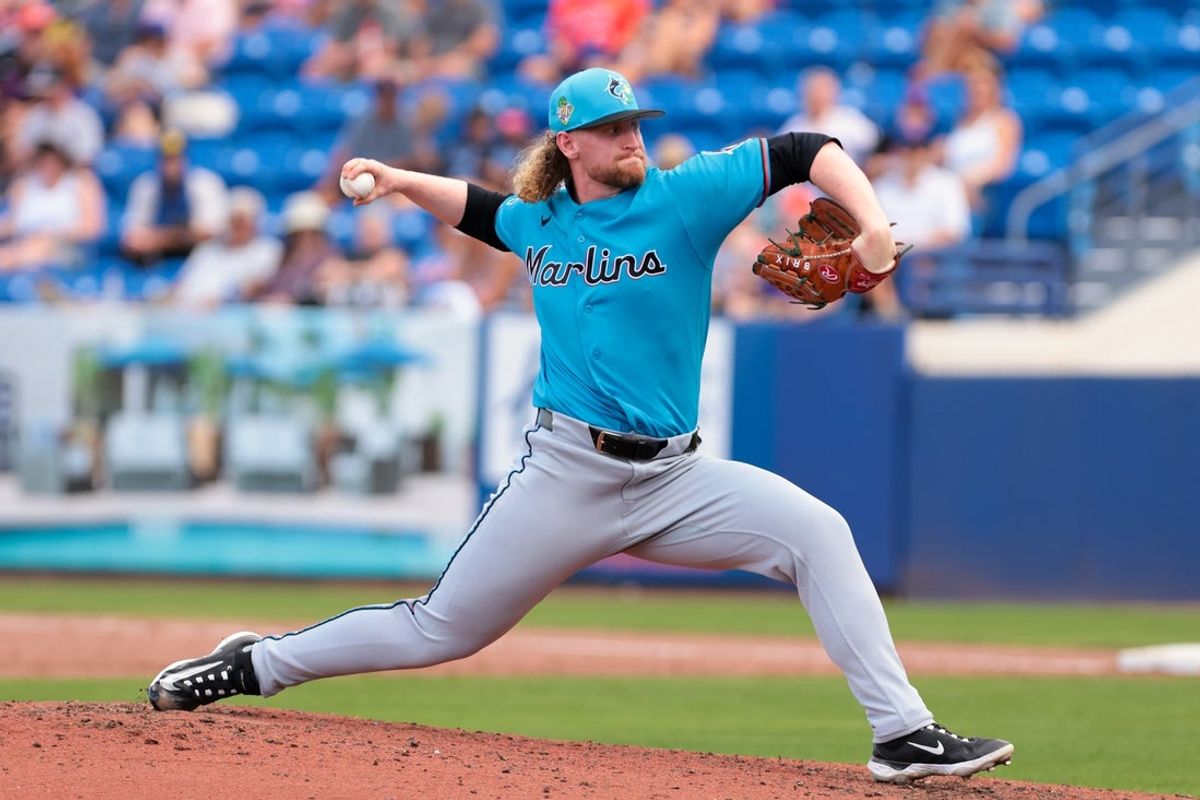
Feb 21, 2026; Port St. Lucie, Florida, USA; Miami Marlins relief pitcher Zach Brzykcy (62) delivers a pitch against the New York Mets during the fifth inning at Clover Park. Mandatory Credit: Sam Navarro-Imagn Images
Right-handed pitcher Zach Brzykcy is set to make his Marlins debut, as Miami will be selecting his contract prior to Monday’s game with the Washington Nationals, Fish on First reported Sunday night.
Brzykcy, 0-1 with a 10.05 ERA in 32 career appearances (no starts) for the Nationals the last two seasons, has spent all of this season with Triple-A Jacksonville. He has a 5.24 ERA over 22 1/3 innings and could be in line to return to the majors against his former team, as the Marlins ran through several pitchers in a 10-1 loss to the New York Mets on Sunday.
The Marlins would need to make roster space to accommodate the move. Possibilities include right-hander Josh Ekness, seen on crutches Sunday, or left-hander Andrew Nardi (ribs), who is expected to miss three months.
Miami claimed Brzykcy off waivers when he was designated for assignment by the Nationals last November.
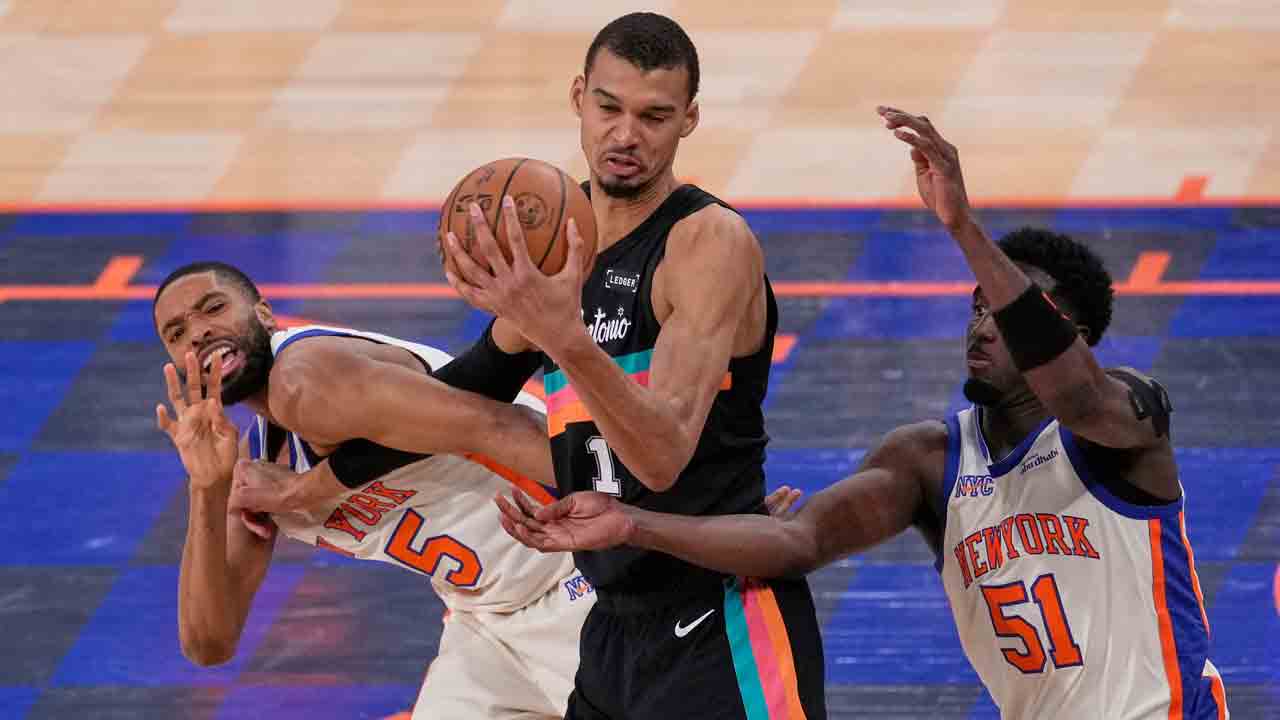
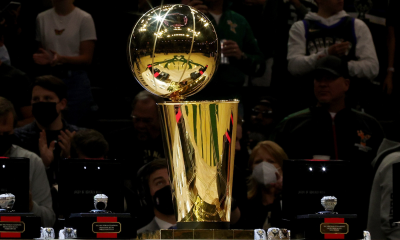
SAN ANTONIO — It’s official: The NBA Finals logos are back at the NBA Finals.
With no fanfare other than a social media post, the NBA announced Sunday that the image of the Larry O’Brien Trophy — the one given to the winner of the finals — will be painted at midcourt for games at both the Frost Bank Center in San Antonio and Madison Square Garden in New York for this season’s title series.
Also back: the script logo for “The Finals” — to be on either side of the court. The series between the Spurs and Knicks starts Wednesday in San Antonio.
It’s the first time since the 2009 finals between the Los Angeles Lakers and Orlando Magic that the title series will feature the trophy logo at midcourt. The finals wordmark and logo last appeared on the court during the 2014 finals between the Spurs and the Miami Heat.
Advertisement
The league started using the finals wordmark on the court for the title round in 1989, went to a combined wordmark and trophy in 2004, then had the prominent trophy logo at midcourt from 2005 through 2009.
Fans had turned to social media in recent years to complain that the court lacked the finals flair. The league commissions alternate courts for events like NBA Cup games, and some fans wondered aloud about the lack of consistency — special courts for the in-season tournament, but no special markings for the finals.
This year’s version comes with a new twist: the center court trophy logo will be integrated with the participating team’s own branding.
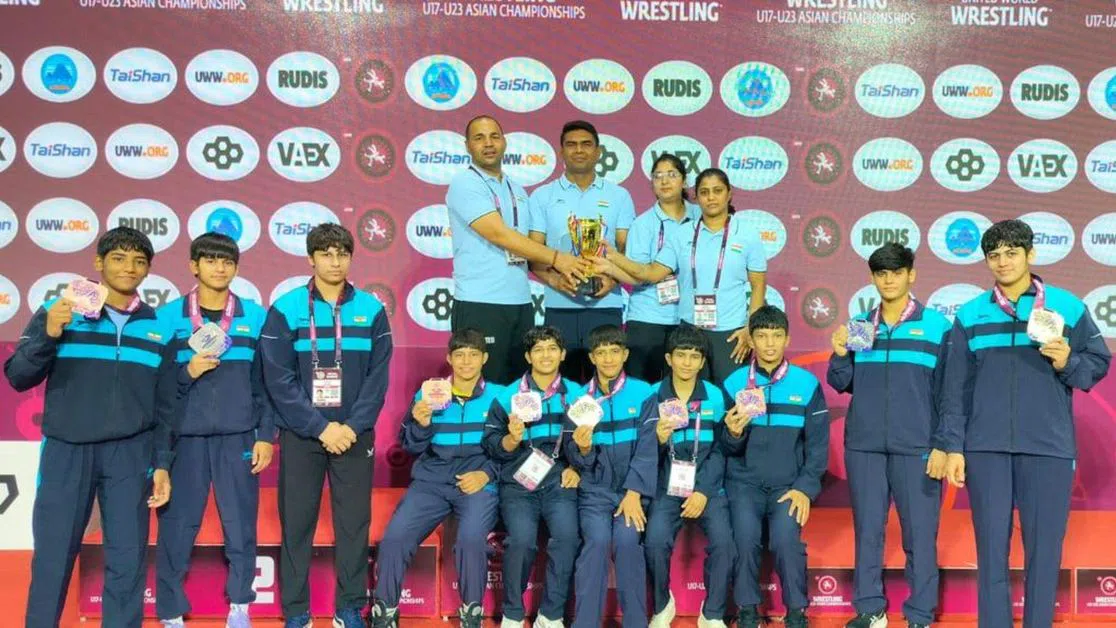
India’s women’s wrestling team delivered an outstanding performance at the U17 Asian Wrestling Championships 2026 in Da Nang, Vietnam, finishing with medals in all 10 weight categories.
The contingent secured a total of 10 medals, comprising two gold, three silver and five bronze, to achieve a perfect podium record in the competition. Diksha and Garima emerged as the standout performers by winning gold medals in their respective categories, while three other wrestlers reached the finals and settled for silver.
Advertisement
The remaining five Indian wrestlers added bronze medals, ensuring every member of the women’s squad returned home with a podium finish.
Diksha and Garima strike gold
India’s gold medals came through Diksha in the 43kg category and Garima in the 73kg division.
Advertisement
Both wrestlers produced commanding displays throughout the tournament before capping their campaigns with victories in the finals. Their performances helped India maintain its strong presence in age-group wrestling on the continental stage.
The two gold medals also highlighted the depth of talent emerging through India’s junior wrestling system as the country continues to produce promising athletes across multiple weight classes.
Three wrestlers claim silver medals
India added three silver medals through Nikita (49kg), Antra (65kg) and Taniya (69kg).
Advertisement
All three wrestlers progressed to their respective finals after impressive runs in the competition. However, they were unable to cross the final hurdle and finished as runners-up.
Taniya put up a determined effort in the gold-medal bout before losing to Khadisha Flyuk. Nikita and Antra also had to settle for silver after defeats in their championship matches.
Advertisement
Despite missing out on gold, their performances contributed significantly to India’s overall medal tally.
Bronze medals complete perfect podium record
Five Indian wrestlers secured bronze medals to complete a remarkable clean sweep of podium finishes for the women’s team.
Advertisement
Palak claimed bronze in the 40kg category by defeating Aruuke Nurbekovna Nurbekova. Anamika followed suit in the 46kg division with a victory over Inzhu Bakkozha.
In the 53kg category, Akshra secured a bronze medal after overcoming Ema Arakawa. Sakshi added another medal in the 57kg division with a win against Shiying Wang, while Manya completed India’s medal tally by defeating Aigerim Polatbay in the 61kg bronze-medal bout.
Strong showing in Vietnam
The 10-medal haul underlined India’s consistency across all weight categories at the championship. With two gold, three silver and five bronze medals, the women’s team achieved a 100 per cent podium success rate in Da Nang.
Advertisement
The performance marked another strong outing for India’s young wrestlers on the Asian stage and reinforced the country’s growing strength in women’s wrestling at the grassroots and age-group levels.
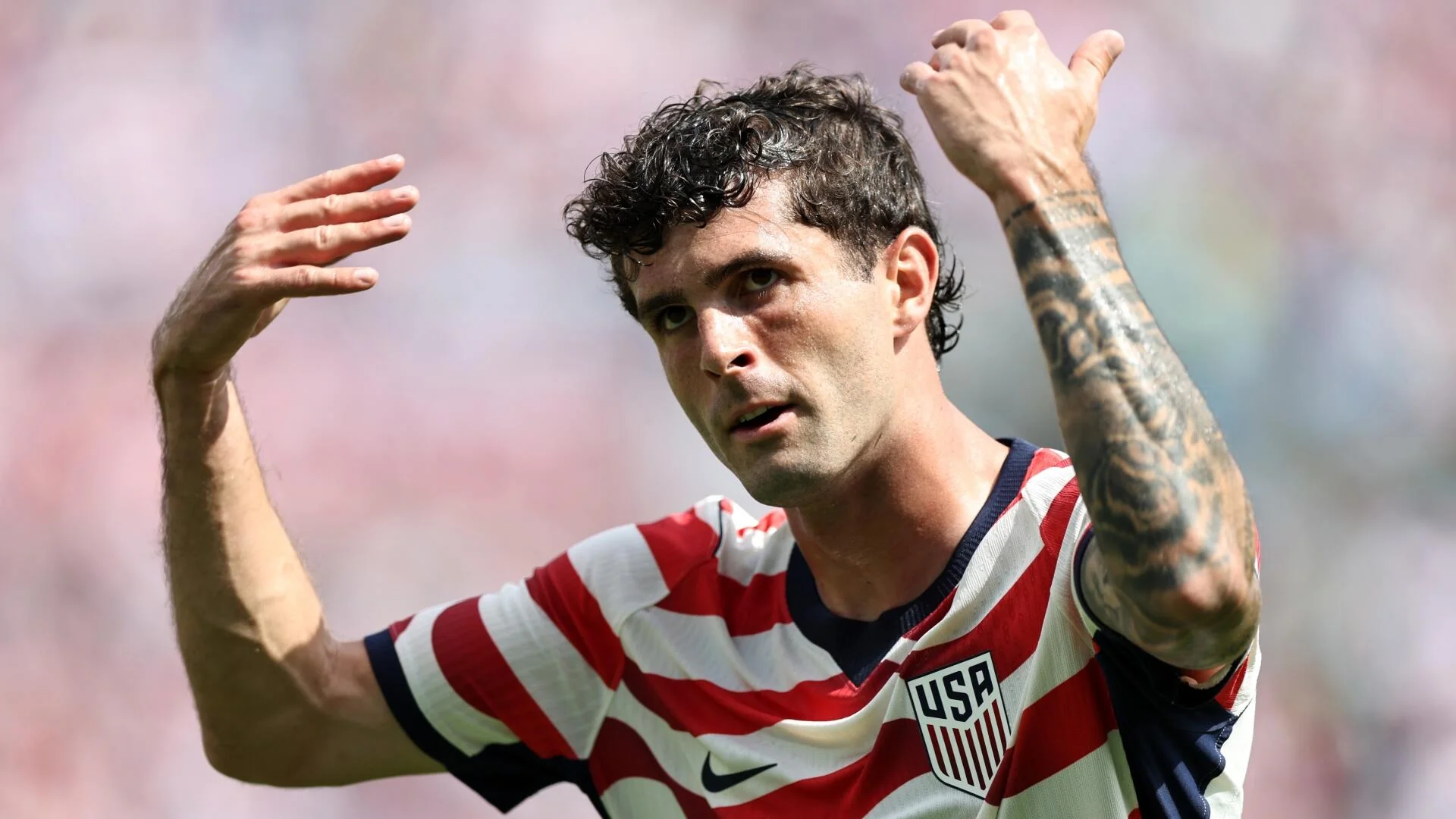
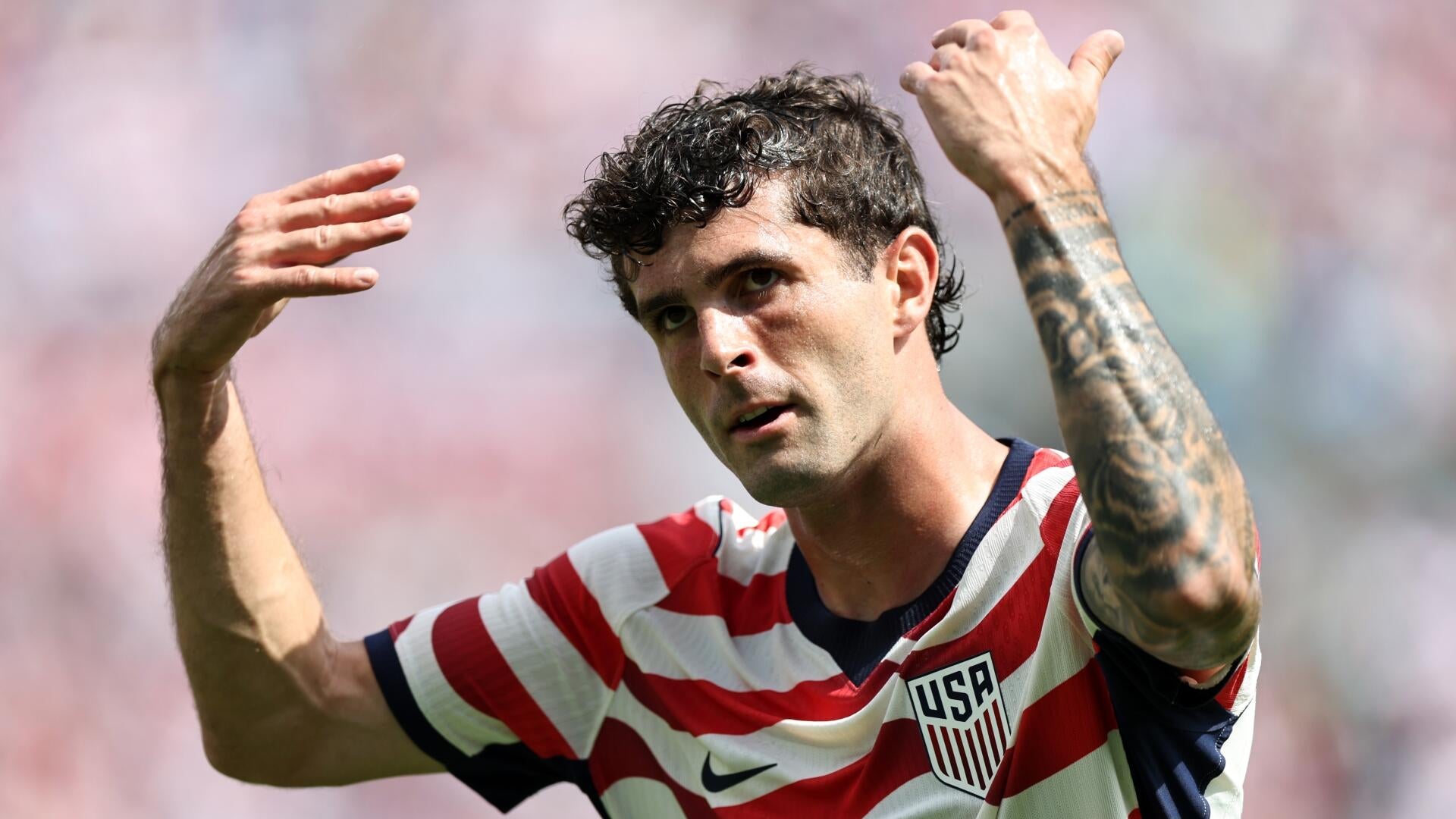
CHARLOTTE, N.C. –Christian Pulisic‘s spirits were high, or as he put it, “I felt relaxed but just energized.” Ending a months-long goalscoring drought helped in the U.S. men’s national team’s 3-2 win over Senegal on Sunday was undoubtedly a contributing factor but it was far from the only reason why the vibes were high. For the first time in a long time, it felt like things were tilting nicely in the USMNT’s favor – and not a moment too soon with the World Cup less than a fortnight away.
Roughly 18 months after Mauricio Pochettino assumed the helm of the national team, a spell that started with turbulence that has not seamlessly subsided, a cohesive vision was easy to spot. The U.S. started in electric form and had a goal by the sixth minute courtesy of Sergino Dest and even as Senegal tried to work their way back into the game, they never actually relented. It was not a perfect game, as the scoreline indicates – the errors from Miles Robinson and Chris Brady, the latter earning his first cap, to set up Sadio Mane‘s second goal is awfully indicative of that – but it answered a batch of questions of who the USMNT will be at a World Cup on home soil. The short answer? Entertaining, if all goes according to plan.
The USMNT has never historically been an attack-minded juggernaut, though many of Pochettino’s predecessors were limited by the player pool. From his breakout managerial spell in England‘s Premier League with Southampton from 2013 to 2014, though, that stylistic preference has been his trademark. Pochettino’s teams are supposed to lead with intensity, especially on the wings; it has not always worked out with the U.S. team but Sunday offered a rare flicker that it just might be a winning formula at the World Cup.
“We cannot complain or say nothing. Maybe Paraguay, Uruguay and today, it was the right attitude, the right commitment for everyone,” Pochettino said, referencing November’s 2-1 win over Paraguay and the 5-1 win over Uruguay days later. “That is the attitude that we tried to find from day one. Non-official game or official game, we need to play in this way if we want to improve.”
Advertisement
Pulisic on his own encapsulated that very feeling, ending a 22-game goalscoring drought after a productive week to open the USMNT’s pre-World Cup camp. The attacker always had Pochettino’s vote of confidence, though, the coach always believing it would be a matter of time. Much like the team as a whole, Pulisic’s outing – which included an assist to Dest’s goal – could not be timed better.
“The performance of Christian in the 45 minutes was really, really good,” Pochettino said. “I think he has still potential, a lot to improve but I think it is in the training from day one and I felt that was what he needed and how he played 45 minutes was the habit he created in the last week, every day training with his attitude, with his commitment, with his energy.”
The good news for the team as a whole, though, was that the goalscoring burden was always going to be shared. Pulisic earned the headlines on Sunday but Ricardo Pepi was right there with him, playing an important role in the build-up to Dest’s goal and notching the assist on Pulisic’s. It is the latest example of Pepi’s rise – nearly four years ago, he was left off Gregg Berhalter’s World Cup roster and was likely one of the final cuts but he admitted Saturday that he used the exclusion as fuel. He arrives to the World Cup in the form of his life and is angling for a starting spot once the tournament begins despite once being seen as a capable understudy to Folarin Balogun.
“I thought he was really good today,” Pulisic said about a longtime teammate. “I though he was just in a lot of good areas and he was always a bit of an outlet for us and finding good plays and making the right decisions and passes and goals will come from him, for sure, because he’s in the right places. I was really happy for him today.”
Advertisement
Pepi scored 19 goals for Dutch champions PSV this season, a career-best tally that may earn him a move to Premier League side Fulham this summer after a deal was nearly completed in the winter. He has seamlessly integrated himself into Pochettino’s attack-minded team despite limited exposure to it, playing just one international game in 2025 while dealing with injuries.
“It was difficult because we didn’t have too much time to work with him because he suffered several different types of injuries and then when he was with us, he wasn’t his best,” Pochettino said. “I think now we are seeing a different player that we saw during the 18 months … I am so happy because I think exactly, with his capacity, today him, Balogun or Haji [Wright] – who didn’t play today – I think we have a group of offensive players or strikers that I really like.”
Pochettino has a wide range of options available to him in attack in three in-form forwards with varying skillsets, a perfect fit for a coach whose stylistic preferences suit those players. He may be the benefactor of great form with that trio but he decided to run with a tactical innovation of his own with Dest specifically. Dest has always been formally listed as a right back but his skillset is overtly attack-minded, Pochettino seeming to acutely understand the nuances of his crafty game with the role he assigned the player on Sunday. Dest was essentially free to do as he saw fit, his preferences allowing the USMNT to go off to the races – he pressed high up the pitch, the rest of the team charging in to overwhelm a rotated Senegal defense. He sometimes hovered in more central positions, which is why Pulisic picked him out of the opening goal in the first place, Dest coming up with a finish suitable for the role he played.
“We know he’s so dangerous in the attacking [positions],” Pulisic said. “He can defend but he’s so dangerous. It causes so many problems with his dribbling, his passing and today getting in the box, it’s a really big quality.”
Advertisement
Even after Senegal equalized early in the second half – and after Pochettino made 10 changes at the break – the USMNT did not relent. Their third goal came courtesy of Balogun and the U.S. ultimately outdid the visitors 15 to seven in shots and 2.66 to 1.74 in expected goals. It marks an exciting reinvention of the USMNT, who look like a Pochettino team two years after sliding into mediocrity under Berhalter’s watch.
One game does not change the narrative on this U.S. team, especially given their propensity for dramatic and unfavorable performances and results. They have slipped into a different mode this last week, though – the stress of making a World Cup team now behind them, the USMNT players seem much happier to focus on the task at hand, at long last.
“It felt good,” Pulisic said with a noticeably lighter tone than usual, even as he maintained a business-like approach to his answers. “It felt good in a lot of ways. I’m sure guys are really happy to have made the roster now and now they can just hopefully be themselves and just try to take it all in and enjoy this summer.”
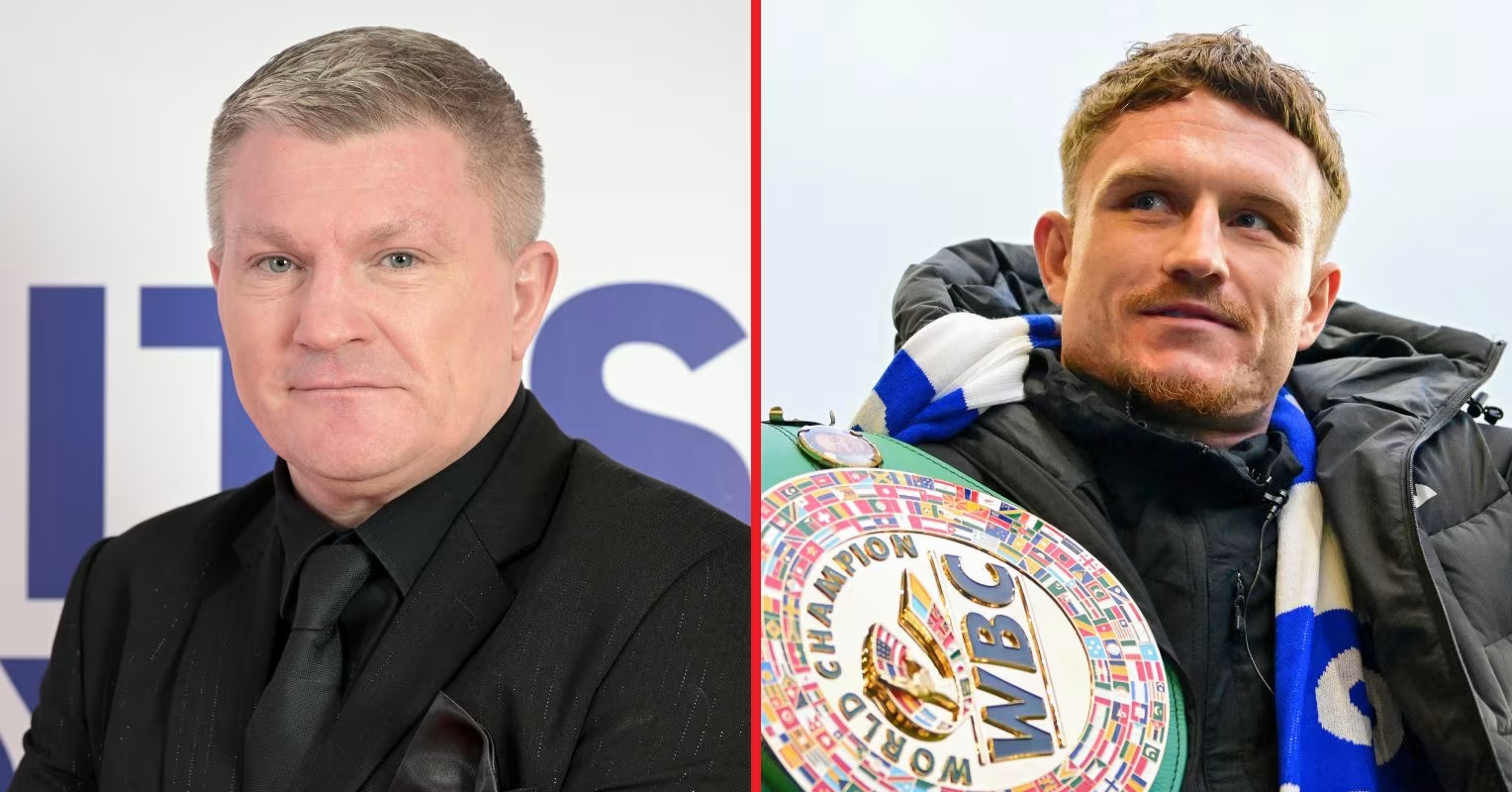
Dalton Smith will receive the first ever WBC legacy belt named in honour of British boxing legend Ricky Hatton.
Smith captured the WBC super-lightweight title back in January after a knockout win over Subriel Matias, becoming the latest British fighter to earn world honours in the 140lb division.
Another man who famously held gold at super-lightweight was Hatton, who packed out arenas on both sides of the pond as he became unified world champion, claiming wins over legends such as Kostya Tszyu and Jose Luis Castillo along the way.
“Growing up, Ricky Hatton was my hero. Everything about him – the way he fought, the way he carried himself and the connection he had with the fans – he was what made me fall in love with boxing.
“To receive the inaugural Ricky Hatton WBC Legacy Belt, in Manchester and at the AO Arena of all places, honestly means a huge amount to me.
“Ricky inspired a generation of fighters from the North and across Britain, and to be recognised in his name is something I’m incredibly proud of.“
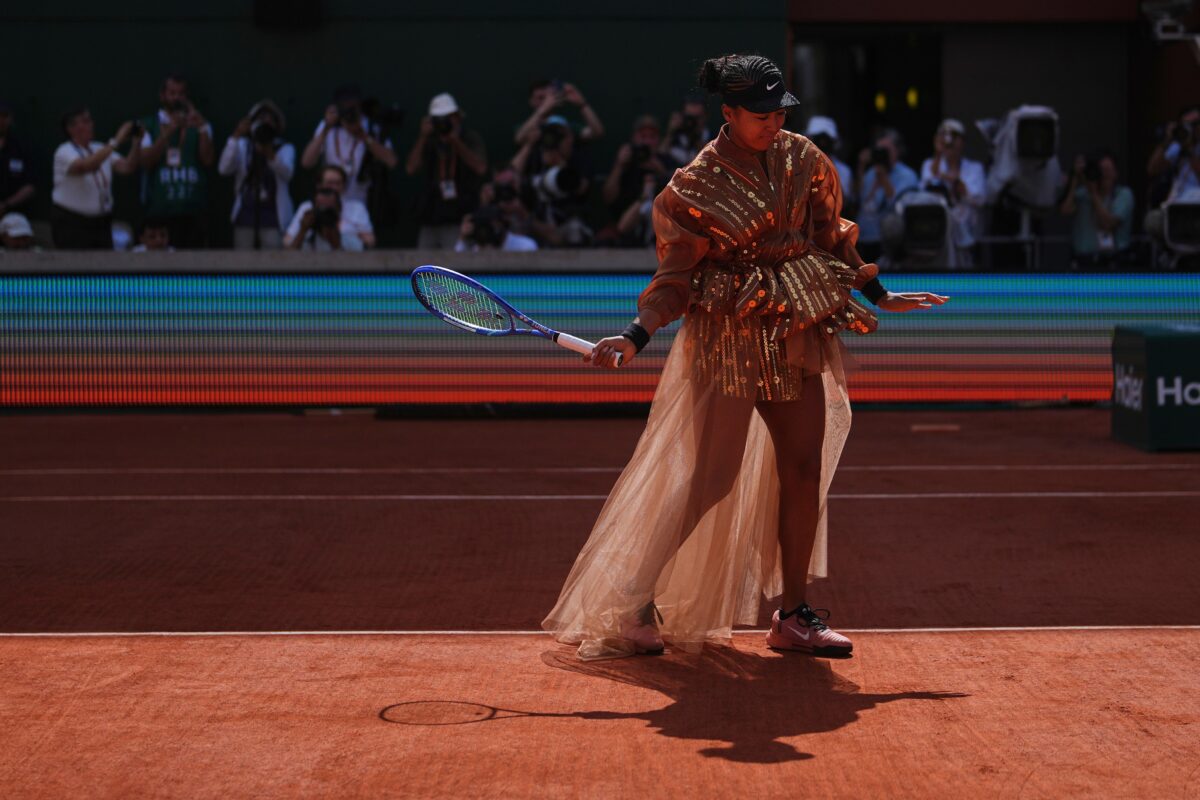
Naomi Osaka of Japan prepares for the third round women’s singles tennis match against Iva Jovic of the U.S. at the French Open tennis tournament in Paris, Saturday, May 30, 2026. (AP Photo/Thibault Camus)
PARIS — Naomi Osaka and Taylor Townsend are piling up wins on the court at the French Open.
Their success comes after drawing attention off the court for organizing a dinner for Black players before the tournament started.
Article continues after this advertisement
Advertisement
“It caused a bit of a stir, which I thought was pretty funny because for so long we have been the ones that (are) the minority in a sport where we kind of stick out,” Townsend said about chatter on social media. “And now coming together all of a sudden seems like a problem.”
While Townsend said the reaction from her Instagram post about the evening was “mostly positive,” she said there was also online criticism.
Several comments on Osaka’s and Townsend’s posts suggested the dinner as “segregation,” while another asked, “When are the white, Latino, and Asian parties?”
It all prompted Townsend to quote a lyric from the rapper Finesse2tymes: “He said, ‘It’s cool when they do it; it’s a problem when I do it.’”
Advertisement
Article continues after this advertisement
Keeping in the rap theme, Townsend quoted Tupac Shakur in her post about the evening: “Some say the blacker the berry, the sweeter the juice; I say the darker the flesh, then the deeper the roots.”
Besides Osaka and Townsend, the other attendees of the dinner were 2025 French Open champion Coco Gauff, retiring Frenchman Gael Monfils, doubles specialist Asia Muhammad and retired player turned TV commentator Chris Eubanks.
“Growing up, there weren’t a lot of tennis players I could look up to that looked like me,” Osaka — whose father is from Haiti and mother is from Japan — said in her Instagram post about the dinner. “Being a minority in a sport like tennis is very isolating but the positive is that you keep tabs on everyone that … being blunt, is black. There’s a fellowship, a camaraderie.”
“I felt like everyone in that room was a part of my family,” Osaka — who represents Japan but grew up mostly in the U.S. — added in a news conference.
For Townsend, “it wasn’t just about the culture, it was healing for us to all be able to speak about our journeys.”
While Gauff’s title defense ended with a loss to Anastasia Potapova on Saturday, Osaka has reached the fourth round in Paris for the first time in her career while showing off her taste for fashion with her elaborate walk-on outfits. American player Townsend and Czech partner Katerina Siniakova — the top-seeded doubles team — have won their opening three matches and are into the quarterfinals.
Advertisement
Althea Gibson broke tennis’ color barrier
Gauff beat Townsend in the opening round of singles, after which a ceremony was held on Court Philippe-Chatrier to honor the 70th anniversary of Althea Gibson’s 1956 French Open victory — the first Grand Slam title for a Black tennis player.
Gibson was also the first Black player to compete at a major tennis tournament when she fought with the U.S. Lawn Tennis Association just to get admitted in 1950 to what was then called the U.S. Nationals — now the U.S. Open.
“Taylor and I playing on Philippe-Chatrier is a direct product of Althea Gibson,” Gauff told the crowd after beating Townsend. “It just shows the importance of breaking barriers in all aspects of the world, but especially in sport. I’m very grateful for people like her and Serena and Venus (Williams), Zina Garrison for paving the way for us.”
‘Soul Food’ Sunday at Wimbledon
The dinner recalls how going back to the Harlem Renaissance, Black athletes, entertainers, musicians and writers held salons and dinners to celebrate their successes in a familial space. Such events were not meant as a slight to non-Blacks.
Advertisement
Katrina Adams, a former pro and then the first Black president of the U.S. Tennis Association, said she was pleased to see “an old tradition” re-emerging.
“In our era in the 80’s/90’s, we hosted ‘Soul Food’ Sunday on the middle Sunday of Wimbledon, when there was no play,” Adams said in a comment on Townsend’s post. “All the black players, got together, cooked, ate and enjoyed each other.”
Adams said players like Garrison and Lori McNeil hosted the Wimbledon gatherings for years and that she passed on the tradition to the likes of Chanda Rubin, the Williams sisters, MaliVai Washington and Roger Smith.
Townsend’s unexpected vacation with Osaka
Townsend and Osaka hardly knew each other before Osaka surprised Townsend by inviting her on a vacation last year to the Turks and Caicos.
Advertisement
Townsend is an extrovert and Osaka a very quiet introvert.
“I didn’t know why she invited me,” Townsend said. “(But) it ended up being the best time and Naomi and I floated in the ocean on a surfboard for three hours and talked to each other. … We’ve been friends ever since.”
Both players are mothers.
Your subscription could not be saved. Please try again.
Advertisement
Your subscription has been successful.
“We share a lot of the same values and principles and morals of how we go about life and how we want to treat people and what type of mothers that we want to be for our children,” Townsend said. “It goes way beyond tennis.”
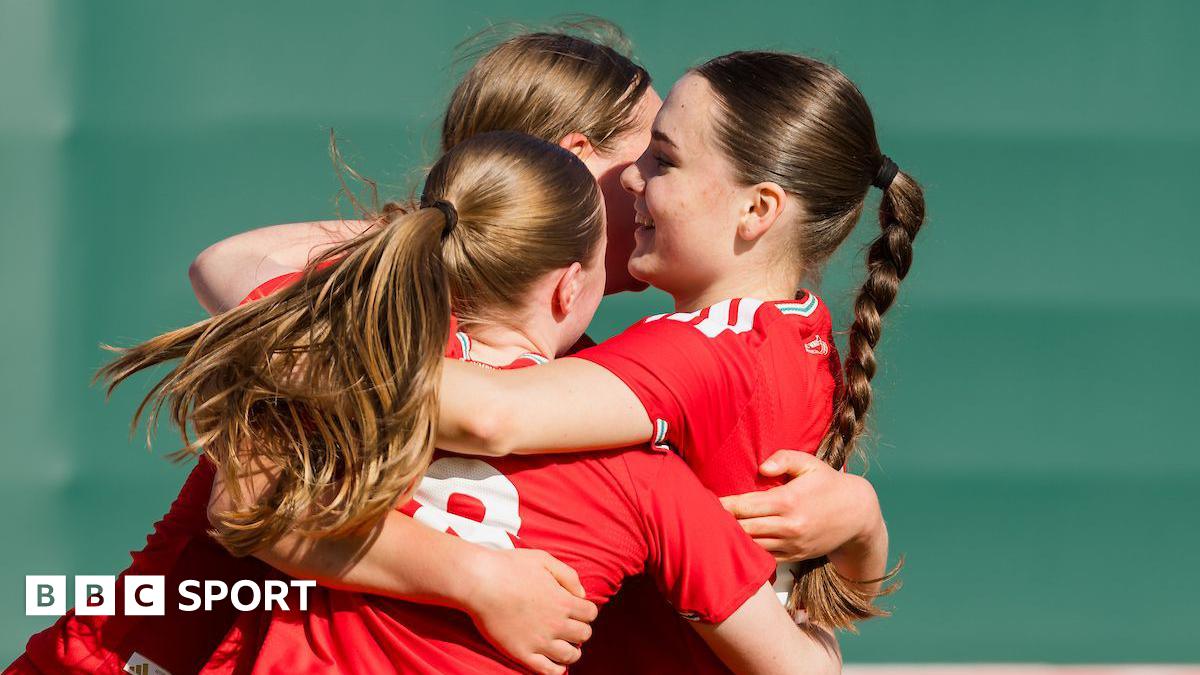
Soraya Kelly knows none of this comes for free and acknowledges funding could be a stumbling block. This is where she feels that the Welsh Government could come in.
Currently the FAW’s main source of income is from commercial revenue and from international governing bodies such as Fifa and Uefa. However that situation has not been aided by the men’s team failing to qualify for this summer’s World Cup.
The Welsh Government supports the FAW at grassroots level with projects relating to matters such as stadia development and new infrastructure.
For example, to mark the historic appearance of Wales’ women at Euro 2025, the ‘Partner Support Fund‘ supported 16 grassroots, cultural, and educational organisations to boost sports participation and promote equality.
Advertisement
Sport Wales – the body responsible for developing and promoting sport in Wales – also provides public and lottery money to the FAW through grants, in partnership with the Welsh Government.
Any proposal for Welsh Government help to fund a new elite pathway would likely require sensitive negotiation with the FAW.
In a statement, the Welsh Government said: “Ensuring women and girls have the opportunity to take part in sport is essential to building a confident, ambitious Wales where talent is nurtured at every level. This Welsh Government is committed to working closely with governing bodies to expand opportunities and remove barriers. Women’s sport has the power to transform lives, strengthen communities and elevate Wales on the international stage.”
It added: “The Football Association of Wales leads on the governance and development of the game, including ongoing discussions on strengthening pathways such as a Wales women’s under 21 or under 23 team. Through Sport Wales, we are investing in the future of women’s sport, supporting national bodies to grow participation, develop elite talent and inspire the next generation.”
Advertisement
Kelly plans to launch the campaign in August and already has the backing of Race Council Cymru, Black Police Association, Her Game Too and Vale of Glamorgan MP Kanishka Narayan. She is also soon to meet UEFA vice president and former Wales captain Laura McAllister.
“I get it is down to funding. The FAW has only got a certain amount of money. So the Welsh Government needs to step in here so that there’s equality for our girls, as well as our boys, in Wales,” said Kelly.
“The boys have got it and have always had it. There’s been funding there for the boys, but not for the girls and that needs to change.
“We’ve got lots and lots of people who are really passionate about this and trying to help this pathway to develop.
Advertisement
“The women’s game has come on so much and how are we ever going to be able to compete against the likes of England going forward, if we don’t have that middle buffer?”










































You must be logged in to post a comment Login