
Sports
From Tuchel’s outcast to England’s kingpin, how Jude Bellingham silenced his critics at the World Cup


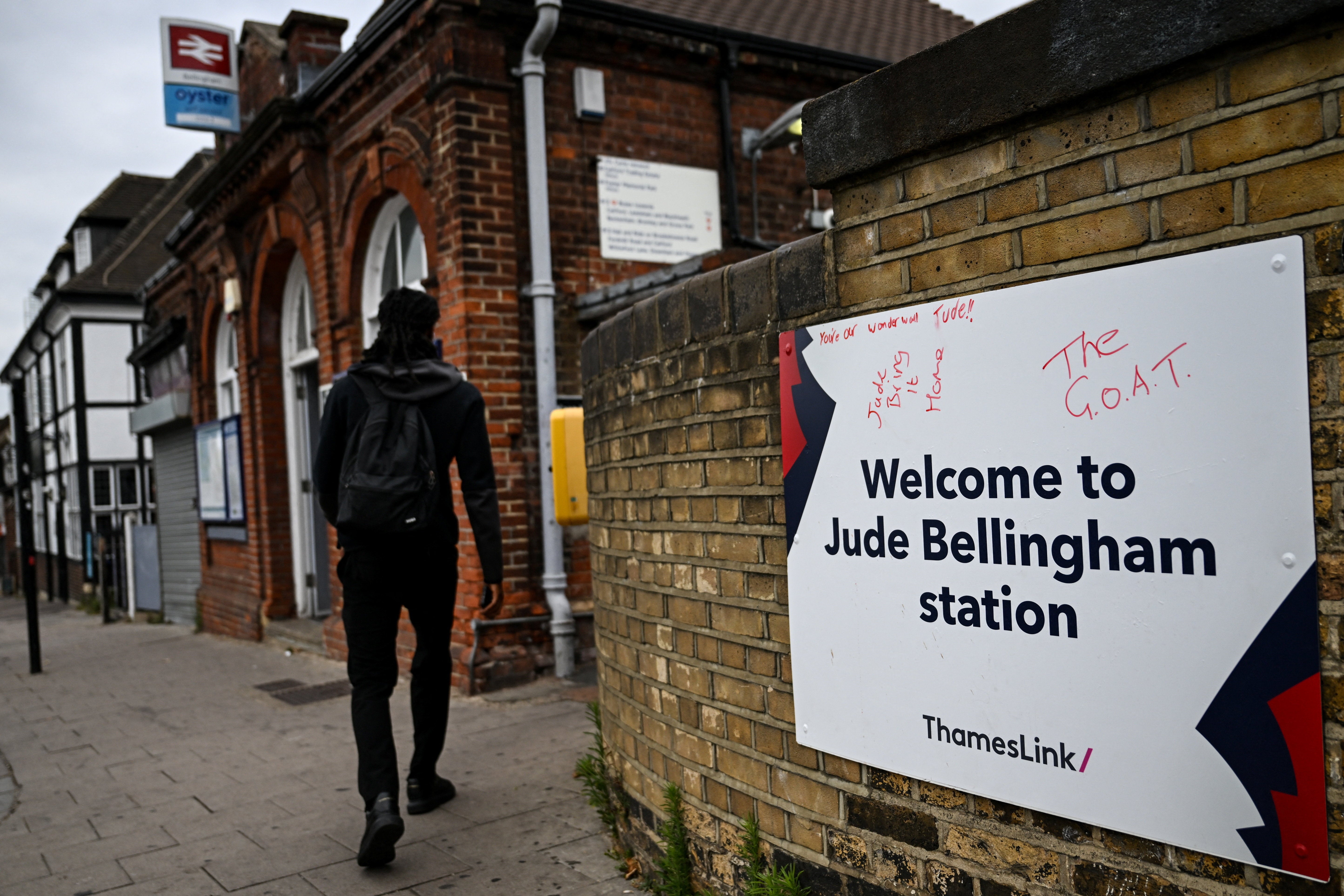
Jude-fever. Bellingham-mania. No one has come up with a catchy name for it yet, but it’s happening. A London train stop called Bellingham station has been renamed “Jude Bellingham”. West Midlands Railway is offering free train rides for anyone named Jude. “Hey Jude” is on the playlist after every England win with “Three Lions” and “Wonderwall”, the only player with his own ballad.
Only a couple of weeks ago, this World Cup felt like it would be Harry Kane’s tournament. It could yet be Kane’s pinnacle at the end of an extraordinary season of 72 goals and counting, a tally bettered only once, by Lionel Messi. If Messi is one of football’s deities, then Kane is the greatest mortal ever to do it. Win the World Cup on Sunday, and he will surely end the year on stage in Paris, wearing a shiny suit and holding a golden orb.
But increasingly, this tournament looks like the World Cup of Jude Bellingham. It was his goal against Croatia that sparked England’s best 45 minutes so far, his goal against Panama that broke the deadlock, his rapid double that briefly silenced the Azteca, a feat in itself. Bellingham’s first goal in the quarter-final against Norway was a moment of elite technical skill amid a shower of incompetence, his second a display of heightened instincts that earned England a victory they scarcely deserved.
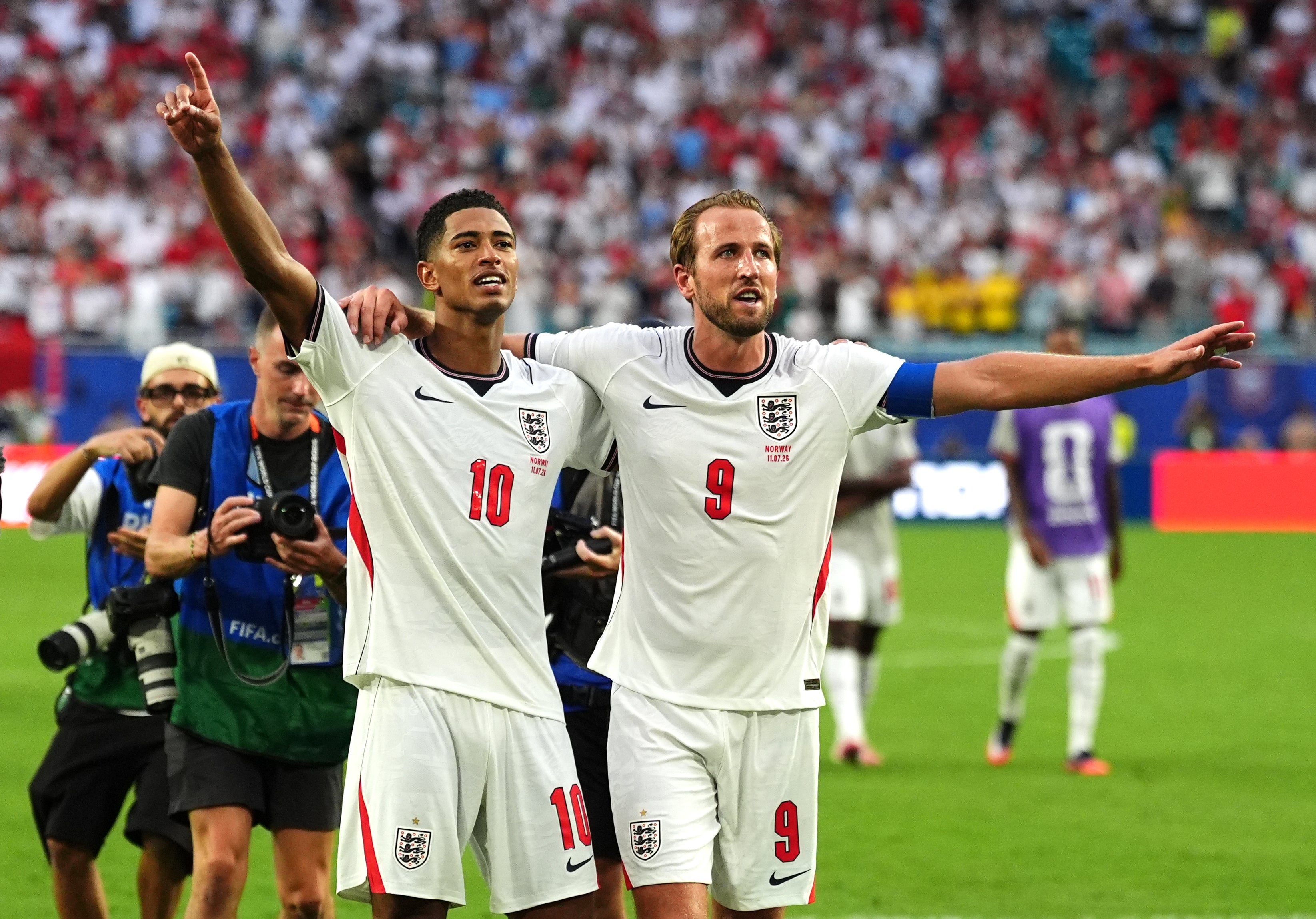
And perhaps this tournament means even more to Bellingham, a player who has been publicly questioned and privately doubted by his own manager, who has been subjected to outside scrutiny unlike his teammates. “Don’t bring Jude,” ran a headline in the Daily Mail earlier this season, suggesting England would be better off without the “divisive soloist” at the World Cup.
“It’s good to put some of the noise aside, and just show my country and my teammates how committed I am to helping us win football matches,” Bellingham said after scoring in the 4-2 win over Croatia in Dallas.
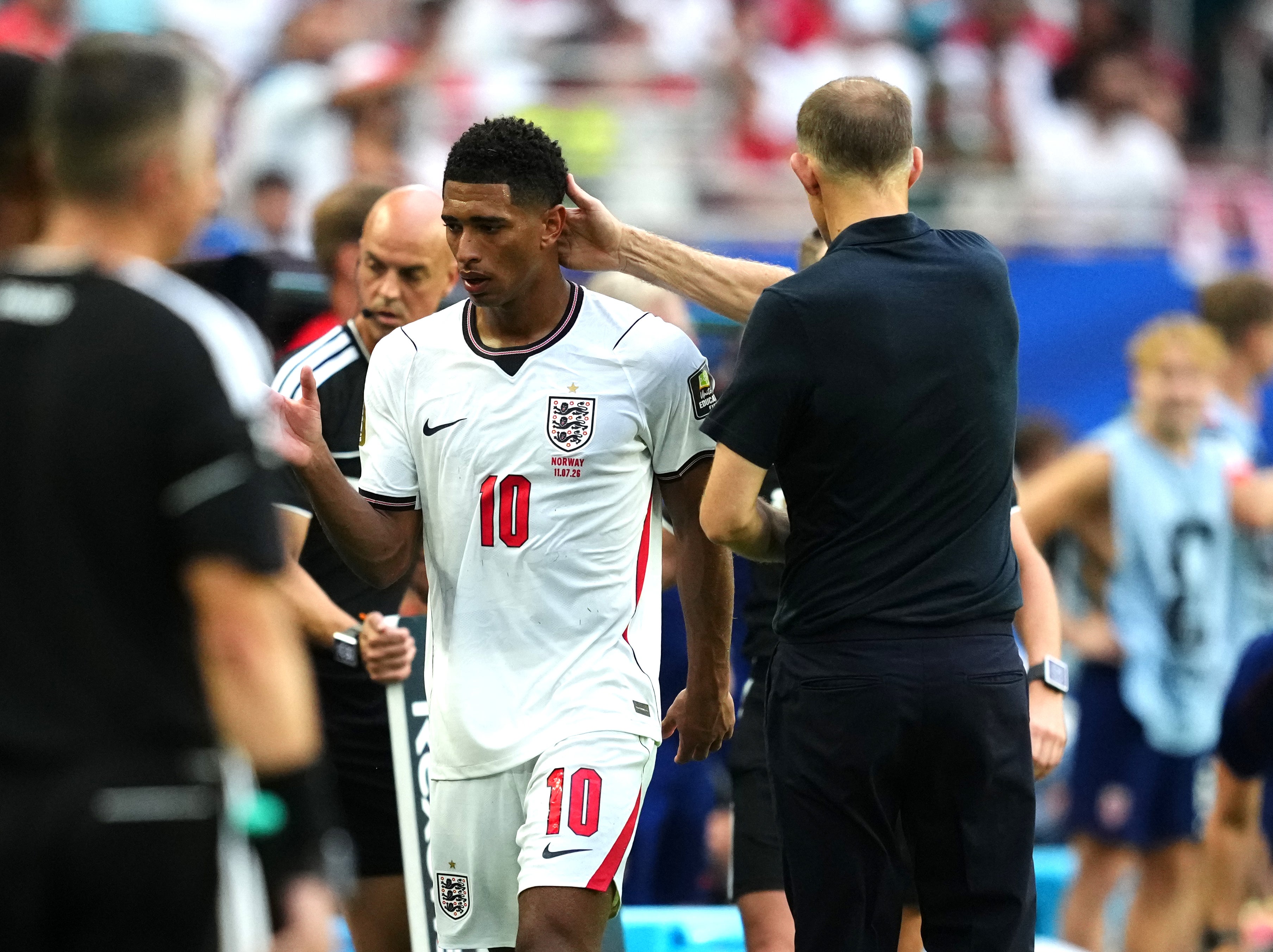
It seems bizarre now, but one of the decisions Thomas Tuchel stewed over before that opening match – and throughout his 18-month reign – was whether Bellingham or Morgan Rogers should be his No 10 at the World Cup. Bellingham missed last September’s qualifiers after undergoing shoulder surgery, and it was unfortunately timed. England played their best game under Tuchel, winning 5-0 in Serbia, and Rogers was excellent.
Tuchel omitted Bellingham from the following camp despite his return to fitness at Real Madrid. There was also the infamous line about Bellingham’s “repulsive” on-field behaviour, which Tuchel attributed to his mother and a slip of the tongue in his second language, and for which he later apologised.
Tuchel felt England created a “brotherhood” during those September and October camps. Could a powerful personality like Bellingham slip seamlessly into the fold?
Even when Bellingham made the World Cup squad, there was no guarantee he would start against Croatia. Tuchel was asked before kick-off: why Bellingham over Rogers? “It was really close,” the manager said. Was he picked because of his big-game appetite, that knack for scoring when it matters? “No,” said Tuchel. “A 50-50 call,” he called it, as if Bellingham had just beaten Rogers in a game of rock-paper-scissors in the dressing room.
There were a raft of other No 10s Tuchel could have chosen. Eberechi Eze has played only cameos. Phil Foden and Cole Palmer are watching on TV. But then, really, what is the point of Bellingham’s unique set of powers if you don’t use them? England have a player who Real Madrid bought for €103m aged 19, who won the Champions League at 20, who is at his fourth major tournament aged 22. Steven Gerrard played his fourth at 30. Frank Lampard was 36.
And over the past few weeks, Bellingham has shown why he is not just another piece of England’s puzzle: he’s the piece, the keystone in the entire edifice of this World Cup campaign.
There are the goals, obviously, the assists, the way he bends rigid games to his will. But with Bellingham, it’s also the other bits, the intangibles, like his sheer presence in an England team and what that brings. Already at his age, Bellingham carries an aura that transmits confidence to his teammates, one that makes opponents feel a little smaller as they line up in the tunnel.
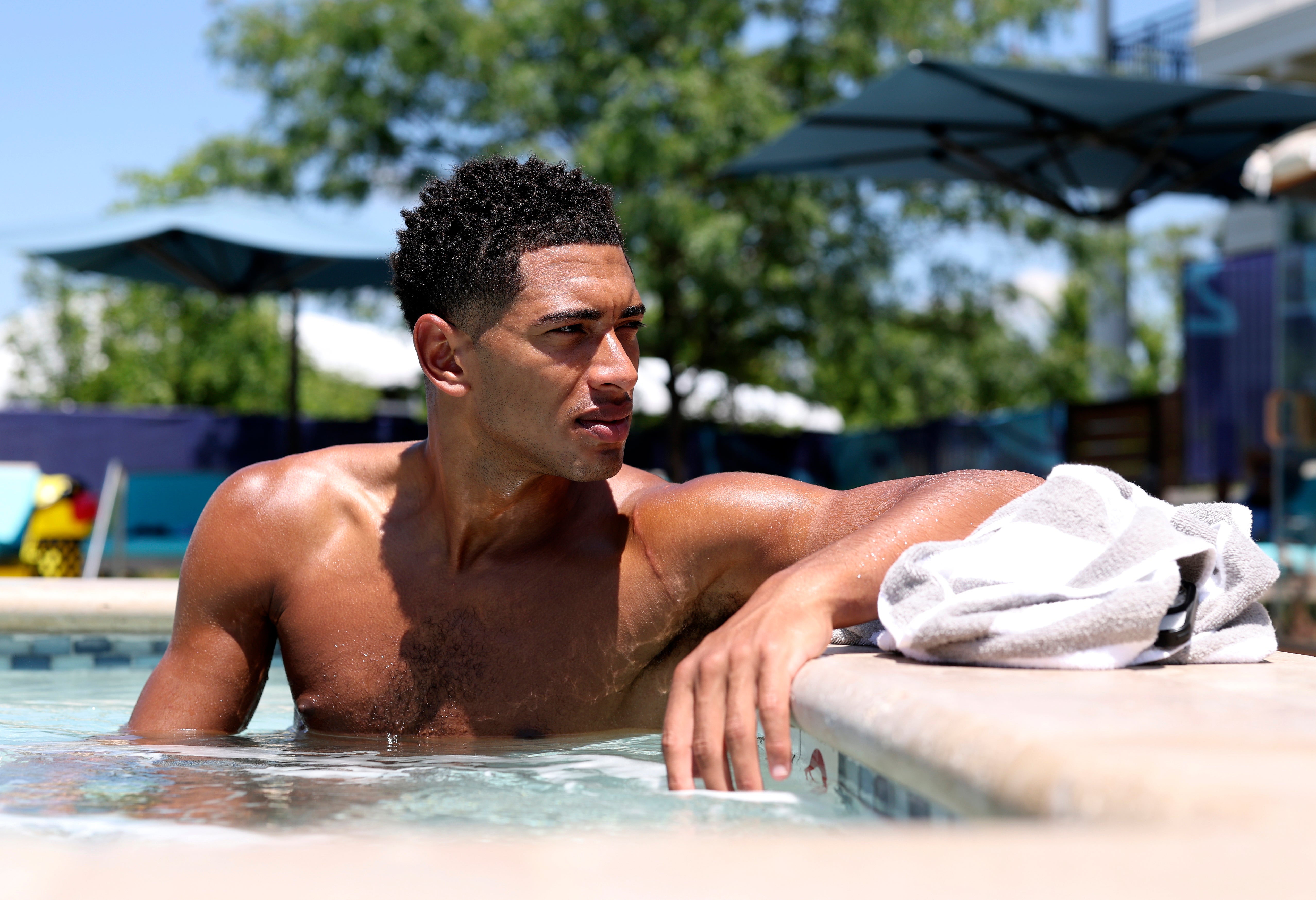
Perhaps part of that is the compelling aesthetics, the upright posture, the square shoulders, standing 6ft plenty. The cheekbones, the smile, the twinkle in his eyes. We are not supposed to objectify athletes in this job, but come on now. The Norwegian defence just went weak at the knees and now England are 2-1 up in a quarter-final.
Then there are the tackles, three in the second half against Croatia alone. They are not just toes on the ball but full slides through his opponent, comprehensive clean-outs, taking the man with him as he goes. It is the type of tackle that lifts England fans off their feet, that elicits those low-octave hums of “Juuuuuude”, a tackle that gets his teammates facing forwards, that changes the direction of the wind.
If you delve into Fifa’s enormous suite of World Cup stats, you’ll find Bellingham on top in two categories. The first is sprints – no one left in the competition has made more than his 328, or 55 per game. That’s a sprint every 110 seconds, across six games, one of which was played not far off the altitude of Mount Olympus, another played in heat and humidity that even Amazon tribesmen would describe as stifling.
The second is what Fifa catchily calls “offers to receive in between”, which are those moments when Bellingham stands in a difficult place, where opponents lurk, where defenders are near, and demands to have the ball. If his sprints show endeavour under strain and stress, the latter shows courage and sheer belief in his own ability to take possession under pressure, time and again.
But perhaps just as telling is that on a whole raft of other measures, Bellingham ranks near the top. Distance covered, pressures, turnovers, goals, off-the-ball runs, chances created, headed efforts attempted. His work is best displayed in the box, but Bellingham is a complete midfielder impacting every aspect of each game, England’s omnipresent force. It is not that he’s a “soloist”. It’s just that sometimes it takes a virtuoso to elevate the piece.
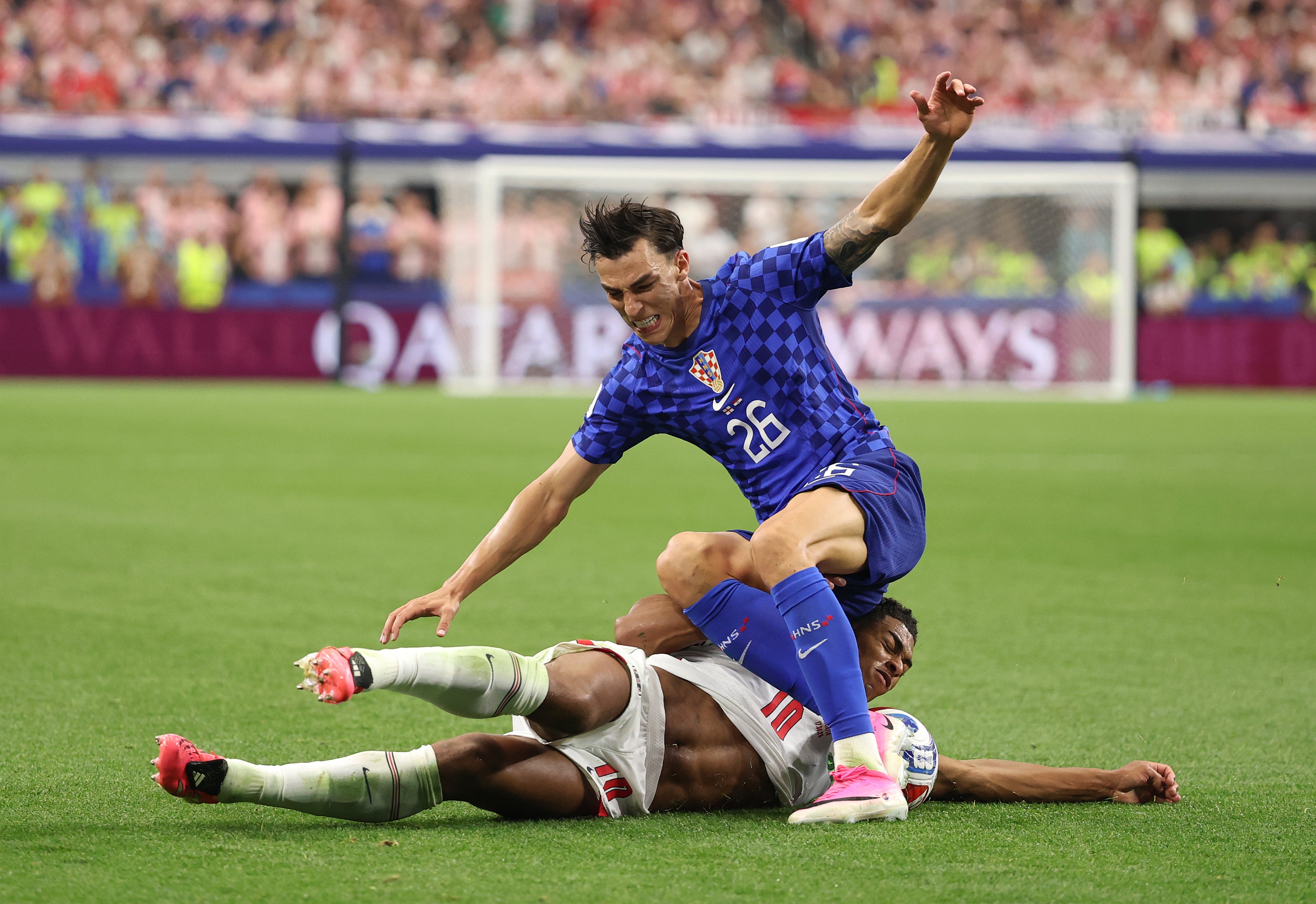
It is why the comparisons with Steven Gerrard are justified, another player who could thrive in any position on the pitch. Yet Gerrard never produced this level for England, at least not consistently throughout a World Cup. Neither did Lampard, nor Wayne Rooney, nor David Beckham, nor Michael Owen. Bellingham’s individual performance has surpassed Paul Gascoigne at Italia ’90 and Gary Lineker at Mexico ’86. It is perhaps the best by an England player at a World Cup since 1966.
There are glimpses of his potentially combustible personality in those moments when he admonishes the referee or bellows at teammates for not reading his mind. His mum repeatedly reminded him not to get a yellow card in the days before Norway in order to avoid a suspension.
The snipes at Tuchel in post-match interviews perhaps revealed Bellingham’s frustrations at his battle for his place, using his position of undoubted power to get certain things off his chest. But that edge has been channelled into performances full of commitment and purpose, delivered with an energy that has set England’s tone. Tuchel might even take some credit for that, provoking a little motivation and inspiration.
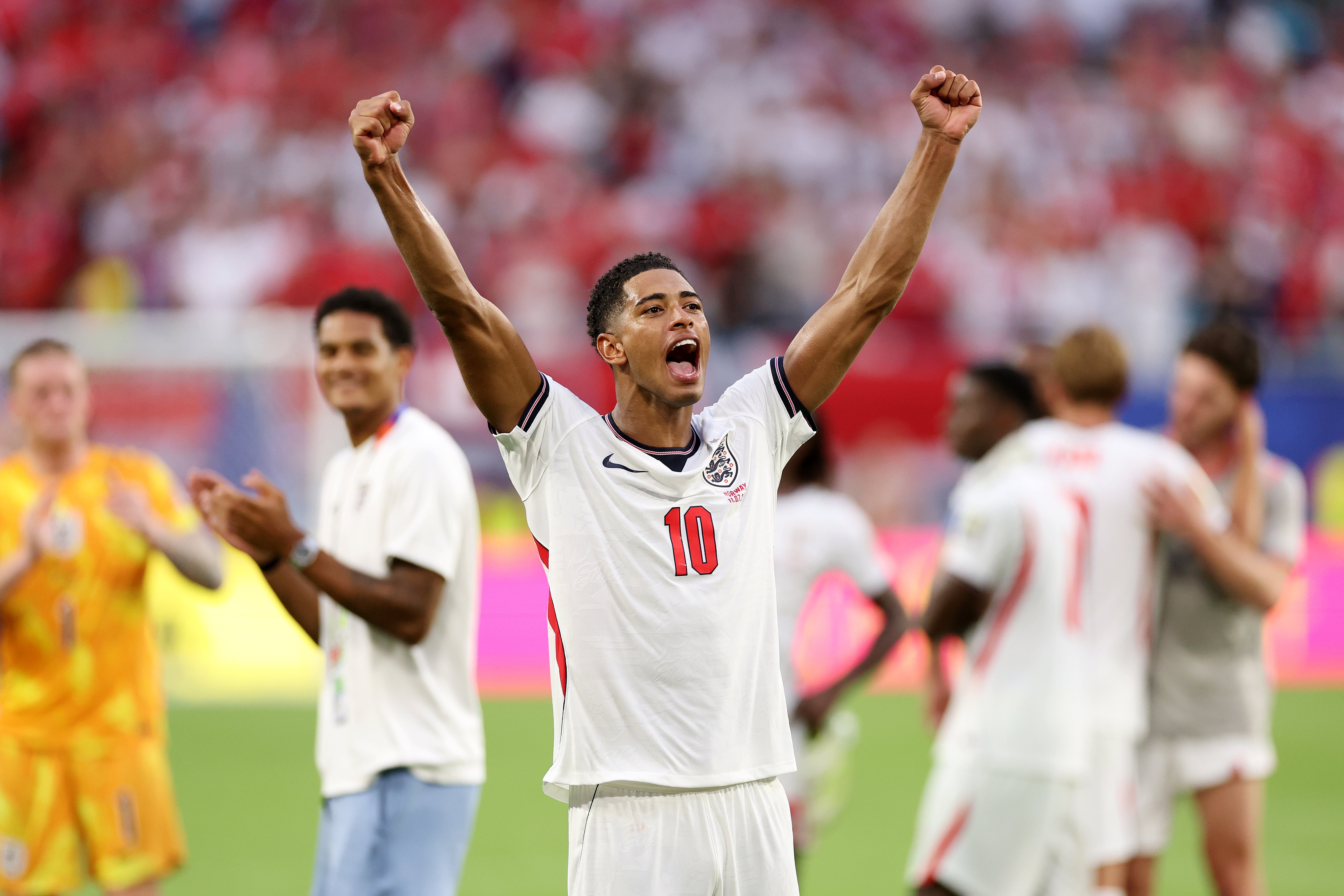
Perhaps a career path outside the Premier League’s gaze has stymied Bellingham’s appreciation in England. Perhaps it doesn’t help that he is so hard to define, a No 10 who isn’t really a typical No 10 at all. His youth coach at Birmingham City famously marvelled at how he could play three midfield roles at once – numbers 4, 8, and 10 – so added them together and assigned him No 22.
But his talent cannot be ignored this summer. Belli-monium is in full swing. Some time after the end of the Norway game, thousands of English fans belted out “Hey Jude” with feeling as he stood on the grass below, alone, drenched in sweat, allowing the adulation to wash over him. What an extraordinary experience that must be. And for the first time at this World Cup, Bellingham looked like he didn’t know what to do with himself.

Sports
Village celebrates Praveen Chithravel after inspirational CWG silver feat | Other Sports News
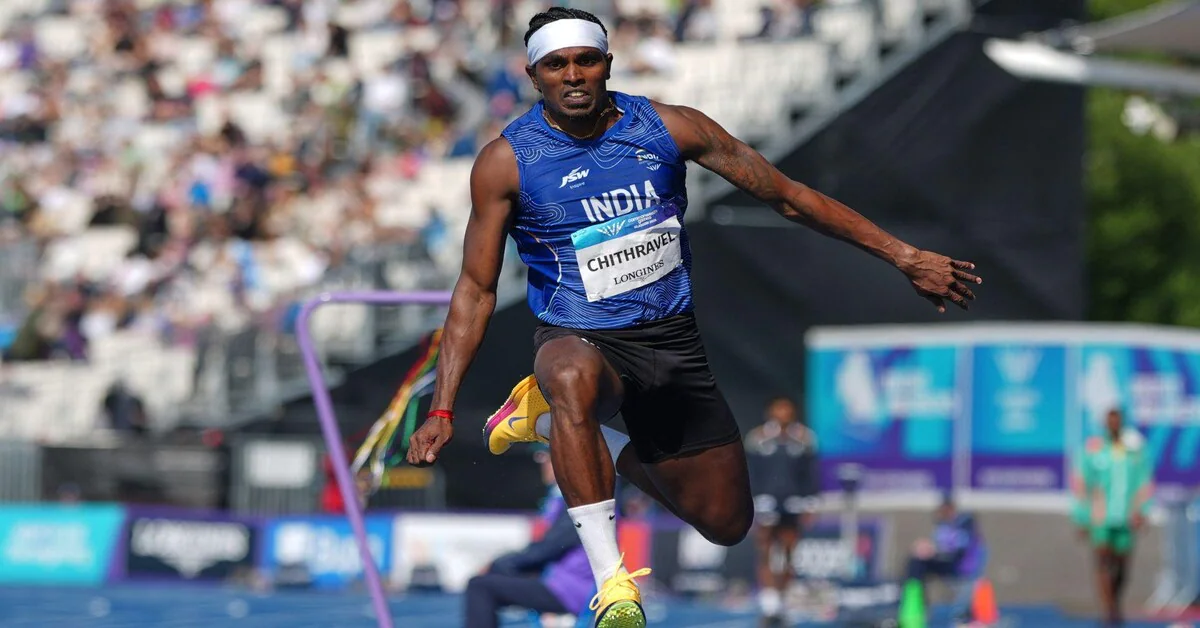
The modest home of an agricultural daily wage worker in Settisathiram here erupted in celebration as Indian athlete Praveen Chithravel secured the silver medal in the men’s triple jump at the 2026 Glasgow Commonwealth Games.
Praveen’s father, Chithravel, expressed immense pride in his son’s international achievement while reflecting on the family’s humble beginnings.
“I am an agricultural daily wage worker,” he told PTI Videos.
“We educated our children and supported their dreams with the income I earned through daily wage work,” he said.
Recalling the early days of Praveen’s athletic journey, he said, “Wherever I went, I took him on my bicycle. I showed him the world little by little, and step by step, he improved and went on to compete at the international level.”
Praveen clinched the silver medal on Saturday with a best leap of 16.58 metres in freezing conditions, narrowly missing the gold medal.
Acknowledging the close finish, his father said the family had hoped for gold but was immensely proud of his achievement.
“He missed it by a hair’s breadth, but that’s okay,” he said, adding, “Next time, my son will certainly win the gold medal and bring greater pride to India and Tamil Nadu.”
The father, whose daughter works as a teacher and whose two sons are athletes, credited the entire community for Praveen’s success.
“The youth of this village encouraged him as though he were their own child,” he said.
“Teachers, relatives, and the entire village guided me in ways I did not know and helped my son progress to the next level,” Chithravel added.
He also expressed gratitude to the authorities.
“I am deeply indebted to both the State and Central governments for extending all the assistance and support we needed,” he said.
The family and villagers watched the event unfold on television, celebrating Praveen’s latest international medal.
The athlete had earlier won a bronze medal at the Asian Games.
Looking ahead, Praveen’s father said he hoped his son’s achievements would inspire the next generation.
“I pray that my son wins the gold medal next time,” he said.
“More importantly, I hope his success brings immense pride to this village and inspires at least ten more youngsters from here to take up sports and excel,” he added.


NEW DELHI: Double Olympic medallist Manu Bhaker has urged young people to avoid using abusive language, saying that “using bad language is not cool” and that the words people use reflect their personality.The 23-year-old shooter, who won two medals at the Paris Olympics, shared a long message on X on Sunday. She did not mention any particular incident but spoke about the increasing use of abusive language in everyday conversations.
‘Choose your words wisely’
Bhaker said people should be careful about the words they use because they shape a person’s character over time.“The language we choose reflects our personality and the kind of person we are. Choose your words wisely, because over time, you become what you think, what you speak, and what you practice.”“Using bad language is not cool. Abusing is not cool,” she said.Bhaker also said that being “cool” has nothing to do with abusive language.“Let’s keep the definition of cool simple: being hardworking, kind, respectful towards others and yourself, striving to be successful through honesty, and making your parents and your country proud. That’s cool,” the Indian shooter said.Bhaker later explained why she decided to speak about the issue. She said abusive language has slowly become normalised, especially among youngsters.
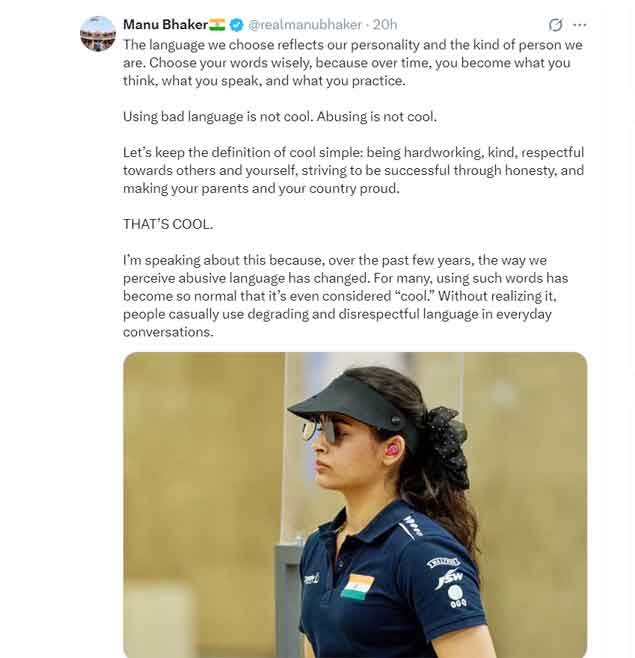
“I’m speaking about this because, over the past few years, the way we perceive abusive language has changed. For many, using such words has become so normal that it’s even considered ‘cool’. Without realising it, people casually use degrading and disrespectful language in everyday conversations,” Bhaker said.Manu created history at the Paris Olympics 2024 by becoming the first Indian athlete in the post-Independence era to win two medals at a single Olympic Games. She won bronze in the women’s 10m air pistol and another bronze in the 10m air pistol mixed team event.
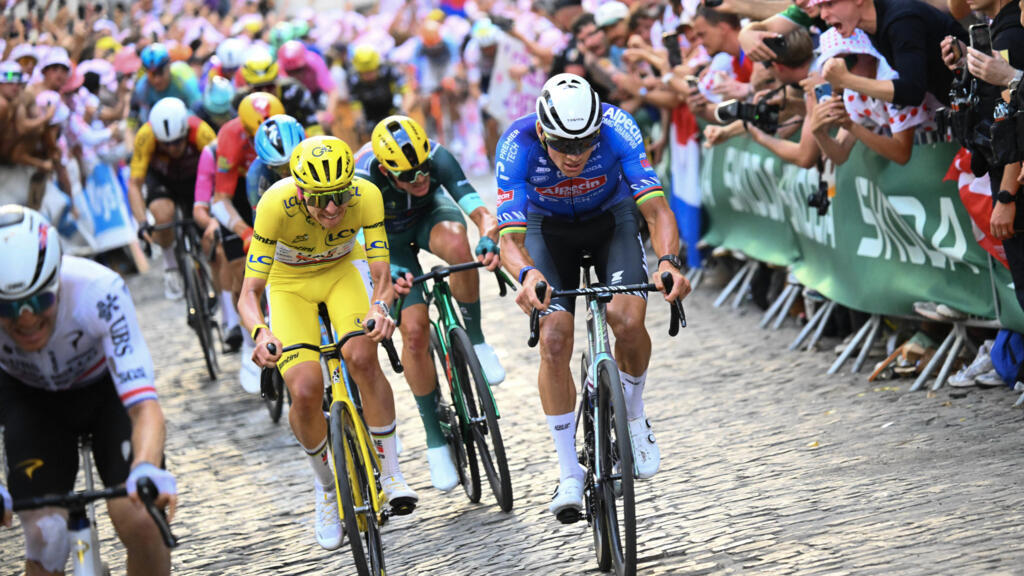
Sigrid Haugset of Norway won stage three of the Tour de France Femmes on Monday, seizing the overall lead and the yellow jersey from Dutch rider Lorena Wiebes in the Jura region.
Haugset, of the Uno-X Mobility team, launched a gutsy solo attack less than halfway into the hilly 156.6km route between Geneva and Poligny, and held off Belgium‘s Lotte Kopecky.
Kopecky dropped back in the closing stages after failing to reel in Haugset, crossing the line 1 minute 24 seconds behind as the Norwegian became the first rider from her country to win a Tour stage and wear the yellow jersey.
“I haven’t been thinking about it because I never thought it was possible. So standing here, it’s unreal,” said Haugset, who built her her win by attacking on the third of the day’s four climbs, the Côte de la Savine.
One of your browser extensions seems to be blocking the video player from loading. To watch this content, you may need to disable it on this site.

“When I went, it wasn’t many seconds and I thought she (Kopecky) would catch me. Then I thought I should just drop down to her … Second is good. But I kept on. The team car was amazing, pushing me.
“I was thinking about all my team-mates, everyone cheering from home and so I had to give it my all. I can’t believe that Lotte didn’t catch me. All done in the Norwegian jersey too, it’s fantastic.”
The main favourites for overall victory on August 9 in Nice, such as reigning champion Pauline Ferrand-Prevot and Demi Vollering, all finished together, almost three minutes behind Haugset.
Wiebes, who won the opening two stages, was dropped as soon as the road began to rise on the Col de la Faucille early in the race. She ended more than 20 minutes off the pace.
Tuesday’s fourth stage should provide a first real shake-up among the overall contenders, with a 21km time trial between Gevrey-Chambertin and Dijon.
(FRANCE 24 with AFP)

NEWYou can now listen to Fox News articles!
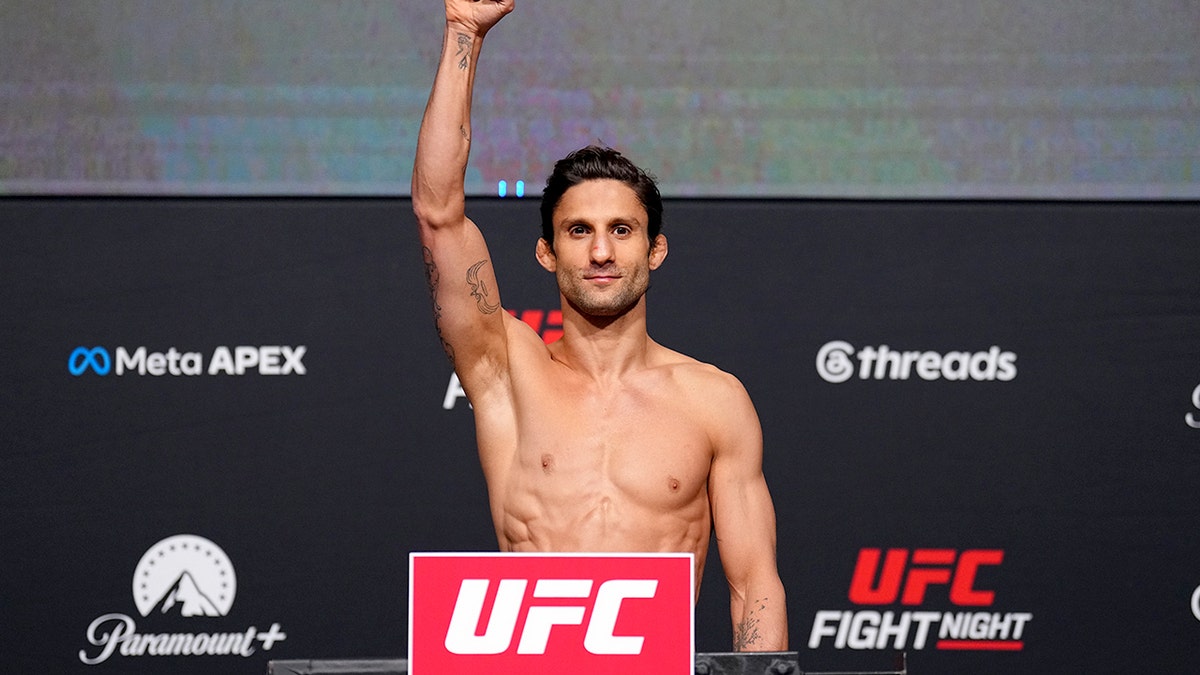
UFC flyweight Allan Nascimento has died at age 34, the UFC announced Monday.
Nascimento was found unresponsive after suffering an apparent heart attack in his sleep, according to a statement released by the organization.
Despite efforts by emergency responders, he was pronounced dead at the scene, the UFC said.
In a post shared on X, the UFC said: “Our thoughts and deepest condolences are with Allan’s family, friends, teammates, and loved ones during this incredibly difficult time.”
This is a developing story. Please check back for updates.
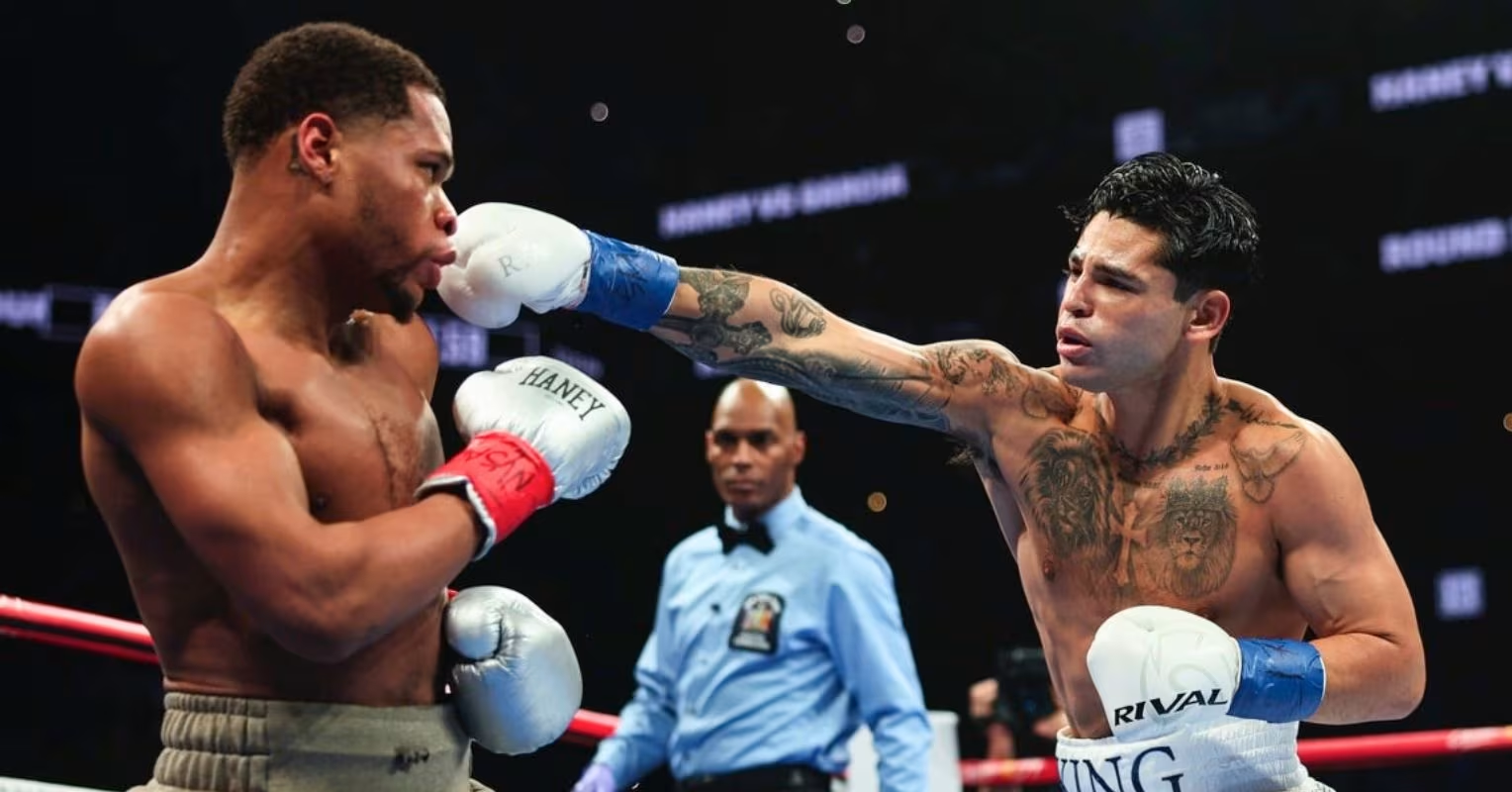

Ryan Garcia has insisted that he will never rematch Devin Haney, unless his welterweight rival agrees to make an unlikely admission.
The pair squared off in April 2024, back when Garcia weighed 3lbs above the super-lightweight limit and edged a majority decision after scoring three knockdowns.
That result was then ruled a no-contest after it emerged that ‘King Ry’ had tested positive for ostarine, a banned substance, before producing one of his standout performances.
Since then, the 27-year-old has served a year-long ban but maintains his innocence, albeit with wild accusations of an ‘inside job’ orchestrated by Team Haney and the late Victor Conte.
Such baseless allegations were made under the suspicion that Conte, a former doping facilitator, had used his relationship with the Voluntary Anti-Doping Association to tamper with Garcia’s samples.
The boxer then attempted to strengthen his claim by highlighting Conte’s partnership with Haney, who continues to work with the doping expert’s SNAC Nutrition.
In response, the former steroid distributor-turned-anti-doping advocate dismissed Garcia’s assessment as nothing more than a conspiracy theory, yet the American continues to suggest that he was sabotaged by Team Haney.
Speaking with Ring Magazine, the WBC welterweight champion said he would not rematch Haney unless he admits to this alleged wrongdoing.
“Until [Haney] admits that they [his team] f**ked with my s**t, or something was going on, I’m never going to fight him.
“His little brother supposedly knew I was going to get caught with steroids. Why would his little brother go on his [social media] story and say ‘Ryan Garcia is going to get caught for steroids’?
“How the f**k did you know? I tested for four months straight [and every result came back] clean.”
While his previous results may have come back negative, the fact of the matter is that Garcia did test positive for a banned substance.
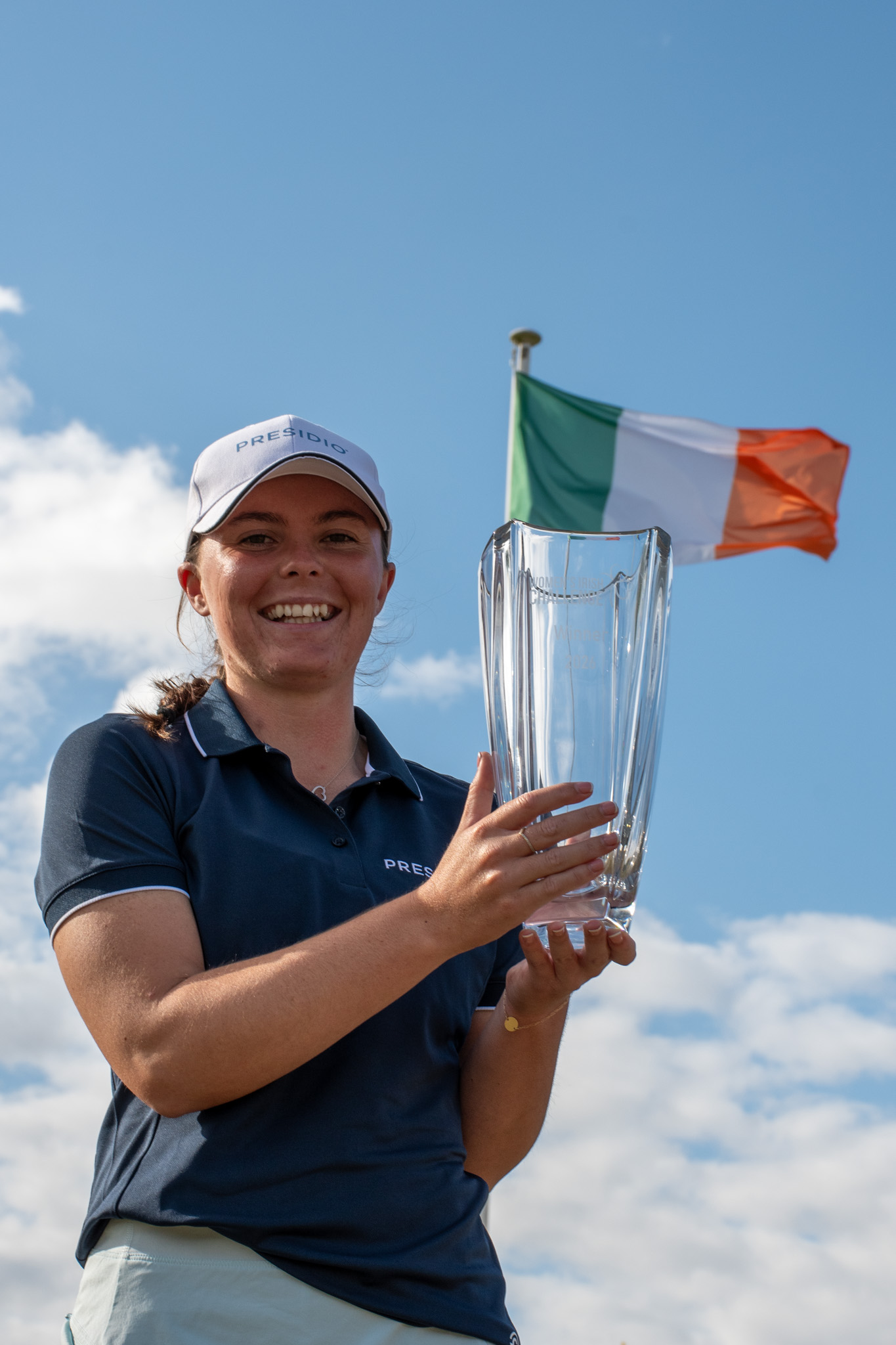
Kirkistown Castle Golf Club member Beth Coulter made history by winning the Women’s Irish Challenge in her professional debut.
The 22-year-old becomes the first Irish female professional golfer to win a professional tournament on home soil.
Coulter produced a composed display to secure a dream victory at Malahide Golf Club and write her name into the history books.
Speaking after her win, the Co Down golfer admitted:
“To win on home soil, in front of so many family, friends and Irish supporters, is incredibly special and something I’ll remember forever. The atmosphere all week was amazing and the support I received has been incredible.
The course was in fantastic condition and the greens at Malahide were probably the best I’ve played on since coming back to Europe.”
Having announced prior to the tournament that she would begin her professional career at the Women’s Irish Challenge, Coulter could not have scripted a better start. Her victory not only marks the perfect beginning to her life as a professional golfer but also represents a landmark moment for Irish women’s golf.
The triumph is another remarkable milestone in what has already been an outstanding golfing journey. A two-time Curtis Cup representative for Britain & Ireland, Coulter enjoyed one of the most distinguished amateur careers of her generation, representing Ireland around the world at the Augusta National Women’s Amateur, the World Amateur Team Championships, European Team Championships and numerous elite international events.
Tournament organisers hailed the victory as a defining moment for both Irish golf and the Women’s Irish Challenge, reinforcing the event’s growing reputation as one of the premier tournaments on the LET Access Series and a launchpad for future stars of the professional game.
Neil Manchip, High Performance Director at Golf Ireland, said:
“To win your first professional event is an incredible achievement, but to do it on home soil and become the first Irish female professional golfer to win a professional tournament in Ireland makes it truly historic.”

Nigerian forward Flourish Sebastine has completed her move to Portuguese champions Benfica, signing a three-year deal with the club.
The 21-year-old joins Benfica after a successful spell with Turkish side Fenerbahçe, where she helped the club win the Turkish Women’s Super League title last season.
Sebastine started her career with Bayelsa Queens and won three domestic titles before moving to Europe. She later played for Stade de Reims in France, Galatasaray and Fenerbahçe in Turkey.

Her journey with the Nigerian national teams also started at youth level. She represented Nigeria at the 2022 and 2024 FIFA U-20 Women’s World Cups.
One of her biggest moments came at the 2022 tournament when she scored the winning goal against France.
Her performances eventually earned her a place in the Super Falcons, and she made her senior debut against Japan in October 2022.
Now, Sebastine begins a new chapter in Portugal after saying goodbye to Fenerbahçe.
Known for her pace, movement and finishing, the forward is expected to add more attacking strength to Benfica as they compete for domestic honours and in European competitions.
Her move also means she will reunite with fellow Nigerian Janet Akekoromowei at Benfica, continuing the club’s growing connection with Nigerian women’s football.
For Sebastine, the move provides another chance to develop her game at one of Europe’s leading women’s clubs.
It also gives the Super Falcons forward an opportunity to gain more experience at the highest level as she continues to establish herself in European football.
Sports
Arshdeep Singh named in North Zone squad for Duleep Trophy; Kanhaiya Wadhawan to lead | Cricket News
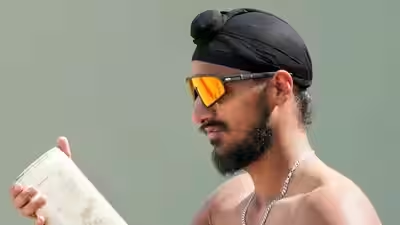
India left-arm pacer Arshdeep Singh was on Monday named in the North Zone squad for the Duleep Trophy, while Jammu and Kashmir wicketkeeper-batter Kanhaiya Wadhawan was appointed captain of the 15-member team.Arshdeep, who is a regular in India’s white-ball teams, was part of the Test squad during the 2025 tour of England but did not make his Test debut because of injury and team combination issues.Another player who returned to the squad is Haryana pacer Anshul Kamboj, who was also included in the North Zone side for the tournament starting on August 23.Fresh from Jammu and Kashmir’s Ranji Trophy title-winning campaign, six players from the side earned places in the squad. Along with Wadhawan, opener Qamran Iqbal, all-rounder Abdul Samad, left-arm spinner Abid Mushtaq, pacer Sunil Kumar and fast bowler Yudhvir Singh were selected.Delhi batter Ayush Badoni was named vice-captain.Veteran Jammu and Kashmir captain Paras Dogra, 41, was not picked as the Duleep Trophy is seen as a platform for players looking to push for national selection.Pacer Auqib Nabi was unavailable as he is on national duty.Delhi had the second-highest representation after Jammu and Kashmir. Opener Sanat Sangwan, former captain Yash Dhull, middle-order batter Ayush Doseja and Badoni were all included in the squad.India A regular Nishant Sindhu, along with Abid Mushtaq and Arjun Sharma, will provide the spin and all-round options.North Zone squad: Kanhaiya Wadhawan (Captain), Ayush Badoni (Vice-Captain), Sanat Sangwan, Qamran Iqbal, Yash Dhull, Ayush Doseja, Abdul Samad, Nishant Sindhu, Arjun Sharma, Abid Mushtaq, Arshdeep Singh, Sunil Kumar, Anshul Kamboj, Yudhvir Singh, Nikhil Kashyap.
Is it fair to drop veteran Paras Dogra from the Duleep Trophy squad?
3k+ users shared opinion today
5k+ users already voted today
3k+ users shared opinion today
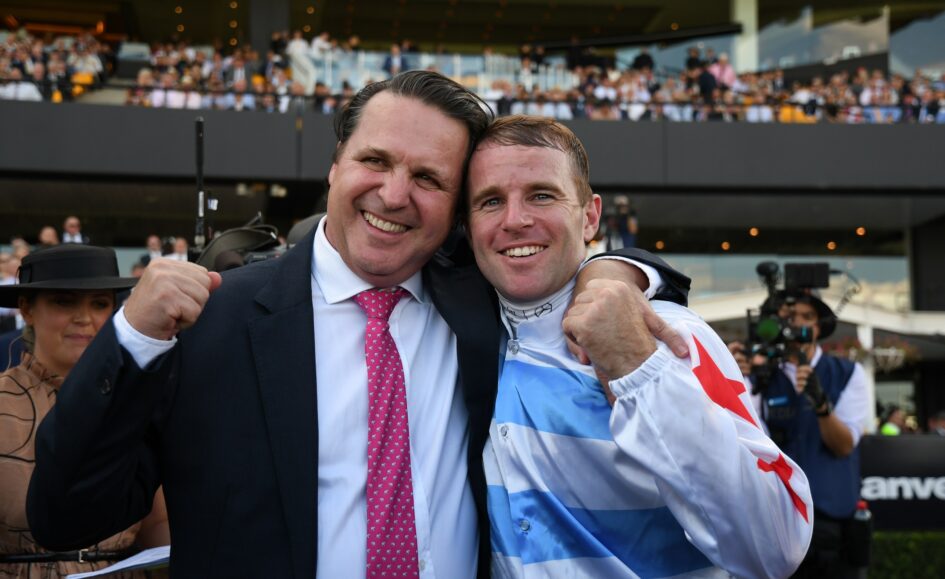
Richard and Will Freedman have launched the 2026/27 Sydney racing season on a high note, with Horizons completing a stable double at Rosehill. This early success places the training partnership at the top of the premiership standings.
After Attractiveness secured victory in the initial race of the program, Horizons delivered another tenacious performance to claim the Congratulations Siena Grima Handicap (2000m).
“I’ve dreamed of this moment,” a jovial Will Freedman stated after the win.
Freedman praised the toughness of Horizons, who had completed a demanding preparation before digging deep when it mattered most.
“Horizons has been game all preparation and she was again today,” Freedman confirmed. “It’s always a query when you have had some tough runs to come and back that up again. But I think the benefit of those tough runs has really hardened her for today’s race.”
Sent out as a $6.50 chance, Horizons fought tenaciously in the straight to defeat Cheval De Bois ($5.50) by three-quarters of a length, with Anythink Goes ($8.50) finishing a close third.
Star jockey Zac Lloyd also achieved a riding double, having earlier triumphed aboard Gatwick, putting him in contention for the Sydney jockeys’ premiership lead.
“It was a nice performance from her today, she was very determined,” Lloyd commented. “To the first turn, we probably did a bit more than I would have liked but then she relaxed well during the run and then found plenty under pressure.”
The five-year-old mare, a daughter of The Autumn Sun, has now amassed four wins from 21 starts, boosting her career earnings to nearly $300,000.
Freedman indicated that Horizons had earned a spell following her latest brave effort.
“We will see how she pulls up but I would think she has done her job for now,” Freedman concluded.
Get the best racing odds for upcoming events.
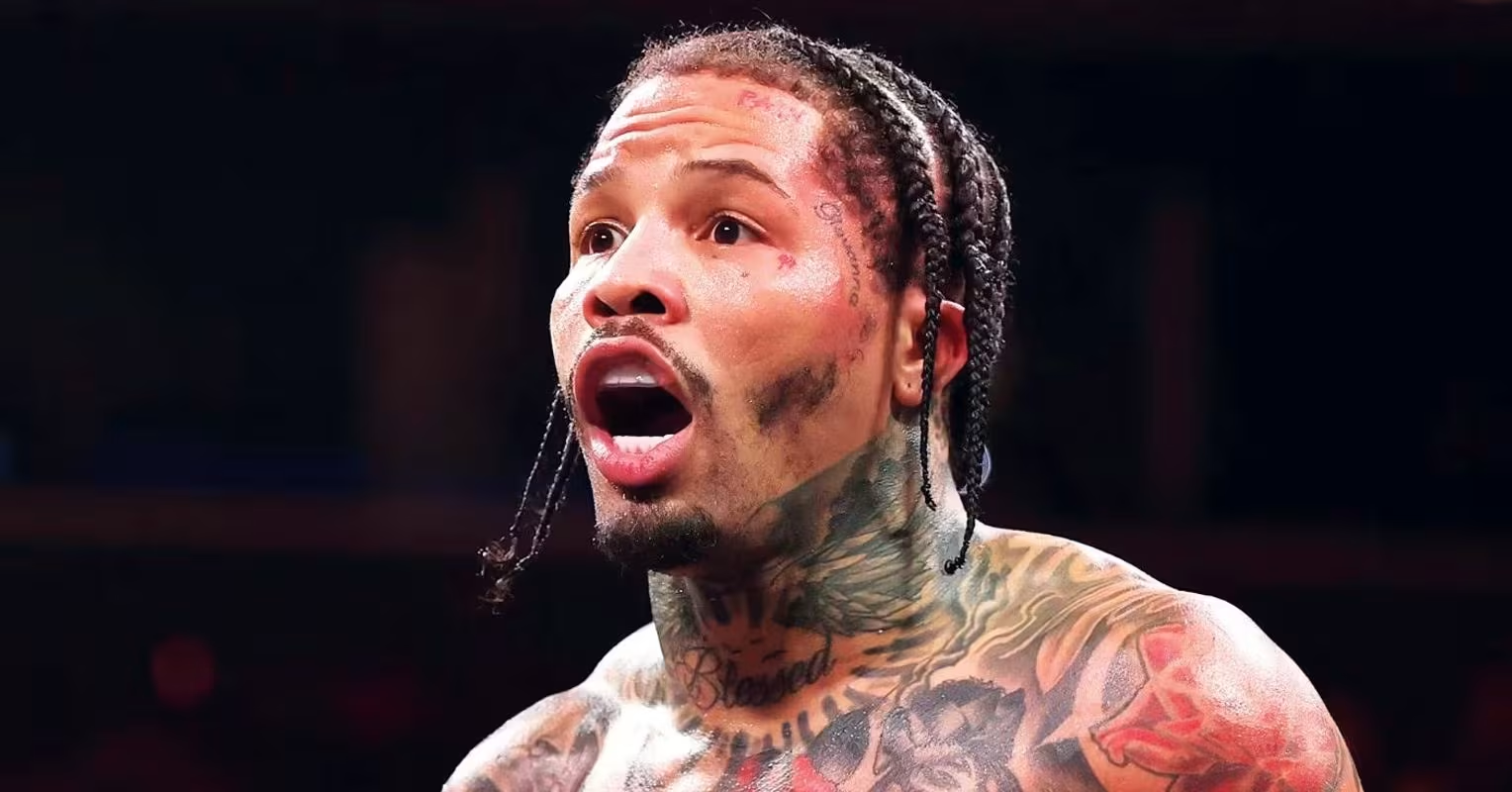

Gervonta Davis is likely to have no shortage of options if he keeps himself out of trouble and in the gym, ready for a ring return in 2027.
The 31-year-old has not fought since his controversial draw with Lamont Roach, who was wrongfully denied a 10-8 round that would have clinched victory in March 2025.
Davis was then accused of domestic violence later that year, which extended his inactivity following the cancellation of an exhibition match with Jake Paul.
According to long-time advisor Al Haymon, though, the American is now eyeing a return to action in the first half of next year.
Someone who would gladly welcome him back to the sport is Ryan Garcia, who suffered a seventh-round stoppage defeat when they collided in 2023.
Yet that result, he claims, was caused by a rehydration clause in their contact, with Garcia having since moved up to 147lbs and become the WBC world champion.
Speaking with Ring Magazine, ‘King Ry’ insisted that a rematch with Davis is more commercially viable than a second encounter with one of his other former rivals.
“I feel like the Tank rematch is bigger [than a Devin Haney rematch]. He has to come up to 147[lbs].
“If he’s a man, he’d [come up to welterweight]. And then, when I beat him, we can have a trilogy.”
Garcia edged a majority decision against Haney in April 2024, only for the result to be ruled a no-contest on account of him testing positive for ostarine.
Since then, the 27-year-old has lost and won unanimous decisions against Rolando Romero and Mario Barrios, respectively, and will defend his WBC welterweight title against Conor Benn on September 12.

Half price rail travel extended to 18-year-olds

The Biggest Crypto Threat In 2026 Isn’t Hackers. It’s Your Own Brain

Brandy & Ray J Reunion Footage Has Fans Cuttin’ Up (VIDEO)


-

 Business5 days ago
Why Trees Belong on the Risk Register
-

 Fashion3 days ago
Weekend Open Thread: Wit & Wisdom
-

 Politics3 days ago
Meta enters AI-training agreement with far-right ‘propaganda rag’ Newsmax
-
 Entertainment6 days ago
‘Stargate’ Creator’s New Sci-Fi Series Returns for Season 3 Tomorrow
-

 Crypto World2 days ago
MicroStrategy Post-Earnings CLARITY Act Push Could Add New Catalyst for Its Stock
-

 Politics7 days ago
The Part of the Electric Transition Nobody Wants to Discuss
-

 Business6 days ago
Major shareholder moves on Canyon
-

 Crypto World3 days ago
XRP Ledger v3.3.0 brings five institutional features
-

 News Videos4 days ago
Bitcoin Enters the 3rd Stage of the Bear Market
-

 Crypto World6 days ago
Kraken Enables Retail Access to Jersey Mike’s IPO via Tokenized Shares
-

 Tech7 days ago
New macOS Sequoia & Sonoma security updates for older Macs
-

 Politics4 days ago
Luke Littler’s dominance sparks GOAT debate
-

 News Videos6 days ago
Claude: Build Financial Dashboards in Minutes (2026)
-

 Sports4 days ago
Seema Kaliramna Wins Discus Throw Bronze, Takes India’s CWG Medals Tally To 17
-

 Business6 days ago
Johnson & Johnson agrees to $5.5B settlement over talc cancer claims
-

 Crypto World2 days ago
Crypto PAC spending tops $2M in Michigan House race
-

 Crypto World3 days ago
New York sues Kalshi over prediction market gambling
-

 Business3 days ago
Trump Announces Hamas Disarmament Agreement as Iran Strikes Kuwait Air Base and US Attacks Pause Overnight
-

 Tech5 days ago
Gemini can now summarize the messiest comment threads in Google Docs
-

 Politics5 days ago
Reform UK betrays West Mids residents by running from party pledges
You must be logged in to post a comment Login