
Business
Expert Picks for Every Need

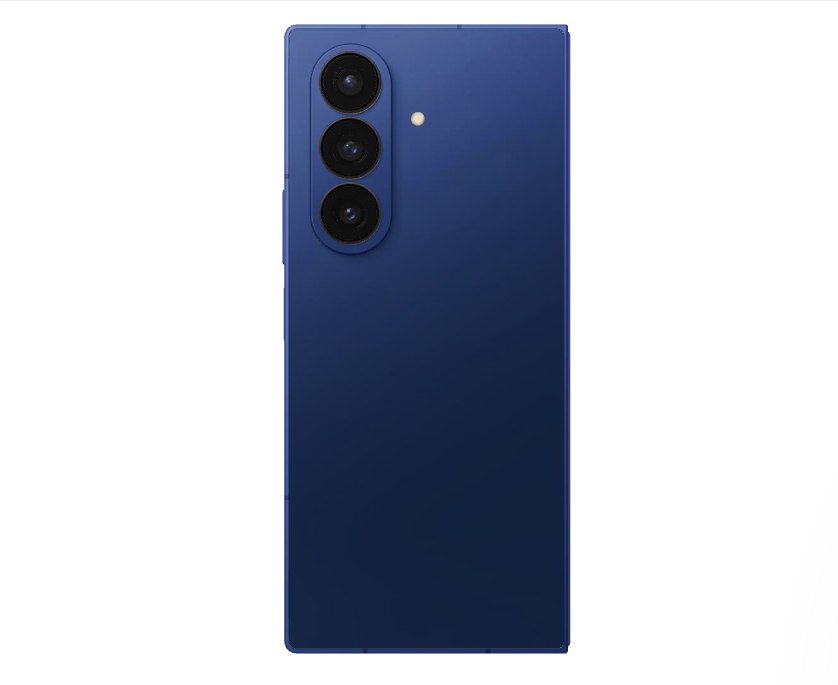
Foldable smartphones have matured dramatically by April 2026, shedding much of their early bulk and fragility to become practical daily drivers with improved durability, battery life and multitasking capabilities. Leading models from Samsung, Google, Motorola and others now compete closely with traditional flagships while offering the unique appeal of a compact device that unfolds into a mini-tablet or stylish flip form factor.
Industry analysts and reviewers from outlets including PCMag, PhoneArena, ZDNet and Wirecutter highlight a clear top tier based on hands-on testing, real-world performance and value. While availability varies by region — with some Chinese brands like Honor and Oppo offering exceptional hardware but limited U.S. support — the following five stand out as the best foldable phones currently on the market.

1. Samsung Galaxy Z Fold 7 — Best Overall Book-Style Foldable
Samsung’s Galaxy Z Fold 7 earns frequent nods as the top foldable for most users thanks to its ultra-slim profile, premium build and polished software experience. Measuring just over 8mm thick when closed and weighing around 215 grams, it feels remarkably close to a conventional flagship yet unfolds into an expansive 8-inch inner display ideal for productivity, media consumption and split-screen multitasking.
The device features a bright 6.5-inch cover screen with 120Hz refresh rate, allowing full app functionality without unfolding. Powered by the Snapdragon 8 Elite for Galaxy processor, it delivers smooth performance across demanding tasks. Cameras have seen meaningful upgrades, with a standout 200-megapixel main sensor producing sharp, vibrant photos that rival non-foldable competitors.
Reviewers praise the refined hinge, improved crease visibility and long software support extending years into the future. Drawbacks include a premium price tag often starting near $1,900 and average battery life that may require midday top-ups for heavy users. Still, its ecosystem integration with Galaxy Watch, Buds and DeX mode makes it a compelling choice for Samsung loyalists and power users alike.
2. Google Pixel 10 Pro Fold — Best for Durability and Cameras
Google’s Pixel 10 Pro Fold stands out for its rugged construction and photography prowess. It boasts a full IP68 dust and water resistance rating — a rarity among foldables — along with enhanced hinge durability and drop protection on the main display. At roughly 258 grams, it feels more substantial than Samsung’s offering but rewards owners with reliable all-day performance.
The Tensor G5 chipset powers intuitive AI features, including real-time call translation, audio magic eraser and Gemini Live integration. Cameras shine with computational photography that delivers natural colors and excellent low-light results, making it a favorite for content creators. The 6.3-inch cover screen and large inner display support seamless multitasking with clean Android 16 software.
Battery life impresses in testing, often outlasting slimmer rivals. Pricing starts around $1,800, positioning it as a strong value for those prioritizing longevity and photography over the absolute thinnest design. Limitations include slightly warmer performance under sustained loads compared to Snapdragon-equipped devices.
3. Motorola Razr Ultra (2025/60 Ultra) — Best Flip-Style Foldable
For users seeking pocketable convenience with flair, the Motorola Razr Ultra delivers one of the most stylish and functional clamshell experiences. Its vertical fold design snaps shut into a compact square, while the generous external display supports full apps, notifications and even quick camera previews.
Equipped with strong battery life that frequently tops competitor flip models, the Razr Ultra handles daily tasks efficiently on its Snapdragon processor. The inner 7-inch display offers smooth 120Hz visuals, and the overall build feels premium with thoughtful details like a titanium hinge option in select variants. Cameras perform adequately for casual use, though they trail book-style models in versatility.
Reviewers highlight its fun factor and practicality for one-handed operation. Starting prices often land in the mid-$1,000 range, making it more accessible than premium book-style foldables. Potential downsides include a smaller unfolded screen compared to tablet-style devices and occasional software quirks in the Motorola skin.
4. Samsung Galaxy Z Flip 7 — Best Compact Flip for Everyday Use
Samsung’s Galaxy Z Flip 7 refines the flip formula with a larger 4.1-inch edge-to-edge cover screen that finally enables meaningful interaction without unfolding. The 6.9-inch inner display provides ample space when needed, while the overall design remains slim and lightweight for easy pocket carry.
Battery improvements help it last through a full day for moderate users, and the Exynos 2500 or Snapdragon variant (depending on region) ensures snappy performance. New DeX support on the Flip adds desktop-like productivity when connected to external displays. Cameras remain solid for social media and quick shots, with the main 50-megapixel sensor delivering reliable results.
Priced starting around $1,100, it offers strong value within the Samsung ecosystem. Critics note it can overheat during intensive multitasking and that battery claims sometimes exceed real-world endurance. Its stylish appeal and improved cover screen functionality make it a top pick for fashion-conscious users or those transitioning from traditional bar phones.
5. Honor Magic V5 — Best Ultra-Thin Alternative for Multitasking
The Honor Magic V5 earns acclaim for its exceptionally slim design, measuring under 9mm folded and around 4.4mm unfolded in some configurations. It targets users who want a near-nonexistent crease and premium feel without Samsung’s ecosystem lock-in.
Featuring a large inner display and capable outer screen, it excels at multitasking with smooth software optimizations. The Snapdragon 8 Elite processor paired with generous RAM handles heavy workloads, while a sizable silicon-carbon battery supports fast charging and extended use. Cameras offer competitive performance, particularly in daylight scenarios.
Availability may require importing in some markets, and software updates could lag behind Google or Samsung. Still, its combination of thinness, battery capacity and vibrant displays positions it as a compelling choice for enthusiasts seeking cutting-edge hardware at potentially competitive pricing.
Buying Considerations in 2026
Foldable phones now address many early criticisms: creases are subtler, hinges more robust and repair programs more widespread. Most top models promise four to seven years of software support, reducing obsolescence concerns. Battery technology has advanced, though heavy multitasking or camera use still drains power faster than slab phones.
Prices remain elevated, with book-style models often exceeding $1,800 and flips starting above $1,000. Trade-in deals, carrier promotions and installment plans can ease the cost. Buyers should consider ecosystem preferences — Samsung for seamless integration, Google for pure Android and AI, Motorola for flip charm.
Durability has improved markedly, but users should invest in quality cases and screen protectors. Coverage for accidental damage varies by manufacturer and carrier.
Regional factors matter: U.S. buyers enjoy broad carrier support for Samsung, Google and Motorola models, while international shoppers may access superior specs from Honor, Oppo, Vivo or Huawei at lower prices, albeit with potential Google service limitations on some devices.
The Future of Foldables
As 2026 progresses, expectations include further refinements such as even lighter builds, under-display cameras that eliminate notches and possible trifold designs from Samsung and others reaching wider markets. Apple’s rumored foldable iPhone could reshape the segment later in the year or in 2027.
For now, the market offers something for nearly every preference: productivity powerhouses, stylish compacts and durable all-rounders. Early adopters who hesitated in previous years will find 2026 models far more refined and reliable.
Consumers weighing a purchase should evaluate their primary needs — screen size for work, portability for travel or camera quality for photography — and test devices in-store when possible. With rapid iteration, waiting for carrier deals or next-generation hints may also pay off.
Foldables represent more than a novelty in 2026; they deliver genuine utility that enhances how many people work, create and consume content on the go. Whether opting for the versatile Galaxy Z Fold 7, the rugged Pixel 10 Pro Fold or a fun flip like the Razr Ultra, buyers are investing in devices that continue to evolve the smartphone experience.

Business
Oil Price Today (April 23): Crude oil prices cross $100 again as Iran war ceasefire talks show no progress. $120 in sight?

Adding to concerns, Iran seized two ships in the strait on Wednesday, tightening control over the passage. The U.S. has continued its naval blockade on Iranian trade, while Iranian parliament speaker and lead negotiator Mohammad Baqer Qalibaf stated that a full ceasefire would only be meaningful if the blockade is lifted.
Crude oil price on April 23
Brent crude futures slipped 15 cents to $101.76 per barrel, after closing above $100 on Wednesday for the first time in over two weeks. West Texas Intermediate futures also edged lower by 14 cents to $92.82.On Wednesday, both benchmarks had surged more than $3, supported by larger-than-expected draws in U.S. gasoline and distillate inventories, along with continued deadlock in diplomatic negotiations.

Although U.S. President Donald Trump extended a ceasefire following mediation efforts by Pakistan, tensions remain unresolved. Iran and the U.S. are still limiting vessel movement through the Strait of Hormuz, a critical route that previously handled about 20% of global oil and LNG flows before the conflict began in late February with U.S. and Israeli strikes on Iran.
Markets remain highly reactive to geopolitical signals, with price movements driven more by sentiment than any concrete improvement in supply. Limited vessel activity through the strait highlights the ongoing uncertainty. Even if tensions ease, a full normalization of flows is expected to take several months.
Macquarie estimates that crude prices could remain supported in the $85 to $90 range in the near term, with a gradual rise towards $110 as supply conditions improve. It also cautioned that prolonged disruptions through April could push Brent prices as high as $150 per barrel.
Analysts believe the market may be entering a phase of structurally higher prices. With the ceasefire viewed as temporary, a return to pre-conflict levels of $70 to $75 may not happen quickly. In the short term, prices are likely to move within a band of $80 to $85 on the downside and $95 to $100 and above on the upside.
Nuvama Institutional Equities added that an extended closure of the Strait of Hormuz, which carries around 20 million barrels per day, could drive crude prices into the $110 to $150 range.
(Disclaimer: Recommendations, suggestions, views and opinions given by the experts are their own. These do not represent the views of The Economic Times)

Earnings call transcript: Regis Resources’ Q3 2026 highlights strong cash flow
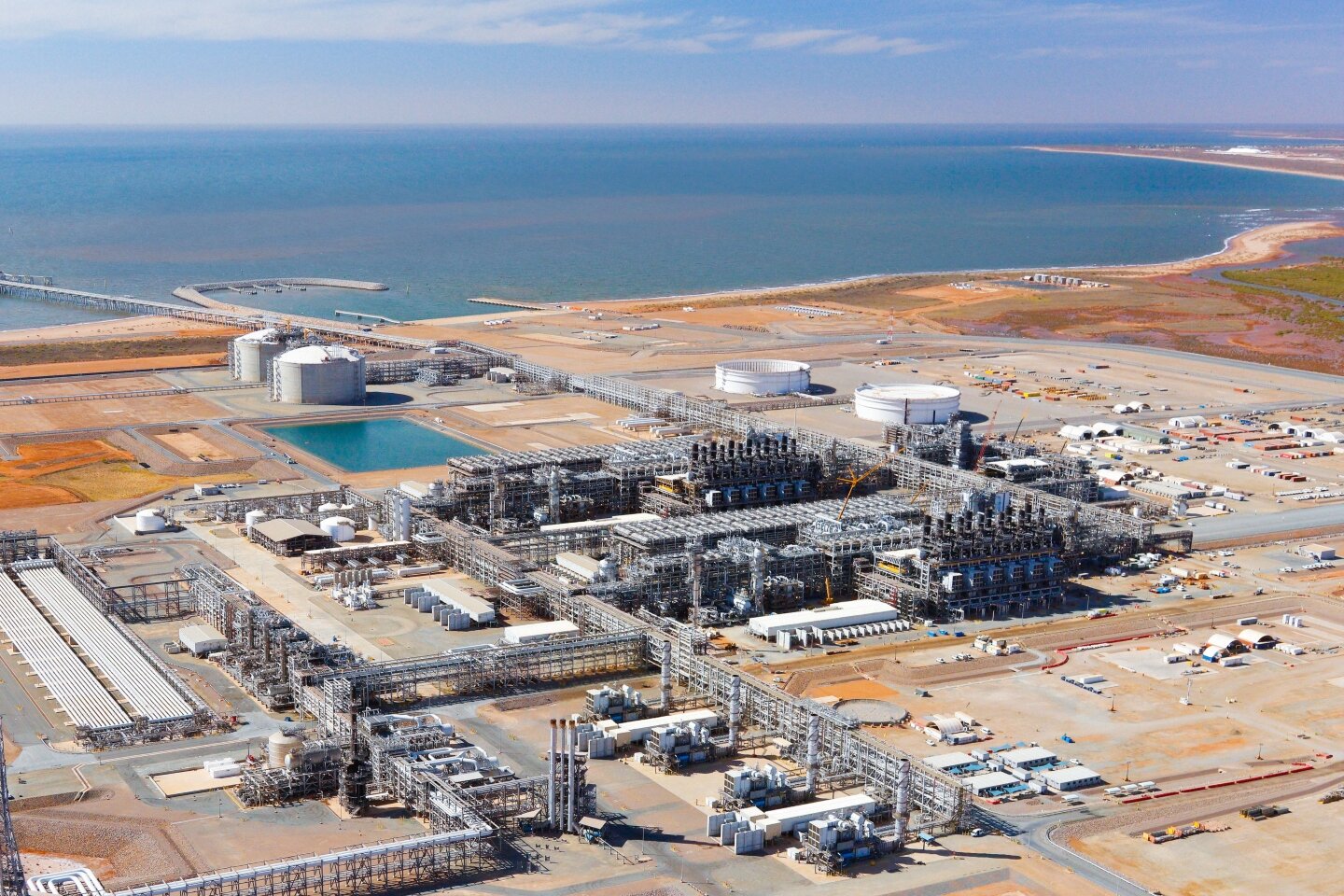
Chevron has fully restored LNG production at its Wheatstone LNG facility, almost a month after Cyclone Narelle damaged infrastructure at the project near Onslow.

Contracts for the S&P 500 Index dropped 0.4% and Brent advanced 1.3% to nearly $103 a barrel. Asian shares fluctuated at the open and advanced 0.1%.
The fluctuating moves at the open in Asia came after the S&P 500 rose 1.1% to a record Wednesday, placing the index on track for its best month since 2020. The Nasdaq 100 gained 1.7% to also set a closing peak. US chipmakers climbed for a 16th straight day, the longest-ever advance.
Stocks rose during the US session after President Donald Trump’s extension of the ceasefire marked a retreat from threats to resume bombing Iran if a deal wasn’t reached by a Wednesday deadline. The focus now is on whether talks can resume and the two sides can reach an agreement, especially as the closure of the Strait of Hormuz keeps energy prices elevated, risking higher inflation and weighing on economic growth.
Tensions remain high as the US and Iran failed to meet for a fresh round of peace talks, with both sides blocking the waterway to gain leverage during an extended ceasefire. Tehran says it has no plans to take part in negotiations imminently.
Strong corporate profits, the revival of the artificial-intelligence trade and an otherwise resilient economy have buoyed stocks despite lingering geopolitical risks. Nearly 80% of the S&P 500 companies reporting first-quarter results have beaten analyst earnings estimates so far, according to data compiled by Bloomberg.
Focus is likely to shift to Asian semiconductor stocks after the Philadelphia Stock Exchange Semiconductor Index posted a record run, as investors bet on continued strength driven by artificial intelligence-related demand.The semiconductor sector is expected to grow revenue by about 57% in 2026, according to Bloomberg Intelligence data, which is twice the pace of the overall tech sector, and well above the 9.3% growth expected for the S&P 500 Index.
“There’s a huge amount of demand because of artificial intelligence, and I think we can expect the heavy spending on AI to continue for the foreseeable future,” said Mark Grant, chief global strategist at Alliance Global Partners. “The sector still looks attractive in terms of both valuation and growth, and that should be positive for both semiconductor stocks broadly, but also the market overall.”
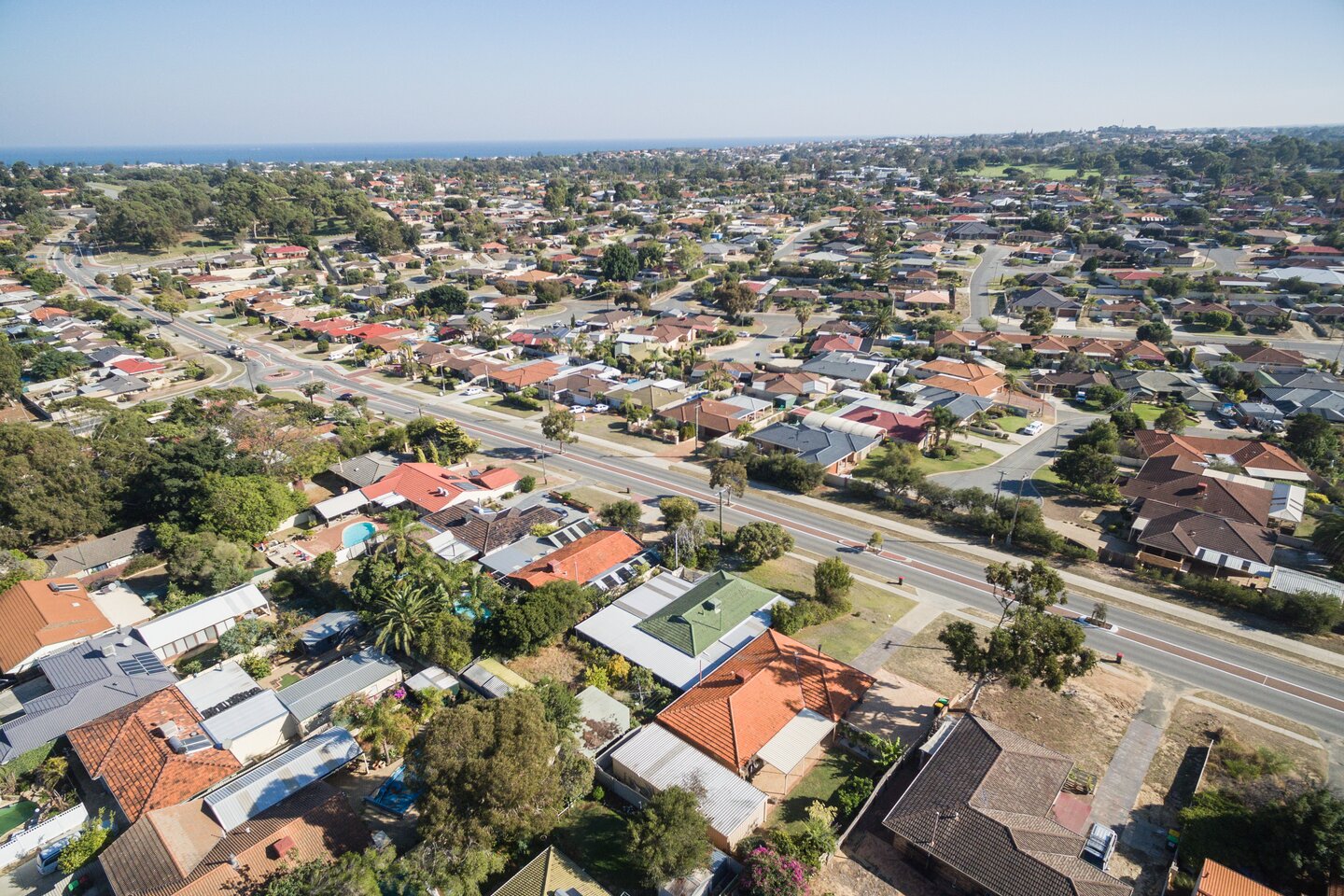
House prices for homes under thresholds for a five per cent deposit scheme are outstripping increases for all other homes.

SoftBank seeks $10 billion margin loan backed by OpenAI shares, Bloomberg News reports

NEW YORK — Fermi Inc. shares climbed sharply in early trading Wednesday, rising 13.14 percent to $5.72 as investors appeared to shake off recent volatility tied to a high-profile CEO departure and betting on the company’s ambitious plans to deliver gigawatt-scale power for artificial intelligence data centers.

The Nasdaq-listed stock (FRMI) gained 66 cents by 10:42 a.m. EDT on above-average volume, marking a partial rebound after Monday’s steep decline following news of leadership changes at the specialized real estate investment trust focused on energy infrastructure for hyperscale computing.
Fermi Inc., operating as Fermi America, develops private power campuses designed to supply behind-the-meter electricity directly to AI-centric customers, bypassing strained public grids. Its flagship Project Matador envisions an 11-gigawatt “HyperGrid” campus on more than 5,200 acres near Amarillo, Texas, combining data center facilities with on-site generation from natural gas, solar and planned nuclear units.
The company positions itself at the intersection of two explosive trends: surging electricity demand from AI training and inference workloads and chronic delays in traditional grid interconnections. By building dedicated power infrastructure, Fermi aims to offer tenants reliable, redundant energy faster than competitors reliant on utility-scale transmission queues that can stretch years.
Recent volatility stems from a leadership transition. On or around April 20, the company announced that CEO Toby Neugebauer had stepped down immediately, with the CFO also departing. The moves rattled traders, sending shares down more than 13 percent that day and contributing to broader uncertainty around execution of Project Matador. Short seller commentary, including critiques labeling the venture “not a field of AI dreams,” added pressure in recent sessions.
Despite the turbulence, some analysts and momentum investors see the dip as a buying opportunity. Fermi’s core thesis remains intact: U.S. data center capacity constraints and power shortages could drive hyperscalers toward behind-the-meter solutions. The company has highlighted partnerships, including advanced discussions with Hyundai Engineering & Construction for nuclear technology, and progress on permitting and front-end engineering design for AP1000 reactors.
Fermi went public in late 2025 via an IPO structured as a REIT, allowing tax-efficient operations while focusing on long-term leases for power and computing space. The REIT structure appeals to income-oriented investors but has drawn scrutiny over whether the company qualifies given its heavy development focus and limited current revenue.
Project Matador remains the centerpiece. Fermi has spoken of bringing the first gigawatt online by the end of 2026, with ambitions to scale to 11 GW or more. Executives have emphasized “HyperRedundant” power delivery — combining multiple generation sources for uptime critical to AI operations that cannot tolerate outages. The campus model includes land acquisition, permitting, construction and leasing to major tech tenants seeking to avoid public grid bottlenecks.
Financially, Fermi is still in the heavy investment phase. The company has reported net losses as it funds development, permitting and early construction. Recent secured financing facilities, including a $156 million committed facility announced in early April and earlier turbine equipment deals, provide runway but also raise dilution concerns if additional equity raises follow.
Analysts remain divided. Some maintain bullish price targets well above current levels, citing massive addressable demand from AI growth and Fermi’s first-mover advantage in private power campuses. Others have lowered targets or expressed caution over execution risks, lack of signed major tenant contracts to date, regulatory hurdles for nuclear components and competition from established data center REITs and utility-backed projects.
The stock’s journey has been dramatic since going public. Shares experienced sharp swings, hitting new 52-week lows in early April before rebounding on AI sector momentum and then pulling back again on leadership news. Wednesday’s 13 percent gain suggests some traders are looking past the near-term noise toward longer-term potential in the AI power infrastructure theme.
Fermi’s board and interim leadership have not yet detailed a permanent CEO search, but the company continues to push forward on strategic initiatives. Recent updates have included progress on clean air permitting in Texas and deepened nuclear collaboration talks. The involvement of high-profile figures, including former Energy Secretary Rick Perry on the board in earlier stages, lent credibility to the nuclear angle, though the company has since emphasized a hybrid generation approach.
Broader market context supports selective buying in AI-adjacent names. While major indices trade modestly higher Wednesday, stocks tied to data center infrastructure and energy have shown sporadic strength as investors weigh the massive electricity needs of next-generation AI models.
For Fermi, the path forward hinges on several milestones: securing anchor tenants for Project Matador, advancing nuclear or gas generation timelines, maintaining financing discipline and navigating regulatory processes in Texas. Success could validate the private power campus model and deliver substantial upside; delays or cost overruns could pressure the stock further given its already volatile history.
Retail investor interest has been notable, with social media and trading forums frequently discussing FRMI alongside other small-cap AI infrastructure plays. High short interest and elevated options activity have amplified swings, creating opportunities for nimble traders but also significant risk for those chasing momentum without regard to fundamentals.
As the morning session continued, Fermi shares held most of their gains, though volatility remained elevated. The upcoming earnings cycle and any fresh updates on Project Matador or leadership will likely dictate the next leg of movement.
Fermi Inc. represents a high-risk, high-reward bet on the infrastructure layer supporting the AI boom. While recent leadership changes have introduced uncertainty, the underlying demand for reliable, scalable power for data centers continues to grow. Whether the company can execute on its ambitious Texas vision will determine if today’s rebound marks the start of sustained recovery or another chapter in its volatile trading story.
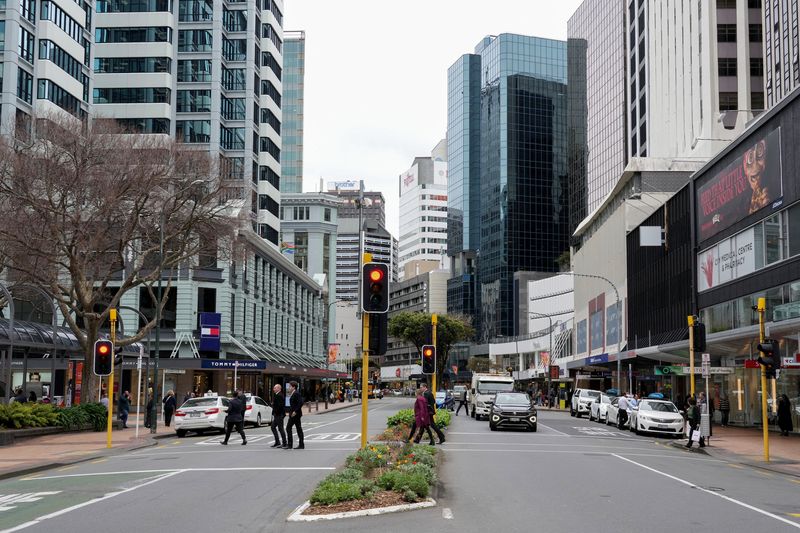

New Zealand’s economic recovery delayed but not derailed, finance minister says
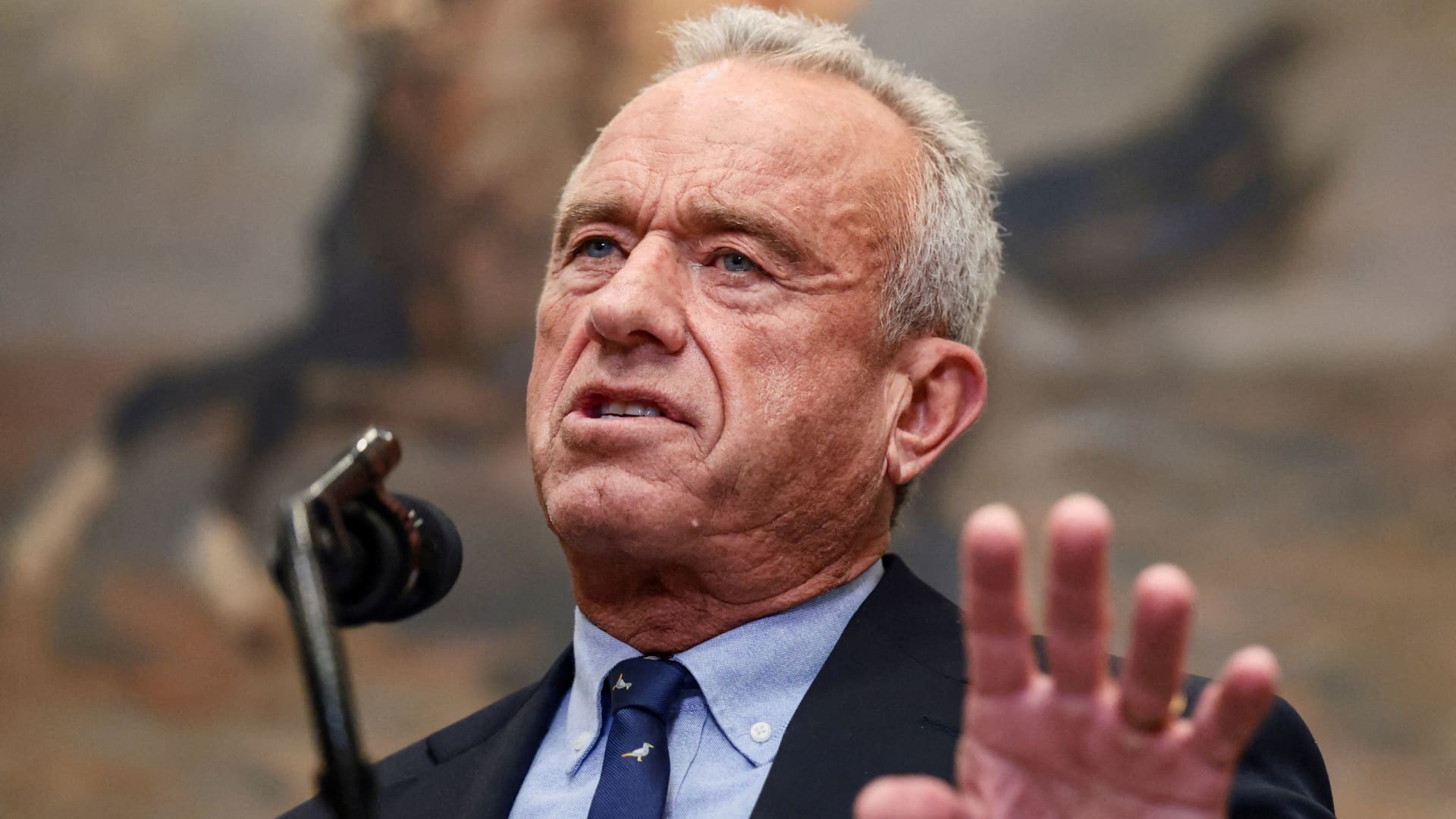
U.S. Secretary of Health and Human Services Robert F. Kennedy Jr. gestures as he speaks during an event at the Roosevelt Room of the White House in Washington, D.C., U.S., Dec. 19, 2025.
Evelyn Hockstein | Reuters
Health and Human Services Secretary Robert F. Kennedy Jr. on Wednesday said he would support a potential ban on junk food TV advertisements in the U.S. – an effort that would likely draw fierce backlash from major food manufacturers.
Speaking at a Senate Health, Education, Labor, and Pensions (HELP) Committee hearing, ranking member Sen. Bernie Sanders, I-Vt., said President Donald Trump’s nominee for surgeon general, Casey Means, had recently told the panel she supports banning junk food ads on TV.
When asked whether he agrees with a ban, Kennedy said, “I would support that.”
But Kennedy also appeared to imply that he would want the effort to be voluntary for food companies.
“The only hesitation I have was … we tried to do a smoking ban on TV, and the tobacco companies voluntarily came to the table, which was a good thing,” he said. “And I think the same arguments apply for junk food, [which is] probably even worse for Americans than smoking.”
Food, beverage and restaurant companies spend almost $14 billion per year on food ads in the U.S., with more than 80% promoting fast food, sugary drinks, candy, and unhealthy snacks, 2017 research from the University of Connecticut’s Rudd Center for Food Policy and Health shows. It is not clear how trends have changed in the years since.
The Trump administration is already exploring whether to limit food companies’ ability to market certain unhealthy foods to children, according to a “Make America Healthy Again” strategy document released by the White House in September.
HHS, the Federal Trade Commission and other agencies will consider establishing food industry guidelines on marketing to children, “including the evaluation of misleading claims and imagery,” the document said.
Two decades ago, the food industry launched The Children’s Food and Beverage Advertising Initiative as a commitment to only advertise products that met certain nutrition parameters to kids under the age of 12. But the initiative is voluntary, and children still view about 1,000 television commercials annually for unhealthy food and drinks, according to a study from the University of Illinois Chicago from 2024.
Kennedy’s testimony before the HELP committee is the last in a string of congressional hearings for him over the past two weeks around the proposed HHS budget for fiscal year 2027.
Means, during her Senate confirmation hearing in February, had stated she would “absolutely lend” her voice to support a ban on television advertisements for junk food aimed at children.
— CNBC’s Amelia Lucas contributed to this report

SL Green Realty: Dividend Cut And Record Leasing Fuel Their Potential Recovery

Cancer cases reach record level as UK population ages with NI wait times flagged as in dire need of provision
Oil Price Today (April 23): Crude oil prices cross $100 again as Iran war ceasefire talks show no progress. $120 in sight?

Thailand SEC Proposes New Rules to Expand Crypto Futures Access

Manchester United reach agreement with Casemiro over contract clause amid transfer speculation

Steven Gerrard disagrees with Gary Neville over ‘shock’ Chelsea and Arsenal claim | Football

US brings back mandatory military draft registration


-

 Sports6 days ago
NWFL Suspends Two Players Over Post-Match Clash in Ado-Ekiti
-

 Fashion5 days ago
Weekend Open Thread: Theodora Dress
-

 Politics5 days ago
Palestine barred from entering Canada for FIFA Congress
-
Entertainment3 days ago
NBA Analyst Charles Barkley Chimes in on Ice Spice McDonald’s Fiasco
-

 Business3 days ago
Powerball Result April 18, 2026: No Jackpot Winner in Powerball Draw: $75 Million Rolls Over
-

 Tech4 days ago
Auto Enthusiast Scores Running Tesla Model 3 for Two Grand and Turns It Into Bare-Bones Go-Kart
-

 Politics4 days ago
Zack Polanski demands ‘council homes not luxury flats for foreign investors’
-

 Crypto World5 days ago
Russia Pushes Bill to Criminalize Unregistered Crypto Services
-

 Politics2 days ago
Gary Stevenson delivers timely reminder to register to vote as deadline TODAY
-

 Politics8 hours ago
Disabled people challenge government SEND proposals over segregation concerns
-

 Business16 hours ago
Rolls-Royce Voted UK’s Most Iconic Trade Mark as IPO Register Hits 150
-

 Politics8 hours ago
Making troops accountable for war crimes threatens US alliance, ex-SAS colonel warns
-
 Business6 days ago
Creo Medical agree sale of its manufacturing operation
-

 Crypto World5 days ago
Russia Introduces Bill To Criminalize Unregistered Crypto Services
-

 Politics9 hours ago
Starmer handler McSweeney to be dragged from shadows by Foreign Affairs Committee
-

 Politics9 hours ago
Zack Polanski responds to home secretary’s taser threat
-
Politics9 hours ago
Wings Over Scotland | How To Get Away With Crimes
-
Crypto World4 days ago
Kelp DAO rsETH Bridge Hack Drains $292M as DeFi Losses Top $600M in Two Weeks
-

 Politics6 hours ago
‘Iran is still a nuclear threat’
-

 Tech7 days ago
Ford EV and tech chief leaving automaker
You must be logged in to post a comment Login