
Business
Expert Picks for Every Need

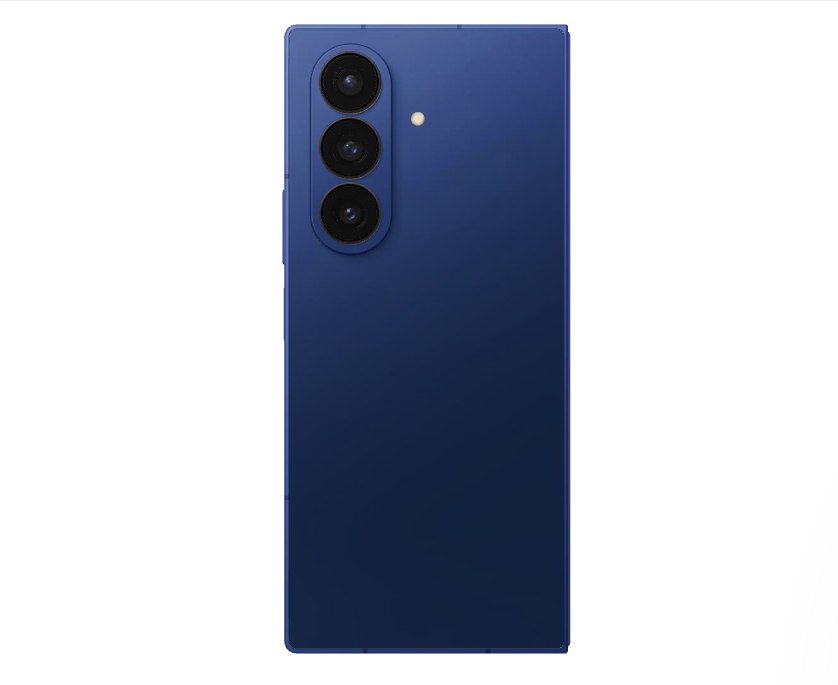
Foldable smartphones have matured dramatically by April 2026, shedding much of their early bulk and fragility to become practical daily drivers with improved durability, battery life and multitasking capabilities. Leading models from Samsung, Google, Motorola and others now compete closely with traditional flagships while offering the unique appeal of a compact device that unfolds into a mini-tablet or stylish flip form factor.
Industry analysts and reviewers from outlets including PCMag, PhoneArena, ZDNet and Wirecutter highlight a clear top tier based on hands-on testing, real-world performance and value. While availability varies by region — with some Chinese brands like Honor and Oppo offering exceptional hardware but limited U.S. support — the following five stand out as the best foldable phones currently on the market.

1. Samsung Galaxy Z Fold 7 — Best Overall Book-Style Foldable
Samsung’s Galaxy Z Fold 7 earns frequent nods as the top foldable for most users thanks to its ultra-slim profile, premium build and polished software experience. Measuring just over 8mm thick when closed and weighing around 215 grams, it feels remarkably close to a conventional flagship yet unfolds into an expansive 8-inch inner display ideal for productivity, media consumption and split-screen multitasking.
The device features a bright 6.5-inch cover screen with 120Hz refresh rate, allowing full app functionality without unfolding. Powered by the Snapdragon 8 Elite for Galaxy processor, it delivers smooth performance across demanding tasks. Cameras have seen meaningful upgrades, with a standout 200-megapixel main sensor producing sharp, vibrant photos that rival non-foldable competitors.
Reviewers praise the refined hinge, improved crease visibility and long software support extending years into the future. Drawbacks include a premium price tag often starting near $1,900 and average battery life that may require midday top-ups for heavy users. Still, its ecosystem integration with Galaxy Watch, Buds and DeX mode makes it a compelling choice for Samsung loyalists and power users alike.
2. Google Pixel 10 Pro Fold — Best for Durability and Cameras
Google’s Pixel 10 Pro Fold stands out for its rugged construction and photography prowess. It boasts a full IP68 dust and water resistance rating — a rarity among foldables — along with enhanced hinge durability and drop protection on the main display. At roughly 258 grams, it feels more substantial than Samsung’s offering but rewards owners with reliable all-day performance.
The Tensor G5 chipset powers intuitive AI features, including real-time call translation, audio magic eraser and Gemini Live integration. Cameras shine with computational photography that delivers natural colors and excellent low-light results, making it a favorite for content creators. The 6.3-inch cover screen and large inner display support seamless multitasking with clean Android 16 software.
Battery life impresses in testing, often outlasting slimmer rivals. Pricing starts around $1,800, positioning it as a strong value for those prioritizing longevity and photography over the absolute thinnest design. Limitations include slightly warmer performance under sustained loads compared to Snapdragon-equipped devices.
3. Motorola Razr Ultra (2025/60 Ultra) — Best Flip-Style Foldable
For users seeking pocketable convenience with flair, the Motorola Razr Ultra delivers one of the most stylish and functional clamshell experiences. Its vertical fold design snaps shut into a compact square, while the generous external display supports full apps, notifications and even quick camera previews.
Equipped with strong battery life that frequently tops competitor flip models, the Razr Ultra handles daily tasks efficiently on its Snapdragon processor. The inner 7-inch display offers smooth 120Hz visuals, and the overall build feels premium with thoughtful details like a titanium hinge option in select variants. Cameras perform adequately for casual use, though they trail book-style models in versatility.
Reviewers highlight its fun factor and practicality for one-handed operation. Starting prices often land in the mid-$1,000 range, making it more accessible than premium book-style foldables. Potential downsides include a smaller unfolded screen compared to tablet-style devices and occasional software quirks in the Motorola skin.
4. Samsung Galaxy Z Flip 7 — Best Compact Flip for Everyday Use
Samsung’s Galaxy Z Flip 7 refines the flip formula with a larger 4.1-inch edge-to-edge cover screen that finally enables meaningful interaction without unfolding. The 6.9-inch inner display provides ample space when needed, while the overall design remains slim and lightweight for easy pocket carry.
Battery improvements help it last through a full day for moderate users, and the Exynos 2500 or Snapdragon variant (depending on region) ensures snappy performance. New DeX support on the Flip adds desktop-like productivity when connected to external displays. Cameras remain solid for social media and quick shots, with the main 50-megapixel sensor delivering reliable results.
Priced starting around $1,100, it offers strong value within the Samsung ecosystem. Critics note it can overheat during intensive multitasking and that battery claims sometimes exceed real-world endurance. Its stylish appeal and improved cover screen functionality make it a top pick for fashion-conscious users or those transitioning from traditional bar phones.
5. Honor Magic V5 — Best Ultra-Thin Alternative for Multitasking
The Honor Magic V5 earns acclaim for its exceptionally slim design, measuring under 9mm folded and around 4.4mm unfolded in some configurations. It targets users who want a near-nonexistent crease and premium feel without Samsung’s ecosystem lock-in.
Featuring a large inner display and capable outer screen, it excels at multitasking with smooth software optimizations. The Snapdragon 8 Elite processor paired with generous RAM handles heavy workloads, while a sizable silicon-carbon battery supports fast charging and extended use. Cameras offer competitive performance, particularly in daylight scenarios.
Availability may require importing in some markets, and software updates could lag behind Google or Samsung. Still, its combination of thinness, battery capacity and vibrant displays positions it as a compelling choice for enthusiasts seeking cutting-edge hardware at potentially competitive pricing.
Buying Considerations in 2026
Foldable phones now address many early criticisms: creases are subtler, hinges more robust and repair programs more widespread. Most top models promise four to seven years of software support, reducing obsolescence concerns. Battery technology has advanced, though heavy multitasking or camera use still drains power faster than slab phones.
Prices remain elevated, with book-style models often exceeding $1,800 and flips starting above $1,000. Trade-in deals, carrier promotions and installment plans can ease the cost. Buyers should consider ecosystem preferences — Samsung for seamless integration, Google for pure Android and AI, Motorola for flip charm.
Durability has improved markedly, but users should invest in quality cases and screen protectors. Coverage for accidental damage varies by manufacturer and carrier.
Regional factors matter: U.S. buyers enjoy broad carrier support for Samsung, Google and Motorola models, while international shoppers may access superior specs from Honor, Oppo, Vivo or Huawei at lower prices, albeit with potential Google service limitations on some devices.
The Future of Foldables
As 2026 progresses, expectations include further refinements such as even lighter builds, under-display cameras that eliminate notches and possible trifold designs from Samsung and others reaching wider markets. Apple’s rumored foldable iPhone could reshape the segment later in the year or in 2027.
For now, the market offers something for nearly every preference: productivity powerhouses, stylish compacts and durable all-rounders. Early adopters who hesitated in previous years will find 2026 models far more refined and reliable.
Consumers weighing a purchase should evaluate their primary needs — screen size for work, portability for travel or camera quality for photography — and test devices in-store when possible. With rapid iteration, waiting for carrier deals or next-generation hints may also pay off.
Foldables represent more than a novelty in 2026; they deliver genuine utility that enhances how many people work, create and consume content on the go. Whether opting for the versatile Galaxy Z Fold 7, the rugged Pixel 10 Pro Fold or a fun flip like the Razr Ultra, buyers are investing in devices that continue to evolve the smartphone experience.


Smarter Web Company names Oliver Hewett financial controller

The Economic Times was the first to report earlier this year that Mumbai-based Sun Pharma was closing in on the $12 billion acquisition of Organon, a debt-ridden US company specialising in women’s health that was spun off from MSD (Merck Sharp & Dohme) in 2021.
Sun Pharma’s acquisition of Organon
In an exchange filing released today, Sun Pharma said it has entered into a definitive agreement with Organon, which it called a global leader in women’s health with a portfolio spanning across 70 products and biosimilars commercialised across 140 countries, with US, Europe, China, Canada, and Brazil among its largest market. The US-based company has six manufacturing facilities across the European Union and emerging markets.
Sun Pharma plans to fund the acquisition through a combination of available cash resources and committed financing from banks. The transaction will be effected by a merger of Organon with a subsidiary of Sun Pharma, with Organon surviving the merger, it added. The said transaction is expected to close in early 2027, subject to customary conditions.
“The proposed acquisition of Organon is aligned with Sun Pharma’s strategy of growing its innovative medicines business. The combined company becomes a stronger player in established brands/branded generics business. The deal also enables Sun Pharma’s entry into biosimilars as a top-10 global player. Organon’s portfolio, global footprint and strong stakeholder relationships shall complement Sun Pharma’s existing strengths and enhance long‑term value creation,” Sun Pharma said.

After the completion of the acquisition of 100% stake, Sun Pharma will become one of the top 25 global pharmaceutical companies with combined revenue of $12.4 billion, a more innovative medicines focussed company with 27% revenue share, one of the top 3 companies in global women’s health category and the seventh largest global biosimilar player, the pharma giant said.
Also read | ET Exclusive | Sun Pharma set to acquire Organon for $12.5 bn, its biggest till date
What the management says
The transaction has been approved by the boards of both the companies, but is subject to customary closing conditions. Speaking about the acquisition, Sun Pharma Executive Chairman Dilip Shanghvi said, “This transaction represents a significant opportunity for Sun Pharma to build on its vision of Reaching People and Touching Lives. Organon’s portfolio, capabilities and global reach are highly complementary to our own, and we believe that bringing the two organizations together can create a stronger and more diversified platform. We have deep respect for Organon’s mission and look forward to building on its legacy while driving sustainable long‑term growth.”
This transaction is a logical next step in strengthening Sun Pharma’s global business, said the company’s managing director Kirti Ganorkar. “Together, we will become a partner of choice for acquiring and launching new products. Our immediate priorities will be business continuity, disciplined integration and responsible value creation. We see strong potential in leveraging Organon’s talent pool. In addition, there is a scope for synergies including significant revenue upside opportunities to be realized over the coming years,” Ganorkar added.
Organon’s Executive Chair Carrie Cox meanwhile said that the US-based company’s board determined that this all‑cash transaction offers compelling and immediate value to Organon stockholders. “We believe Sun Pharma is well positioned to support Organon’s businesses, employees and patients globally, and to further advance our commitment to delivering impactful medicines and solutions,” he added.
Also read | Sensex, Nifty today: Catch all the LIVE stock market action here
Sun Pharma share price
Notably, Sun Pharma shares tumbled around 10% in one month amid buzz over the bulky acquisition. Organon inherited $9.5 billion of debt during the MSD spinoff and has been facing intense competitive pressure from global drugmakers as well generic suppliers in all three of its broad business segments–women’s health, biosimilars and the established products range, which includes cardiovascular drugs, respiratory and non-opioid pain, bone health and dermatology drugs.
The latest data show Organon reduced debt to $8 billion in calendar 2025. In comparison, Sun has about $3.2 billion (Rs 26,000 crore) of net cash on its balance sheet. The management has said it’s willing to utilise this to fund large acquisitions. In FY26, Sun Pharma clocked sales of Rs 52,000 crore, the US and India contributed almost an equal share of 31-33%. The rest is divided between other markets and active pharmaceutical ingredients (APIs).
Last year, Sun Pharma acquired Checkpoint Therapeutics for $355 million upfront, and the deal value reached $416 million. This gave Sun Pharma access to Unloxcyt, an anti-cancer drug. Sales from 11 of its innovative drugs grossed $1.21 billion in the US. Those include ophthalmology, hair loss, dermatology and anti-cancer drugs. Sun Pharma’s largest innovative drug in the US is Ilumya, for the treatment of plaque psoriasis, which saw sales of $681 million last year.
(Disclaimer: Recommendations, suggestions, views and opinions given by the experts are their own. These do not represent the views of The Economic Times)
Smith & Nephew to host surgeon insights event in London

Artisan Partners is a global investment management firm that provides a broad range of high value-added investment strategies in growing asset classes to sophisticated clients around the world. Since 1994, the firm has been committed to attracting experienced, disciplined investment professionals to manage client assets. Artisan Partners’ autonomous investment teams oversee a diverse range of investment strategies across multiple asset classes. Strategies are offered through various investment vehicles to accommodate a broad range of client mandates.
This site is intended for use with US institutional investors which includes corporate and public retirement plans, foundations, endowments, trusts and their consultants. Note: This account is not managed or monitored by Artisan Partners, and any messages sent via Seeking Alpha will not receive a response. For inquiries or communication, please use the firm’s official channels.
Business
Bumrungrad Hospital Public Company Limited 2026 Q1 – Results – Earnings Call Presentation (OTCMKTS:BUGDF) 2026-04-27


Seeking Alpha’s transcripts team is responsible for the development of all of our transcript-related projects. We currently publish thousands of quarterly earnings calls per quarter on our site and are continuing to grow and expand our coverage. The purpose of this profile is to allow us to share with our readers new transcript-related developments. Thanks, SA Transcripts Team

OppFi: Cheap For The Risk Tolerant, Maintain Hold
Jefferies initiates Cohu stock with buy rating on AI test demand

British families tell BBC Panorama how the Iran war is affecting their monthly budgets.

The ongoing Iran war and its resulting energy crisis have significantly shifted global power dynamics, with Russia and China emerging as the main beneficiaries.
Russia, a key player in the global energy market, capitalized on the situation by increasing its oil and gas exports, strengthening its influence over energy markets and geopolitics.
- Russia is a primary winner in the current global energy landscape, earning approximately $250 million per day from oil sales.
- Worldwide importers are actively seeking alternative oil sources to reduce reliance on the Middle East.
- China is also a major beneficiary, gaining significant commercial advantages in the Middle East.
- China’s access to diverse energy resources has strengthened its ability to withstand the energy crisis affecting Asia.
Meanwhile, China seized the opportunity to secure a more stable energy supply, investing heavily in Iranian oil and gas projects despite Western sanctions. This strategic move allows China to diversify its energy sources and reduce dependence on Western-dominated markets. Both nations’ actions reflect a broader shift toward multipolarity, as they expand their influence through energy diplomacy.
How does China benefit from the energy crisis?
- Commercial Advantage in the Middle East: The crisis has created opportunities for China to expand its commercial influence and relationships within the Middle East.
- Energy Security: China’s access to energy resources has allowed it to withstand the difficulties of the energy crisis affecting the rest of Asia, providing a level of stability compared to other importers.
- Strategic Positioning: The situation has improved China’s strategic outlay, enhancing its geopolitical standing as global importers seek alternatives to Middle Eastern oil.
Several nations are actively seeking to diversify their oil supplies away from the Middle East to enhance energy security and mitigate geopolitical risks. While the Middle East remains a dominant supplier for many, the following countries and regions are increasingly turning to alternative sources:
Major Importers Diversifying Away
- China: As the world’s largest oil importer, China has significantly increased its purchases from Russia (its top supplier), Brazil, and other non-Middle Eastern sources. It is also stockpiling heavily to reduce reliance on Middle Eastern supply chains
- India: India has dramatically shifted its imports toward Russia, which now supplies a large portion of its crude oil (reaching nearly 40% in some periods), reducing its dependence on traditional Middle Eastern suppliers like Iraq and Saudi Arabia
- South Korea: With about 70% of its oil coming from the Middle East, South Korea has announced plans to secure additional volumes from outside the region if supply disruptions persist, looking toward the Americas and Africa
- Japan: While still heavily reliant on the Middle East (95%), Japan is diversifying its LNG and oil sources, increasing imports from the United States, Australia, and West Africa to hedge against regional conflicts
Europe and the Americas
- European Union: Following the ban on Russian seaborne crude, European nations like Germany, France, and Italy have pivoted to suppliers in the United States, Norway, Azerbaijan, Kazakhstan, and West Africa (e.g., Nigeria, Libya)
- United States: The U.S. has largely reduced its reliance on Middle Eastern oil, sourcing most of its imports from Canada (over 60%), Mexico, and increasingly from South America (e.g., Brazil) and West Africa
- Netherlands & Germany: These nations are increasingly importing from the United States, Norway, and the United Kingdom to replace traditional suppliers
Key Alternative Sources
The primary non-Middle Eastern sources these nations are turning to include:
- Russia (though subject to sanctions in the West)
- Canada (primary for the U.S.)
- Brazil (growing share for Asia and Europe)
- Norway (key for Europe)
- United States (for Europe and Asia)
- Azerbaijan and Kazakhstan (for Europe and Asia)
- Nigeria, Angola, and Libya (for Europe and Asia)
Overall, the Iran war energy crisis has reshaped international relations, positioning Russia and China as the “big winners” by enhancing their energy security and geopolitical leverage. Their gains underscore the increasing importance of energy resources in global power competition, and may have long-lasting implications for global stability and economic growth.
Other People are Reading
Business
Axis Bank shares tank 5% after weak Q4. What are Motilal Oswal, other top brokerages saying?
Interest income for Q4FY26 rose 4.7% year-on-year to Rs 32,724 crore from Rs 31,243 crore in the corresponding quarter of the previous financial year. Interest expenses also increased 4.7% YoY to Rs 18,267 crore, against Rs 17,432 crore in Q4FY25.
Net Interest Income (NII) for Q4FY26 stood at Rs 14,457 crore, up 5% year-on-year, while Net Interest Margin (NIM) for the quarter came in at 3.62%.
Asset quality improved during the quarter, with Gross NPA and Net NPA at 1.23% and 0.37%, respectively, compared with 1.40% and 0.42% as on December 31, 2025. Recoveries from written-off accounts during the quarter stood at Rs 1,197 crore.
Axis Bank shares: Should you buy, sell or hold?
Motilal Oswal has maintained a Neutral rating on Axis Bank share price with a target price of Rs 1,475, indicating a potential upside of 8%. The brokerage said credit costs declined during the quarter, supported by easing stress in the unsecured portfolio. This also helped improve momentum in higher-yielding assets, along with lower interest reversals.
The bank continues to target medium-term loan growth of around 300 basis points above industry levels. Asset quality also improved sequentially, with both gross NPA and net NPA ratios declining. However, Motilal Oswal said the evolving West Asia situation remains an important near-term monitorable. It added that the bank has prudently created standard asset provisions to account for potential risks.
JM Financial has maintained its Buy rating on Axis Bank shares and raised the target price to Rs 1,575, implying a potential upside of 15.3%. The brokerage said Axis Bank’s valuation is supported by the continued strength of its deposit franchise, improving asset quality, and a more conservative balance sheet backed by incremental provisioning.It also highlighted sustained franchise gains in the SME and wholesale banking segments as key positives. While near-term pressure on net interest margins may keep return on assets improvement gradual, JM Financial believes better liability quality and lower normalised credit costs should support an earnings recovery going forward.
Elara Capital has maintained its Buy rating on Axis Bank stock price and revised its target price upward to Rs 1,629. The brokerage described the quarter as mixed, with strong asset quality trends but weaker core operating performance. It noted that asset quality continues to improve, supported by lower credit costs. It added that liability traction and deposit growth remain key monitorables going ahead. The brokerage said any re-rating in the stock will depend on consistency in performance and that its valuation is based on a SOTP methodology, rolled forward to FY28.
(Disclaimer: Recommendations, suggestions, views and opinions given by the experts are their own. These do not represent the views of The Economic Times)
Smarter Web Company names Oliver Hewett financial controller

‘I’m Not A Paedophile’: Trump Snaps At CBS Reporter Over Reading Of Suspected Shooter’s Alleged Manifesto

Diego Pavia to Ravens: Heisman finalist gets rookie minicamp tryout

Manchester United reach agreement with Casemiro over contract clause amid transfer speculation

US brings back mandatory military draft registration

Steven Gerrard disagrees with Gary Neville over ‘shock’ Chelsea and Arsenal claim | Football


-

 Politics6 days ago
Gary Stevenson delivers timely reminder to register to vote as deadline TODAY
-

 Fashion3 days ago
Weekend Open Thread – Corporette.com
-
 Crypto World1 day ago
Hyperliquid $HYPE Rally Builds Momentum as AI Sector Enters Prove-It Phase
-
Crypto World7 days ago
Bank of Hawai’i (BOH) Q1 2026: Net Income Drops to $57.4M as Net Interest Margin Expands
-

 Politics4 days ago
Making troops accountable for war crimes threatens US alliance, ex-SAS colonel warns
-

 Politics4 days ago
Disabled people challenge government SEND proposals over segregation concerns
-

 Business5 days ago
Rolls-Royce Voted UK’s Most Iconic Trade Mark as IPO Register Hits 150
-

 Business3 days ago
Patterson-UTI Energy, Inc. (PTEN) Q1 2026 Earnings Call Transcript
-

 Politics5 days ago
Zack Polanski responds to home secretary’s taser threat
-
 Sports18 hours ago
IPL 2026: Ruturaj Gaikwad registers slowest fifty of the season, enters all-time unwanted list | Cricket News
-
 Crypto World6 days ago
Five Value Stocks with Recovery Potential in 2026: PayPal (PYPL), Nike (NKE), and More
-
Politics5 days ago
Wings Over Scotland | How To Get Away With Crimes
-

 Politics5 days ago
Starmer handler McSweeney to be dragged from shadows by Foreign Affairs Committee
-

 Crypto World5 days ago
New York sues Coinbase, Gemini over prediction market offerings
-

 Politics4 days ago
‘Iran is still a nuclear threat’
-
 Business5 days ago
HCL Tech share price tank over 9% after weak Q4. JPMorgan, HSBC & 3 others cut target price
-
Entertainment6 days ago
Sydney Sweeney cameo cut from “The Devil Wears Prada 2”, source explains why (exclusive)
-

 Fashion6 days ago
Kilkenny Design New Beauty Arrivals for Spring 2026
-
 Sports4 days ago
Tim Bradley names the current best in the world: “Better than Inoue and Usyk”
-

 NewsBeat22 hours ago
LK Bennett closes all stores after entering administration
You must be logged in to post a comment Login