

Sports
O’Ree finalist Sonny Sekhon is building community with the Punjabi Elite League


Sonny Sekhon still remembers the moment it took hold, this love that’s governed the past three decades of his life.
He was four years old, sitting on the couch beside his grandfather in his family home in Edmonton. The Oilers were on the TV, and the city, in 1990, was still basking in the glow of a dynastic run that had seen the club amass five Stanley Cups in seven years.
“My dad’s dad, he came to Canada in 1983. I don’t know what the fascination was, I don’t know why he was so quick to gravitate to the Oilers,” Sekhon says. “My uncles, they all play field hockey, so that was one theory. The other theory is just that it was the ’80s Oilers — how could you not love them?”
Sekhon remembers seeing that love in his grandfather that day on the couch.
“I can remember it vividly,” he continues. “Watching these hockey games. I remember him yelling at the TV in Punjabi. This guy — who never saw ice in his life, didn’t speak English, wore a turban and had a full beard — I remember his passion for this game that at that point had probably no place for someone like him.”
Growing up in a city whose love for the sport had reached a fever pitch, Sekhon found himself at a rink a few years later, ready to take the ice for the first time. He got a sense then of his own place in the game, too.
“I remember going to my first-ever tryouts,” he says. “My actual legal name is Harinder Singh Sekhon — Sonny is my [nickname]. And I remember going to Clare Drake Arena, my mom dropping me off. I’m all ready to go, and the coaches come in and do a roll call. You know, it’s ‘Brady,’ ‘Matt,’ very Canadian English names — and then the instructor says ‘Harinder.’ And these kids start giggling. And I just remember feeling upset. I remember sitting in the room and crying.”
But in the same moment he first felt the game’s ability to push him away, Sekhon felt its capacity to bring a room together, too, when the father of another kid at the skate came over to offer some words of encouragement.
“He sat beside me on the bench and put his arm around me, and he just told me about how much he loved the game,” Sekhon says. “He said, ‘You know, I bet you’re going to get out there and I bet you’re going to love it. And if you don’t, that’s okay.’ So, I bought in, I was like, ‘Yeah, I’ll give it a try.’
“And here we are, 33 years later, talking about why I love the game.”
In those 33 years, Sekhon’s passion for the sport has become a foundational piece of his life in Edmonton. On Monday, he was announced as one of three Canadian finalists for the NHL’s Willie O’Ree Community Hero Award, an honour granted by the league to those who positively impact their community through hockey.
Sekhon’s nomination comes as a result of his role in founding the Punjabi Elite League, a ball hockey program in Edmonton aimed at fostering connection within the city’s Punjabi community and creating opportunities for Punjabi youth in the sport.
The seeds of the league were first planted eight years ago, when Sekhon and some friends started organizing three-on-three ball hockey tournaments in Edmonton as an off-shoot of a larger tournament held down the road in Calgary. A league eventually took shape, the Punjabi Ball Hockey League, run by others in the community, bringing together hundreds of players — including Sekhon, who suited up as a captain for one of the PBHL’s squads.
Then, in 2025, a plot twist thrust Sekhon into a far more central role.
“I wasn’t even playing anymore — I have a small son, my focus was him,” he says. “It was April 1st — I thought these guys were playing a joke on me. I was standing in the lobby of the Bellagio [in Las Vegas], I was going to the Oilers game that day, and my phone starts to ring. One after another, I’m getting phone calls from different captains in the PBHL and they’re saying, ‘Check your email, check your email.’ Out of nowhere, the league had decided to fold.”
Sekhon, who’s long been involved in community organizing in Edmonton and has spent a decade-and-a-half helping to organize the city’s hallowed Brick Invitational Hockey Tournament — which hosted the likes of Steven Stamkos, Auston Matthews and Macklin Celebrini as 10-year-olds — was called on to chart a path forward.
“That’s where the [Punjabi Elite] League started,” Sekhon says. “I already had all this infrastructure from the tournaments. … I didn’t promise anything, but I said I would try. We had a very tight turnaround. And it’s a very expensive venture to start a league.
“But we made it happen.”
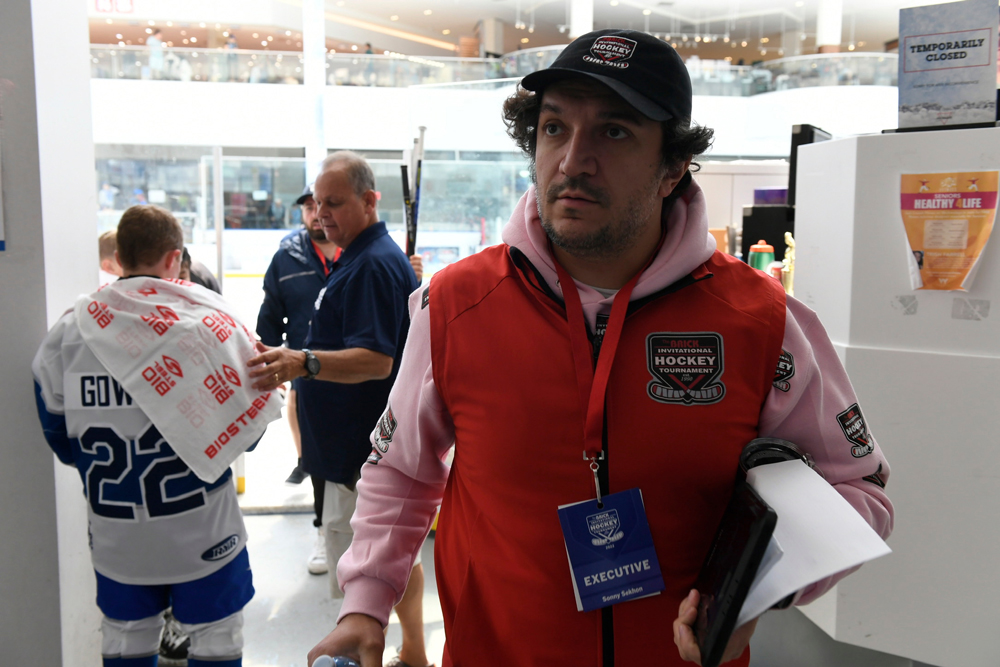
It wasn’t easy. Logistics aside, there was also life to deal with. Sekhon’s young son was navigating some health issues at the time. The family was stretched thin, looking for answers.
If Sekhon was going to take on trying to fill the gap left by the PBHL, he knew he couldn’t do it alone. He reached out to Arjun Atwal, a junior hockey and USports standout who’s heavily involved with Edmonton’s community sports scene as well — and a former O’Ree Award nominee himself — to help get the new league off the ground.
“The first two weeks were such a blur,” Sekhon says. “It was a lot of us calling anyone we knew. A lot of phone calls asking for favours, trying to get ice time, trying to get floor time, trying to find referees. No exaggeration, literally hundreds of hours combined. … We knew that if we could pull it off and we could just get it going, then we could sustain it. So, we put everything we could into it.
“We’re in Season 2 now. The games are going on — we’ve got five games tonight, five games tomorrow. We love it.”
Now in full flight, the Punjabi Elite League consists of eight teams, each run by its captain, the rosters sorted through a live draft. Players can be traded, and there’s a waiver wire in case injuries shake up a roster. The squads play a 14-game season, with a social-media team working to tell players’ stories along the way.
The goal for the future is to keep building — the league is planning on expanding to add a women’s hockey season and growing its programming for kids. And while the PEL charges for men’s hockey, on par with other men’s leagues in the city, all its current programming for women’s hockey development and youth hockey is free, says Sekhon.
The impact has already been clear to Sekhon in the kids he’s seen fall in love with the game like he once did.
“You just see the growth and development in the players. You see them coming out of their shells,” Sekhon says. “We have one kid in our program — this is a guy that was a little nervous to play, took time away from the game, came to one of our summer summits, played ball hockey, played ice hockey, we did some seminars with him. And then this year he actually was the Rona Skater [at an Oilers game].
“We got to watch this kid who wasn’t sure if this was his jam — and he’s taking a warm-up lap with the Oilers flag and standing on the ice with the players. You know, it’s very surreal.”
For Sekhon, it goes beyond hockey. It’s about something more deeply rooted, a philosophy that’s long guided his understanding of what it means to be part of a community.
“I don’t go to the Gurdwara often, but I grew up in a Sikh family. And there’s a tenant [in Sikhism] — it’s called seva, which means selfless service to the community,” he says. “I always liked that. For me, the spiritual connection was always just doing work for the people around you. That was always in the back of my mind.”
It’s much the same story for the others helping to run the Punjabi Elite League, too.
“You can see that belief in seva echo through the whole league,” Sekhon says. “On April 1st this year, we had our largest kids’ game ever. We had 63 kids sign up and we had 47 show up. We anticipated we would have 30, so we were slammed. It was way more than me and Arjun could possibly handle ourselves. So, I put the call out, I sent a message to all the captains. To no surprise, every single captain came. We had our female coaches from the ice-hockey side come, we had sponsors come, we had parents of kids come. All of a sudden, we have like 75 people there — no one’s getting paid, people are taking half-days off work, no questions asked.
“Because they all also believe in seva, also believe that we have to do these things. We have to pay it forward. If no one’s willing to roll up their sleeves, these opportunities don’t just arrive for their kids.”
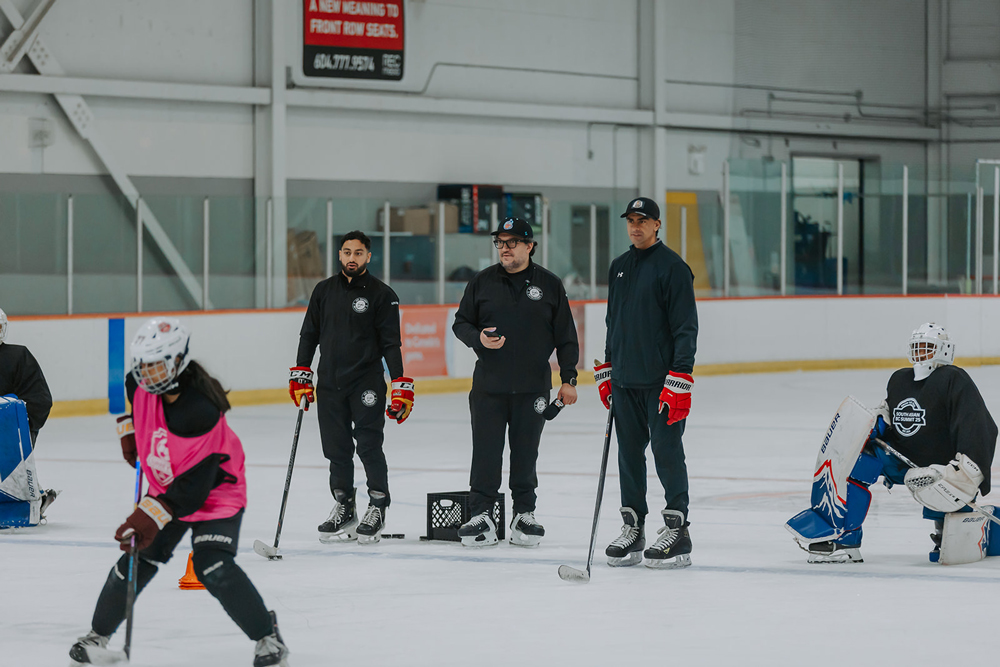
It’s not only the kids in the community feeling the impact of this work, though, this effort to expand the ideas of who the game belongs to and who belongs to the game. Sekhon got an unforgettable reminder of that a few years back, during a conversation with his father.
“My dad came from Ludhiana, Punjab, in 1974. You know, like so many stories, he took any job he could get — cutting grass, driving a taxi — and eventually made his way out west,” Sekhon says. “I remember three years ago, when the Oilers did their first-ever South Asian night, I requested they do a jersey with ‘Sekhon’ on the back and ‘74.’ … I tried to give it to him, and my dad was like, ‘No, no, you keep it. It’s yours.’ But I remember when he turned it around and he looked at the number, I thought he was going to cry.
“I think just, for him, within a generation, just being able to see his culture, see his son,” Sekhon continues, his voice breaking for a moment, overcome with emotion. “I just don’t think he ever would have imagined it.”
Sekhon’s hope is that one day these gestures won’t seem so moving, that the sport will get to a place wherein there will be no need for such displays of acceptance — no need, even, for the Punjabi Elite League.
“My long-term goal is to put myself out of business,” he says. “Because I would love to live in a world where we don’t have to organize community-based leagues, because everybody is just so accepted.
“But the need exists because that’s not the case. Until it is the case, I’m there. I’ll always be there.”


The second half of the 2026 PGA Tour season offers a compelling blend of elite competition, iconic venues, and high-profile tournaments that continue to attract attention from golf fans worldwide. As the schedule progresses through summer and into autumn, several marquee events stand out for their competitive significance and unique course characteristics.
These tournaments not only influence season-long narratives but also generate considerable interest among followers of golf betting markets, adding layers of engagement throughout the 2026 PGA Tour calendar.
Key 2026 Golf Events Still to Come
Before the schedule moves into its busiest late-season stretch, these are the events most likely to shape fan interest, player momentum, and betting conversations through the rest of 2026.
|
FedEx St. Jude Championship |
||
Each event brings a different kind of pressure. Some reward scoring, others test adaptability, and the playoff events add consequences that can change how the rest of the season is viewed.
Travelers Championship
TPC River Highlands
25–28 June 2026
The Travelers Championship at TPC River Highlands consistently delivers some of professional golf’s most exciting scoring conditions. The Connecticut layout rewards aggressive play and birdie hunting, making it a fan and bettor favorite each season.
Low-scoring totals and dramatic Sunday leaderboards have defined this event’s reputation over recent years. Players who arrive in strong form often find numerous scoring opportunities throughout the compact, strategically designed course.
The tournament regularly produces entertaining finishes, with contenders frequently separated by only a handful of shots entering the final round. This competitive balance keeps spectators invested throughout the week.
From a wagering perspective, the Travelers Championship generates significant attention because of its historically predictable scoring environment. Bettors often focus on players whose strengths align with the course’s attack-minded setup.
Sharp analysis frequently highlights competitors capable of taking advantage of accessible pin positions and creating birdie streaks. The venue rewards confidence and precision more than conservative play.
Course history also plays a notable role. River Highlands has repeatedly favored certain players, creating recurring storylines that attract interest from both golf followers and betting audiences.
Because the field composition remains relatively consistent from year to year, identifying proven performers becomes an important factor when evaluating potential outcomes ahead of tournament week.
Genesis Scottish Open
The Renaissance Club
9–12 July 2026
The Genesis Scottish Open at The Renaissance Club (in Scotland) has evolved into one of the most prestigious tournaments outside the major championship schedule. Its placement before The Open Championship ensures a strong international field every year.
Scotland’s coastal environment introduces firm fairways, shifting winds, and classic links-style conditions that demand adaptability. Success often depends on creativity and strategic shot-making rather than raw power alone.
Players frequently use the tournament as a final opportunity for preparation before golf’s oldest major. As a result, fans receive an early glimpse of which competitors appear most comfortable in links conditions.
Betting interest surrounding the Scottish Open remains particularly strong because the weather can dramatically influence tournament dynamics. Forecast changes often become a central topic throughout the week.
Links golf naturally creates greater uncertainty, making it difficult to rely exclusively on traditional rankings and recent form. Players with strong records in links-style conditions frequently attract increased attention.
For those monitoring golf odds, the Scottish Open provides one of the most fascinating markets of the summer. Weather forecasts, tee-time advantages, and course-management skills can all influence pre-tournament expectations.
The international makeup of the field also broadens wagering engagement, drawing attention from audiences across Europe, North America, and other major golf markets.
FedEx St. Jude Championship
TPC Southwind
13–16 August 2026
The FedEx St. Jude Championship at TPC Southwind marks the beginning of the FedEx Cup Playoffs. Its position on the schedule immediately elevates both competitive intensity and fan interest.
Players arrive knowing every shot could significantly affect their postseason ambitions. This urgency often creates compelling storylines and memorable leaderboard battles throughout the week.
TPC Southwind presents a demanding test that rewards precision and consistency. Water hazards, strategic bunkering, and difficult approach shots challenge even the most accomplished competitors.
From a betting standpoint, the playoff implications create numerous angles of interest. Tournament outcomes affect more than a single week’s result, adding broader significance to every round played.
Fans can follow outright winner markets while also tracking players attempting to improve their FedEx Cup standing. These overlapping narratives create a deeper level of engagement.
The pressure associated with playoff qualification occasionally leads to unexpected performances. Players seeking crucial points often produce standout weeks that reshape the postseason picture.
Established stars, meanwhile, attempt to maintain momentum and strengthen their positions as they head deeper into the playoff schedule, creating another layer of intrigue.
BMW Championship
Bellerive Country Club
20–23 August 2026
The BMW Championship at Bellerive Country Club represents the penultimate stage of the FedEx Cup Playoffs. With only fifty competitors in the field, every round carries heightened significance.
The reduced-field format concentrates talent and creates an elite competitive environment. Fans are treated to a leaderboard filled almost exclusively with the season’s top performers.
Bellerive’s championship pedigree further enhances the event. The course has previously hosted major championships and consistently delivers a demanding test of all-around golf.
From a wagering perspective, smaller fields create a unique environment. Bettors can focus attention on a more manageable group of contenders while evaluating a range of performance indicators.
The event’s playoff implications add further intrigue beyond outright winner selections. FedEx Cup scenarios become increasingly important as players pursue advancement opportunities.
Every position on the leaderboard can influence season-long outcomes. As a result, sportsbooks often expand available markets to reflect the tournament’s broader significance.
This combination of elite talent, playoff pressure, and concentrated competition helps make the BMW Championship one of the most closely followed events of late summer.
Presidents Cup
Medinah Country Club
24–27 September 2026
The Presidents Cup at Medinah Country Club closes an outstanding stretch of golf in 2026. As one of the sport’s premier team competitions, it consistently attracts global attention.
PGA narratives point out that Medinah’s history as a major championship venue adds prestige to the event. The course provides a dramatic setting for international competition and memorable moments.
The United States team facing an International side creates compelling narratives that extend beyond traditional tournament storylines. National pride becomes a central component of the spectacle.
Betting interest surrounding the Presidents Cup differs significantly from standard stroke-play events. Team competition introduces a variety of unique markets and formats.
Match betting, session results, and overall team performance options create additional opportunities for engagement throughout the competition. These formats often appeal to a broader audience.
The event’s team structure also makes it accessible to casual sports fans who may not follow weekly PGA Tour tournaments throughout the season.
Combined with Medinah’s passionate atmosphere and rich history, the Presidents Cup serves as a fitting conclusion to one of the year’s most anticipated stretches of professional golf.
A Memorable Finish to the 2026 PGA Tour Season
From the birdie-friendly conditions to the international spectacles of the Presidents Cup, the remainder of the 2026 PGA Tour calendar offers no shortage of compelling storylines. Each event brings unique competitive challenges that influence player performance, fan engagement, and betting activity.
Whether shaped by playoff pressure, links conditions, limited-field formats, or emerging venues, these tournaments continue to capture widespread attention and reinforce golf’s position as one of the most closely followed sports throughout the second half of the year.
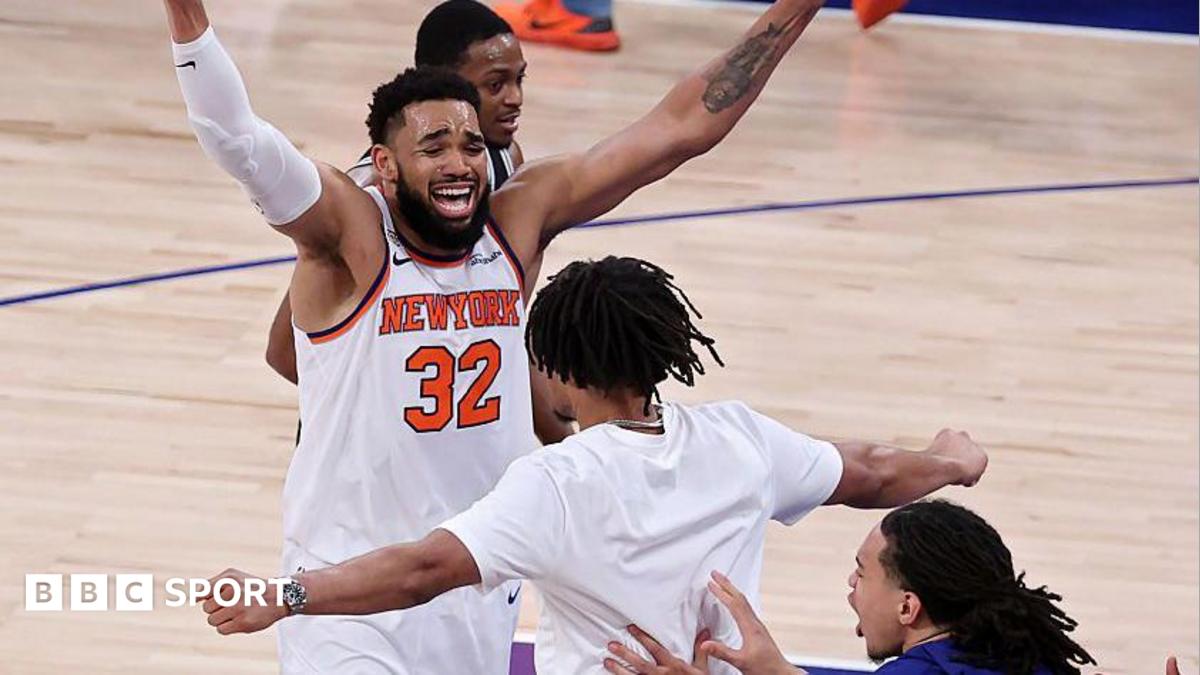
NBA legend Charles Barkley branded the San Antonio Spurs “the dumbest basketball team in the history of civilisation” after the New York Knicks pulled off the biggest comeback in NBA Finals history.
The Spurs led by 29 points as they aimed to level the best-of-seven series in New York before hosting game five, but the Knicks fought back to win 107-106.
London-born OG Anunoby claimed a tip-in basket with 1.2 seconds left to clinch victory, much to the delight of a star-studded crowd at Madison Square Garden, which included Taylor Swift and Timothee Chalamet.
It gave the Knicks a 3-1 lead in the series and put them within one win of their first championship since 1973.
The previous biggest comeback in the NBA Finals was 24 points, by the Boston Celtics against the Los Angeles Lakers in 2008.
San Antonio went 29 points up in the second quarter and their 27-point lead at half-time (76-49) was the largest for a road team in Finals history, but they then scored just 30 points in the second half.
“That was some of the most mismanaged, stupid basketball,” said ESPN analyst and former NBA most valuable player Barkley.
“When you blow a 29-point lead, the other team has to help, and the San Antonio Spurs helped the New York Knicks win this game.”
Victor Wembanyama scored a team-high 24 points for San Antonio and claimed 13 rebounds.
“I can’t really explain it right now,” said the NBA’s defensive player of the year.
“I don’t know. I think it’s just execution, greediness of some sort. We clearly weren’t the most hungry in the second half.”
The Knicks still trailed 90-75 heading into the fourth quarter but Jalen Brunson put them in front for the first time at 105-104 with 82 seconds remaining.
Anunoby then made a block with 11.1 seconds left, to stop the Spurs leading 108-105, before tipping in the game-clinching score after Brunson’s three-point attempt struck the rim.
“One word that caps that all is just ‘belief’,” Brunson told ESPN. “It was chipping away, one possession at a time. It wasn’t going to be one play to get us back.”
Game five is in San Antonio on Saturday (01:30 BST, Sunday).


CommBank Stadium will play host to Saturday’s
Round 15 NRL game between Parramatta Eels and
Canberra Raiders. The game kicks off at 7:35 pm with Canberra Raiders heading into the game as favourites with the bookmakers. Continue reading for our in-depth preview of the Parramatta Eels vs.
Canberra Raiders
game and give you our free tips and bets.
When: Saturday June 13, 2026 at 7:35 pm
Where: CommBank Stadium
Bet 💰: Bet On This Match HERE
Parramatta Eels vs Canberra Raiders Odds
Parramatta Eels vs Canberra Raiders Preview
Parramatta and Canberra enter Saturday night’s clash at CommBank Stadium desperate to revive their seasons. Despite sitting near the bottom of the ladder, the Eels have shown encouraging signs in recent weeks, pushing higher-ranked opponents despite a lengthy injury list and the absence of key personnel. Canberra, meanwhile, continues to struggle for consistency and enters the contest after a disappointing shutout loss to the Roosters. The Raiders have enjoyed recent dominance in this fixture, winning the last four meetings, but their current form leaves plenty of questions unanswered. Parramatta’s young spine continues to gain valuable experience and confidence, while Canberra’s attack has failed to fire often enough in 2026. With both sides needing a win to remain relevant in the finals conversation, expect a desperate and physical contest.
First Try Scorer
Parramatta Eels vs Canberra Raiders Teams
Eels team: 1. Isaiah Iongi 2. Brian Kelly 3. Jordan Samrani 4. Sean Russell 5. Josh Addo-Carr 6. Joash Papali’i 7. Ronald Volkman 8. Luca Moretti 9. Tallyn Da Silva 10. Jack Williams 11. Kelma Tuilagi 12. Kitione Kautoga 13. Jack de Belin 14. Dylan Walker 15. Sam Tuivaiti 16. Toni Mataele 17. Harrison Edwards 18. Apa Twidle 19. Teancum Brown 20. Charlie Guymer 21. Ryley Smith 22. Araz Nanva
Raiders team: 1. Kaeo Weekes 2. Savelio Tamale 3. Daine Laurie 4. Matthew Timoko 5. Xavier Savage 6. Ethan Strange 7. Ethan Sanders 8. Corey Horsburgh 9. Tom Starling 10. Joseph Tapine 11. Hudson Young 12. Zac Hosking 13. Jayden Brailey 14. Owen Pattie 15. Ata Mariota 16. Morgan Smithies 17. Jed Stuart 18. Chevy Stewart 21. Vena Patuki-Case

On the eve of the opening match, FIFA president Gianni Infantino held a press conference in Mexico City, addressing the various controversies surrounding the tournament. He also commented on the case of Somali referee Omar Artan, who was denied entry upon arrival in the United States before being welcomed back as a hero in Mogadishu.
In athletics, 17-year-old American prospect Cooper Lutkenhaus produced the fastest 800-metre time in the world this year at the Oslo Diamond League meeting.
In tennis, Giovanni Mpetshi Perricard reached the quarter-finals in Stuttgart, while Arthur Fils, who has withdrawn from Halle, will arrive at Wimbledon without having played a single grass-court match this season.
Sports
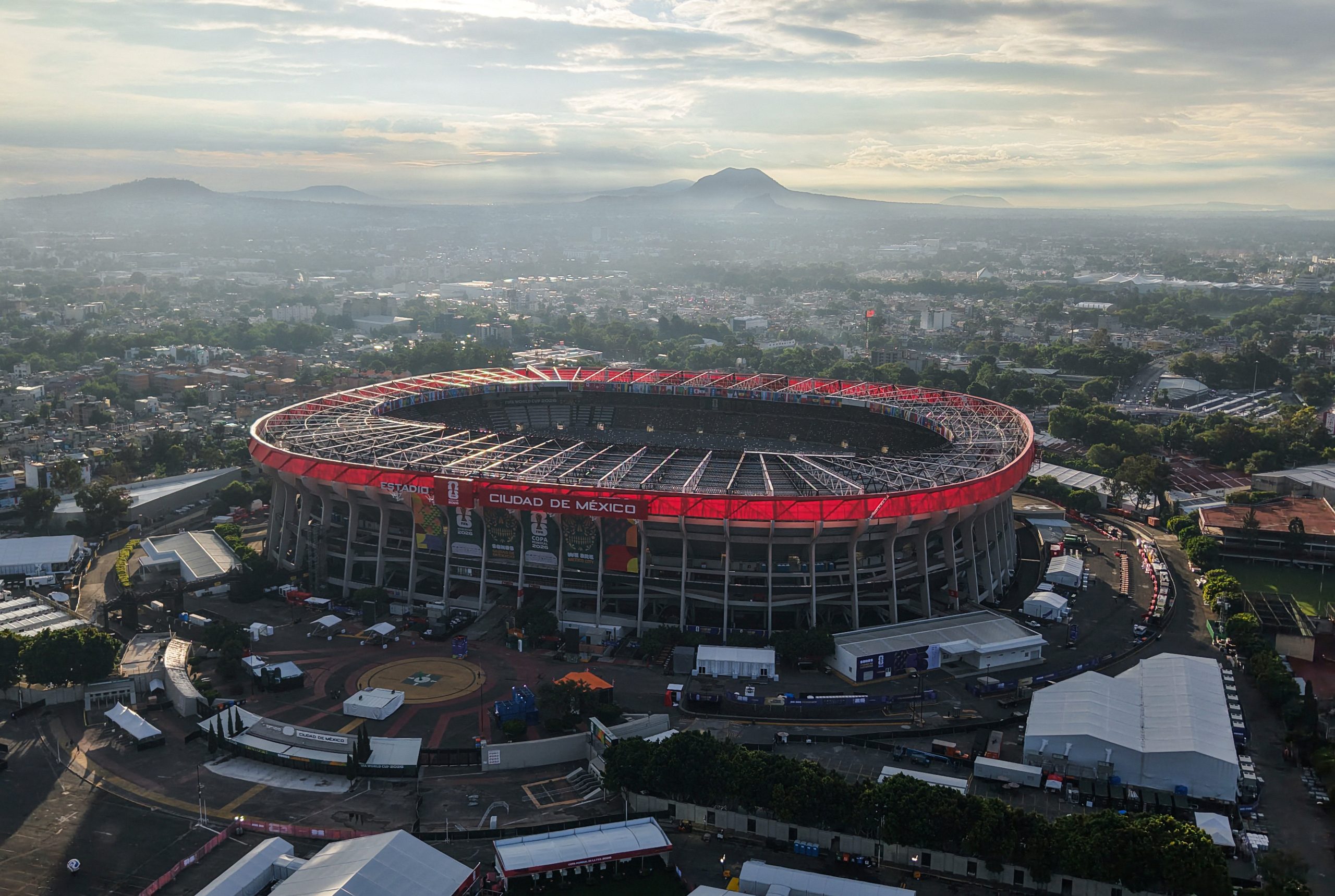
World Cup 2026 live: Mexico set to kick off tournament after Gianni Infantino’s shambolic press conference
Welcome!
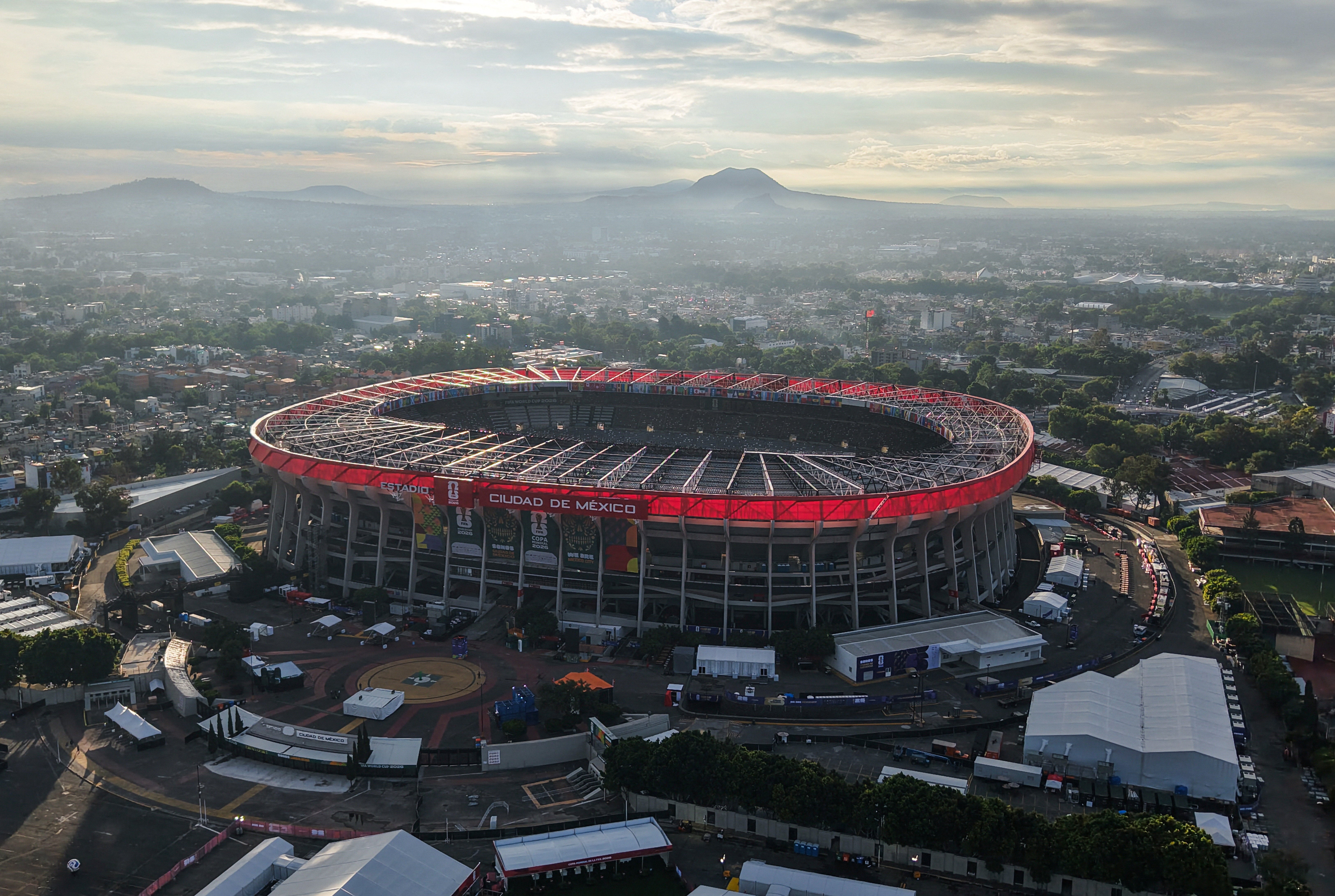
Good morning and welcome to The Independent’s live coverage of everything World Cup related, as the tournament get underway this evening!
Mexico play host to South Africa in a repeat of the 2010 opener in Johannesburg, only with the role of home nation flipped.
That game gave us one of the all-time World Cup moments – “TSHABALALAAAAAA!!!” – so let’s hope after last night’s disastrous Gianni Infantino press conference, we can get things off on a right note.
Will Castle11 June 2026 07:31
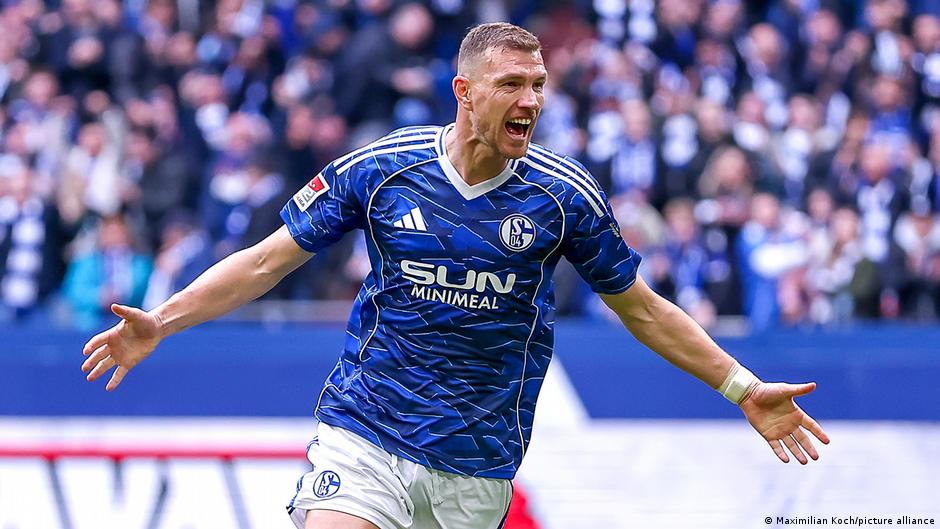
If Edin Dzeko played for a bigger footballing nation, this wouldn’t be just his second appearance at the tournament. But 12 years after Bosnia-Herzegovina failed to make it out of the group stage in Brazil, the now 40-year-old striker and his country are back on the game’s biggest stage.
Although Bosnia-Herzegovina, which gained its independence in 1992, has only made it to the one previous World Cup and never qualified for a European Championship, Dzeko has played an incredible 148 times (scoring 73 goals) for his country.
Growing up in a besieged capital
That independence came at a heavy price, as it was engulfed in one of the wars that followed the breakup of the former Yugoslavia. The capital, Sarajevo, was particularly hard hit, enduring almost four years of siege by Yugoslav National Army and the newly formed Bosnian-Serb army, which held the mountains surrounding the city. Between 1992 and 1995 more than 10,000 people, mostly civilians, were killed through shelling and by snipers in Sarajevo alone.
Dzeko was six years old when the war broke out and during the siege, kicking a ball around on the streets of the ever-more battered capital was a welcome distraction.
“Our home was destroyed, so we had to move in with my grandparents. The whole family lived there under one roof, maybe 15 people crammed into an apartment of 35 square meters,” Dzeko told British newspaper The Mail in 2011 of his experience of the war.
“It was constant stress and worry, in case something happened or news came through that someone we knew had been killed. I was only young, and I cried often, through fear. Every day, you could hear the guns firing, and we lost family, friends and even some relatives.”
From Sarajevo to Wolfsburg and beyond
He would continue his development in the academy of one of the city’s two big clubs, FK Zeljeznicar. That’s where he made his debut as a professional in Bosnia-Herzegovina’s topflight in 2003, but this would be the beginning of the end of his career in his homeland. His first coach, who happened to be Czech, convinced FK Teplice to sign him for a reported €25,000 ($28,870) two years later.
There, he attracted the attention of German coach Felix Magath, who brought Dzeko to Wolfsburg in the summer of 2007, the same year he made his debut for the senior national team for Bosnia-Herzegovina. It was in Wolfsburg where he flourished. Alongside Grafite, he was one half of the most prolific striking duo in Bundesliga history, combining for a total of 54 goals (28 for Grafite, 26 for Dzeko) as the pair led the club to their only league title in 2009.
By then, the “Bosnian diamond,” as he had been dubbed by a local broadcaster, was coveted by top clubs all over Europe. He went on to win titles at Manchester City and Inter, while also enjoying successful spells at Roma and Fenerbahce before returning to Italy’s Serie A with Fiorentina this past season. By then he had racked up 369 goals in 856 games in all competitions for his various clubs.
Returning to Germany
At 39, having managed just one goal in five Conference League matches for Fiorentina, and none in his 11 Serie A appearances, it seemed as if his long career was drawing to a close. In December, a frustrated Dzeko started looking for a new club — one where he would again get regular minutes.
This came just as second-division German side Schalke were looking to boost their chances of winning promotion back to the topflight. Their Bosnian-born coach, Miron Muslic, who fled the war with his parents as a child, could hardly believe his luck when he learned that Dzeko was prepared to take a big pay cut to play in a lower league. In fact, Dzeko was so eager to play, that he turned down Schalke’s offer to send a plane for him, having already booked a commercial flight to Germany.
Just days after his arrival, Dzeko was back in his familiar blue and white, the traditional colors not only of Schalke, but also his first club, Zeljeznicar, and the Bosnian national team. Coming on as a sub, he scored his first of six goals in the second half of the season as he helped Schalke seal promotion just weeks after his 40th birthday.
“I’ve won quite a few titles during my career. But I’ve never celebrated one like we did here at Schalke,” Dzeko told the club’s website afterwards. “I said from day one that Schalke belongs in the Bundesliga.”
A ‘perfect few months’
All the while, Dzeko remained captain of the national team, determined to make it to one more World Cup — a proposition that seemed extremely unlikely when another Bosnian legend, Sergej Barbarez, took over as coach of “The Dragons” in April 2024. Not much was expected of Barbarez, considering the fact that although he had completed his coaching badges years earlier, he had absolutely no experience in the role.
But Barbarez, an impressive Bundesliga striker in his own right in the 1990s and 2000s, had a way of inspiring a mainly young Bosnian side to the kind of success they hadn’t seen in over a decade, upsetting Italy in a playoff to qualify for North America. Dzeko was a big part of the campaign.
“I wanted to help bring the club (Schalke) back to where it belongs,” he said. “The fact that I also qualified for the World Cup with the Bosnia and Herzegovina national team has made the past few months perfect. I absolutely made the right decision.”
Edin Dzeko seems to have made a habit of making the right choices over his long career. Seeing him make it to one last World Cup stands out as a feel-good story going into a tournament largely making the headlines for the wrong reasons.
Edited by: Jonathan Harding
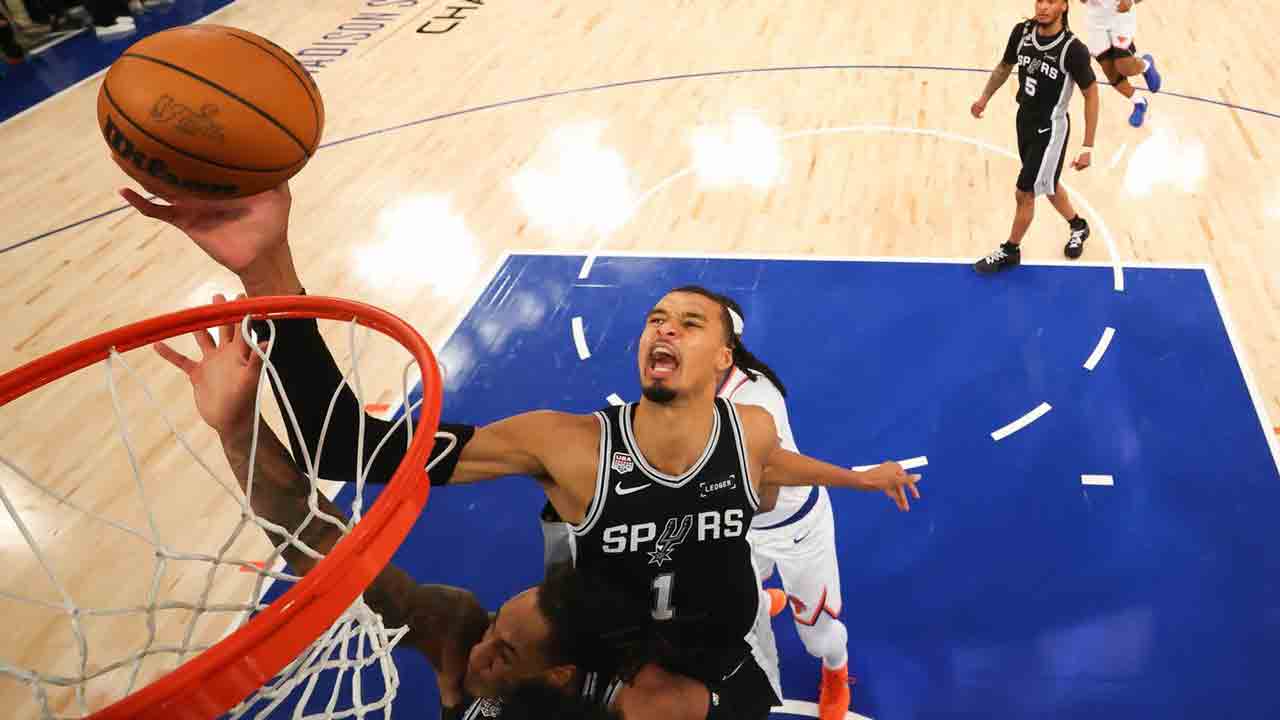
After clanking his shot off the rim at the buzzer on what would have been the Game 2 winner, Wembanyama did the same on two key free throws late in Game 4 on Wednesday night. With the chance to put his team up by three with 1:47 left, he instead went 0 for 2, and the New York Knicks took the lead and went on to win 107-106 on OG Anunoby’s tip-in with 1.2 seconds left.
“It’s just a shot,” Wembanyama said. “You might work on your form hours and hours. At the end of the day, it’s just a shot, so you need to shoot it the normal way.”
Wembanyama and the Spurs are now on the brink of elimination, down 3-1 in the best-of-seven series. It mattered little that the seven-foot-four big man from France scored 24 points and had 13 rebounds.
It mattered more that the Knicks held Wembanyama to eight points in the second half on the way to rallying from 29 points down, the largest comeback in finals history. Game 5 is Saturday night in San Antonio.
“It’s going to go one of two ways,” Wembanyama said. “One of two ways, a bad one and a good one. The bad one would be giving up. The good one would be getting stronger through this, getting more together. I know this is what we’re going to do.”
Wembanyama enters Game 5 on the edge of possible discipline after being called for a flagrant foul early in the second half for a right elbow to Karl-Anthony Towns’ chin. Because of the NBA’s flagrant foul point system, he now has three and is one more away from an automatic one-game suspension.
“Of course I’m going to be a little more careful, but it’s not going to change much,” Wembanyama said.
An officiating decision in the aftermath of Game 3 going the other way would have put him in danger of already staring down a suspension. The NBA acknowledged officials missed Wembanyama striking Knicks guard Jalen Brunson in the head but did not retroactively make it a flagrant.
“The league’s going to do what they’re going to do,” New York coach Mike Brown said before Game 4. “They aren’t going to listen to me. They aren’t going to listen to nobody else.”
Wembanyama early in Game 4 looked to be getting under the skin of his opponents. After scoring on Mitchell Robinson and letting him hear about it while going back down the court late in the first quarter, he took a forearm to the face and appeared to say, “I’m in your head, bro,” while pointing to his right temple.
A similar play happened early in the second, when six-foot guard Jose Alvarado jostled with Wembanyama before ultimately pushing the seven-foot-four big man’s right leg to get him to the ground.
Things changed after halftime. San Antonio had its biggest lead of the night at 81-52 when Wembanyama elbowed Towns, and the Knicks outscored the Spurs 55-25 the rest of the way.
Wembanyama played all but three minutes of the first half, which coach Mitch Johnson called normal. Johnson said Wembanyama, who ended up playing nearly 44 minutes, got a little more playing time to try to close it out.
“With two days after this, what was at stake, we wanted to win the game and try to put it away,” Johnson said.
Asked if that caused him to wear down as the game went on, Wembanyama responded: “Substitution patterns, I don’t know. It’s not really my expertise. But, yeah, I guess I did.”
Leichhardt Oval will play host to Sunday’s
Round 15 NRL game between Wests Tigers and
Gold Coast Titans. The game kicks off at 4:05 pm with Wests Tigers heading into the game as favourites with the bookmakers. Continue reading for our in-depth preview of the Wests Tigers vs.
Gold Coast Titans
game and give you our free tips and bets.
When: Sunday June 14, 2026 at 4:05 pm
Where: Leichhardt Oval
Bet 💰: Bet On This Match HERE
Wests Tigers vs Gold Coast Titans Odds
Wests Tigers vs Gold Coast Titans Preview
Two teams attempting to salvage disappointing campaigns meet at Leichhardt Oval when the Wests Tigers host the Gold Coast Titans on Sunday afternoon. The Tigers are reeling after a humiliating defeat to Penrith and have now lost four of their past five matches, a dramatic reversal after their promising start to the season. The Titans arrive with renewed confidence following a stirring comeback win over Brisbane, snapping a lengthy losing streak and producing one of their best attacking displays of the year. Leichhardt Oval has been a fortress for the Tigers, but confidence is fragile after conceding heavy scores throughout the past month. With both teams sitting outside the finals picture and desperate to build momentum, Sunday’s clash looms as a crucial opportunity to keep fading hopes alive.
Head To Head Bet
We’re tipping Wests Tigers to win at $1.55 odds.
First Try Scorer
Wests Tigers vs Gold Coast Titans Teams
Tigers team: 1. Jahream Bula 2. Jeral Skelton 3. Sunia Turuva 4. Heamasi Makasini 5. Faaletino Tavana 6. Jarome Luai 7. Jock Madden 8. Terrell May 9. Apisai Koroisau 10. Fonua Pole 11. Mavrik Geyer 12. Kai Pearce-Paul 13. Charlie Murray 14. Latu Fainu 15. Alex Seyfarth 16. Royce Hunt 18. Bunty Afoa 19. Starford To’a 20. Tristan Hope
Titans team: 1. Keano Kini 2. Jenson Taumoepeau 3. Jojo Fifita 4. AJ Brimson 5. Phillip Sami 6. Jayden Campbell 7. Zane Harrison 8. Moeaki Fotuaika 9. Oliver Pascoe 10. Tino Fa’asuamaleaui 11. Arama Hau 12. Beau Fermor 13. Cooper Bai 14. Kurtis Morrin 15. Josh Patston 16. Chris Randall 17. Klese Haas 18. Jaylan De Groot 19. Luke Sommerton 22. Lachlan Ilias
Sports
Fifa World Cup 2026: Lionel Messi v Cristiano Ronaldo – how much did their rivalry drive them?

They were two iconic shirt celebrations that came to define a rivalry like no other – but how much did Lionel Messi and Cristiano Ronaldo drive each other?
Hear from leading journalists on how two of football’s greatest players reached unprecedented heights.
Watch Rivals: Messi v Ronaldo now on BBC iPlayer and listen to Sporting Giants: Messi v Ronaldo on BBC Sounds.
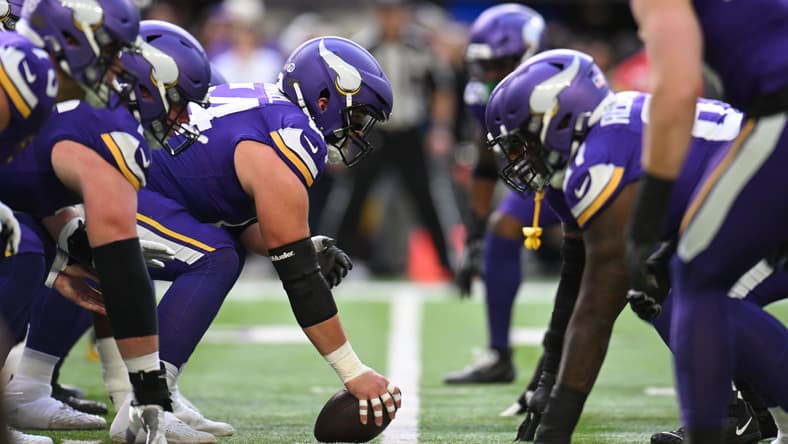
Vikings d-lineman Elijah Williams is a success story playing out in real time. Already, the young fella has exceeded expectations by going from offseason tryout to UDFA contract to 53-man roster.
Williams, quite evidently, isn’t incapable of overcoming long odds.
After the second day of minicamp at TCO Performance Center,Vikings Territory had the chance to chat with the Vikings d-lineman for a few minutes. Doing so offered an opportunity to learn a bit more about his comfort level going into his sophomore season, how he has been building his body, and working under the coaching from Ryan Nielsen.
Vikings D-Lineman Elijah Williams is Back and Burly
Williams likes the teaching he’s getting from Coach Nielsen.
Being able to watch the defensive line coach go to work is a treat. He’s ultra specific in his instructions, leaving little room for ambiguity about how to defeat blockers. Williams has noticed: “I love it because he’s just going to make sure that you’re doing the right thing and you understand why you’re doing it. He’s a great coach.”
“That hands on really helps,” Williams clarified, “and you can tell, you can feel his enthusiasm.”

After saying that he’s feeling healthy and well, Elijah Williams described adding on some size to better thrive in the rough-and-tumble life of an NFL lineman.
Williams explained that he’s sitting at 305 and that that has been intentional: “I’m going to stay in that range, it feels better for taking on double teams.” Any lineman living on the inside needs to be able to soak up blocks, but generally it’s a 1T — shaded on the center — who clogs running lanes while demanding a pair of blockers. Williams foresees some of that regardless of being a touch closer to the end of the line.
— READ MORE: Brian Flores Landed the Corner He Had Been Chasing for a While —
— READ MORE: J.J. McCarthy Answers Burning Question Amid Trade Rumors —
Last season, Williams played in seven games, earning 9 tackles within his 42 snaps on defense and 29 snaps on special teams. He’ll be looking to increase his workload and his production.
Describing a willingness to play essentially “everywhere” given Brian Flores’ proclivity for shuffling players around, Williams said that he feels “very comfortable.” Part of that has meant “less nervousness,” thereby allowing him to focus on his “technique.”
“I’m just trying to take it day by day. I just want to be better than I was last year. Make more of an impact on this team,” Williams said.
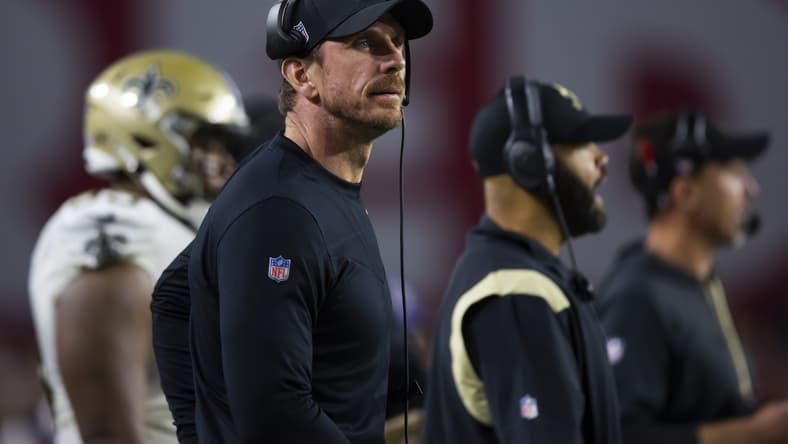
As things stand, Jalen Redmond is the top player along the defensive line. He’ll be supported by a pair of rookies in Caleb Banks and Domonique Orange. Moreover, Levi Drake Rodriguez is a noticeable presence on the field, offering great burst and energy. He, too, will be somebody who is very important.
Lost in the shuffle, perhaps, is Elijah Williams. The 23-year-old Vikings d-lineman is unlikely to be the second coming of Kevin Williams, but he’s a good ball player who has shown a knack for winning an uphill battle.
The defender is back and heavier. Ideally, that allows him to prove sturdier at the line of scrimmage as he helps a team undergoing a broader youth movement within the front seven.

Senior Editor for Vikings Territory & PurplePTSD . Twitter & Bluesky: @VikingsGazette. Email: k.joudry[at]vikingsterritory[dot]com. Canadian. Jude 1:24-25.
Ripple CEO Praises Mastercard Deal as Industry Copies the XRP Vision It Once Mocked
42 actors you forgot were on “Friends”, from Noah Wyle to Julia Roberts

The girl’s suitor will provide financial support unconditionally.



-

 Fashion6 days ago
Weekend Open Thread: Evereve – Corporette.com
-
 Crypto World6 days ago
Jensen Huang Approves Samsung, SK Hynix, and Micron for NVIDIA (NVDA) HBM4 Memory Supply
-

 Crypto World3 days ago
Anatomy of the June crypto crash: Fed, Iran, Saylor
-
 Entertainment4 days ago
The Best Mystery Series of All Time Is Surging on Streaming 30 Years After It Ended
-

 NewsBeat3 days ago
Alexander Zverev wins the French Open to finally earn a 1st Grand Slam title
-

 Tech5 days ago
Suspicious Polyfill login prompts pop up on Toshiba, Muji websites
-
 Crypto World4 days ago
Senator Cynthia Lummis Calls CLARITY Act the Most Consequential Financial Legislation of This Generation
-

 Tech6 days ago
Microsoft launches MXC, an OS-level sandbox for AI agents, with OpenAI and Nvidia already on board
-

 Tech4 days ago
Microsoft unveils seven homegrown AI models in new bid for ‘long term self-sufficiency’
-

 Business6 days ago
(VIDEO) Justin Bieber Delivers Surprise Happy Birthday Serenade to Diners at Los Angeles Mexican Restaurant
-
 Business4 days ago
The Pain Points Taking a Fragile Tech Rally Down a Notch
-
 Crypto World3 days ago
Eli Lilly (LLY) Stock Surges 4% Following Breakthrough Sleep Apnea Trial Results
-

 Tech5 days ago
Von der Leyen’s AI envoy pick draws conflict-of-interest fire
-

 Business3 days ago
High Stakes for Wembanyama as New York Pushes for 3-0 Lead
-
Crypto World6 days ago
LBank Surpasses 25 Million Users Worldwide as AFA Partnership Continues to Drive Global Growth
-

 Tech6 days ago
Meta steals a tactic from Tesla and builds data centers in tents
-

 Tech5 days ago
Hackers now exploit SolarWinds Serv-U flaw to crash servers
-

 Crypto World4 days ago
Trump’s AI Ownership Plan Could Benefit Anthropic at OpenAI’s Expense
-
 Sports2 days ago
Bangladesh beat Australia after 20 years in ODIs, register only their second win over six-time world champions | Cricket News
-

 Tech3 days ago
Notion restores access to Anthropic after service disruption
You must be logged in to post a comment Login