Foldable smartphones have matured dramatically by April 2026, shedding much of their early bulk and fragility to become practical daily drivers with improved durability, battery life and multitasking capabilities. Leading models from Samsung, Google, Motorola and others now compete closely with traditional flagships while offering the unique appeal of a compact device that unfolds into a mini-tablet or stylish flip form factor.
Industry analysts and reviewers from outlets including PCMag, PhoneArena, ZDNet and Wirecutter highlight a clear top tier based on hands-on testing, real-world performance and value. While availability varies by region — with some Chinese brands like Honor and Oppo offering exceptional hardware but limited U.S. support — the following five stand out as the best foldable phones currently on the market.
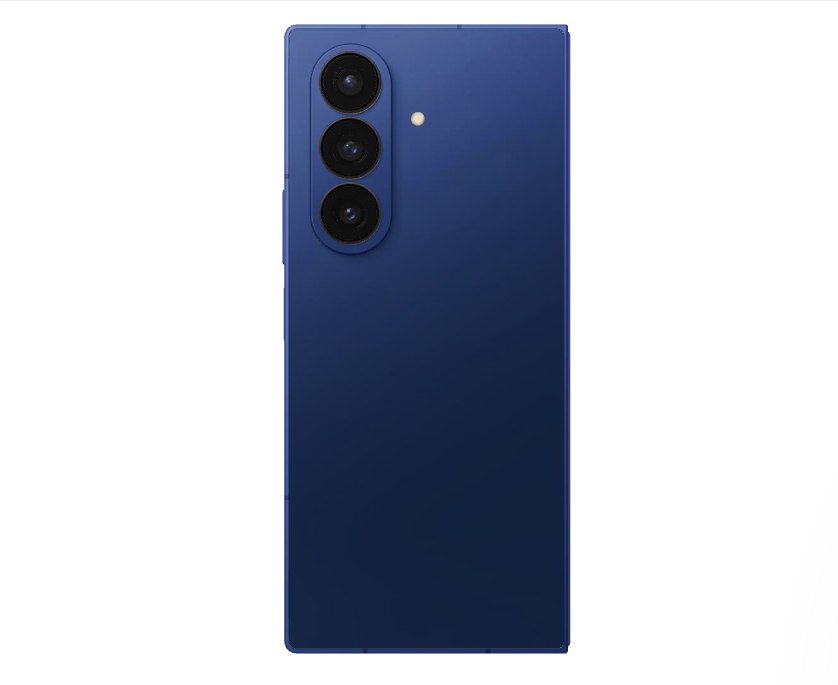
Samsung Galaxy Z Fold 7
1. Samsung Galaxy Z Fold 7 — Best Overall Book-Style Foldable
Samsung’s Galaxy Z Fold 7 earns frequent nods as the top foldable for most users thanks to its ultra-slim profile, premium build and polished software experience. Measuring just over 8mm thick when closed and weighing around 215 grams, it feels remarkably close to a conventional flagship yet unfolds into an expansive 8-inch inner display ideal for productivity, media consumption and split-screen multitasking.
The device features a bright 6.5-inch cover screen with 120Hz refresh rate, allowing full app functionality without unfolding. Powered by the Snapdragon 8 Elite for Galaxy processor, it delivers smooth performance across demanding tasks. Cameras have seen meaningful upgrades, with a standout 200-megapixel main sensor producing sharp, vibrant photos that rival non-foldable competitors.
Advertisement
Reviewers praise the refined hinge, improved crease visibility and long software support extending years into the future. Drawbacks include a premium price tag often starting near $1,900 and average battery life that may require midday top-ups for heavy users. Still, its ecosystem integration with Galaxy Watch, Buds and DeX mode makes it a compelling choice for Samsung loyalists and power users alike.
2. Google Pixel 10 Pro Fold — Best for Durability and Cameras
Google’s Pixel 10 Pro Fold stands out for its rugged construction and photography prowess. It boasts a full IP68 dust and water resistance rating — a rarity among foldables — along with enhanced hinge durability and drop protection on the main display. At roughly 258 grams, it feels more substantial than Samsung’s offering but rewards owners with reliable all-day performance.
The Tensor G5 chipset powers intuitive AI features, including real-time call translation, audio magic eraser and Gemini Live integration. Cameras shine with computational photography that delivers natural colors and excellent low-light results, making it a favorite for content creators. The 6.3-inch cover screen and large inner display support seamless multitasking with clean Android 16 software.
Advertisement
Battery life impresses in testing, often outlasting slimmer rivals. Pricing starts around $1,800, positioning it as a strong value for those prioritizing longevity and photography over the absolute thinnest design. Limitations include slightly warmer performance under sustained loads compared to Snapdragon-equipped devices.
3. Motorola Razr Ultra (2025/60 Ultra) — Best Flip-Style Foldable
For users seeking pocketable convenience with flair, the Motorola Razr Ultra delivers one of the most stylish and functional clamshell experiences. Its vertical fold design snaps shut into a compact square, while the generous external display supports full apps, notifications and even quick camera previews.
Equipped with strong battery life that frequently tops competitor flip models, the Razr Ultra handles daily tasks efficiently on its Snapdragon processor. The inner 7-inch display offers smooth 120Hz visuals, and the overall build feels premium with thoughtful details like a titanium hinge option in select variants. Cameras perform adequately for casual use, though they trail book-style models in versatility.
Advertisement
Reviewers highlight its fun factor and practicality for one-handed operation. Starting prices often land in the mid-$1,000 range, making it more accessible than premium book-style foldables. Potential downsides include a smaller unfolded screen compared to tablet-style devices and occasional software quirks in the Motorola skin.
4. Samsung Galaxy Z Flip 7 — Best Compact Flip for Everyday Use
Samsung’s Galaxy Z Flip 7 refines the flip formula with a larger 4.1-inch edge-to-edge cover screen that finally enables meaningful interaction without unfolding. The 6.9-inch inner display provides ample space when needed, while the overall design remains slim and lightweight for easy pocket carry.
Battery improvements help it last through a full day for moderate users, and the Exynos 2500 or Snapdragon variant (depending on region) ensures snappy performance. New DeX support on the Flip adds desktop-like productivity when connected to external displays. Cameras remain solid for social media and quick shots, with the main 50-megapixel sensor delivering reliable results.
Advertisement
Priced starting around $1,100, it offers strong value within the Samsung ecosystem. Critics note it can overheat during intensive multitasking and that battery claims sometimes exceed real-world endurance. Its stylish appeal and improved cover screen functionality make it a top pick for fashion-conscious users or those transitioning from traditional bar phones.
5. Honor Magic V5 — Best Ultra-Thin Alternative for Multitasking
The Honor Magic V5 earns acclaim for its exceptionally slim design, measuring under 9mm folded and around 4.4mm unfolded in some configurations. It targets users who want a near-nonexistent crease and premium feel without Samsung’s ecosystem lock-in.
Featuring a large inner display and capable outer screen, it excels at multitasking with smooth software optimizations. The Snapdragon 8 Elite processor paired with generous RAM handles heavy workloads, while a sizable silicon-carbon battery supports fast charging and extended use. Cameras offer competitive performance, particularly in daylight scenarios.
Advertisement
Availability may require importing in some markets, and software updates could lag behind Google or Samsung. Still, its combination of thinness, battery capacity and vibrant displays positions it as a compelling choice for enthusiasts seeking cutting-edge hardware at potentially competitive pricing.
Buying Considerations in 2026
Foldable phones now address many early criticisms: creases are subtler, hinges more robust and repair programs more widespread. Most top models promise four to seven years of software support, reducing obsolescence concerns. Battery technology has advanced, though heavy multitasking or camera use still drains power faster than slab phones.
Prices remain elevated, with book-style models often exceeding $1,800 and flips starting above $1,000. Trade-in deals, carrier promotions and installment plans can ease the cost. Buyers should consider ecosystem preferences — Samsung for seamless integration, Google for pure Android and AI, Motorola for flip charm.
Advertisement
Durability has improved markedly, but users should invest in quality cases and screen protectors. Coverage for accidental damage varies by manufacturer and carrier.
Regional factors matter: U.S. buyers enjoy broad carrier support for Samsung, Google and Motorola models, while international shoppers may access superior specs from Honor, Oppo, Vivo or Huawei at lower prices, albeit with potential Google service limitations on some devices.
The Future of Foldables
As 2026 progresses, expectations include further refinements such as even lighter builds, under-display cameras that eliminate notches and possible trifold designs from Samsung and others reaching wider markets. Apple’s rumored foldable iPhone could reshape the segment later in the year or in 2027.
Advertisement
For now, the market offers something for nearly every preference: productivity powerhouses, stylish compacts and durable all-rounders. Early adopters who hesitated in previous years will find 2026 models far more refined and reliable.
Consumers weighing a purchase should evaluate their primary needs — screen size for work, portability for travel or camera quality for photography — and test devices in-store when possible. With rapid iteration, waiting for carrier deals or next-generation hints may also pay off.
Foldables represent more than a novelty in 2026; they deliver genuine utility that enhances how many people work, create and consume content on the go. Whether opting for the versatile Galaxy Z Fold 7, the rugged Pixel 10 Pro Fold or a fun flip like the Razr Ultra, buyers are investing in devices that continue to evolve the smartphone experience.
Handing someone a cheap plastic pen with your logo on it used to be standard practice at trade shows and networking events. That era is fading fast. Businesses across every sector are rethinking what they give away, and the shift toward eco-friendly alternatives is not just a trend but a competitive necessity.
For small and medium-sized enterprises in particular, the choice of promotional merchandise sends a message far beyond the logo printed on it. A reusable bottle or a notebook made from recycled materials tells a client that your company takes responsibility seriously. It also happens to be the kind of item people actually keep and use, which is the entire point of a giveaway in the first place.
Specialists like Greengiving have built entire catalogues around this idea, offering everything from seed paper to Fairtrade cotton bags. The growing demand from corporate buyers, government bodies and institutions suggests this is no passing fad. When organisations like McKinsey and L’Oréal are choosing sustainable giveaways, SMEs would be wise to pay attention to what that signals about market expectations.
The Real Cost of Throwaway Merchandise
Most traditional promotional items end up in a bin within a week. Research from the British Promotional Merchandise Association has repeatedly shown that usefulness is the top factor determining whether a branded item is kept or discarded. A flimsy keychain or a single-use plastic item fails that test almost every time.
There is a financial argument here too. Ordering five hundred cheap items that nobody wants is not a saving. It is a waste of budget that could have gone toward fewer, better products that actually sit on someone’s desk for months.
Advertisement
Sustainable alternatives tend to score higher on perceived value. A bamboo pen or a reusable coffee cup feels like a considered gift rather than a piece of marketing clutter. That distinction matters when you are trying to make an impression on a potential client or partner.
What Today’s Buyers Actually Want to Receive
The range of eco promotional products available now would surprise anyone who has not looked at the market recently. Seed paper that sprouts into wildflowers, erasable notebooks that replace hundreds of disposable ones, and drinkware from certified B Corp brands are all standard options. Even sweets and chocolates from ethical producers can be branded and gifted.
Practicality remains king. Items people integrate into their daily routine generate far more brand impressions than anything that ends up in a drawer. A Fairtrade cotton tote bag used for weekly shopping, for example, puts your logo in front of dozens of people every time it leaves the house.
Personalisation has also improved dramatically. Full-colour printing on recycled materials looks sharp and professional. The old excuse that eco products look dull or amateurish simply does not hold up anymore.
Advertisement
Aligning Giveaways With Your Brand Values
Choosing sustainable merchandise is not just about the product itself. It is about coherence. If your website talks about corporate responsibility but your conference stand is handing out plastic tat, that disconnect will not go unnoticed.
SMEs actually have an advantage here over larger corporations. Decisions can be made quickly, supply chains are shorter, and there is less bureaucracy between the idea and the execution. Switching to greener promotional items can happen in a matter of days when you work with a specialist supplier that holds stock and handles printing in-house.
Greengiving, for instance, operates its own printing facility and offers quotes within a single working day, with free delivery across the EU. That kind of speed matters when you have an event next week and a brand image to protect.
Measuring Impact Beyond Impressions
Marketing teams love to talk about impressions, but the real value of a promotional product lies in the relationship it reinforces. A thoughtfully chosen gift creates a moment of genuine appreciation. That emotional response is something a digital advert struggles to replicate.
Advertisement
Tracking the return on promotional merchandise is admittedly harder than tracking clicks. But consider what happens when a client pulls out a branded reusable bottle during a meeting with someone else. That is an endorsement no amount of paid media can buy.
For SMEs operating on tighter budgets, every pound spent on marketing needs to justify itself. Sustainable promotional items tend to have a longer lifespan, which stretches the cost per impression further than disposable alternatives ever could.
Where the Market Is Heading
EU regulations around single-use plastics and corporate sustainability reporting are tightening year on year. Businesses that shift toward greener promotional strategies now are simply getting ahead of requirements that will eventually become mandatory. Waiting until legislation forces the change means missing out on the reputational benefits of being early.
The promotional products industry itself is evolving rapidly, with platforms like Greengiving cataloguing over 1,200 eco-certified items aimed exclusively at business buyers. Consumer expectations around sustainability are only moving in one direction, and the brands people choose to work with reflect those expectations.
Advertisement
Smart SMEs are already treating their promotional merchandise as an extension of their sustainability strategy rather than an afterthought. The question is no longer whether to make the switch, but how quickly you can make it work for your brand.
MLU Properties leading plan for Halton Magistrates’ Court
Mark Smith and Local Democracy Reporter
17:00, 14 Apr 2026
The former Halton Magistrates’ court has been a local eyesore since its closure(Image: Local Democracy Reporting Service)
An eyesore former court building looks set to become flats after plans were given the go-ahead.
Advertisement
Halton Magistrates’ Court next to Runcorn Shopping City has been disused since it was closed in 2017 as part of a national cost-cutting exercise.
An application was submitted last summer to turn two floors of the three-storey site into 10 apartments, and those plans have now been backed by Halton Council planners.
Planning documents state the initial 10 properties would be the first phase, with other phases to come. The scheme has been put forward by Staffordshire based MLU Properties.
A design and access statement submitted in support said the design of the building would employ materials intended to match what was already in place, adding: “however, the existing white UPVC Cladding will be replaced by anthracite grey UPVC.”
Advertisement
It said: “The building as a whole is proposed to be re-purposed instead of erecting a brand new building, this ensures a sustainable design ethos.”
The court was one of 86 closed as part of a review by the Ministry of Justice under the previous Tory government, It said the closures were part of a £700 million ‘modernisation’ plan to ‘make justice more efficient’.
But the move was heavily criticised at the time with the then safer Halton policy and performance board chairman Cllr Dave Thompson branding it ‘shameful’ and claiming the Government had used inaccurate data to justify its decision.
In 2021 a cannabis farm with more than a thousand plants was discovered in the derelict building, which sits next door to Runcorn Police Station.
Advertisement
Since its closure, Runcorn cases are now heard in Warrington, Chester, and other Cheshire courts.
To find all the planning applications, traffic diversions, road layout changes, alcohol licence applications and more in your community, visit the Public Notices Portal.
Lambert Smith Hampton has posted adverts for Grade II* listed buildings
Ed Barnes and Local Democracy Reporter
17:15, 14 Apr 2026
Wallasey Town Hall(Image: Copyright Unknown)
Birkenhead and Wallasey town halls are being listed for sale as both of the historic buildings are marketed to developers. Wirral Council is currently looking at whether there is anyone interested in buying the buildings off it.
Advertisement
Two adverts have been posted by the council’s commissioned property consultants Lambert Smith Hampton for both of the Grade II* listed buildings. Birkenhead’s town hall sits in the heart of Hamilton Square while Wallasey’s overlooks the River Mersey on Brighton Street in Seacombe.
Brochures attached to the adverts say both town halls are “for sale” with a range of photos showcasing the inside and the outside of the buildings. Overall, Wallasey has a total floor space of 7,864 metres while Birkenhead has a floor space of 4,415 metres.
Both town halls are more than 100 years old with Wallasey’s built in 1916 while Birkenhead’s was constructed in 1887. However, Birkenhead Town Hall closed in 2025 as part of budget cuts that year with services moved over to Wallasey.
Earlier this year, the local authority looked at options about what to do with both landmarks going forward as part of a wider review of the land and buildings it owns. Councillors on March 11 decided to see what market interest there is in both buildings “to gain a better understanding of the viability of a sale of the assets in the current market”.
Advertisement
Elected members were told the council was looking to move as quickly as possible on the matter and further recommendations could be made later this year.
Despite the assets being listed for sale, the March report put before councillors said: “There is no commitment to sell either property at this stage. Any recommendation to sell would be presented at future meetings.
“This will ensure the committee understands what options are available to it and take a step closer to understanding the council’s future needs and the potential future use of these assets.”
At the time, it was estimated it costs the council £803,674 a year to run Wallasey Town Hall while Birkenhead Town Hall is costing £357,935 to maintain despite being closed. On top of this, condition surveys done in May 2024 revealed the buildings need at least £10m of work over the next decade.
Advertisement
The Lambert Smith Hampton brochure also said that to appoint someone to purchase the buildings would require the council “to seek internal approvals to proceed with a disposal”, adding the council “is not bound to accept the highest or any offer and reserves the right to enter into negotiations with any party”.
To find all the planning applications, traffic diversions, road layout changes, alcohol licence applications and more in your community, visit the Public Notices Portal.
NEW YORK — Oracle Corporation shares have delivered a volatile ride in 2026, dropping as much as 24% year-to-date from peaks near $345 in late 2025 before staging sharp rebounds on strong earnings and fresh AI announcements. As of mid-April, the stock trades around $162-$167, leaving many investors wondering whether to buy the dip or sell amid concerns over heavy capital spending and execution risks in the red-hot artificial intelligence infrastructure race.
Oracle Stock Buy or Sell in 2026? Analysts See 50-60% Upside as AI Cloud Boom Offsets Volatile Start AFP
Wall Street’s consensus leans decisively toward buying Oracle (NYSE: ORCL). Across roughly 35-40 analysts covering the company, the rating stands at Moderate Buy to Strong Buy, with the vast majority issuing Buy or Outperform recommendations. The average 12-month price target hovers near $245-$261, implying 50-60% upside from current levels. Optimistic forecasts reach as high as $400 from Guggenheim, while more conservative targets sit around $210-$240 from firms like JPMorgan and Barclays. Only a handful of Hold ratings and one lone Sell appear in recent tallies.
The bullish case rests on Oracle’s accelerating cloud infrastructure business, which benefits directly from surging enterprise demand for AI training and inference workloads. In fiscal third-quarter 2026 results released March 10, total revenue rose 22% year-over-year to $17.2 billion, beating estimates. Cloud revenue jumped 44% to $8.9 billion, with cloud infrastructure (IaaS) surging 84% in the period. Remaining performance obligations — a key forward-looking metric — exploded to $553 billion, up more than 300% year-over-year, signaling massive multi-year commitments from customers racing to secure AI capacity.
Oracle has positioned itself as a major player in the AI cloud ecosystem, landing landmark deals with hyperscalers and enterprises including Meta and NVIDIA. GPU-related revenues within its cloud infrastructure segment grew 177% in the prior quarter, underscoring the company’s ability to capture a slice of the explosive spending on specialized hardware. Management has guided for continued strong growth, projecting cloud infrastructure revenue to reach approximately $18 billion for the full fiscal 2026 year in earlier updates, with longer-term ambitions scaling into the tens of billions annually.
Chief Executive Safra Catz and Chairman Larry Ellison have emphasized Oracle’s differentiated offering: a complete stack that combines its world-class database technology with high-performance cloud infrastructure optimized for AI. The company’s multi-cloud strategy allows customers to run Oracle databases across AWS, Azure, Google Cloud and its own OCI, providing flexibility that resonates with large enterprises wary of vendor lock-in. Recent product launches, including agentic AI applications and tools showcased at customer events, have sparked fresh buying interest and contributed to intraday surges exceeding 5% on positive news flow.
Advertisement
Yet the stock’s 2026 performance highlights real risks that give pause to some investors. Heavy capital expenditures to expand data center capacity have raised concerns about near-term margin pressure and balance-sheet strain. Oracle has issued significant debt to fund its build-out, though recent financings have eased liquidity worries. The stock’s pullback from 2025 highs reflects broader rotation out of some high-valuation AI names amid fears of an investment bubble, even as Oracle’s fundamentals show acceleration rather than slowdown.
Valuation remains a point of debate. At current prices, Oracle trades at a forward price-to-earnings multiple in the mid-20s based on growing earnings estimates. Bulls argue this is attractive for a company delivering 20%+ revenue and earnings growth, especially compared to pure-play cloud peers trading at premium multiples. Bears counter that sustained high capex could compress free cash flow in the near term, and any slowdown in AI hype could weigh on sentiment.
Fiscal 2026 has already featured standout quarters. Cloud revenues have consistently outpaced the legacy software business, which has been flat to slightly down as customers migrate to subscription models. Non-GAAP earnings per share have shown robust double-digit gains, with the most recent quarter delivering beats on both top and bottom lines. Analysts have responded by raising price targets post-earnings, with several firms citing improved risk-reward after the year-to-date decline.
Dividend investors find additional appeal in Oracle’s reliable payout, which currently yields around 1.2-1.3%. The company has a history of returning capital while investing aggressively for growth, a balance that supports long-term holding.
Advertisement
Looking ahead, the remainder of 2026 will hinge on several catalysts. Oracle’s next earnings report, expected in early June for the fiscal fourth quarter, will provide updated guidance on cloud momentum and capex plans. Any acceleration in AI-related bookings or margin expansion could reignite the rally. Broader market factors, including Federal Reserve policy on interest rates and overall tech sector sentiment, will also influence performance.
Competition remains intense. Amazon Web Services, Microsoft Azure and Google Cloud dominate the infrastructure market, while specialized AI players and open-source alternatives challenge Oracle’s database stronghold. Oracle’s success depends on converting its massive RPO backlog into recognized revenue without major execution missteps or customer delays.
For growth-oriented investors, the AI tailwinds appear compelling. Oracle’s database moat gives it sticky, high-margin recurring revenue, while its cloud expansion opens a much larger addressable market. Analysts projecting 30%+ revenue compound annual growth rates over the next few years see the current valuation as undervalued relative to that trajectory.
Conservative investors may prefer to wait for more evidence of sustainable free cash flow growth or clearer margin trends before adding aggressively. Those already holding can view the 2026 dip as a potential averaging-down opportunity, provided they maintain a multi-year horizon.
Advertisement
Overall, the weight of analyst opinion and the company’s fundamental momentum support a Buy bias for Oracle stock in 2026. The combination of record cloud growth, enormous forward backlog and reasonable valuation after the pullback creates an attractive setup for patient investors betting on the continued industrialization of artificial intelligence.
Risks include macroeconomic slowdowns that could delay enterprise spending, intensifying competition that erodes pricing power, or unforeseen delays in data center deployments. Geopolitical tensions affecting semiconductor supply chains could also indirectly impact AI infrastructure timelines.
As Oracle continues its transformation from traditional software giant to AI cloud powerhouse, the coming quarters will test whether its aggressive investments deliver the anticipated returns. For now, Wall Street’s collective thumbs-up and substantial implied upside suggest that buying Oracle on weakness could reward those willing to ride out near-term volatility in pursuit of long-term AI-driven gains.

























































You must be logged in to post a comment Login