Foldable smartphones have matured dramatically by April 2026, shedding much of their early bulk and fragility to become practical daily drivers with improved durability, battery life and multitasking capabilities. Leading models from Samsung, Google, Motorola and others now compete closely with traditional flagships while offering the unique appeal of a compact device that unfolds into a mini-tablet or stylish flip form factor.
Industry analysts and reviewers from outlets including PCMag, PhoneArena, ZDNet and Wirecutter highlight a clear top tier based on hands-on testing, real-world performance and value. While availability varies by region — with some Chinese brands like Honor and Oppo offering exceptional hardware but limited U.S. support — the following five stand out as the best foldable phones currently on the market.
Samsung Galaxy Z Fold 7
1. Samsung Galaxy Z Fold 7 — Best Overall Book-Style Foldable
Samsung’s Galaxy Z Fold 7 earns frequent nods as the top foldable for most users thanks to its ultra-slim profile, premium build and polished software experience. Measuring just over 8mm thick when closed and weighing around 215 grams, it feels remarkably close to a conventional flagship yet unfolds into an expansive 8-inch inner display ideal for productivity, media consumption and split-screen multitasking.
The device features a bright 6.5-inch cover screen with 120Hz refresh rate, allowing full app functionality without unfolding. Powered by the Snapdragon 8 Elite for Galaxy processor, it delivers smooth performance across demanding tasks. Cameras have seen meaningful upgrades, with a standout 200-megapixel main sensor producing sharp, vibrant photos that rival non-foldable competitors.
Advertisement
Reviewers praise the refined hinge, improved crease visibility and long software support extending years into the future. Drawbacks include a premium price tag often starting near $1,900 and average battery life that may require midday top-ups for heavy users. Still, its ecosystem integration with Galaxy Watch, Buds and DeX mode makes it a compelling choice for Samsung loyalists and power users alike.
2. Google Pixel 10 Pro Fold — Best for Durability and Cameras
Google’s Pixel 10 Pro Fold stands out for its rugged construction and photography prowess. It boasts a full IP68 dust and water resistance rating — a rarity among foldables — along with enhanced hinge durability and drop protection on the main display. At roughly 258 grams, it feels more substantial than Samsung’s offering but rewards owners with reliable all-day performance.
The Tensor G5 chipset powers intuitive AI features, including real-time call translation, audio magic eraser and Gemini Live integration. Cameras shine with computational photography that delivers natural colors and excellent low-light results, making it a favorite for content creators. The 6.3-inch cover screen and large inner display support seamless multitasking with clean Android 16 software.
Advertisement
Battery life impresses in testing, often outlasting slimmer rivals. Pricing starts around $1,800, positioning it as a strong value for those prioritizing longevity and photography over the absolute thinnest design. Limitations include slightly warmer performance under sustained loads compared to Snapdragon-equipped devices.
3. Motorola Razr Ultra (2025/60 Ultra) — Best Flip-Style Foldable
For users seeking pocketable convenience with flair, the Motorola Razr Ultra delivers one of the most stylish and functional clamshell experiences. Its vertical fold design snaps shut into a compact square, while the generous external display supports full apps, notifications and even quick camera previews.
Equipped with strong battery life that frequently tops competitor flip models, the Razr Ultra handles daily tasks efficiently on its Snapdragon processor. The inner 7-inch display offers smooth 120Hz visuals, and the overall build feels premium with thoughtful details like a titanium hinge option in select variants. Cameras perform adequately for casual use, though they trail book-style models in versatility.
Advertisement
Reviewers highlight its fun factor and practicality for one-handed operation. Starting prices often land in the mid-$1,000 range, making it more accessible than premium book-style foldables. Potential downsides include a smaller unfolded screen compared to tablet-style devices and occasional software quirks in the Motorola skin.
4. Samsung Galaxy Z Flip 7 — Best Compact Flip for Everyday Use
Samsung’s Galaxy Z Flip 7 refines the flip formula with a larger 4.1-inch edge-to-edge cover screen that finally enables meaningful interaction without unfolding. The 6.9-inch inner display provides ample space when needed, while the overall design remains slim and lightweight for easy pocket carry.
Battery improvements help it last through a full day for moderate users, and the Exynos 2500 or Snapdragon variant (depending on region) ensures snappy performance. New DeX support on the Flip adds desktop-like productivity when connected to external displays. Cameras remain solid for social media and quick shots, with the main 50-megapixel sensor delivering reliable results.
Advertisement
Priced starting around $1,100, it offers strong value within the Samsung ecosystem. Critics note it can overheat during intensive multitasking and that battery claims sometimes exceed real-world endurance. Its stylish appeal and improved cover screen functionality make it a top pick for fashion-conscious users or those transitioning from traditional bar phones.
5. Honor Magic V5 — Best Ultra-Thin Alternative for Multitasking
The Honor Magic V5 earns acclaim for its exceptionally slim design, measuring under 9mm folded and around 4.4mm unfolded in some configurations. It targets users who want a near-nonexistent crease and premium feel without Samsung’s ecosystem lock-in.
Featuring a large inner display and capable outer screen, it excels at multitasking with smooth software optimizations. The Snapdragon 8 Elite processor paired with generous RAM handles heavy workloads, while a sizable silicon-carbon battery supports fast charging and extended use. Cameras offer competitive performance, particularly in daylight scenarios.
Advertisement
Availability may require importing in some markets, and software updates could lag behind Google or Samsung. Still, its combination of thinness, battery capacity and vibrant displays positions it as a compelling choice for enthusiasts seeking cutting-edge hardware at potentially competitive pricing.
Buying Considerations in 2026
Foldable phones now address many early criticisms: creases are subtler, hinges more robust and repair programs more widespread. Most top models promise four to seven years of software support, reducing obsolescence concerns. Battery technology has advanced, though heavy multitasking or camera use still drains power faster than slab phones.
Prices remain elevated, with book-style models often exceeding $1,800 and flips starting above $1,000. Trade-in deals, carrier promotions and installment plans can ease the cost. Buyers should consider ecosystem preferences — Samsung for seamless integration, Google for pure Android and AI, Motorola for flip charm.
Advertisement
Durability has improved markedly, but users should invest in quality cases and screen protectors. Coverage for accidental damage varies by manufacturer and carrier.
Regional factors matter: U.S. buyers enjoy broad carrier support for Samsung, Google and Motorola models, while international shoppers may access superior specs from Honor, Oppo, Vivo or Huawei at lower prices, albeit with potential Google service limitations on some devices.
The Future of Foldables
As 2026 progresses, expectations include further refinements such as even lighter builds, under-display cameras that eliminate notches and possible trifold designs from Samsung and others reaching wider markets. Apple’s rumored foldable iPhone could reshape the segment later in the year or in 2027.
Advertisement
For now, the market offers something for nearly every preference: productivity powerhouses, stylish compacts and durable all-rounders. Early adopters who hesitated in previous years will find 2026 models far more refined and reliable.
Consumers weighing a purchase should evaluate their primary needs — screen size for work, portability for travel or camera quality for photography — and test devices in-store when possible. With rapid iteration, waiting for carrier deals or next-generation hints may also pay off.
Foldables represent more than a novelty in 2026; they deliver genuine utility that enhances how many people work, create and consume content on the go. Whether opting for the versatile Galaxy Z Fold 7, the rugged Pixel 10 Pro Fold or a fun flip like the Razr Ultra, buyers are investing in devices that continue to evolve the smartphone experience.
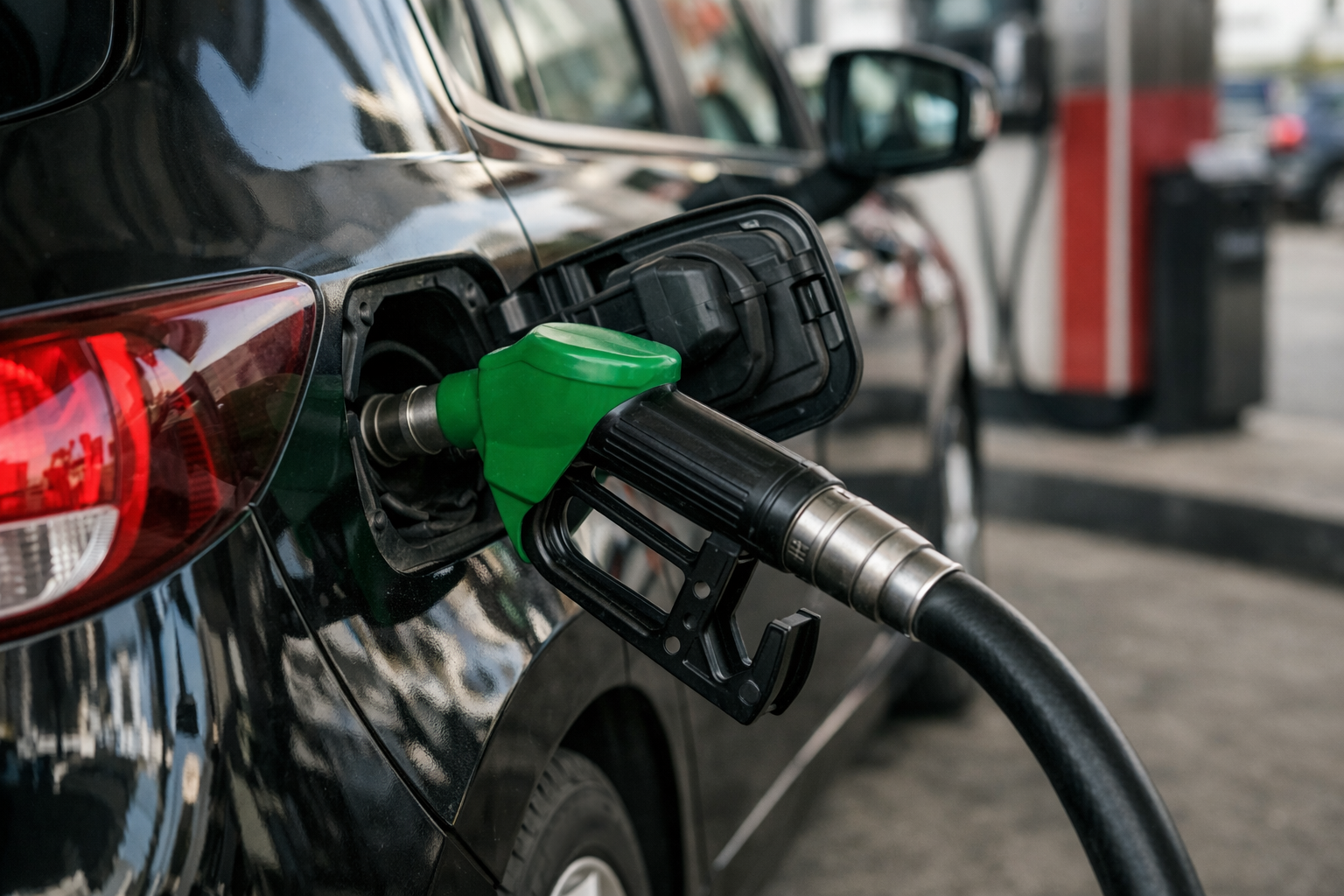
SYDNEY — Australia’s fuel crisis, triggered by disruptions from the US-Israel conflict with Iran and the effective closure of the Strait of Hormuz, continued into mid-April 2026 with hundreds of service stations still reporting shortages, diesel prices exceeding $3 per litre in many areas and economists warning of growing recession risks if supply restrictions become necessary later this year.
Australia Fuel Crisis Deepens April 2026: Diesel Shortages Hit Farms and Trucks as Recession Warnings Grow
Energy Minister Chris Bowen stated this week that Australia holds approximately 38-39 days of petrol reserves, 29-31 days of diesel and about 30 days of jet fuel, with 57 ships carrying more than 4.1 billion litres of fuel secured through May. However, regional areas and the transport sector face ongoing pain, with diesel shortages particularly acute for farmers, truck drivers and miners who keep the economy moving.
As of early April, the number of service stations without diesel had fallen from peaks above 400 to around 173-312 nationwide, depending on daily reporting, with New South Wales hardest hit at times with over 180 stations affected. Hundreds more ran dry on unleaded petrol in rural and outer suburban locations. Panic buying earlier in the crisis exacerbated the situation, though government appeals for normal purchasing habits helped stabilise some queues.
The crisis stems from Australia’s heavy reliance on imports. The nation sources about 90% of its refined fuel from Asian refineries that depend on crude oil passing through the Strait of Hormuz, which handles roughly one-fifth of global supply. Disruptions since late February or early March, including cancelled or delayed shipments and reduced refinery output in Singapore, South Korea and Malaysia, created a lag effect now biting into domestic availability. Even with a reported ceasefire in the Iran conflict, experts say repairs to damaged infrastructure mean full supply recovery could take months.
Petrol prices surged from around $1.80 per litre pre-crisis to averages near $2.20-$2.50, while diesel climbed sharply toward or past $3 in affected regions — a jump of 50% or more in weeks. A typical family’s weekly fuel bill rose by $20-$30 or higher, adding thousands annually for heavy users. The government halved fuel excise tax for three months, providing roughly 26-32 cents per litre relief at the pump, and released portions of national stockpiles while temporarily relaxing fuel quality standards to broaden import options.
Advertisement
Prime Minister Anthony Albanese’s administration activated elements of its four-stage National Fuel Security Plan. The country currently operates in a heightened “plan and prepare” or voluntary conservation phase, encouraging carpooling, reduced unnecessary travel and efficient driving. Stage three could involve prioritising fuel for essential services such as emergency vehicles, food transport, agriculture and mining if shortages worsen. The government has underwritten spot-market purchases by major suppliers Ampol and Viva Energy at inflated prices and holds powers to direct distribution toward vulnerable regions.
Farmers and the transport industry bear the brunt. The National Farmers’ Federation warned of potential food price hikes up to 50% if diesel shortages disrupt planting, harvesting and distribution. Truck operators face viability threats, with some reports suggesting up to 70% could struggle without relief. Fertiliser shortages compounded by higher transport costs add pressure on agriculture. Qantas responded by cutting domestic flight capacity 5% and warned of jet fuel costs ballooning to $3.1-$3.3 billion for the half-year.
Retail giant Wesfarmers, owner of Bunnings, Kmart and Target, paused delivery fees on eligible orders until September to ease cost-of-living strain on customers. Used electric vehicle prices rose as some motorists reconsidered combustion engines amid sustained high fuel costs.
Economist Shane Oliver of AMP warned that prolonged disruptions could tip Australia toward recession in the second half of 2026. While immediate price spikes hurt households, the real danger lies in physical shortages forcing usage restrictions that ripple through supply chains, inflation and business confidence. The International Monetary Fund flagged broader global energy crisis risks with potential stagflationary effects.
Advertisement
Critics, including opposition figures and industry groups, pointed to long-term vulnerabilities: Australia once operated eight domestic refineries but now has only two — Ampol’s Lytton in Brisbane and Viva Energy’s Geelong facility — meeting less than 20% of needs. The country holds far below the International Energy Agency’s recommended 90-day reserve obligation, a gap highlighted in past warnings. Calls grow for boosting local production, including accelerated development of the Taroom Trough oil fields in Queensland, where test wells show promise but commercial output may not flow until 2028 at earliest.
In response, the government pursues diplomacy with Singapore, Malaysia and Brunei to secure additional refined fuel. A $20 million public campaign urges fuel conservation. Transport Minister Catherine King confirmed ongoing efforts to support heavy vehicle operators through reduced road user charges.
Regional impacts vary. Urban centres in Sydney, Melbourne and Brisbane see sporadic outages but generally better access, while country towns sometimes face multi-day dry spells at the single local servo. Some stations imposed purchase limits during peak disruption. Vigilante-style complaints about alleged price gouging emerged, though the Australian Competition and Consumer Commission monitors retailers.
Despite challenges, Bowen and Albanese stressed that no expected April shipments failed to arrive and new orders replaced cancellations. They encouraged Easter and school holiday travel to proceed normally, though many families adjusted plans to shorter trips or public transport where possible.
Advertisement
Broader economic effects include rising goods prices as transport costs feed into groceries and retail. Confidence among households and businesses dipped sharply. Some analysts note a silver lining in accelerated interest in electric vehicles, with second-hand EV values climbing.
Longer-term solutions under discussion include incentives for domestic refining and storage expansion, greater biofuel or hydrogen integration, and stronger strategic reserves. Queensland Premier David Crisafulli highlighted his state’s potential role in boosting local oil output and refining capacity.
As the crisis enters its second month, the Albanese government faces balancing short-term relief with preparations for possible extended “long tail” disruptions even if Middle East tensions ease. Treasurer Jim Chalmers prepares talks with international counterparts on energy security.
Motorists are advised to fill up responsibly, combine trips and consider alternatives like public transport or remote work where feasible. For businesses, contingency planning around logistics remains essential.
Advertisement
The situation underscores Australia’s exposure at the end of global supply chains. While immediate reserves and secured shipments provide a buffer into May, the coming weeks will test resilience as Asian refinery constraints potentially tighten further. Government, industry and consumers alike watch developments in the Middle East and Asian fuel markets closely.
For the latest station availability and prices, drivers can check apps and websites from major fuel networks or the Australian Institute of Petroleum. Authorities continue monitoring and stand ready to escalate measures if needed to keep essential services running.
The fuel crisis of 2026 serves as a stark reminder of energy security’s importance in a geopolitically volatile world. Australia’s response will shape economic outcomes well beyond the current disruptions.
Fox Business’ Madison Alworth joins ‘Varney & Co.’ to report on new rankings of the most regulated states as businesses flee high-tax regions, with experts warning heavy regulation is slowing economic growth.
A widening gap between heavily regulated states and those with lighter rules is increasingly shaping where businesses choose to operate, as compliance costs and administrative hurdles weigh on growth.
U-Haul truck parked on roadside during a move in California (Smith Collection/Gado / Getty Images)
FOX Business’ Madison Alworth joined FOX Business’ Stuart Varney on “Varney & Co.” to report on how regulatory burdens are influencing economic decisions across the country.
Recent data from the Cato Institute highlights how states like New Jersey, California and New York rank among the most restrictive, while states in the Midwest and Plains regions offer more business-friendly environments. That divide is becoming more pronounced as companies gain flexibility to relocate operations.
SBA administrator Kelly Loeffler argues that President Donald Trump’s Working Families Tax Cuts Act is facilitating growth among small businesses on ‘Kudlow.’
For some business owners, the pressure is immediate. Outer Realm CEO Dhara Patel, who previously ran a virtual real estate touring company in New York City, described the toll of constant compliance demands.
“I swear, sometimes I don’t sleep because I’m like… Did I do this? Did I submit this paperwork?… It’s exhausting when they’re adding new compliance, that new annual report that they’re requiring,” Patel said.
She ultimately moved her business to Florida, citing both regulatory complexity and tax savings as key factors.
Labor Secretary Lori Chavez-DeRemer joins ‘Mornings with Maria’ to discuss a sweeping proposal to expand 401(k) investment options, potentially opening the door to crypto and real estate for millions of Americans.
Advertisement
“New York made it so complicated, the amount of reports that you have to file, the new paperwork and everything like that,” she said.
Economists say the broader impact extends beyond individual firms. Regulation can function as an added cost to businesses, limiting time and resources that would otherwise go toward expansion.
“Regulation is like a tax. It’s a cost that businesses have to pay in order to do business in a state… More regulation means slower growth,” expert John Lonski said.
Advertisement
Unleash Prosperity co-founder Stephen Moore discusses the affordability crisis in blue cities and President Donald Trump’s tariffs on ‘The Bottom Line.’
He added that higher regulatory burdens tend to coincide with slower economic growth, as businesses and workers gravitate toward less restrictive environments.
The contrast underscores how regulatory environments are increasingly shaping where businesses choose to operate and grow.
At a meeting of the local authority’s executive on Tuesday, MacBeath said the scheme aimed to move beyond emergency aid by helping families become more financially “resilient”, offering advice on managing money, accessing benefits, reducing debt and finding work.
Gloo Holdings, Inc. (GLOO) Q3 2025 Earnings Call December 17, 2025 5:00 PM EST
Company Participants
Oliver Roll – Chief Marketing & Communications Officer Scott Beck – Co-Founder, President, CEO & Director Paul Seamon – Chief Financial Officer Patrick Gelsinger – Executive Chairman & Head of Technology
Advertisement
Conference Call Participants
Richard Baldry – ROTH Capital Partners, LLC, Research Division Yun Suk Kim – Loop Capital Markets LLC, Research Division Jason Kreyer – Craig-Hallum Capital Group LLC, Research Division Daniel Kurnos – The Benchmark Company, LLC, Research Division Eric Wold – Texas Capital Securities, Research Division Ryan Meyers – Lake Street Capital Markets, LLC, Research Division
Advertisement
Presentation
Operator
Good day, and thank you for standing by. Welcome to the Gloo Fiscal Third Quarter 2025 Earnings Conference Call. [Operator Instructions] Please be advised that today’s conference is being recorded. I would now like to turn the conference over to Oliver Roll, Chief Marketing and Communications Officer. Please go ahead.
Advertisement
Oliver Roll Chief Marketing & Communications Officer
Thank you, operator. And thank you to all of you for joining our fiscal third quarter 2025 earnings conference call. We will be discussing Gloo’s performance for the third quarter ended October 31 2025, as well as providing guidance for the fiscal fourth quarter 2025 and fiscal year 2026.
Joining me on today’s call are CEO and Co-Founder, Scott Beck, and CFO, Paul Seamon. Our Board Chair and Head of Technology, Pat Gelsinger, will also join the Q&A session.
Before we begin, please be reminded that this call will contain forward-looking statements which are based on Gloo’s current expectations, but which are subject to risks and uncertainties relating to future events and/or the future financial performance of Gloo. Actual results could differ materially from those anticipated in these forward-looking statements. A discussion of some of the risks that could cause actual results to differ materially from
The US’s Artemis II mission aims to enhance lunar exploration, foster international collaboration, and prepare for Mars, driving scientific innovation and technological advancement.
Key Points
The US is returning to the Moon with Artemis II to advance lunar exploration, foster international collaboration, and prepare for future Mars missions.
This initiative promotes scientific innovation and technological development.
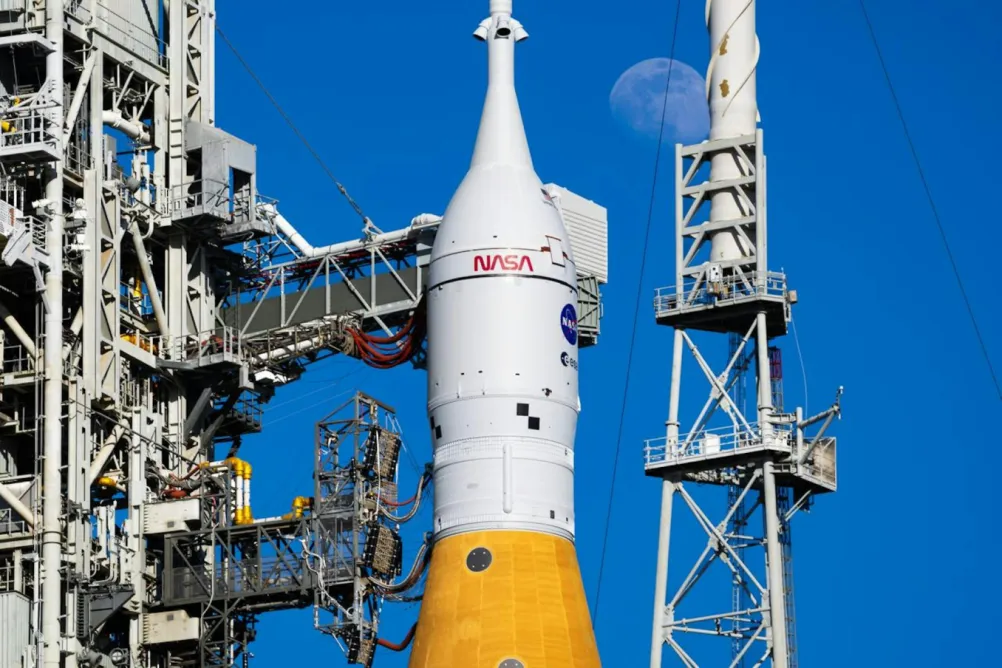
The United States is set to return to lunar exploration with the Artemis II mission, which aims to build upon previous missions while fostering international collaboration and laying the groundwork for future endeavors, particularly missions to Mars. This renewed commitment is emblematic of a broader space policy that recognizes the Moon as a strategic staging ground for deeper space exploration.
Artemis II marks a pivotal step in NASA’s Artemis program, which endeavors not only to advance scientific knowledge but also to stimulate technological innovation. By working alongside international partners, the mission aims to create a collaborative model reflecting the global nature of space exploration. This collaboration can enhance mission safety, share costs, and pool expertise, making the exploration of the Moon—and eventually Mars—more feasible and effective.
The intent behind returning to the Moon is multifaceted. Firstly, the Moon serves as an accessible laboratory for testing new technologies and systems essential for human exploration beyond Earth. For instance, the Artemis missions will evaluate life support systems and habitat construction in a relatively close, yet challenging extraterrestrial environment. Secondly, lunar exploration promises to yield valuable scientific data that can expand our understanding of the Moon’s geological history and its potential resources, such as water ice, which could sustain life and fuel future space missions.
Moreover, the Artemis II mission is seen as a stepping stone for setting a sustainable presence on the Moon. This endeavor will facilitate the establishment of a lunar base, which could support longer stays and more complex missions, whether for scientific research or commercial purposes. Ultimately, this groundwork is not only aimed at returning humans to the lunar surface but is also critical for the ambitious goal of sending astronauts to Mars in the coming decades.
Advertisement
Through Artemis II and subsequent missions, the US is demonstrating its resolve to lead in space exploration while inspiring a new generation of scientists, engineers, and astronauts, thus promoting a vision of sustained human presence in outer space.
CUPERTINO, Calif. — Apple’s iPhone 18 Pro Max is shaping up as one of the most compelling flagship upgrades in years, with leaks pointing to a powerful 2nm A20 Pro chip, a groundbreaking variable aperture main camera, a significantly smaller Dynamic Island and potentially record-breaking battery life when it arrives alongside a new foldable iPhone in September 2026.
iPhone 18 Pro Max
Industry analysts and supply chain sources say the device will retain the familiar 6.9-inch LTPO OLED display with 120Hz refresh rate but introduce meaningful internal and photographic enhancements that could sway buyers waiting for the next big leap. While full under-display Face ID appears delayed, partial sensor integration could shrink the front cutout dramatically, giving the screen a cleaner, more immersive look.
The star of the rumored upgrades is the A20 Pro processor, built on TSMC’s advanced 2nm manufacturing process. This marks a significant efficiency jump from the 3nm A19 Pro in current models, promising roughly 15% better performance and up to 30% improved power efficiency. Combined with 12GB of RAM integrated directly onto the chip wafer, the iPhone 18 Pro Max is expected to handle demanding AI tasks, gaming and multitasking with less heat and longer endurance.
Battery life stands out as a major highlight for the Pro Max variant. Multiple reports indicate a capacity boost to between 5,100 and 5,200 mAh — the largest ever in an iPhone — enabled by a slightly thicker chassis measuring around 8.8mm. The extra space, paired with the more efficient A20 Pro chip and optimized power management, could deliver up to 40 hours of mixed-use battery life, according to supply chain projections. For users who rely on their phones for all-day productivity, streaming and photography, this upgrade alone could prove transformative.
Photography enthusiasts have particular reason to watch the iPhone 18 Pro Max closely. Reliable analyst Ming-Chi Kuo reports that the main 48-megapixel Fusion camera will feature a variable aperture mechanism for the first time on an iPhone. This mechanical iris will let users — or the computational photography system — dynamically adjust the amount of light entering the lens, improving low-light performance while preventing overexposure in bright conditions and offering greater control over depth of field for professional-looking portraits. The triple-lens rear setup is also expected to include upgraded 48MP ultrawide and telephoto sensors, continuing Apple’s push toward higher-resolution imaging across the board.
Advertisement
On the front, leaks suggest a smaller Dynamic Island achieved through partial relocation of Face ID components beneath the display. While complete under-screen Face ID and camera remain challenges for mass production, moving some infrared sensors underneath could reduce the pill-shaped cutout by a reported 35%, with the selfie camera potentially shifting to a discreet top-left punch-hole. The display itself is expected to maintain or slightly improve peak brightness, potentially exceeding 2,500 nits, along with enhanced color accuracy and efficiency.
Design-wise, the iPhone 18 Pro Max is likely to stick close to the current titanium-framed aesthetic but with fresh color options. Bloomberg’s Mark Gurman has reported that Apple is testing a striking “deep red” finish — a rich, dark burgundy tone that would mark the first red Pro model in years and replace the cosmic orange hero color from recent generations. Traditional black may continue to be absent for a second year, with the lineup emphasizing bolder, more vibrant hues enabled by the aluminum or refined titanium construction.
Connectivity gets a boost with Apple’s in-house C2 modem, promising better 5G performance, improved Wi-Fi and Bluetooth via a new N2 chip, and possible enhancements to satellite features, including expanded emergency capabilities or even basic web browsing over satellite in remote areas. Storage options are rumored to top out at 2TB, giving power users ample room for high-resolution video, apps and AI-generated content.
Pricing is expected to hold steady despite rising component costs, with the iPhone 18 Pro Max likely starting at $1,199 as Apple aims to maintain accessibility for its premium segment. This stance aligns with analyst Ming-Chi Kuo’s predictions that the company will avoid significant increases for the Pro lineup.
Advertisement
Apple’s 2026 release strategy represents a notable shift. The fall event will focus on the iPhone 18 Pro, iPhone 18 Pro Max and the long-awaited foldable iPhone — expected to feature a roughly 5.5-inch outer screen that unfolds to about 7.8 inches internally. Standard iPhone 18 and more affordable models, possibly including an iPhone 18e, are reportedly delayed until spring 2027. This staggered approach allows Apple to prioritize its most advanced hardware while managing supply chain demands for the ambitious foldable debut.
The absence of a base iPhone 18 in September has sparked discussion among fans and analysts. Some see it as a smart way to spotlight the Pro models and the foldable without diluting attention, while others worry it could confuse buyers accustomed to a full annual lineup. Regardless, the Pro Max remains the flagship many enthusiasts target for its larger screen, superior camera system and extended battery.
Early dummy models and prototype leaks circulating on social media and YouTube channels show a refined camera bump with more rounded edges and a slightly more integrated look. The overall footprint stays similar to the iPhone 17 Pro Max, preserving the device’s substantial but manageable size for one-handed use where possible.
AI and software integration will likely play a bigger role, with the A20 Pro’s enhanced Neural Engine powering more sophisticated on-device processing for features like advanced photo editing, real-time translation and personalized Siri capabilities. While exact iOS 20 details remain under wraps, the hardware foundation suggests Apple is preparing its ecosystem for deeper artificial intelligence experiences without relying heavily on cloud computing.
Advertisement
Community reaction on forums and tech sites has been enthusiastic yet tempered with the usual caution that surrounds pre-launch rumors. Many users express excitement over the variable aperture camera, viewing it as a long-overdue nod to serious photographers who want more creative control directly from their phones. Others highlight the battery gains as a potential game-changer for travelers and heavy users tired of mid-day charging.
Skeptics point out that some ambitious features, such as full under-display Face ID, have been rumored for several generations without materializing, suggesting Apple prioritizes reliability and quality over rushed innovation. Supply chain sources emphasize that while late-stage production for the Pro models is ramping up, certain elements like the variable aperture assembly still require fine-tuning.
As excitement builds toward the expected September unveiling, the iPhone 18 Pro Max rumors underscore Apple’s commitment to incremental yet meaningful progress. The combination of a more efficient 2nm chip, superior imaging tools and extended battery life positions the device as a strong evolution rather than a revolutionary redesign — exactly the formula that has sustained the iPhone’s dominance for nearly two decades.
For consumers weighing an upgrade from older models, the Pro Max could represent a worthwhile jump, particularly in camera versatility and all-day reliability. Those holding iPhone 16 or 17 Pro Max units may find the changes subtler but still compelling for future-proofing against growing AI demands and high-resolution content creation.
Advertisement
Apple has not commented on the rumors, and official details will only emerge at the fall event. In the meantime, supply chain leaks from trusted voices like Ming-Chi Kuo, Mark Gurman and various Weibo analysts continue to paint an increasingly clear picture of a polished, high-performance flagship.
Whether the deep red color, variable aperture lens or massive battery proves the biggest draw, the iPhone 18 Pro Max is already generating buzz as a device that refines Apple’s formula while addressing some of the most common user requests for better endurance and photographic flexibility. With roughly five months until launch, anticipation continues to mount for what could be one of the strongest Pro Max offerings yet.
North Dakota Gov. Doug Burgum argues California’s new minimum wage law will affect every business in the state that deals with food on ‘Cavuto: Coast to Coast.’
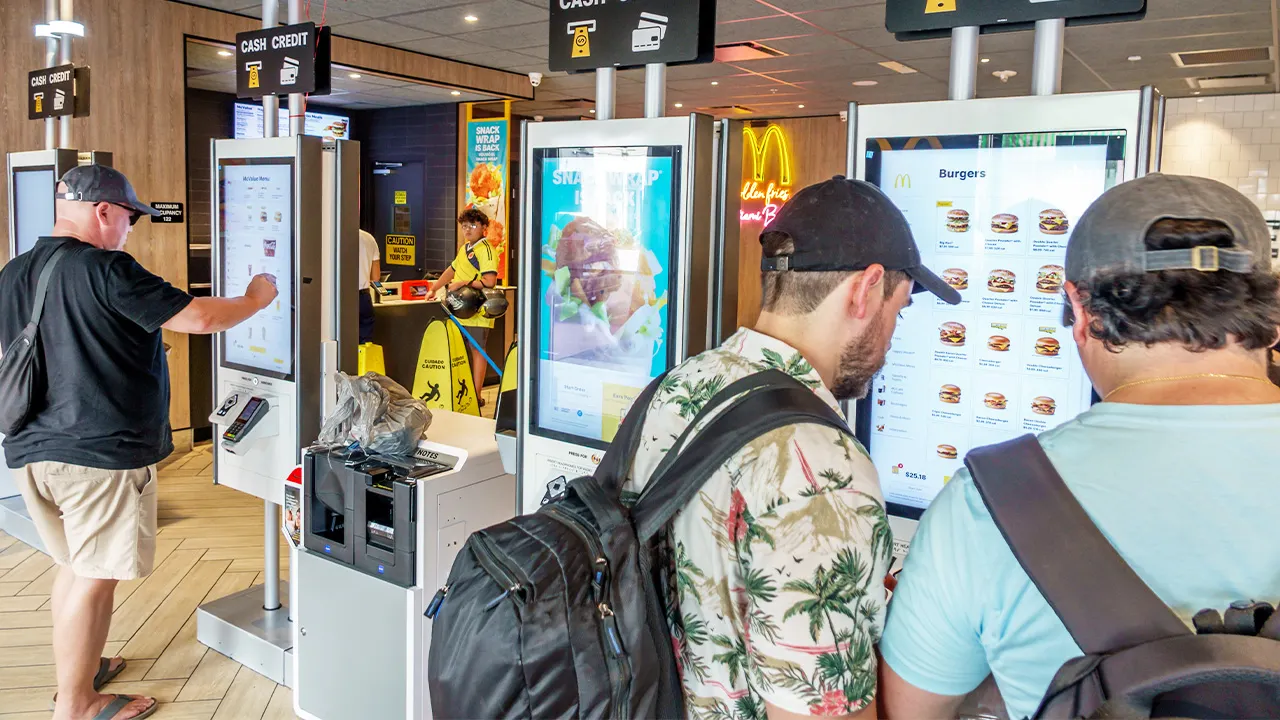
McDonald’s is moving deeper into the fast-growing specialty beverage market, expanding its menu with new “dirty sodas” and refreshers as consumer demand shifts beyond traditional soft drinks and coffee.
The push underscores a broader strategy to tap higher-margin, customizable beverages as restaurant chains compete for younger consumers and incremental traffic throughout the day.
Advertisement
Company documents reviewed by The Wall Street Journal indicate the burger giant is preparing to roll out drinks such as a Dirty Dr Pepper and Mango Pineapple Refresher, part of a broader push into higher-margin, customizable beverages.
The push underscores a broader strategy to tap higher-margin, customizable beverages. (Jeffrey Greenberg/Universal Images Group via Getty Images)
In a statement to FOX Business, McDonald’s signaled the shift, saying: “Our fans’ love for McDonald’s beverages runs deep… Next month, we’re building on that passion with a new era of beverages, featuring a variety of Refreshers and crafted sodas rolling out nationwide.”
The company added that it will share more details soon.
Advertisement
Energy drinks — including reported offerings like a Red Bull-based beverage — are expected to launch later this year, according to reports.
McDonald’s is reportedly going to add energy drinks to its menus later this year. (Smith Collection/Gado/Getty Images)
The move comes as chains across the restaurant industry race to capitalize on booming demand for specialty drinks. Orders for energy drinks have risen over the past year, while coffee and tea orders have declined, according to market data.
Competitors, including Dutch Bros, Starbucks and Taco Bell, have leaned heavily into the trend, building out drink-focused menus aimed at younger consumers seeking customizable, “treat-style” beverages throughout the day.
A worker hands a drink to a customer at a McDonald’s restaurant in Martinez, California, on Feb. 4, 2025. (David Paul Morris/Bloomberg via Getty Images)
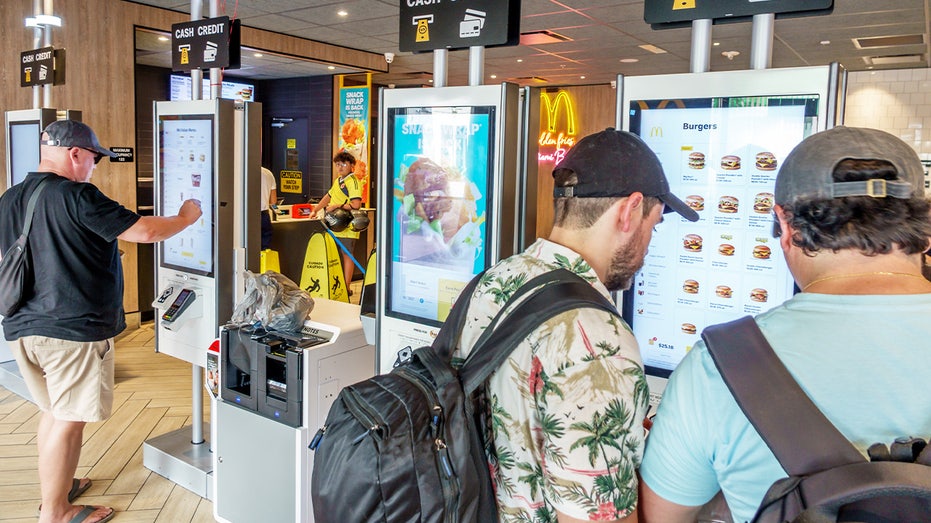
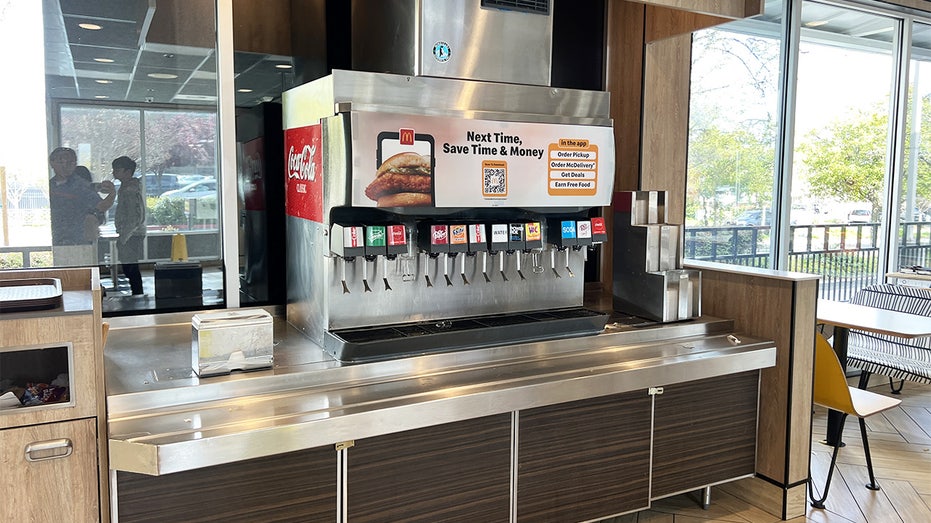
For McDonald’s, the strategy could deliver a meaningful boost to margins. Drinks are typically among the most profitable menu items, and franchisees have reportedly invested in new equipment to support the expansion without slowing service.
The company has been testing specialty beverages for years, including through its now-closed CosMc’s concept, and appears to be preparing for a broader U.S. rollout.
An economics graduate with a passion for financial history; I apply my knowledge to markets in an effort to hopelessly predict trends and spot value. All opinions are my own and should not be taken seriously.
Analyst’s Disclosure: I/we have no stock, option or similar derivative position in any of the companies mentioned, and no plans to initiate any such positions within the next 72 hours. I wrote this article myself, and it expresses my own opinions. I am not receiving compensation for it (other than from Seeking Alpha). I have no business relationship with any company whose stock is mentioned in this article.
Seeking Alpha’s Disclosure: Past performance is no guarantee of future results. No recommendation or advice is being given as to whether any investment is suitable for a particular investor. Any views or opinions expressed above may not reflect those of Seeking Alpha as a whole. Seeking Alpha is not a licensed securities dealer, broker or US investment adviser or investment bank. Our analysts are third party authors that include both professional investors and individual investors who may not be licensed or certified by any institute or regulatory body.
Profit after tax for Q4 stood at Rs 763 crore, up 10% from Rs 692 crore in the same quarter last year. Profit before tax rose to Rs 1,039 crore from Rs 917 crore in the year-ago period. The company also announced a dividend of Rs 12.4 per share.
Operating performance improved significantly during the quarter. Operating profit came in at Rs 1,128 crore, marking a 30% increase from Rs 866 crore in Q4 FY25, supported by tighter cost management and operating leverage.
Revenue remained strong, with revenue from operations rising 19% year-on-year to Rs 1,517 crore from Rs 1,269 crore. Total expenses eased to Rs 389 crore compared with Rs 403 crore in the year-ago period, aiding margin expansion.
Advertisement
On a quarter-on-quarter basis, profit declined. Net profit fell 17% from Rs 917 crore in Q3 FY26, mainly due to lower total income, although operating costs remained under control.
Live Events
For the full year, earnings growth was robust. FY26 profit after tax increased 24.4% to Rs 3,298 crore from Rs 2,651 crore in FY25. Profit before tax rose 24.7% to Rs 4,407 crore, while operating profit grew 28.9% to Rs 4,171 crore. Business metrics also showed steady expansion. Quarterly average assets under management stood at Rs 11,04,787 crore as of March 2026, compared with Rs 8,79,412 crore a year earlier.The company reported a customer base of 17 million investors and a distribution network of over 1.14 lakh partners across 281 offices, reflecting its scale and reach in the domestic mutual fund market.
(Disclaimer: Recommendations, suggestions, views and opinions given by the experts are their own. These do not represent the views of The Economic Times)

























































You must be logged in to post a comment Login