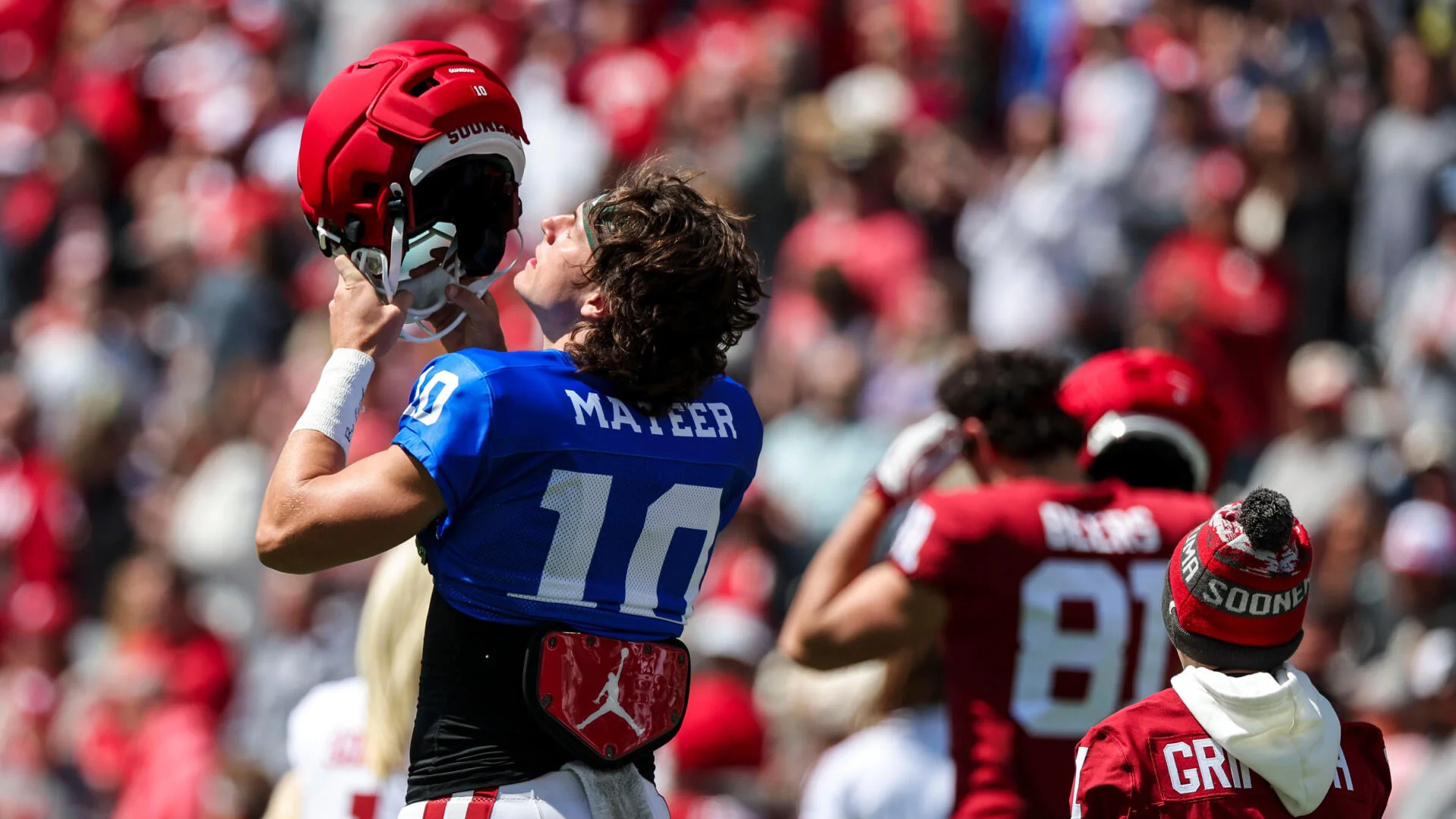
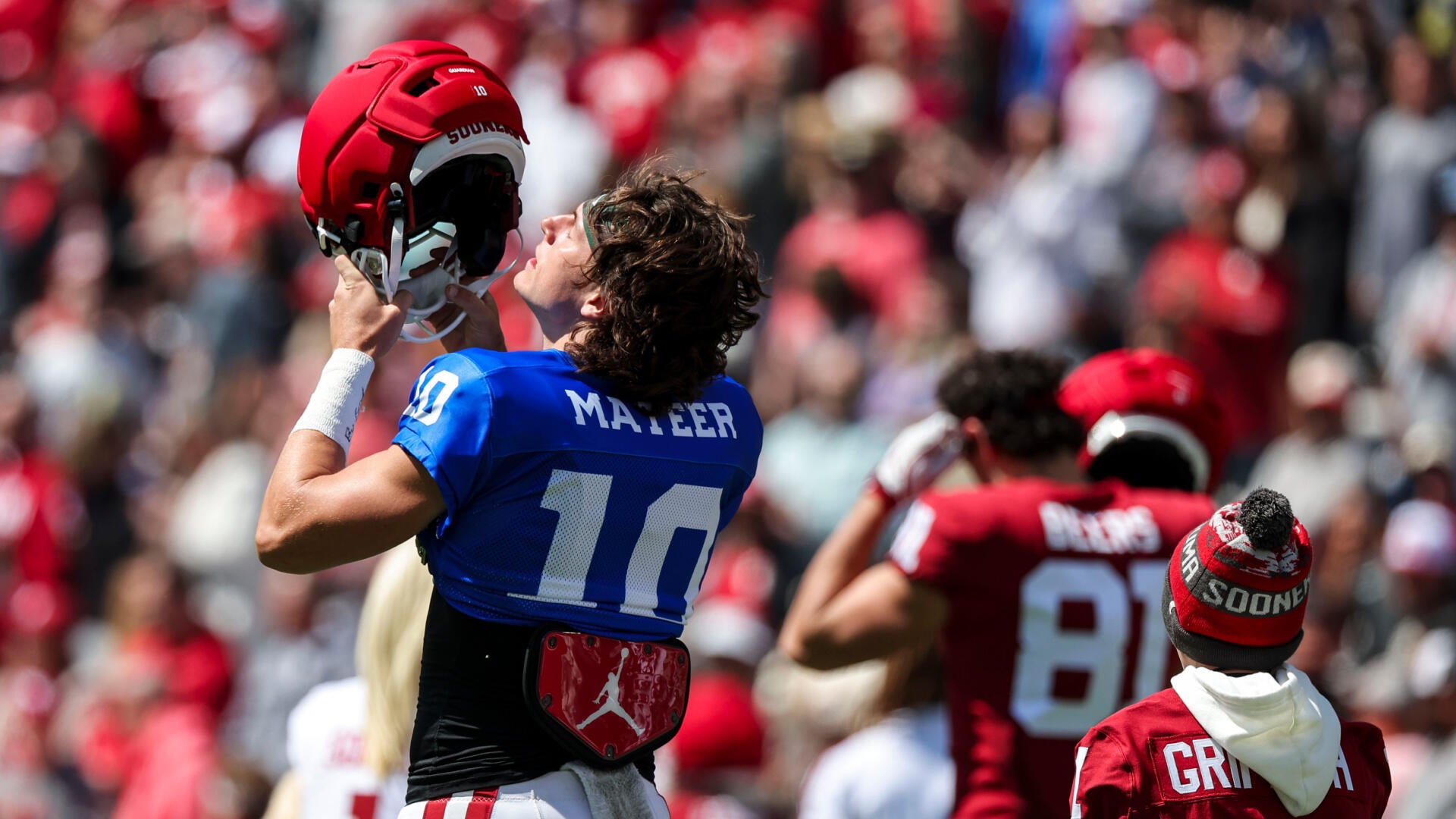
Just about every player enters training camp saying they’ve never felt better and they’re in the best shape of their life. In the case of Oklahoma quarterback John Mateer, seeing is believing.
Mateer turned heads over the summer at the Manning Passing Academy in late June for a noticeably more muscular physique. He kept the conversation going by posting multiple shirtless pictures on Instagram:
There was chatter in social media circles, Reddit — “is that kind of muscle good for throwing?” — and on a few podcasts that Mateer’s strapping physique would affect the fluidity and mobility of his throwing motion.
“Is John Mateer too jacked?” Tom Fornelli asked, perhaps with a scoop of sarcasm. “I don’t know if I want my QB being too big … I’m not trying to get a body-builder quarterback. When you’re that big, you’re too tight. How are you supposed to unleash a throw down the seam with that — he’s got his pecs getting in the way!”
Advertisement
Below is our attempt to discern whether bulking up could have any impact on how Mateer will steer the Sooners offense through the air.
We asked an expert
Mateer had an up-and-down 2025 season marred by a hand injury suffered in a late September game against Auburn. He returned in time to face Texas in the Red River Rivalry but was a diminished version of himself as a passer for most of the rest of the season until late in the year.
In the offseason, he began working out with his offensive linemen and has put on anywhere from five to 10 pounds. He enters fall camp at a listed 224. Oklahoma did not respond to a request to speak to Mateer, his QB coach or the Sooners’ strength and conditioning coordinator.
Pat Powers is throwing out any theory that Mateer added bad muscle this summer.
Advertisement
A former Northern Illinois football analytics staffer, high school football assistant coach and sports science researcher for Driveline Baseball and the NFL, Powers says from a kinematic perspective the concept of Mateer’s bulk inhibiting his ability as a passer could not be further from the truth.
“Yeah, that’s false,” Powers said. “Basketball is a good example where if you see guys say lifting is going to make you less flexible, it’s completely untrue. It doesn’t bear out in reality. And also, any decent training program is going to take that into account and work on mobility, flexibility, and that type of fitness.”
Mateer is not even the heaviest QB in the SEC, but he may be the most ripped.
Instagram: John Mateer
Mateer’s listed weight isn’t in any way an outlier. Arch Manning is listed at 222, Gunner Stockton is 215 and Byrum Brown in 235. If Austin Mack wins the starting job at Alabama he’d be the heaviest starting QB in the SEC at 237 pounds. According to Powers, getting bigger can actually help Mateer.
“Different players are going to adapt differently, and it’s not typically like oh, you put on five pounds, your elbow flexion is going to fall, or your shoulder abduction is going to decrease,” Powers said..” It changes player to player, and that’s some of where like the kind of ecological dynamics comes in, where a lot of skill adaptation is learning to how your body changes, which is why there’s such things as like de-loading weeks and lifting programs, where you’re taking a week for your body to recover and kind of adapt to the changes its made.
Advertisement
“So it’s not quite a one-to-one of like this happened, so this happened. It’s more a balance of general and specific training because all the weightlifting stuff is what’s known as general fitness, and then when you get to like the actual throwing exercises, that’s specific. So it’s basically improving your general fitness gives you more capacity to both practice more and have raw inputs to improve the specific skills.”
Ground force = rotational force
Mateer is a former baseball player. In fact, he skipped offseason 7-on-7 football camps as a high schooler to play on the diamond. You can see the baseball background in how he throws a football – his throwing motion is much more sidearm almost as if he’s a shortstop turning a double play. But zeroing in on Mateer’s arm at all can lead you down the wrong rabbit hole.
While you may think that throwing a baseball is one-to-one with throwing a football, consider that there is much more overlap with hitting. This was applicable to another OU quarterback years ago, Kyler Murray, who was drafted by the Oakland A’s before opting to go to the NFL. Murray told The Oklahoman“I can throw a football all day and my arm doesn’t get tired,” …”If I throw a baseball more than a certain amount of time, it’s going to get a little sore.”
The reason why has to do with what exactly is happening when a quarterback throws a football, as explained by quarterback guru Yogi Roth.
Advertisement
“We got a phrase that we use at Elite 11 all the time: ‘Ground force equals rotational force,’” Roth shared during a 2015 conversation. “[Murray] has a lot of that. If you think of a baseball player when they swing, and the way they generate force with the bat or when they generate force even throwing, it’s the same as a quarterback.”
Many famous quarterbacks with the types of throwing style you might remember like Brett Favre, Aaron Rodgers or Dan Marino aren’t actually doing much work with their arms. They’re using more of their core to draw rotational force from the ground and essentially fire it up through their bodies and the ball shoots off their hands almost as a byproduct. The right hip is doing most of the work.
This also makes Mateer different from a similar example of a swole passer people had concerns about, Tim Tebow, whose arm strength wasn’t in doubt but his accuracy was because of a long, looping throwing motion. The pitfall of Tebow’s for was that it was too “armsy,” using too much of his upper body, rather than an efficient lower body. Here’s a scouting report on Tebow (who played around 235 pounds) from NFL.com:
“Release is far too slow to fit balls into spots against NFL defensive backs. Release point and mechanics (elongated, wind-mill delivery which comes out too low) likely need to be altered.”
So what should you make of tarps-off Mateer?
Nothing much beyond, the odds are he looks like he’s in much better shape than you do.
Advertisement
It doesn’t mean he’ll be too tight to go deep to Isaiah Sategna or Parker Livingstone. In fact, because Mateer runs the ball so much it might help him hold up to the wear and tear in the SEC. But there’s a lot that goes into the training and coaching of being a refined passer in the SEC, and 10ish pounds of muscle isn’t going to automatically ruin him.
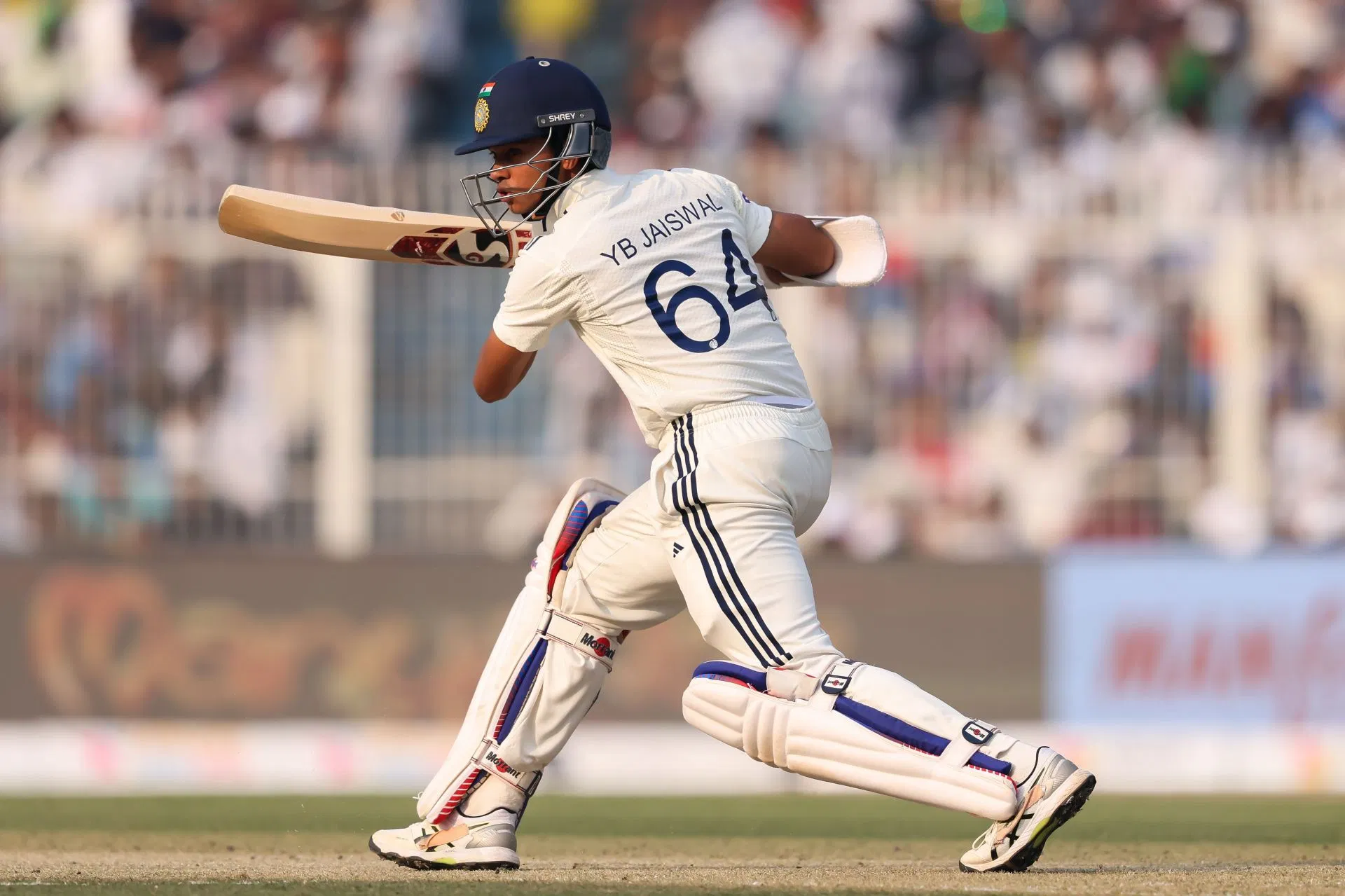
There will be high expectations from opener Yashasvi Jaiswal in the upcoming two-match Test series in Sri Lanka. India need to win both the Test matches in the island nation to keep their faint hopes of reaching the World Test Championship (WTC) final alive.
Jaiswal is fourth on the list of India’s leading run-getters in the 2025-27 WTC cycle. In nine Test matches (17 innings), the southpaw has scored 713 runs at an average of 41.94, with three hundreds and as many half-centuries. The Indian opener was dismissed for a duck in the first innings of the practice match in Colombo, but scored 61 off 46 in the second innings before retiring.
Jaiswal has opened the innings in 29 Tests so far (54 innings). Ahead of the Sri Lanka series, we compare his stats with those of Virender Sehwag after the latter had also opened the batting in 54 innings.
Advertisement
Jaiswal vs Sehwag – Who has more runs and a better average as opener after 54 innings?
In 54 Test innings as opener Jaiswal has scored 2,535 runs at an average of 48.75. In 10 Tests against England, the 24-year-old has scored 1,123 runs at an average of 62.38. In five Tests against Australia, he has 391 runs at an average of 43.44. Also, in four Tests against the West Indies, Jaiswal has scored 485 runs at an average of 80.83.
After 54 Test innings as opener, Sehwag had scored 2,930 runs at an average of 56.34. In six Tests against Pakistan, he had scored 982 runs at an average of 98.2. In nine Tests against Australia, he had scored 846 runs at an average of 49.76. Also, in two Test matches against South Africa, he had 262 runs at an average of 87.33.
Jaiswal vs Sehwag – Who has more hundreds as opener after 54 innings?
Jaiswal has smashed seven hundreds and 13 half-centuries in his Test career thus far. He slammed two double hundreds against England during the home series in 2024 – 209 in Visakhapatnam and an unbeaten 214 in Rajkot. Earlier, the left-handed batter had scored 171 on debut against the West Indies in Roseau in July 2023 and a memorable 161 against Australia in Perth in November 2024.
Advertisement
Player
Runs
Average
HS
100s
50s
Yashasvi Jaiswal
2,535
48.75
214
7
13
Virender Sehwag
2,930
56.34
309
9
8
(Jaiswal vs Sehwag – Stats comparison after opening in 54 innings)
After 54 Test innings as opener, Sehwag had nine hundreds and eight half-centuries to his credit. His best at that stage was an epic 309 which came against Pakistan in Multan in March 2004. He had also scored 201 against Pakistan in Bengaluru in March 2005 and 195 against Australia in the 2003 Boxing Day Test.
Jaiswal vs Sehwag – Who has a better record in wins after opening in 54 innings?
In 14 Test wins (24 innings), Jaiswal has notched up 1,644 runs, average of 71.47, with six tons and six fifties. In 12 losses (24 innings), he has scored 730 runs at an average of 30.41, with one ton and five fifties. In three Tests (six innings) that ended in a draw, he has totaled 161 runs at an average of 32.20, with the aid of two half-centuries.
Player
Innings
Runs
Average
HS
100s
50s
Yashasvi Jaiswal
24
1,644
71.47
214*
6
6
Virender Sehwag
19
984
54.66
309
2
3
(Jaiswal vs Sehwag – Stats comparison in wins after opening in 54 innings)
Advertisement
In 13 Test wins (19 innings), Sehwag had scored 984 runs at an average of 54.66, with two hundreds and three half-centuries. In nine losses (17 innings), he had 902 runs at an average of 53.05, with two tons and four fifties. In 10 drawn Tests (18 innings), he had 1,044 runs at an average of 61.41, with the aid of five centuries and one half-century.
Jaiswal vs Sehwag – Who has a better away record after opening in 54 innings?
In 14 away Tests (27 innings), Jaiswal has scored 1,118 runs, averaging 43, with four hundreds and five half-centuries. In 15 home Tests (27 innings), the left-handed batter has scored 1,417 runs at an average of 54.50, with three centuries and eight half-centuries.
Player
Innings
Runs
Average
HS
100s
50s
Yashasvi Jaiswal
27
1,118
43
171
4
5
Virender Sehwag
28
1,362
50.44
309
3
4
(Jaiswal vs Sehwag – Away stats comparison after opening in 54 innings)
In 18 away Tests (28 innings), Sehwag had scored 1,362 runs at an average of 50.44, with three hundreds and four half-centuries. In 14 home Tests (26 innings), he had 1,568 runs at an average of 62.72, with six tons and four fifties.
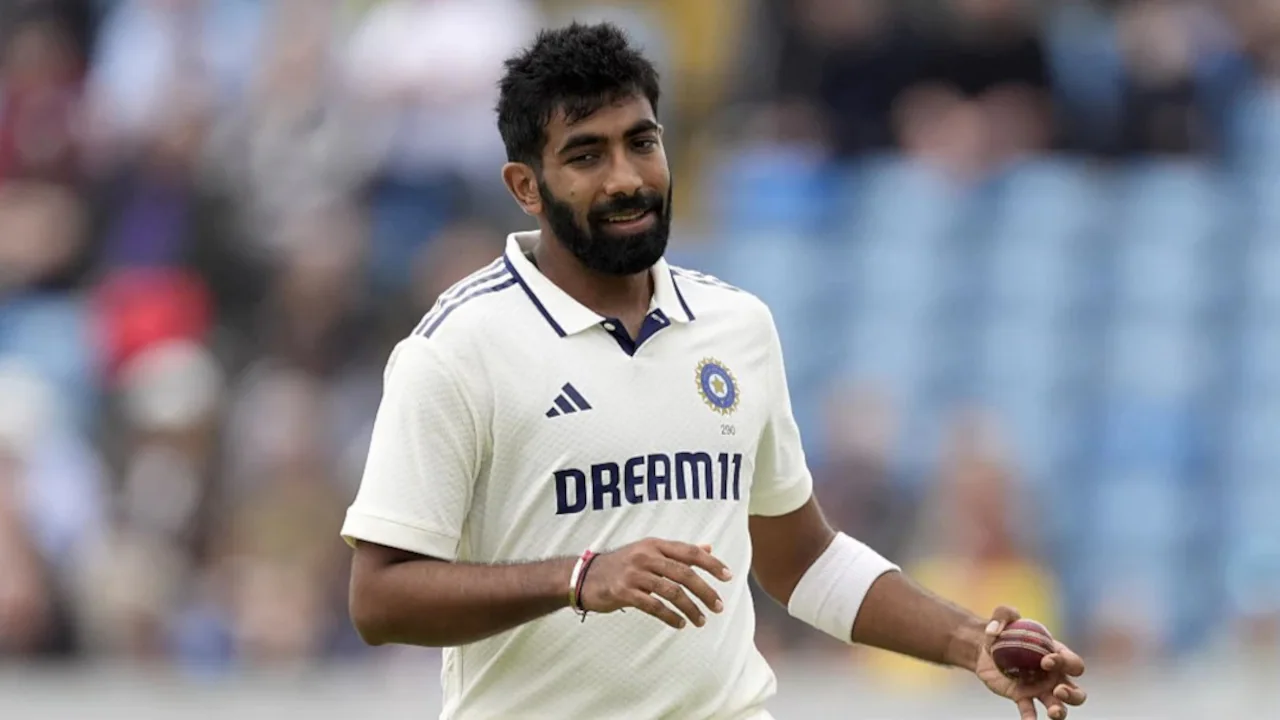
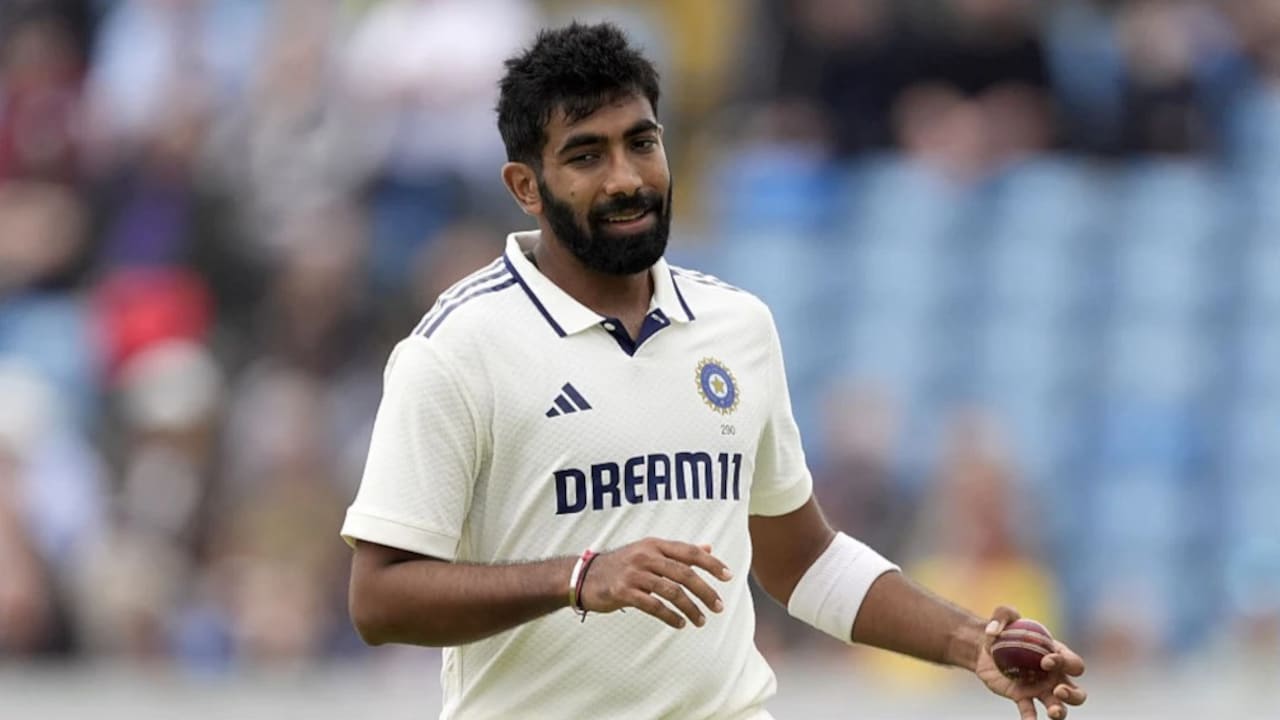
Jasprit Bumrah is one player whom many, including Ravichandran Ashwin, believe should be preserved like a national treasure. Former India cricketer and commentator Aakash Chopra has backed the workload management of pace spearhead Jasprit Bumrah, saying the national team must take a flexible approach to protecting a “genius” player. Speaking on The Great Indian Cricket Show on Doordarshan, Chopra said there was little reason to ignore Bumrah’s workload requirements if the fast bowler’s body needed rest, particularly given his importance to the Indian team across formats.
“If you have a genius like Jasprit Bumrah, and if his body needs some rest, if his workload needs to be managed, why would you not do it? Bumrah is a genius. Many people believe that if you are fit, then you should play. If you are not, then don’t play,” Chopra said.
Bumrah is unavailable for India’s two-Test series against Sri Lanka after being ruled out with a recurring left knee issue and swelling. He aggravated the problem while fielding during the ODI against England in Cardiff on July 16.
Advertisement
The 32-year-old fast bowler is undergoing rehabilitation at the BCCI Centre of Excellence in Bengaluru, with no official timeline set for his return. Uncapped pacer Auqib Nabi was subsequently added to India’s squad as his replacement for the Sri Lanka Tests.
Chopra acknowledged that India would be able to cope in Bumrah’s absence. He stressed that the team should make every effort to preserve the fast bowler’s long-term fitness.
“India will still manage. It will manage. Life goes on, whether there is someone or not. But if you have a genius like Bumrah, if his body needs some rest, if his workload needs to be managed, why would you not do it? It’s a very simple thing,” he added.
Bumrah has been one of India’s most important performers in recent years, with his workload frequently becoming a subject of discussion given the demands of international cricket and his history of injury setbacks.
Advertisement
India, led by Shubman Gill, are preparing for the two-Test series against Sri Lanka, with the first Test scheduled to begin in Galle on August 15.
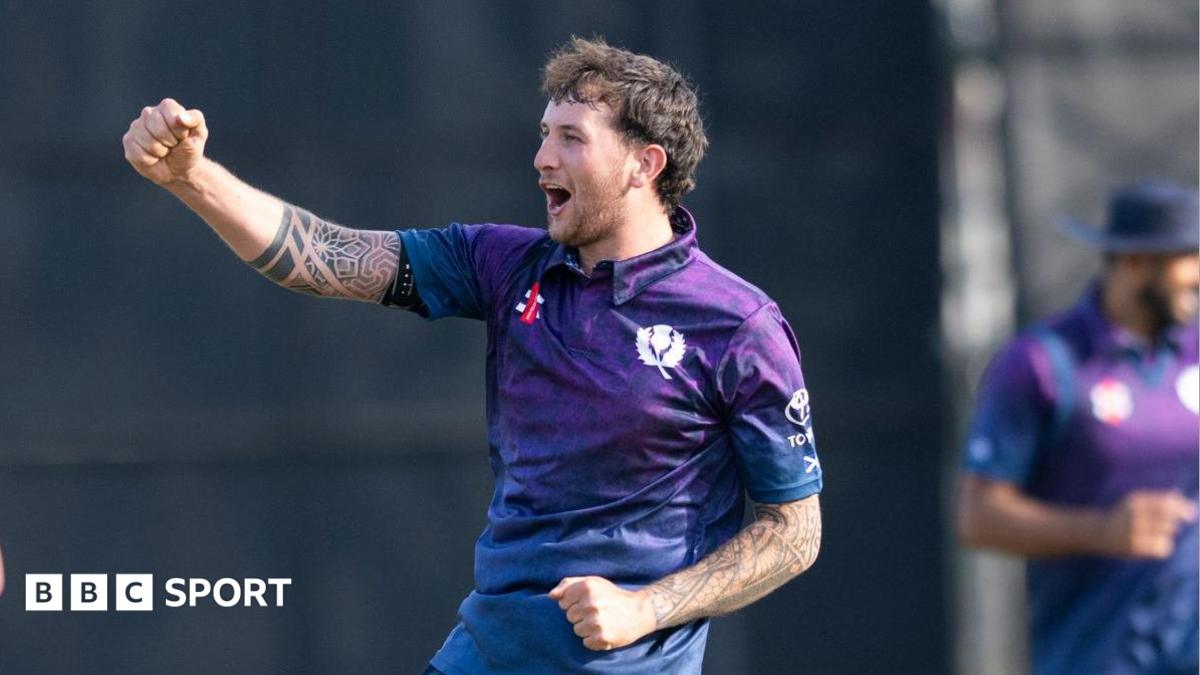
Captain Richie Berrington and debutant Lyle Robertson starred as Scotland enjoyed a thumping 170-run Cricket World Cup League 2 victory over Canada at Forthill.
Berrington, 39, hit an impressive 120 as the hosts posted an imposing total of 347 from their 50 overs before Falkland off-spinner Robertson ripped through Canada’s batting order, taking six wickets for 52 runs.
Berrington’s seventh one-day international century included four sixes, taking his overall haul to 90 – a new Scottish record, overtaking George Munsey’s 87.
Advertisement
Brandon McMullen (64) shared a third-wicket partnership of 140 with his captain after the departure of openers Finlay McCreath and Michael English had Scotland on 25-2 in the seventh over.
Michael Jones and Matthew Cross kept up the brisk run rate with knocks of 41 and 51 not out respectively and Jack Jarvis added 30 from 14 balls for a 347-7 total.
Berrington was also involved as Canada lost their first wicket in the third over of their reply, taking a catch from the bowling of Mark Watt.
Pargat Singh (42) was the only Canadian batter to offer any meaningful resistance as Robertson staked his claim for a regular place in the Scotland side.
Advertisement
The 23-year-old picked up his first international wicket as Harsh Thaker picked out Oliver Davidson on the midwicket boundary and his day got even better as he took five scalps from his final 15 deliveries to finish with remarkable figures.
After dismissing Shreyas Movva and Zahid Shirzad in successive balls for his five-wicket haul, Robertson had number 11 Kaleem Sana in his sights for a hat-trick.
That particular feat was not to be, but Robertson ripped one back through bat and pad with the last ball of his spell to seal a massive win and cap a dream debut.
Scotland were already assured of place in the World Cup qualifier after last week’s win over the same opponents.
Advertisement
Having beaten the United Arab Emirates on Sunday, the defending champions are now top of the World Cup League 2 standings, although they have played four more matches than the United States, who sit two points behind.
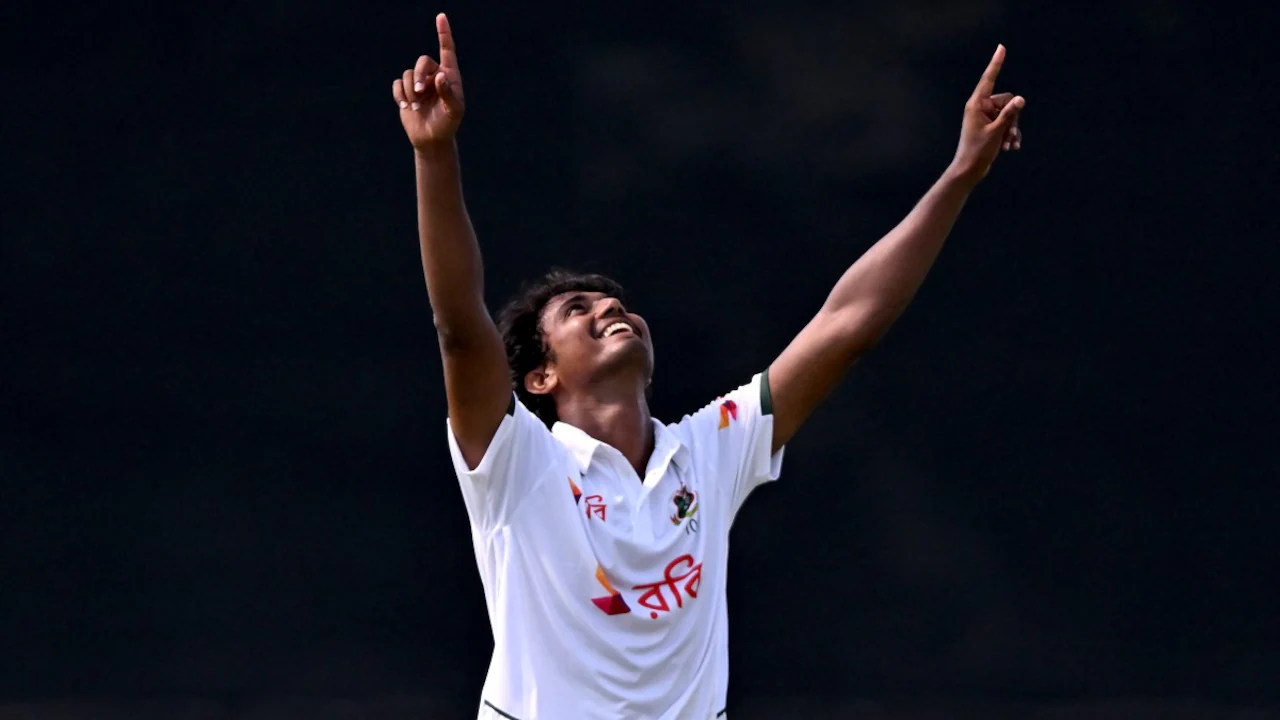
It was a historic day for Bangladesh pacers Hasan Mahmud, who took the best-ever figures by a bowler from his country against Australia and Taskin Ahmed, who completed 300 international wickets, during the first Test against the 2023 World Test Champions at Darwin on Thursday. During the first day, Bangladesh skittled out Australia for just 198 runs, their worst-ever against Bangladesh and their first sub-200 total against the Asian nation in Tests. Hasan shined brightly with a sensational 6/55, ripping apart the Australian top and middle order, becoming the third from his country after legends like Shakib al Hasan and Mohammed Rafique to have Test fifers against Australia and the first one to have it in Aussie land.
Hasan’s figures have outdone Rafique’s (5/62 at Fatullah, 2006) for the best figures by a Bangladeshi bowler against Australia, condemning a struggling line-up, facing so many questions to their lowest Test score against Bangladesh since 217 at Mirpur back in 2017.
In 15 Tests, Hasan now has three five-fors, the second-most by a Bangladesh pacer in Tests, with only Shahadat Hossain (four in 38 Tests) at the top. With fifers in India, Pakistan and now against Australia, Hasan has made a name for himself as a force to be reckoned with in away conditions.
Advertisement
Australia just could not keep going after a 45-run stand between Travis Head (22) and Jake Weatherald (23) for the first wicket, sinking to 74/4. Steve Smith (71 in 109 balls, with seven fours and a six) did try persisting with the middle-order/lower-order, but to no avail as Hasan continued his storm.
Taskin also became the sixth bowler to reach 300 international wickets in Bangladesh cricketing history, with a spell of 2/55. Now he has exactly 300 wickets in 204 matches, with 13 four-wicket hauls, three five-fors and an average of above 28.
Shakib al Hasan (712), Mashrafe Mortaza (389), Mustafizur Rahman (384), Mehidy Hasan Miraz (369) and Taijul Islam (302) stand above Taskin in Bangladesh’s all-time bowling charts.
(Except for the headline, this story has not been edited by NDTV staff and is published from a syndicated feed.)
Advertisement
Featured Video Of The Day
Spain’s World Cup Champions Celebrate Wildly At Cibeles Square
Luis Enrique has developed a remarkable habit during his managerial career: when his team reaches a final, he almost always finds a way to win it.
The Paris Saint-Germain manager added another trophy to his collection on Wednesday, guiding the French champions to a 2-1 victory over Aston Villa in the UEFA Super Cup. The triumph took Enrique’s record to an extraordinary 17 wins in 20 finals since he began his senior managerial career. It is a record that underlines not only his ability to build successful teams, but also his knack for delivering when the stakes are highest.
Advertisement
Barcelona laid the foundations
Enrique’s extraordinary finals record began at Barcelona.
Advertisement
His first final came on May 30, 2015, when Barcelona defeated Athletic Bilbao 3-1 in the Copa del Rey. That victory was the beginning of a spectacular two-year spell in which Enrique guided the Catalan giants to seven trophies.
The biggest of those triumphs came in the Champions League final against Juventus in June 2015, when Barcelona won 3-1 to complete a treble. Enrique also won the UEFA Super Cup, Club World Cup, another Copa del Rey and the Spanish Super Cup during his time at Camp Nou.
Advertisement
His only defeat in a Barcelona final came against Athletic Bilbao in the 2015 Spanish Super Cup.
One defeat with Spain broke the pattern
Advertisement
Enrique’s record suffered another setback during his time as Spain coach. La Roja reached the 2021 UEFA Nations League final but lost 2-1 to France.
It remains one of the rare occasions when Enrique has been unable to produce a victory on the biggest stage. The defeat, however, proved to be an exception rather than the beginning of a trend.
Advertisement
PSG has taken his finals record to another level
If Barcelona established Enrique as a finals specialist, PSG have turned him into one. Since taking charge of the French club, Enrique has appeared in 11 finals and won 10 of them.
Advertisement
His PSG journey began with the 2024 French Super Cup victory over Toulouse and was followed by triumphs in the Coupe de France, Champions League and multiple domestic and international finals.
The most significant victory came in the 2025 Champions League final, when PSG demolished Inter Milan 5-0 to finally claim Europe’s biggest club trophy.
Advertisement
Even defeats rarely stop him
Interestingly, Enrique’s PSG record includes matches that were decided after extra time or penalties.
Advertisement
PSG defeated Tottenham on penalties in the 2025 UEFA Super Cup and Flamengo in the Intercontinental Cup. They also edged Marseille on penalties in the 2026 French Super Cup and Arsenal in the 2026 Champions League final.
That suggests another key part of Enrique’s finals success: his teams remain composed when matches become chaotic. Whether the game is decided in 90 minutes, extra time or a penalty shootout, his sides repeatedly find a solution.
Advertisement
His only PSG final defeat came against Chelsea in the 2025 FIFA Club World Cup, when PSG lost 3-0.
The numbers behind Enrique’s finals mastery
Advertisement
With the latest victory over Aston Villa, Enrique now has 17 wins from 20 finals, giving him an extraordinary 85 per cent win rate.
His record is even more striking when considering the quality of opposition he has faced. His finals have included Champions League showdowns against Juventus, Inter Milan and Arsenal, domestic cup finals, European Super Cups and international competition with Spain.
Advertisement
Rather than simply building teams capable of reaching finals, Enrique has repeatedly shown an ability to finish the job once they get there.
Why does Luis Enrique keep delivering?
Advertisement
There is no single explanation for the record.
Enrique’s teams are tactically flexible, technically strong and generally comfortable controlling matches. But his biggest strength in finals may be his ability to prepare his teams for the specific demands of one-off games.
Advertisement
Finals leave little room for recovery from mistakes. Enrique’s teams have repeatedly demonstrated the patience to stay in games, the quality to exploit decisive moments and the mentality required to survive pressure.
At PSG, that mentality has become particularly evident. The club had spent years chasing European glory before Enrique arrived. Under him, PSG have not only won the Champions League but have also developed a remarkable consistency in finals.
Advertisement
Aston Villa become the latest victims
Aston Villa were simply the latest team to discover how difficult it is to beat an Enrique side when a trophy is on the line.
Advertisement
The 2-1 victory in the UEFA Super Cup gave PSG another piece of silverware and Enrique another entry in his extraordinary finals record. 17 wins from 20 finals. For most managers, that would represent a career-defining achievement. For Enrique, it is becoming a trademark.
And with PSG still competing for trophies on multiple fronts, the Spaniard’s extraordinary relationship with finals may have plenty of chapters left.
Malawi and Cameroon will meet in the 2026 Women’s Africa Cup of Nations final after both sides secured impressive wins in their semi-finals in Rabat on Wednesday.
Malawi made history by beating Algeria 3-1, while Cameroon defeated hosts Morocco 3-1 on penalties after a goalless draw over 120 minutes.
The final will be played on Sunday, with Malawi aiming to complete one of the biggest surprises in the history of the competition, while Cameroon will be chasing a fifth WAFCON title.
Advertisement
Chawinga Sisters Lead Malawi Into Historic Final
Malawi reached their first-ever WAFCON final after beating Algeria 3-1 at the Olympic Stadium.
The Chawinga sisters were once again the stars for the Scorchers, with Tabitha Chawinga scoring twice and Temwa Chawinga adding the other goal.
The match, which was officiated by Nigerian referee Yemisi Akintoye, saw both teams finish the first half with 10 players.
Advertisement
Algeria’s Morgane Belkhiter was sent off in the 23rd minute after a VAR review for denying Tabitha a clear goalscoring chance.
Malawi took advantage of their extra player 10 minutes later when Tabitha scored a stunning overhead kick to put her side ahead.
Temwa doubled Malawi’s lead in first-half stoppage time.
However, Malawi were also reduced to 10 players shortly before half-time when Rose Kadzere was sent off following another VAR review for a high challenge.
Advertisement
Algeria pulled a goal back through Ikram Adjabi in the 60th minute and looked to be pushing for an equaliser.
But Tabitha ended their hopes in the 76th minute when she scored again to make it 3-1.
The victory completed a remarkable run for Malawi, who have now knocked out Nigeria, Ghana and Algeria on their way to the final.
Temwa’s goal took her tournament tally to four, while her four goals and two assists give her six goal involvements.
Advertisement
For Algeria, the defeat ended a historic tournament in which they reached their first WAFCON semi-final and secured qualification for their first FIFA Women’s World Cup.
Cameroon Break Moroccan Hearts
Cameroon booked the second final place after beating hosts Morocco 3-1 on penalties following a 0-0 draw after extra time.
Morocco had a huge chance to win the match late in extra time when they were awarded a penalty in the 118th minute.
Fatima Tagnaout stepped up but failed to convert, sending the match into a shootout.
Advertisement
Morocco scored only one of their four penalties, with Hanane Aït El Haj finding the net.
Kenza Chapelle, Maryame Atiq and Sakina Ouzraoui all missed their attempts.
Cameroon converted three of their four penalties through Marie Ngah, Rose Bella and Myriam Nyadjou, while Grace Mendoua missed the other.
The win sends Cameroon into their fourth WAFCON final.
Advertisement
The Indomitable Lionesses had already produced a major result in the quarter-finals by beating defending champions Nigeria 1-0.
Morocco enjoyed strong support from their home fans and tried to control the game through possession and attacks from the wings.
Cameroon, however, remained organised and defended well to keep the hosts from creating clear chances.
Morocco increased the pressure after half-time, but Cameroon held firm and forced the match into extra time before winning the shootout.
Advertisement
The defeat ends Morocco’s hopes of reaching a third straight WAFCON final and winning the title on home soil.
It also ended Cameroon’s difficult record in WAFCON penalty shootouts. They had lost their previous three shootouts in the competition, including a semi-final defeat by Nigeria in 2018.
Malawi and Cameroon Face Off in Final
Sunday’s final will bring together two teams with very different journeys.
Malawi, playing at the WAFCON finals for the first time, have shocked three strong teams to reach the final, with the Chawinga sisters leading the way.
Advertisement
Cameroon have relied on experience and strong defending, knocking out Nigeria before overcoming hosts Morocco.
One of the two sides will lift the African women’s football crown on Sunday.
James McDonald’s presence at Wyong on a Sunday is a rarity, but he was there for Steel Will, and the colt will now be assessed as a potential carnival contender at Rosehill.
Though not sold through the auction ring, Steel Will is exceptionally bred, being a son of I Am Invincible out of Pittsburgh Flyer, the dam of two-time Group 1 victor September Run.
After a commanding win by more than six lengths at Wyong, the three-year-old colt returns to metropolitan racing for Saturday’s Kia Ora Bloodlines to Headlines Handicap (1300m). Chris Waller’s assistant, Charlie Duckworth, indicated this race is his opportunity to prove he warrants a place among the elite colts.
“James said, ‘I’m going to go and ride it on a Sunday’ so that was a big tick,” Duckworth revealed. “I know it was only a provincial race, but he won by more than six. It’s a fair old margin.
Advertisement
“Saturday gives him his chance to stamp himself and prove that he should be with all the better colts, and that’s hopefully what we will see from him.”
Steel Will is the overwhelming favourite to achieve this and, while he still has to prove himself, he is nominated for the Group 1 Golden Rose (1400m) next month.
Owned by Sir Owen Glenn’s Go Bloodstock, Steel Will previously finished third behind subsequent Kindergarten Stakes placegetters The Next Episode and Under Focus at Warwick Farm in March, prior to an unplaced run in the Group 3 race.
Duckworth mentioned that the horse had shown more promise at home as a juvenile than what he demonstrated on race days.
Advertisement
“His form at two, it was okay, but it wasn’t as good as what we thought the horse was,” he said. “He had a couple of chinks in his armour, and he’d do a few things wrong. He’s just come in more mature this time around.”
Steel Will is one of three Waller-trained runners in the benchmark race, joined by Your Colour, who must improve on her debut when unplaced in midweek company at Warwick Farm, and the consistent Letters Patent.
“Your Colour needs to lift a bit, but she’s drawn well with a light weight,” Duckworth stated. “Letters Patent hasn’t really done anything wrong. There’s a few of those three-year-olds sitting on the cusp of pushing into Group races or staying in Saturday grade. I guess we’ll find out a lot on Saturday.”
Steel Will is heavily fancied to win his upcoming race. Those interested in betting on the event can find numerous online bookmakers.
In a major boost to winter sports infrastructure in Ladakh, Lt Governor Vinai Kumar Saxena on Thursday inaugurated the Union Territory’s first international-level artificial ice hockey rink at NDS Stadium here, describing the facility as a major investment in the future of Ladakh’s young sportspersons.
Built at a cost of approximately Rs 42 crore, the state-of-the-art rink is equipped with a 24×7 chilling facility, enabling ice hockey players to train throughout the year, irrespective of the natural weather conditions.
The Lt Governor termed the facility a landmark investment in Ladakh’s youth and expressed confidence that it would help transform the UT into one of India and the world’s leading winter sports hubs.
Advertisement
He said the project aligns with Prime Minister Narendra Modi’s vision of making India a global sporting powerhouse and expanding access to quality sports infrastructure across the country, including remote and border regions such as Ladakh.
“This 24×7 chilling facility will ensure that our young players no longer have to wait for winter to practise. They can now train throughout the year, with the flexibility and continuity required to compete at the highest levels.
“I am confident that this sustained training opportunity will take our players to new heights and enable them to represent India at international sporting events. This rink will strengthen Ladakh’s position on India’s winter sports map,” the Lt Governor said.
Saxena said the facility would also help identify and nurture new talent from Leh and other parts of Ladakh and prepare them systematically for national and international competitions.
Advertisement
Beyond competitive sport, the world-class facility, he said, is expected to generate wider opportunities in sports tourism and the local economy.
A Lok Bhavan spokesman said the facility addresses one of the biggest challenges faced by ice hockey in Ladakh, the extremely short natural ice season.
Until now, players were largely dependent on winter months and had only a limited period of around two to three months to train and compete, he said, adding the narrow window also meant that tournaments and other competitions had to be fitted into an already tight seasonal schedule, leaving little scope for sustained training and systematic preparation.
“With the new 24×7 rink, this limitation is set to be overcome. The facility is expected to significantly improve the quality and consistency of preparation of Ladakh’s ice hockey players for national and international-level competitions,” the spokesman said.
Michael Carrick has admitted Manchester United still need to strengthen this summer but they will not be splashing the cash on the level of their Premier League rivals.
United have so far spent around £85m on Andrey Santos, Youri Tielemans and Karl Darlow, but after another big summer of spending elsewhere they are the only one of the Premier League’s ‘big six’ still never to have broken the £100m mark on a player.
United need to build depth ahead of a return to the Champions League, and their midfield reinforcements come after Casemiro’s exit.
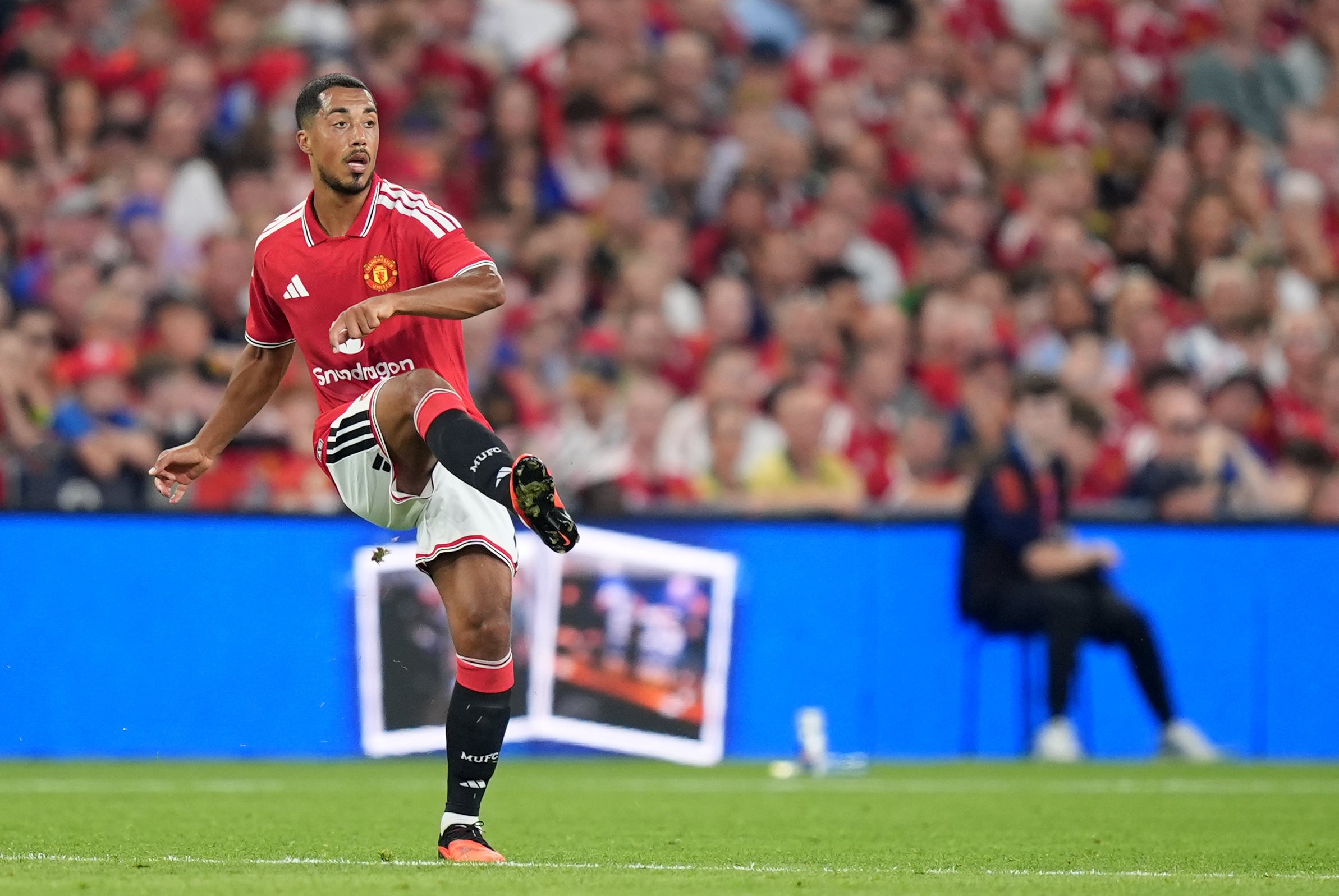
United signed Youri Tielemans in a £35million deal from Aston Villa (Niall Carson/PA)
“I think we’ve done really good business and we’ve got really some top, top, top players,” Carrick said at United’s pre-season training camp in the Republic of Ireland.
“We’re delighted with that. We always want to improve. We want more, we need more, we keep looking for how we can do that. That never stops.”
“Money’s money, I get that,” Carrick said. “It’s still about the football, and that’s where the competition lies.
“Certainly the situation is what it is as well, whether that’s finances or whatever. For now, we’ve got to make the most of it, but we’ve got to keep pushing and push everything and every boundary that we can to be able to win again.”
When asked why United were not spending on the level of other clubs, Carrick added: “To be honest, I haven’t got the answers for that. We’re working with pushing everything that we can to make the best of it.”
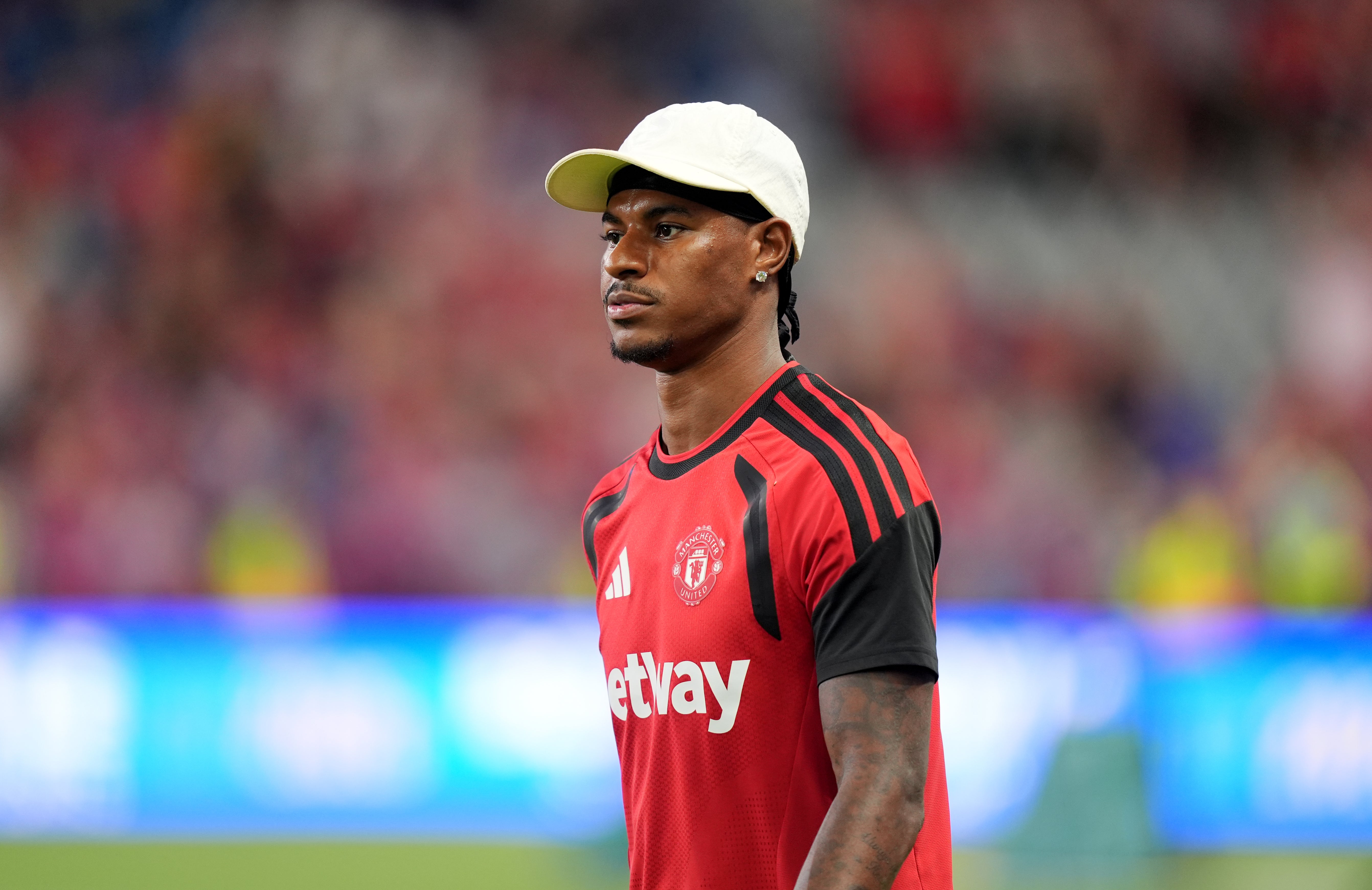
Marcus Rashford has been back with Manchester United this week after spending last season on loan at Aston Villa (Niall Carson/PA)
Marcus Rashford is back with United this week after returning from the World Cup. Earlier this summer Barcelona declined their option to buy the England winger following last season’s loan, and questions remain over his future despite Carrick talking up his reintegration.
When asked directly if the 28-year-old was for sale, Carrick said: “He’s our player, and he’s a good player and he gives us something a little bit different in the group.
Advertisement
“Marcus can offer us so much. He has done, and he can do again, so in that respect it’s quite exciting.”
This summer a number of Carrick’s players have expressed belief they can challenge for what would be a 21st league title, and first since 2013, next term. While that is music to the ears of the manager, he was not so forceful himself.
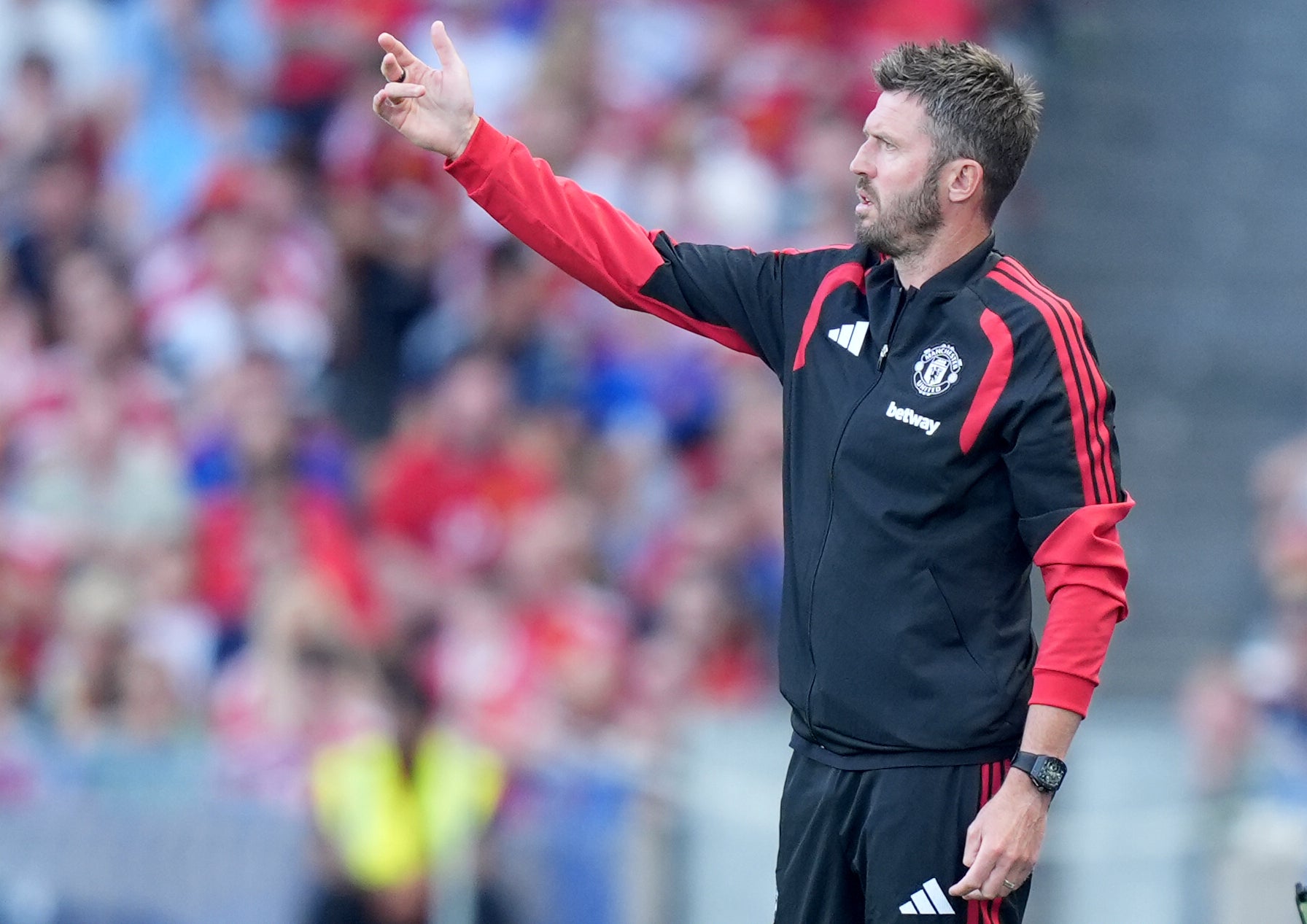
Michael Carrick said he was “not fussed” if he faces a different kind of scrutiny now he has a longer-term contract as United manager (Niall Carson/PA)
“We’ve definitely got the potential to achieve something really special,” he said. “I’m not hiding from the fact, and we should aim to do that, but I can’t give you a definite answer on that. It’s certainly what we’re pushing to do because we have to, because that’s the club we are.”
Carrick took the job on an interim basis in January following Ruben Amorim’s exit, but signed a two-year contract in May. The 45-year-old insisted he was not worried as to whether a longer-term deal meant he might now be judged differently.
“I’m not fussed,” he said. “Doesn’t bother me anyway. I’m just going about trying to win and trying to do the right thing for the football club.”
Last season, the Big Ten was the best football conference in the nation, and 2026 should be no different.
The league that owns the last three national championships could have as many as four teams that could make it four in a row.
The top half of the conference will be extremely tough to beat, and look for the bottom half to be improved over last season.
The overall depth of the conference will offer very few gimme wins in league play.
Advertisement
So how do I see the Big Ten breaking down in 2026? Here is my predicted order of finish with an outlook for each team.
1. Oregon Ducks
Dante Moore is back, and that will go a long way toward the success of the Ducks. Last season, the veteran QB put up huge numbers with a banged-up receiving corps and likely would have been a top pick in last spring’s NFL draft, had he entered.
This season, with a healthy group of pass-catchers, offensive production should be monstrous. Look for the trio of Dakorien Moore, Evan Stewart, and Jeremiah McClellan to cause plenty of matchup issues for opponents.
The strongest position group on the team is going to be the defensive line. And if you are good up front on that side of the ball, odds are you are in for a productive season.
Advertisement
Pro Football Network
The Oregon front is as good as any unit in the nation. Bear Alexander and A’Mauri Washington are NFL-caliber DTs already, while Matayo Uiagalelei is a premier edge rusher.
This could be the season the Ducks finally break through in the playoffs and give the Big Ten a fourth straight national title in as many years.
2. Indiana Hoosiers
The Hoosiers’ defense was dominant last season—so much so that they made the eventual Heisman Trophy winner, Fernando Mendoza, look pedestrian in preseason practices.
As good as that unit was a year ago, they should put an even better product on the field this fall.
And as good as that defense was in the spring, it just got a lot better and deeper with linemen Kellan Wyatt and Stephen Daley getting an additional fifth season. Both would likely have been drafted last April if not for season-ending injuries to each.
Advertisement
The offense will look a bit different with Josh Hoover under center, but the former TCU signal-caller is surrounded by playmakers at RB and WR, and will operate behind one of the best offensive lines in the country.
Look for a big year from Hoover and expect the Hoosiers to once again score a lot of points. But with the defense they have, it might only require about 17 to win most of their games.
3. Ohio State Buckeyes
Ohio State faces a tough schedule with Texas, Iowa, Indiana, and USC all coming on the road, but if any team is built for the challenge, it is the Buckeyes.
Julian Sayin will be a lot better at the quarterback position, and Jeremiah Smith might be the best player in the country.
Advertisement
Couple those two with Bo Jackson in the backfield, and the Buckeye offense will be difficult to stop.
Matt Patricia will once again have a defense that is among the best in the country.
4. USC Trojans
On offense, USC will be fierce with a lot of production returning from last season, including Jayden Maiava under center and both King Miller and Waymond Jordan joining him in the backfield.
On top of that, all five offensive linemen are back in the fold. Tanook Hines could be a breakout star at receiver, the one unit on offense that does not return a lot.
Advertisement
Gary Patterson was brought in to run the defense, and despite not having an on-field role in the last five seasons, he is still one of the best defensive minds in the game.
Waymond Jordan | Keith Birmingham/Pasadena Star-News
His 4-2-5 scheme should be effective, especially with the talent they have along the line. They’ll be tough to run against and should be able to contain in man coverage at the backend.
Expectations are high in LA, and for good reason. The Trojans have a very daunting schedule to navigate, but the rewards are there for the taking.
5. Washington Huskies
Jedd Fisch has been building towards this season since he arrived at UW, and the pieces are in place for a breakout campaign.
This is an extremely talented team at Washington, led offensively by Demond Williams at quarterback.
Advertisement
Dezmen Roebuck will be on the receiving end of a lot of his passes and looks like a star in the making.
Dezmen Roebuck | David Sizer photo via SI
The defense has some new faces, and the secondary lost a lot, but the pieces are in place for a successful campaign in Seattle.
6. Michigan Wolverines
Last season was not one to remember fondly in Ann Arbor, but things could not have turned out better in the end as the Wolverines stepped right into Kyle Whittingham.
The former Utah head coach will have plenty of playmakers in his first season with Michigan.
The offense has three big-time performers in QB Bryce Underwood, RB Jordan Marshall and WR Andrew Marsh.
The defense has some holes to fill, but Whittingham brought a lot of his defensive playmakers from Salt Lake City with him. Look for John Henry Daley and Smith Snowden to step in and step up.
Advertisement
7. Iowa Hawkeyes
The Hawkeyes are well coached, and despite all of the new faces, Kirk Ferentz and his staff should get the most out of the squad.
LJ Phillips will be the workhorse on offense as Iowa will pound the ball on the ground, and the South Dakota transfer should put up huge numbers.
And having a potential All-American in Kade Pieper leading the way at guard certainly does not hurt.
The defense has some holes, but I have no doubt Phil Parker will have a unit that does not allow much from their opposition.
Advertisement
8. Penn State Nittany Lions
Matt Campbell worked wonders at Iowa State and had the Cyclones competitive for most of his tenure in Ames. Now at Penn State, he should have more resources at his disposal, and the success should again be there.
The bottom line is Campbell has four wins on his resume over Top 10 opponents, and winning big games was the biggest issue with the prior head coach.
Rocco Becht has a ton of experience at the QB position, and within Campbell’s system, coming with him from ISU.
The offense should move the ball effectively as long as the line comes together, and that could be an issue in some games.
Advertisement
D’Anton Lynn takes over as the DC and will look to continue his success, especially in the red zone.
9. Illinois Fighting Illini
Last season was to be the year the Illini took the next step.
And while that leap did not exactly come as expected, Bret Bielema’s team has posted back-to-back nine-win seasons for the first time in school history.
Going 19-7 over the last two seasons, it certainly looks like he has Illinois in position to have similar results year in and year out.
Advertisement
This season, Katin Houser will step into the QB role, but running the ball is the key to their success. And in that department, they can hit you with both power (in the form of Kaden Fegin) and finesse (Ca’Lil Valentine).
10. Minnesota Golden Gophers
The Gophers have been steady under PJ Fleck. Win six to eight regular season games and cap things off with a bowl win.
In fact, they are 7-0 in bowl games under Fleck and have won their last nine bowl games as a program.
So, is this the season they make a jump? Probably not. But…
Advertisement
Drake Lindsey might be the best QB in the nation that you have never heard of, and he will work behind a big offensive line that will blast off the ball.
On defense, the Gophers have a potential First-Rounder in sack machine Anthony Smith.
I think we see another seven-win season with a bowl game at the end, but this Gopher team may be a few surprises from making a lot of noise.
11. Nebraska Cornhuskers
This looks like a make-or-break season for the Cornhuskers. Nebraska’s rich history just has not had a program worthy of Blue Blood status in quite some time.
Advertisement
And that makes this season critical for Matt Ruhle and his staff. He was brought in as a big-time hire and has delivered a rather pedestrian 19-19 record, with a 10-17 Big Ten mark in his three seasons in Lincoln.
Kwazi Gilmer should be a good addition on the outside for transfer QB Anthony Colandrea to utilize, but the unit as a whole will need a lot more production than they have had the past few seasons.
On defense, new DC Rob Aurich will look for success similar to what he had at San Diego State last season. In order to have that kind of results, this unit will have to get to the QB as effectively as the Aztecs did.
Look for big numbers from Anthony Jones off the edge and Owen Chambliss in the middle.
Advertisement
12. Northwestern Wildcats
The Wildcats have a shiny new stadium, a sudden influx of money, and Chip Kelly calling the offensive plays.
Things certainly look bright in Evanston.
David Braun has gotten the most out of the talent he has to work with in his first few seasons, and this year the talent looks a lot better.
The Cats nabbed some big-time talent in the portal, but how will that translate on the field?
Advertisement
Aidan Chiles enters as QB, but which version of Chiles will we see? An agile playmaker or a turnover-prone passer?
If Kelly can get the most out of him, this could be an explosive offense.
That would determine whether the Wildcats make a solid bowl game or their difficult schedule leads to a long season.
13. UCLA Bruins
There is a lot of optimism whenever a new staff enters, but the situation at UCLA offers even more reason for hope.
Advertisement
The script is familiar: A struggling Big Ten school turns over the program to a coach from James Madison with a winning pedigree at every stop along the way as he climbed the ranks starting in obscure places like Salve Regina.
Can Bob Chesney produce the same kind of turnaround at UCLA that Curt Cignetti did with Indiana?
Well, perhaps not the same meteoric rise, but UCLA is certainly not the college football wasteland Indiana once was. Despite nine losing seasons in the last 16, UCLA has had substantial previous gridiron success.
Nico Iamaleava got a bit of a bad rap last season, and a lot of that, deserved or not, stemmed from the nature of his exit from Tennessee. While he wasn’t perfect in 2025, he did what he could, considering his lack of help on the field.
Advertisement
Aidan Sun/Daily Bruin
This season, he should have a better supporting cast. Wayne Knight was a workhorse back for JMU last fall, and he’s the kind of playmaker that was missing from the Bruin attack in 2025. He should also open things up in the downfield passing.
UCLA’s transfer portal haul should also help the defense create more pressure. The pass rush was terrible last fall and, not surprisingly, so was the success rate on third down.
Another JMU transfer, Sahir West, should be a significant upgrade as an edge rusher. If the defense can keep things tight, the offense should score enough points to win some of the games they lost last season.
A bowl game could be on the table, but at the very least a solid foundation for the future is being laid.
14. Wisconsin Badgers
Year Four in Madison is a crucial one for Luke Fickell and his staff. A bad offense got worse in 2025 as they could not keep a QB healthy.
Advertisement
This season, Colton Joseph enters from Old Dominion, and he is a QB I am very high on.
The question remains, though—will he have anything to work with, and will the Badgers be able to protect him?
If the answer is yes, then Wisconsin could sneak up on some teams. If the answer is no, then this will be a long season and perhaps the final one for the current staff in Madison.
15. Maryland Terrapins
There is reason for hope in Maryland with some of the weapons the Terps have on the offensive side of the ball.
Advertisement
Malik Washington took some lumps last season, but when the QB was on, things looked really good. He led the Big Ten with 473 pass attempts in 2025 and look for more of the same in 2026.
To really be good this season, the Terps will need to have at least a semblance of a run game.
The defense last season was really bad. Look for a better pass rush from the trio of Sidney Stewart, Zahin Mathis, and dynamic playmaker Nashir Taylor.
Maryland has the potential to win enough games to go bowling, especially with most of the seemingly toss-up games at home. If not, it could be the end of the Mike Locksley era.
Advertisement
16. Rutgers Scarlet Knights
Rutgers is up against it, and to be quite honest, the Knights are not on the same level as the rest of the conference when it comes to NIL resources.
That makes the job for Greg Schiano that much more difficult.
The Scarlet Knights brought in a good QB in Dylan Lonergan from BC, but the line will need to give him time to work. If he has enough protection, the downfield passing game could be explosive.
The ceiling for Rutgers in 2026 is sneaking into a bowl game. The floor is struggling to win multiple conference games.
Advertisement
17. Michigan State Spartans
Pat Fitzgerald will have the Spartans winning; it’s just not going to be this season.
This year it will be about getting tougher on both sides of the ball and building a winning identity.
On offense, the Spartans will look to pound the ball with Cam Edwards on the ground. He was a threat for UConn during the first three seasons of his career.
The talent is not there on either side of the ball yet, but Fitzgerald always gets production from his defense.
Advertisement
If the Spartans make it to a bowl this season, it will be one of the feel-good stories of the college football season. Sparty is still a few years away.
18. Purdue Boilermakers
Purdue’s record on the football field over the last two seasons is 3-21. Just one of those three wins came over an FBS opponent, the season opener against Ball State last year.
Barry Odom has a huge task ahead of him to get things turned around.
This season, the Boilermakers should be better, but there is still a long way to go. Look for Purdue to be more competitive, but multiple conference wins will be hard to come by.
Advertisement
Still, considering they have lost their last 18 Big Ten games, even one conference victory would be welcome.
writes about various topics for SuperWest sports, including stats and records, college sports, and motorsports. He also founded and runs the Sports and Entertainment Research Center (SERC).












 The league that owns the last three national championships could have as many as four teams that could make it four in a row.













































You must be logged in to post a comment Login