Building a company like this requires relentlessness, belief and dedication. Every start-up will have low points, but we’ve always as founders had this die hard conviction that we could build a better and new way to do legal research, said Casper Laursen, CEO and co-founder of Pandektes.
The law is spread across millions of documents in many different places, and finding the right one takes lawyers a lot of time.
For decades, a handful of publishers have done that work for them, and in most European countries lawyers have had little choice but to pay for it.
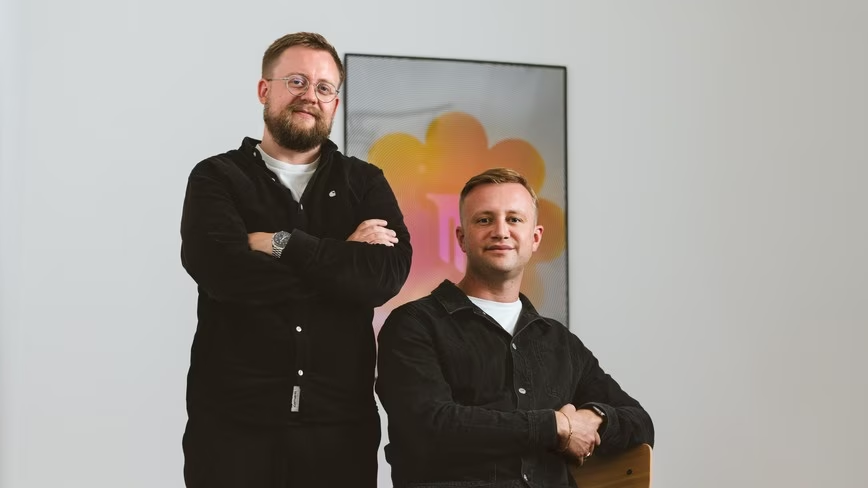
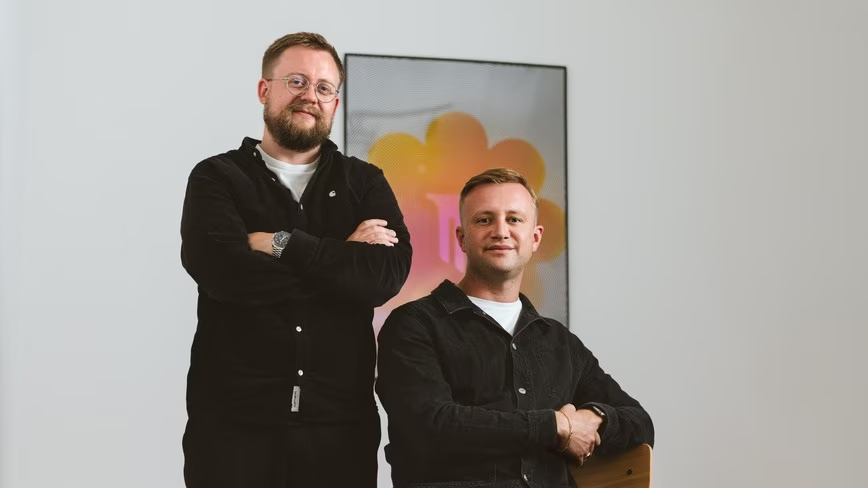
In early 2023, Casper Laursen and Søren Brokær set out to change that with Pandektes, a tool that gathers these documents, organizes them, and helps lawyers quickly find what they need.
Even though many of the lawyers they pitched to warned them off, and neither founder had ever practiced law, they still pursued the idea.
Advertisement
There was general scepticism about the technology’s capabilities and possibilities in early 2023, they told us.
Three and a half years later, Pandektes has more than 500 customers and has just raised €13.5M. Munich-based Alstin Capital led the Series A, joined by PROfounders, Scale Capital and existing investors.
The raised capital will help the Copenhagen-based company expand from Denmark, Germany and Switzerland into more of Europe and North America.
“It’s a special sort of challenge to build a company into a highly monopolized market, and also one we heard many lawyers early on ‘warning’ us about,” Casper Laursen and Søren Brokær told us in an exclusive interview.
There were good reasons for the lawyers to be cautious, as in most European countries, it has long been the case that a single provider is the standard means of accessing the law, whether it is LexisNexis, Westlaw, Beck or Karnov.
Advertisement
Pandektes contends that this has made it costly to switch away from them, even as prices have continued to rise.
Coming from outside the profession made the early months harder still. Trust came more slowly than it would have for insiders, they said.
The technology was a hard sell too, because in early 2023 many lawyers were still unsure what large language models could really do.
From the outside, however, the founders could see something the industry had grown used to.
Advertisement
Most law is public, but gathering it from thousands of sources and keeping it reliable enough for court had always needed large editorial teams.
Laursen and Brøkær believed AI could take on much of that work and give lawyers a far stronger base to search from. Working out how to make it fit each area of law took countless conversations with practitioners.
For most companies, the first customer is the most special one. And their first customer arrived with a familiar problem.
Pandektes helped from day one, and the customer returned the favour with a steady stream of feedback. More than three years on, it still uses the platform.
Advertisement
“They’re still a customer with us to this day, more than 3 years later. We’re really proud of that. This organisation spent a lot of time researching procedural matters and had a heavy burden of knowledge sharing between seniors and juniors.”
“Pandektes added value there from day one, they provided a lot of feedback, and they’ve been happy users ever since,”Casper Laursen said to us.
Those first years, spent earning trust and building a body of data good enough to rely on, were the hardest.
Even so, Pandektes quickly brought an AI search product to market, and according to Laursen, the incumbents needed one to two years to respond.
“From that initial headstart we knew that we could keep outpacing them on product development and that we could eventually begin replacing them, which is what’s happening now,” Casper Laursen told us.
But after Pandektes raised €2.9M in seed funding in February 2025, just over 100 organisations were using the platform, according to Legal IT Insider.
Advertisement
The company reported that its revenue grew six times over the past year. About two out of three organisations that try the platform end up buying it, and many cancel their previous subscriptions.
Andreas Schenk, managing partner at Alstin Capital, put his firm’s interest down to that pent-up demand.
“We have rarely seen a market like legal research, where so many end-users would like to switch their core system but historically simply couldn’t,” Casper Laursen said.
When we asked about the hardest piece of law Pandektes had ever had to chase down, they could not name one, and that was exactly the problem.
“There isn’t one dramatic story, and that’s actually part of the point. Hard-to-find law isn’t the exception; it’s a structural problem,”Casper Laursen said.
So rather than hunting down documents one at a time, Pandektes continuously collects hard-to-reach sources, since they are often the ones that decide cases in court.
Advertisement
Some of the new money will open that collection to other developers through an API. Pandektes does not count legal AI workspaces, the tools firms use to draft and review documents, among its competitors.
When the conversation turned to people without any legal training, Laursen began with something already happening.
More and more people use general-purpose AI tools to understand their rights and stand up for themselves, and he welcomes it.
Yet smaller courts and administrative bodies that receive the results have told him they fall short.
Advertisement
“You get more legal-looking documents, but the arguments can miss important legal sources or the methodology needed to apply them correctly.”
Better chatbots alone will not close that gap, in his view. What people need is the same law, and the same reliable sources, that professionals already work with.
“If we get that right, someone without legal training should be able to understand their rights far more effectively than they can today, without pretending that legal expertise won’t matter,” Casper Laursen said.
BT agrees rescue deal to buy broadband operator TalkTalk
However DCMS has already stepped in over competition concerns
TalkTalk has 1.5 million retail customers and one million wholesale customers across the UK
BT has signed a rescue deal to save TalkTalk in a move which could have major ramifications across the UK market.
TalkTalk, which is the UK’s fourth-largest broadband company with 1.5 million retail customers and a million wholesale customers across the country, had been on the edge of potential administration due to rising debts.
However the UK government may still have its say on the deal, which covers both TalkTalk and its wholesale arm PlatformX Communications (PXC), and it will need to be approved by the Competition Markets Authority (CMA) due to the range of control it would give BT over the UK broadband market.
Latest Videos FromTechRadar
Advertisement
BT-TalkTalk deal
“This is a genuinely unprecedented situation, where millions of citizens and businesses were at risk if TalkTalk had collapsed,” said Allison Kirkby, Chief Executive of BT Group.
“BT is the digital backbone of the country, with a presence in every postcode. We have been connecting the nation for generations, stepping up in the moments that matter, and BT acquiring TalkTalk is now the only viable option to keep millions of customers connected and supported.”
The terms of the deal have not been revealed, but BT’s press release noted that the estimate of the total cash impact in its FY27 would be around £400 million.
TalkTalk, which employes around 900 people in the UK, made around £1.2bn in revenue over the last 12 months, but was still loss-making, BT said.
Sign up to the TechRadar Pro newsletter to get all the top news, opinion, features and guidance your business needs to succeed!
“Our immediate priority is to stabilise the business and provide a safety net for the households and businesses who rely on TalkTalk,” Kirkby added.
Advertisement
“Once the regulatory process has been concluded, TalkTalk’s customers will benefit from access to the UK’s best network, and the full range of market-leading products and services that BT offers. And, over a period of time, the transaction will create value for all our stakeholders – customers, colleagues, the country, and our owners.”
Hurdles ahead?
Given the scale of the move, the deal immediately drew intervention from the UK Government, with the Department for Digital, Culture, Media and Sport (DCMS) issuing a press release alongside BT’s announcement.
In it, it noted that “given these exceptional circumstances and the potential risk to life and public services”, it would be utilising Enterprise Act powers that will permit Secretary of State Lisa Nandy to consider the wider public interest following the CMA’s ruling.
The CMA has been told to file its report by October 19, 2026, when further Government intervention may be considered.
“Phone and broadband services are vital national infrastructure. If TalkTalk services fail, there is a genuine risk to life and public services – including to hospitals, schools and emergency care,” Nandy added.
“These are unprecedented circumstances that require action now. That is why I am acting with urgency to ensure that impacts on public health, critical national infrastructure and supply to vulnerable customers are fully considered as part of this process.”
Advertisement
TalkTalk customers have been told that no changes will happen to their services for the time being, with no adjustments to bills or services until the deal closes.
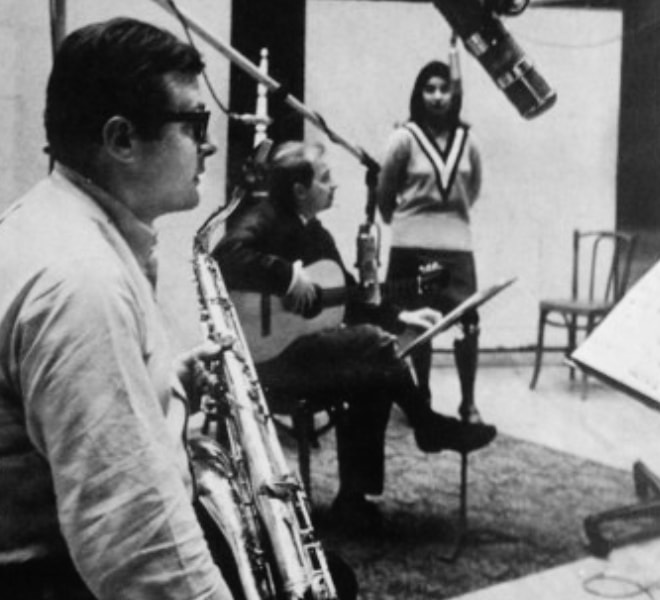
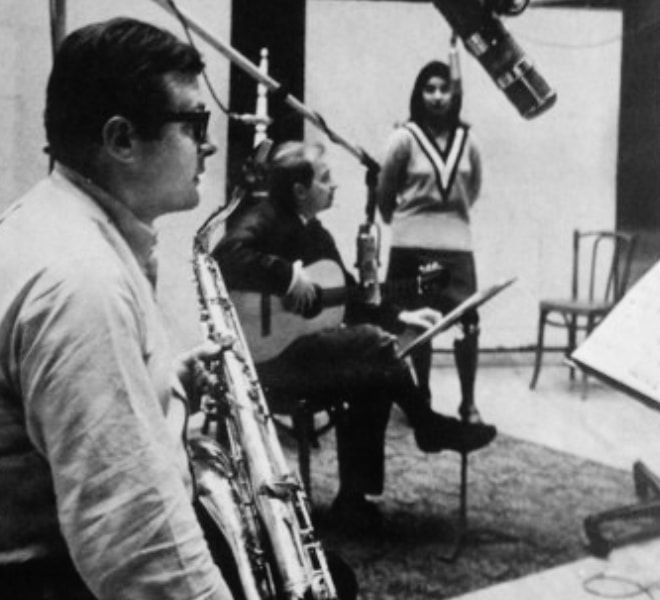
In the early 1960s, legendary saxophonist Stan Getz released a series of revolutionary hybrid recordings that blended the improvisational sensibilities of modern jazz with the rhythms and melodic character of Brazilian bossa nova. Unless you were following his every move at the time, however, it is easy to confuse the chronology of Getz’s breakthroughs.
For example, popular mythology can make it seem as though his 1964 triple-Grammy-winning smash hit with João and Astrud Gilberto, Stan Getz/Gilberto, was the starting point. In fact, it began two years earlier with his Grammy-winning 1962 collaboration with American guitarist Charlie Byrd, Jazz Samba.
The 1963 sequel was simply titled Jazz Samba Encore!, but this time Stan Getz was joined by Brazilian musicians, including guitarist-composer Luiz Bonfá and the now-legendary Antônio Carlos Jobim.
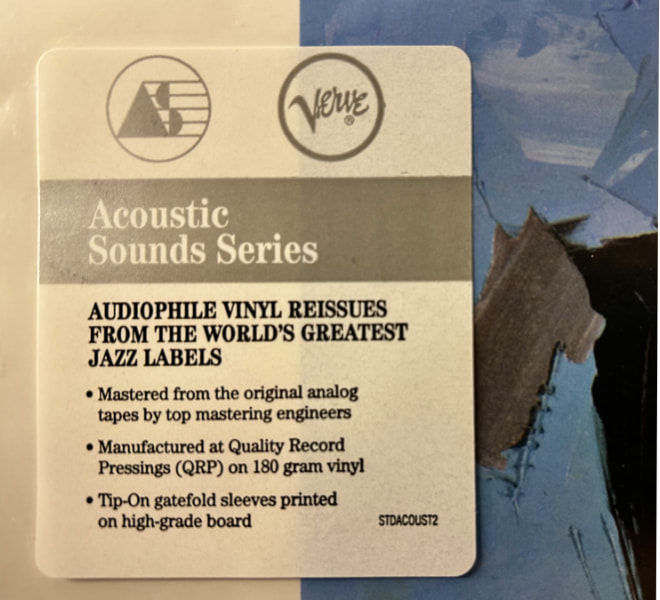
This is an album that should not be overlooked. Fortunately, it has just received a fine new remastering from the original analog tapes, courtesy of Universal Music’s Verve Records imprint in conjunction with esteemed vinyl reissue producer Chad Kassem of Acoustic Sounds.
Advertisement
As with other releases in the Verve Acoustic Sounds series, this reissue is a top-drawer affair, featuring fresh lacquers cut from the original tapes by Matthew Lutthans at The Mastering Lab, part of Quality Record Pressings, where the 180-gram vinyl is manufactured.
The high-quality gatefold, tip-on-style jacket is also very similar to the original laminated cover on my vintage copy.
Speaking of originals, I was surprised to discover just how collectible this album has become. I see copies fairly often out in the “wilds” of record collecting, but they are frequently in less-than-ideal condition. Admittedly, it took me some time to find a clean original copy, which I’ve enjoyed for years.
Using online marketplace Discogs as a handy barometer of general availability, tracking down a near-mint original pressing could easily cost $100 or more, assuming you can even find one. That makes this new reissue a strong value, offering a mint-condition recreation that comes very close to the original in look, feel, and sound for less than $40.
I really like this new Acoustic Sounds edition of Jazz Samba Encore! and am even tempted to part with my original, especially because this new pressing is so quiet. For music this hushed, you really want surface noise kept to an absolute minimum. As nice as my 1963 copy is, it is still an older record with some inevitable low-level surface noise. This new one is dead quiet.
If you enjoy Stan Getz’s bossa nova recordings and have been looking for other albums to explore beyond the 1964 classic Getz/Gilberto, Jazz Samba Encore! is a highly enjoyable listen.
Mark Smotroff is a deep music enthusiast / collector who has also worked in entertainment oriented marketing communications for decades supporting the likes of DTS, Sega and many others. He reviews vinyl for Analog Planet and has written for Audiophile Review, Sound+Vision, Mix, EQ, etc. You can learn more about him at LinkedIn.
There are Bluetooth speakers for the kitchen, Bluetooth speakers for the beach, and Bluetooth speakers small enough to disappear into a backpack.
The JBL PartyBox Ultimate 2 is none of those things.
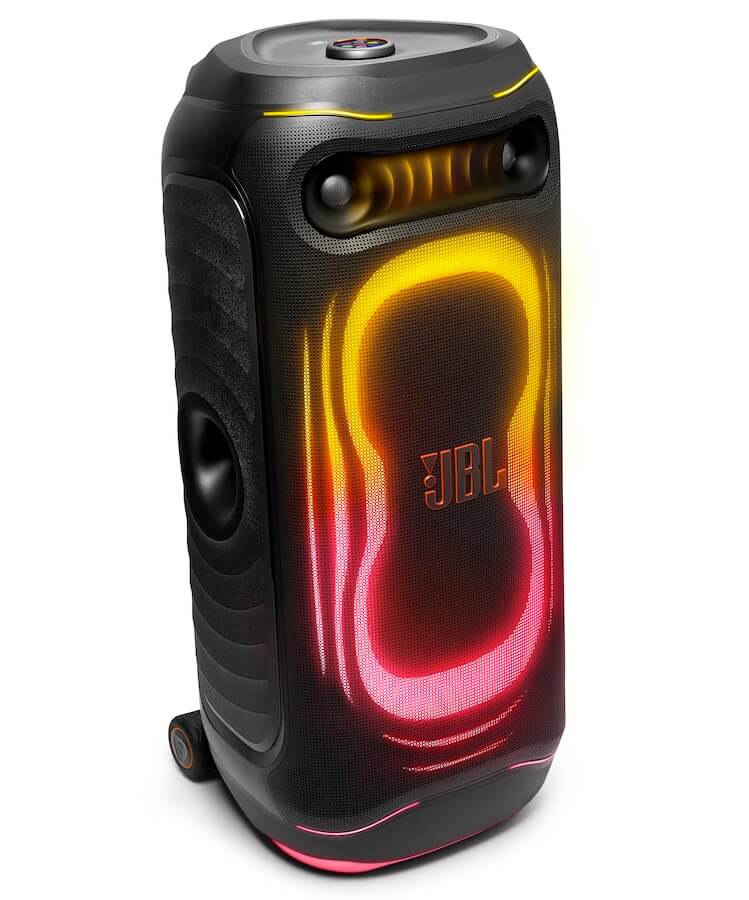
Priced at $1,799.95, JBL’s new flagship PartyBox delivers a claimed 1,500 watts RMS, weighs just over 105 pounds, stands more than 41 inches tall, and uses dual 10-inch woofers, dual 5-inch midrange drivers, and a pair of horn-loaded PEN tweeters derived from JBL’s professional-audio experience. JBL says it can provide sound across an area equivalent to four basketball courts. Your neighbors have been warned.
The Ultimate 2 replaces the original PartyBox Ultimate, increasing output from 1,100 to 1,500 watts while also substantially revising the acoustic architecture. The previous model used dual 9-inch woofers, 4.5-inch midrange drivers, and larger conventional tweeters; the Ultimate 2 moves to bigger woofers and mids while adding professional-style horn-loaded high-frequency drivers.
Advertisement
So this is more than JBL finding another number to print in a larger font.
Related Reading:
What Makes the PartyBox Ultimate 2 Different?
Raw power is only part of the story.
AI Sound Boost monitors the incoming audio in real time and adjusts the speaker’s output to maintain clarity and reduce distortion as volume increases. JBL has also added Smart EQ Mode, while the frequency response now reaches a claimed 28Hz to 20kHz (-6dB).
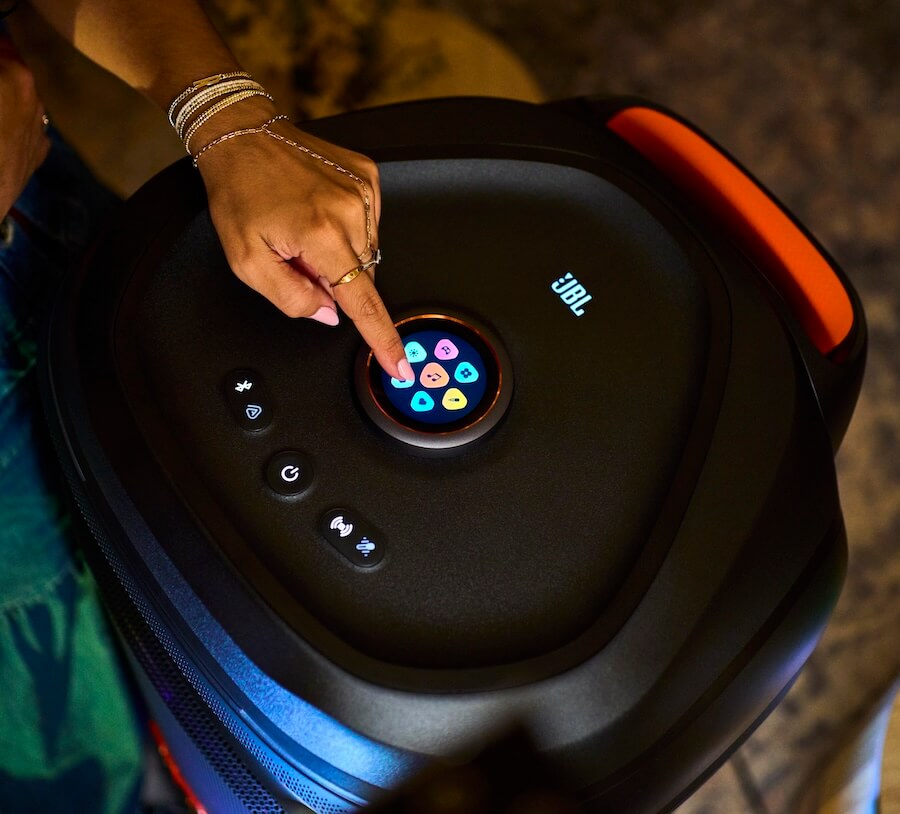
The Ultimate 2 is also thefirst PartyBox with an integrated touchscreen. The top-mounted volume control doubles as a display and controller for music, lighting, and other settings rather than forcing users to reach for a phone every time someone decides the room needs more flashing lights.
Advertisement
And there are plenty of those.
JBL’s revised light show adds full-panel ripple effects, multilayer illumination, and floor projection, because apparently illuminating the speaker itself was no longer sufficient.
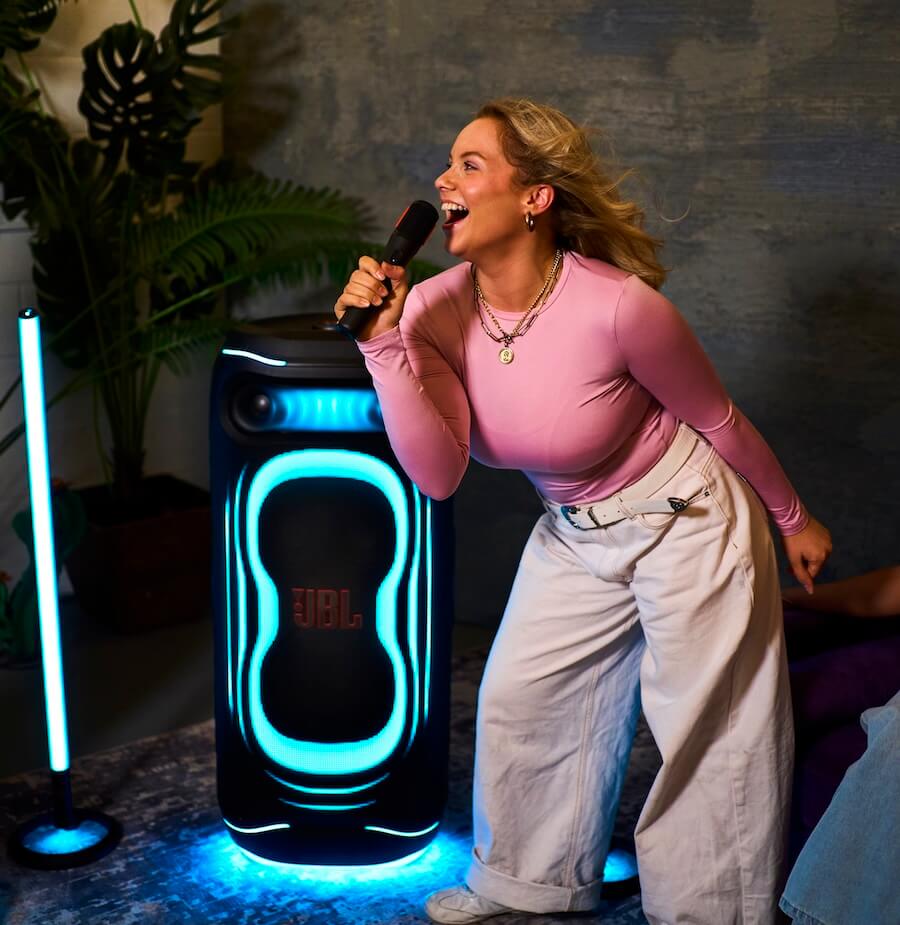
Karaoke users get EasySing AI Vocal Removal, which can reduce vocals from existing tracks, along with microphone and guitar inputs. There is also an optical input for TV-based karaoke and an XLR line input for connecting DJ equipment.
Advertisement. Scroll to continue reading.
Advertisement
That combination moves the Ultimate 2 closer to a self-contained event system than a conventional wireless speaker.
Streaming Gets Surprisingly Serious
The connectivity may be the most unexpected part.
The PartyBox Ultimate 2 supports Wi-Fi 6, Bluetooth 6.0, Bluetooth LE Audio, Auracast, AirPlay, Google Cast, Spotify Connect, and JBL’s ONE app. JBL also lists support for services including TIDAL Connect, Qobuz Connect, and Roon Ready through its Wi-Fi platform.
USB Type-C supports lossless audio playback, while Auracast allows compatible JBL speakers to be linked for larger installations.
Advertisement
In other words, this $1,800 rolling light show has better network-audio credentials than some components sold to people who use the phrase “reference system” without irony.
There Is One Small Portability Problem
JBL calls the Ultimate 2 transportable, and technically that is true.
It has larger wheels and a substantial handle. It also weighs 105.12 pounds and measures 18.37 x 41.44 x 19.42 inches (W x H x D). More importantly, there is no internal battery. The Ultimate 2 requires AC power.
So you can move it around. You just cannot move it very far from an electrical outlet.
The enclosure carries an IPX4 splash-resistance rating, which should handle drinks, light rain, and the usual hazards of a party, but it is not designed for serious exposure to water.
Advertisement
What Does $1,800 Buy Versus the Competition?
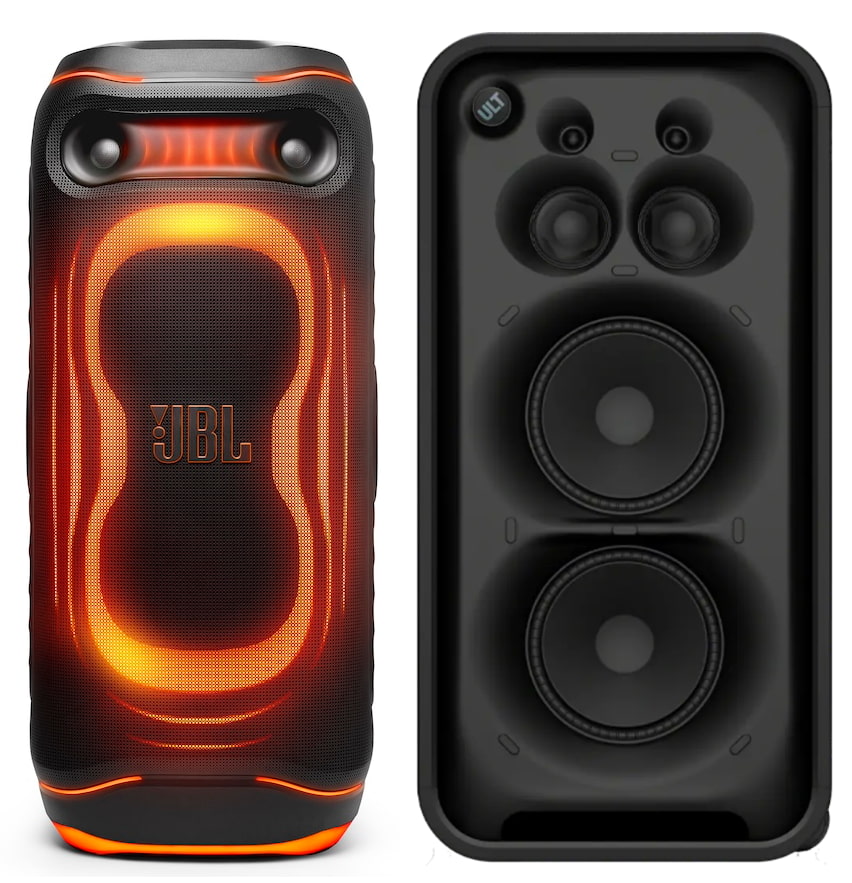
The main competitor to JBL PartyBox Ultimate 2 is Sony’s new ULT Tower MAX, which was just released last month for $300 less. ULT Tower Max is a half-inch taller and tacks on another 19 lbs and has more total speaker drivers. Both support Auracast for connecting multiple units together, and both support karaoke, but neither comes with a microphone.
Smaller options include the Marshall Bromley 750 ($1,299), which also uses dual 10-inch woofers and weighs a much more manageable 52.7 pounds. It delivers a claimed 127dB maximum SPL, 360-degree sound, stage lighting, Auracast, microphone/instrument inputs, IP54 protection, and — critically — more than 40 hours of battery life.
Marshall does not offer JBL’s Wi-Fi streaming ecosystem, touchscreen, AI vocal removal, or elaborate floor-projection light show. It is also considerably easier to take somewhere without requiring both a friend and an extension cord.
Advertisement. Scroll to continue reading.
Advertisement
The SOUNDBOKS 4 ($1,199), strips away much of the visual theater and focuses on ruggedness and output. It reaches a claimed 126dB, weighs about 35.5 pounds, uses a swappable battery, and is designed for outdoor abuse rather than turning your basement into a nightclub.
JBL charges substantially more than all three. What it offers in return is the broadest combination of raw amplifier power, Wi-Fi streaming, party lighting, DJ connectivity, karaoke processing, touchscreen control, and multi-speaker networking.
JBL PartyBox Ultimate 2 (left) vs. Sony ULT Tower MAX (right, grille removed)
3 x 11″ woofers 2 x 4.8″ midrange 2 x 1″ tweeters 2 x 1.6″ tweeters
Power / Output
1500 W
310 W
Battery
No, AC power only
No, AC power only
Bluetooth
6.0
5.3
Wi‑Fi
802.11 b/g/n/ax
–
Frequency response
28 Hz – 20 kHz (-6 dB)
Not listed
Inputs
USB-C, aux-in, mic-in, guitar-in, line-in (XLR)
USB-A, USB-C, MIC 6.3 mm, LINE 1 (RCA), LINE 2 (XLR)
Outputs
–
LINE OUT (XLR), DC OUT USB-A, DC OUT USB-C
Auracast
Yes
Yes
Party Lights
Yes
Yes
App support
JBL One
Sony Sound Connect
Splash rating
IPX4
Top surface only
Carrying features
Wheels, handle
Wheels, handle
Vocal removal
EasySing AI Vocal Removal
–
EQ / sound mode
Smart EQ Mode, AI Sound Boost
10-band EQ, ULT button
Dimensions (W x H x D)
18.37 x 41.44 x 19.42 in (466.7 x 1052.5 x 493.3 mm)
21.1 x 41.9 x 18.6 in (534 x 1,062 x 472 mm)
Weight
105 lbs (47.68 kg)
124 lbs (56.3 kg)
The Bottom Line
The JBL PartyBox Ultimate 2 makes sense for people hosting very large parties, event spaces, DJs, karaoke enthusiasts, clubs, gyms, and anyone who needs a speaker capable of moving a lot of air without assembling a traditional PA system.
It makes considerably less sense for someone looking for an actual portable Bluetooth speaker. At 105 pounds with no battery, the wheels are not an accessory. They are a survival mechanism.
The $1,799.95 price also pushes the Ultimate 2 well beyond competitors we have covered from Marshall, Sony, and SOUNDBOKS. Those alternatives are lighter and, in some cases, genuinely portable.
Advertisement
But none combines this much power with JBL’s Wi-Fi platform, Roon support, professional inputs, AI karaoke, touchscreen controls, and enough synchronized lighting to make your homeowners association draft an emergency amendment.
The PartyBox Ultimate 2 is excessive and that appears to be the point.
Where to buy:
Tip: JBL’s previous PartyBox Ultimate is currently on sale at Amazon while supplies last.
When The Social Network hit theaters in 2010, it was fair to wonder if the film had come too soon. Facebook had been launched from Mark Zuckerberg’s Harvard dorm room just six years earlier, and nobody really knew how it would reshape digital community in the decade to come.
But, with a breakneck screenplay by Aaron Sorkin, a menacingly propulsive soundtrack by Trent Reznor and Atticus Ross, and a surgical performance from Jesse Eisenberg as Young Zuck, director David Fincher delivered a slick corporate thriller about the major drama to that point: intersecting lawsuits over who owned what percentage of the platform and who could lay claim as a founder. It was an electrifying film that seemed to only lightly fictionalize the newest and perhaps most cutthroat generation of Silicon Valley warlords.
Flash forward 16 years, and Facebook (now Meta) has accumulated more scandals than Hollywood could possibly hope to keep up with. Sorkin tells WIRED that he was approached many times over those years with pitches for a sequel, though he struggled to see an angle of approach. “Before a film can be anything else, before it can be relevant or thought-provoking, it has to be good,” he says. “It has to work as something that you watch while you’re eating popcorn.”
Then, Sorkin says, he met Frances Haugen, the former Facebook data engineer who leaked damning internal memos to investigative reporter Jeff Horwitz. Horwitz wrote up what became known as the “Facebook Files” in a far-ranging 2021 series of articles for The Wall Street Journal, exposing much of what the company knew regarding harms to users—everything from hate speech and medical misinformation to body image issues and human trafficking—but had largely brushed aside in pursuit of growth.
Advertisement
Sorkin still wasn’t sure he had a film, but one day he asked Haugen why she finally decided to go to the media. “She just told me in kind of an offhand way, ‘Oh, I had this friend who was radicalized by Facebook after spending too many hours on the platform,’” he recalls. “And I began to get the idea for what is now the opening scene of the movie.”
The cold open of The Social Reckoning, written and directed by Sorkin, depicts an intoxicated woman pulled over on the side of the road in San Mateo, California, with an overheated car. Approached by police officers, she turns combative, pulling out her phone to record a video as she hurls racist abuse at the cops and is at last arrested for threatening to kill one of them. The video turns up on a Facebook page for far-right content, which is where Haugen (Mikey Madison) finds it in 2019, recognizing the woman as an acquaintance from her pilates class who used to hold progressive views. She also learns that this woman is a superuser, intensely active on Facebook for many hours each day.
TITLE: Prime Day Deals Slash Prices Up to 40% on Art TVs, AirPods and More Tech
KEYWORD: prime day deals
DESCRIPTION: October’s Prime Day deals bring record-low prices on Samsung’s Frame TV, AirPods Pro 3 and other headphones. Here’s what’s worth buying now.
Amazon’s October Prime Day deals are delivering some of the steepest discounts of the year on everyday tech, with Samsung’s beloved art TV and a wave of popular headphones and earbuds dropping to their lowest prices yet. For shoppers wondering whether this round of Prime Day deals is worth paying attention to, the short answer is yes — at least for a handful of standout gadgets.
An Art TV Favorite Gets Its Biggest Prime Day Deals Discount Ever
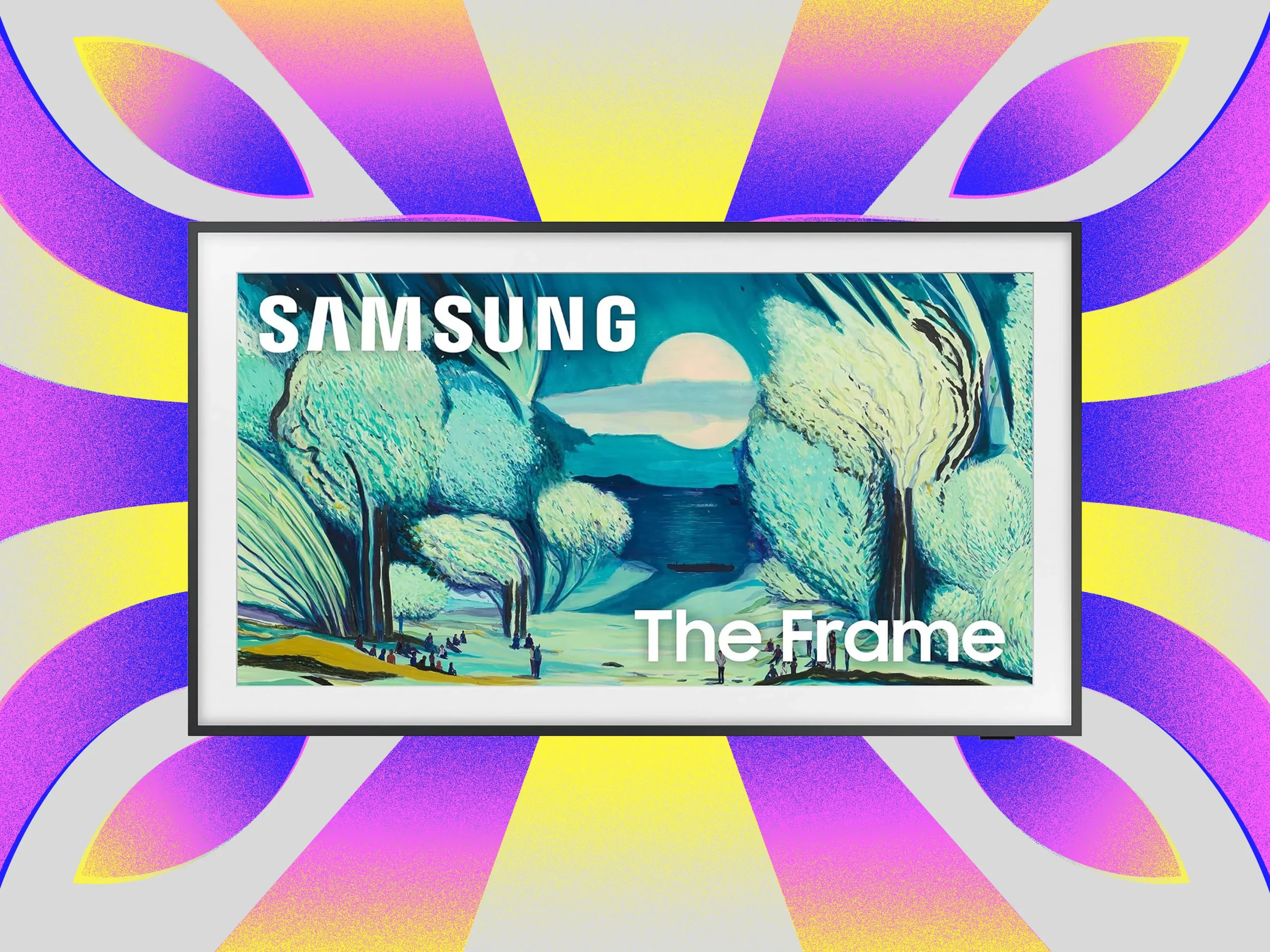
Samsung’s The Frame TV, the device credited with popularizing the “art TV” category, is currently selling for $898, down from $1,498 — a 40 percent cut that marks its lowest price on record. The 2025 model’s 65-inch matte display is the main draw: instead of reflecting glare like a standard glossy television, its antireflective coating makes digital paintings and photographs look closer to framed artwork than a screen bolted to the wall.
The discount makes sense given the TV’s age. Television prices typically fall sharply a year or two after launch, and Samsung has already moved on to a newer model, The Frame Pro (2026), which features an upgraded screen coating and a redesigned external connection box. That successor is also discounted for Prime Day, though not nearly as aggressively as its predecessor.
Advertisement
Buyers should know that Samsung’s free art catalog is limited to about 30 rotating images. Unlocking the full library of more than 5,000 works — including pieces from the Metropolitan Museum of Art and the Art Institute of Chicago — requires a $5 monthly subscription to the Samsung Art Store. The TV also performs best in bright rooms; its contrast and black levels lag behind competitors in darker viewing environments.
Other televisions are seeing notable price drops too. The Sony Bravia 6 has dropped to $1,298 from $2,000, and Amazon’s own Ember 4-Series set is down to $200 from $330, giving budget shoppers an entry point into the sale alongside premium buyers chasing Samsung’s flagship art display.
Headphones and Earbuds Join the Prime Day Deals Wave
Beyond televisions, this round of Prime Day deals is proving especially generous for audio gear. Apple’s AirPods Pro 3 have dropped to $179 from $249, a 28 percent discount on a model praised for its improved fit, stronger noise cancellation and more accurate heart-rate sensing. Nothing’s first over-ear headphones, the Headphone 1, are down to $189 from $299, offering active noise cancellation, spatial audio with head tracking and the brand’s signature transparent design.
Budget shoppers aren’t left out either. The JLab Go Air Pop earbuds are discounted to $20, while Anker’s Soundcore Liberty 5 Pro — noted for having some of the best call quality of any earbuds on the market — has fallen to $136 from $170. Google’s Pixel Buds Pro 2 are down to $179, and gaming-focused listeners can find the SteelSeries Arctis Nova Pro Omni headset marked down to $345.
Advertisement
Premium over-ear options are also discounted, with Bose’s QuietComfort Headphones Gen 2 at $319 and the second-generation QuietComfort Ultra headphones at $369, both trimmed from their original list prices. Apple’s AirPods Max are part of the broader sale as well, rounding out a lineup that spans nearly every price tier.
What the Sale Says About the Broader Tech Market
Taken together, this year’s Prime Day deals reflect a now-familiar pattern in consumer electronics: flagship devices launched twelve to eighteen months earlier get discounted heavily once newer models arrive, while manufacturers use the occasion to clear inventory ahead of the holiday shopping season. Samsung, Sony, Apple, Bose and Anker are all leaning into that cycle this October, offering discounts that in several cases match or beat previous all-time lows.
For consumers, the practical takeaway is straightforward — older flagship hardware, from art-display televisions to premium noise-cancelling headphones, is unusually affordable right now, and some of the savings are available even to shoppers without a Prime membership. Whether browsing for a statement piece like The Frame or simply hunting for a reliable pair of earbuds, this stretch of Prime Day deals offers some of the more compelling price cuts tech buyers have seen so far this year.
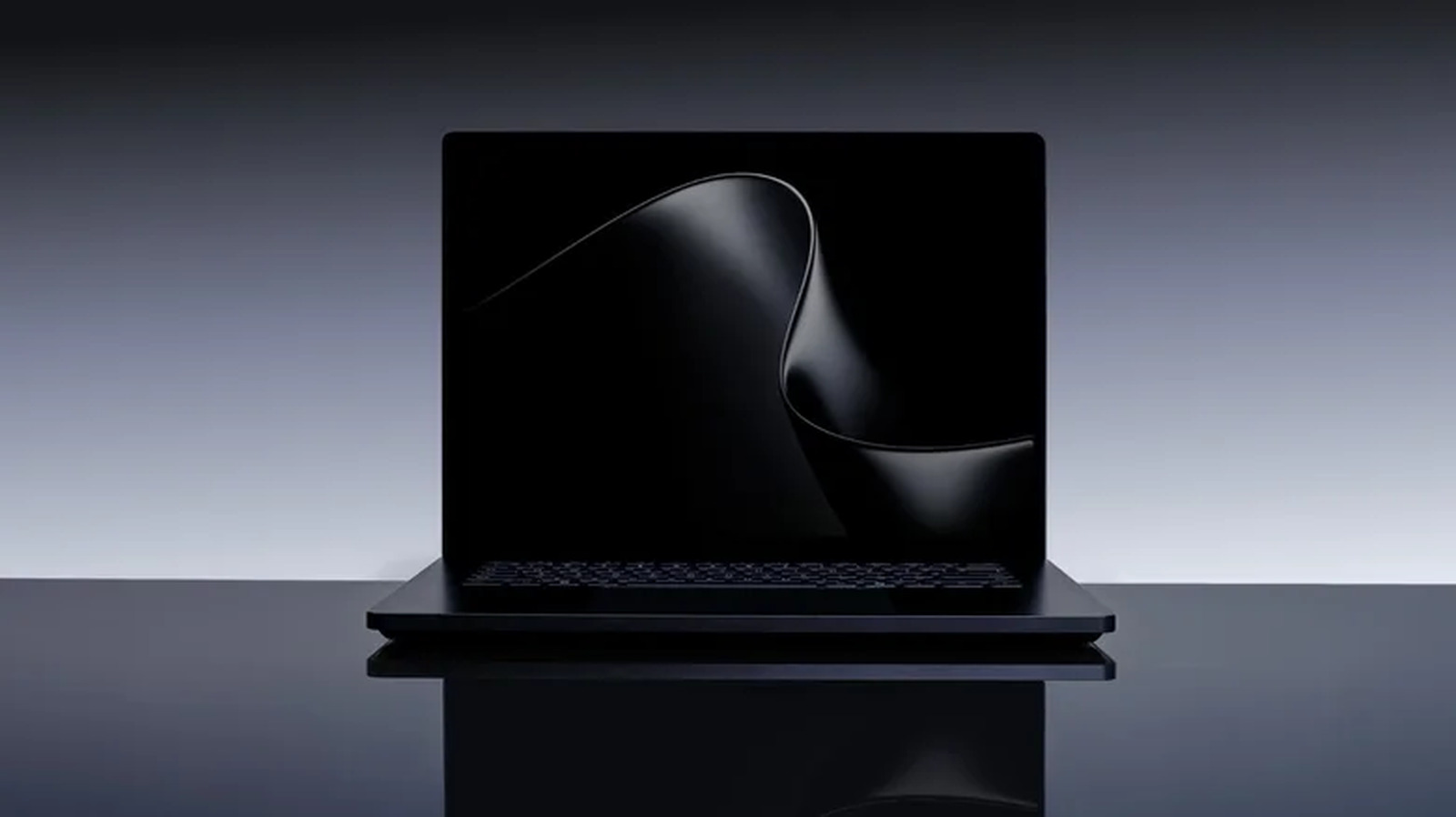
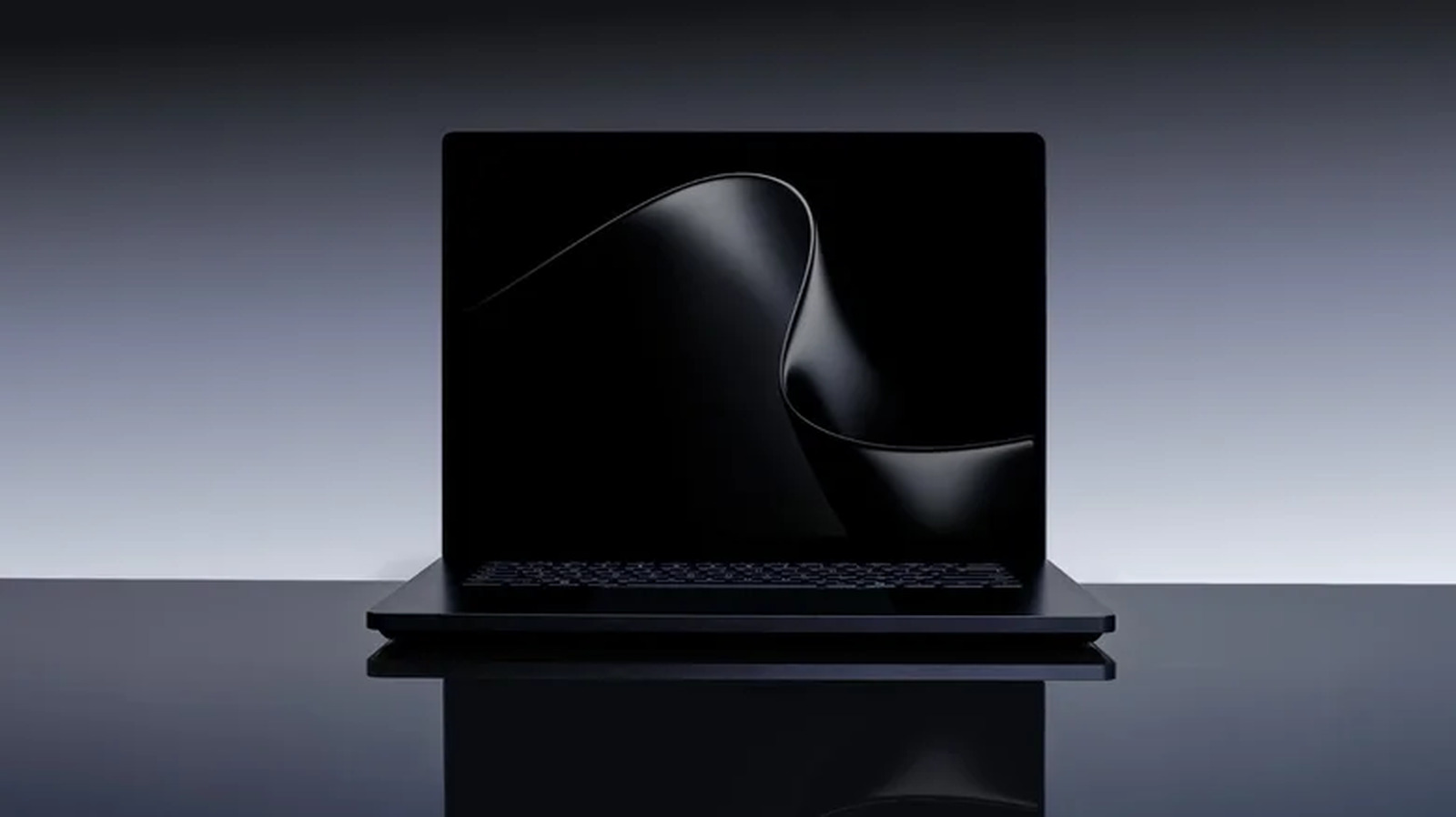
Microsoft is expected to unveil more details about the Surface Laptop Ultra at its Windows and Surface event in San Francisco. The company has also teased “latest innovations across Windows, NVIDIA RTX Spark, Surface and the broader PC ecosystem.” In its invitation, Microsoft said we would hear from CEO Satya Nadella and Windows and Devices chief Pavan Davuluri, as well as NVIDIA CEO Jensen Huang. The presentation, which is scheduled to start at 10AM PT (1PM ET), should last about an hour, and you can watch the company’s livestream across its X, Instagram and YouTube channels.
Or you could just stay here and follow along on our liveblog. Our senior reporters Karissa Bell and Devindra Hardawar will be on the ground bringing you updates live from the scene. We’ll be starting our liveblog in just a couple of hours at 10AM ET, keeping you up to speed on the latest rumors and teases right up to the launch. As you wait, feel free to leave us comments below and we’ll be sure to answer them when we can.
Advertisement
To recap, we already caught a glimpse of the Surface Laptop Ultra earlier this year at the company’s Build developer conference. It’s supposed to be the most powerful Surface yet, thanks to the power of NVIDIA’s RTX Spark superchip. We know it’s got a 15-inch mini LED display that gets up to 2,000 nits bright. It has the largest trackpad Microsoft has ever made, plus a generous offering of ports including USB C, USB A and a full-sized SD card reader onboard.
Today, though, we’re likely to find out more about pricing, availability and other software features. And if we didn’t also learn about some type of Agentic AI capability coming to Windows, I’ll be shocked. Still, given the company’s recent troubled history with rolling out AI features to Windows, as well as the speed at which the Copilot+ PC initiative rose and fell into obscurity, there’s quite a lot at stake for Microsoft.
Bellevue, Wash.-based Temporal is expanding its security capabilities for AI agents following a $550 million funding round last month that valued the enterprise infrastructure company at $12.55 billion.
In an announcement Tuesday, Temporal revealed that team members from Oso, a New York-based startup specializing in application authorization, are joining the company to integrate access controls directly into Temporal’s platform. Meanwhile, holding company Tiny acquired Oso’s software product and customer base.
The move addresses a growing challenge for enterprise tech teams: while generative AI models handle reasoning, autonomous agents must interact with internal databases, execute multi-step workflows, and call external application programming interfaces without breaching security boundaries.
“AI safety doesn’t stop at the model,” Temporal VP of product Preeti Somal said in the release. “It extends into the applications where agents act, which is where access to systems and crucial data comes into play.”
Advertisement
Temporal’s primary technology, known as “durable execution,” maintains application state and execution history across system failures and network timeouts. By adding Oso’s security frameworks to this underlying engine, Temporal aims to ensure an agent’s permissions and human approvals remain intact, preventing agents from bypassing controls or repeating rejected actions.
Temporal said the addition of the Oso team will accelerate security features currently in development, with existing platform operations remaining unchanged.
“Our goal is practical: to help developers put agents to work with appropriate access and with guardrails their companies control,” said Somal. “In practice, that means asking, for each action an agent takes, who it is acting for and what that person is allowed to do, and getting the same answer every time the work is retried.”
“What makes agents valuable is the same thing that makes them dangerous – access to real systems and data. Temporal already powers agents in applications like Cursor and OpenAI Codex, and unlocking their full potential requires the right security controls. We’re joining Temporal to accelerate its work on agent authorization, giving developers more precise control over what agents can access and do.”
Co-founded in 2019 by Amazon and Microsoft veterans Samar Abbas and Maxim Fateev, Temporal provides open-source orchestration tools used by companies including OpenAI, NVIDIA, Netflix, Snap and JPMorgan Chase. The company recently surpassed $250 million in annualized revenue run rate, growing more than 200% year-over-year.
It employed about 570 people prior to the Oso deal, roughly double from a year ago, with 89 in the Seattle area. The company is fully remote. Its Bellevue office, previously occupied by OpenAI, is used mainly for meetings rather than daily work. The company recently rose to the #1 spot on the GeekWire 200, the list of the fast-growing privately-held tech startups in the Pacific Northwest.
Neither setup is better for everyone. A gaming headset is usually simpler because your headphones and microphone are combined in one device, while headphones with a separate mic give you more freedom to choose, position, replace, and upgrade each part independently.
Quick Take
Choose a gaming headset if you want one device for game audio and voice chat with minimal desk clutter.
Choose headphones and a separate microphone if you already own good headphones, care more about microphone control, or want to upgrade the two parts independently.
Do not assume either setup automatically sounds better. Individual headphones, headsets, microphones, room conditions, and placement matter more than the category name.
Console compatibility, desk space, background noise, and the equipment you already own can change the better choice for you.
Gaming Headset vs Headphones + Mic at a Glance
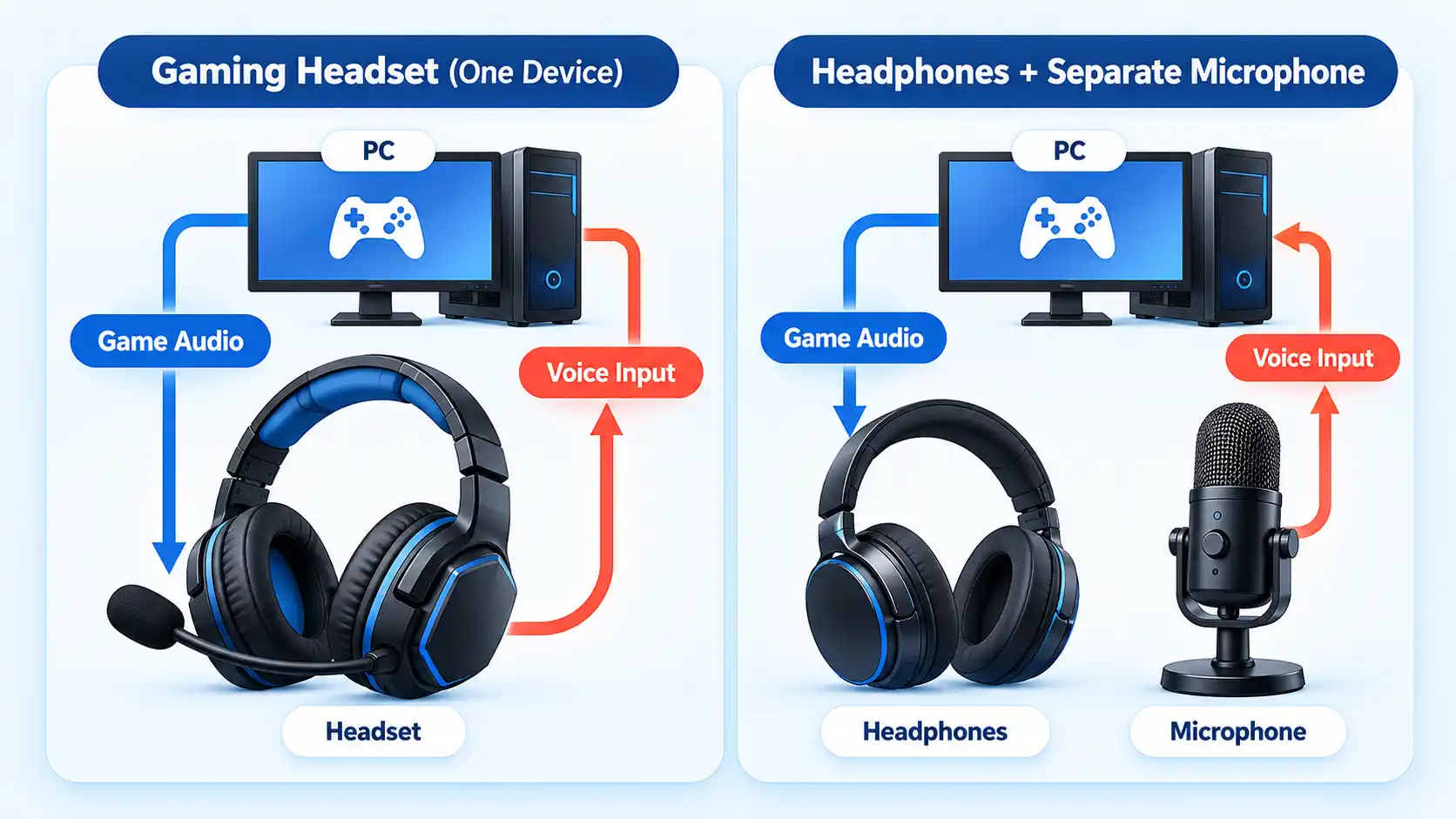
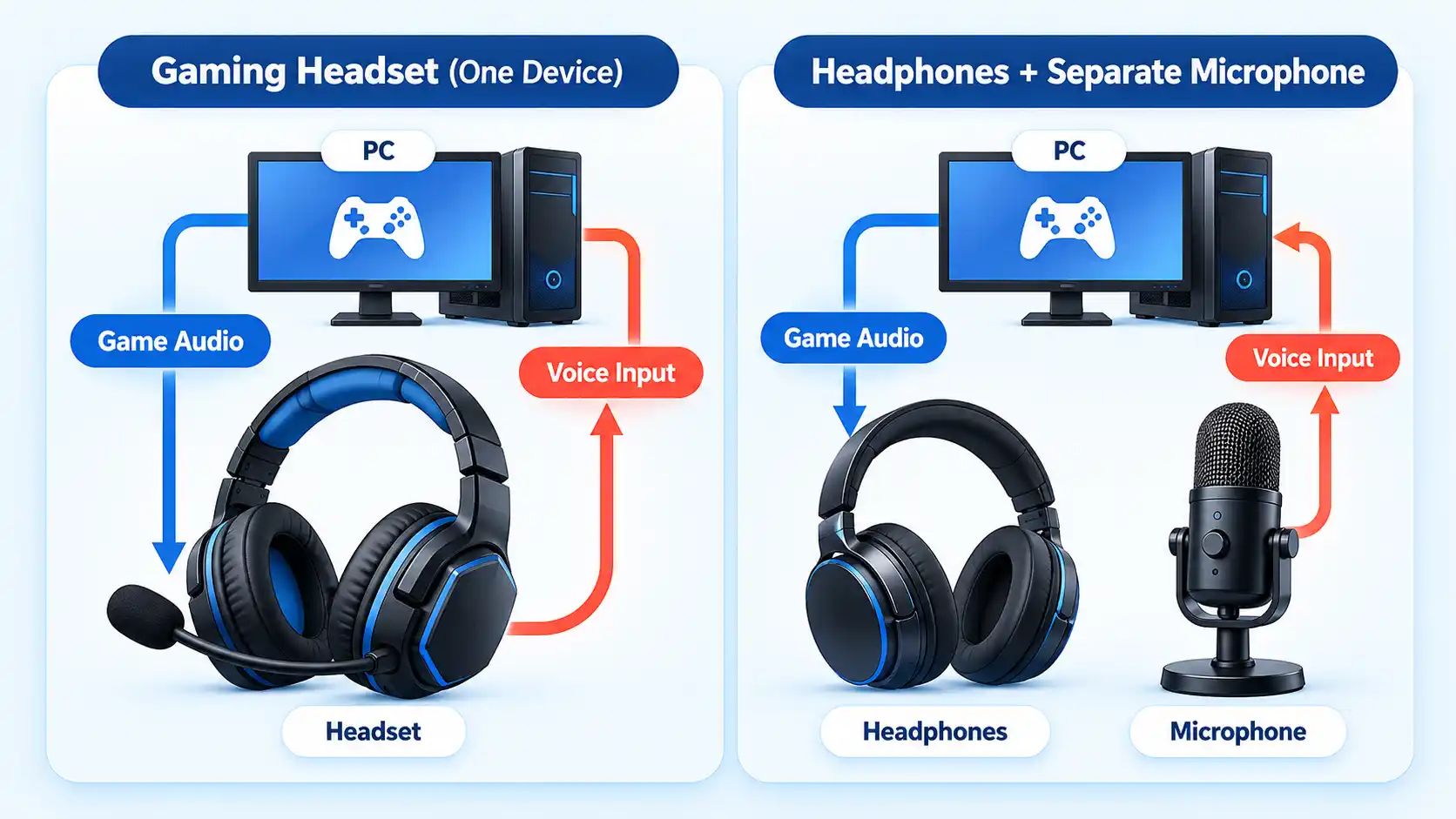
The easiest way to understand the difference is to compare one integrated device with a modular setup. A gaming headset combines listening and voice chat in the same wearable product. With regular headphones and a separate microphone, those jobs are handled by different devices.
The table shows the main trade-offs. It does not declare a universal winner because actual sound and microphone quality depend on the individual products.
Gaming headset compared with headphones and a separate microphone
Feature
Gaming headset
Headphones + separate mic
Basic arrangement
Headphones and microphone in one wearable device
Separate listening and microphone devices
Setup complexity
Usually simpler, with fewer separate parts to position
May require a mic stand or arm, extra cable or USB port, and separate input settings
Mic position
Boom usually stays close to your mouth as your head moves
You can choose the microphone and position it independently
Platform convenience
Can be convenient when the exact headset supports your console or PC setup
Depends on whether the platform supports the headphone output and microphone input you want to use
Upgrades
You normally replace or upgrade the combined headset as one main product
Headphones and microphone can usually be upgraded independently
Streaming and recording control
Varies widely by headset and software
A standalone mic can offer separate gain, monitoring, mounting, and routing options depending on the model
If your priority is easy multiplayer chat, the integrated design has an obvious advantage. If you want to build your audio setup around equipment you already own or change one part without replacing the other, the modular approach becomes more attractive.
Advertisement
The Real Difference Is Integration vs Modularity
A gaming headset is an integrated system. The earcups handle game audio, while an attached or built-in microphone handles your voice. Many models also put mute, volume, wireless, or chat controls on the headset itself.
The main benefit is that the pieces are designed to work as one product. You put on the headset, position the boom if it has one, and use the supported connection for your PC or console. There is less hardware on your desk, and the microphone usually moves with your head.
Headphones with a separate microphone are modular. You choose the listening device and microphone independently. The microphone might sit on a desktop stand, attach to a boom arm, or use another mount. It may also have its own USB connection, headphone-monitoring jack, gain control, or audio software.
Modularity also changes what happens later. If you become unhappy with the microphone but still like your headphones, you can replace only the mic. With a headset, the microphone and headphones are part of the same main product, although some models do have detachable microphones or replaceable cables.
Neither structure guarantees quality. Integration is mainly about convenience and coordination between parts. Modularity is mainly about independent choice and flexibility.
Sound Quality: Neither Setup Wins by Category
It is tempting to assume that ordinary headphones must sound better because they are designed primarily for listening. That is too broad. Modern gaming headsets range from inexpensive models to products with carefully tuned sound, low-latency wireless links, equalization controls, and strong positional performance.
Current independent testing evaluates gaming headsets across separate factors such as sound reproduction, latency, comfort, platform compatibility, and microphone performance rather than treating the product category as a sound-quality verdict. It also recognizes that someone who already owns a standalone microphone or prioritizes audio fidelity may prefer conventional audiophile headphones. Those differences are evaluated at the individual-model level.
Advertisement
The same principle applies to normal headphones. A pair made for music is not automatically ideal for every game. Tuning affects the balance between bass, midrange, and treble. Imaging describes how clearly a pair of headphones places sounds at different positions around you. Both can affect how useful the headphones feel for gaming.
A good gaming headset can therefore outperform mediocre regular headphones, while a strong pair of conventional headphones can outperform a weak headset. Compare actual model performance instead of buying from the category name alone.
If the integrated route makes more sense for your setup, focus on what to look for in a gaming headset, including compatibility, comfort, connection type, microphone behavior, and sound priorities.
Microphone Quality: Position Matters as Much as the Format
A separate microphone does not automatically make your voice clearer. One of the most important factors is where the microphone sits in relation to your mouth and the surrounding room.
Advertisement
A headset boom has a simple advantage: it normally stays close to your mouth even when you turn your head. That can make voice level more consistent during gaming. Some current gaming headsets also achieve clear and understandable speech in independent microphone testing, so an integrated mic should not be dismissed simply because it belongs to a headset. Microphone performance varies substantially between headset models.
A standalone microphone gives you more freedom, but you have to use that freedom well. As the microphone moves farther from your mouth, reflected room sound can become stronger relative to your direct voice and make speech harder to understand. Moving the microphone closer can improve the direct-to-reflected sound balance, although background noise can still reduce intelligibility.
This is why an expensive desktop microphone sitting far across a desk can produce worse chat audio than a modest boom microphone kept close to the speaker. The reverse can also happen. A well-positioned standalone microphone in a suitable room can give you more control over voice capture than many headset microphones.
Some standalone microphones add controls that are useful beyond ordinary voice chat. Gain is the microphone’s input level. Monitoring means listening to the microphone signal while you use it, often through headphones. Certain USB microphones also provide software routing, allowing different audio sources to be mixed or sent to different outputs. These are product-dependent features rather than guarantees of the category.
Advertisement
Streaming and recording can make those controls more valuable because your microphone becomes part of a wider audio setup rather than only a way to speak with teammates. If gaming is also part of a microphone setup for streaming, microphone position, monitoring, routing, lighting, camera placement, and the rest of the desk setup can all affect the equipment you choose.
Room conditions still matter. A separate microphone is not automatically better in a noisy bedroom, and a headset boom is not automatically better at rejecting every background sound. Pickup pattern, processing, microphone distance, noise level, and the individual model all influence the result.
Setup, Platform Compatibility, and Desk Space
Your gaming location can decide the comparison before audio quality does. A player sitting on a sofa with a console has different practical needs from someone using a permanent PC desk with a microphone arm, audio software, and several USB ports.
A gaming headset can reduce the number of separate devices you have to connect and position. That is especially useful when you want to sit away from a desk or avoid a microphone stand between you and the screen.
Advertisement
A separate microphone usually needs somewhere to go. A desktop stand takes surface space. A boom arm needs a mounting point. A USB microphone needs an available compatible port, while some other microphone setups can involve an audio interface or adapters. None of those additions is inherently difficult, but they make the setup less compact.
Platform compatibility also deserves attention. Do not assume that because headphones work with a console, a separate USB microphone will work through that same console in the way you expect. Likewise, a gaming headset may have different versions or connection modes for PC, PlayStation, Xbox, or other devices.
For console use, verify the exact headset or microphone against the platform before purchasing. For PC use, make sure the operating system and applications can select the headphones as the output device and the standalone microphone as the input device when they are separate.
Background noise can override the apparent benefits of either architecture. If the room is noisy, getting the microphone close to your mouth and controlling unwanted sound may matter more than whether the mic is attached to the headset or sitting on a stand.
Advertisement
Cost and Upgradeability
Do not compare the price of one headset with the price of headphones alone. The fair comparison is the cost of the complete setup you need.
A gaming headset can cover listening and voice chat with one purchase. Depending on the model, that purchase may also include a wireless transmitter, controls, software features, or platform-specific connectivity. This can make the initial setup simple, but it does not mean gaming headsets are always cheaper.
A modular setup may start with two products instead of one. If you choose a standalone microphone, you may also need a stand, boom arm, cable, available USB connection, audio interface, or adapter depending on the microphone and computer setup. Many USB microphones need only the included stand and cable, so those extras should not be treated as universal requirements.
The calculation changes if you already own one of the components. If you already have headphones you like, buying only a suitable microphone may make more sense than replacing the headphones with a complete headset. The same applies if you already own a good microphone and only need better headphones.
Advertisement
Modularity also changes future spending. With separate components, you can usually replace the microphone without replacing the headphones, or upgrade the headphones while keeping the microphone. An integrated headset gives you fewer separate purchasing decisions, but a problem with one part may influence whether you keep or replace the complete device depending on its design and repair options.
Durability cannot be predicted from the architecture alone. A well-built gaming headset may outlast a poor modular setup, and replaceable parts vary by product. Compare warranties, detachable cables, replaceable pads, microphone mounting, battery serviceability for wireless equipment, and the parts most likely to wear.
Which Setup Should You Choose?
Gaming headset
Choose this if: you want one device for game audio and voice chat, you are starting without existing audio equipment, or your console or gaming area favors a compact setup.
Avoid this if: you already own headphones you like and would mainly be replacing them to gain a microphone.
Advertisement
Main trade-off: simpler integration in exchange for less independence between the listening and microphone sides of the setup.
Headphones + separate mic
Choose this if: you already own good headphones, recording or streaming matters to you, or you want to position and upgrade the microphone independently.
Avoid this if: your desk space, console setup, available ports, or preferred gaming position makes separate hardware awkward.
Main trade-off: greater component choice and upgrade flexibility in exchange for additional hardware and setup decisions.
Advertisement
Either setup can work
Choose this if: both options already meet your platform, comfort, sound, and voice needs and neither has a meaningful advantage in your room.
Avoid this if: you are treating the category label as a substitute for checking the individual headphones, headset, or microphone.
Main trade-off: the deciding factors shift from device category to the quality, compatibility, room conditions, and equipment you already own.
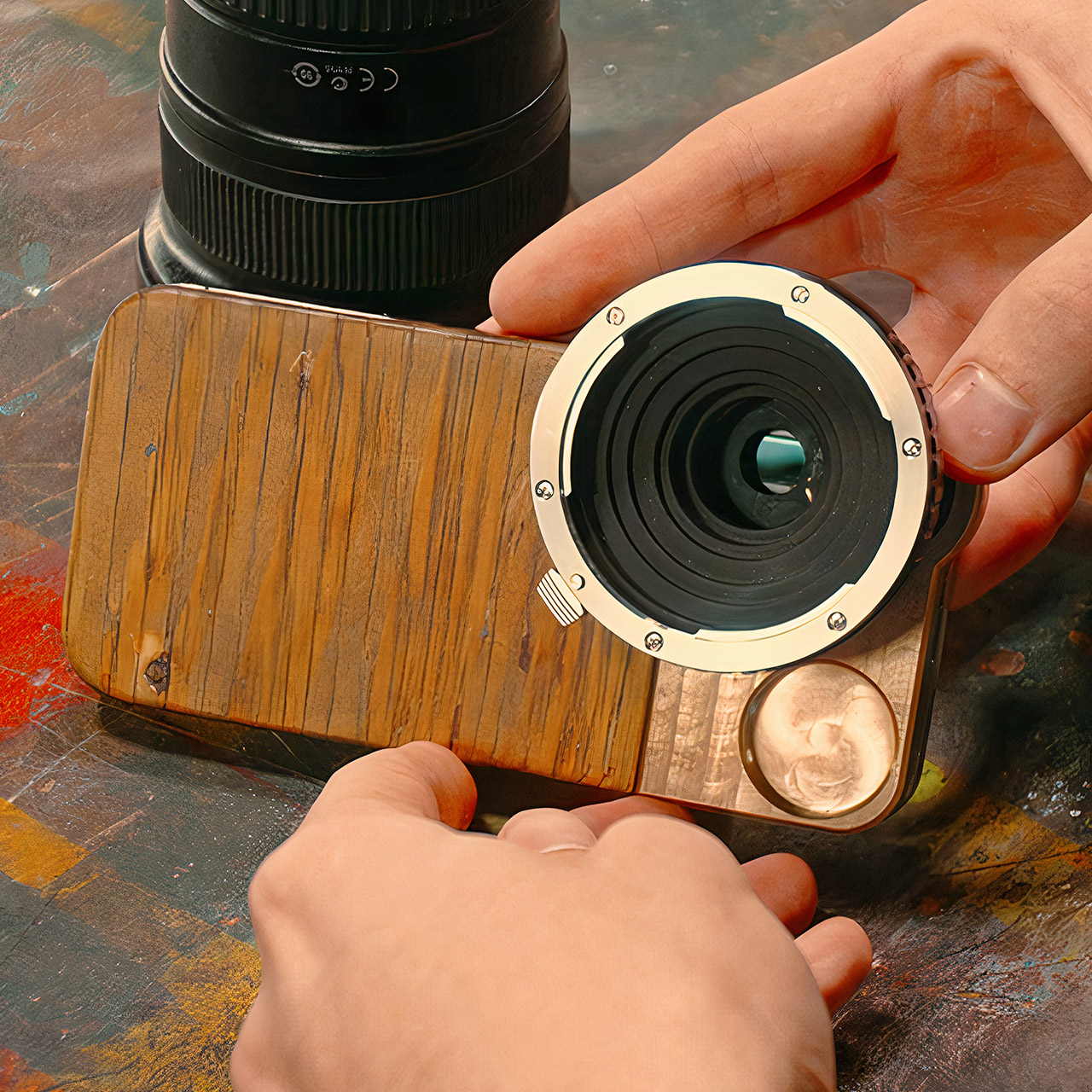
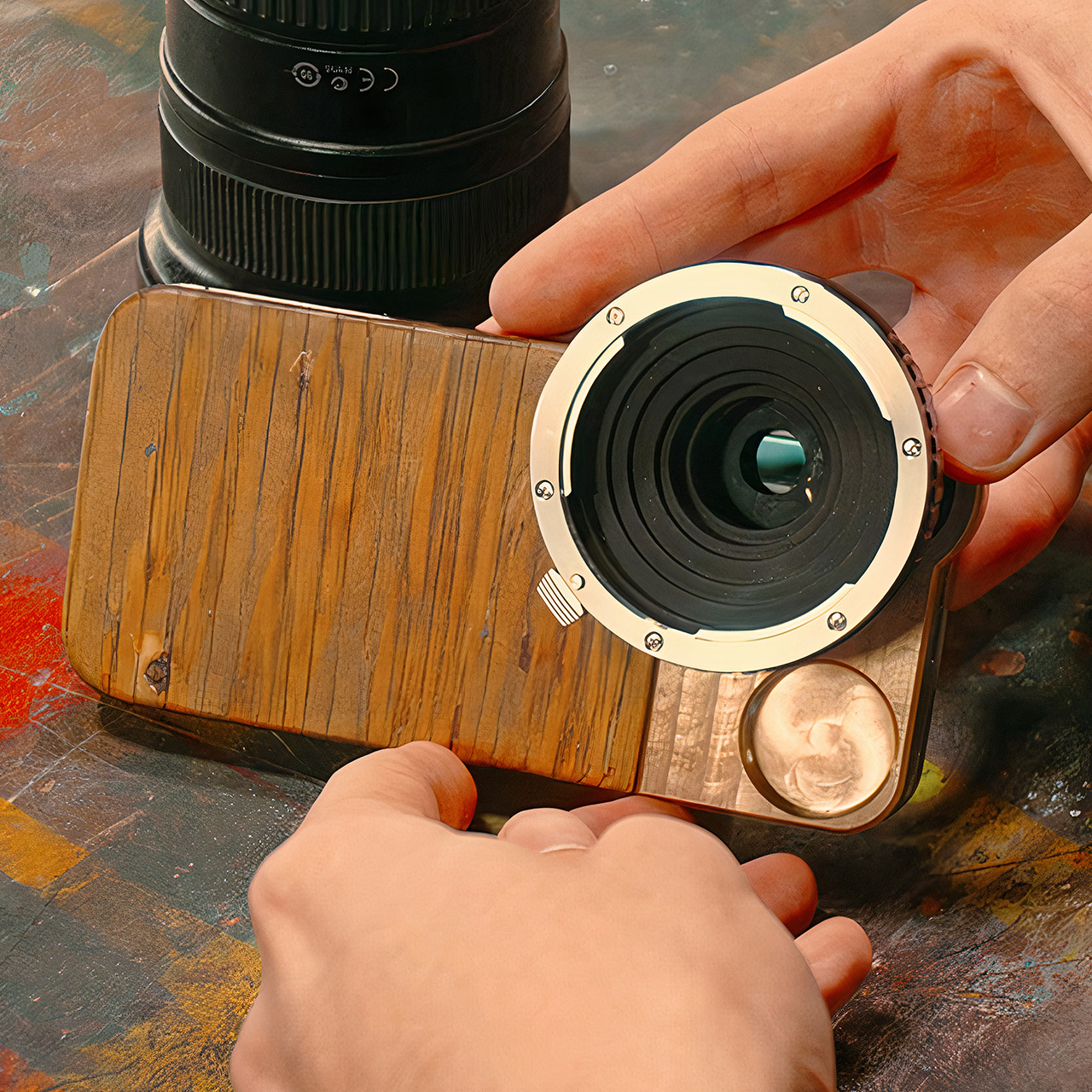
Evan Monsma spent a few days in Indianapolis turning a broken iPhone 13 into something he calls CMOUNTIPHONE2, a phone that can take Canon EF lenses meant for a full-size DSLR. His earlier attempt had already put cinema glass on a wrecked iPhone. That mount was wood, a modified C-to-CS ring, and a bead of super glue. The glue let go. A heavier lens was always going to finish the job, so this round starts with metal.
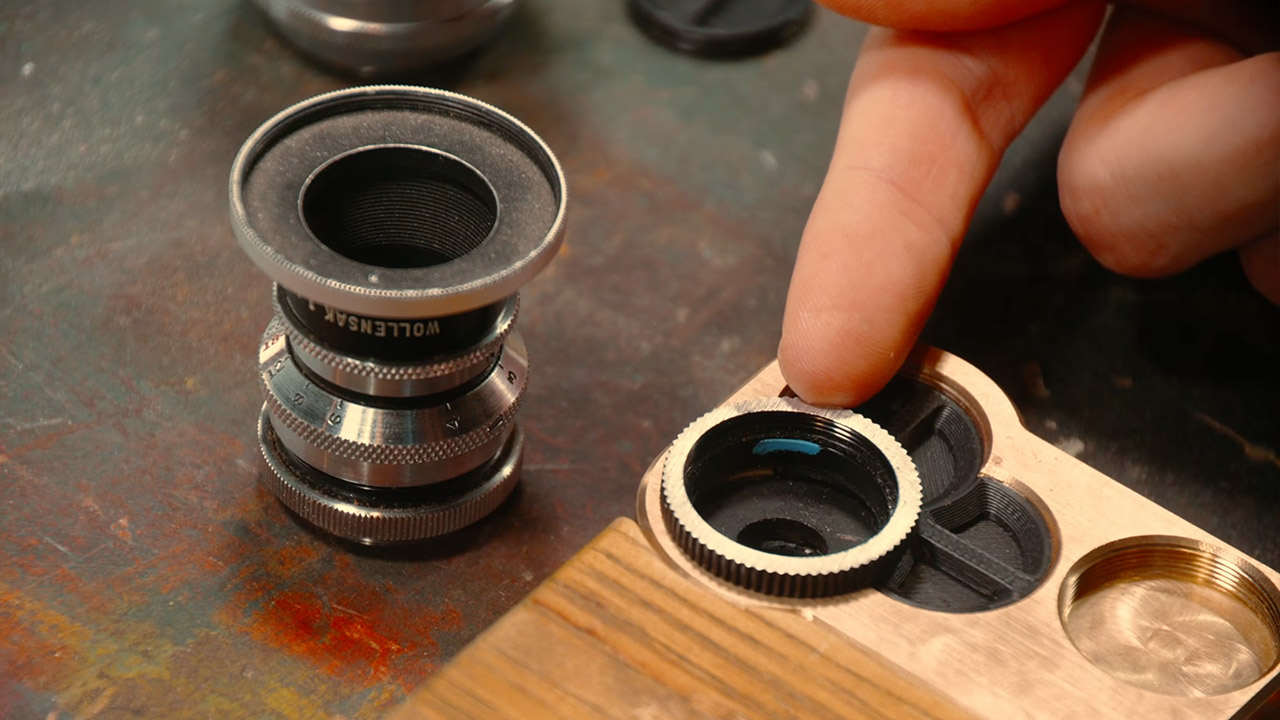
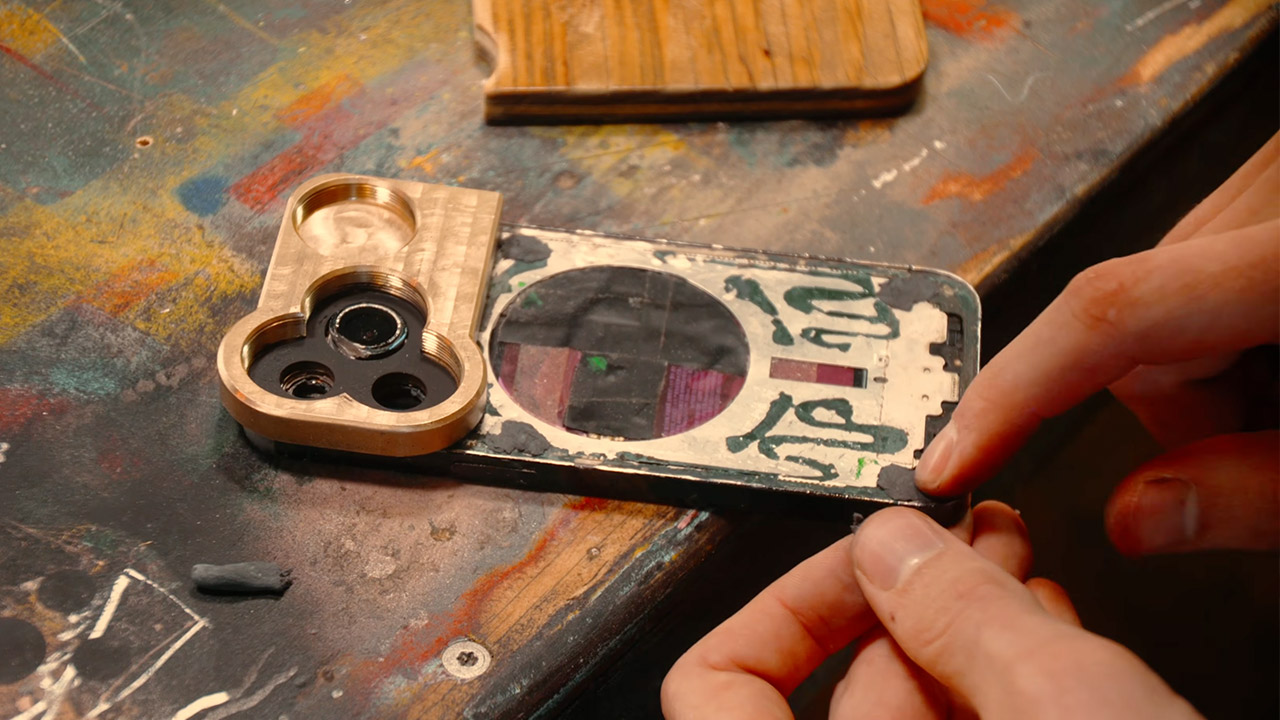
A shop had a unique plate made for him, which is brass and copper in the build video, with holes cut out for two of the back cameras and a clean passage for the third. PCBWay took care of the cutting. The additional plastic around the camera holes prevents stray light and dust from entering. He then painted the inside a dark black to prevent light from bouncing off the exposed metal and onto the sensors, before gluing the plate to the phone back with steel-filled epoxy after roughing up both surfaces. The plates with printed covers fit snugly over the empty holes. A tripod thread was also cut into the bottom of the plate, which dissipates heat far better than the plywood on the initial version.
Hybrid instant film camera. Prints high-quality, 2” x 3” INSTAX MINI instant photos (INSTAX MINI instant film sold separately)
10 Lens x 10 Film Effect Options = 100 Ways of Expression
Built-in selfie mirror so you’re perfectly framed for a selfie, Dual shutter buttons – portrait and landscape
Getting a usable image out of this thing, however, required much more than just putting on a lens ring. Lenses only really focus when they are at the proper distance from the sensor, which is known as the flange distance. The problem is that an iPhone is so thin that virtually any old mount would fit close enough. CS surveillance lenses just sit straight on the plate. A 5mm spacer then allows C-mount film lenses to fit, and the C-to-EF adapter allows you to experiment with Canon EF glass, which was essentially the goal of the second construction. He then removed the stock lens modules off with sideways force, cleaned the edges, and left the sensors intact. He had previously assumed that every iPhone 13 sensor was the same size, which was incorrect. No, the main camera and the 0.5x wide camera are not the same size, therefore a 16mm lens will not provide the field of view you expected.
When using the iPhone 13’s small sensor, full-frame glass acts as a long lens. According to Monsma, this reduces the image size by four to five times, so a 16-35mm EF zoom seems more like an 80-160mm equivalent, while a 70-200mm reaches up to 500-1000mm. Meanwhile, focusing is done manually, with Monsma utilizing the Blackmagic Camera software to shoot in a 4:3 open-gate mode to make better use of the sensor. However, the period of stabilization has ended. The original mechanism was supported by a couple of delicate phosphor-bronze springs, so removing the front glass or putting some grit in there was enough to send the device wobbling. Handheld video ends up wobbling all over the place. On the other side, employing a tripod helps to keep the long glass steady.
Pink fringing runs down the frame’s edges. Now that the stock cover that blocked some of the light has been removed, using an infrared filter may be a viable alternative. Others who have disassembled their phone cameras (why not?) suggest looking elsewhere. The trouble is, Apple has their vignette and color correction all set up for the original lens and how it casts light into the sensor, and that all gets thrown off when you slap on some new glass, resulting in a tint. However, turning off lens shading in an app resolves the issue. The light leaks from the earlier iteration are basically gone, but there’s still a small sensor, a long crop, soft edges, and a 4:3 frame that appears more like vintage film than an iPhone shot. [Source]
An anonymous reader quotes a report from Reuters: Google has contracted for 3,590 megawatts of power from Constellation Energy on the largest US power grid, with new nuclear energy accounting for about a quarter of that supply, the companies said on Tuesday. Constellation will make more than $4.3 billion of new investments in its fleet as part of the agreement, which involves adding capacity at several of the power company’s nuclear reactors in the Midwest and Mid-Atlantic regions, the companies said.
[…] Over the last two years, Constellation unveiled an agreement to restart its Three Mile Island reactor in Pennsylvania to serve Microsoft data centers, while Google contracted to restart NextEra Energy’s nuclear power plant in Iowa. In the latest arrangement, Google entered into a 20-year power purchase agreement for 890 megawatts of electricity from multiple Constellation-owned nuclear power plants, which would be upgraded to produce more electricity from existing reactors. Electricity from the first of the upgraded plants is expected to be delivered in 2028, the companies said.
Google also entered into a 15-year supply agreement for an additional 2,700 megawatts of power from Constellation in the PJM power grid. That power is not tied to a specific generation source and serves as long-term revenue certainty for Constellation’s operating plants, Google said. Maryland-based Constellation is the largest US nuclear power plant operator and owns a major fleet of natural-gas-fired power plants as well as geothermal energy following its acquisition of electricity producer Calpine Corp earlier this year. […] The 11 nuclear units expected to be upgraded as part of the arrangement with Google are in Illinois, Pennsylvania, and New Jersey, within the footprint of the largest US electric grid — PJM Interconnection. Joe Dominguez, chairman, president and CEO of Constellation, said the arrangement with Google is a “model for how technology companies and the energy industry can work together to responsibly develop the digital economy and invest in our nation’s energy infrastructure in a way that delivers grid-wide benefits for all, funded by private entities.”









































You must be logged in to post a comment Login