The portable CD player is back, but today’s models have almost nothing in common with the plastic Discman that spent the 1990s eating AA batteries inside your Jansport backpack.
The compact disc was supposed to be dead by now.
Vinyl received the comeback tour, streaming took over the car, and the last laptop with an optical drive probably shares a drawer with your BlackBerry charger and three unidentified power supplies. For most of the past decade, buying a portable CD player meant choosing between a questionable Amazon special and something recovered from a basement beside a Case Logic binder filled with scratched copies of Ten, Automatic for the People, and the soundtrack to Singles.
Something has changed.
Advertisement
U.S. CD sales climbed 16 percent during the first half of 2026 to 16.3 million units, substantially outpacing vinyl’s 2.4 percent growth over the same period. K-pop and its collectible physical releases contributed to that increase, but CD sales were still up 6.7 percent without them.
That is not 2000 all over again, when a new Radiohead album meant a trip to HMV and enough change left for a sweet veal sandwich on the way home, but it is no longer statistical background noise either.
There is also a wonderfully strange wrinkle to the revival: close to half of the Gen Z and millennial consumers buying CDs reportedly do not own a CD player. For younger listeners, the disc has become a collectible object, a direct way to support an artist, or something tangible that exists outside a streaming service.
Manufacturers have noticed.
Advertisement
Why Portable CD Players Are Coming Back
The renewed interest in CDs is not difficult to understand once you remove the assumption that every physical format has to become vinyl.
Used CDs remain plentiful and generally inexpensive. Entire catalogs can be assembled for considerably less than the price of new vinyl reissues, and the discs are easier to store, clean, ship, and replace. You can also leave one on the passenger seat without treating the car like a temperature-controlled archive.
There is also the increasingly appealing concept of actually owning the music.
Advertisement. Scroll to continue reading.
Advertisement
Streaming remains essential, but subscription prices keep rising, albums can disappear or be replaced with different masters, and the listening experience is constantly interrupted by recommendations, notifications, podcasts, social features, and algorithms convinced that one Steely Dan song means you want to hear yacht rock until the day you die.
A compact disc does something almost radical in 2026: it plays the album you selected, in the order the artist intended, and then stops.
It does not ask whether you enjoyed the experience. It does not generate a playlist called “Ian’s Sophisticated Tuesday Vibes.” It just plays the music.
For Gen X listeners, there is another obvious reason. Many of us already own hundreds or thousands of CDs purchased over several decades. We bought the album once and considered the transaction complete.
Advertisement
What disappeared was not the music collection but the convenient hardware required to play it. New cars rarely include optical drives, computers abandoned them years ago, and many modern audio systems were designed as though everyone willingly donated their record collection to a server farm.
The current generation of portable CD players fills that hardware gap, although the word “portable” now requires some flexibility.
These Are Not the Discmans We Grew Up With
The portable players of the 1980s and 1990s were designed around one primary task: spinning a disc while attempting not to skip whenever you stepped off a curb.
They were generally made from plastic, ran on AA batteries, offered a single 3.5mm headphone output, and delivered just enough amplification for the inexpensive headphones supplied in the box. Anti-skip protection was treated like military technology. A wired remote clipped to your jacket was considered progress.
Advertisement
Today’s models are very different machines.
Depending on the price, they can include aluminum construction, rechargeable batteries, balanced headphone outputs, Bluetooth, digital connections, USB DAC operation, CD ripping, R2R conversion, selectable amplifier modes, and even vacuum tubes.
A Discman played CDs. Some of these products are complete digital source components, DACs, headphone amplifiers, wireless transmitters, and desktop transports that also happen to spin a disc.
They are not necessarily smaller. Several belong in a messenger bag rather than a jacket pocket, and nobody should attempt to jog with a 700-gram tube CD player unless the route ends at an orthopedic surgeon.
Advertisement
Advertisement. Scroll to continue reading.
They are, however, far more useful inside a modern audio system.
A Note About This Guide
This is not a ranked list of the “best” portable CD players.
We have personally used three of the models included below. The remaining selections are based on verified specifications, current availability, features, intended use, and our existing product coverage.
Advertisement
As more review samples become available, this guide will be updated with additional listening impressions and direct comparisons.
Prices were checked on July 27, 2026 and may change.
Syitren R300 ($99)
The Syitren R300 is the least expensive model in this guide and the one that looks least like traditional audio equipment. Its rounded enclosure, raised controls, and range of finishes suggest that Braun and Muji designed a CD player after spending an afternoon inside Tower Records.
It supports standard CDs, CD-G discs, and MP3 CDs. Bluetooth 5.3 can transmit playback to wireless speakers or headphones, while wired connections include a 3.5mm analog output and an optical digital output. Its 2,000mAh battery is rated for up to six hours.
The R300 does not include a balanced output, USB DAC operation, ripping, or a particularly powerful headphone amplifier. It is primarily a stylish and uncomplicated way to play discs through basic wired headphones, an external DAC, or a Bluetooth speaker.
Advertisement
Bluetooth compatibility may vary with automotive systems, so buyers hoping to restore CD playback in a newer car should temper their expectations.
At $99.99, however, it remains the most approachable entry point for someone who wants physical playback without studying an output-power chart first.
The FiiO DM13 helped establish the current portable CD player category by demonstrating that an affordable model could offer considerably more than a headphone jack and a prayer.
Advertisement. Scroll to continue reading.
Advertisement
Its dual Cirrus Logic CS43198 DACs feed both 3.5mm and 4.4mm balanced headphone outputs, with up to 180mW and 660mW per channel into 32 ohms, respectively. It also offers line-level operation, optical and coaxial digital outputs, Bluetooth transmission, gapless playback, and more than ten hours of rated battery life.
The DM13 can rip CDs directly to a FAT32-formatted USB storage device as WAV files, making it one of the least expensive ways to play and archive a collection without involving an aging computer or external optical drive.
It does not function as a USB DAC. The USB connection is used for power and ripping rather than accepting digital audio from a computer.
At $164.99, the DM13 remains one of the strongest combinations of price, output power, connectivity, wireless playback, and ripping support. It lacks the R2R conversion and more elaborate amplifier architecture of the DM15, but covers the fundamentals without turning a portable CD player into a graduate-level engineering course.
The Moondrop DiscDream 2 takes a more focused approach than the FiiO DM13.
There is no Bluetooth transmitter, balanced headphone connection, or onboard ripping. What it provides instead is a straightforward wired player with a transparent lid, clearly marked controls, USB DAC operation, and a nine-hour battery.
Its 3.5mm headphone output delivers 124mW into 32 ohms, while a multifunction connection provides line-level and optical output for use with an amplifier or external DAC. The DiscDream 2 supports CD, CD-R, and CD-RW playback, and its USB DAC mode handles high-resolution PCM and DSD files.
This is the model for listeners who want their portable CD player to remain primarily a CD player.
Advertisement
The absence of Bluetooth will be a deal breaker for some buyers, but it also means fewer menus, codecs, pairing routines, and negotiations with whatever wireless device happens to be nearby.
The design is more distinctive than the DM13, and the nine-hour battery makes it suitable for travel or extended desktop listening. Its headphone amplifier is best suited to reasonably efficient headphones and IEMs rather than difficult planar models.
The EC Play is Shanling’s smallest, lightest, and least expensive portable CD player, although “lightest” still means approximately 418 grams.
That is considerably more substantial than the plastic players we carried during the first Bush administration, but the aluminum construction, active magnetic disc clamp, and internal hardware also belong to a different class.
A Cirrus Logic CS43198 DAC and dual SGM8262-2 amplifiers deliver 177mW through the 3.5mm output and as much as 700mW into 32 ohms through the balanced connection. The EC Play can also operate as a USB DAC and provides coaxial digital output for an external converter.
Bluetooth 6.0 works in both directions, although codec support depends on the operating mode. Receiver mode supports LDAC, AAC, and SBC, allowing the EC Play to function as a wireless DAC and headphone amplifier for a phone. CD transmission is limited to SBC.
Its 3,450mAh battery is rated for up to 12 hours, currently the longest claimed CD playback time among the models in this guide.
Advertisement
There is no ripping function, but the combination of balanced output, USB DAC operation, two-way Bluetooth, and excellent battery life makes the EC Play one of the most practical all-around designs under $200.
The FiiO DM15 R2R takes the basic formula established by the DM13 and adds a 24-bit resistor-ladder DAC, stronger amplification, USB DAC operation, improved controls, and a transparent lid that lets you watch the disc spin.
Because apparently we missed doing that.
FiiO’s fully differential R2R DAC uses 192 precision thin-film resistors and supports PCM up to 32-bit/384kHz and DSD256 in USB DAC mode. Bluetooth transmission includes aptX, aptX HD, aptX Adaptive, and SBC, while optical and coaxial outputs allow the DM15 to serve as a transport inside a larger system.
Advertisement
Output power rises substantially over the DM13. In battery mode, the DM15 provides approximately 220mW through its 3.5mm output and 812mW through its balanced connection into 32 ohms. Desktop mode increases those figures to roughly 310mW and 1,150mW.
Battery life is rated at more than seven hours during CD playback.
Advertisement. Scroll to continue reading.
The DM15 can also rip CDs to WAV while listening and includes three bass settings and eight EQ presets. At $269.99, it is the point where this category begins to resemble proper headphone hardware rather than a modern reproduction of something purchased at RadioShack.
The Shanling EC Zero AKM uses the same basic enclosure, disc mechanism, display, controls, inputs, and outputs as the more expensive EC Zero T but removes the R2R converter and JAN6418 vacuum tubes.
In their place are an AKM AK4493S DAC and dual SGM8262-2 amplifiers. The change reduces the price to $319, extends rated wired playback to ten hours, lowers the output impedance for better compatibility with sensitive IEMs, and still provides up to 836mW through the balanced connection.
The EC Zero AKM includes dedicated headphone and line outputs, USB DAC operation, Bluetooth transmission with aptX Adaptive, combined optical and coaxial digital output, and real-time CD ripping to compatible USB storage.
It does not receive Bluetooth audio, and there is no LDAC support.
Advertisement
What it offers instead is most of the EC Zero platform’s flexibility without asking the buyer to pay for tubes or R2R conversion. For listeners who plan to use the player with several pairs of headphones, powered speakers, a desktop amplifier, and an external DAC, it may be the most rational member of the family.
Yes, “rational” is a relative term when discussing a $319 portable CD player in 2026.
The DiscDream 2 Ultra is the more ambitious and substantially more expensive sibling of the standard DiscDream 2. Current pricing has climbed to approximately $349.99, although the model originally entered the market closer to $289.99.
Its CNC-machined aluminum clamshell enclosure is one of the most distinctive designs in the category. Connectivity includes 3.5mm and balanced 4.4mm headphone outputs, along with a separate multifunction connection for line-level and optical output.
Advertisement
The balanced output delivers 222mW into 32 ohms, while the single-ended connection supplies 112mW. USB DAC operation supports PCM up to 384kHz and DSD256, and the 3,500mAh battery is rated for eight hours of CD playback.
Advertisement. Scroll to continue reading.
As with the less expensive DiscDream 2, there is no Bluetooth or ripping function. The Ultra is therefore less versatile than similarly priced alternatives from FiiO and Shanling, and its headphone amplifier is not intended for especially difficult loads.
What it offers is a more luxurious enclosure, balanced wired playback, and a focused operating experience without wireless features or an extensive menu structure.
Advertisement
It is also more transportable than genuinely pocketable, unless your jeans were designed by the same people responsible for JNCO.
The original EC Zero T marked the point where portable CD players stopped pretending to be simple devices.
Its in-house R2R DAC uses 192 precision resistors and offers selectable non-oversampling and oversampling modes. Dual JAN6418 vacuum tubes allow users to switch between tube and transistor output stages, while a TPA6120 headphone amplifier drives both single-ended and balanced headphones.
The EC Zero T also includes dedicated line outputs, Bluetooth transmission with aptX Adaptive, digital output, high-resolution USB DAC operation, and real-time CD ripping. Its 5,500mAh battery is rated for eight hours.
Advertisement
Output power depends on the operating mode and power source. On battery power, the balanced output reaches 551mW into 32 ohms. Connecting external DC power raises that figure to 1,220mW in transistor mode or 1,087mW in tube mode.
At 669 grams, about the weight of six Sony NW-A306 Walkmans, the EC Zero T stretches the definition of portable without completely snapping it.
The arrival of the more powerful EC Zero T Max makes the original harder to justify at its full MSRP, but current pricing around $519 changes the equation substantially.
It takes the original EC Zero T’s R2R DAC, dual JAN6418 tubes, disc mechanism, USB DAC support, Bluetooth transmission, digital outputs, and ripping capabilities and addresses one of the original model’s primary limitations: maximum headphone power while operating from its internal battery.
The upgraded amplifier circuit is built around AD8397 devices and delivers up to 361mW into 32 ohms through the 3.5mm output and 1,300mW through the balanced connection without requiring external power. Output impedance has also been reduced, potentially improving compatibility with both demanding full-size headphones and sensitive IEMs.
Shanling also applied power-supply and circuit refinements derived from its newer R2R products, while the titanium-gray finish and patterned disc cover distinguish the Max from the original.
Advertisement
The important distinction is not merely another number on a specification sheet. The original EC Zero T required external power to deliver its maximum output, while the Max can produce 1.3 watts per channel from its battery.
That makes the “portable” part of its description considerably more convincing, even if Eugene Pontecorvo would need a larger Members Only jacket to carry it.
Shanling had not published a final battery-life rating for the Max when this guide was prepared.
The Cayin CP6 is the most ambitious and expensive portable CD player in this group, combining dual Raytheon JAN6418 tubes, three selectable timbre modes, switchable amplifier operation, a discrete headphone output stage, dual DACs, two-way Bluetooth, USB DAC operation, CD ripping, and enough aluminum to make its definition of portability somewhat theoretical.
Its three output modes include Classic Tube, Modern Tube, and Solid State. Classic Tube is intended to provide a smoother and warmer presentation, while Modern Tube emphasizes openness and resolution. Solid State bypasses the tube character for a cleaner and more neutral output.
The digital section uses two Cirrus Logic CS4308P DACs operating in mono mode, followed by OPA1612 devices for current-to-voltage conversion and filtering. An XMOS XU316 processor manages USB audio, allowing the CP6 to operate as a high-resolution external DAC when it is not playing discs.
The CP6 includes single-ended and balanced headphone outputs, optical and coaxial digital connections, and Bluetooth 5.4 through a Qualcomm QCC3083 chipset. Unlike most of the players in this guide, it can transmit CD playback to wireless headphones or receive audio from a phone.
Battery operation is rated for up to 7.5 hours. When connected to external DC power, the balanced amplifier can deliver as much as 1,300mW per channel into 16 ohms.
Advertisement
Advertisement. Scroll to continue reading.
The CP6 does not include Wi-Fi, Ethernet, native streaming applications, SACD playback, or conventional RCA and XLR outputs. It is not a network player, and it is not trying to replace a full-size disc transport.
It is better understood as a tube DAC and powerful balanced headphone amplifier with a rechargeable battery, Bluetooth, and a CD mechanism installed on top.
Calling it a Discman is rather like calling a Porsche 911 a Volkswagen with better seats.
Below $200, the FiiO DM13 offers the broadest feature set, especially for listeners who want balanced headphone output, wireless transmission, digital outputs, and ripping. The Shanling EC Play costs slightly more but counters with USB DAC operation, two-way Bluetooth, greater balanced power, and longer battery life.
The Syitren R300 makes sense as an inexpensive and design-focused entry point, while the Moondrop DiscDream 2 is better suited to listeners who prefer a simpler wired player and have no need for Bluetooth or ripping.
Between $250 and $400, the FiiO DM15 R2R provides the most aggressive combination of output power, R2R conversion, USB DAC operation, Bluetooth, and ripping. The Shanling EC Zero AKM costs more but adds dedicated line outputs, a larger battery, and a broader range of system connections.
Advertisement
The DiscDream 2 Ultra prioritizes enclosure quality and straightforward wired playback over features.
The Shanling EC Zero T, EC Zero T Max, and Cayin CP6 occupy a very different part of the market. These are transportable audiophile source components designed for listeners who want tube output, stronger headphone amplification, multiple operating modes, and integration with desktop or full-size audio systems.
None of them will recreate the experience of skating to school with a Discman clipped to your belt and Dookie skipping every time you hit a crack in the sidewalk.
That is probably for the best.
Advertisement
Portable CD Player Comparison
Prices and specifications checked Aug 2, 2026. Manufacturer-rated battery life and output figures are shown.
Up to 1,300mW per channel at 16 ohms with external DC power
The Bottom Line
Portable CD players make sense because many of them use rather good DACs for the application, can drive everything from sensitive IEMs to demanding headphones, and fit comfortably on a desk, an airline tray at 30,000 feet, or a nightstand.
Just make sure the headphone cable is long enough. That awful thud at 3 a.m. when you roll over, pull the player onto the floor, and mumble something about not touching the last piece of biltong is not part of the listening experience anyone needs.
Advertisement
They are practical, increasingly capable, easy to move around, and yes, still undeniably cool.
Microsoft and Amazon both saw their stocks surge again Monday, riding a post-earnings tech wave across the stock market that pushed Amazon past $3 trillion in value for the first time.
The gains follow earnings reports last week in which both companies’ cloud platforms exceeded expectations. Microsoft said Azure grew 43%, passing $100 billion in annual revenue for the first time. Amazon said AWS grew 37%, its fastest pace in 18 quarters.
Microsoft and Amazon are now the world’s fourth and fifth most valuable companies, respectively. The three ahead of them (Nvidia, Alphabet and Apple) are all headquartered in the Bay Area, although each has sizeable engineering centers in the Seattle region.
Amazon rose 4.6% in intraday trading to $284.15 as of publication time, after touching an all-time high of $287.20 earlier in the session, giving it a market value of $3.06 trillion.
Microsoft climbed 5.2% to $488.97, worth $3.63 trillion. Its rally began Thursday, when it added nearly $450 billion in market value, the largest one-day gain by any company on record.
Advertisement
The rallies came despite AI spending plans that have unsettled investors for much of the year. Microsoft went into earnings near a one-year low, after a $357 billion wipeout to start the year.
It’s all still coming at a huge cost. Microsoft spent a record $41 billion on capital projects last quarter and told investors to expect more than $50 billion in the current quarter. Amazon raised its 2026 forecast to about $220 billion from $200 billion, citing rising memory chip prices.
In one sign of the impact of the spending, Microsoft’s free cash flow fell 23% last quarter. Amazon’s free cash flow turned negative for the first time since 2023.
But cloud growth and other signs of demand for AI seem to have appeased investors for now.
Advertisement
Amazon CEO Andy Jassy told investors the spending reflects unmet demand: “Even at that amount, we will still not have enough capacity to meet all the demand we have in 2026, and I believe this dynamic will also be true in 2027 too. In fact, the demand we already have for 2028 is striking.”
[David] has a young child who is clever enough to use a computer to play music, but he doesn’t quite want to hand over the mouse just yet. Thus, he set about building an electronic music player that could be operated in an altogether simpler fashion.
The build is based around an Arduino Nano — its job is to read RFID tags via an RC522 reader, with the tags themselves embedded in a series of small dolls belonging to [David]’s daughter. Upon reading the tag, the Arduino Nano chats over serial with a DFPlayer Mini module, which reads a playlist of MP3 files off of an SD card and plays them over a small 4 ohm speaker that [David] had laying around. It’s a simple build, with the components all neatly wrapped up in a handsome wooden case with a volume control and a skip button for if any one song becomes too annoying for a repeat listen.
We’ve featured other builds in this vein before, too. There’s something satisfying about a music player with such a simple interface—no delicate media to fiddle with, just pop the toy on top and get the playlist you were looking for. If you’re creating your own little musical builds at home, we’d love to see them on the tipsline.
Danielle Egan and Athena Leong know how to have fun. Between the two of them, they’ve organized a citywide scavenger hunt in San Francisco and turned a viral prank into an exclusive NYC restaurant for a night. They even created an alternative to a running club for socializing, dubbed a “sit club,” where people just bring their chairs and relax. Now, with their new startup, Outernet, the co-founders want to help others add more fun to their lives, too.
The app’s name is inspired by the concept of using the internet as a tool to get you to go outside, hence “outernet.” It’s one of several apps that helps you save the things you see online — like local events, restaurants or bars to try, or other city landmarks — and turn them into a list of to-dos for exploring the world around you.
Outernet’s pitch is that instead of simply liking a post about something you’d like to see or do on social media, you should share it to its app, where it will track the activity or place you want to visit for you in an organized interface. (Invite codes to try the app for yourself are at the bottom of this post).
What makes Outernet different from others in the space, like Albo, Tabi, or Plotline, is who’s behind it: founders who have devoted much of their time to playfulness and having fun offline. Now, they want to bring that same spirit into their app.
Advertisement
Image Credits:Outernet
“In my free time, I’m very passionate about getting people to go outside and do things,” explains Egan, whose offline persona is quite different from her former day job working in product BizOps at LinkedIn. “I just love capturing attention in unexpected ways and delivering delightful things.” She says the thesis behind the app is becoming the “motivation engine for IRL” — something that removes the friction between wanting to do something and actually going out to do it.
Outernet taps into an already common consumer behavior. As you scroll TikTok and Instagram, you’re often inspired by a creator’s post, so you’ll save it in the app as a reminder. But then you promptly forget about the idea as you continue to consume more content. Outernet solves this problem by keeping track of the things you want to do or places you want to visit, all in one place.
Image Credits:Outernet
To save a post to the app, you’ll tap the share option from the source app, like TikTok or Instagram, then scroll through the list of places you can share to until you find Outernet. You can also paste in social media URLs or website links directly into the app, or upload a photo of something you see, like a flyer.
To organize everything, Outernet leverages AI to pull relevant information, like the date, time, location, and details about the activity you want to try or the location of a place you’d like to visit. Events are saved to a chronological feed, which you can revisit whenever you’re looking for something to do. Other activities without a date, as well as places you’d like to visit, are organized into separate tabs within the app. You can also save events to your Apple or Google Calendar or view them in Outernet’s map.
Image Credits:Outernet
The app can also send proactive reminders and nudges that encourage you to go do the things you’ve saved.
Then, as you explore places in the real world, you can “stamp” them as such, building what will eventually become a passport documenting your activities.
Image Credits:Outernet
“We’re thinking of different ways of creating maybe some sort of like passport book where you can look at all the things [you’ve done] and maybe share that with friends and get some sort of sense of pride of that,” Egan says of future product plans. They’re also thinking of using traditional gamification techniques to encourage activity, like giving out stamps when you reach different milestones.
The idea for Outernet came out of the co-founders’ experience designing a citywide scavenger hunt in San Francisco, called “Pursuit,” which began three years ago and is now held annually. The monthlong game drew participation from about 1.5% of San Francisco’s population during its most recent run.
Advertisement
As the founders chatted with participants, they found that people didn’t get involved because they loved scavenger hunts or adventure games; they just wanted an excuse to go outside. This sparked an idea.
“We just realized that people really have an appetite for doing things, like going on adventures. This is the new trend,” notes Leong, whose background is in computer science and child development, before she landed a job in adventure game design.
“There are so many incredible community events, and being community organizers ourselves, we’re very plugged into that scene,” Egan adds. “What’s so hard is there are these boots on the ground — incredible community organizers who are hosting these amazing events, and they just don’t know how to reach people because marketing and grabbing people’s attention is such a different skill set. And that’s something that we are exceptional in. So we see ourselves as the conduit,” she says.
Outernet’s app has been on the market for roughly two months and is already profitable from its premium subscription ($6.99/mo or $39.99/year), which lets you save more items per day. It has around 18,000 users in total, and the team is experimenting rapidly with new ideas.
Advertisement
The founders are now having casual conversations with investors about their next steps, but finding the right fit is key.
“We want to bring on investors — if we do — [who are] people who are really aligned with us,” says Leong. “We’re whimsical, and we have to find investors that match.”
Outernet is invite-only and available on iOS, with an Android waitlist. TechCrunch readers can use the invite code “coffeewalk” to skip the waitlist.
When you purchase through links in our articles, we may earn a small commission. This doesn’t affect our editorial independence.
This post is brought to you in paid partnership with AliExpress
Content creation has never been more accessible, but building a capable camera kit is still a costly investment. Whether you’re chasing cinematic travel videos, growing a YouTube channel, or capturing everyday moments with professional polish, the right gear doesn’t come cheap. AliExpress’s August promotion puts some of DJI’s most popular creator gear within easier reach, thanks to discounts across the Osmo lineup. Shoppers can also save even more at checkout with exclusive Digital Trends coupon codes, offering up to an extra $70 off eligible orders depending on the purchase value. If an upgrade has been on your wishlist, this is a good time to make it happen.
This is the DJI deal every content creator should see
If one deal defines this promotion, it’s the DJI Osmo 360. Built for creators who want to capture immersive 360-degree content without carrying a bulky camera setup, DJI’s flagship 360 camera is available for $324.73 during the AliExpress August promotion. Apply the YDT35 coupon at checkout and the price drops to just $289.73.
The Osmo 360 is built around native 8K 360-degree recording, giving you the freedom to reframe your footage long after you’ve finished shooting. Whether you’re documenting a hiking trail, recording action sports, or creating cinematic travel videos, the ability to choose your perspective during editing opens up creative possibilities that traditional cameras simply can’t match. DJI’s stabilization technology also helps keep footage smooth, making it easier to produce polished content even when you’re on the move.
Advertisement
Atunder $290, the Osmo 360 delivers remarkable value for anyone looking to step into immersive content creation. Native 8K recording, reliable stabilization, and the flexibility to reframe every shot long after filming make it one of the standout buys in this month’s promotion.
Don’t overlook this deal on the DJI Osmo Pocket 3
The DJI Osmo Pocket 3 continues to be one of DJI’s best-value cameras for creators who want stabilized, high-quality video without spending a fortune. Priced at $320.52 during the AliExpress August promotion, the DJI Osmo Pocket 3 becomes an even better value with an additional $35 off using the YDT35 coupon, bringing the final price down to just $285.52.
What continues to make the Pocket 3 stand out is its combination of a large 1-inch sensor and DJI’s proven three-axis mechanical gimbal. Together, they produce smooth, cinematic footage that’s difficult to achieve with a smartphone alone. Add the rotating touchscreen, intelligent tracking features, and compact design, and you have a camera that’s just as comfortable filming travel adventures as it is capturing everyday moments or creating social-first content.
If you’ve been waiting to upgrade from your phone without investing in a full-sized camera, the Pocket 3 delivers an impressive mix of portability, stabilization, and image quality at a very attractive sale price.
Advertisement
Grab the DJI Osmo Pocket 4 without stretching your budget
If you’d rather invest in the camera first and add accessories later, the standard DJI Osmo Pocket 4 offers a more affordable way into DJI’s latest pocket-sized ecosystem. It’s available for $514.50 during the AliExpress August promotion, and applying the YDT70 coupon at checkout brings the final price down to just $445.
At the heart of the Pocket 4 is DJI’s signature three-axis mechanical gimbal, which keeps handheld footage remarkably smooth whether you’re walking through a busy city, documenting a vacation, or filming on the move. Combined with a large 1-inch sensor, support for up to 6K video, ActiveTrack 7.0, and generous built-in storage, it gives creators the confidence to shoot high-quality content without carrying a larger camera setup.
The Pocket 4 strikes an excellent balance between portability and performance. Compact enough to go everywhere yet capable enough to become your everyday camera for vlogs, travel diaries, family moments, and social-first content, it’s an easy upgrade for anyone ready to move beyond smartphone videos.
If you’re serious about creating, buy the bundle
If you’re serious about creating, there’s very little reason to settle for the standalone camera. Available for $511.94 during the AliExpress August promotion, the DJI Osmo Pocket 4 Creator Combo drops to just $442 with the YDT70 coupon, giving you the Pocket 4 plus essential accessories in one package.
Advertisement
The Creator Combo pairs the Pocket 4 with practical accessories including the DJI Mic 3, wide-angle lens, battery handle, and tripod, giving you everything you need to start creating right away. Whether you’re filming travel vlogs, recording interviews, producing YouTube videos, or capturing everyday moments, the bundle offers a more complete setup without the hassle of buying accessories separately.
Instead of gradually adding accessories over time, the Creator Combo gives you a ready-to-shoot package from day one. With premium audio, extended battery life, and greater shooting flexibility included in the box, it’s the ideal choice for creators who want to get the most out of the Pocket 4 from the very beginning.
Step up to the Pocket 4P with the Standard Combo
For creators who want the most complete Pocket 4P experience, the DJI Osmo Pocket 4P Standard Combo builds on the Standard Combo with an expanded collection of accessories for more ambitious projects. It’s available for $847.62 during the AliExpress August promotion, and applying the YDT70 coupon at checkout brings the final price down to just $778.
The Creator Combo includes everything you need to tackle more demanding projects from day one. Whether you’re filming documentaries, producing polished YouTube videos, creating client work, or capturing content while travelling, having the right accessories bundled together means you can spend less time shopping for add-ons and more time creating.
Advertisement
If you’re planning to invest in DJI’s ecosystem for the long term, the Creator Combo is the most complete package in the Pocket 4P lineup. With the camera and essential accessories included in one box, it’s a convenient, future-ready setup for creators who don’t want to compromise.
Make the most of the AliExpress August promotion
Building a content creation kit is rarely a one-time purchase. Cameras, microphones, accessories, and other essentials all add to the final cost, which is why promotions like this can make a meaningful difference. Across DJI’s Osmo lineup, the AliExpress August promotion brings down the prices of everything from entry-level creator cameras to premium production bundles, making it easier to find a setup that fits both your needs and your budget.
The savings don’t end with the listed prices, either. Throughout the promotion, exclusive Digital Trends coupon codes help bring the final checkout price down even further, making everything from standalone cameras to Creator Combos even more compelling purchases. If you’re planning to invest in a Creator Combo or pick up multiple products in a single order, those extra savings can add up quickly.
Whether you’re exploring immersive 360-degree filmmaking with the Osmo 360, taking your first step beyond smartphone photography with the Pocket 3, upgrading to the latest Pocket 4, or investing in a fully equipped Creator Combo, the AliExpress August promotion makes it easier to pick up DJI gear for less.
Advertisement
This content is paid for by the brands indicated. Digital Trends works closely with advertisers to highlight their products and services to our readers. Although this article is informational and not opinionated, it reflects thorough fact-checking by our team to ensure accuracy. Our dedicated partnerships team, not external advertisers, crafts all branded content in-house. For more information on our approach to branded content, click here.
Apple deals are selling out fast, with limited quantities available of Apple’s 15-inch M5 MacBook Air with 24GB of memory, now $200 off.
B&H’s August MacBook Air sale knocks $200 off a popular 15-inch MacBook Air spec featuring Apple’s current M5 chip and an upgrade to 24GB of unified memory.
The reduced price of $1,499 is available now in Apple’s Midnight finish, with free 2-day shipping on orders shipped within the contiguous U.S.
Advertisement
According to B&H, which is an Apple Authorized Reseller and has been in business since 1973, limited supply is available at the special price and the offer may sell out.
13-inch MacBook Air deals
13″ M5 (8C GPU, 16GB, 512GB, 70W Power Adapter; Silver, Midnight, or Sky Blue): $1,199 ($120 off)
A chainsaw is one of those essential yard tools that homeowners may not realize they really need until they actually do need one. If you’d prefer not to wait until you’ve got a yard full of fallen branches that need cutting down to see the need for a good chainsaw, they are easy enough to come by in the consumer market, with several major manufacturers putting their logos on quality devices these days.
There are so many options that it may be tough for some to determine which brand is most worthy of their hard earned money. But those who do even a little bit of research in the chainsaw market will learn with a quickness that Stihl is widely regarded as one of the best brands in the powered cutting tool game. If you’re interested in procuring a Stihl chainsaw for yourself, the brand currently features models to suit virtually any need in its online marketplace.
Advertisement
While you’re perusing those options, you might want to consider checking out some of the other tools and gear featured on the site, because Stihl has stretched its range of offerings well beyond just high-powered chainsaws. In fact, Stihl likely has a handful of powered and non-powered products available that even its most devoted fans had no idea even existed. Here’s a few you might genuinely be surprised to find among Stihl’s offerings.
Advertisement
Sprayers and misters
Apart from its well-regarded chainsaws, Stihl does indeed manufacture many other products fit for use by backyard DIYers and pro yard crews alike. That list includes mainstays like trimmers, pruners, blowers, and mowers. You may not realize it, but that list also includes a few more specialized tools like sprayers and misters.
If you’re unfamiliar with those devices, they are typically used to disseminate chemicals that help control pests, weeds, and fungi in your green spaces, as well as life-giving water and fertilizers. Sprayers tend to work better for focused coverage, while those with misting features are ideal for covering larger areas. At present, Stihl has 11 sprayers and misters listed among its online offerings, with styles ranging from non-powered handheld models, to backpack style builds that run on gasoline or lithium ion power.
Those sprayers vary dramatically in price, with the cheapest handheld model selling for $26.99 and the gas-powered S450 Backpack build listed for $859.99. Between those two models and the range of makes in between, Stihl seems to offer a sprayer that can meet the needs of most consumers. User ratings are not entirely encouraging for many of the models, however, so you’ll want to be sure to do your research before you purchase one.
Advertisement
Axes, Mauls, and other woodcutting gear
The Stihl brand has long-been been recognized as one of the preeminent manufacturers of powered chainsaws. As such, the family-owned outfit has, historically, focused the bulk of its production on gas and battery powered cutting tools. Given the company’s general market focus, you might be surprised to learn that Stihl also offers several non-powered woodcutting tools, including both axes and mauls.
For those who may not be in the know, even as those tools bear a striking resemblance to each other, they are designed for decidedly different purposes. To break it down simply, traditional axes are designed with a slim head to cut across wood fibers to more efficiently bring down trees and limbs of various sizes. A maul, on the other hand, is designed with a heavier, wedge-shaped head that makes it ideal for splitting logs. Whichever of those tools you might need, Stihl surprisingly offers multiple models of each online, ranging in price from $37.99 to $119.99. The brand also offers a 19.75-inch hatchet for $66.99 if you need one of those.
Advertisement
Perhaps more surprisingly, Stihl even features several logging accessories among its woodcutting wares. That includes various log-moving tools like a Cant Hook, a Log Carrier, and a Hookaroon.
Advertisement
Sweeping machine
For the sake of being fully transparent, we can tell you that, prior to coming across the tool on Stihl’s website, we were not really aware that sweeping machines were even a thing. They are. And as surprised as we were to learn that, we were even more surprised that Stihl actually makes one.
If you’re as uninformed as us on sweeping machines, you might now be wondering what, exactly, one does. Turns out that the name is pretty self explanatory — a sweeping machine is basically designed to be a sort of street sweeper for sidewalks, smaller hardscaped areas, and some home interiors. They look a lot like a lawn mower, except that the front end is equipped with spinning brushes that collect leaves and debris as the sweeper passes over them. The device is, of course, powered, and designed to run on Stihl’s AP 300 S lithium-ion battery.
According to the listing for Stihl’s Sweeping Machine, the sticker price includes neither the necessary battery or a charger. Given that it’s priced at $1039.99, that exclusion may be a deal breaker for some, particularly as the sweeping machine will likely be viewed as a luxury addition to most yard care routines. If you can afford it, however, the sweeping machine may be a luxury worth having.
Advertisement
Smart tool accessories
We are officially living in the age of the smart device, with the term being applied to everything from the phones in our pocket to the appliances in our kitchen. Given the fact, it’s only natural that the smart device craze has made its way into the power tool arena, with companies like DeWalt utilizing Bluetooth capabilities for its Tool Connect system.
Several of the other major players in the power tool market have followed suit, and Stihl is very much among them. At present, the brand features just two smart devices on its website — the Smart Connector and the Stihl Connected Hub. The former tool is, in essence, a smart tag tracker that can be attached to any Stihl tool. Once in place, the tag — which picks up on motor-generated electromagnetic fields — can transmit data to the Stihl app, allowing you to track a device’s runtime, performance, and, perhaps more importantly, its location.
Advertisement
Meanwhile, the Hub does exactly what you’d expect a hub to do, which is collect that Smart Connector information on a scale more befitting an entire fleet of tools, then storing it in the Stihl Cloud for easy user access. Stihl’s smart devices are priced at $203.99 and $235.99, respectively.
Advertisement
Inflators and Compressors
Even as advancements have been made regarding inflatable items, car tires, bike tires, and soccer balls still regularly turn up in need of air. While hand pumps are capable of filling those items with the requisite air they need to function, they are hardly convenient, and in the case of a car tire, may not properly do the job. As such, electric inflators have become all the rage among many of the major tool makers out there.
Yes, Stihl has indeed joined the inflator fray, offering a single battery-powered model among its tools. That inflator is the KOA 20, which is currently selling for $119.99 in tool-only format. If you’re looking to add the inflator to your garage setup, which requires an AS 2 battery and the AL 1 charger to power it, Stihl sells a kit with all three for $199.99.
Those prices are, more or less, on par with what you’ll find among inflators from some of the other major brands, and for what it’s worth, Stihl customers seem to be plenty impressed with the KOA 20 — which is IPX-4 rated for weather resistance and can also deflate items to desired pressures — rating it at five out of five stars on its product page.
In pursuit of improved range, greater reliability, and faster charging, electric vehicles are driving the demand for high-voltage electronics. Other applications driving this demand include wind farms, data centers, and server farms, to name a few. As the interest for high-voltage electronics increases, the risks associated with their sudden failure must be considered.
Much of what causes high-voltage equipment to malfunction can be linked to the conditions of the climate in which it operates. Specifically, condensation on electronic surfaces caused by humidity can lead to corrosion, which can result in stray leak current and dendrite shorting during Electrochemical Migration (ECM).
Predicting, mitigating, and helping proactively design to account for corrosion is the focus of the Centre for Electronic Corrosion (CELCORR) research group at the Technical University of Denmark (DTU). The group’s researchers are working with industry partners to develop models and simulation apps that will help in building robust electronics designs. Their goal is to develop knowledge that can be used for manufacturing electronics to withstand humid operating conditions.
Advertisement
Electronic Failure: “It’s Not the Heat; It is the Humidity”
Automotive electrification and renewable energy systems rely on electronics at all stages of the energy chain. When these electronics, such as the example PCB in Figure 1, are exposed to the effects of moisture, they can become potential failure points.
“Anywhere you are producing, converting, transporting, and using energy, you need these high-power electronic systems that get affected by the humidity,” explained Dr. Rajan Ambat, DTU professor and manager of CELCORR. Ambient moisture can seep into the devices and machines that require these electronics and cause unexpected functional issues through corrosion. When these electronics are involved in particularly high-voltage applications (such as wind farms, data centers, electric vehicles, and server farms), failure due to humidity exposure can even lead to fire.
“There might be a situation where somebody installs a solar panel near the seashore or in an area with high humidity, and within a short period of time, a conducive condition forms inside the electronics that results in a failure,” Ambat said. “This is why we need to understand exactly how the conducive condition of condensation is created, when the condition is created, and how the system is failing.”
Figure 1. The electrolyte potential and current density distributions on a PCB surface (with pinholes).CELCORR/DTU
Identifying corrosion as the underlying cause of some electronic failures is still a challenge. “Fifty percent of failures in electronics are currently branded with an unidentified root cause,” Ambat explained. “When engineers open up the system, they do not realize that the failure was due to corrosion, because moisture disappears without leaving any sign of corrosion unless there is ECM dendrite formation.”
Advertisement
This lack of awareness was a strong motivator for CELCORR, which turned to multiphysics simulation as a supplementary tool to help its partner organizations to better predict humidity-related issues at the design stage.
Modeling Moisture and Measuring Parameter Changes in PCBs
CELCORR believes the best way to identify and avoid electronic failures is to build more effective designs that better prevent corrosion from developing or can withstand a higher humidity load. Its research team applies its expertise in modeling to generate simulation apps that will help partner industries to evaluate safe designs for humidity robustness.
“We are at the intersection of materials science and the electronics industry. We work as a bridge between materials and electronics disciplines, using both kinds of language,” Dr. Anish Rao Lakkaraju, a postdoctoral researcher at CELCORR, explained.
To understand potential design issues, Ambat emphasized the importance of virtually breaking down systems to identify where problems may arise. “We need simulation software to analyze potential uses of designs and whether new designs are good or bad,” Ambat said.
Advertisement
Researchers at the Technical University of Denmark (DTU) are using simulation apps to predict corrosion and design electronics proactively to mitigate or withstand its effects.
Using the COMSOL Multiphysics software for investigation, the CELCORR research team together with other research partners (Aalborg University) built an example model with a simple PCB geometry that matched both its test circuit boards as well as the design of a device used by one of its partner companies. The team then added a water film layer on top to act as the relative humidity. From there, the team could introduce variation. “We change the layout, geometry, distance between electrodes, thickness of the water film, and conductivity of the water film depending on the conditions,” Ambat said.
Ambat and his team generate data on the effect of these variations and can identify which has the greatest impact on the device’s performance and whether any alterations can improve the device’s anticorrosion robustness. “We assume there is condensation forming on the electronic surfaces (Figure 2) and compute the electrochemical leak current for different design elements,” Ambat said. “The value of the computed electrochemical current between the parts will give us an indication of whether the PCB will be affected or not.”
Figure 2. A 10-µm water film condensation effect on an example PCB.CELCORR/DTU
Altering the design elements and solving the model equations again and again allows the team to better understand what makes a design effective. “Now, we are at the current form of the model, and we are quite happy with where the physics are at this point,” Lakkaraju said. This modeling, however, was just the first part of CELCORR’s overarching goal of illuminating the destructive potential of corrosion in electronics and the best ways to avoid it.
Advertisement
Using Simulation Apps to Test Real-World Designs
To open up and ease access to these models, CELCORR used the Application Builder in COMSOL Multiphysics to create simulation applications for the members of the industrial consortium. Built with a simple 3D circuit board geometry with two oppositely biased electrodes and a water layer to replicate corrosion-causing moisture, the apps provide a pared-back, straightforward interface where users can vary model inputs. “We focused on fundamental aspects,” Lakkaraju said. “We boiled down our partners’ overarching concerns to create two apps with very simple geometries and the simplistic stuff that can be varied over multiple parameters.”
The simple simulation apps shown in Figures 3 and 4 are designed to show companies how the distance between the electrodes and the thickness of the moisture layer affect the leak current through the water film depending on different parameters. By analyzing multiple design elements and parameters, users can determine the relative benefits of certain design elements on the humidity robustness. “The apps we have built have really helped because they give the electronics engineers a plug-and-play sort of approach,” Lakkaraju explained.
Figure 3. The UI of CELCORR’s standalone app showing the inputs that users can alter.CELCORR/DTU
“By using this app [Figure 3], companies have unlimited freedom to work with these sorts of variables,” Lakkaraju added. “This would be quite difficult to recreate in real life with physical design and testing, and the companies we work with are quite happy with the level of accuracy the app can provide.”
Figure 4. The UI of one of the simulation apps showing a streamline plot with inputs such as the cathode voltage and blockage length.CELCORR/DTU
Looking Forward: Complex, High-Voltage Modeling
Alongside its collaboration with the industry consortium, CELCORR is also working toward improving the world’s general understanding of corrosion’s impact on electronics. To do this, Ambat and his team are undertaking multiple projects, including actively adding greater complexity to their models. In a tertiary current distribution model they are building, the team is drilling down into each of the basic inputs used in a secondary current distribution model, zooming in to examine the effects of the set of even more detailed inputs each basic input comprises.
Advertisement
“The next point is to study what each of these detailed inputs does,” Lakkaraju said. In particular, the team is examining mass transport properties and the chemical reactions’ rate constants.
In addition to these ongoing studies, CELCORR is expanding the scope of its research to investigate corrosion in high-power, high-voltage systems. Thanks to a 2024 grant from the Grundfos Foundation, CELCORR was able to establish the Centre for Climate Robust Electronics Design (CRED). The center’s lab facilities and expertise are being developed to address the humidity-robustness requirements of today’s high-voltage and high-power electronic equipment. “Using CELCORR’s uniquely deep understanding of materials and corrosion, we are equipped to find the root cause and provide knowledge for environmentally robust designs,” said Ambat.
For all of its investigation, CELCORR continues to rely on the agility of the COMSOL Multiphysics software. As Lakkaraju explained, “It is really quite nice how a model can be adapted to a variety of combinations of materials, geometries, and parameters and how the software allows you to keep building on from there.”
Valar Atomics confirmed the whisperings that it was raising a giant round led by Sequoia on Monday. The startup’s founder and CEO Isaiah Taylor announced that the company has raised $1 billion in equity, with Sequoia partner Shaun Maguire joining its board, and that it also secured a $200 million line of credit from Erebor and other banks.
While the nuclear startup did not disclose its valuation, Bloomberg reported that it was $6 billion.
Valar is building small modular nuclear reactors (SMRs) — essentially miniaturized, factory-built power plants intended to be cheaper and faster to build than traditional reactors. In June, it demonstrated its Ward 250 reactor successfully powering an Nvidia Blackwell system, the company said, and announced a deal with Nvidia to develop a waterless 30MW AI factory.
Valar says its reactors generate the engineering, manufacturing, and operational data needed to improve next-generation reactors, speeding its development cycles.
Advertisement
“It took two years to complete the NOVA core. It took seven months to take Ward 250 critical. With each reactor built, the tick rate will become smaller until Valar is producing tens, then hundreds, then thousands of reactors per year,” it said, adding that this funding will allow it to reach to its next milestone: manufacturing fleets of its SMRs.
As for Valar’s new round, other investors include Apandion Capital, Atreides Management, Conviction, Dream Ventures, HOF Capital, Point72 Ventures, Riot Ventures, Snowpoint Ventures, and Valor Equity Partners.
Apple’s iPhone production in India is getting more of a boost, as the government considers extending a tax exemption on manufacturing machinery and component imports until 2041.
India is a major location in Apple’s work to diversify its production outside of China. While it has already benefited from many incentives from the country, its supply chain stands to benefit even more.
A draft proposal seen byReuters affects a tax exemption that India introduced in February. That incentive, applicable to foreign companies, was introduced after Apple lobbied against being taxed for iPhone machinery it owned in India but provided to contract manufacturers.
Under the original incentive, it was set to expire in 2031. Under the proposals, it would instead run until 2041.
Advertisement
At this time, the draft proposal still needs to pass through both houses of Parliament for approval, in a process that can take months, if not years.
Beyond machinery
The proposals don’t just extend the period of exemption on taxes for machinery. It also extends into the realm of component storage with regard to exports.
India will also exempt foreign companies from being taxed for storing and shipping parts used to manufacture components and products. However, only for hardware that is not intended for sale in India.
Instead, factories and warehouses would have to set up in customs-bonded areas. This refers to regions that are considered to be outside India’s customs border for taxation purposes.
Advertisement
Items imported and stored in these areas would not be subject to import taxes. That is, so long as the products and components made with them are then exported out of the country.
If those items are then sold within India, they would be subject to import taxes as normal.
For Apple, the change would be beneficial, since it wouldn’t pay import duties. The intention is to make India more attractive for producing iPhones intended for exports.
Apple already benefits from import duty cuts on July 9, affecting select components used to produce smartphones. The proposed change will bring those same taxes down to zero, for export-only production.
Advertisement
Data storage
While the bulk of the proposals surround manufacturing, there’s also some relating to another kind of storage. That of data.
In February, India introduced a tax exemption for foreign companies using data centers in the country, for providing services to users around the world. That tax exemption lasts until 2047.
However, the proposal extends the exemption to allow those data centers to be leased by Indian partners, rather than be owned outright. The change means it will lower the capital requirements for Indian partners, opening it up to smaller and mid-sized firms.
To Apple, it means a bit more flexibility if it wants to set up data centers in the country.
At VB Transform 2026, NTT DATA AIVista CEO Bratin Saha joined VentureBeat CEO and editor-in-chief Matt Marshall to discuss the last-mile challenge of operationalizing frontier models in regulated production, where reliability, context, guardrails, and security determine whether AI delivers enterprise value. The conversation centered around the question facing every enterprise now pouring money into AI: how to convert that spending into real, tangible value.
“It’s not just a model, you’re building a system around the model,” Saha said. The last mile is the work of wrapping a frontier model in an enterprise’s own data, workflows, and guardrails.
Advertisement
In the end, regulated production turns on more than just technology, Saha said. Today, most enterprise AI projects fail during implementation because of poor integration, domain specialization gaps, lack of governance, and unclear ownership of outcomes. Last-mile specialization turns a capable foundation model into an enterprise agent shaped by domain-specific workflows, risk appetite, client classifications, regulatory interpretations, and institutional knowledge.
Why frontier models stall in enterprise workflows
Frontier models fall well short of production-grade accuracy on many real-world insurance workflows, Saha said, but last-mile specialization can lift them to the reliability enterprises need. Out of the box, those models struggle with the complexity of regulated workflows such as multinational insurance claims.
“These forms are pretty complex, often have handwriting, lots of checkboxes, and so on,” he said, and that complexity is why frontier models like Fable 5, Opus 4.8, and GPT-5.5 fall short out of the box.
Saha said the biggest gains come from specializing the entire AI system, not just the foundation model.
Advertisement
That system gets specialized with the customer’s data, workflow and, in many cases, the tribal knowledge that never made it into an operating procedure document.
“The biggest bang for the buck comes from the specialization and then these specialized guardrails,” he said.
The work has three components:
capturing the enterprise’s context and making it consumable by AI
Advertisement
running an ensemble of models so cost does not go through the roof
and adding specialized guardrails that check the model and force a redo when it gets something wrong.
What the last mile of agentic AI actually requires
None of this involves fine-tuning. VentureBeat’s latest enterprise survey found it ranked last among companies’ model-selection priorities.
Instead, the last mile centers on domain knowledge and undocumented workflows that companies would never expose publicly without losing their competitive edge.
Advertisement
“The last mile is about taking data that’s proprietary to you and using that to build a system around the model that can steer the model in the right way that can put the appropriate guardrails around it,” Saha said.
In the end, enterprise AI is about moving a workflow from point A to point B rather than deploying a technology, and NTT’s advantage comes from pairing AI experts with subject domain experts.
“The only reason is because we go and talk to those human workers and we say, ‘How do you actually do the work,’” he said. That expertise is then encoded into an agent.
Success in insurance, manufacturing, and other regulated industries relies on three things at once, he added.
Advertisement
“You need technology, you need the domain expertise, and you need the change management expertise,” he explained, adding that across his team’s clients, technology is not the bottleneck.
How enterprises turn AI investment into tangible value
For enterprises weighing large AI budgets, Saha’s said the payoff comes not from the model but from the work built around it.
“When you’re deploying AI in the enterprise, you’re not deploying a technology,” he said. “You are taking a workflow that exists and taking it from point A to point B.” The value is created by the workflow that gets moved, not the model that helps move it.
That reorders where money should go.
Advertisement
“Technology is not the bottleneck,” Saha said, pointing instead to the domain expertise and change management wrapped around the model, and to the discipline of commiting to all three together. Spending aimed only at the model leaves most of the return on the table.
Enterprises don’t have to choose between embedding AI into existing workflows and redesigning those workflows from scratch. NTT sees the two as successive stages of the same journey.
“We are starting with embedding in the workflow because it’s easier change management,” he said, noting that customers running mission-critical operations will not let a vendor rip out a working process midstream. “Once that happens, then we go into, how can we now reimagine this? And that really is where the biggest bang is.”
Where enterprise AI stays bespoke and where it becomes scalable
Keeping intelligence in the surrounding system rather than the model also preserves swappability and lets enterprises take advantage of open-weight and open-source models as they mature. Saha’s team runs an ensemble that mixes frontier and open-source models, and he expects the industry to lean on open weights wherever the cost of a mistake is low while reserving frontier reasoning for the cases that demand it.
Advertisement
“In many situations, especially in regulated industries where mistakes are very expensive, that last extra couple of percent matters,” he said.
The platform follows the same pattern: Guardrail generation and neurosymbolic models scale across customers, while capturing each organization’s tribal knowledge remains bespoke. Saha pointed to NTT DATA’s position as one of the world’s largest insurance third-party administrators as an advantage in acquiring that expertise.
“The ability to take that knowledge and trust that has been built over 20 years is very hard to replicate instantly, and I do think that is a durable aspect of what we have,” he said.
Sponsored articles are content produced by a company that is either paying for the post or has a business relationship with VentureBeat, and they’re always clearly marked. For more information, contact sales@venturebeat.com.


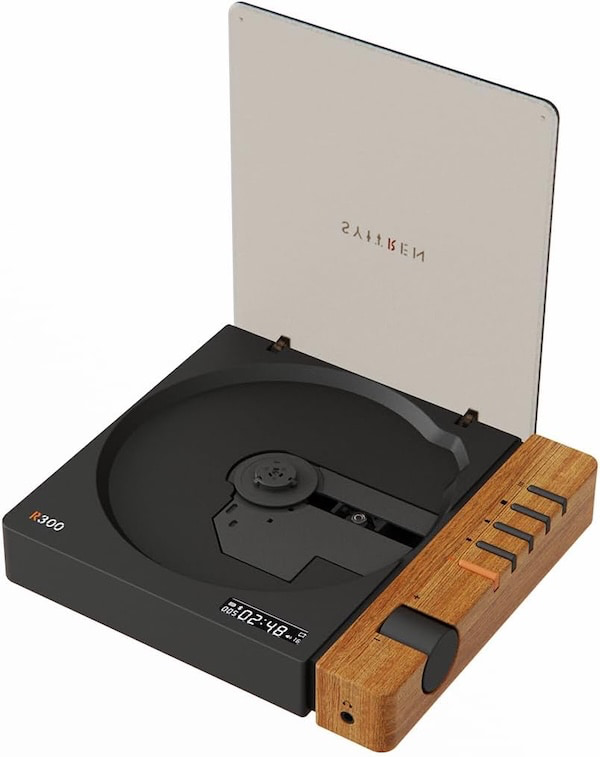
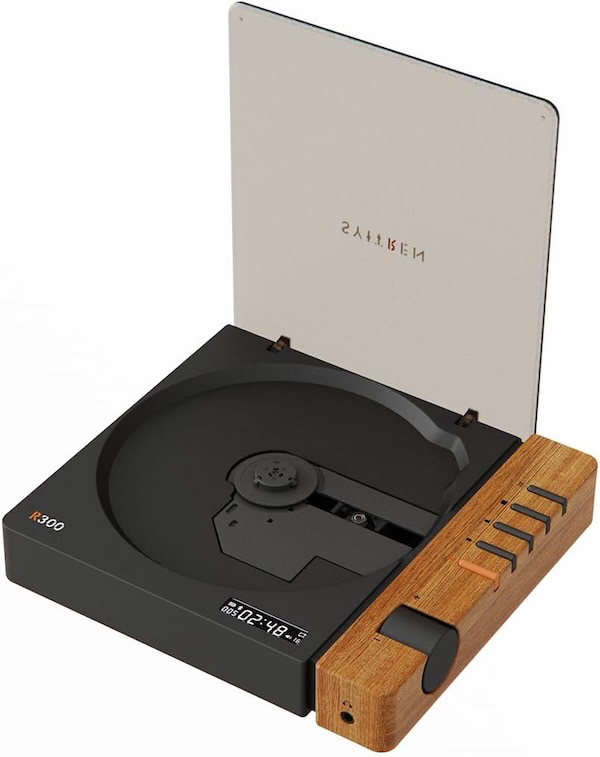



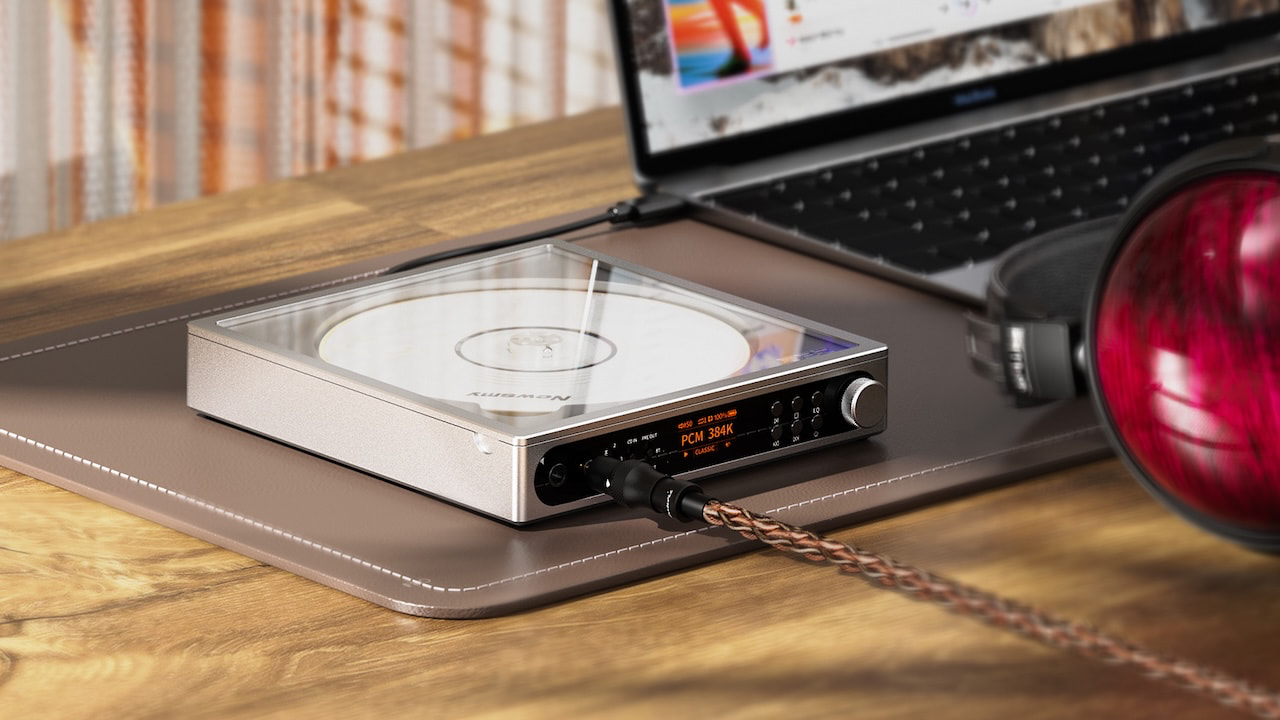



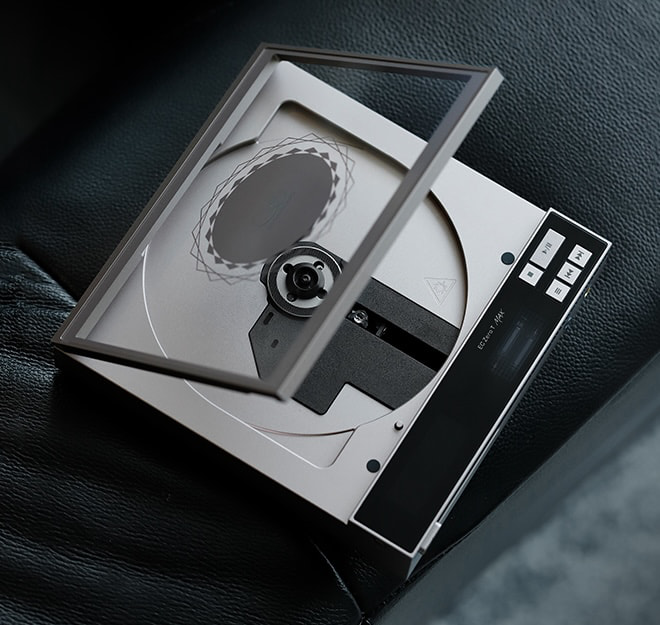



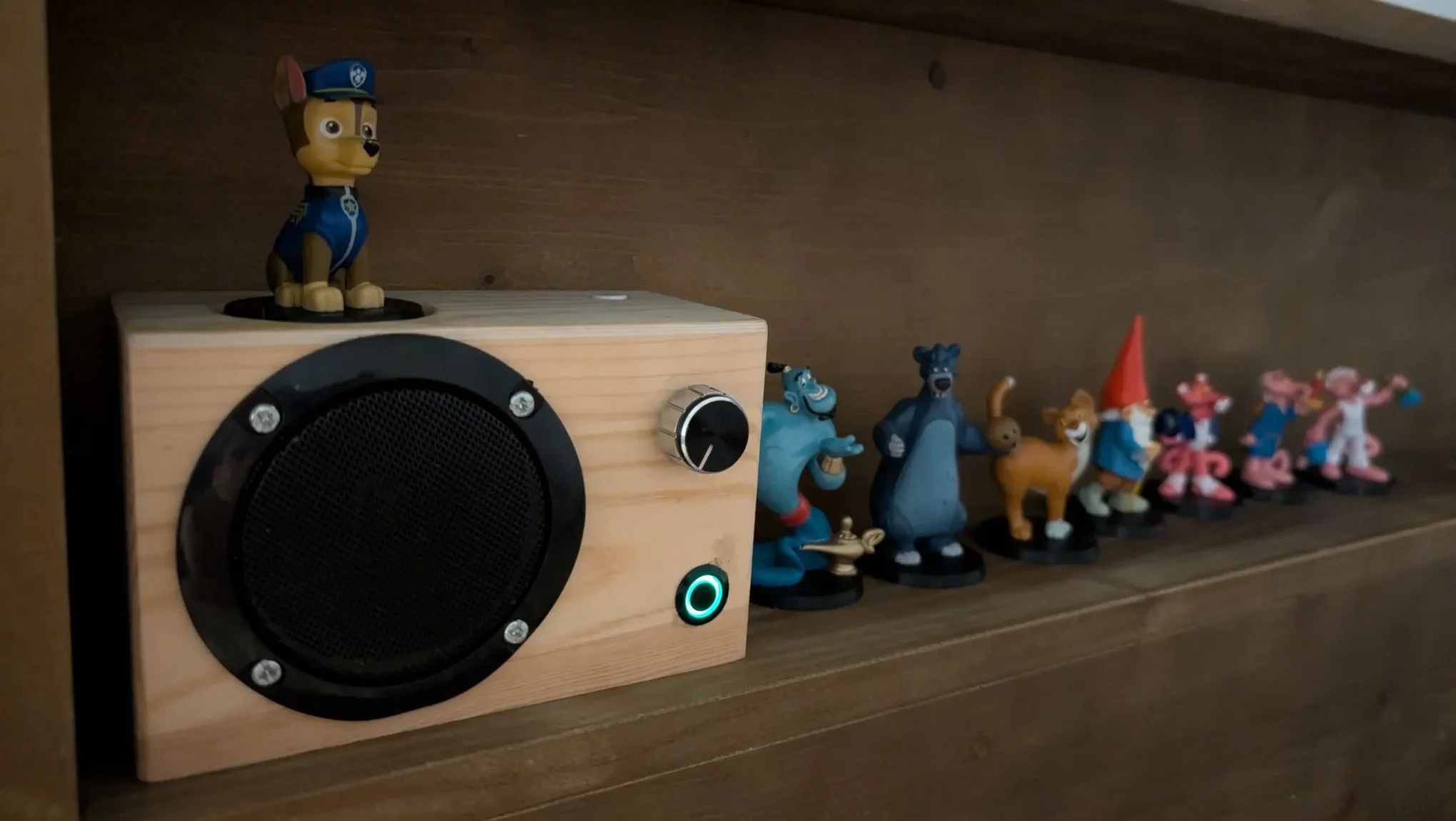




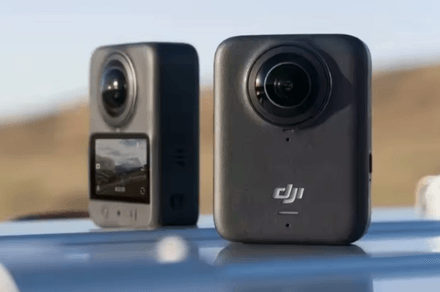




 Figure 1. The electrolyte potential and current density distributions on a PCB surface (with pinholes).CELCORR/DTU
 Figure 2. A 10-µm water film condensation effect on an example PCB.CELCORR/DTU
 Figure 3. The UI of CELCORR’s standalone app showing the inputs that users can alter.CELCORR/DTU
 Figure 4. The UI of one of the simulation apps showing a streamline plot with inputs such as the cathode voltage and blockage length.CELCORR/DTU













































You must be logged in to post a comment Login