Connect with us

Tech

4 Two-Door Cars With Surprisingly Roomy Rear Seats

Published

on


Two-door cars aren’t known for their roomy interiors, especially compared to all the SUVs taking over United States roads. But not every two-door car is extremely cramped — some even have rear seats that can fit adults comfortably! And hey, at least they can fit four adults — some sports cars can barely fit one

While four-door cars will offer more room for passengers, many drivers opt for two-door coupes because they have a sportier look and performance to match — since they are lighter and have a shorter wheelbase, they offer better handling on average. There are some two-door cars that provide a fun driving experience without sacrificing backseat comfort and cargo room. 

Advertisement

From straight line menaces to impressive handling, here are four two-door coupes that offer a surprising amount of room for backseat passengers despite their sportier appearance, making them just at home carpooling to work as they are on the track.

Advertisement

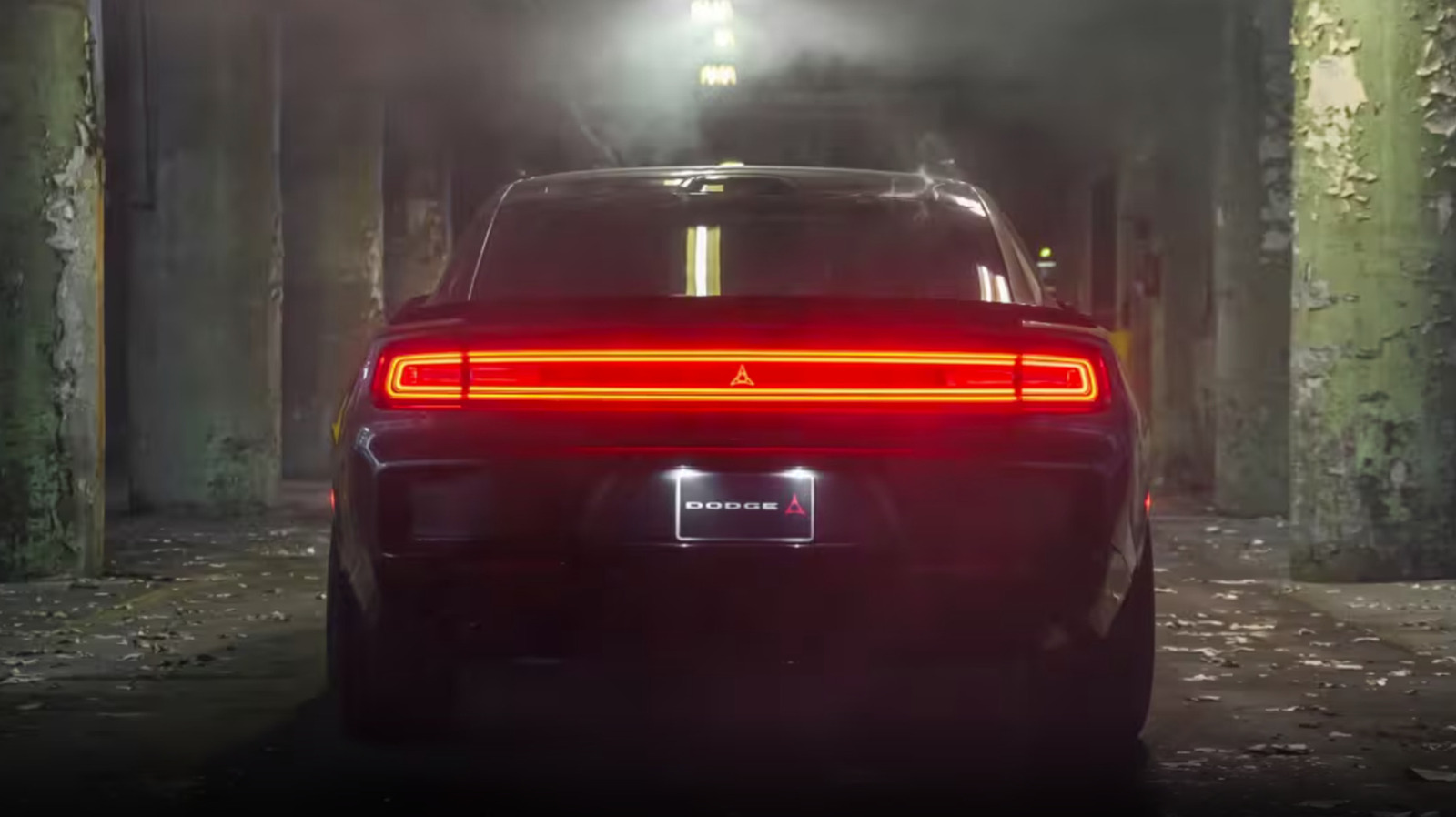
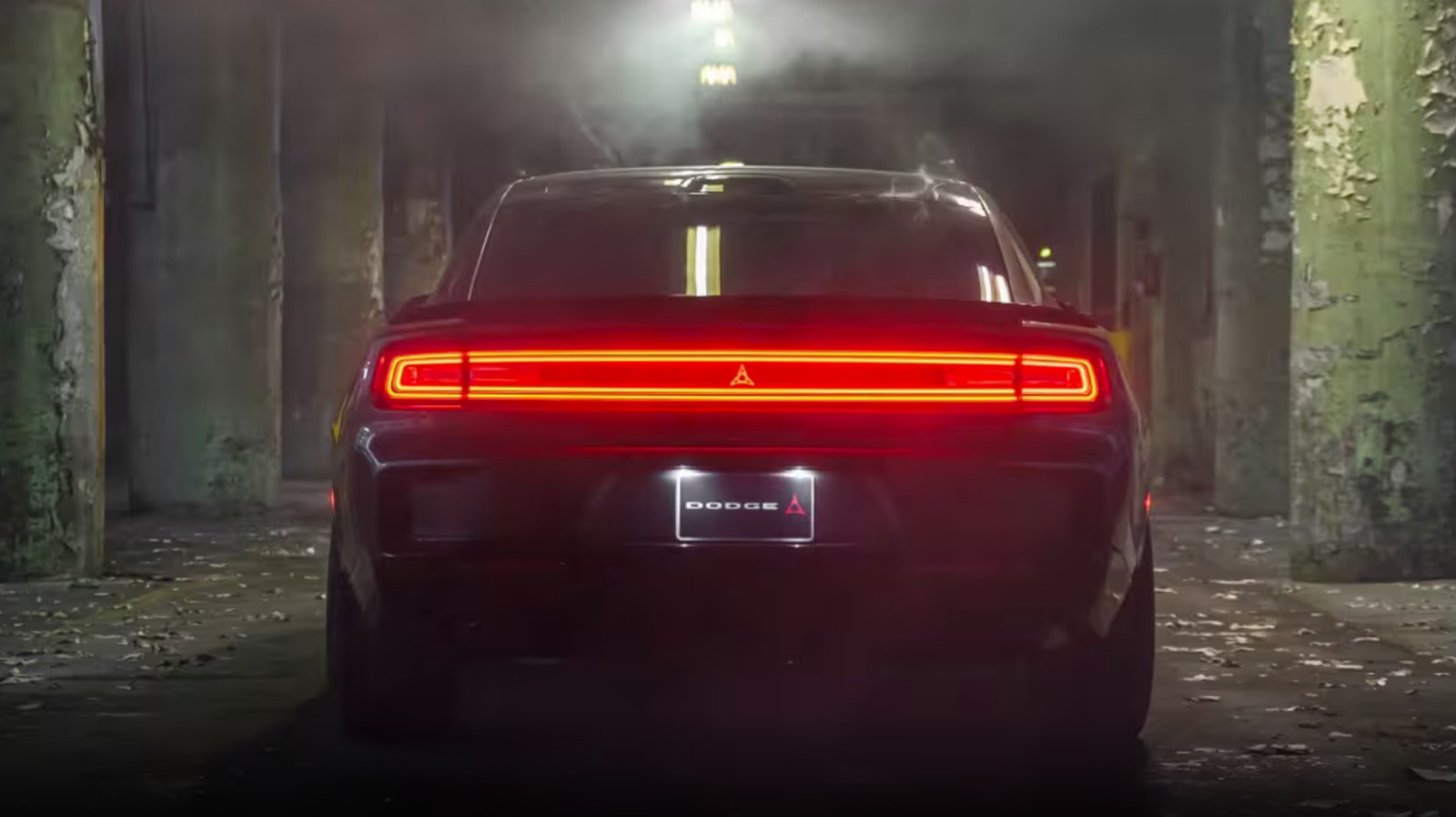
2026 Dodge Charger

The 2026 Dodge Charger has 42.6 inches of rear legroom — four more inches than the previous generation — and 39.1 inches of rear headroom, making the backseat quite spacious. It’s not as roomy as the four-door Challenger, but Car and Driver said it’s comfortable, especially for one extra passenger. The Drive, however, felt that it was still cramped for someone six feet tall due to the raised floor in the 2026 model. 

It makes sense that the latest Dodge Charger would feel a bit larger inside. The 2026 Charger is an overall big car, at 206.6 inches long, 79.9 inches wide, and 4,921 pounds. Despite its imposing size, it can hit 60 miles per hour in 3.7 seconds thanks to its twin-turbocharged inline-six Hurricane engine. It may not be our favorite Dodge Charger ever made, but it’s surprisingly pragmatic thanks to its roomy cabin. Why, it’s practically a family car, assuming your family is under 6 ft. tall.

Advertisement

2022 Hyundai Veloster N

The Hyundai Veloster N was discontinued in 2022, with Hyundai wanting to focus on the incoming Elantra N and Kona N models instead. However, many car enthusiasts still prefer the 2022 Veloster N for its impressive performance. Its turbocharged 2.0-liter four-cylinder made 275 horsepower and 260 lb-ft of torque, which allowed it to hit 60 mph in 5.1 seconds and finish a quarter mile run in 13.8 seconds, hitting 102 mph. Paired with a manual transmission, the Veloster N was fun and quick. 

You probably wouldn’t expect a small, sporty car like the 2022 Veloster N to have room in the back, but it does. There are 34.1 inches of rear legroom and 35.9 inches of headroom, so adults can definitely sit in the back seat, although it may get cramped for taller passengers. Our own review said the rear seats are “adult scale,” adding: “The seats are comfortable and supportive; the leather wrapped wheel is meaty; and there’s a simplicity here which — though it may come from the Veloster’s original no-frills positioning –- is welcome.”

Advertisement

2026 Ford Mustang GT

The 2026 Ford Mustang GT is similar to the Dodge Charger in that it’s unapologetically large. It’s 189.4 inches long, 75.4 inches wide, and 3,579 pounds, making it one of the heaviest generations. For its size, the rear seats are not the most spacious. But for a performance-focused pony car, it’s not bad, with 29 inches of legroom and 34.8 inches of headroom. While it’s not the most spacious on the list, the comfortable, plush seating makes up for it. Our review noted: “The Mustang GT makes a solid case for being the sole ride in your garage. The seats are plenty comfortable, the sound system is good, and the trunk is far more roomy than you might ever have imagined.”

Taller passengers will forgive the legroom when they hear the Mustang start up, with The Redline calling the fire up “close to perfection.” The drive itself feels powerful and a bit like you’re taming a wild horse. It hits 60 mph in 3.7 seconds, and it has surprisingly impressive handling. Drag Mode may be the most fun, however, removing torque reduction during upshifts for maximum momentum in straight lines.

Advertisement

2026 BMW 4 Series 430i Coupe

The 2026 BMW 4-Series 430i Coupe offers 34.5 inches of legroom and 35.2 inches of headroom for those in the rear seats, the most of any of its two-door options in 2026. Drive AU noted that the rear seats were comfortable, and it was easy to slide the front seat forward. Its cargo space is also worth mentioning, offering more room than other options in the same segment. Edmunds noted: “There’s good storage space inside, with plenty of cupholders and cubbies, plus side-panel cutouts and cupholders for rear passengers.” Passengers won’t feel cramped, especially with BMW’s luxurious touches. 

Advertisement

Sure, it’s not as much room as the four-door options in BMW’s lineup, but the comfortable, refined interior makes it more forgiving. The performance is also a plus: the 430i has a turbocharged 2.0-liter engine that makes 255 hp and 295 lb-ft. of torque, in addition to excellent handling, responsive steering, and impressive braking. 

Advertisement

Methodology

When it comes to adjectives like “roomy,” it can be a bit subjective. Even a tall person sitting in the front seat could completely change the space someone in the back has based on how far back their seat has to go. However, I took it to mean “these two-door cars can comfortably fit average-sized adults without their knees practically hitting their foreheads.” I wasn’t as focused on fitting baby seats or children since they generally need less room and are likely not the target passengers of a two-door coupe. 

Checking out vehicles’ official interior dimensions, I looked for vehicles that had actually functional back seats that friends wouldn’t dread squishing into. To narrow down the options, I wanted to choose a range of vehicles that offered a variety of driving experiences while having comfortable interiors. On top of a good amount of backseat room, I looked for two-door cars that offered smooth rides, plush seating, and other features that would keep passengers satisfied. I wanted to focus on vehicles available in 2026, but included one older model for used car options.

Advertisement


Source link

Continue Reading
Click to comment

You must be logged in to post a comment Login

Leave a Reply

Tech

Samsung may be planning two Galaxy S27 Ultra sizes next year

Published

on

The Galaxy S27 Ultra could be getting more than just a major design change next year. A new leak suggests Samsung may also be considering two different sizes for its next Ultra flagship, which could make the Galaxy S27 family much larger than we are used to.

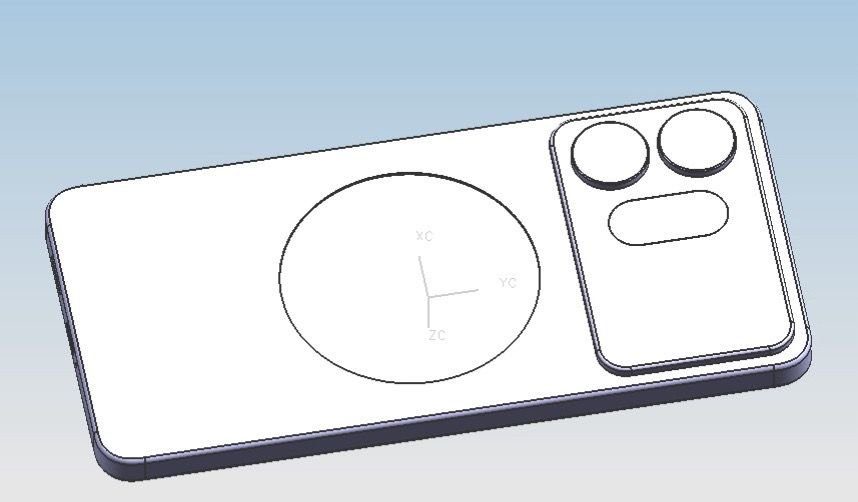
Tipster Sonny Dickson has shared two CAD models that appear to represent differently sized Galaxy S27 Ultra devices. Ice Universe has also weighed in on the leak, although it is still unclear whether both models actually belong to the Ultra lineup or if the smaller one is the rumored Galaxy S27 Pro. If Samsung really is preparing two Ultra sizes, there is one obvious reason why it would make sense.

Samsung could finally have an answer for both iPhone Pro models

Apple gives buyers a choice between the iPhone 17 Pro and the larger iPhone 17 Pro Max while keeping both firmly within its premium Pro lineup. Samsung currently takes a different approach, with the Ultra standing alone as its largest and most expensive Galaxy S model.

Two Galaxy S27 Ultra sizes could change that. A smaller Ultra would give Samsung a more direct alternative to the upcoming iPhone 18 Pro, while the larger version could continue competing with the iPhone 18 Pro Max. Of course, this is still speculation based on leaked CAD models. The smaller device could simply turn out to be the Galaxy S27 Pro, which has also appeared in previous rumors.

Advertisement

Galaxy Unpacked could have five S27 models

If both devices are actually Ultra models, Samsung could end up with an unusually crowded flagship lineup in 2027. Assuming the company keeps the standard Galaxy S27 and S27+ while also introducing the rumored S27 Pro, two Ultra sizes would bring the total to five phones.

Samsung is already rumored to be making some substantial changes to the Ultra next year. We recently covered a leaked sketch showing a much wider camera section, while earlier reports suggested the redesign could help Samsung fit built-in Qi2 magnets for MagSafe-style accessories.

There are still plenty of unanswered questions around the two CAD models, but if both turn into retail devices, Samsung could be preparing its most expansive Galaxy S lineup yet.

Source link

Advertisement
Continue Reading

Tech

Galbot Robots complete 100 consecutive rallies against a tennis champion

Published

on

Galbot says its robot completed more than 100 consecutive autonomous tennis rallies against former world number 15 Zheng Jie at the World Humanoid Robot Games in Beijing. The rally count, the autonomy claim and the robot’s identity all rest on the company’s own account.

A robot spent Saturday rallying with a former Wimbledon semi-finalist. The Beijing company Galbot says its machine sustained more than 100 consecutive exchanges against Zheng Jie at the World Humanoid Robot Games, with no teleoperation and no scripted sequence.

The described performance is not trivial. Chinese state media reported serves above 100 kilometres per hour, and said the robot fell backwards on a high looping ball and got itself upright within seconds.

Tennis is a far better test than the sprint records set at the same event. A rally demands tracking a fast object, planning a whole-body response and adapting to an opponent inside a fraction of a second, which is closer to the problem Europe’s robot makers have chosen than a straight line is.

Advertisement

Then there is the sourcing. The rally count, the world record framing and the no-teleoperation claim all come from Galbot’s own press release, repeated by Chinese state broadcasters, with no independent audit and no published figures on interventions or success rates.

The opponent is worth stating plainly. Zheng Jie reached a career high of world number 15 and the Wimbledon semi-finals in 2008, and she retired from professional tennis a decade ago.

The larger gap is which robot this was. No account we could find names the model, and Galbot’s commercial machine, the G1, is a wheeled dual-arm manipulator that does not have legs to fall over or stand back up on.

CGTN adds that the system was built with Tsinghua University. That is a research collaboration, which raises the possibility that the machine on court is not the machine the company sells.

Advertisement

What Galbot sells is unglamorous. The G1 works in warehouses, hospital pharmacies and more than 30 Chinese cities under the Galbot Store brand, on $800mn raised at a $3bn valuation, in a sector where rivals carry valuations above $2bn.

Europe is already inside that supply chain. Galbot lists Bosch among its deployment partners, alongside CATL, Toyota and Hyundai.

Bosch turns out to be on both sides of this race. The German group is also lined up to manufacture for Humanoid, the London startup that raised $152mn to build robots for factory work.

So the checkable version of this story is not on a tennis court. It is whether a wheeled robot restocks a pharmacy shelf for a year without a person fixing it, which is the thing Galbot actually sells and the thing nobody films.

Advertisement

Source link

Continue Reading

Tech

What’s the Best Kindle of 2026? (So Far)

Published

on

Comparing Our Favorite Kindles

What About the New Kindle Scribes?

Amazon

Kindle Scribe Colorsoft, Kindle Scribe (3rd Gen), and Kindle Scribe Without Front Light

Kindle has three new Kindle Scribes that launched between late 2025 and June 2026. There’s now the Kindle Scribe ($500), Kindle Scribe Colorsoft ($630), and the Kindle Scribe Without Front Light ($430). All three have a similar design and software experience, though the Scribe Colorsoft has a color screen and a shorter battery life—only eight weeks of reading time, compared to 12 weeks on the $500 Scribe and an impressive 16 weeks on the Scribe Without Front Light. Like the second-generation model, they’re a great choice for note-takers and students, especially with the long battery life, but I still prefer the second-generation’s price point.

Advertisement

All three models have a new, taller design with an 11-inch screen, slightly slimmer form factor, and updated stylus. They both also have a quad-core chip, a new homepage, and will support a variety of AI features, including AI search (along with some AI tools for summarizing books you’re reading without giving spoilers, though those won’t arrive until next year). Users can connect to Google Drive and Microsoft OneDrive to mark up documents, which the older model can’t do.

Overall, I’d say they’re good devices, but as long as the cheaper second-generation Kindle Scribe is available, I think it’s the better buy. It has some AI capabilities, but no AI search, and has a different homepage design that matches a classic Kindle rather than the notebook-forward design the new ones have. Amazon said it’ll get the same homepage this year, but I haven’t seen it so far. I’m disappointed these new devices are so much more expensive; at that price, you might as well shop reMarkable’s line of digital notebooks and get better features and accessories.

Advertisement

Accessories for Easier Reading

If you’ve ever had a long reading session that gives you hand cramps, these accessories might help. You can check out more options in our Best Kindle Accessories guide.

Lamicall

Tablet Pillow Stand Holder

Advertisement

This pillow stand holder can sit freely on your lap, bed, or any nearby surface while holding up your Kindle. There are two receptacles built into it, one of which is big enough for my larger mugs. I usually drop a snack or my phone into the other one.

Lamicall

Gooseneck iPad Holder

If you’re looking for something to hold up your Kindle that clamps onto something nearby, like your bed frame or a table, this gooseneck tablet holder does a great job. It’s 3 feet tall and has plenty of length to work in all kinds of spots.

Advertisement

Strapsicle

E-Reader Hand Strap

This soft silicone strap hooks onto the ends of a Kindle (or other e-reader) without any adhesive needed, and it was nice and secure when I slid my hand into it. It comes with two straps, but a single strap was plenty of security for me.

Advertisement

PopSockets

PopGrips

The PopSockets PopGrips are handy to add to Kindles so you can easily grip your device, but you will need to use an adhesive, add a MagSafe adapter, or grab a MagSafe Kindle case so you can attach it. There are a ton of fun designs, and you can even customize your own, like my custom WIRED PopGrip.

Cases and Covers

Advertisement

Amazon Kindles are, thankfully, not as fragile as a pricey smartphone, but you may still want to add a cover to protect the screen if you’re frequently toting it around in a bag. These aren’t padded for serious drops, but are some of the best Kindle cases I’ve found for daily protection from scratches and scuffs.

Looking for more accessory ideas? Check out my guide to all of the best Kindle accessories. Also, don’t forget that if the Kids’ editions come with cases, so if you’re buying one of those, you won’t need a case.

CoBak

Advertisement

Clear Case

This sturdy, clear case has reinforced corners if you’re a chronic dropper. The corners didn’t keep accessories from working with the device, but they did give a Kindle a thicker feel than with the Strapsicle or PopSockets cases.

Strapsicle

Protective Clear Case

Advertisement

This sleek case is smoother and slimmer, but doesn’t slack off on the protection front.

Moko

Blue Twill Kindle Case

If you’re looking for a full cover and a strap, this has it all. This case only comes in blue, but it will fully cover the front of your Kindle, and when you open it, that cover has a built-in hand strap. It also has a little stand built into it too, so it can stand up on its own for you to read.

Advertisement

PopSockets

PopCase Kindle and PopGrip

PopSockets came out with its own line of Kindle cases that have a built-in MagSafe adapter, so you can more easily add your PopSocket grip of choice to it. There are matching sets of cases and grips you can shop for, or mix and match as you please.

About Those Older Kindles

Advertisement

Amazon doesn’t release new Kindles often—the company usually takes a few years between models. Whenever a new one arrives, its predecessor’s stock starts to dwindle. It’s not that we don’t recommend these per se, but I only suggest these if you can find them on sale for the right price. And don’t buy too old a model, since Amazon has started pulling support for older Kindles.

Before making your purchase, cross-check the price against the latest model to make sure you’re paying a fair amount less for the older device.

Kindle (2022, 11th Generation): This is the smallest of the lot at 6.2 inches tall and 4.3 inches wide, with a 6-inch screen. If you find tablets too cumbersome to hold with one hand, consider this one. With this model, Amazon doubled the storage to 16 gigabytes and upgraded the display to 300 pixels per inch (PPI) resolution (up from 167 PPI). It’s tough to find, and I usually don’t see it for less than $75 these days.

Advertisement

Kindle Paperwhite (2021, 11th Generation): This is the next step up from the basic model. It has a bright 6.8-inch screen with adjustable warm lighting, a fast page-turn rate, a USB-C port, and 16 gigs of storage. It’s waterproof too. We like the Signature Edition, which also includes auto-adjust brightness and 32 gigabytes of storage. Don’t recommend spending more than $100 if you can find them.

Kindle Scribe (1st Generation): The original Scribe is a great option for note-takers. It has a giant 10.2-inch screen for taking notes, marking up PDFs, or drawing, and numerous paper formats you can choose, like college-ruled or dotted. It also comes with the Basic Pen, which feels natural to write with and attaches to the side of the Scribe magnetically. It’s only worth it for $230 or less.

Kindle Kids (2022): This is an older kid-friendly model. It comes with a cover, a year’s subscription to Amazon Kids+, parental controls, and a two-year warranty, but the fact that it’s only available secondhand means you’ll likely miss out on the subscription window and may or may not still have a cover. Ideally, don’t spend more than $70 on this one.

Kindle Paperwhite Kids (2021): This older Paperwhite version is a step up from the previous basic Kids models. It has a high-resolution 300-ppi display with an adjustable warm screen and is also waterproof. You shouldn’t spend more than $110 on this one.

Advertisement

FAQs

Which Kindle Models Lost Amazon Support and Kindle Store Access?

As of May 20, 2026, Amazon stopped supporting Kindles released in 2012 or earlier. That means these models will not be able to get new books through Amazon’s services or be registered to an Amazon account. You will be able to read books already on the device, though, and can manually download documents and books via USB cable and via software like Calibre.

The following Kindle devices are impacted:

  • Kindle 1st Generation
  • Kindle 2nd Generation
  • Kindle DX
  • Kindle DX Graphite
  • Kindle Keyboard (3rd Generation)
  • Kindle 4
  • Kindle Touch
  • Kindle 5
  • Kindle Paperwhite 1st Generation

What’s the Best Way to Buy or Sell an Older Kindle?

Have an old Kindle lying around? Are you looking at a used one for sale? If you’re trying to figure out what model it is, this Amazon page includes photos, specs, and release years for the entire lineup. Once you know which one you have, you may be able to trade it in for credit toward a newer model.

Advertisement

Most old Kindles probably still work, just with fewer bells and whistles. It’s best to avoid Kindles with keyboards or any other physical buttons other than page-turn buttons. Some older models lost the ability to browse, purchase, or borrow new books directly from the device. However, you’ll still be able to do this via Amazon on your computer or phone and have it sent to your Kindle, which is a better experience anyway. These models include the Kindle 2nd Generation (International), Kindle DX International, Kindle DX Graphite, Kindle Keyboard, Kindle 4th Generation, and Kindle 5th Generation.

How Do You Get Free Ebooks on a Kindle?

If you buy every single book you want to read on a Kindle, it can add up! But there are ways to save some money while reading as much as your heart desires. You may want to subscribe to Kindle Unlimited for $12 a month. You can only choose from the Unlimited catalog, but there are millions of titles there, including audiobooks and magazines. Start out with the 30-day free trial.

If you already pay for a Prime account, you’re eligible for some free ebooks through Prime Reading. There are not as many options as with Kindle Unlimited, and in a lot of cases, you’ll see both Unlimited and Prime options lumped together; you’ll have to look closely to find the free ebooks. It’s still something, and there are even a few magazines.

Advertisement

If you don’t want another monthly subscription and don’t want to continue giving your money to Amazon, take advantage of the ebooks available with your library card. Browsing a digital catalog is not as magical as spending an afternoon looking over every shelf in a library, but such is the ebook life (no one says you can’t read both!). We have a detailed how-to on this that you should check out, but here are some of the takeaways:

  • Get a library card for your local branch.
  • Check your branch’s website for its ebook offerings. Many libraries use a service called OverDrive.
  • Download directly to your Kindle library. They’ll automatically be removed when they’re due back.

If you know someone else with a Kindle, you can lend books between your libraries, just as you would with a physical copy. Follow these instructions from Amazon if you want to share an ebook, but keep in mind that not all books can be loaned.

What Else Can a Kindle Do?

Kindles have helpful features you may want to take advantage of. Long-press a word or phrase to see its definition, highlight it, or take notes. You can also search the entire book for that particular word or phrase or translate it to or from other languages.

Word Wise shows short definitions in small text within the lines. Unfortunately, it’s not available for all books, but when it is, you can turn it on or off and choose more and fewer hints. Clicking the short definition opens a longer one from Word Wise and the New Oxford American Dictionary or Oxford Dictionary of English (you can switch between the two), plus translations, and a Wikipedia page, if applicable.

Advertisement

While reading, tap the top of the screen and click “Aa” to change font size or type—there’s even a font called OpenDyslexic that helps make reading easier for people with dyslexia. You can control margin sizes and line spacing from that menu too.

When a Kindle is connected to a Bluetooth speaker or headphones, VoiceView Screen Reader (accessed through Settings > Accessibility) allows you to use gestures to navigate your device and reads aloud what you’ve pressed. It will also read a book aloud, though it doesn’t sound nearly as nice as an audiobook.

Amazon owns Goodreads, so it syncs seamlessly to Kindles (press the three-dot menu > Goodreads). If you have a Goodreads account, you can review the Kindle books you’ve read or browse your bookshelf and recommendations. Long-pressing a word or phrase, in addition to what is mentioned above, opens up an option to share quotes directly to Goodreads.

There’s a web browser too if you’re connected to the internet (three-dot menu > Web Browser). It’s not the best, so I’d reserve it for emergency searches.

Advertisement

How Do You Update a Kindle?

When Amazon releases a new software update, it will download and install to your Kindle automatically when it’s connected to Wi-Fi. You can check if you’re on the latest software by going to Settings > Device Options > Advanced Options > Update Your Kindle. If it’s not on the latest software version, you’ll see an update available and the Kindle will then prompt you to download and install it.

What Do I Do If My Kindle Colorsoft Has a Yellow Bar?

Following customer complaints in 2024 of a yellow bar at the bottom of the Colorsoft Signature’s screen and discoloration along the edges, an Amazon spokesperson confirmed to WIRED that “customers who notice this can reach out to our customer service team for a replacement or refund.” The company also said it’s “making the appropriate adjustments to ensure that new devices will not experience this issue moving forward.” However, there are still customer complaints about this issue, even with the new model out. We have not run into this issue while testing the Colorsoft, Colorsoft Signature, or Scribe Colorsoft.

Advertisement

Is This a Good Time to Buy a Kindle?

The best time to buy a Kindle is during a major sale event like Amazon Prime Day or Black Friday, because Amazon often has steep discounts. Amazon has always had sales on some (if not all) of its Kindles on past Amazon Prime Day and similar events, like Amazon Big Deal Days.

You can also wait for other sale events if you’re not ready to shop yet. Kindles are often on sale for Black Friday and Cyber Monday, which will occur in late November. Other sales often happen from time to time, but these sale events have consistent Kindle deals, so they’re a good time to wait for if you want a better price.

Are Kindles Good for Students?

Advertisement

Kindles are great for students, though the model they’ll like best will vary on how they use it. If they want to pair it with a stylus for highlighting and be able to take notes, get a Kindle Scribe model. These models also have long battery life, making them great for students to use for weeks on end without worrying about charging. You can get some textbooks on a Kindle too, and send library books to them. For students who love to read but don’t want to take a ton of notes, a regular Kindle or Kindle Paperwhite will be best for them.

Power up with unlimited access to WIRED. Get best-in-class reporting and exclusive subscriber content that’s too important to ignore. Subscribe Today.

Source link

Advertisement
Continue Reading

Tech

Get Excited for Grand Theft Auto 6 By Watching an Extended Preview on Aug. 27

Published

on

After more than a decade of anticipation, Grand Theft Auto 6 is finally coming out. Rockstar Games is set to release the game on Nov. 19, and you can preorder the standard edition for $80 or the Ultimate Edition for $100 now. Before the game’s release, Netflix is streaming an extended look at GTA 6 at 3 p.m. ET (12 p.m. PT) on Aug. 27. YouTube will also be streaming the extended preview a few hours later at 9 p.m. ET (6 p.m. PT) on the same day.

Grand Theft Auto 6 is expected to be a juggernaut once Rockstar releases it. After the company nailed down a November release date, almost every other game publisher steered clear of that month. When Rockstar delayed GTA 6 in 2025, industry analysts predicted publishers would adjust their release calendars to avoid competing with the gaming juggernaut.

“Publishers will undoubtedly shuffle around their release schedules to avoid going head-to-head with GTA 6,” Piers Harding-Rolls, research director of games at Ampere Analysis, told GamesIndustry.biz at the time.

The result is that August, September and October have at least 30 releases across those months, including heavy hitters like Marvel’s Wolverine on Sept. 15 and Gears of War: E-Day on Oct. 6. According to GameRant, only Godzilla: Destroy All Monsters Melee Remastered is willing to challenge GTA 6 and is scheduled for release on Nov. 3, about two weeks before Rockstar releases GTA 6.

Advertisement

So far, we know that GTA 6 follows star-crossed lovers Jason Duval and Lucia Caminos in Vice City and the surrounding state of Leonida, loosely based on Miami and Florida, respectively. 

In early trailers, we see Jason working as a handyman and muscle for local drug smuggler Brian Heder, and we watch as Lucia is released from the Leonida Penitentiary. We also see both characters rob a store, fight others and take part in the seedy underworld of Vice City. The trailers make it clear that Jason and Lucia will work together and do almost anything to give each other the life they dream of. 

To learn more about the game, here’s how to watch the extended preview.

Release date and time of the GTA 6 extended preview

The swamps of Leonida are filled with more than just gators.Rockstar Games

On Aug. 6, Rockstar and Netflix announced that an extended look would air on the streaming giant on Aug. 27 at 3 p.m. ET (noon PT). So if you already have a Netflix subscription (which starts at $9 a month), you’ll be able to watch Grand Theft Auto 6: An Extended Look.

If you don’t have a Netflix subscription, you can still watch the extended preview on YouTube; you’ll just have to wait 6 hours and watch it at 9 p.m. ET (6 p.m. PT) on Aug. 27. I’d wait it out if I didn’t already have a Netflix subscription. It’s just a preview, and it’s not worth the $9 subscription fee only to watch the preview – but you might feel differently if you plan to watch any of Netflix’s excellent movies and TV shows.

Advertisement

For more gaming news, here’s what we know about GTA 6 and other games fighting for your attention this year.

Sony to End Game Discs, Anthropic's Deal With California and Meta Smart Glasses Rate Limits | Tech Today

Source link

Continue Reading

Tech

Enterprise AI agents are only as reliable as the messiest documents behind them

Published

on

Enterprise AI has largely been built around context engineering. Teams connect enterprise systems, generate chunks and embeddings, build retrieval pipelines, and assemble the context needed by individual AI applications. While this approach works well for isolated assistants and copilots, it treats enterprise knowledge as application-specific context rather than a shared enterprise asset.

As organizations deploy more AI applications and agents, this model begins to break down. Different teams process the same documents, maintain separate embeddings and indexes, and create inconsistent representations of the same business knowledge. The challenge is no longer simply providing context to AI systems — it is managing enterprise knowledge itself.

Why building context is not enough for enterprise AI

The common approach to enterprise AI today is to build context for individual applications. Teams connect enterprise systems, process the required information, generate retrieval representations such as chunks and embeddings, and assemble the context an agent needs at runtime. While this works for a single application, it does not manage enterprise knowledge as a shared enterprise asset.

As organizations deploy more AI applications, this approach begins to break down for three reasons.

Advertisement

First, knowledge becomes inconsistent. Enterprise knowledge is distributed across many independent systems with different schemas, business definitions, and update cycles. The same product, customer, or business process may be described differently — or even contradict itself — across documents, Jira tickets, source code, CRM systems, and metadata. Extracting this information into context does not resolve these inconsistencies; it simply transfers them to the AI application, causing different agents to develop different understandings of the business.

Second, changes become difficult to propagate. Enterprise knowledge evolves continuously, but each application maintains its own context pipeline. As documents, code, and business definitions change, downstream chunks, embeddings, indexes, and agent context are updated independently, causing AI applications to operate on different versions of the same knowledge.

Finally, organizations repeatedly rebuild the same knowledge pipelines. Different teams process the same enterprise knowledge, generate similar embeddings, maintain separate indexes, and construct overlapping context for different applications, resulting in duplicated engineering effort, unnecessary infrastructure costs, and fragmented knowledge.

These are not fundamentally context engineering problems —they are knowledge management problems. Enterprise data platforms solved the same challenge for structured data by managing enterprise data once and sharing it across applications. Enterprise AI now requires the same architectural discipline: a shared enterprise knowledge platform that manages knowledge once and publishes reusable representations for every AI application.

Advertisement

A layered data and knowledge management system

An enterprise knowledge platform is the equivalent of an enterprise data platform for enterprise knowledge. Instead of treating documents, source code, Jira tickets, emails, APIs, and other enterprise systems as isolated inputs for individual AI applications, it manages them as a shared enterprise asset. It ingests, organizes, integrates, governs, and publishes enterprise knowledge through a common architecture so that every AI application consumes the same trusted knowledge foundation rather than maintaining its own context.

To achieve this, the platform separates knowledge management into four layers with distinct responsibilities. Knowledge is first preserved in its original form, then normalized into managed knowledge objects, connected into a common enterprise knowledge model, and finally published in representations optimized for different AI applications. This separation allows each stage to evolve independently while providing a consistent foundation for every downstream application.

The platform organizes enterprise knowledge into four layers:

Raw → Refined → Integrated → Serving

Advertisement
  • Raw preserves the original enterprise sources.

  • Refined transforms heterogeneous sources into managed knowledge objects.

  • Integrated connects knowledge across systems into a unified enterprise knowledge model.

  • Serving publishes reusable and agent-specific representations for AI applications.

Raw layer – preserve the source

The raw layer captures information from enterprise systems while preserving its original form and source identity. This may include database records and change events, PDFs and other documents, Confluence pages, Jira tickets, source code, API responses, emails, images, and event streams.

The purpose of this layer is not to make information ready for an agent. It is to maintain a reliable source from which the platform can rebuild downstream knowledge. If extraction logic changes, a model improves, or a downstream representation becomes corrupted, the information can be processed again without depending on an application-specific copy.

Refined layer – normalize enterprise knowledge

The refined layer transforms heterogeneous enterprise sources into managed knowledge objects. Each source is normalized into a consistent representation while preserving its identity, metadata, permissions, versions, lineage, and references to the original content. 

For example, a product requirement document is transformed into a structured knowledge object containing metadata such as document ID, product ID, title, source system, author, version, permissions, tags, creation time, and last modification time, together with its associated content. This representation provides a consistent way to manage enterprise knowledge regardless of whether the source is a document, Jira ticket, source code repository, email, or API.

Advertisement

At this stage, the platform is not trying to connect different domains. Instead, it establishes a reusable and governed representation for every enterprise knowledge source. Once each source has been normalized into structured or semi-structured knowledge objects, the integrated layer can connect them through shared business entities and relationships.

Integrated layer – build the enterprise knowledge model

The integrated layer transforms independent knowledge objects into a unified enterprise knowledge model. It serves two purposes: Connecting knowledge across systems and business domains, and modeling the business relationships that AI needs for reasoning.

Knowledge is connected using shared business identifiers (such as product or customer IDs), explicit cross-system references (such as Jira and Git links), or AI-based entity resolution when no direct relationship exists. For example, a product requirement document describing “Bulk Invoice Upload,” a Jira story titled “Implement Invoice Upload API,” and a release note announcing the same feature may all refer to the same business capability, even though no explicit relationship exists among them.

Once connected, the platform models business relationships based on business logic such as implemented_by, contains, belongs_to, affects, and depends_on, capturing how the business actually operates rather than simply how records are linked.

Advertisement

Unlike traditional primary and foreign key relationships, these relationships describe business workflows, dependencies, ownership, and business impact. They allow AI to trace knowledge across engineering, product, customer support, finance, and other domains using a shared understanding of the enterprise.

Serving layer – publish knowledge for AI

The serving layer is similar to the context layer used in many enterprise AI applications, but it is built on top of a managed enterprise knowledge foundation. It transforms the enterprise knowledge model into representations optimized for different AI workloads. These representations fall into two categories.

The first is shared enterprise representations, which provide a common knowledge foundation for all AI applications. Examples include SQL views, search indexes, chunks, embeddings, graph models, and APIs that are created once and reused across the organization.

The second is agent-specific representations. Instead of maintaining separate copies of enterprise knowledge, the platform dynamically assembles task-specific context from the integrated knowledge model based on the needs of each agent. A Product Agent, Revenue Agent, and Customer Support Agent may all consume the same enterprise knowledge foundation while receiving different context tailored to their responsibilities.

Advertisement

The diagram clearly defines the high-level model of the serving layer:

                          Enterprise Knowledge Model
                                        │
                ┌─────────────────────┴─────────────────────┐
                │                                               │
                ▼                                               ▼
    Shared Enterprise Representations         Agent-specific Representations
  ┌───────────────────────────────┐         ┌──────────────────────────────┐
  │ SQL Views                        │         │ Product Context                 │
  │ Search Index                     │         │ Revenue Context                 │
  │ Chunks                           │         │ Customer Context                │
  │ Embeddings                       │         │ Planning Context                │
  │ Graph                            │         │ Coding Context                  │
  │ APIs                             │         │ …                             │
  └───────────────────────────────┘         └──────────────────────────────┘
                │                                                │
                └──────────────────────┬─────────────────────┘
                                        │
        ┌────────────────────────────┼────────────────────────────┐
        ▼                               ▼                               ▼
  Product Agent                   Revenue Agent                 Customer Agent

Managed knowledge platform: The data foundation for AI

Most current enterprise knowledge systems were built for people, not AI. Confluence pages and documents help employees record and share knowledge. Jira enables teams to plan work and collaborate. Metadata systems help analysts understand data assets. These systems organize information so that humans can search, interpret, and connect it using their own experience, knowledge, and judgment.

Large language models have fundamentally changed how enterprise knowledge is consumed. Machines can now understand natural language, reason over documents, and interact with enterprise knowledge in ways that were previously only possible for people. This shift requires more than new AI applications — it requires a new data foundation that manages enterprise knowledge as infrastructure rather than treating it as a single embedding.

Advertisement

This managed enterprise knowledge platform provides the data foundation for AI agents. It transforms human-oriented knowledge systems into AI-ready infrastructure by organizing enterprise knowledge into a consistent, reusable, and governed data platform. 

This foundation enables system capabilities that are difficult or impossible to achieve when every AI application builds and manages its own context.

Platform capability

What it enables

Advertisement

Knowledge lifecycle management

Incremental loading, change propagation, version management, and historical reasoning without rebuilding every context pipeline.

Governance and trust

End-to-end lineage, traceability, permissions, ownership, quality controls, and explainable AI responses linked back to original enterprise sources.

Advertisement

Reusable knowledge services

Shared search indexes, embeddings, graph models, SQL views, APIs, and dynamic context assembly that can be reused across applications instead of rebuilt for every agent.

Continuous evolution

Independent evolution of storage, retrieval, embedding models, and AI applications, while allowing agent feedback to continuously improve enterprise knowledge.

Advertisement

The platform also provides the foundation for human-in-the-loop and reinforcement learning workflows in agentic systems. Feedback generated by AI agents can be ingested back into the platform, validated, governed, and integrated into the enterprise knowledge model before being published to downstream AI applications. This creates a closed feedback loop that continuously improves enterprise knowledge and enables AI agents to evolve.

The next competitive advantage is the enterprise data foundation

Ever since ChatGPT 3 was released in late 2022, the industry has invested enormous effort in foundation models, RAG architectures, vector databases, embeddings, MCP, and multi-agent frameworks. These technologies have significantly improved how AI applications are built and deployed. Today, the AI application stack is rapidly maturing.

The next bottleneck is no longer the model or the agent framework. It is the enterprise data foundation behind them. AI agents are only as capable as the data and knowledge they consume. Better models cannot compensate for fragmented documents, inconsistent business definitions, disconnected systems, or poorly managed enterprise knowledge. Like every data-driven system before it, enterprise AI ultimately follows the same principle: Garbage in, garbage out.

The most important investment for enterprises is no longer building more AI agents, but building the enterprise knowledge platform that supports every agent. Organizations that treat enterprise knowledge as shared infrastructure rather than application-specific context will build more reliable AI, develop new applications faster, and scale AI across the enterprise without repeatedly rebuilding the same knowledge foundation.

Advertisement

The next competitive advantage in enterprise AI will not come from building more agents. It will come from building the data and knowledge foundation that every agent depends on.

Shuhua Xu is a Lead Data Engineer.

Welcome to the VentureBeat community!

Our guest posting program is where technical experts share insights and provide neutral, non-vested deep dives on AI, data infrastructure, cybersecurity and other cutting-edge technologies shaping the future of enterprise.

Advertisement

Read more from our guest post program — and check out our guidelines if you’re interested in contributing an article of your own!

Source link

Continue Reading

Tech

Using The Basic SNES Hardware To Play Minecraft

Published

on

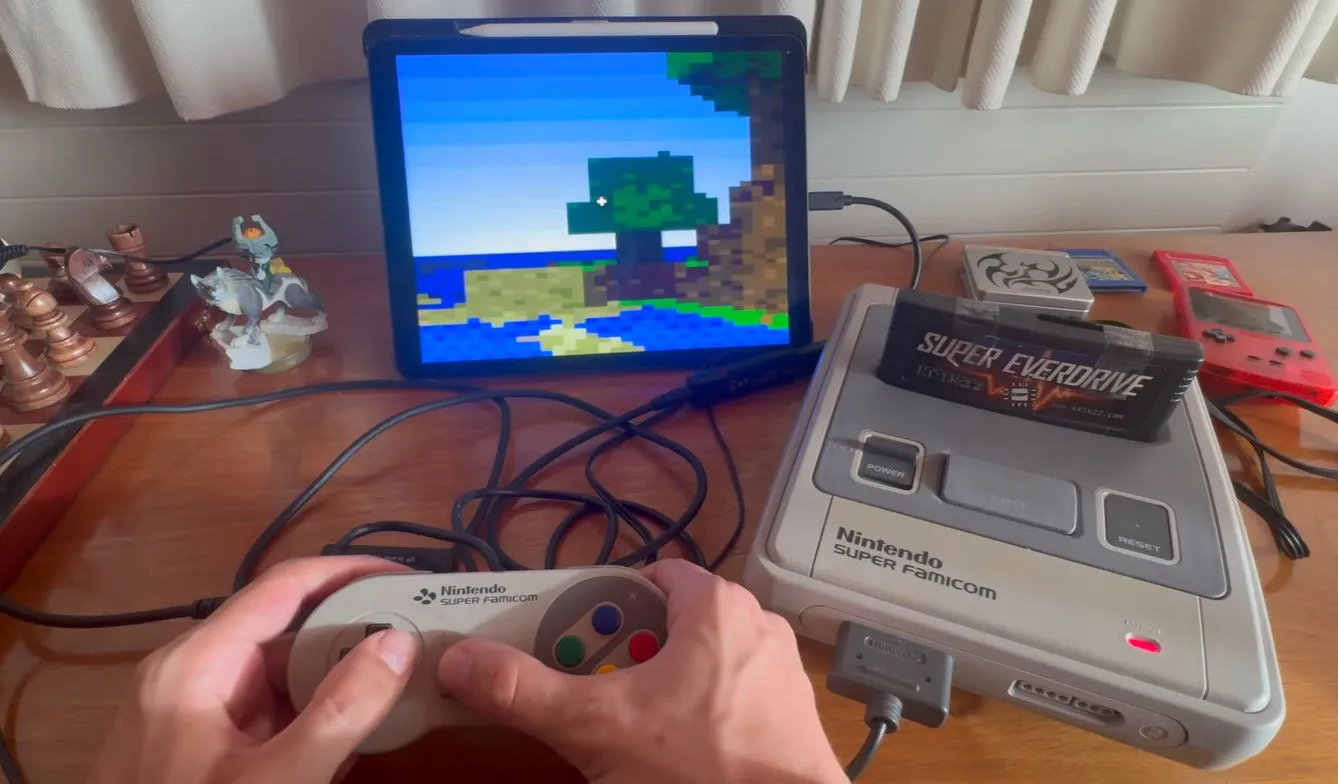
After previously putting a very basic version of Minecraft on the Game Boy Color, [Tobi] decided to have some fun and port that version also to the Super Nintendo (SNES), just to see what would happen with its more powerful hardware. Even without using an add-on chip like the Super FX 3D chip that made games like Star Fox and Doom possible with its 3D-rendered geometry, the basic SNES hardware can already provide a serviceable Minecraft experience.

You can download the SFC file here, featuring a starting world in which you can do all the usual Minecraft-ing shenanigans, like world destruction and construction. Unsurprisingly the game’s resolution is much higher than on the GBC, though the brief glimpse [Tobi] shows of Minecraft on the Game Boy Advance (GBA) with its proper 3D-rendering hardware are leaps ahead of what the basic SNES can do.

This of course raises the question of what Minecraft on the SNES could look like once you add the Super FX or similar 3D accelerator chips for the SNES into the mix. Rather than just being limited to sprite-based graphics and transformations, suddenly you can use real polygons.

Advertisement

Source link

Advertisement
Continue Reading

Tech

Why Beats Studio Pro are the Over-Ear Option That Actually Makes Sense Right Now

Published

on

Beats Studio Pro Premium ANC Headphones 2026
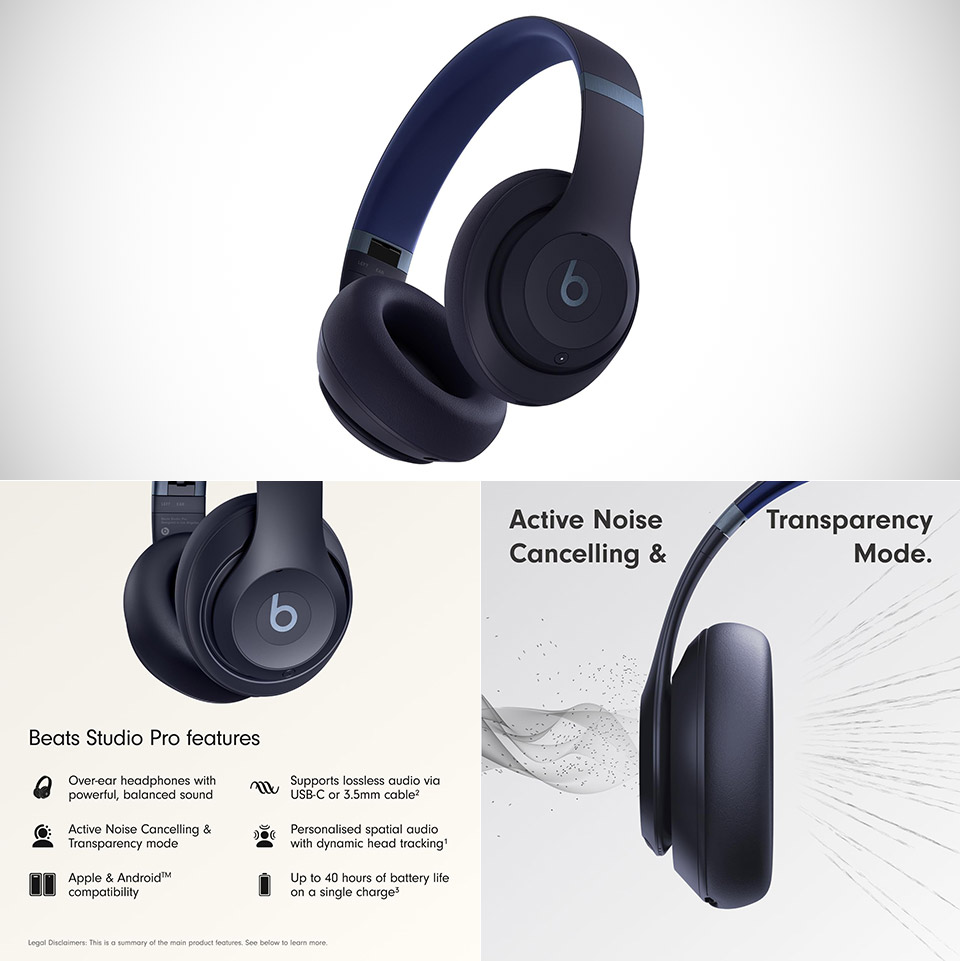
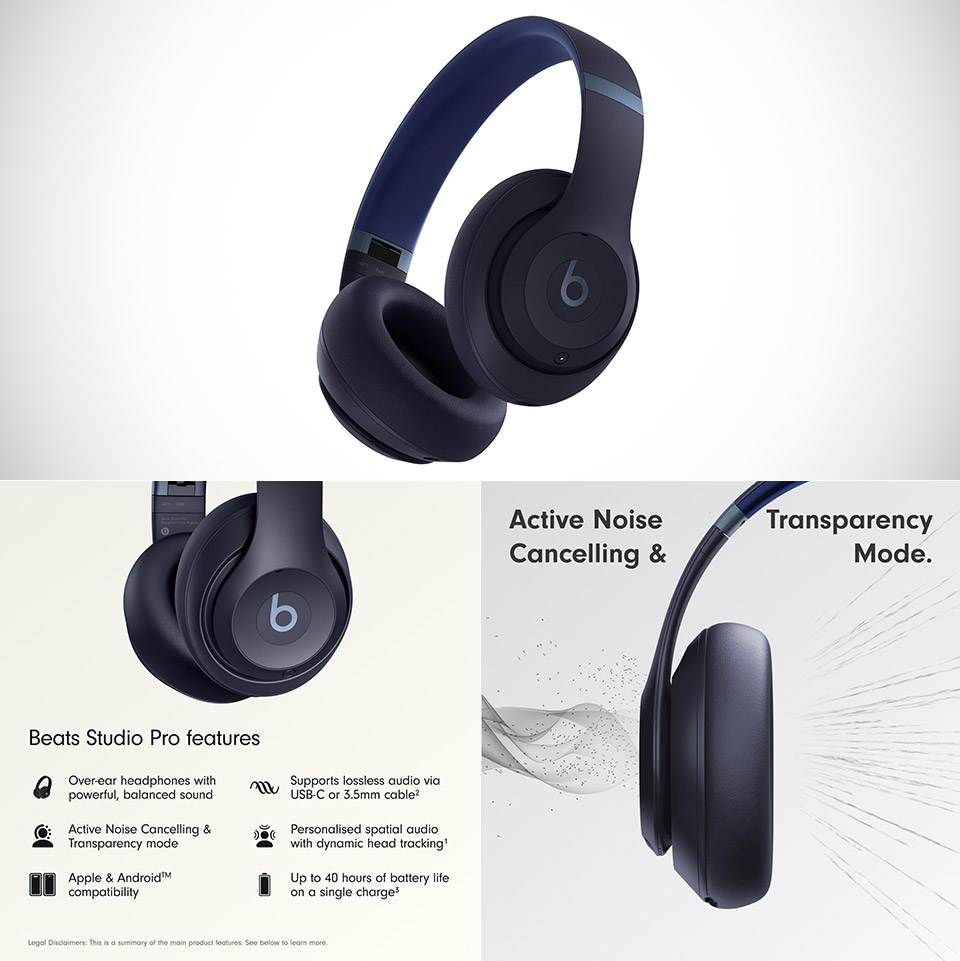
People who want a pair of over-ear headphones with good noise cancelation and a long battery life without spending money on AirPods Max continue to prefer the Beats Studio Pro, priced at $149.99 (was $350). They borrow enough from Apple’s playbook to be comfortable while being versatile enough for Android users, and they do it in a package that is substantially lighter and more robust than the aluminum cans that many people desire.


Beats preserved the Studio style, but made some substantial changes to the materials. The earcups now include UltraPlush cushions coated in this beautiful engineered leather with no seams. The headband is made entirely of metal sliders that can be adjusted with ease, and when you’re finished, simply fold it up and store it in the provided protective case. They weigh roughly 260 grams, which is significantly lighter than the AirPods Max, and you’ll notice the difference after a few hours.

Sale


Beats Studio Pro Premium Wireless Over-Ear Headphones- Up to 40-Hour Battery Life, Active Noise…
  • INCREDIBLE SOUND: Custom acoustic platform delivers rich, balanced audio for music, calls and everyday listening.
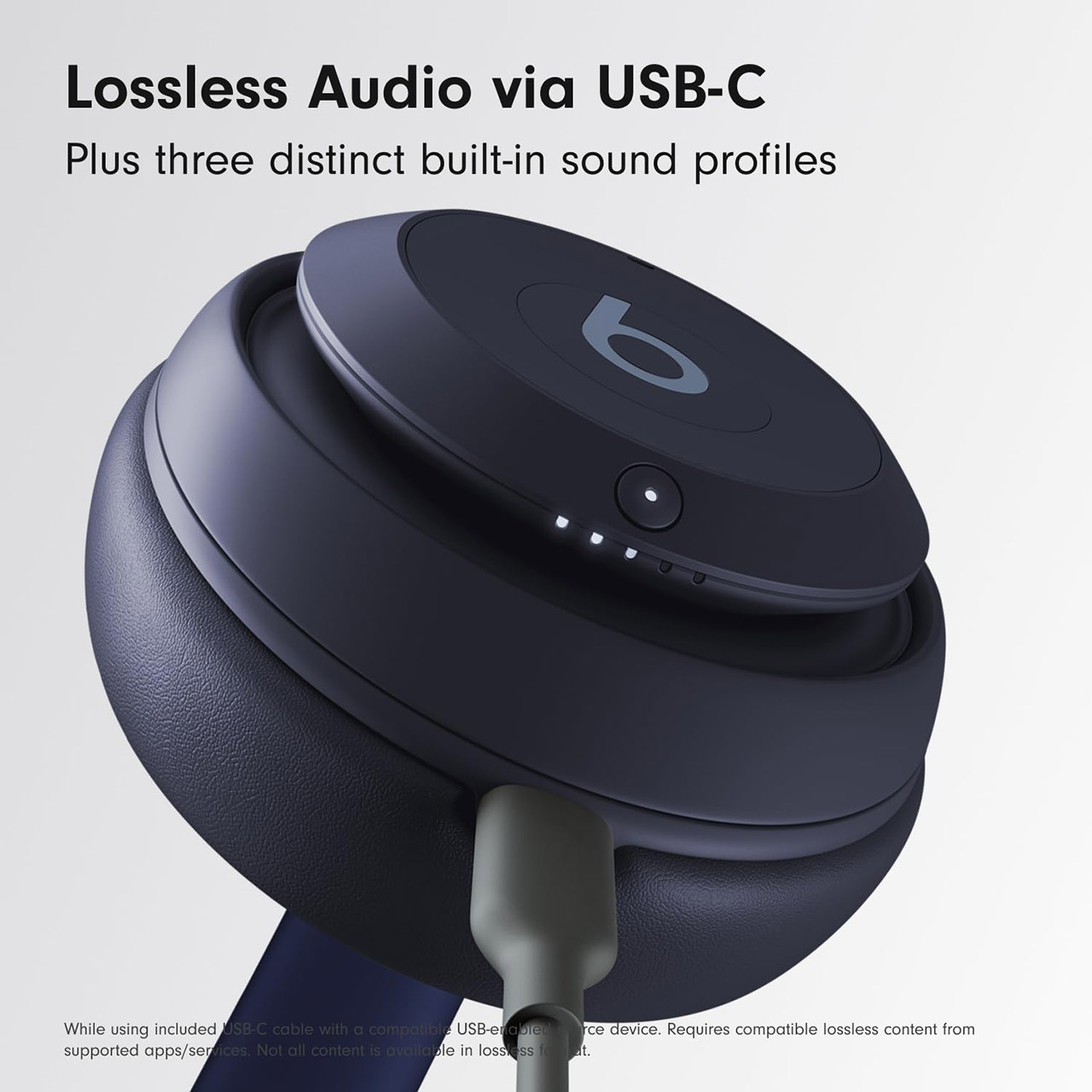
  • LOSSLESS AUDIO SUPPORT: USB-C lossless audio and sound profiles optimize music quality across devices and environments. Additional option to use the…
  • ACTIVE NOISE CANCELLING (ANC): block distractions at work, on flights or during your daily commute. Or use Transparency mode to let the sounds of your…


The sound comes from a custom 40mm speaker drivers that Beats fully overhauled from the previous Studio model. They claim to have decreased distortion by up to 80% at high volumes by combining a two-layer diaphragm, stronger magnets, and enhanced micro-venting. In practice, it sounds significantly more balanced than their prior work, while still providing Beats’ signature thunderous bass. The low end has considerable weight to it without being overly muddy. The mids are clear enough to hear what people say in voices and podcasts, and the treble is just fine, not too harsh.

Advertisement

Beats Studio Pro Premium ANC Headphones
When you connect the USB-C cable, you gain access to all of this, including lossless audio and some very intriguing sound profiles: a balanced Signature mode, an Entertainment mode that amplifies the sound for movies and games, and a Conversation mode that simply focuses your voice. Those profiles only operate via USB-C, and noise cancelation is turned off when you plug the cord in, but it’s still really useful for simply laying around on your desk or in a location where Bluetooth won’t work.

Beats Studio Pro Premium ANC Headphones
The active noise cancellation is really effective. Four of the six microphones are constantly sampling what’s happening around you and changing the noise filtering in real time. As a result, it easily manages all of that consistent low-frequency sounds, such as jet engines and air conditioners, while also eliminating any background noise. Transparency mode is also fairly slick; it allows outside sound in without making it sound false and echoed. For calls, the other two beam-forming microphones do an excellent job of making your speech sound crystal clear; according to Beats, this enhances voice quality by up to 27% over the previous Studio model. You’ll notice that your calls perform well in noisy surroundings.

Beats Studio Pro Premium ANC Headphones
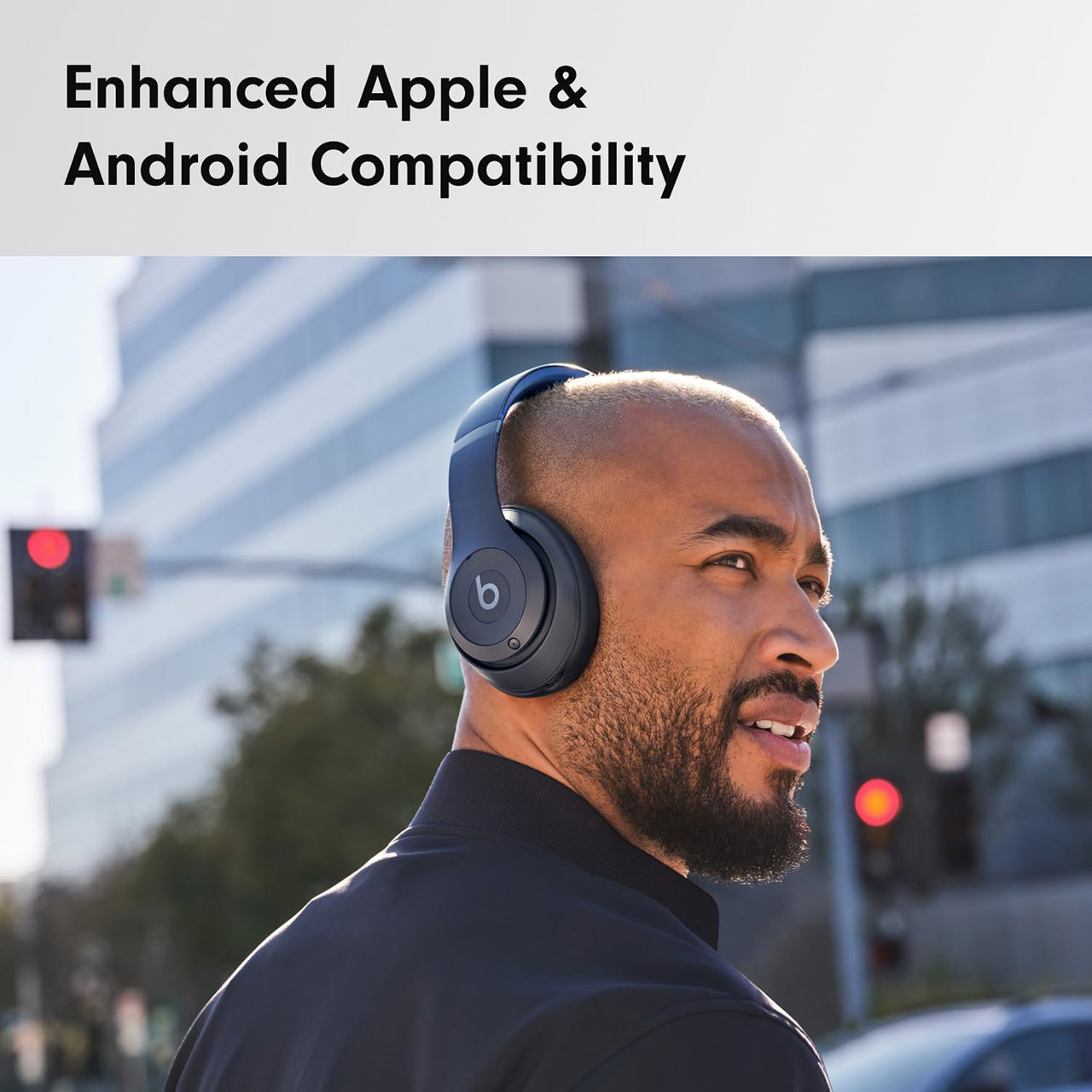
One of the clear winners here is battery life, which can last up to 40 hours with noise cancelation and transparency set off and 24 hours with either switched on. If you’re running low, simply plug in your headphones for ten minutes to receive four hours of listening time back. Bluetooth 5.3 is a reliable connection with a good range that is simple to set up. iOS and Android users get a fairly similar experience, with Apple users receiving additional features such as Personalized Spatial Audio and Find My, while Android users have Google Fast Pair, Audio Switch, and a variety of other benefits. They also support AAC and SBC audio codecs over Bluetooth.

Source link

Continue Reading

Tech

Hackaday Links: August 23, 2026

Published

on

We’ll start this week off with some disappointing, though not entirely unexpected, news — the ambitious commercial mission to save NASA’s Neil Gehrels Swift Observatory is officially a bust. The space agency provided an update earlier this week explaining that the attitude control issues with the LINK spacecraft that started a few weeks after it launched will prevent it from being able to safely dock with the Swift Observatory and boost its altitude. As such, the space telescope is now expected to reenter the Earth’s atmosphere and burn up before the end of the year.

Although LINK won’t be able to live up to its name, NASA did say operator Katalyst Space has been given permission to continue with the rendezvous attempt. The two craft won’t actually make contact with each other, but teams on both sides feel there’s lessons to be learned and data to be collected by seeing the orbital dance of these two vehicles play out for as long as possible.

Speaking of hardware that couldn’t quite hit its design goals, TechCrunch is reporting that a class action lawsuit has been filed against Oura by customers that say the company made misleading claims about the sleep-tracking accuracy of their smart rings. Namely, that the rings could somehow detect which stage of sleep the wearer was in with only the pulse and temperature sensors it has onboard.

The complaint argues that sleep stages can only be accurately determined with an electroencephalogram (EEG), and that there’s no way for the ring hardware to actually know what’s happening in the wearer’s brain. For their part Oura has released a statement defending their methodology, and say that the ability of their rings to estimate sleep cycles compares favorably with data collected from clinical sleep studies. It should be interesting to see how this one plays out.

On the subject of products not quite doing what you expected, there’s been a story buzzing around online about a number of computer games failing to work properly on Windows machines that have installed the August system updates. Microsoft has investigated the issue and is currently pointing the finger towards RGB lights as the potential culprit.

Advertisement

On the surface it might sound like some kind of exotic hardware clash or interference, but the actual issue is disappointingly mundane. According to Microsoft, the August update fiddles with a system component that the software which drives some of these lights ties into, namely inpoutx64. As a quick fix they’ve provided some instructions on keys that can be modified in the Windows Registry to prevent the conflict, but it sounds like such gefingerpoken und mittengrabben may prevent the blinkenlights from performing their critical function.

Finally, we’ll end this week with an update on the ASCII CITY project that’s been making the rounds online. For those who haven’t seen it yet, this is 3D engine implemented in a single HTML file that renders a cyberpunk 3D city for players to wander around in. The latest version brings many new features to the non-game, notably the ability to enter the various buildings scattered throughout the world.

Previously we could only admire this virtual world from afar. But now that developer Grow Now! Games has released a playable prototype, you can transport yourself into this new digital frontier like in Tron.

Advertisement

See something interesting that you think would be a good fit for our weekly Links column? Drop us a line; we’d love to hear about it.

Source link

Advertisement
Continue Reading

Tech

iPhone Ultra will be an exceptional foldable, testers claim

Published

on

The iPhone Ultra may actually live up to the hype, as people who have tried pre-release versions of the model indicate it will be worthy of its hyper-premium price.

Apple is widely expected to be launching its first foldable smartphone in September, under what is believed to be called the iPhone Ultra. However, while it will ship with a more premium price than a typical Pro-grade iPhone, it seems that it may actually be worth it.

In Sunday’s “Power On” newsletter for Bloomberg, Mark Gurman says he has spoken to multiple people who have tried out the inbound foldable. Based on what they say, it seems like it will offer a lot to potential buyers.

Despite being a thick device when folded, the pre-launch users say it still manages to fit in a pocket. They liked the way the hinge mechanism worked, expressing that it also felt durable.

Advertisement

The model, as you’d expect, also benefits from its massive folding display, which lets Apple introduce iPad-like app layouts. Even this was seen as a positive to the initial users.

When it comes to photography, the device apparently doesn’t have a telephoto camera, but it’s still great for taking shots. The foldable device apparently excels as a camera viewfinder.

There’s also a reversion when it comes to biometric security, too. While iPhones are using Face ID, the new model will go back to Touch ID.

Multiple halos

The lack of a telephoto camera could be an issue when it comes to price. With expectations of it costing consumers at least $2,000, omissions like that could put off some potential early adopters who are used to getting the best specifications in such devices.

Advertisement

That said, the iPhone Ultra stands to become a new halo product for Apple, and possibly the smartphone industry in general.

Though Apple is late to the foldables market compared to rivals such as Samsung, its own launch will reverberate across the industry. This is a thing we have seen time and again, with Apple helping buoy the rest of the market in new areas and design ideas.

Your typical consumer may have heard of foldables but won’t necessarily have investigated the product category. With Apple bringing out a model, complete with its marketing engine, it will help raise awareness of foldables in general.

The iPhone Ultra stands to benefit foldables made by rivals.

Advertisement

As for Apple, the existence of the iPhone Ultra will draw even more attention to the rest of the iPhone range. Apple coming out with something outlandish like a folding smartphone will have a natural halo effect on the rest of the range.

Consumers may not necessarily buy the iPhone Ultra, but they may be drawn to other products launching at the same time in their price bracket.

Source link

Advertisement
Continue Reading

Tech

It’s anyone’s guess how high iPhone prices might go

Published

on

Apple has already raised prices on Macs and iPads to absorb the costs of increased RAM costs, but an iPhone price hike is still expected. The competition may have provided a hint as to how much.

Prices went up across many product lines, including ones like Apple TV, Apple Vision Pro, and Mac to compensate for the AI-induced RAM shortage. Only the iPhone remained untouched by price hikes, but new premium devices launching in September will almost definitely see higher prices.

According to the “Power On” newsletter from Bloomberg, Apple’s competition could provide a hint about where iPhone prices might go. It’s all guesswork with no indication of knowledge of Apple’s actual plans, but the idea works simply because of the volumes Apple sells iPhones at.

Samsung, Google, and others have increased prices by about $100. The report suggests that means the iPhone 18 Pro would start at $1,199, a 9% increase, which is low compared to Apple’s other price increases.

Advertisement

It is impossible to predict what Apple might do here. No one expected the years-old Apple TV 4K to jump up by $70 either.

I expect that Apple will do everything in its power to leave the base prices unaffected since that base price is basically a feature of the device. Higher storage tiers will see bigger price jumps than normal.

The real question is where the foldable iPhone “Ultra” might land. It is expected to start at $1,999, but even then that might not be enough for the ultra-niche device.

Apple is expected to reveal the iPhone 18 Pro, iPhone 18 Pro Max, iPhone Ultra, and new Apple Watches during the September event. The Apple Event will be announced any day now, and may take place on September 9.

Advertisement

Source link

Continue Reading

Trending

Copyright © 2025