Connect with us
DAPA Banner

Tech

5 Of The Best Goodyear Tires For SUVs

Published

on


Goodyear has been a household name in the world of tires since 1898. No matter if you own a sports car, a family minivan, or an SUV, Goodyear’s tire offering truly has something for everyone. However, with so many options available across Goodyear’s SUV and 4×4 catalog, choosing the right tire can feel overwhelming. On top of everything that Goodyear offers, there are also 12 other tire brands owned by Goodyear, each with their own extensive lineup.

This means that choosing the best option for your needs can feel like a Ph.D.-level decision. To narrow it down and help you make the right decision, we looked at five standout Goodyear SUV tires — each built for a different kind of driver and a different kind of environment. The only thing you need to do is figure out your priorities, what type of tire you want, and what your budget looks like. With that in mind, here are five of the best Goodyear tires for SUVs.

Advertisement

Best SUV summer tire – Goodyear EfficientGrip 2 SUV

SUVs are, in theory, designed as rugged machines capable of trailblazing sand dunes, winter slopes, and muddy marshes. Although many SUVs today still hold onto that legacy, the reality is that most people use them like any other car, and that means everything besides off-roading. Moreover, if you live in a climate where snow and ice are novelties, a solid summer tire is likely all you’ll ever need. This is where Goodyear earned its keep as one of the best major tire brands out there.

In that sense, it is hard to argue against the Goodyear EfficientGrip 2 (EG2). On TyreReviews, the EG2 enjoys a near-perfect 9.8 out of 10 score, based on six professional tests and 16 owner reviews covering nearly 200,000 miles driven. It is the highest-rated Goodyear tire in TyreReviews’ database, tied for first place with the ultra-performance Goodyear Eagle F1 Asymmetric 6.

The tire also won the “Green Tyre” award in the 2025 Auto Bild EV tire test — finishing third overall (the only Goodyear tire on the test) — largely due to a tread life of 49,050 km (about 30,500 miles), the highest of any tire in that test. The only question here is how serious you’re willing to get. If you own a performance SUV and you value dynamics over touring and comfort, maybe the Goodyear Eagle F1 Asymmetric 6 is more your style. However, for comfort and quietness, the EG2 takes the cake.

Advertisement

Best SUV all-season tire – Goodyear Vector 4Seasons Gen 3 SUV

For SUV owners who want a single set of tires to handle rain, cold, light snow, and dry summer roads without swapping twice a year, the Goodyear Vector 4Seasons Gen 3 SUV (V4S) is one of the best-backed options on the market. The V4S carries a 9.3 out of 10 score on TyreReviews and has built its reputation specifically around wet and cold-weather safety. Keep in mind that these are the exact conditions where many all-seasons disappoint.

The SUV-specific version achieved a final rating of “Good” and finished 3rd in the 2025 Autobild Crossover SUV all-season test, praised for stable handling on both wet and dry surfaces, high aquaplaning safety, and short wet braking distances. The Gen 3 platform was awarded a top “Very Good” rating by ADAC in their 2024 all-season test and confirmed by Austria’s ÖAMTC as having excellent wet grip with a grade of 2.28 for wet braking, which was among the best in its class according to an Autodoc independent review summary.

Advertisement

AllTyreReviews also praised the V4S thanks to an overall quality rating of 96.4%, courtesy of 40 different measurements across four independent tests. With over four decades of development, the V4S also carries the Three-Peak Mountain Snowflake (3PMSF) symbol for its performance in snowy conditions and is available in tons of sizes. Although an all-season tire cannot be compared to a dedicated winter tire, the V4S is arguably the closest you can get to a winter tire without actually buying one, at least from Goodyear’s catalog.

Advertisement

Best SUV off-road tire – Goodyear Wrangler DuraTrac RT

If you take off-roading seriously, It’s unlikely you need to be educated why dedicated off-road tires matter. We’ll just cut to the chase: In Goodyear’s catalog, the most prominent off-road SUV tires are the Goodyear Wrangler All‑Terrain Adventure, the hardcore kevlar-reinforced Goodyear Wrangler MT/R, and the trusty Goodyear Wrangler DuraTrac RT (DTRT). Out of all of these, the Goodyear DTRT is likely the most coveted one.

A few years ago, Goodyear reported how its Goodyear Wrangler DuraTrac won “Off-Road” magazine’s Reader’s Choice award for five years in a row. Nowadays, the DTRT is the latest iteration from the DuraTrac line, which promises even better performance. According to Tyre Reviews, the DuraTrac RT features DuPont Kevlar technology woven into the tread construction to resist punctures, a three-ply sidewall reinforced with a Durawall compound for cut and abrasion resistance in rough terrain, and a 3PMSF certification confirming severe snow service capability.

It also comes in 42 sizes and is backed by a 50,000-mile treadwear warranty. When we covered five great off-road tires that will get you off-roading in no time, we picked the original DuraTrac from the Goodyear camp. It’s also worth noting that, although the original was criticized for being noisy on the road, the new-gen DTRT features resized and smaller lug voids that make the DTRT a whole lot quieter but still as capable as the original.

Advertisement

Best SUV winter tire – Goodyear Ultra Grip Performance 3

When temperatures drop consistently below 45 degrees Fahrenheit and roads turn wet, slushy, or snowy, an all-season tire could very easily prove insufficient. For SUV owners who want Goodyear’s best cold-weather option, the UltraGrip Performance 3 is the most tested and consistently recommended choice in the brand’s winter lineup. According to ADAC’s winter test of the very best winter tires for 2024/25 (as covered by TiresVote), the Goodyear Ultra Grip Performance 3 (P3) earned the top spot.

In 2025, AutoExpress also tested several winter tires to determine which was best, and the Goodyear UltraGrip Performance 3 finished second, just behind the Continental WinterContact TS 870 by a few points. However, the Goodyear P3 won in multiple categories, including snow braking, snow traction, wet braking, straight aquaplaning, and curved aquaplaning — categories many people would deem the most important when it comes to winter tires.

KBB’s list of the best winter tires in 2025 included the Goodyear WinterCommand Ultra (WS), and frankly, choosing between these two is indeed difficult. The WS Ultra is more tailored towards strict snow and ice, while the Ultra Grip 3 Performance is the more dynamic offering. In the end, it all depends on what you value more. If it’s strict snow and ice traction, it’s the WS Ultra. If it’s not just snow and ice, the Goodyear P3 is likely a better choice.

Advertisement

Best SUV tire for longevity – Goodyear Assurance MaxLife 2

What if you just want a set of tires that will give you the longest and most carefree experience from the entire Goodyear catalog? In that case, your best bet is likely the Goodyear Assurance MaxLife 2 (ML2). We could go into great detail about why this might be Goodyear’s longest-lasting tire, but there’s no need — Goodyear itself reports that the ML2 is “Goodyear’s longest-lasting tire, backed by an 85,000-mile (136,765 km) limited treadlife warranty.”

What we can do is provide a bit more context as to how “the real-world” views such claims, and according to Tires Easy, which analyzed over 2,500 user reviews, approximately 90% of owners praised the tire’s long-lasting mileage, with many reporting holding up well for over 70,000 miles. When we were looking for all-season tires with the best treadwear ratings, we had to include the ML2 because both real‑world reviews and official data confirm its high mileage capability. There are even owners out there who managed to stretch these up to 100,000 miles before replacing them. 

One criticism of the ML2 is that this tire is not the best in wet traction, especially as they accumulate miles. On the other hand, the ML2 is widely praised for dry traction, comfort, and quietness.

Advertisement

How we made our list

With such a large catalog and rich history, it can be difficult to single out five Goodyear tire models that offer SUV drivers the very best experience. To do so, we reviewed dozens of tests and assessments, including those carried out by TyreReviews, AutoExpress, KBB, TiresVote, AllTyreReviews, AutoBild, Autodoc, and many more. We also explored owner forums, expert reviews, product impressions, marketing materials, warranty coverage, and long-term impressions, building on the work of previous writers on similar topics. 

After going far and wide to find credible and defensible information supporting why these tires deserve praise, it’s important to stress that not everyone’s experience will match. Individual experiences vary, and many factors ultimately affect whether a tire will suit your needs. Even so, that was not the goal of this article. Instead, we set out to highlight the best Goodyear tires for SUV drivers in most environments, and we believe these tires are some of the very best the company has to offer.

Advertisement


Source link

Advertisement
Continue Reading
Click to comment

You must be logged in to post a comment Login

Leave a Reply

Tech

Beats Powerbeats Pro 2 Nike Special Edition Launches for Fitness Fans Ready to Just Do It

Published

on

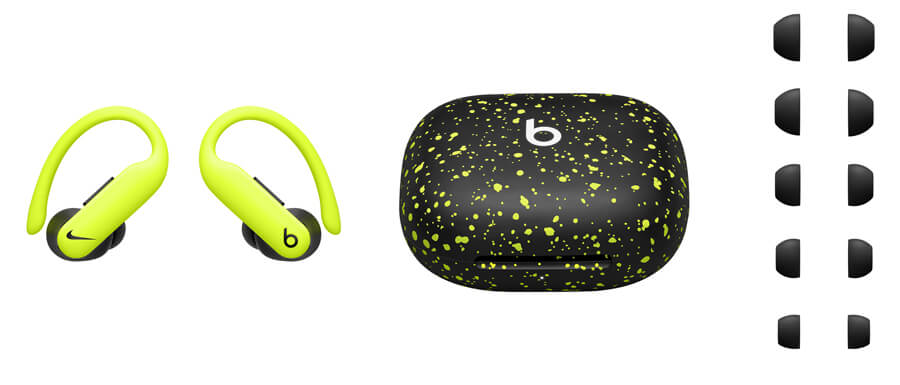
Beats by Dre and Nike are teaming up for the first time with the Powerbeats Pro 2 Nike Special Edition, a limited run that blends one of the most recognizable fitness earbud designs with equally unmistakable branding. The formula is straightforward: take the proven Powerbeats Pro 2 platform, add Nike’s Swoosh to the right earbud, the Beats “b” to the left, and wrap it all in a Volt-accented aesthetic that leans hard into gym culture without messing with the underlying performance.

That restraint is what makes this collaboration smarter than it looks. The fitness earbud category is brutally competitive right now, packed with options from Bose, Sony, Jabra, and Apple itself, all chasing the same workout crowd with better fit, longer battery life, and more reliable connectivity. Beats didn’t reinvent anything here because it didn’t have to. Instead, it borrowed Nike’s global identity and layered it on top of a product that already resonates with athletes.

Call it predictable if you want, but in a market where most “special editions” feel like an afterthought, this one at least understands the assignment. Just do it, indeed.

beats-powerbeats-pro-2-nike-inside-case

This isn’t just a new colorway; it’s a collision of two brands that define performance, culture, and sports—the attributes of today’s athlete,” said Chris Thorne, CMO of Beats. “By placing the Swoosh on our hardware for the first time, we’re honoring the shared DNA of Beats and Nike—and celebrating ambassadors like LeBron James who embody both. It’s a tribute to the grit, style, and sound that push people to their limits.”

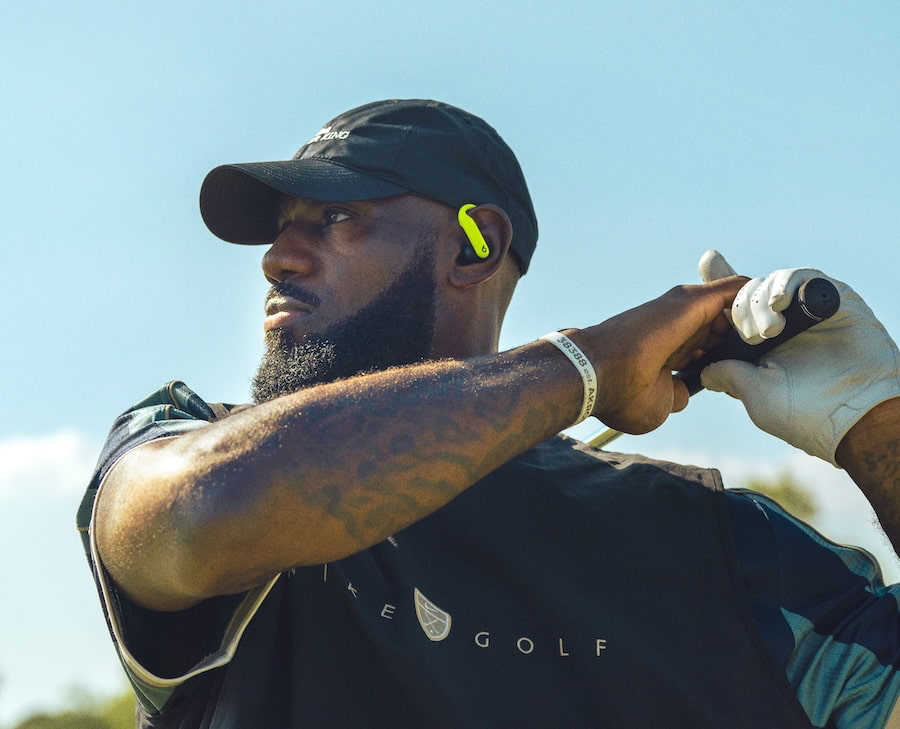
To support the launch, Beats enlisted longtime ambassador LeBron James for a comedic campaign built around a simple idea: you do not have to be perfect to play. In Keep Your Head in the Game, James takes to the golf course with skills that will not scare the PGA Tour, tuning out the critics, played by pro golfer Tom Kim and actors Lionel Boyce and Travis “Taco” Bennett, and playing the game on his own terms with the Powerbeats Pro 2.

Advertisement

When two iconic brands like Beats and Nike come together, it’s more than a collaboration. For me, it’s family,” said LeBron James. “I’ve been part of the Beats journey since day one with the original Powerbeats, and the Powerbeats Pro 2 represent everything I need in my daily routine, whether I’m training, recovering, or just living life. These aren’t just my go to earbuds. They’re built for anyone who refuses to compromise on performance.”

Powerbeats Pro 2 – Nike Special Edition Features

beats-powerbeats-pro-2-nike-wireless-earbuds

While the aesthetic is new, the internals remain unchanged and include:

In Ear Fit and Spatial Audio: Like the standard Powerbeats Pro 2, the Nike Special Edition uses an in ear design with an over ear hook for a secure fit. It also supports Personalized Spatial Audio with dynamic head tracking, delivering immersive sound with clear highs, a full midrange, and deep bass.

Active Noise Cancelling: Designed for workouts and daily use, Active Noise Cancelling helps block out distractions. Transparency mode is also included, allowing users to stay aware of their surroundings when needed.

Advertisement

Adaptive EQ: The Nike Special Edition features Adaptive EQ, which adjusts sound in real time based on fit. An inward facing microphone monitors what you actually hear, and computational audio tunes low and mid frequencies to compensate for seal variations.

Stability and Comfort: The earhook is reinforced with a nickel titanium alloy, improving flexibility, grip, and long term comfort during movement.

Advertisement. Scroll to continue reading.

IPX4 and More: With an IPX4 rating, the earbuds are built to handle sweat, rain, and tough workouts. A venting system improves comfort and acoustics, and five ear tip sizes are included for a better fit.

Advertisement

Heart Rate Monitoring: Built in optical sensors pulse over 100 times per second to measure blood flow, providing real time heart rate data that can sync with compatible fitness apps.

Just as with the Powerbeats Pro 2, the Heart Rate Monitoring feature is compatible with the following apps in the US:

  • Nike Run Club
  • Open
  • Peloton
  • Runna
  • Slopes
  • Ladder
  • YaoYao

Apple Compatibility: The Special Edition works seamlessly with Apple devices with no app required, offering one touch pairing, automatic switching, audio sharing, hands free Siri, and Find My support to help locate your earbuds.

Android Compatibility: For Android users, the Beats App unlocks one-touch pairing, the ability to activate or disable Heart Rate Monitoring, customizable controls, battery status widgets, Locate My Beats, and over-the-air updates.

Battery Life: Powered by Apple’s H2 chip, the Special Edition delivers up to 45 hours of total battery life with the charging case, while each earbud provides up to 10 hours of playback per charge. A five minute Fast Fuel charge adds up to 90 minutes of listening time. The redesigned case is 33% smaller than before and marks the first Beats earbud case to support Qi certified wireless charging.

Advertisement

Comparison

powerbeats-comparison
Model Powerbeats Pro 2 -Nike Special Edition (2026) Powerbeats Pro 2 (2025) Powerbest Pro (2019)
Product Type Open-Ear Wireless Earbuds Open-Ear Wireless Earbuds In-Ear Wireless Earbuds
Price $249.99 $249.99 No Longer Available
Sound Active Noise Cancelling (ANC)

Transparency mode

Adaptive EQ

Personalized Spatial Audio with dynamic head tracking

Active Noise Cancelling (ANC)
Advertisement

Transparency mode

Adaptive EQ

Personalized Spatial Audio with dynamic head tracking

None
Nickel-titanium alloy–reinforced ear hooks Yes Yes Not Indicated
IPX4-rated sweat and water resistance Yes Yes Yes
Heart Rate Monitoring for Workouts Yes Yes No
Compatibility (Apple) Powered by the Apple H2 chip
Advertisement

Fully compatible with Apple devices, with one-touch pairing, automatic switching, Audio Sharing, hands-free Siri and Find My (locate my Beats)

Powered by the Apple H2 chip

Fully compatible with Apple devices, with one-touch pairing, automatic switching, Audio Sharing, hands-free Siri and Find My (locate my Beats)

Powered by the Apple H1 chip
Advertisement

Fully compatible with Apple devices, with one-touch pairing, automatic switching, Audio Sharing, hands-free Siri and Find My (Locate my Beats)

Compatibility (Android) Beats app for Android unlocks one-touch pairing, the heart rate monitoring feature, customizable controls, battery status widgets and Locate My Beats Beats app for Android unlocks one-touch pairing, the heart rate monitoring feature, customizable controls, battery status widgets and Locate My Beats Beats app for Android unlocks one-touch pairing, the heart rate monitoring feature, customizable controls, battery status widgets and Locate My Beats
Connectivity Class 1 Wireless Bluetooth® Class 1 Wireless Bluetooth® Class 1 Wireless Bluetooth®
Voice Isolation Reduces background noise while isolating and clarifying the sound of your voice during calls Reduces background noise while isolating and clarifying the sound of your voice during calls Not Indicated
Battery Up to 45 hours of listening time on a single charge, up to 10 hours of continuous bud playback

Fast Fuel: a 5-minute charge provides up to 1.5 hours of playback

Universal USB-C charging
Works with Qi-compatible wireless chargers

Advertisement

Rechargeable lithium‑ion battery

Up to 45 hours of listening time on a single charge, up to 10 hours of continuous bud playback

Fast Fuel: a 5-minute charge provides up to 1.5 hours of playback

Universal USB-C charging
Works with Qi-compatible wireless chargers

Advertisement

Rechargeable lithium‑ion battery

Up to 24 hours of listening time on a single charge, up to 9 hours of continuous bud playback

Fast Fuel: a 5-minute charge provides up to 1.5 hours of playback

Controls Single multi-function button per side
Advertisement

Volume rockers (up/down) on each side

Auto Play/Pause via optical sensors and motion accelerometers

Single multi-function button per side

Volume rockers (up/down) on each side

Advertisement

Auto Play/Pause via optical sensors and motion accelerometers

Physical volume and track controls on each earbud. 

Long- and short-range optical sensors drive automatic play/pause and call handling 

Dimensions Height: (case) 7.5 cm / 3.0 in (bud) 4.5 cm / 1.8 in
Advertisement

Length: (case) 6.6 cm / 2.6 in (bud) 4.1 cm / 1.6 in

Width: (case) 3.4 cm / 1.3 in (bud) 2.4 cm / 0.9 in

Height: (case) 7.5 cm / 3.0 in (bud) 4.5 cm / 1.8 in

Length: (case) 6.6 cm / 2.6 in (bud) 4.1 cm / 1.6 in

Advertisement

Width: (case) 3.4 cm / 1.3 in (bud) 2.4 cm / 0.9 in

Weight (case) 69 g (bud) 8.7 g (total) 77.7 g (case) 69 g (bud) 8.7 g (total) 77.7 g (case) 80g, (bud) 11g, (total) 102g
Color Options Black & Volt Jet Black, Quick Sand, Hyper Purple, Electric Orange Black, Navy, Ivory, Moss
In the Box Powerbeats Pro 2 – Nike Special Edition true wireless earbuds

Silicone ear tips with five size options — XS, S, M, L, XL (medium pre-installed)

Wireless charging case

Advertisement

Quick Start Guide

Warranty card

(Power adaptor and USB-C charging cable sold separately)

Powerbeats Pro 2 true wireless earbuds
Advertisement

Silicone ear tips with five size options — XS, S, M, L, XL (medium pre-installed)

Wireless charging case

Quick Start Guide

Warranty card

Advertisement

(Power adaptor and USB-C charging cable sold separately)

Powerbeats Pro true wireless earbuds

Eartips with four size options

Charging case
Lightning to USB-A charging cable,

Advertisement

Quick start guide

(USB power adapter sold separately)

beats-powerbeats-pro-2-nike-buds-case-eartips

The Bottom Line 

The Powerbeats Pro 2 Nike Special Edition does not reinvent the category, but it does not need to. What makes this release stand out is the combination of a proven fitness focused earbud platform with one of the most recognizable brands in sports. The design leans hard into that identity with Volt accents and Nike branding, but the real value remains the same: secure fit, long battery life, strong feature set, and the addition of heart rate monitoring that still is not standard across most competitors.

What is missing depends on your priorities. If you are deep into high resolution wireless audio, codec support is limited compared to some rivals, and there is no meaningful shift in sound tuning or hardware from the standard version. This is not an upgrade for existing Powerbeats Pro 2 owners, and it is not trying to be.

Who should consider them is pretty clear. If you want a stable, gym ready earbud with excellent battery life, seamless Apple integration, and a design that actually stays put during real workouts, this makes a lot of sense. The Nike tie in just sharpens the appeal for that audience. Everyone else can still enjoy the feature set, but this one knows exactly who it is for and does not pretend otherwise.

Advertisement
beats-powerbeats-pro-2-nike-lebron-james

Pricing & Availability

The Powerbeats Pro 2 – Nike Special Edition is available in Black & Volt for $249.99 USD at Apple.com in the United States and other select markets.

If you prefer,  the Beats Powerbeats Pro 2 is available to order in four colors—Jet Black, Hyper Purple, Quick Sand, and Electric Orange—for $249.99 USD at Apple.com and Amazon 

Advertisement. Scroll to continue reading.
Advertisement

Source link

Continue Reading

Tech

AI is transforming nuclear power design and operations to tackle decades of regulatory hurdles and massive construction inefficiencies

Published

on


  • AI enables engineers to detect design inconsistencies before construction begins
  • Generative AI automates documentation workflows, creating audit-ready and traceable regulatory applications
  • High-fidelity Digital Twins validate designs virtually and reuse proven engineering patterns

The global energy sector is facing unprecedented demand, yet nuclear power projects continue to encounter extensive delays before construction even begins.

Highly customized engineering, fragmented datasets, and labor-intensive regulatory reviews slow progress across permitting, design, and construction phases.

Source link

Continue Reading

Tech

TikTok for Business accounts targeted in new phishing campaign

Published

on

TikTok for Business accounts targeted in new phishing campaign

Threat actors are targeting TikTok for Business accounts in a phishing campaign that prevents security bots from analyzing malicious pages.

TikTok Business accounts may be targeted due to their high potential for abuse in malvertising campaigns, ad fraud, and the distribution of malicious content.

Browser threat detection and response company Push Security links the campaign to one documented last year, which targeted Google Ad Manager accounts.

TikTok has previously been used to spread information-stealing malware via malicious videos, as well as cryptocurrency scams via fake promotions. TikTok for Business accounts are ideal for such purposes due to their increased reach and perceived legitimacy.

Advertisement

In a report shared with BleepingComputer, Push Security says that victims are lured to Cloudflare-hosted phishing pages registered on March 24 via NiceNIC, a registrar often reported by cybersecurity researcher for being used for cybercriminal activities.

Push Security could not determine the initial delivery mechanism, but believes that the threat actor uses a similar method as observed in activity reported by Sublime Security.

The initial link redirects via a legitimate Google Storage URL, blocks bots using a Cloudflare Turnstile check, and then redirects to the malicious pages.

The domains feature similar names, and are all hosted on the same Google Storage bucket:

Advertisement
  • welcome.careerscrews[.]com
  • welcome.careerstaffer[.]com
  • welcome.careersworkflow[.]com
  • welcome.careerstransform[.]com
  • welcome.careersupskill[.]com
  • welcome.careerssuccess[.]com
  • welcome.careersstaffgrid[.]com
  • welcome.careersprogress[.]com
  • welcome.careersgrower[.]com
  • welcome.careersengage[.]com
  • welcome.careerscrews[.]com

The malicious pages impersonate TikTok for Business and Google Careers “Schedule a Call” pages, requesting visitors to enter basic information in a form to validate they’re using a business email address.

Collecting basic information in a first validation step
Source: Push Security

After this step, victims are served a fake login page, which is a reverse proxy designed to capture credentials and session cookies, and to exfiltrate them to the attacker.

Since the page acts as an intermediary between the legitimate user and the service, the threat actor can hijack accounts even when the two-factor authentication (2FA) protection is active.

The TikTok themed (top) and Google (bottom) phishing pages
Source: Push Security

Push Security also notes that business account holders often log into TikTok via Google single sign-on (SSO) service. “This means that anyone using Google to login to their TikTok account will effectively have both accounts used to distribute ads compromised in one go.”

Users should be extremely cautious with suspicious invites and job offers, and never trust links sent from unknown contacts. Always check the domain before entering credentials, and use passkeys to protect valuable accounts.

Automated pentesting proves the path exists. BAS proves whether your controls stop it. Most teams run one without the other.

This whitepaper maps six validation surfaces, shows where coverage ends, and provides practitioners with three diagnostic questions for any tool evaluation.

Source link

Advertisement
Continue Reading

Tech

How Autonomous Drone Warfare Is Emerging in Ukraine

Published

on

WHEN KYIV-BORN ENGINEER Yaroslav Azhnyuk thinks about the future, his mind conjures up dystopian images. He talks about “swarms of autonomous drones carrying other autonomous drones to protect them against autonomous drones, which are trying to intercept them, controlled by AI agents overseen by a human general somewhere.” He also imagines flotillas of autonomous submarines, each carrying hundreds of drones, suddenly emerging off the coast of California or Great Britain and discharging their cargoes en masse to the sky.

“How do you protect from that?” he asks as we speak in late December 2025; me at my quiet home office in London, he in Kyiv, which is bracing for another wave of missile attacks.

Azhnyuk is not an alarmist. He cofounded and was formerly CEO of Petcube, a California-based company that uses smart cameras and an app to let pet owners keep an eye on their beloved creatures left alone at home. A self-described “liberal guy who didn’t even receive military training,” Azhnyuk changed his mind about developing military tech in the months following the Russian invasion of Ukraine in February 2022. By 2023, he had relinquished his CEO role at Petcube to do what many Ukrainian technologists have done—to help defend his country against a mightier aggressor.

It took a while for him to figure out what, exactly, he should be doing. He didn’t join the military, but through friends on the front line, he witnessed how, out of desperation, Ukrainian troops turned to off-the-shelf consumer drones to make up for their country’s lack of artillery.

Advertisement

Ukrainian troops first began using drones for battlefield surveillance, but within a few months they figured out how to strap explosives onto them and turn them into effective, low-cost killing machines. Little did they know they were fomenting a revolution in warfare.

Group observes a drone demonstration indoors, with a presenter explaining features.

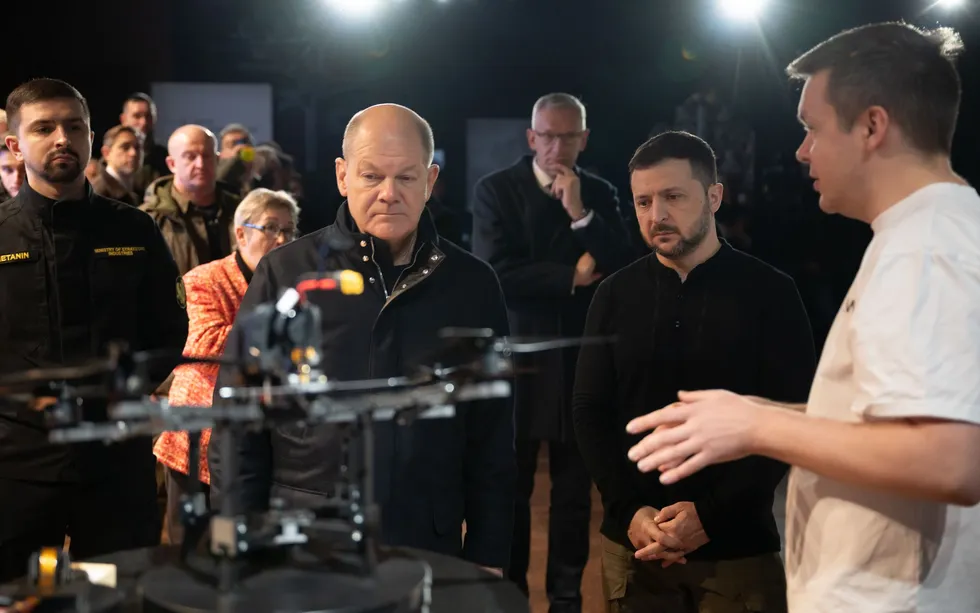
Compact black camera module with textured surface and orange ribbon cable on white background.The Ukrainian robotics company The Fourth Law produces an autonomy module [above] that uses optics and AI to guide a drone to its target. Yaroslav Azhnyuk [top, in light shirt], founder and CEO of The Fourth Law, describes a developmental drone with autonomous capabilities to Ukrainian President Volodymyr Zelenskyy and German Chancellor Olaf Scholz.Top: THE PRESIDENTIAL OFFICE OF UKRAINE; Bottom: THE FOURTH LAW

That revolution was on display last month, as the U.S. and Israel went to war with Iran. It soon became clear that attack drones are being extensively used by both sides. Iran, for example, is relying heavily on the Shahed drones that the country invented and that are now also being manufactured in Russia and launched by the thousands every month against Ukraine.

A thorough analysis of the Middle East conflict will take some time to emerge. And so to understand the direction of this new way of war, look to Ukraine, where its next phase—autonomy—is already starting to come into view. Outnumbered by the Russians and facing increasingly sophisticated jamming and spoofing aimed at causing the drones to veer off course or fall out of the sky, Ukrainian technologists realized as early as 2023 that what could really win the war was autonomy. Autonomous operation means a drone isn’t being flown by a remote pilot, and therefore there’s no communications link to that pilot that can be severed or spoofed, rendering the drone useless.

By late 2023, Azhnyuk set out to help make that vision a reality. He founded two companies, The Fourth Law and Odd Systems, the first to develop AI algorithms to help drones overcome jamming during final approach, the second to build thermal cameras to help those drones better sense their surroundings.

Advertisement

“I moved from making devices that throw treats to dogs to making devices that throw explosives on Russian occupants,” Azhnyuk quips.

Since then, The Fourth Law has dispatched “more than thousands” of autonomy modules to troops in eastern Ukraine (it declines to give a more specific figure), which can be retrofitted on existing drones to take over navigation during the final approach to the target. Azhnyuk says the autonomy modules, worth around US $50, increase the drone-strike success rate by up to four times that of purely operator-controlled drones.

And that is just the beginning. Azhnyuk is one of thousands of developers, including some who relocated from Western countries, who are applying their skills and other resources to advancing the drone technology that is the defining characteristic of the war in Ukraine. This eclectic group of startups and founders includes Eric Schmidt, the former Google CEO, whose company Swift Beat is churning out autonomous drones and modules for Ukrainian forces. The frenetic pace of tech development is helping a scrappy, innovative underdog hold at bay a much larger and better-equipped foe.

All of this development is careening toward AI-based systems that enable drones to navigate by recognizing features in the terrain, lock on to and chase targets without an operator’s guidance, and eventually exchange information with each other through mesh networks, forming self-organizing robotic kamikaze swarms. Such an attack swarm would be commanded by a single operator from a safe distance.

Advertisement

According to some reports, autonomous swarming technology is also being developed for sea drones. Ukraine has had some notable successes with sea drones, which have reportedly destroyed or damaged around a dozen Russian vessels.

Hand holding a drone with six rotors, outdoors against a blue sky.The Skynode X system, from Auterion, provides a degree of autonomy to a drone.AUTERION

For Ukraine, swarming can solve a major problem that puts the nation at a disadvantage against Russia—the lack of personnel. Autonomy is “the single most impactful defense technology of this century,” says Azhnyuk. “The moment this happens, you shift from a manpower challenge to a production challenge, which is much more manageable,” he adds.

The autonomous warfare future envisioned by Azhnyuk and others is not yet a reality. But Marc Lange, a German defense analyst and business strategist, believes that “an inflection point” is already in view. Beyond it, “things will be so dramatically different,” he says.

“Ukraine pretty rapidly realized that if the operator-to-drone ratio can be shifted from one-to-one to one-to-many, that creates great economies of scale and an amazing cost exchange ratio,” Lange adds. “The moment one operator can launch 100, 50, or even just 20 drones at once, this completely changes the economics of the war.”

Advertisement

Drones With a View

For a while, jammers that sever the radio links between drones and operators or that spoof GPS receivers were able to provide fairly reliable defense against human-controlled first-person-view attack drones (FPVs). But as autonomous navigation progressed, those electronic shields have gradually become less effective. Defenders must now contend with unjammable drones—ones that are attached to hair-thin optical fibers or that are capable of finding their way to their targets without external guidance. In this emerging struggle, the defenders’ track records aren’t very encouraging: The typical countermeasure is to try to shoot down the attacking drone with a service weapon. It’s rarely successful.

Truck on rural road covered with camouflage netting, trees and fields in the background.A truck outfitted with signal-jamming gear drives under antidrone nets near Oleksandriya, in eastern Ukraine, on 2 October 2025.ED JONES/AFP/GETTY IMAGES

“The attackers gain an immense advantage from unmanned systems,” says Lange. “You can have a drone pop up from anywhere and it can wreak havoc. But from autonomy, they gain even more.”

The self-navigating drones rely on image-recognition algorithms that have been around for over a decade, says Lange. And the mass deployments of drones on Ukrainian battlefields are enabling both Russian and Ukrainian technologists to create huge datasets that improve the training and precision of those AI algorithms.

Six-wheeled robotic vehicle with mounted equipment in a grassy field.A Ukrainian land robot, the Ravlyk, can be outfitted with a machine gun.

While uncrewed aerial vehicles (UAVs) have received the most attention, the Ukrainian military is also deploying dozens of different kinds of drones on land and sea. Ukraine, struggling with the shortage of infantry personnel, began working on replacing a portion of human soldiers with wheeled ground robots in 2024. As of early 2026, thousands of ground robots are crawling across the gray zone along the front line in Eastern Ukraine. Most are used to deliver supplies to the front line or to help evacuate the wounded, but some “killer” ground robots fitted with turrets and remotely controlled machine guns have also been tested.

Advertisement

In mid-February, Ukrainian authorities released a video of a Ukrainian ground robot using its thermal camera to detect a Russian soldier in the dark of the night and then kill the invader with a round from a heavy machine gun. So far these robots are mostly controlled by a human operator, but the makers of these uncrewed ground vehicles say their systems are capable of basic autonomous operations, such as returning to base when radio connection is lost. The goal is to enable them to swarm so that one operator controls not one, but a whole herd of mesh-connected killer robots.

But Bryan Clark, senior fellow and director of the Center for Defense Concepts and Technology at the Hudson Institute, questions how quickly ground robots’ abilities can progress. “Ground environments are very difficult to navigate in because of the terrain you have to address,” he says. “The line of sight for the sensors on the ground vehicles is really constrained because of terrain, whereas an air vehicle can see everything around it.”

To achieve autonomy, maritime drones, too, will require navigational approaches beyond AI-based image recognition, possibly based on star positions or electronic signals from radios and cell towers that are within reach, says Clark. Such technologies are still being developed or are in a relatively early operational stage.

How the Shaheds Got Better

Russia is not lagging behind. In fact, some analysts believe its autonomous systems may be slightly ahead of Ukraine’s. For a good example of the Russian military’s rapid evolution, they say, consider the long-range Iranian-designed Shahed drones. Since 2022, Russia has been using them to attack Ukrainian cities and other targets hundreds of kilometers from the front line. “At the beginning, Shaheds just had a frame, a motor, and an inertial navigation system,” Oleksii Solntsev, CEO of Ukrainian defense tech startup MaXon Systems, tells me. “They used to be imprecise and pretty stupid. But they are becoming more and more autonomous.” Solntsev founded MaXon Systems in late 2024 to help protect Ukrainian civilians from the growing threat of Shahed raids.

Advertisement

Silhouette of a triangular drone flying in the sky.A Russian Geran-2 drone, based on the Iranian Shahed-136, flies over Kyiv during an attack on 27 December 2025.SERGEI SUPINSKY/AFP/GETTY IMAGES

First produced in Iran in the 2010s, Shaheds can carry 90-kilogram warheads up to 650 km (50-kg warheads can go twice as far). They cost around $35,000 per unit, compared to a couple of million dollars, at least, for a ballistic missile. The low cost allows Russia to manufacture Shaheds in high quantities, unleashing entire fleets onto Ukrainian cities and infrastructure almost every night.

The early Shaheds were able to reach a preprogrammed location based on satellite-navigation coordinates. Even one of these early models could frequently overcome the jamming of satellite-navigation signals with the help of an onboard inertial navigation unit. This was essentially a dead-reckoning system of accelerators and gyroscopes that estimate the drone’s position from continual measurements of its motions.

Silhouette of person with large equipment under a starry night sky.In the Donetsk Region, on 15 August 2025, a Ukrainian soldier hunts for Shaheds and other drones with a thermalimaging system attached to a ZU23 23-millimeter antiaircraft gun.KOSTYANTYN LIBEROV/LIBKOS/GETTY IMAGES

Ukrainian defense forces learned to down Shaheds with heavy machine guns, but as Russia continued to innovate, the daily onslaughts started to become increasingly effective.

Today’s Shaheds fly faster and higher, and therefore are more difficult to detect and take down. Between January 2024 and August 2025, the number of Shaheds and Shahed-type attack drones launched by Russia into Ukraine per month increased more than tenfold, from 334 to more than 4,000. In 2025, Ukraine found AI-enabling Nvidia chipsets in wreckages of Shaheds, as well as thermal-vision modules capable of locking onto targets at night.

Advertisement

“Now, they are interconnected, which allows them to exchange information with each other,” Solntsev says. “They also have cameras that allow them to autonomously navigate to objects. Soon they will be able to tell each other to avoid a jammed region or an area where one of them got intercepted.”

These Russian-manufactured Shaheds, which Russian forces call Geran-2s, are thought to be more capable than the garden variety Shahed-136s that Iran has lately been launching against targets throughout the Middle East. Even the relatively primitive Shahed-136s have done considerable damage, according to press accounts.

Those Shahed successes may accrue, at least in part, from the fact that the United States and Israel lack Ukraine’s long experience with fending them off. In just two days in early March, upward of a thousand drones, mostly Shaheds, were launched against U.S. and Israeli targets, with hundreds of them reportedly finding their marks.

One attack, caught on videotape, shows a Shahed destroying a radar dome at the U.S. navy base in Manama, Bahrain. U.S. forces were understood to be attempting to fend off the drones by striking launch platforms, dispatching fighter aircraft to shoot them down, and by using some extremely costly air-defense interceptors, including ones meant to down ballistic missiles. On 4 March, CNN reported that in a congressional briefing the day before, top U.S. defense officials, including Secretary of Defense Pete Hegseth, acknowledged that U.S. air defenses weren’t keeping up with the onslaught of Shahed drones.

Advertisement

Broken drone on soil, cylindrical container nearby.Russian V2U attack drones are outfitted with Nvidia processors and run computer-vision software and AI algorithms to enable the drones to navigate autonomously.GUR OF THE MINISTRY OF DEFENSE OF UKRAINE

Russia is also starting to field a newer generation of attack drones. One of these, the V2U, has been used to strike targets in the Sumy region of northeastern Ukraine. The V2U drones are outfitted with Nvidia Jetson Orin processors and run computervision software and AI algorithms that allow the drones to navigate even where satellite navigation is jammed.

The sale of Nvidia chips to Russia is banned under U.S. sanctions against the country. However, press reports suggest that the chips are getting to Russia via intermediaries in India.

Antidrone Systems Step Up

MaXon Systems is one of several companies working to fend off the nightly drone onslaught. Within one year, the company developed and battle-tested a Shahed interception system that hints at the sci-fi future envisioned by Azhnyuk. For a system to be capable of reliably defending against autonomous weaponry, it, too, needs to be autonomous.

MaXon’s solution consists of ground turrets scanning the sky with infrared sensors, with additional input from a network of radars that detects approaching Shahed drones at distances of, typically, 12 to 16 km. The turrets fire autonomous fixed-winged interceptor drones, fitted with explosive warheads, toward the approaching Shaheds at speeds of nearly 300 km/h. To boost the chances of successful interception, MaXon is also fielding an airborne anti-Shahed fortification system consisting of helium-filled aerostats hovering above the city that dispatch the interceptors from a higher altitude.

Advertisement

“We are trying to increase the level of automation of the system compared to existing solutions,” says Solntsev. “We need automatic detection, automatic takeoff, and automatic mid-track guidance so that we can guide the interceptor before it can itself flock the target.”

Gray drone on display stand, surrounded by military personnel in camouflage uniforms.An interceptor drone, part of the U.S. MEROPS defensive system, is tested in Poland on 18 November 2025.WOJTEK RADWANSKI/AFP/GETTY IMAGES

In November 2025, the Ukrainian military announced it had been conducting successful trials of the Merops Shahed drone interceptor system developed by the U.S. startup Project Eagle, another of former Google CEO Eric Schmidt’s Ukraine defense ventures. Like the MaXon gear, the system can operate largely autonomously and has so far downed over 1,000 Shaheds.

What Works in the Lab Doesn’t Necessarily Fly on the Battlefield

Despite the progress on both sides, analysts say that the kind of robotic warfare imagined by Azhnyuk won’t be a reality for years.

“The software for drone collaboration is there,” says Kate Bondar, a former policy advisor for the Ukrainian government and currently a research fellow at the U.S. Center for Strategic and International Studies. “Drones can fly in labs, but in real life, [the forces] are afraid to deploy them because the risk of a mistake is too high,” she adds.

Advertisement

Two people launching a drone in an open field using a catapult system.Ukrainian soldiers watch a GOR reconnaissance drone take to the sky near Pokrovsk in the Donetsk region, on 10 March 2025.ANDRIY DUBCHAK/FRONTLINER/GETTY IMAGES

In Bondar’s view, powerful AI-equipped drones won’t be deployed in large numbers given the current prices for high-end processors and other advanced components. And, she adds, the more autonomous the system needs to be, the more expensive are the processors and sensors it must have. “For these cheap attack drones that fly only once, you don’t install a high-resolution camera that [has] the resolution for AI to see properly,” she says. “[You install] the cheapest camera. You don’t want expensive chips that can run AI algorithms either. Until we can achieve this balance of technological sophistication, when a system can conduct a mission but at the lowest price possible, it won’t be deployed en masse.”

While existing AI systems are doing a good job recognizing and following large objects like Shaheds or tanks, experts question their ability to reliably distinguish and pursue smaller and more nimble or inconspicuous targets. “When we’re getting into more specific questions, like can it distinguish a Russian soldier from a Ukrainian soldier or at least a soldier from a civilian? The answer is no,” says Bondar. “Also, it’s one thing to track a tank, and it’s another to track infantrymen riding buggies and motorcycles that are moving very fast. That’s really challenging for AI to track and strike precisely.”

Clark, at the Hudson Institute, says that although the AI algorithms used to guide the Russian and Ukrainian drones are “pretty good,” they rely on information provided bysensors that “aren’t good enough.” “You need multiphenomenology sensors that are able to look at infrared and visual and, in some cases, different parts of the infrared spectrum to be able to figure out if something is a decoy or real target,” he says.

German defense analyst Lange agrees that right now, battlefield AI image-recognition systems are too easily fooled. “If you compress reality into a 2D image, a lot of things can be easily camouflaged—like what Russia did recently, when they started drawing birds on the back of their drones,” he says.

Advertisement

Autonomy Remains Elusive on the Ground and at Sea, Too

To make Ukraine’s emerging uncrewed ground vehicles (UGVs) equally self-sufficient will be an even greater task, in Clark’s view. Still, Bondar expects major advances to materialize within the next several years, even if humans are still going to be part of the decision-making loop.

Military radar equipment in a grassy field.A mobile electronic-warfare system built by PiranhaTech is demonstrated near Kyiv on 21 October 2025.DANYLO ANTONIUK/ANADOLU/GETTY IMAGES

“I think in two or three years, we will have pretty good full autonomy, at least in good weather conditions,” she says, referring to aerial drones in particular. “Humans will still be in the loop for some years, simply because there are so many unpredictable situations when you need an intervention. We won’t be able to fully rely on the machine for at least another 10 or 15 years.”

Ukrainian defenders are apprehensive about that autonomous future. The boom of drone innovation has come hand in hand with the development of sophisticated jamming and radio-frequency detection systems. But a lot of that innovation will become obsolete once the pendulum swings away from human control. Ukrainians got their first taste of dealing with unjammable drones in mid-2024, when Russia began rolling out fiber-optic tethered drones. Now they have to brace for a threat on a much larger scale.

Quadcopter drone flying with a fire extinguisher attached in a cloudy sky.An experimental drone is demonstrated at the Brave1 defense-tech incubator in Kyiv.DANYLO DUBCHAK/FRONTLINER/GETTY IMAGES

“Today, we have a situation where we have lots of signals on the battlefield, but in the near future, in maybe two to five years, UAVs are not going to be sending any signals,” says Oleksandr Barabash, CTO of Falcons, a Ukrainian startup that has developed a smart radio-frequency detection system capable of revealing precise locations of enemy radio sources such as drones, control stations, and jammers.

Advertisement

Last September, Falcons secured funding from the U.S.-based dual-use tech fund Green Flag Ventures to scale production of its technology and work toward NATO certification. But Barabash admits that its system, like all technologies fielded in Ukrainian war zones, has an expiration date. Instead of radio-frequency detectors, Barabash thinks, the next R&D push needs to focus on passive radar systems capable of identifying small and fast-moving targets based on the signal from sources like TV towers or radio transmitters that propagate through the environment and are reflected by those moving targets. Passive radars have a significant advantage in the war zone, according to Barabash. Since they don’t emit their own signal, they can’t be that easily discovered by the enemy.

“Active radar is emitting signals, so if you are using active radars, you are target No. 1 on the front line,” Barabash says.

Bondar, on the other hand, thinks that the increased onboard compute power needed for AI-controlled drones will, by itself, generate enough electromagnetic radiation to prevent autonomous drones from ever operating completely undetectably.

“You can have full autonomy, but you will still have systems onboard that emit electromagnetic radiation or heat that can be detected,” says Bondar. “Batteries emit electromagnetic radiation, motors emit heat, and [that heat can be] visible in infrared from far away. You just need to have the right sensors to be able to identify it in advance.” She adds that that takeaway is “how capable contemporary detection systems have become and how technically challenging it is to design drones that can reliably operate in the Ukrainian battlefield environment.”

Advertisement

There Will Be Nowhere to Hide from Autonomous Drones

When autonomous drones become a standard weapon of war, their threat will extend far beyond the battlefields of Ukraine. Autonomous turrets and drone-interceptor fortification might soon dot the perimeter of European cities, particularly in the eastern part of the continent.

Person holding gray drone against a blue sky, preparing to launch it.A fixed-wing drone is tested in Ukraine in April 2025.ANDREWKRAVCHENKO/BLOOMBERG/GETTY IMAGES

Nefarious actors from all over the world have closely watched Ukraine and taken notes, warns Lange. Today, FPV drones are being used by Islamic terrorists in Africa and Mexican drug cartels to fight against local authorities.

When autonomous killing machines become widely available, it’s likely that no city will be safe. “We might see nets above city centers, protecting civilian streets,” Lange says. “In every case, the West needs to start performing similar kinetic-defense development that we see in Ukraine. Very rapid iteration and testing cycles to find solutions.”

Azhnyuk is concerned that the historic defenders of Europe—the United States and the European countries themselves—are falling behind. “We are in danger,” he says. While Russia and Ukraine made major strides in their drones and countermeasures over the past year, “Europe and the United States have progressed, in the best-case scenario, from the winter-of-2022 technology to the summer-of-2022 technology.

Advertisement

“The gap is getting wider,” he warns. “I think the next few years are very dangerous for the security of Europe.”

This article appears in the April 2026 print issue as “Rise of the AUTONOMOUS Attack Drones.”

From Your Site Articles

Related Articles Around the Web

Advertisement

Source link

Continue Reading

Tech

Dublin’s Grand raises $5m pre-seed for ‘real-world’ payment network

Published

on

Dublin’s Grand has raised $5m in a pre-seed funding round led by 20VC, with participation from NAP and Firedrop.

Grand describes itself as the “the AI-powered trust network for real-world industries” like construction, manufacturing and trade supply. Now it says the $5m funding round will drive UK expansion and accelerate product development, as it builds its intelligent payment network designed to help businesses evaluate and onboard trade partners with confidence.

Co-founded by payments veterans Kirk Donohoe, Dave Brown and Eamon Doyle, this is the team’s third venture together. They originally worked together at Mastercard Labs and co-founded WhenThen, the payments orchestration platform that was later acquired by Advent International-owned MangoPay in 2023.

“Businesses don’t need another credit score,” said Kirk Donohoe, CEO and co-founder of Grand. “They need always-on intelligence about how their partners actually behave. Poor credit intelligence doesn’t just misprice risk. It misprices opportunity.

Advertisement

“By applying AI to fragmented and often unstructured data across industries like construction and trade supply, we can move from hindsight to foresight and allow payments and capital to flow based on real trust.”

According to Grand, B2B trade across industries like construction, manufacturing and trade supply exceeds $15trn globally, but the credit decisions that underpin it still rely on fragmented data that is often months or years out of date.

“Creditors make high-stakes calls on outdated snapshots,” Grand said.

It cited the example of the UK, where statutory accounts filed at Companies House can be over a year old by the time they are used, and where over 25,000 company insolvencies were declared in 2023. Unsecured creditors in those failures typically recovered little to nothing, according to Grand.

Advertisement

Grand Profile, the company’s first product, is designed to show how businesses behave over time, not just how they report, offering a continuous view and flagging early signs of rising risk or improving reliability as they arise.

“Businesses in global trade are making high-stakes decisions – who to partner with, who to pay, who to trust – based on legacy data and processes,” said Kieran Hill, general partner at 20VC.

“Kirk, Dave and Eamon have already built and exited together in payments; they understand the infrastructure layer, and Grand is their most ambitious play yet.”

Already available to UK customers, Grand said it will use this round of funding to grow its engineering and data science teams, expand coverage across European markets, and “deepen the platform’s AI capabilities”.

Advertisement

Don’t miss out on the knowledge you need to succeed. Sign up for the Daily Brief, Silicon Republic’s digest of need-to-know sci-tech news.

Source link

Advertisement
Continue Reading

Tech

Apple’s Most Repairable Laptop Is Thanks To Right-to-Repair

Published

on

The common narrative around device design is that you can have repairability or a low price, but that they are inversely proportional to each other. Apple’s new budget MacBook Neo seems to attempt a bit of both.

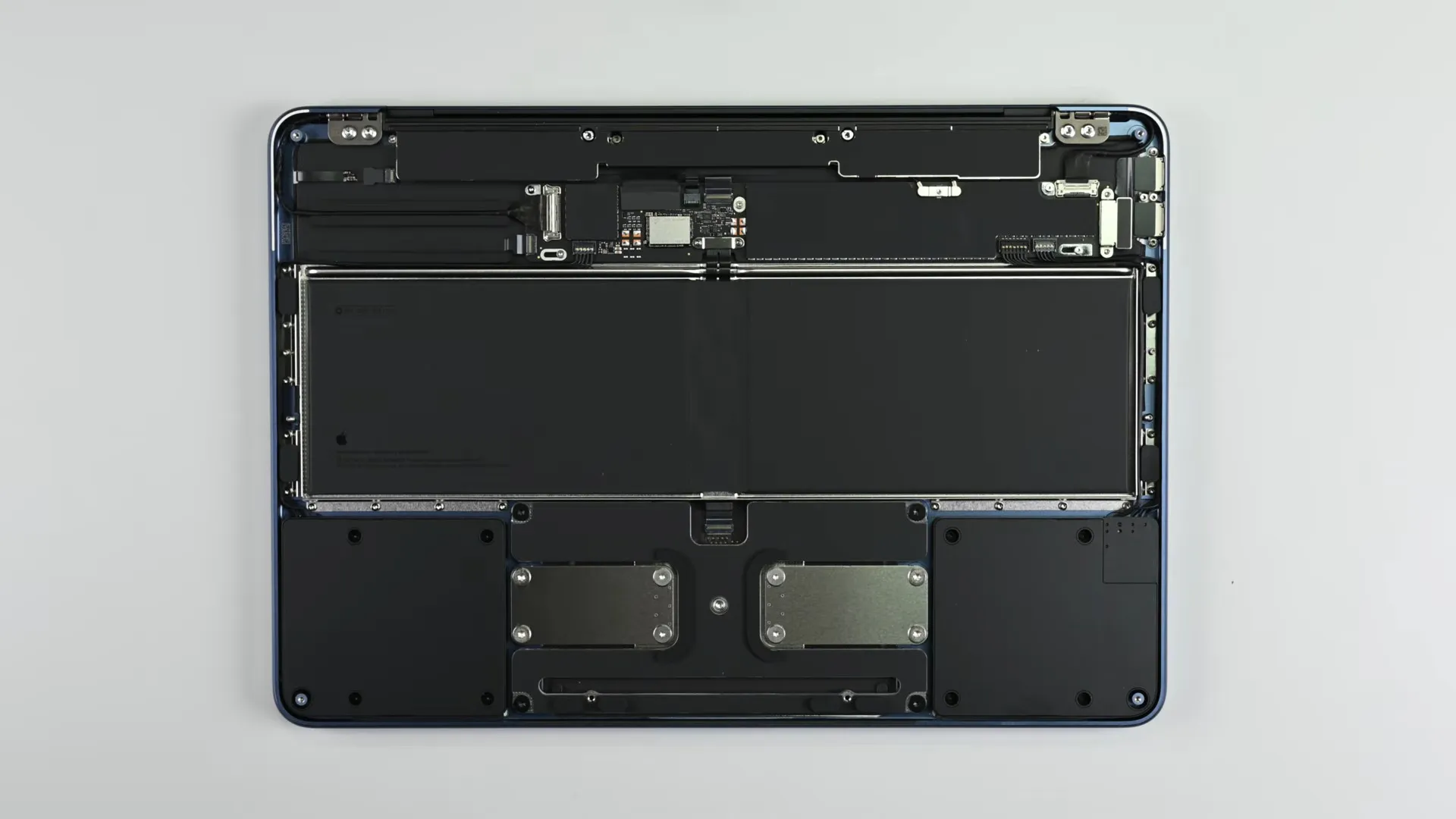
Brittle snap-fit enclosures or glue can make a device pop together quickly during manufacture, but are a headache when it comes time to repair or hack it. Our friends at iFixit tore down the Neo and found it to be the most repairable MacBook since the 2012 unibody model. A screwed in battery, and modules for many of the individual components including the USB ports and headphone jack make it fairly simple to replace individual components. Most of those components are even accessible as soon as you pop the bottom cover instead of requiring major surgery.

As someone who has done a keyboard replacement on a 2010 MacBook, the 41 screws holding the keyboard in brought back (bad) memories. While this is a great improvement over Apple’s notoriously painful repair processes, we’re still only looking at an overall 6/10 score from iFixit versus a 10/10 from Framework or Lenovo.

Advertisement

The real story here is that these improvements from Apple were spurred by Right-to-Repair developments, particularly in the EU, that were the result of pressure from hackers like you.

If you want to push a Neo even further, how about water cooling it? If you’d rather have user-upgradeable RAM and storage too in a Mac, you’ve got to go a bit older.

Advertisement

Source link

Continue Reading

Tech

Samsung Bespoke Compact Oven Series 7 50L NQ5B7993AAK Review

Published

on

Verdict

Slick, attractive and entirely handle-free, the Samsung Bespoke Compact Oven Series 7 50L NQ5B7993AAK gives you a flush finish. This smaller oven is ideal as a secondary model, either standalone or above a plate warmer, and it doesn’t compromise on features: steam cooking and air frying alongside traditional cooking modes, with a generous 50-litres of oven space inside. It’s not cheap, but if you want quality cooking and don’t need microwave cooking, this oven is excellent.

  • Lots of cooking modes

  • SmartThings integration

  • Steam cooking

  • Air fry mode

Key Features

  • Compact size

    Advertisement

    A smaller oven, but still with a decent 50L capacity

  • Steam cooking

    Advertisement

    Use steam by itself or with other modes

Introduction

Most smaller ovens tend to be combination microwave types, but the Samsung Bespoke Compact Oven Series 7 50L NQ5B7993AAK/U4 is a dedicated oven and grill only. 

While that may seem like a step backwards, this oven has a large cavity, some clever cooking modes and is also steam oven. With the option to air-fry to save on costs and speed up cooking times, this could be a neat addition to almost any kitchen.

Advertisement

Advertisement

Design and features

  • Smart auto-open door
  • Steam function
  • Compatible with smart things

Most compact ovens, such as the Neff N90 C29MY7MY0 Microwave Oven tend to be combination microwaves and ovens, but the sleek-looking Samsung Bespoke Compact Oven Series 7 50L NQ5B7993AAK/U4 takes a different tach, and is an oven only.

The obvious disadvantage is that you don’t have a microwave, so will need something from my guide to the best microwaves. There are advantages to this type of device. First, if you’ve got two full-size oven slots in your kitchen and want flexibility, then you could install this oven and a plate warmer in one slot (admittedly, you could do that with a combi microwave oven, too), and a full-size model in the other.

Secondly, and most importantly, by focusing on being an oven, the NQ5B7993AAK/U4 has more space inside than your average combi, with 50-litres of space. That’s five litres more than the Neff N90.

And, as well as regular cooking, the NQ5B7993AAK/U4 is a steam oven, too. Steam’s a wonderful way to cook, whether you want juicier more tender meat, or you want it to help bake bread with a nice rise and a thin, crunchy crust.

Advertisement

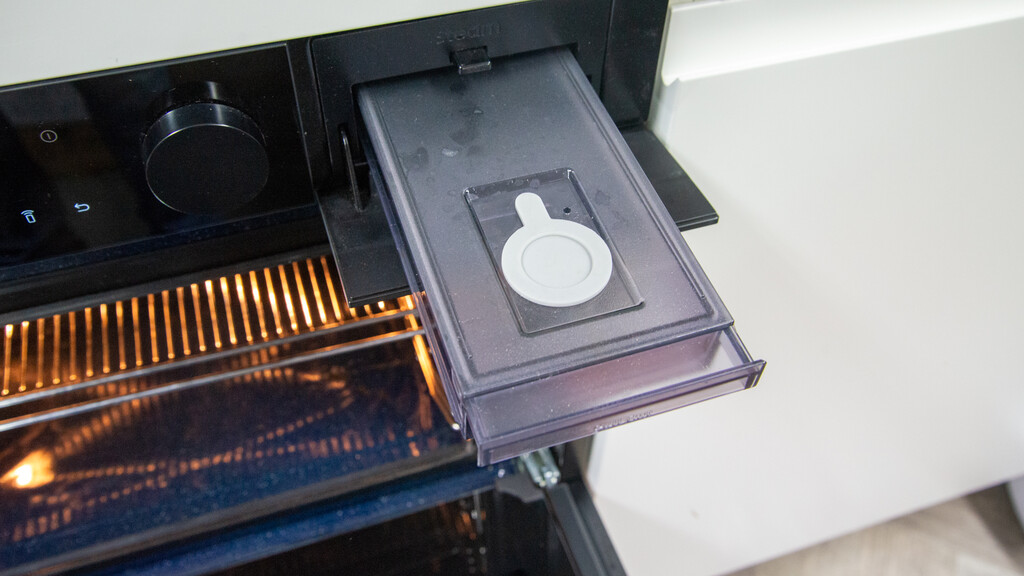
The water tank is available at the top of the unit, with a simple pull-out tank that you fill with fresh water.

Advertisement

Samsung Bespoke Compact Oven Series 7 50L NQ5B7993AAK water tankSamsung Bespoke Compact Oven Series 7 50L NQ5B7993AAK water tank
Image Credit (Trusted Reviews)

One of the first things you’ll notice about the Samsung NQ5B7993AAK/U4 is that it doesn’t have a handle anywhere to open it. Instead, there’s a button that electronically opens the door, getting it to swing fully open.

It looks neat in action, but it also means there are no protruding oven handles, so you get a flush installation alongside your cupboards.

There is a door opener in the box, which can be used to manually pop the door open in the event of a problem: make sure you keep it somewhere safe.

Advertisement

Samsung’s user interface is simple to use. A simple menu let me pick the cooking mode: convection, fan conventional, eco convection, large grill, fan grill, top heat + convection, bottom heat + convection, intensive cook, pro-roasting and air fry. 

Samsung Bespoke Compact Oven Series 7 50L NQ5B7993AAK oven modeSamsung Bespoke Compact Oven Series 7 50L NQ5B7993AAK oven mode
Image Credit (Trusted Reviews)

Advertisement

Temperatures run up to a maximum of 250°C, which is enough for most recipes that require a high temperature (I typically cook baguettes at 250°C, for example). 

It’s easy to add a timer to the cooking, and then choose what to do when the timer runs out: turn the oven off, keep the same temperature or switch to keep warm.

Samsung Bespoke Compact Oven Series 7 50L NQ5B7993AAK select end of cooking modeSamsung Bespoke Compact Oven Series 7 50L NQ5B7993AAK select end of cooking mode
Image Credit (Trusted Reviews)

When I picked the oven off option I was pleased to see that at the end of the timer, I could choose to add a five more minutes of cooking to help food that needed a bit of extra time.

Samsung Bespoke Compact Oven Series 7 50L NQ5B7993AAK add five minutesSamsung Bespoke Compact Oven Series 7 50L NQ5B7993AAK add five minutes
Image Credit (Trusted Reviews)

In addition to the regular cooking modes, there are four steam modes: steam cook (pure steaming, no heat), steam convection, steam top heat + convection, and steam bottom heat + convection. For each, I could select the level of steam that I wanted, but there’s no steam inject option here as you get on the Neff N90 B69VY7MY0 Oven.

Advertisement

Advertisement

Steam inject is a useful feature to have, as you can choose when to inject steam (at the start of bread baking, for example), rather than having a constant dose.

Samsung also offeres a range of auto cook and auto defrost programmes. Just choose the type of food you want to cook (roast chicken, baked potato, and so on), and select the weight, and the oven will pre-set the right mode, temperature and cooking time for you.

I found these options useful for foods I don’t cook very often, and they save me from having to look up a recipe online.

Internally, the space is well laid out with four shelf heights to choose from, although it’s a shame that there’s no telescopic shelf rail. I really like telescopic rails, as they make it easier to load and unload items without having to lean in.

Advertisement
Samsung Bespoke Compact Oven Series 7 50L NQ5B7993AAK traysSamsung Bespoke Compact Oven Series 7 50L NQ5B7993AAK trays
Image Credit (Trusted Reviews)

Samsung provides a wire shelf, air fry rack and baking tray in the box, plus a steam dish, which is all you really need on an oven this size.

Advertisement

As well as the direct controls, the oven is compatible with SmartThings for remote control and monitoring, with notifications coming through when the timer has run out. It’s useful to have. I’ve got a smart oven at home, and getting notifications when food is ready is really useful, since I don’t have to hover over it while cooking.

Performance

  • Exceptional cooking
  • Very even grill

I started by loading up a tray of ceramic cooking beans, and placing them on a tray in the middle of the oven, which was set to 200°C. After 20 minutes, I removed the tray and measured the temperatures: 209.4°C at the front of the tray and 219.5°C at the back. That’s a touch hotter than the target temperature, but a good spread of heat, given the heating element is at the back of the oven.

This even heat showed itself when I cooked oven chips. Using the standard oven, I found that 0.489kWh of power was used, which is about average. My chips were evenly cooked, needing a turn in the middle of cooking, with a nice consistency.

Samsung Bespoke Compact Oven Series 7 50L NQ5B7993AAK normal chipsSamsung Bespoke Compact Oven Series 7 50L NQ5B7993AAK normal chips
Image Credit (Trusted Reviews)

I then switched and cooked the same types of chips, but using the air fry setting instead. This reduced power consumption to 0.389kWh, showing that it’s a more efficient way of cooking. The results were better, too. My chips had a more definitive crunch on the outside, and a softer inside. They were very evenly cooked, too.

Advertisement

Advertisement
Samsung Bespoke Compact Oven Series 7 50L NQ5B7993AAK air fryer chipsSamsung Bespoke Compact Oven Series 7 50L NQ5B7993AAK air fryer chips
Image Credit (Trusted Reviews)

I then used the steam setting to cook a baguette. Using a constant mid-level steam input, my bread finished with a nicer crust to it than when using a regular oven.

Samsung Bespoke Compact Oven Series 7 50L NQ5B7993AAK baguetteSamsung Bespoke Compact Oven Series 7 50L NQ5B7993AAK baguette
Image Credit (Trusted Reviews)

I then tested the grill by adding slices of bread to the top shelf. The result was as close to perfect as you can get from an oven: evenly toasted from side-to-side.

Samsung Bespoke Compact Oven Series 7 50L NQ5B7993AAK grill testSamsung Bespoke Compact Oven Series 7 50L NQ5B7993AAK grill test
Image Credit (Trusted Reviews)

Having a steam is brilliant for general cooking. I prefer to steam my veg, but using a microwave steamer tends to make it a bit soggy, and steamers you drop into a pan aren’t very big. The Samsung Bespoke Compact Oven Series 7 50L NQ5B7993AAK has a large steam dish ideal for this.

Advertisement

There’s a steam cleaning mode. It works best on fresher messes, but it’s not as effective as pyrolytic cleaning.

Should you buy it?

You want a powerful, small oven

Advertisement

If you’re after a second oven with compromise, this one cooks brilliantly and has very useful steam features.

If you need microwave features, look for a flatbed combi oven that gives you this feature.

Advertisement

Final Thoughts

It’s certainly not cheap, but the Samsung Bespoke Compact Oven Series 7 50L NQ5B7993AAK is very good. It cooks brilliantly, with very even heat; has an excellent air-fry mode; and its steam-cooking modes add flexibility in what and how you cook. If you need a smaller second oven and don’t require a microwave, it’s a great choice; if you want a microwave combo, check out my guide to the best ovens.

How we test

Unlike other sites, we test every oven we review thoroughly over an extended period of time. We use standard tests to compare features properly. We’ll always tell you what we find. We never, ever, accept money to review a product.

Advertisement

Find out more about how we test in our ethics policy.

  • Used as our main oven for the review period
  • We use ceramic beads and a thermal camera to see how evenly the oven heats.
  • We use slices of bread to see how evenly the grill cooks.

FAQs

Does the Samsung Bespoke Compact Oven Series 7 50L NQ5B7993AAK have a microwave?

No, this is a oven, air fryer and steamer.

Advertisement
How does the Samsung Bespoke Compact Oven Series 7 50L NQ5B7993AAK use steam?

Steam can be used in addition to the oven, by itself and for cleaning.

Advertisement

Advertisement

Test Data

  Samsung Bespoke Compact Oven Series 7 50L NQ5B7993AAK

Full Specs

  Samsung Bespoke Compact Oven Series 7 50L NQ5B7993AAK Review
Manufacturer
Size (Dimensions) 595 x 456 x 570 MM
Weight 33.4 KG
Release Date 2025
First Reviewed Date 17/03/2026
Model Number Samsung Bespoke Compact Oven Series 7 50L NQ5B7993AAK
Stated Power 1000 W
Special features Air fry, steam
Oven type Convection
Appliance type Integrated
Number of ovens 1
Oven description Compact integrated oven
Oven grill Yes
Oven steam Yes
Microwave bed type Flat
Oven capcity 50 litres

Source link

Continue Reading

Tech

Thousands of Americans Treated With Psilocybin in 2025

Published

on

In a new 4,000-word article, CNN tells the story of a retired appellate paralegal and grandmother in her early 70s who was treated for depression with psilocybin. CNN notes there’s now retreats featuring psilocybin in a few countries — and while psilocybin is illegal under United States federal law, “In Oregon, 5,935 clients received psilocybin services through Oregon’s state-regulated program in 2025.”


High doses of psilocybin are effective in treating depression, a growing body of research suggests, with promise for other conditions, like PTSD and addiction, said Dr. Albert Garcia-Romeu, associate director of the Center for Psychedelic and Consciousness Research at Johns Hopkins University… Some researchers suggest it disrupts entrenched traffic patterns in the brain or grows new neuron connections to change thinking. Others say the results from psilocybin could have to do with its anti-inflammatory effect, Garcia-Romeu said…

Colorado became the second state to make psilocybin legal with a 2023 law and issued its first healing center” last year. A law adopted in New Mexico last year established that state’s Medical Psilocybin Program, now in development… Psilocybin seems to be “knocking on the door of FDA approval,” said Dr. Lynn Marie Morski, president of the Psychedelic Medicine Association, which educates health care providers on the therapeutic use of psychedelics so they can answer patients’ questions through the lenses of clinical evidence and harm reduction. Psilocybin therapy first received a “breakthrough therapy” designation for treatment-resistant depression from the US Food and Drug Administration in 2018, and now psilocybin drug products are on track to be submitted to the FDA for possible approval in the not-too-distant future.

While psilocybin is illegal under United States federal law, more states are creating their own paths for legal use under state laws.

Advertisement

Source link

Advertisement
Continue Reading

Tech

I Was Amazed That this Oppo Camera Slammed the iPhone 17 Pro in My Tests

Published

on

The iPhone 17 Pro is absolutely worthy of its ranking among the best camera phones you can buy in 2026. Thanks to its trio of lenses and features like ProRaw, It’s capable of taking stunning images — in broad daylight or in the dead of night — that would rival professional mirrorless cameras. But while Apple may have held its crown as mobile photography champ for a long time, there are an increasing number of flagship Android phones that offer incredible camera skills as well — and the Oppo Find X9 Pro is just such a device. Its camera setup is excellent and I’ve taken some beautiful images with it using both its wide and 200-megapixel zoom cameras. 

The Find X9 Pro is a powerhouse phone in all respects, which is why it scored so highly in my full review — and why it was given a coveted CNET Editors’ Choice Award. So to see just how it stacks up against the iPhone 17 Pro, I took it out on a series of photo missions around my beautiful home city of Edinburgh. 

Before we dive in, a quick note about the images. They were all shot with each phone’s default camera mode in JPEG with no other settings applied (the Photographic Style on the iPhone was set to Standard). The images have been imported into Lightroom for the purposes of comparison and exporting at file sizes that will play nicely on the internet, but no other edits, sharpening or noise reduction have been applied. 

Advertisement

Watch this: One Month Later: The iPhone 17 Pro Strikes Back

Remember that while some decisions about which images look better might be obvious (such as a lack of detail or image processing aberrations), others will simply come down to personal opinion. I’m a professional photographer, so I typically look for an image that captures the scene more naturally. You may like a more vibrant image with high contrast, so take my findings with a pinch of salt.

With that said, let’s dive in.

Wide cameras comparison

iPhone 17 Pro, shot on the main camera.

Andrew Lanxon/CNET

Oppo Find X9 Pro, shot on the main camera.

Andrew Lanxon/CNET

Starting off with this easy snap overlooking the train tracks. Both phones have exposed their images above well but the Oppo’s shot has more natural warm tones on the brickwork on the wall — the iPhone’s look more magenta. The Oppo’s colors are more vibrant, too, but not overly so. 

iPhone 17 Pro, shot on the ultrawide camera.

Andrew Lanxon/CNET

Oppo Find X9 Pro, shot on the ultrawide camera.

Advertisement

Andrew Lanxon/CNET

Switching to the ultrawide lens, the blue sky definitely looks oversaturated in the Oppo’s shot. And here’s where we have to dive deeper; Oppo’s image has had more digital sharpening applied to it, which helps some details look crisp, but it’s also got a lot of noise reduction, which smooths details in other areas.

Detail crop with the iPhone 17 Pro on the left and Oppo Find X9 Pro on the right.

Advertisement

Andrew Lanxon/CNET

If we look up close at this section of wall, we can see that the strong lines of mortar between the bricks look sharper in the Oppo’s photo on the right. But the bricks themselves look almost polished as they’ve been stripped of detail by the noise reduction. The iPhone’s image has retained that detail.

iPhone 17 Pro, shot with the main camera.

Advertisement

Andrew Lanxon/CNET

Oppo Find X9 Pro, shot with the main camera

Andrew Lanxon/CNET

Another weird one to analyze. The wooden box of the library is unquestionably sharper on the Oppo’s shot, with even the minute scratches on the perspex being clearly visible. But as soon as we look further out toward the edges of the frame, that detail plummets. 

Advertisement

Detail crop with the iPhone 17 Pro on the left and Oppo Find X9 Pro on the right.

Andrew Lanxon/CNET

Zooming in close on a section to the right side of the frame, it’s clear that the Oppo’s image severely lacks detail compared to the iPhone’s image. Whether this is an image processing issue or due to the quality of the lens, I’m not sure, but it’s surprising to see, especially given how sharp the rest of the image is.

Advertisement

iPhone 17 Pro, shot with the main camera.

Andrew Lanxon/CNET

Oppo Find X9 Pro, shot with the main camera.

Andrew Lanxon/CNET

This indoor shot on the main camera feels like a slightly easier win for the Oppo. Its image is brighter and colors look richer without being too punchy. As before, it both sharpens some areas and reduces texture in others. There’s a lack of detail toward the edge of the frame, but you’d only notice if you really get up close to the pixels. Overall, I prefer the look of the Oppo’s shot. 

iPhone 17 Pro, shot with the ultrawide camera.

Andrew Lanxon/CNET

Oppo Find X9 Pro, shot with the ultrawide camera.

Andrew Lanxon/CNET

And it’s the same when I switched to the ultrawide lens — the Oppo takes the win here.

iPhone 17 Pro, shot with the main camera.

Andrew Lanxon/CNET

Oppo Find X9 Pro, shot with the main camera.

Advertisement

Andrew Lanxon/CNET

I love the balanced exposure from both phones in this vibrant outdoor scene, but I prefer the warmer tone of the Oppo’s shot. The iPhone’s photo looks like it saw all the golden colors and set its auto white balance on the cooler side to compensate. The Oppo produced a more true-to-life image and I think it’s a great shot as a result.

iPhone 17 Pro, shot with the main camera.

Advertisement

Andrew Lanxon/CNET

Oppo Find X9 Pro, shot with the main camera.

Andrew Lanxon/CNET

I don’t like the Oppo’s effort here, though. It artificially brightened the shadows way too much, giving this scene a fake HDR look that screams, “I took this on an Android phone.” The iPhone takes an easy win with its more natural handle on shadows.

Advertisement

iPhone 17 Pro, shot with the main camera.

Andrew Lanxon/CNET

Oppo Find X9 Pro, shot with the main camera.

Andrew Lanxon/CNET

I’m conflicted on this one. The Oppo’s shot is brighter and more vibrant, but it’s almost too much. The blue sky is a bit on the electric-blue side for my taste, while the buildings in the center of the frame look slightly too bright. Still, I think I prefer its rendition to the iPhone’s, which does look a little drab by comparison.

iPhone 17 Pro, shot with 2x zoom.

Andrew Lanxon/CNET

Oppo Find X9 Pro, shot with 2x zoom.

Andrew Lanxon/CNET

At 2x zoom, this indoor scene looks solid on both phones. Overall, I think the Oppo’s shot takes the win as it’s brighter and sharper than the iPhone’s. 

iPhone 17 Pro, shot with 8x zoom.

Andrew Lanxon/CNET

Oppo find X9 Pro, shot with 6x zoom.

Advertisement

Andrew Lanxon/CNET

Taking each phone up to its maximum default zoom levels (8x on the iPhone, 6x on the Oppo), the results look quite dramatically different. The color balance is wildly different for one thing, with the iPhone leaning more into teal tones while the Oppo’s photo has a more magenta cast to it. Honestly, neither one looks especially realistic, with both phones going a bit too hard in different directions. What I have noticed is that the Oppo’s image has gone overboard with the digital sharpening, resulting in a crunchiness to the details that I’m not a fan of. 

Detail crop with the iPhone 17 Pro on the left and Oppo Find X9 Pro on the right.

Advertisement

Andrew Lanxon/CNET

The huge amount of digital sharpening on the Oppo’s shot is clear when you zoom in on the details.

iPhone 17 Pro, shot with 8x zoom.

Advertisement

Andrew Lanxon/CNET

Oppo Find X9 Pro, shot with 6x zoom.

Andrew Lanxon/CNET

This is an odd one; at max zoom, the Oppo has catastrophically failed to render the details on the side of the building. 

Advertisement

Detail crop with the iPhone 17 Pro on the left and Oppo Find X9 Pro on the right.

Andrew Lanxon/CNET

Check out this detailed crop; I don’t know what the Oppo was doing in its image, but that building has been turned into a bizarre, smeary mess. The iPhone has done a superb job of capturing those distant fine details.

Advertisement

iPhone 17 Pro, shot with 8x zoom.

Andrew Lanxon/CNET

Oppo Find X9 Pro, shot with 6x zoom.

Andrew Lanxon/CNET

Seagulls on a log. There’s very little to choose between either phone in this example. Take your pick!

iPhone 17 Pro, shot with 8x zoom.

Andrew Lanxon/CNET

Oppo Find X9 Pro, shot with the Hasselblad zoom lens.

Andrew Lanxon/CNET

The Oppo Find X9 Pro does have a secret weapon when it comes to zoom, though, in the form of the Hasselblad telephoto zoom accessory. This optional lens attaches to the phone and gives huge zoom lengths — up to 40x — while retaining excellent quality. You can see the difference here in the maximum zoom range of the iPhone against the zoom of the Find X9 Pro with the lens attached; it’s both closer and sharper.

The telephoto lens looks just like a real Hasselblad camera lens. It’s great fun to play with.

Andrew Lanxon/CNET

Oppo Find X9 Pro, shot with the Hasselblad telephoto zoom lens.

Advertisement

Andrew Lanxon/CNET

I absolutely love using the lens add-on for street photography, as you can get some great candid moments without anyone noticing. It’s worth keeping in mind, though, that the Hasselblad lens for the phone is an eye-watering £435 or $580 (based on a rough conversion of the 499 euro price), and third-party telephoto lenses from the likes of Sandmarc are also available for the iPhone. 

Night photography

iPhone 17 Pro, shot with the main camera, night mode.

Advertisement

Andrew Lanxon/CNET

Oppo Find X9 Pro, shot with the main camera, night mode.

Andrew Lanxon/CNET

The iPhone’s night mode shot here does look brighter, but I prefer the richer contrast on the Oppo’s shot. Otherwise, it’s a pretty even match here.

Advertisement

iPhone 17 Pro, shot with the main camera, night mode.

Andrew Lanxon/CNET

Oppo Find X9 Pro, shot with the main camera, night mode.

Andrew Lanxon/CNET

But it’s a much easier win for the Oppo here. The deeper contrast has helped keep some of the flare from the lights at bay, while the details on the front of the building are much sharper. 

iPhone 17 Pro, shot with the main camera.

Andrew Lanxon/CNET

Oppo Find X9 Pro, shot with the main camera.

Andrew Lanxon/CNET

This indoor scene is brighter, warmer and more vibrant on the Oppo and I much prefer it as a result. 

iPhone 17 Pro, shot with the main camera, night mode.

Andrew Lanxon/CNET

Oppo Find X9 Pro, shot with the main camera, night mode.

Advertisement

Andrew Lanxon/CNET

The iPhone’s image is brighter here, especially in the sky, but if you zoom in on the details, the Oppo’s image is sharper. 

iPhone 17 Pro, shot with the ultrawide camera, night mode.

Advertisement

Andrew Lanxon/CNET

Oppo Find X9 Pro, shot with the ultrawide camera, night mode.

Andrew Lanxon/CNET

And it’s basically the same story when you switch to the ultrawide lens. 

Advertisement

iPhone 17 Pro, shot with 8x zoom, night mode.

Andrew Lanxon/CNET

Oppo Find X9 Pro, shot with 6x zoom, night mode.

Andrew Lanxon/CNET

When we jump to the zooms, though, the Oppo has ramped up the sharpening again, resulting in an image that looks rather over-processed.

iPhone 17 Pro, shot with 2x zoom.

Andrew Lanxon/CNET

Oppo Find X9 Pro, shot with 2x zoom.

Andrew Lanxon/CNET

I caught a glorious sunset on one evening but only the iPhone managed to do it justice. I love the iPhone’s natural tones and deep shadows, whereas the Oppo has delivered an oversaturated shot that looks like I’ve applied a tacky filter before posting it to Instagram.

iPhone 17 Pro, shot with the main camera.

Andrew Lanxon/CNET

Oppo Find X9 Pro, shot with the main camera.

Advertisement

Andrew Lanxon/CNET

And it’s the same here with the Oppo’s shot looking saturated against the iPhone’s more realistic version. 

iPhone 17 Pro, shot with 8x zoom.

Advertisement

Andrew Lanxon/CNET

Oppo Find X9 Pro, shot with 6x zoom.

Andrew Lanxon/CNET

But the difference was most obvious when using the zoom lenses on both phones. The iPhone’s shot not only has more natural colors, but the Oppo’s heavy-handed processing has given the lighthouse an unpleasant halo (a light haziness around its edges) that really spoils the shot. 

Advertisement

iPhone 17 Pro, shot with the selfie camera.

Andrew Lanxon/CNET

Oppo Find X9 Pro, shot with the selfie camera.

Andrew Lanxon/CNET

I ended on a selfie and here both phones went in interesting directions. The Oppo is certainly the winner to my eye — it’s shot is considerably sharper (without overdoing it) with more natural skin tones and an accurate orange hue on my jacket. The background is a bit overly cyan but it’s certainly a better-looking attempt than the iPhone’s.

iPhone 17 Pro vs. Oppo Find X9 Pro: Which takes better photos?

I was surprised at the results. Oppo’s phones — and its sister company OnePlus’s phones — have had a history of leaning hard into image processing with often wildly brightened shadows, too much sharpening and inaccurate colors that resulted in shots that were only really okay for casual snaps. The Find X9 Pro does have some of that (the image of the red restaurant front is a particularly egregious example of shadow brightening) but it’s way more toned down than I expected.

Advertisement

In fact, it delivered shots in many instances that I preferred over the iPhone’s. The golden hues of the tree-lined pathway shot looked sublime on the Oppo, while the warmer, brighter tones inside the pub were a clear victory for the X9 Pro. Most of the images from the Oppo’s main camera I preferred over the iPhone’s, including some at night. It wasn’t a win in every instance and it just goes to show that each phone’s image processing will still trip up in different scenarios. 

But overall, I think I have to give the win to the Oppo Find X9 Pro. Its ability to capture scenes accurately with just enough processing to help give images that little pop but without going overboard is admirable. It’s safe to say then, if you’re looking for a high performance Android camera phone, the Find X9 Pro is certainly one to consider.

Source link

Advertisement
Continue Reading

Tech

Anthropic wins first round in case against US administration ban

Published

on

A US judge did not mince her words in a ruling that described the US administration’s designation of Anthropic as a supply chain risk as ‘arbitrary and capricious’.

Anthropic has won its first round in the court case it has taken against the US administration’s ban on the use of its products in government, with US district judge Rita F Lin issuing a preliminary injunction yesterday (26 March) pausing the US administration’s plan to ban all use of Claude products. The administration now has seven days to appeal the judgement.

Anthropic drew the ire of the US administration after a standoff with the Pentagon, where Anthropic refused to change its safeguards related to using its AI for fully autonomous weapons, or for mass surveillance of US citizens.

Anthropic confirmed on 5 March that it received a letter from the Department of Defense saying it had been designated a ‘supply chain risk’ by the US administration, and said it had no choice but to challenge the decision in the courts.

Advertisement

Many in Silicon Valley supported Anthropic’s relatively principled stand, and general users sent it to the top of the US Apple charts for free downloads at the time – beating OpenAI’s ChatGPT for the first time.

The US ‘supply chain risk’ designation was seen by most as a way of punishing Anthropic for not bowing to government pressure, and now a district judge has backed that premise and granted a temporary injunction on the ban.

“These broad measures do not appear to be directed at the government’s stated national security interests,” the judge said in her ruling. “If the concern is the integrity of the operational chain of command, the Department of War [sic] could just stop using Claude. Instead, these measures appear designed to punish Anthropic.

“One of the amicus briefs described these measures as ‘attempted corporate murder’. They might not be murder, but the evidence shows that they would cripple Anthropic. The record supports an inference that Anthropic is being punished for criticising the government’s contracting position in the press.”

Advertisement

She continued: “Punishing Anthropic for bringing public scrutiny to the government’s contracting position is classic illegal First Amendment retaliation. Moreover, Defendants’ [US government] designation of Anthropic as a ‘supply chain risk’ is likely both contrary to law, and arbitrary and capricious.”

“We’re grateful to the court for moving swiftly, and pleased they agree Anthropic is likely to succeed on the merits,” an Anthopic spokesperson told SiliconRepublic.com. “While this case was necessary to protect Anthropic, our customers and our partners, our focus remains on working productively with the government to ensure all Americans benefit from safe, reliable AI.”

Don’t miss out on the knowledge you need to succeed. Sign up for the Daily Brief, Silicon Republic’s digest of need-to-know sci-tech news.

Advertisement

Source link

Continue Reading

Trending

Copyright © 2025