
Security teams log 54% of successful attacks and alert on just 14%. The rest move through your environment unseen.
The Picus whitepaper shows how breach and attack simulation tests your SIEM and EDR rules so threats stop slipping by detection.





This year’s University of Washington commencement speaker has decades of experience in a field that increasingly benefits from AI and machine learning — but unlike some of her counterparts this graduation season, she almost certainly won’t get booed off the stage.
Mary E. Brunkow is a UW alum and scientist whose research in immune system regulation helped scientists better understand how the body controls its own defenses. She and her colleagues won the 2025 Nobel Prize in Physiology or Medicine for their research. She will be the featured speaker Saturday at the UW’s 151st Commencement.
Brunkow works at Seattle’s Institute for Systems Biology, where machine learning and AI-driven approaches have been part of the research toolkit for years. She is not a tech executive, not a venture capitalist, and not in the business of forecasting the future of work.
This year, commencement speakers at campuses across the country have faced pointed pushback when raising AI. At the University of Arizona, former Google CEO Eric Schmidt was repeatedly booed after telling graduates the question wasn’t whether AI would shape the future, but whether they would help shape it.
At Middle Tennessee State University, music industry executive Scott Borchetta told graduates that AI was rewriting production and, when students pushed back, responded: “Deal with it. Like I said, it’s a tool.”
But the graduates aren’t simply booing AI. They’re booing the people saying it — executives with obvious stakes in the futures they’re describing, speaking with certainty about lives they don’t live.
At a moment when students have spent four years watching AI reshape classrooms, hiring, and creative industries, many appear far more willing to listen to voices grounded in inquiry than in certainty.
Brunkow understands the exhaustion.
“AI is touching everything that people are doing; a lot of times, it’s presented in stark or ominous terms,” she said in an interview. “I can understand the backlash.”
Rather than dismissing those concerns, she acknowledges them — while making the case that humanity has been in similar positions before. “This isn’t the first time that there’s been a revolutionary new technology or new way of thinking, and the human race is pretty good at adapting and using those new things,” Brunkow said.
Her perspective comes from years inside research environments where computational tools transformed discovery long before AI became a cultural flashpoint. That gradual exposure shaped a more measured view of both the promise and the limits of the technology.
“If you’re going to throw something into your analysis that you don’t have a complete understanding of how it works, then how are you going to judge the results that come out in the end?” Brunkow said.
In scientific culture, new tools are only valuable if they produce results that withstand scrutiny: a very different posture from the “disruption is inevitable” framing common in tech circles.
She sees AI accelerating discovery without replacing the judgment behind it.
“You’re still going to need the subject matter experts,” Brunkow said. “A human brain is still going to be needed to ask the right questions and then to look at results, so you know how to ask the next right question.”
That is a more measured vision of AI than the one many graduates have encountered from commencement stages this spring. The technology may accelerate discovery, Brunkow said, but it does not eliminate the need for curiosity, judgment, or the ability to know what question to ask next.
“It’s not like we will solve every problem, just because we have stronger and faster tools, but we can arrive at answers faster,” Brunkow said.
Brunkow isn’t planning to warn graduates about AI, nor urge them to master the latest trends. She’ll talk about something less predictable: staying curious. Careers and discoveries, she said, rarely unfold according to plan.
“Serendipity is an underrated part of a person’s life,” Brunkow said. “Keep your eyes and ears open to things that come along unexpectedly.”
Lauren Coffey (@Lauren__Coffey) is a senior reporter at EdSurge covering early childhood education, child care workforce and technology. You can reach her at lauren [at] edsurge [dot] com.
In addition to screen time, the type of school to attend, the content children consume and the food they eat, a new concern cropped up for parents over the last few years: Whether to keep their children back a year from entering kindergarten.
“Redshirting,” a reference to collegiate sports in which the athlete sits out a year to boost their skills, has crept into the decision making process for parents with children on the cusp of the age cut-off in kindergarten, usually age 6 in most states. Parents can either have the student as one of the oldest in their grade or among the youngest, with some believing holding their child back can help academic achievement.
But according to a new report, the practice is not becoming more widespread. It has hovered steady at around 5 percent, since the the 1990s and 2010s, The number reached 6.4 percent during the pandemic.
“One of the reasons we wanted to look into it is because we felt like everyone talks about it, but only 1 in 20 students actually do it,” says Megan Kuhfeld, director of modeling and data analytics at NWEA, an education research firm. “So why does it feel like everyone was considering it for their children?”
Kuhfeld hypothesizes the smaller, more vocal group of parents considering redshirting was amplified on social media, but when it came time to make the decision, outside factors – like paying for an extra year of child care, which is becoming more costly than ever — played a large role.
“It might seem that this is a good idea but it’s, ‘We’re on the hook for an extra $15,000 in child-care costs,’ which may not be practical for a lot of families,” Kuhfeld says, adding she expects redshirting to stay steady. “The types to consider it will likely continue to, but a lot of people consider it then decide it’s not practical for a lot of reasons.”
The NWEA study did find more young boys were likely to be kept back than girls, with white students more often than nonwhite students. In the 2021 year, there were also upticks in rural areas, jumping from 6.2 percent to 9 percent, and high poverty areas, jumping from 2.2 to 4.7 percent. That could be because child care is more affordable in smaller towns, or easier to find with a friend, family or neighbor.
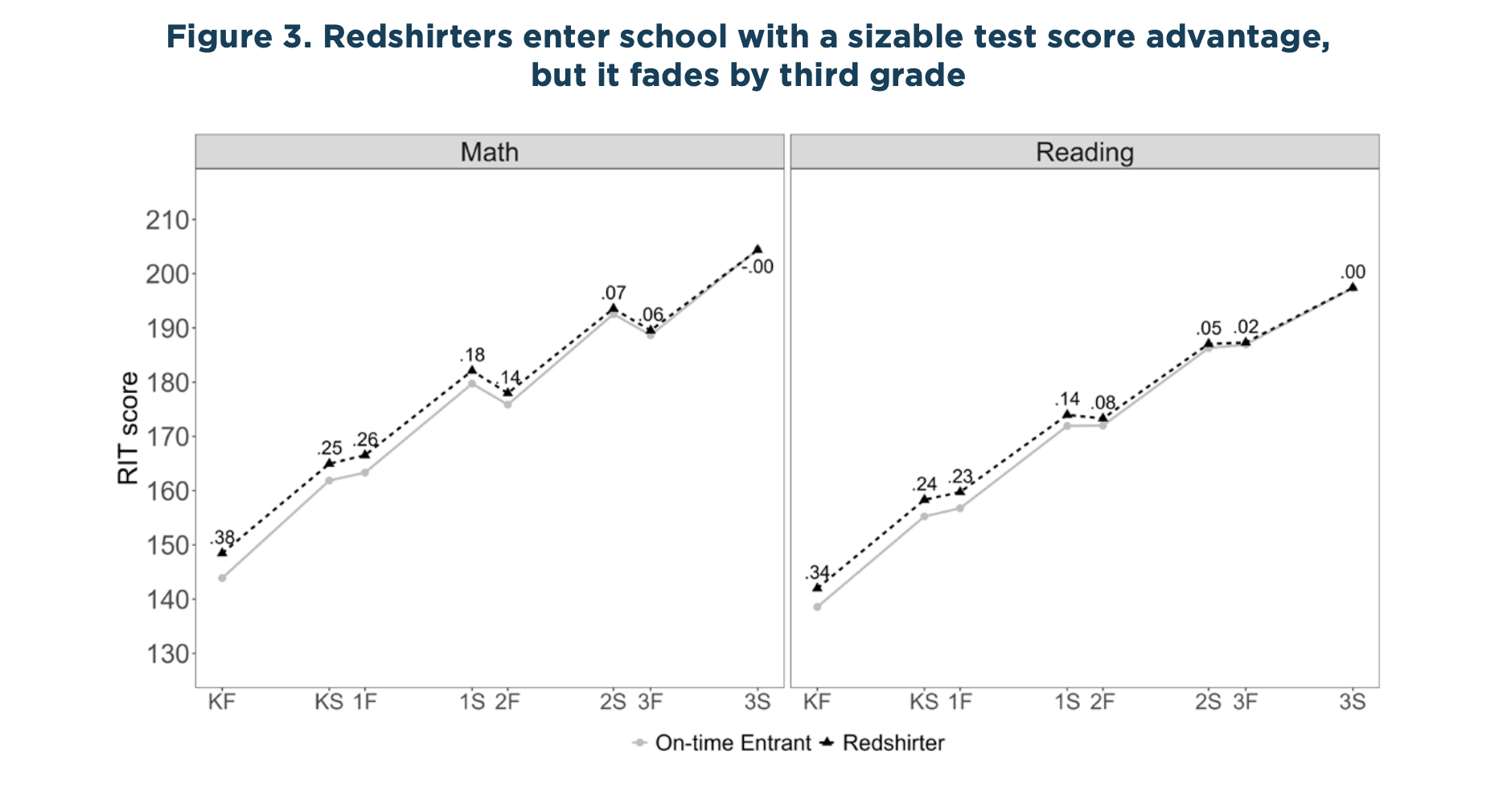
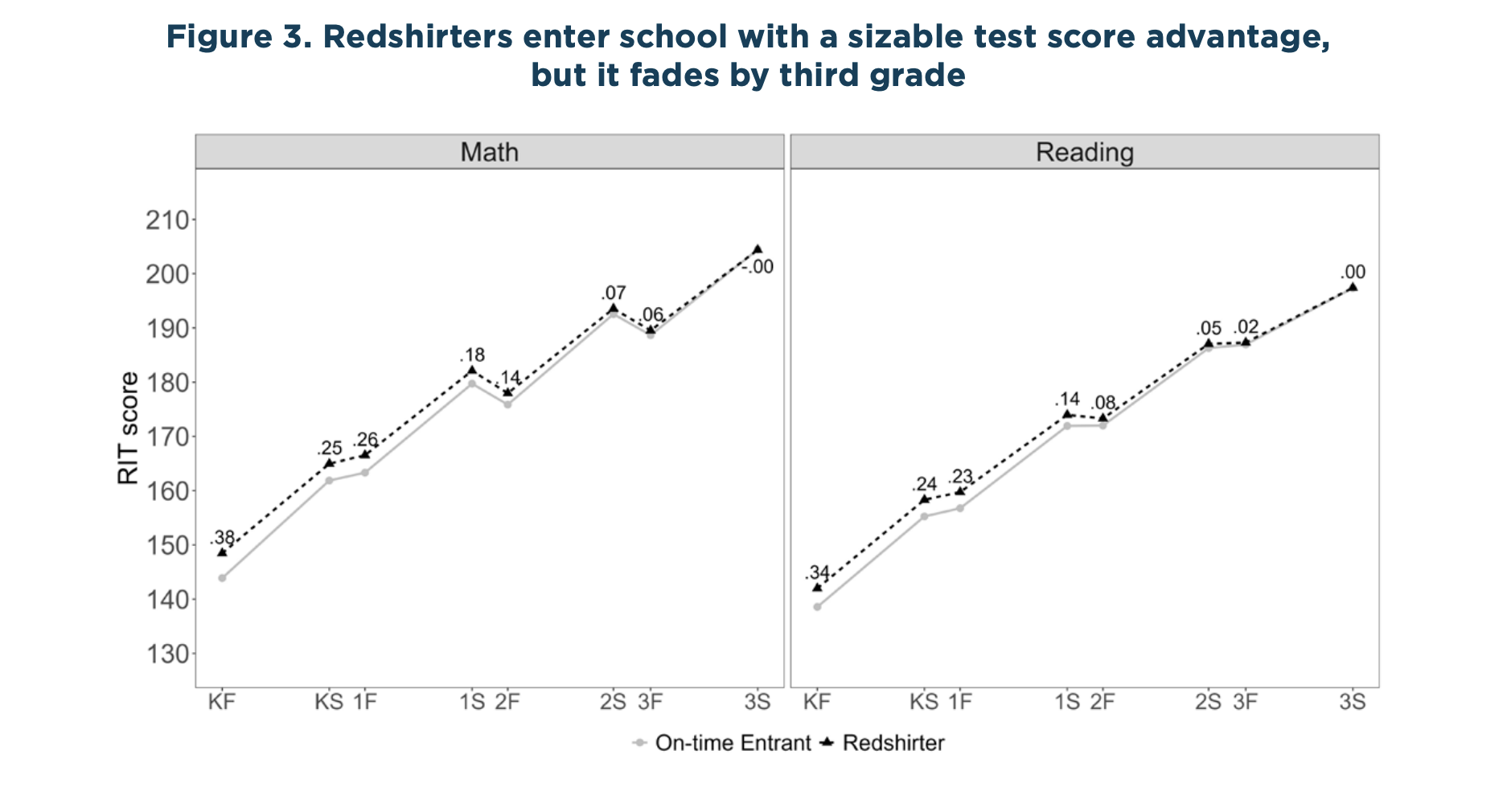
Proponents of redshirting say it gives the child an academic and social advantage being an older kindergartner. However, the benefits generally are short-lived, according to the NWEA report. While children initially saw higher reading and math scores, equating to about 20 percent to 30 percent of a year of learning, those results evened out by third grade, when the children who entered kindergarten early catch up to the redshirters.
While children who started kindergarten later initially saw a large academic advantage in math and reading scores, by third grades, those gaps were filled.
Source: NWEA
There is at least one strong reason not to redshirt, according to the American Economic Association: Children who started kindergarten after 5 years old are more likely to drop out later on.
NEWSLETTERS
Sign up for EdSurge newsletters for timely news, insights and analysis.
“People often focus on the short-term gains, but it’s important to keep in mind the perspective of what it means to be the older kid in class, where you turn 18 your junior year of high school,” Kuhfeld says. “It’s just keeping in mind these longer term outcomes and making the best decision for your child.”
Some states have begun pushing toward a forced redshirting of sorts. North Carolina public schools shifted its age cut off in 2007, requiring students to be 5 years old or older on Aug. 31, upping the date from a previous mid-October cut off.
Jade Jenkins, an associate professor of education at University of California, Irvine, found in a report that forced redshirting brought pros and cons. It helped math and reading scores in third through fifth grades, and students with forced delays into kindergarten also had a 4 percent increase of being identified as academically gifted. However, the same report found students had a 6 percent drop in disability identification. According to Jenkins’ research, it benefitted lower-income, white students but brought no benefit to Hispanic students.
“Is the valuation of the academic benefits of delayed entry higher than the costs of the hold-out year and the public costs of increased racial-ethnic achievement gaps? Future research can provide a more precise estimate of this calculation, but we find this unlikely,” Jenkins says in the report.
The latest redshirt debate is one of several parents surrounding kindergarten. Some state legislators are pushing for it to become mandatory across the nation, with others concerned about the dipping levels for kindergarten readiness. It has also become more academic-focused than ever, which in part spurred the latest NWEA study.
“We wanted to get this information out in an accessible way to have both the advantages and disadvantages, and not get caught up in blanket guidance,” Kuhfeld says.
“Especially in high socio-economic status schools and districts, there’s already an arms race by preschool to get situated for college, which is where a lot of this comes from,” she adds. “There’s this attitude of, ‘We have to take every avenue to get ahead’ and I don’t think that is healthy.”


Japan approached the October 22, 2009 launch of Windows 7 with typical enthusiasm for new technology and a flair for memorable promotions. In select stores, buyers encountered something far more unusual than posters or demo kiosks. A standard roll of toilet paper carried the Windows 7 name and a full rundown of its improvements directly on the sheets.
This item was advertised in the similar way that Windows Vista Service Pack 1 was a year or so ago, with promotional paper rolls distributed in Akihabara and other retailers that printed out all of the upgrading information. The same strategy was carried over into the broader Windows 7 rollout, but this time, perhaps due to laziness, they used plain old toilet paper as advertising material. From a distance, the roll looked like any other roll of toilet paper, and the bulk of the models were made of the same two- or three-ply paper you’d get at home.
Sale

Only with closer inspection did you see the repeated Japanese lettering on the surface. At the top, it would state that the new operating system was fast, comfortable, and reassuring for those upgrading from an older version, and it would even include the release date as well as a promise that it would significantly improve the speed, security, and compatibility of your existing hardware and programs.
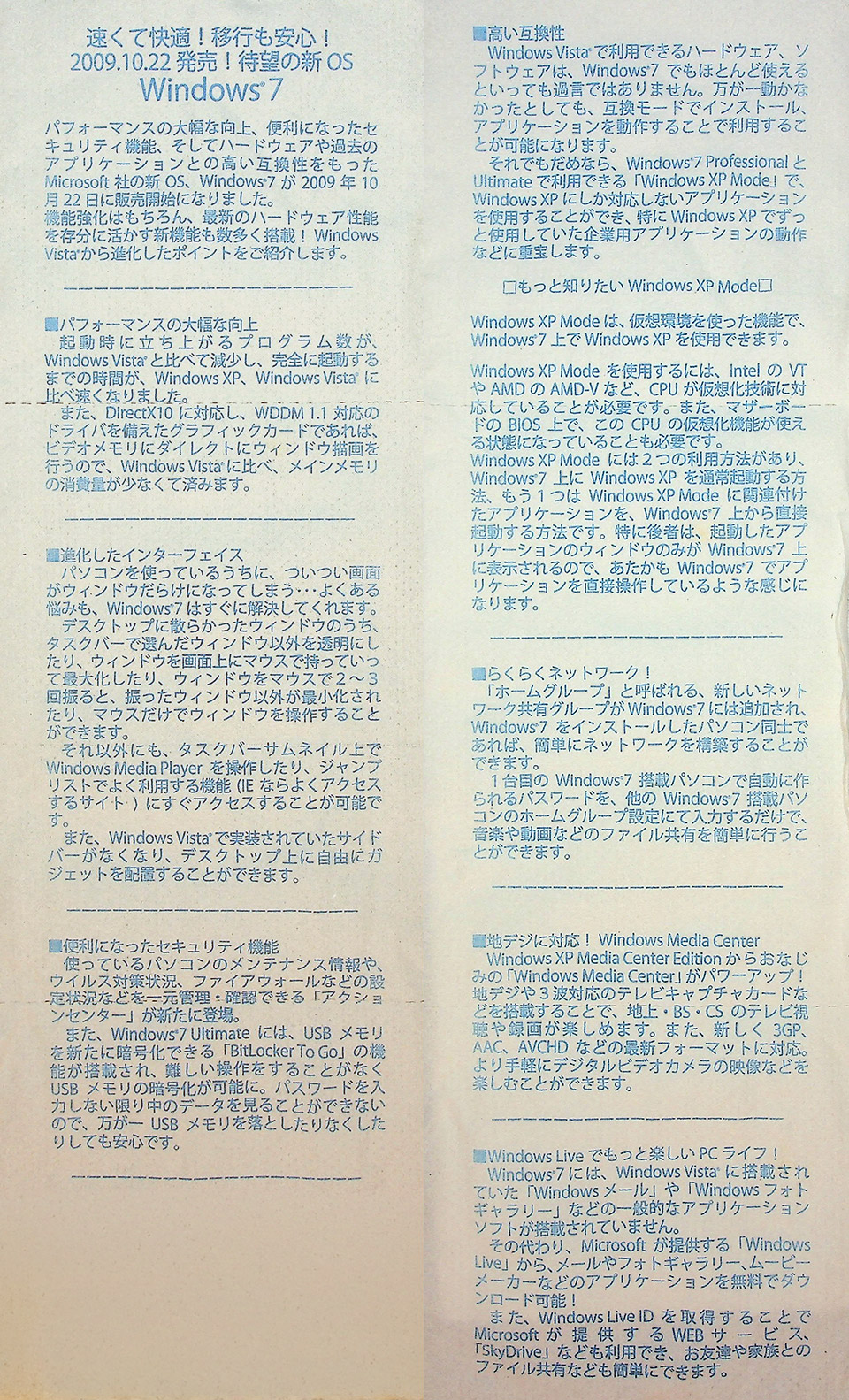
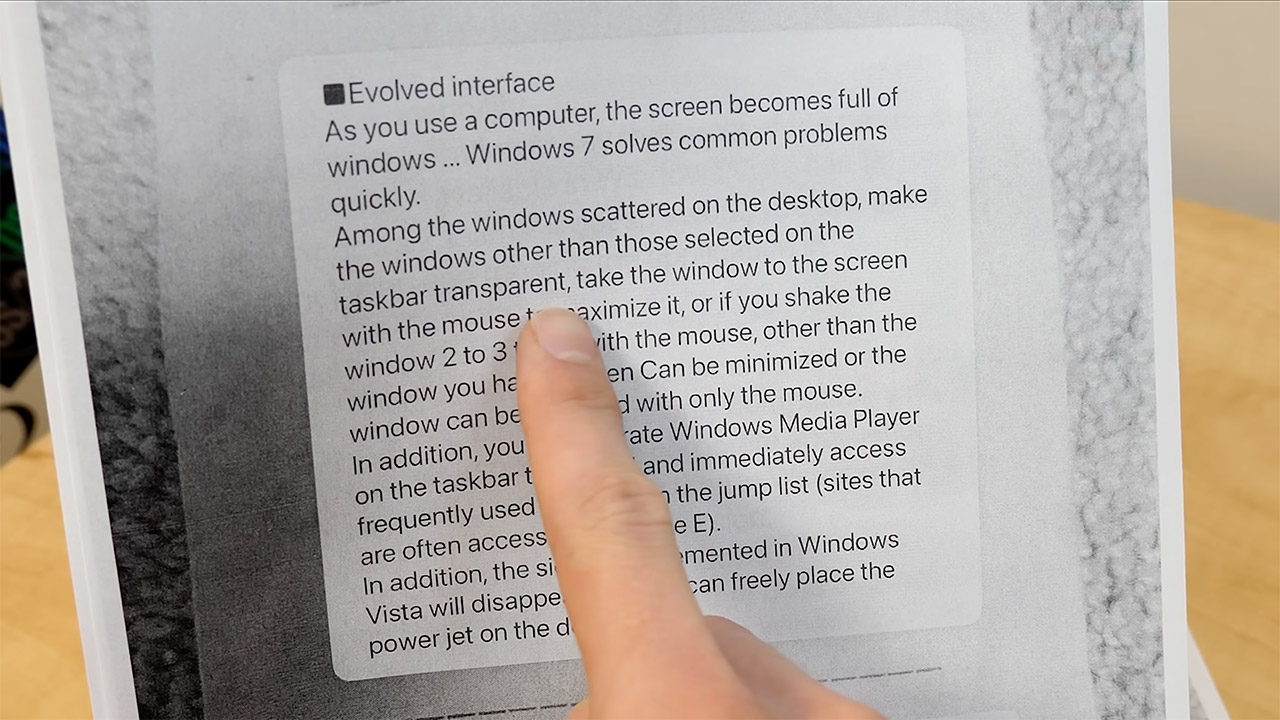
The rest of the material is separated into sections that cover the specific enhancements available with Windows 7. One bit underlines how much faster startup times will be since fewer programs will load when you boot up. Another part demonstrates how enhanced memory management can greatly boost graphics performance on compatible cards. Then there’s the section describing how the UI will be simplified, making the screen less congested. It demonstrates how inactive windows become transparent and how a quick flick of the mouse minimizes everything else.
It also mentions the taskbar’s revamp, which includes playback controls for Windows Media Player and the ability to access jump lists with a single click. Oh, and the old Vista sidebar simply disappears, freeing up desktop space for your personal gadgets. Security is also taken into account. An Action Center consolidates all maintenance warnings, antivirus status, and firewall settings in one location. The Ultimate edition also features BitLocker To Go, which makes it considerably easier to encrypt USB drives, allowing you to protect your data without becoming bogged down in tiresome processes.
This messaging emphasized how much compatibility has improved since Vista, which was inconsistent. So it was reassuring to learn that most of your existing hardware and software would still work, and that for any older programs that would not run, the Ultimate edition includes Windows XP Mode, which essentially creates a virtual environment that allows you to run legacy applications within Windows 7 if your CPU can handle the necessary virtualization features.
Networking and media capabilities complete the primary selling points. HomeGroup allows you to set up a very simple home network that just requires a shared password to exchange files and media. Windows Media Centre now supports digital TV broadcasts, recording, and a range of other video formats, while the emphasis shifts to downloadable Windows Live applications for email, photos, and video. Even some early cloud storage with SkyDrive for easy sharing with friends and family.
By the way, the design of the advertising material was rather clever, as the text would repeat in cycles, allowing you to pick up where you left off and go over the important points without having to unroll the whole thing. Some versions appeared to come with packaging modeled to Windows software boxes, stressing the link to the actual product launch. This initiative was spearheaded by local retailers rather than a huge Microsoft campaign, and the idea was to offer customers with a concrete reminder of why Windows 7 was superior to its predecessor in whatever spare time they had while going about their regular business. This type of tie-in is well-suited to Japan’s electronics retail sector, which has a long history of implementing wacky promotions that serve both functional and brand marketing purposes.
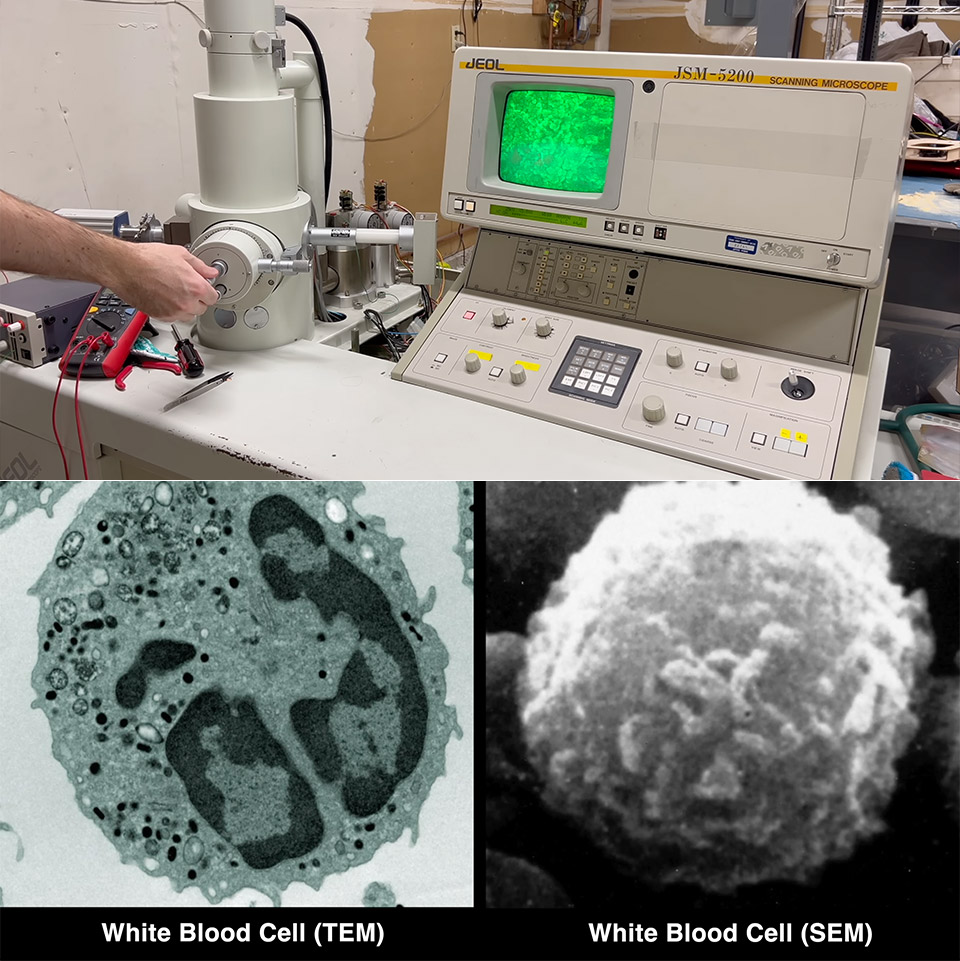
Makers who restore old scientific equipment sometimes end up pushing those machines into new roles. ProjectsInFlight fits that description after bringing a JEOL JSM-5200 scanning electron microscope back to life from a scrap pile.
Scanning electron microscopes work by zipping a narrow beam of electrons across the surface of a specimen. These electrons bounce off surface atoms and emit secondary electrons. Collecting all of those secondary electrons yields a highly detailed representation of the sample’s external form and roughness. However, the features you’re most interested in are often hidden beneath the surface. Transmission electron microscopes use electrons to penetrate ultra-thin materials. Any changes in density or material inside the sample affect how many electrons travel through, and a detector on the other end detects that pattern and translates it into an image of what’s going on inside.
Sale

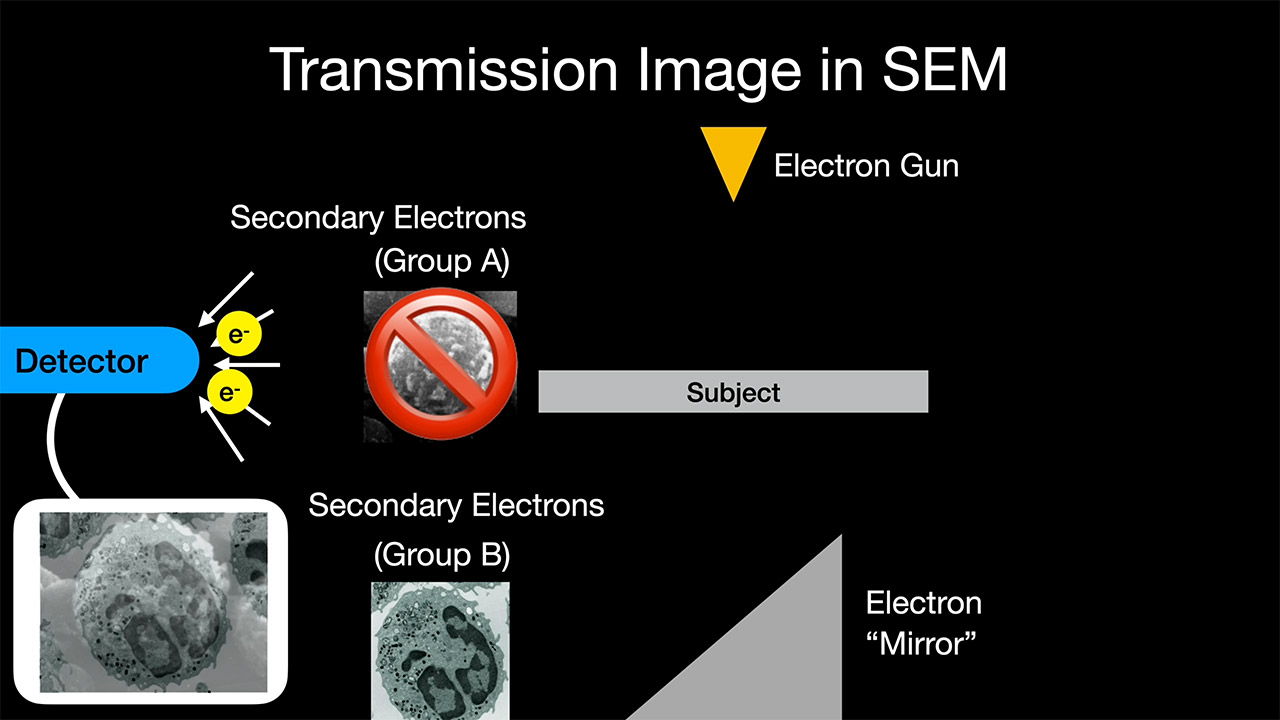
Building on a scanning electron microscope to increase transmission capacity can be very expensive. That’s why ProjectsInFlight decided to be creative and build his own adapter from scratch using only basic machine tools. The adapter is a bespoke component that fits into the microscope chamber and perfectly aligns the sample. Then, a conductive barrier surrounds it, preventing secondary electrons bouncing off the surface from reaching the detector. A small mirror beneath the sample collects any electrons that pass through. These electrons bounce off the mirror, creating a new signal that the microscope’s standard detector can detect.

One of the most difficult jobs was to fit everything into the microscope chamber’s limited space. The standard sample holders took up too much space, so we had to create a custom plate out of thin metal to free up 14mm. The remaining components, such as the adjustable mirror mount and shield, were turned and milled from aluminum and brass. The most challenging element was figuring out how to change the mirror angle without repeatedly venting the entire chamber. So he designed a unique configuration that allows you to alter the tilt even after the suction is activated.

His initial test specimens were gold nanoparticles affixed to a standard electron microscopy grid, but the results were inconsistent at initially because some surface-generated signal was still reaching the detector. He repaired it by significantly beefing up the shield. With the shield in place, he could see the nanoparticles as distinct dark spots in the image. Because they appeared flat, we concluded that the contrast was created by electrons flowing through the particles rather than merely bouncing off the surface. The next object was a mosquito wing, and the thin sections of the wing allowed enough electrons to create a high internal contrast image. He could see small structures inside the wing that would have been invisible with a surface scan, and the best part was that the thicker areas of the wing blocked more electrons, allowing him to identify where the material was thickening or thinning.

However, this improvised adapter is not a replacement for a genuine transmission electron microscope. Those instruments have all sorts of fancy lenses and so on to make them much more powerful, but our adapter provides useful internal contrast for samples that can live with a bit less resolution. The best part is you won’t have to spend another small cash on a completely new instrument.
[Source]


A smart home without the internet may sound like a paradox, but stay with me. There are already a number of smart home devices that work with no internet, but you can take it a step further and build an entire brand-agnostic smart home system that runs locally. That means a smart home that doesn’t need the cloud or rely on one company’s servers to keep working. With the right devices and setup, a smart home with no internet is more possible than it might initially sound.
AWS and Cloudflare have become the proverbial backbone of the internet, and each time one of these providers suffers an outage, we’re all reminded that our smart devices are only an internet outage away from being dumb. With a locally-controlled smart home, you can sidestep this issue, so long as your local network is online. You also retain greater control of your network traffic and data when everything isn’t being beamed to and from the cloud, giving you a greater degree of privacy.
While a local smart home comes with all of the aforementioned benefits, the tradeoff is easy remote access, which can be particularly useful for smart locks, cameras, and thermostats. So if that’s not a concession you’re willing to make, you could take a more hybrid approach.
The linchpin of most fully offline smart homes is a Home Assistant hub. Home Assistant is an open source smart home interface that prioritizes local device control and privacy, so it’s a perfect fit. While you could install Home Assistant on a Raspberry Pi 4 or 5, or even spring for the Home Assistant Green, you’re better off buying a cheap mini PC, given the current cost of memory. Hubitat is a lesser-known alternative, and works well for basic setups using Zigbee or Z-Wave, but is very limited compared to Home Assistant. Using Hubitat also requires purchasing its dedicated automation hub for local processing, but it remains an option.
Beyond a hub, you need to select devices that will work offline. You can technically reconfigure some Wi-Fi or IoT devices by isolating them on your LAN. However, doing so involves diving deep into your router and firewall settings, and your mileage may vary depending on the devices. Both Zigbee and Z-Wave are wireless protocols that don’t depend on Wi-Fi, enabling local control through a compatible hub or controller. Regardless of which you choose, both will require an adapter to allow communication for your devices. Home Assistant offers both, in the form of Home Assistant Connect ZBT-2 for Zigbee, and the ZWA-2 for Z-Wave. There are also other USB adapters for both platforms, so you can shop around a bit.
Both Zigbee and Z-Wave power devices for common smart home categories, but Zigbee products tend to be cheaper, are open source, and offer a broad catalog of devices. Z-Wave is proprietary, and generally more expensive, but it typically has better range and device interoperability. Both use AES-128 symmetric encryption and both form a mesh network with other devices in the ecosystem. Voice recognition for voice commands can also be achieved with local LLMs combined with Home Assistant’s Assist feature.
What often gets left out of the offline smart home conversation is Power Line Communication (PLC). Power Line Communication works by transmitting data through your home’s existing electrical wiring. PLC has been around for years, and it’s the underpinning of X10, which is widely regarded as the dawn of home automation when it arrived in the 1970s.
A widely available and affordable PLC-based option is Insteon — and I speak from both personal experience as a smart home hobbyist and an electrician who has installed them in the past for customers. Insteon’s reputation faltered greatly when it abruptly announced bankruptcy and shuttered its doors, only to be resurrected soon after thanks to dedicated users literally buying the company. Insteon’s financial woes were never about its products, but more so about its mismanagement by its former parent company, SmartLabs, during the supply chain constraints during COVID-19.
Insteon is unique in that it deploys a dual-mesh — or “dual-band” as Insteon calls it — technology that uses both wireless RF and power line communication. This allows Insteon devices to not only function without Wi-Fi, but also act as a peer-to-peer network. To get started with Insteon, you would typically buy the Insteon Hub for web access, but a better route for offline control is the Insteon USB PLM, which you can use to interconnect Insteon devices and interface with Home Assistant.
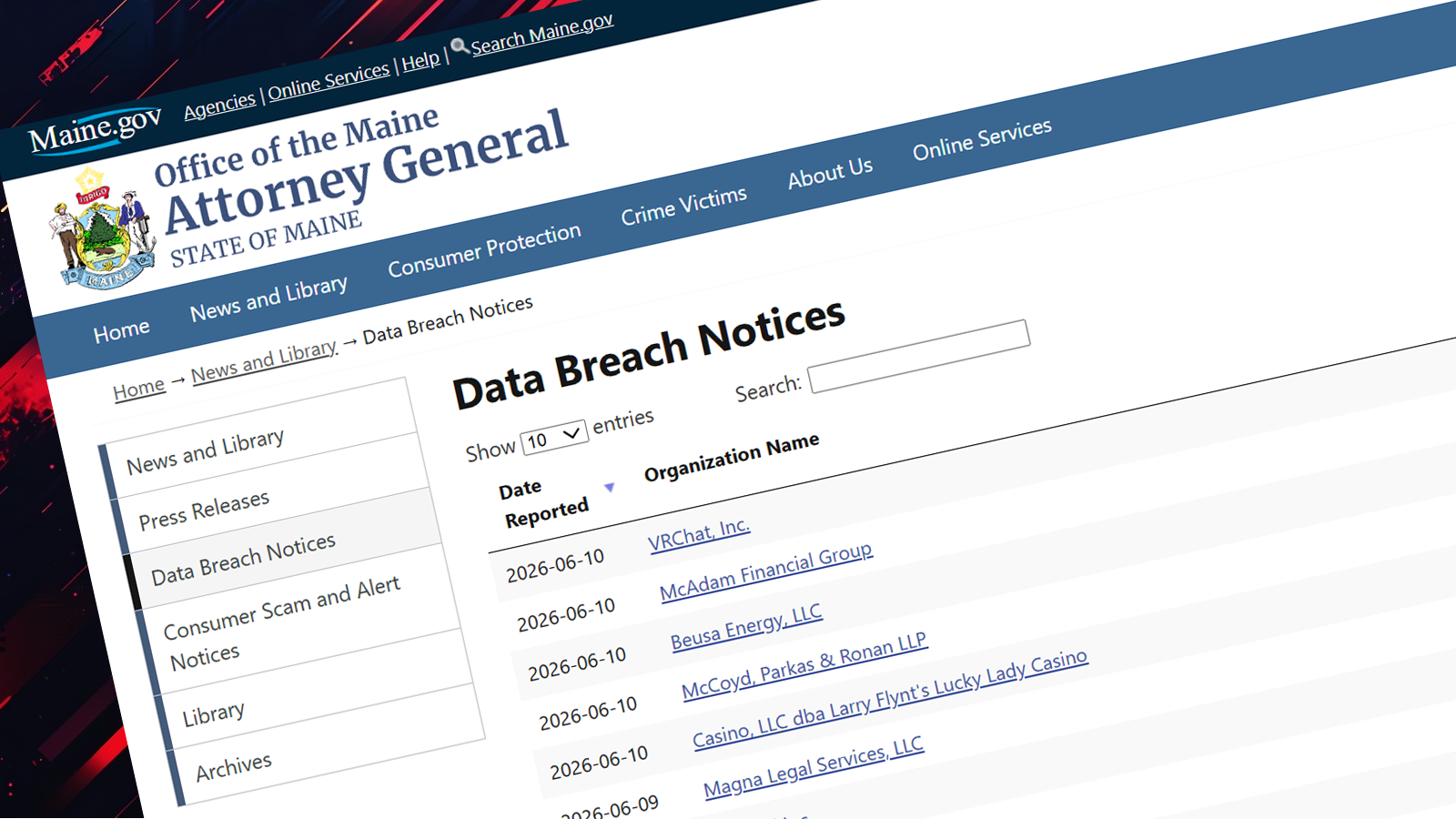
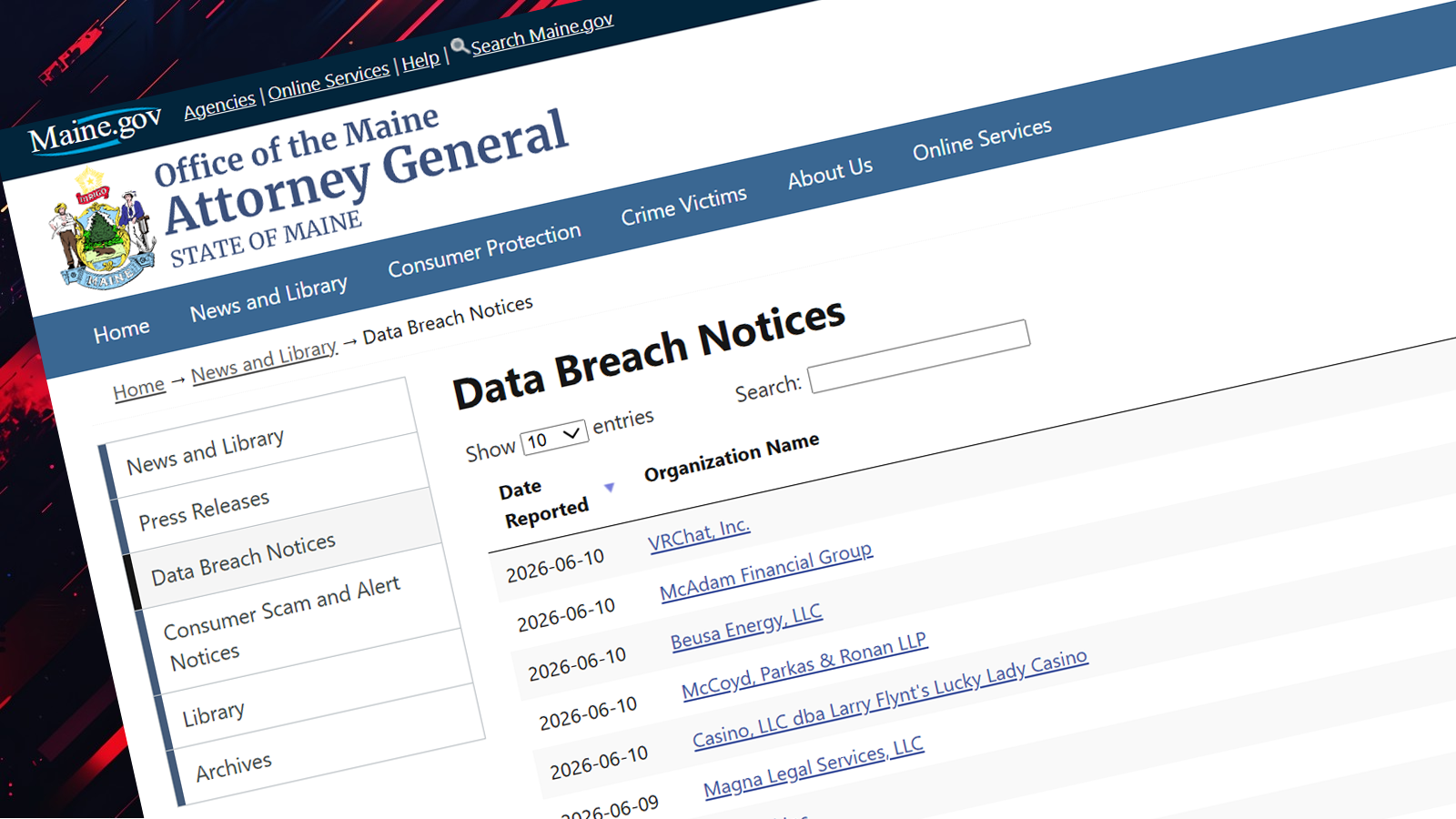
In an unusual misinformation campaign, fraudulent data breach disclosures were submitted to Maine’s official breach portal and publicly posted before their legitimacy could be verified, prompting companies to deny the claims.
A notice allegedly filed by multiplayer social virtual reality platform VRChat is the most recent entry in the state Attorney General’s breach disclosure database.
However, a company representative told BleepingComputer that the breach notification is fake and has been filed using the name of a fictitious employee.
VRChat is a multiplayer social virtual reality platform built on Unity and originally released for Windows and Oculus Rift in 2014, where users interact as customizable avatars in user-created virtual worlds.

The fake VRChat data breach entry notes that personal data of more than 2.4 million users was exposed to hackers after they gained access to the company’s cloud environment.
Whoever submitted the false information made the effort to draft a notification letter for affected individuals, which claimed that the hacking incident occurred between May 10 and 12 and impacted the following types of data:
At a cursory look, the false letter appears legitimate, filled with details about unauthorized access, results of a forensic investigation, actions taken after detecting the hack, claims that steps have been taken to increase security, and what users should do to increase protection for their account.
Charles Tupper, Head of Community at VRChat, told BleepingComputer that the data breach notification in the database of the Maine Office of the Attorney General is fraudulent:
“VRChat did not submit this Notice of Data Incident, and the employee/email cited does not exist. We have no reason to believe that our data or systems have been compromised.”
Tupper added that the company is “in the process of contacting the Maine Attorney General’s office to have this removed.”
Graham Gaylor, the CEO and co-founder of VRChat, also confirmed the statement BleepingComputer received from Tupper.
The Maine Office of the Attorney General also responded to our request for comments and said that “the notice will be coming down” and that they were “not aware of another example of intentional misrepresentation of the notice filings.”
Earlier this week, the Maine Attorney General’s Office listed another suspicious data breach notification allegedly from Discord, which claimed that 10 million people were impacted by a data breach.
Maine’s Attorney General Office confirmed to BleepingComputer that anyone can submit a breach notification form and have it added to the portal without verification.
“We don’t have any independent knowledge of the breaches, the submitting entity fills out the information and it goes directly onto the site. We will review the one you’ve flagged, thank you,” Maine Attorney General’s Office told BleepingComputer when asked about the validity of the Discord data breach submission.
Unlike most formal data breach notifications, the Discord entry did not include a notification letter from the company informing consumers about the breach, disclosing what happened and how those impacted can protect themselves.
Apart from the company address, the Discord entry included vague and unreliable information, starting with the name of the person submitting the notice, a Gmail contact, and a placeholder phone number.
Furthermore, the details about the breach occurring on July 9, 2024, and being discovered on August 8, 2025, along with an inconsistent consumer notification date of January 1st, 2000, are clear indications of a false submission.
Although a data breach did impact Discord in 2025, it occurred on September 20 and was due to a compromise of the company’s Zendesk support desk system.
At the time, the hackers told BleepingComputer that they had stolen data of 5.5 million users from 8.4 million tickets.
Despite being listed on an official portal, the validity of data disclosures is not to be taken for granted as inadequate vetting makes it easy for scammers to spread misinformation, potentially causing reputational harm and panic before companies even become aware that a false filing has been posted.
These fake filings highlight the need for journalists and consumers to independently verify breach notifications with affected companies before treating entries on public notification portals as legitimate incidents.

Security teams log 54% of successful attacks and alert on just 14%. The rest move through your environment unseen.
The Picus whitepaper shows how breach and attack simulation tests your SIEM and EDR rules so threats stop slipping by detection.


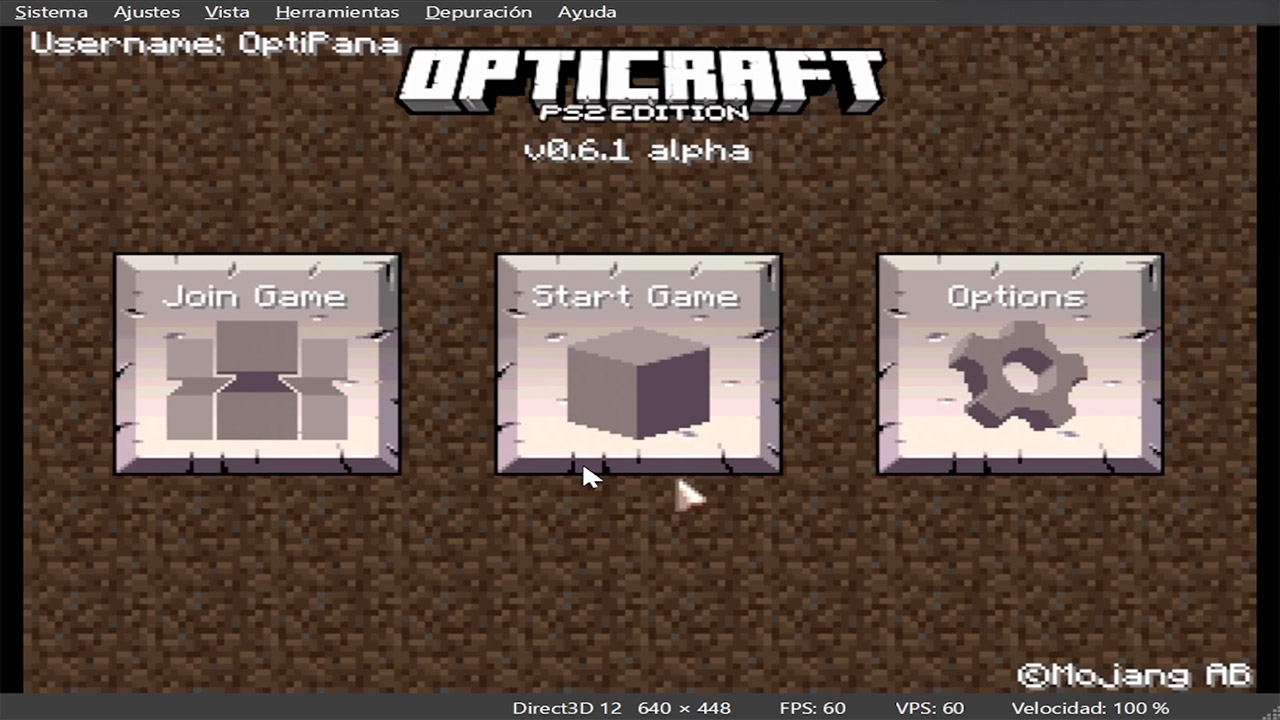
OptiJuegos has delivered a working version of Minecraft to the original PlayStation 2, called OptiCraft. The port draws directly from Minecraft Pocket Edition version 0.6.1 and runs on real hardware released more than a decade before that mobile edition appeared. Players can generate worlds, break and place blocks, and engage with survival elements on a console many assumed could never handle the game.
Development focused on fitting the experience onto the PlayStation 2’s comparatively limited hardware, which only had 32 megabytes of main memory and a small amount of video memory to work with. OptiJuegos focused on specialized optimisations, making good use of the console’s VU1 vector unit for graphics and calculations. The end result is a frame rate of more than 30 per second, and the game runs smoothly even during normal play, unlike emulators, which stutter.
The gameplay loop basically follows the Pocket Edition’s original design. World generation creates a playable environment in which players may move around, harvest resources, and change the ground with blocks. Survival mode is all about keeping an eye on your basic needs and remaining vigilant for hazards. In addition, the Nether Reactor Core from version 0.6.1 reappears. The draw distance and active world size are lowered since there is just not enough memory to support all of the geometry, textures, lighting, and player activities. Even while the end result is a focused experience, you can still feel the excitement of seeing your construction come to life, as shown in the linked clip.
Acabo de PORTEAR MINECRAFT a PLAYSTATION 2
Basado en MCPE 0.6. Con muchas optimizaciones y arreglos para que pueda correr a mas de 30 FPS!
Lo mas complicado fue el tema de la RAM y VRAM. La consola solo cuenta con 32MB! Pero adaptandolo bien a la VU1 se pudo lograr! pic.twitter.com/GE8fl0Zru4
— OptiJuegos (@OptiJogos) June 7, 2026
Controls translate directly to the DualShock 2. Camera movement and block interaction were sufficient for either cautious building or quick resource collection. People who tested the port on real consoles said that it performed well, with only the rare stutter during normal sessions. Certain players reported discovering console-specific peculiarities, such as lag on older platforms, although the essential gameplay remained consistent.
To get the port to work, you must consider a few things, which differ depending on the state of your console. If you have a modded PS2, you can use Open PS2 Loader to boot the executable by just placing it in the programs folder. If your PS2 is stock and one of the Slim variations, you can easily boot a burned disc image with FreeDVDBoot. World saves are now written to memory cards, however the developer has mentioned that they are working on adding USB storage capabilities, which would greatly simplify maintaining several worlds or huge projects.
This release is merely another example of the homebrew community’s ongoing story on the PlayStation 2. The console debuted in 2000 and has always been designed with fixed, pre-authored worlds in mind. However, efforts like this one show that with a little care and attention, the Emotion Engine and its processors can still provide new interactive experiences, even though official support ended years ago. It was a big challenge to remove or compress all of the pieces that would not fit while retaining the game’s core, which is what makes it so dynamic.
[Source]

The approach of a new school year conjures images of teachers preparing their classrooms and principals greeting students as they walk through the doors on the first day of classes.
Parsing education data into snack-sized servings.

But federal data shows that the education jobs that will see the most growth over a decade are supporting roles like substitute teachers, therapists and technologists.
The findings are bracketed by changes in student enrollment and the ending of federal school emergency funds, which are reshaping school districts’ staffing outlooks. School districts across the country continue to grapple with millions in budget deficits, leading to hundreds of job cuts in some cases.
Recent reports show that schools are likely to struggle to fill the most in-demand roles.
Looking at 10 education roles that will gain the most net jobs by 2034, short-term substitute teachers top the overall rankings with an increase of more than 10,000.
Malia Hite says that Utah is among the states that will see an increase in jobs for teacher assistants and paraeducators, who will specifically support student behavior and early literacy, thanks to an infusion of state and federal funds. Hite serves as the Utah State Board of Education’s executive coordinator of education licensing.
She adds the caveat that it’s tough to attract candidates to those roles, particularly in early childhood education — a problem felt strongly around the country.
“However, I will say that those positions, because those positions are typically an entry-level position with a low wage or part-time, they’re hard positions to fill,” Hite says. “Even in the current job market, [where] it’s hard to find positions, we’re still seeing openings in our paraeducator job market statewide. Some of them are making $9 an hour, so why would I do that when I can go somewhere else and make $15 in an entry-level position?”
Hite is cautious when talking about education growth overall because it’s not equal among sectors. Increased demand is expected for non-teacher and non-administrator staff like speech language pathologists, social workers and occupational therapists, she says.
NEWSLETTERS
Sign up for EdSurge newsletters for timely news, insights and analysis.
“This is now our second year that we’ve seen a decrease of student enrollment, and so that means we need fewer teachers, there’s less funding, and so we’re seeing a lot of things like schools close,” she explains. “So in that way, there’s no way that education jobs are going to grow.”
A report from the Consortium for School Networking, a professional organization for K-12 tech leaders, found that schools struggle to retain IT staff across all specialities and levels. Among school leaders that it polled, 16 percent said they were in danger of losing IT staff due to the winding down of federal relief money that was allocated to schools during the pandemic.
The rest of the list, however, is filled by health therapy roles and technology roles. A recent analysis by staffing company ProTherapy predicts physical therapist assistants, speech-language pathologists and physical therapists will be the most in-demand education jobs of 2026 and continue to see double-digit percentage growth.
Schools employ physical therapists and assistants to ensure that students with disabilities can participate in school activities to the fullest extent, while speech language pathologists help students with communication disorders.
Dakota Long, who headed ProTherapy’s 2026 School Workforce Demand Index, says these jobs are growing in demand because schools are aiming to identify students with disabilities and set up interventions as early as possible, as early as age 3 in some schools.
But another factor in the demand for these specialists – physical therapist assistants, in particular – is the job market they are graduating into.
While teacher graduates are overwhelmingly likely to work in the classroom, newly minted health care workers can be wooed by jobs in hospitals, clinics and home health agencies in addition to schools.
“From my perspective in working with schools, they’re wanting to identify those things early on,” Long says, “that way they can provide the best services for these kiddos before it gets to age 7, 8, and then they realize, ‘Oh gosh, we could have been supplying these services earlier.’ So you have early intervention, more kiddos needing these services, but then employees that could be taking on these roles have a lot of different options, as well.”
Hite says that while non-teacher jobs are expected to increase in Utah, though realistically not by as much as ProTherapy’s projections, some nuance is required when looking at what the growth rates mean.
“If I look at the subsector of audiologist, we had two [full-time employees] six years ago, and now we have 11,” she says, an increase of more than five-fold. “We’re talking about 10 people.”
Nadia Tamez-Robledo (@nadiatamezr) is a reporter covering K-12 education for EdSurge with focuses on student and teacher mental health and changing demographics. You can reach her at nadia [at] edsurge [dot] com.

Fluoroscopy is probably the best-known method of X-ray imaging: an X-ray beam passes through the subject to be imaged, and the transmitted X-rays illuminate a phosphor screen. Dense objects, such as metal or bone, cast a shadow on the screen, which provides a real-time image of the subject’s interior. Already having access to X-ray sources, [MarcellF]’s next step was to investigate common phosphor materials, then synthesize his own.
Most common materials that fluoresce under ultraviolet light showed no activity under X-rays: fluorescein, quinine, UV fluorescent paint, and common fluorescent minerals emitted no noticeable glow under 80 kV X-ray stimulation. However, strontium aluminate phosphors did fluoresce well, with a strong afterglow, as did the phosphors in a fluorescent light bulb, some LEDs, and an electroluminescent panel. The electroluminescent panel, which used a zinc sulfide phosphor, was almost as bright as the gadolinium oxysulfide screen from a CT scanner’s detector and had no noticeable afterglow.
One well-known X-ray phosphor is scheelite (calcium tungstate), which [MarcellF] next synthesized. He had previously tested a sample of natural scheelite without success, probably due to impurities. The first step of the synthesis was to melt together potassium nitrate and sodium carbonate, in which [MarcellF] dissolved broken pieces of a tungsten TIG welding rod. This formed sodium and potassium tungstates, which were dissolved and reacted with a calcium chloride solution. This precipitated calcium tungstate, which [MarcellF] annealed to make fluorescent. This produced a blue glow under X-ray stimulation, and doping with lead atoms made it significantly brighter.
We’ve covered several methods of X-ray detection before; most modern fluoroscopes now use a phosphor screen in conjunction with a camera, or sometimes with a photomultiplier tube.

Two exclusive MacBook Air deals are in effect on M4 13-inch and 15-inch models, dropping prices to as low as $899 while supplies last.
The first exclusive deal is on Apple’s closeout M4 MacBook Air 13-inch. This upgraded model, which is discounted to $899* in Sky Blue, has a 10-core GPU for enhanced performance. It also has 16GB of unified memory and 512GB of storage.
Buy M4 13″ MacBook Air for $899
Originally retailing for $1,199, the blowout $899 price at B&H can be activated by shopping through the special pricing links in this post or in our M4 MacBook Air 13-inch Price Guide.
If you prefer the larger screen size, B&H is also offering substantial savings on the 15-inch M4 MacBook Air. Pick up the M4/16GB/256GB model in the sleek Midnight finish for just $969*.
Buy M4 15″ MacBook Air for $969
Both MacBook Air deals include free 2-day shipping within the contiguous U.S. for Father’s Day gift-giving (or to start using the laptop yourself right away).
To put the blowout savings into perspective, it would cost at least $180 more to pick up the cheapest 2026 M5 15-inch MacBook Air, albeit the starting model comes with 512GB of storage.
The exclusive offers are valid now through June 28, but supply is limited to stock on hand and inventory may sell out at any time.


personal tech
MPs told that while concerns over handsets and social media grows, evidence they’re changing children’s brains is limited
MPs looking for proof that smartphones and social media are rotting children’s brains got a less satisfying answer from neuroscientists on Wednesday: nobody can really prove it.
Appearing before the Science, Innovation and Technology Committee this week, three researchers spent much of the session explaining that concern and evidence are not quite the same thing.
Asked what evidence exists on the impact of digital devices on infants and young children, Professor Denis Mareschal, director of the Centre for Brain and Cognitive Development at Birkbeck, replied: “There is very little, if any, causal research in the early years. Almost everything is correlational.”
MPs kept coming back to the question – and the experts kept coming back to the same answer.
When questioned about social media’s impact on adolescents, Professor Sarah-Jayne Blakemore of the University of Cambridge was equally cautious. “What evidence do we have of the impact of digital devices or social media on the adolescent brain?” she asked. “Almost nothing. There are a few small studies, but they haven’t been replicated, and they’re purely correlational.”
However, that didn’t stop the witnesses from expressing concern. Blakemore noted that adolescence is a period when reward systems in the brain are highly active while regions involved in self-control are still developing. “Even as adults, it’s really hard to put our phones down if we’re seeing constantly interesting things, but as a child or an adolescent whose prefrontal cortex is developing, it’s even harder,” she said.
For Dr Dusana Dorjee, a senior lecturer in psychology in education at the University of York, the bigger concern was displacement. Children learn self-regulation through conversation, play, sport, and social interaction, she said, which can be crowded out by excessive screen use.
“What would children do if they were not on their devices?” she asked. “They would interact with others, they would play, they would have multi-sensory input that digital devices can’t provide.”
The researchers were also reluctant to throw every screen into the same bucket. Mareschal pointed to evidence that video calls can help families stay connected, while Dorjee drew a distinction between educational apps and endlessly scrolling whatever an algorithm decides comes next.
MPs also wanted to know whether neuroscience could settle one of the liveliest arguments in the debate: how old a child should be before they’re allowed onto social media.
“What neuroscience can’t do is pinpoint a precise age,” Blakemore said. “The individual differences in brain development are vast.”
AI companions also got their turn in the hot seat, and the answers were even fuzzier than they were for social media.
“We don’t really have any evidence, and that’s one area where I think we really urgently need new evidence,” Blakemore said. “We need to think about, and this is the research question, how children and young people are interpreting AI chatbots, and whether they’re interpreting them just like they would be interpreting a friend’s behavior and suggestions and mental states.”
If there was a takeaway from the hearing, it was that concern about digital childhood is running well ahead of the evidence needed to settle the argument. ®




No Jackpot Winner as $257 Million Prize Rolls Over to $269 Million Monday Draw


Oppenheimer backs SpaceX as $70 billion retail frenzy builds


Markets Rally as SpaceX IPO Looms Amid Iran Tensions and Inflation Surge


Weekend Open Thread: Tuckernuck – Corporette.com


FIFA WC 2026 Group C: Morocco, Scotland challenge Brazil’s hunt for glory | FIFA World Cup 2022

Eli Lilly (LLY) Stock Surges 4% Following Breakthrough Sleep Apnea Trial Results

Zimbabwe Requires Crypto Businesses to Register Annually Under New FIU Regulations


The Ryan Gosling True Crime Thriller On Netflix That Gets Even Stranger, Stream It Now

Bangladesh beat Australia after 20 years in ODIs, register only their second win over six-time world champions | Cricket News


This Week In Security: Microsoft On Microsoft, Register Your Domains, Linux On ARM, And FreeBSD Joins The File Cache Club


NanoClaw integrates JFrog registries to secure AI agent downloads


Bitget enters Argentina’s regulated crypto market through PSAV registration


Politics Home | Healey Resignation Is “Colossal Failure Of Government”, Says Former Labour Defence Secretary


‘This is Seattle’s position on AI’: City Council votes unanimously to pause big new data centers

Dutton Ranch star claims they ‘didn’t see any disruption’ on set following Chad Feehan’s exit from Yellowstone spinoff fueled by Taylor Sheridan clash rumors


El Nino has formed in the Pacific and could set records, forecasters say

Donnie Wahlberg & More Heat Up Las Vegas at Circa’s Barry’s Downtown Prime


First Time Since 1971: Australia Register Historic Low In ODI Cricket

Opendoor Ends India Operations, Fueling a Bigger Conversation About AI and Outsourcing


Nvidia and Hyundai deepen their robotics push around Atlas


You must be logged in to post a comment Login