Connect with us
DAPA Banner

Tech

Duolingo stock drops 14% after Q1 beat as CEO pivots from monetization to engagement in race to 100M daily users before AI catches up

Published

on

TL;DR

Duolingo beat every Q1 estimate, then told investors it would slow monetization to chase 100 million daily active users by 2028. The stock dropped 14 per cent as the market priced the risk that AI will commoditise language learning before the bet pays off.

Duolingo beat every Wall Street estimate for the first quarter of 2026. Revenue rose 27 per cent year on year to 292 million dollars. Earnings per share came in at 89 cents against expectations of 76 cents. Daily active users grew 21 per cent to 56.5 million. Paid subscribers grew 21 per cent to 12.5 million. Adjusted EBITDA margin reached 29 per cent. Then CEO Luis von Ahn told investors that the company was going to slow down on purpose. Duolingo would prioritise user engagement and long-term growth over near-term monetization. Bookings growth would decelerate to six per cent in the second quarter. Full-year guidance called for 10 to 12 per cent bookings growth, 15 to 18 per cent revenue growth, and a 25 per cent EBITDA margin, all below the trajectory the stock price had priced in. The shares fell 14 per cent. The stock is now down more than 40 per cent in 2026 and roughly 80 per cent from its all-time high. Von Ahn is not concerned. He is making a bet that in the age of AI, the only thing that will keep Duolingo alive is the thing that made it successful in the first place: the daily habit.

Advertisement

The strategy

Von Ahn’s letter to shareholders laid out the logic with unusual directness. Duolingo’s goal is to reach 100 million daily active users by 2028, nearly doubling its current base. To get there, the company is investing in product improvements that increase engagement, even when those improvements reduce short-term revenue. The most significant change is expanding access to features that were previously locked behind the paid subscription. Longer free trials, free access to the Explain My Answer feature that uses GPT-4, and a redesigned progression system are all designed to keep users coming back daily. The calculation is that users who build a daily habit are more likely to convert to paid subscribers eventually, and that the lifetime value of a habitual user exceeds the subscription revenue lost by giving away features in the short term.

The product roadmap supports the thesis. Duolingo’s AI-powered language tutors were among the first consumer chatbot implementations that actually worked, and the company has continued to invest in AI features that make the learning experience more conversational and less mechanical. Video Call, a feature that lets users practise speaking with an AI character called Lily who responds in real time, is being expanded beyond the Max subscription tier. Speaking Adventures, a new feature that places users in simulated real-world scenarios, is designed to address the gap between app-based language learning and actual conversation. Spoken Tokens, a currency earned by completing speaking exercises, adds a gamification layer to the part of language learning that users find most intimidating. Every feature is built to increase time spent in the app, which increases habit strength, which increases the probability that a free user eventually pays.

The threat

The 💜 of EU tech

The latest rumblings from the EU tech scene, a story from our wise ol’ founder Boris, and some questionable AI art. It’s free, every week, in your inbox. Sign up now!

Advertisement

The urgency behind the strategy is not financial. It is competitive. ChatGPT can already conduct a fluent conversation in more than 50 languages, correct grammar in real time, and adapt its vocabulary to the learner’s level. Google’s Gemini models can do the same, integrated into the world’s most widely used search engine and mobile operating system. Google has experimented with dedicated language learning features built on its translation and AI infrastructure, and the combination of a free product, a massive distribution channel, and increasingly capable language models makes Google the most dangerous potential competitor Duolingo has ever faced. Meta’s Llama models, available open-source, allow any developer to build a language tutoring application with conversational AI at near-zero marginal cost. The technical moat that Duolingo built over a decade, a structured curriculum delivered through an addictive app, is being commodified by AI models that can generate equivalent instruction on demand.

Von Ahn has acknowledged this openly. In the earnings call, he described language learning as one of the first consumer categories where AI would fundamentally change the competitive landscape. Google’s AI agent strategy positions conversational AI as a platform-level capability available across every Google product, from Search to Android to Workspace. If language practice becomes a feature of the operating system rather than a standalone app, Duolingo’s value proposition narrows to the things AI cannot easily replicate: the streak counter, the leaderboard, the push notification that arrives at 7 p.m. reminding you that your 847-day streak is about to break. The gamification is not a gimmick. It is the product. And von Ahn is betting that it is more defensible than the curriculum.

The numbers

The disconnect between Duolingo’s operating performance and its stock price reflects a market that is not sure whether the engagement bet will pay off. Revenue growth of 27 per cent is strong by any measure. Subscription revenue of 251 million dollars, up 31 per cent, demonstrates that the paid model works. The 29 per cent EBITDA margin shows operational leverage improving as the user base scales. But the forward guidance, six per cent bookings growth in Q2 and 10 to 12 per cent for the full year, represents a deliberate deceleration that investors are not accustomed to from a company that has been one of the market’s highest-growth consumer technology stocks.

The institutional revenue story adds a complication. Duolingo’s English Test, which allows users to take a certified language proficiency exam through the app, has become a meaningful revenue stream and a competitive alternative to TOEFL and IELTS. But the test business operates on different economics from the consumer subscription: it depends on institutional acceptance, which grows slowly, and on immigration and education policy, which changes unpredictably. The consumer subscription business, which accounts for the vast majority of revenue, is the segment that von Ahn is reshaping. The question investors are pricing is whether the engagement-first strategy produces 100 million daily active users by 2028, or whether it produces a larger free user base that is harder to monetise in an environment where AI has made the core product less differentiated.

Advertisement

The moat

The pattern of legacy software products adding AI features to defend their market position is now visible across the technology industry. Slack rebuilt its Slackbot around AI to compete with Microsoft’s Copilot integration. Adobe added generative AI to every creative tool. Notion, Canva, and dozens of other productivity applications have embedded AI assistants that perform tasks their products were originally designed for humans to do manually. In each case, the company’s defence is not the AI itself, which competitors can replicate, but the user base, the workflow integration, and the switching costs that keep customers on the platform. Duolingo’s version of that defence is the habit loop: the streaks, the experience points, the league tables, and the social pressure that make opening the app feel like a daily obligation rather than a choice.

OpenAI has released open-source safety tools specifically designed for applications used by teenagers, acknowledging that AI consumer products face unique regulatory and safety requirements when their user base skews young. Duolingo’s user base includes a significant proportion of students and young learners, and the company’s ability to deploy AI features responsibly while maintaining engagement is both a competitive advantage and a regulatory exposure. The AI features that make Duolingo’s product more compelling, conversational AI tutors, real-time speech recognition, adaptive difficulty, are the same features that attract regulatory scrutiny when deployed at scale to younger users.

The bet

What von Ahn is doing is unusual in public markets: telling investors that the company will be less profitable in the short term so that it can be larger in the long term, and asking them to trust that the engagement metrics, not the financial metrics, are the ones that matter. The bet is that daily active users are the leading indicator and that revenue is the lagging one. If Duolingo reaches 100 million DAUs, the monetization will follow because 100 million people who open an app every day represent an audience that advertisers, content partners, and premium subscribers will pay to reach. If it does not, the company will have sacrificed years of revenue growth for a user base that AI competitors can serve for free.

The stock market’s 14 per cent verdict on Sunday night was not a rejection of the strategy. It was an acknowledgement that the strategy carries real risk. Duolingo is trading at roughly 11 times forward revenue, down from more than 30 times a year ago, a compression that reflects the market’s uncertainty about whether engagement-first growth can produce the financial returns that monetization-first growth delivered. Von Ahn has staked his company on the proposition that in a world where AI can teach anyone anything, the only competitive advantage is making people want to come back tomorrow. The owl is the moat. The 14 per cent drop is the price of proving it.

Advertisement

Source link

Continue Reading
Click to comment

You must be logged in to post a comment Login

Leave a Reply

Tech

Apple’s iPhone 20 may finally ditch the design we’ve known for years

Published

on

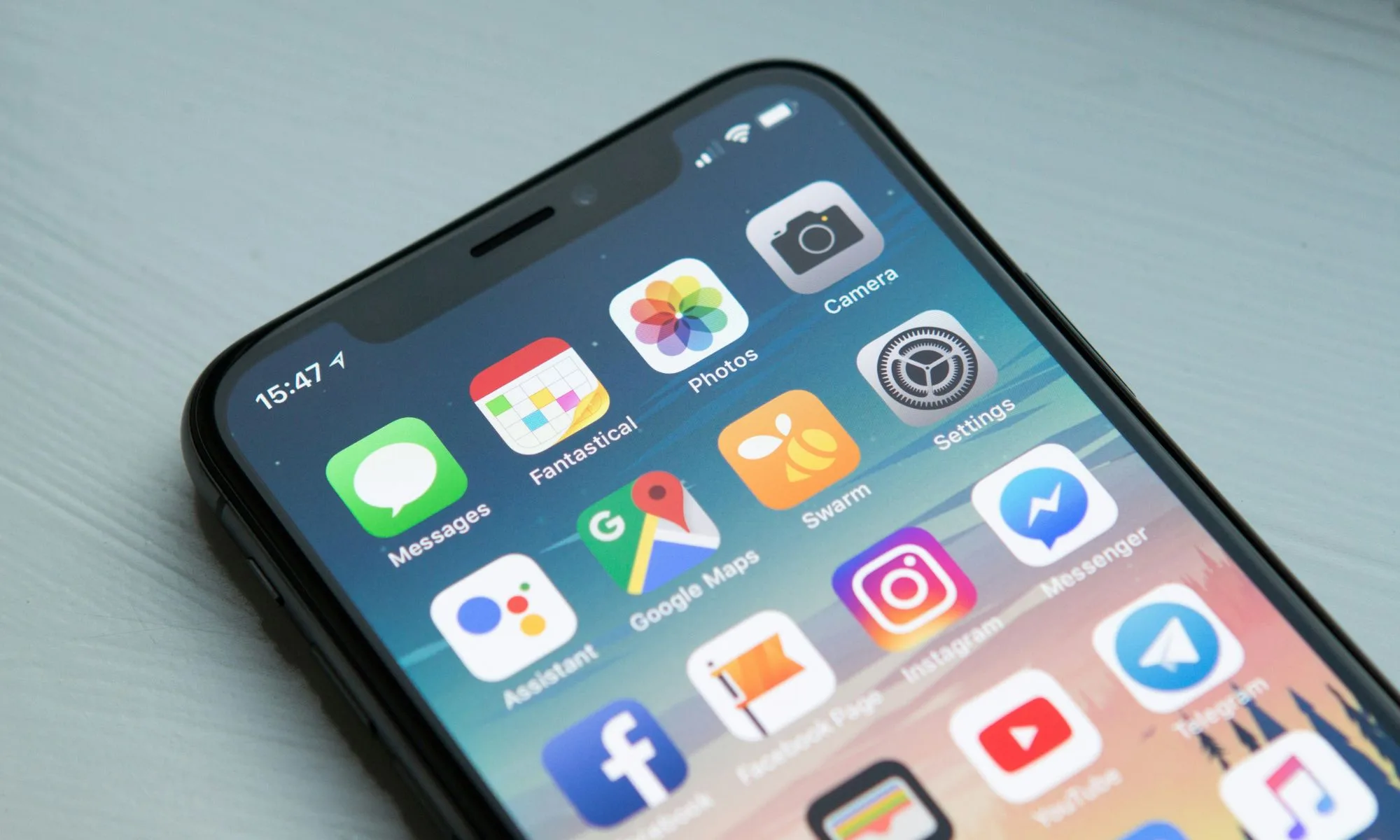
The iPhone’s journey began in 2007 by changing the smartphone market forever, replacing physical keyboards with a 3.5-inch multi-touch display. Now, as the device moves toward its 20th anniversary, Apple may be preparing for another major design shift, a seamless, completely buttonless iPhone.

Is Apple planning its biggest iPhone redesign in years?

Bloomberg’s Mark Gurman has added fresh weight to the iPhone 20 redesign rumors. In the Q&A section of his Power On newsletter, Gurman said Apple’s 20th-anniversary iPhone overhaul is internally referred to by some as “Glasswing,” a name inspired by the glasswing butterfly and its transparent wings.

According to Gurman, the design includes glass edges that curve smoothly into the display on all four sides. Gurman also said Apple’s Liquid Glass interface is being shaped around this hardware direction, with the software designed to visually blend into the iPhone’s glass-heavy body. The idea appears to be a tighter connection between the device and the operating system.

Previous reporting has also pointed to Apple exploring a return to curved-screen styling. The design may aim for a seamless visual effect rather than bringing back the sharply sloped waterfall displays seen on some older Android phones.

Could the iPhone 18 start the shift earlier?

The buttonless part of the story comes from an earlier Weibo leak by Chinese tipster Instant Digital from October 2025. The tipster claimed Apple’s solid-state button plan had completed functional verification and was being prepared for mass production on the 2027 iPhone 20.

Advertisement

According to that leak, the power button, volume buttons, Action button, and Camera Control button could all move to solid-state controls with localized vibration feedback. That would allow the iPhone to simulate a physical click without using traditional moving buttons.

Instant Digital also claimed Apple may begin the transition earlier with the iPhone 18. The Camera Control button is said to get a simpler structure by removing the capacitive sensing layer and keeping pressure recognition.

Ming-Chi Kuo had previously reported that Apple was working on solid-state power and volume buttons for the iPhone 15 Pro. However, the feature was later shelved due to technical and manufacturing issues. If Apple has managed to fix those issues, the iPhone 20 might finally be the one to go fully buttonless.

Source link

Advertisement
Continue Reading

Tech

Valve Releases Design Files For Its Out-Of-Stock Steam Controller

Published

on


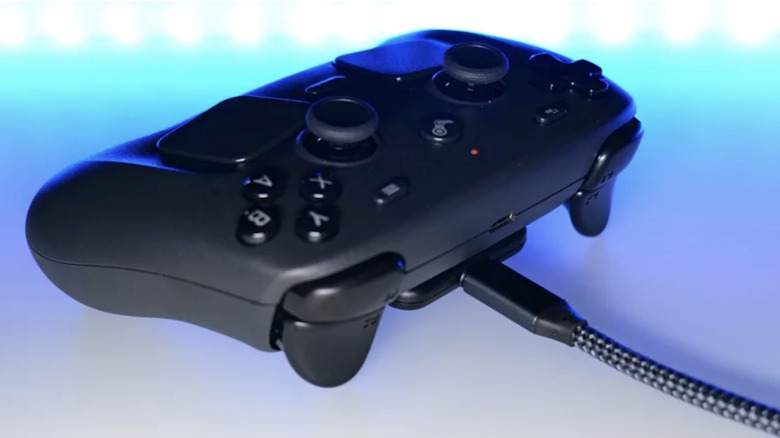
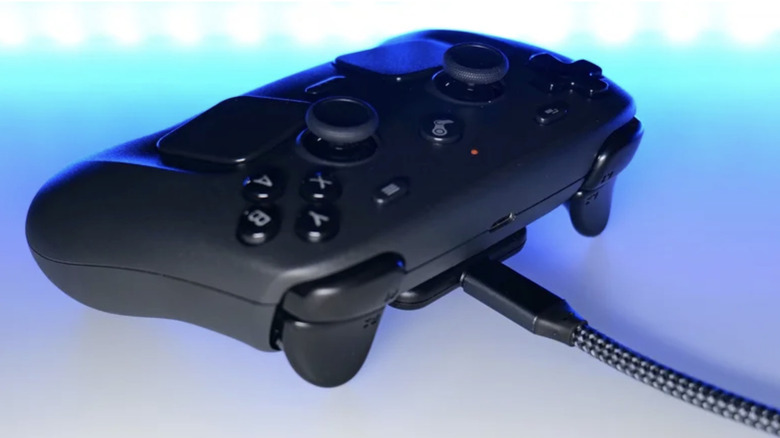
The Steam Controller has been a hot topic for the PC gaming world for the past few weeks, and a new tidbit could keep the conversation going: Valve released the CAD files for the gamepad’s shell. They’re free to download under a Creative Commons license, meaning people can now design and construct their own accessories for the Steam Controller and its puck.

The files are only for the device’s exterior; you won’t be able to 3D print yourself the innards to build your entire controller from scratch. That means that if you are on the hunt for a Steam Controller, you may be waiting for a bit while the sold-out gamepad is restocked. Fortunately, since Valve hasn’t given a release window yet for the Steam Machine and Steam Frame VR headset, it’s probably not an essential purchase right this instant for most gamers. But it is a good controller if you can find one, and it’s a nifty idea for Valve to let people get creative with the casing.

Advertisement


Source link

Advertisement
Continue Reading

Tech

Telehealth Abortion Is Still Possible Without Mifepristone

Published

on

Abortion provider Carafem’s phones were ringing nonstop over the weekend after a US federal appeals court reinstated a nationwide requirement that the drug mifepristone, one of two pills used for a medication abortion, must be obtained in person. The decision, handed down on Friday, left patients unsure if they could gain access to their treatment through telehealth. “People are afraid, and they’re angry,” says Carafem’s chief operations officer, Melissa Grant. “I had people contact us saying, This can’t be true. Do you still have the medication available? Can’t you just give it to me? They were bargaining.”

With the restriction in place, Carafem quickly pivoted to a backup approach. Instead of prescribing the two-drug protocol typical for a medication abortion—mifepristone, which blocks progesterone and prevents the pregnancy from progressing, and then misoprostol, which causes the uterus to contract—the organization began prescribing misoprostol on its own. While slightly less effective than the dual-pill option, it’s been widely used in the past. “We feel comfortable prescribing it,” says Grant.

Some Planned Parenthood clinics also pivoted to the misoprostol-only regimen this weekend. “Planned Parenthood providers are doing everything they can to make sure patients know that medication abortion is still safe, legal, and available,” says Danika Severino, vice president of care and access at Planned Parenthood Federation of America.

On Monday, the Supreme Court offered a temporary reprieve, pausing the appeals court ruling for a week. The measure allows patients to once again get mifepristone through virtual clinics at least until May 11, when SCOTUS will take another look at the case. Carafem and Planned Parenthood say they are prepared to shift back to misoprostol-only if necessary. Other providers, including the digital abortion clinic HeyJane, have confirmed that they will also take that approach if necessary.

Advertisement

Mifepristone was developed in the 1980s in France and has been extensively studied for safety and efficacy. It was approved by the Food and Drug Administration in 2000. Under President Joseph Biden, the FDA first allowed the drug to be obtained by mail instead of in person in April 2021, during the Covid-19 pandemic. The agency permanently lifted the in-person dispensing requirement in 2023.

After the Supreme Court overturned Roe v. Wade in 2022, ending the constitutional right to an abortion, medication abortion via telehealth became a more sought-after option, especially for patients in states that adopted abortion restrictions. Approximately one in three abortions that took place in the first half of 2025 used abortion pills obtained through telehealth, according to public health nonprofit Plan C.

Access to mifepristone has become the next major battleground in reproductive health, with anti-abortion politicians and lobbyists seeking to reinstate in-person dispensing requirements on the drug and, by doing so, make medication abortion harder to obtain.

After conflicting legal rulings in 2023 sparked confusion over whether mifepristone would be available from virtual clinics, some of them planned to temporarily shift to offering misoprostol-only medication abortions. Some virtual clinics have offered single-pill options even before that. Carafem offered misoprostol-only medication abortions beginning in 2020, in an effort to provide patients with options for virtual care during the early days of Covid.

Advertisement

Originally developed to treat gastric ulcers, misoprostol has been used for medication abortion since the late 1980s. It remains the primary method of medication abortion in many parts of the world where access to mifepristone is limited.

“Mifepristone and misoprostol are both very safe medications, and in general, having mifepristone increases the efficacy and decreases complication rates of medication abortion,” says Rachel Jensen, a fellow with the American College of Obstetricians and Gynecologists, which endorses the misoprostol-only protocol when mifepristone isn’t available. The single-drug regimen is also endorsed by the World Health Organization, the Society of Family Planning, and the National Abortion Federation.

Source link

Advertisement
Continue Reading

Tech

Educators: Why Are You Thinking of Leaving the Field?

Published

on

School’s (almost) out for summer.

When it comes time to throw open campus doors for the new school year in the fall, research tells us one out of every seven teachers won’t be returning — either because they moved schools or left the profession entirely.

But when the going gets tough, teachers don’t necessarily want to leave. Even when they’re burned out, they still love what they do.

So, the concerning data throughout the country tells a story about how stark the conditions of the teacher workforce are. In Wisconsin, for instance, teachers say they are exiting the profession at the highest rate in 25 years thanks to a range of issues, from poor leadership to safety concerns like students bringing guns to school.

Advertisement

Worse, shrinking student populations and rising costs have forced school districts like Portland Public Schools to make staff cuts in the face of astronomically high budget gaps. Early career teachers are thinking hard about whether they even want to continue in their chosen field.

That’s why we at EdSurge want to hear from educators who have recently left or plan to leave their jobs for another sector: What was the deciding factor? What could your school (or district or state-level leaders) have done differently to change your mind?

Your responses will help shape our coverage, and we may be in contact for an interview.

Source link

Advertisement
Continue Reading

Tech

Microsoft’s new Xbox chief nixes Gaming Copilot for mobile and console, shakes up leadership

Published

on

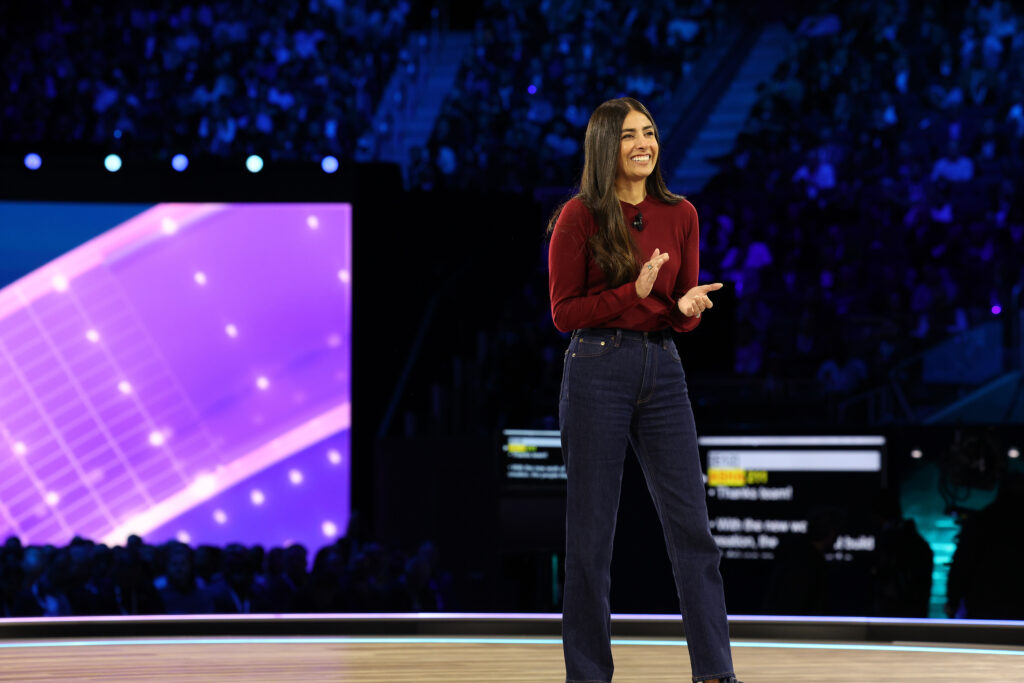
Asha Sharma was named Xbox CEO in February after leading Microsoft’s CoreAI group. (Microsoft Photo)

Microsoft is pulling the plug on its AI-powered Copilot assistant for Xbox, winding down the feature on mobile and canceling its planned launch on consoles.

The pullback, announced Tuesday by new Xbox CEO Asha Sharma, comes barely a year after the company debuted the gaming chatbot as a centerpiece of its AI push into gaming, demonstrating the limits of Microsoft’s strategy of embedding AI across its product lineup.

Microsoft first unveiled Copilot for Gaming at the Game Developers Conference in March 2025, pitching it as an AI sidekick that could offer gameplay tips, coaching, and recaps of where players left off. A beta launched on the Xbox mobile and PC apps and later on the ROG Xbox Ally handheld. The console version was expected to arrive later this year.

Sharma’s decision to kill the feature aligns with the AI strategy she outlined in an April 30 post on X, where she said Xbox was “refocusing our AI efforts to solving player problems like enhancing real-time graphics, improving discovery, and deepening personalization.” 

She pointed to Automatic Super Resolution, which boosts image quality and performance in the background, as an example of AI done right — a contrast with the chatbot approach.

Advertisement
Microsoft’s Copilot for Gaming on a mobile device alongside an Xbox controller. (Xbox Image)

It’s part of a broader set of changes by Sharma, who told employees in a memo Tuesday that she’s overhauling Xbox’s leadership team, including bringing in executives from the Microsoft CoreAI engineering group where she previously worked.

“Xbox needs to move faster, deepen our connection with the community, and address friction for both players and developers,” Sharma wrote on X, noting that the company promoted leaders who helped build Xbox while bringing in new voices to the gaming unit. 

According to CNBC, which saw the memo, the changes include the addition of four executives from CoreAI: 

  • Jared Palmer, formerly a vice president of product in CoreAI and a senior vice president at GitHub, will work on engineering, developer tools, and infrastructure.
  • Tim Allen, a vice president of design who previously led design and research at Instacart, will lead Xbox design.
  • Jonathan McKay, a former Meta director and head of growth for ChatGPT at OpenAI, will lead Xbox growth.
  • Evan Chaki, a general manager, will run a forward-deployed engineering team focused on simplifying development.

In addition, David Schloss, a senior director of product and growth at Instacart, will take charge of Xbox’s subscription and cloud business.

Two execs with more than two decades each at Microsoft are departing: Kevin Gammill, who oversaw Xbox user experience and game development platforms, and Roanne Sones, who led devices and ecosystem and will take a leave of absence before moving to an advisory role.

Sharma took over as Xbox CEO in February, replacing Phil Spencer, who retired after 38 years at the company. She had been running Microsoft’s CoreAI product organization and previously served as chief operating officer at Instacart and as a vice president at Meta.

Advertisement

Since arriving, she has moved quickly, cutting Game Pass prices, dropping the “Microsoft Gaming” name in favor of Xbox, and adopting daily active players as the division’s new internal success metric.

The changes come as Xbox faces a sustained revenue slump. Gaming revenue totaled $5.3 billion in the most recent quarter, down from $5.7 billion a year earlier, and has declined in four of the past six quarters. Hardware revenue fell 33%.

Microsoft’s recent 10-Q filing also disclosed impairment charges in the gaming business, meaning the company has written down the value of some gaming assets, suggesting that parts of its gaming portfolio aren’t performing as expected.

Sharma described the decision to wind down Copilot on mobile and stop its development for consoles as part of a plan to “retire features that don’t align with where we’re headed.” Her post did not address the status of the Copilot beta on the Xbox PC app or the ROG Xbox Ally handheld.

Advertisement

The feature drew skepticism from the start. Gaming writer Thomas Wilde called it “a solution looking for a problem” in a March 2025 analysis on GeekWire, questioning whether players wanted an AI chatbot alongside their games.

More recently, Wilde raised additional concerns about the feature pulling guide content from the open internet without attribution, writing that Gaming Copilot was “eating its own seed corn” by undermining the ecosystem of online guides it depended on.

The feature’s full lifecycle, from announcement to cancellation, spanned roughly 14 months.

Source link

Advertisement
Continue Reading

Tech

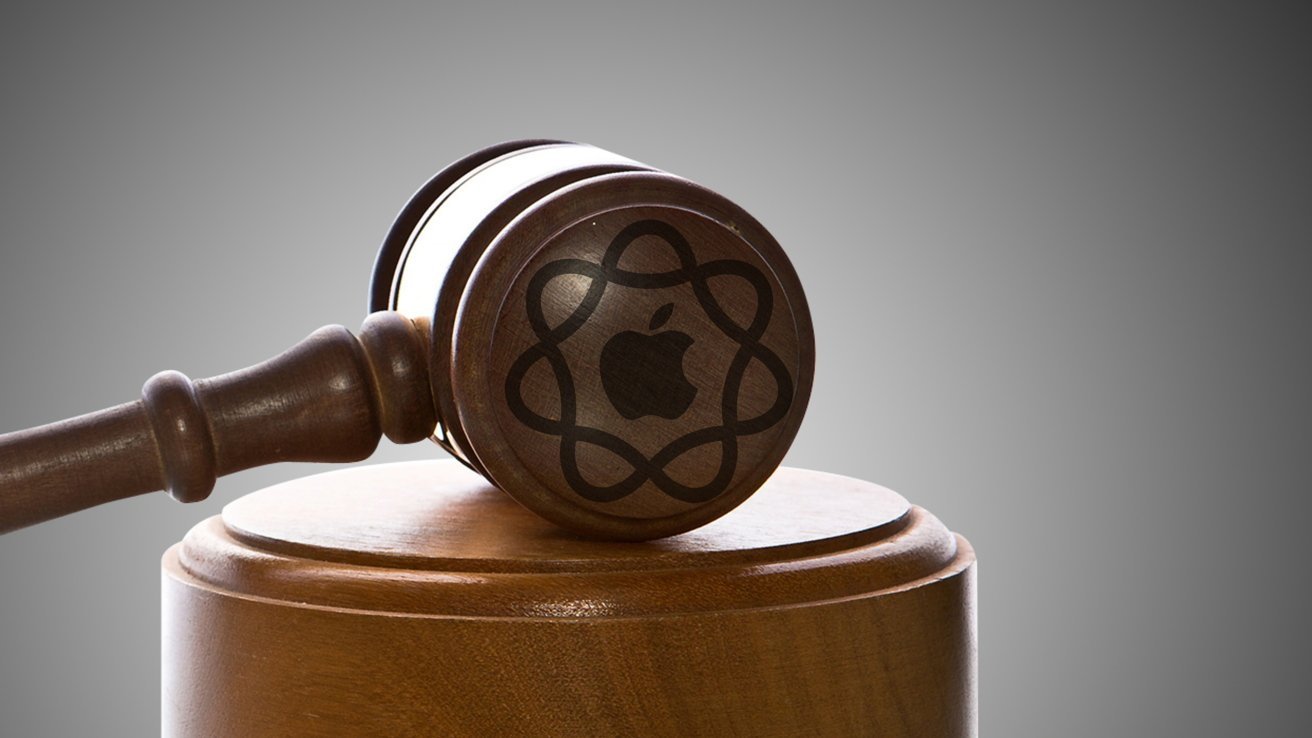
Lawsuit over delayed Siri features reaches $250M settlement

Published

on

Apple has settled a class-action lawsuit over its delayed Siri features.

While Apple’s promised Siri overhaul is still nowhere to be found, shareholders who sued over the delay can now rest easy, thanks to a huge settlement.

At WWDC 2024, as part of its Apple Intelligence announcements, Apple previewed major enhancements for Siri. The virtual assistant was supposed to receive an AI-powered cognitive boost, allowing for advanced in-app actions, contextual awareness, and more.

The company went so far as to feature Siri’s new capabilities in its marketing materials, including video advertisements. Things went south in a matter of months, however.

Advertisement

Apple had to delay its planned Siri update, which led to a class-action lawsuit that was settled in December 2025. On Tuesday, as noted by The Financial Times, the settlement details were finally revealed.

The parties settled for $250 million, offering U.S. Settlement Class Members $25 per eligible device. Still, Apple could be forced to pay up to $95 per device if the number of claims filed is low. Part of Apple’s $250 million settlement will also go toward administrative costs and attorneys’ fees.

Eligible devices include iPhone models with Apple Intelligence support, purchased between June 10, 2024, and March 29, 2025, in the United States. This encompasses the entire iPhone 16 range, along with the iPhone 15 Pro and iPhone 15 Pro Max.

Those who wish to submit a claim will need to provide proof of purchase, the serial number of the eligible device, their phone number, and Apple Account information. Apple will begin inviting claim submissions within 45 days, as of May 5, 2026.

Advertisement

Apple also provided a statement on the matter, as shared by 9to5mac.

“Since the launch of Apple Intelligence, we have introduced dozens of features across many languages that are integrated across Apple’s platforms, relevant to what users do every day, and built with privacy protections at every step. These include Visual Intelligence, Live Translation, Writing Tools, Genmoji, Clean Up, and many more.

Apple has reached a settlement to resolve claims related to the availability of two additional features. We resolved this matter to stay focused on doing what we do best, delivering the most innovative products and services to our users.”

As one would expect, Apple’s statement largely praises the currently available Apple Intelligence features, while treating the Siri-related settlement as little more than a footnote.

Advertisement

The now-settled class-action lawsuit accused Apple of promoting “AI capabilities that did not exist at the time, do not exist now, and will not exist for two or more years.”

It was also said that Apple’s advertisements “saturated the internet, television, and other airwaves to cultivate a clear and reasonable consumer expectation that these transformative features would be available upon the iPhone’s release.”

At the time of writing, the long-overdue Siri features are still not available to end users. They are expected to roll out with the iOS 27 update, which is set to debut at WWDC 2026 on June 8.

However, Apple’s legal issues over its delayed Siri features are set to continue via a separate class-action lawsuit. This one is led by South Korea’s National Pension Service, which argues that Apple’s delays have cost billions in stock market losses.

Advertisement

“It is no secret that Apple faced challenges and weathered ups and downs in its stock price in 2025, like many major companies,” Apple said in a February 2026 request to dismiss the suit. “But plaintiff takes a massive and unsupported leap by claiming that securities fraud caused the temporary price drops.”

Ultimately, it remains to be seen if this lawsuit will be dismissed or if Apple will reach a similar settlement as it did in its other Siri-related case.

Source link

Advertisement
Continue Reading

Tech

Reddit Is Making Some Mobile Web Readers Log In or Use the App Instead

Published

on

You might run into trouble if you try to browse Reddit posts without logging in on your phone. Some Reddit users have reported seeing a new pop-up when visiting the website on mobile that prompts you to download the app to keep reading. 

The social media platform said it’s running a test on a “small subset” of users who frequent the site on mobile browsers while logged out.

Multiple Reddit users have shared a prompt they encountered that says, “get the app to keep using Reddit.” I wasn’t able to replicate this message after deleting the Reddit app from my phone and poking around on the web version. Those who encounter the prompt while using their mobile web browser may be able to log in to continue without installing the app.

Advertisement

A Reddit spokesperson told CNET the company is running a test to see whether users find the app more satisfying than a mobile browser.

“These users are already familiar with Reddit, and we’ve seen that the experience is much better for them in the app,” according to a statement from Reddit. “The app offers a more personalized experience, and users can more easily find communities that match their interests.”

Redditors who noted the change expressed frustration with having to be routed to an app just to browse something that was otherwise visible as a website in a web browser. “This is a website,” one user said. “I do not want to use an app to view your website.” Others suggested possible workarounds, like having the site display as a desktop site.

Running into a prompt to log in or download an app isn’t uncommon when using social media platforms. LinkedIn curbs my anonymous snooping, so I’ve resorted to screen recording to share TikToks with some friends who’ve avoided the app.

Advertisement

During a quarterly earnings call last week, Reddit CEO Steve Huffman said that logged-in users spend more time on the platform than logged-out users, due to personalization.

“Seeing more users in the app, more users logging in, more users getting the personalization faster, drives engagement and, then, therefore, monetization,” Huffman said, according to a transcript of the call. “Again, all roads lead to basically the same strategy, which is: Help users find content that’s relevant to them and come back to the app more often.”

Source link

Advertisement
Continue Reading

Tech

The Metal Gear Solid 2 leak is massive and perfectly timed – modders are already dreaming big

Published

on


The full assets of Metal Gear Solid 2’s HD remaster were recently leaked on 4chan. An unnamed party used the notorious imageboard to distribute the source code for every version of the remaster across all supported platforms, including the PlayStation Vita edition. The leak also reportedly includes 30GB of raw,…
Read Entire Article
Source link

Continue Reading

Tech

Boston Dynamics’ Atlas Masters Every Shift in a Demanding Balance Routine

Published

on

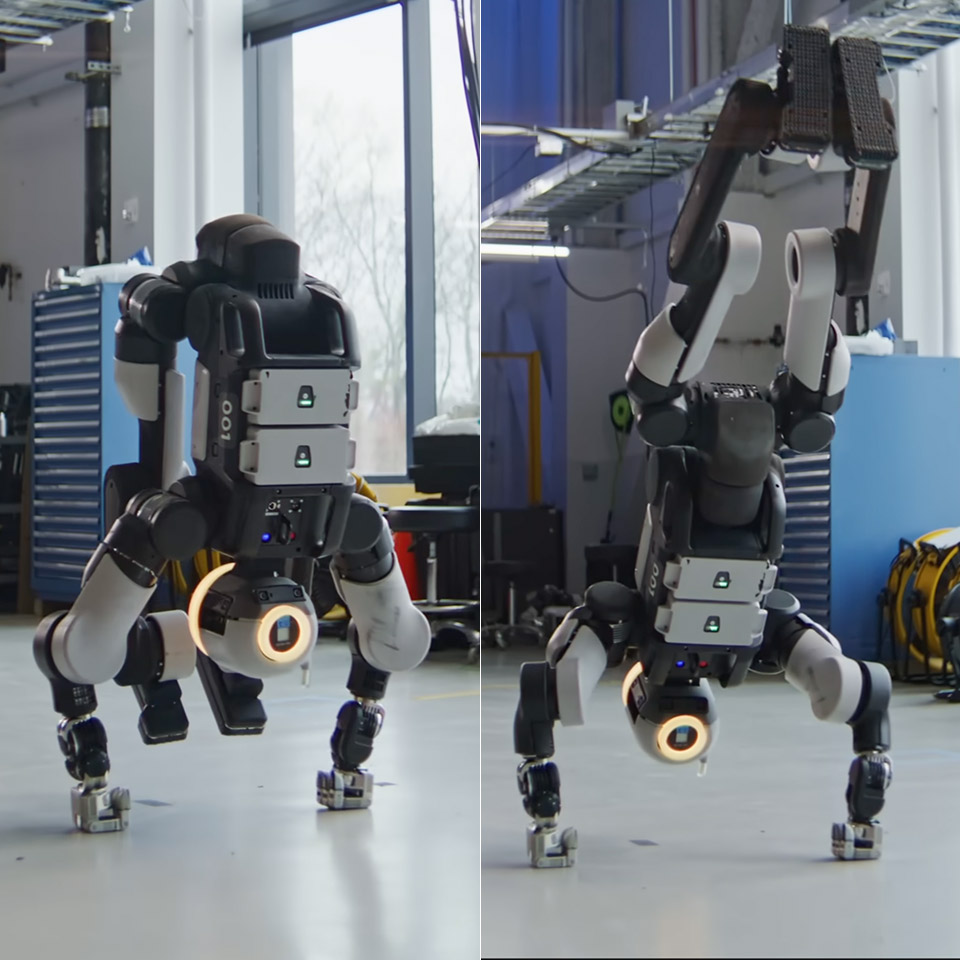
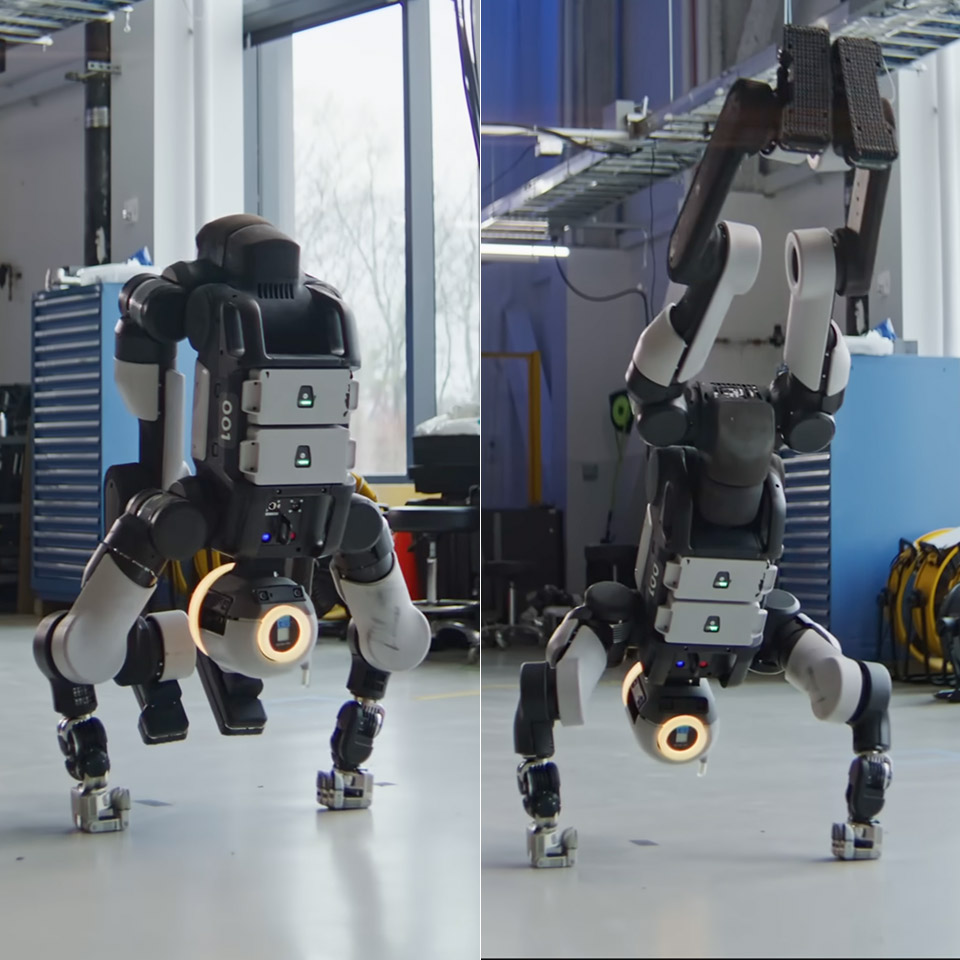
Boston Dynamics Atlas Humanoid Robot Balancing Act
Boston Dynamics engineers just released new footage of their Atlas robot being tested. The machine is shown lurching from two feet to all sorts of weird positions, challenging its balance with each stride. It is not uncommon to watch it shift its weight from both legs onto one while the other extends outward like a spear, arms waving in sync to keep its center of mass stable as it totters about. Atlas quickly puts both hands on the floor and throws its entire body into a handstand, smooth as silk.


Then, just as you get comfy, the legs fly straight out in a horizontal line. Atlas manages to ease right back down again, with no wobble or drama, just flawless. Following that, the robot performs some gymnastics, moving into a clean stand-up stance and landing flat on both feet with barely a judder. Every recovery is a precision motion, as the software makes the smallest modifications on the fly, via the hips and ankles, to absorb the shock. The same process occurs in a cartwheel, where the arms and legs work in perfect harmony to keep the torso on track.


Unitree G1 Humanoid Robot(No Secondary Development)
  • Sleek & Durable Design: Standing at 132cm tall and weighing only approx. 35kg, the G1 is constructed with aerospace-grade aluminum alloy and carbon…
  • High Flexibility & Safe Movement: Boasting 23 joint degrees of freedom (6 per leg, 5 per arm), it offers an extensive range of motion. For safety, it…
  • Smart Interaction & Connectivity: Powered by an 8-core high-performance CPU and equipped with a depth camera and 3D LiDAR. It supports Wi-Fi 6 and…

We already know that Atlas is more than willing to do some heavy lifting for factories, transferring loads with steady hands from container to dolly without flinching, even in uneven flooring environments, and the balance system that allows the robot to flip also means it has the ability to step across uneven ground or recover when loads shift unexpectedly on the job, as the robot delivers results on both fronts with aplomb.


Boston Dynamics claims that its test teams fine-tune Atlas by subjecting it to simulation after simulation after real-world test, with the machine learning its way through to the point where it can detect its own position without relying on external cues to stay on track. All combined, its hydraulic/electric actuators respond faster than the blink of an eye to data from all of the numerous sensors, transforming moments of uncertainty into smooth sailing.

Advertisement

Source link

Continue Reading

Tech

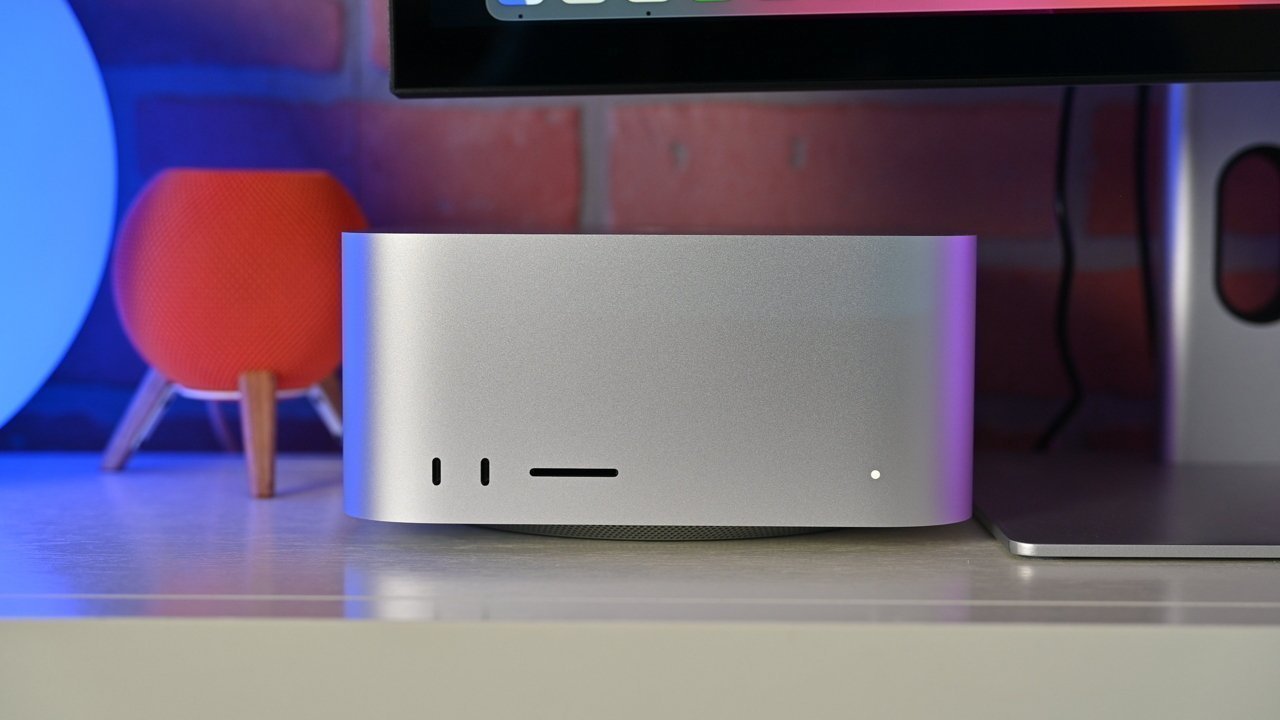
Apple culls Mac mini, Mac Studio configs as RAM costs grow

Published

on

Apple has pulled even more higher-end configurations of its Mac Studio and Mac mini, removing some of the most expensive memory options as the entire industry deals with the RAM crisis.

The ongoing memory supply problem has claimed another victim from Apple’s roster. After the removal of the 512GB RAM option for the Mac Studio in March, Apple has slimmed down its product options a bit more, as component costs bite.

This time, it’s not just the Mac Studio that’s being hit. The Mac mini is also affected by the memory downgrade.

Prospective buyers of the M3 Ultra version of Mac Studio previously could buy the model with either 96GB or 256GB memory. However, as spotted by @BasicAppleGuy on X, potential shoppers selecting the model will no longer see the 256GB option, only the 96GB.

Advertisement

During April, it was found that the M3 Ultra Mac Studio with 256GB was “unavailable,” while the 96GB version had a lengthy lead time. There was also a similar issue for the M4 Max version, which listed the 128GB capacity as unavailable.

Checks reveal that the 128GB option is also not listed at all for the M4 Max Mac Studio either.

At the same time, anyone looking at the Mac mini with one of the M4 Pro chips will see slim pickings when it comes to memory. Previously, it had an option for 64GB of unified memory, but that too has disappeared, leaving 24GB and 48GB options.

This is the second configuration change for the Mac mini in May alone. Earlier in the month, it removed the option for the $599 256GB capacity M4 model.

Advertisement

Instead, consumers wanting the cheapest desktop Mac model will have to pay at least $799 for the M4 Mac mini with 16GB of memory and an increased 512GB of storage.

RAM bites

While Apple has so far insulated itself from the memory problems affecting the rest of the industry, it wasn’t going to be that way forever.

During the Q2 results call, current-CEO Tim Cook confirmed that the memory pricing problem is affecting Apple’s bottom line. While it didn’t affect the December nor March quarters due to carry-in inventory offsetting the issue, Cook said there would be a significant effect felt in June.

Into future quarters, Cook warned that there will be a further increase in impact, but added that Apple had a range of options available.

Advertisement

Evidently, those options include lopping higher-priced configurations off the deck.

Source link

Advertisement
Continue Reading

Trending

Copyright © 2025