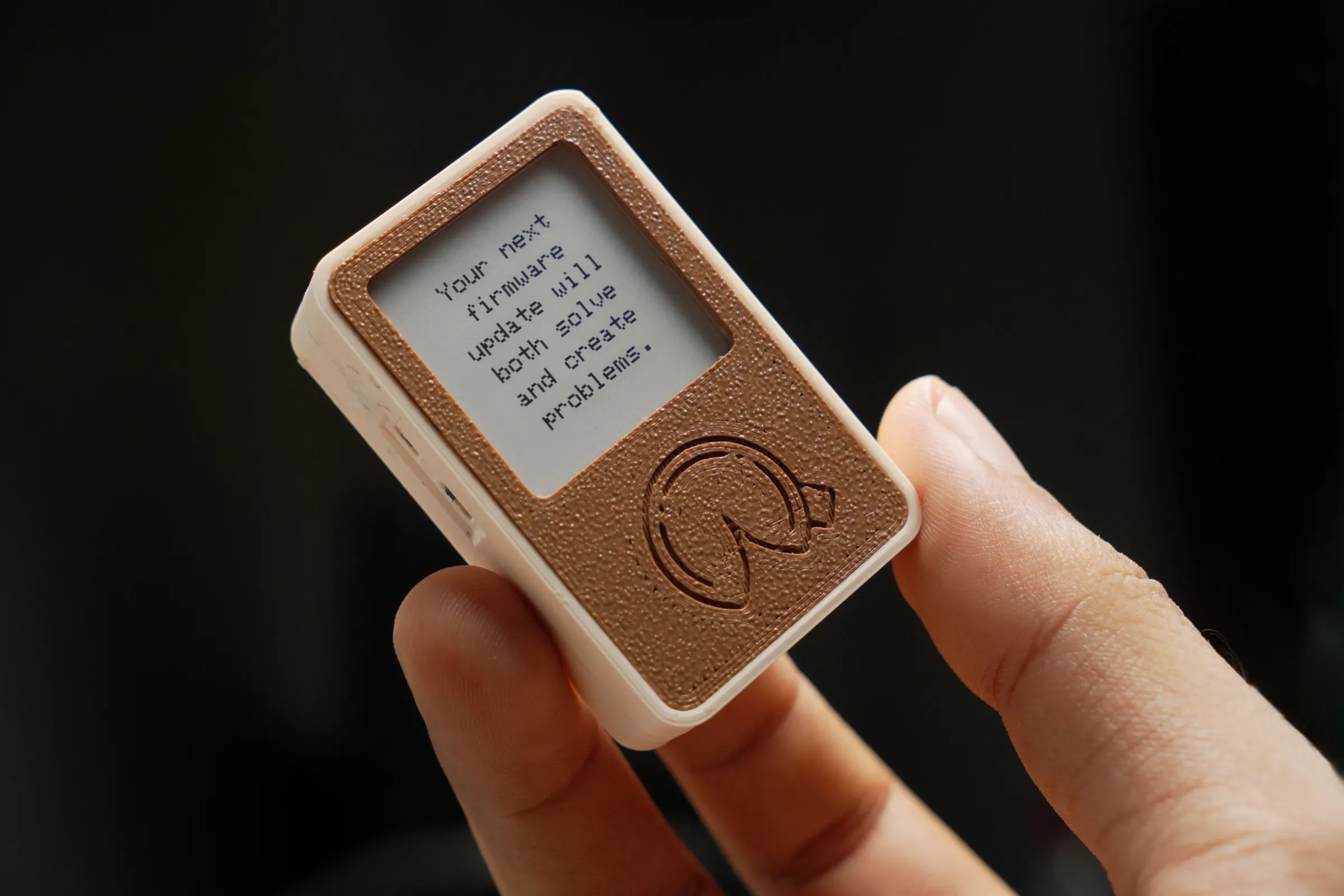
Will your next project be a success? Only time will tell, but if you build [gokux]’s tiny ESP32 fortune cookie, we predict that, at the very least, there won’t be any crumbs involved.
After briefly entertaining the idea of shoving an ESP32 in a standard fortune cookie, [gokux] thought better of it and came up with this instead. Once shaken, this small gadget displays a fortune on its e-paper screen. It can store over 3,000 fortunes and works entirely offline, so you’re never without an oracle.
Inside you’ll find a Seeed Xiao ESP32-S3 Plus and a matching e-paper display board. [gokux] is detecting the shakes with an MPU-6050 accelerometer, and powers everything with a small Li-Po pouch.
Advertisement
If you tire of the fortunes that shake out, the small buttons on the left side will get you into the other modes, which are a dice roller and a coin flipper. Again, you just shake the thing until you get what you want. Be sure to check it out in the video after the break.
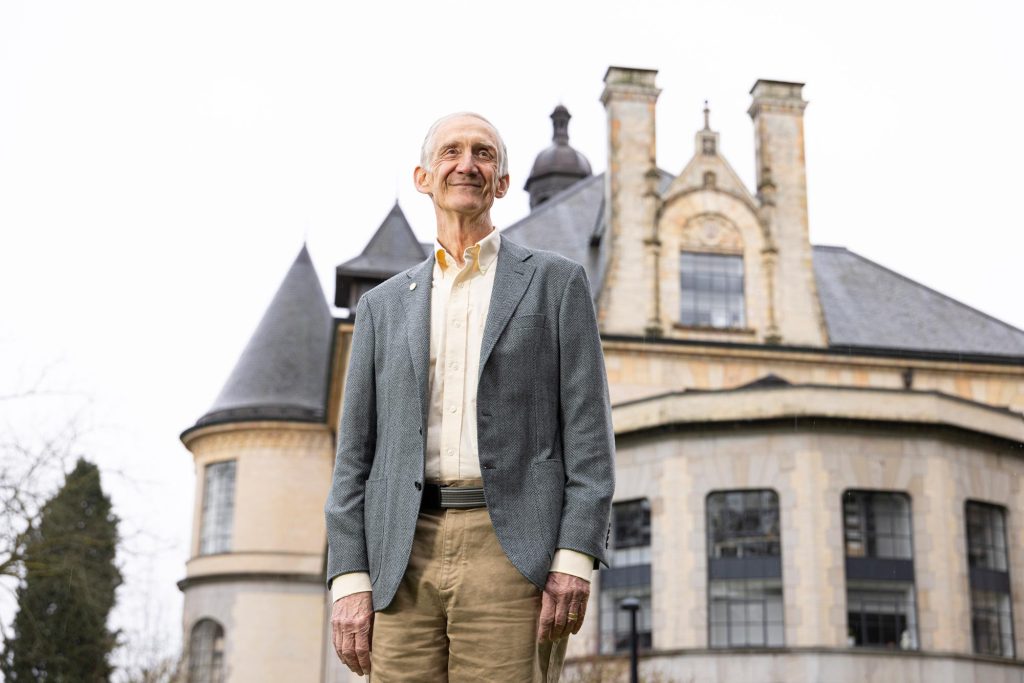
University of Washington professor emeritus Ed Lazowska. (UW Photo / Mark Stone)
Ed Lazowska needs to clear more room in the trophy case.
The University of Washington professor emeritus — a longtime computer science educator, researcher and fixture in Seattle’s tech community — has been honored with the 2026 Distinguished Teaching Legacy Award, UW Magazine reported this week.
The recognition adds to a hefty list of accomplishments and accolades Lazowska has earned over a nearly five-decade run at the UW. Past honors include the Outstanding Public Service Award, the David B. Thorud Leadership Award and the CSE Undergraduate Teaching Award.
And not to be outdone, he was also Geek of the Year at the 2017 GeekWire Awards!
“University faculty have many roles, but first and foremost we’re educators,” Lazowska told GeekWire via email on Thursday. “Being recognized by alumni for long-term impact is the greatest imaginable honor.”
Advertisement
Among those offering praise for Lazowska in their award nominations were two Seattle tech veterans.
“I’ve watched in awe as Ed’s leadership transformed UW CSE into the powerhouse it is today,” Robert Short, a 1986 UW graduate and longtime Microsoft exec, said in his nomination of Lazowska, according to UW Magazine. “He provided the driving force and focus on attracting and growing the absolute best faculty and on creating enduring partnerships across the university and the region.”
“I am a better leader, engineer and Husky because of Ed’s impact in my life,” wrote nominator Patrick Jenny, a 1986 and 1991 grad who spent 18 years at F5 Networks.
Lazowska joined the UW faculty in 1977 and rose through the ranks to become the first Computer Science & Engineering faculty member elected to the National Academy of Engineering and the first fellow of the American Academy of Arts and Sciences.
Advertisement
His research and teaching focused on the design, implementation and analysis of computing and communication systems as well as the techniques and technologies of data-intensive discovery.
Lazowska was the inaugural holder of the Bill & Melinda Gates Chair at the Paul G. Allen School of Computer Science & Engineering. He has served as a board member or technical advisor for a number of companies, venture firms, and tech-oriented civic organizations, currently including the Allen Institute for Artificial Intelligence (Ai2), Madrona Venture Group, and Pioneer Square Labs.
“When I joined the University of Washington, Microsoft was 12 kids in Albuquerque,” Lazowska said. “The Allen School and the region have come a long way since then, together. It’s been a great ride, and it’s going to continue — advances in computer science are central to the modern world, and education in computer science is essential for everyone.”
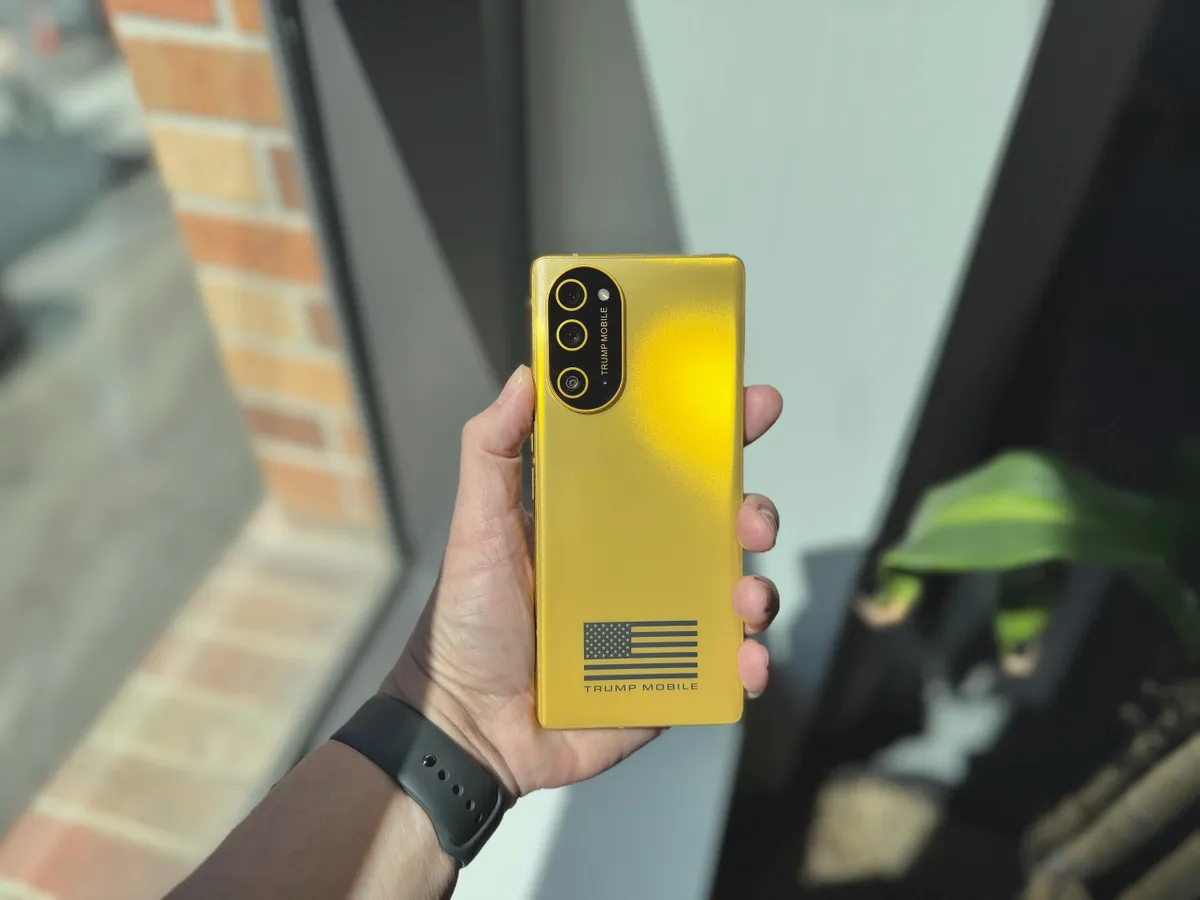
After nine months of delays, the Trump Mobile T1 phone (nicknamed “The Trump Phone”) shipped to members of the media. We got our hands on one we preordered, and its gold color is ornate, bordering on gaudy.
2 of 16Patrick Holland/CNET
Perhaps one of the few elements that survived from the original odd mockup of the Trump Phone from June 2025 was the American flag on the back. It has 50 stars, but looks to be missing some stripes.
Advertisement
3 of 16Patrick Holland/CNET
Instead of the gold “Make America Great Again” wallpaper from the original mockup, the home screen now has a royal blue background with Trump Mobile in white. If that’s not your jam, you can change it.
4 of 16Patrick Holland/CNET
The T1 Trump Mobile phone comes with a case, a wall charger and even a gold USB-C cable. There is a tiny user manual that is only in English.
Advertisement
5 of 16Patrick Holland/CNET
The Trump Phone has a waterfall display design that was popular on Android handsets three to five years ago.
6 of 16Patrick Holland/CNET
It comes with a close-to-stock version of Android 15, but it’s unclear how many years of software and security updates Trump Mobile will commit to supporting.
Advertisement
7 of 16Patrick Holland/CNET
There is a headphone jack, but it’s on the top of the phone.
8 of 16Patrick Holland/CNET
It has three rear cameras: an ultrawide, wide-angle and 2x telephoto camera.
Advertisement
9 of 16Patrick Holland/CNET
In different lighting, the gold plastic back takes on different hues. Here it’s nearly mustard color.
10 of 16Patrick Holland/CNET
In this shot, the gold color appears slightly more muted.
Advertisement
11 of 16Patrick Holland/CNET
The T1 phone here looks almost khaki colored.
12 of 16Patrick Holland/CNET
13 of 16Patrick Holland/CNET
It comes preloaded with the Truth Social app. But lacks TikTok, Instagram, X, Facebook and other social media apps. You can add these other apps via the Google Play Store.
Advertisement
14 of 16Patrick Holland/CNET
15 of 16Patrick Holland/CNET
The iPhone 16 Pro Max (left) shows off Apple’s understated metallic finish, which contrasts with the Trump Phone’s straw gold color.
16 of 16Patrick Holland/CNET
Here is everything you get with the T1 Trump Mobile phone. It’s actually a lot.
Sitting flush with your kitchen counters, the LG LDNPM654S FlushFit Dishwasher is a smart dishwasher with a lot of power. It’s generally very flexible, with a neat top rack that can go in three positions; however, it would be nice to have a cutlery rack at the top with a sliding section for taller glasses. Cleaning performance is very good, with Steam an option for heavily soiled items.
FlushFit design
Smart app
Flexible main racks
Cleans well
Cutlery rack not as flexible as with some rivals
Key Features
Introduction
Packed with some clever features, including smart control and an innovative QuadWash Pro cleaning system, the LG LDNPM654S FlushFit Dishwasher is a great dishwasher. Sleek and stylish from the outside, this FlushFit model won’t stick out from your counter, giving a neat finish.
Advertisement
A little more rack flexibility would have been useful, but aside from that, this dishwasher covers most of your bases.
Advertisement
Design and features
Works with LG ThinQ
Three racks
Clever adjustable cutlery rack
LG LDNPM654S FlushFit Dishwasher, as its name says, is designed to fit flush with your counter and doors. Just slide it into place, and the neat stainless steel door doesn’t protrude, giving a neater finish.
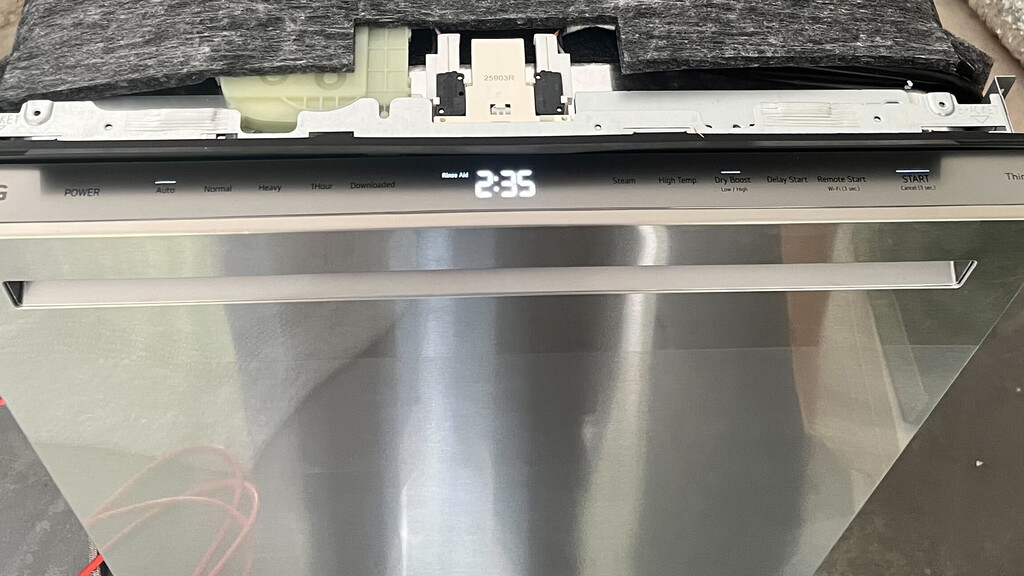
Controls are all available via the top of the door, so it’s easy to set this dishwasher. There are the standard modes you’d expect: Auto, Normal, Heavy, and a fast 1Hour option.
Image Credit (Trusted Reviews)
There’s also a Downloaded option that lets you add an extra cycle, available through the LG ThinQ app. Using this app is handy, as you get notifications when a wash cycle has finished, and don’t need to be near the dishwasher.
For each cycle, there are some additional options: Steam adds steam at the start of the cycle to improve wash performance; Dry Boost (two levels) adds heated drying to the mix; and High Temp boosts the water temperature for deeper cleaning.
Advertisement
Advertisement
The inside of the dishwasher is nicely laid out over three racks. The lower rack is where plates and bigger dishes go.
Image Credit (Trusted Reviews)
Evenly spread tines will take everything from small plates to large bowls, holding everything apart for thorough cleaning.
There’s also a silverware basket that runs the entire depth of the rack. You won’t necessarily need this as there’s a top cutlery rack, but it’s nice to have the extra space for when needed.
Image Credit (Trusted Reviews)
With the top rack, you get a flexible space, and the comfortable handles give you three height options, so you can balance the space below with the space on top. However, as the top cutlery rack doesn’t have much adjustment, you may struggle to fit big plates and tall wine glasses at the same time.
Advertisement
Advertisement
Image Credit (Trusted Reviews)
LG provides some foldable tines on this rack, and useful glass holders, which can be folded and tucked out of the way if they’re not needed.
Image Credit (Trusted Reviews)
On the top is the cutlery rack.
Image Credit (Trusted Reviews)
I like the slider on the left, which adjusts the height of half the basket, allowing more space for kitchen implements, such as ladles or spatulas. If you’ve ever struggled to fit everything in, this little feature is a lifesaver.
Advertisement
Image Credit (Trusted Reviews)
QuadWash Pro uses high-pressure jets, which LG says gives 38% more cleaning power than standard QuadWash.
Image Credit (Trusted Reviews)
Performance
Cleans well on most cycles
Good running costs
Heavy load deals with tough stains.
I tried the LG LDNPM654S FlushFit Dishwasher out with all of its standard cycles, starting with the Normal wash. Here, I found this cost a reasonable 15c to run. Cleaning performance was generally good.
Simpler items were easy to clean, such as dirty coffee and tea mugs.
Advertisement
My dirty bowl with mac-and-cheese in it also came up clean, as did the cutlery I’d used.
Advertisement
This cycle did struggle with the microwaved scrambled egg, leaving quite a bit of mess behind.
Next, I moved to the Auto wash, where the LG LDNPM654S FlushFit Dishwasher automatically adjusts to suit the level of soiling. This increased the cycle to 27c, although cleaning performance was better with the egg bowl coming up mostly clean, with just a few faint marks on it (the other dishes cleaned perfectly).
Advertisement
With the Heavy wash, the cycle cost increased to 48c, with the steam option adding extra cost. However, the steam option and higher temperatures do improve cleaning a lot for heavily soiled items, and my egg bowl was completely clean this time, showing that this cycle is ideal for very dirty items.
Advertisement
Finally, I ran the 1Hour cycle, which is good for lightly soiled dishes, including coffee and tea mugs. This cycle costs 21c to run, so it’s not as efficient as the Normal cycle, but it is handy if you want to clean dishes quickly.
Should you buy it?
You want a neat, powerful dishwasher
Plenty of space inside, the dishwasher looks neat when installed and has efficient day-to-day cycles, plus powerful cleaning options for heavily soiled items.
Advertisement
You need even more flexibility
Advertisement
If you need more flexibility inside, look for a dishwasher that has a sliding cutlery rack at the top, giving more space below.
Advertisement
Advertisement
Final Thoughts
Efficient when you need it to be, and powerful when you have heavily soiled dishes, the LG LDNPM654S FlushFit Dishwasher is a great choice for busy households. I like the FlushFit design, helping maintain a streamlined kitchen, and found the dishwasher mostly flexible, although a more adjustable cutlery rack would have been useful.
How We Test
We test every dishwasher we review thoroughly over an extended period of time. We use industry standard tests to compare features properly. We’ll always tell you what we find. We never, ever, accept money to review a product.
Find out more about how we test in our ethics policy.
We measure water and energy usage for each dishwasher to see how efficient they are.
We use real-world mess to test a dishwasher’s ability to clean.
FAQs
Is the LG LDNPM654S FlushFit Dishwasher a smart product?
Reveals decent new homegrown accelerator and tiny production volumes
Chinese tech giant Alibaba has revealed a new accelerator and accompanying rack-scale server rig without offering much detail about their performance – and also admitted it’s only been able to make chips in trivial quantities.
The new chip is called the Zhenwu M890, and comes from Alibaba’s semiconductor design business T-Head. Neither company has said much about it other than stating it includes 144GB of on-chip memory, possesses “800 GB per second of inter-chip bandwidth” and natively supports precision formats from FP32 down to FP4.
Advertisement
The Chinese giant didn’t offer any info about performance other than to say it delivers “three times the performance of its predecessor, Zhenwu 810E.” Based on the specs of the old and new devices, we think the M890 might give Nvidia’s 2024-vintage H200 a run for its money.
That means the most interesting figure in Alibaba’s announcement is 560,000 – the number of Zhenwu chips Alibaba says T-Head has made to date.
By way of contrast, Nvidia says AWS alone will rack and stack one million of its GPUs this year. AWS’s spending on AI infrastructure is at similar levels to Microsoft, Meta, and Google, so it’s conceivable that Nvidia will make and sell three or four million GPUs to satisfy those four customers alone.
Alibaba’s announcement doesn’t offer any information about production volumes for the M890.
Advertisement
The company did talk up the machines the M890 will run inside – a new beast called the Panjiu AL128 Supernode Server Alibaba described as “a rack-scale system that packs 128 AI accelerators into a single unit and delivers petabyte-per second internal bandwidth … designed specifically for the concurrency patterns that agents generate: unpredictable, high-frequency bursts of inference requests that overwhelm conventional compute clusters.”
It seems Alibaba intends racks packed with M890s plus Panjiu AL128s to handle agentic workloads.
T-Head has also created a new networking chip called the “ICN Switch 1.0,” which we’re told “delivers up to 25.6 Tbps of aggregate bandwidth and enables congestion-free communication across clusters of 64 accelerators.” Those are specs that Broadcom and Nvidia reached years ago.
Alibaba’s T-Head M890 chip and Panjiu AL128 Supernode Servers
Alibaba’s chips therefore deliver performance that leaves its cloud well behind its western competitors, which would be a problem if its Chinese peers were buying kit from Nvidia. But despite the US lifting export restrictions on some advanced AI hardware, Beijing has not let local buyers acquire any: Nvidia recently told investors it doesn’t expect to win any revenue from China for the foreseeable future.
Advertisement
Chinese hyperscalers haven’t announced capex spending at anywhere near the levels of their American rivals. Perhaps we now know why: T-Head can’t get a lot of gear made, probably because accelerators like the M890 require an advanced semiconductor manufacturing process that Chinese companies can’t access from offshore fabs due to US sanctions. Chinese fabs can’t yet match the prowess of TSMC, the source of most high-end GPUs.
So how are China’s tech giants meeting demand? We’ve previously covered attempts to smuggle Nvidia parts into China and Bloomberg yesterday reported Taiwanese authorities have cracked down on GPU smugglers. We’ve also seen suggestions that Chinese companies send storage devices across borders to move data into facilities that have Nvidia kit waiting to run training workloads. ®
Dr. Lynda Stuart’s last day at the Fund for Science and Technology was May 8. (File photo courtesy FFST)
The first CEO of the Fund for Science and Technology, the $3.1 billion foundation responsible for giving away a large portion of the late Microsoft co-founder Paul Allen’s fortune, has stepped down nine months after its public launch.
Dr. Lynda Stuart, a physician-scientist who previously led the Institute for Protein Design at the University of Washington, announced her departure on Thursday, saying the foundation will have “different leadership” for its next phase. No reason was given for the change.
The Seattle-based foundation launched publicly in August with a mandate to deploy at least $500 million over four years in bioscience, the environment, and AI for good.
It has awarded at least $30 million in grants to institutions including Fred Hutchinson Cancer Center, Seattle Children’s, Benaroya Research Institute, and Scripps Oceanography.
Stuart’s last day was May 8, according to a spokesperson for the Allen estate, who said Stuart made the decision to step down. Chief Financial and Operations Officer Liz Carey and Chief Programs Officer Marc Malandro will lead the organization in the interim, with the board starting a CEO search in the future.
Advertisement
The change follows broader shifts in the Allen philanthropic ecosystem. Earlier this year, the foundation’s shift toward applied uses of AI and a new proposal-based funding process for the Allen Institute for AI contributed to the departure of several top researchers — including former Ai2 CEO Ali Farhadi, who joined Microsoft with at least nine other colleagues.
It also comes at a pivotal moment more broadly for the Allen estate, which is led by Paul Allen’s sister, Jody Allen, as the estate works to sell his professional sports franchises.
The sale of the Portland Trail Blazers was approved by the NBA Board of Governors in March, in a two-part deal valued at a reported $4.25 billion.
The Seattle Seahawks went on the market in February, weeks after winning the Super Bowl, and are expected to sell for upward of $9 billion, according to ESPN.
Allen directed that all proceeds from the sale of his sports teams and other assets would go to philanthropy, and FFST is expected to oversee a large portion of those proceeds.
Jody Allen chairs the FFST board. The board also includes Allan Jones, president emeritus of the Allen Institute; Tom Daniel, a UW professor emeritus; and Nancy Peretsman, a managing director at investment bank Allen & Company.
Former Microsoft CEO Steve Ballmer, who was on the board when FFST launched in August, is no longer listed as a member. Ballmer, who served on the board from its formation in 2022, completed his service in March, the spokesperson for the Allen estate confirmed.
Advertisement
In her LinkedIn post, Stuart alluded to the challenging federal funding environment for science, saying FFST’s early investments “provided hope when scientists didn’t have any” and “preserved key programs that would have otherwise been dismantled.” She said the foundation will remain grounded in Seattle, continuing to contribute to Allen’s legacy.
Stuart, reached via direct message, referred to her post and directed further inquiries to the foundation. As for what’s next for her, she wrote in her public post: “Science is a global enterprise, and as a citizen of the world, who knows what that might be?”
An anonymous reader quotes a report from Reuters: AT&T on Wednesday filed suit (PDF) against California officials seeking a court order declaring it does not have to continue offering traditional copper wire phone service to new customers as it vowed to spend $19 billion on modern telecom services. California requires the U.S. wireless carrier to spend $1 billion annually to maintain a century-old telephone network that few use, AT&T said, saying the network now serves just 3% of households in AT&T’s California territory.
AT&T’s suit named the California Public Utilities Commission and the state attorney general. AT&T said it is committing to investing $19 billion in California as it works to connect more than 4 million additional households and businesses across California by 2030 and added IP-based networks are far more reliable and efficient. AT&T also Wednesday asked the Federal Communications Commission for permission to discontinue traditional phone service in parts of California where it has faster, more reliable service available. It also filed a petition with the FCC to declare that California’s rules that effectively require AT&T to power, repair and sell traditional phone service, even after the FCC has authorized the service to be phased out, are preempted by federal standards.
AT&T added that transitioning from copper will save an estimated 300 million kilowatt-hours annually by 2030 or the equivalent of eliminating emissions from 17 million gallons of gasoline. The company added that California has already suffered about 2,000 outages from copper thefts this year and it struggles to find replacement parts. The federal government and virtually all states where AT&T historically offered copper-wire service “have now eliminated outdated regulatory obstacles” allowing AT&T to begin powering down its old network and increasing its investments in modern communication technologies, the company said in its lawsuit filed in U.S. District Court in southern California.
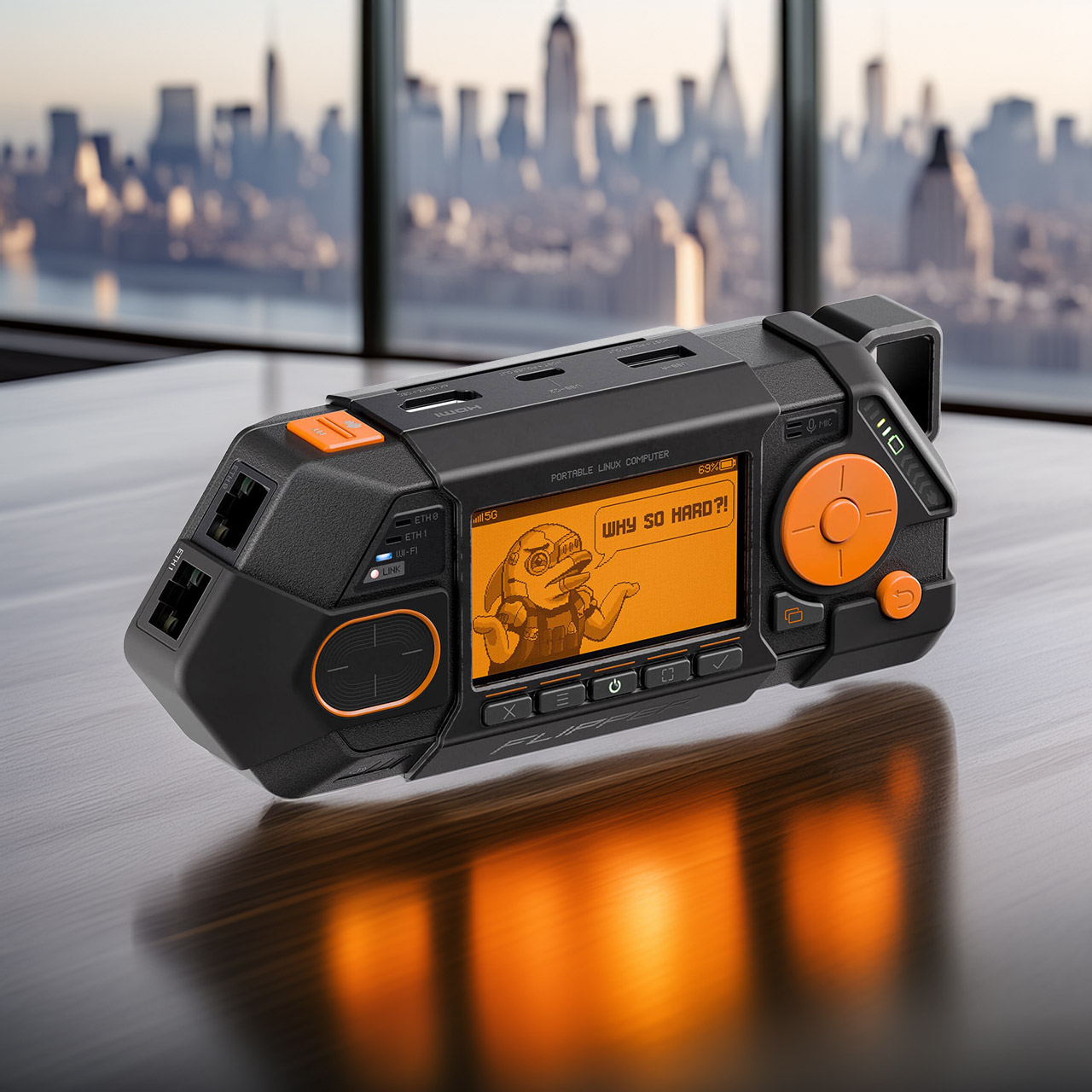
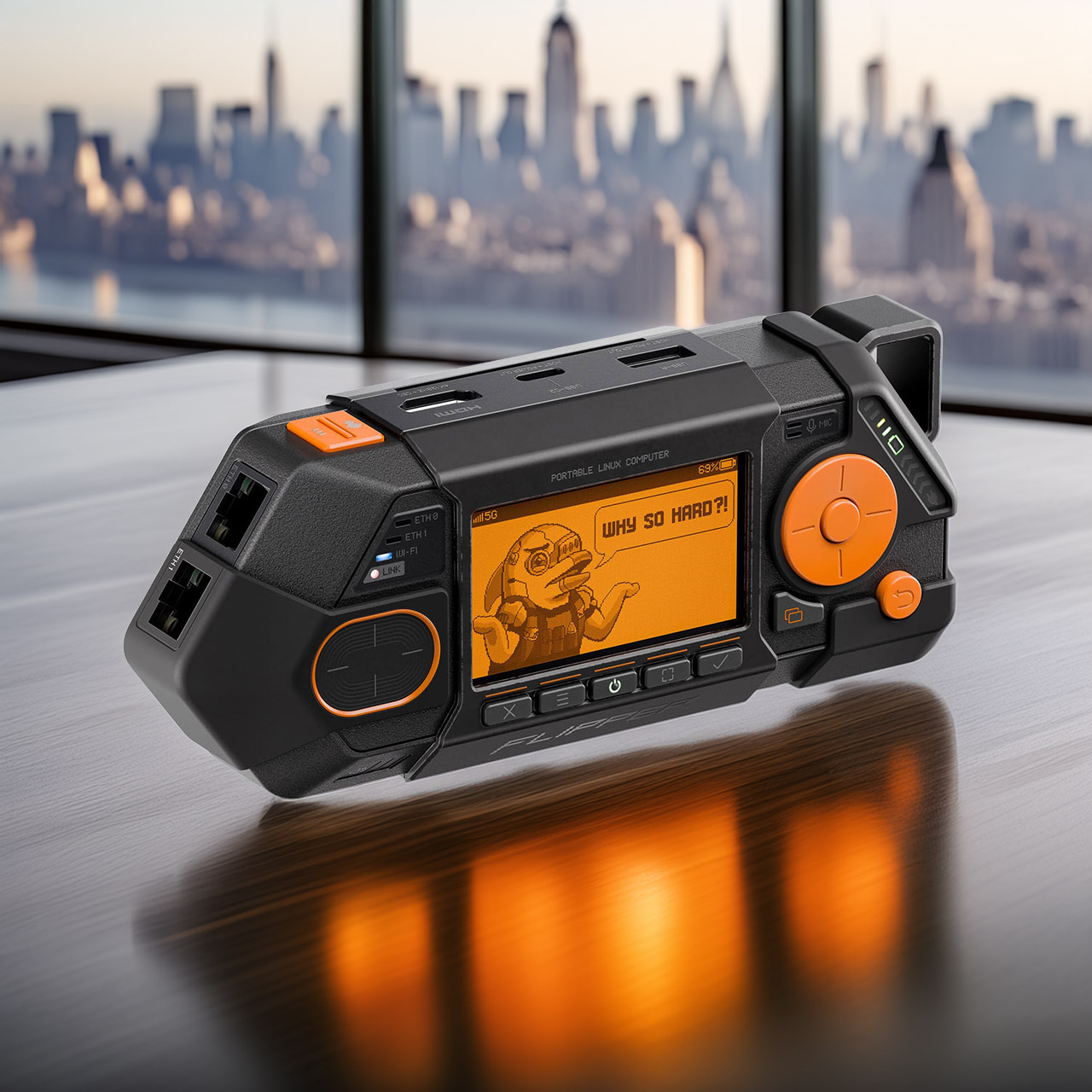
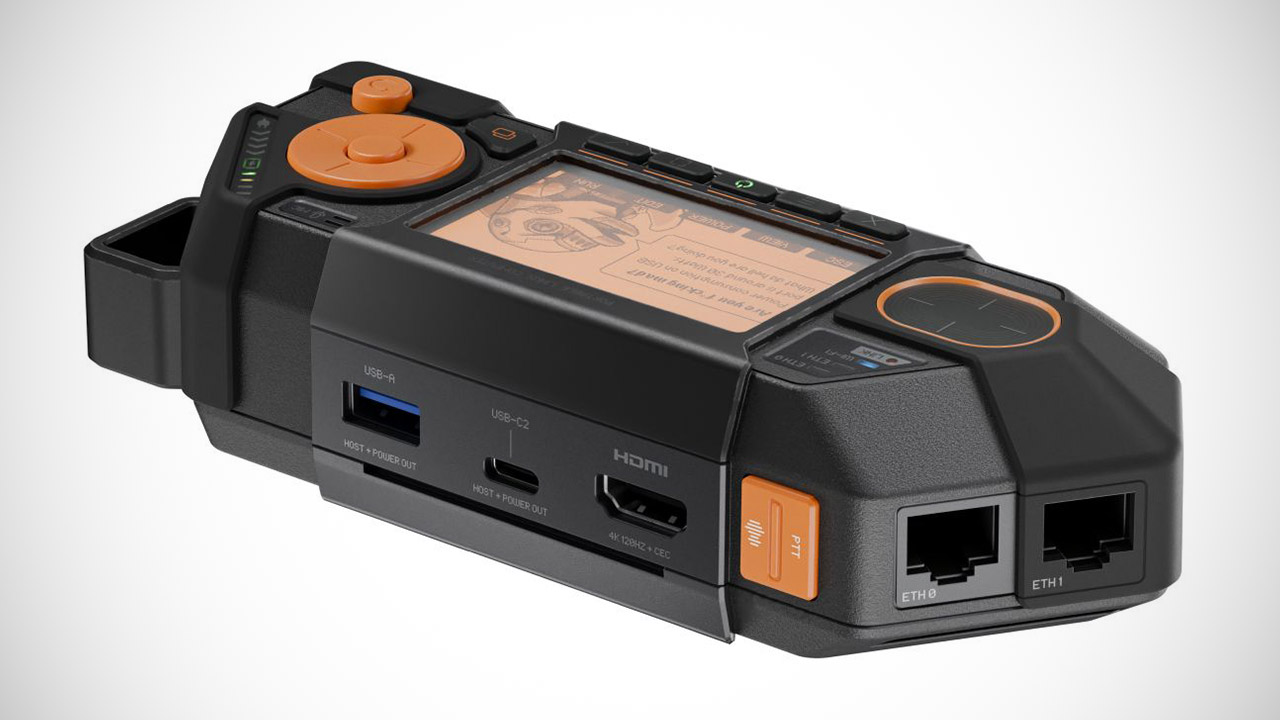
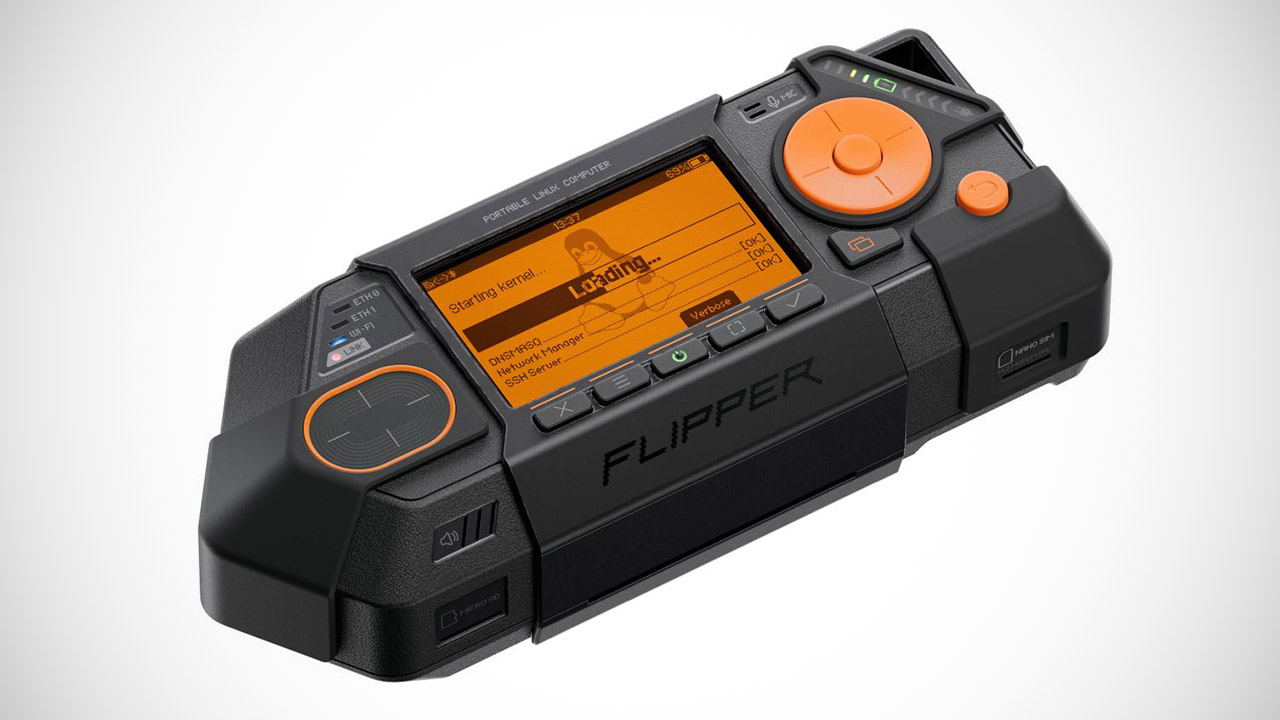
Flipper Devices announced its newest creation today with Flipper One, a compact device that delivers real Linux power in a form small enough to carry everywhere. This gadget shifts focus toward networking and everyday computing tasks while keeping the spirit of hands-on experimentation that fans know from the company’s earlier work.
With dimensions of 155 by 67 by 40 millimeters, it’s a little unit that’s ideal for slipping into a pocket or clipping onto a keychain, and it won’t weigh you down. To make this item easy to operate on a daily basis, the builders used robust materials and labeled each port so it’s clear what’s going on.
SIZE DOWN. POWER UP — The far mightier, way tinier Mac mini desktop computer is five by five inches of pure power. Built for Apple Intelligence…
LOOKS SMALL. LIVES LARGE — At just five by five inches, Mac mini is designed to fit perfectly next to a monitor and is easy to place just about…
CONVENIENT CONNECTIONS — Get connected with Thunderbolt, HDMI, and Gigabit Ethernet ports on the back and, for the first time, front-facing USB-C…
At the heart of the device is a powerful Rockchip RK3576 CPU with eight cores, which is paired with 8GB of super-fast RAM and 64GB of internal storage that can be expanded with a microSD card. Don’t worry about it freezing up on you; the device has a second processor dedicated to basic operations and screen stuff, allowing the main system to take a load off when needed.
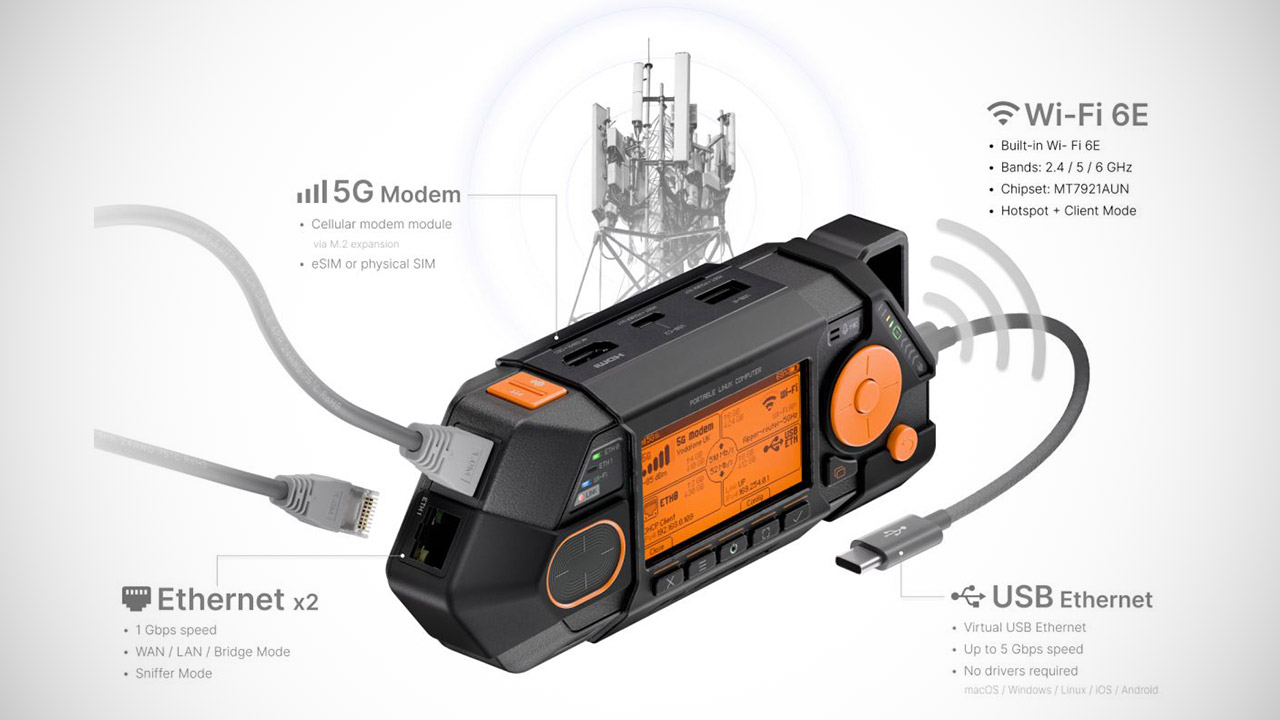
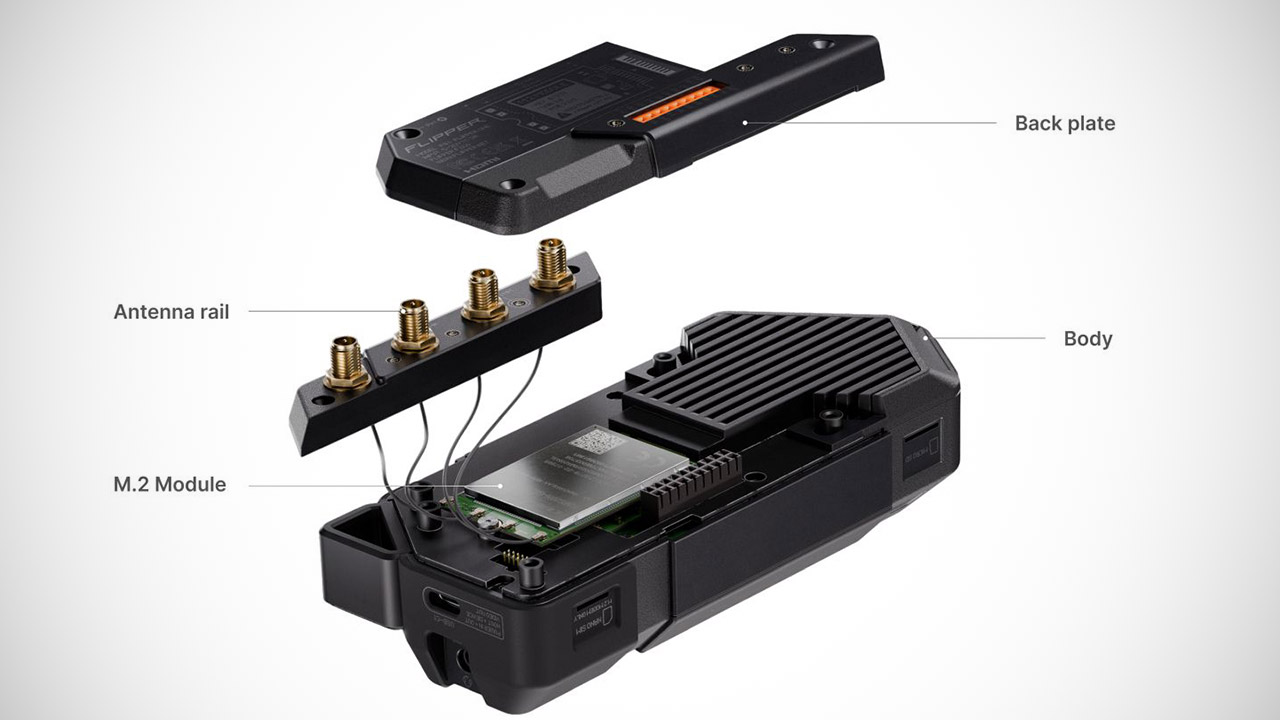
The connectivity choices are quite extensive, with two gigabit ethernet connections allowing you to connect directly to a wired network if necessary. Wi-Fi 6E and Bluetooth are included as standard, as well as a full-size HDMI connector capable of delivering seriously fine 4K video at 120 frames per second. Then there are two USB connections: one for video and one for external power. There’s even an extension port for add-on modules, allowing you to add cellular data or additional storage.
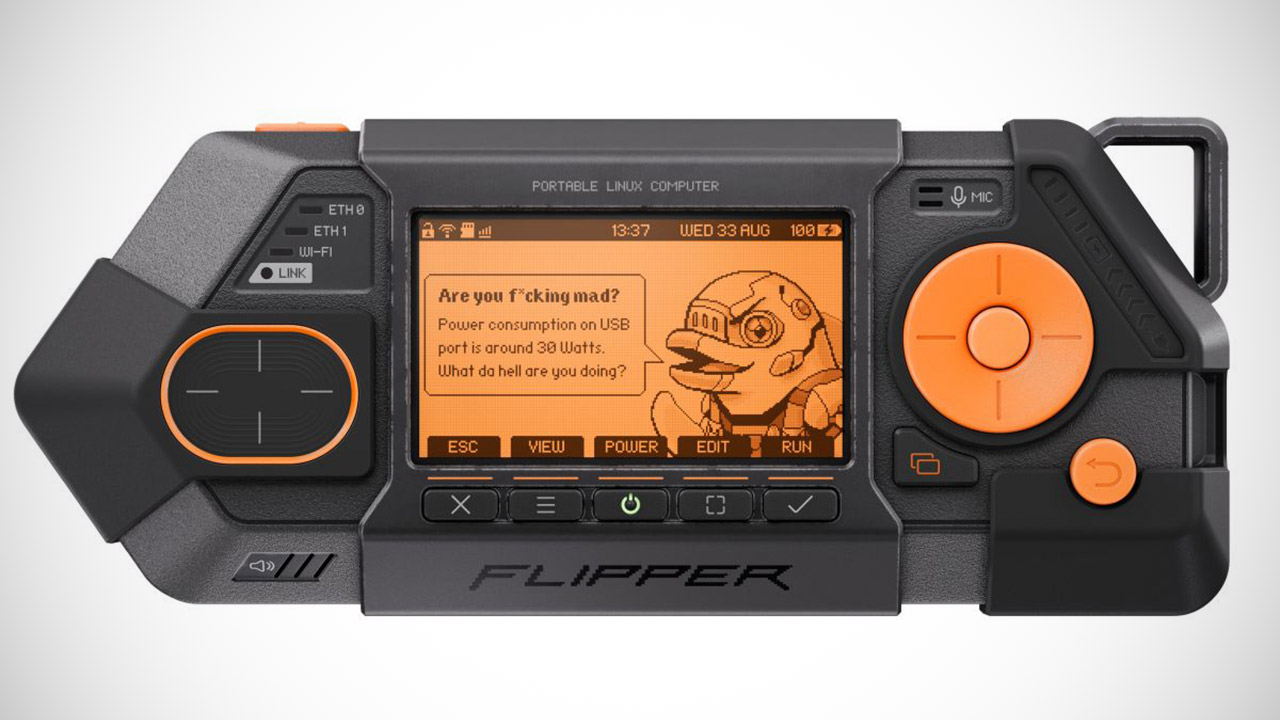
You navigate the device using a small monochrome screen in a nice bold orange and black color scheme, as well as a directional pad and some specialized buttons, and there’s also a wonderful touch-sensitive area for when you don’t have an external display or keyboard available. Even when browsing the menus on your own, the controls feel rather easy. They’ve even created a modified Debian Linux version to run on this device, and the FlipCTL interface organizes all of the basic utilities into neat simple menus that are much easier to use on the little screen. The software also allows users to save complete system profiles, so you can save how you have all of your apps and settings configured and easily switch between them if necessary, without having to reflash the entire system.
It’s a helpful little instrument for completing practical tasks. It might function as a portable router, a network bridge between many connections, or even a secure gateway for data transfers. If you connect it to a display and other accessories, it can transform into a simple tiny desktop for use on the go or in the field. If you install the appropriate module, you can even begin offline AI tasks or signal monitoring without the need for an internet connection.
The development process is completely open, as Flipper Devices has a dedicated portal where anybody can view plans, participate in conversations, and even contribute code or testing. The team is working with outside expertise to get mainline Linux support up and running on the device, giving users complete freedom.
Early estimates suggest that the base model will cost less than $350 when it finally hits the stores, but we’ll have to wait and see how things shake out, as the community is still working to smooth out the last few bugs and get everything exactly perfect. To give customers additional options, the Flipper One is a companion to the original model rather than a replacement, so you’ll have a clear choice for whatever project you’re working on. [Source]
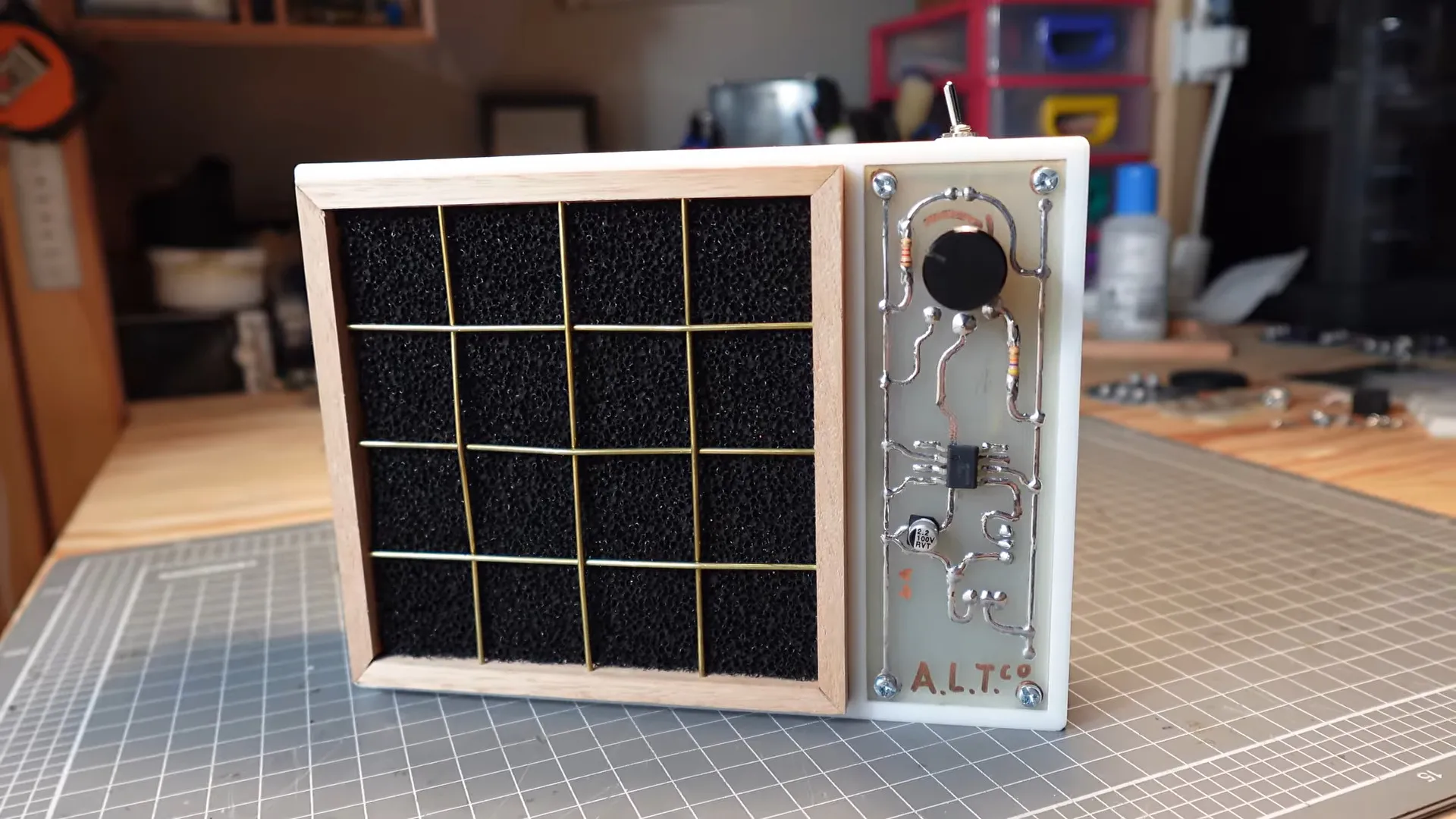
Back in the day, drawing out the traces on a PCB lead to beautiful, smooth lines that [ALTco] wanted to imitate. But first, he needed to figure out how the rest of the fabrication process worked. He starts by just experimenting, both with the “resist” markers and paint, and the etching compound. Things rarely work first-try, and neither did his home-made etchant. So then it was time to buy some ferric chloride, the standard copper etchant for PBCs. A few more tests sorted out which permanent marker worked best.
[ALTco] starts by thoroughly cleaning a raw copper-clad board so the marker sticks properly, then draws the circuit for a little analog fan controller. The board is then laid in a bath of the etchant for several minutes while gently rocking it to keep the reaction going. Finally the board is taken out, etchant stored for re-use, and the board washed with water and then presumably IPA to remove the remaining marker. Some assembly of the newly-printed circuit board later and you have a cute little smoke absorber for your soldering projects.
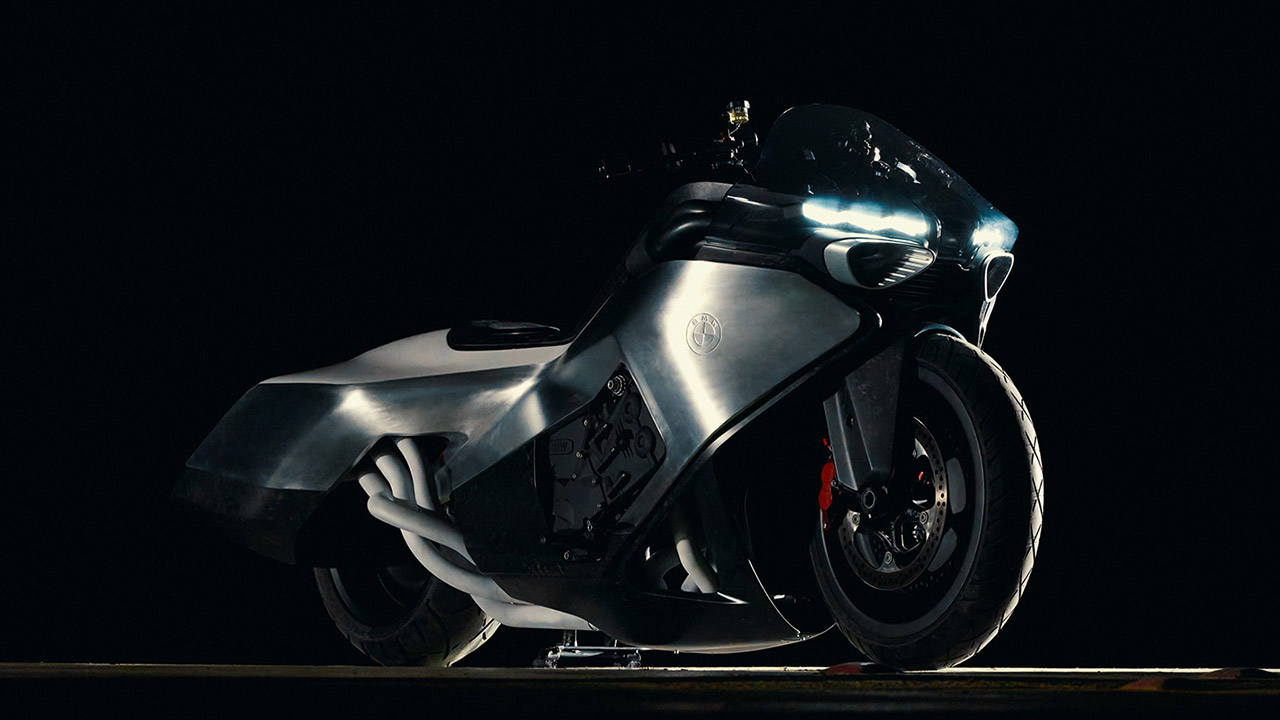
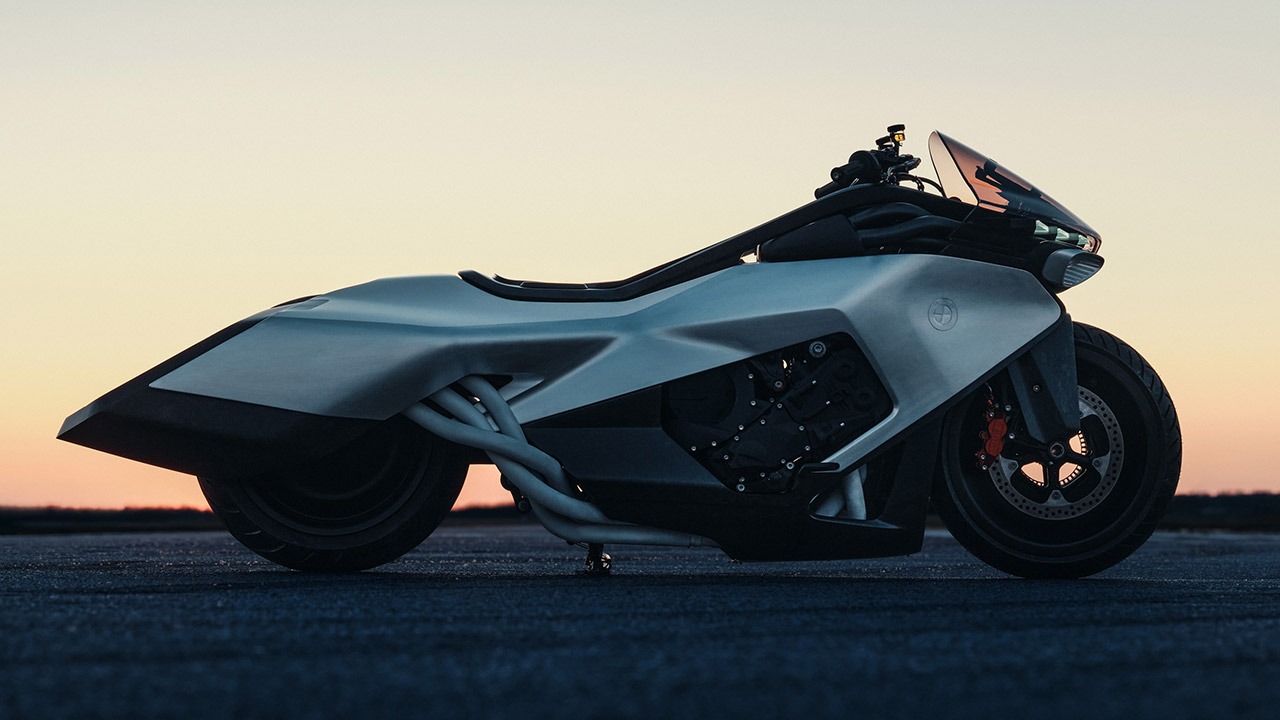
BMW Motorrad revealed its latest vision motorcycle at the Concorso d’Eleganza Villa d’Este on Lake Como this May. Called the Vision K18, the machine turns heads with its long, low lines and unmistakable presence. Designers looked to high-speed aircraft for guidance, crafting a form that feels ready to launch even when parked on the pavement.
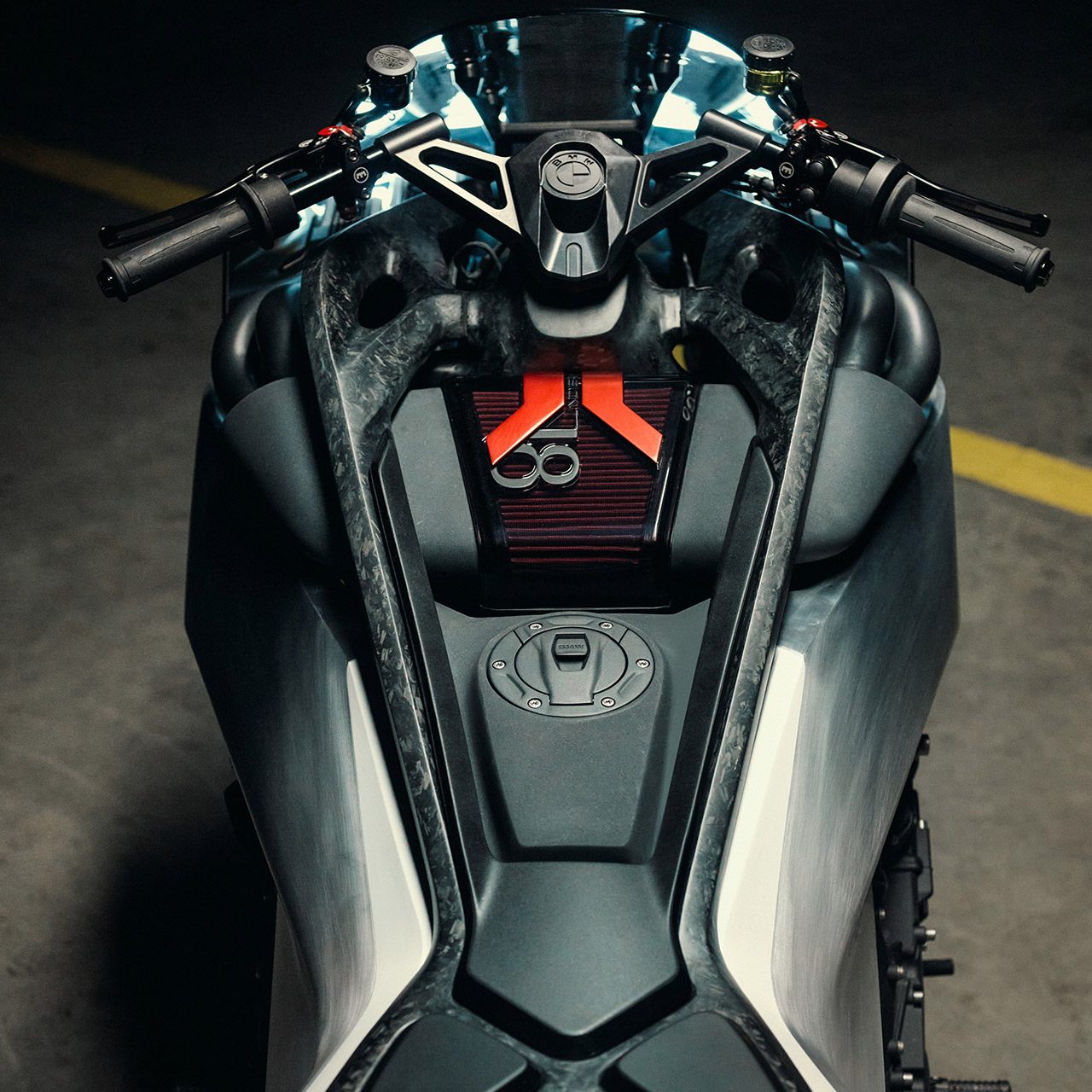
Visitors are immediately drawn to the Vision K18’s extended shape. Hand-shaped, the smooth aluminum panels give the bike a sleek, aerodynamic aspect, catching the light and appearing impossibly long, with nearly two meters of panel length down each side. Forged carbon parts are employed when extra strength is required, adding a nice touch of contrast to the overall design.
Motorcycle toy gift for kids aged 10 and up – The LEGO Technic Kawasaki Ninja H2R Motorcycle is packed with authentic features and gives boys and…
1:8 motorcycle scale model kit – Designed with amazing attention to detail, this scale model Kawasaki motorcycle toy includes a kickstand so kids…
Lots of realistic details – Features include steering, suspension, a 2-speed gearbox, a 4-piston articulated engine and turbocharger
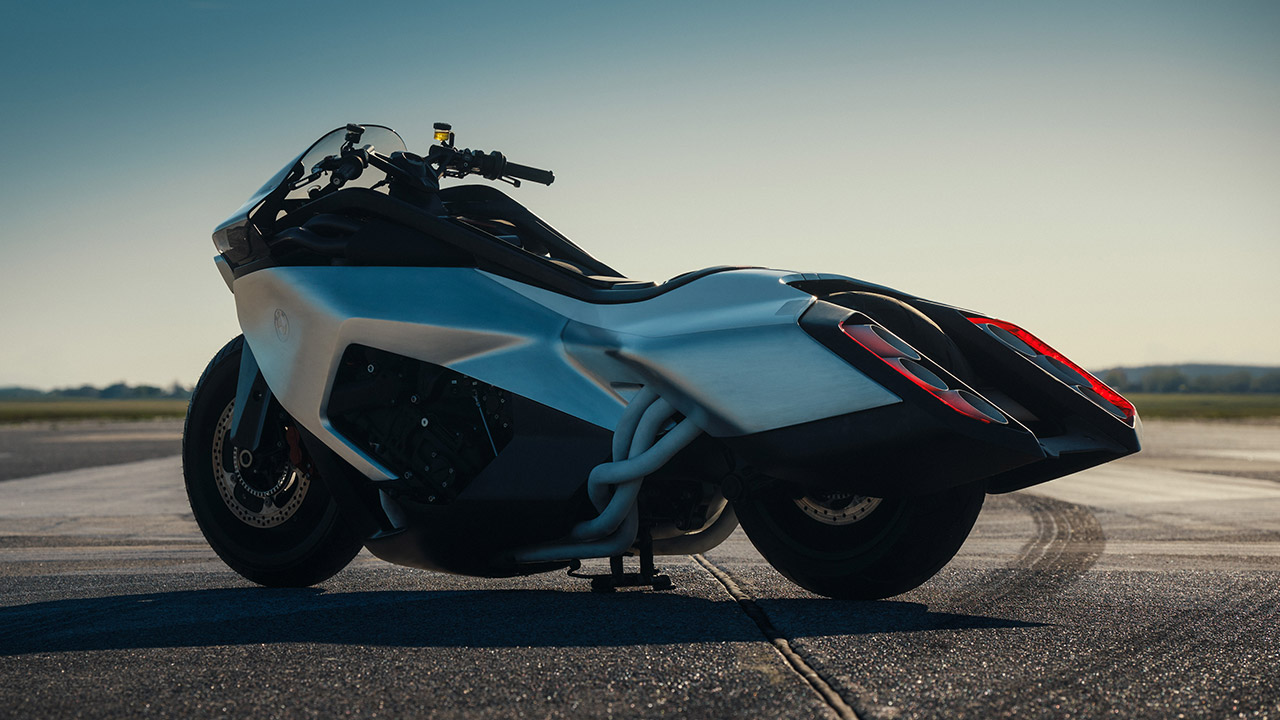
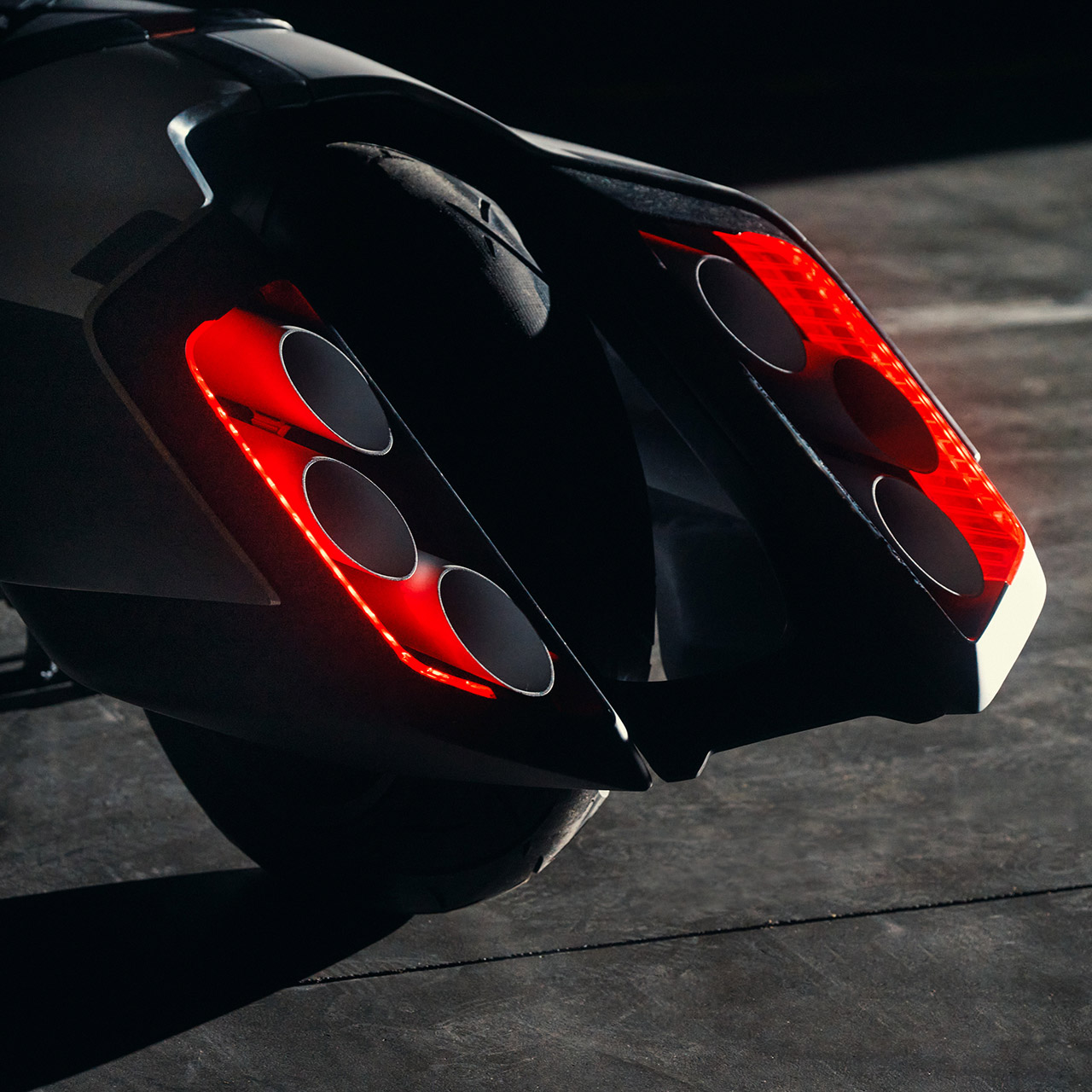
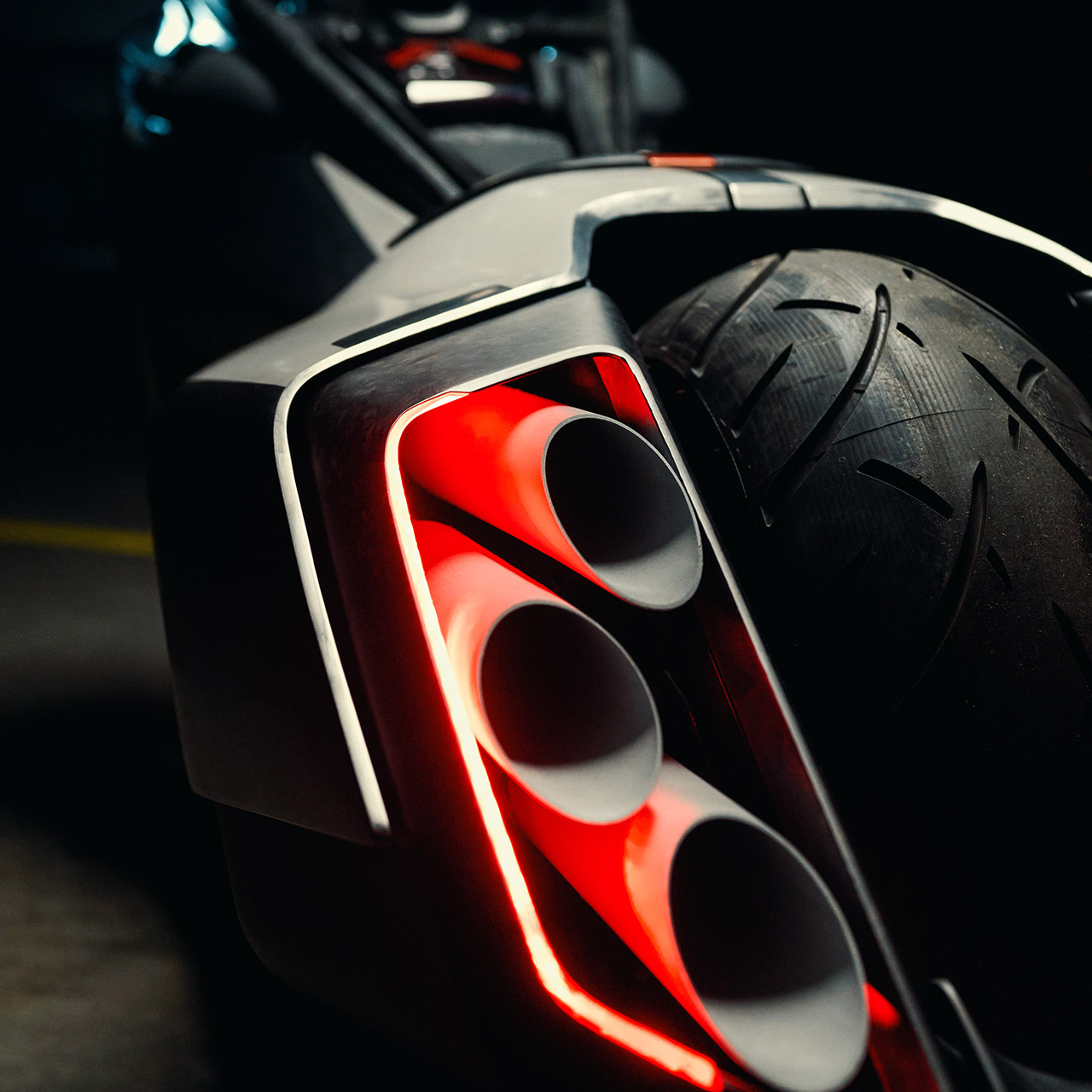
Six air intakes protrude from the front end, supplying air to a unique central filter installed directly where the gasoline tank would normally be, resulting in a fantastically flat back profile. Another six exhaust pipes exit via a large carbon-framed area where saddlebags would ordinarily be located, contributing to the bike’s overall clean, purposeful appearance. Put simply, the design has the clean lines of a bagger, but without any storage.
The powerplant is an 1800cc inline-six, boldly placed at the core of the bike. BMW has emphasized the engine’s visual and mechanical focus; observe how the 6 intakes and 6 exhaust pipes match up precisely with the layout of the six cylinders, making the motor impossible to overlook and reinforcing the idea that this is a performance bike. The delivery is smooth and powerful, with a distinct character that has long been associated with BMW’s six-cylinder designs. Plus, the heat haze effects in the presentation only add to the sensation of speed and raw energy emanating from the engine, which is rather impressive.
Advertisement
The Vision K18 has a distinct style and feel due to the combination of old and new, traditional workmanship and technological processes. For example, some of the aluminium components have been planished by hand, giving them a lovely, handcrafted appearance. Other portions have been sprayed in flame spray, giving them the appearance of a classic racing exhaust header, which is a nice touch. The headlight is especially impressive since it is a stacked LED design that has been set up to operate actively and is designed to fit in with the six-cylinder motif. There’s even hydraulically adjustable suspension to modify ride height, allowing you to lower the bike for a serious, aggressive posture or raise it for extra clearance or comfort.
Everything about the Vision K18 exudes confidence and performance. The proportions are stretched out like an arrow in flight, with a wide tail and sculpted saddle section that resembles the lines of a supersonic jet. Even when the bike is stationary, the way it is constructed gives you a sense of forward movement, as if it is straining to move. BMW developed this as a one-off to test where their designs could go on a motorcycle, but there are numerous hints and references to future production models, touring and cruising bikes that could be built based on this vision.
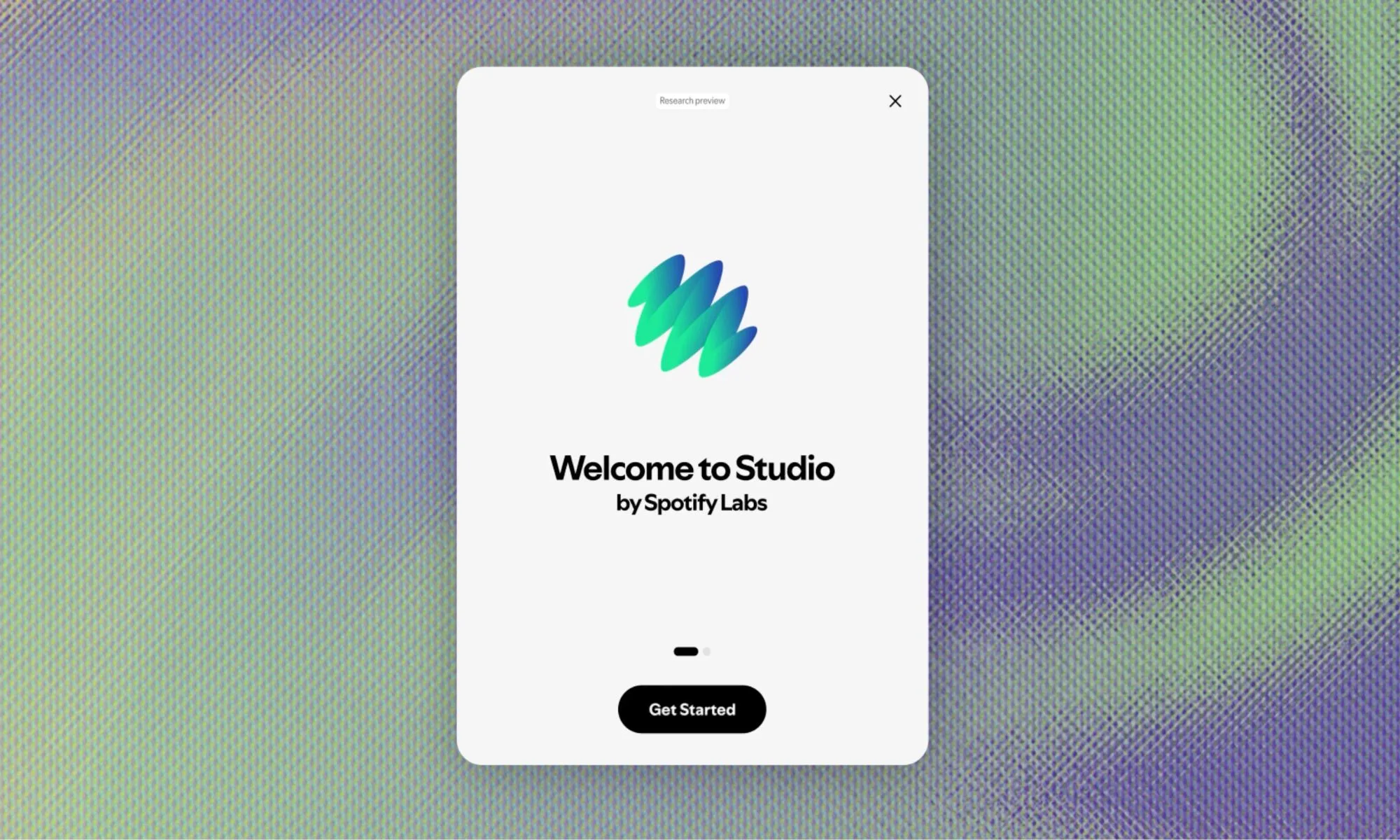
We’re introducing Studio by Spotify Labs, a new app that can create personalized podcasts, playlists, and daily audio briefings from a simple prompt 💚 pic.twitter.com/uOfhHxO2B6
It pulls from your Spotify listening history across music, podcasts, and audiobooks, and with your permission. It can also tap into your calendar, inbox, and notes to make content that actually fits your day. Studio is launching as a Research Preview in over 20 markets for users aged 18 and above, coming in the next few weeks.
What can Studio by Spotify Labs actually do?
Spotify
The app is conversational, meaning you talk to it like a chatbot and it builds audio around your request. You could ask it to create a daily briefing for a road trip using your bookings and calendar, recommend a dinner spot along the route, and wrap up with a podcast you would enjoy on the drive.
The AI agent behind it can also browse the web and pull real-time information, like current news, trends, or local recommendations, to shape what it creates. Everything generated in Studio saves directly to your Spotify library and syncs across your devices, so it moves with you from your desktop to your commute.
Advertisement
Spotify
Importantly, what you create is private and not available publicly. Spotify is clear that this is an early preview and the AI can make mistakes, so it encourages users to review outputs before relying on them.
How does this compare to what is already out there?
Spotify
Google’s NotebookLM has been doing AI-generated podcasts since 2024, and Amazon and Microsoft have since launched similar features in Alexa Plus and the Edge browser. Spotify’s edge is that its users are already there for audio, which gives Studio a more natural home than a notes app or a browser.
The launch also follows Spotify’s recently released ‘Save to Spotify’ tool for developers who use Claude Code or OpenClaw to generate personal podcasts. Studio brings the same capability to everyone else, without any coding.

























































You must be logged in to post a comment Login