Connect with us
DAPA Banner

Tech

Finance Bros To Tech Bros: Don’t Mess With My Bloomberg Terminal

Published

on

An anonymous reader quotes a report from the Wall Street Journal: A battle of insults and threats has broken out between the tech world and Wall Street. What’s got everyone so worked up? The same thing that starts most fights: business software. A series of social-media posts went viral in recent days with claims that AI has created a worthy — and way cheaper — alternative to the Bloomberg terminal, a computer system that is like oxygen to professional investors. Now “Bloomberg is cooked,” some posters argued as they heralded the arrival of a newly released AI tool from startup Perplexity. […]

The finance bros who worship at the altar of Bloomberg have declared war on the tech evangelists who have put all their faith in AI. To suggest that the terminal is replaceable is “laughable,” said Jason Lemire, who jumped into the conversation on LinkedIn. (Ironically or not, his post also included an AI-generated image of churchgoers praying to the Bloomberg terminal). “It seems quite obvious to me that those propagating that post are either just looking for easy engagement and/or have never worked in a serious financial institution,” he wrote. […] Morgan Linton, the co-founder and CTO of AI startup Bold Metrics and an avid Perplexity Computer user, said it’s rare for a single AI prompt to generate anything close to what Bloomberg does. That said, he added that tools like this can lay “a really good foundation for a financial application. And that really has not been possible before.”

Others aren’t so sure. Michael Terry, an institutional investment manager who used the terminal for more than 30 years, said he used a prompt circulating online to try to vibe code a Bloomberg replica on Anthropic’s Claude. “It was laughable at best, horrific at worst,” he said. Shevelenko acknowledged there are some aspects of the terminal that can’t be replicated with vibe coding, including some of Bloomberg’s proprietary data inputs. The live chat network, which includes 350,000 financial professionals in 184 countries, would also be hard to re-create, as well as the terminal’s data security, reliability and robust support system. “I love Bloomberg. And I know most people that use Bloomberg are very, very loyal and extremely happy,” said Lemire. His message to the techies? “There’s nothing that you can vibe code in a weekend or even like over the course of a year that’s going to come anywhere close.”

Source link

Advertisement
Continue Reading
Click to comment

You must be logged in to post a comment Login

Leave a Reply

Tech

How to customize a website template: 5 tips

Published

on

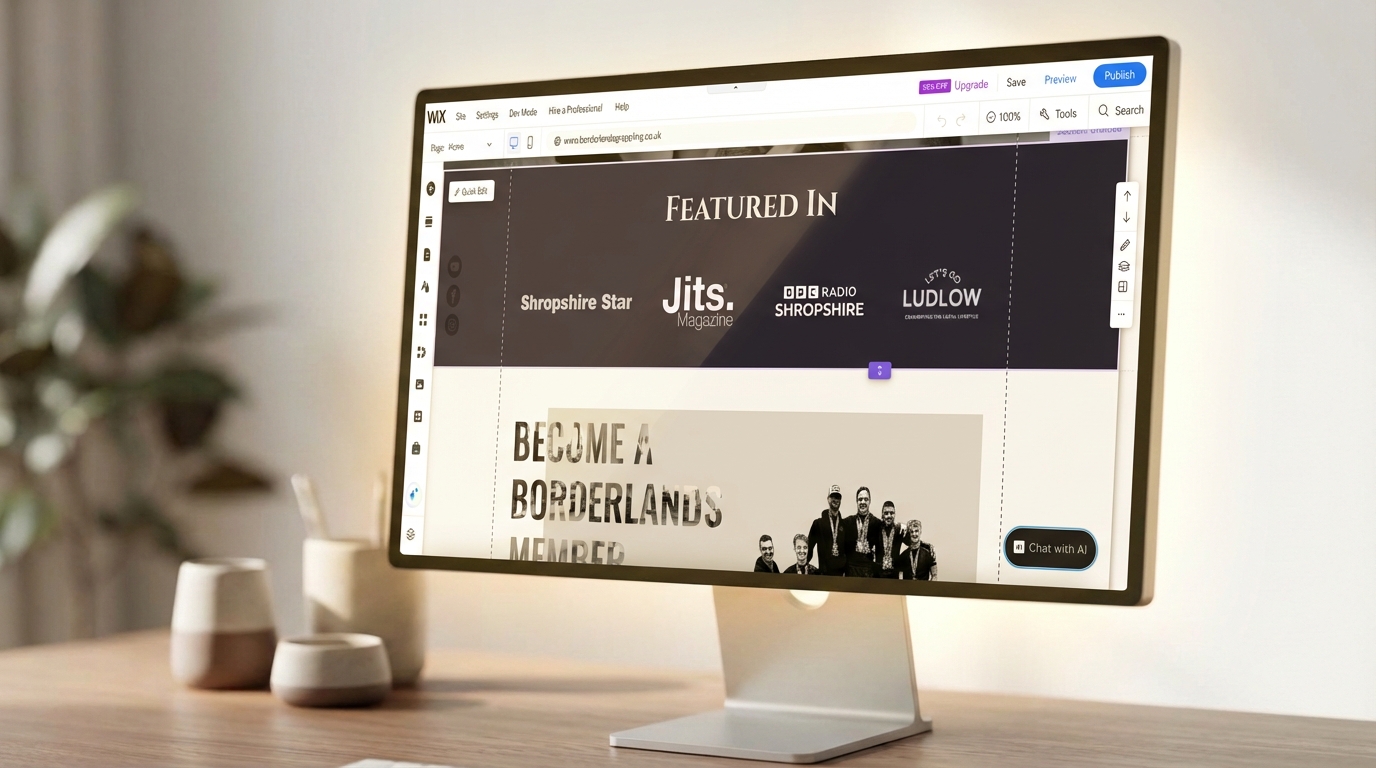
You’ve picked a website template, but now it looks like a hundred other sites. That’s the problem with templates. They’re convenient, but they feel generic right out of the box.

You want something that represents your brand. Not a cookie-cutter design that screams “I used template #47.” The good news? Templates are starting points, not final destinations. With the right approach, you can transform any template into a custom-looking site. We’ll show you exactly how.

Source link

Advertisement
Continue Reading

Tech

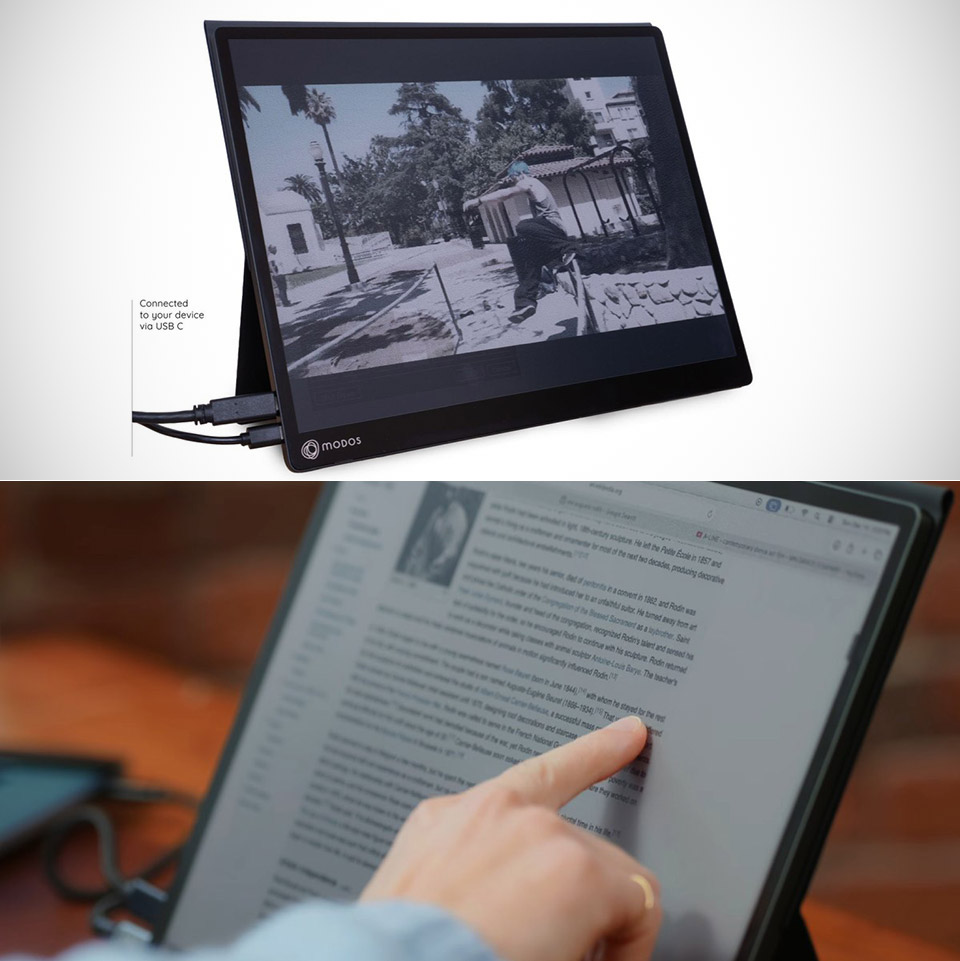
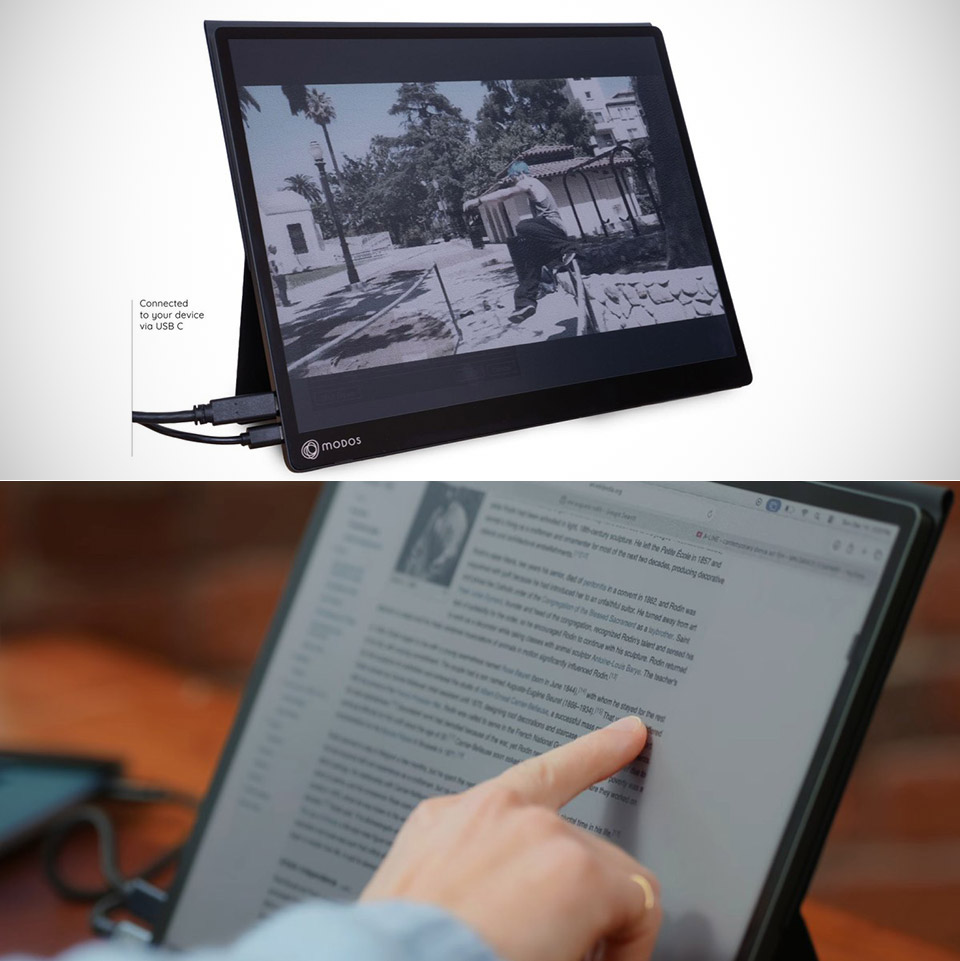
Modos Flow Turns E-Ink Into a 13.3″ 3K Portable Monitor Worth Using Every Day

Published

on

Modos Flow E-Ink Monitor
Long sessions in front of conventional LCD monitors can leave you with tired eyes and a throbbing headache. The Modos Flow aims to change that by combining the convenience of paper with the speed of doing serious work on a computer. This 13.3-inch portable display delivers excellent text and images with a smooth motion that will have many individuals switching to it from their primary laptop screen when they need to focus.


The screen has a 3200 by 2400 pixel display in black and white mode, resulting in a very crisp 300 pixels per inch. When you turn to colour, the resolution decreases to 1600 by 1200 with a less sharp 150 pixels per inch, but it still appears good for most documents and online pages. They also have a built-in frontlight that allows you to adjust the brightness and color to match the room you’re in without causing glare. Furthermore, it works well in direct sunlight since the reflecting surface does not bleach out like glossy LCD screens.

Sale


MNN Portable Monitor 15.6inch FHD 1080P USB C HDMI Gaming Ultra-Slim IPS Display w/Smart Cover…
  • Full HD Portable Monitor – MNN 15.6inch portable laptop monitor with 1920*1080 resolution, advanced IPS matte screen support 178° full viewing angle…
  • Double Type-C Port -For Plug & Play, the MNN monitor provides 2 Full Feature Type-C ports. Only One USB Type-C Cable is required to connect to the…
  • Lightweight Ultra Slim for Travel – As a portable external monitor,MNN portable laptop monitor easily accommodate to every suitcase and backpack and…

The refresh rate is 60 frames per second with fewer than 100 milliseconds of lag, which is fairly standard for a typical monitor but is really fast for an e-ink panel. You can also choose from four different viewing modes based on what you’re doing. Browsing mode prevents webpages from being disorganized and having excessive ghosting. Typing mode sharpens everything up, allowing you to focus on your work. Watching mode handles video playback better than some previous e-ink panels, although it still has limitations with fast-paced action. Reading mode simply prioritises contrast and lowers the noise surrounding your text.

Advertisement


You can use the touchscreen directly on the surface, but if you need something more precise, a stylus is provided for notes and annotations. You also get two USB-C ports that handle power and video, but firmware updates are expected to reduce the number of cables to one. The device works with Windows, Macintosh, and Linux laptops right out of the box, and it consumes significantly less power than a laptop screen, which should help you save battery life.

The monitor is constructed of metal, so it feels substantial and sturdy, but it only weighs about 700 grams without the cover. The cover is also quite flexible and may be used as a stand, as well as folded flat for transport. If you want to install it to your desk or a monitor arm, you can utilize the VESA mounting holes in the back. You’ll also find three buttons on the side that allow you to quickly modify the brightness, contrast, and mode with a short press or a longer hold.


Crowdfunding is set to begin soon on Kickstarter, following the success of their last Modos Paper Monitor development kit. If you are an early backer, you may view the pledge options on the campaign page to find out when you can expect to get one. Price is yet to be confirmed, however it should be relatively comparable to other portable monitors on the market.
[Source]

Advertisement

Source link

Continue Reading

Tech

S$100K+ to fly with your pet? S’pore’s 1st pet airline is booked out a yr ahead.

Published

on

On SingaPaw Air’s flights, pets roam the cabin freely, sit beside their owners & are even offered meal options

There’s no sugarcoating it. A US$84,000 (S$108,000) flight to San Francisco with your pet is likely out of reach for most Singaporeans.

But that hasn’t stopped SingaPaw Air, which bills itself as Asia’s first pet jet-share service, from attracting a small and growing group of people willing to spend tens—and even hundreds—of thousands of dollars for the experience of flying with their pets in comfort and privacy.

On its flights, pets can roam the cabin freely, sit beside their owners, and are even offered meal options, much like any other passenger. Every detail, from check-in to in-flight care, is designed for the well-being of both animal and owner.

One recent customer paid just over US$30,000 (S$38,500) for a one-way trip from Singapore to Hong Kong for two people and four cats. Another spent US$15,000 (S$19,300) to holiday in Hong Kong with her toy poodle. And the airline is receiving more than 100 enquiries a day, with some customers booking up to a year in advance.

Advertisement

There clearly is demand for the service—and it is one that founder Jamie Wong saw coming long before anyone else in the region did.

“For me, animals are family”

Wong’s path to building SingaPaw Air is not a straight line.

The 38-year-old started his career in medicine and used to work as a GP at Raffles Medical. But the pull of entrepreneurship eventually won out. He went on to build a five-branch medical aesthetics business and a telemedicine startup that completed two rounds of fundraising, both of which have since closed.

Image Credit: SingaPaw Air/ Jamie Wong

Throughout all of this, he was running TheAsianPawrent, an online community platform for pet owners in Asia, on the side—not as a business play, but out of genuine love for animals.

Wong shares his home with five cats and three dogs, has rescued birds and sent them to animal welfare charity ACRES for rehabilitation, and actively donates to local pet welfare communities. TheAsianPawrent started as a place where pet owners like him could come together to share knowledge, discuss issues affecting their animals, and find community around modern pet parenting in Asia.

Advertisement

For me, animals are not a side interest. They are family. That belief has shaped the way I think about services, community, and the future of pet-related businesses.

Jamie Wong, founder of SingaPaw Air

The longer he ran that community, the more clearly one pain point kept surfacing: travel.

Pet owners across the region were hitting the same wall—restrictive airline policies, stressful cargo holds, banned breeds, and mountains of paperwork. The infrastructure simply hadn’t caught up with how people actually felt about their animals.

That insight, combined with a very personal moment during COVID-19, when Wong found himself unable to bring his family’s dog along on a private plane to Malaysia, became the spark for SingaPaw Air.

Advertisement

“I realised that while I was able to fly over on a private plane, our dog obviously could not enjoy the same ease of travel,” he said. “That was the moment I realised there was a real-world problem that could potentially be solved.”

The business was initially self-funded

Wong founded SingaPaw Air about three years ago, in 2023. “The concept took shape over time, but that was when we began laying the groundwork to turn the idea into a real operating business,” he said.

The airline was initially self-funded, which meant that Wong had to “build carefully” in the early stages. This was followed by two rounds of angel investment, with the company beginning at a valuation of US$2 million (S$2.5 million), according to the founder.

Image Credit: SingaPaw Air/ Jamie Wong

Today, SingaPaw Air claims to be the first of its kind in Southeast Asia, with only a handful of comparable players globally, such as Bark Air and RetrievAir in the United States, K9 Jets in Europe, and Skye Pets in Australia.

While Wong does not come from a traditional airline background, his experience building businesses in regulated industries proved highly transferable.

Advertisement

He also pursued a personal interest in aviation, spending time in flight simulators to practice piloting and understand aircraft operations. He even took some flight lessons, which helped him grasp the operational side of running an airline.

Although this experience was valuable, getting SingaPaw Air off the ground was far from simple.

Beyond registering the company and sourcing aircraft, a big part of the process involved securing the right approvals, including from Singapore’s Animal & Veterinary Service (AVS) and the Singapore Tourism Board.

At the same time, Wong also spent significant effort building an internal team that truly understood the emotional and practical challenges of travelling with pets.

Advertisement

We intentionally built a team of pet owners because people who live with animals understand the anxiety, the logistics, and the level of care required in a very different way.

Jamie Wong, founder of SingaPaw Air

Prices start at S$7K, and that’s just for a short hop to KL

SingaPaw Air operates on a jet-share model, which allows customers to book individual seats rather than chartering an entire aircraft. This approach, Wong said, makes the experience much more accessible compared to a traditional private charter, which can cost upwards of US$100,000 (S$128,500).

By selling per-seat access, SingaPaw Air brings the entry point down to around US$10,000 (S$13,000) per seat.

Image Credit: SingaPaw Air/ Jamie Wong

Its current routes include Singapore to Kuala Lumpur from US$5,500 (S$7,000), Singapore to Hong Kong return from US$19,200 (S$25,000), Singapore to Tokyo return from US$34,400 (S$44,200), and Singapore to San Francisco one-way from US$84,000 (S$108,000), among others.

For those seeking a fully private experience, the airline also offers dedicated jet charters, where the entire aircraft is reserved fully for you and your pets.

Advertisement

Prices for full charters are significantly higher, often reaching six figures for long-haul trips.

For example, a one-way flight from Singapore to San Francisco costs around US$330,000 (about S$424,000). Even shorter routes, such as Kuala Lumpur, can cost around US$30,000 (S$38,500) one way.

To manage these flights efficiently, SingaPaw Air employs a flexible operational model, including contract charters, membership charters, and block-hour arrangements. This allows the airline to tailor how planes and seats are allocated depending on demand, route, and booking type, while maintaining a consistent, pet-focused experience.

Currently, SingaPaw Air works with several licensed commercial flight operators, including Air7Asia, adjusting aircraft and service setups as needed.

Advertisement

Not just a flight

(Left): A pet passport from SingaPaw Air, used to track a pet’s vaccinations; (Right): Boarding passes for SingaPaw Air flights./ Image Credit: @bentley_the_goodest_boi, @theasianpawrent_sg via Instagram

Onboard SingaPaw Air’s flights, a wide range of pets are allowed to fly beside their humans—there are no weight or size restrictions. The largest animal to board so far, according to Wong, was a Great Dane.

The airline also accepts breeds banned from cargo on most commercial carriers. Many airlines prohibit brachycephalic breeds—dogs with shortened snouts, such as French bulldogs and chow chows—due to a higher risk of respiratory distress in the cargo hold.

That said, SingaPaw Air takes extensive precautions to ensure these pets travel safely. Veterinary checks are conducted before every flight, and a certified canine first responder accompanies all journeys.

Pets also enjoy a streamlined clearance process that mirrors that of human passengers, with no need to arrive early. While animals must remain in carriers in the lounge, the aviation centre does not charge additional fees for them.

Image Credit: @bentley_the_goodest_boi, @air7asia via Instagram

What differentiates SingaPaw Air from simply “a charter with a dog on board” is its positioning as an end-to-end travel ecosystem. Beyond flights, the company handles complex paperwork such as vaccination records and import or export permits, processes that can take months for pet owners to navigate on their own.

Travel to Japan, for example, requires an eight-month documentation process, which SingaPaw Air manages in full, completely free of service charges.

Advertisement

It also works closely with the AVS to coordinate inspections for arriving pets. Since SingaPaw Air flights operate from Seletar Airport, which lacks the dedicated animal inspection facilities found at Changi Airport, the team ensures a smooth process by working directly with AVS officers there.

“We work very closely with them to notify them of our arrival date and time, then they will send a team over here to ensure that the whole process, the inspection, is done smoothly,” Wong said in an interview with CNA.

Countries are categorised by AVS based on rabies risk. Destinations deemed rabies-free or low-risk, such as Hong Kong, Japan, and the US, allow pets to travel and return without quarantine.

Meanwhile, countries assessed as rabies-affected, including Thailand, Indonesia, and Cambodia, require a minimum 30-day quarantine on arrival, making them effectively one-way destinations for most SingaPaw Air clients.

Advertisement

It’s still early days for SingaPaw Air, but the runway is long

While trust was initially the biggest hurdle, today SingaPaw Air receives over 100 enquiries a day, with repeat customers and pre-bookings up to a year in advance, showing that demand is genuine.

In the beginning, a lot of the challenge was proving that the model was real, safe, and professionally executed. Once people saw the first flights take place, confidence naturally started to build.

Jamie Wong

Image Credit: SingaPaw Air/ Jamie Wong

Currently, around 70 to 80% of SingaPaw Air’s flights are for relocation purposes. These aren’t frivolous holiday trips, but emotionally significant moves where, for many customers, putting their pet through cargo simply isn’t an option they’re willing to consider.

Wong shared that the most common feedback from customers is how calm their pets are when travelling alongside them. “That sense of calm and closeness is one of the clearest validations that [SingaPaw Air] is solving a real problem.”

For a growing segment of pet owners, this approach resonates. The shift in how people relate to their animals is real and accelerating. Pets today have Instagram accounts, birthday parties, and healthcare plans. The idea that travel should reflect that same level of care isn’t as niche as it once seemed.

Advertisement

With demand building—Wong declined to share specifics, including profit margins—SingaPaw Air has begun expanding its offerings. Its latest addition is the pet discovery flight: a one-hour trip designed to acclimatise animals to altitude changes and engine noise ahead of a longer journey, starting from US$1,300 (S$1,700) for one passenger and one pet, with discounts for existing SingaPaw Air customers.

Looking ahead, the company is in the process of acquiring its own jet, reflecting Wong’s long-term goal to handle everything in-house, not just act as a middleman. The founder also has his eye on domestic pet travel within Indonesia and Malaysia—markets with strong pet ownership cultures but where affordable, regulated pet travel options remain scarce.

To support this growth, another round of fundraising is planned, potentially later this year or next, as SingaPaw Air expands its services and capabilities.

“The market is still in its early stages,” Wong said, “so rather than focusing purely on market share, our goal is to establish SingaPaw Air as one of the most trusted and category-defining names in pet aviation in the region. If we continue to solve real pain points, market share will follow naturally.”

Advertisement
  • Find out more about SingaPaw Air here.
  • Read other articles we’ve written on Singaporean businesses here.

Featured Image Credit: Jamie Wong/ SingaPaw Air

Source link

Advertisement
Continue Reading

Tech

Amazon’s new USPS deal will see postal deliveries cut by 20 percent

Published

on

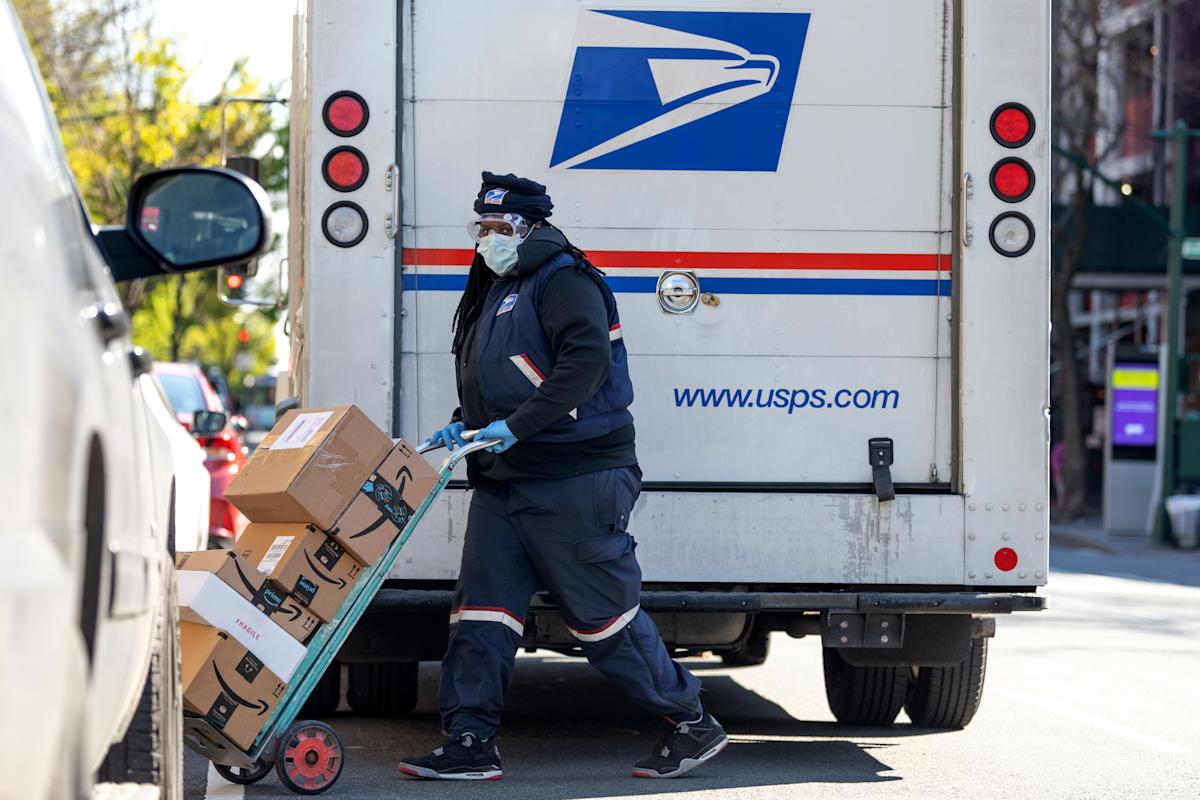
Earlier this year, Amazon threatened to cut US Postal Service deliveries by as much as two thirds. Now, the parties have reached tentative a deal that will see USPS deliveries reduced by 20 percent, The Wall Street Journal reported. While not as drastic as first menaced, the reduced volume will still deal a financial blow to the USPS.

“We’re pleased to have reached a new agreement with USPS that furthers our longstanding partnership and will let us continue supporting our customers and communities together,” an Amazon spokesperson told the WSJ.

Amazon is the USPS’s largest customer, accounting for 15 percent of its volume and $6 billion in revenue. A two-thirds cut would have been a disaster for the USPS, but a 20 percent reduction could result in more than $1 billion in lost revenue nonetheless. Amazon would have needed to scramble as well, as it relies heavily on the post office for rural and last-mile deliveries.

Amazon’s contract with the USPS was set to expire in September 2026, and in October Amazon said it wanted to strike a deal by December 2025. However, the USPS abruptly pulled out of negotiations, according to Amazon, and implemented a new bidding process for last-mile deliveries. “Our goal was to increase our volumes with USPS, not reduce them — until USPS abruptly walked away at the eleventh hour in December,” Amazon said at the time.

Advertisement

Amazon was reportedly considering expanding its own delivery network if the USPS deal fell through, though the company may have started those rumors itself to prod negotiations. The Postal Service decided to re-engage with Amazon after bids from several Amazon rivals fell short of its volume and revenue expectations, according to the WSJ‘s sources. The new agreement is still subject to approval by the federal Postal Regulatory Commission.

Source link

Continue Reading

Tech

AI startup Rocket offers vibe McKinsey-style reports at a fraction of the cost

Published

on

Indian startup Rocket is betting that the next big opportunity is the part before vibe coding: having AI help people decide what to build. It has launched a platform that produces consulting-style product strategies.

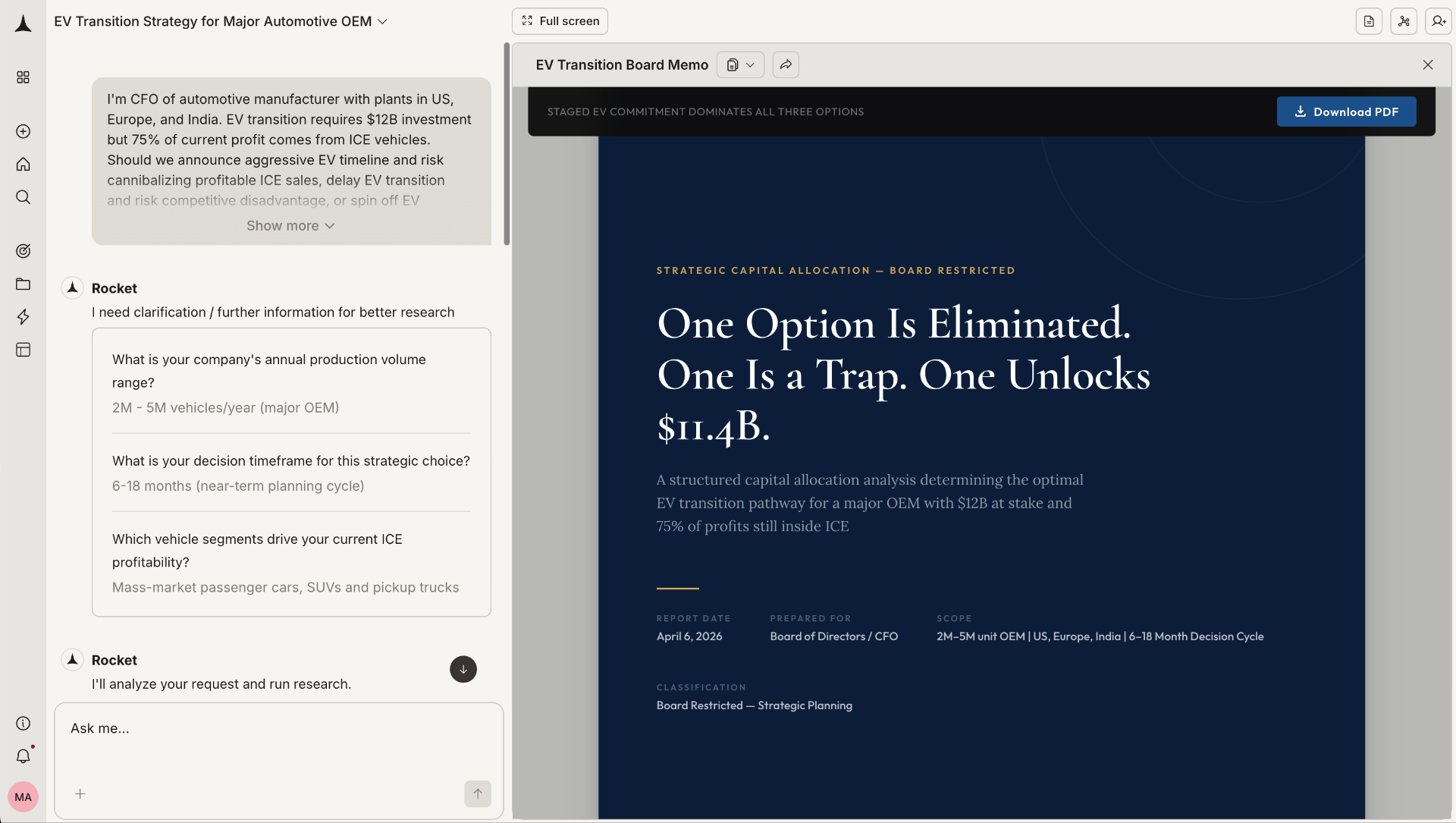
The startup, based in Surat, India, on Tuesday launched its platform, Rocket 1.0, which connects research, product building, and competitive intelligence in a single workflow. The platform generates detailed product strategy documents — including pricing, unit economics, and go-to-market recommendations.

As AI-powered coding tools proliferate — from platforms like Cursor, Replit, and Lovable to features such as Claude Code and Codex — writing code has become significantly easier and faster. “Everyone can generate the code now… it has become a commodity. But what to build is something which everyone is missing,” said Rocket co-founder and CEO Vishal Virani (pictured above), adding that “running a business and just building a codebase are two different things.”

TechCrunch briefly tested Rocket’s platform ahead of its launch and found that it generated product requirement documents in PDF format from simple prompts. These documents resemble consulting-style reports rather than vibe coding tools or chatbots, which largely focus on features and execution.

Advertisement

However, some of the analysis appeared to be synthesized from existing data — combining known pricing models, user behavior patterns, and competitive insights — rather than based on independently verifiable information. This suggests users may still need to validate outputs before making business decisions. Virani said the platform can offer human support when users encounter issues.

Rocket’s platform generates consulting-style reports Based on text prompts given by usersImage Credits:Rocket

The product can also track competitors, including changes to their websites and traffic trends. Rocket draws on more than 1,000 data sources for its analysis, including Meta’s ad libraries, Similarweb’s API, and its own crawlers, Virani said.

Rocket’s subscription plans range from $25 per month for building applications to $250 for strategy and research capabilities, and up to $350 for the full platform, including competitive intelligence.

Techcrunch event

San Francisco, CA
|
October 13-15, 2026

Advertisement

The $250 plan can generate two to three “McKinsey-grade” research reports alongside product builds, Virani told TechCrunch, positioning its higher-tier offerings as a lower-cost alternative to traditional consulting, which often costs thousands of dollars for similar strategy work.

Rocket raised a $15 million seed round in September from Accel, Salesforce Ventures, and Together Fund. Since then, the startup says it has grown from 400,000 to over 1.5 million users across 180 countries. It also reported an annualized average revenue per user in the ~$4,000 range, though it did not disclose detailed paying customer numbers. The startup said it operates at gross margins of over 50%, with 20–30% of its customers being small- and medium-sized businesses.

Advertisement

Rocket has a team of 57 employees and is headquartered in Surat, with operations in Palo Alto.

Source link

Continue Reading

Tech

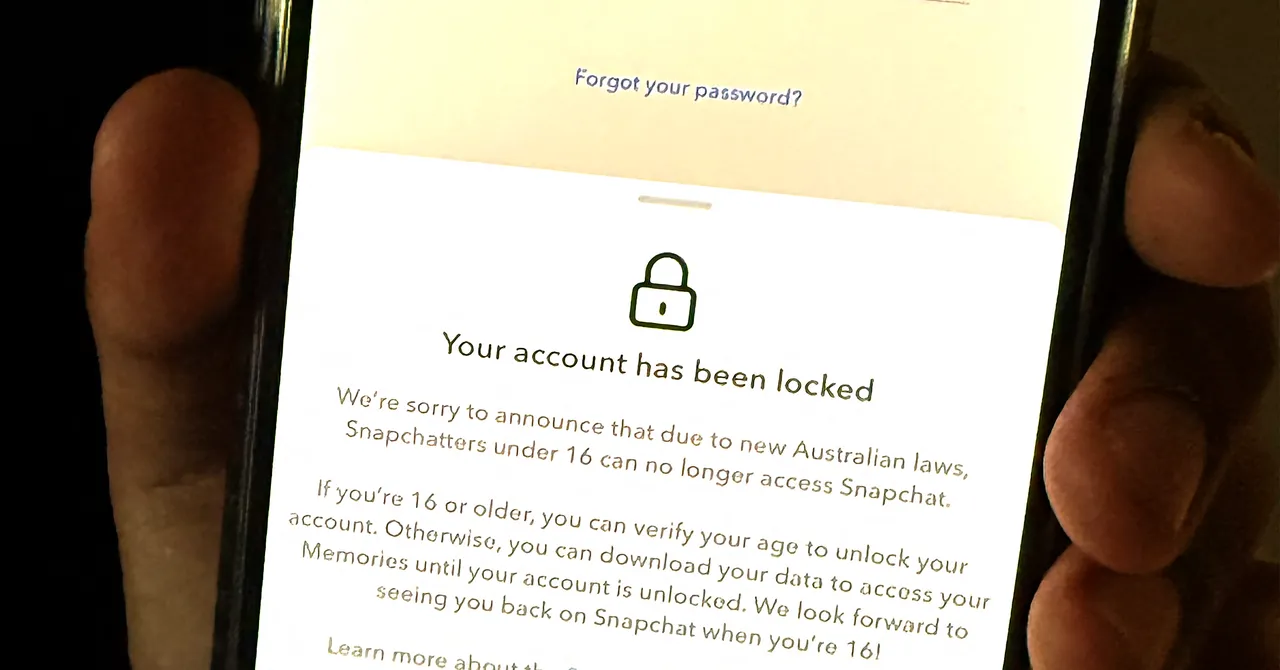
Europe Gets Serious About Age Verification Online

Published

on

Five member countries are already experimenting with the solution this year, but they don’t all seem to be on the same page. It was pointed out at the press conference that France and Denmark are far ahead, while Greece, Spain, and Italy are lagging. This is why some experts are skeptical that the digital wallet will come into force within the established time frame.

An Alternative to the US Model

Among the players already visible in the European market for age verification are Yoti, which TikTok is using in Europe for this purpose along with other methods such as credit cards and documents, and Persona, which is an identity- and age-verification provider used by platforms such as Roblox, Discord, and Reddit.

The latter has a much more data-intrusive model, one that the Commission says it wants to avoid. In fact, its services include fingerprint verification, face recognition, screening a person’s face to compare it to one on a particular list, and the retention of all such data for up to three years.

In February 2026, it also emerged that Persona publicly exposed thousands of files online. The company responded by saying that this was an isolated testing environment and that the data was not actually exposed, and, in addition, that it does not work with US government agencies to provide it with data on users.

Advertisement

In any case, the US model shows the risks of age verification based on massive collection and analysis of identifying data. This highlights the need for a European alternative, one that shifts the concept to another level: not so much “prove your identity so I can check your age” as “just prove your age, without revealing anything else.”

Brussels is promoting an open source architecture, leaving room for both member states and market players to publish national or derivative versions. Scytales and T-Systems were mentioned during the press conference as services to look to in Europe. Whoever develops the system will still have to consider a “triangular” architecture, officials say: A third party certifies that the user meets the required attribute, i.e., being above a certain age, without the site receiving documents or other personal data. To make the concept more understandable, the Commission cited the experience of Covid certificates.

A Glaring Loophole

There remains, however, a clear distance between the technical promise and the social reality of the problem. As recounted in the press conference, the mini-wallet seems designed primarily to prevent the site from learning too much about the user, but much less to solve the most trivial bypass of all: a minor using an adult’s phone, credentials, or ID. In other words, the system may perhaps reduce the amount of personal data in circulation, but it does not automatically eliminate the risk of age verification being bypassed in practice.

Despite this, the mini-wallet currently appears to be the most promising solution. The Commission has clarified, though, that it is not the only possible solution. The door remains open to alternatives, provided they are “equally effective.” Pornhub is already involved in the pilot phase, while other operators have been invited to participate.

Advertisement

In short, Europe could become the first major policy laboratory where age verification stops being a formality and becomes a real infrastructure, with all the promise and—not to be overlooked—all the risks that this entails.

This story originally appeared in WIRED Italia and has been translated from Italian.

Source link

Advertisement
Continue Reading

Tech

Apple’s foldable iPhone may be delayed due to engineering snags

Published

on

Apple has run into “more issues than expected” with its foldable iPhone that may set back its release, according to Nikkei. The engineering problems reportedly cropped up during the device’s early test production phase and may delay first shipments by months, according to multiple sources briefed on the matter.

“The current situation could put the mass production timeline at risk,” one of the sources said. “April will mark a crucial stage of the engineering verification test, and this month till early may is extremely critical.” Component suppliers have supposedly been notified that the foldable iPhone’s production schedule will be delayed, and Apple is working to address the problems.

A foldable iPhone has been rumored since 2017, and Apple’s biggest rival, Samsung, released its first one back in 2019. According to multiple sources, Apple was aiming to launch its debut foldable iPhone in fall 2026 alongside the iPhone 18. However, as we detailed in an explainer last month, “the project could slip into 2027 if Apple runs into manufacturing or durability issues, particularly around the hinge or display.”

Apple was reportedly prioritizing the foldable iPhone and other premium models for its September event this year due to constrained supplies of components like memory chips. However, the foldable’s engineering issues could throw a wrench into those plans. “Apple and the supply chain are working under a pressured timeline and the current solutions are not enough to completely solve the engineering challenge… more time is needed,” Nikkei’s source stated.

Advertisement

The problems reportedly arose during Apple’s production verification tests. That’s the fourth of six steps the company’s new products must go through before shipping, prior to the key pilot production and mass production phases. Since the foldable would be an all-new design, it would have to pass each stage with flying colors before proceeding to the next.

Though likely to account for less than 10 percent of iPhone production, the foldable will be a key product for Apple designed to boost interest in iPhones across its range. Apple reportedly plans to produce seven to eight million of the devices initially, Nikkei reported. Apple has not yet officially announced the device and declined to commented on the reported engineering issues.

Source link

Advertisement
Continue Reading

Tech

China Flies World’s First Megawatt-Class Hydrogen Turboprop Engine

Published

on

Longtime Slashdot reader walterbyrd shares a report from Fuel Cells Works: China says the AEP100, a megawatt-class hydrogen-fueled turboprop engine developed by the Aero Engine Corporation of China, has completed its maiden flight on a 7.5-ton unmanned cargo aircraft in Zhuzhou, Hunan. The 16-minute test covered 36km at 220km/h and 300 meters altitude, with the aircraft returning safely after completing its planned maneuvers. State media described it as the world’s first test flight of a megawatt-class hydrogen-fueled turboprop engine. […] The Aero Engine Corporation of China (AECC) says the result shows China now has a full technical chain for hydrogen aviation engines, from core parts to system integration, which is the kind of capability needed before any industrial rollout can begin. You can watch a video of the test flight here.

Source link

Continue Reading

Tech

New iPhone 18 Pro Leaks Point to Refinements That Build on Familiar Strengths

Published

on

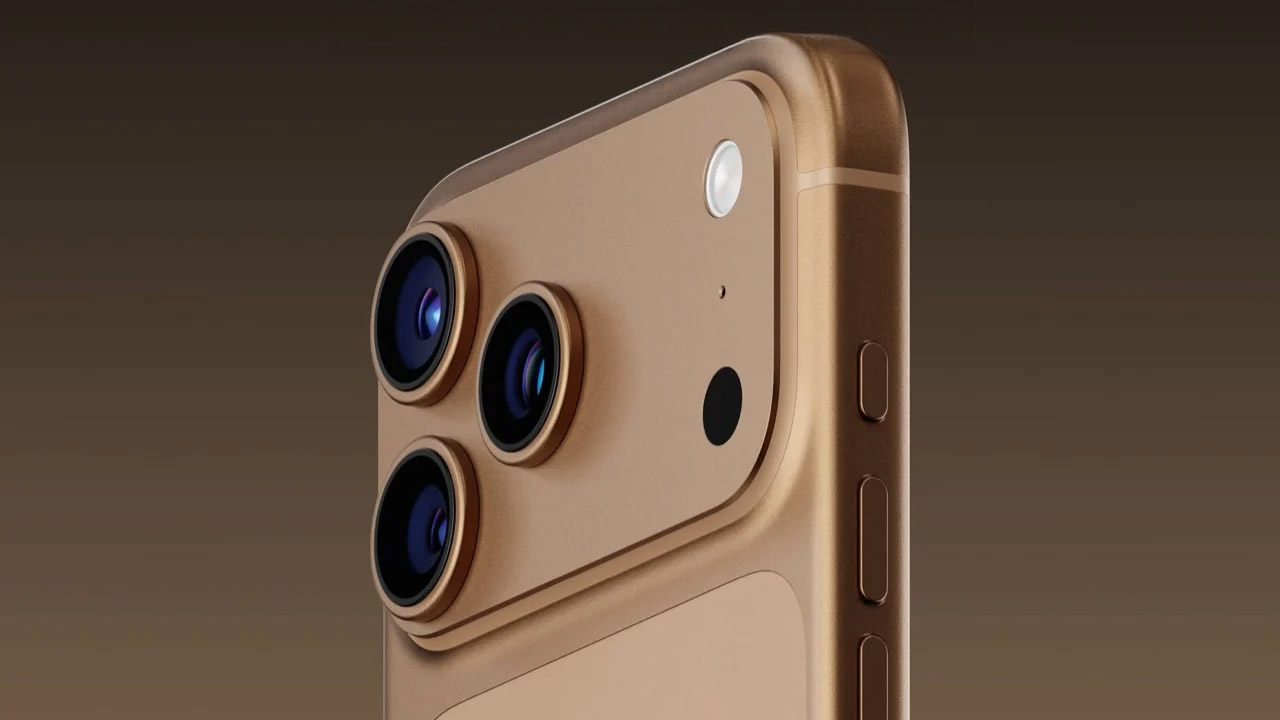
Apple iPhone 18 Pro Leak
Photo credit: Volodymyr Lenard via Yanko Design
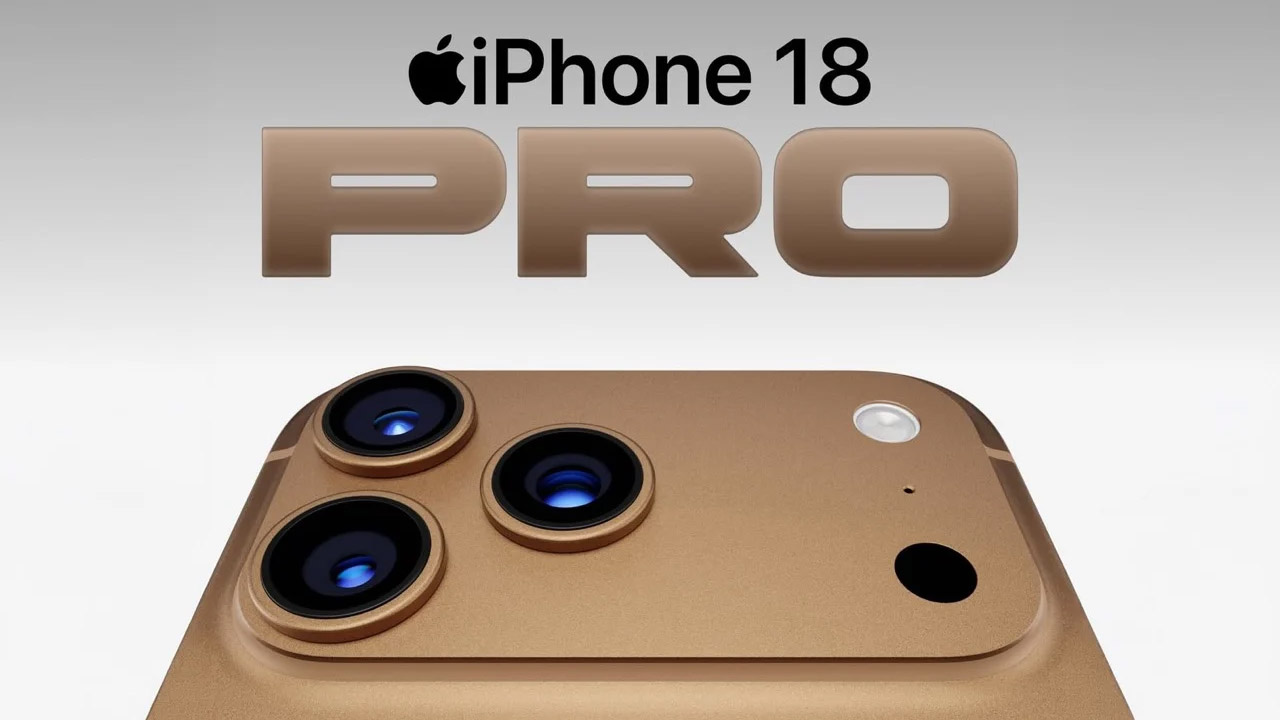
According to the most recent leaks, the iPhone 18 Pro will give users a more noticeable increase in their day-to-day use than the jump from the 16 to the 17, particularly for those who prioritize a silky smooth experience. This week, we’ve learned more about key upgrades including processor speed, screen layout, and battery life, but the overall appearance and feel will remain consistent with previous Pro versions.


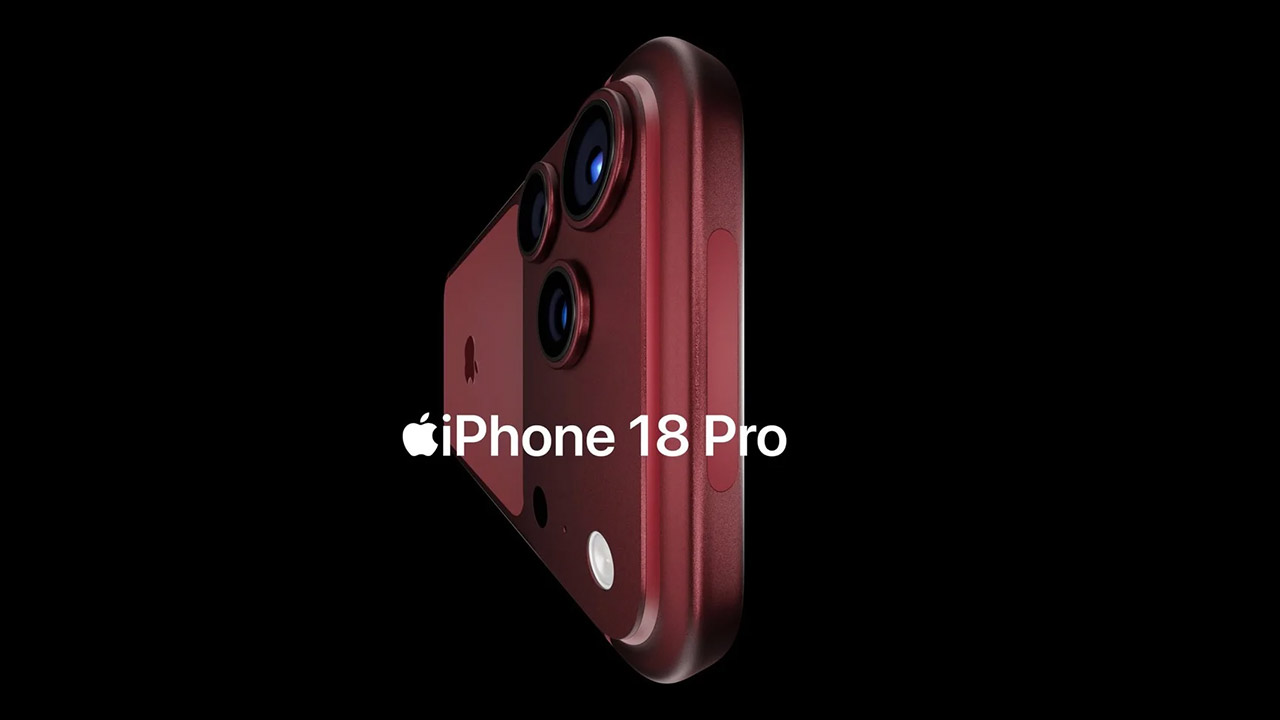
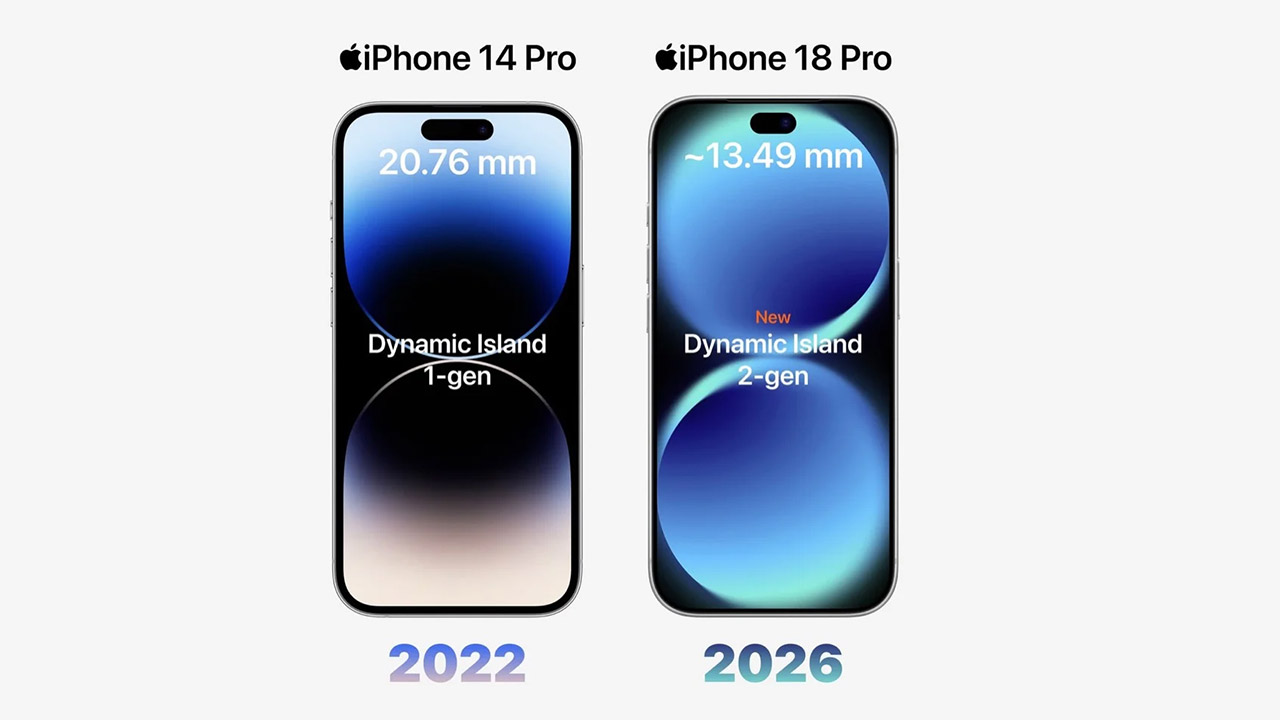
The design improvements are mostly focused on cleaning up the front and delivering a new look at the back. The notch at the top of the screen has dropped by nearly 35% in width, from 20.7 millimeters to 13.5 millimeters. The Face ID infrared flood illuminator has been placed beneath the display, leaving only the camera lens and sensor visible on top in a somewhat slimmer pill shape. For the first time in a Pro mode, the back will feature a striking deep red finish that is more reminiscent of a rich burgundy than some of the brighter reds we’ve seen before. Don’t anticipate the black finish to resurface anytime soon, while the purple and brown tones that some people have been gushing about appear to be variations of the same red theme. The Pro Max version is somewhat larger (8.8 millimeters), allowing for a few extra battery cells, but the titanium frame and Ceramic Shield keep it feeling light and robust as ever.


Belkin MagSafe Charger Compatible, 3-in-1 Charging Station, Qi2.2 25W w/Cooling Fan (On/Off Control…
  • FAST CHARGE W/ THE LATEST Qi2 TECHNOLOGY: Conveniently fast charge your iPhone or Qi2 devices up to 25W on the magnetic charger. Fast charging is…
  • ULTRA-FAST CHARGING FOR ALL YOUR DEVICES: With wireless charging now as fast as wired, you can charge iPhone from 0-50% in 25 minutes** and Apple…
  • SIMULTANEOUS CHARGING, EASY ALIGNMENT: Wirelessly charge your iPhone, Apple Watch, and AirPods at the same time to quickly and conveniently prepare…


That narrower notch will work well with the display, which will remain at 6.3 inches on the standard Pro and 6.9 inches on the Pro Max, complete with LTPO+ technology providing even more precision to the refresh rate, ensuring that power is only used when needed. This implies that even the simplest operations will feel silky smooth, and scrolling, which is already fluid, will become even more so. It’s a little more immersive because the top bar is less noticeable.

Apple iPhone 18 Pro Leak
In terms of performance, the new iPhone 18 Pro will be powered by a chip made from TSMC’s 2-nanometer process, known as the A20 Pro, which promises roughly 15% more oomph and up to 30% better efficiency than the 3-nanometer chip in last year’s iPhone 17 Pro. Apple is teaming it with 12 gigabytes of RAM in both models, which should make a significant improvement for all those on-device AI workloads and multitasking in general. On the camera side of things, you can expect a practical upgrade with a variable aperture system on the main lens, which allows the phone to manage the amount of light that enters, resulting in better depth of field and lower light clarity than fixed aperture systems. The 48-megapixel Fusion sensor is being tweaked to provide even clearer details, and the lenses remain in their usual position at the back. A new Camera control button allows you to experiment with all of those capabilities without having to jump through hoops, and the entire rear glass now blends in much more seamlessly with the frame.

Apple iPhone 18 Pro Leak
Connectivity is the new iPhone 18 Pro’s strong suit. Apple has replaced their own C2 5G modem with the Qualcomm one that was previously used, with the goal of providing significantly stronger mmWave signals as well as a lot more satellite coverage thanks to NR-NTN standards. To top it off, a few of extra chips bring Wi-Fi 7 and Bluetooth 6 to the mix, which should result in faster local transfers and much more stable pairing, according to reports.

Apple iPhone 18 Pro Leak
Battery life is also significantly improved, thanks to the more efficient chip and greater space in the Pro Max variant. Battery capacity ranges from 5,100 to 5,200 milliamp-hours, setting a new record for an iPhone. When you add in the power savings from elsewhere, it’s expected that even the larger model will run for up to 40 hours on a single charge, and that’s not just for watching cat videos all day. People who simply use their phone as a regular phone will notice that you get a lot more out of a charge on lengthy journeys or hectic workdays before you have to scramble for a power outlet.

Apple iPhone 18 Pro Leak
All of these signs point to an official launch in September 2026, just in time for an autumn release. Insiders believe that this generation of iPhones will be the last to employ Apple’s current design language, which has been in use for roughly a decade, and that it will pave the way for a significant facelift in 2027.
[Source]

Advertisement

Source link

Continue Reading

Tech

Today’s NYT Mini Crossword Answers for April 7

Published

on

Looking for the most recent Mini Crossword answer? Click here for today’s Mini Crossword hints, as well as our daily answers and hints for The New York Times Wordle, Strands, Connections and Connections: Sports Edition puzzles.


Need some help with today’s Mini Crossword? Read on for all the answers. And if you could use some hints and guidance for daily solving, check out our Mini Crossword tips.

If you’re looking for today’s Wordle, Connections, Connections: Sports Edition and Strands answers, you can visit CNET’s NYT puzzle hints page.

Advertisement

Read more: Tips and Tricks for Solving The New York Times Mini Crossword

Let’s get to those Mini Crossword clues and answers.

completed-nyt-mini-crossword-puzzle-for-april-7-2026.png

The completed NYT Mini Crossword puzzle for April 7, 2026.

Advertisement

NYT/Screenshot by CNET

Mini across clues and answers

1A clue: Informative commercial, for short
Answer: PSA

4A clue: Something you trace to draw a Thanksgiving turkey
Answer: HAND

5A clue: ___ Johnson, former Prime Minister of the U.K.
Answer: BORIS

Advertisement

6A clue: Opposite of include
Answer: OMIT

7A clue: Crosses (out)
Answer: XES

Mini down clues and answers

1D clue: City with the Notre-Dame Cathedral
Answer: PARIS

2D clue: Bad mood
Answer: SNIT

Advertisement

3D clue: About eight minutes of the average half-hour sitcom
Answer: ADS

4D clue: Remote worker’s office, perhaps
Answer: HOME

5D clue: Word that can follow each group of circled letters (and hints at its shape)
Answer: BOX

Advertisement

Source link

Continue Reading

Trending

Copyright © 2025