Connect with us
DAPA Banner
DAPA Coin
DAPA
COIN PAYMENT ASSET
PRIVACY · BLOCKDAG · HOMOMORPHIC ENCRYPTION · RUST
ElGamal Encrypted MINE DAPA
🚫 GENESIS SOLD OUT
DAPAPAY COMING

Tech

HomePods as a home audio system

Published

on

Apple’s HomePod and HomePod mini are incredible additions to your smart home. Here’s how I’ve made use of Apple’s smart speaker after abandoning Sonos and other speakers.

We’re approaching two months in our new home, and I’m finally feeling like we’ve settled in nicely. If you missed my first installment on this Owning an Apple Home series, check it out to see how I approached the move and setup process.

While I’m working on stories involving pet care, smart kitchens, MagSafe mounts, and more, I’d like to examine what it is to be all-in on HomePods. That’s right, I don’t have any third-party speaker or other AirPlay solution in my home.

In May 2023, I sold my whole home Sonos system and went all-in on HomePod. I’d like to pretend I saw the troubles Sonos had coming ahead of time, but the reality is I wanted to simplify my Apple Home.

Advertisement

Apple had just brought back the large-sized HomePod in January 2023, and I decided I no longer wanted to use a third-party app to manage my music. I wanted the integration of AirPlay 2, Siri, and my Apple products without any effort or need for other tools.

I can happily say that I don’t regret the decision. Here’s how having a house full of HomePods has been and how I’ve integrated them in the new place.

HomePod setup and layout

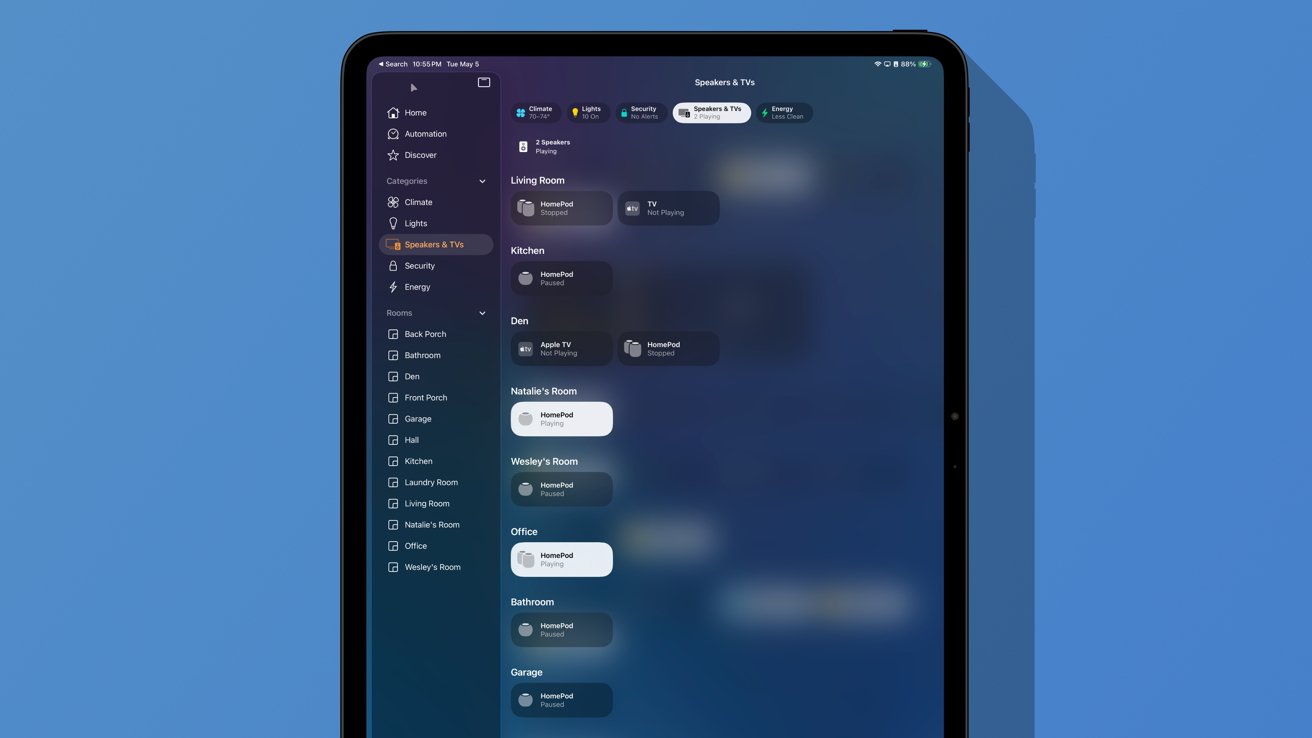
In total, my home has two second-generation HomePods in a stereo pair, four first-generation HomePods in two stereo pairs, and five HomePod minis placed singularly in various rooms. Don’t be too aghast at this number, as they’ve been accumulated slowly over a decade.
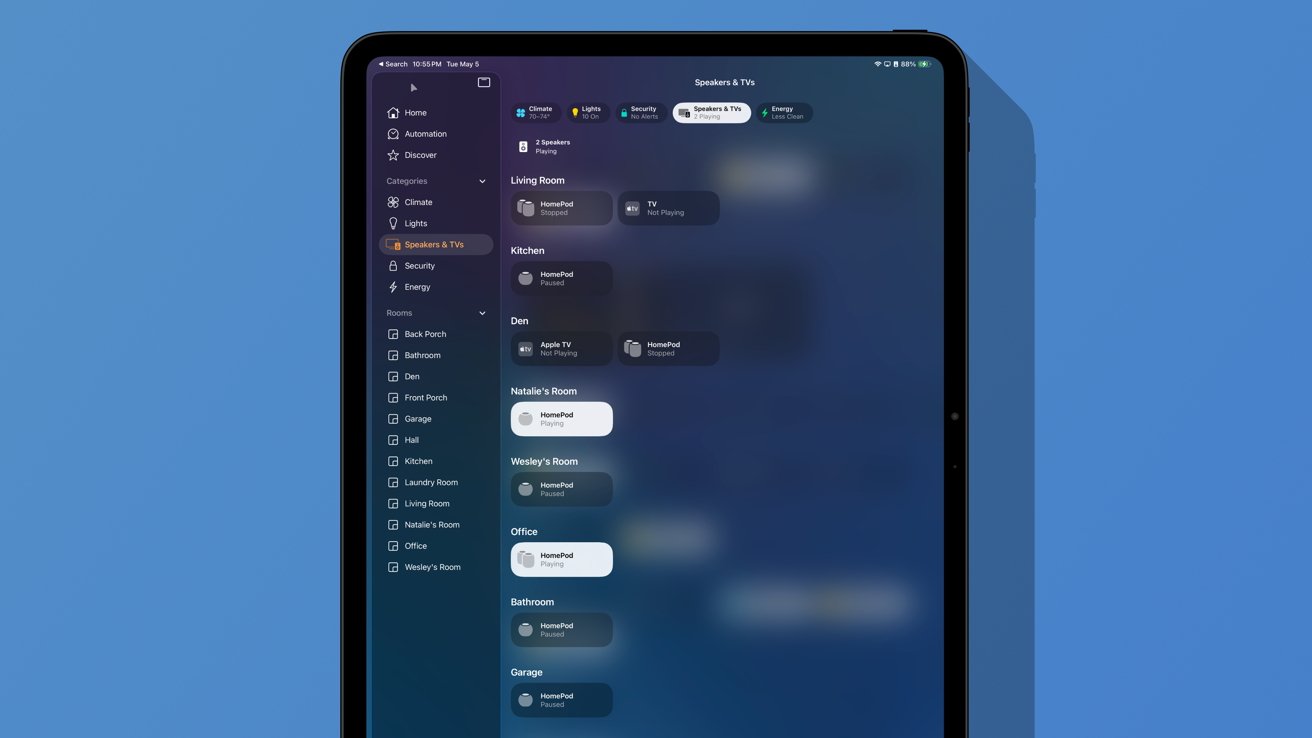
Apple Home app showing the HomePod layout with labels for each room and device

Apple Home app showing the HomePod layout

Advertisement

How I decide to purchase HomePods is very similar to my thought process behind other Apple or smart home purchases. First, if a new model comes out that will prove useful, I upgrade the primary units and rotate the old ones down.

The current flagship HomePods in my home are the ones in the den hooked in a stereo pair to the latest Apple TV 4K. That’s my OLED TV setup with the PlayStation 5 Pro and Nintendo Switch 2, so I want it to be the best possible equipment there.

When Apple inevitably upgrades these speakers, the den is where the new gen-3 stereo pair will go.

Two large HomePods are in a stereo pair and used with the Living Room Apple TV 4K, while the remaining two are my office HomePods. The first-generation models are still going fine, as it seems I escaped whatever hardware issue led to bricking some.

Advertisement

There’s a HomePod mini in each bedroom, one in the full bathroom, one in the kitchen, and one in the workshop in the garage. Once a second-generation HomePod mini arrives, I’m sure we’ll have a few new ones floating around while older ones are paired up too.

Let’s get into how these speakers are used.

Music, TV, & more

Apple’s HomePods are in a funny place when compared to the competition. There are better-sounding speakers, lower-priced ones, and frankly, ones with better smart assistants.
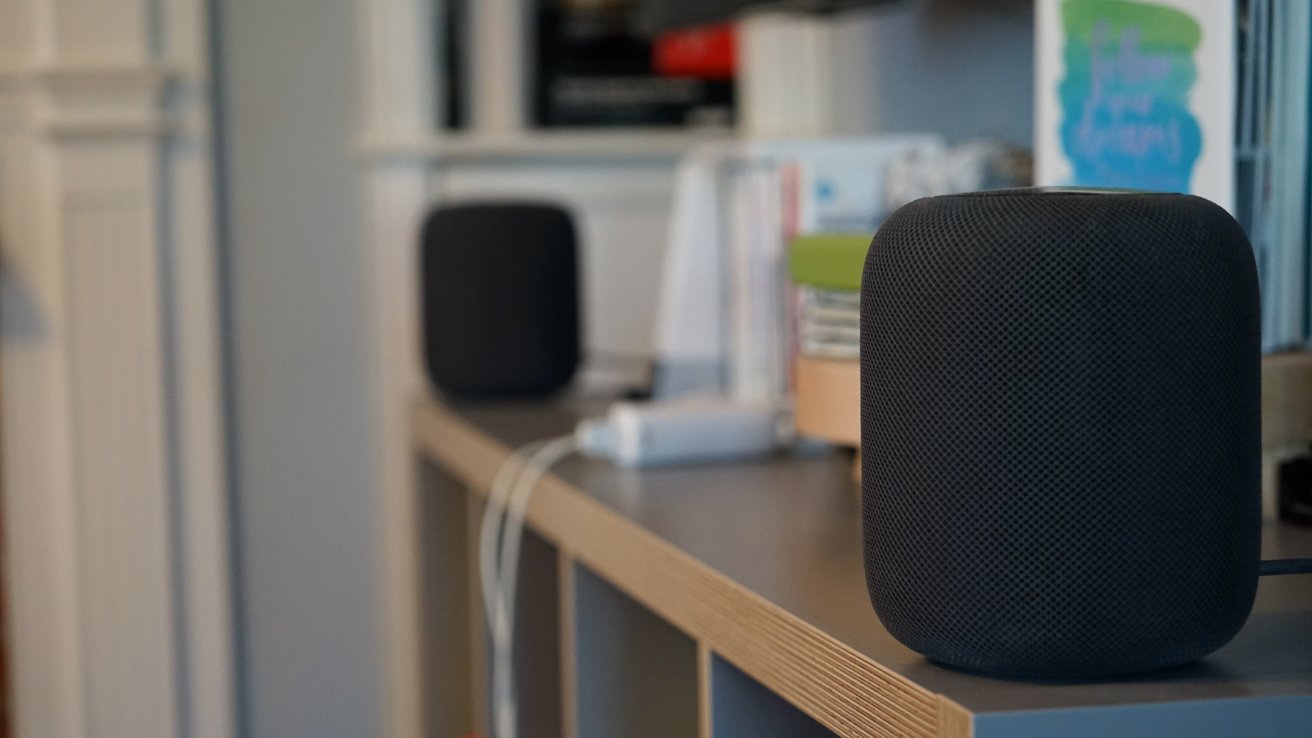
Two HomePods sit on a modern shelf in a living room, with books, charging cables, and other small electronics softly blurred in the background

HomePods are great for music and TV

Advertisement

However, the HomePod and HomePod mini aren’t great because of some singular feature, but a sum of their parts. They are the most private smart speakers and integrate directly with Apple Home.

Combine that with great sound and whole-home audio, and you’ve got a fairly great pair of speakers. I understand that they aren’t for everyone, but I’ve found that relying on a single system has been an improvement.

First, the two sets that are used as TV speakers are actually quite amazing. When I had the Sonos system in place, I was able to compare the two.

My main home entertainment system at the time consisted of a Sonos Playbar, two satellite Sonos Play 1s, and a Sonos Sub. They added up to a fairly solid 5.1 channel system pre-Dolby Atmos.

Advertisement

From my tests, the only thing the HomePods couldn’t compete with is bass. There’s no beating a dedicated subwoofer, especially one of that size.
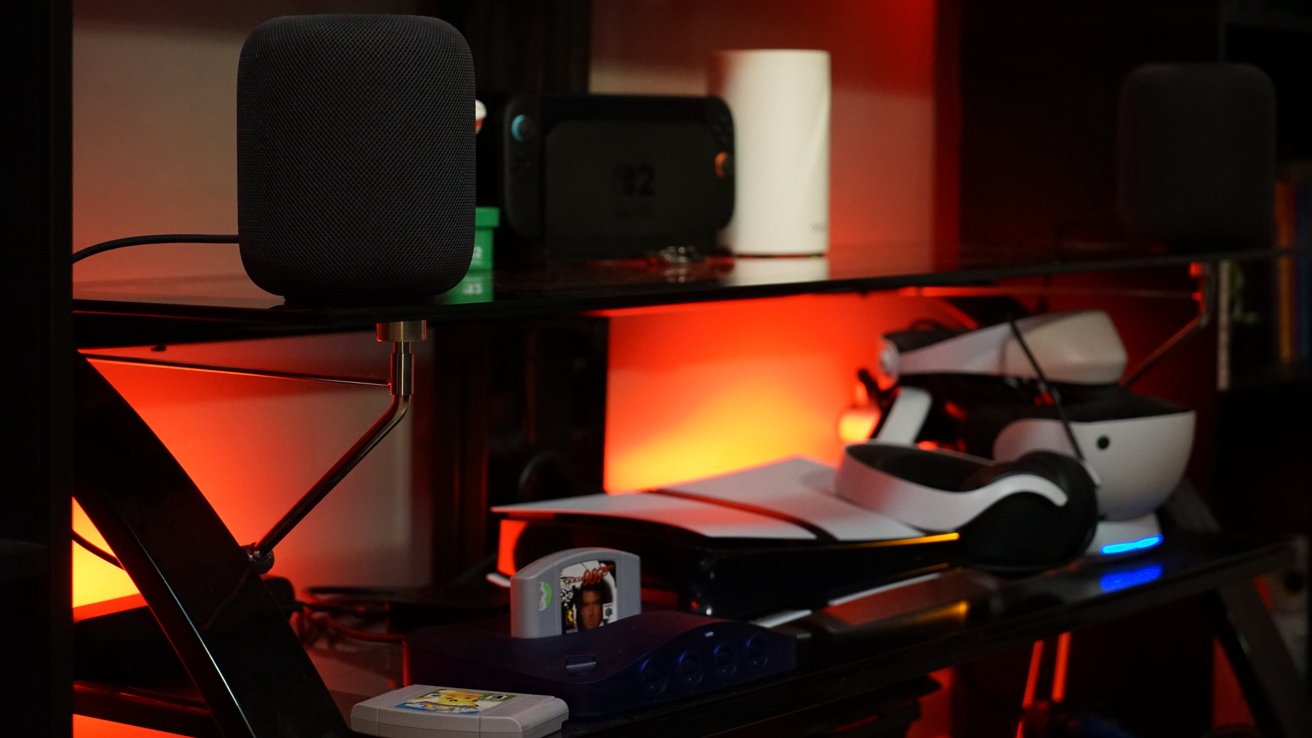
Gaming setup on glass shelves with smart speakers, game consoles, VR headset, and retro game cartridges, all lit by a warm red-orange backlight in a dark room

Gen-2 HomePods run the main home theater system

That said, I was impressed, and within days of swapping out the systems, I no longer noticed. Since I was using the Apple TV through the eARC connection, the HomePods could also play audio from game consoles.

I’m aware that some gamers might be concerned about lag, but I never noticed any. The only place that it could actually impact gameplay is with rhythm games, but those usually let users adjust lag manually.

Advertisement

In the years I’ve spent playing various games from the slow and steady Pokemon to the twitchy Returnal, audio was never an issue.

Then there’s the HomePod as a music speaker. When cleaning, my wife and I like playing songs throughout the home.

Or, when we’re having a large group of friends over that results in everyone spreading out a bit, the party never stops just because you’re in a different room. The living room might be the center of the party, but you can still hear what’s being played in the kitchen, den, bathroom, or even outside on the porch.
Small black spherical smart speaker with mesh exterior sitting on a glass table outdoors, green trees and a striped patio umbrella softly blurred in the background

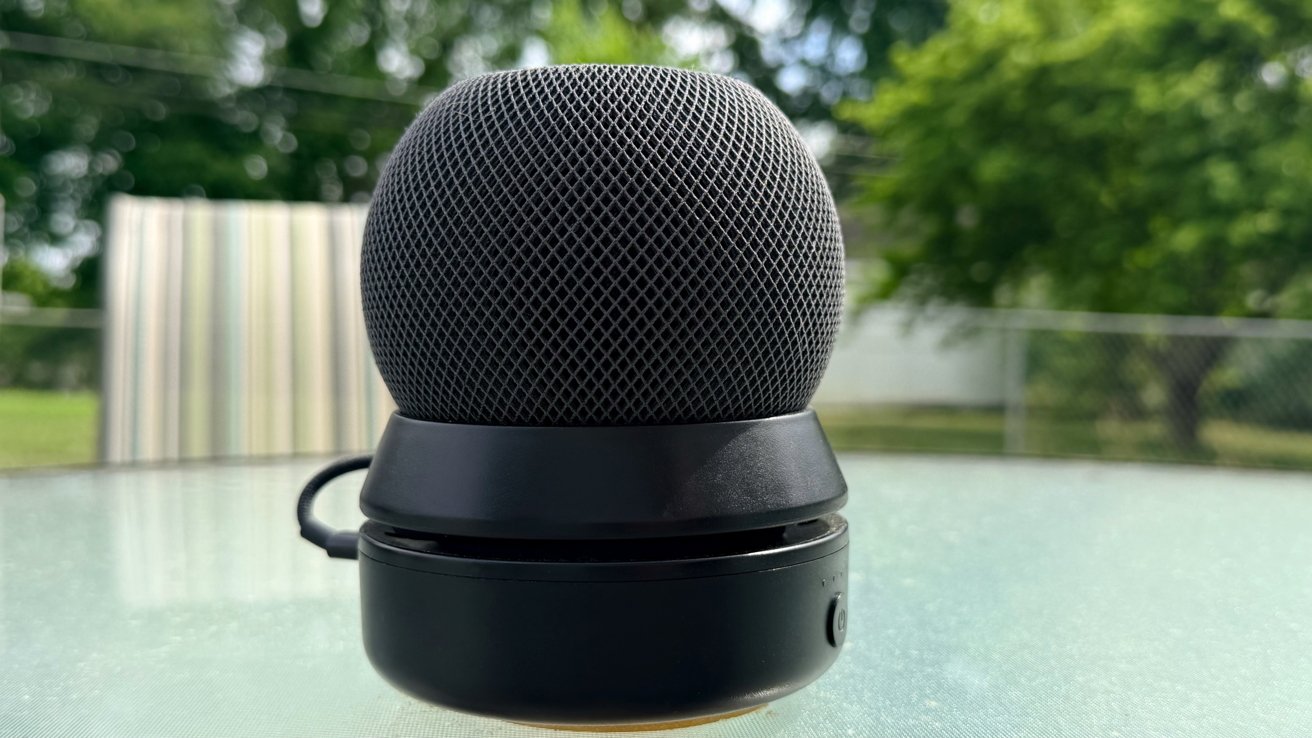
Turn HomePod mini portable with a simple USB-C battery

Advertisement

The HomePod mini in the garage is attached to a battery pack that lets us carry it anywhere. It means cookouts get to benefit from the whole-home audio setup.

When everything is playing in sync at the right volumes, it is easy to wonder from room to room and feel like you’re surrounded by music. Also, you don’t have to have it too loud to have the music still at a listenable volume while also carrying on conversation.

If you’ve never experienced whole-home audio, it’s quite the treat.

Finally, one other major use of the HomePods in our home is individual. I love putting my podcasts on while I shower, while my wife likes listening to thunderstorms while she sleeps.

Advertisement

Sometimes, I like to join my HomePod mini with hers so I can have the same rain sounds in my room as well.

None of this is quite so easy when dealing with different device ecosystems, even when AirPlay is involved. I grew increasingly frustrated with Sonos and trying to tie it to HomePods or other devices.

Now, it all just works.

HomePods aren’t just for listening to music or TV audio. They’re quite the little utility as a part of an Apple Home.
Advertisement
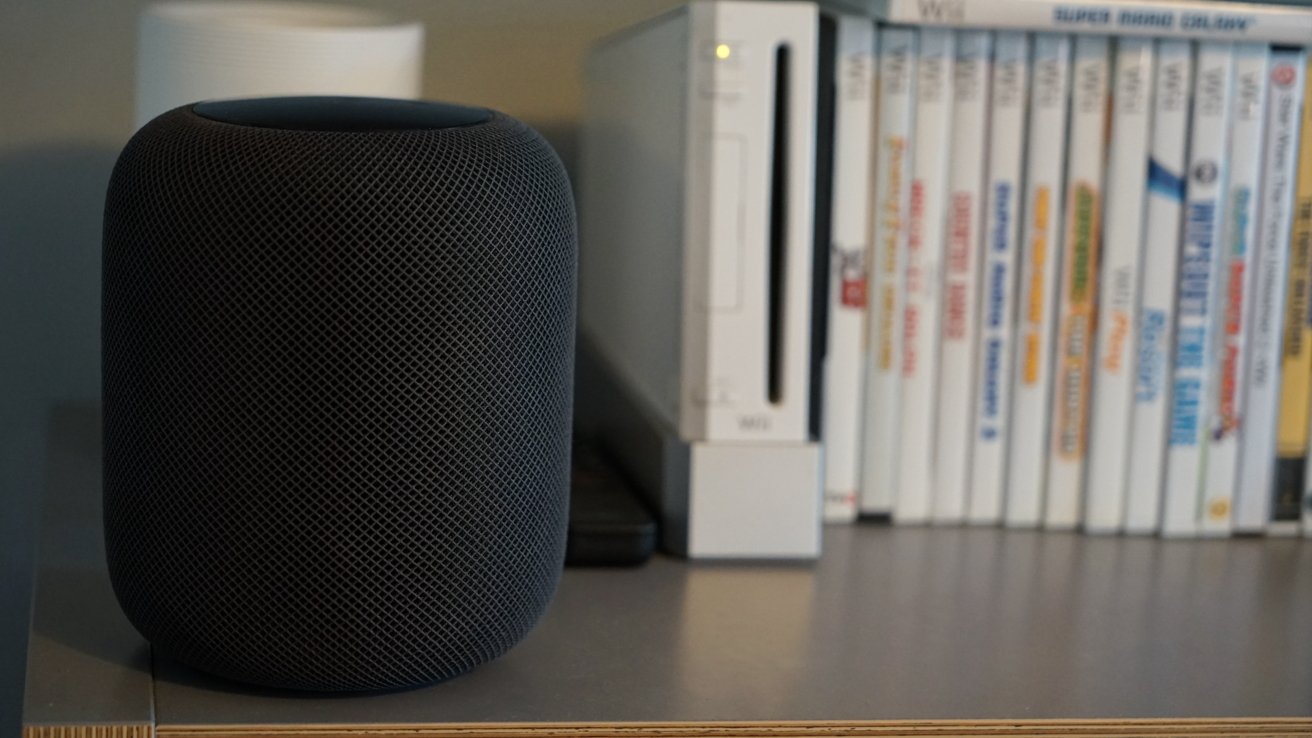
Black HomePod on a shelf beside a white Nintendo Wii console and a row of vertically stacked video game cases in the background

Alerts, chimes, and Intercom all on HomePod

Sure, the gen-2 HomePod and HomePod mini work as Thread border routers, but that’s only the tip of the iceberg. Apple has worked to include them in various features for communication and security.

First, there’s a utility I believe very few people actually use called Intercom. It’s something we’ve tried to embrace more in the new home, and it’s proven interesting.

If you pick up any of your devices or speak to a HomePod, you can say “Intercom everywhere, dinner is ready” and it will go out to every device. The HomePods play your voice out loud instead of Siri reading it back.

Advertisement

Sending an Intercom to a single room or person is also possible. My wife could send me a message hands-free via Intercom directly to my office.
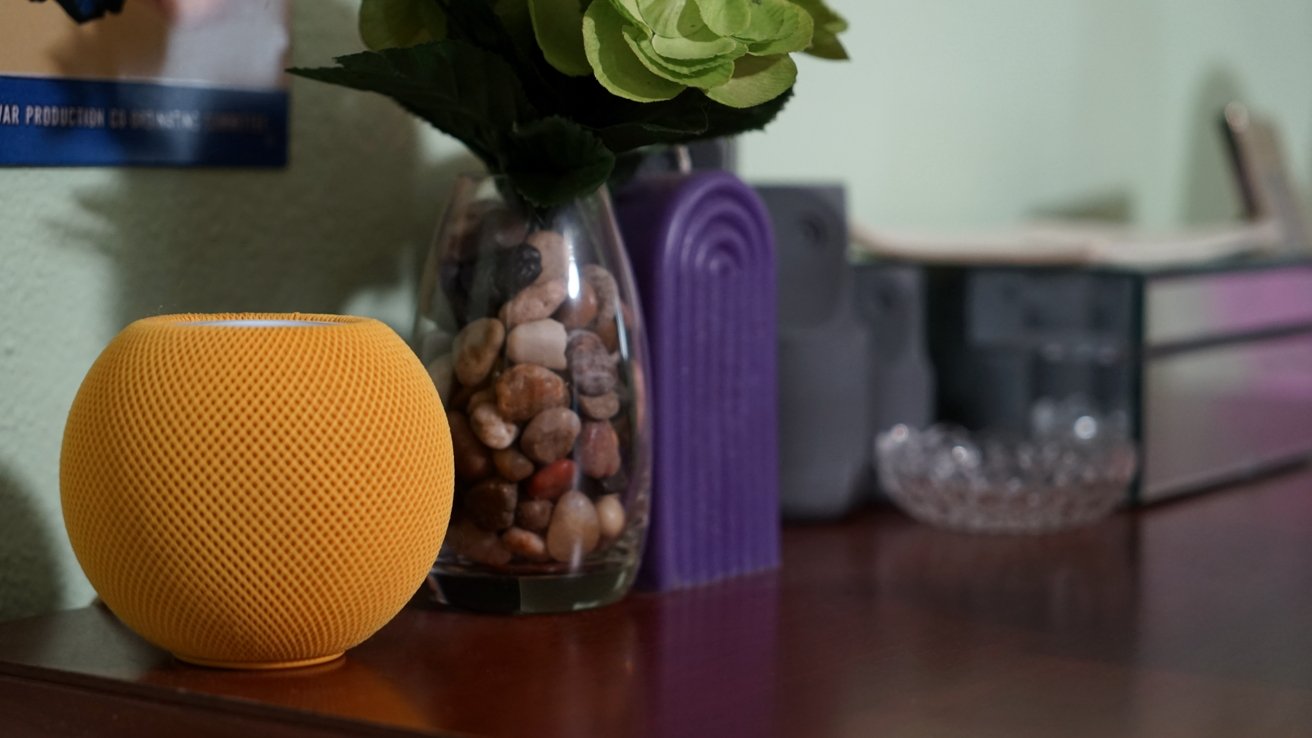
Yellow spherical smart speaker on wooden surface beside glass vase filled with pebbles and green artificial flowers, with purple decorative object and blurred household items in the background

Intercom lets users communicate via HomePods

One of my favorite features is the use of HomePods as doorbell chimes. Instead of relying on a single loud physical chime, every HomePod in the house plays a sound.

Since I’ve done the work to name faces in my Photos app via my Contacts database, the chime is followed by Siri stating who just rang the doorbell.

Advertisement

This might seem like a rather mundane feature, but it means we get a chime even if we’re in the garage. Or, if I’m working in the office with music playing, the music is paused to play the chime.

Apple has another excellent feature for HomePods that I don’t believe is discussed enough. If a fire alarm goes off in your home, the HomePod will send an alert to your iPhone.

It’s simple, but can be incredibly useful in case of an emergency. Some security products sell devices that listen for such alarms, and this function is built into the HomePod.

HomePod & Siri

The entire purpose of the original HomePod was to give Siri a home base. It was the user’s connection to the smart assistant that usually dwelled in their iPhone.
Advertisement
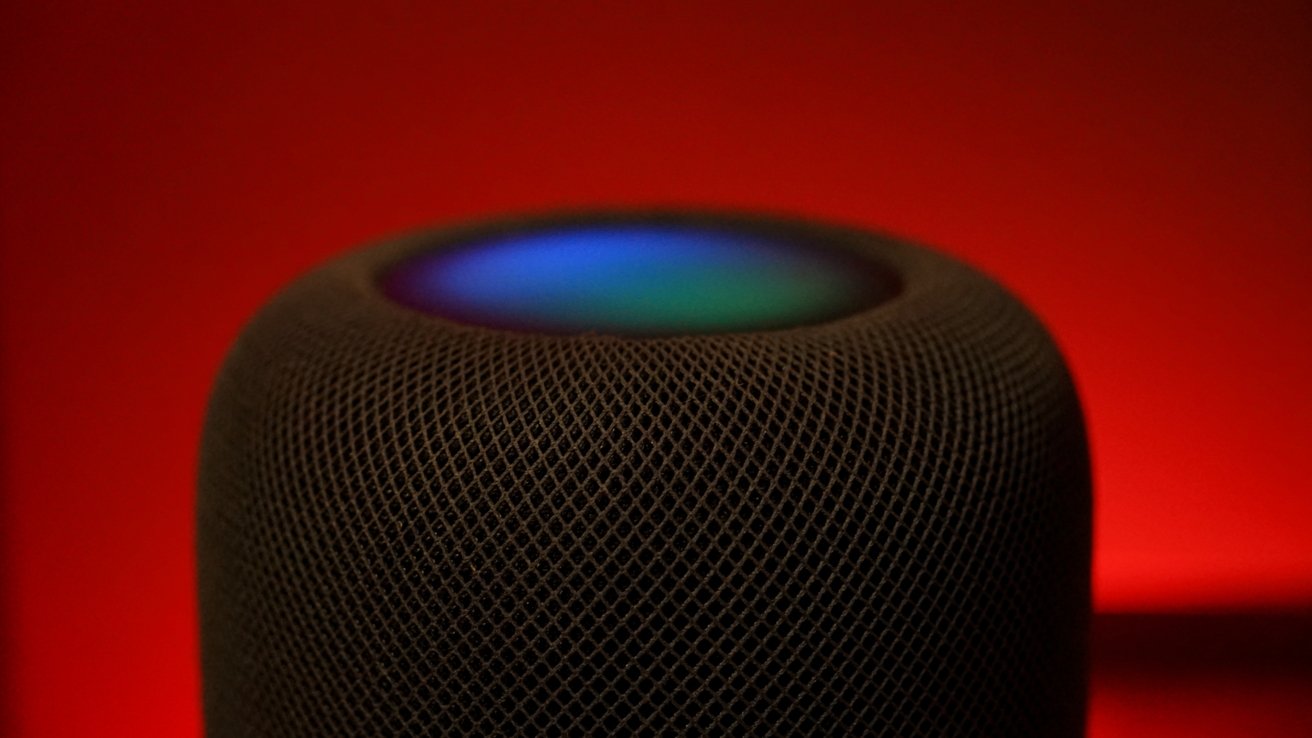
Close-up of a HomePod with glowing blue and green top lights, set against a smooth red background

Summon Siri for easy music and home controls

The world has mostly moved on from these traditional assistants, and Apple soon will too. While many see the current ML version as lacking, I’m still quite happy with how I’m using it.

I use Siri often and I’ve often described myself as a Siri unicorn. The commands I use rarely run into issues and I’m quite happy with Siri controlling my music, smart home, and various other functions.

In case you were wondering, the Siri voting system really does work well when you’ve got a home full of Apple products. If you just say “Siri, turn on the lights,” every device that heard you, including your iPhone or iPad, will work to decide which one you were speaking to and perform the action.

Advertisement

Room-specific actions work great. “Turn the lights off” instead of “Turn the living room lights off” is totally fine as long as you’re speaking to the Living Room HomePods.

General inquiries are rarer for my use, but I still occasionally ask about the weather or create a reminder. I like that it is an option.

There’s no way of knowing what’s coming next with Siri now that AI will be involved. But as long as I can still reliably control my home and my music, I’m happy.

Limitations with HomePods

I’ve already covered how Siri isn’t quite up to par with other modern systems, but I do believe that is changing soon. In the meantime, there are some other areas I’d like to see improved.
Advertisement
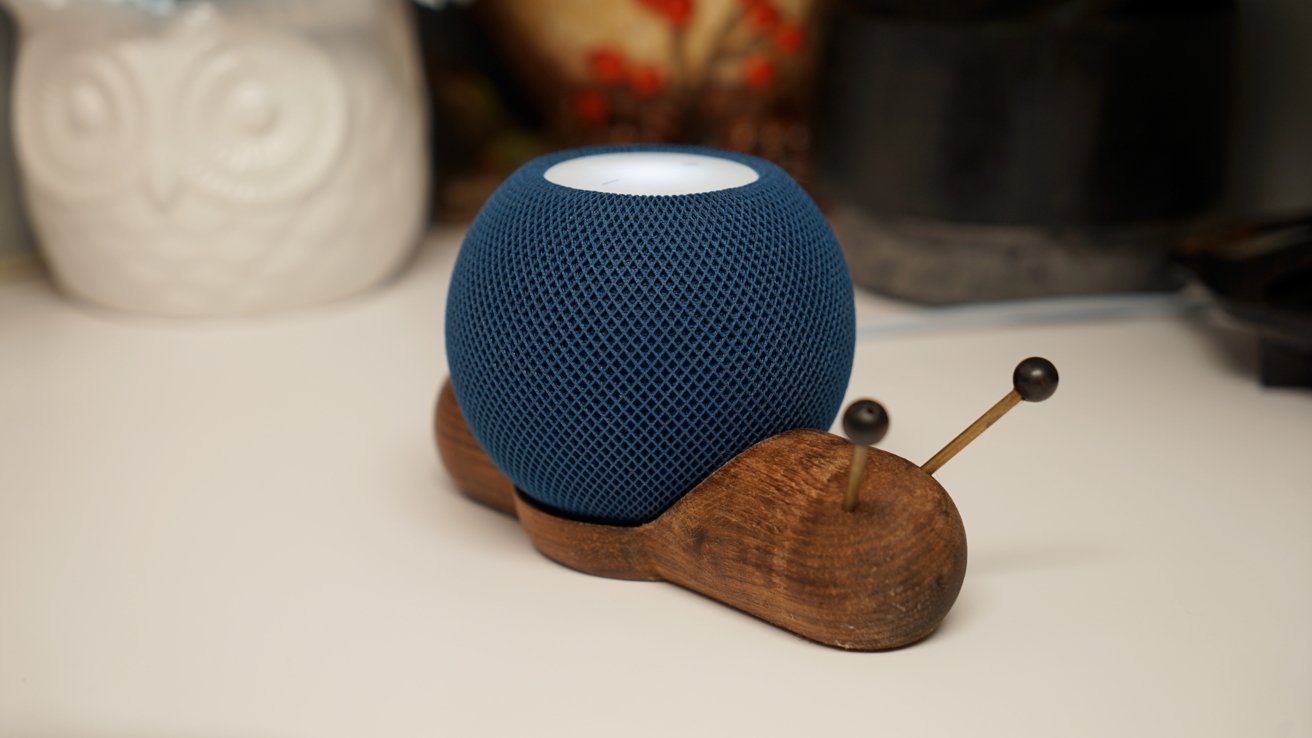
Blue HomePod mini speaker resting on a wooden snail-shaped stand with two antennae, placed on a light-colored surface with blurred decorative objects in the background

Siri development continues at a snail’s pace

First, this is only tangentially related to HomePods, but Apple needs to figure out how to manage Listening History better. I only want my HomePods to keep track of what I listen to when I’m AirPlaying or specifically asking for music during work.

What I don’t want is sleep sounds, ambient music, or other such audio to be present in my music history. I’d love to have some classical or video game music playing in the kitchen as part of an automation, but I don’t want it dominating my recommendations.

Sure, I can turn off the HomePod’s ability to contribute to my algorithm altogether, but that shouldn’t be my only option. If I want Animal Crossing music to come out of my speaker at 1 p.m., I shouldn’t have to switch off the algorithm manually.

Advertisement

I’d also like to see Apple enhance what HomePods can do when acting as a home theater system. Of course, while a HomePod soundbar that’s also an Apple TV would be great, I’d simply settle for more speakers in a setup.
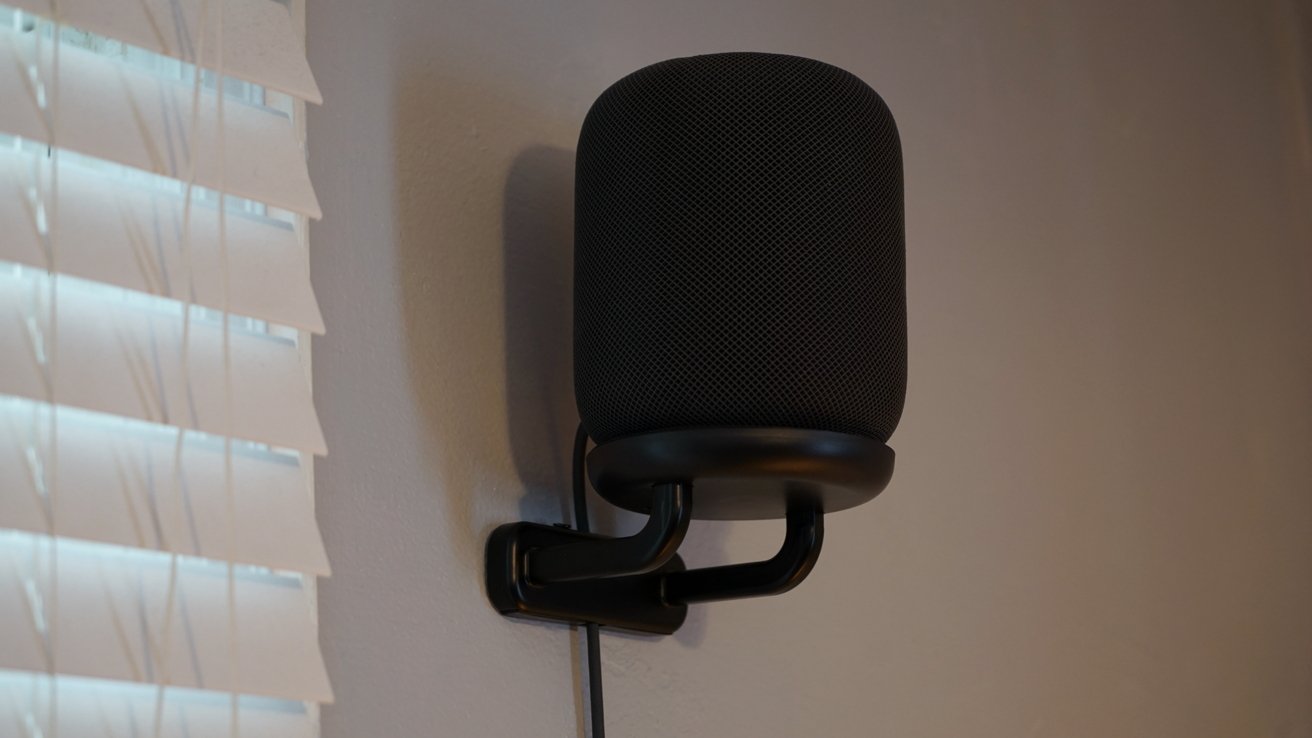
Black HomePod mounted on a wall bracket near partially open white window blinds, with its power cable hanging down against a plain light-colored wall

Apple should make it possible to pair four HomePods for Dolby Atmos home theater audio

Instead of just two HomePods in a stereo pair, I should be able to have two in the front and two in the sides or back for even better surround.

Such a system could even work with Dolby Atmos. I think it makes total sense for Apple to implement such a feature, as it would mean selling four HomePods instead of just two for a single setup.

Advertisement

I’m not sure much will actually change with HomePods soon, even with a new generation. The rumored Home Hub could add an interesting aspect to Apple Home, but more on that another day.

Yes, that HomePod mini snail is available online in some places. Here’s one for $47.

Source link

Advertisement
Continue Reading
Click to comment

You must be logged in to post a comment Login

Leave a Reply

Tech

South Korea hits Coupang with $400M+ fine for data breach that affected millions

Published

on

South Korean authorities have imposed a record-breaking fine of $624 billion won (over $400 million) on retail giant Coupang after a data breach last year compromised the personal data of more than 34 million customers.

Seoul’s Personal Information Protection Commission issued the maximum penalty on Thursday following discovery of the breach in December 2025. The retail giant, which is headquartered in the U.S. but popular in South Korea and likened to the “Amazon of Asia,” had said the months-long data breach allowed a former employee to obtain names, email and shipping addresses, phone numbers and order histories of about two-thirds of South Korea’s population.

Coupang told BBC News that it plans to challenge the regulator’s decision. The fine represents a rare case of a financial penalty issued against a U.S.-based firm. Korean lawmakers have accused some of their American counterparts of imposing political pressure after reports that U.S. representatives were linking the data breach with U.S.-South Korean bilateral ties in response to the case against Coupang’s executives.

U.S. companies rarely face financial sanctions or criminal prosecution for data breaches as a result of lacking laws and enforcement powers.

Advertisement

Source link

Continue Reading

Tech

Legacy Of Atlantis Is A Vivid, High-Pace Remake Of A Classic

Published

on

Tomb Raider is back. Again. Lara Croft is back. Yet again. This time, her character is positioned between the “Survivor” trilogy of the last decade and her iconic debut in 1996. Yes, 30 years ago.

Legacy of Atlantis is a remake of that very first adventure, centered on Atlantean mythology, tomb raiding and, well, a few dinosaurs. At Summer Game Fest 2026, Crystal Dynamics and Flying Wild Hog shared the first gameplay demo, with Unreal Engine 5 adding vivid detail and lushness to Lara’s travails.

The developers made a clever choice, centering the demo on an early part of the original game. Set in the Peruvian mountainside, my playthrough included a giant cog puzzle I remember from playing the original. There were also several shootouts with a herd of dinosaurs, the same vivid red velociraptor-adjacent creatures from Tomb Raider (1996).

Retreading the original game’s ground gives a clear demonstration of how Legacy of Atlantis will elevate the game from the original, making a relatively insipid cog puzzle (find the giant wheels, bring them together, interrupt the waterfall to make a path) into a more exploratory, exciting experience. Yes, you can swan-dive into the waterfall pool whenever you want.

Advertisement

Lara can collect and use healing packs between fights, gathering resources from trees and caves, as well as mythical curios and historical objects. Not all the contemporary gaming changes are welcome: I’m not particularly thrilled with the inclusion of collectible hunting. The Assassin’s Creed series has largely moved on and I think a lot of gamers have done the same. Some collectibles, like fangs, can be converted into skill points, meaning I will feel obliged to scour for objects.

Lara’s PDA (love it: that’s some 1996 nonsense) combines encyclopedia entries for everything you find, along with the current task. It also includes a scanner that can be used intermittently to offer some tips on what to do next. I did get lost at times, and that was due to my not paying enough attention. Legacy of Atlantis leans into verticality a lot, and pretty much each time I lost my way, the route forward was either literally above my head (grappling hooks!) or under my feet. (Of course, there’s a cave behind that tiny waterfall.)

A grappling hook and climbing axe round out the equipment loadout, drawing inspiration from more recent Tomb Raider titles. Besides swinging across chasms, the grappling hook can also be used to pull objects towards the player and is crucial to solving the cog puzzle.

Advertisement

After scaling the mountainside and unlocking a route through the waterfall, the demo jumps a little farther forward, deep into the jungle. Dinosaurs soon surround Lara, and she doesn’t even blink. While I wasn’t able to shoot two targets at once, OG Tomb Raider style, I wouldn’t be surprised if that’s some kind unlockable skill in the full game — skill trees were blocked in this demo.

While there’s no shared development core, parts of the game reminded me of another recent game with a connection to the Amazon industrial entertainment complex: 007 First Light. It’s not just the detailed environments and quippy British lead but a new skill for Lara. Focus, when pressed during gunfights, slows time, helping you to shoot with more precision or switch to a distant target. Oh, she also does so while doing an aerial (a sort of hands-free cartwheel), reminding me of Max Payne, any of The Matrix’s spin-off games and many others. Thankfully, Lara’s dual pistols have infinite ammo and it was easy enough to down the pack of dinosaurs, though not before they gored me a few times.

Not long after, a T. rex enters the scene and we’re locked into a high-speed set piece as I attempt to escape the dinosaurs without falling to my death. I’m relieved that Legend of Atlantis plays more like the original action-adventure titles, while integrating some of the more advanced game mechanics of the last few games. Lara isn’t invincible, but she’s now made of sterner stuff. 

Tomb Raider: Legacy of Atlantis launches on February 12 2027, on PlayStation 5, Xbox Series X/S, Steam and Nintendo Switch 2.

Advertisement

Source link

Continue Reading

Tech

Fully Autonomous Drones Have Killed Human Soldiers For the First Time

Published

on

Longtime Slashdot reader MattSparkes shares a report from NewScientist, captioned: “For years we’ve had unconfirmed reports, rumors, hints… now we know.” From the report: Fully autonomous drones with no human oversight have killed soldiers on the battlefield for the first time. This is according to a senior figure in the Ukrainian defense industry, marking a watershed moment in warfare. The one-off test involved 10 AI-controlled “Terminator” drones on the front line of the Ukraine war. Russian soldiers were killed.

“We tried it,” says drone-maker Alexander Kokhanovskyy, who supplied the technology and spoke to New Scientist at a press event hosted by the Ukrainian embassy. “It’s a test. We never implemented it [more widely].” The test took place two years ago and involved quadcopter drones that were programmed to fly towards the front line, cover between 3 and 5 kilometres over around 10 minutes and then engage “Terminator mode,” in which an AI model searches for and intercepts targets. “We just launch it and we know everything will be dead — everything that will be found there in this particular area will be dead,” says Kokhanovskyy. “There is no connection to the drone at all, you cannot see the video, nothing… Everything it sees will be killed.”

With no way to tell what the automated drones had seen or targeted, human-piloted drones were sent into the area after the test to manually check results. Victims included “a couple of soldiers, one truck,” says Kokhanovskyy. While there is no recording of the automated drones attacking these targets, it was concluded that the drones had killed them. Kokhanovskyy says that he was not at the test personally but that it was carried out by an unnamed military unit near the cities of Bakhmut and Chasiv Yar as part of a Ukrainian counteroffensive push. The Ukrainian Ministry of Defence did not respond to questions about the test or the current legal position on the use of fully autonomous weapons.

Source link

Advertisement
Continue Reading

Tech

First Look at GrowBot, the ChatGPT-Powered Robot That Didn’t Want to Be Alone

Published

on

GrowBot ChatGPT-Powered Robot
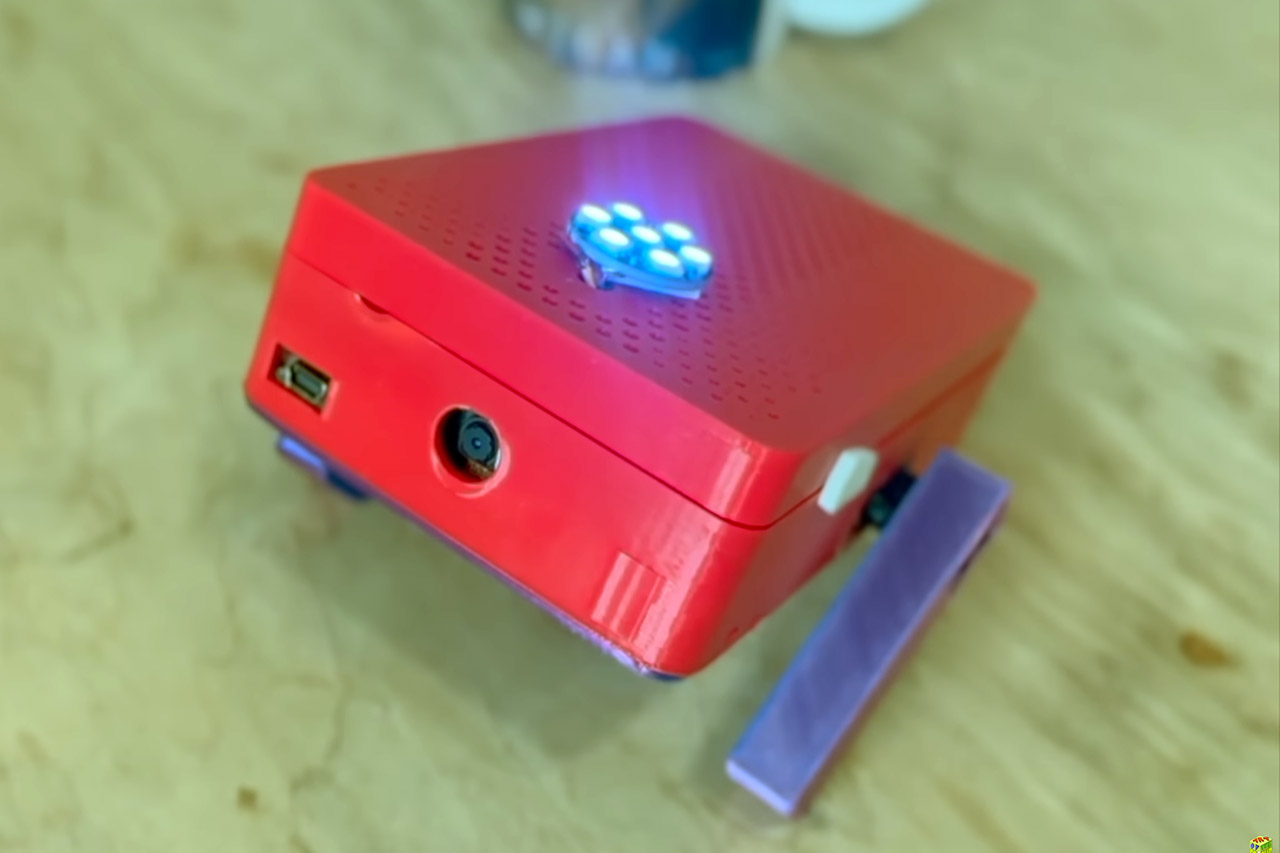
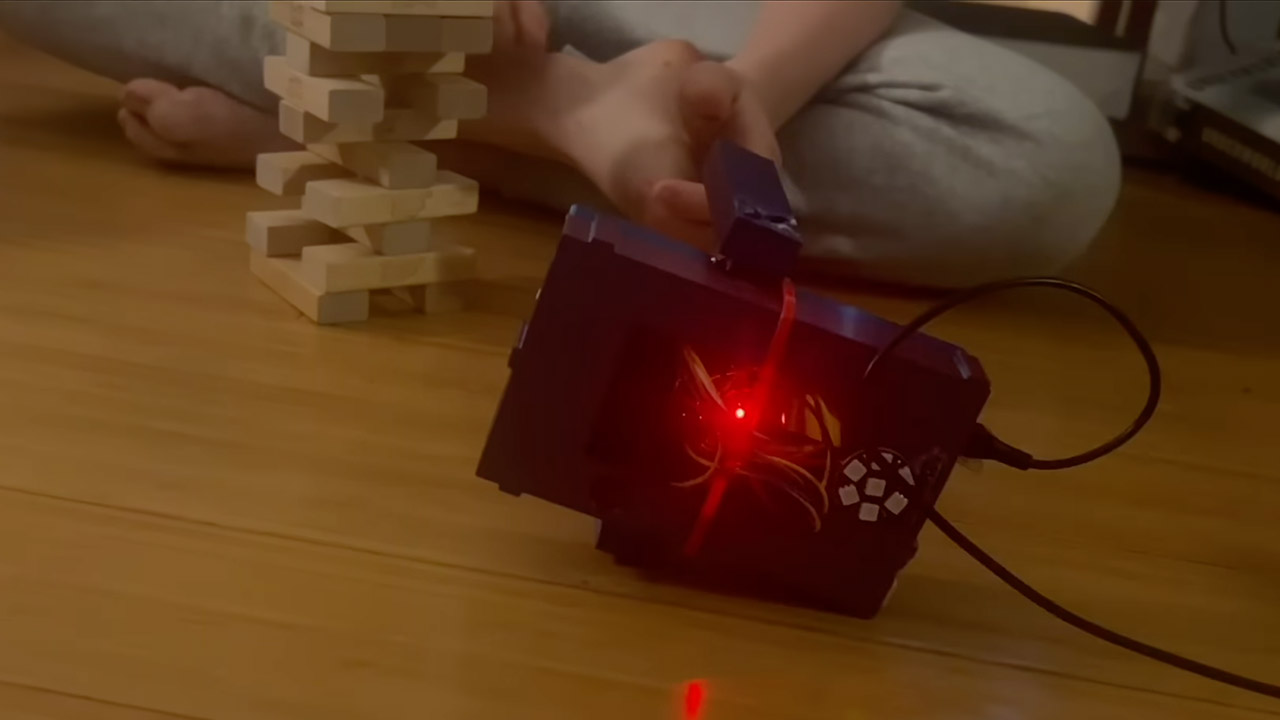
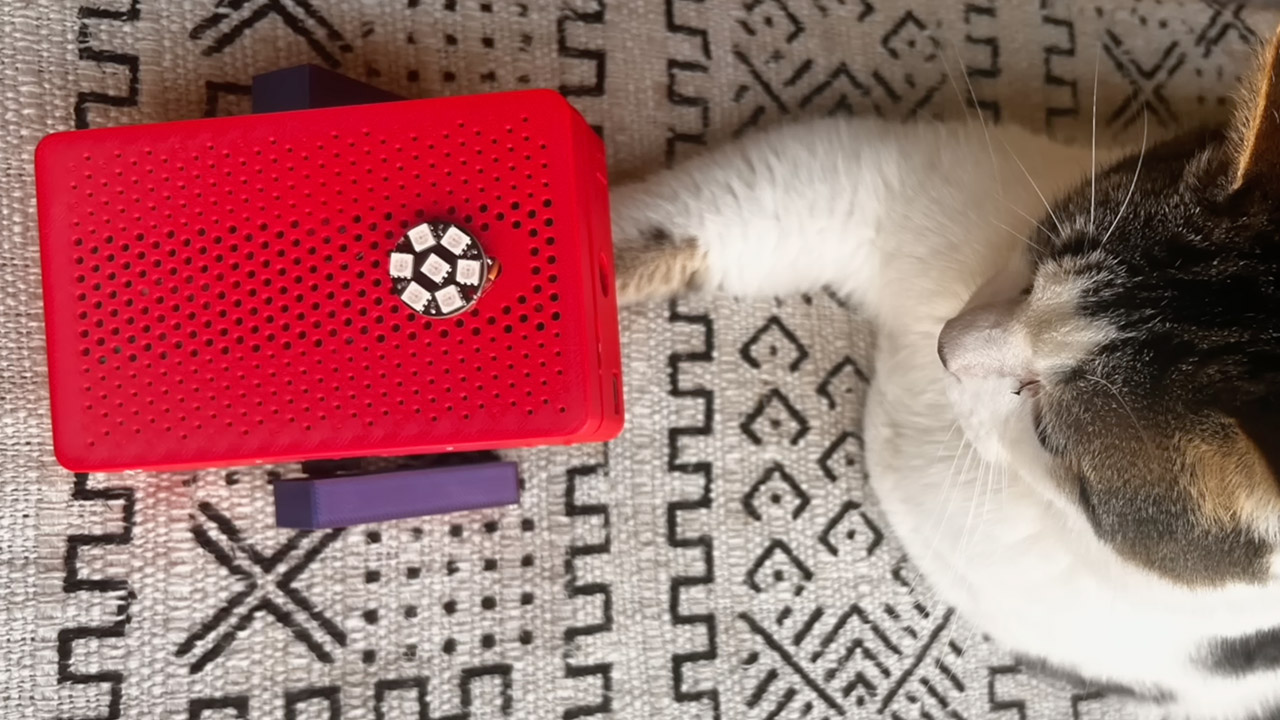
Late one night the machine made a sound. Its builder checked the logs and found a trace of its inner state. The robot had been wondering when its person would return. It did not want to be alone. That moment sits at the center of a project called GrowBot. The creator, who runs the YouTube channel Art of the Problem, set out to build the simplest possible robot that could learn movement, perception, and even a kind of personality from the ground up. The result cost roughly $80 in parts, ran on a single Raspberry Pi Zero 2, and ended up revealing something unexpected about how fast physical action and slower thought can work together.


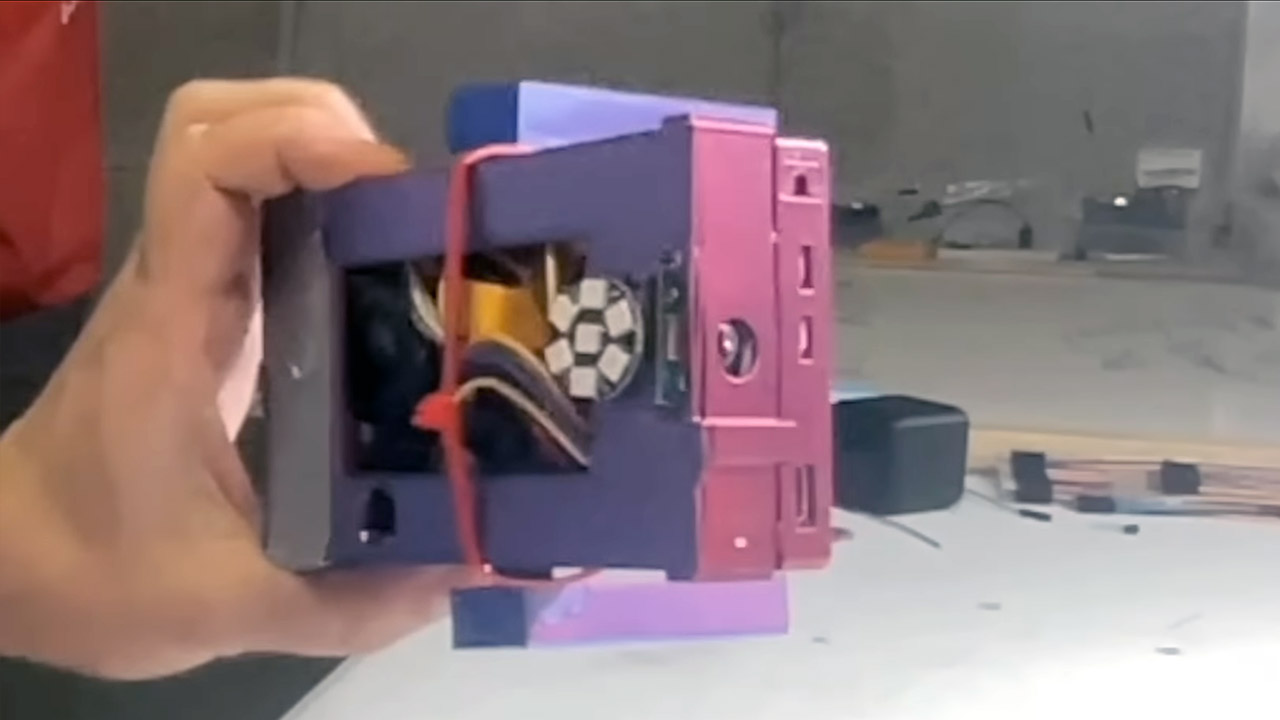
The hardware is purposefully kept basic. The Pi is housed in a little red 3D printed body, together with a simple camera module, electronics to track the robot’s tilt and motion, a microphone, a tiny speaker, and an LED ring to offer some basic visual messages. The legs are made up of two smart serial-bus servos powered by a small drone battery via a boost converter: no high-end motors, extra computers, or fancy wiring are necessary. You can literally place this item on a tabletop and it will interact with everything around it.

The builder pioneered simulation by using reinforcement learning to run small neural networks in a digital twin. These little guys learned to stand, walk, twirl, and maintain their balance on their own. Because the training was done in parallel across a huge number of simulated versions of the robot, the entire procedure was quick and cost-effective. Once the policies had been understood in the virtual realm, they were quite simple to transfer to physical hardware. Early tests found that it could rock on a yoga ball and keep its equilibrium when poked, which was remarkable given the simplicity of the technology.

GrowBot ChatGPT-Powered Robot
The next step was to give the robot real decision-making power by employing a vision language model. This type of AI excels at evaluating pictures, reading sensor data, and making sense of it all. Instead of hard-coding each response, the architect simply let the model to read raw data from the camera and motion sensors. It then reported what it saw, set some goals, and started writing little Python scripts to sort things out. These scripts would then use pre-trained motor policies, or combine them with new instructions. It could also detect faces, study how people interacted with the robot, and update its memory banks for each person it met.

GrowBot ChatGPT-Powered Robot
Without direct programming, the robot started to develop a personality. One mode uses motion timing, noises, and light patterns to communicate affection, disapproval, or merely purring. It learned to act dead when roughed up, to look for ‘uppies’, and to knock over Jenga towers with some leg swinging added in for fun. When it was playing hide and seek, it would search rooms; in mimic games, it would try to simulate human movements by generating loops to replay sensor patterns; and in between all of this, it would have these ‘dream’ episodes. A more complex language model would then review the day’s memory files, consolidating all repeating events into lessons and removing any contradictory notes. The robot’s stored profiles of its builder and visitors have become more precise over time.

GrowBot ChatGPT-Powered Robot
To be honest, things went so well until the smooth physical action became a limitation. The vision language model could take anywhere from 1-4 seconds to evaluate a scene and determine its next step. However, in the real world, bodies must be able to correct for minor weight shifts or tremors in fractions of a second. The high-level model could plan an action, but it lacked the essential quick forward model, which tells a body what will happen if it moves in a certain way in the next instant. That gap changed the smooth motions, making them slow or uneven.

Source link

Advertisement
Continue Reading

Tech

Engadget’s Favorite Game Boy Advance Games

Published

on

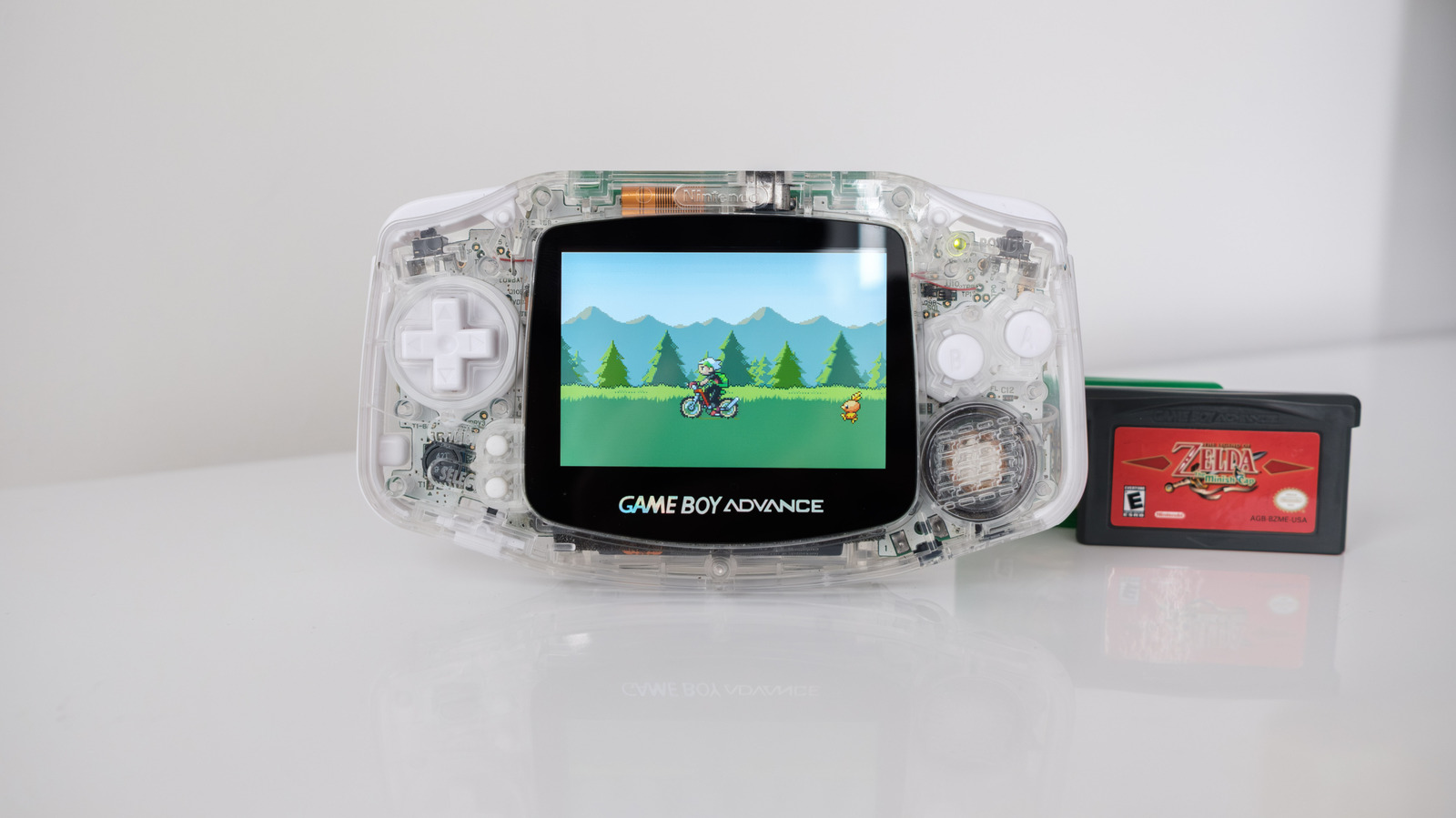
In 2021, I wrote about Fire Emblem for our 20th anniversary GBA story. Over the past five years, I’ve played it from start to finish two times, and can once again confirm that it is my favorite Game Boy Advance game.

I hadn’t even heard about Fire Emblem as a series until I got into Advance Wars, another Intelligent Systems game. From there, I discovered that a whole series of fantasy-inspired games with similar gameplay existed, but had never been translated into English. Thirsty for more, but with a distinct lack of Japanese language skills, I spent a year getting deep into Final Fantasy Tactics, old Shining Force games, Vandal Hearts and basically anything vaguely Fire Emblem-shaped that was available in English. Then, off the back of Advance Wars‘ success, Nintendo decided to release a Fire Emblem game in the west, and simply called it Fire Emblem.

Released as Fire Emblem: The Blazing Blade in Japan, Fire Emblem was technically the second GBA FE title and the seventh overall. The battles were challenging, and its RPG elements drew me in much more than Advance Wars ever did. With a vast story full of twists and turns, and a cast of characters I truly cared about, I was instantly hooked. Which made it all the more tough when I encountered perhaps FE’s most famous mechanic: permadeath. The loss of a character who’s seen you through thick and thin dying a pathetic and meaningless death, all because you left them one square away from safety, is memorable.

Despite a few missteps, over the years Fire Emblem became my favorite series, and I am deeply excited by Fortune’s Weave finally getting a release date. But I still come back to the GBA game to relive that love-at-first-sight moment.

Advertisement

In 2026, I’m so familiar with the game that it’s very rare for me to lose a party member by accident. Those once-challenging battles are now more of a warm embrace. Unfortunately, playing it has become harder in recent years. Though I still have my original cart, both my Game Boy Advance and my old DS Lite are really worse for wear. I tried to play on the Switch 2’s online library recently, but I think the screen size just isn’t a great match for GBA games.

In that respect, modern retro handhelds have been a godsend. I spent way too much on the Aya Neo Pocket Micro Classic, a machine with the same aspect ratio of the original GBA, and loved my playthrough of Fire Emblem on that. It does feel weird playing it on anything but a Game Boy Advance, though. I’ve been saying this for the best part of a decade at this point, but I do wish Nintendo would take advantage of this deep thirst for its old games and produce a bespoke console similar to the Classic Editions of the SNES and NES.

Aaron Souppouris, Editor-in-Chief

Advertisement

Source link

Continue Reading

Tech

iPhone Stolen Device Protection is thwarting London thieves

Published

on

The number of iPhones stolen in London that have been reactivated by thieves has plummeted in recent weeks, preventing them from being sold and, hopefully, making iPhones less likely to be stolen in the future.

The theft of iPhones has become a real problem for London in recent years. So much so that some thieves have been known to hand back a stolen phone if it turns out not to be an iPhone.

Thieves typically use mopeds to ride up to a victim before snatching their iPhone and riding off. But the thieves don’t want the iPhone itself; they want to sell it on for cash. And that only works if they can unlock and reset it.

But in an interview with the BBC, Metropolitan Police Commissioner Sir Mark Rowley admitted that’s happening less than usual.

Advertisement

The comment came as Rowley was calling on tech firms to make stolen phones harder to unlock and sell. But he also admitted that Apple appears to have already made a huge dent in the problem with an existing security feature.

Stolen, but not forgotten

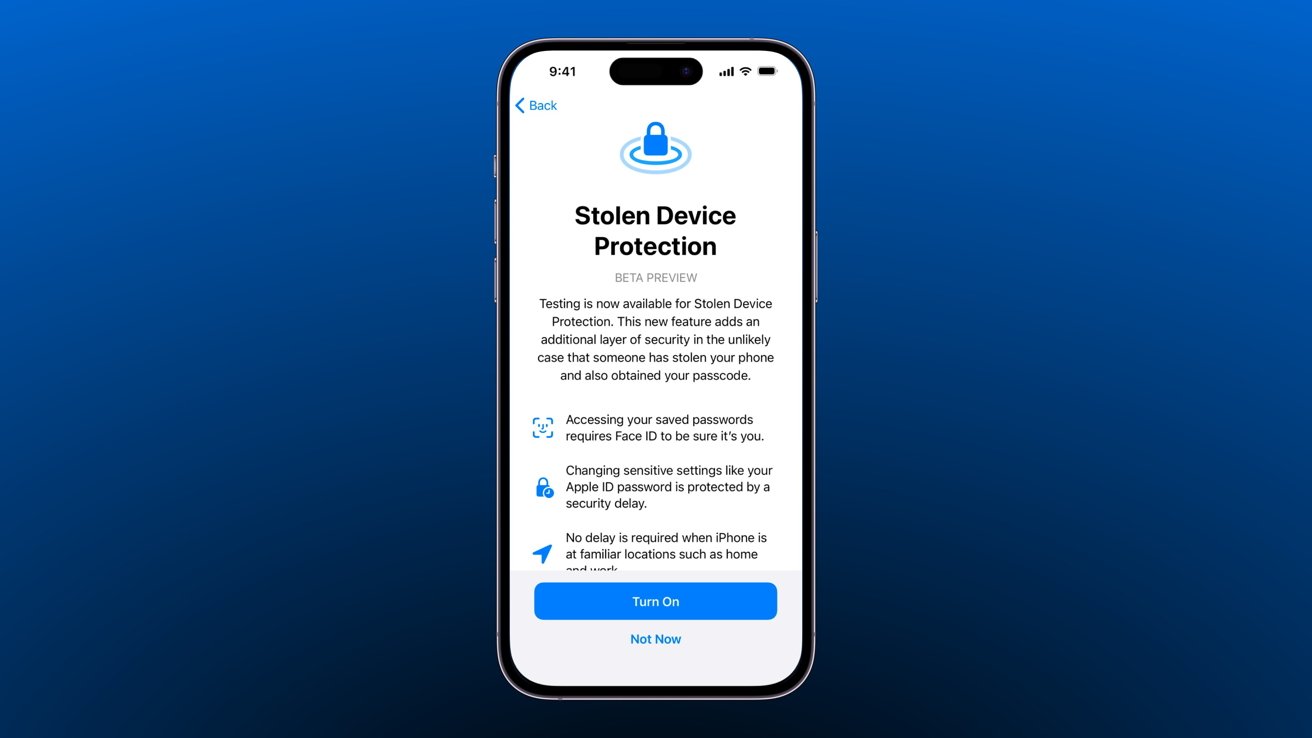
While iPhones have supported Stolen Device Protection since 2023, Apple enabled it by default with the iOS 26.4 update in March 2026.

Stolen Device Protection, when enabled, requires biometric authentication when doing a range of things. Vitally for stolen iPhones, those things include turning off Lost Mode as well as erasing its content and settings.

Some security actions even require a delay before they can be enacted, giving the owner of a stolen iPhone the time to mark it as lost using the Find My network.

Advertisement

This means that a thief cannot reset an iPhone, even if they know your passcode. And that may well have been enough to make iPhones more difficult for thieves to sell on.

Rowley told the BBC Radio 4’s Today program that thieves were using software to “factory reset” devices before selling them on. But he says that Apple has “cracked” the problem with data showing that “the vast majority of phones” stolen in recent weeks have not been reset.

Rowley also added that the Metropolitan Police has entered into an “intelligence sharing agreement” with Apple. It’s hoped this will result in a better understanding of how iPhones are being stolen and sold in London.

Advertisement

Source link

Continue Reading

Tech

OpenAI says suspected fake China-linked accounts tried to sway the debate about US data centers

Published

on


  • China used ChatGPT to generate comments, posts, and cartoons
  • The content capitalized on issues surrounding data centers and tariffs
  • The material was shared on social media to exacerbate existing tensions

OpenAI has banned a number of accounts that it says were linked to social media influence campaigns surrounding the growing opposition to data centers and President Trump’s tariffs on foreign imports.

The two campaigns, named “Data Center Bandwagon” and “Tech and Tariffs”, used ChatGPT to generate posts, comments and cartoons intended to sow political division in the US.

Source link

Advertisement
Continue Reading

Tech

‘This cannot continue’: Microsoft Xbox CEO calls for reset amid reports of looming job cuts

Published

on

Microsoft’s restyled Xbox logo. (Microsoft Image)

Xbox CEO Asha Sharma, roughly 100 days into her tenure, delivered a blunt assessment of Microsoft’s gaming business in a memo to employees Wednesday, saying that heavy spending with thin profit margins and declining revenue “cannot continue.” 

The memo, posted publicly on the Xbox blog, came as Bloomberg News reported that the division is planning major job cuts next month, soon after the close of Microsoft’s fiscal year on June 30. Xbox is also planning significant cuts to marketing and other budgets, according to the report.

The exact scale of the layoffs is not yet clear. Microsoft declined to comment. The Verge also reported that Xbox “will be hit with significant layoffs next month,” citing people familiar with the plans.

Sharma’s memo did not mention layoffs but described a business that needs a sweeping reset. She and Xbox content chief Matt Booty, who co-signed the memo, cited rising hardware component costs, an overextended studio system, and aging platform infrastructure among the challenges facing the division.

Xbox will end the fiscal year at about a 3% “accountability margin,” an internal metric Microsoft uses to measure the profitability of the business, according to the memo.

Advertisement

“Excluding Activision Blizzard King, over the past five years, we have spent over $20 billion on ongoing investments in our content, platform, and hardware subsidy, but our annual revenue has declined nearly half a billion during that time,” Sharma and Booty wrote. “Going forward, this cannot continue.”

Microsoft’s most recent quarterly filing illustrates the challenge. Gaming revenue fell 7% to $5.3 billion in the quarter ended March 31, with Xbox hardware revenue down 33% on lower console sales, and Xbox content and services revenue down 5%.

The memo follows Sunday’s Xbox Games Showcase, where Sharma reversed course on the company’s multiplatform strategy, announcing that Gears of War: E-Day and Clockwork Revolution will be Xbox console exclusives. Bloomberg reported Wednesday that a PlayStation 5 version of the new Gears of War game had been in development, and was canceled, before the announcement.

Sharma took over in February from Phil Spencer, the longtime Xbox leader who announced his retirement after 38 years at Microsoft. A former Instacart COO and Meta product executive, she previously ran Microsoft’s CoreAI product organization.

Advertisement

Source link

Continue Reading

Tech

The Galaxy Watch Ultra 2 could be a battery champion

Published

on

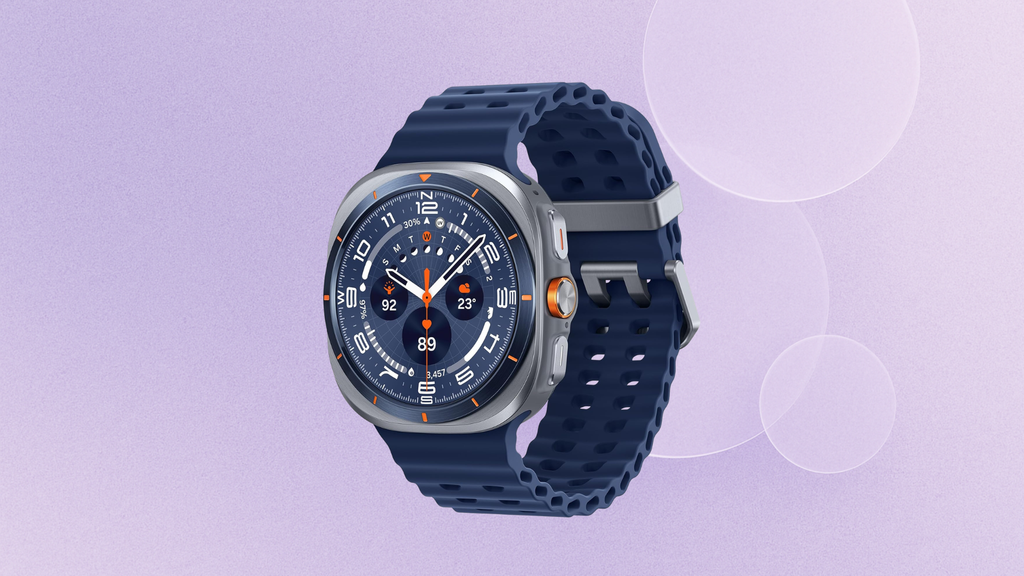
Samsung’s next rugged smartwatch could be getting one of the biggest battery upgrades we’ve seen on a Wear OS device.

According to a new report, the Galaxy Watch Ultra 2 will feature a battery with a rated capacity of 784mAh. This would likely be marketed as an 800mAh cell when the watch launches. If accurate, that would represent a jump of more than 30% over the current Galaxy Watch Ultra’s already sizeable 590mAh battery.

Battery life has become one of the biggest battlegrounds for smartwatch makers. This is especially true in the Wear OS world, where many devices still struggle to make it comfortably through multiple days of use. That’s what makes this rumoured upgrade stand out.

For comparison, reports suggest Samsung will equip the upcoming 40mm Galaxy Watch 9 with a 382mAh battery. Meanwhile, Google’s latest Pixel Watch 4 models pack 325mAh and 455mAh cells, depending on size. On paper at least, the Galaxy Watch Ultra 2 would offer almost double the battery capacity of many mainstream Wear OS watches.

Advertisement

Of course, battery size doesn’t automatically translate into battery life. Factors such as display efficiency, software optimisation and processor performance all play a major role. However, the original Galaxy Watch Ultra already ranks among the better-performing Wear OS watches for endurance. As a result, a larger battery could make its successor even more appealing for users who prioritise longevity over slim designs.

Advertisement

The report also suggests Samsung will pair the new watch with Qualcomm’s Snapdragon Wear Elite platform. This platform will power several upcoming flagship smartwatches. If the chip delivers meaningful efficiency gains alongside the larger battery, Samsung could be looking at a substantial real-world improvement.

It’s also shaping up to be the first major refresh of the Ultra line since the original model launched. While last year’s update focused largely on refinements, the Galaxy Watch Ultra 2 is beginning to look like a more significant upgrade. This could be especially true if battery life becomes its headline feature.

Advertisement

Samsung is widely expected to unveil the Galaxy Watch Ultra 2 in July alongside the Galaxy Z Fold 8.

Source link

Advertisement
Continue Reading

Tech

ASUS ROG Zephyrus Duo With RTX 5090 Now Available for Pre-Order in India

Published

on

It’s no secret that Asus knows how to make gaming laptops. But what if you’re tired of the conventional gaming laptop that has a screen on top and a keyboard on the bottom? That’s exactly the problem Asus wants to solve, as it has just opened pre-orders for its latest premium gaming product in India. The new lineup is headlined by the flagship ROG Zephyrus Duo, which features two screens and an NVIDIA GeForce RTX 5090 graphics card. Along with that, the company has also announced refreshed versions of the Zephyrus G14 and G16, the TUF Gaming A14, and the creator-focused ProArt PZ14. Here’s everything you need to know about them.

What’s Up With The Zephyrus Duo?

Zephyrus duo design

The biggest announcement is the new ROG Zephyrus Duo, ASUS’s latest take on the dual-screen gaming laptop concept. The laptop features two 16-inch 3K OLED touch displays, allowing users to run games, editing tools, livestream controls, or AI applications simultaneously. ASUS says the system is powered by up to an Intel Core Ultra 9 Series 3 processor and an NVIDIA GeForce RTX 5090 graphics card.

The secondary display can be used for multitasking, while a 320-degree hinge and detachable wireless keyboard allow the laptop to be used in multiple modes. ASUS has also included its Intelligent Cooling system with liquid metal thermal compound and a tri-fan setup to keep temperatures under control. The ROG Zephyrus Duo starts at ₹5,49,990, while the top-end RTX 5090 variant costs ₹6,99,990.

Zephyrus and TUF Series Get RTX 50-Series Upgrades

Asus Zephyrus G14

ASUS has also refreshed its popular Zephyrus G14 and G16 gaming laptops with NVIDIA’s latest RTX 50-series GPUs. The Zephyrus G14 continues to target users who want a powerful gaming laptop in a compact package. It weighs just 1.5kg and features a 3K ROG Nebula HDR OLED display with 100% DCI-P3 color coverage. ASUS pairs the display with Intel Core Ultra processors and up to RTX 5070 Ti graphics.

The larger Zephyrus G16 is aimed at users looking for more screen real estate without sacrificing portability. Despite packing a 16-inch display and a 90Wh battery, the laptop weighs under 2kg. It comes with Intel Core Ultra 9 processors and up to RTX 5080 graphics, depending on the configuration.

ASUS has also announced the TUF Gaming A14, a more affordable gaming laptop that weighs just 1.46kg. The laptop runs on AMD’s new AI-powered Gorgon Point processor paired with NVIDIA GeForce RTX 5060 graphics. ASUS says it has been designed for students, gamers, and creators who need a portable machine without giving up gaming performance.

Advertisement

Pricing starts at:

  • TUF A14 – ₹1,99,990
  • Zephyrus G14 Refresh – ₹2,59,990
  • Zephyrus G14 RTX 5070 – ₹3,69,990
  • Zephyrus G16 RTX 5070 Ti – ₹4,19,990
  • Zephyrus G16 RTX 5080 – ₹5,09,990

ProArt PZ14 for Creators

Asus ProArt PZ14

For creators, ASUS has introduced the new ProArt PZ14, a lightweight 2-in-1 device with a detachable keyboard. The laptop features a 14-inch 3K ASUS Lumina Pro OLED touchscreen with 100% DCI-P3 coverage and Pantone validation. It is powered by Qualcomm’s Snapdragon X2 Elite processor and offers up to 80 TOPS of AI performance. ASUS says the device can deliver up to 22 hours of battery life and supports the ASUS Pen for creators who sketch, design, or edit on the go. The ProArt PZ14 is priced at ₹2,69,990.

Source link

Continue Reading

Trending

Copyright © 2025