Security teams log 54% of successful attacks and alert on just 14%. The rest move through your environment unseen.
The Picus whitepaper shows how breach and attack simulation tests your SIEM and EDR rules so threats stop slipping by detection.




Microsoft has linked a global campaign targeting hospitality Wi-Fi networks to the Russian threat actor Midnight Blizzard, also known as APT29.
The activity was previously disclosed in a report from cybersecurity company ReliaQuest, which detailed how the attacker changed DNS settings on Wi-Fi devices to steal Microsoft 365 accounts.
Besides attributing the campaign to Russian hackers tracked as Storm-2945 – a sub-cluster of Midnight Blizzard, Microsoft identified two malware families called CornFlake and ChocoShell with capabilities for persistent access, credential theft, surveillance, and data exfiltration.

Microsoft named the campaign CaptiveCrunch and believes it has been active since at least early May, although the threat actor has been running device and OAuth code phishing operations since February.
The attackers manipulate DNS and HTTP traffic on networks served by captive portal equipment, allowing them to intercept user connections to hotel and conference center Wi-Fi networks.
Like ReliaQuest, Microsoft was unable to determine the exact initial compromise, although it noted signs of breaches in shared infrastructure rather than isolated devices.
After modifying DNS settings, the attacker can redirect victims to phishing pages that impersonate Microsoft 365 login portals, or to device code phishing pages that abuse Microsoft Entra ID authentication flows. Microsoft observed this activity since July.
A third option not previously disclosed involves using fake browser and operating system update pages that deliver malware to Windows via ClickFix prompts for user verification.

Microsoft also found evidence in some ClickFix landings indicating that the threat actor is also targeting Android devices to deliver an APK file.
Microsoft analyzed the two new Windows malware families and found that CornFlake is a Go-based remote access trojan (RAT) that offers the following capabilities:
When executed, CornFlake shows a fake progress window to distract the user while the binary copies to %AppData% for persistence.
According to the researchers, the bogus window can be configured to appear as a Windows update screen, a Defender virus scan, a disk optimization utility, a network diagnostics tool, a browser update prompt, or a document viewer installer.
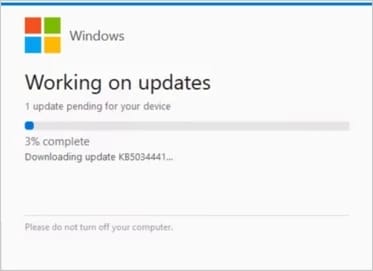
CornFlake disguises itself as “Cloud Sync Service” to appear as a legitimate Windows component, and uses multiple persistence mechanisms on the host, including Windows service registrations, registry run keys, named tasks, and a watchdog routine designed to restore any of the available persistence mechanisms.
The second payload, ChocoShell, is an in-memory PowerShell credential stealer that targets browser cookies, saved passwords, Microsoft 365 and Azure AD tokens, and Wi-Fi credentials.
.jpg)
Based on the extensive comments in the code, Microsoft assesses that AI tools were likely used to develop the two pieces of malware.
The researchers also discovered an unprotected web-based management panel named FruitStone that the threat actor used to handle infected systems, browse victim files, execute PowerShell commands, and capture screenshots and keystrokes.
Microsoft recommends treating hotel and conference Wi-Fi as untrusted, using private cellular or managed connections whenever possible, and avoiding software updates or tools offered through captive portals.
It is also recommended to adopt phishing-resistant authentication with MFA and passkeys, disable Microsoft Entra device code authentication when not needed, and avoid using corporate credentials to register for guest Wi-Fi networks.

Security teams log 54% of successful attacks and alert on just 14%. The rest move through your environment unseen.
The Picus whitepaper shows how breach and attack simulation tests your SIEM and EDR rules so threats stop slipping by detection.
Whether you play games, create videos, or perform daily tasks on your computer, having up-to-date NVIDIA drivers is essential. NVIDIA drivers enable your graphics card to work effectively with Windows and programs installed on it. Upgrading your driver will improve performance, solve existing problems, make it more compatible with recently developed software, and offer new features. The most convenient method for upgrading your driver is to use the NVIDIA app, where you can install an updated driver in a few clicks.
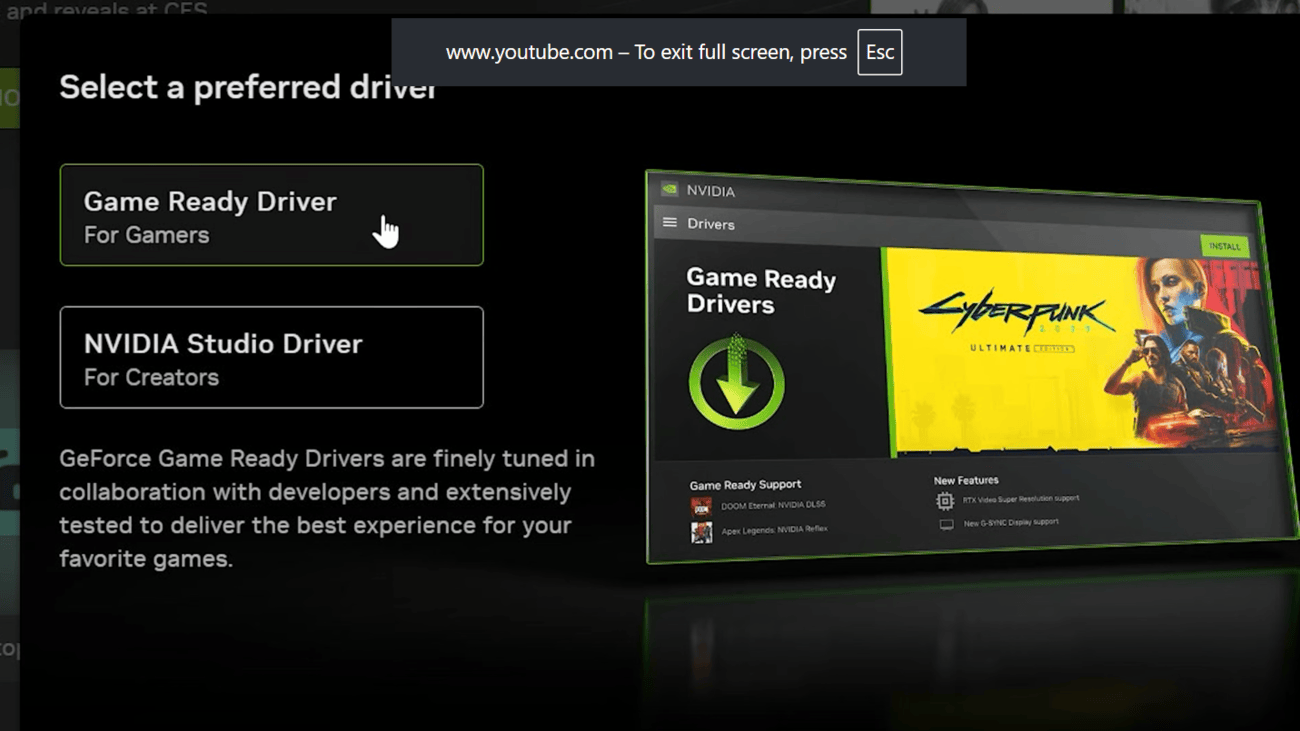
You can update your NVIDIA graphics drivers quickly through the NVIDIA app. If you don’t have the app, install it first. During installation, choose GeForce Game Ready Drivers for the best gaming experience or NVIDIA Studio Drivers for creative tasks like video editing and 3D design. Steps to update NVIDIA drivers:


In the NVIDIA app, there are two different kinds of drivers to choose from: Game Ready Drivers and Studio Drivers. If you play games often, then you should go with the Game Ready Driver. They include optimizations for games and compatibility with newly released titles. However, if you use creative tools such as Adobe Premiere Pro, Blender, and DaVinci Resolve, you should consider using the Studio Drivers, as they suit your purpose.
The NVIDIA app can automatically download new driver updates as soon as they become available. While the download happens in the background, you must still open the app and install the update yourself. To use this feature, go to Settings in the NVIDIA app and enable Automatically download drivers and let me choose when to install. Once enabled, new drivers download in the background, making future updates faster and more convenient.
If a new driver update causes any performance or compatibility problems, you can go back to the old driver. The NVIDIA software maintains a list of previously used drivers in the section called Previously Installed on the Drivers tab. Just click the three dots next to your chosen driver and select Reinstall.
In addition to the driver update tool, NVIDIA has several other helpful tools. One of them is an automatic optimization of game settings to improve their performance. It also supports NVIDIA ShadowPlay, which lets you record gameplay and take screenshots or video recordings. You can also check the Drivers page for updates on new games, driver releases, and NVIDIA features.
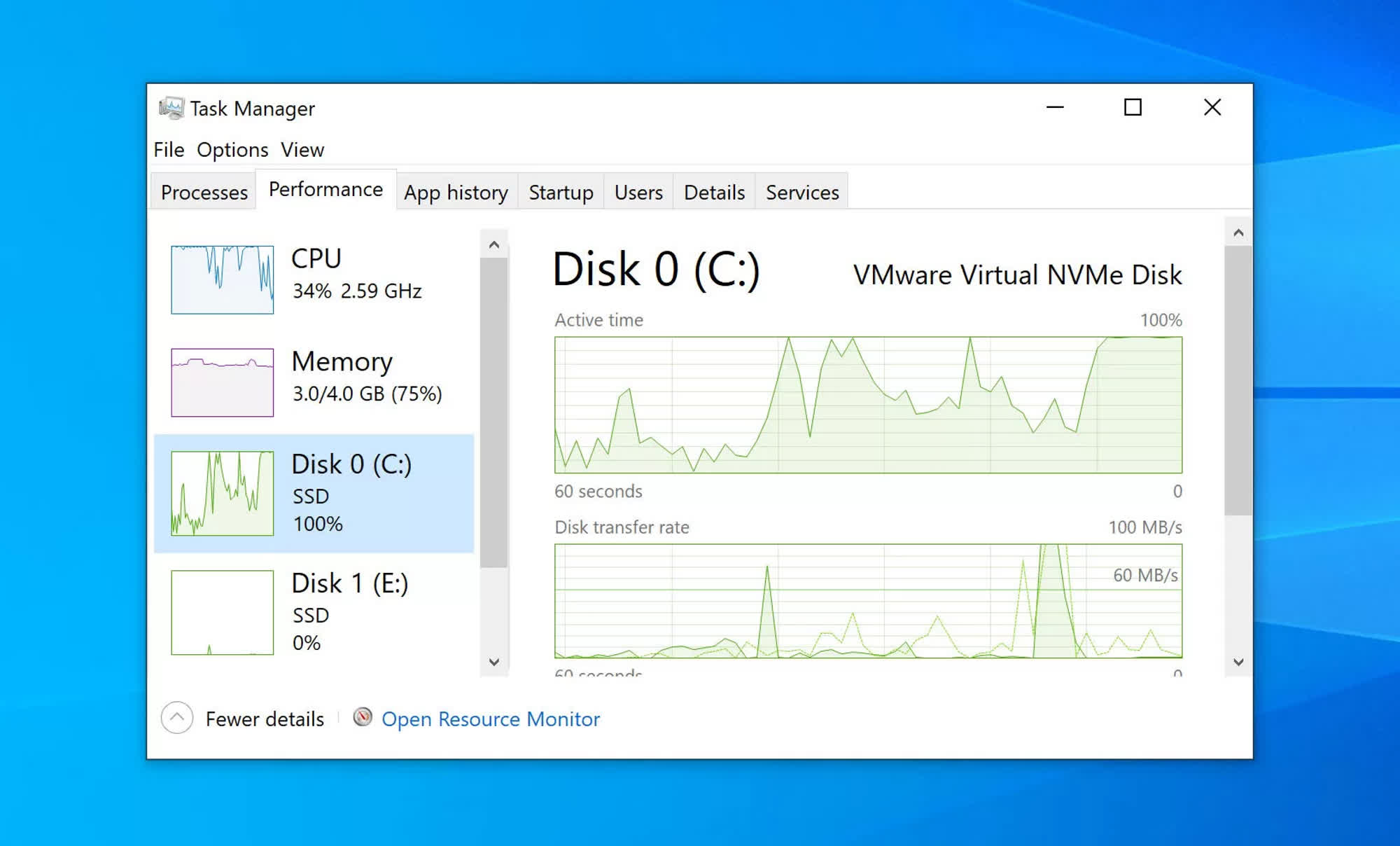
In a nutshell: David W. Plummer is the original developer of Task Manager, one of Windows’ most popular built-in tools for monitoring and managing system resources. Now, the programmer wants to “reimagine” his original project, adapting the same concept for computer platforms beyond Windows.
David Plummer is working on a new Task Manager tool and is bringing it to macOS first. Simply named Task Manager OG (TMOG), the program is designed to offer a “serious” system console to people working on GUI-based operating systems. Furthermore, TMOG focuses specifically on code efficiency, depth of information, and the kind of performance that only native applications can offer.
Plummer created Windows Task Manager during his tenure at Microsoft, coding the tool in his spare time before Windows NT lead developer Dave Cutler decided to integrate it into the platform. The new TMOG project appears to provide a similar experience to the original program, although it could represent a massive upgrade for macOS users compared with the platform’s bare-bones Activity Monitor tool.
Plummer highlights how his tool is both powerful and easy to read, providing a quick view of how the operating system is using the CPU, GPU, and other hardware components. Beyond processor frequency, thermal values, and resource allocation, TMOG can also provide a deeper look at what each logical CPU core is doing, how a process branches out, and more.
– Dave W Plummer (@davepl1968) July 31, 2026
The former Microsoft programmer claims to be obsessed with speed and code efficiency, so much so that he recently “rebuilt” Windows Notepad as an extremely small, bare-bones clone called TinyRetroPad.
Unlike Microsoft’s approach to Windows 11, Plummer chose native APIs to create TMOG. The macOS version is built with Swift and AppKit, while the Windows release will be a pure Win32 application targeting the x86-64 architecture.
The TMOG beta is already available for macOS users, and the first Windows beta should arrive soon. Plummer says the tool will be free, although he could eventually create a “Pro” version with additional features that have yet to be announced for paying customers.
Projects such as TMOG highlight the continued interest in high-quality, power-user software, especially for monitoring the state and behavior of a PC’s operating system. Most Windows users generally rely on Task Manager to get a closer look at the OS.
Plummer is a controversial figure within the Windows software ecosystem. The programmer worked at Microsoft from 1993 to 2003 before eventually starting his own company, SoftwareOnline. The Washington State Attorney General later sued SoftwareOnline over products it alleged were scamware, including “Registry Cleaner” and “InternetShield.” The lawsuit was eventually closed after Plummer’s company agreed to pay $150,000 in civil penalties and $40,000 in legal fees.
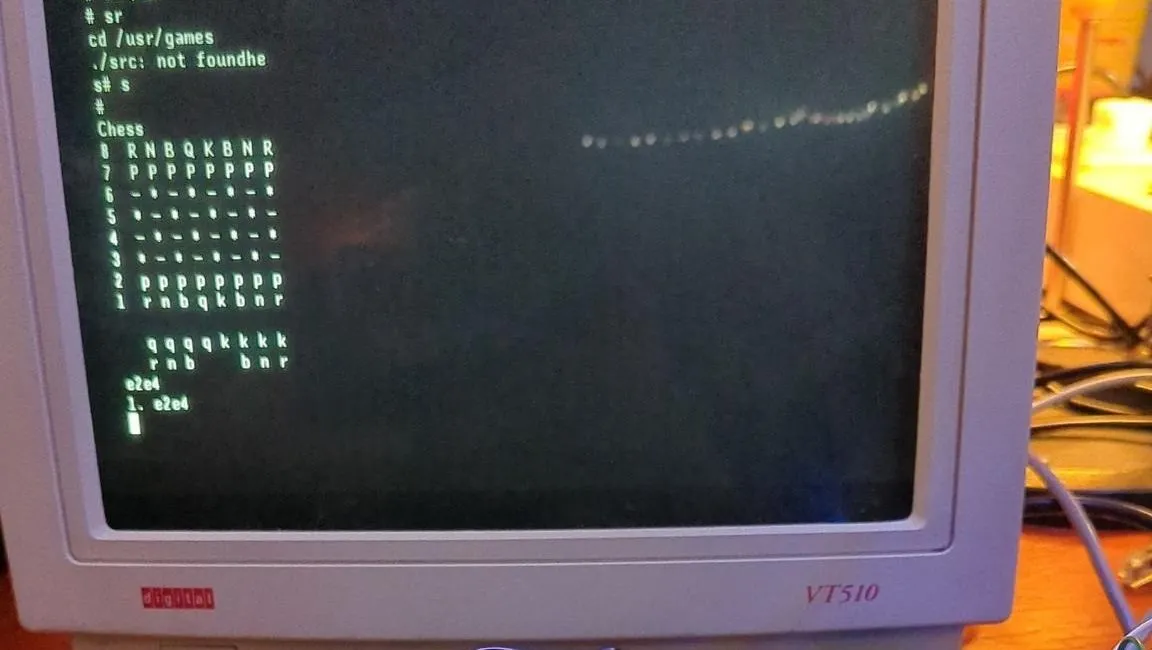
The PDP-11 was a 16-bit minicomputer that was very influential in its time. That’s what inspired [vanheusden] to start working on an emulator for the machine in 2018, which has since been developed to run on a wide variety of platforms.
The emulator, named “Kek,” is quite capable, able to run Unix 5 up to an d including Unix 7 in multi-user mode, along with BSD 2.11 Unix depending on what it’s running on. It also supports classic hardware like RK05, RL02, RP06, and RP07 disks, the KW11-L line time clock, and the DC-11 serial line interface. The emulator can also run on a wide variety of platforms. It’s possible to run it on a standard Linux machine if so desired, or you can run it on BSD, MacOS, or Windows if so desired. Beyond that, you can even get it going on a Teensy 4.1 or an ESP32 if that’s more your jam. Modern microcontrollers are just that powerful that emulating a PDP-11/70 just isn’t a challenge anymore.
We love seeing old machines emulated and brought back to life. It’s funny to see how often it’s done on microcontrollers instead of full-scale PCs these days, too. Video after the break.


Fake Xeno Executor installers are infecting unsuspecting Roblox players with malware that provides remote access and steals sensitive information.
Xeno Executor is a popular Roblox utility for running scripts that players can use to automate actions or run custom code on the platform, including cheats.
The tool isn’t an official part of the game, so the Roblox client periodically blocks existing versions, forcing the tool’s creators to release new versions that run undetected.
Cybersecurity company Bitdefender discovered a campaign targeting Roblox users since the start of the year, rising sharply in March before stabilizing.
The researchers found that the fake Xeno is promoted to Roblox players through gaming forums, Discord communities, or via compromised or impersonated accounts controlled by the threat actors.
The attackers advertise the malware as an “undetected” version of Xeno, luring users looking for a version that wouldn’t be detected by Roblox’s anti-cheat protections.
The victims download ZIP archives containing the fake Xeno installers along with instructions, or self-extracting archives that unpack content automatically.
To make these packages look authentic, the attackers recreate the directory structure of a legitimate Xeno installation, include some genuine Lua scripts, and use plausible filenames.
Once victims launch ‘xeno.exe,’ as instructed, believing it is the legitimate Xeno executable, they actually run the first-stage malware loader.
The payload checks for a Java Runtime Environment, and extracts one if necessary, then reads a local file containing the validation keys for the attackers’ command-and-control (C2) server.
It then launches an obfuscated Java payload disguised as ‘decompiler.exe,’ which performs environment checks, registers the victim, and downloads the final malware payload.
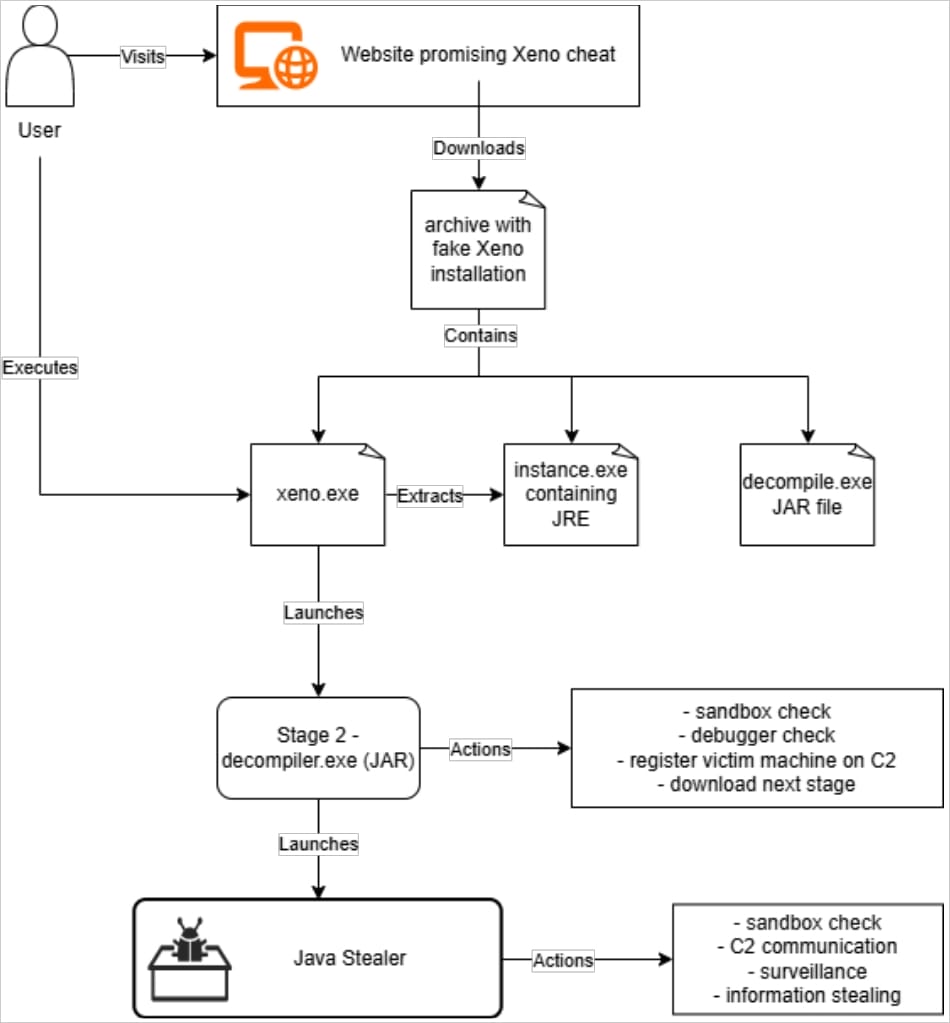
The final payload is a Java-based RAT and information stealer malware that combines credential theft with surveillance and remote administration capabilities.
Its most important capabilities are summarized as follows:
Bitdefender believes the campaign is the same as the one ThreatLocker previously documented as “Powercat,” but with significant updates to the malware’s capabilities and a new C2 infrastructure, indicating continuous evolution.
Bitdefender has shared indicators of compromise (IoCs) for the campaign and recommends that Roblox players completely avoid installing third-party tools from obscure sources.
Security teams log 54% of successful attacks and alert on just 14%. The rest move through your environment unseen.
The Picus whitepaper shows how breach and attack simulation tests your SIEM and EDR rules so threats stop slipping by detection.

Malwarebytes, one of CNET.com’s Best Antivirus Overall Editors’ Choice award picks, is offering students at US colleges and universities two free years of its Malwarebytes Premium Security software suite through its Student Protection Program. The offer includes coverage for up to three devices.
Malwarebytes built its reputation on malware removal before expanding into a full antivirus suite with phishing and scam protection, ransomware defense and ad blocking. In our 2026 review, CNET’s testing team praised Malwarebytes as “an excellent choice for anyone who wants reliable security software for three or fewer devices,” awarding it our coveted Editors’ Choice badge and tying it with Bitdefender for the Best Antivirus Overall.
A representative for Malwarebytes didn’t immediately respond to a request for comment.
The Student Protection Program is open to students 18 or older enrolled at colleges and universities in the US who can produce a .edu or .college email address. The fine print on Malwarebytes’ site says it’s limiting the availability to the US, but may eventually expand the program globally. Students can check whether their school is eligible by entering their email address at the Malwarebytes website. There’s an option to request early access for schools not on the list or to fall back on a 50% student discount instead.
For students who qualify, the program unlocks the full Premium Security Standard tier. That includes real-time malware and ransomware protection, phishing and scam detection, and ad and tracker blocking. While Malwarebytes recommends a setup of one laptop, one phone and one tablet, students can use the three device slots however they choose. Once the two-year period ends, students can either keep using a limited free version without features such as real-time protection, automatic updates, and scheduled scans, or switch to a Premium subscription, which currently costs $60 per year.
The timing lines up nicely with the back-to-school season. Move-in time at a new institution means connecting unfamiliar devices to unfamiliar networks, downloading course software from links sent via email, and juggling phishing attempts disguised as financial aid notices or campus IT alerts. It can be a bit of an information security minefield, tough to add to the already overwhelming experience of school. Free access to trusted security software can at least take one thing off a student’s already crowded plate.

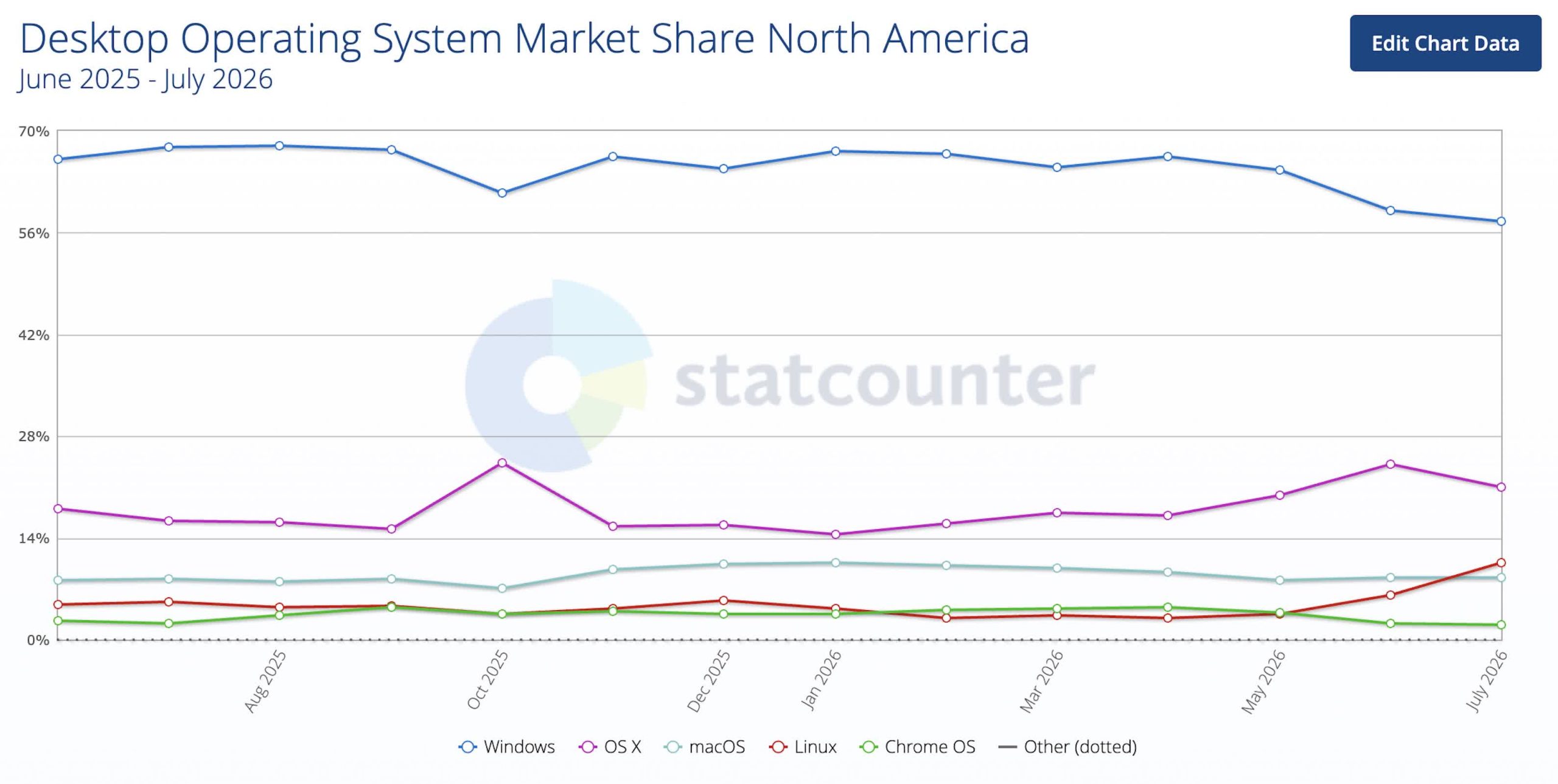
What just happened? Linux has reached double-digit territory in North America’s desktop usage share, according to StatCounter, but the size of the jump raises as many questions as it answers. The latest data shows Linux at 10.61% in June 2026, up from 3.56% in May, while Windows fell from 64.66% to 57.63% over the same period.
The shift stands out because the change was not gradual but abrupt. Linux’s rise came largely at Windows’ expense, while OS X saw only limited movement over the same period. That makes the month-to-month swing look less like a slow adoption trend and more like a sharp change in the mix of measured traffic.
StatCounter’s figures are based on desktop web usage rather than a count of installed machines, so they reflect browsing behavior rather than a direct census of operating systems. That matters because changes in who is browsing, how they browse, or what software is generating traffic can shift the results without reflecting a corresponding change in real-world desktop usage.
The latest reading is also part of a broader increase in Linux’s share of StatCounter’s North American desktop traffic. The June figure follows the sharp increase recorded in May, pushing Linux into a range that has long been out of reach in these monthly reports.
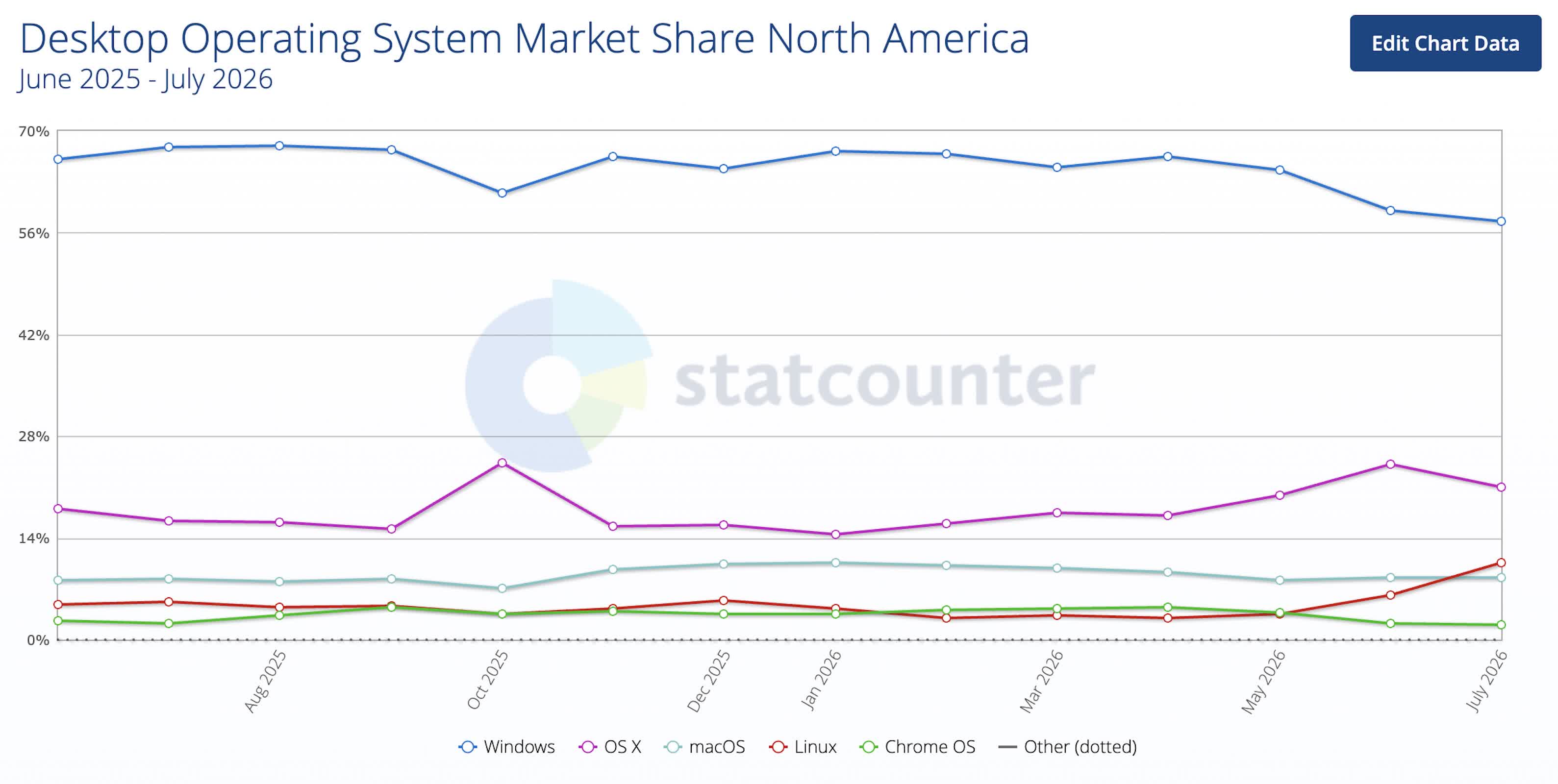
There is no hard evidence explaining the spike, but the scale of the increase leaves room for several possibilities. One is ordinary user migration, particularly from Windows, since that platform gave up the largest share over the same period. Another is that automated traffic may be playing a role. StatCounter itself flags the possibility that some of the new Linux activity could be bot-related, which would make the jump appear larger than a shift driven entirely by human users.
That possibility is worth keeping in mind because Linux is often used to run automated systems, including workloads that generate web traffic. Even so, the StatCounter reading marks an unusual moment for a platform that has spent years well below mainstream desktop levels in North America.
For now, the numbers support a narrow conclusion: Linux has crossed 10% in StatCounter’s North American desktop web-usage data, and the move appears to have come mostly at Windows’ expense. Whether that reflects a genuine shift in users, a surge in automated traffic, or a temporary distortion in the data remains unclear.
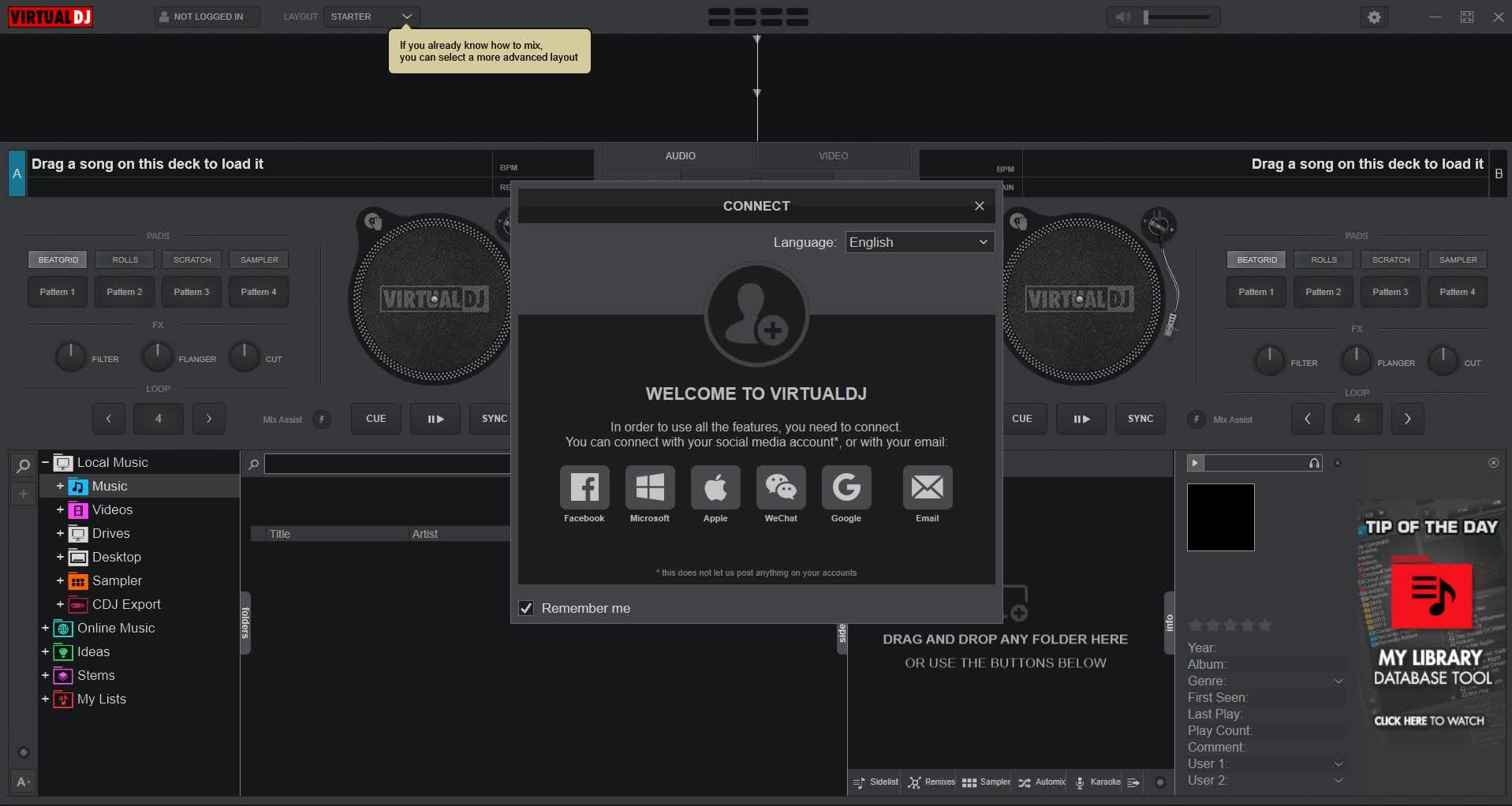
VirtualDJ uses advanced technology and the power of modern computers to revolutionize what DJs can do. Free for home, non-commercial use with a mouse and keyboard, it lets you mix vocals, instruments, drums, and other track elements in real time, opening the door to creative mixing techniques that were previously impossible.
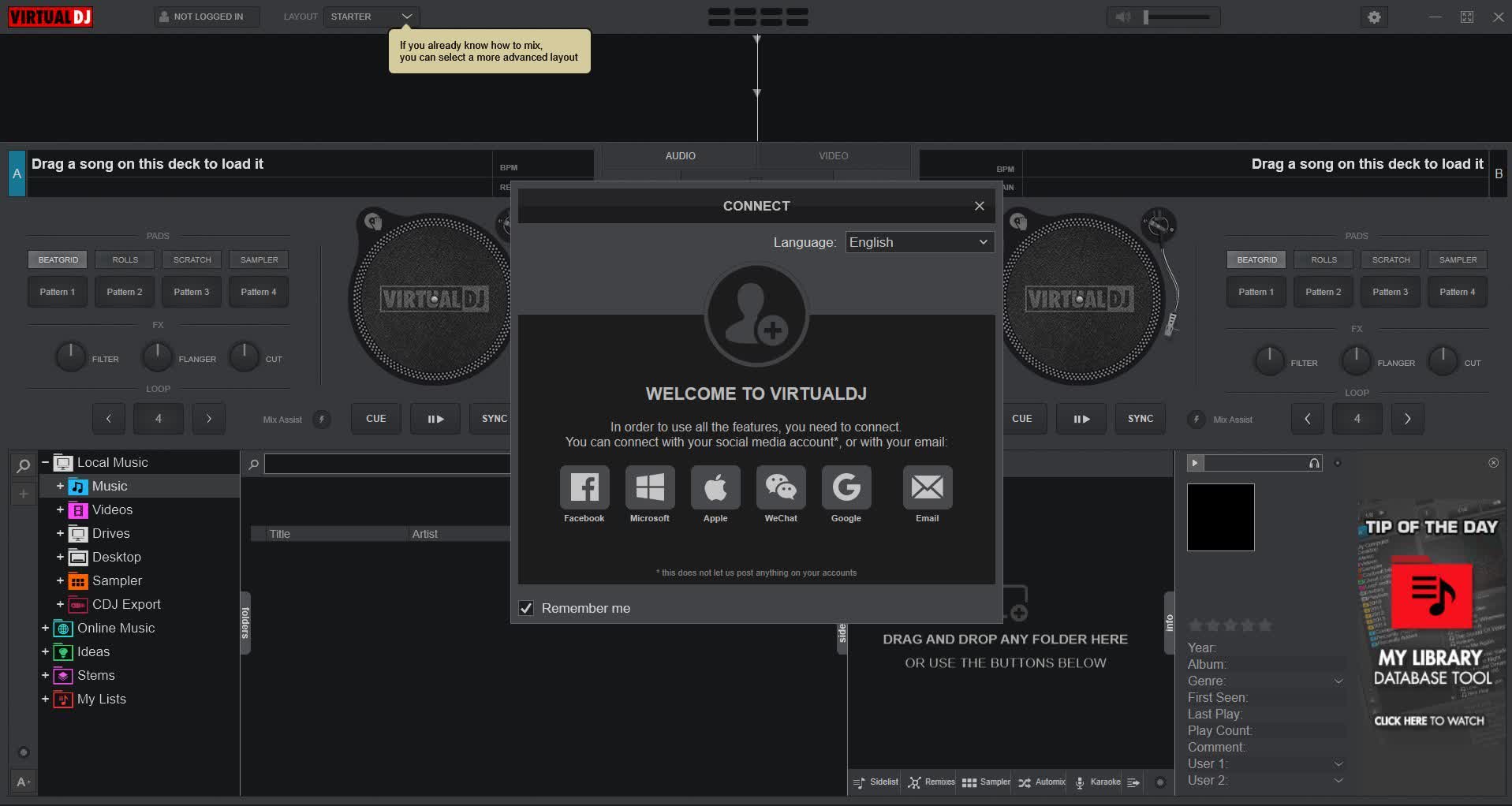
With real-time stem separation on any track, perfect live mashups and seamless transitions are now the new normal:
VirtualDJ delivers more features than any other software. The latest groundbreaking technology is always available in VirtualDJ first! With VirtualDJ you’re guaranteed to be ahead of the curve with the latest high-tech and innovative features
Although Virtual DJ is packed with features, it is still easy to learn. You can start with the basics and advance as you learn more. VirtualDJ is well suited for both the amateur starter, or the seasoned professional DJ and comes with all the features you’ll ever need. With VirtualDJ you can turn any event into a total success! Whether it’s scratch performance and video mixing, or from bedroom broadcast to upscale wedding events.
The free version is intended for home, non-commercial use with a computer’s mouse and keyboard. Professional features such as support for certain DJ controllers, advanced hardware, and commercial use require a Home or Pro license.
Yes, VirtualDJ includes real-time stem separation, allowing you to isolate or remove vocals, drums, bass, and other musical elements while mixing.
Yes, VirtualDJ supports hundreds of DJ controllers and mixers. Some hardware requires a Home or Pro license to unlock full functionality.
Yes, in addition to audio mixing, VirtualDJ supports video mixing, karaoke playback, visual effects, and synchronized graphics for live performances.
Yes, VirtualDJ can record your live mixes to audio files for playback, sharing, or archiving.
VirtualDJ supports a wide range of audio formats, including MP3, WAV, FLAC, AAC, OGG, and others, depending on the codecs installed on your system.
No, VirtualDJ is designed for Windows and macOS computers and is not available as a native app for Android or iOS smartphones or tablets.
Stand-Alone DJ Mixer
VirtualDJ lets you start mixing as a DJ right away, with just your computer. To practice & learn, or prepare sets & playlists. VirtualDJ works for every type of DJ, with or without hardware.
For Any Type of Setup
Works with the most popular controllers and mixers on the market with plug & play auto detection and setup. With VirtualDJ the choice of hardware is all yours.
Video & Audio Mixing
VirtualDJ supports a multitude of audio-, video- and karaoke formats. Entertain your guests with stunning visuals, video mixing or host karaoke events.
Real-Time Audio Separation
VirtualDJ 2026 revolutionize what DJs can do. With real-time stem separation on any track (vocals, instruments, kicks, hihats, etc) for perfect live mashups and seamless transitions.
Powerful, yet Easy to Use
Offering the most intelligent DJ technology and intuitive features, VirtualDJ is still easy to learn and master for any aspiring DJ. And best of all it’s free for non-professional use.
More Features

Top leadership is shifting at the University of Washington’s Paul G. Allen School of Computer Science & Engineering, as Director Magdalena Balazinska‘s term concludes after nearly seven years. Dan Grossman, the school’s vice director and a long-time faculty member, will take over as interim director.
The leadership transition officially takes effect Aug. 17.
The school and the UW College of Engineering announced the move Monday morning, following separate emails sent to Allen School faculty and staff by both professors (in full below).
Balazinska wrote that she will take a “long-awaited sabbatical” before returning to teaching, calling the transition something “we have been planning and discussing for a while.” Grossman sought to reassure the community that “the transition will be smooth and not the cause of any significant changes.”
According to the Allen School, Balazinska was initially appointed to a 5-year term, which is the norm. Extending the term of a director or chair is not considered unusual at the UW or in the Allen School, but Balazinska did not want to extend beyond an additional year or so.
The interim leadership structure with Grossman will remain in place for roughly a year while UW leadership considers recommendations from a Provost task force on how the institution should organize its broader computing, data science, and AI initiatives.
The Task Force on Computing and Data Science was established earlier this year to evaluate whether the university’s administrative and academic structures are properly built to support the rapid growth of computing, AI, and data science. A central focus of the mandate was assessing limitations in the current model — where computing resides within the College of Engineering — and identifying alternative organizational structures, including independent units or cross-university institutes, to enhance research leadership, external partnerships, and student pathways.
Grossman, who served on the task force, said that the group recently completed its report for Provost Tricia Serio and President Robert Jones to review. Balazinska said, “it will take time for the President and Provost to consider and act on recommendations related to task force findings.”
“UW is working seriously on how to best position itself to lead in computing in the decades ahead and the Allen School will, of course, be a key part of that,” Grossman wrote.

Balazinska was named Allen School director in July 2019, officially taking the helm in January 2020 following the 13-year tenure of former director Hank Levy.
Prior to leading the Allen School, she served as director of the UW eScience Institute and as the university’s first Associate Vice Provost for Data Science. In those roles, she spearheaded the creation of UW’s undergraduate and graduate data science degree tracks, pushing to integrate data-intensive discovery into fields ranging from astronomy to oceanography.
An expert in database management systems, Balazinska joined the UW faculty in 2006 after earning her Ph.D. in computer science from MIT.
Her research career has focused on scalable distributed data systems, cloud computing, big data processing, and image and video analytics. More recently, her work has expanded to multimodal data management and the intersection of AI and data systems.
@media (max-width: 600px) {
aside.callout { float:none !important; max-width:100% !important; margin-left:0 !important; margin-right:0 !important; }
aside.callout .callout-img { display:none !important; }
}
Her work in the field earned her the inaugural Women in Database Research Award, as well as selection as an ACM Fellow.
Under Balazinska’s leadership, the Allen School saw a 50% surge in graduate degrees awarded since 2019 alongside the addition of 40 new faculty members.
The school awarded more than 800 degrees this year across its undergraduate, master’s and doctoral programs.
Balazinska, who is also the Bill & Melinda Gates Chair in Computer Science, oversaw a major modernization of the school’s core curriculum. Her tenure saw an overhaul of the introductory programming sequence, the launch of an undergraduate research program, a new Graduate Certificate in Modern AI Methods, and the creation of a Data Science minor, with an AI minor currently in development.
In her email, Balazinska expressed enthusiasm about returning to her core passion after taking time away during her sabbatical.
“I am looking forward to returning to research, advising, and teaching,” she wrote, noting that she plans to rejoin the Allen School faculty full-time following her break.
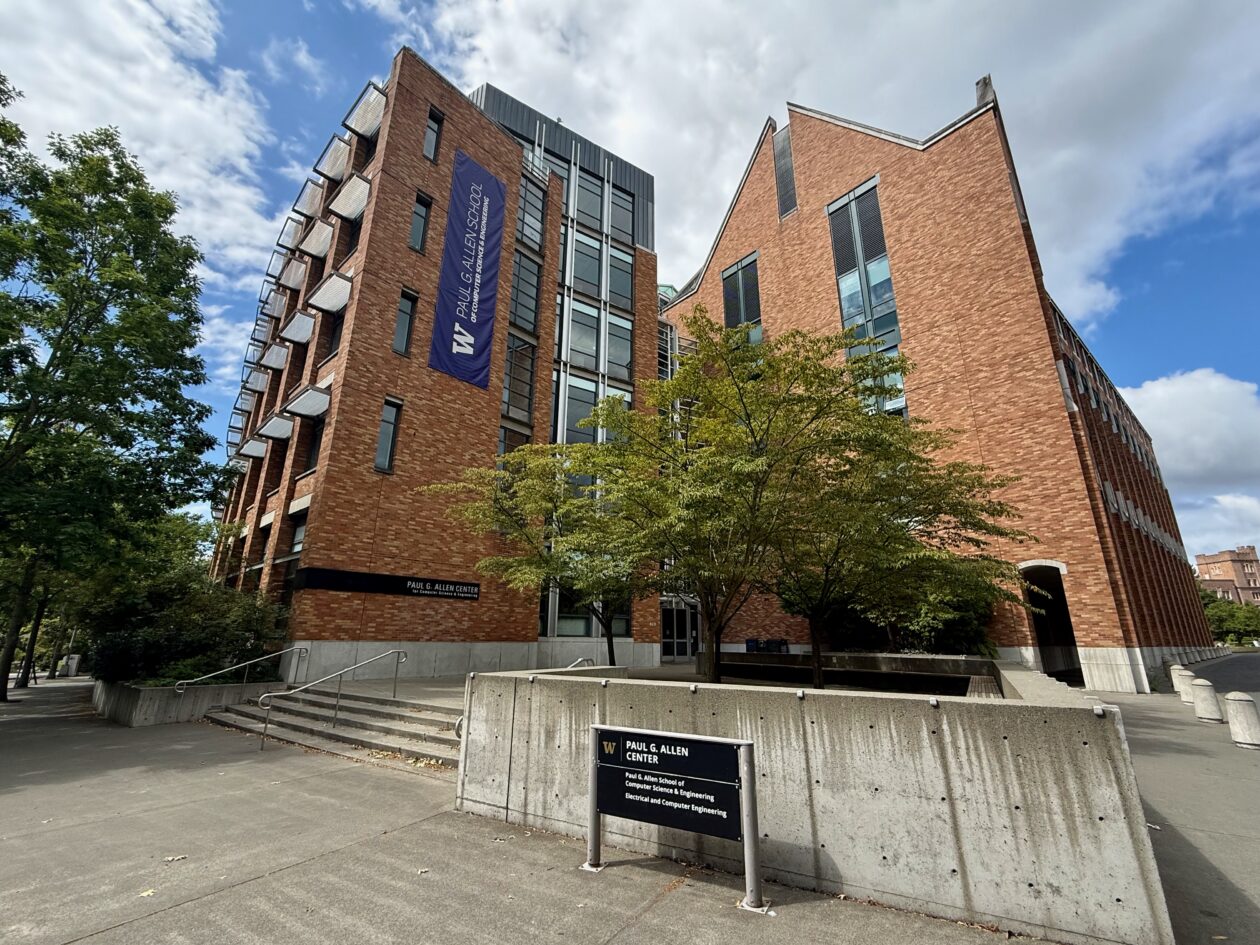
Grossman has served as vice director for nine years, and alongside Balazinska throughout her seven-year tenure, acting as her primary partner in managing the school’s academic programs, faculty affairs, and strategic planning.
“To me, the Allen School is much more than one of the leading computer science and engineering programs in the world,” Grossman said in a statement. “It has been my professional home since I completed my Ph.D. 23 years ago. It was my dream job then, and it’s my dream job now.”
A long-time UW faculty member and expert in programming languages and computing education, Grossman has frequently paired with Balazinska to navigate the department’s response to seismic industry shifts.
@import url(‘https://fonts.googleapis.com/css2?family=Roboto+Slab:wght@500&display=swap’);@media (max-width:768px){.gw-pq{display:none!important}}
Most recently, the duo collaborated on public-facing efforts to address growing student anxiety surrounding AI’s impact on tech careers, advocating for curriculum updates that integrate AI tools while reinforcing core software engineering fundamentals.
Beyond administrative duties, Grossman has maintained a heavy presence in the classroom, teaching courses in programming languages, software design, and computer ethics. He also leads the school’s direct-admit seminar for first-year majors and created a popular online programming course on Coursera that reached thousands of students over the past decade.
“I could not be more grateful to Dan for stepping into the interim director role,” Balazinska noted in her email to staff. “He understands every corner of the Allen School, cares deeply about our students and faculty, and will provide outstanding leadership as the university navigates the next steps for computing.”
Nancy Allbritton, dean of the College of Engineering, said in a statement that Grossman’s appointment “will ensure strong leadership and continuity during a period of thoughtful planning for the future.”
Allbritton also expressed her gratitude to Balazinska for her “exceptional service and leadership” as the Allen School “strengthened its standing as one of the nation’s leading computing programs while advancing its impact in AI, data science, and emerging areas across research and education.”
Read Magdalina Balazinska’s email to Allen School faculty and staff:
Dear Faculty and Staff,
As we have been planning and discussing for a while, my term as Allen School director is coming to an end. Later today, the Dean will formally announce the appointment of Dan Grossman as Interim Director when my term officially ends on August 17th and I take a long-awaited sabbatical.
We will have an Interim Director for the next year or so because of the ongoing conversations on Computing, Data Science, and AI at UW, and how the University should organize itself and its efforts related to those important topics. Although the Provost Task Force is completing its work this summer, it will take time for the President and Provost to consider and act on the recommendations, and an interim appointment makes sense in that context.
My deep thanks to Dan for his willingness to assume this responsibility, and for the wonderful support he has provided to me in his role as Vice Director for the past 7 years. Dan and I have worked together ever since we joined UW as newly minted Assistant Professors over 20 years ago! Dan is a thoughtful leader who cares deeply about the success and well-being of our faculty, students and staff. I’m delighted that he agreed to take on this role at such a critical time for computer science education, for our University, and for higher education more generally.
As Director of the Allen School for nearly seven years, I’m incredibly proud of what we’ve accomplished — through some of the most turbulent times since we were founded as the “Computer Science Group” 60 years ago. We have not merely weathered those challenges — we’ve thrived.
Our accomplishments are too numerous to list in a short email, but a few highlights include:
We’ve grown substantially, graduating 50% more students today than in 2019, hiring 40 new faculty members (and also celebrating some retirements and other departures), and overhauling most of our processes to operate at this new, larger scale.
But we haven’t just grown, we’ve modernized our core educational programs, including our Ph.D. quals and undergraduate intro-to-programming sequence, while launching new ones: our Undergraduate Research Program, our Graduate Certificate in Modern AI Methods, the UW Data Science Minor (whose creation we co-led), and — now underway — a UW AI Minor. Along the way, we’ve introduced many new courses spanning quantum computing to AI-assisted software engineering.
Beyond the classroom, we’ve launched new research centers, initiatives, grand challenges, and research groups — including CREATE, Computing for the Environment, Globe.AI, and the Center for Learning, Computing, and Imagination, to name just a few among many others. We’ve also modernized our communications and website, expanded our research infrastructure, and raised very significant funds for new professorships, scholarships, fellowships, research projects, and other school activities.
We’ve also deepened our community support and activities — with new programming for undergraduates, graduate students, faculty, and staff.
While working on the above, we’ve celebrated everyone’s ideas, accomplishments, and impact including our students, researchers and staff winning some of the most prestigious honors on our campus and in our field. It has been wonderful to witness firsthand all that you have achieved and to cheer you on!
It has been a tremendous privilege to serve as director of the Allen School. I’m grateful to you — the members of our community — for giving your best every day to advance our educational and research missions and expand our impact, sharing your ideas for how we could improve, and giving me — and each other — grace as we navigated new and often unexpected challenges.
After a brief break in which I will see my daughter off to college(!), I’m looking forward to returning my attention full-time to advising my students and pursuing my research, while also supporting Dan in his new role together with the rest of the Allen School faculty and staff leadership.
Thank you for inspiring me, challenging me and supporting me over the past seven years. It has been a wonderful journey, and I learned so much about our community and myself along the way. And to my good friend and colleague Dan, congratulations!
magda
Read Dan Grossman’s email to faculty and staff:
Dear Allen School community,
Though you’ve already heard from Magda about the upcoming Allen School leadership transition, I wanted to send my own message as I work on transitioning into the Interim Director role.
First and foremost, I want to speak both for the full community and for myself personally in thanking Magda for her leadership over the last seven years. She has been truly extraordinary, managing both significant unexpected challenges (a pandemic is just one of several) and launching new initiatives across research, education, and how we organize ourselves that have set us up well for long-term success. Her steady, thoughtful, even-handed leadership is recognized throughout our community. Having worked closely with Magda, I want to add specifically, in case it isn’t as visible, two things: how she has sought out advice to reach consensus and develop new leaders, and how she has simply put in an enormous amount of time. Her sabbatical has been earned a thousand times over, but I’m also relieved that she isn’t going away and will be a key mentor and leader in the Allen School going forward. Thank you, Magda!
I want to assure everyone the transition will be smooth and not the cause of any significant changes – Magda has been planning to step down, and the staff and faculty leadership are ready. That’s not to say we won’t continue to change, in some ways rapidly, because that’s what we do as a leading school in a rapidly changing field and world. These are challenging times! The discussions I hear throughout the school on how we should adapt how we teach and learn, how we conduct research, and how we run the school’s operations are robust and exciting. They are also a lot of work by a lot of people, and I want to say that this work is not as ‘invisible’ as it may seem.
While these are challenging times in multiple ways, it is also a time of great opportunity. Technology continues to change all aspects of our lives and we are well positioned to create new technologies that make everyone’s lives better and that help our planet, while also influencing policies to ensure responsible use of new technologies. I see many opportunities for us to grow our partnerships with other units, with external collaborators, and within our School to accomplish those important goals while educating a highly skilled, knowledgeable, and ethical next generation of computer scientists and computer engineers.
Let me also emphasize that “the Allen School” needs your help in reaching our aspirations. No Director, interim or not, can alone do even a small fraction of everything we aim to do. To be honest, I find it a bit odd when I hear “the Allen School does X” or “the Allen School thinks Y.” “The Allen School” is us, nothing more and nothing less, a collection of hard-working people with diverse personalities, ideas, and preferred coffee/tea orders. (Strange fact about me: I don’t like tea.) I’m proud to be working alongside each of you, and I am excited for us to continue working together to set the future course of the Allen School.
As Magda mentioned, the rationale for not having done a Director search over the last year is that it is complicated by the ongoing university-level discussions and processes on Computing, Data Science, and AI at UW, and how the University should organize itself. I was on the relevant “Task Force” that recently completed its report, and now the Provost and President will need to make decisions and launch next steps. When we have information about these next steps and how they affect us, including the timing for a non-interim director search, I will be sure to let you know. We should be excited by this – UW is working seriously on how to best position itself to lead in computing in the decades ahead and the Allen School will, of course, be a key part of that.
Thank you in advance for everything we will accomplish in the year ahead. Please don’t hesitate to stop me in the hallway or send me an email with your ideas or even just to say hello.
Best,
Dan

Following a successful trial in early 2026, EE has launched its new Advanced Full Fibre Broadband plans, advertising download speeds of 2.3Gbps and 8Gbps. This makes EE the first provider to sell access to the Openreach XGS-PON glass fibre network.
The plans are initially only available in the Guildford and Woking areas, two Surrey towns in the London commuter belt, where the glass fibre network is installed and active.
EE is targeting users who rely on video conferencing, remote working, and content upload, and with multiple Internet of Things devices, as well as online gamers and streaming consumers. Speeds are up to 222 times faster than the standard superfast fibre broadband plans.
Latest Videos FromTechRadar
Customers can access two plans from EE. The 2.3Gbps Advanced Full Fibre Broadband plan starts at £54.99 per month, while the 8Gbps plan is available from £74.99 a month.
No upload speeds have been stated, nor are they listed on the sign-up page, but they can be expected to be similarly fast.
XGS-PON (10-Gigabit-capable Symmetric Passive Optical Network) is a high speed, high-bandwidth data network standard, currently available in various forms across Europe, North America, and other regions. In the UK, it is used in the nexfibre, CityFibre, and Openreach networks, with EE using the latter to provide these plans.
With streaming speeds supporting 4K and 8K video, these plans are likely to be popular where available, and support for up to 190 devices suggests the plans will include routers suited to IoT and smart home applications.
“Today marks a major milestone for EE as we become the first major UK provider to offer broadband speeds of up to 8Gbps on next-generation XGS-PON technology,” noted Luciano Oliveira, Director of Product, Home and TV at EE.
“As homes become more connected and customers place greater demands on their broadband, we’re investing in the technologies that will power the next generation of digital experiences.”
EE regularly wins recognition as the UK’s most popular network, with its business built on mobile (where its 4G, 5G and 5GSA speeds cover more than 90% of the UK) and an advertising campaign featuring Hollywood actor Kevin Bacon.
Unlike Virgin Media which owns its own fibre network, EE’s domestic and business broadband plans rely on third party infrastructure, mostly provided by Openreach, and due to the differences in connections across the country (and the legacy copper lines that remain in place in some locations), struggles to offer the same speeds for all customers.
This is a problem faced by all providers who sell access to Openreach lines, so EE’s immediate competitors will no doubt be watching with interest.

Follow TechRadar on Google News and add us as a preferred source to get our expert news, reviews, and opinion in your feeds.

Sony designs Bravia TVs with premium features and high-quality displays, but many buyers are still unaware of where they are made. Sony uses a global manufacturing network that includes countries such as China, Japan, Malaysia, India, and Mexico. The company also depends on outside suppliers for important components like OLED and QD-OLED panels. Over time, Sony has reduced its own factory operations and started relying more on manufacturing partners, which has changed how and where Bravia TVs are produced today.
Sony Bravia became Sony’s main television brand in 2008 and is now sold in many countries worldwide. These TVs are popular for their premium display quality, color accuracy, and smart image-processing features. Sony develops the software, features, and designs for its TVs, while manufacturing partners produce and assemble the products. The company also depends on outside suppliers for important TV components like display panels.

Sony Bravia TVs are manufactured across different countries as part of Sony’s global production network. Major manufacturing locations include China, Japan, India, Malaysia, Mexico, Slovakia, and Thailand. China handles a large share of TV assembly and display-related production, while India produces many TVs for regional buyers through Sony’s partnership with Foxconn. Japan and Malaysia still support several electronics manufacturing operations for the company. Different factories are used to serve nearby international markets and reduce supply costs.
Over time, Sony has been able to cut down on the number of factories that it has. This is because it used to manufacture TVs in factories that were in other countries like Brazil, Spain, Vietnam, Mexico, and Slovakia. In 2010, Sony sold the Spain facility, later closed the Brazil factory in 2021, and had previously shut down the Vietnam plant in 2008. It also sold the Mexican and Slovakian plants to Foxconn in its attempt to minimize costs.
Now, Sony emphasizes technology and product development more and relies on other firms in manufacturing. The firm Foxconn is responsible for making Sony TVs that support various markets. Outsourcing production will help Sony cut costs, become more efficient, and manufacture effectively from all corners of the globe.
Currently, Sony uses TV panels manufactured by other producers rather than creating them through its plants. The OLED panels used by Sony for its products come mostly from LG, while Samsung produces QD-OLED panels. There are a limited number of producers of TV panels; therefore, most TV makers use similar TV panels. Most of Sony’s development efforts focus on software and image processing.
Sony uses its own picture-processing systems and display tuning to improve the quality of Bravia TVs. These technologies help deliver better colors, sharper details, and smoother motion performance. Because of this, Sony delivers excellent image quality in its TVs even when other manufacturers supply the display panels.

After acquiring the majority stake in Bravia Inc., TCL is a significant player in determining the future of Sony Bravia television sets. However, Sony will continue to use its imaging technologies and displays in order to create the perfect experience of using Bravia televisions. Given that TCL has a wide manufacturing base in China, there is an expectation that Bravia television manufacturing will increasingly shift to China post 2027.
Today, Sony Bravia TVs are produced using parts and factories from different countries across Sony’s global supply chain. Even so, Sony continues to handle the software and image-processing systems that shape the overall viewing experience. For most customers, Sony’s strong reputation for display quality matters more than the exact factory location of the TV.




Why Trees Belong on the Risk Register


Weekend Open Thread: Wit & Wisdom


Meta enters AI-training agreement with far-right ‘propaganda rag’ Newsmax

‘Stargate’ Creator’s New Sci-Fi Series Returns for Season 3 Tomorrow


MicroStrategy Post-Earnings CLARITY Act Push Could Add New Catalyst for Its Stock


The Part of the Electric Transition Nobody Wants to Discuss


Major shareholder moves on Canyon


XRP Ledger v3.3.0 brings five institutional features


Bitcoin Enters the 3rd Stage of the Bear Market


Kraken Enables Retail Access to Jersey Mike’s IPO via Tokenized Shares


Reform UK betrays West Mids residents by running from party pledges


Luke Littler’s dominance sparks GOAT debate


Claude: Build Financial Dashboards in Minutes (2026)


Seema Kaliramna Wins Discus Throw Bronze, Takes India’s CWG Medals Tally To 17


Crypto PAC spending tops $2M in Michigan House race


New York sues Kalshi over prediction market gambling


Johnson & Johnson agrees to $5.5B settlement over talc cancer claims


Trump Announces Hamas Disarmament Agreement as Iran Strikes Kuwait Air Base and US Attacks Pause Overnight

Gemini can now summarize the messiest comment threads in Google Docs


ESET tracks rise in malicious AI skills and adaptable malware



![[TIKTOK] Lisa Money Trend 2](https://wordupnews.com/wp-content/uploads/2026/02/1770257286_hqdefault-80x80.jpg)

You must be logged in to post a comment Login